Université de Montréal
Exploration de la reconnaissance des émotions en schizophrénie comorbide
par Karine Paquin
Département de Psychologie, Faculté des Arts et des Sciences
Thèse présentée à la Faculté des Études supérieures en vue de l’obtention du grade de Philosophiæ Doctor (Ph.D.) en Psychologie Recherche et Intervention, option psychologie
clinique
Novembre 2017
Résumé
La schizophrénie est un trouble mental complexe qui possède plusieurs étiologies possibles, enracinées à la fois dans la biologie et l'environnement. Ce trouble se manifeste par divers symptômes négatifs et positifs ainsi que de nombreux déficits neurocognitifs et
sociocognitifs. Pour compliquer les choses, ce trouble est fortement comorbide avec plusieurs autres, dont l'un des plus répandus est le trouble d'abus de substances. La plupart des recherches se sont concentrées soit sur la neurobiologie de cette maladie, soit sur l'identification de
structures cérébrales déficientes et la dérégulation de plusieurs systèmes neurotransmetteurs, ou encore sur la neurocognition en essayant de déceler les déficits dans des domaines tels que l'attention, l'apprentissage et la mémoire, via l'usage de technologies modernes telles que l'imagerie cérébrale fonctionnelle. Cependant, des études plus récentes ont démontré que ce qui caractérise le plus la schizophrénie serait plutôt lié au fonctionnement social. De plus, on peut prédire plus facilement le fonctionnement social lorsque l'on examine les domaines sociocognitifs plutôt que les domaines neurocognitifs. Plus précisément, il a été démontré que la capacité à reconnaître les émotions pouvait avoir une très forte association avec le fonctionnement social et les conséquences du trouble. Cependant, en ce qui concerne la reconnaissance des émotions, aucun consensus n’émerge de la littérature scientifique. Certains affirment que les déficits sociocognitifs sont globaux tandis que d'autres suggèrent qu'ils sont spécifiques à une ou certaines émotions. Pourtant, d'autres ont postulé que les résultats hétérogènes dans la
reconnaissance des émotions pourraient être dus non pas aux décifits eux-mêmes, mais plutôt aux méthodes utilisées pour mesurer la reconnaissance des émotions. Il est également important de noter que la plupart des études ont porté uniquement sur les personnes atteintes de schizophrénie seule lorsque les statistiques montrent qu'environ 50% de ces personnes souffrent également d'un
trouble d'abus de substances. Par conséquent, essayer de déterminer les déficits sociocognitifs dans la schizophrénie seule pourrait ne pas permettre de généraliser les résultats.
Notre objectif premier était d'évaluer la reconnaissance des émotions à la fois globale et spécifique, dans la schizophrénie seule et dans la schizophrénie comorbide avec l'abus de
substances, en utilisant des avatars virtuels comme outil de mesure (considéré plus naturel) et en examinant l'impact sur le fonctionnement social. Nos résultats pour l'ensemble de l'échantillon composé de personnes atteintes de schizophrénie seule et de schizophrénie et d'abus de
substances ont montré une bonne reconnaissance générale des émotions, la tristesse étant la plus facile à identifier et la peur étant la plus difficile. Il y avait aussi des patrons d'interprétation erronés où la peur tendait à être confondue avec la surprise alors que la colère était confondue avec la neutralité. Il y avait une corrélation positive entre l'identification de la tristesse et la fréquence des interactions positives avec la famille et une corrélation négative entre les erreurs d'identification dans la neutralité et la fréquence de l'interaction positive avec la famille. Il est important de noter que les personnes présentant des comorbidités étaient plus à même de
reconnaître les émotions négatives comme la colère et la peur, les amenant à interagir davantage avec les autres. Compte tenu de ces résultats paradoxaux, nous avons voulu dans notre deuxième article, mieux comprendre l'impact du trouble d'abus de substances - plus spécifiquement pour la consommation de cannabis qui a été la plus étudiée - sur la schizophrénie afin de donner un sens aux profils sociocognitifs que nous avons trouvé, avec comme objectif principal de trouver des moyens appropriés pour remédier aux déficits. Nous avons exploré différents modèles explicatifs tels que l'hypothèse neuroprotectrice, l'hypothèse de vulnérabilité inférieure et enfin l'hypothèse sociale qui est la plus prometteuse. Enfin, nous avons examiné la littérature pour voir ce qui a été
conclure qu'il serait préférable de créer un programme de remédiation hybride qui inclurait à la fois l'apprentissage via la pratique - en créant un programme d'entrainement à la reconnaissance des émotions adapté aux déficits individuels avec des avatars virtuels - et l'apprentissage
stratégique par la thérapie de groupe pour intégrer les compétences sociales une fois la rééducation de la reconnaissance des émotions acquise.
En conclusion, alors que notre échantillon était petit, sans pouvoir prédictif ou de comparaison avec un groupe témoin, nos résultats soulignent toutefois l'importance de la
remédiation ciblée et l'impact de l'abus de substances comorbides sur les profils sociocognitifs en schizophrénie. Nous suggérons que la schizophrénie est plutôt un «trouble social» qu'un trouble «du cerveau» ou «de la pensée». Nous explorons les diverses étiologies sociales telles que les expériences traumatiques de l'enfance, la déviance de la communication parentale et le concept 'd'émotion exprimée' tout en suggérant que la stigmatisation, l'isolement social et les mauvaises interactions sociales pourraient être à l'origine des nombreux dysfonctionnements. Par
conséquent, nous suggérons que l'accent de la recherche future soit mis sur les comorbidités en schizophrénie, sur la cognition sociale et sur les impacts sur le fonctionnement social.
Mots clefs: schizophrénie, abus de substances, comorbidité, reconnaissance des émotions,
Abstract
Schizophrenia is a complex mental disorder that has multiple possible aetiologies that are rooted in both biology and environment. It is manifested through various negative and positive symptoms as well as many neurocognitive and sociocognitive deficits. To complicate matters, this disorder is highly comorbid with several others, with one of the most prevalent one being substance use disorder. Most research in the past has focused on either the neurobiology of this illness, identifying deficient brain structures and dysregulation in several neurotransmitter systems or on neurocognition trying to decipher the deficits in domains like attention, learning and memory through the use of modern technology such as functioning imaging. However, more recent studies have shown that what could very well be the hallmark of schizophrenia, is rather more linked to social functioning. Furthermore, social functioning can be more readily predicted when we examine sociocognitive domains rather than neurocognitive ones. More specifically, it has been shown that emotion recognition ability could have a very strong association with social functioning and outcomes. However, where emotion recognition is concerned, there is no clear consensus in the literature. Some argue the deficits are global while others suggest that it is emotion specific. Yet others have posited that perhaps, the heterogeneous findings in emotion recognition could be due not to the deficits themselves to rather to the methods used to measure emotion recognition. Also of importance, is the fact that most studies will solely focus on individuals that have schizophrenia alone when statistics show that around 50% of these
individuals also suffer from substance use disorder. Therefore, trying to ascertain sociocognitive deficits in schizophrenia alone might not be optimal to generalize the findings.
avatars as a more naturalistic measurement tool and also examining the impact of social
functioning. Our results for the whole sample comprised of individuals with schizophrenia alone and schizophrenia and substance use disorder, showed good overall emotion recognition with sadness being the easiest to identify and fear the hardest. There were also specific
misinterpretation patterns where fear tended to be misidentified as surprise while anger was perceived as neutrality. There was a positive correlation between identification sadness and frequency of positive interaction with family and a negative one between identification errors in neutrality and frequency of positive interaction with family. Importantly, individual with
comorbid presentations were better at recognizing negative emotions like anger and fear leading to more interactions with others. Given those paradoxical results, we wanted in our second article, to better understand the impact of substance use disorder – more specifically for cannabis use which has been studied the most – on schizophrenia in order to make sense of the
sociocognitive profiles we found, with the main objective of finding appropriate ways to remediate the deficits. We explored various explanatory models such as the neuroprotective hypothesis, the lower vulnerability hypothesis and finally the social hypothesis which is the one that holds the most promise. Finally, we examined the literature to see what was done the most often with regard to cognitive remediation in sociocognition. We can conclude that it would be preferable to create a hybrid remediation program that would include both practice learning – by creating a training program for emotion recognition tailor-fitted to individual deficits with virtual avatars – and strategy learning through group therapy to integrate social skills following
retraining of emotion recognition.
To conclude, while our sample was small and did not allow us any predictive power or comparison with a control group, our results highlight the importance of targeted remediation and
the impact of comorbid substance use disorder on sociocognitive profiles. We suggest that schizophrenia is rather a "social disorder" than it is a "brain" or "thought disorder". We explore the various social aetiologies such as traumatic childhood experiences, communication deviance and expressed emotion for the disorder while proposing that stigmatisation, social isolation and overall poor social interactions could be at the source of the many dysfunctions found in the disorder. Therefore, we suggest that the focus of future research should be on both comorbidities in schizophrenia, social cognition and social functioning outcomes.
Key words: schizophrenia, substance use disorder, comorbidity, emotion recognition, social
Table of content
Résumé I
Mots clefs III
Abstract IV
Key words VI
Table of content VII List of tables XII List of figures XV
List of abbreviations XVII
Remerciements XIX
Chapter 1 – Introduction 1
Introduction to the problem 1 Literature review 2
Schizophrenia: definitions and causes ... 2
Schizophrenia and pharmaceutical treatments ... 3
The diathesis stress model and the various aetiologies ... 4
Trauma in childhood ... 5
Communication deviance and expressed emotion ... 5
Schizophrenia and cognitive deficits ... 7
Schizophrenia and neurocognitive deficits ... 8
Schizophrenia and socio-cognitive deficits ... 8
Emotion recognition in schizophrenia ... 9
Schizophrenia, social skills, and social functioning ... 11
Schizophrenia and comorbid substance use ... 13
Assessment tools in emotion recognition ... 17 Remediation of social cognition ... 18 In schizophrenia ... 18
Objectives 20
Chapter 2 - Emotion recognition pattern in comorbid schizophrenia using virtual avatars: an exploratory study 21
Abstract 22
Introduction 23
Methods 25
Participants ... 25 Study procedures and clinical evaluation of participants ... 26
Statistical analyses 28
Results 28
Emotion recognition ... 28 Associations with social functioning ... 29 Associations with substance use disorders ... 30
Discussion 31 References 36 Image 1 42 Table 1 43 Table 2 44 Table 3 45 Table 4 46 Table 5 47
Table 7 49
Chapter 3 - Cannabis smoking in adult schizophrenia: A cognitive and functional magnetic resonance imaging perspective 50
Abstract 51
Keywords 51
List of abbreviations 51 Cognition in schizophrenia 52
Cannabis and psychosis outcomes 54
The cognitive effects of cannabis in non-psychosis individuals 55
Cognitive performance in cannabis-using patients with schizophrenia 56 Schizophrenia, cannabis and cognition: The functional imaging studies 58 Explanatory models 59
A. The neuro-protection hypothesis ... 60 B. The social hypothesis ... 61 C. The lower vulnerability hypothesis ... 61
Study limitations 62 Conclusion 65
Mini-dictionary 65
Key facts of schizophrenia 66
Key facts of the endocannabinoid system 66 Summary points 67
Title of all figures 68 Legend of all figures 68 Title of all tables 68
Legend of all tables 69 References 70 Figure 1 77 Figure 2 78 Table 1 79 Table 2 82 Table 3 84 Table 4 96 Table 5 97
Chapter 4 - A systematic review on improving cognition in schizophrenia: which is the more commonly used type of training, practice or strategy learning? 99
Abstract 100
Introduction 101
Materials and methods 102
Selection criteria ... 102 Article retrieval ... 103
Results 104
Neurocognitive deficits ... 104 Sociocognitive deficits ... 106 Studies that aimed to improve both neuro and sociocognition ... 107
Discussion 107
Table 1 115
Table 2 123
References 132
Chapter 5 – General discussion 150
Reminder of the context and of the objectives 151 Main findings of the two first articles 152
Cognitive remediation findings 154 Theoritical implications 156
The stress-diathesis model ... 156
Explanatory models of paradoxical findings ... 157
Regarding aetiologies ... 1
The social isolation hypothesis ... 159
The case of stigmatisation ... 162
Clinical implications 163 Using virtual avatars ... 163
Limitations 166
Future research and conclusion 167 References 173
Annex A – Questionnaires and documents 190
Chapter 2 – Article #1
Table 1. Sociodemographic information on participants
Table 2. Success rates for emotion recognition of specific emotions in pourcentages Table 3. Correlations between emotion recognition and social functioning domains
Table 4. Comparison between schizophrenia alone and schizophrenia comorbid with substance
abuse on emotion recognition
Table 5. Comparison between schizophrenia alone and schizophrenia comorbid with stimulant
abuse on emotion recognition
Table 6. Comparison between schizophrenia alone and schizophrenia comorbid with cannabis
abuse on emotion recognition
Table 7. Comparison between schizophrenia alone and schizophrenia comorbid with cannabis
abuse on social functioning
Chapter 3 – Book Chapter (Article #2)
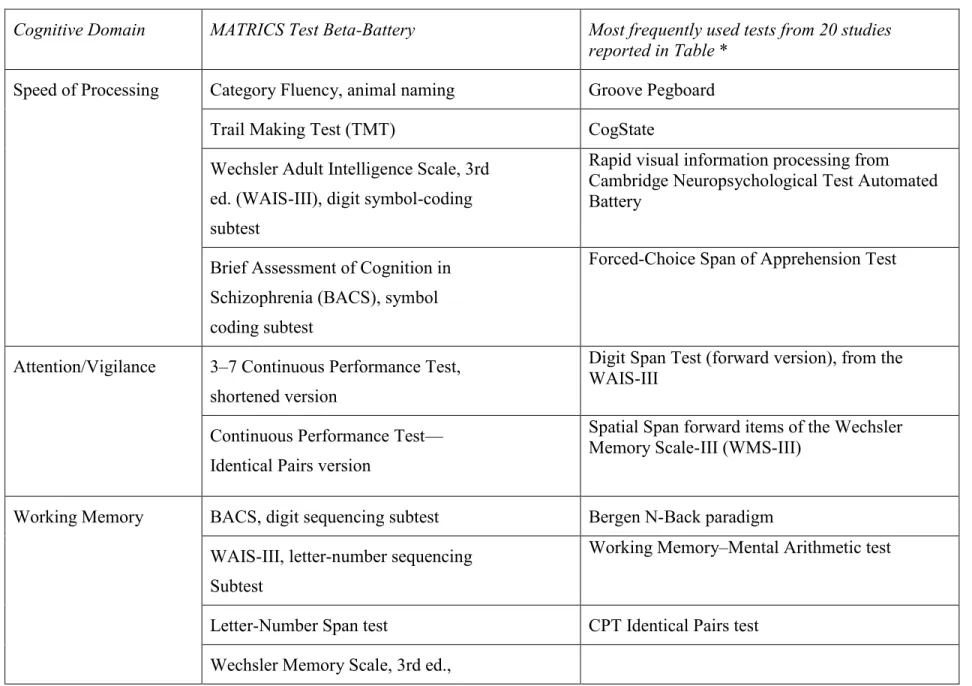
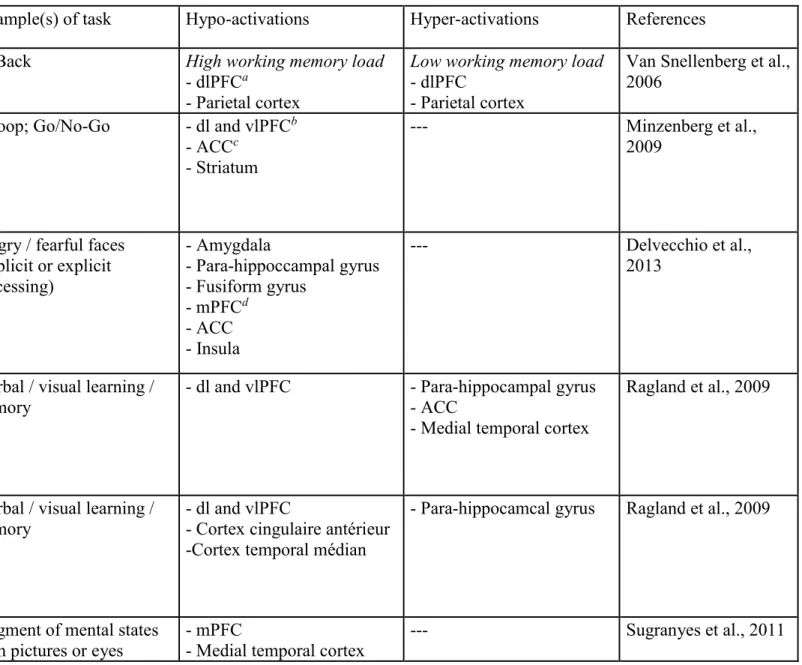
Table 1. MATRICS cognitive domains and associted tests Table 2. Neuro-functional alterations in schizophrenia
Table 3. Studies showing intact, better or worse cognition in schizophrenia patients who smoke
cannabis
Table 4. Systematic quantitative reviews on the cognitive effects of psycho-active substances in
schizophrenia patients
Table 5. Neuro-functional alterations in cannabis-using schizophrenia patients Chapter 4 – Article #3
Table 1. Trainings to improve neurocognitive deficits Table 2. Trainings to improve sociocognitive deficits
Chapter 2 – Article #1
Image 1. Avatar of Caucasian male displaying neutral facial expression Chapter 3 – Book chapter (Article #2)
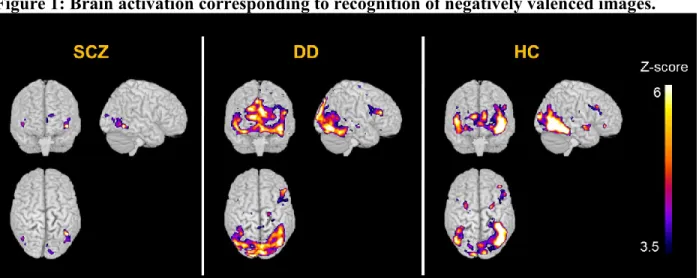
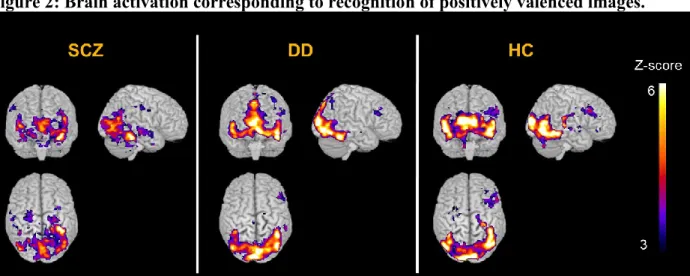
Figure 1. Brain activation corresponding to recognition of negatively valenced images Figure 2. Brain activation corresponding to recognition of positively valenced images
List of abbreviations
Δ9-THC – delta-9-tetrahydrocannabinol APT - Attention Process Training
BPRS-E - Brief Psychiatric Rating Scale-Extended CHUM - Centre Hospitalier de l’Université de Montréal CRT - Cognitive Remediation Therapy
DSM-IV - Diagnostic and Statistical Manual of Mental Disorders, 4th edition ER - Emotion Recognition
FESFS - First Episode Social Functioning Scale fMRI - Functional Magnetic Resonance Imaging
F-SCIT - Family-Social Cognition and Interaction Training IUSMM - Institut Universitaire en Santé Mental de Montréal
MATRICS - Measurement And Treatment Research to Improve Cognition in Schizophrenia NEAR - Neuropsychological Educational Approach to Remediation
PST - Problem Solving Training
REC - Cognition-Emotional Rehabilitation SCET - Social Cognition Enhancement Training SCID - Structured Clinical Interview for DSM-IV SCIT - Social Cognition and Interaction Training SPSS - Statistical Package for the Social Sciences SRT - Standard Rehabilitation Training
SST - Social Skills Training SUD - Substance Use Disorder
SZ - Schizophrenia patients not smoking cannabis TAD - Targeted Auditory Discriminatino
TAR - Training of Affect Recognition TAU - Treatment As Usual
TOM - Theory of Mind VOC - Vocational Program VR - Virtual Reality
Remerciements
À l'aube de l'achèvement de mon parcours doctoral qui aura duré 7 ans, j'ai peine à trouver les mots pour décrire comment je me sens. Mon cheminement fut certes fort différent de ce à quoi je m'attendais, comme c'est surement le cas pour plusieurs. Reste que ma première année doctorale fut remplie de défis, mais aussi de difficiles embuches qui ont fait en sorte que j'ai remis l'idée d'un doctorat en psychologie en question. C'est grâce à certaines personnes que je citerai plus bas, que j'ai pris la décision de poursuivre mes études malgré ceux qui voulaient me mettre des bâtons dans les roues. Je retire une grande fierté d'avoir su persévérer et de pouvoir aujourd'hui encourager d'autres étudiants à faire de même, malgré les difficultés rencontrées.
À Tania, merci de m'avoir supporté dès le premier jour et de m'avoir offert des
opportunités en or au niveau de la recherche pour m'aider dans ma carrière. Je te remercie d'avoir cru en moi et de m'avoir encouragé à ne pas lâcher! Mais par-dessus tout, je te remercie d'avoir pris une chance en me "protégeant" et en prenant mon bord durant ma première année d'étude, et ce, sans vraiment me connaître. Je suis consciente que c'était un risque, ne sachant pas encore de quoi j'étais capable ou ce que j'allais accomplir ou pas. Je n'oublierai pas de ci tôt ce geste, qui t'a couté en plus, et qui m'a permis de poursuivre mes études. Je te suis éternellement reconnaissante et je crois que, même si je veux rendre honneur à ton dévouement et ton implication, ces quelques lignes de remerciements de thèse ne sauraient résumer cette reconnaissance.
À Stéphane, tu es un codirecteur hors pair! Le superviseur sérieux qui offre des directives claires et qui pose les bonnes questions au bon moment et à d'autres instants, le 'papa
réconfortant' dont on a tant besoin durant ce cheminement, même si on n'ose pas toujours se l'avouer. Tu as toujours su bien doser entre les deux et je te remercie d'avoir été là pour moi du début à la fin.
et la confiance en moi et mes capacités cliniques qui semblait tout simplement inébranlable, je n'aurais sans doute pas été jusqu'au bout. Je ne suis pas la seule que tu aies 'sauvée', sache qu'une grosse partie du crédit te revient. Ne change surtout pas, nous avons vraiment besoin de gens comme toi pour nous aider à passer au travers cette étape pas toujours évidente!
À Kevin, tu m'as non seulement épaulé durant tout ce processus, mais tu es devenu un de mes amis les plus chers. Merci de m'avoir permis de m'appuyer sur toi quand j'en avais besoin, merci d'avoir enduré mes crises de stress et d'avoir continué à me faire rire même quand j'avais juste envie de pleurer. Ton amitié me tient à coeur par-dessus tout.
To Rick, my stats guru and my old teacher whom I shall never forget. You are still to this day, the only one that seems to understand anything I say when it is stats related! Thanks for your patience and your guidance throughout the years.
To my friend Leigh, thanks for your input, editing and support on my thesis and for pretty much everything else too. You have such a prodound sense of empathy that it makes every interaction with you a delight. Thanks for being who you are.
À Nathalie Langelier et toutes les infirmières du 404 à Louis H, un gros merci pour votre dévotion envers mon projet et l'attention que vous avez portée aux petits détails. C'est grâce à vous que mon recrutement à l'unité fut grandement amélioré.
Aussi, je voudrais prendre le temps de remercier tous les participants qui ont voulu m'aider dans mon projet de thèse en participant à cette étude.
Finalement, merci à mon merveilleux mari. J’aurais sans doute besoin de plusieurs pages pour décrire l’amour et la force que tu me donnes au quotidien. Le fait que tu crois en moi de façon aussi inébranlable ne peut que me donner la force de poursuivre. Merci d’avoir su endurer mes hauts et mes bas au travers les années. Merci d’avoir fait autant de sacrifice pour soutenir
patience au quotidien et pour m’avoir donné une famille dont je suis si fière. Je t’aime et t’aimerai toujours.
À mon fils Lucas, lumière de ma vie, merci mon grand garçon de m’avoir permis de reprendre confiance en moi grâce à ton amour inconditionnel et ta joie de vivre.
À François
Introduction to the problem
Schizophrenia is a serious mental disorder that has many negative effects on the lives of individuals who are suffering from it. It is multifaceted, its causes being rooted in both biology and environmental conditions. It presents with a myriad of symptoms and deficits that are sometimes misunderstood. The stigma surrounding this disorder is as great as the accompanying severe social functioning difficulties. Individuals are often described as standing out because of behavioral quirks and social oddness, like having trouble starting a conversation, revealing too much about themselves to strangers, not understanding jokes or social rules, or even talking to themselves. The general public often has limited knowledge of these symptoms, which can lead to feelings of discomfort and fear when confronting these individuals. As with any type of disorder, being socially isolated will often worsen the condition. It is currently believed that the only hope these individuals have of a normal life is to take medication. However, studies in the past few decades have demonstrated that there are many targets – most of them social in nature – other than physically obvious symptoms to treat, and multiple interventions have proven useful in helping people in their recovery. These interventions may bring about more sustainable benefits than what medication alone is able to do and could even be implemented as prevention tools. Nevertheless, research in schizophrenia tends to be very focused, aiming to identify ‘markers’ or the hallmarks of the disorder, excluding from studies individuals with more complex clinical presentation. Yet, it is well known that schizophrenia is not a lone disorder and that it most often is accompanied by comorbid disorders such as social anxiety, depression, or substance abuse disorder, further worsening the prognosis and impeding the person’s recovery. It is important to identify the impact such comorbidities can have on the person with schizophrenia’s functioning. A more comprehensive approach to understanding and treating individuals with schizophrenia and comorbid presentation could improve the personal and social recovery of those concerned.
Literature review
Schizophrenia: definitions and causes
The term "schizophrenia" was coined back in 1908 by Bleuler who described the disorder as a splitting of the psychic functions, where there was a dissociation between thought processes, emotions, and behaviors, all of which lead to manifestations like hallucinations, delusions, and social withdrawal (Kyziridis, 2005). Although our understanding of this disorder has grown over the years, these symptoms and their social impact are still the target of both research projects and treatments. Schizophrenia is however a very heterogeneous disorder, with individuals presenting severe psychotic symptoms (hallucinations and delusions), but others presenting more cognitive deficits and negative symptoms (e.g. lack of motivation, poor emotional expression). The advent of the DSM-5 has brought the concern back to the forefront of discussions, highlighting
limitations that result from trying to put individuals, who could be presenting with a wide range of severity and type of symptoms, in the same box. Furthermore, it is important to understand that, unfortunately, some individuals will receive a misdiagnosis of a psychotic disorder because of the presence of psychotic symptoms, although their symptoms do not alter their functioning or cause any kind of distress. On the one hand, it is not rare to hear members of the general
population declare that they have heard voices in the past – van Os (2003) have documented that between 9 and 25 % of the general population experience psychotic symptoms, whereas only 1 to 2% will need psychiatric treatment. Studies support the notion of a continuum in the experience of psychotic symptoms, with only a select few experiencing severe distress and dysfunction. Auditory hallucinations, for example, can be heard by some individuals, sometimes daily, without the associated distress we would expect them to experience. In fact, these individuals differ from others because they report their voices as being positive and supportive experiences in
will report that the voices they hear are often negative and threatening, causing significant
negative impact on their daily functioning (Honig et al., 1998), high levels of distress (Birchwood & Chadwick, 1997), depression (Birchwood et al., 2004), and increasing the risks of suicide (Kjelby et al., 2015).
Schizophrenia and pharmaceutical treatments
Schizophrenia is a complex mental disorder affecting thinking, judgement, and reality assessment. It consists of positive symptoms, and, for some, negative and cognitive symptoms. Positive symptoms, such as visual or auditory hallucinations and delusions are the first criteria (mandatory to receive a diagnosis) of the disorder. There are also more discrete demonstrations – the negative symptoms – such as flat affect, social withdrawal, and the various cognitive
symptoms or deficits, both neuro- and sociocognitive (APA, 2000). Although positive symptoms, such as strong and negative-content auditory hallucinations or obsessive persecutory delusions, can make daily living difficult, it is the negative and cognitive symptoms that have the strongest and most lasting impact on functioning. For years, the main objective of pharmaceutical
treatment was to reduce positive symptoms resulting in antipsychotic medication that not only did not improve negative symptoms or cognitive deficits but that often made them worse. Furthermore, the side-effects of most antipsychotics are severe, in terms of their impact on the person’s physical health (e.g. obesity, Parkinson's disease, sexual disorders) (Lacro, Dunn, Dolder, Leckband, & Jeste, 2002; Rummel-Kluge et al., 2010). As such, it is not surprising that adherence rates to medication are poor in schizophrenia, and medication cessation is the leading cause of psychotic relapses. All of the aforementioned reasons (more negative symptoms, more cognitive deficits, severe side-effects) as well as suboptimal efficacy of antipsychotic medication (close to 60% true benefit, with close to 30% of individuals suffering from treatment-resistant
schizophrenia, (Lally & MacCabe, 2015)), explain the poor adherence in schizophrenia. Treatments are needed that do not only focus on positive symptoms but that aim at improving other aspects of schizophrenia, such as cognitive deficits that are intimately linked with social functioning. In fact, our understanding of schizophrenia is more multi-factorial today, thanks to more complete and nuanced models to explain the causes of the disorder and its clinical
presentation, thus allowing the development of useful treatment targets. However, the social impact of having cognitive deficits and its repercussion on the aetiology, course and remission from the disorder remains absent from most explanatory models.
The diathesis stress model and the various aetiologies
Schizophrenia has been understood as the interaction of genetic or biological predispositions and environmental stressors for some time now (Zubin & Spring, 1977). According to this model, individuals have various biological, genetic or neurological
vulnerabilities that can lead to psychotic symptoms when stressors, such as trauma, substance abuse, or constant daily stressors (bullying, racism) are present. It also hints at the fact that certain individuals would be more sensitive than others to such stressors, also known as ‘heightened reactivity to stressors’ (Walker & Diforio, 1997). Not only does this heightened fragility to stress have an impact of the neurobiology of the individuals by having adverse effects on the dopamine system and cortisol release (dysregulation of the HPA axis) in childhood, but those dysfunctions remain in adulthood as well, potentially contributing to the development of severe mental disorders such as schizophrenia. Furthermore those neurobiological abnormalities, could lead to neurocognitive and sociocognitive degeneration and ultimately, impairments (Read, Perry, Moskowitz, & Connolly, 2001). This segment on the link between trauma and neuronal
satisfactory explanation of the vulnerability part of the diathesis stress model. Of great importance, is that studies have shown that the aforementioned abnormalities are reversible through psychotherapy and cognitive retraining (Brenner, 2000; Fuchs, 2004).
Trauma in childhood. Child abuse, including physical and sexual abuse as well as neglect,
has been shown to play a causal role in the manifestation of various psychiatric complications, some which can lead to the onset of adult disorders such as depression, anxiety and substance abuse. Having been a victim of such abuse is also linked with the severity of the presenting problem in severe mental disorders like schizophrenia. For instance, it has been associated with earlier admission in hospital which is associated with earlier onset of the disorder, longer and more frequent hospitalizations, increase risk of self-arm and suicidality, presenting with more severe symptomatology as well as showing greater levels of social isolation (see Read, Van Os, Morrison, & Ross, 2005, for review), the latter being known to be one of the factors that has the most devastating impact on schizophrenia (as shown by various animal models such as Jiang, Rompala, Zhang, Cowell, & Nakazawa, 2013; Malone, Kearn, Chongue, Mackie, & Taylor, 2008).
Communication deviance and expressed emotion. On the one hand, communication
deviance is defined as ‘the degree to which a relative’s communication lacks clarity and causes disruptions in the focus of the attention’ during social interactions (Singer & Wynne, 1965). It manifests through the use of odd terms and unsound reasoning and it has been noted in both patients with schizophrenia and their parents. This ineffective style of communication has been suggested as leading to confusion, distress and dysfunctional communication (Wynne, Singer, & Toohey, 1976) which inadvertently, creates a stressful environment. Moreover, constant exposure
to this type of communication dysfunction could lead to deficits in attention (a neurocognitive domain) and difficulties in processing psychosocial information (a sociocognitive domain).
On the other hand, expressed emotion is described as ‘critical, hostile or emotionally overinvolved attitudes’ by the relatives of individuals suffering from severe mental disorders (Kavanagh, 1992). It is also associated with poorer course of illness as well as poorer outcome in severe mental disorders like schizophrenia (Kymalainen, Weisman, Rosales, & Armesto, 2006). Communication deviance is potentially an underlying factor that could affect emotion expression as studies have shown positive correlations between the two constructs (Kymalainen et al., 2006; Miklowitz et al., 1986). More concretely, family members that are high in both communication deviance and expressed emotions, will tend to address siblings using comments that are critical and intrusive, and express them in distorted and over-involved manners, causing the equivalent of a traumatic emotional experience for the person interacting with them. Family interactions being everyone’s primary source of social interactions, it is easy to imagine the severe impact such hostile communication style could have on the social functioning for these individuals. Moreover, there is consensus in the literature that exposure to psychosocial stress can exacerbate symptoms when the disorder is already present, and that it could even trigger relapses after remission (Walker & Diforio, 1997).
The stress-vulnerability model was modified in 1982 by Liberman (Liberman, 1982) to include the concept of protective factors, whereby someone with strong family and social support, good social skills, a good self-esteem, good stress-management strategies and a large and efficacious inventory of coping strategies when symptoms arise, and who responds well and
with stressors. These protective factors are all modifiable elements that can be learned, developed and worked on. As such, social skills, and the resulting social functioning, are important targets of treatment, acting as protective factors against the inevitable stressors that are encountered. Studies in the past decade on social skills have revealed how intrinsically related they are to cognitive deficits. Nevertheless, these deficits both neuro and sociocognitive in nature, have yet to be integrated in this model, though more and more studies have highlighted their link with functional outcome and its impact of recovery from the disorder.
Schizophrenia and cognitive deficits
Individuals suffering from schizophrenia have been shown to have important
neurocognitive deficits, ranging from difficulties in concentration to poor attention, memory and executive functioning (Zubin & Spring, 1977). Socio-cognitive deficits have also been
documented, namely difficulties in interpersonal relations due to misunderstanding of facial cues, emotional content, others’ intentions, or even one’s own emotions (Walker & Diforio, 1997). Around 80% of individuals suffering from schizophrenia will have some neuro- or socio-cognitive deficits over the course of the disorder and sometimes prior to its onset (Liberman, 1982). Although both neurocognition and sociocognition predict the functioning of individuals with schizophrenia, the latter has recently accumulated evidence as being a stronger predictor (Meesters et al., 2010; Nuechterlein et al., 2008; Raffard, Gely-Nargeot, Capdevielle, Bayard, & Boulenger, 2009), or at least an important mediator (Lecardeur et al., 2009; Lysaker et al., 2005; Wolwer & Frommann, 2011) of social functioning and quality of life in schizophrenia. As such, treatments focusing on sociocognitive deficits might have greater impacts on functioning, above and beyond the treatment of negative or positive symptoms, as well as improving upon
Schizophrenia and neurocognitive deficits
Cognitive dysfunctions are considered to be a core feature of schizophrenia, being strongly correlated with poor functional outcome (Goldberg, David, & Gold, 2011) as well as being a better predictors of general outcome and rehabilitation than the presence or absence of psychotic symptoms (Brune, Abdel-Hamid, Lehmakamper, & Sonntag, 2007; Roncone et al., 2004). It has been reported that around 70% of individuals suffering from schizophrenia have neurocognitive deficits (Addington, Saeedi, & Addington, 2006). Importantly, some even suggest that the deficits could be present even before the clinical onset of the disorder, making it an interesting target for prevention (Bourque et al., 2012). There are six major domains of neurocognitive symptoms, namely speed of processing, attention/vigilance, working memory, verbal learning, reasoning, and problem solving (Penk et al., 2000). Each of these have been linked with specific functional outcomes. For instance, data gathered from functional imaging studies have demonstrated that schizophrenia is characterized by impaired parietal, fronto-striatal, fronto-limbic, and frontal-temporal networks, with most of these impairments linked with deficits in working memory, executive functions, and episodic memory (Palmer, Heaton, Kuck, & Braff, 1997). Despite the obvious importance and contribution of neurocognitive deficits on the course of the disorder, over the last decade, many researchers have put forward the idea that deficits in social cognition specifically, rather than solely in neurocognition, might explain a large portion of the poor social functioning found in individuals with schizophrenia (M. Kurtz, 2005).
Schizophrenia and socio-cognitive deficits
Social cognition is defined as all the processes used to collect, interpret, and process social information in order to properly interact on an interpersonal level (MATRICS;
of Mind (recognizing mental states in others), social knowledge (knowing and being able to apply social rules given certain social situations), attribution style (blaming oneself or giving others negative intentions), emotion regulation (how one copes with strong emotions), and last but not least, emotion recognition (one's ability to recognize facial emotions) (Minzenberg, Laird, Thelen, Carter, & Glahn, 2009). Over the past decades, researchers have suggested that social cognition deficits could explain many, if not most, of the social dysfunctions and poor social functioning found in schizophrenia (Keefe et al., 2011; M. M. Kurtz, Seltzer, Shagan, Thime, & Wexler, 2007; Revheim et al., 2006). Importantly, while Theory of Mind has been a popular research topic in the last few years, it has been suggested that one of the most useful social cognitive skills in social situations is one's ability to recognize others’ facial emotions (i.e.: emotion recognition (M. F. Green, 1996; Lesh, Niendam, Minzenberg, & Carter, 2011)). Indeed, when attempting social interactions, assessing the other person's reaction to us is something that can be accomplished by examining facial features even before actively engaging in conversation, making emotion recognition the primary source of evaluation of potential success or failure of the upcoming interaction.
Emotion Recognition in schizophrenia
Emotion recognition might be central to social functioning in schizophrenia because it has been associated with difficulties in interpersonal interactions and fulfilment of social roles
(Pinkham et al., 2014). Numerous studies have shown that people diagnosed with schizophrenia often have a deficit in recognizing facial expressions in others. This deficit in emotion
recognition includes both difficulties in identifying the proper emotion as well as discriminating between different emotions (Couture, Penn, & Roberts, 2006; Pinkham et al., 2014). It has been posited that, according to the universality hypothesis, there are six basic emotions that are
recognizable across cultures (see review by Couture et al., 2006), namely joy, surprise, sadness, disgust, fear, and anger. Because discrimination between emotions has been shown to be an issue with this population, recent research has included neutrality as the seventh 'emotion' of interest. A closer look at emotion recognition studies reveals that little information exists regarding the specificity of the emotions involved in the deficits (Corrigan & Penn, 2001, p. 3). While some will argue that emotion recognition deficits are general (i.e.: attributions; Mancuso, Horan, Kern, & Green, 2011) and not emotion specific, the literature brings about more questions than answers given the lack of consensus across studies. For instance, some results show that the deficit is worse in the case of deciphering negative emotions (P. Ekman, Sorenson, & Friesen, 1969; though this is an ongoing debate amonsgt researchers and academics). Others state that their results demonstrate that more ambiguous and subtle emotions (such a neutrality) are harder to detect by individuals with schizophrenia (Addington et al., 2006). Conversely, others have reported that emotion recognition deficits in schizophrenia are only found with positive emotions (Silver, Bilker, & Goodman, 2009). To shed some light on the intricacies of these deficits, some studies have investigated the underlying mechanisms related to emotion recognition. For
instance, results from a study on individuals with schizophrenia and their unaffected biological siblings shows that on facial emotion recognitions task, even though siblings performed better than their affected family member, they still performed significantly worse than the control group (Amminger et al., 2012; Bediou et al., 2007; Comparelli, Corigliano, De Carolis, Mancinelli, Trovini, Ottavi, & Girardi, 2013; van’t Wout et al., 2007). This is reported as potential evidence that emotion recognition deficits could be a heritable endophenotype in schizophrenia.
Impairments in executive functions, memory, and attention have been investigated as potential culprits for difficulties in emotion recognition (Edwards, Jackson, & Pattison, 2002; Mandal,
and many studies have also tried to improve upon those neurocognitive functions in
schizophrenia (Tsoi et al., 2008). However, none of these neurocognitive deficits has been linked to emotion recognition (Combs et al., 2007; Freeman et al., 2005; Garety & Freeman, 1999). A study by Mueser and colleagues (Tsoi et al., 2008) reports that, compared to controls, individuals with chronic schizophrenia had poorer performances on emotion recognition tasks and that those performances were linked to poor social competence such as the inability to maintain a
conversation for 3 to 5 minutes. Similarly, difficulty in recognizing facial expressions predicts struggles in forming interpersonal relationships (Erol, Mete, Sonmez, & Unal, 2010) and is associated with lower global functioning and worse adaptive behaviours such as social skills. Therefore, some have suggested that emotion recognition in schizophrenia is not necessarily associated with a specific social skill but that it is rather an important predictor of overall social functioning (Nuechterlein et al., 2008), further highlighting the importance of establishing clear emotion recognition patterns for this population.
Schizophrenia, social skills, and social functioning
It is well recognized that individuals suffering from schizophrenia have poor interpersonal functioning and limited social skills and that those deficits are not only relatively stable over time but they are believed to be more pronounced in schizophrenia than in any other psychiatric disorder (see Paquin, Wilson, Cellard, Lecomte, & Potvin, 2014, for review). To reiterate, those limitations have severe negative consequences on the outcome of the disorder as well as on the quality of life of individuals suffering from schizophrenia. Even in the time of Bleuler, one's capacity to have a job or to take care of themselves outside the hospital setting was considered a good criterion to evaluate the severity of the disorder and the ability to recover from its
could impact social outcomes, but also to be thorough in measuring the said outcomes.
Social functioning includes a variety of areas like one's capacity to engage in positive and meaningful relationships (i.e., friends and family), being able to care for oneself by cooking, cleaning, and maintaining proper hygiene without forgetting the very important areas of school and work (Mancuso et al., 2011). Over the years, several measurement tools have been used, few of which have included multiple aspects of social life such as work or school, although they are of key importance in the lives and the recovery of individuals suffering from schizophrenia (Poole, Tobias, & Vinogradov, 2000). Given that the disorder usually declares itself around the ages of 16 to 30 (Khoury, Lecomte, Comtois, & Nicole, 2013; Mueser & Bellack, 1998), it is not surprising that it can affects individuals’ capacities to develop social networks, work and study skills, making assessment of deficits linked to precise social outcomes even more critical. Importantly, what is usually assessed in the context of social functioning is one’s daily life behaviors (for e.g.: is the person working, taking care of his belongings, maintaining proper hygiene). However, these measures do not take into account the individuals’ perception of his abilities, which could have significant impact of their capacities to use the skills they might have (Lecomte, Corbière, & Briand, 2008; Lin, Wood, & Yung, 2013). Of even greater importance is the crucial point that having comorbid mental health presentations always makes for a more complex picture. This is not different in schizophrenia; having a comorbid disorder can significantly impact social functioning.
Furthermore, schizophrenia is one of the most highly stigmatized mental disorder.
family members admitting they have proper family support systems. This in turn leads to severe social isolation that could have a significant impact on the course of the disorder and on the recovery potential. However, deciphering when and where social difficulties interact with the presentation or course of the disorder is no easy matter. It could be argued that being socially isolated leads to difficulties in social interactions and therefore cause individuals to loose their ability to properly recognize facial expressions due to the lack of social interactions. Conversely, it could be that deficits in emotion recognition leads to constant social mistakes due to
inappropriate evaluations of the reactions and emotions of others, causing a sense of failure, validating a sense of inadequacy already felt from the stigmas and resulting in individuals shying away from social interactions altogether. This is yet another reason why evaluation of
sociocognition in schizophrenia and dual diagnosis schizophrenia is of paramount importance.
Schizophrenia and comorbid substance use
As mentioned previously, individuals with schizophrenia often present with comorbid manifestations. Among the most prevalent disorders, substance use disorder is found in around 50% of individuals diagnosed with schizophrenia (Lecomte et al., 2014; Regier et al., 1990). This statistic should not be taken lightly as having this comorbid presentation increases the risks of psychiatric relapses, hospitalizations (Drake et al, 1989), and rates of homelessness and unemployment (Drake et al., 1989, Soyka et al., 1993) as well as severely worsening social adjustment (Salyers et al., 2001). All these factors have important economic and societal repercussions. On their own, substance use disorders are associated with severe negative consequences such as psychotic relapses (Saha, Chant, Welham, & McGrath, 2005), poor adherence to medication, suicide, depression, issues with housing as well as finding and
commonly used drugs in comorbid schizophrenia are cannabis, stimulants, alcohol and nicotine (Winklbaur, Ebner, Sachs, Thau, & Fischer, 2006). Individuals with schizophrenia smoke cannabis 3 to 6 times more than the general population. Cannabis smoking has been associated with earlier age of onset of the disorder and a 2 to 3 fold increase in psychotic symptoms and schizophrenia-spectrum diagnoses (Beck, Emery and Greenburg in Wells et al., 1995). Research has also demonstrated that cannabis smoking in non-psychotic individuals has severe negative impact on the neurocognitive domains of working memory, executive functions, attention, and episodic memory (Agosti, Nunes, & Levin, 2002). Chronic cannabis smoking in normal
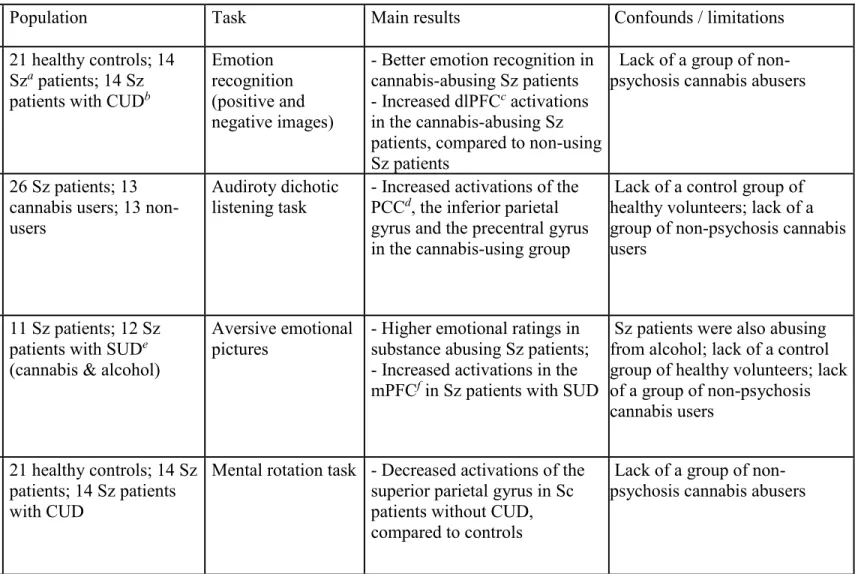
individuals will produce neuro-functional alterations mirroring the neurophysiologic dysfunctions seen in schizophrenia (Bourque et al., 2013), causing researchers to hypothesize that the negative impact of cannabis smoking in schizophrenia could be tenfold. Nevertheless, it is not yet clear what effects substance use disorders have on the socio-cognitive deficits of individuals with comorbid schizophrenia or even if specific socio-cognitive profiles are more likely to be present in those with comorbid substance use disorder and psychotic disorders. A pilot functional imaging study comparing emotion recognition in healthy controls versus individuals with either schizophrenia alone or schizophrenia and comorbid substance use disorder showed that while positive emotion recall in schizophrenia was poorer than in controls, there were no significant differences between controls and those with schizophrenia and comorbid substance abuse (Potvin, Mancini-Marlë, Fahim, Mensour, & Stip, 2007). Those seemingly contradicting results have been labelled the “paradox of the dually diagnosed” (Moore et al., 2007; Myles, Newall, Nielssen, & Large, 2012) where individuals with comorbid substance use disorder are judged to be both behaviourally more disorganized while simultaneously being more socially competent, at least in some aspects. Moreover, conflicting results have been documented in the literature with
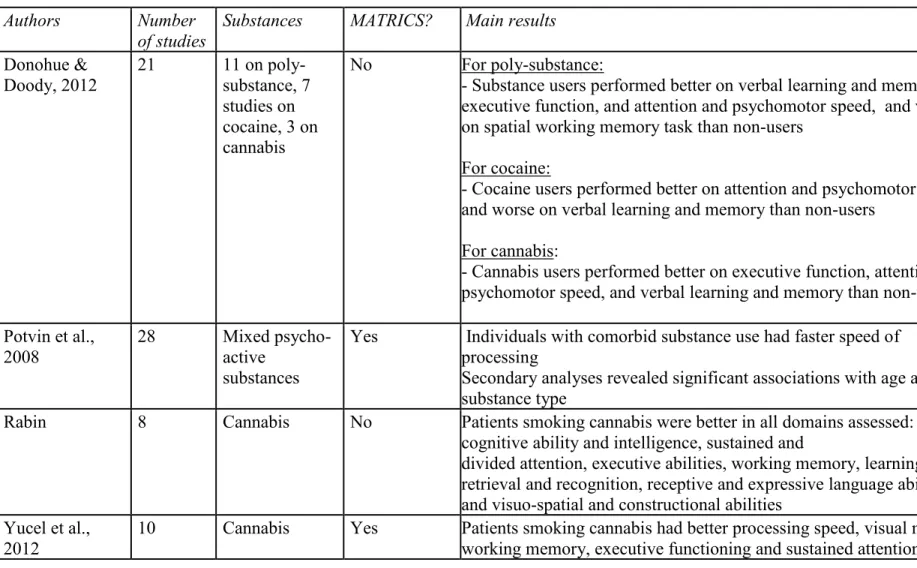
cognitive deficits (Crean, Crane, & Mason, 2011) and others, reporting on the contrary that, substance use disorder is associated with having better cognitive performances (Bossong, Jansma, Bhattacharyya, & Ramsey, 2014), and yet others reporting that cognition remains intact whether there is substance use or not (Salyers & Mueser, 2001). A recent review of the literature as well as a meta-analysis from our group (Lev-Ran, Harrison, Ron, Barnes, & Joyce, 2012; Mata et al., 2008) report better cognitive performance when individuals are young and when they only use cannabis.
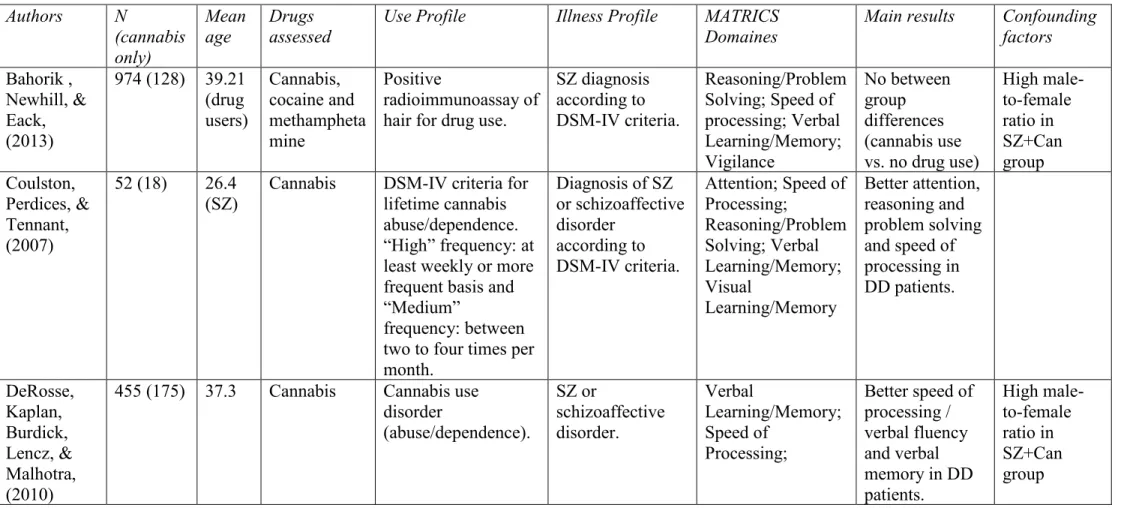
The research conducted to assess cognitive deficits in comorbid schizophrenia with other types of drugs is scarce. Most of the studies have used samples of individuals who have used cocaine and methamphetamines (both considered stimulants) but rarely has the effect of the specific drugs been looked at individually, meaning that most individuals in these studies present with polydrug use. Nevertheless, results in terms of neurocognition seem to indicate faster speed of processing, better attention, and psychomotor speed but worst performances on verbal learning and memory and spatial working memory (Coulston, Perdices, & Tennant, 2007; DeRosse, Kaplan, Burdick, Lencz, & Malhotra, 2010). To summarize, it is not yet clear whether having comorbid substance abuse disorder has a negative, a positive, or no effect at all on cognition. Furthermore, there is also the various aetiologies to consider and how they could impact the different presentations in comorbid schizophrenia and substance abuse disorder. One thing is however certain; studies looking into the type, the frequency, and the quantity of the drugs used in link with specific cognitive deficits are warranted. Most reviews and meta-analyses looking into comorbid schizophrenia have focused on neurocognition, with the exception of (Bahorik, Newhill, & Eack, 2013; Ringen et al., 2010) who examined emotional memory which could be argued to be a domain of sociocognition. Therefore, it becomes vital to define and understand
social cognitive processes in comorbid schizophrenia and substance use disorders.
Emotion recognition in substance use disorder
Studies on substance use disorder have documented potential emotion recognition deficits in these individuals. Firstly, and as we noted before, there are many drugs of choice available. While some studies investigate individual drug use such as cannabis or cocaine, others include participants with polydrug use, making the distinction in the patterns of recognition more difficult to identify and generalize. Secondly, some studies include participants that were abstinent for several months at the time the study was conducted, whereas others included active drug users, which could potentially influence the outcome. For instance, in the case of currently abstinent cannabis dependent individuals, emotion recognition deficits have been found for recognizing negative emotions, when compared to controls (Potvin, Joyal, Pelletier, & Stip, 2008). Similarly, but in the case of active polydrug use, (see both Donohue & Doody, 2012 for reviews; Potvin et al., 2008) deficits in negative emotion recognition were reported. Some even report specific deficits for fear recognition for regular cocaine users Mancini-Marlë et al. (2006), compared to occasional users and controls and for current methamphetamine abusers (Bayrakçi et al., 2015). All of these aforementioned studies investigated emotion recognition for substance abuse only. They give us ground to believe that, given the emotion recognition deficits reported in
schizophrenia, the presence of comorbid substance abuse disorder could have an impact, on the social functioning of individuals with such comorbid presentations. No studies to date have explored the impact of socio-cognition on social functioning in samples of individuals with both schizophrenia and substance use disorders. It remains to be shown if there is a specific substance of use that could have a larger effect on emotion recognition, and subsequently on functioning,
Assessment tools in emotion recognition
It has been argued in the past that discrepancies in emotion recognition results in
schizophrenia could be due to the variety of evaluation tools (Couture et al., 2006), with at times questionable sensitivity and validity. For starters, most of the studies interested in emotion recognition have used static measures of assessment. The most commonly used measure is Ekman's pictures that are presented in black and white and only include Caucasian individuals Fernàndez-Serrano, Lozano, Pérez-Garcia, and Verdejo-Garcia (2010). With the advent of virtual reality, the use of dynamic virtual avatars in various types of studies has gained interest. Virtual avatars have the advantage of being presented in color, of being animated with the degree of emotionality depicted by the characters being adjustable in intensity, of having the possibility to present the character depicting the emotion facing forward, facing at a 45 degree angle or shown in profile, and they include a variety of races (i.e., Asian, Hispanic, Black, etc.) making them a more realistic and a naturalistic assessment tool. Furthermore, recent studies have supported the ecological validity of their use in research, when compared to natural facial expressions
(Kemmis, Hall, Kingston, & Morgan, 2007b) and Ekman's pictures (Kim, Kwon, & Chang, 2011). In our study, we further added the facial expression of neutrality to the regular six emotions used in the literature (sadness, anger, disgust, fear, joy, surprise). The reasoning stems from a concern of having a measuring tool that would be more realistic in nature. On a regular day we spend most of our time exhibiting a neutral facial expression, therefore understanding the identification patterns – recognizing neutrality for what it is truly, or conversely, recognizing it as either a positive or a negative emotion instead – could give us insight into the emotion
recognition difficulties of individuals dual diagnosis schizophrenia. Once proper profiles of emotion recognition are established for this population, this aspect of social cognition could
become the target of both prevention intervention and concrete treatment of the deficits in the hopes of seeing positive impact on social functioning and therefore, on recovery.
Remediation of social cognition
Although more and more research efforts are put toward identifying the various deficits in emotion recognition and their impact in social functioning, many questions remain unanswered, especially regarding comorbid disorders. Many efforts in the last few years have been put forward to remedy the many deficits found in schizophrenia, with the field of social cognition gaining increasing interest. However, the various modalities of remediation of said deficits makes it difficult to decipher what is the most appropriate way to retrain the dysfunctions in order to gain benefits that could prevent the schizophrenia and help in the recovery from the disorder.
In schizophrenia. Research on social cognition is an emerging field that is so far showing great potential for rehabilitation of individuals suffering from schizophrenia (P Ekman & Friesen, 1976). It is considered by many researchers as holding a strong relationship with positive functional outcomes (Dyck, Winbeck, Leiberg, Chen, & Mathiak, 2010) and it has become an interesting target of remediation. Cognitive remediation in schizophrenia is defined as “a behavioral training based intervention that aims to improve cognitive processes (attention, memory, executive function, social cognition or metacognition) with the goal of durability and generalization” (Cognitive Remediation Experts Workshop in Florence, Italy, April 2010). Though many positive outcomes have been noted from the use of cognitive remediation in schizophrenia, on both cognition itself and of rehabilitation in many reviews and meta-analysis, the methodology used in those trainings has been called into question. There are generally two
there is no explicit component to the learning process, it is solely based on repetition and the increasing difficulty of the task being presented thus generating implicit learning via trial and error, and, (2) strategy learning, where the main goal of the training is to teach an explicit and determined strategy to learn a specific skill (Cigna, Guay, & Renaud, 2015; Joyal, Jacob, Cigna, Guay, & Renaud, 2014). The methods or technologies used for either type of training are quite varied, including computed-assisted programs, community-based skills learning, group or
individual therapy, pen-and-paper procedures, or combinations of some of these. More often than not, research on cognitive remediation of sociocognitive impairments have used explicit
methodologies in their training with limited impact on improvement (Stopa & Clark, 1993). Also, most of the studies in the literature will tend to focus on sociocognition at large, neglecting to identify specific deficits and target those. This is especially true for emotion recognition; since there is still no consensus on which specific emotion this population has trouble identifying, most trainings cast a wider net and retrain emotion recognition as a whole, with some of them
including most if not all domains of sociocognition in the remediation (Wykes, Huddy, Cellard, McGurk, & Czobor, 2011), making for less efficient trainings for one, but also creating
difficulties in identifies the key ingredients that make for a successful training.
Given the variety of available training models, the often general and non-specific deficit treatments in addition to the various outcomes depending on the model chosen, it appears that more studies are warranted before recommending a specific treatment model for emotion recognition deficits in comorbid schizophrenia and substance use disorder.
Although the initial goal of this doctoral project was to develop a novel remediation procedure, the investigations and literature reviews conducted as a first step changed the focus to increase our understanding of the targeted phenomena, i.e. social cognition in comorbid
schizophrenia and substance use disorder. We first set out to examine emotion recognition patterns of individuals suffering from schizophrenia and schizophrenia and substance use
disorder. It was not our original idea to compare groups but, rather, to explore a more naturalistic sample of individuals with schizophrenia given the fact that 50% of them suffer from comorbid substance use (Penn, Mueser, Doonan, & Nishith, 1995; Pinkham & D.L., 2006) and that they are generally excluded for studies when it is the case. Secondly, we explored in more details the various impacts of substance use disorder on schizophrenia by regrouping all findings on
neurocognition, social functioning and social cognition in a book chapter (Horan, Kern, Green, & Penn, 2008). While it is generally expected that having comorbid substance use disorder would exacerbate the difficulties individuals with schizophrenia live with daily, highlighting the intriguing paradox found in neurocognitive studies of this population was paramount to set the groundwork for our preliminary study, that also showed the same counter-intuitive results. Lastly, before diving into cognitive remediation techniques to potentially improve emotion recognition, if any deficits were found in our sample, we examined the literature to see what types of remediation trainings appeared to be the most commonly used to improve cognition in schizophrenia. We therefore conducted a review of 99 articles that employed various
methodologies to improve both neurocognition and social cognition (see Paquin et al., 2014, for review) to draw tentative conclusions and make suggestions for future research.
Chapter 2
Emotion recognition pattern in comorbid schizophrenia using virtual avatars: an exploratory study
Karine Paquin, Tania Lecomte & Stéphane Potvin
Article re-submitted in The Journal of Dual Diagnosis after reviews
Paquin, K., Lecomte, T., Renaud, P. & Potvin, S. (Re-submitted, February 2018). Emotion recognition in comorbid schizophrenia using virtual avatars: an exploratory study. The Journal of
Abstract
Exploration of emotion recognition (ER) and its impact on social functioning in schizophrenia has brought about some contradicting results with some finding deficits in recognition of negative emotions and others of positive or neutral ones. However, few are the studies that use dynamic ER measures or that study more naturalistic samples that include participants with comorbid presentations like substance use disorder. Objectives: to examine general and specific emotion recognition patterns using virtual avatars and its potential impact on social functioning while exploring the impact of substance use disorder of the results. Methods: 29 participants suffering from schizophrenia were selected, including the ones having comorbid substance use disorder. Dynamic virtual avatars were used to measure ER, and social functioning was measured with the First Episode Social Functioning Scale. Results: global ER was similar to normative data with sadness being the easiest to identify and fear the hardest. Fear tended to be misidentified as surprise while anger was wrongly perceived as neutrality. There was a positive correlation between identification of sadness and frequency of positive interaction with family as well as between better recognition of joy and improved perception of one's ability to work. Individuals with comorbid presentations were better at recognizing negative emotions (anger and fear) and lastly, those with comorbid cannabis use perceived having better capacities to interact with others and engage in social activities. Conclusions: results in ER for comorbid presentations appear counter-intuitive but are common in recent literature, with some potential explanations such as the social hypothesis attempting to explain them but remaining unsatisfactory. Difficulty recognizing fear is in line with normative studies reporting this emotion as the hardest to identify and the same can be said about the fear-surprise confusion. On the other hand, the
suggest more research is needed to properly identify the impact of substance use in schizophrenia on both ER and social functioning.
Keywords: emotion recognition, schizophrenia, comorbidity, substance use disorder, social
functioning, dynamic avatars, virtual avatars
1. Introduction
Social cognition deficits in schizophrenia are recognized as severely impeding the quality of life of individuals and as being a direct predictor of social functioning (Brune et al., 2007; Roncone et al., 2004), and yet, there is still a lot of debate regarding which specific social deficits are central to social functioning. Social cognition is defined as all the processes used to collect, interpret, and process social information, as well as interact with others based on these
interpretations (Corrigan & Penn, 2001; M.F. Green et al., 2008). It typically includes five domains, namely Theory of Mind (recognizing mental states of others), social knowledge (knowing and being able to apply social rules given certain social situations), attribution style (blaming oneself or giving others negative intentions), emotion regulation (how one copes with strong emotions), and last but not least, emotion recognition (one's ability to recognize facial emotions) (Minzenberg et al., 2009). Over the past decades, researchers have suggested that social cognition deficits could explain many, if not most, of the social dysfunctions and poor social functioning found in schizophrenia (Keefe et al., 2011; M. M. Kurtz et al., 2007; Revheim et al., 2006). Emotion recognition is undoubtedly the process that has been studied the most. It is now recognized that many individuals with schizophrenia have deficits in both identifying and discriminating facial expressions (Couture et al., 2006; Pinkham et al., 2014). Furthermore,
emotion recognition might be central to social functioning in schizophrenia because it has been associated with difficulties in interpersonal interactions and fulfilment of social roles (Pinkham et al., 2014). Nevertheless, the intricacies of where the deficits in emotion recognition lies and it impacts social functioning – which seems to be a crucial component in the aetiology, evolution of and remission from schizophrenia – remains elusive.
A closer look at emotion recognition studies reveals that little information exists regarding the specificity of the emotions involved in the deficits (Addington et al., 2006). While some will argue that the deficits in emotion recognition are global (Silver et al., 2009), others argue it is specific. Indeed, some find deficits in recognizing negative emotions (Amminger et al., 2012; Bediou et al., 2007; Comparelli, Corigliano, De Carolis, Mancinelli, Trovini, Ottavi, Dehning, et al., 2013; van’t Wout et al., 2007), others find deficits in recognizing positive emotions (Tsoi et al., 2008) and yet others, identify the deficit as being more related to neutral expressions (Kohler et al., 2003). It has been argued that these discrepancies in results are due to testing modalities. While several studies used Ekman's facial expressions (P Ekman & Friesen, 1976; P Ekman, Friesen, & Hager, 2002) to measure emotion recognition, in the last few years, the emergence of virtual reality gave way to novel, more flexible ways to assess emotion recognition. Ekman's pictures are static in nature, are presented in black and white and only include Caucasian individuals. Virtual avatars, on the other hand, are dynamic (with the degree of emotional expression that can be adjusted), presented in color and include a variety of races (i.e. Asian, Hispanic, Black, etc.). Studies have already demonstrated the ecological validity of using virtual avatars in research, by comparing them to natural facial expressions (Dyck et al., 2010), and by comparing them to Ekman's facial expression (Cigna et al., 2015; Weyers, Mühlberger, Hefele, &
Of importance is the fact that deficits in emotion recognition have also been found in substance use disorders (Bayrakçi et al., 2015; Fernandez-Serrano, Moreno-Lopez, Perez-Garcia, & Verdejo-Garcia, 2012; Henry, Mazur, & Rendell, 2009; Kemmis, Hall, Kingston, & Morgan, 2007a; Kim et al., 2011). Given the fact that close to 50% of individuals with schizophrenia have a lifetime substance use disorder (see Blanchard, Brown, Horan, & Sherwood, 2000 for review), it is highly surprising that no studies have investigated the potential impact of having this
comorbid presentation on emotion recognition, making the samples less naturalistic and the results less generalizable (Humphreys, 2017; Stroup & Geddes, 2008). Interestingly, from knowing the deleterious impact of cannabis smoking of the cognitive capacities of normative groups (Crean et al., 2011), we would expect that having this comorbid presentation would exacerbate the cognitive deficits. However, it appears that cognition remains intact, and in some cases actually improves, for individuals that have this presentation. While perhaps counter-intuitive, these results have been replicated in close to 20 studies to date (see Paquin, Lecomte, & Potvin, 2017, for review), further highlighting the need to assess this population on social
cognition measures.
The main objective of this study was to examine general and specific emotion recognition using virtual avatars. Secondly, we hoped to explore and establish a link between emotion
recognition and social functioning. Lastly, we set to explore the impact of comorbid substance use disorder on the data.
2. Methods