Development of Novel Polymeric Nanoparticles with Tailored Architectures and Functionalities
by Alan 0. Burts B.S. Chemistry
Chicago State University, 2009
SUBMITTED TO THE DEPARTMENT OF CHEMISTRY IN PARTIAL FULFILLMENT OF THE REQUIREMENTS FOR DEGREE OF
MASTER OF SCIENCE IN CHEMISTRY AT THE
MASSACHUSETTS INSTITUTE OF TECHNOLOGY JUNE 2013
© 2013 Alan 0. Burts. All rights reserved
The author hereby grants to MIT permission to reproduce and to distribute publicly paper and electronic copies of this thesis document in whole or in part
in any medium now known or hereafter created.
Signature of Author: woe &4
Certified by: Accepted by:
ARCHNES
AASSACHUSETS INST E OF TECHrNOL GcY JUL 0 1 3 Department of Chemistry May 31, 2013 Jeremiah A. Johnson Assistant Professor of ChemistryThesis Supervisor
Robert Warren Field Robert T. Haslam and Bradley Dewey Professor of Chemistry Director of Graduate Studies UIF
Development of Novel Polymeric Nanoparticles with Tailored Architectures and Functionalities
by Alan 0. Burts
Submitted to the Department of Chemistry on May 31, 2013 in Partial Fulfillment of the
Requirements for the Degree of Master of Science in Chemistry ABSTRACT
Developing a modular synthetic route to a combinatorial library of functional nanoparticles for applications like drug delivery is one of the main interests of our group. To this end, we have envisioned a novel nanoparticle architecture called a brush-arm star polymer (BASP), which has polymer brushes on the periphery shielding the core. Such nanoparticles were
synthesized by, first, "graft-through" ring-opening metathesis polymerization (ROMP) of a norbornene-macromonomer to create the brush-arms, and second, cross-linking the arms with a bis-norbornene cross-linker to afford star polymers via the "arm-first" star polymer method. Functionality can be installed into the macromonomer (MM) or crosslinker pre-and post-polymerization. We took advantage of the highly efficient third-generation
Grubbs catalyst to polymerize a polyethylene glycol (PEG) macromonomer (MM) and a bis-norbornene nitrobenzyloxycarbonyl (NBOC) photocleavable cross-linker to cross-link the brush-arms, which led to low-dispersity (D 51.23) core-degradable BASPs. Controlled degradation of these star polymers was achieved by UV irradiation (365 nm).
Next, a novel branched norbornene-polystyrene (PS)-polylactide (PLA)-MM was used to create pseudo-alternating copolymers and miktoarm-BASPs. Transmission electron
miscroscopy (TEM) of these star polymers revealed nanoparticles with segregated domains. Also, new cross-linkers were explored containing two different bis-norbornene reversible addition-fragmentation chain-transfer (RAFT) agents. A more flexible RAFT initiator cross-linker led to high-dispersity (D >1.52) BASPs, while the more rigid RAFT initiator cross-linker led to low-dispersity (D 51.05) BASPs.
Finally, doxorubicin-loaded, photocleavable drug vector BASPs were synthesized from azide-functionalized BASPs. Copper-catalyzed azide-alkyne cycloaddition (CuAAC) was utilized to covalently link doxorubicin to the azide BASPs, post-polymerization. These
TABLE OF CONTENTS
Chapter I. Water-Soluble Photocleavable BASPs
Introduction... 4 - 5 Results and Discussion...5 -9 Conclusions... 9 - 10 Experim ental M ethods... 10 - 11 Chapter II. Polystyrene-Polylactide BASPs
Introduction... 12 Results and Discussion... 12 - 18 Conclusions... 18 Experim ental M ethods... 18 -22
Chapter III. Investigation of New Cross-Linkers for BASP Synthesis: Trithiocarbonate RAFT Initiators
Introduction... 23 Results and Discussion... 3 -20 Conclusions... 28 Experim ental M ethods... 29 - 31 Chapter IV. Simultaneous Core Degradation and Drug Release from
Drug-Loaded BASPs
Introduction... 32 - 33 Results and Discussion... 33 - 37 Conclusions... 37 Experim ental M ethods... 37 - 40 Chapter V. References... 41 -47
Chapter I: Water-Soluble Photocleavable BASPs
Introduction
The challenge of constructing a combinatorial library of varied sized, functional polymeric nanoparticles has thus far limited their production.1,2 Yet, the production of a library of varied sized polymeric nanoparticles in a simple and quick fashion could be advantageous to rapidly screening them for multiple parameters at a time (e.g., screening drug vectors against multiple conditions). Because polymerization of functional building blocks is the crucial step in building such nanoparticles, one needs a highly efficient, functional group-tolerant polymerization method. Ring-opening metathesis
polymerization (ROMP) catalyzed by the third generation Grubbs3 catalyst is one of the most efficient, functional group-tolerant polymerization methods known to date.4
-14 This polymerization method has been used to create bottle-brushl4-17, bivalent bottle-brush18-21,
and dendronized polymers9,2 2
-2 4 via "graft-through" polymerization of bulky
macromonomers. Graft-through polymerization is the synthesis of brush polymers via a macromonomer that has a polymerizable group at one end. We envisioned using a combination of graft-through polymerization and "arm-first" star polymer synthesis to make novel polymeric nanoparticles. Star polymers can be synthesized via one of three ways: "core-first"25-35, "coupling-onto"2 6
,2 8, or "arm-first"28,36-47 polymerization. In core-first star synthesis, the core of the star is formed with polymerization initiation sites on the
end groups and pre-formed cores with complimentary reactive groups. Arm-first star synthesis involves the cross-linking of "arm" initiators with a multifunctional cross-linker.
We report here the synthesis of water-soluble brush-arm star polymers (BASPs) via a graft-through arm-first approach. A polyethylene glycol (PEG) macromonomer was polymerized via the graft-through method to yield brush-arm initiators. The brush initiators were then introduced to a photocleavable bis-norbornene cross-linker to form star polymers via the "arm-first" method. The sizes of these nanoparticles were dependent on the amount of cross-linker added. These particles were also capable of degrading to smaller BASPs and in some cases their parent brushes upon UV irradiation (365 nm).
Results and Discussion
1 equiv. I N equiv. 3 hv
10 equiv.
-Graft-Through Arm-First
macromonomer
(2) bottle-brush polymer
living chain end - brush-arm star polymer (BASP) * = norbornene Mes-NN-Mes -size varies with N
-0= Ru chain end YCI
= linker N -NO O NO2 0
PE=
PEG Ph N N OAHNO OAN
= polynorbornene UO H 68
= degradable domain&__ 1 0 2 (. - ) , 3
Figure 1.48 Synthesis of PEG BASP via graft-through polymerization of 2, then cross-linking of brush initiators with 3. The BASP degrades upon UV irradiation.
Synthesis of BASPs: BASPs were synthesized by adding one equiv of Grubbs catalyst 1 to 10 equiv of PEG-MM (2) in tetrahydrofuran (THF). The 10-unit brush (Bi) serves as the brush initiator for the cross-linking polymerization. After 10 minutes of polymerization, aliquots of the brush initiator solution were added to vials containing 10, 15, and 20 equiv of
cross-linker (3). The polymerizations were allowed to proceed for 4 hrs before they were quenched with ethyl vinly ether and dried in vacuo.
1.0A N= 20 1.0B N 8192 C M =28.5 NDa M=895 k-a M = .6 = 8Da114 0.8 4096 T -15 = 150.6 k -- 20 2048 M, = 488 kDa BASPS - 25 0.5- B PDI 1.23 B04 /3 1024 Equation 1: -2~N 20 --- 1* 35 512 Io92(M1)= 6.1 + 0.19*N B2 0B2 256 R2=0.99 OB e 0.0 0.0 - 0 0 128 1Mlr0 s 10 10 12 14 16 18 10 15 20 25 30 35 40
Molar mass Da Retention time min Equivalents of 3 to catalyst 1 (N)
Figure 2.48 (A) Differential weight fraction GPC traces of BASPs after 4 h cross-linking in THF. Inset- Transmission electron microscopy image of N= 20. (B) Normalized refractive index response GPC traces of BASPs after 6 h cross-linking in dicholormethane. (C) Log2 plot of Mw versus N from part B. Linear fitting of Mw produces Equation 1, which
relates Mw to N.
The molecular weight (Mw) of the brush initiator and BASPs were determined by gel permeation chromatography (GPC) coupled with a multi-angle laser light scattering
(MALLS) detector. Figure 2A shows the differential weight fraction plots of the brush initiator and BASPs. The brush had an expected Mw of 28.5 kDa and a low dispersity index. The 10 xL BASP was multimodal, while the 15 xL and 20 xL BASPs produced monomodal
differential weight fraction plots. The most interesting aspect of this synthetic route were that the final BASP size converged to a uniform distribution as a function of the amount of
cross-linker added (N) and the BASPs' Mw doubled for every additional 5 equiv of cross-linker 3. Also, these nanoparticles were readily water-soluble due to the PEG on their periphery.
cross-linker equivalents were varied from N = 10 to 40 with increments of 5. GPC analysis of these samples, Figure 2B, showed monomodal refractive index response and extremely high conversion of brush initiator to BASPs. The BASPs, indeed, showed a doubling of Mw from N = 10 to 40 with increments of 5. Figure 2C shows a linear correlation of the log2
plot of Mw versus N.
A Stage I: chain-growth synthesis of low PDI bottle-brush initiator:
'OY" ownpi-i S
0oup9 norbomene brun poymer ingialo (0,)
Stage I : only certain star-star coupling reactions occur:
Figure 3.48 Proposed method for geometric Mw increase in BASPs synthesis.
Mechanistic Hypothesis: An explanation for the doubling of the Mw of the BASPs is outlined in the mechanism in Figure 3. There are three stages in the proposed mechanism. During stage I, a living brush is generated with DP = m followed by the addition of N equivalents of
cross-linker that creates the "primary brush initiator" (B1). A key observation is that if all BASPs reacted equally then that would lead to a classical step-growth polymerization and the dispersity would approach 2.0 at high conversion.49 However, lower dispersities can be reached if BASP coupling is inhibited with increased size.50,s1 Stage II shows the most kinetically favorable reaction, B1+B1, leading to B2. If k1+2<< k1+1, then there should be a
greater amount of B2; Bi would be consumed which in turn will suppress B3. The reaction
is not complete after the production of B2; there are still living initiation sites that can lead
to further coupling reactions. Stage III can be understood by studying the rate laws for B4,
Bs, B6, and B7. The dimerization of B2 is the next most favorable reaction. The low
concentration of Bi and B3 leads to the suppression of Bs, B6, and B7. Dimerization of the
most viable products continues until a final value of x is reached. This proposed
mechanism leads to BASPs with low dispersities and a geometric Mw increase. It should be noted that the suppressed Bx's are formed in small amounts so it is ideal to find conditions that will reduce their production.
Degradation of BASPs: The cross-linker 3 contains a nitrobenzyloxycarbonyl (NBOC) group that is known to cleave upon UV irradiation.52-55 Therefore, these BASPs should degrade from larger sized particles to smaller ones upon UV irradiation. The degradation of these particles was monitored in aqueous solutions by dynamic light scattering (DLS).
However, the larger stars (N = 30 - 40) did not degrade to the same size as the smaller stars. This can be explained by considering that larger BASPs have a much greater number of NBOC groups in the core, all of which must be cleaved to achieve complete degradation. Various factors (limited light absorption, side reactions, etc...) could lead to less than 100% complete photoreaction, which would in turn limit particle degradation. These effects would be magnified for the larger particles with more NBOC groups.
A B -15 Eptar+hv 15+ hv 7-1pStar M30 95 100 - M30 + hv 40 85 -40 + hv 80- 0 65-600 b 50 - 45-'40 - 30-25 20-
20-OTIIJ
040w 15 10 20 30 40 50 60 70 10 xL 15 xL 20 xL 25 xL 30 xL 35 xL 40 xL Diameter (nm)Figure 4.48 (A) DLS histograms of BASPs (N= 15, 30, 40) before and after UV irradiation. (B) Hydrodynamic diameter of BASPs (N= 10 - 40) before and after UV irradiation.
Conclusion
Water-soluble, photocleavable BASPs were successfully prepared using a novel "brush-first" synthetic route. This method made it easy to produce a library of
nanoparticles, the sizes of which were controlled by the relative amount of cross-linker added during star formation. These stars showed a geometric M" increase with each 5 equiv increase of cross-linker added. They also were capable of degrading upon UV
the increased amount of PEG surrounding the core limiting the penetration of UV irradiation.
Experimental Methods
All reagents and solvents were purchased from Aldrich or VWR and used as supplied unless otherwise noted. All synthetic procedures can be found in the literature publication that describes this work.48 Degassed dichloromethane (DCM) and tetrahydrofuran (THF) were passed through solvent purification columns prior to use.5 6
Gel permeation chromatography (GPC) was performed using two Shodex KD-806M GPC columns connected in series with a DAWN EOS 18 angle laser light scattering (MALLS) detector (Wyatt Technology) and a T-rEX refractive index detector (Wyatt Technology). Experiments were performed at room 60 *C using 0.2 M LiBr in N,N-dimethylformamide
(DMF) eluant at a flow rate of 1 mL / min. Molecular weights were calculated from dn/dc values that were obtained assuming 100% mass elution from the columns. Dynamic light scattering (DLS) measurements were made at room temperature using a Brookhaven ZetaPALS DLS instrument. Samples were dissolved in nanopure water at a concentration of
-1 mg / mL. A fresh, clean, polystyrene cuvette was washed with compressed air to remove dust. The sample solution was passed through a 0.4 ptm Teflon syringe filter
directly into the cuvette; the cuvette was capped and placed in the DLS instrument for particle sizing. At least 3 measurements were made per sample and average hydrodynamic
Bruker AVANCE-400 NMR spectrometer, or a VARIAN Inova-500 MHz spectrometer. MestReNove NMR 8.1.2-11880 software was used to analyze the NMR spectra. Analytical high-performance liquid chromatography mass spectrometry (HPLC-MS or LC-MS) data were obtained using an Agilent 1260 series HPLC system equipped with a variable wavelength ultraviolet-visible (UV-Vis) detector and an Agilent 6130 single quadrupole
mass spectrometer. Separation was achieved using an Agilent Zorbax SB-C18
semi-preparative column (HPLC) or Agilent Zorbox SB-C18 rapid resolution HT column (LC/MS) with mobile phase gradients of 0.1% acetic acid in water and acetonitrile. Experiments were performed at room temperature with a flow rate of 5.0 mL / min (HPLC) or 1.0 mL
/
min (LC/MS). High-resolution mass spectrometry data were obtained on a Bruker
Daltonics APEXIV 4.7 Tesla Fourier Transform Ion Cyclotron Resonance Mass Spectrometer (FT-ICR-MS). P otolysis experiments were performed using a Multiple Ray Lamp (UVP) fitted with an 8 W, longwave, filtered blacklight bulb (365 nm). Sample vials were placed as close as possible to the light source and irradiated for the desired time before analysis by DLS. TEM images were obtained at the MIT Center for Materials Science and
Engineering (CMSE) on a JEOL 200CX TEM instrument with a 1k x 1k CCD camera. Sample preparation was as followed: 5.0 uL of a 0.05 mg / mL solution of BASP was deposited on top of a carbon film-coated 200-mesh copper grid placed on a piece of parafilm carbon-coated side up. The sample was allowed to dry and then placed carbon-carbon-coated side up on top of a LC/MS vial covered with foil. The LC/MS vial was placed inside a 20mL
scintillation vial and to the scintillation vial was added -0.30 mL of a 4% Os04(aq); the scintillation vial was capped and allowed to stand overnight. The grid was removed and then analyzed for TEM imaging.
Chapter II: Polystyrene-Polylactic acid BASPs
Introduction
Block copolymers are an extremely useful class of materials.57-71 The properties of block
copolymers could be precisely encoded through combining different polymer blocks in specific sequences. 72-78 This stands in contrast to random copolymerization of two or more monomers or MMs, in which achieving an exact 1:1 stoichiometry of each block polymer is impossible due to the inherent statistical nature of the process. However, overcoming this problem could be solved by installing the polymers of choice in a single MM, then
polymerizing that MM to yield block copolymers with an exact 1:1 ratio on each polymer. Polymerizing a single MM with two polymers attached is the only way to achieve a 1:1 of the polymers of choice. Having the ability to control the exact ratio of polymers in block copolymers can lead to a wide array of new properties. With this in mind, we report here the synthesis and polymerization of a novel
branched-norbornene-polystyrene(PS)-polylactic acid (PLA) MM. The polymerization of this MM produced monodisperse bivalent bottle-brush copolymers. This MM was also copolymerized with a PEG-MM. Monodisperse diblock copolymers were only afforded when the PS-PLA MM was the first block;
copolymers and reverse diblock copolymers yielded polymers with low conversions. This new PS-PLA MM was utilized to make miktoarm BASPs; miktoarm BASPs were also made with PS-PLA-b-PEG brush initiators.
Results and Discussion
Synthesis of PS-PLA MM: A branched structure was needed in order to append multiple polymers to one MM. Therefore, we used a previously published norbornene-alkyne-NHS ester19 as the starting point for our PS-PLA MM synthesis. Figure 5 outlines the synthetic route to achieve PS-PLA MM 7. NHS-ester 4 was coupled to 3-amino propanol to afford the alcohol 5. Next, a 4k polystyrene (PS) azide was coupled to 5 using copper-catalyzed azide
alkyne cycloaddition (CuAAC) to afford 6. Polylactide (PLA) was grown from 6 by tin(II) mediated ring opening polymerization to afford the final PS-PLA MM 7.
N 0 0 0 OOJ H2N"-'OH DCM, 1 h, RT 4 k 0 O 0 H N k_,-,yN -0OH 0 0 5 CuBr, PDMETA,
66
DMF, 24 hrs, 70 *C 0 YTO OY)K 0 0.1 Tin(II)ethylhexanoate Toluene, 1 h, 106 0C 6Figure 5. Synthetic scheme of branched PS-PLA MM (7).
Polymerization of PS-PLA MM: MM 7 (100 equiv) was treated with one equiv of 1, to afford brushes with a molecular weight of 808 kDa, relatively low dispersity (D=1.10), and high conversion (>90%). The 100 unit bivalent bottle-brush made from 7 has an equal ratio of PS to PLA arranged in a perfectly alternating fashion because each repeat unit has both PS
and PLA extended from the backbone. It would be impossible to make similar brushes with independent PS and PLA MM. After successfully making a monodisperse brush with 7, it was copolymerized with 2 to make a bivalent bottle-brush block copolymer with three polymer domains.
Synthesis of a random copolymer and two diblock copolymers were attempted with 7 and 2, simultaneously. The first diblock copolymer (DB1) was synthesized by allowing 7 to polymerize first; followed by the addition of 2. The other diblock copolymer (DB2) was
synthesized in the reverse order; polymerization of 2 followed by the addition of 7. The random copolymer was synthesized by adding both 7 and 2 to a vial before addition of 1. The GPC traces in Figure 6B shows DB1 polymerized well, -80% conversion, while both
DB2 and the random copolymer failed to reach greater than 20% conversion. Once 2 begins to polymerize, it shuts down the addition of 7 into the brush, which prevented the formation of the random copolymer and DB2. Due to this observation, all further block
A
I
"
,
15 20
Rentention Time (nin) Rentention Time (min)
Figure 6. (A) Refractive index GPC trace of 7 and 100 unit brush made from 7. (B) Refractive index GPC trace of DB1, DB2,
and Random copolymer; all made from 7 and 2.
Table 1. GPC characterization of homopolymerization of 7 and block and random copolymers made from 7 and 2.
DPnb Mw (kDa) D DB1 100:100 98:98 1,170 1.03 Random copolymer .a Ratio of macromonomer(s) 100:100 - 14.7
to catalyst. b Degree of polymerization determined by Mw (GPC)/Mw (MM)
Synthesis of Mitkoarm-BASPs: BASPs were synthesized using the same procedure from Chapter I.48 The initial stars using 10-unit brush initiators showed poor conversion of brush initiator to star polymer as judged by the appearance of multimodal peaks in GPC
- PS-PLA MM (7) - 100-unit Brush
I
0.8 0.6 0.4 0.2 0.0 15 20 Sample MM:1a Btraces. Inefficient star formation might be due to the bulkiness of 7; having two polymer domains instead of one surrounding the star-star coupling initiation site might reduce the efficiency of the star-star coupling reaction. Reducing the length of the brush initiator will reduce the steric hindrance around the star-star coupling sites. The latter should lead to greater efficiency of star-star coupling. Thus, for these studies a 5-unit brush was
polymerized and used as the brush initiator. Figure 7A shows monomodal GPC traces of these BASPs. This procedure led to several low-dispersity (D 1.11) PS-branch-PLA BASPs with high MM conversion (>95%).
Next, BASPs were made using DB1 triblock polymers as brush initiators. 5-unit
brush initiators proved to be successful with BASPs made from 7, therefore the same size brush initiators were used with DB1. These BASPs are particularly interesting because they have 3 polymer domains extending from the core.
I,
Retention Time (min) Retention Time (min)
Figure 7. (A) Refractive index GPC traces of brush initiator and BASPs (N = 10 -40) made from 7. (B) Transmission electron microscopy image of BASP N = 30. (C) Refractive index GPC traces of brush initiator and BASPs (N = 10, 15, 20)
made from DB1. (D) Transmission electron microscopy image of BASP N = 20. TEM sample preparation: A solution (0.05 mg/mL) of BASP in THF was drop-casted onto a copper TEM grid. The grid was stained with 0.5% RuO4(aq) for 30 min.
Table 2. GPC characterization of brush initiators and BASPs made from 7 and DB1.
Sample 5-1UxL M. (kDa) D / 5 1.Ub 5-30xL 2,832 1.11 Brush (DBI) 31.4 1.05 5-15xL 458 1.15 1.0 0.8 0.6 0.4 0.2 0.0
TEM images of BASPs using 7 and DB1 are shown in Figure 7B and 7D, respectively. Both BASPs were dissolved in THF to make a 0.05 mg/mL solution. 4 ptL of each solution were drop-casted on separate copper TEM grids. The THF was allowed to evaporate and then each grid was stained with RuO4 for -30 min. Both Figure 7B and 7D show spherical type particles with areas of lighter and darker shades. These photos suggest that there is phase segregation in the BASPs, but determining which segment is which polymer will require further investigation.
Conclusion
This chapter detailed the synthesis and use of a novel branched MM that possess two polymer domains, PS and PLA. This MM was shown to produce monodisperse homopolymers and diblock copolymers with 2. Both polymers were used as brush initiators to produce miktoarm BASPs with 3. Transmission electron microscopy (TEM) images of these BASPs show the phase segregation of the different polymer domains.
Experimental Methods
All reagents and solvents were purchased from Aldrich or VWR and used as supplied unless otherwise noted. Norbornene-Alkyne-N-Hydroxysuccinimidy (NHS)-Ester 419 was
with a 1k x 1k CCD camera. Sample preparation was as followed: 5.0 uL of a 0.05 mg / mL solution of BASP was deposited on top of a carbon film-coated 200-mesh copper grid placed on a piece of parafilm carbon-coated side up. The sample was allowed to dry and then placed carbon-coated side up on top of a LC/MS vial covered with foil. The LC/MS vial was placed inside a 20mL scintillation vial and to the scintillation vial was added -0.30 mL
of a 0.5% RuO4(aq); the scintillation vial was capped and allowed to stand for 30 min. The grid was removed and then analyzed for TEM imaging.
Norbornene-alkyne-alcohol (5)- Dichloromethane (0.1 M) was used to dissolve 4 (200 mg, 0.402 mmol). To that solution, 3-aminopropyl alcohol (45.3 mg, 0.603 mmol) was added and allowed to stir at room temperature until the disappearance of 4 by thin layer
chromotagraphy (TLC, Rf - 0.3 in dichloromethane)- 30 min. The reaction mixture was then added directly to a silica gel column and flashed at dicholormethane to afford 5 as a clear viscous liquid (79 % yield). 'H NMR (400 MHz, Chloroform-d) 6 7.00 (s, 1H), 6.17 (s, 2H), 3.99 (dd,J = 19.0, 2.5 Hz, 2H), 3.47 (tJ = 5.7 Hz, 2H), 3.37 - 3.17 (m, 6H), 3.13 (s, 2H), 2.65 (tJ = 6.6 Hz, 1H), 2.59 (s, 4H), 2.48 - 2.36 (m, 2H), 2.27 (tJ = 2.4 Hz, OH), 2.14 (tJ =
2.4 Hz, 1H), 1.61 - 1.34 (m, 7H), 1.28 - 1.02 (m, 5H). 13C NMR (101 MHz, CDCl3) 6 178.02,
173.53, 172.35, 172.03, 171.68, 137.63, 78.84, 77.16, 71.69, 59.14, 47.62, 44.96, 42.57, 38.38, 38.26, 36.12, 34.64, 31.80, 30.98, 28.45, 27.94, 27.37, 27.07, 26.36, 26.03, 25.31. Norbornene-polystyrene-alcohol (6)- To a mixture of 5 (137 mg, 0.30 mmol)
copper(I)bromide (41 mg, 0.286 mmol), N,N,N',N",N"-pentamethyldiethylenetriamine (PMDETA, 298 uL, 1.4 mmol), and polystyrene-azide (1.1 g, 0.286 mmol) anhydrous DMF was added (3 mL). The reaction was allowed to heat and stir at 70 'C for 24 hrs. A spatula tip of azide-resin and alkyne-resin was added to the reaction and allowed to stir overnight.
At this time, the reaction mixture was cooled to RT and then diluted with THF and run through a short aluminum oxide column, using tetrahydrofuran (THF) as the eluent. 300 mL of THF was collected, roto-vap down to 2 mL and then precipitated in cold methanol. The suspension was centrifuged, methanol decanted, solid redissolved in THF and then precipitated in 20% H20 in methanol. The procedure was repeated 4 times and then placed
under vacuum to dry; this resulted in a white powder 6 (90%).
Norbornene-polystyrene-polylactic acid MM (7) - 3,6-dimethyl-1,4-dioxane-2,5-dione (252 mg, 1.75 mmol), (6) (220 mg, 0.05 mmol) and tin(II)ethylhexanoate (2.0 mg, 0.005 mmol) was added to a vial and brought into the glovebox. Toluene (2 M) was added to the vial; then the reaction was heated and stirred at 106 *C for 1 h. The solution was precipitated in cold methanol, suspension centrifuged, methanol decanted, solid redissolved in a minimal amount of THF and then precipitated in 20% H20 in methanol. The procedure was
repeated 4 times and then placed under vacuum to dry; this resulted in a white powder 7 (90%).
Polymerization of 7 - MM 7 (11.5 mg, 0.00 1 mmol) was added to a 0.5 dram vial with a stir bar. THF (0.06 M, 18.7 RL) was added to the vial with 7 and stirred until dissolved. A 0.002 g/mL solution of 1 in THF was made in a separate vial. The solution of 1 (0.01 mg, 5.2 gL) was added to the stirring solution of 7. The polymerization was allowed to stir from -90 min. A drop of ethyl vinyl ether was added to quench the polymerization. GPC
dissolved. A 0.002 g/mL solution of 1 in THF was made in a separate vial. The solution of 1 (.009 mg, 4.5 pL) was added to the vial containing 7. This was allowed to stir for -90 min. MM 2 (4.1 mg, 0.001 mmol) was dissolved in THF (12.5 gL) and then added to the vial containing the polymerization of 7 and allowed to polymerize for -90 min. One drop of ethyl vinyl ether was added to quench the polymerization. GPC characterization data is
provided in Figure 6B.
(DB2) This diblock copolymer was synthesized in the reverse order of DB1. GPC
characterization data is provided in Figure 6B.
(Random copolymer) MM 7 (24.7 mg, 0.003 mmol) and 2 (10 mg, 0.003 mmol) were added to a 0.5 dram vial with a stir bar. THF (0.06 M, 40 gL) was added to the vial containing the MMs and stirred until dissolved. A 0.002 g,/mL solution of 1 in THF was made in a separate vial. The solution of 1 (.02 mg, 11.2 gL) was added to the vial containing the MMs. This was allowed to stir for -90 min. GPC characterization data is provided in Figure 6B.
Miktoarm BASPs -MM 7 (85 mg, .011 gmol) was added to a 0.5 dram vial with stir bar. THF (0.04 M, 188 RL) was added to the vial with 7 and stirred until dissolved. A 0.02 g/mL solution of 1 in THF was made in a separate vial. Cross-linker 3 (2.9 mg, 5.9 mg, 8.8 mg, and 11.8 mg) was added to four separate vials. The solution of 1 (1.5 mg, 77 gL) was added to the stirring solution of 7. The polymerization was allowed to stir from -15 min. An aliquot of the polymerization of 7 (20 mg, 62.5 gL) was added to each vial containing
cross-linker. After 6 h, one drop of ethyl vinyl ether was added to quench each polymerization. GPC and TEM characterization is provided in Figure 7A and Figure 7B, respectively.
Miktoarm (DB2) BASPs -MM 7 (60 mg, 0.008 mmol) was added to a 0.5 dram vial with a stir bar. THF (0.04 M, 78.5 gL) was added to the vial with 7 and stirred until dissolved. A 0.02 g/mL solution of 1 in THF was made in a separate vial. The solution of 1 (2.2 mg, 109 gL) was added to the vial containing 7. This was allowed to stir for -15 min. A 0.204 g/mL solution of 2 (24.3 mg, 0.008 mmol) was dissolved in THF (119 gL) and then added to the vial containing the polymerization of 7 and allowed to polymerize for -15 min. Cross-linker 3 (2.1 mg, 3.1 mg, and 4.2 mg) was added to three separate vials. An aliquot of the polymerization of DB1 (20 mg, 44.5 gL) was added to each vial containing cross-linker. After 6 h, one drop of ethyl vinyl ether was added to quench each polymerization. GPC and TEM characterization is provided in Figure 7C and Figure 7D, respectively.
Chapter III: Investigation of New Cross-Linkers for BASPs Synthesis: Trithiocarbonate RAFT Initiators
Introduction
We have shown that this BASP synthetic route can be used with various MMs, however, until this point we have used the same photocleavable crosslinker. This synthetic route would be even more useful if both variables, MM and cross-linker, could be varied. Cross-linkers that respond to various stimuli would increase the functionality of the method. Our group has previously published a paper on the synthesis of photo-responsive polymeric networks via the photoinitiated polymerization of NiPAAm from a bis-norbornene
trithiocarbonate RAFT initiator.79 An inverse-demand Diels Alder reaction was conducted post-polymerization with a tris-tetrazine to form gels. The junctions of the gels were then extended by added more monomer and solvent to the gel and irradiating it with UV light. The polymerization was controlled by UV irradiation; the polymerization stopped when the
reaction was in the dark and started again once exposed to UV irradiation. The idea of polymerizing an already formed polymer was extended to our BASPs synthesis. Polydisperse BASPs were formed using the previously published bis-norbornene
trithiocarbonate RAFT initiator. A rigid bis-norbornene-3-dibenzyl-trithiocarbonate was prepared in order to reduce potential cyclization reactions and yield monodisperse BASPs.
Results and Discussion
O O
N 0 O
yS
t.OoN0 S 0
8
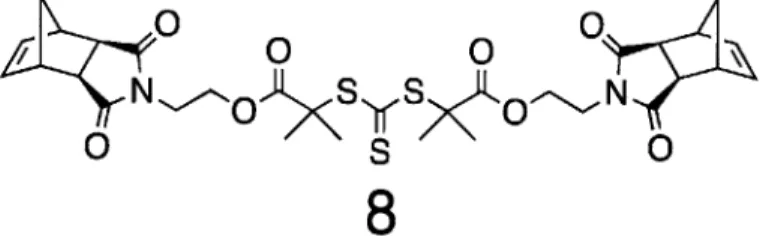
Figure 8. Flexible bis-norbornene trithiocarbonate cross-linker.79
Synthesis of RAFT Agent BASPs: The BASPs synthesis procedure used in earlier chapters was used here.48 MM 2 was used to make the brush initiators in the following BASPs. Aliquots of the brush initiator were added to vials containing different equivalents of the bis-norbornene trithicarbonate cross-linker 8. These polymerizations led to multimodal and polydisperse samples. When MM 8 was dissolved in THF and added in 5 equiv aliquots until the desired amount of cross-linker was reached, instead of adding the living brush to 8 the results were much more promising.
1.0- 1600-MW P01 Brush 28.0 1.08 1500-20 x 803 1.22 0.8- - 25 x 1,188 122 1400. 30xL 1,004 124 ---0 12000.6 -1200 0.4- - 1 1000-0 0.2 -00 0.0- 700 10 15 20 0 50 100 150 200 250
Rentention Time (min) Time (min)
Figure 9. (A) Refractive index GPC traces of brush initiator and BASP (N = 20, 25, 30) made from 2 and cross-linker 8; using slow addition of 8 method. (B) Differential weight fraction On/Off plot of UV polymerization of NiPAAm from the core of RAFT BASP (N = 20).
Figure 9A shows more uniform stars, but there was still -10% of unreacted brush initiator. We reasoned that this incomplete conversion could be due to the flexibility of 8. It has been proposed that flexible bis-norbornenes that are exposed to third-generation Grubbs catalyst leads to cyclization of the bis-norbornene.80 Cyclization in the star synthesis can lead to inefficient stars polymer synthesis; leading to low star-star coupling conversion and polydisperse samples. A more rigid cross-linker could potentially suppress the amount of cyclization; which should lead to more uniform stars. UV polymerization of NiPAAm from the core of these BASPs were tested before exploring a more rigid cross-linker.
The 10-20xL BASP, NiPAAm (300:1, NiPAAm:8), and a stir bar were added to a microwave vial, which was subsequently brought into a glove box. Anhydrous acetonitrile (ACN) was added, the vial capped, and solution allowed to stir for ~1 h. The BASP-NiPAAm solution was stirred before UV polymerization to make sure the NiPAAm reached the core of the
sterically hindered BASP in order to be in contact with the RAFT initiator. Next, the
microwave vial was placed in a Rayonet photobox and irradiated for 1 h, then placed in the dark for 30 min. The procedure was repeated 2.5 times, with aliquots taken for GPC
analysis after coming out of the photobox and right before placing back in the photobox. An On/Off plot of the differential weight fraction of the BASP versus time is shown in
Figure 9B. This plot is promising in that it suggests that the sterically hindered core of these BASPs is accessible for polymerization. Therefore, a more rigid cross-linker was explored in order to produce BASPs with low dispersities.
CI 0 2 HDIPEA N_/, IIN1,C NC~ O H Microwave 170 OC, 30 m, 79 % 0 OH DMSO, RT, 1 h, 84 % C1 O
10
DMF, RT, 24 hrs, 45% CS2, K2CO3 0 0 11Figure 10. Synthetic scheme of bis-norbornene-3-benzyl trithiocarbonate cross-linker (11).
A novel bis-norbornene dibenzyltrithiocarbonate (11) was synthesized in three steps. Exo-norbornene anhydride, diisopropylethylmine (DIPEA), and 3-aminobenzyl alcohol were heated in a microwave at 170 *C for 30 min. The resulting alcohol (9) was
Cross-linker 11 was used to make a 20xL BASP from 2 and 7. The resulting stars were uniform with >95% conversion. The rigidity of 11 seems to aide in producing narrowly dispersed BASPs. Before growing polymer from the core of these stars, UV polymerization of NiPAAm from 11 was investigated.
SS ACNWTN h,Sh 1.0- Solvent Mw Dispersity ACN 12 kDa 1.09 - THF 17 kDa 1.38 0.4 - * A
i.
15 B 20Retenion Time (min) Rentention'11me (nin)
Figure 11. (A) Comparison of solvents (THF and ACN)Refractive index GPC traces of UV polymerization of NiPAAm from bis-norbornene-3-dibenzyl trithiocarbonate RAFT initiator (B) Refractive index GPC traces of brush initiators and BASPs using PEG-MM (2), PS-PLA MM (7), and cross-linker 11.
Table 3. GPC characterization of brush initiators and BASPs made from MMs 2 and 7 and cross-linker 11.
Sample M. (kDa) D
10-20xL 1,219 1.07
UV Polymerization Using New Trithiocarbonate: UV polymerization of NiPAAm was tested in both ACN and THF. NiPAAm and 11 were both added to two separate vials and brought into the glovebox. Anhydrous THF was added to one vial while anhydrous ACN was added to the other and then both were capped. The vials were placed -1cm from a UV light source and left for 5 hrs. The polymerization in ACN led to a uniform polymer (D = 1.09, Mw = 12 kDa), while the polymerization in THF led to a more disperse sample (D = 1.38, Mw = 17 kDa). UV polymerization of NiPAAm from 11 was better controlled in ACN versus THF.
As stated above, the UV polymerization works best in ACN and these conditions should be used to grow pNiPAAm from the core of PEG-RAFT. Thermal conditions should be worked out in order to polymerize the core of RAFT stars that contain PS; UV light could potentially cross link the PS.
Conclusion
This chapter described the synthesis of multiple BASPs using different RAFT agent cross-linkers. The high solubility of the 8 led to polydisperse stars, so 8 was added overtime and this led to increasingly monodisperse sample, but they only reach -90 % conversion. Preliminary experiments growing pNiPAAm from the core of these BASP deemed successful due to the increase of Mw after UV irradiation. This led to the
exploration of a more rigid RAFT cross-linker, 11. Cross-linker 11 produced monodisperse stars with 2 and 7. The size of these stars were controlled by two factors; the amount of
Experimental Methods
All reagents and solvents were purchased from Aldrich or VWR and used as supplied unless otherwise noted. Trithiocarbonate 879 was prepared and the UV polymerization of
trithiocarbonates79 was followed according to literature procedure. Tetrahydrofuran
(THF) was passed through solvent purification columns prior to use.5 6
Instrumentation was the same as Chapter I.
Exo-norbornene-3-benzyl-alcohol (9) - cis-5-norbornene-exo-2,3-dicarboxylic anhydride (625 mg, 0.610 mmol), 3-aminobenzyl alcohol (516 mg, 0.670 mmol),
diisopropylethylamine (730 uL, 0.670 mmol), and toluene (14 mL) were added to a microwave vial. This reaction mixture was heated and stirred in a Biotage Initiator+ microwave at 170 'C for 30 m. The solution was placed directly on a silica gel column and flashed with EtOAc:Hexanes (10% to 30% to 50%). The reaction yielded 9 (79%, Rf - 0.4 at 50%) as a pure white solid. 1H NMR (400 MHz, Methylene Chloride-d2) 6 7.45 (s, 1H), 7.38
(d, 1H), 7.24 (tJ = 2.2 Hz, 1H), 7.14 (dJ = 7.8 Hz, 1H), 6.36 (s, 2H), 4.68 (dj = 0.7 Hz, 2H), 3.35 (t,J= 1.7 Hz, 2H), 2.83 (dJ= 1.4 Hz, 2H), 2.22 (s, 1H), 1.60 (d,J= 9.9 Hz, 1H), 1.49 (dJ
= 9.9 Hz, 1H). 13C NMR (101 MHz, CD2Cl2) 6 177.43, 143.13, 138.33, 132.70, 129.48, 127.25,
125.88, 125.18, 64.63, 48.35, 46.23, 43.33.
Exo-norbornene-3-benzyl-chloride (10) - To a solution of 9 (300 mg, 1.11 mmol) in
anhydrous DMSO (1.1 mL) was added cyanuric chloride (113 mg, 0.61 mmol) in 3 portions over 5 min. The reaction was allowed to stir at RT and was monitored by TLC until
consumption of the alcohol (1 h). The mixture was then diluted with 100 mL of Et02 and washed with H20 (5 x 20 mL), dried over sodium sulfate, concentrated on rotary
evaporator, and purified by flash chromatography with EtOAc:Hexanes (10% to 20% to 30%) to yield 10 (84%, Rf - 0.3 at 30%) as a pure white solid. 1H NMR (400 MHz,
Methylene Chloride-d2) 6 7.49 (s, 1H), 7.44 (dJ = 7.8 Hz, 1H), 7.31 (t, 1H), 7.23 (d,J = 7.6
Hz, 1H), 6.39 - 6.33 (m, 2H), 4.64 (d, 2H), 3.36 (dJ = 1.7 Hz, 2H), 2.85 (tJ = 1.4 Hz, 2H),
1.61 (dJ= 10.0 Hz, 1H), 1.49 (d,J= 9.9 Hz, 1H). 1 3
C NMR (101 MHz, CD2Cl2) 6 177.14,
139.17, 138.35, 132.91, 129.80, 129.05, 126.99, 53.84, 48.35, 46.28, 45.93, 43.36.
Bisnorbornene-3-benzyl-trithiocarbonate (11) - Carbon disulfide (154 uL, 1.61 mmol) was added to a solution of 10 (700 mg, 2.43 mmol) in anyhydrous DMF (2.43 mL). Potassium carbonate (336 mg, 2.65 mmol) was added to this mixture. The reaction was then allowed to heat and stir at RT for 24 h. The reaction was diluted with H20, extracted with EtOAc,
dried over magnesium sulfate, filtered, and concentrated on rotary evaporator. The
resulting solution was purified by flash chromatography and yielded 11 (45%) as a yellow crystalline solid. 1H NMR (400 MHz, Methylene Chloride-d2) 6 7.48 - 7.37 (m, 4H), 7.27 (tJ
= 1.7 Hz, 2H), 7.19 (dt,J = 7.3, 1.9 Hz, 2H), 6.36 (s, 4H), 4.67 (s, 4H), 3.35 (d,J = 1.8 Hz, 4H), 2.84 (dJ= 1.4 Hz, 4H), 1.60 (d,J= 9.9 Hz, 2H), 1.48 (dJ= 9.9 Hz, 2H). 13C NMR (101 MHz,
CD2Cl2) 6 177.10, 138.32, 136.85, 132.82, 129.66, 127.64, 126.24, 48.31, 46.23, 43.35,
41.22, 30.05.
RAFT agent BASPs -MM 2 or 7 was added to a 0.5 dram vial with stir bar. THF was added to the vial with MM and stirred until dissolved. A 0.02 g/mL solution of 1 in THF was made in a separate vial. A 0.1 M solution of cross-linker 8 or 11 in THF was made in a separate
5 min, to the vial containing the polymerization of 2 or 7 until the desired equiv of cross-linker was added. After 30 min, one drop of ethyl vinyl ether was added to quench the polymerization. GPC characterization is provided in Figure 9A and 11B.
UVpolymerization of NiPAAm from core of RAFT star polymer - RAFT star (10-20xL, 1.4 mg, 0.000614 mmol of 8) made with 8, NiPAAm (21 mg, 0.184 mmol), and a stir bar was placed in a microwave vial and brought into glove box. Anhydrous ACN (92 gL, 2 M to NiPAAm) was added to the microwave vial, capped, and the solution was stirred at RT for 1 h to thoroughly mix the NiPAAm and star to ensure the NiPAAm reaches the core of the star. The microwave vial is placed in a Rayonet photobox and irradiated for 1 h, then placed in the dark for 30 min. The procedure was repeated 2.5 times, with aliquots taken for GPC analysis after coming out of the photobox and right before placing back in the photobox. An ON/OFF plot of differential weight fraction of the aliquots taken versus time is shown in Figure 9B.
Chapter IV: Simultaneous Core Degradation and Drug Release from Drug-Loaded BASPs
Introduction
Studies by Duncan, Kopecek and Ringsdorf in the late 1970's started the vision of polymer drug conjugates.81 The use of polymeric materials for biomedical applications has been a steady growing field over the past decade.82-119 Synthetic polymers can be tailored
with almost any functionality and architecture: the ability to manipulate a polymers
functionality and architecture gives chemists the tools necessary to mimic some of nature's most efficient biomaterials. Nanoscopic polymeric materials, specifically branched
polymeric architectures, possess features which make them attractive for in vivo drug delivery applications.120 Branched structures of sufficient size display extended in vivo
circulation times in comparison to their linear analogoues -an advantageous feature for passive tumor targeting via the enhanced permeation and retention effect (EPR effect). Dendrimers are the most extensively studied branched polymers in this regard; their monodisperse, globular structures resemble those of proteins and render them attractive for biological applications.121-146 PEGylated dendrimers have proven effective during in vivo and in vitro treatment of cancer147-169, but synthetic challenges limit the utility of
dendrimers. We propose a novel synthesis of drug-loaded BASPs that may possess similar drug-delivery attributes when compared to PEGylated dendrimers.
Ultraviolet irradiation (365 nm) leads to simultaneous drug release and degradation of the BASP core to yield particles with Rh < 12 nm. These nanoscopic materials may be useful for targeted delivery of cancer chemotherapeutics by taking advantage of the EPR effect
Results and Discussion
"graft-through" "arm-first" 2) NaN (MM) * = norbornene = branch = PEG = chloride = Ru = polynorbornene = degradable linker = azide = drug molecule
Figure 12. Synthetic scheme of drug-loaded, photocleavable BASP. A brush initiator is made from a chloride-MM; then
cross-linked with 3. The chlorides are converted to azides using NaN3. CuAAC click chemistry is used to covalently bind a drug molecule to the azide-BASP. UV irradiation degrades the core of the star and simultaneously releases it's drug load.
Obtaining drug-loaded BASPs can come from two methods: polymerizing a drug loaded macromonomer to create the arms of the BASP or polymerizing a macromonomer with the ability of functionalizing with a drug derivative post-polymerization. We decided to explore the latter for these studies.
O0 0 H N,N N(''^O H O O CI
12
Figure 13. Norbornene chloride-MM.18
Synthesis offunctional BASPs: A chloride macromonomer (12) was tested to see if BASPs could be made in the same manner as 2 and 7. Using the procedure from Chapter I, several uniform stars were prepared using 3 as a cross-linker. The stars were dried and the
redissolved in anhydrous DMF, a spatula tip of sodium azide was added; this mixture was allowed to stir at 40 *C for 48 hrs. IR spectra were taken to confirm the presence of azides; they have a unique IR stretch, 2100 cm-1. The degradation of the BASPs in response to UV light was tested in response to UV light in aqueous solution. Figure 14C shows that the BASPs degrade to smaller sizes (-6 nm in diameter) after UV irradiation.
10 bu _unt
B 6 |pFunc. Star+ hv
1O-lo C ]pFunc. Star
Fi0r 14-1A. 14.
fu 1t-io al1n 12
Table 3. GPC characterization of brush initiator and BASPs, N = 10-14. Sample M (kDa) D 10-10xL 423 1.27 10-14xL 865 1.27 0 NO2 0 HQ N O 1N C C HC C
13
Figure 14. Alkyne-NBOC-doxorubicin.18CuAAC was utilized to attach a DOX-NBOC-alkyne (13) to the azide BASPs.
Consumption of the azides was confirmed by the disappearance of the IR stretch at 2100 cm-1. After successfully coupling alkyne-DOX to BASPs, the release of free DOX from the BASPs in response to UV light was studied. An aqueous solution of the drug-loaded BASP was irradiated at 365 nm for specific times and then analyzed by LC-MS. The release of
free DOX was monitored over a period of 20 min. The amount of free DOX released increased as the irradiation time increased, as shown in Figure 15B.
12x1-Na A E Irradiation B 12x1-DOX Nlie() -0.8 0 Free DOX 6 -0.5 70.05-0. - I o -10 12xi-DOX 0.4 20 0.2 Liu 0 z 0.0 _______________________ 400 3500 3000 2500 2000 1500 1000 500 3.0 3.5 4.0 4.5 5.0 5.5 6.0
Wavenumbers / cm-' Retention Time min
Figure 15. (A) IR comparison of azide-functionalized and DOX-loaded BASP (N= 12) shows disappearance of azide stretch in DOX-loaded BASP at 2100 cmd1. (B) Release of DOX and degradation from aqueous DOX-loaded BASP (N = 12)
solution after UV irradiation monitored by LC/MS.
Next, cell viability experiments using MCF-7 human breast cancer cells were
conducted to determine if release DOX was therapeutically active. Cells were treated with aqueous solutions of either free DOX or the corresponding BASP polymer and irradiated with UV light for 10 min or kept in the dark. The cells were then incubated in the dark for 24 hrs, washed twice, and incubated for another 24 hrs in fresh, drug-free growth medium. Cell viability was determined by MTT assay. Data from the MTT assay is located in Figure 16. Controls were performed to: establish a baseline for the toxicity of DOX in our system, determine if UV irradiation affects the toxicity of DOX, and to determine if the non-drug-loaded BASPs are toxic with and without UV irradiation. Figure 16 shows that the UV irradiation barely had an affect on the toxicity of DOX. Also, the azide BASPs with and
100 - "109.%0 L * DOX T* DOX + hv 80 ~A 12-x-N v 12-xl-N3 + hv, 60 - nxl-DOX samples: therapeutic * 10-x-DOX 40- xi factor 4 10-xl-DOX + hv 10 11.2 12-xI-DOX 12 15.6 * 12-xl-DOX + hv 2 14- g * 14-xl-DOX 0 14-xl-DOX + hv 0 . . 0.1 1 10 100 Total [DOX] / sM
Figure 16. Cell viability of MCF-7 human breast cancer cells treated with free DOX, azide-BASP (N = 12), DOX-loaded BASP (N = 10, 12, 14) with and without UV irradiation. Inset: Therapeutic factor for all DOX-loaded BASPs after UV irradiation.
Conclusion
This chapter described the synthesis and application of drug-loaded BASPs.
Multiple functional BASPs were prepared and an alkyne doxorubicin derivative containing an NBOC group was used to click to the azide BASPs. Degradation and cargo release from the drug-loaded BASPs was monitored by DLS and LC/MS, respectively. The drug-loaded stars toxicity was comparable to free DOX when exposed to UV irradiation in human breast .cancer cells; the stars were at least 1oX less toxic without UV irradiation.
Experimental Methods
All reagents and solvents were purchased from Aldrich or VWR and used as supplied unless otherwise noted. Norbornene-chloride-PEG-macromonomer 1218, DOX-NBOC-alkyne 1318, and trishydroxypropyl triazole170(TBTA-OH) were prepared according to literature
procedures. Degassed Tetrahydrofuran (THF) was passed through solvent purification columns prior to use.5 6 Doxorubicin hydrochloride was purchased from Enzo Life Sciences.
Instrumentation was the same as Chapter I. Spectra/Por 7 dialysis membranes (Spectrum Labs) were used for azide functionalized BASPs purification. Fourier-transform infrared spectroscopy (FTIR) experiments were performed on a Perkin-Elmer Model 2000 FTIR spectrometer under a scrubbed-air atmosphere in transmission/absorbance mode. A solution of polymer (-10 ptL, -1 mg / mL) in dichloromethane (DCM) was drop-deposited onto a KBr plate using a Pasteur pipette. After DCM evaporation to give a thin polymer film, the plate was inserted into the spectrometer and 8 scans were taken at 0.25 cm-1 resolution
from 7800 cm-1 to 370 cm'.
Azidefunctionlized BASP - MM 12 (35 mg, .001 gmol) was added to a 0.5 dram vial with stir bar. THF (0.06 M, 132 gL) was added to the vial with 12 and stirred until dissolved. A 0.02 g/mL solution of 1 in THF was made in a separate vial. Cross-linker 3 (2.1 mg, 2.8 mg, and
3.4 mg) was added to three separate vials. The solution of 1 (0.7 mg, 36.7 gL) was added to the stirring solution of 12. The polymerization was allowed to stir from -15 min. An
aliquot of the polymerization of 12 (10 mg, 48.7 gL) was added to each vial containing cross-linker. After 6 hrs, one drop of ethyl vinyl ether was added to quench each
polymerization. The solvent was removed from each reaction and a spatula tip of NaN3 and anhydrous DMF (0.8 mL) was added and allowed to heat and stir at 40 *C for 24 hrs. The
functionalized BASPs as a white powder. GPC, FT-IR, and DLS characterization data are provided in Figure 14A, 14B, and 14C, respectively.
DOX loaded BASPs - A stock solution of 13 in DMSO was prepared (16.9 mg 13/ mL DMSO). A stock solution of sodium ascorbate (1 M) and copper(II)sulfate (1 M) in H20 were
prepared. Azide-BASP (7 mg, 0.002 mmol), TBTA-OH (18 mg, 0.041 mmol), 13 (102 gL), H20 (1.92 mL, 0.001 M), and a stir bar were added to a microwave vial, capped, and degassed; then back filled with N2(g). Sodium ascorbate solution (102 RL, 0.1 mmol) and copper(II)sulfate solution (20.4 gL, 0.020 mmol) were added to the microwave vial and then heated and stirred at 40*C for 24 h. The samples were then purified by prep-HPLC. The purified drug-loaded BASPs were concentrated on a rotary evaporator to remove
MeCN. The resulting solution was then either lyophilized to dryness or used directly in MTT assays. FT-IR characterization data is provided in Figure 15A.
Cell culture -MCF-7 human breast cancer cell line (ATCC, HTB-22) was cultured at 37 'C under a humidified atmosphere of 5% C02/ 95% air. The cells were grown in Eagle's Minimum Essential Medium (EMEM, ATCC, 30-2003) supplemented with 10% fetal bovine serum (Gibco, 10437028), 1% penicillin/streptomycin (Gibco, 105140122), and 10 pg/mL bovine insulin (Sigma, 10516). The cells were continuously maintained in the culture medium and subcultured every 3-4 days.
Drug treatment and cell viability assay -MCF-7 cells were seeded at 10,000 cells/well in a 96-well plate and allowed to attach for 20 h before drug treatment. Prior to drug exposure, the culture medium was removed and the cells were washed once with warm phosphate-buffered saline (PBS). Then, fresh media with drug concentrations ranging from 0 to
100 pM (based on integrated LC-MS absorbance at 500 nm) were added to the appropriate wells. After 10 min at 37 OC, one plate of cells was exposed to UV light (Multiple Ray Lamp with filtered blacklight bulb, 365 nm) for 10 min while the control plate was kept in the dark. The cells were subsequently incubated at 37 *C under a humidified atmosphere of 5%
C02 / 95% air for 24 h. The medium was removed and the cells were washed twice with
warm PBS before fresh drug-free medium was added to each well. The cells were incubated for another 24 h before analysis by the MTT cell proliferation assay (ATCC, 30-1010K). Cells were washed once with warm PBS and incubated with fresh medium containing MTT reagent for 3 h at 37 'C. Detergent was added to solubilize the purple formazan crystals formed by proliferating cells. Absorbance at 570 nm was measured on a Safire II (Tecan) plate reader. Data were fit to a sigmoidal function to determine the half-maximum
Chapter V. References
(1) Rao,
J.
P.; Geckeler, K. E. Progress in Polymer Science 2011, 36, 887.(2) Wang, X.; Hall,
J.
E.; Warren, S.; Krom,J.;
Magistrelli,J.
M.; Rackaitis, M.; Bohm, G. G. A. Macromolecules 2007, 40, 499.(3) Love,
J.
A.; Morgan,J.
P.; Trnka, T. M.; Grubbs, R. H. Angewandte Chemie International Edition 2002, 41, 4035.(4) Handbook of Metathesis; Wiley-VCH: Weinheim, 2003; Vol. 3.
(5) Bielawski, C. W.; Grubbs, R. H. Progress in Polymer Science 2007, 32, 1. (6) Leitgeb, A.; Wappel, J.; Slugovc, C. Polymer 2010, 51, 2927.
(7) Zhang, K.; Cui,
J.;
Lackey, M.; Tew, G. N. Macromolecules 2010, 43, 10246. (8) Binder, W. H.; Pulamagatta, B.; Kir, 0.; Kurzhals, S.; Barqawi, H.; Tanner, S. Macromolecules 2009, 42, 9457.(9) Jung, H.; Carberry, T. P.; Weck, M. Macromolecules 2011, 44, 9075. (10) Al-Badri, Z. M.; Tew, G. N. Macromolecules 2008, 41, 4173.
(11) Lambeth, R. H.; Moore,
J.
S. Macromolecules 2007, 40, 1838.(12) Madkour, A. E.; Koch, A. H. R.; Lienkamp, K.; Tew, G. N. Macromolecules 2010, 43, 4557.
(13) Alfred, S. F.; Lienkamp, K.; Madkour, A. E.; Tew, G. N. Journal of Polymer Science Part A: Polymer Chemistry 2008, 46, 6672.
(14) Alfred, S. F.; Al-Badri, Z. M.; Madkour, A. E.; Lienkamp, K.; Tew, G. N.Journal of Polymer Science Part A: Polymer Chemistry 2008, 46, 2640.
(15) Xia, Y.; Kornfield,
J.
A.; Grubbs, R. H. Macromolecules 2009, 42, 3761.(16) Li, Z.; Zhang, K.; Ma,
J.;
Cheng, C.; Wooley, K. L.Journal of Polymer Science Part A: Polymer Chemistry 2009,47, 5557.(17) Le, D.; Montembault, V.; Soutif,
J.
C.; Rutnakornpituk, M.; Fontaine, L. Macromolecules 2010, 43, 5611.(18) Johnson,
J.
A.; Lu, Y. Y.; Burts, A. 0.; Lim, Y.-H.; Finn, M. G.; Koberstein,J.
T.; Turro, N.J.;
Tirrell, D. A.; Grubbs, R. H.Journal of the American Chemical Society 2010, 133, 559.(19) Johnson,
J.
A.; Lu, Y. Y.; Burts, A. 0.; Xia, Y.; Durrell, A. C.; Tirrell, D. A.; Grubbs, R. H. Macromolecules 2010, 43, 10326.(20) Li, Y.; Zou,
J.;
Das, B. P.; Tsianou, M.; Cheng, C. Macromolecules 2012, 45, 4623. (21) Li, Y.; Themistou, E.; Zou,J.;
Das, B. P.; Tsianou, M.; Cheng, C. ACS Macro Letters 2011, 1, 52.(22) Boydston, A.
J.;
Holcombe, T. W.; Unruh, D. A.; Frechet,J.
M.J.;
Grubbs, R. H. Journal of the American Chemical Society 2009,131, 5388.(23) Rajaram, S.; Choi, T.-L.; Rolandi, M.; Frechet,
J.
M. J.Journal of the American Chemical Society 2007, 129, 9619.(24) Stewart, G. M.; Fox, M. A. Chemistry of Materials 1998, 10, 860. (25) Xia, X.; Ye, Z.; Morgan, S.; Lu,
J.
Macromolecules 2010, 43, 4889.(26) Gao, H.; Min, K.; Matyjaszewski, K. Macromolecular Chemistry and Physics 2007,208, 1370.
(27) Matyjaszewski, K.; Gaynor, S. G.; Kulfan, A.; Podwika, M. Macromolecules 1997, 30, 5192.
(28) Khanna, K.; Varshney, S.; Kakkar, A. Polymer Chemistry 2010, 1, 1171.
(29) Tsitsilianis, C.; Lutz, P.; Graff, S.; Lamps,
J.
P.; Rempp, P. Macromolecules 1991, 24, 5897.(30) Miller, P.
J.;
Matyjaszewski, K.; Pyun,J.;
Kickelbick, G.; Diamanti, S. Polymer Preprints (American Chemical Society, Division of Polymer Chemistry) 1999, 40, 424.(31) Knischka, R.; Lutz, P.
J.;
Sunder, A.; Muelhaupt, R.; Frey, H. Macromolecules 2000,33, 315.(32) Klok, H.-A.; Becker, S.; Schuch, F.; Pakula, T.; Mullen, K. Macromolecular Chemistry and Physics 2002, 203, 1106.
(33) Abraham, S.; Choi,
J.
H.; Ha, C.-S.; Kim, I. Journal of Polymer Science, Part A: Polymer Chemistry 2007, 45, 5559.(34) Liu, J.; Tao, L.; Xu, J.; Jia, Z.; Boyer, C.; Davis, T. P. Polymer 2009, 50, 4455. (35) Senkovskyy, V.; Beryozkina, T.; Bocharova, V.; Tkachov, R.; Komber, H.; Lederer, A.; Stamm, M.; Severin, N.; Rabe,
J.
P.; Kiriy, A. Macromolecular Symposia 2010, 291-292, 17.(36) Liu, P.; Landry, E.; Ye, Z.; Joly, H.; Wang, W.-J.; Li, B.-G. Macromolecules 2011, 44, 4125.
(37) Haddleton, D. M.; Crossman, M. C. Macromolecular Chemistry and Physics 1997, 198, 871.
(38) Gao, H.; Matyjaszewski, K. Macromolecules 2006, 39, 3154.
(39) Gao, H.; Matyjaszewski, K. Journal ofAmerican Chemical Society 2007,129, 11828.
(40) Ohno, S.; Gao, H.; Cusick, B.; Kowalewski, T.; Matyjaszewski, K. Macromolecular Chemistry Physics 2009,210, 421.
(41) Dai, F.; Sun, P.; Liu, Y.; Liu, W. Biomaterials 2010, 31, 559.
(42) Dong, Z.-m.; Liu, X.-h.; Liu, H.-w.; Li, Y.-s. Macromolecules (Washington, DC, United States) 2010, 43, 798 5.
(43) Wu, Z.-M.; Liang, H.; Lu,
J.;
Deng, W.-L. Journal of Polymer Science, Part A: Polymer Chemistry 2010,48, 3323.(44) Liu, P.; Landry, E.; Ye, Z.; Joly, H.; Wang, W.-J.; Li, B.-G. Macromolecules (Washington, DC, United States) 2011, 44, 4125.
(45) Cheng, F.; Bonder, E. M.; Doshi, A.; Jaekle, F. Polymer Chemistry 2012,3, 596. (46) Lin,
Q.;
Zhou, X.; Xie, X.; Ying, S.Journal of Macromolecular Science, Part A: Pure and Applied Chemistry 2012, 49, 502.(47) Narumi, A.; Ohashi, Y.; Togashi, D.; Saito, Y.; Jinbo, Y.; Izumi, Y.; Matsuda, K.; Kakuchi, T.; Kawaguchi, S.Journal of Polymer Science, Part A: Polymer Chemistry 2012, 50, 3546.
(48) Liu,