HAL Id: inserm-02438798
https://www.hal.inserm.fr/inserm-02438798
Submitted on 14 Jan 2020
HAL is a multi-disciplinary open access
archive for the deposit and dissemination of
sci-entific research documents, whether they are
pub-lished or not. The documents may come from
teaching and research institutions in France or
abroad, or from public or private research centers.
L’archive ouverte pluridisciplinaire HAL, est
destinée au dépôt et à la diffusion de documents
scientifiques de niveau recherche, publiés ou non,
émanant des établissements d’enseignement et de
recherche français ou étrangers, des laboratoires
publics ou privés.
NRIP1 (nuclear receptor interacting protein 1)
Vincent Cavailles, Marion Lapierre
To cite this version:
Vincent Cavailles, Marion Lapierre. NRIP1 (nuclear receptor interacting protein 1). Atlas of Genetics
and Cytogenetics in Oncology and Haematology, Editor-in-Chief Jean-Loup Huret (Poitiers, France) /
INstitute for Scientific and Technical Information of the French National Center for Scientific Research
(INIST-CNRS http://www.inist.fr ) since 2008, 2018, 36 (12), pp.4790-4801. �10.4267/2042/69015�.
�inserm-02438798�
Gene Section
Review
Atlas Genet Cytogenet Oncol Haematol. 2018; 22(12)
479
in Oncology and Haematology
OPEN ACCESS JOURNAL AT INIST-CNRS
NRIP1 (nuclear receptor interacting protein 1)
Vincent Cavaillès and Marion Lapierre
IRCM, Institut de Recherche en Cancérologie de Montpellier, INSERM U1194, Université
Montpellier, Montpellier F-34298, France. [email protected]; [email protected]
Published in Atlas Database: April 2018
Online updated version : http://AtlasGeneticsOncology.org/Genes/NRIP1ID44067ch21q11.html
Printable original version : http://documents.irevues.inist.fr/bitstream/handle/2042/69015/04-2018-NRIP1ID44067ch21q11.pdf DOI: 10.4267/2042/69015
This article is an update of :
Michael J Spinella. NRIP1 (nuclear receptor interacting protein 1). Atlas Genet Cytogenet Oncol Haematol. 2010;14(10):923-925. This work is licensed under a Creative Commons Attribution-Noncommercial-No Derivative Works 2.0 France Licence.
© 2018 Atlas of Genetics and Cytogenetics in Oncology and Haematology
Abstract
Review on NRIP1, with data on DNA, on the protein
encoded, and where the gene is implicated.
Keywords
NRIP1; Transcription factor
Identity
Other names
FLJ77253, RIP140
HGNC (Hugo)
NRIP1
Location
21q11.2
DNA/RNA
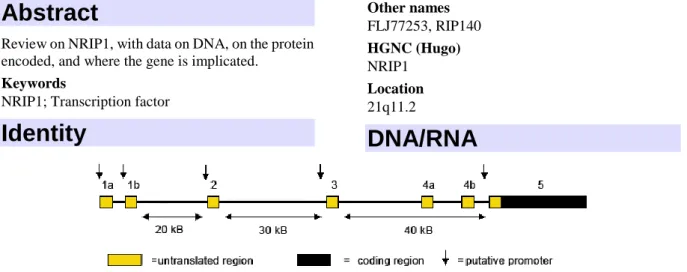
Figure 1: Schematic representation of FZD4 gene that contains a total of two exons and FZD4 transcript.
Description
The gene encompasses approximately 100 Kb and
may contain up to 7 exons. The entire protein-coding
region is contained within the last exon.
Transcription
Transcription is complex. Alternative spliced
transcripts containing distinct combinations of 5'
non-coding exons occur. Alternative promoters have
been described and are proposed to mediate tissue
specific expression of NRIP1. NRIP1 is induced by
a number of hormone nuclear receptors including the
receptors for estrogen, retinoic acid, androgen,
progestins, vitamin D3, peroxisome
proliferators-activated receptor-alpha (PPARalpha) and estrogen
related receptor-alpha (ERRalpha). NRIP1 gene
transcription is also induced by E2F transcription
factors.
NRIP1 mRNA is widely expressed in various tissues
and cell types.
NRIP1 (nuclear receptor interacting protein 1)
Atlas Genet Cytogenet Oncol Haematol. 2018; 22(12)
480
Description
NRIP1 consists of 1158 amino acids. NRIP1
contains ten LXXLL nuclear receptor interaction
motifs and four transcriptional repression domains
(RD 1-4). NRIP1 also contains four c-terminal
binding protein (CtBP) interaction motifs. NRIP1
activity is regulated by a variety of posttranslational
modifications including acetylation, methylation,
phosphorylation, sumoylation, and
pyridoxal-phosphate (PLP) conjugation.
Expression
NRIP1 is expressed at low levels in most tissues and
is induced in response to hormonal signals. NRIP1 is
highly expressed in metabolic and reproductive
organs and tissues including the liver, adipose tissue,
skeletal muscle, ovary and endometrium.
Localisation
NRIP1 is mainly expressed in the nucleus and
contains two putative nuclear localization signals
(NLS).
Function
NRIP1 is a co-repressor of a large number of nuclear
receptors. NRIP1 interacts preferentially with
ligand-bound nuclear receptors and inhibits
transactivation
by
recruitment
of
histone
deacetylases and CtBP. Knockout mice studies
revealed that NRIP1 has a physiologic role in energy
homeostasis, muscle metabolism, adipocyte and
hepatocyte
function,
mitochondrial
activity,
inflammation, reproduction and cognition. Data
suggest that these roles are mediated by NRIP1
repression of nuclear receptor mediated gene
expression including gene expression mediated by
the estrogen receptor, liver X receptor, PPARs,
steroidogenic factor 1 (SF1) and ERR.
NRIP1 has been shown to regulate retinoic acid
mediated differentiation and growth suppression of
human embryonal carcinoma cells and the
proliferation of breast cancer cells in vitro. A
potential role for NRIP1 in cancer cachexia has been
suggested. Interestingly, NRIP1 also regulates the
activity of other transcription factors including E2Fs
and NFKB.
The fact that NRIP1 expression can be regulated by
multiple transcription factors and especially nuclear
receptors and their ligands and that NRIP1 can
inhibits the activity of multiple nuclear receptors
implies a potential role in the biology of
hormone-dependent cancers. This role in cancer biology which
has recently been described in colon, stomach, breast
and cervix.
Homology
NRIP1 is highly conserved throughout vertebrates.
There is only a single isoform in humans and mice.
Mutations
Germinal
Several synonymous and non-synonymous SNPs
have been identified. To date no somatic tumor
mutations
have
been
noted.
-
Arg448Gly
has
been
associated
with
endometriosis.
- Gly75Gly has been associated with male infertility.
Implicated in
Hormone dependent cancers
In a variety of cancer cell culture systems mouse
models and tissue arrays, NRIP1 has been shown to
regulate the activity of a number of nuclear receptors
involved in hormone-dependent cancers including
estrogen, retinoid, progesterone and androgen
receptors. Moreover, NRIP1 mRNA is finely
regulated during cell cycle progression, modulating
cell growth and apoptosis. Finally, NRIP1
overexpression is associated with a significantly
shorter overall survival of cervical cancer patients
and discriminates luminal breast cancers.
Cancer cachexia
NRIP1 was induced in livers of starved, septic, and
tumor-bearing mice. Liver-specific knockdown of
NRIP1 led to increased hepatic TG release and
alleviated hepatic steatosis in tumor-bearing,
cachectic animals. NRIP1 was found to control the
expression of lipid-metabolizing genes in liver.
Obesity and metabolic disorders
NRIP1 knockout mice are lean and are resistant to
high-fat diet induced obesity. NRIP1 regulates genes
involved in energy homeostasis in metabolic organs.
Moreover, low level of NRIP1 restores the rates of
fatty-acids uptake in the basal state, in part via a
Atlas Genet Cytogenet Oncol Haematol. 2018; 22(12)
481
reduction in upstream insulin signaling. In addition,
increased NRIP1 level may be closely associated
with inflammation and disorder of lipid and glucose
metabolism in diabetic patients. In addition,
detectable serum NRIP1 protein level changes is
associated with weight loss in humans.
Infertility
NRIP1 knockout mice are infertile due to a defect in
ovulation. Also the above-mentioned SNPs have
been proposed to be associated with endometriosis
and male fertility.
Gastro-intestinal homeostasis and
tumorigenesis
Using molecular and cellular approaches, transgenic
mouse models and human colorectal biopsies,
NRIP1 has been shown to inhibit cell proliferation
and apoptosis in the murine intestinal epithelium. In
addition, NRIP1 exerts a negative control on
Wnt/beta-catenin signaling by positively regulating
the expression of the tumor suppressor gene APC.
High NRIP1 expression is associated with a
significantly longer overall survival of colorectal
cancer patients. Interestingly, whereas NRIP1
expression tends to decrease in colorectal cancers as
compared to adjacent normal tissues, an increase of
its expression was noticed in gastric cancer as
compared to normal stomach.
Cognition and neural cells
The NRIP1 gene depletion in mice results in learning
and memory deficits as well as stress response,
bringing to light a major role for this transcriptional
coregulator in the neurophysiological developmental
mechanisms underlying cognitive functions. In
addition, NRIP1 plays a relevant role in Down
syndrome mitochondrial dysfunction. Moreover,
NRIP1
expression
increases
during
neural
differentiation of human embryonic stem cells and is
negatively correlated with stem cell markers Oct4
and
Sox2
during
early
stages
of
neural
differentiation.
Aging and longevity
The deletion of NRIP1 in female mice can
significantly extend longevity compared to
wild-type females.
Immunity and inflammation
Overexpression of NRIP1 in macrophages results in
M1‑ like polarization and expansion during the
inflammatory response. Conversely, decreased
expression of NRIP1 in macrophages reduces the
number of M1‑ like macrophages and increases the
number of alternatively polarized cells, which
collectively promote endotoxin tolerance and relieve
inflammation.
References
Augereau P, Badia E, Fuentes M, Rabenoelina F, Corniou M, Derocq D, Balaguer P, Cavailles V. Transcriptional regulation of the human NRIP1/RIP140 gene by estrogen is modulated by dioxin signalling. Mol Pharmacol. 2006 Apr;69(4):1338-46
Aziz MH, Chen X, Zhang Q, DeFrain C, Osland J, Luo Y, Shi X, Yuan R. Suppressing NRIP1 inhibits growth of breast cancer cells in vitro and in vivo. Oncotarget. 2015 Nov 24;6(37):39714-24
Berriel Diaz M, Krones-Herzig A, Metzger D, Ziegler A, Vegiopoulos A, Klingenspor M, Müller-Decker K, Herzig S. Nuclear receptor cofactor receptor interacting protein 140 controls hepatic triglyceride metabolism during wasting in mice Hepatology 2008 Sep;48(3):782-91
Blondrath K, Steel JH, Katsouri L, Ries M, Parker MG, Christian M, Sastre M. The nuclear cofactor receptor interacting protein-140 (RIP140) regulates the expression of genes involved in Aβ generation Neurobiol Aging 2016 Nov;47:180-191
Caballero V, Ruiz R, Sainz JA, Cruz M, López-Nevot MA, Galán JJ, Real LM, de Castro F, López-Villaverde V, Ruiz A. Preliminary molecular genetic analysis of the Receptor Interacting Protein 140 (RIP140) in women affected by endometriosis J Exp Clin Assist Reprod 2005 Aug 30;2:11 Carroll JS, Meyer CA, Song J, Li W, Geistlinger TR, Eeckhoute J, Brodsky AS, Keeton EK, Fertuck KC, Hall GF, Wang Q, Bekiranov S, Sementchenko V, Fox EA, Silver PA, Gingeras TR, Liu XS, Brown M. Genome-wide analysis of estrogen receptor binding sites Nat Genet 2006 Nov;38(11):1289-97
Cavaillès V, Dauvois S, L'Horset F, Lopez G, Hoare S, Kushner PJ, Parker MG. Nuclear factor RIP140 modulates transcriptional activation by the estrogen receptor EMBO J 1995 Aug 1;14(15):3741-51
Constantinescu S, Turcotte LP. Amelioration of palmitate-induced metabolic dysfunction in L6 muscle cells expressing low levels of receptor-interacting protein 140 Can J Physiol Pharmacol 2015 Nov;93(11):913-22 De Marinis Y, Sun J, Bompada P, Domènech Omella J, Luan C, Halu A, Renström E, Sharma A, Ridderstråle M. Regulation of Nuclear Receptor Interacting Protein 1 (NRIP1) Gene Expression in Response to Weight Loss and Exercise in Humans Obesity (Silver Spring) 2017 Aug;25(8):1400-1409
Docquier A, Garcia A, Savatier J, Boulahtouf A, Bonnet S, Bellet V, Busson M, Margeat E, Jalaguier S, Royer C, Balaguer P, Cavaillès V. Negative regulation of estrogen signaling by ERβ and RIP140 in ovarian cancer cells Mol Endocrinol 2013 Sep;27(9):1429-41
Duclot F, Lapierre M, Fritsch S, White R, Parker MG, Maurice T, Cavaillès V. Cognitive impairments in adult mice with constitutive inactivation of RIP140 gene expression Genes Brain Behav 2012 Feb;11(1):69-78
Fritah A, Steel JH, Parker N, Nikolopoulou E, Christian M, Carling D, Parker MG. Absence of RIP140 reveals a pathway regulating glut4-dependent glucose uptake in oxidative skeletal muscle through UCP1-mediated activation of AMPK PLoS One 2012;7(2):e32520 Galan JJ, Buch B, Cruz N, Segura A, Moron FJ, Bassas L, Martinez-Pineiro L, Real LM, Ruiz A. Multilocus analyses of estrogen-related genes reveal involvement of the ESR1 gene in male infertility and the polygenic nature of the pathology Fertil Steril 2005 Oct;84(4):910-8
Graham JD, Yager ML, Hill HD, Byth K, O'Neill GM, Clarke CL. Altered progesterone receptor isoform expression remodels progestin responsiveness of breast cancer cells Mol Endocrinol 2005 Nov;19(11):2713-35
NRIP1 (nuclear receptor interacting protein 1)
Atlas Genet Cytogenet Oncol Haematol. 2018; 22(12)
482
Heim KC, Gamsby JJ, Hever MP, Freemantle SJ, Loros JJ, Dunlap JC, Spinella MJ. Retinoic acid mediates long-paced oscillations in retinoid receptor activity: evidence for a potential role for RIP140 PLoS One 2009 Oct 28;4(10):e7639
Heim KC, White KA, Deng D, Tomlinson CR, Moore JH, Freemantle SJ, Spinella MJ. Selective repression of retinoic acid target genes by RIP140 during induced tumor cell differentiation of pluripotent human embryonal carcinoma cells Mol Cancer 2007 Sep 19;6:57
Herzog B, Hallberg M, Seth A, Woods A, White R, Parker MG. The nuclear receptor cofactor, receptor-interacting protein 140, is required for the regulation of hepatic lipid and glucose metabolism by liver X receptor Mol Endocrinol 2007 Nov;21(11):2687-97
Ho PC, Chang KC, Chuang YS, Wei LN. Cholesterol regulation of receptor-interacting protein 140 via microRNA-33 in inflammatory cytokine production FASEB J 2011 May;25(5):1758-66
Ho PC, Wei LN. Biological activities of receptor-interacting protein 140 in adipocytes and metabolic diseases Curr Diabetes Rev 2012 Nov;8(6):452-7
Hu YC, Yi ZJ, Zhou Y, Li PZ, Liu ZJ, Duan SG, Gong JP. Overexpression of RIP140 suppresses the malignant potential of hepatocellular carcinoma by inhibiting NFB?mediated alternative polarization of macrophages Oncol Rep 2017 May;37(5):2971-2979
Huq MD, Ha SG, Barcelona H, Wei LN. Lysine methylation of nuclear co-repressor receptor interacting protein 140 J Proteome Res 2009 Mar;8(3):1156-67
Izzo A, Manco R, Bonfiglio F, Cal G, De Cristofaro T, Patergnani S, Cicatiello R, Scrima R, Zannini M, Pinton P, Conti A, Nitsch L. NRIP1/RIP140 siRNA-mediated attenuation counteracts mitochondrial dysfunction in Down syndrome Hum Mol Genet 2014 Aug 15;23(16):4406-19 Jalaguier S, Teyssier C, Nait Achour T, Lucas A, Bonnet S, Rodriguez C, Elarouci N, Lapierre M, Cavaillès V. Complex regulation of LCoR signaling in breast cancer cells Oncogene 2017 Aug 17;36(33):4790-4801
Karasawa T, Takahashi M. RIP140 as a novel therapeutic target in the treatment of atherosclerosis J Mol Cell Cardiol 2015 Apr;81:136-8
Kerley JS, Olsen SL, Freemantle SJ, Spinella MJ. Transcriptional activation of the nuclear receptor corepressor RIP140 by retinoic acid: a potential negative-feedback regulatory mechanism Biochem Biophys Res Commun 2001 Jul 27;285(4):969-75
Lapierre M, Docquier A, Castet-Nicolas A, Gitenay D, Jalaguier S, Teyssier C, Cavaillès V. The emerging role of the transcriptional coregulator RIP140 in solid tumors Biochim Biophys Acta 2015 Aug;1856(1):144-50
Lei JJ, Peng RJ, Kuang BH, Yuan ZY, Qin T, Liu WS, Guo YM, Han HQ, Lian YF, Deng CC, Zhang HJ, Chen LZ, Feng QS, Xu M, Feng L, Bei JX, Zeng YX. NOP14 suppresses breast cancer progression by inhibiting NRIP1/Wnt/β-catenin pathway Oncotarget 2015 Sep 22;6(28):25701-14 Leonardsson G, Steel JH, Christian M, Pocock V, Milligan S, Bell J, So PW, Medina-Gomez G, Vidal-Puig A, White R, Parker MG. Nuclear receptor corepressor RIP140 regulates fat accumulation Proc Natl Acad Sci U S A 2004 Jun 1;101(22):8437-42
Lin R, Nagai Y, Sladek R, Bastien Y, Ho J, Petrecca K, Sotiropoulou G, Diamandis EP, Hudson TJ, White JH. Expression profiling in squamous carcinoma cells reveals pleiotropic effects of vitamin D3 analog EB1089 signaling on
cell proliferation, differentiation, and immune system regulation Mol Endocrinol 2002 Jun;16(6):1243-56 Lin YW, Montassier E, Knights D, Wei LN. Gut microbiota from metabolic disease-resistant, macrophage-specific RIP140 knockdown mice improves metabolic phenotype and gastrointestinal integrity Sci Rep 2016 Dec 8;6:38599 Liu PS, Lin YW, Lee B, McCrady-Spitzer SK, Levine JA, Wei LN. Reducing RIP140 expression in macrophage alters ATM infiltration, facilitates white adipose tissue browning, and prevents high-fat diet-induced insulin resistance Diabetes 2014 Dec;63(12):4021-31
Luan C, Chen X, Hu Y, Hao Z, Osland JM, Chen X, Gerber SD, Chen M, Gu H, Yuan R. Overexpression and potential roles of NRIP1 in psoriasis Oncotarget 2016 Nov 8;7(45):74236-74246
Mostaqul Huq MD, Gupta P, Wei LN. Post-translational modifications of nuclear co-repressor RIP140: a therapeutic target for metabolic diseases Curr Med Chem 2008;15(4):386-92
Nautiyal J, Christian M, Parker MG. Distinct functions for RIP140 in development, inflammation, and metabolism Trends Endocrinol Metab 2013 Sep;24(9):451-9
Nichol D, Christian M, Steel JH, White R, Parker MG. RIP140 expression is stimulated by estrogen-related receptor alpha during adipogenesis J Biol Chem 2006 Oct 27;281(43):32140-7
Powelka AM, Seth A, Virbasius JV, Kiskinis E, Nicoloro SM, Guilherme A, Tang X, Straubhaar J, Cherniack AD, Parker MG, Czech MP. Suppression of oxidative metabolism and mitochondrial biogenesis by the transcriptional corepressor RIP140 in mouse adipocytes J Clin Invest 2006 Jan;116(1):125-36
Rytinki MM, Palvimo JJ. SUMOylation modulates the transcription repressor function of RIP140 J Biol Chem 2008 Apr 25;283(17):11586-95
Seth A, Steel JH, Nichol D, Pocock V, Kumaran MK, Fritah A, Mobberley M, Ryder TA, Rowlerson A, Scott J, Poutanen M, White R, Parker M. The transcriptional corepressor RIP140 regulates oxidative metabolism in skeletal muscle Cell Metab 2007 Sep;6(3):236-45
Triki M, Ben Ayed-Guerfali D, Saguem I, Charfi S, Ayedi L, Sellami-Boudawara T, Cavailles V, Mokdad-Gargouri R. RIP140 and LCoR expression in gastrointestinal cancers Oncotarget 2017 Nov 25;8(67):111161-111175
Triki M, Lapierre M, Cavailles V, Mokdad-Gargouri R. Expression and role of nuclear receptor coregulators in colorectal cancer World J Gastroenterol 2017 Jul 7;23(25):4480-4490
Vattai A, Cavailles V, Sixou S, Beyer S, Kuhn C, Peryanova M, Heidegger H, Hermelink K, Mayr D, Mahner S, Dannecker C, Jeschke U, Kost B. Investigation of RIP140 and LCoR as independent markers for poor prognosis in cervical cancer Oncotarget 2017 Oct 31;8(62):105356-105371
Vo N, Fjeld C, Goodman RH. Acetylation of nuclear hormone receptor-interacting protein RIP140 regulates binding of the transcriptional corepressor CtBP Mol Cell Biol 2001 Sep;21(18):6181-8
Wang J, Chen X, Osland J, Gerber DS, Luan C, Delfino K, Goodwin L, Yuan R. Deletion of Nrip1 extends female mice longevity, increases autophagy, and delays cell senescence J Gerontol A Biol Sci Med Sci 2018 Jan 13 Wei LN, Hu X, Chandra D, Seto E, Farooqui M. Receptor-interacting protein 140 directly recruits histone deacetylases for gene silencing J Biol Chem 2000 Dec 29;275(52):40782-7
Atlas Genet Cytogenet Oncol Haematol. 2018; 22(12)
483
White KA, Yore MM, Deng D, Spinella MJ. Limiting effectsof RIP140 in estrogen signaling: potential mediation of anti-estrogenic effects of retinoic acid J Biol Chem 2005 Mar 4;280(9):7829-35
White R, Leonardsson G, Rosewell I, Ann Jacobs M, Milligan S, Parker M. The nuclear receptor co-repressor nrip1 (RIP140) is essential for female fertility Nat Med 2000 Dec;6(12):1368-74
White R, Morganstein D, Christian M, Seth A, Herzog B, Parker MG. Role of RIP140 in metabolic tissues: connections to disease FEBS Lett 2008 Jan 9;582(1):39-45
Xia K, Zhang P, Hu J, Hou H, Xiong M, Xiong J, Yan N. Synergistic effect of receptor-interacting protein 140 and simvastatin on the inhibition of proliferation and survival of hepatocellular carcinoma cells Oncol Lett 2018 Apr;15(4):4344-4350
Xue J, Zhao H, Shang G, Zou R, Dai Z, Zhou D, Huang Q, Xu Y. RIP140 is associated with subclinical inflammation in type 2 diabetic patients Exp Clin Endocrinol Diabetes 2013 Jan;121(1):37-42
Yi ZJ, Gong JP, Zhang W. Transcriptional co-regulator RIP140: An important mediator of the inflammatory response and its associated diseases (Review) Mol Med Rep 2017 Aug;16(2):994-1000
Zhao ZR, Yu WD, Shi C, Liang R, Chen X, Feng X, Zhang X, Mu Q, Shen H, Guo JZ. Correlation between receptor-interacting protein 140 expression and directed differentiation of human embryonic stem cells into neural stem cells Neural Regen Res 2017 Jan;12(1):118-124
This article should be referenced as such:
Cavaillès V, Lapierre M. NRIP1 (nuclear receptor interacting protein 1). Atlas Genet Cytogenet Oncol Haematol. 2018; 22(12):479-483.