D
OCTORALS
CHOOL OFS
OCIAL ANDP
OLITICALS
CIENCET
HE
S
YSTEM FOR
A
DDRESSING
P
ERSONAL
P
ROBLEMS
From Medicalisation to Socialisation:
Shifts in Belgian Mental Health and
Psychiatric Institutions
Sophie Thunus
Thesis directed by Frédéric Schoenaers, Professor of Sociology,
Institute of Human and Social Sciences, University of Liège
Defended on 20th April 2015
[En vue de l’obtention du titre de Docteure en Sciences Politiques et Sociales]
M
EMBERS OF THEJ
URY:
Frédéric Schoenaers Professor of Sociology, Institute of Human and Social Sciences,
University of Liège
Didier Demazière
CNRS Research Professor, Centre for Sociology of Organisations
Steve Sturdy
Professor of the Sociology of Medical Knowledge,
University of Edinburgh
Richard Freeman
Professor of Social Science and Public Policy,
University of Edinburgh
Erhard Friedberg
Professor emeritus of Sociology at Sciences Po Paris
To my grandparents,
Hélène and Maurice
ACKNOWLEDGEMENTS
I thank my thesis director, Frédéric Schoenaers, for his confidence and
continuous support. He gave me the opportunity to make my PhD research a
challenging, meaningful and rewarding experience. I also thank my
colleagues from the CRIS. I am glad to work with lovely people, and I had
very good times with all of you, research seminars I.48 and C. included.
I thank Steve Sturdy, Richard Freeman, Didier Demazière, Erhard
Friedberg and François Pichault to have accepted to sit on my thesis
committee and jury. I have a special thought for Steve Sturdy’s courses and
Richard Freeman’s enjoyable seminars which brought a valuable perspective
to my work. The Andrew Abbott seminar cycle initiated, among others, by
Didier Demazière, also significantly contributed to this thesis.
I thank the Fund for Scientific Research – FNRS which provided
continuous financial support to my four-year PhD Research.
This work would not have been possible without the federal project
leader, regional and federal department directors and, above all, local mental
health care providers and professionals who gave me the opportunity to
observe their daily work so closely. I’m particularly grateful to Mr
Vandervelden and Dr Masson; Martine Haas, Didier Kampfl, Nicole
Demeter; and Pierre Delvaux, who provided me access to fieldwork and
helped finding my way in the mental health system.
I thank my family and friends for their comforting presence. I have a
particular thought for my sister Julie, my father, my grandmother for her
wisdom and determination, and Manu and Patrick who never stopped to
encourage me.
Finally, but most importantly, I thank my dear Steve for his love and
confidence; these are invaluable gifts, essential to the hard and long-term
experience involved in this work.
CONTENTS
Acknowledgements ... i
Contents ... iii
Figures and Tables ... vi
Glossary ... vii
Introduction ... 1
Part One – Setting the Stage For Change in the System For Addressing Personal Problems ... 11
Chapter I – Methodology ... 11
Introduction ... 11
1. Professions: From Community to Ecologies ... 15
2. Organisations ... 24
3. Public Policies ... 29
4. Methods ... 37
5. Reassembling the Belgian System for Addressing Personal Problems ... 47
Chapter II – The Global Context For Personal Problems ... 51
Introduction ... 51
1. Welcome to Belgium ... 51
2. The Belgian Public Health System ... 54
3. The Global Context for Addressing Personal Problems ... 63
4. Conclusion ... 74
Chapter III – Past Changes in The Belgian System for Addressing Personal Problems ... 77
Introduction ... 77
1. The Growth and Institutionalisation of the Residential Ecology ... 79
2. The Institutionalisation of The Community Ecology ... 84
3. Stabilising the Rehabilitation Ecology ... 91
4. Setting New Conditions for Further Shifts in the System ... 97
5. Testing New Settings, Preparing Change ... 104
6. Conclusion ... 120 PART TWO – Witnessing Changes in the System for Addressing Personal Problems: Following
Introduction ... 132
Chapter IV – A Small Guide For A Big Reform ... 135
Introduction ... 135
1. What The Guide Tells Us ... 136
2. The Making of the Guide ... 146
3. Initial Enactments of the Guide: The Public Information Event and Selection Process ... 163
4. Conclusion ... 167
Chapter V – The Traditional Version of The Guide ... 171
Summary ... 171
Introduction ... 172
1. Setting the Context ... 173
2. Moving from Global to Local Inscription ... 179
3. Initial Enactments of the Reform: from Professional Dreams to Political Reality ... 187
4. Enacting the Eastern Version of the Guide ... 193
5. Conclusion ... 228
Chapter VI – An in-between version of the guide ... 235
Summary ... 235
Introduction ... 236
1. Setting the Context ... 237
2. From Global Inscription to Local Assemblage ... 249
3. Initial Enactments of the Local Assemblage: the Resurgence of Conflicting Worldviews . 253 4. The Enactment of the FUL Project by Service Representatives ... 259
5. Conclusion ... 291
Chapter VII – Discussion and conclusion ... 299
1. From Personal Problems to Global Systems ... 299
2. Past and Ongoing Changes in the Belgian System for Addressing Personal Problems: from Medicalisation to Socialisation ... 303 3. Understanding Collective Action in the Belgian System for Addressing Personal Problems
4. Learning Concerning the Roles of Embodied and Inscribed Knowledge in Collective Action 311
5. Conclusion ... 314 Table of Contents ... 319 References ... 329
FIGURES AND TABLES
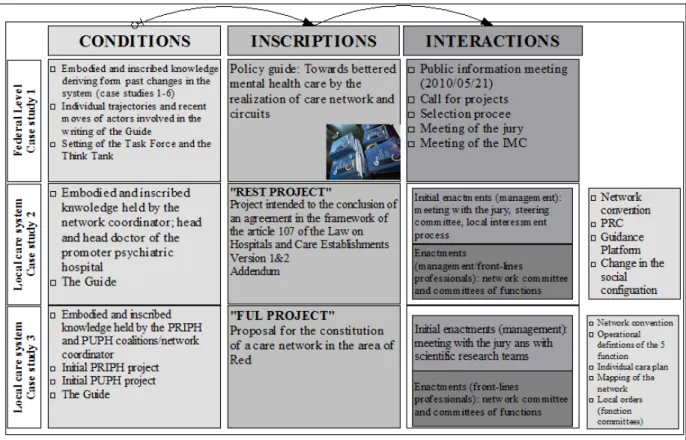
Figure 1 – Cases Studies Part 2: Overview ... 46
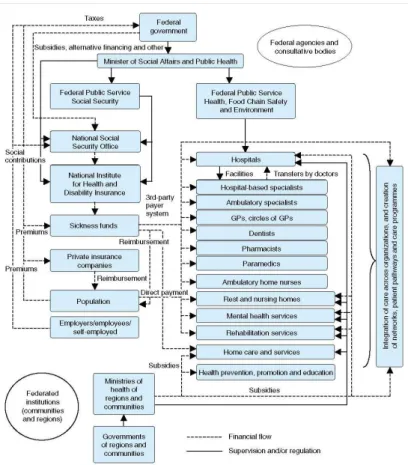
Figure 2 – The Belgian Public Health System ... 56
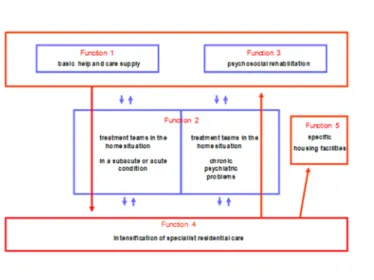
Figure 3 – The Functional Model ... 139
Figure 4 – REST Network-Proposed Organisational Structure ... 197
Figure 5 – REST Network: Strategic Plan ... 226
Figure 6 – Writing the Proposal for the FUL Project ... 251
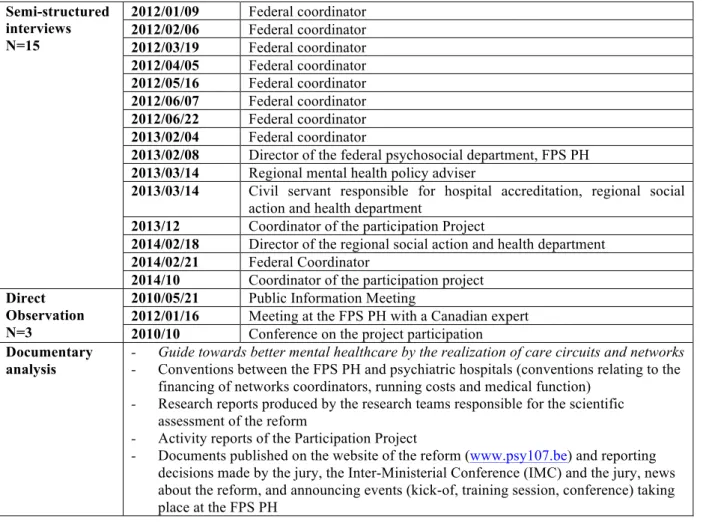
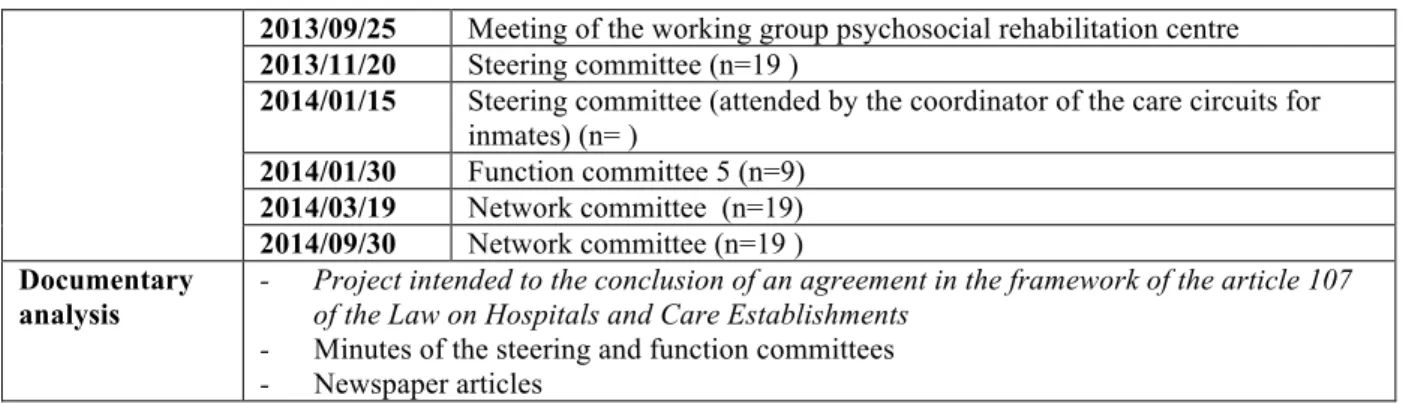
Table 1 – Data Collection Case Study 1 ... 42
Table 2 – Data Collection Case Study 2 ... 44
Table 3 – Data Collection Case Study 3 ... 45
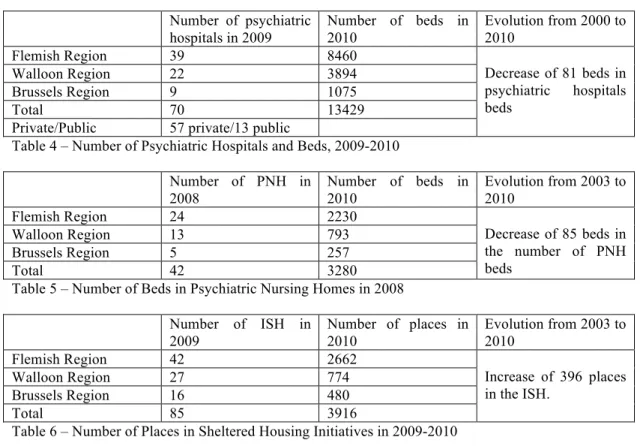
Table 4 – Number of Psychiatric Hospitals and Beds, 2009-2010 ... 61
Table 5 – Number of Beds in Psychiatric Nursing Homes in 2008 ... 61
Table 6 – Number of Places in Sheltered Housing Initiatives in 2009-2010 ... 61
Preliminary Remark:
Quotes from books, policy and organisational documents, interviews and field observations have been translated from French to English by the author.
GLOSSARY
CMHS Community Mental Health Services are outpatient services involving multidisciplinary teams performing mental health prevention and promotion, demand reception, diagnosis and treatment functions, based on medical, psychological and social approaches.
FPS PH The Federal Service for Public Health, Food Chain Safety and Environment is the
administrative department of the federal minister in charge of public health and social affairs.
IMC The Inter-Ministerial Conference is a public health policy committee composed of the federal, regional and community ministers in charge of mental health and psychiatric policies.
ISH The Sheltered Housing Initiatives are alternative housing facilities based on psychiatric rehabilitation principles and designed to help people in recovering social skills and autonomy.
KCE The Knowledge Centre for Health Expertise is a federal agency aimed at improving healthcare quality and facilitating a more efficient allocation of healthcare resources by assessing new technologies and stimulating changes in healthcare financing.
MHCDP The Mental Health Care Dialog Platforms are private non-profit associations of residential
and non-residential psychiatric and mental health services designed to improve mental health care quality and continuity for definite target groups in their catchment areas, and to report the needs of their members to federal and regional public authorities.
MPS The Minimum Psychiatric Summary is an instrument designed to collect evidence on hospital care services, to serve as a basis to improve psychiatric hospitals’ planning and financing. It was implemented in psychiatric hospitals and psychiatric wards of general hospitals in 1996, and in the sheltered housing initiatives and psychiatric nursing homes in1998.
NACH The National Advisory Council for Hospital Services is a federal advisory body containing three working groups: university hospitals; rest and care homes; and psychiatry. The psychiatry working group actively supported mental health policy making from 1996 to 2010.
NIHDI The National Institute for Health and Disability Insurance is a federal agency responsible for the general management of compulsory health insurance.
PNH The Psychiatric Nursing Homes are small and multidisciplinary structures offering permanent care for chronic and stabilized patients.
PRC The Psychiatric/Psycho-social Rehabilitation Centers are community services with a therapeutic intent, directed toward social and professional insertion and providing comprehensive rehabilitation plans based on different techniques including the use of practical aspects of daily life.
INTRODUCTION
This thesis tells the story of the Belgian system for addressing personal problems. The expression “personal problems” is borrowed from Abbott (1988). In a chapter devoted to The
Construction of the Personal Problems Jurisdiction (idem, pp. 280-315) in the United States, Abbott
related the building of “a cultural jurisdiction” through the gradual “shaping of undefined tasks into a series of adjacent jurisdictions” (idem, p.281). He explained how problems which were conceived as everyday life problems in the middle of the 19th century were successively redefined according to
evangelical, neurological and psychic approaches respectively claimed by the Clergy, psychiatrists and psychotherapists.
Drawing on the assumption that public and expert conceptions of mental illness varied following changes in the society, medical knowledge, culture and beliefs (Rowe & Thompson, 2011), the expression “personal problems” involves an invitation to question the progressive synthesis of new knowledge and institutions, which succeeded in shaping personal problems in different ways over time. Accordingly, it appeared suitable to our intent to relate the development of the Belgian system for addressing personal problems by relying on a constructivist, comprehensive and processual approach to collective action.
By relating the gradual formation of the Belgian system for addressing personal problems this thesis accounts for the growth of interdependent professions and institutions involved in dealing with personal problems. In Belgium, personal problems have been labelled in different ways, from “madness” in the 19th century to “mental health” in the early 2000s. The concept has varied along with claims by social and professional movements to hold superior knowledge of personal problems. Such claims gave rise to intricate processes of negotiation, causing changes in social institutions framing collective action addressing personal problems. Meanwhile, successive institutional changes supported a gradual shift in the paradigm dominating the system, from medical and residential psychiatry to community and social psychiatry.
The story of the development of the Belgian system for addressing personal problems includes analyses of successive changes in the system. It starts with the entrance of personal problems into the public sphere during the first half of the 19th century. This “politisation” (R Freeman, 2012) of personal problems occurred following calls made by psychiatrists to medicalise personal problems, which at that time still fell under the judicial jurisdiction.
The story continues with the displacement of personal problems from the judicial to the public health jurisdiction, just after the Second World War. It relates the resulting growth of the system for addressing personal problems in the course of the 20th century. By relating past changes in the system,
therapeutic projects and the horizontal consultation, it highlights the progressive development of
“linked ecologies” (A. Abbott, 2005) and a particular “system of concrete action” (Crozier & Friedberg, 1980) directing the change process unfolding in the system. Following this, and based on this conceptualisation of the system, the story focuses on the ongoing Reform 107. Reform 107 was designed to support a shift from a medical to a social conception of personal problems. By relying on three case studies proposing in-depth analyses of collective action at the institutional and local levels, it relates how Reform 107 was devised, and how it was translated into concrete practices through different local orders (Friedberg, 1997).
The story told in this thesis is based on a comprehensive (Weber, 2009) and processual (Corbin & Strauss, 2008) approach to collective action. We adopted this approach following successive enlargements of the scope of our research. The research process leading to this thesis is useful in understanding the progressive broadening of our research question. Our PhD project flowed from a European research project in which we participated from 2008 to the end of 2011. As a member of one of the two Belgian research teams involved in this project, we had the opportunity to carry out in-depth analyses of a policy initiative called the Therapeutic Project and the Horizontal Consultation (2005-2010). As the European project was coming to an end, Belgian policy makers launched a new reform of mental health care; Reform 107. We decided to devote our doctoral research to this new reform.
From the beginning of our research in the field of mental health in 2008 to the end of our doctoral research in 2011, our continuing fieldwork caused successive shifts in our research questions, which enlarged from the issue of organisational change in psychiatric institutions to the question of paradigm shift in the Belgian system for addressing personal problems. The following sections report four main shifts in our research questions, by relating them to changes in empirical reality on the one hand, and in the framework in which the research was carried out on the other.
From Psychiatric Institutions to Inter-organisational Networks
We started studying policy initiatives in the Belgian mental health care system in the framework of our master thesis, one year before working on the European research. At this time, the initiative of the therapeutic projects and the horizontal consultation was unfolding through seventy eight local pilot projects. It was designed to encourage multidisciplinary professional work and institutional partnerships through the testing of “therapeutic consultation”. Therapeutic consultation took place in psychiatric institutions or mental health services participating in local pilots. It consisted of meetings between service users and different kinds of mental health professionals, including psychiatrists, GPs, social workers, psychologists, nurses and home care workers. One of these local pilots was promoted by an important psychiatric hospital located in the south-east of Belgium. Having met the coordinator
in charge of this pilot on the occasion of a research seminar organised at the University of Red city, we decided to analyse therapeutic consultation meeting taking place in this hospital.
At the beginning of the research, we intended to study the local implementation of the policy initiative by relying on the strategic approach to organised action, as defined by Crozier and Friedberg (1980; 1997). We started our fieldwork by wondering how local pilots were impacting on the organisation of work in the psychiatric hospital. Our observations of therapeutic consultations, complemented by interviews and documentary analyses, helped us to define the local order relevant to understanding the work of the pilot. This local order went beyond the organisational boundaries of the psychiatric hospital, to encompass local residential and non-residential institutions. These institutions, which were project partners, were already linked to one another in various ways, either through the involvement of key actors into several boards of governors or through joint participation in previous policy initiatives.
Those initial observations made it clear that change in psychiatric institutions was an inter-organisational issue. Granted, the psychiatric hospital was central to the inter-inter-organisational local order, but the particularities of the pilot were not comprehensible without considering its formal and informal relationships with different kinds of services and institutions comprised in its organisational environment. Thus, our research questions first moved from analysing change in a single psychiatric institution to examining change in the relationships among different kinds of institutions belonging to the local organisational network. This first move appeared consistent with that made by organisational sociologists, i.e. from organisations as fixed entities to the organising of collective action.
The Emergence of Professional Issues
When we started our fieldwork, we devoted little attention to the issue of professions. However, our observations of the therapeutic consultations revealed that professional matters, including status, privileges, identities and knowledge, played an important role in structuring their interactions. Consequently, we decided to explore sociological works on professions, especially the work of Hughes (1963; 1971); the “process approach to professions” defined by Bucher and Strauss (1961); the Schatzman and Strauss’ “sociology of psychiatry” (1966); the seminal work provide by Freidson on “the Profession of Medicine” (1988); and the Abbott’s “System of Professions” (1988). These interactionist approaches to professions seemed particularly helpful in understanding two issues which were central to our research: those of heterogeneity and change in professional life. Indeed, empirical material collected by attending therapeutic consultations showed that mental health professionals belonging to the same professional group perceived new work procedures implemented through the pilots in different ways. However, since our Master’s thesis was designed to carry out a strategic analysis of organisational change, we did not go deeper into the analysis of those issues at that stage of the research.
From Organisations to Public Action
Following this, our participation in the European research project gave us the opportunity to keep working on the policy initiative of the therapeutic projects and the horizontal consultation. This research had started two years before. It was devoted to the study of the interrelations between knowledge and policy in the fields of education and health. Entrusted with the analysis of this issue in the Belgian health sector, our research centre had decided to focus on mental health, especially the policy initiative of the therapeutic projects and the horizontal consultation.
In that framework, we analysed one more therapeutic project and the evaluation system associated with the initiative, termed the “horizontal consultation”. The horizontal consultation denoted a very complex evaluation system involving representatives of mental health care providers, scientific experts and services user groups. Those actors claimed very different knowledge of mental health services, including evidence and experience-based knowledge, and they occupied very different positions in the system for addressing personal problems. While mental health care providers were powerful and traditional actors in the system, scientific experts and services user groups were participating in a mental health policy initiative for the first time. In spite of those differences, all of them were required to provide policy makers with proposals for the reorganisation of the system, based on their evaluation of the local pilots.
We analysed that device by relying on the two main analytical perspectives endorsed by the European consortium. The first was a “public action approach”, which we understood as the enlargement of the premises of the sociology of organised action to the domain of public policies(Musselin, 2005). The second perspective was a processual and social approach to knowledge developed by Freeman and Sturdy (2014) in the framework of the European project. Our analyses of the horizontal consultation showed not only that the respective logics of action of those actors were relevant to the understanding of collective action, but that they were also interdependent (Friedberg, 1997) in producing knowledge of the working of therapeutic consultations. Thus, with a view account for the power struggles and negotiations caused by the collective drafting of policy proposals, we had to enlarge to scope of the research a third time, to include policy-makers, civil servants, different professional segments, mental health care providers, scientific experts and services user groups in the range of actors relevant to the understanding of change in the system.
Reform 107: Further Changes in the Belgian Mental Health System
At the outset of spring 2010, Belgian policy makers responsible for mental health and psychiatric policies launched a global reform of the system. This reform took place in the context shaped by the therapeutic projects and the horizontal consultation. That context was characterised by the collective disappointment of local actors in relation to the outcome of the therapeutic project and
the horizontal consultation. Indeed, disagreements and power struggles had significantly delayed the writing of the proposals, and local actors as well as scientific experts were convinced that they had missed an opportunity to position themselves as an obligatory passage point (Callon, 1986) in the reorganisation of the system.
The public event of May 2010 confirmed their feeling. The policy programme presented by policy makers, called the “Reform 107” with reference to an article of the Hospital Law, did not refer to their proposals. It nevertheless required local actors to take an active part in its implementation. The reform also entailed greater challenges. It was directed towards a complete shift in the institutional organisation of mental health care delivery, from a model based on hospital psychiatry to a model based on community psychiatry. This implied the creation of a flexible and responsive local mental health care network performing five care functions, ranging from early detection to socio-professional insertion. Given that policy objective, many actors coming from different fields of activities, including social work, employment, justice and health prevention, were expected to contribute to the reform. Moreover, knowing that the reform was likely to meet several impediments, policy makers and civil servants had devised the initiative in such a way as to enable local innovations, without making room for excessive appropriations. Such public management of local innovation implied that civil servants and the representatives of policy-makers were taking an active part in the process, through the continuing assessment of local initiatives. It follows that the new policy programme raised new analytical challenges relating to the simultaneous involvement of the political and professional ecologies (A. Abbott, 2005) in reorganising the system and their continuing interactions through multiple meetings taking place at the institutional and local levels.
Our first observations of that reform were realised between 2010 and 2011, when the European research was coming to its end. Our wish to continue our research led us to apply for a doctoral fellowship: not only was the new reform empirically and analytically challenging, but our master’s thesis and the Know&Pol research had raised various analytical issues which had not been addressed through our previous research, particular those relating to change in professional systems. Consequently, we decided to define our doctoral project in such a way as to bring different approaches to organisations, professions and public action into a comprehensive framework, and to use that framework in analysing the ongoing Reform 107.
Back to the process
Exploratory fieldwork on Reform 107 confirmed the relevance of considering the simultaneous action of the political and professional ecologies. Therefore, we decided to carry out one case study focusing on policy making, in parallel with two additional case studies focusing on the implementation of the policy programme at a local level. Those case studies provided us with a detailed understanding of the workings of the change process at the federal and local levels. However, they also highlighted
particular aspects of the policy programme and local idiosyncrasies which were not comprehensible without considering the overall process of change in which Reform 107 was embedded.
Our commitment to understanding such particularities took us back to a longstanding process of change that gradually shaped the social and institutional organisation of the Belgian system for addressing personal problems. The system of concrete action that developed in the course of past changes in the system helped us to understand most local idiosyncrasies. Conversely, the particularities of the policy programme became comprehensible when related to policy learning (R Freeman, 2006) achieved through being involved in mental health policy making for several decades. Consequently, we decided to explore ongoing change in the system in connection with its past developments.
This decision implied seeking for the means to conceptualise the whole process, including past reforms and ongoing changes. In keeping with that objective, we improved our knowledge of the interactionist conception of social processes (Corbin & Strauss, 2008), which we related to the strategic approach to collective action defined by French organisational sociologists (Crozier & Friedberg, 1980; Friedberg, 1997). Drawing from those two perspectives on social action, we achieved a conception of the reform as part of an overarching process of change; that is, a sub-process of change which unfolded throughout continuing interactions between different kinds of actors coming from different worlds, but embedded into the same, enduring system of concrete action (Crozier & Friedberg, 1980).
A comprehensive and processual story of the development of the Belgian
system for addressing personal problems
The analytical decisions taken in the course of the research process led us to propose a comprehensive and processual story of the development of the Belgian system for addressing personal problems. That story is not the only possible story of the system development; rather, it is a sociological account of past and ongoing changes in the system, which are intended to answer questions as to the meaning and social mechanisms underlying paradigm shift in the Belgian system for addressing personal problems. This account includes two parts; the first part focuses on past changes in the system, and the second part analyses ongoing changes taking place in response to Reform 107.
This first chapter is a methodological and theoretical chapter. It presents the comprehensive and processual approach employed in this thesis. First, it suggests combining the strategic approach to collective action proposed by Crozier and Friedberg (1980; 1997) with the interactionist approach to social processes (Blumer, 1986; Corbin & Strauss, 2008; A. L. Strauss, 1978). It argues that, in spite of differences relating to their understanding of the role of actors and the status of change in collective action, the combination of those two approaches offers opportunities to conceive of the processual,
ecological and strategic aspects of collective action. Six basic assumptions relating to how change unfolded in the Belgian system for addressing personal problems are then derived from those two approaches.
Following this, the chapter explores particular perspectives on professions (A. Abbott, 1988; Bucher & Strauss, 1961; Freidson, 1988; Hughes, 1963), organisations (Crozier & Friedberg, 1980; Friedberg, 1997; Thoenig & Crozier, 1975; Weick, 1976, 1995) and public policies, paying a particular attention to policy learning, social and process approaches to policy making (R Freeman, 2006, 2012; Hall, 1993; Radaelli, 1995). It stresses that past developments in those perspectives induced the gradual dismantling of the sociological subjects they focus on; respectively professions, organisations and policy making. Fourth, assuming a need to address the question of the social integration of social systems (Friedberg, 1997), it suggests mobilising the concepts of linked ecologies (as defined by Andrew Abbott (2005)) and that of concrete systems of action (as defined by Crozier and Friedberg (1980;1997)). These concepts are jointly used to “reassemble” (Latour, 2005) our understanding of the system for addressing personal problems.
Moreover, with a view to question the embeddedness of successive sequences of collective action into an overall change process, it suggests relying on the interactionist understanding of social processes (i.e. as consisting of successive sequences of action/interaction bringing about new conditions, which define the context in which further action/interaction take place).
Fifth, this chapter suggests complementing our framework with the phenomenology of embodied, inscribed and enacted knowledge (R Freeman & Sturdy, 2014). It argues that this phenomenology is particularly helpful in construing ongoing changes in the system, in a way consistent with the strategic and processual perspective underpinning our global methodological framework. The concepts of inscribed, embodied and enacted knowledge are finally used in structuring the empirical material collected through carrying out three cases studies presented in the second part of this thesis.
The second chapter presents the global context relevant to the Belgian system for addressing personal problems. It provides short explanations of the Belgian political, social and public health systems, before relating the interdependent growth of the fields of mental health and psychiatry and recent changes in international mental health policies and organisations, especially the World Health Organisation. By drawing from those pictures of the Belgian and international contexts, this chapter defines two contrasting “knowledge regimes” (Mangez & Delvaux, 2008), viewed as ideal-types comprising the main kinds of social regulations relevant to the understanding of collective action in the system.
The third chapter tells one possible story of past changes in the system. It relates the gradual building of the linked ecologies (including the residential, community and rehabilitation ecologies) through successive policy initiatives occurring in reaction to professional claims to hold superior knowledge of personal problems. The system of concrete action specific to the Belgian system for
addressing personal problems is progressively derived from focused analyses of past policy initiatives. In conclusion, it proposes to conceive of past initiatives as successive steps in moving toward a shift in the medical paradigm dominating the system, before suggesting a sociological conceptualisation of the system. Accordingly, the Belgian system for addressing personal problems is defined as a large social system composed of interrelated ecologies whose social integration in achieved though cross-regulation exerted by two coalitions of actors - the traditional and the reformist coalitions - with contrasting sociological properties. This conceptualisation finally supports the problematisation of the issue of change in the system as depending on the ability of proponents of a complete reform to remove cross-regulation from the ongoing change process, and to simultaneously ensure the continuing enactment of strategic resources specific to the reformist coalition.
In the second part of this thesis, ongoing changes in the system are analysed through three case studies, based on this grounded problematisation. The second part focuses on Reform 107, analysing how collective action unfolded through successive and interrelated sequences of collective action taking place at the institutional and local levels. A synchronic perspective is thus substituted for the diachronic perspective mobilised in the first part. It is composed of four chapters including one case study focusing on the creation of the policy guide launching Reform 107, two case study of the implementing of the reform at the local level, and a conclusive discussion.
The first case study relates the creation of the policy guide devising a new reform referred to as “Reform 107” hereafter. It starts by explaining the policy programme and the mental health care model inscribed in the guide, before presenting the individual trajectories of those who wrote the guide and the negotiation process which led to an agreement on Reform 107. It emphasises how knowledge embodied by the authors of the guide was brought together to create a new conception of change in the system for addressing personal problems, and how that conception was modified to fit in with different kinds of concerns expressed by policy makers and local actors in the course of the first enactments of the guide. Further enactments of the guide within local care systems are the focus of the two following case studies.
The second and third chapters relate the implementation of the guide in two local care systems with contrasting social and ecological configurations. They present in-depth analyses of the local life of the guide, from the moment when local actors decided to apply to participate in the reform, right through to the moment when the federal and local versions of the guide were put into practice. Accordingly, they relate the local “translation” (R Freeman, 2009) of the guide into exploratory projects designed to support the implementation of the reform, before analysing the enactment of those projects by front-line professionals. Based on these analyses, these chapters indicate meaningful changes in the social and ecological configuration of local care system and key analytical findings regarding the role of embodied and inscribed knowledge in collective action.
Fourth, the conclusive discussion involves: a brief reminder of the analytical and methodological decisions taken at the beginning of this work; a summary of key analytical findings
following from the first and second parts of the thesis; a schematic definition of the approach to change in collective action endorsed in this work; and a summary of key learnings achieved by using the phenomenology of inscribed, embodied and enacted knowledge to analyse ongoing changes in the system. Finally, a short conclusion highlights possible issues for further research, particularly that of studying meetings as particular settings where collective action is made up.
PART ONE – SETTING THE STAGE FOR CHANGE IN THE
SYSTEM FOR ADDRESSING PERSONAL PROBLEMS
METHODOLOGY
Chapter I –
I
NTRODUCTION“The empirical world must forever be the central point of concern” (Blumer, 1986, p. 22). From the very beginning of this research project, we have attempted to “develop images and conceptions that can successfully handle and accommodate the resistance offered by the empirical world under study” (Idem, pp. 22-23). That objective has entailed going back and forth between the fieldwork, which unfolded over the entire time of the research, and sociological approaches to organisations (Crozier & Friedberg, 1980), professions (A. Abbott, 1988; Bucher & Strauss, 1961; Hughes, 1971), public policies (Hall, 1993; Muller, 2005) and social knowledge (R Freeman & Sturdy, 2014; Radaelli, 1995).
The methodological framework defined in this section suggests assembling concepts deriving from those sociological approaches, in a way suitable to the analytical problems that gradually emerged from our fieldwork. In reference to a “hypothetico-inductive approach” (Crozier & Friedberg, 1980; Friedberg, 1997), the gradual development of that framework and the analyses presented in the following chapters were nevertheless directed by a set of premises, which directed our attention to particular aspects of social reality.
“Adopting a hypothetico-inductive approach, the organisational approach uses the experience of the actors … to reconstruct … the particular logic and properties of a local order …Therefore, priority goes to … the development of descriptive and interpretive models that fit the field … Of course, this discovery … does not obey a simple empiricism. Rather, it is structured by … a set of theoretical premises expressed in notions such as power, strategy, uncertainty and game…” (Friedberg, 1997, p. 218).
As explained in the general introduction, our research questions shifted from particular aspects of the Belgian mental health system, such as changes in psychiatric services and professions, to the process of change unfolding in this system over the course of several decades. We sought to understand this process, which seemed to be characterised by rapid and frequent changes in psychiatric and mental health services on the one hand, and by institutional stability on the other. This puzzling observation led us to considerably enlarge the scope of our research, considering the influence of different kinds of actors on the system’s development, and the embeddedness of successive reforms
into a longstanding process of change characterised by a similar rhythm. The resulting approach can be defined as processual and comprehensive; it assumes that “correct causal interpretation of a concrete course of action is arrived at when the overt action and the motives have been both correctly apprehended and at the same time their relation become meaningfully comprehensible” (Weber, 2009, pp. 114-115).
The two main sociological paradigms on which our framework is based are interactionist sociology and the French sociology of organisations, as developed by Crozier and Friedberg (1980; 1997). Their strategic approach to organisations provided us with a “prior picture” setting “the selection and formulation of problems, the determination of what are the data; the kinds of relation sought for in data, and the forms in which propositions are cast” (Blumer, 1986, pp. 24-25). As explained in the general introduction, the application of interactionist sociology came later on in the process. Indeed, it is our interest in issues related to professional work that led us to the works of Hughes (1971); Freidson (1988); Bucher, Schatzman and Strauss (1961; 1968); and Abbott (1988; 2005).
We argue that, in spite of differences relating to their understanding of the role of actors/action, ideas/interests, and change in collective action, those two paradigms might complement one another in a way that enables meaningful analysis of a long and continuous process of change, without overlooking the obstacles and contingencies inherent to change processes. The four following aspects of the interactionist and strategic paradigms encouraged us to jointly use them in analysing such change processes.
First, although interactionists and organisational sociologists focus on different aspects of social reality (the former being primarily interested in actions/interactions continuously restructuring the meaning of things and social institutions, and the later in the role of strategic actors in shaping collective action in particular fields of activities), both are “essentially anti-deterministic” (Strauss, 1978, p. 16) perspectives, stressing the role of human agency in forming collective action and social institutions (Friedberg, 1997, pp. 141-144).
“The organisational approach focuses on human and collective action, that is, on the actors who initiate this action, and thus implies a theory of that actor. This theory … assumes the existence of actors whose behaviour expresses intentions … and cannot in any case be entirely explained by prior factors …” (Friedberg, 1997, p. 141).
“Among the emphases deep in the interactionist tradition are those on social process … At the same time, they have assumed that human beings are active creatures, shaping their environment and their futures but also facing the constraints bearing on their actions …” (Strauss, 1978, p. 14).
Second, interactionists and organisational sociologists consider actors and action as situated in a particular context. That context influences the course of action without determining it. Its influence is mediated by the perception of actors whose interactions and negotiations are, in turn, continuously reshaping the context. By endorsing “an intermediate position between a world of no constraint whatever … and a structurally deterministic world” (Strauss, 1978, p. 14), the two approaches stressed a dialectic movement between “actors and systems” (Crozier & Friedberg, 1980).
Third, interactionists and organisational sociologists have, at first glance, a different conception of the role of ideas and interests in directing collective action. For the interactionist, “human beings act toward things on the basis of the meaning that the things have for them” (Blumer, 1986, p. 2). By contrast, for organisational sociologists, how “strategic actors” (Crozier & Friedberg, 1980; Friedberg, 1997) behave in a given situation depends on the nature of their interest. However, proponents of the two approaches agree on heuristic and contingent understanding of meaning and interest; an understanding “which does not exclude any motivation a priori” (Friedberg, 1997, p. 154). The Weber’s notion of “motive”, defined as “a complex of subjective meaning which seems to the actor himself or to the observer an adequate ground for the conduct in question” (Weber, 2009) allows us to go beyond an apparent opposition between ideas and interests. Moreover, that concept reminds us of the need to consider both individuals’ past experiences (which are liable to influence their perception of a situation) and the observed situation (outside which the individuals’ motives do not exist).
Fourth, interactionists and organisational sociologists have different conceptions of change in collective action. For interactionists, change is an unending process through which the meaning of things and social institutions are continuously renegotiated: “Social organization, disorganization and reorganization were perpetual processes and groups were in perpetual turnover and transformation” (Abbott, 2009, pp. 400-401). By contrast, the strategic paradigm1 stresses the problematic character of change processes. It assumes that change always meets resistance from pre-existing “local orders” (i.e. informal regulations), into which change must be integrated before impacting on collective action:
“Change is not a question of deciding on a new structure, technique, or method, but rather of
beginning … a collective process which makes possible the mobilisation and even the creation of resources. This leads to the institution of new games” (Crozier & Friedberg, 1980, p. 221). Thus, relying on the interactionist and strategic paradigms allow us to conceptualise change as a continuing but problematic process, inducing permanent renegotiations of prevailing local orders in the light of current stakes. On the whole, assembling the interactionist and strategic paradigms draws attention to the role of human agency in directing social interactions and calls for a situated understanding of
1 The issue of change requires distinguishing between the sociology of organisations developed by Michel Crozier and shift
toward the collective action accomplished by Erhard Friedberg (1997, pp. 107-117). In contrast to Crozier, who conceived of organisations as definite social entities to be studied as such, Friedberg dismantled organisations (Dubois, 2014). Conceiving organisations as contingent and provisional local orders, Friedberg devoted more attention to the heterogeneity and discontinuity of collective action (Friedberg, 1997, pp. 125-131). This move brought the French sociology of organisations closer to the Chicago School, which conceived of organisations as “a gerund rather than a name, a process rather than a thing” (Abbott, 2009, p. 399).
individuals’ “motives”, including ideas and interests. In addition, it simultaneously enables us to transcend the analysis of particular local orders to focus on global change processes, including successive changes in different local orders, without underestimating the strategic aspects of either of those changes.
Most of the methodological concepts and sociological perspectives mobilised in this work derive from the interactionist and strategic paradigms. Some of them are global sociological perspectives, likely to apply to the analysis of different kinds of social systems, while others are specific to psychiatric and mental health systems. Their presentation is not exhaustive, but rather is limited to aspects relevant to the analysis of the system’s development. The following sections focus on three sociological objects, professions, organisations and public policies, which gave rise to sub-fields of sociology: respectively the sociology of professions; the sociology of organisations; and the sociology of public action. These three approaches gradually moved from unified and stable conceptions of their object, to conceptions stressing their heterogeneous and unstable character2. At
the outset of his book Local orders, The Dynamics of Collective Action, Friedberg (1997) used the expression the “dismantling of organisations” (p.13) to account for such movement in the domain of organisation studies. In this section, we suggest enlarging that idea of dismantling (which stresses the increased complexity of particular fields of activities without ignoring their social integration (idem, p.73)) to apply to the fields of professions and public policies. Accordingly, we will successively present the shifting conceptions of professions, organisations and public policies, as well as methodological concepts intended to deal with the resulting complex and unstable sociological objects.
To conclude the sections relating to the sociology professions and organisations, we will particularly emphasise two key concepts: respectively the concept of “linked ecologies” (A. Abbott, 2005) and that of “systems of concrete action” (Crozier & Friedberg, 1980). These concepts arguably provide opportunities to take the heterogeneity and contingency of social systems into account, without rendering the social world a disintegrated and undifferentiated whole. By bringing them together into a single framework, we thereby intend to account for the progressive growth, stabilisation and integration of the Belgian system for addressing personal problems, through successive ecological moves directed by cross-regulations involving contrasted coalitions of actors.
Moreover, by presenting shifting perspectives on policy making, we will pay a particular attention to conceptions of policy-making as learning. Those conceptions are especially consistent with the processual approach to collective action endorsed in this work. Viewing policy-making as learning allows us to explore the extent to which successive reforms “reverberate” (R Freeman, 2012) one another and the encompassing process of change of which they are a part. The concept of “paradigm shift” (Hall, 1993) will be used in analysing that encompassing process. In turn, viewing
2 Such developments did not only occur in the domains of professions, organisation and the state. As noticed by Dubois
policy-making as learning implies looking at the concrete practice of policy making and analysing how different kinds of knowledge and instruments are continuously reassembled to fit in with changing policy objectives. The phenomenology of embodied, inscribed, enacted knowledge in policy as defined by Freeman and Sturdy aids us in carrying out such analyses. We will thus present the phenomenology before explaining how it complements our global methodological framework by making it suitable to the analysis of ongoing change processes.
1. P
ROFESSIONS:
F
ROMC
OMMUNITY TOE
COLOGIES“Professionals profess. They profess to know better than other the nature of certain matters and to know better than their client what ails them or their affairs. This is the essence of the professional idea and the professional claim …” (Hughes, 1963, p. 656).
The first sociological approaches to professions developed in the early 1930s. They defined professions as homogeneous social communities whose members shared values, “a sense of identity” and “a common language” (Goode, 1957, p. 194). These approaches assumed the existence of “organised bodies of experts who applied esoteric knowledge to particular case” (Abbott, 1988, p. 4). They were designed to analyse established professions with “elaborated systems of instruction and training, together with entry by examination and other formal prerequisites” (idem); for instance medicine and law. These approaches, defined as “trait-based” (idem), focused on listing different characteristics of professions and highlighting their social function. Based on the postulate that “the professional man” was engaged “in performing services to his patient or client, or to impersonal values like the advancement of science” (Parsons, 1939, p. 458), they were consistent with the functionalist perspective dominating social theories at that time. In the domain of professions, this meant considering their technical competence and social authority as functional requirements:
“The professional man … often exercises his authority over people who are … his superiors in social status, in intellectual attainments or in moral character. This is possible because the area of professional authority is limited to a particular technically defined sphere … Functionally specific competence is only one type of case in which functional specificity is an essential element of modern institutional patterns …” (Parsons, 1939, p. 460).
However, as social scientists were increasingly observing the internal diversity of professions, which contrasted with the image of a community, they suggested replacing the concept of professionalism with that of professionalisation (Wilensky, 1964). This move consisted in substituting “a natural process entailing a series of types” (Abbott, 1988, p. 5) for a list of properties defining professions. The concept of professionalisation allowed social scientists to account for internal diversity, which was viewed as a transitory state supposed to disappear as groups “gradually acquired all the marks of true professions” (idem, p.4), without questioning the social function of dominant
professions. In turn, this approach gave scientific justification to the fact that occupational groups of lower range remained outside the rewarding world of established professions.
New approaches to professions started developing in the early 1960s. Drawing from “a new political climate” (Abbott, 1988, p. 5), they directly questioned the dominance of established professions over occupational groups. In the meantime, they provided an alternative to “a model of professions which cannot account for variations in the institutional work of professional practice …” (Johnson, 1972, p. 90).
These approaches, developed by interactionist sociologists of the Chicago School, can be defined as constructivist. Among them, it is worth differentiating between: 1) critical theories, analysing professions as forms of occupational control (Johnson, 1972) and denouncing both “their monopoly over specific areas of the division of labour” (Larson, 1977, p. xiii) and the control they exerted over occupational workers and their clients (Freidson, 1988); and 2) “processual” or “emergent” approaches to professions (Demazière, 2011), which analysed “diversity and conflict of interests within a profession and their implication for change” (Bucher & Strauss, 1961). In the remainder of this section, we present the main sociological works issued from the second tradition.
Professions as Social Constructions
1.1.
In the 1970s, when he started teaching at the Chicago School of Sociology, E. C. Hughes replaced the course entitled Sociology of Professions with a course entitled Sociology of Work and
Occupations (Heath, 1984); a shift that denoted his conception of professions as social constructions.
Drawing from George Simmel’s work on identity and institutions, Hughes thought of professions as cultural forms emerging from and in social interactions (idem). Therefore, methodologically, Hughes’ approach to profession meant a commitment to fieldwork, in-depth analysis and detailed descriptions of the concrete work and interaction of occupational workers of multiple kinds.
According to Hughes, every occupational group was seeking to obtain a “license” authorising its members to perform “certain activities which others may not, and to do so in exchange for money, goods or services” (1963). This licence included a wide range of specialised activities as well as limited number of technical acts. The license was completed by a “mandate”, denoting social privileges associated with the license, including the right for professional men “to define what proper conduct of others is toward the matters concerned with their work”. In a similar way to the license, the scope of the mandate varied from profession to profession. For example, in the case of medical doctors, it expanded to the right to define “the conditions of work of many kinds of people [and the] very nature of health and disease.” License and mandate were built and transformed within work organisations and through social interactions. They were socially constructed marks of difference instead of natural properties or functional requirements. By looking at the license and mandate of professional groups as social constructions, Hughes stresses the social process through which certain
occupational groups obtain more privileged status than others. In that sense, “professions come near the top of the prestige rating of occupations …” (Hughes, 1963, p. 657).
The Process Approach to Professions
1.2.
Following Hughes, Bucher and Strauss (1961) developed a “process approach” to professions. It was designed “to supplement or to provide an alternative to the prevailing functional model” (p. 326). They argued that a profession was not a homogeneous community, but rather a heterogeneous assemblage of segments bringing differences, if not conflicts, into professional groups. Professional segments were not mere groupings but organised identities with definite ideologies.
Professional segments claimed a particular sense of mission and conception of work. Depending on how they defined the problem they were addressing, segments used particular methodologies and developed different kinds of relationships with their clients. They also created particular circles of colleagueship whose membership was limited to those acknowledging the segment’s identity and values. Circles might occasionally enlarge to alliances, meaning sustained relationships with neighbouring professions or occupations with which the segment’s members had more in common “than with their own fellow professionals” (idem, p.330).
The concept of the professional segment thus emphasised diversity within professional groups. Bucher and Strauss opposed that empirical diversity to what they termed the “spurious unity” (idem, p. 331) of professions, which resulted from the work performed by professional associations. Professional associations were created by particular segments to perform two specific functions: a cultural work, directed to impose the segment’s ideology to the entire profession; and a social work, which consisted in negotiating institutional arrangements providing the segment with privileged status. However, privileged positions were always provisional; following changes in their “conceptual and technical apparatus, in the institutional conditions of work, and in their relationships to other segments and occupations” (idem), “movement is forced upon segments” (idem, p. 332).
Accordingly, the process approach not only accounted for professional diversity and the decoupling between empirical diversity and public unity, but it made professional change a continuous and situated process, which had to be understood in relation to a changing environment, involving competing professional segments and particular socio-technical conditions. In this respect, it pioneered the systemic approach suggested by Abbott in 1988.
A few years later, the “Sociology of Psychiatry” suggested by Schatzman and Strauss (1966) took a step further by proposing that sociologists should “utilize a more inclusive framework, one which has to do with the relationship of a profession to social movements” (p.6):
“As a field of study, psychiatry does not end with histories of professions and professionals; it begins there. Within psychiatry proper we find many special ‘worlds’. However, these worlds are continuous and interrelated with other and equally complex worlds. On the periphery and
further out are many publics which stand in many relationships to psychiatry …” (Schatzman & Strauss, 1966, p. 8).
According to the authors, psychiatry had to be analysed as a set of interrelated processes including interprofessional processes, professional processes, public processes, socio-cultural and institutional processes. First, interprofessional processes were viewed as occurring within organisations where professionals with different interests and ideas were continuously negotiating local orders enabling their concrete cooperation (Strauss & Baszanger, 1992, pp. 87-95). Second, professional processes referred to power struggles among professional segments seeking to impose their ideology and to gain institutional arrangements. Third, public processes concern not only “quasi-psychiatric persons” (idem) as medical practitioners but also professionals and laymen remote “from the psychiatric province” (idem, p.9). They emerged as “public” (Blumer, 1949) “around specific issues bearing upon psychiatry” (Schatzman & Strauss, 1966, p. 8). Public process implied questioning “who understands what about mental disturbances” (Schatzman & Strauss, 1966, p. 8). Fourth, socio-cultural processes entailed particular contextual conditions enacted by social movements and defining “what mentally-ills need and the types of institutions and practices” (idem, p.11) responding to their needs at particular time. Fifth, institutional processes meant both limits and opportunities for the emergence of new ideas which, in turn, meant change in institutions. They drew attention regarding the meaning of institutions to those enacting them and how repeated enactment caused changes in institutions.
Thus, the sociology of psychiatry moved from systems limited to occupational workers to comprehensive systems encompassing multiple publics playing an active part in professional change. In the meantime, it anticipated the “Linked Ecologies” defined by Abbott in 2005.
Applied and Abstract Knowledge as Defining Features of Professional
1.3.
Groups
Given the emphasis on interactions and work organisations, interactionist sociologists of professions produced detailed analysis of professions’ and occupations’ concrete practices, stressing their diversity and contingency (Champy, 2009; Heath, 1984). Their approach led to a relaxing of the concept of the profession, while remaining mindful of the specificities of the related social processes. Drawing from Hughes and followers, E. Freidson and A. Abbott proposed new conceptions of professions, considering both the professional diversity observed at the micro-level and the image of unity ensured by professional institutions.
In Profession of Medicine – A Study of the Sociology of Applied Knowledge (1988), Freidson straightforwardly questioned the power of established professions, emphasising their right to control the work of paramedical professions and the asymmetry of information characterising the doctor-patient relationship. However, by proposing an analytical distinction aimed at making sense of the
decoupling between empirical diversity and institutional unity, Freidson did not limit his work to a sociological critique of the established professions as medicine and law. The distinction between “professional men”, thinking and acting politically in the name of the profession as a whole, and the individual practitioner whose target “is not knowledge but action” (Freidson, 1988, p. 168), provided a heuristic means to account for diversity in concrete professional practices without ignoring the public discourse to which they relate. Thus, following Freidson, the defining feature of professions was not so much to hold specialised and abstract knowledge, but to apply it in a way suitable to particular work conditions, clientele and segmental ideology.
In System of Professions – An Essay on the Division of expert Labor (1988), Abbott equally distinguished between the workplace (characterised by changes, diversity and conflict), and the public and legal arena (characterised by unity and stability). By analysing the relationship between professions’ abstract knowledge and concrete practices, he attempted to reconcile “historical continuity of professional appearances with the day-to-day discontinuities of professional reality” (Abbott, 1988, p. xii):
“The present model arises, essentially, by extending the Hughes logic to its limits and focusing on jurisdictional interactions themselves. Interactionist students of professions have continued to threat the profession as the unit of analysis … I have gone one step further. Moreover, by treating jurisdiction not only in the work environment but also in the much more formal public and legal environments I have tried to handle what I regard as the classic problem of interactionism – its inability to explain the evident stability of many interactions over time ...” (Abbott, 1988, p. 112).
The System of Professions
1.4.
The System of Professions (A. Abbott, 1988) started with the assumption that professional problems have both objective and subjective qualities. Professional problems are human problems amenable to expert knowledge. As human problems, they have more or less evident objective qualities. For instance, personal problems are typically associated with sadness and expressed through unusual behaviours. Their subjective qualities result from the application of professional knowledge to those objective qualities (idem, pp. 35-40). For instance, if a specialist considers that a patient’s sadness results from overwork, (s)he will diagnose a burn out. That diagnosis means specific treatments, possibly leaving aside other aspects of the problem, for instance abuse of alcohol or family problems, which another specialist might have considered to diagnose the problem. Thus, following Hughes, Abbott emphasised how professions take “problems out of their particular settings and make them a part of some more universal order” (Hughes, 1963, p. 660).
Relying on that assumption, Abbott argued that the professional world had no empty location; there were neither tasks waiting to be claimed by occupational groups nor occupational groups meant
to deal with particular tasks. Instead, there existed relationships between groups and tasks; these were progressively built up, following attempts by occupational groups to define concrete problems in abstract terms. Occupational groups succeeding in such attempts made the coveted tasks their own jurisdiction, at the exclusion of competing occupations. As Abbott put it, “through this reshaping of objective facts by subjective means there emerge a fully defined tasks irreducibly mixing the real and the construct …” (Abbott, 1988, p. 57).
The concept of jurisdiction is thus central to the Abbot’s system of professions (idem, p.59). A jurisdiction is the relationship between an occupational group and an area of tasks. It has cultural (knowledge) and social (institutions) dimensions. Knowledge is viewed as the means by which an occupational group acquires a particular position in the system, while institutions help it in securing that position over a given period of time. The jurisdiction is preferably exclusive. There are some means (such as delegation) for professional groups to share their jurisdiction with competing occupations, but their purpose is to control the profession’s social and cognitive structure. Controlling their cognitive structure is, according to Abbott, decisive in relation to the ability of professions to protect their jurisdiction from external assaults.
To keep controlling their cognitive structure, professions need to find an “optimum abstraction” (idem, pp.105-108), involving a definition of their problems which is neither too far from, nor limited to, their objective and most visible aspects. If professional knowledge is too abstract, it becomes difficult for the profession to account for its relationship to particular problems. In that case, “abstractions are simply generalities without legitimacy” (idem, p.103). “But paradoxically, too little abstraction can make a jurisdiction weak as well. While clients appreciate the simple case that shows them how professional knowledge work, they will not treat as professional a skill whose knowledge is all obvious to them” (idem). Therefore, the optimum level of abstraction ensures professions keep their jurisdiction by remaining accountable to and trusted by their public. This level varies over time depending on changes in social and cultural knowledge, which influence how and what the public know about the issue in question.
The consequences of the Abbott’s reasoning are threefold.First, in a way similar to professional segments, “professions constitute an interdependent system. A move by one inevitably affects the other” (idem, p. 86). It follows that professional change is better understood by focusing on the interactions between several professions than by separately studying their internal dynamics. Second, “no profession can stretch its jurisdiction infinitely. For the more diverse a set of jurisdictions, the more abstract must be the cognitive structure binding them together. But the more the binding idea, the more vulnerable they are to specialization within” (Abbott, 1988, p. 88). Therefore, change in a profession is viewed as the normal result of jurisdictional growth, instead of an abnormality in a profession’s life course. Third, jurisdictional claims cannot be considered outside the system of professional relationships and the social context in which they take place. Being subject to external