
Creep cavitation in 304 stainless steel
Texte intégral
Figure
Documents relatifs
L’archive ouverte pluridisciplinaire HAL, est destinée au dépôt et à la diffusion de documents scientifiques de niveau recherche, publiés ou non, émanant des
6 for the activation energy of the process suggests that hydrogen is indeed associated, and the observed relaxation is of the Snoek-type. This difference is due mainly to the
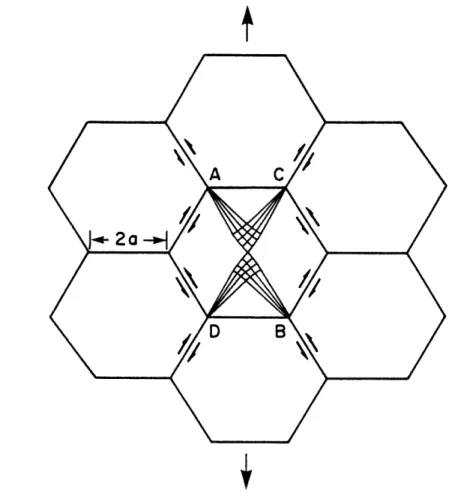
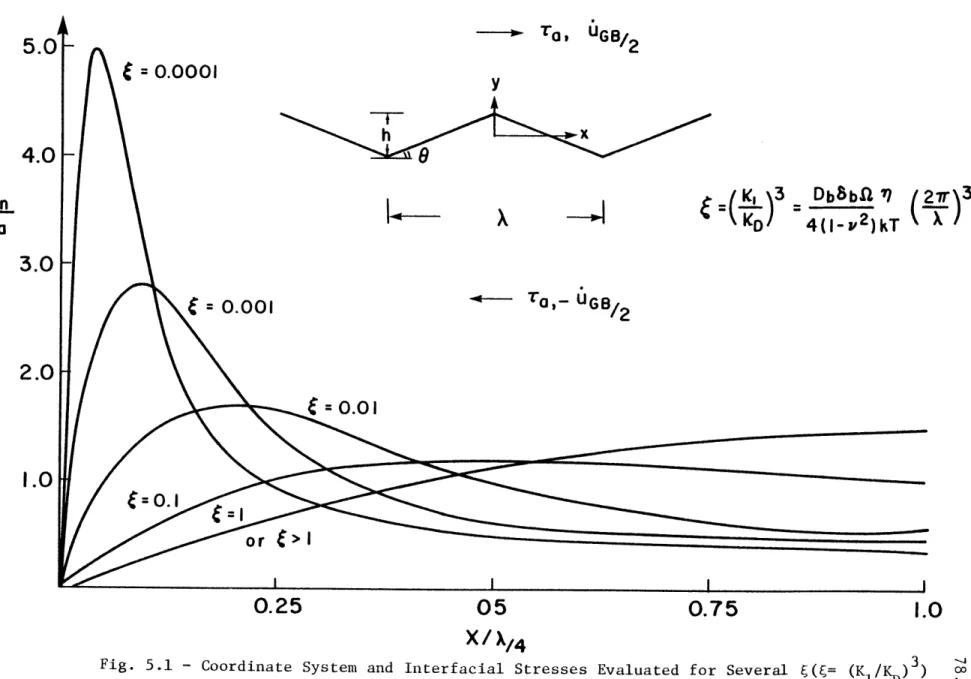
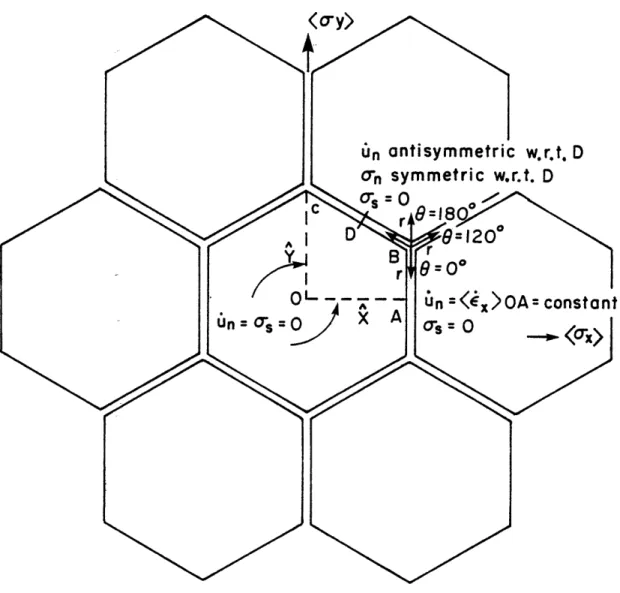
Numerical models of diffusion creep encompass polycrystals with irregular grain shapes [2, 11] and include the combined operation of stress-induced diffusion, grain rotation,
L’archive ouverte pluridisciplinaire HAL, est destinée au dépôt et à la diffusion de documents scientifiques de niveau recherche, publiés ou non, émanant des
The plastic compatibility requirement can be satisfied by the formation of fold if the possible slip systems to produce folds containing the triple junction exist in the
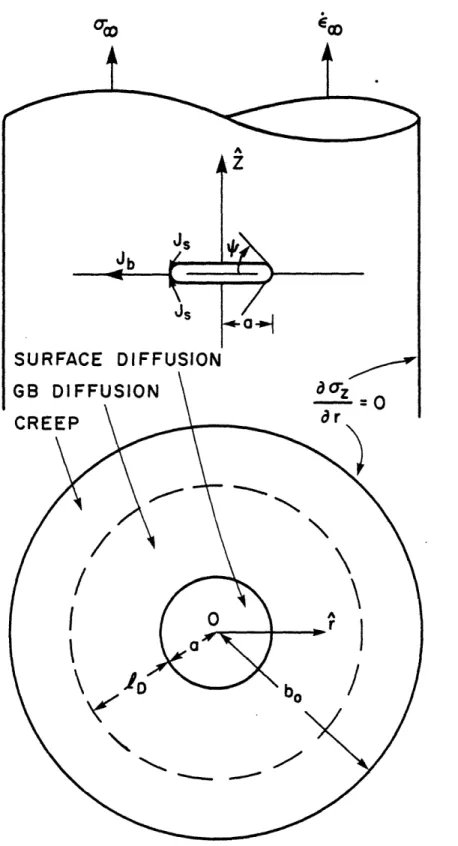
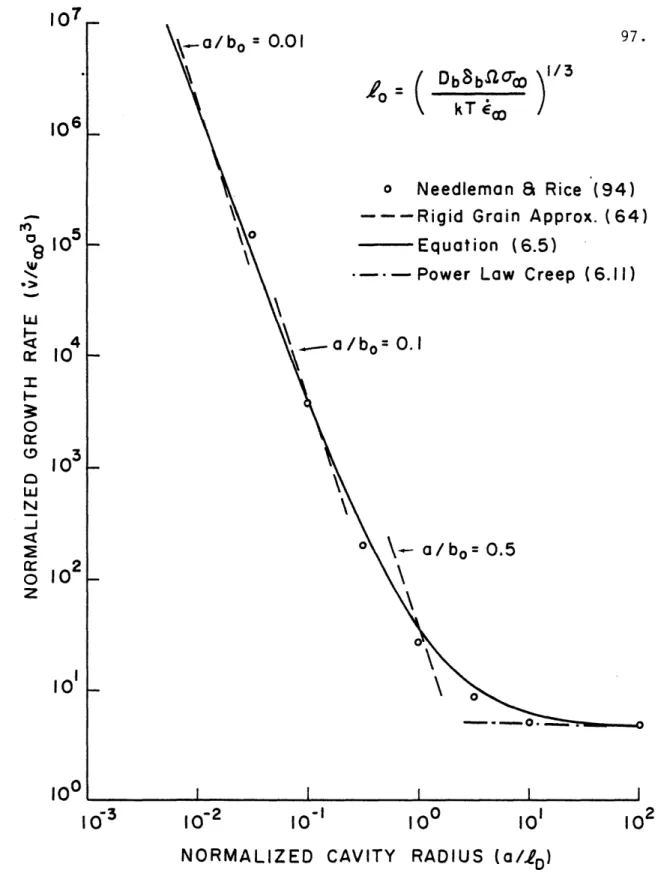
This final failure process can occur by cavity growth on adjacent grain boundaries inclined to the maximum tensile stress direction, by a mechanism. that mainly
Measurements of grain boundary and surface energies were used to determine whether equilibrium segregation of boron to these interfaces occurs in iron and AISI
m F = 257 N, slid bands appeared and no crack propagation was observed.This strategy has been then applied to preconditioned SENT 316H sample; • This experiment has been
