HAL Id: hal-00700258
https://hal.archives-ouvertes.fr/hal-00700258
Submitted on 22 May 2012
HAL is a multi-disciplinary open access
archive for the deposit and dissemination of
sci-entific research documents, whether they are
pub-lished or not. The documents may come from
teaching and research institutions in France or
abroad, or from public or private research centers.
L’archive ouverte pluridisciplinaire HAL, est
destinée au dépôt et à la diffusion de documents
scientifiques de niveau recherche, publiés ou non,
émanant des établissements d’enseignement et de
recherche français ou étrangers, des laboratoires
publics ou privés.
Mediterranean Sea.
Y. Crombet, Karine Leblanc, Bernard Queguiner, T. Moutin, Peggy
Rimmelin, Josephine Ras, Hervé Claustre, Nathalie Leblond, Louise Oriol,
Mireille Pujo-Pay
To cite this version:
Y. Crombet, Karine Leblanc, Bernard Queguiner, T. Moutin, Peggy Rimmelin, et al.. Deep
sili-con maxima in the stratified oligotrophic Mediterranean Sea.. Biogeosciences, European Geosciences
Union, 2011, 8, pp.459-475. �10.5194/bg-8-459-2011�. �hal-00700258�
www.biogeosciences.net/8/459/2011/ doi:10.5194/bg-8-459-2011
© Author(s) 2011. CC Attribution 3.0 License.
Biogeosciences
Deep silicon maxima in the stratified oligotrophic Mediterranean
Sea
Y. Crombet1, K. Leblanc1, B. Qu´eguiner1, T. Moutin1, P. Rimmelin1, J. Ras2, H. Claustre2, N. Leblond2, L. Oriol3,4, and M. Pujo-Pay3,4
1INSU/CNRS, Universit´e d’Aix-Marseille, LOPB-UMR 6535, Laboratoire d’Oc´eanographie Physique et Biog´eochimique,
OSU/Centre d’Oc´eanologie de Marseille, UMR 6535, Campus de Luminy Case 901, 163 Avenue de Luminy, 13288 Marseille Cedex 09, France
2Observatoire Oc´eanologique de Villefranche, Laboratoire d’Oc´eanographie de Villefranche, UMR 7093,
Villefranche-sur-mer, France
3CNRS, UMR 7621, Laboratoire d’Oc´eanographie Microbienne, Observatoire Oc´eanologique, 66651 Banyuls/mer, France 4UPMC Univ Paris 06, UMR 7621, Laboratoire d’Oc´eanographie Microbienne, Observatoire Oc´eanologique,
66651 Banyuls/mer, France
Received: 16 July 2010 – Published in Biogeosciences Discuss.: 7 September 2010 Revised: 2 February 2011 – Accepted: 3 February 2011 – Published: 17 February 2011
Abstract. The silicon biogeochemical cycle has been
stud-ied in the Mediterranean Sea during late summer/early au-tumn 1999 and summer 2008. The distribution of nutrients, particulate carbon and silicon, fucoxanthin (Fuco), and total chlorophyll-a (TChl-a) were investigated along an eastward gradient of oligotrophy during two cruises (PROSOPE and BOUM) encompassing the entire Mediterranean Sea during the stratified period. At both seasons, surface waters were depleted in nutrients and the nutriclines gradually deepened towards the East, the phosphacline being the deepest in the easternmost Levantine basin. Following the nutriclines, par-allel deep maxima of biogenic silica (DSM), fucoxanthin (DFM) and TChl-a (DCM) were evidenced during both sea-sons with maximal concentrations of 0.45 µmol L−1for BSi,
0.26 µg L−1for Fuco, and 1.70 µg L−1for TChl-a, all mea-sured during summer. Contrary to the DCM which was a persistent feature in the Mediterranean Sea, the DSM and DFMs were observed in discrete areas of the Alboran Sea, the Algero-Provencal basin, the Ionian sea and the Levantine basin, indicating that diatoms were able to grow at depth and dominate the DCM under specific conditions. Diatom as-semblages were dominated by Chaetoceros spp.,
Leptocylin-drus spp., Pseudonitzschia spp. and the association between
large centric diatoms (Hemiaulus hauckii and Rhizosolenia
styliformis) and the cyanobacterium Richelia intracellularis
Correspondence to: Y. Crombet
was observed at nearly all sites. The diatom’s ability to grow at depth is commonly observed in other oligotrophic regions and could play a major role in ecosystem productivity and carbon export to depth. Contrary to the common view that Si and siliceous phytoplankton are not major components of the Mediterranean biogeochemistry, we suggest here that diatoms, by persisting at depth during the stratified period, could contribute to a large part of the marine primary pro-duction as observed in other oligotrophic areas.
1 Introduction
Diatoms play an important role in the ocean biological pump and are responsible for an estimated 30% of the global oceanic primary production (Nelson et al., 1995; Tr´eguer et al., 1995). This large average value hides wide differences between eutrophic areas, where diatoms contribution to pri-mary production reaches up to 75% and oligotrophic areas where it scales down to 10–30 % (Nelson et al., 1995; Uitz et al., 2010). The lowest particulate Si biomass accumula-tion ever measured has been observed in open ocean olig-otrophic gyres, such as in the Sargasso Sea (Nelson et al., 1995; Nelson and Brzezinski, 1997; Krause et al., 2009a). Despite low abundance and chronic Si limitation, diatoms still play a significant role by contributing close to 25% of annual primary production in both the Sargasso Sea and the Central North Pacific (Brzezinski and Nelson, 1995; Nelson
and Brzezinski, 1997; Krause et al., 2009a; Brzezinski et al., 1998) and representing up to 30% of the annual carbon ex-port in the Sargasso Sea (Krause et al., 2009b; Nelson and Brzezinski, 1997). Hence, the functioning of these systems shows that despite widespread N and P limitation, Si avail-ability is also important to consider and that diatoms may play a crucial role in the biological C pump even in highly oligotrophic regions.
The Mediterranean Sea (MS) is one of the most olig-otrophic oceanic systems of the World Ocean (Ryan, 1966; Dugdale, 1976) and is characterised by a longitudinal gra-dient of oligotrophy increasing eastwards (Azov, 1991) and a near complete P depletion in the stratified layer dur-ing summer and fall, comparable to that observed in open ocean oligotrophic gyres. During the last century, the east-ern Mediterranean basin has also become increasingly olig-otrophic since the construction of the Assouan dam on the river Nile, whereas the western basin remains well supplied by the Rhˆone and Po river inputs and entering surface At-lantic waters (B´ethoux et al., 1998). This gradient of olig-otrophy parallels a gradient of biomass, with an extremely low chlorophyll content in the eastern basin. In a review of the seasonal development of the surface phytoplankton bloom using a ten year archive of SeaWiFS data, D’Ortenzio and Ribera d’Alcala (2009) evidenced distinct regions in the MS with different bloom phasings throughout the year. The main patterns observed over this decadal study were a clear biomass maximum in the western basin in spring with some early starts in November and December, while the eastern basin showed higher Chl-a values during winter and expe-rienced the lowest values during late spring/summer, from May to September. Most of the eastern basin, and parts of the western basin are characterised as “non-bloom” areas which would together cover about 60% of the MS (D’Ortenzio and Ribera d’Alcala, 2009). However, this study concerns sur-face Chl-a distribution as observed by satellites and ignores the potential deep phytoplankton accumulation, which we will show in this study, could modulate this clear cut pattern. Severe oligotrophic conditions appear with the onset of a strong thermal summer stratification in the MS and lead to the development of a Deep Chlorophyll-a Maximum (DCM) closely associated to the nutricline, which has been repeat-edly observed across the entire basin and compared to simi-lar structures of the oligotrophic Atlantic and Pacific Ocean (Ediger and Yilmaz, 1996). During summer, primary pro-duction rates are usually low, the autotrophic community is dominated by pico- and nanophytoplankton, and the micro-bial food web becomes predominant under internal nutrient recycling conditions (Thingstad and Rassoulzadegan, 1995). Several studies have documented the limitation of phyto-plankton production by nitrogen and phosphorus (Agusti et al., 1998; B´ethoux et al., 1992; Krom et al., 1991; Moutin et al., 2002). The MS deep waters are known to have a strong P deficit, with N:P ratios close to 28, while it is close to 16 in all other oceanic basins (Krom et al., 2004;
Pujo-Pay et al., 2011). A thorough review by Thingstad and Rassoulzadegan (1995) concluded that the Mediterranean planktonic ecosystems experience a general physiological P-limitation but questions still remain on the exact mechanism responsible for the decreased availability of P vs. N. Several hypotheses have been suggested, such as increased P adsorp-tion onto dust particles, increased N2fixation by both benthic
and pelagic organisms or dystrophic atmospheric and river-ine inputs (Krom et al., 2004, 2010) but none has yet been widely accepted as the sole responsible factor for the anoma-lous N:P ratios in the MS. High N2-fixation rates have been
previously measured in the Ligurian Sea (Garcia et al., 2006) but other measurements carried out in the MS reported neg-ligible fluxes (Krom et al., 2010; Ibello et al., 2010). Dia-zotrophic organisms such as the filamentous cyanobacterium
Trichodesmium and the symbiotic associations between the
cyanobacterium Richelia intracellularis and diverse diatom species have never been reported in abundance in the MS and should play an insignificant role in nitrogen fixation ac-cording to Krom et al. (2010). However, a recent review of plankton in the MS evidences the presence of large diatom accumulations at depth during summer (Siokou-Frangou et al., 2010). Our results shed new light on this debate and seem to confirm the latter hypothesis.
While the focus has been placed on the N and P cycles, the Si cycle remains poorly investigated in the MS, and the potential contribution of diatoms to primary production and export in the open basins of the MS is similarly poorly con-strained while data are mainly available for coastal and near shore areas. This paper presents a comparative study of the dissolved Si and siliceous phytoplankton distribution pat-terns over a vast oligotrophic gradient covering the entire MS during summer and fall. The results presented in this paper originate from two cruises that were carried out almost a decade apart over very similar longitudinal gradients and sampling strategies. Vertical distributions of nutrients, bio-genic silica, main and accessory pigments (Chl-a and fucox-anthin) as well as particulate organic carbon are presented for the PROSOPE cruise (Productivity of Oceanic Pelagic Systems) and the BOUM cruise (Biogeochemistry from the Oligotrophic to the Ultra-oligotrophic Mediterranean) con-ducted in fall 1999 and summer 2008 respectively. The ob-jectives of this article are to document the dissolved and par-ticulate Si cycle and assess diatoms contribution to phyto-plankton community as well as their link to N2fixation, over
both the western and eastern Mediterranean basins during the seasonal stratification period. Interestingly, a deep silica maximum was recurrently observed closely associated to the well identified DCM and we will explore the potential for-mation mechanisms and ecological role of this “deep glass forest” in the Mediterranean Sea.
DYF MIO 27 25 23 A C 11 9 7 5 3 1 B 12 14 16 18 22 20 1 2 3 4 5 6 7 8 9 PROSOPE – fall 1999 BOUM – summer 2008 Longitude L a ti tu d e B o tt o m d e p th
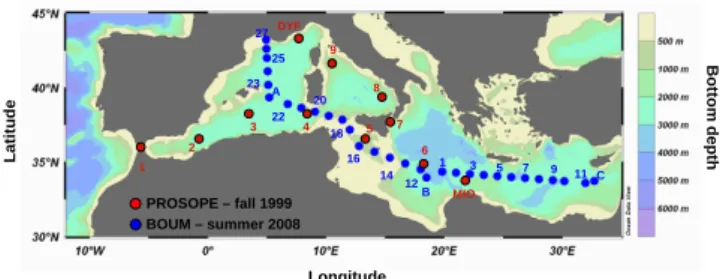
Fig. 1. Cruise tracks and sampling sites during the PROSOPE cruise
in late summer/fall 1999 (red dots) and during the BOUM cruises in summer 2008 (blue dots).
2 Methods
2.1 Study areas and sampling strategies
Seawater samples were collected during two cruises con-ducted in the western and eastern basins separated by the Sicily strait (Fig. 1). The CNRS/INSU PROSOPE (Pro-ductivity of Oceanic Pelagic Systems) cruise was part of the JGOFS (Joint Global Ocean Flux Study) program and was carried out in 1999 during late summer-early autumn (4 September to 4 October) on board R. V. Thalassa. The CNRS/INSU BOUM cruise (Biogeochemistry from the Oligotrophic to the Ultra oligotrophic Mediterranean Sea) was part of the SESAME (Southern Europeans Seas: Assess-ing and ModellAssess-ing Ecosystem Changes) integrated project supported by the European Commission, and was conducted in 2008 during summer (20 June to 22 July) on board R. V. L’Atalante. During the PROSOPE cruise, hydrolog-ical, biological and chemical parameters were studied at 9 short-term stations and 2 long-term (5 days) process study sites (DYF and MIO located in the Ligurian and Ionian Sea respectively). During the BOUM cruise, hydrological, bi-ological and chemical parameters were studied at 27 short-term stations and 3 long-short-term (4 days) process study sites (A, B, C, respectively located in the Algero-Provencal, the Tyrrhenian, and the Levantine basins) located in the center of anticyclonic gyres, where lateral advection was expected to be minimum.
2.2 Dissolved and particulate matter analysis
Seawater samples were collected at selected depths be-tween the surface and 200 m depth with 12 L Niskin bot-tles mounted on a seabird CTDO rosette sampler (model SBE 911). Nitrate (NO3) and phosphate (PO4) were
de-termined by standard automated colorimetric methods on a Bran & Luebbe Technicon autoanalyzer (Tr´eguer and Le Corre, 1975) without filtration (nutrients analyses detailed in Pujo-pay et al., 2011). The detection limits were respectively 30 nM, and 20 nM for NO3, and PO4. For orthosilicic acid
(H4SiO4), 20 mL of seawater collected from each Niskin
bot-tle were filtered onto 0.2 µm polycarbonate filters and anal-ysed for H4SiO4 according to the colorimetric method of
Mullin and Riley (1962) adapted by Strickland and Parsons (1972), with a detection limit of 50 nM and a precision of
± 35 nM.
For particulate biogenic silica (BSi) analyses, 1 to 2.3 L of seawater were filtered onto 47 mm 0.6 µm pore size polycar-bonate filters. Filters were folded and stored in plastic Petri dishes, oven dried (60◦C) for 24 h and stored at room tem-perature until processing at the laboratory. Filters were then analysed for BSi following the hot NaOH digestion tech-nique described by Nelson et al. (1989). The detection limit was 0.011 µmol L−1.
For pigment analyses 2 L of seawater were filtered onto pre-combusted Whatman GF/F 25 mm filters and stored in liquid nitrogen until processing. Extraction was achieved in 3 mL 100% methanol, followed by a sonication and an-other filtration on a new GF/F filter to clarify the extracts. Pigments were then analysed by HPLC (High Performance Liquid Chromatography) following the method of Vidussi et al. (1996) (PROSOPE cruise) and Ras et al. (2008) (BOUM cruise). In this paper we only present the distributions of to-tal Chlorophyll-a (TChl-a) and fucoxanthin (Fuco), the for-mer including Chlorophyll-a and divinyl-Chlorophyll-a, the latter being often used as a diagnostic pigment for diatoms (Vidussi et al., 2000). The limit of detection for TChl-a and Fuco were 2.4 ng L−1for the PROSOPE cruise (Claustre et al., 2004) and better than 0.2 ng L−1for the BOUM cruise (see (Hooker et al., 2009) for the performances of the Ras et al. (2008) method).
Particulate Organic Carbon (POC) samples were collected by gentle filtration of 1.2 L for the PROSOPE cruise and 3 L for the BOUM cruise of seawater on precombusted (450◦C for 24 h) Whatman GF/F filters (25 mm in diameter). Af-ter filtration, filAf-ters were immediately placed in 25 mL Pyrex bottles (Duran Schott) fitted with screwcap equipped with Teflon ring and dried in an oven at 50◦C and stored in a dessicator until analyses at the laboratory. POC was deter-mined according to the wet oxydation procedure described by Raimbault et al. (1999) for the PROSOPE samples, and on an elemental CHN analyser Perkin Elmer 2400 for the BOUM samples.
2.3 Determination of euphotic zone depth (Zeu)
The depth of the euphotic zone was determined with a bio-optical model for light propagation designed by Morel and Maritorena (2001) where Zeuis calculated from Chl-a
verti-cal profiles and Kd(downward irradiance). 2.4 Phytoplankton cell counts
From each Niskin bottle, 0.5 L seawater were immediately fixed by adding Lugol solution and stored at 4◦C in the dark until analysis. In the laboratory, subsamples of 50–100 mL
H 4S iO 4 [µ m o l L -1 ] D e p th [ m ] 1 2 3 4 5 6 MIO D e p th [ m ] A B 50 100 150 200 0 50 100 150 200 0 N O 3 [µ m o l L -1 ] P O 4 [µ m o l L -1 ] D e p th [ m ] 0 500 1000 1500 2000 2500 1000 2000 3000 4000 D e p th [ m ] Alboran sea Algero-Provencal basin Sicily strait Ionian basin B o tt o m to p o g ra p h y B C 200 50 100 150 200 0 Distance [km]
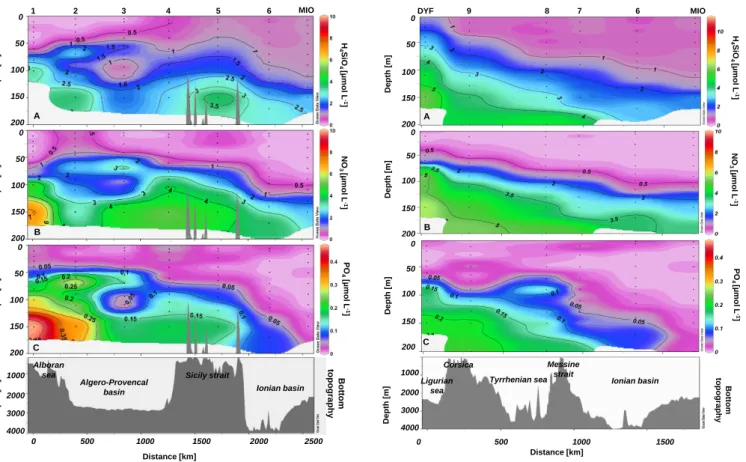
Fig. 2. Nutrient distributions (µM) along the transect 1 during
PROSOPE the cruise (summer/fall 1999).
were allowed to settle (48 h) in composite chambers. The cells were identified and counted by using an inverted micro-scope following the Uterm¨ohl method (Uterm¨ohl, 1931).
3 Results
3.1 Nutrient distributions
3.1.1 Large-scale nutrient distribution during the PROSOPE cruise (late summer-early autumn)
For the sake of clarity, we have presented the data acquired during PROSOPE as two different transects: a longitudinal transect 1 from station 1 to station 6 (Fig. 2) and a merid-ian transect 2 from station DYF to station MIO (Fig. 3), partially overlapping at stations 6 and MIO. Surface waters were depleted in H4SiO4with concentrations below 1 µm
ex-cept at the northern DYF station of transect 2 where the sur-face concentration reached 1.31 µm (Figs. 2a and 3a). On transect 1, the Alboran Sea, characterised by the low sur-face salinity signature of entering Modified Atlantic Waters (MAW) (Perkins et al., 1990), exhibited low H4SiO4
con-centrations (<0.5 µM) in the upper 50 m at station 1, and at shallower depths at stations 2 (30 m) and 3 (10 m). Surface
H 4S iO 4 [µ m o l L -1 ] D e p th [ m ] D e p th [ m ] N O 3 [µ m o l L -1 ] DYF 9 8 7 6 MIO 50 100 150 200 0 50 100 150 200 0 A B P O 4 [µ m o l L -1 ] D e p th [ m ] Ligurian sea Tyrrhenian sea Messine strait Ionian basin 200 50 100 150 200 0 0 500 1000 1500 1000 2000 3000 4000 D e p th [ m ] Bo tt o m to p o g ra p h y Corsica Distance [km] C
Fig. 3. Nutrient distributions (µM) along the transect 2 during
PROSOPE the cruise (summer/fall 1999).
H4SiO4concentrations then increased along the longitudinal
gradient reaching between 0.48–0.88 µm at stations 5, 6, and MIO. On transect 1, station 3 and to a lesser extent stations 2 and 4 were characterised by a H4SiO4minimum between
80 and 110 m. As a general pattern, the 1 µM H4SiO4
iso-pleth marked the beginning of the silicicline and deepened towards the East, from ∼65 m (station 1) and ∼40 m (station 9) to ∼110 m (MIO), although undulations characteristic of the strong mesoscale dynamics of the Algerian Current were clearly visible on transect 1 (Fig. 2). The highest H4SiO4
concentrations (3.6 to 5.8 µM) were observed in stations 8, 9, and DYF at 150 m (Fig. 3a).
NO3 and PO4 distributions (Fig. 2b–c and Fig. 3b–c,
re-spectively) followed the same general pattern of surface wa-ter depletion, and a more severe oligotrophy at the easwa-tern stations (6 and MIO). Similarly to H4SiO4, NO3 and PO4
varied at depth at station 3 probably also due to mesoscale activity of the Algerian current. Both the nitracline (starting around 0.5 µM NO3) and the phosphacline (starting around
0.05 µM PO4) deepened progressively towards the East but
the phosphacline deepening was much steeper. The largest difference was observed at MIO station where the phospha-cline was 100 m deeper than the nitraphospha-cline. Contrary to what was observed for H4SiO4, the highest concentrations of NO3
H 4S iO 4 [µ m o l L -1 ] D e p th [ m ] D e p th [ m ] Sicilian Strait Algero-Provencal
basin Ionianbasin
Levantine basin 27 25 26 2423 22A 2120191817 16 15 14 13 12B1 2 3 4 5 6 7 8 9 10 11C 50 100 150 200 0 0 1000 2000 3000 1000 2000 3000 B o tt o m to p o g ra p h y Distance [km]
Fig. 4. Orthosilicic acid distribution (µM) during the BOUM cruise
(late summer 2008).
and PO4were observed at the entrance of the Gibraltar Strait
at station 1 (7.16 µm NO3and 0.47 µm PO4at 150 m).
3.1.2 Large-scale orthosilicic acid distribution during the BOUM cruise (summer)
In this section, we only describe the H4SiO4concentrations
(Fig. 4) as NO3 and PO4 distributions are described
exten-sively in Pujo-pay et al. (2011). The BOUM cruise allowed us to extend the observations to the Levantine Basin and thus obtain a complete picture of the zonal gradient of oligotrophy in summer.
The highest H4SiO4concentrations were measured at
sta-tions 25 and 26 at 175 m, respectively reaching 5.86 and 5.83 µm (Fig. 4). The general pattern of H4SiO4
distribu-tion was again characterised by a general depledistribu-tion of surface waters and a deepening of the silicicline marked by the 1 µm isopleth, from ∼25–40 m in the Ligurian basin (stations 26 and 27) to ∼150 m at the entrance of the Ionian basin (sta-tion 12), to finally >200 m on the easternmost side of the Levantine basin (stations 11 and C). This general pattern is disrupted in the transition zone between the Ionian and Lev-antine basins. We observed indeed a substantial enrichment of surface waters, from stations B to 5, with highest H4SiO4
at station 2.
NO3and PO4distributions paralleled that of H4SiO4
(Fig-ures in Pujo-Pay et al., 2011). NO3 concentrations ranged
between the detection limit and 9.23 µm (station 25, 200 m) whereas PO4 concentrations ranged between the detection
limit and 0.37 µm (station 26, 200 m). Surface waters were depleted for both NO3 and PO4. The nitracline was close
to the thermocline whereas the phosphacline was generally located deeper. B S i [ µ m o l L -1 ] F u c o [µ g L -1 ] D e p th [ m ] D e p th [ m ] 1 2 3 4 5 6 MIO A B 50 100 150 200 0 50 100 150 0 T C h la [µ g L -1 ] D e p th [ m ] 0 500 1000 1500 2000 2500 1000 2000 3000 4000 D e p th [ m ] Alboran sea Algero-Provencal basin Sicily strait Ionian basin B o tt o m to p o g ra p h y B C 200 50 100 150 200 0 Distance [km]
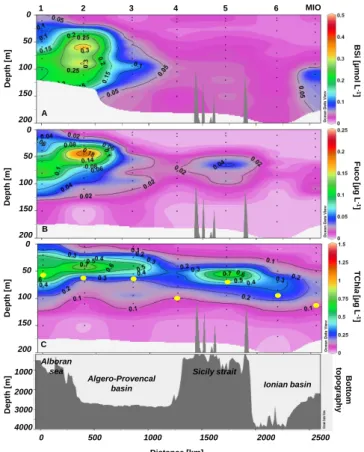
Fig. 5. Distribution of (A) Biogenic Silica (BSi) (µmol L−1), (B)
Fucoxanthin (Fuco) (µg L−1), and (C) Total chlorophyll-a
(TChl-a) (µg L−1) and depth (m) of the euphotic zone (yellow dots) along
transect 1 during the PROSOPE cruise (summer/fall 1999).
3.2 Particulate matter distribution
3.2.1 Large-scale distribution of biogenic silica and associated parameters during the PROSOPE cruise (late summer-early autumn)
In general, the Mediterranean waters had extremely low BSi contents in the surface waters, quite uniformly
<0.05 µmol L−1, except in the Alboran Sea where
concen-trations reached up to 0.38 µmol L−1 in a deep silica maxi-mum (DSM) located between 60 and 95 m from station 1 to 3 (Figs. 5a and 6a). Another slight DSM was apparent at DYF station (>0.05 µmol L−1at 75 m) while a more pronounced feature was observed at MIO station (up to 0.11 µmol L−1at 110 m).
Fucoxanthin concentrations ranged from below the detec-tion limit to 0.22 µg L−1 (Fig. 5b and 6b). Its distribution was very similar to that of BSi, with low values at the sur-face, and deep maxima at stations 1, 2, 3, MIO, and DYF co-inciding with the observed DSM. The highest Fuco concen-tration was measured at station 2 with 0.22 µg L−1at 45 m, slightly above the depth of BSi maximum. Another small
D e p th [ m ] D e p th [ m ] DYF 9 8 7 6 MIO 50 100 150 200 0 50 100 150 200 0 A B B B S i [ µ m o l L -1 ] F u c o [µ g L -1 ] D e p th [ m ] Ligurian sea Tyrrhenian sea Messine strait Ionian basin 200 50 100 150 200 0 0 500 1000 1500 1000 2000 3000 4000 D e p th [ m ] Bo tt o m to p o g ra p h y Corsica Distance [km] C C T C h la [µ g L -1 ]
Fig. 6. Distribution of (A) Biogenic silica (BSi) (µmol L−1), (B)
Fucoxanthin (Fuco) (µg L−1), and (C) Total chlorophyll-a
(TChl-a) (µg L−1) and depth (m) of the euphotic zone (yellow dots) along transect 2 during the PROSOPE cruise (summer/fall 1999).
deep maximum of Fuco (0.06 µg L−1) was observed at
sta-tion 5 at 65 m, but did not match any BSi increase. This discrepancy could be related to the presence of other non-siliceous algae containing fucoxanthin such as prymnesio-phytes or chrysoprymnesio-phytes.
TChl-a concentrations ranged from below the detection limit to a maximum value of 0.96 µg L−1(Figs. 5c and 6c).
TChl-a concentrations were generally higher on transect 1 (Fig. 5c) than on transect 2 (Fig. 6c) and maximum concen-trations (from 0.4 to 0.9 µg L−1) were found between 40 and
60 m at stations 1, 2, 3 and 5. TChl-a exhibited the same pattern of distribution as BSi and Fuco, i.e. a deep
TChl-a mTChl-aximum (DCM) present on both trTChl-ansects TChl-and
deepen-ing eastwards (from 40 to 60 m at the Gibraltar Strait and in the Ligurian Sea to ∼90 m in the Ionian basin). Unlike the patchy distribution of BSi and Fuco, the DCM appeared as a more regular feature all along the two transects.
Considering the euphotic zone, the DCM and DSM were generally observed 15–30 m above Zeu (Figs. 5c and 6c).
However DSMs at DYF (75 m) and MIO (110 m) were lo-cated at the edge of the euphotic zone. In general, the eastward deepening of the deep particulate matter maxima seemed to follow the deepening of the euphotic zone.
B S i: P O C (m o l: m P O C ( µ m o l L -1 ) BSi (µmol L-1) 1 2 3 4 5 6 MIO A 0 500 1000 1500 2000 2500 1000 2000 3000 4000 D e p th [ m ] Alboran sea Algero-Provencal basin Sicily strait Ionian basin B o tt o m to p o g ra p h y Distance [km] l: m o l) B
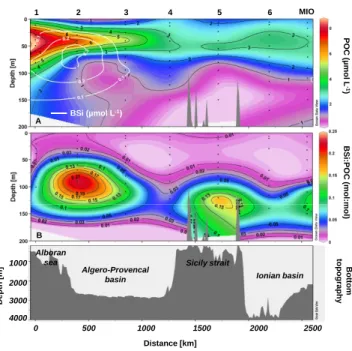
Fig. 7. (A) Distribution of particulate organic carbon (POC)
(µmol L−1), with BSi concentrations (µmol L−1) isopleths as
over-lays in white and (B) BSi:POC ratios (mol:mol) along transect 1 during the PROSOPE cruise (summer/fall 1999).
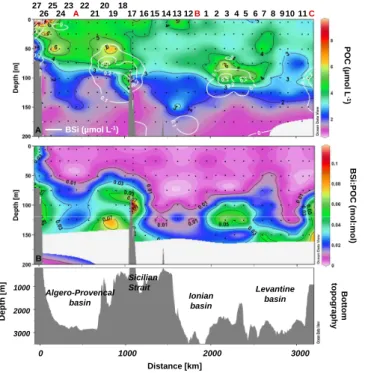
The distribution of particulate organic carbon is presented together with BSi:POC ratios in Figs. 7 and 8. POC distribu-tion revealed a very similar pattern compared to TChl-a with maximum concentrations found in the Alboran Sea at 50 m (7 µmol L−1), spreading in the Algero-Provencal0 basin at
depth, and a new increase in the Ionian basin between sta-tions 5 and MIO, reaching 3 µmol L−1. POC was very low below 100 m (<1 µmol L−1) except at site 1, where moderate
concentrations were measured at 150 m (Fig. 7a). BSi:POC ratios were quite elevated, by comparison to the Brzezinski (1985) ratios, in the Alboran Sea (0.25 at station 2 at 90 m) and over the Sicily Strait (0.19 at station 5 at 120 m; Fig. 7b). A third increase was observed at the MIO station, where BSi:POC ratio reached 0.11 at 130 m. On the second tran-sect, POC distribution was quite monotonous (Fig. 8a), with a small subsurface maximum spreading from the DYF station to the MIO station without much decrease at depth. Surpris-ingly, a subsurface maximum was observed at station 7 be-tween 10 and 50 m (4.6 to 5.5 µmol L−1) which did not match
any increase in Chl-a, Fuco or BSi, and could reflect the pres-ence of heterotrophs. BSi:POC ratios were low (<0.01) over the entire 0–50 m layer, but increased at depth and in particu-lar at two locations, at station 9 at 150 m (0.10) and at station MIO (0.11) as mentioned above (Fig. 8b).
B S i: P O C (m o P O C ( µ m o l L -1 ) BSi (µmol L-1) DYF 9 8 7 6 MIO A Ligurian sea Tyrrhenian sea Messine strait Ionian basin 0 500 1000 1500 1000 2000 3000 4000 D e p th [ m ] Bo tt o m to p o g ra p h y Corsica Distance [km] o l: m o l) B
Fig. 8. (A) Distribution of particulate organic carbon (POC)
(µmol L−1), with BSi concentrations (µmol L−1) isopleths as
over-lays in white and (B) BSi:POC ratios (mol:mol) along transect 2 during the PROSOPE cruise (summer/fall 1999).
3.2.2 Large-scale distribution of biogenic silica and associated parameters during the BOUM cruise (summer)
Surface (0–50 m) BSi concentrations were low (<0.05 µmol L−1) throughout the transect except at the
coastal station 27 in the Gulf of Lions (0.36 µmol L−1
at 5 m) (Fig. 9a). A core of slightly higher concentra-tions (range: 0.05–0.15 µmol L−1) was observed between
50–175 m on the continental margin and in the northern Ligurian Sea (stations 23 to 27). However, the most striking feature was the observation of three successive DSM along the transect in a patchy distribution with hot spots of BSi accumulation at depth in discrete areas. The first DSM (up to 0.44 µmol L−1) was located between the south of Sardinia
(station 21) and the Sicilian Strait (station 16) between 50 and 125 m. A second large DSM (up to 0.45 µmol L−1)
was encountered in the Ionian basin (between stations 1 and 9) from 50 to 175 m, while the third DSM (up to 0.24 µmol L−1) occurred at the eastern end of the transect
south of Cyprus in the Levantine basin (station C) at 100 m. Fuco distribution was in good agreement with BSi since the locations of three successive DFMs closely matched those of the DSM (Fig. 9b). A small increase of Fuco was observed in the northern Ligurian Sea with concentrations reaching up to 0.06 µg L−1 at the surface (stations 26 and 27). From station 25, the Fuco peaks tended to deepen and were always found below 50 m at all other stations of the
B S i[ µ m o l L -1 ] D e p th [ m ] D e p th [ m ] F U C O [µ g L -1 ] 27 25 26 2423 22A 2120191817 16 15 14 13 12B1 2 3 4 5 6 7 8 9 10 11C 50 100 150 200 0 50 100 150 0 A T C h la [µ g L -1 ] D e p th [ m ] D e p th [ m ] Sicilian Strait Algero-Provencal
basin Ionianbasin
Levantine basin 200 50 100 150 200 0 0 1000 2000 3000 1000 2000 3000 B o tt o m to p o g ra p h y Distance [km] B C
Fig. 9. (A) Distribution of biogenic silica (BSi) (µmol L−1), (B)
Fucoxanthin (Fuco) (µg L−1), and (C) Total chlorophyll-a
(TChl-a) (µg L−1) and depth (m) of the euphotic zone (yellow dots) during
the BOUM cruise (summer 2008).
transect. The DFM values corresponding to the DSM loca-tions were respectively from West to East of 0.20 µg L−1 (sta-tion 18), 0.26 µg L−1(station 3) and 0.08 µg L−1(station C). TChl-a followed a very similar pattern but looked like a more continuous feature, as mentioned above for the PROSOPE cruise, with a DCM present at every station (Fig. 9c), except at coastal station 27 where TChl-a showed the highest sur-face value (0.37 µg L−1). Despite the continuous presence
of the DCM deepening eastwards, several hot spots with in-creased concentrations of TChl-a were clearly visible, which locations matched those of the DSM and DFMs. The most important DCM was located in the Ligurian Sea with the highest TChl-a concentration measured (1.70 µg L−1at sta-tion 25, 50 m). Other more pronounced DCMs were detected associated to the main DSM/DFM with 0.87 µg L−1at station 18, 0.68 µg L−1at station 3and 0.40 µg L−1at station C.
Finally, the deep structures observed during BOUM ap-peared more pronounced, showing higher biomass val-ues, than those observed during PROSOPE. Station 3 of the BOUM cruise, geographically very close to MIO station of PROSOPE, is a good example of this trend:
27 25 26 2423 22A 2120191817 16 15 14 13 12B1 2 3 4 5 6 7 8 9 10 11C B S i: P O C (m o P O C ( µ m o l L -1 ) BSi (µmol L-1) A D e p th [ m ] Sicilian Strait Algero-Provencal
basin Ionianbasin
Levantine basin 0 1000 2000 3000 1000 2000 3000 B o tt o m to p o g ra p h y Distance [km] o l: m o l) B
Fig. 10. (A) Distribution of particulate organic carbon (POC)
(µmol L−1), with BSi concentrations (µmol L−1) isopleths as
over-lays in white and (B) BSi:POC ratios (mol:mol) along the BOUM cruise (summer 2008).
maximum BSi concentration was 0.45 µmol L−1at station 3 vs. 0.12 µmol L−1at station MIO; maximum Fuco concen-tration was 0.26 µg L−1at station 3 vs. 0.02 µg L−1at station MIO and TChl-a highest value was 0.68 µg L−1at station 3 vs. 0.18 µg L−1at station MIO. Hence, the siliceous phyto-plankton biomass was generally higher in summer 2008 than in late summer/early autumn 1999.
The depth of the euphotic zone during summer 2008 was approximately the same than late summer/early autumn 1999, and ranged between 50–120 m (Fig. 9c) as during PROSOPE cruise. If the deep maxima still followed the deepening of Zeu, we can note that they were positionned
just few meters above the Zeuand thus lower in the euphotic
zone compared to the PROSOPE cruise.
Particulate organic carbon follows the same trends than BSi and Chl-a with 4 maxima (∼6 µmol L−1) located in
the northern Algero-Provencal basin near the surface, and at depth over the Sicilian strait, in the Ionian Sea and at station C in the Levantine basin (Fig. 10a). Low BSi:POC ratios (< 0.01) were observed from the surface to as deep as 125 m in the Ionian and Levantine basins, but increased between 100 and 150 m to more elevated values (0.05 to 0.09) at the three main DSM locations but with a slight offset with depth (Fig. 10b). m -2] ∫ B S i [m m o l m -2] A * * B 20 25 30 1 2 3 DYF 4 9 5 8 7 6 MIO 0 5 10 15 20 25 30 ∫ B S i [m m o l m WEST EAST * * 27 26 2524 23 A22 2120191817 1615 141312 B 1 2 3 4 5 6 7 8 9 1011 C 0 5 10 15 20
Fig. 11. Integrated biogenic silica stocks (mmol m−2) over 0–
150 m (with exceptions indicated by a red star) for the PROSOPE cruise (A) and the BOUM cruise (B) along a West-East gradient. In-tegration depths at PROSOPE stations 1 and 2 were 100 and 110 m respectively, while integration depths at BOUM stations 17 and 27 were 118 and 100 m respectively.
3.3 Integrated BSi stocks
Integrated (0–150 m) silicon stocks during both cruises are presented in Fig. 11. During PROSOPE (Fig. 11a), the west-ern basin exhibited the highest BSi stocks which ranged from 2.6 to 25.0 mmol m−2, with the highest stocks at the three westernmost stations (1 to 3). Stocks were several folds lower in the eastern basin and ranged from 2.2 to 5.8 mmol m−2. During the BOUM cruise (Fig. 11b), inte-grated BSi stocks were on average higher despite a simi-lar range of values from 1.1 to 28.2 mmol m−2. Despite some large spatial variability due to the presence of several hot spots of BSi accumulation in both basins, the average BSi stock in the western basin (station 27 to 17) was higher (11.6 mmol m−2) than the average value for the eastern basin
(5.8 mmol m−2).
4 Discussion
4.1 Oligotrophic gradient in the Mediterranean Sea
The gradient of oligotrophy is well documented in the Mediterranean Sea (McGill, 1961; Sournia, 1973; Krom et al., 1991; Moutin and Raimbault, 2002) and is a conse-quence of the anti-estuarine thermohaline circulation and the
∫ N :P [ m o l: m o l] N:P = 16 1 2 3 DYF 4 9 5 8 7 6 MIO 0 10 20 30 40 50 60 70 o l: m o l] A B 1,5 2,0 2,5 ∫ S i: N [ m o Si:N = 1 WEST EAST 1 2 3 DYF 4 9 5 8 7 6 MIO 0,0 0,5 1,0
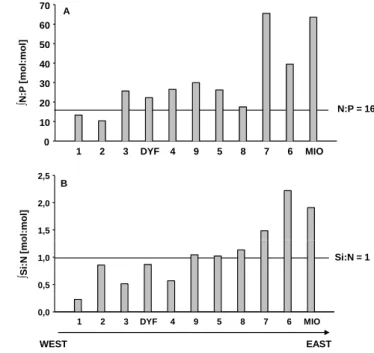
Fig. 12. Integrated N:P (A)) and Si:N (B) ratios (mol:mol) over
0–150 m for the PROSOPE cruise along a West-East gradient. In-tegration made under 150 m is signified by a red star. InIn-tegration at stations 1 and 2 was made over 100 and 110 m respectively.
nutrient input’s asymmetry between the western and the east-ern basins. The degree of oligotrophy along this gradient is then determined by the balance between biological processes such as production, remineralisation, and export, and can be locally affected by mesoscale or submesoscale structures like hydrological fronts and eddies (Crise et al., 1999). Accord-ingly, we observed that surface waters of the Mediterranean Sea were depleted in nutrients during both summer and fall and that all nutriclines deepened towards the East (Figs. 2 to 4). The phosphacline was generally deeper than the nitra-cline and silicinitra-cline in particular in the eastern basin, which could induced a general P limitation in the Ionian and Lev-antine basins (Pujo-Pay et al., 2011). The P deficit in both surface and deep waters of the Mediterranean Sea is well es-tablished but the responsible mechanisms are still a matter of debate (Krom, 1995). Considering the reference N:P ratio of 16 (Redfield et al., 1963), the general P limitation of the Mediterranean Sea is further emphasized by the integrated surface N:P ratios which are generally well >20 (Figs. 12a and 13a) except in a few areas such as the Alboran Sea dur-ing fall and at only three stations durdur-ing summer (stations 6, 14 and C). The P deficit is more intense in the eastern basin during both seasons, with extremely high N:P ratios during summer (40–80 and sometimes >100) when P is close to the detection limit, and slightly lower ratios during fall in the Io-nian sea (40–65), when N becomes more depleted. Our data are consistent with high ratios usually found in the Mediter-ranean Sea (around 20–30 in the deep waters and up to 100
∫ N :P [ m o l: m o l] N:P = 16 1 2 3 DYF 4 9 5 8 7 6 MIO 0 10 20 30 40 50 60 70 o l: m o l] A B 1,5 2,0 2,5 ∫ S i: N [ m o Si:N = 1 WEST EAST 1 2 3 DYF 4 9 5 8 7 6 MIO 0,0 0,5 1,0
Fig. 13. Integrated N:P (A) and Si:N (B) ratios (mol:mol) over 0–
150 m for the BOUM cruise along a West-East gradient. Integration made under 150 m is signified by a red star. Integration was made over 118 m for station 17 and 100 m for station 27.
in the surface waters) (McGill, 1969; Jacques and Tr´eguer, 1986; Moutin and Raimbault, 2002).
If nitrogen and phosphate are usually considered as lim-iting in the Mediterranean Sea, silicon has been considered for a long time abundant in the euphotic zone (Jacques and Tr´eguer, 1986; Krom et al., 1993, Tanaka et al., 2011) and often ignored as a potential limiting factor in biogeochem-ical models (Crispi et al., 2002). Yet, we observed during summer and fall a potential Si deficit compared to N in the entire Algero-Provencal basin and as far towards the East as the Tunisian continental shelf located across the Sicily Strait, with integrated Si:N ratios <1 in the first 150 m (Figs. 12b and 13b). If we consider the empirical Si:N uptake ratio ≈1 for siliceous phytoplankton (Brzezinski, 1985) Si availabil-ity could be limiting for diatom growth. The Si deficiency is relieved in the Ionian and Levantine basins where Si:N ra-tios remain well over 1 during both seasons, but with local minima close to 1 between stations 3 and 8 during BOUM, where a large DSM was observed. Considering the Si:N:P ratios simultaneously, N and P constitute the prominent po-tential limiting factors in the Mediterranean Sea, but Si ap-pears as potentially limiting to diatom growth in the west-ern basin and over the Tunisian continental shelf. Consistent with our findings, Ribera d’Alcala et al. (2003) suggested that diatoms might play an important role in the eastern basin based on basin-scale nutrient estimates. The elevated Si:N ratio in intermediate and deep waters led the authors to the conclusions that diatoms were probably playing an important
role in the surface layer and that the high Si:N ratio at depth evidenced an active vertical transfer of siliceous material. The little attention given to orthosilicic acid distribution in the MS is likely coupled to the idea that the DCM observed during stratified oligotrophic conditions is overall dominated by pico- and nanophytoplankton. Our data show that during both summer and fall, this is not always the case and that diatoms may locally be important contributors to the DCM. We explore tentative explanations for the co-occurrence of the DSM with the DCM in the following paragraphs.
4.2 Occurrence of a Deep Silica Maximum (DSM) in the Mediterranean Sea
The data obtained during the BOUM cruise confirmed the re-currence of DSM in the different Mediterranean basins dur-ing the stratified oligotrophic period, an observation that was initially made during PROSOPE. DSM were found in the Alboran, Ionian and Ligurian basins during late summer-fall 1999 and were also observed in the Levantine basin and in the Sicilian Strait in summer 2008. Similar characteristics of the DSM during both seasons were a patchy distribution (while the DCM was a more continuous feature across the MS) and a progressive deepening of this structure towards the East, following that of the nutriclines and Zeu.
Differ-ences consisted in Chl-a maximum values that were almost twice as high in fall compared to summer despite similar con-centration ranges of both BSi and Fuco, which indicates a lower relative contribution of diatoms to the phytoplankton community later in the season.
The occurrence of DSM has been previously observed in Mediterranean waters (Price et al., 1999a), but it has never been reported to be a recurrent feature of the strat-ified open Mediterranean Sea. The first reference in the MS goes back two decades ago in a coastal system off the coasts of Egypt close to the Nile River mouth, where Abdel-Moati (1990) evidenced the presence of a DSM, closely cou-pled to the DCM at 100 m depth, with elevated BSi con-centrations (1.35 ± 0.49 µmol L−1). In the Algerian current,
Gould and Wiesenburg (1990) observed a narrow band of Chl-a at 54 m dominated at 98% by the centric diatom
Tha-lassiosira partheneia. Smaller DSM (BSi<0.1 µmol L−1)
were later observed in the Cretan Sea in spring and fall by Price et al. (1999b). Finally, Leblanc et al. (2004) reported a moderate DSM (BSi<0.2 µmol L−1) during winter in the
Almeria-Oran Front inside an anti-cyclonic gyre but which was mainly attributed to lateral advection of a frontal bloom and cross-frontal exchanges of biomass along the isopycnal slopes.
Nonetheless, the DSM is a feature that has been ob-served in several other oceanic systems worldwide in re-cent years, in the oligotrophic environment of the Sargasso Sea (Brzezinski and Kosman; 1996, Krause et al., 2009a) and gyres of the Equatorial and Central North Pacific (Blain et al., 1997; Brzezinski et al., 1998; Scharek et al., 1999,
Dore et al., 2008). This feature has also been recurrently observed in the Southern Ocean but with often much higher biogenic silica concentrations (Qu´eguiner, 2001; Leblanc et al., 2002; Qu´eguiner and Brzezinski, 2002; Beucher et al., 2004; Mosseri et al., 2008).
4.3 Deep Chlorophyll-a Maximum (DCM) and
potential formation mechanisms
The DCM is a well known structure in the ocean, ubiqui-tous in stratified oligotrophic areas and notably in the en-tire Mediterranean Sea (Berman et al., 1984; Estrada, 1985; Estrada et al., 1993; Ediger and Yilmaz, 1996; Abdel-Moati, 1990; Tselepides et al., 2000; Herut et al., 2000). The DCM formation depends on the equilibrium between phytoplank-ton accumulation mechanisms (physical gradient, physiolog-ical adaptation to light and nutrient limitation, local growth at nutricline depth) and dispersion processes such as sink-ing, advection, or grazing. If the DCM is sustained for several weeks or months it implies that gain terms (local growth or accumulation from passive sinking at the pycno-cline) are balanced with loss terms (grazing and sinking out of the euphotic layer) as described in detail by Parslow et al. (2001) for the Southern Ocean. During the BOUM study, the vertical distribution of small copepods and nauplii closely matched the DCM along the entire transect (Nowaczyk et al., 2011), which is indicative of grazing inside the DCM, which in turn indicates that local growth was occurring to compen-sate for this loss term and maintain the feature throughout summer. However DCM formation mechanisms in the MS are somewhat different than in the tropics where this fea-ture is generally permanent throughout the year (Mann and Lazier, 1996), while it is mainly seasonal in the MS and likely the result of a transitory state between post hivernal mixing and summer stratification (Estrada et al., 1985, 1993).
4.4 Correlations between DCM, DSM and DFM in the
Mediterranean Sea
The DSM was not systematically correlated to the DCM but the presence of a DSM was observed at a large majority of stations (83%) during summer and at about half of the sta-tions (45%) during fall. However, the more intense DSM were observed over more restricted areas along the cruise tracks.
During late summer/fall 1999 deep maxima were not strictly correlated, especially in the Alboran and Ligurian Seas. Cell counts revealed that the DSM in the Albo-ran Sea at station 2 (30 m) was dominated by
Guinar-dia delicatula (5300 cells L−1), Dactyliosolen fragilissimus
(2780 cells L−1), Leptocylindrus minimus (3530 cells L−1)
and Leptocylindrus danicus (2 840 cells L−1). At station
MIO, the diatom population was dominated by L. danicus (590 cells L−1) and Pseudo-nitzschia spp. (300 cells L−1),
nitzschioides showed the highest abundance at station DYF.
However, silicoflagellates (Dictyocha speculum and
Dicty-ocha octonaria) were more abundant than diatoms at all other
depths from 25 to 110 m at DYF, and probably contributed to a large part to the DSM, which was also the case at stations 8 and 9, despite very low abundances. Diatoms constituting those deep maxima did not seem to be actively photosyn-thesizing as suggested by the negligible primary production rates measured at these depths (data not shown).
During summer 2008, the DSM, DFM and DCM were al-ways correlated and located at the same depths, deepening towards the East. Cell counts revealed an important num-ber of diatoms at every DSM but with a decreasing eastward trend. Total diatom abundance reached 51 700 cellsvL−1at station 20 (75 m), 36 000 and 28 300 cells L−1respectively at station 3 and 5 (100 m), and finally 15 500 cells L1 at sta-tion C (100 m). This surprisingly high numbers of diatoms (between 10 000 and 40 000 cells L−1) have already been
re-ported before in oligotrophic areas (Riley, 1957; Hulburt, 1990) and during the summer blooms at station ALOHA in the Central North Pacific (Dore et al., 2008) and were mainly associated to the dominance by the genus
Chaeto-ceros. The DSM located in the western basin showed a much higher species diversity than the other two DSMs, with a large contribution of pennates such as Pseudo-nitzschia spp. (up to 14 000 cells L−1 at 75 m at station 20) but also many other genera such as Bacteriastrum, Leptocylindrus orRhizosolenia. This dominant diatom assemblage is quite similar to the one described in previous syntheses presented by Estrada et al. (1993) and B´ethoux et al. (2002a) for the MS. On the other hand, the DSM observed in the eastern basin were much less diverse, and exhibited very few pennate diatoms while Chaetoceros spp. again dominated among the centric species. Silicification, and hence active growth occurred in all the DSM as evidenced by the measured in-creased uptake of the fluorescent probe PDMPO, which is a proxy for Si production, and a clear indentation in the silicic acid vertical profiles at the same depths (K. Leblanc, personal communication, 2011).
Another moderate DSM was observed at depth on the Tunisian continental slope, which was not associated to a DCM, but to a slight increase of Fuco. Cell counts indicated an increase in diatom abundance at 100 and 125 m at station 13 in particular, but samples were not taken for microphyto-plankton abundance at the DSM depth thus preventing any comparison with the DCM community. However, available data suggest that this DSM likely corresponded to senescent diatoms with low pigment content, probably sinking out of the euphotic layer rather than to an episode of sediment re-suspension above the Tunisian continental slope.
An intriguing difference between the two cruises were the similar amounts of BSi in the DSM (maximum concentra-tions around 0.2–0.35 µmol L−1for both cruises), while di-atom cell counts was an order of magnitude higher during BOUM (up to 51 700 cells L−1) than during PROSOPE (up
to 5300 cells L−1). This difference is most likely due to the
presence of different diatom species during summer and fall, with smaller species (belonging to the genera Chaetoceros and Bacteriastrum) dominating during BOUM, while larger species (belonging to the genera Guinardia, Leptocylindrus,
Pseudo-nitzschia, and Thalassionema) were observed during
PROSOPE. Alternatively, diatoms could be less silicified in summer than later in the season. If diatoms in summer were in a better physiological state and exhibited higher division rates this could lead to lower Si content per cell, because senescent diatoms tend to be more heavily silicified (Martin-J´ez´equel et al., 2000).
As the season progresses to the highest oligotrophic de-gree in late summer/fall, diatoms forming the DSM seem to maintain themselves deeper following the descent of nutri-clines, still at the DCM depth but probably at reduced growth rate and under a more or less senescent state as suggested by the pigment decrease observed at site MIO and DYF, and the higher BSi:POC ratios encountered at the DSM during fall. Despite being prominent in our study, the occurrence of coupled DSM and DFM is not a global feature of the Mediterranean Sea during summer but a very localised phe-nomenon. This suggests that DSM formation is controlled by complex biotic/abiotic interactions where diatoms could take a temporary advantage of very low light conditions and nutricline oscilations and thus dominate other phytoplankton groups such as nano- and picophytoplankton. To explain the nutrient supply mechanisms into the euphotic zone, several authors demonstrated that formation of cyclonic and mode-water eddies and interactions between such mesoscale fea-tures could induce sporadic injections directly assimilated by phytoplankton in the euphotic zone, (Falkowski et al., 1991; McGillicuddy and Robinson, 1997; McNeil et al., 1999). These mesoscale events led to great siliceous biomass en-hancement at depth as it has been observed in numerous ar-eas, for instance in the Pacific (Benitez-Nelson et al., 2007) or in the Atlantic (McNeil et al., 1999; Steinberg et al., 2001; Conte et al., 2003; McGillicuddy et al., 2007) with the great-est BSi concentrations at BATS related to mesoscale events (Krause et al., 2009a). This has also been reported for the MS by Theodorou et al. (1997) who observed higher BSi contents (∼0.36 µmol L−1) associated to the passage of two cyclonic
eddies in the Cretan Sea. Enhanced biological production and chlorophyll accumulation were observed in cyclonic ed-dies generated by the Algerian current (Moran et al., 2001), while the impact of anticyclonic eddies on biological activity was demonstrated in the same area during the ELISA pro-gram (Taupier-Letage et al., 2003). If chlorophyll biomass was generally lower at the center of anticyclonic eddies, the relationship between Chl-a, nutrients and eddy structure was found to be highly variable with the season, the age of the eddy, and its location and internal dynamics (Taupier-Letage et al., 2003). In the eastern basin, warm core eddies, and notably the Cyprus anticyclonic eddy (which would corre-spond to station C in this study), were found to harbour local
enhancement of Chl-a, attributed to very deep winter mix-ing within the eddy (Zohary et al., 1998). This is confirmed by the Argo drifting float immerged during BOUM which stayed in the eddy during the following winter and revealed a winter mixing depth down to 400 m (Moutin et al., 2011). It is likely that the local intense deep diatom blooms are linked to mesoscale features and to eddy formation, although we lack sufficient data to properly explore the different mecha-nisms at play within cyclonic or anticyclonic eddies and to relate them to the DCM/DSM formation during our study. If the DSM are closely linked to hydrological features, their heterogeneous nature probably led to systematic under sam-pling as also suggested by Ribera d’Alcala et al. (2003) and Siokou-Frangou et al. (2010) and might explain why they have rarely been reported in the MS.
4.5 Ecological and biogeochemical implications of the presence of DSM in stratified oligotrophic systems
During PROSOPE and BOUM cruises, the diatom commu-nity was dominated by Chaetoceros spp., Leptocylindrus spp. and Pseudonitzschia spp., which are commonly ob-served in the Mediterranean DCM (Estrada, 1985; Kimor et al., 1987) but also in other oligotrophic mid-ocean gyres (Blain et al., 1997; Brzezinski et al., 1998; McGillicuddy et al., 2007). However, the potentially symbiotic associ-ation between the centric diatoms Hemiaulus hauckii and
Rhizosolenia styliformis and the N2 fixing cyanobacterium Richelia intracellularis were also observed during both
cruises but in low abundance. During the BOUM cruise, phytoplankton net hauls revealed that they were present at all stations sampled across the entire basin. This association was commonly observed in the world oligotrophic ocean and the MS (Guillard and Kilham, 1978; Ignatiades, 1969) and has already been observed as an important component of the diatom community in the DCM of the North Pacific olig-otrophic gyres (Dore et al., 2008 and references there in). The presence of a heterocyst in the cyanobacterium R.
Intra-cellularis allows N2fixation and probably constitutes an
eco-logical advantage for the associated diatom by providing a ni-trogen source under N-depleted conditions (Villareal, 1991; Villareal et al., 1999). In the tropical Atlantic, Carpenter et al. (1999) encountered an extensive bloom of H. hauckii and evaluated that in addition to Trichodesmium sp., they could supply up to 25% of the total N demand through the wa-ter column. In the North Pacific Subtropical Gyre (NPSG) at station ALOHA, Dore et al. (2008) estimated that the highest integrated N2fixation rates occurred during summer while
either Trichodesmium sp. or diatom blooms (mainly consti-tuted by Rhizosolenia sp. or Hemiaulus sp. with R.
intracel-lularis) were observed.
Intense nitrogen fixation by Posidonia spp. mats and planktonic organisms such as Trichodesmium spp. and the diatom-cyanobacteria association have been invoked as one of the reasons that could explain the higher N:P ratios in
Mediterranean deep waters (Sachs and Repeta, 1999; Ribera d’Alcala et al., 2003) but this assertion remains to be substan-tiated (B´ethoux et al., 2002b) and has been discarded recently by Krom et al. (2010). N2fixation was measured during the
BOUM cruise and revealed only negligible fluxes in the east-ern basin, but moderate fluxes in the westeast-ern basin, with the highest rates measured in the Rhone river plume (Bonnet et al., 2011). The presence of both Hemiaulus hauckii and
Rhi-zosolenia styliformis hosting Richelia intracellularis in the
entire basin during both summer and fall as well as the pres-ence of sporadic Trichodesmium sp. filaments could indicate that these species may play a larger role in N2 fixation at
other periods of the year or that, for some reason, the sam-pling strategy for N2fixation measurements do not allow to
perform correct measurements. However, if we consider a functioning of these deep diatom summer blooms similar to that observed in the NPSG (Dore et al., 2008), the explana-tion to low N2 fixation rates, notably in the eastern basin,
may very well lie in an extreme P-limitation. Diatoms po-tential contribution to N2fixation in the western basin where
fluxes are non negligible remains to be verified.
Concerning primary production in oligotrophic systems and as mentioned earlier in this paper, the diatom contribu-tion should not be underestimated. Goldman (1988) first sug-gested that diatoms might be important for new production and export of particulate carbon in oligotrophic ocean gyres. They hypothesized that episodic injections of new nutrients near the base of the euphotic zone would lead to rapid diatom growth and a coupled enhanced export flux. However a more recent study evidenced that there was no need of episodic injections to maintain a balanced system in the permanently oligotrophic and stratified ocean (Riser and Johnson, 2008). In the oligotrophic Sargasso Sea, diatom contribution to pri-mary production was as high as 26–48% and they contributed to 30% of the carbon export through the year (Brzezinski and Nelson, 1995; Nelson and Brzezinski, 1997). Other investi-gations carried out in the Central-North Pacific revealed that the siliceous phytoplankton can account for up to 25% of the primary productivity (Brzezinski et al., 1998). Diatom con-tribution to primary production is disproportionate compared to their relatively low contribution to TChl-a biomass, which was for instance <5% at BATS (Goericke, 1998; Steinberg et al., 2001). A similar situation was observed in the HNLC area of the Equatorial Pacific (Blain et al., 1997), where di-atoms contribution to primary production was estimated to represent up to 34% despite a low contribution to C biomass (<6%). Given these previous observations, we suggest that diatoms in the MS during the oligotrophic period may play a similar important role in the ecosystem productivity and con-tribute to a large part of new production and carbon export, despite their relatively low contribution to biomass during stratified conditions. This latter assumption can also be re-vised in the light of our present data on the recurrence of non negligible DSM in both the western and eastern basins, as far as in the ultra-oligotrophic Levantine basin. Furthermore,
the concentrations of BSi found in these DSM were much higher than those found in the Sargasso Sea, the Equatorial or Central North Pacific in the studies cited above, which could also result in an even higher contribution of diatoms to C export. However, the mere fact that the DSM/DCM is a persistent feature in the MS implies that export rates re-main low as long as this structure is present, or are otherwise compensated by higher productivity within the DCM. In this case, the contribution to export would be restrained to the onset of winter mixing and disruption of the stratified layer, which would then lead to an increased particulate matter flux at depth. However, if intense grazing upon the DCM is con-firmed, potential higher C export from faecal pellets could already occur during late summer. Long-term immersion of sediment traps, as well as the deployment of biogeochemi-cal and bio-optibiogeochemi-cal Argo-like floats in open waters of the MS would help to test this hypothesis.
5 Conclusions
The Mediterranean pelagic ecosystem during summer and fall constitutes a large oligotrophic system characterized by a longitudinal gradient of stratification and nutrient depletion increasing towards the East. In this system, N and P appear to be the prominent limiting factors although Si could limit the growth of diatoms at some stations. The phytoplankton biomass is constrained within a deep chlorophyll maximum where organisms take benefit from the nutrient diffusive fluxes through the nutricline and sufficient light at the base of the euphotic layer. Considering the definition of phyto-plankton bloom by Wilson (2003) as sustained Chl-a values
>0.15 µg L−1, it would be adequate to characterise the MS as
hosting a deep summer bloom that is not visible by satellite imagery and that would lead to modulate the characterization of the Eastern basin as a “non bloom” region as suggested by D’Ortenzio and Ribera d’Alcala (2009). Although usually thought to be dominated by pico- and nanophytoplankton, we show that this DCM can host an abundant diatom com-munity as evidenced by the locally associated deep silica and fucoxanthin maxima as well as diatom counts. The dom-inant genera Chaetoceros, Pseudo-nitzschia, Thalassiosira,
Hemiaulus, and Rhizosolenia as well as the N2-fixing
sym-bionts Richelia intracellularis can take advantage of increas-ing nutrient fluxes probably modulated by mesoscale eddies controlling the successive deepening/shoaling of nutriclines. Under some circumstances, diatom growth in those olig-otrophic systems and their ability to locally dominate the DCM community over nano- and picoplankton could foundly affect the ecosystem, notably by increasing new pro-duction and carbon export as observed in other oligotrophic systems worldwide.
Thanks to the PROSOPE and BOUM cruises, large-scale data on the silicon cycle covering the whole Mediterranean Sea during the stratified period were obtained for the first
time. There is now evidence that diatoms can actively de-velop at depth in one of the most oligotrophic systems of the World Ocean forming a “deep glass forest” in the MS during summer and fall. We suggest that these DSM are recurrent seasonal features, similar to those observed in the NPSG, al-though non permanent year round and that the contribution of diatoms harbouring cyanobacteria to N2fixation needs to be
further evaluated as these DSM have most likely been under-sampled. Future studies are needed to investigate the con-tribution of these structures to the global MS productivity and to carbon export at depth as well as the role of physical submeso- to mesoscale processes on the formation and per-sistence of the DCM/DSM throughout the summer/fall ther-mal stratification.
Acknowledgements. We which to thank the captain and crew of the Thalassa and the Atalante oceanographic research vessels for their valuable help at sea. We would like to acknowledge the excellent work of Marie-Paule Torre for constituting the PROSOPE and BOUM websites and data archives. We acknowledge P. Raimbault for providing the POC data during the PROSOPE cruise and F. Gomez for providing diatom abundance and taxonomy data for both cruises. This work is a contribution to the “Souther European Seas: Assessing and Modelling Ecosystem Changes” (SESAME) which receives funding from the European Community’s Sixth Framework Programme (FP6/2002-2006) under grant agreement 036949, to the PROSOPE project of the PROOF program of CNRS/INSU, and the BOUM project of the LEFE/CYBER program of CNRS/INSU. Finally we thank Damien Cardinal and an anonymous reviewer for greatly helping us improve the quality of this manuscript.
Edited by: A. V. Borges
The publication of this article is financed by CNRS-INSU.
References
Abdel-Moati, A. R.: Particulate organic matter in the subsurface chlorophyll maximum layer of the southeastern Mediterranean., Oceanol. Acta, 13, 307–315, 1990.
Agusti, S., Satta, M. P., Mura, M. P., and Benavent, E.: Dissolved esterase activity as a tracer of phytoplankton lysis: Evidence of high phytoplankton lysis rates in the northwestern Mediter-ranean, Limnol. Oceanogr., 43, 1836–1849, 1998.
Azov, Y.: Eastern Mediterranean – a marine desert?, Mar. Pollut. Bull., 23, 225–232, 1991.
Benitez-Nelson, C. R., Bidigare, R. R., Dickey, T. D., Landry, M. R., Leonard, C. L., Brown, S. L., Nencioli, F., Rii, Y. M., Maiti,