Ecology and Evolution of Lanthipeptides in Marine Picocyanobacteria
ARCHnIES
By MASSACHUSETTS INSTITUTE
Andres Fernando Cubillos-Ruiz OF TECHNOLOGY
BSc. Microbiology
DEC 1
6
2015
Universidad de los Andes (2006)
LIBRARIES
MSc. Microbiology
Universidad de los Andes (2008)
Submitted to the Department of Biology in partial fulfillment of the requirements for the Degree of Doctor of Philosophy in Microbiology at the
MASSACHUSETTS INSTITUTE OF TECHNOLOGY
September 2015
0 2015 Andres Fernando Cubillos-Ruiz. All rights reserved.
The author hereby grants to MIT the permission to reproduce and to distribute publicly paper and electronic copies of this thesis document in whole or in part in any medium
now known or hereafter created.
Signature redacted
Signature of Author __
Andres F. Cubillos-Ruiz icrobiology Graduate Program
Signature redacted
Certified bySallie W. Chisholm
Institute Professor Thesis SupervisorSignature redacted
Accepted byEcology and Evolution of Lanthipeptides in Marine Picocyanobacteria By
Andres Fernando Cubillos-Ruiz Submitted in partial fulfillment of the requirement for the degree of Doctor of
Philosophy in Microbiology
ABSTRACT
Microbial secondary metabolites are among the most structurally and functionally complex molecules in nature. Lanthipeptides are ribosomally derived peptide secondary metabolites that undergo extensive post-translational modification. Most lanthipeptides are bactericidal but they are also known to act as signaling molecules or morphogenetic peptides, nevertheless the function of many lanthipeptides remains unknown.
Prochlorosins are a diverse group of lanthipeptides produced by strains of the ubiquitous marine picocyanobacteria Prochlorococcus and Synechococcus. Unlike other
lanthipeptide-producing bacteria, picocyanobacteria utilize an unprecedented mechanism of catalytic promiscuity for the production multiple structurally diverse lanthipeptides using a single biosynthetic enzyme. Also unprecedented is the production of
lanthipeptides by single celled, planktonic gram-negative bacteria in a dilute nutrient-limited habitat, which suggests that they may have an unconventional biological function. The overarching goal of this thesis is to further our understanding of the ecology and evolution of the prochlorosins, and provide insights into their biological role in the marine environment. Here, we demonstrate that the prochlorosin genes are widespread in the ocean and that globally distributed populations of marine picocyanobacteria have the genetic potential of producing thousands of different lanthipeptide structures. The diversity of prochlorosin structures provides an interesting model to study the
evolutionary forces that drive the creation of new lanthipeptide structures. We present evidence that there is a unique evolutionary interplay between the components of prochlorosin biosynthesis pathway; while the peptide substrates independently expand and diversify within the genome, the catalytically promiscuous biosynthetic enzyme evolves under a strong purifying selection that maintains its substrate tolerant state. This relationship indicates that the lanthipeptide production trait in marine picocyanobacteria might find its evolutionary advantage in the plasticity of the production of multiple cyclic peptides with diverse ring topologies. The remarkable diversity of prochlorosins poses many questions regarding their biological role in the marine environment. In laboratory experiments, we explore of some of the potential bioactivity of the prochlorosins, namely their potential as signaling molecules, antimicrobials and nutrient sources. The results from this exploration open new perspectives for the role of the lanthipeptides in the natural environment - more specifically the oligotrophic ocean.
Thesis Supervisor: Sallie W. Chisholm Title: Institute Professor
ACKNOWLEDGMENTS
I would like to express my deep gratitude to all the people that helped me
throughout of my PhD studies. First of all, I thank my thesis advisor, Penny Chisholm,
for her mentorship and guidance. It has been an honor to be her student and I am
tremendously grateful for her support and encouragement both inside and outside
of the lab. I would like to thank the members of my thesis committee: Michael Laub,
Janelle Thompson and Jing-Ke Weng, for their advice and continued interest in my
projects. I am also grateful to Wilfred van der Donk at the University of Illinois, who
has been more than a collaborator of the prochlorosin project. I thank Wilfred for
the invaluable advice and for his support on my career goals.
Many other people also helped me get to this point and have influenced my growth
as a scientist. I want to thank Roberto Kolter and Michael Fischbach for their
continued support and guidance throughout my scientific career. I also thank my
former advisors Maria Mercedes Zambrano and Patricia del Portillo for their
friendship and encouragement. I always look up to them as great examples of
leadership and tenacity.
I have had the great fortune to work with excellent people. I thank all the past and
current members of the Chisholm Lab for the help and advice needed to complete
this work. I also want to thank Yanxiang (Nancy) Shi from the van der Donk group
for her hard work and for providing me with precious recombinant prochlorosins. I
would also like to thank the Microbiology Graduate Program, especially Bonnielee
Whang for her assistance throughout the course of my PhD.
I want to thank all my friends in Boston who have made these past six years a fun
journey. Most importantly, I want to thank my parents and family for their
never-ending support. Everything I am, I owe to my family, and they are my greatest
source of inspiration. Finally, I want to thank Alejandra for all her love and support.
She is the greatest blessing God has given me and I would have not make it without
her. I am incredibly fortunate to have such an amazing woman as my wife.
My research was supported by grants from the Gordon and Betty Moore Foundation,
the National Science Foundation Center for Microbial Oceanography: Research and
Education (C-MORE), the Simmons Foundation through the SCOPE initiative and the
MIT-Masdar Institute. An MIT-BP Energy Initiative Fellowship and an International
Student Research Fellowship from the Howard Hughes Medical Institute
TABLE OF CONTENTS A B S T R A C T ... 3 ACKNOWLEDGMENTS ... 6 TABLE OF CONTENTS... 7 L IST O F F IG U R E S ... 11 L IST O F T A B L E S ... 14 C H A PT E R 1: Introduction ... 15
Converting ribosomal peptides into bioactive molecules: leader peptide-directed b io sy n th esis... 17
Expanding the repertoire of ribosomal natural products... 20
L anth ip ep tid es... 22
Bioactivities of Lanthipeptides ... 24
Prochlorosins: a family of diverse lanthipeptides from marine picocyanobacteria.. 25
Motivating Questions and Overview ... 28
R E F E R E N C E S ... 3 1 CHAPTER 2: Evolutionary Radiation of Lanthipeptides in Natural Populations of Marine Picocyanobacteria... 36
A B S T R A C T ... 37
IN T R O D U C T IO N ... 38
RESULTS AND DISCUSSION... 41
Phylogenomic analysis of the prochlorosin biosynthesis pathway... 41
Genetic Diversity of Prochlorosin Precursor Peptide Genes ... 42
Lanthipeptides in Natural Populations of Marine Picocyanobacteria... 46
Distribution and Abundance of Prochlorosin Precursor Peptide Genes in Wild Picocyanobacterial Populations ... 46
Global Comparative Analysis of Prochlorosin Populations ... 48
Molecular Diversification of Prochlorosin Precursor Peptides ... 56
Evolutionary Pressure on the Substrate Tolerance of the Prochlorosin Lanthionine S y n th etase ... 5 9 Structural diversity is under selection in picocyanobacterial lanthipeptides ... 61
C O N C L U SIO N ... 63
MATERIALS AND METHODS ... 64
Prochlorococcus Isolations... 64
G enom e Sequencing ... 64
Quantitative PCR Assay for procA and procM Genes... 65
procA Locus Amplicon Libraries... 66
Read Processing and Clustering ofprocA amplicons into OPUs ... 66
Comparative analysis of OPU populations ... 67
Sequence A nalyses... 67
R E F E R E N C E S ... 68
SUPPLEMENTAL MATERIAL... 72
CHAPTER 3: Exploring the Biological Role of Prochlorosins... 81
A B S T R A C T ... 82
IN T R O D U C TIO N ... 83
RESULTS AND DISCUSSION... 86
Signaling Activity of Prochlorosins... 86
Whole-transcriptome Response to the Addition of Prochlorosins... 87
Induction of a possible peptide efflux pump... 92
Effect of Prochlorosins on Closely Related Strains of Prochlorococcus and Heterotrophic Marine Bacteria ... 94
Could Lanthipeptides serve as a Source of Reduced Sulphur for the dominant sympatric heterotroph with Prochlorococcus in the Oligotrophic Ocean?... 99
C O N C L U SIO N ... 106
qPCR Determination of expression of prochlorosin biosynthesis genes ... 107
Quantification of whole-transcriptome changes upon addition of prochlorosins ... 107
Bioactivity assays on Prochlorococcus Strains ... 108
Bioactivity assays on heterotrophic strains... 109
SA R 1I culture conditions ... 109
R E F E R E N C E S ... 110
SUPPLEMENTARY MATERIAL... 113
CHAPTER 4: Amino Acid Toxicity and Tolerance in Prochlorococcus ... 116
SU M M A R Y ... 117
BACKGROUND AND MOTIVATION... 118
RESULTS AND DISCUSSION... 119
Effect of amino acids in the growth of Prochlorococcus NATL2A... 119
Emergence of Strains Tolerant to the Amino Acid Toxicity ... 124
Extended-tolerance to other Amino Acids... 127
Investigation of the Inheritable Nature of the Amino Acid Tolerance ... 130
C O N C L U SIO N ... 136
MATERIALS AND METHODS... 137
Nitrogen starvation rescue experiments... 137
Amino acid addition experiments ... 137
W hole-genom e re-sequencing ... 138
R E F E R E N C E S ... 139
CHAPTER 5: Conclusions and Future Directions ... 141
APPENDIX A: Proposed Molecular Mechanism for the Expansion and D iversification of Prochlorosins... 147
MOTIVATING QUESTIONS AND BACKGROUND... 149
PR O PO SE D M O D E L ... 150
C O N C L U S IO N ... 15 1 R E F E R E N C E S ... 155
APPENDIX B: Hawai'i Ocean Experiment: Prochlorosin Amendment... 157
SU M M A R Y ... 158
BACKGROUND AND MOTIVATION... 158
EXPERIMENTAL DESIGN & PRELIMINARY RESULTS ... 159
LIST OF FIGURES
Figure 1-1: Leader peptide-directed biosynthesis... 18
Figure 1-2. Prochlorosin biosynthesis pathway... 26
Figure 1-3. Prochlorosin precursor peptides of Prochlorococcus MIT9313... 28
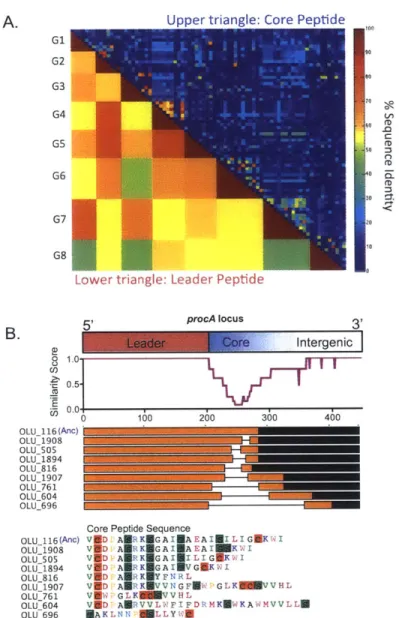
Figure 2-1 Genetic variation of the prochlorosin precursor peptide... 45
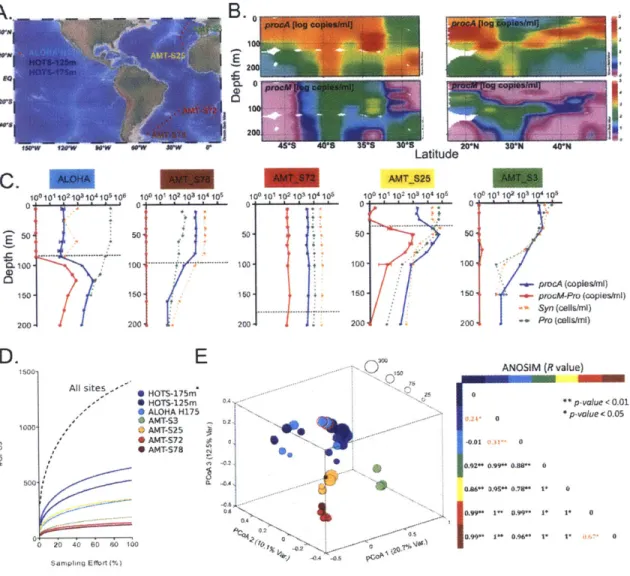
Figure 2-2. Biogeographic analysis of prochlorosin distribution and diversity in the ocean ... 5 1 Figure 2-3. Characterization of the sequence diversity of OPUs... 55
Figure 2-4. Rapid diversification of the procA locus... 58
Figure 2-5. Natural Selection patterns in the prochlorosin lanthionine synthetase ... 61
Figure S2-1. Phylogenetic Distribution of the prochlorosin biosynthesis pathway among Prochlorococcus and Synechococcus ... 73
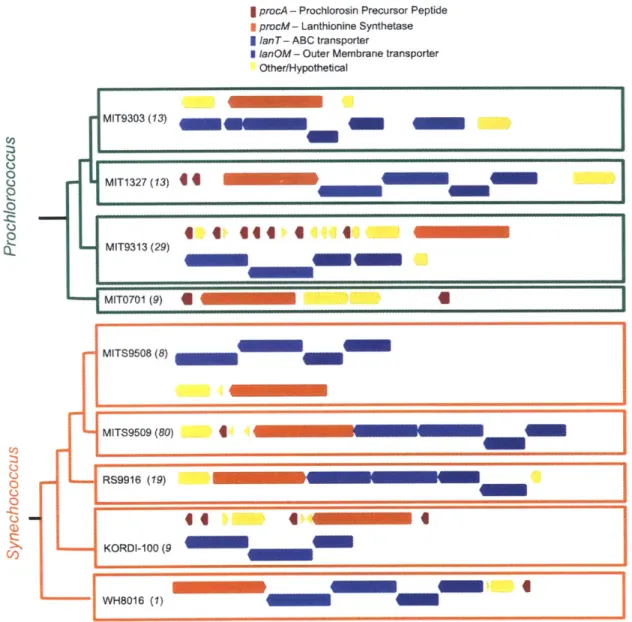
Figure S2-2. Genetic organization of the prochlorosin biosynthesis pathway ... 74
Figure S2-3: Prochlorosin precursor peptide pseudogenes and procA gene decay ... 75
Figure S2-4: Phylogenetic tree of leader peptide region of the prochlorosin precursor p ep tid e ... 7 6 Figure S2-5: Sequence conservation of the procA locus... 77
Figure S2-6: Dipeptide analysis in genomes, procA libraries and proteome... 78
Figure S2-7: Sequence alignment of OPUs with complete identity in the core peptide reg io n . ... 7 9 Figure 3-1. Expression of prochlorosin biosynthesis genes along the growth curve of Prochlorococcus M IT9313... 88
Figure 3-2: Growth response of Prochlorococcus MIT9313 to the addition of recom binant prochlorosins... 89
Figure 3-3: Prochlorosin-responsive genes located inprocA loci. ... 91
Figure 3-5: Effect of four recombinant prochlorosins from Prochlorococcus MIT9313 in
the growth of different strains of Prochlorococcus. ... 96
Figure 3-6: Effect of four recombinant prochlorosins from Prochlorococcus MIT9313 in the growth of different strains of marine heterotrophic bacteria. ... 98
Figure 3-7: Influence of prochlorosins on the growth of SARII. ... 101
Figure 3-8: Amino acid content of prochlorosins... 103
Figure 3-9: Lanthipeptides as a source of reduced sulphur for SAR 1... 105
Figure 4-1: Effect of amino acid addition on cells of Prochlorococcus NATL2A under nitrogen-deplete conditions... 120
Figure 4-2: Effect of amino acid addition to cells of Prochlorococcus NATL2A under nitrogen-replete conditions. ... 12 1 Figure 4-3: Dose-response effect of amino acid additions to cultures of Prochlorococcus N A T L 2A ... 12 3 Figure 4-4: Emergence of amino acid-tolerant strains of Prochlorococcus NATL2A. . 125 Figure 4-5: Lysine tolerance of LysR is maintained in the absence of the amino acid.. 126
Figure 4-6: Extended-tolerance to other amino acids in the LysR strain. ... 128
Figure 4-7: Cross-tolerance is stably maintained in the LysR strain over time... 129
Figure 4-8: Dynamics of the emergence of tolerance to different amino acids in P rochlorococcus N A TL 2A ... 131
Figure 4-9: Single nucleotide polymorphism frequency in parental and amino acid-tolerant strains of Prochlorococcus NATL2A... 134
Figure A- 1. Molecular signals present in the precursor peptide and the precursor peptide gene of prochlorosins... 152
Figure A-2. : Model of the molecular mechanism that enables the diversification of core peptide regions and expansion of procA genes... 153
Figure A-3: Prochlorosin gene duplication/deletion in two closely related Synechococcus g en o m es. ... 154
Figure B-1. Temperature, oxygen, chlorophyll and salinity conditions of the water colum n sam pled ... 160 Figure B-2. Light irradiance, nitrate, chlorophyll and turbidity conditions of the water colum n sam pled . ... 16 1
Figure B-3. Experimental setup for the prochlorosin incubation experiment ... 162 Figure B-4. Sampling scheme of the prochlorosin incubation experiment ... 163 Figure B-5. Flow cytometry analysis of the microbial community in the prochlorosin incubation experim ent... 164
LIST OF TABLES
Table 1-1: Post-translational modification commonly found in RiPPs or NRP natural p ro d u cts... 19
Table S2-1. Prochlorococcus and Synechococcus genomes used in this work... 72 Table S3-1. Differentially expressed genes upon the addition of recombinant
p roch loro sin s... 1 14 Table 4-1: Summary of single nucleotide polymorphisms found in the sequenced strains with respect to the reference genome of Prochlorococcus NATL2A. ... 135
CHAPTER 1
Microbial secondary metabolism produces a wealth of small molecules collectively known as natural products that are used for interspecies competition and communication (Riley and Wertz, 2002). These small molecules have been an important source of useful therapeutic agents such as antibiotics, antifungals, immunosuppressive agents and anticancer agents (Clardy and Walsh, 2004). Depending on the biogenesis mechanism, peptide-based bacterial natural products can be broadly classified into non-ribosomal peptides (NRP) and ribosomally produced and post-translationally modified peptides (RiPPs). For the synthesis of NRP the cell uses refined molecular machines known as non-ribosomal peptide synthetases (NRPS) that allow them the use of a wide array of amino acid substrates (Walsh and Nolan, 2008). In contrast, the synthesis of RiPPs involves the use of the cellular traditional translation machinery and the resulting peptide scaffolds cannot explore amino acids beyond the canonical 20 proteinogenic amino acids, limiting their structural diversity to some degree. However, RiPPs natural products can be astoundingly complex in structure and display an incredible functional diversity that results from the action of tailoring enzymes that provide a wide variety of
post-translational modifications. Among the most important groups of RiPPs natural products with interesting structural features are the lanthipeptides (Willey and van der Donk,
2007), cyanobactins (Sivonen et al., 2010), microcins (Nolan and Walsh, 2009) and
thiopeptides (Li and Kelly, 2010).
Compared to NRP antibiotics, ribosomally derived peptide antibiotics are less celebrated as potential small-molecule therapeutic agents, in part because of the erroneous
perception of intrinsic limitations in their structural diversity and antimicrobial activity. Nevertheless, the generation of antibacterial peptides by the post-translational
modification of ribosomal precursors is a well-known strategy that is used by prokaryotes to increase their relative fitness in ecologically relevant settings (Riley and Wertz, 2002). The advent of massive microbial genomic information in recent years has revealed that natural product biosynthesis using the ribosomal machinery is much more widespread than originally anticipated, and has led to fascinating discoveries outlining new
biochemical transformations in secondary metabolism, that at the same time suggests that the true structural diversity of these compounds is just beginning to be appreciated.
Converting ribosomal peptides into bioactive molecules: leader peptide-directed
biosynthesis.
The general scheme in the biosynthesis of RiPPs involves the synthesis of an N-terminal-extended precursor peptide that undergoes various types of post-translational
modification followed by proteolytic cleavage to release the active peptide. These tailoring processes release the peptides from the structural and functional constraints imposed on natural ribosomal peptides, while at the same time restricting conformational flexibility to allow increased metabolic and chemical stability (Oman and van der Donk, 2010).
The biosynthesis of ribosomally synthesized bacterial natural products shares certain key features. First, all of the RiPPs follow the mechanics of leader peptide-directed
biosynthesis (Fig. 1-1), in which the precursor genes encode a peptide that contains an N-terminal leader extension in addition to the C-N-terminal core peptide that is processed to the mature compound. For the vast majority of natural products of ribosomal origin, the initial precursor peptide is much larger than the final product. These precursors typically contain N-terminal leader peptides, and in some cases, C-terminal extensions that are removed in the last step of the maturation process. Second, the genes encoding precursor peptides are often found in biosynthetic gene clusters and are accompanied by genes encoding modifying enzymes, immunity, and secretion. Third, many of these precursor peptides contain specific motifs within the leader peptide that act to recruit modifying enzymes, identify the sites of proteolysis, or play other roles (Chatterjee et al., 2005b; McIntosh et al., 2009).
Modifying enzyme Precursor peptide Transport/Proteolytic cleavage/Immnunity
Leader peptide Core peptide
P TM
Proteolytic cleavage
Transport
Active mature peptide
Figure 1-1: Leader peptide-directed biosynthesis.
The biosynthesis of RiPPs natural products involves the transcription and translation via
ribosome of a pre-peptide. In general the pre-peptide contain a relatively conserved
leader sequence directing enzyme modification (green) and a hypervariable core
sequence that encodes the final natural product (red). The precursor peptide is
post-translationally modified by enzymes (purple hexagon) that catalyze the formation of a
large number of different chemical motifs (stars). In a final step, the precursor peptide
can be subject of proteolytic cleavage and transported (black circle) outside the cells
where it is found in its mature and active form. Sometimes the cell encodes an immunity
protein that protects it from the antibiotic effect of the mature peptide. Post-translational
Modification (PTM).
I
1k_1M\'1W\111W M II UmMany - but not all - of the post-translational modifications commonly thought of as unique to the NRP world are also found in RiPPs and allow them to explore a greater
chemical space in a manner similar to NRP. RiPPs scaffolds, like those of NRP, can undergo a series of main-chain and side-chain modification (Table 1-1). Among the most
important shared post-translational modifications are the occurrence of macrocyclization, the presence of D-amino acids, heterocycles derived from Cys, Ser, and Thr, isoprene-derived groups, and dehydrated residues (McIntosh et al., 2009). Notably, RiPPs
scaffolds also display post-translational modifications that are unique to their realm. The most notable examples are well-known modifications involving the ligation of amino acid residues, these include the formation of disulfide linkages, lanthionine bridges such as in the lantibiotic nisin A, heteroaromatic rings such as in microcin B 17, and
macrolactam linkages such as in the lasso peptide microcin J25 (Nolan and Walsh, 2009).
Side-Chain Modifications
Dehydration of Ser and Thr Lanthionine synthesis
Heterocyclization of Cys, Ser, and Thr Prenylation Trp/Ser/Thr
Disulfide bonds
Amino acid a-modification Epimerization Present in NRP? Yes No Yes Yes (Trp only) Infrequent Yes Yes Main-Chain Modifications Proteolysis Macrocyclization Formylation
Nucleotide base addition Lactone formation Siderophore addition Aminovinylcysteine bridge Present in NRP? No Yes Yes Nucleoside Yes No Unknown
Table 1-1: Post-translational modification commonly found in RiPPs or NRP natural products
One of the highlights of the leader peptide-directed biosynthesis is the multifunctional
nature of the leader peptide. One of the most commonly proposed roles for the leader
peptides is that of a secretion signal, but intriguingly, the majority of leader peptides of
RiPPs natural products have no homology with the peptides of the typical secretory
translocation pathways that are used in bacteria (Oman and van der Donk, 2010). Another
role attributed to the leader peptides is that it serves as a recognition motif for the
post-translational modification enzymes. The overall peptide sequences are often variable, but
they are able to remain as substrates for specific post-translational processes depending
upon conserved precursor peptide sequences and enzyme selectivity (Oman and van der
Donk, 2010). This property of the leader peptide-directed biosynthesis is the most
attractive from a natural product engineering perspective as it may allow generation of
novel products by attachment of core peptide variants to the leader peptides. Some other
more traditional proposed tasks for leader peptides are to assist in folding of the precursor
peptide, stabilizing the precursor against degradation, or keeping the precursor peptide
inactive during biosynthesis inside the host until the appropriate time for secretion and
proteolysis (Braun and Tommassen, 1998).
Expanding the repertoire of ribosomal natural products
The upsurge of complete microbial genome sequences has provided invaluable
information to gain new insights into the genetic capacity of organisms to generate
secondary metabolites. Recent genome-enabled studies have shown that many classes of
peptide natural products that were initially suspected to be of non-ribosomal origin are in
fact gene-encoded, and that structural motifs previously thought exclusive of
non-ribosomal secondary metabolites are also found in non-ribosomally synthesized compounds.
The discovery of the thiostrepton 2 biosynthetic gene cluster, for example, relied upon
partial sequencing of the Streptomyces laurentii genome, a known thiopeptide producer
(Kelly et al., 2009). Similarly, in the discovery of the biosynthetic machinery for
thiocillin 3, two independent works deduced the ribosomal nature of this thiopeptide
natural product, using as a base the mining of the genome of Bacillus cereus ATCC
14579 (Liao et al., 2009; Wieland Brown et al., 2009). Other notable examples of how
biogenesis pathways are the discovery of widely distributed fungal and bacterial toxins (Hallen et al., 2007; Lee et al., 2008).
In the above-mentioned cases, the mining of the genome of a bacterial producer of a known natural product led to the identification of the biosynthetic pathway of the compound of interest. Remarkably, genome mining can also lead to the discovery of novel natural products in the opposite direction, i.e., a gene-to-molecule fashion. This approach has been widely exploited in the search of bioactive small molecules of the NRP type (Corre and Challis, 2009). Because large, highly conserved genes encode NRPS, their presence, distribution and abundance is easily assessed by means of standard homology searches like BLAST (Chatterjee et al., 2005a). Since identifying one gene means the others are close by, cloning gene clusters for complete biosynthetic pathways
is now a straightforward strategy for NRP. In contrast, the genes for RiPPs natural products are harder to discover, especially in the absence of any chemical or bioactivity
information. The precursor peptides are small and display low nucleotide identity to other precursor peptides, and so are often missed in automatic genome annotations (Corre and Challis, 2009). Similarly, new families of modifying enzymes are often not closely
related enough to characterized relatives to be identified by BLAST searching (Haft et al., 2010).
In spite of these limitations, the information derived from biochemical and genetic investigations of known RiPPs systems enables more directed mining of ribosomal biosynthetic pathways of natural products. Recent work from Haft et al. (Haft et al.,
2010) used a bioinformatics approach in which the genetic structure of the biosynthetic
pathways of different ribosomally produced natural products families were converted into specific Hidden Markov Model-Based (HMM) protein family definitions. They applied these HMMs family definitions to more than 1,000 available bacterial genome sequences, specifically searching for cyclodehydratase protein sequences. From this, two new precursor peptide classes were discovered, both of which are related to larger proteins; one is related to a non-catalytic fragment of nitrile hydrolase (NHase) and the other to the Nifl 1 proteins involved in nitrogen fixation (Haft et al., 2010). This study provides evidence that the synthesis of secondary metabolites via the ribosome turns out to be
much more widespread than originally anticipated. The integration of genomic
information and the knowledge of the biogenesis mechanisms of RiPPs have proven
useful for the discovery of novel ribosomal small molecules in unexpected environments
and microorganisms. Notably, this type of approach led to the discovery of lanthipeptides
in strains of the ubiquitous planktonic marine cyanobacteria Prochlorococcus and
Synechococcus, from which natural products had never been isolated (Li et al., 2010).
The lanthipeptides are the central subject of this work and a general description of this
family of RiPPs will be presented in the following sections. For an in-depth revision of
lanthipeptides and other families of RiPPs please see (Arnison et al., 2013) and
references therein.
Lanthipeptides
Lanthionine-containing peptides, or lanthipeptides, are small (usually
<
40 amino acids)
polycyclic peptides that go through different posttranslational modifications. They are
characterized by the presence of the thioether-cross-linked amino acids lanthionine (Lan)
and methyl-lanthionine (MeLan) (Arnison et al., 2013; Schnell et al., 1988). These
posttranslational modifications originate from the enzymatic action of the lanthionine
synthetase that catalyzes the dehydration of Ser and Thr residues to produce
dehydroalanine (Dha) and dehydrobutyrine (Dhb) residues, respectively. Then, the thiol
group of a Cys residue is added to either Dha or to Dhb to form Lan or MeLan bridges,
respectively (Knerr and van der Donk, 2012; Willey and van der Donk, 2007).
Lanthipeptides are classified into four different classes depending on the differences
between the biosynthetic machinery involved in the processing and maturation of the
precursor peptide. Based on their sequence homology to other enzymes of the primary
metabolism, the mechanism of action and the structure of many lanthipeptide synthetases
presumably have evolved from other posttranslational modification enzymes (Yu et al.,
2013).
In class I lanthipeptides the formation of the Lan (or MeLan) is performed by two
separate enzymes: the LanB catalyzes the dehydration of Ser and Thr residues and the
cyclase LanC promotes the addition of a thiol group from Cys to either the Dha or Dhb
resulting from the action of LanB (Arnison et al., 2013; Knerr and van der Donk, 2012).
While the Lan B enzyme does not show sequence homology with other dehydratases in
other organisms, homologous domains of the LanC cyclase can be found in other
organisms, including insects and plants (Johnston et al., 2007; Yu et al., 2013). The
dehydration and cyclization processes in class II, III and IV lanthipeptides are carried out
by bifunctional lanthionine synthases. Biosynthesis of class II lanthipeptides is catalyzed
by the lanthionine synthetase LanM that show both dehydratase and cyclase activities.
The N-terminal domain of LanM mediates the dehydration of Ser and Thr residues by
first performing a phosphorylation reaction, followed by the elimination of phosphate
groups (Chatterjee et al., 2005b). Similar to LanB, the dehydratase domain of LanM
proteins does not display sequence homology when compared with different protein
databases. In contrast, the C-terminal cyclase domain of LanM shows homology with the
LanC cyclase from class I lanthipeptides (Yu et al., 2013).
Lanthionine synthetases from class III and IV are called LanKC and LanL, respectively
(Yu et al., 2013). Similar to LanM synthetases from class II, these enzymes have shown
kinase activity, at the central domain, by phosphorylating Ser/Thr residues to mediate
dehydration to the substrate peptide (Goto et al., 2010; Muller et al., 2010). However, the
dehydration does not involve elimination of the phosphate groups as it is observed in
LanM enzymes, instead class III and IV enzymes contain a Lyase domain at the
N-terminal that does not display homology with the LanM N-N-terminal. The N-N-terminal and
central domain of class III and IV enzymes are very similar, however the cyclase domain
in the C-terminal differ. Class IV enzymes show a canonical LanC cyclase domain and
homology to the domains in proteins from class I and II including the metal binding
resides, however these metal ligands seem to be absent in class III synthetases (Goto et
al., 2010; Kodani et al., 2005). The cyclization reaction also seems to differ in class III
proteins, in which the structure generated is labionin (commonly found in
labyrinthopeptins), whereas class IV enzymes generate (methyl)-lanthionines (Goto et al.,
2010; Meindl et al., 2010; Wang and van der Donk, 2012). The diversity in the
biochemical mechanisms observed in these four pathways of biosynthesis of
lanthionine-containing peptides highlights the biological relevance of installing Lan or MeLan
bridges in peptides of ribosomal origin.
Bioactivities of Lanthipeptides
Most of the known lanthionine-containing peptides have antimicrobial activity and are
referred to as lantibiotics. Lantibiotics were initially discovered in gram-positive bacteria,
and have gained attention since then, because of their activity as bacteriocins: bacterial
proteinaceous compounds that display antibiotic activity against strains of the same
species or closely related species. The use of a combination of genetic and biochemical
approaches in the last decade have contributed to establish a better understanding of the
relationship between the structure of lanthipeptides and their biological activity, in
particular for the description of the antimicrobial mechanism of lantibiotics. Nisin is the
most extensively studied of the lantibiotics and belongs to the class I of lanthipeptides.
Importantly, despite the fact that nisin has been used in the food industry for more than
four decades no resistant bacterial isolates have been identified (Willey and van der Donk,
2007). There are three different structural variants of Nisin, all displaying antimicrobial
activity due to their closely related structures: Nisin A (the best described and model
template for the study of variants), Nisin Z (only differs by one amino acid when
compared to Nisin A) and Nisin
Q
(differs by four amino acids when compared to Nisin
A) (Delves-Broughton et al., 1996). Nisin binds to lipid II, an important precursor in the
peptidoglycan biosynthesis pathway, resulting in pore formation and cell wall synthesis
inhibition (Breukink et al., 1999; Brotz et al., 1998). The N-terminus of nisin is
composed of two rings that bind to the pyrophosphate moiety of lipid II (Hasper et al.,
2004; Hsu et al., 2002; Hsu et al., 2004). Then, the C-terminus of nisin is inserted into the
bacteria bilayer surface vertically resulting in the formation of pores of about 2 to 2.5 mm
diameter (Wiedemann et al., 2004).
The class II lantibiotics represent the largest of all the classes of lantibiotics, however, the
mechanism of action of the different members in this group is not fully understood.
Mersacidin is a highly relevant example of class II lanthipeptides because it displays a
potent activity against methicillin-resistant Staphylococcus aureus (Kruszewska et al.,
2004). Although mersacidin and other class II lantibiotics also bind lipid II, the
mechanism of action of mersacidin is based on the inhibition of the transglycosylation
1997). However, the molecular details of the bioactivity of class II lantibiotics have not
been fully described.
The class III lanthipeptides, SapB and SapT, are the only examples of lanthipeptide bioactivity outside antibiosis. These peptides, found in some strains of Streptomyces,
function as morphogenetic peptides and are involved in the formation of aerial hyphae due to the amphiphilic and hydrophobic nature of their side chains. (Kodani et al., 2004; Kodani et al., 2005). Note that their function was discovered before it was known that they were lanthionine-containing peptides, highlighting that by screening only for antibiotic activity, novel bioactivities of lanthipeptides may be missed (Arnison et al.,
2013).
Prochlorosins: a family of diverse lanthipeptides from marine picocyanobacteria
Marine picocyanobacteria, composed of Prochlorococcus and Synechococcus genera, are the most abundant photosynthetic organisms on Earth. Using a genome-enabled approach, Li et al discovered type II lanthipeptides in some strains of picocyanobacteria, from which natural products had never been isolated (Li et al., 2010). In most lanthipeptide-producing bacteria, the lanthionine synthetase modifies only a single precursor peptide. Remarkably, lanthipeptide-encoding strains of Prochlorococcus and Synechococcus are unique in that they show that a single organism can produce as many as 29 different lanthipeptide secondary metabolites - named prochlorosins - from distinct gene-derived precursors (ProcA) by using only one promiscuous biosynthetic enzyme (ProcM) (Fig. 1-2).To characterize the prochlorosin biosynthesis pathway, Li et al. demonstrated in vitro that the ProcM enzyme from Prochlorococcus MIT9313 is able to catalyze the dehydration and cyclization of all of the eighteen different prochlorosin precursor peptide tested. Furthermore, to demonstrate that prochlorosins are also produced in vivo, the transcripts
of the procM gene and several procA genes were detected, and in spite of low-yields of
recovery, 3 out of the 29 prochlorosins of Prochlorococcus MIT9313 were detected in the spent medium (Li et al., 2010). Importantly, ESI-MSMS analysis of the three prochlorosins recovered from the spent medium demonstrated that the in vitro prepared
compounds have the same ring topologies as the ones naturally produced and that the
leader peptide cleavage site is located at the anticipated Gly-Gly motif that is commonly
found in other type II lanthipeptides (Willey and van der Donk, 2007).
Gen me procM lanT procA Ribosoamal Synthesis -DehydratioG & lCyclicatonlo
Prte
oi
vte & n 'Ta rrProchloosins
Figure 1-2. Prochlorosin biosynthesis pathway.
Prochlorosins are created from gene-encoded precursor peptides (procA) that are
composed of a leader peptide and a core peptide region. These ribosomal peptides are
tailored by a dedicated lanthionine synthetase (procM), which binds to the leader peptide
region and catalyzes the dehydration and cyclization of distinct residues in the core
peptide region. Following modification, the N-terminal leader peptide is removed from
the precursor peptide by the action of a membrane associated ABC-transporter with a
C39 proteolytic domain (lanT). In the prochlorosin pathway, it is presumed that the
C-terminal core peptide is released to the environment as a mature active product by the
combined action of the LanT and a TolC-like outer membrane transporter (OM-transp)
that is usually encoded in the same locus.
The 'catalytic promiscuity' in the biosynthesis of prochlorosins is unprecedented both in nature and in the laboratory, and thus is of great interest to biologists and chemists alike. The ProcM lanthionine synthetase is an exceptionally substrate-tolerant enzyme that is able to introduce post-translational modification into vastly different core peptides. One property in which ProcM differ from other lanthionine synthetases enzymes is that its
active site has three Cys ligands to the Zn2 co-factor instead of the two Cys and one His, commonly found in other cyclization enzymes (Tang and van der Donk, 2012). The increased number of thiolates from Cys on the Zn> ions is known to increase the reactivity and might be related to the substrate tolerance (Mukherjee and van der Donk, 2014; Yu et al., 2015).
The prochlorosin system is also a remarkable example of structural diversity of lanthionine-containing peptides. Multiple sequence alignment of the 29 ProcA amino acid sequences reveals two striking features of the prochlorosins from Prochlorococcus
MIT9313 (Fig. 1-3). First, none of the peptides have Ser/Thr and Cys residues in
positions that would result in ring patterns similar to the currently known lanthipeptide ring topologies. Second, the sequence of the leader peptide is remarkably conserved among the peptides, which contrasts with the diversity of the core peptide region (Fig.
1-3). These unique characteristics of the prochlorosin pathway indicate that
Prochlorococcus MIT9313 has the genetic capacity of producing as many different
secondary metabolites as the model antibiotic-producing Actinomycetes but with a genome less than one-third in size (2.4MB compared with the -9.0 MB). Notably,
Prochlorococcus "lifestyle" is very different from that of microbes known to produce
these types of compounds; they are single-celled and free-floating and live in a very dilute habitat where the function of secondary metabolites is not readily apparent.
Leader Peptide
Core Peptide
1 0-- RF INV --- -- - -1.2 -I - PGGP DDLR- -1 .3 --- SNLAA ----1.4 RNG FG 5 ---- -1.5 ---- WA GGW ----1.6 - --- PG 1.7R - -AI DL----2.1 DY-PG -- -2.3 --- W VGVYINDGPMANKAI ----2.4 ---- GAR -- ---2.5 P DPI-G!4IIGRGRULYPE-2.10 -2.11 - --- I G-3.1 "G- YOP DDY 3.2 --- iRI DK A MIVI3SHQ 3.4 - - - -3.5 ---0 IDAGG FNPPR - ----4.1 HLSVMQ GA NV DLPVRAPA4E'AENQ1T--4.2 A A--- _E - -1---- ---s1GG Ct4J Y EG-Figure 1-3. Prochlorosin precursor peptides of Prochlorococcus MIT9313
(Adapted from Li et al. 2010). Multiple sequence alignment of ProcA amino acid
sequences reveals a remarkable conservation of the leader peptide. Outstanding
hyper-variability in the core region begins right after the protease cleavage motif GG/GA
(arrow)
Motivating Questions and Overview
Lanthipeptides have been studied in isolated microorganisms outside of any ecological
context. Hence, our understanding of their diversity is derived primarily from studies on
single microbial strains of interest because of their potential as producers of
antimicrobials and, therefore, they are undoubtedly not representative of the full extent of
lanthipeptide diversity and functionality. The discovery of these compounds in the
globally abundant and genetically diverse picocyanobacteria Prochlorococcus and
Synechococcus (Biller et al., 2015; Scanlan et al., 2009) opens opportunities to
understand the forces shaping the evolution and diversity of this class of compounds.
Consequently, the overarching goal of this thesis is to further our understanding of
the ecology and evolution of the diverse lanthipeptides of marine picocyanobacteria,
and attempt to unravel their biological role in this extreme, but globally distributed,
habitat.
In Chapter 2, we investigate the ecology and evolution of prochlorosins. First, we make
use of both previously and newly sequenced strains of Prochlorococcus and
Synechococcus to ask: What is the genetic diversity of the prochlorosin biosynthesis
pathway in the marine picocyanobacterial phylogeny? This phylogenomic analysis
revealed genomic plasticity and structural diversity features of the prochlorosin pathway
not present in any other biosynthesis pathway of secondary metabolites. Given that these
features were observed in a small subset of picocyanobacterial genomes, we moved
onwards to study wild populations of marine picocyanobacteria and posed the question:
How widespread and diverse is the prochlorosin biosynthesis pathway in globally
distributed natural populations of marine picocyanobacteria? To address this
question, we employed a combination of biogeographic and metagenomic approaches
that enabled us to uncover an unprecedented abundance and diversity of prochlorosin
structures. The exceptional diversity of prochlorosins prompted us to ask the question:
What are the molecular evolutionary mechanisms that drive the diversification of
prochlorosins? For this, the information gathered from genomes and metagenomes was
used to elucidate the unique evolutionary dynamics that govern the diversification of the
prochlorosin biosynthesis pathway. We discuss how the mode of evolution of
prochlorosin biosynthesis pathway contrasts with the canonical lantibiotic biosynthesis
pathways. Moreover, we hypothesize a molecular mechanism by which hypervariable
regions might arise in the core peptide region of the prochlorosins (Appendix A).
The prochlorosin system is the first experimentally characterized lanthipeptide pathway
of gram-negative bacteria. The combinatorial mechanism in the biosynthesis of the
prochlorosins and the potential diversity of its structures is unprecedented in any other
family of natural products. Also unprecedented is the production of these types of
compounds by single-celled, free-floating bacteria in an extremely dilute habitat, which
suggests that they may have novel biological functions or mechanisms of action. In
Chapter 3, we explore the potential biological activities of the prochlorosins. First, by
using a set of four recombinant prochlorosins from Prochlorococcus MIT9313, we
explored the effect of prochlorosins on their own producer strain and asked the questions:
Is the biosynthesis of prochlorosins autoregulatory? Could the prochlorosins be
we performed some exploratory experiments to address the possible effect of the
recombinant prochlorosins on the growth other members of the marine microbial
community. In particular, we asked: Do prochlorosins display bacteriocin activity
against other Prochlorococcus strains? What is the effect of prochlorosins on
heterotrophic bacteria commonly co-isolated with Prochlorococcus?
In addition, we set out find an ecologically relevant system to test the effect of
prochlorosins and to think about their function from a perspective that is relevant to the
nutrient-limited environment where they happen. Could lanthipeptides serve as a
nutrient source in the oligotrophic ocean? To address this, we tested the effect of
prochlorosins on a cultured representative of the SARI 1 clade, the dominant sympatric
heterotroph with Prochlorococcus in the oligotrophic ocean. We present proof-of-concept
evidence that lanthipeptides can be used to supply some of the unique nutritional
requirements of the SAR 1I group.
In Chapter 4, we investigated the role of amino acids as a possible source of organic
nitrogen for Prochlorococcus, which is not directly related to the function of
prochlorosins, but to the idea of the importance of organic compounds as nutrient sources
in the oligotrophic environment. In Chapter 4, we describe an unexpected phenomenon of
amino acid toxicity and tolerance in strains of Prochlorococcus that is observed under
culture conditions. Finally, in Chapter 5, we provide the concluding remarks of this work
and discuss future directions for the study of the ecological role of prochlorosins, some of
which have motivated a field experiment whose experimental design is presented in the
Appendix B, and that is expected to bring insights into the biological role of
prochlorosins in the near future.
This work illuminates important features of the lanthipeptide production trait in natural
populations of picocyanobacteria that, in conjunction with further laboratory and field
experiments, will help us unravel the role of these natural products in marine microbial
ecology. In the long term, the understating of how nature creates, evolves and utilizes
peptide-based natural products -and its biosynthetic enzymes- is necessary for the
rational use of natural products in human health, biotechnology and further industrial
applications.
REFERENCES
Amison, P.G., Bibb, M.J., Bierbaum, G., Bowers, A.A., Bugni, T.S., Bulaj, G., Camarero,
J.A., Campopiano, D.J., Challis, G.L., Clardy, J., et al. (2013). Ribosomally synthesized and post-translationally modified peptide natural products: overview and
recommendations for a universal nomenclature. Nat Prod Rep 30, 108-160.
Biller, S.J., Berube, P.M., Lindell, D., and Chisholm, S.W. (2015). Prochlorococcus: the structure and function of collective diversity. Nat Rev Microbiol 13, 13-27.
Braun, P., and Tommassen, J. (1998). Function of bacterial propeptides. Trends Microbiol 6, 6-8.
Breukink, E., Wiedemann, I., van Kraaij, C., Kuipers, O.P., Sahl, H.G., and de Kruijff, B.
(1999). Use of the cell wall precursor lipid II by a pore-forming peptide antibiotic.
Science 286, 2361-2364.
Brotz, H., Bierbaum, G., Reynolds, P.E., and Sahl, H.G. (1997). The lantibiotic
mersacidin inhibits peptidoglycan biosynthesis at the level of transglycosylation. Eur J Biochem 246, 193-199.
Brotz, H., Josten, M., Wiedemann, I., Schneider, U., Gotz, F., Bierbaum, G., and Sahl, H.G. (1998). Role of lipid-bound peptidoglycan precursors in the formation of pores by nisin, epidermin and other lantibiotics. Mol Microbiol 30, 317-327.
Chatterjee, C., Miller, L.M., Leung, Y.L., Xie, L., Yi, M., Kelleher, N.L., and van der Donk, W.A. (2005a). Lacticin 481 synthetase phosphorylates its substrate during lantibiotic production. J Am Chem Soc 127, 15332-15333.
Chatterjee, C., Paul, M., Xie, L., and van der Donk, W.A. (2005b). Biosynthesis and mode of action of lantibiotics. Chem Rev 105, 633-684.
Clardy, J., and Walsh, C. (2004). Lessons from natural molecules. Nature 432, 829-837. Corre, C., and Challis, G.L. (2009). New natural product biosynthetic chemistry
discovered by genome mining. Nat Prod Rep 26, 977-986.
Delves-Broughton, J., Blackburn, P., Evans, R.J., and Hugenholtz, J. (1996). Applications of the bacteriocin, nisin. Antonie Van Leeuwenhoek 69, 193-202. Goto, Y., Li, B., Claesen, J., Shi, Y., Bibb, M.J., and van der Donk, W.A. (2010). Discovery of unique lanthionine synthetases reveals new mechanistic and evolutionary insights. PLoS Biol 8, e1000339.
Haft, D.H., Basu, M.K., and Mitchell, D.A. (2010). Expansion of ribosomally produced natural products: a nitrile hydratase- and Nifl 1-related precursor family. BMC Biol 8, 70.
Hallen, H.E., Luo, H., Scott-Craig, J.S., and Walton, J.D. (2007). Gene family encoding the major toxins of lethal Amanita mushrooms. Proc Natl Acad Sci U S A 104, 19097-19101.
Hasper, H.E., de Kruijff, B., and Breukink, E. (2004). Assembly and stability of nisin-lipid II pores. Biochemistry 43, 11567-11575.
Hsu, S.T., Breukink, E., de Kruijff, B., Kaptein, R., Bonvin, A.M., and van Nuland, N.A. (2002). Mapping the targeted membrane pore formation mechanism by solution NMR: the nisin Z and lipid II interaction in SDS micelles. Biochemistry 41, 7670-7676.
Hsu, S.T., Breukink, E., Tischenko, E., Lutters, M.A., de Kruijff, B., Kaptein, R., Bonvin, A.M., and van Nuland, N.A. (2004). The nisin-lipid II complex reveals a pyrophosphate cage that provides a blueprint for novel antibiotics. Nat Struct Mol Biol 11, 963-967. Johnston, C.A., Temple, B.R., Chen, J.G., Gao, Y., Moriyama, E.N., Jones, A.M.,
Siderovski, D.P., and Willard, F.S. (2007). Comment on "A G protein coupled receptor is a plasma membrane receptor for the plant hormone abscisic acid". Science 318, 914; author reply 914.
Kelly, W.L., Pan, L., and Li, C. (2009). Thiostrepton biosynthesis: prototype for a new family of bacteriocins. J Am Chem Soc 131, 4327-4334.
Knerr, P.J., and van der Donk, W.A. (2012). Discovery, biosynthesis, and engineering of lantipeptides. Annu Rev Biochem 81, 479-505.
Kodani, S., Hudson, M.E., Durrant, M.C., Buttner, M.J., Nodwell, J.R., and Willey, J.M. (2004). The SapB morphogen is a lantibiotic-like peptide derived from the product of the developmental gene ramS in Streptomyces coelicolor. Proc Natl Acad Sci U S A 101, 11448-11453.
Kodani, S., Lodato, M.A., Durrant, M.C., Picart, F., and Willey, J.M. (2005). SapT, a lanthionine-containing peptide involved in aerial hyphae formation in the streptomycetes. Mol Microbiol 58, 1368-1380.
Kruszewska, D., Sahl, H.G., Bierbaum, G., Pag, U., Hynes, S.O., and Ljungh, A. (2004). Mersacidin eradicates methicillin-resistant Staphylococcus aureus (MRSA) in a mouse rhinitis model. J Antimicrob Chemother 54, 648-653.
Lee, S.W., Mitchell, D.A., Markley, A.L., Hensler, M.E., Gonzalez, D., Wohlrab, A., Dorrestein, P.C., Nizet, V., and Dixon, J.E. (2008). Discovery of a widely distributed toxin biosynthetic gene cluster. Proc Natl Acad Sci U S A 105, 5879-5884.
Li, B., Sher, D., Kelly, L., Shi, Y., Huang, K., Knerr, P.J., Joewono, I., Rusch, D., Chisholm, S.W., and van der Donk, W.A. (2010). Catalytic promiscuity in the
biosynthesis of cyclic peptide secondary metabolites in planktonic marine cyanobacteria. Proc Natl Acad Sci U S A 107, 10430-10435.
Li, C., and Kelly, W.L. (2010). Recent advances in thiopeptide antibiotic biosynthesis. Nat Prod Rep 27, 153-164.
Liao, R., Duan, L., Lei, C., Pan, H., Ding, Y., Zhang,
Q.,
Chen, D., Shen, B., Yu, Y., and Liu, W. (2009). Thiopeptide biosynthesis featuring ribosomally synthesized precursor peptides and conserved posttranslational modifications. Chem Biol 16, 141-147. McIntosh, J.A., Donia, M.S., and Schmidt, E.W. (2009). Ribosomal peptide natural products: bridging the ribosomal and nonribosomal worlds. Nat Prod Rep 26, 537-559. Meindl, K., Schmiederer, T., Schneider, K., Reicke, A., Butz, D., Keller, S., Guhring, H., Vertesy, L., Wink, J., Hoffmann, H., et al. (2010). Labyrinthopeptins: a new class ofcarbacyclic lantibiotics. Angew Chem Int Ed Engl 49, 1151-1154.
Mukherjee, S., and van der Donk, W.A. (2014). Mechanistic studies on the substrate-tolerant lanthipeptide synthetase ProcM. J Am Chem Soc 136, 10450-10459.
Muller, W.M., Schmiederer, T., Ensle, P., and Sussmuth, R.D. (2010). In vitro biosynthesis of the prepeptide of type-III lantibiotic labyrinthopeptin A2 including formation of a C-C bond as a post-translational modification. Angew Chem Int Ed Engl 49, 2436-2440.
Nolan, E.M., and Walsh, C.T. (2009). How nature morphs peptide scaffolds into antibiotics. Chembiochem 10, 34-53.
Oman, T.J., and van der Donk, W.A. (2010). Follow the leader: the use of leader peptides to guide natural product biosynthesis. Nat Chem Biol 6, 9-18.
Riley, M.A., and Wertz, J.E. (2002). Bacteriocins: evolution, ecology, and application. Annu Rev Microbiol 56, 117-137.
Scanlan, D.J., Ostrowski, M., Mazard, S., Dufresne, A., Garczarek, L., Hess, W.R., Post,
A.F., Hagemann, M., Paulsen, I., and Partensky, F. (2009). Ecological genomics of
marine picocyanobacteria. Microbiol Mol Biol Rev 73, 249-299.
Schnell, N., Entian, K.D., Schneider, U., Gotz, F., Zahner, H., Kellner, R., and Jung, G.
(1988). Prepeptide sequence of epidermin, a ribosomally synthesized antibiotic with four
sulphide-rings. Nature 333, 276-278.
Sivonen, K., Leikoski, N., Fewer, D.P., and Jokela, J. (2010). Cyanobactins-ribosomal cyclic peptides produced by cyanobacteria. Appl Microbiol Biotechnol 86, 1213-1225. Tang, W., and van der Donk, W.A. (2012). Structural characterization of four
prochlorosins: a novel class of lantipeptides produced by planktonic marine cyanobacteria. Biochemistry 51, 4271-4279.
Wang, H., and van der Donk, W.A. (2012). Biosynthesis of the class III lantipeptide catenulipeptin. ACS Chem Biol 7, 1529-1535.
Wiedemann, I., Benz, R., and Sahl, H.G. (2004). Lipid 11-mediated pore formation by the peptide antibiotic nisin: a black lipid membrane study. J Bacteriol 186, 3259-3261. Wieland Brown, L.C., Acker, M.G., Clardy, J., Walsh, C.T., and Fischbach, M.A. (2009).
Thirteen posttranslational modifications convert a 14-residue peptide into the antibiotic thiocillin. Proc Natl Acad Sci U S A 106, 2549-2553.
Willey, J.M., and van der Donk, W.A. (2007). Lantibiotics: peptides of diverse structure and function. Annu Rev Microbiol 61, 477-501.
Yu, Y., Mukherjee, S., and van der Donk, W.A. (2015). Product Formation by the Promiscuous Lanthipeptide Synthetase ProcM is under Kinetic Control. J Am Chem Soc 137, 5140-5148.
Yu, Y., Zhang,
Q.,
and van der Donk, W.A. (2013). Insights into the evolution of lanthipeptide biosynthesis. Protein Sci 22, 1478-1489.CHAPTER 2
Evolutionary Radiation of Lanthipeptides in Natural Populations of Marine Picocyanobacteria
Andres Cubillos-Ruiz1,2 Jessica W. Berta-Thompson',2
Jamie Becker2 Sallie W. Chisholm2
'Microbiology Graduate Program, Massachusetts Institute of Technology.
2Departments of Biology and Civil and Environmental Engineering, Massachusetts Institute of Technology.
ABSTRACT
Lanthipeptides are ribosomally derived peptides that undergo extensive post-translational
modifications. Prochlorosins are a recently discovered group of diverse lanthipeptides
that are produced by certain strains of the globally distributed marine picocyanobacteria
Prochlorococcus and Synechococcus. The discovery of these compounds in the globally
abundant and genetically diverse genera Prochlorococcus and Synechococcus provides a
model to investigate the forces shaping the evolution and diversity of lanthipeptides in a
natural microbial population. In this work, analysis of the prochlorosin biosynthesis
pathway genes in 9 picocyanobacterial genomes predicts the presence of 181 novel
lanthipeptide products, out of which only a single pair of products displays similarity in
their putative ring topologies. Our findings reveal genomic plasticity and structural
diversity features not present in any other known family of lanthipeptides. Furthermore,
using a biogeographic approach, we demonstrate that different wild marine
picocyanobacterial populations from the Atlantic and Pacific Oceans harbor largely
dissimilar collections of the prochlorosin precursor peptide genes, indicating that the
selective pressures acting on these genes promote the diversification of lanthipeptide
structures rather than the convergence of structures with similar ring topologies. Intrigued
by how this unprecedented diversity could arise, we investigated the evolutionary forces
driving the diversification of prochlorosins and determined that while the peptide
substrates rapidly expand and diversify within a genome, the catalytically promiscuous
lanthionine synthetase evolves under a strong purifying selection to maintain its substrate
tolerant state. This unique evolutionary dynamic suggests that the lanthipeptide
production trait in marine picocyanobacteria might find its evolutionary advantage in the
plasticity of its biosynthesis pathway for the creation and rapid diversification of multiple
cyclic peptides with diverse ring topologies, which contrasts with canonical lanthipeptide
biosynthesis pathways that evolve towards creating a single molecule with a defined ring
topology.
INTRODUCTION
Microbial secondary metabolism produces a wealth of small molecules collectively known as natural products, which are among the most structurally and functionally diverse molecules in nature. Cyanobacteria are a rich source of natural products with
interesting biological activities, and the most widely recognized are the result of a non-ribosomal pathway (Nunnery et al., 2010). Nonetheless, non-ribosomally synthesized and
post-translationally modified peptides (RiPPs), with potent biological activities, have been found in diverse cyanobacterial species (Nunnery et al., 2010; Sivonen et al., 2010) and the upsurge of complete microbial genome sequences and novel data-mining
approaches have revealed that the synthesis of RiPPS is much more widespread than originally thought (Haft et al., 2010; Li et al., 2010; Schmidt, 2010; Wang et al., 2011). Notably, this genomic approach led to the discovery of lanthipeptides in strains of the ubiquitous planktonic marine picocyanobacteria Prochlorococcus and Synechococcus, referred to as prochlorosins (Li et al., 2010).
Lanthipeptides are small ribosomally derived peptides that undergo extensive
posttranslational modifications. This results in complex polycyclic molecules formed by the action of a lanthionine synthetase that dehydrates select Ser and Thr residues and
catalyzes the intramolecular addition of Cys thiols to the resulting unsaturated amino acids, forming lanthionine and methyl-lanthionine bridges, respectively. The general scheme in the biosynthesis of lanthipeptides (and in general of most RiPPs) involves the synthesis of an N-terminal-extended precursor peptide composed by a N-terminal leader peptide and a C-terminal core region. The latter undergoes various types of
posttranslational modifications followed by proteolytic cleavage to release the active peptide (Willey and van der Donk, 2007). While the vast majority of known lanthionine-containing peptides are bactericidal (Chatterjee et al., 2005b; Willey and van der Donk,
2007), some can act as signaling molecules (Schmitz et al., 2006) or morphogenetic
peptides (Willey et al., 2006). The function of prochlorosins is unknown.
In most lanthipeptide-producing bacteria, the enzyme lanthionine synthetase modifies only a single precursor peptide. Lanthipeptide-encoding strains of Prochlorococcus and