HAL Id: hal-00639140
https://hal.univ-brest.fr/hal-00639140
Submitted on 12 May 2012
HAL is a multi-disciplinary open access archive for the deposit and dissemination of sci-entific research documents, whether they are pub-lished or not. The documents may come from teaching and research institutions in France or abroad, or from public or private research centers.
L’archive ouverte pluridisciplinaire HAL, est destinée au dépôt et à la diffusion de documents scientifiques de niveau recherche, publiés ou non, émanant des établissements d’enseignement et de recherche français ou étrangers, des laboratoires publics ou privés.
nutrient-rich, low-energy-dense diets.
Anthony Robson
To cite this version:
Anthony Robson. Preventing diet induced disease: bioavailable nutrient-rich, low-energy-dense
diets.. Nutrition and Health, SAGE Publications (UK and US), 2009, 20 (2), pp.135-66.
Preventing diet induced disease:
bioavailable nutrient-rich, low-
energy-dense diets
Anthony A. Robson*
Université de Bretagne Occidentale, IUEM (UMR CNRS 6539), LEMAR, Technopôle Brest-Iroise, Place Nicolas Copernic, 29280 Plouzané, France
abstract
What the World needs is an integrated and sustainable food policy that makes the best and most appropriate use of the technologies at our disposal to promote health and help prevent disease. Diet induced diseases account for the largest burden of chronic illnesses and health problems Worldwide. historically a lack of knowledge about human nutritional requirements (including for the brain) helped promote diet induced disease. the scientific knowledge currently exists to help prevent many of the current deficiencies and imbalances in human diet. Primary prevention of cardiovascular disease and mental ill health starts, crucially, with maternal nutrition before the inception of pregnancy and continues throughout life of the new born and includes consuming more DhA and EPA omega-3 fats (and their cofactors) and other bioavailable brain nutrients and less high-energy-dense (>2 kcal g–1)
foods (e.g. land-based cereal, chocolate, alcohol and refined sugar, fat and oil), so tissues synthesize less inflammatory mediators and to lower transient short-lived meal-induced oxidative stress, inflammation, proliferation and impaired nitric oxide (e.g. ~0.35–3.5 g DhA/ EPA day–1 dependant on energy intake and noting the importance of cofactors). Micro- and
nanotechnologies are already engineering nano foods for human (and livestock) consumption that may eventually (without excessive consumption) prevent the current diet induced disease epidemic, especially in future generations, by preventing the causal mechanisms of disease. Greater knowledge about the causal mechanisms of disease awaits to be discovered, which could further enhance the human desire to increase longevity in optimum health (creating more problems and challenges for society).
Key words: nanotechnology, diet, disease, cardiovascular, heart, diabetes, cancer, prevention, DhA, EPA, brain, mental, ill, health, obesity, food, pregnancy, salt, energy, nutrition
introduction
Diet (oral ingestion) has always been a major mediator of disease and
mortality in humans e.g. malnutrition, typhoid fever and polio. Currently many of the chronic diseases epidemic in human populations are diet induced diseases. this paper attempts to provide an understanding of the magnitude of the problem of diet induced disease. the primary objective is to provide information on how to help prevent diet induced disease, including the use of food nanotechnology. nanotechnology promises to transform medicine from being therapeutic to being preventative. It is estimated that within the next two decades human life expectancy for healthy people will approach 100 years (tolfree and smith 2009). this means that many people reading this paper could see the twenty-second century. Meeting people’s aspirations to increase life expectancy, with all the problems it will bring to society, should be coupled with living as long as possible in good health (disease free). to achieve that future potential, it is necessary to look beyond the status
quo e.g. medical efforts focusing more on treatments for older people than on preventing primary causes of diet induced disease before they occur – starting with appropriate maternal nutrition before the inception of pregnancy and continuing throughout the life of future generations. to understand our dietary needs it is necessary to look at human diets in relation to the causal mechanisms of disease. the review begins with the importance of diet as a fuel supply for the brain.
nutrition for the brain
the brain evolved containing DhA (omega-3) in the sea 500–600 million years ago (Crawford et al., 1999). DhA has been used in neural signalling systems over a 500–600 million year stretch of evolution. DhA is involved in neural receptor domains, gene expression with derivatives providing protection from oxidative stress in the brain and resolution of injury (Crawford et al., 2008). shellfish, fish and aquatic/shore-based animals and plants (including plankton) are the richest dietary sources of the key nutrients needed by the brain; the preformed dietary omega-3 fatty acids – DhA, EPA, iodine (I), iron (Fe), copper (Cu), zinc (Zn) and selenium (se) (Cunnane 2005; Cunnane 2006). the omega-6 fatty acid arachidonic acid (AA) is also important for brain development and present in shellfish and other aquatic-based foods (table I). DhA and AA are transferred across the placenta and accumulated in the brain and other organs during fetal development and maternal diet impacts fetal DhA and AA accretion (Innis, 2005; Innis, 2007). Postnatal nutrition is also a priority to ensure good maternal health and nutrition for the mother and her breast milk (birch et al., 2007). Increasing dietary alpha-linolenic acid (ALA) intake has little effect on increasing maternal transfer of DhA to the foetus, or on increasing DhA secretion in breast milk (de Groot et al., 2004; Innis, 2004). similarly, increasing the intake of ALA in infants, as in adults, has little effect on increasing circulating levels of DhA (e.g. Liou et al., 2007; Ponder et al., 1992).
historically a lack of knowledge about the human nutritional requirements (including for the brain) helped promote diet induced disease. there is growing awareness that the profound environmental changes (e.g. in diet and other lifestyle conditions) that began with the introduction of agriculture and animal husbandry ~10 000 years ago, occurred too recently on an evolutionary time scale for the human genome to adapt (boaz, 2002; Eaton and Konner 1985; Eaton et al., 1988; Williams and nesse 1994). In conjunction with this discordance between our ancient, genetically determined biology and the nutritional, cultural and activity patterns in modern societies, many of the so-called diseases of civilization have emerged (Abrams, 1979; boaz, 2002; Cohen, 1989; Cordain, 1999; Cordain et al., 1998; Cordain et al., 2002d; Eaton and Konner 1985; Eaton et al., 1988; Frassetto et al., 2001; truswell, 1977; Williams and nesse 1994).
chronic disease ePidemic
the World spent Us$4.7 trillion on health in 2006 (World health organization 2009a). Chronic illnesses and health problems either wholly or partially attributable to diet account for the largest burden of chronic illnesses and health problems Worldwide. Cardiovascular diseases are the number one cause of death globally (30% of all deaths) and cardiovascular diseases are predicted to continue increasing (World health organization 2007). An estimated 17.5 million people died from cardiovascular diseases in 2005 (World health organization 2007). Cancer is a leading cause of death Worldwide and accounted for 7.9 million deaths (around 13% of all deaths) in 2007 and deaths attributable to cancer are projected to continue rising (World health organization 2008a). An estimated one-third of all cancer deaths are due to nutritional and life style factors (American Cancer society 2004; Danaei et al., 2005). taking into account deaths in which diabetes was a contributory condition (heart disease or kidney failure) approximately 2.9 million deaths in 2005 were attributable to diabetes (World health organization 2008b). type 2 diabetes is rapidly becoming a disease of children and adolescents. In 2000, it was estimated that 30% of boys and 40% of girls born in the UsA are at risk of being diagnosed with type 2 diabetes at some point in their lives (Institute of Medicine 2005). Globally in 2005, at least 20 million children under the age of 5 years were overweight, approximately 1.6 billion adults (age 15+) were overweight and at least 400 million adults were obese (World health organization 2006). the World health organization further projects that by 2015, approximately 2.3 billion adults will be overweight and more than 700 million will be obese. In the Europe Union, brain disorders have now overtaken all other burdens of ill health at an estimated cost of €386 billion (€829 a year for each European citizen) in 2004 (Andlin-sobocki et al., 2005) and mental ill health is predicted by the Global Forum of health
(www.globalforumhealth.org) to be in the top three burdens of ill health Worldwide by 2020.
human diet
there are universal characteristics of pre-agricultural hominin diets that are useful in understanding how the modern diet may predispose humans to chronic disease. Increasingly, clinical trials and interventions that use dietary treatments with nutritional characteristics similar to those found in pre-industrial and pre-agricultural diets have confirmed the beneficial health consequences predicted by the template of evolutionary discordance theory (boaz, 2002; Cordain et al., 2005; Williams and nesse 1994).
before the development of agriculture and animal husbandry hominin dietary choices would have been necessarily limited to minimally processed, wild foods. Agriculture, introduced novel foods as staples for which the hominin genome had little evolutionary experience. More importantly, food-processing procedures were developed, particularly following the Industrial Revolution, which allowed for quantitative and qualitative food and nutrient combinations that had not previously been encountered over the course of hominin evolution. Although refined seed (vegetable oils) and nut oils, dairy products, cereals, refined sugars, and alcohol make up 72.1% of the total daily energy consumed by all people in the UsA, these types of foods would have contributed little or none of the energy in the typical pre-agricultural hominin diet (Cordain et al., 2000). Additionally, mixtures of these foods make up the ubiquitous, generally energy-dense, nutrient poor, processed foods (e.g. breakfast cereals, bread, cake, cookies, crackers, cheese, fried food, pizza, pasta, kebabs, sandwiches, soft drinks, alcoholic drinks, sweets, chocolate bars, ice cream, condiments and salad dressings) that dominate the typical modern diet.
the novel foods (refined seed and nut oils, cereals, dairy products, refined sugars, fatty meats, salt, and combinations of these foods) introduced as staples during the neolithic and Industrial Eras fundamentally altered several key nutritional characteristics of ancestral hominin diets and ultimately had far-reaching effects on health and well-being. As these foods gradually displaced the minimally processed wild foods in human diets, they adversely affected the following dietary indicators 1) fatty acid composition, 2) glycemic load, 3) macronutrient composition, 4) micronutrient density, 5) acid-base balance, 6) sodium-potassium ratio and 7) fibre content (Cordain
et al., 2005).
Using cereals (e.g. wheat, rice and maize) as an example, cereal grain consumption may appear to be historically remote but it is biologically recent; consequently the human immune, digestive and endocrine systems have not yet fully adapted to a food group which provides 56% of humanity’s food energy and 50% of its protein (Cordain 1999). Cereal grains are truly
humanity’s double-edged sword (Cordain 1999). For without them, our species would likely have never evolved the complex cultural and technological innovations which allowed our departure from the hunter-gatherer niche. however, because of the dissonance between human evolutionary nutritional requirements and the nutrient content of these domesticated grasses, many of the World’s people suffer disease and dysfunction directly attributable to the consumption of cereals (Cordain 1999).
dietary fat, excess food energy, essential brain nutrients and health
dietary fat
substantial evidence now indicates that to prevent the risk of chronic disease, the absolute amount of dietary fat is less important than is the type of fat (Institute of Medicine of the national Academies 2002). Fatty acids fall into one of three major categories: 1) saturated fatty acids, 2) mono-unsaturated fatty acids and 3) polyunsaturated fatty acids (PUFAs). Essential PUFAs required by all mammals are not produced within the body and must come from the diet and occur in two biologically important families, omega-3 and omega-6 (table I). the most prominent omega-6 fatty acids in the human diet are the highly unsaturated fatty acid (hUFA) AA found in aquatic foods and animal meat and the PUFA linoleic acid (LA) found in foods including seeds, nuts and their oils (table I) which can be converted into the hUFA AA by enzymes. Existing UsA and UK recommendations to increase the consumption of EPA/DhA to 1 g day–1 and 0.5 g day–1 for those with and
without existing cardiovascular disease respectively (Kris-Etherton et al., 2003; scientific Advisory Committee on nutrition (sACn) 2004) include consumption of shore-based foods e.g. shellfish and not just mainly pelagic oily fish e.g. mackerel and salmon (Robson 2006) and high strength DhA + EPA oils. Much of the evidence upon which these guidelines are based, however, comes from supplemented intakes of preformed DhA/EPA at levels in excess of 1 g day–1 and ~3.5 g DhA/ EPA day–1 has been recommended by
some for current UsA diets (hibbeln et al., 2006). the high requirement for DhA/EPA can likely be reduced to one-tenth of that amount by consuming less energy per meal and less energy per day (i.e. low-energy-dense food and drinks – see table II) (compare hibbeln et al. (2006) with Russo (2009)). Major dietary sources of the omega-3 PUFA ALA include seed oils (table I), which can be converted to EPA and then DhA by enzymes. however, the conversion of ALA through to the EPA and DhA is inefficient and may be an evolutionary consequence resulting from the ubiquitous presence of DhA + EPA hUFA containing foods in the food chain of our human ancestors, thus reducing the importance of the de novo synthesis pathway (Damude and Kinney 2008).
tAbLE I
Estimated fatty acid composition of a range of aquatic and land based foods
Food omeag-3 Fatty acids omega-6 Fatty acids
ALA EPA DPA2 DhA LA AA
(18:3w-3) (20:5w-3) (22:5w-3) (22:6w-3) (18:2w-6) (20:4w-6)
g/100g g/100g
aquatic
Mussel, blue (15164)1 0.020 0.188 0.022 0.253 0.018 0.070
oyster, Pacific (15171) 0.032 0.438 0.020 0.250 0.032 0.038 shrimp, mixed species
(15149) 0.014 0.258 0.046 0.222 0.028 0.087 Crab, blue (15139) 0.000 0.170 0.000 0.150 0.012 0.055 salmon, Atlantic (15076) 0.295 0.321 0.287 1.115 0.172 0.267 Mackerel, Atlantic (15046) 0.159 0.898 0.212 1.401 0.219 0.183 Catfish, channel (15010) 0.071 0.130 0.100 0.234 0.101 0.149 seaweed, wakame (11669) 0.002 0.186 0.000 0.000 0.010 0.021 salmon oil (04593) 1.061 13.023 2.991 13.232 1.543 0.675 land spinach (11457) 0.138 0.000 0.000 0.000 0.026 0.000 Kale (11233) 0.180 0.000 0.000 0.000 0.138 0.002 Carrots (11124) 0.002 0.000 0.000 0.000 0.115 0.000 Potatoes, white (11354) 0.010 0.000 0.000 0.000 0.032 0.000 Chickpeas, cooked (16057) 0.043 0.000 0.000 0.000 1.113 0.000 Mung beans, cooked
(16081) 0.009 0.000 0.000 0.000 0.119 0.000
Milk, 3.7% fat (01078) 0.053 0.000 0.000 0.000 0.083 0.000 Cheese, cheddar (01009) 0.365 0.000 0.000 0.000 0.577 0.000 butter, unsalted (01145) 0.315 0.000 0.000 0.000 2.728 0.000
Egg, whole (01123) 0.033 0.004 0.000 0.037 1.148 0.142
Chicken, with skin (05006) 0.140 0.010 0.010 0.030 2.880 0.080 Chicken, no skin (05011) 0.020 0.010 0.020 0.030 0.550 0.080
Pork, shoulder (10070) 0.130 0.000 0.000 0.000 1.600 0.100
beef, sirloin (13954) 0.052 0.000 0.000 0.000 0.303 0.039
Lamb, domestic (17011) 0.320 0.000 0.000 0.000 1.090 0.070
Wheat flour, whole grain
(20080) 0.038 0.000 0.000 0.000 0.783 0.002
Cornmeal, whole grain
(20320) 0.049 0.000 0.000 0.000 1.589 0.000
Rice flour, brown (20090) 0.042 0.000 0.000 0.000 0.954 0.000
oats (20038) 0.111 0.000 0.000 0.000 2.424 0.000
Kellogg’s®, All-bran
(08001) 0.150 0.000 0.000 0.000 1.960 0.000
Kellogg’s®, Corn Flakes
(08020) 0.020 0.000 0.000 0.000 0.300 0.000
Kellogg’s®, special K
(08067) 0.096 0.000 0.000 0.000 0.705 0.000
Masterfoods®, snickers
bar (19155) 0.048 0.000 0.000 0.000 2.966 0.000
Muffins, blueberry (18274) 1.234 0.000 0.000 0.000 8.469 0.000 bread, whole wheat (18075) 0.025 0.000 0.000 0.000 0.574 0.001 tortillas, corn (18363) 0.034 0.000 0.000 0.000 1.385 0.000 Walnuts, english (12155 9.080 0.000 0.000 0.000 38.093 0.000 Peanuts (16087) 0.003 0.000 0.000 0.000 15.555 0.000 Pecan nuts (12142) 0.986 0.000 0.000 0.000 20.628 0.000 brazilnuts (12078) 0.035 0.000 0.000 0.000 20.543 0.000 Almonds (12061) 0.006 0.000 0.000 0.000 12.061 0.000 sunflower seeds (12036) 0.060 0.014 0.000 0.000 23.050 0.000 sesame seeds (12024) 0.363 0.000 0.000 0.000 20.654 0.000 Flaxseed (12220) 22.813 0.000 0.000 0.000 5.903 0.000
Apples, with skin (09003) 0.009 0.000 0.000 0.000 0.043 0.000
bananas (09040) 0.027 0.000 0.000 0.000 0.046 0.000 oranges, Florida (09203) 0.011 0.000 0.000 0.000 0.031 0.000 olive oil (04053) 0.761 0.000 0.000 0.000 9.762 0.000 Cottonseed oil (04502) 0.200 0.000 0.000 0.000 51.500 0.100 Groundnut oil (04042) 0.000 0.000 0.000 0.000 32.000 0.000 Corn oil (04518) 1.161 0.000 0.000 0.000 53.515 0.000 soybean oil (04044) 6.789 0.000 0.000 0.000 50.952 0.000 sesame oil (04058) 0.300 0.000 0.000 0.000 41.300 0.000
sunflower vegetable oil
(04060) 0.200 0.000 0.000 0.000 39.800 0.000
Palm oil (04055) 0.200 0.000 0.000 0.000 9.100 0.000
Flaxseed oil (42231) 53.300 0.000 0.000 0.000 12.700 0.000
Margarine, 80% fat
(04628) 2.040 0.000 0.006 0.000 22.252 0.000
benecol®, light spread
(04687) 2.187 0.000 0.000 0.000 9.724 0.000
Peanut butter (16097) 0.083 0.000 0.000 0.000 14.715 0.000
1Entries retrieved from the U.s. Department of Agriculture, Agricultural Research service,
2007, UsDA national nutrient Database for standard Reference, Release 20, http://www.ars. usda.gov/ba/bhnrc/ndl are followed by a 5-digit nutrient database number in parentheses. Data were not adjusted for country and seasonal specific differences in nutrient compositions of foods. 2DPA (docosapentaenoic acid w-3) is an intermediary between EPA and DhA.
Food omeag-3 Fatty acids omega-6 Fatty acids
ALA EPA DPA2 DhA LA AA
(18:3w-3) (20:5w-3) (22:5w-3) (22:6w-3) (18:2w-6) (20:4w-6)
g/100g g/100g
tAbLE II
Amount (g) of a selection of foods equivalent to the 119 kcal of energy in one tablespoon (13.5 g) of olive oil (04053)
Food g
Chocolate bar, 70–85% cocoa (19904) 20
Peanuts (16087) 21
Chocolate cookies (18159) 25
Masterfoods®, snickers bar (19155) 25
Muffin, blueberry (18274) 30
Cheese, cheddar (01009) 30
oats (20038) 30
sugars, granulated (19335) 31
Kellogg’s®, Corn Flakes (08020) 33
Distilled alcoholic drink, 50% abv (14533) 41
beef, brisket (13803) 47
bread, whole-wheat (18075) 48
Chicken, with skin (05006) 55
Ice cream, vanilla (19095) 58
Pork, loin (10020) 60
salmon, Atlantic (15076) 84
Anchovy, European (15001) 91
Chocolate milkshake (01110) 100
shrimp, mixed species (15149) 112
bananas (09040) 134 Crab, Dungeness (15143) 138 Mussel, blue (15164) 138 Red wine (14096) 140 Cod, Atlantic (15015) 145 oyster, Pacific (15171) 147
Clam, mixed species (15157) 161
Potatoes (11354) 172
Apples (09003) 229
seaweed, wakame (11669) 264
orange juice, freshly squeezed (09206) 264
Carrots (11124) 290
budweiser®, beer (14004) 290
Cola, soft drink (14148) 290
spinach (11457) 517
tomatoes, red (11529) 661
Lettuce (11251) 700
Drinking water, tap (14411) n/A
1Entries retrieved from the U.s. Department of Agriculture,
Agricultural Research service, 2007, UsDA national nutrient Database for standard Reference, Release 21, http://www. ars.usda.gov/ba/bhnrc/ndl are followed by a 5-digit nutrient database number in parentheses. Data were not adjusted for country and seasonal specific differences in nutrient compositions of foods.
heart disease
the cardio-protective effects of DhA/EPA have been recognized for over 50 years with the low incidence of mortality rate from ChD (coronary heart disease) in Greenland Eskimos, a population consuming a high fat diet, but rich in DhA/EPA (sinclair, 1956). In Greenland, coronary heart disease is almost undetectable (Lands, 1991; Lands et al., 1992), while globally cardiovascular diseases account for 30% of all deaths (World health organization 2007). the totality of evidence for the positive effects of DhA and EPA from aquatic food and fish oil products on various outcomes of cardiovascular disease is almost incontrovertible, according to the review by Griffin (2008). however, others state that DhA, EPA and ALA do nothave a clear effect on total mortality, combined cardiovascular events, or cancer (e.g. hooper et al., 2006). the section of the Cochrane study (hooper et
al., 2006) regarding cardiovascular disease has been formally rejected by the society for the study of Fatty Acids and Lipids (von schacky and harris 2007). A more recent review highlights the important cardio-protective effect of DhA/EPA in the secondary prevention of sudden cardiac death due to arrhythmias, but suggests caution to recommend dietary supplementation of PUFAs to the general population, without considering, at the individual level, the intake of total energy and fats (Russo, 2009). the current review suggests that the real value of DhA and EPA in the primary prevention of cardiovascular disease starts, crucially, with adequate maternal consumption of DhA and EPA (dependant on energy intake and noting the importance of cofactors) before the inception of pregnancy and continues with adequate intake of DhA and EPA during pregnancy and lactation and throughout the life of the new born child. the slow progressive injury to human tissues that eventually becomes cardiovascular disease and premature death becomes irreversible over time (Lands, 2005; Zieske et al., 2002). thus, secondary prevention of cardiovascular disease using DhA/EPA dietary interventions may not repair all the damage already done to human tissues by the lack of DhA and EPA and other factors in the diet earlier in life. It is important to note that if DhA and EPA fish oils undergo oxidation it may attenuate their beneficial effects (turner et al., 2006); bioactive-packaging made from nanomaterials can help to control the oxidation of food stuffs (sozer and Kokini 2009). Further, the excessive consumption of anything may cause disease or premature death, even omega-3 (e.g. Church et al., 2009; Iso et
al., 1989; Lichtenstein, 2005).
energy intake
In the UsA, during the ninety year period from 1909 to 1999, a striking increase in the use of seed oils occurred. specifically, per capita consumption of salad and cooking oils increased 130%, shortening consumption increased
136% and margarine consumption increased 410% (Gerrior and bente 2002), which directly increased daily energy intake due to their high energy-density. Most refined fats and oils typically contain 7–9 kcal g–1 (table II). these
trends occurred elsewhere in the World and were made possible by the industrialization and mechanization of the oil-seed industry (o’Keefe, 2000). the trend towards an increase in daily energy intake was exacerbated by the excessive human consumption of energy-dense cereals, seeds and nuts, and as meat from grain fed cattle, poultry and other livestock became the norm in the Western diet over the past 100 years (Cordain et al., 2002d; Whitaker, 1975).
inflammation
the top predicted causes of death and disability Worldwide for 2020 (ischemic heart disease and unipolar major depression) and three top causes in developed regions (ischemic heart disease, cerebrovascular disease and unipolar major depression) (Murray and Lopez 1997) all seem linked to a lack of preformed DhA and EPA in the diet and excess food energy (imbalance between the intake/expenditure of energy). the close interaction between omega-3 (including DhA/EPA) and omega-6 fatty acids (including g-linolenic acid (GLA, 18:3, n-6), dihomo-GLA (DGLA, 20:3, n-6) and AA) on the ability to modify inflammatory markers, production of PGI2 (prostacyclin), PGE1 (prostaglandin E1), PGI3 (prostaglandin I3), LXs (lipoxins), resolvins (Calder 2006), neuroprotectins, no (nitric oxide), nitrolipids, and the action of statins (hMG-CoA reductase inhibitors) and glitazones (peroxisome proliferator-activated receptors (PPARs) agonists) on essential fatty acid metabolism and no explains the relationship between various fatty acids and ChD and stroke (Das, 2008b). Although statins were thought to block mevalonate synthesis (De Pinieux et al., 1996), the hydrophilic statin Pravastatin may promote the development of cancer (inflammation) by causing an increase in mevalonate synthesis in extrahepatic tissues (Duncan
et al., 2005; Duncan et al., 2006; Duncan et al., 2007). Disease prevention is always better than treatment. Uncontrolled excessive production of pro-inflammatory mediators over prolonged periods of time is associated with heart attacks, thrombotic stroke, arrhythmia, arthritis, asthma, headaches, dysmenorrhea (menstrual cramps), inflammation, cancer and osteoporosis (Lands 1986; samuelsson 1979) and the American heart Association urged putting more omega-3 hUFAs into daily diets (Kris-Etherton et al., 2002).
however, most epidemiologic cohort studies found no association between DhA and EPA intake and cancer risk (Engeset et al., 2006; MacLean et
al., 2006; terry et al., 2004). but, inverse associations with breast cancer
have been reported in Chinese and Japanese women having omega-3 hUFA intakes up to forty times greater than Western intakes (Gago-Dominguez et
breast cancer suggested that women with the lowest DhA and EPA intake and highest omega-6 PUFA intake (highest excess food energy intake?) could benefit from increasing their omega-3 hUFA intake (thiebaut et al.,
2009). It is important to note that 20–30% of dietary fatty acids undergo
beta oxidation to acetyl-CoA to enter the Kreb’s cycle generating the energy source adenosine triphosphate (AtP) and 15–80% are stored in adipocytes (Russo 2009). Adipose products include pro-inflammatory mediators (Ahima and Flier 2000) and excess dietary omega-6 PUFA (especially excess LA) contribute to excessive adipose tissue development (Ailhaud et al., 2008). the level of AA in adipocytes (but not in phospholipid-rich tissues) has been associated with increased ChD risk (harris et al., 2007). Another study (Gago-Dominguez et al, 2003) found a direct association between omega-6 PUFA intakes (highest excess food energy intake?) and breast cancer risk confined to women having the lowest intakes of omega-3 hUFAs. such observations are consistent with the effect of the absolute amount of omega-3 fatty acids on the biosynthesis of anti-inflammatory 3-series eicosanoids (Griffin, 2008) and the negative and inflammatory effects of excess food energy intake (see above inflammation); AA derived 2-series tumor promoting eicosanoids and/ or decreased synthesis of anti-inflammatory and beneficial eicosanoids most likely being an underlying mechanism for cancers such as colon, breast, kidney and prostate cancer (Marmot et al., 2007; Rose and Connolly 1999; schumacher et al., 2007). tumor cells undergo apoptosis (programmed cell death) on exposure to certain fatty acids (especially in response to DhA, EPA and GLA) due to an increase in intracellular free radical generation and the formation of lipid peroxides (Das 2008b). Further studies are required to better explain the Worldwide variations in the incidence of cancer which may be linked to differences in diet and lifestyle.
brain nutrients
Additional evidence showed important actions of omega-3 hUFAs in brain function (salem et al., 2001). DhA is an important component of human retinal and brain membranes and has been shown to play a role in the cognitive development of infants (Iribarren et al., 2004; stoll et al., 2001; Willatts and Forsyth 2000). Poor maternal health and nutrition before and during pregnancy disadvantages fetal development with permanent mental and cognitive deficits (Litt et al., 2005) and behavioural dysfunction (hibbeln et
al., 2007; Mcnamara and Carlson 2006) with a risk of heart disease, diabetes and stroke in later life – prenatal programming (barker, 2004; barker, 2007). Maternal nutrition before and during pregnancy is an independent risk factor for low birth weight and poor pregnancy outcome (Carlson, 2001; Doyle et
al., 1989; house, 2000; Rees et al., 2005; Wynn et al., 1994).A diet high in omega-6 PUFAs is generally thought to be associated with an increased risk of preterm delivery (Wathes et al., 2007). Increasing evidence suggests that
depression, bipolar disorder, behavioral disorders and cognitive impairment in later life (dementia) also relate to a lack of DhA and EPA in the human diet (reviewed by Ruxton et al., 2004). supplementation with a combination of both DhA and EPA (or consumption of aquatic-based foods) is likely to be more effective than use of either alone (silvers et al., 2005). there is increasing evidence that the reasons for brain disorders are related to the replacement of aquatic-based foods by land-based foods (hibbeln 2002; hibbeln et al., 2007; hibbeln et al., 2004). thus, it is especially important to eat a diet rich in bioavailable essential brain nutrients DhA, EPA, I, Fe, Cu, Zn and se (aquatic foods – but see 21st century solutions) before the inception of pregnancy, during pregnancy and breastfeeding and to give it to young infants (e.g. in baby food) to ensure optimal brain development and help prevent mental ill-health. the regular consumption of essential brain nutrients should continue throughout life for reasons including: although the brain recycles its constituents rather than relying on imports, the process is not 100% efficient and the continual loss needs to be replaced by some import.
21st century solutions
the growing awareness of the importance of DhA and EPA omega-3 fats is evident from the single major personal health change recommended by the health and nutrition division members of the American oil Chemists’ society: to eat more fish and take an omega-3 supplement (American oil Chemists’ society 2003). the fats and oils from aquatic-based foods contain high contents of these beneficial omega-3 fatty acids but increased consumer demand has also increased strain on the ability of the World’s fisheries to meet demand from wild capture. Many consumers are choosing fish oil supplements or are eating foods that have been complemented with fish oils instead of consuming aquatic foods directly. however, removing undesirable odours, flavours and contaminants is expensive. In contrast, oils derived from land plants such as soybean are inexpensive and contaminant free. Given the potential benefits to the environment with regards to overfishing and the health prospects of increased consumption of these healthy fatty acids, producing these fatty acids in oilseeds is a desirable and worthy goal (but see PUFA cofactors later in 21st century solutions). Except for the high-energy-density of fats and oils which may be reduced using nanotechnology (Farhang, 2007). Molecular biology now allows the engineering of oilseeds for the production of DhA and EPA omega-3 hUFAs in a seed oil with an omega-3:6 ratio 1.5:1 (a ratio close to that of many fish oils) (Damude et al., 2008). A bread containing nanocapules of DhA/EPA omega-3 fatty acids is being sold in Australia as tip-top bread (Farhang, 2007).
Increasing human consumption of DhA and EPA omega-3 fats and by humans eating less food energy per meal (e.g. a 2000-kcal daily diet
consumed in six smaller energy portions – breakfast, brunch, lunch, afternoon tea, dinner and supper, rather than three large portions) to lower transient short-lived meal-induced oxidative stress (Libby, 2002; Ross, 1999; stoll and bendszus 2006), inflammation, proliferation and impaired nitric oxide (Du et
al., 2001; Lands, 2008; nathan ,2008; Roberts et al., 2005; Roberts et al., 2002), ultimately could have far-reaching effects on health and well-being. however, appreciating the nutrients essential for brain development (Cunnane 2005; Cunnane 2006), the addition of I, Fe, Cu, Zn and se to daily diets including DhA and EPA rich engineered seed oils with reduced levels of toxic factors and anti-nutrients (e.g. phytic acid) that impact bioavailability and utilization of nutrients and increased levels of factors that enhance bioavailability of essential nutrients (Chassy et al., 2004; Gilani and nasim 2007), would have even greater positive implications for human mental health in addition to helping prevent diet mediated inflammatory diseases. Further, for their physiological/beneficial actions PUFAs need many cofactors such as folic acid, vitamin b12, vitamin b6, vitamin C, tetrahydrobiopterin (h4b), zinc, magnesium, calcium, L-arginine, and small amounts of selenium and vitamin E (Das 2006). hence, it is essential that these cofactors should also be provided in adequate amounts to bring about the beneficial actions of omega-3 and omega-6 fatty acids. Although principally a lack of DhA and EPA and excess food energy link diet to cardiovascular disease and premature death, evidence gleaned over the past three decades now indicates that virtually all so-called diseases of civilization arise from a complex interaction of multiple nutritional factors directly linked to the replacement of ancestral foods by the excessive consumption of novel neolithic and Industrial era foods, along with other environmental agents and genetic susceptibility (c.f. Cordain et
al., 2005).
energy-density
Refined grain and sugar products nearly always maintain much higher energy densities than unprocessed fruits and vegetables. In the typical UsA diet, sugars with a high energy-density (hFCs 42, hFCs 55, sucrose, glucose, honey, and syrups) now supply 18.6% of total energy, whereas refined cereal grains with a high energy-density supplies 20.4% of energy (Cordain et al., 2005). soybean oil contains 8.8 kcal g–1 (data calculated from UsDA national
nutrient Database for standard Reference) and appears to deliver 20% of all calories in the median UsA diet, with ~9% of all calories from LA alone (Gerrior and bente 2002). Within the past twenty years, substantial evidence has accumulated showing that long term consumption of high-energy-dense (>2 kcal g–1 (Ledikwe et al., 2006)) foods can adversely affect metabolism
and health (Cordain et al., 2003; Liu and Willett 2002; Ludwig 2002) – see
inflammation and 21st century solutions for some causal roles of excess
diet is supplied by foods that may promote the causes of insulin resistance (boden and shulman 2002; Delprato et al., 1994; McClain 2002; Rossetti et
al., 1990; thomson et al., 1997; Zammit et al., 2001). In addition to high-energy-dense carbohydrates, other elements of neolithic and Industrial Era foods may contribute to the insulin resistance underlying metabolic syndrome diseases. Milk, yogurt and ice cream are highly insulinotropic, with insulin indexes comparable with white bread (ostman et al., 2001). It is known that omega-3 PUFAs are of benefit in type 2 diabetes by decreasing insulin resistance (Das 2008a). Diseases of insulin resistance include obesity, type 2 diabetes and hypertension.
the global epidemic of obesity-associated diabetes is a symptom of the modern diet and lifestyle, in which food is plentiful and exerciseis optional. type 2 diabetes accounts for 90% of all diabetes cases around the World (World health organization 2008b). obesity and sedentary lifestyles closely linked with this type of diabetes (World health organization, 2008b) are both modifiable and even preventable risk factors. A healthy diet-plus-exercise is most effective for preventing diabetes mellitus (Madden et al., 2008). Unfortunately, in modern societies, it is often easier to persuade people to take a pill, than to persuade them to change their diet and lifestyle for the long-term. Diet induced metabolic syndrome may extend to other chronic illnesses and conditions that are widely prevalent in Westernized societies, including: myopia (Cordain et al., 2002a), acne (Cordain et al., 2002c), gout (Reaven, 1995), polycystic ovary syndrome, epithelial cell cancers (breast, colon, and prostate), male vertex balding, skin tags and acanthosis nigricans (Cordain et al., 2003). Although sugars and grains with a high-energy-density now represent a dominant element of the modern urban diet, these foods were rarely or never consumed by average citizens as recently as two hundred years ago (Cordain et al., 2005). Diseases of insulin resistance are rare or absent in hunter-gatherer and other less westernized societies living and eating in their traditional manner (Eaton et al., 1988; schaefer, 1971; trowell, 1980).
the finding that persons with a low-energy-dense (<1.6 kcal g–1) diet had
the lowest total intakes of energy, even though they consumed the greatest amount of food has important implications for promoting compliance with prescribed diets (Ledikwe et al., 2006). A reductionin liquid calorie intake has been found to have a stronger effect than has a reductionin solid calorie intake on weight loss (Chen et al., 2009). of the individual beverages,only intake of sugar-sweetened beverages (ssbs) was significantly associated with weight change in the study by Chen et al. (2009). A diet plan that severely restricts the amount of food a patient consumes will likely lead to feelings of hunger and have unfavourable influences on the patient’s satisfaction with the diet and long-term compliance. overweight and obese patients may develop paradoxical nutritional deficiency from eating high-energy foods with a poor nutrient content. the impact of sedentary lifestyles and availability of energy-dense food in modern societies is undeniable, but
substantial individual differences in body weight persist, suggesting that individuals respond differently to the ‘obesogenic’ environment (Carnell and Wardle 2008). Psychometric measures of child appetite and child weight suggest that appetitive trait profiles may not only promote obesity but also protect against it and will include both genetic and environmental influences (Carnell and Wardle 2008) which require further investigation.
high energy-density (c.f. table II) and low nutrient density (table III and see micronutrient density) which characterise diet in developed countries are major targets that must be overcome. 2000 kcal day–1 = 334 g
of chocolate (70–85% cocoa) (19904), 353 g peanuts (16087), 496 g cheddar cheese (01009), 554 g Kellogg’s® Corn Flakes (08020), 678 g alcoholic drink 50% abv (14533), 752 g white bread (18069), 2326 g mussel meat (15164), 2439 g cod (15015), 4444 g fresh orange juice (09206) or 8695 g spinach (11457) (data calculated from UsDA national nutrient Database for standard Reference are followed by a 5-digit nutrient database number in parentheses). nanotechnology or molecular biology may be able to engineer high-energy-dense foods abundant in the modern diet to maintain lower energy densities (<1.6 kcal g–1) while looking and tasting the same as
before modification to aid public acceptance and reduce any insulinotropic properties with potential positive effects on metabolism and health. Ultrafine food technology (Eminate Limited, nottingham, UK) has produced food products that improve the impact on taste sensation per mouthful, enabling the manufacturers of processed foods to reduce their energy-density and therefore create a healthier product (see also Farhang, 2007).
macronutrient comPosition
In the present UsA diet, the percentage of total food energy derived from the three major macronutrients is as follows: carbohydrate (51.8%), fat (32.8%), and protein (15.4%) (Cordain et al., 2005). Advice for reducing the risk of cardiovascular disease and other chronic diseases has been to limit fat intake to 30% of total energy, to maintain protein at 15% of total energy and to increase complex carbohydrates to 55–60% of total energy (e.g. Krauss et al., 2000). both the current UsA macronutrient intakes and suggested healthful levels differ considerably from average levels obtained from ethnographic (Cordain et al., 2000) and quantitative (Cordain et al., 2002b) studies of hunter gatherers in which dietary protein is characteristically elevated (19– 35% of energy) at the expense of carbohydrate (22–40% of energy) (Cordain
et al., 2002b; Cordain et al., 2000). because protein has > three times the thermic effect of either fat or carbohydrate (Crovetti et al., 1998) and because it has a greater satiety value than fat or carbohydrate (Crovetti et
al., 1998; stubbs 1998), increased dietary protein may represent an effective weight-loss strategy for the overweight or obese. studies have indicated that fish protein may have a greater effect on satiety compared to other protein
tA b LE III Examples of the estimated vitamin and mineral content of refined and unrefined sug ar , a seed oil, shellfish, land-based meat, a ve getable and a fruit Food sunflo wer Mussel, o yster , b eef, Apples, Units/ sucrose 1,2 Molasses 3 oil blue Pacific grass fed b roccoli with skin 100g (19335) (19304) (04060) (15164) (15171) (13047) (11090) (09003) V itamin C mg 0 0 0 8.0 8.0 0 89.2 4.6 V itamin b -12 µg 0 0 0 12.00 16.00 1.97 0 0 n iacin mg 0 0.930 0 1.6 2.010 4.818 0.639 0.091 Ribofla vin mg 0.019 0.002 0 0.210 0.233 0.154 0.117 0.026 t hiamine mg 0 0.041 0 0.160 0.067 0.049 0.071 0.017 Folate µg 0 0 0 42 10 6 63 3 V itamin b -6 mg 0 0.670 0 0.050 0.050 0.355 0.175 0.041 V itamin A µg 4 0 0 0 48 81 0 31 3 Calcium mg 1 205 0 26 8 12 47 6 Iron mg 0.01 4.72 0.03 3.95 5.11 1.99 0.73 0.12 Magnesium mg 0 242 0 34 22 19 21 5 Phosphorous mg 0 31 0 197 162 175 66 11 Potassium mg 2 1464 0 320 168 289 316 107 sodium mg 0 37 0 286 106 68 33 1 Zinc mg 0 0.29 0 1.60 16.62 4.55 0.41 0.04 Copper mg 0 0.487 n A 0.094 1.576 0.063 0.049 0.027 Mang anese mg 0 1.530 n A 3.400 0.634 0.010 0.210 0.035 selenium µg 0.6 17.8 n A 44.8 77.0 14.2 2.5 0.0 1Entries retrie ved from the U. s. Department of Agriculture, Agricultural Research service, 2007, U sD A n ational n utrient Database for standard Reference, Release 20, http://www .ars.usda.go v/ba/bhnrc/ndl are follo wed by a 5-digit nutrient database number in parentheses. Data were not adjusted for country and seasonal specific dif ferences in nutrient compositions of foods. 2sucrose is a refined sug ar . 3Molasses is unrefined sug ar . 4V itamin A units in retinol acti vity equi valents (RAE).
sources of animal origin (see borzoei et al., 2006). Clinical trials have shown that restricted, high-protein diets are more effective than calorie-restricted, high-carbohydrate diets in promoting (baba et al., 1999; Layman 2003; skov et al., 1999) and maintaining (Westerterp-Plantenga et al., 2004) weight loss in overweight subjects while producing less hunger and more satisfaction (Johnston et al., 2004). Furthermore, high protein diets have been shown to improve metabolic control in patients with type 2 diabetes (odea 1984; odea et al., 1989; seino et al., 1983). In obese women, hypocaloric, high-protein diets improved insulin sensitivity and prevented muscle loss, whereas hypocaloric, high-carbohydrate diets worsened insulin sensitivity and caused reductions in fat free mass (Piatti et al., 1994). In numerous population studies, summarized by obarzanek et al. (1996), higher blood pressure has been associated with lower intakes of protein. An increasing body of evidence indicates that high-protein diets may improve blood lipid profiles (odea 1984; odea et al., 1989; Wolfe and Giovannetti 1991; Wolfe and Giovannetti 1992; Wolfe and Piche 1999) and thereby lessen the risk of diet induced disease.
Improvements in the nutritional value of crop plants, in particular the protein composition has been a major long-term goal of plant breeding programs. Molecular biology has produced transgenic potatoes with about 33% more protein and substantial amounts of essential amino acids including lysine (Chakraborty et al., 2000), which is deficient in many developing countries where diets are heavily based on cereals (Cordain 1999; Gilani and nassim 2007). strains of protein-enriched maize have also been created (Glenn 2007). some protein based nanotubes are considered food-grade materials (Graveland-bikker and De Kruif 2006), which should make their introduction into the human food chain relatively easy and might further facilitate increases in protein composition of currently high carbohydrate foods. the future looks promising to increase protein consumption at the expense of carbohydrate in the human diet, with potential health benefits.
micornutrient density
Refined sugars are essentially devoid of any vitamin or mineral (table III). Accordingly, the consumption of refined sugar or foods containing refined sugar reduces the total vitamin and mineral (micronutrient) density of the diet by displacing more nutrient dense foods (table III). A similar situation exists for refined seed and nut oils (table III), except that they contain two fat-soluble vitamins (vitamin E and vitamin K) (First Data bank 2000). because seed and nut oils and refined sugars contribute ³36.2% of the energy in a typical UsA diet, the widespread consumption of these substances, or foods made with them, has considerable potential to influence the risk of vitamin and mineral deficiencies (Cordain et al., 2005). At least half the UsA population fails to meet the recommended dietary allowance (RDA)
for vitamin b-6, vitamin A, magnesium, calcium, and zinc, and 33% of the population does not meet the RDA for folate (Cordain et al., 2005). Wild foods known to be consumed by hunter-gatherers generally maintain higher micronutrient concentrations than do their domesticated counterparts (brand-Miller et al., 1998; Eaton and Konner 1985), including the muscle meat of wild animals (First Data bank 2000).
Endemic clinical and sub-clinical iodine deficiency is present in about 20% of humans Worldwide. the global problem of iodine deficiency primarily affects people not regularly consuming shellfish, fish or iodized table salt (but see salt), without which clinical hypothyroidism, subnormal cognitive development and cretinism would still be the public health dilemma they were prior to iodization of table salt (Cunnane et al., 2007). the scale and impact of endemic iodine deficiency is rivalled only by iron deficiency. two billion people, over 30% of the World’s population are anaemic, many due to lack of iron (World health organization 2009b). Unlike iodine, iron is not yet legislated into the food supply but great efforts are being made to find a simple, cheap, reliable way to provide iron supplements where they are needed. Iron and other key minerals needed for brain development and function (zinc, copper, selenium) are more bioavailable from shellfish and fish than from plant-based diets where their absorption is impaired by phytates and other anti-nutrients. Plant based diets rich in staples like cassava or soy (the basis of many vegan and vegetarian food products) are not only a very poor source of iodine but they also contain goiterogens which inhibit iodine absorption (Cunnane et al., 2007).
the displacement of more nutrient-dense foods (e.g. aquatic-based foods) by less nutrient-dense novel foods (refined sugars, cereals, seed and nut oils and dairy products) and the subsequent decline in dietary vitamin and mineral density has far reaching health implications, consequences that not only promote the development of vitamin-deficiency diseases but also numerous infectious and chronic diseases (Cordain 1999).
biofortification of novel foods through modern methods of biotechnology/ nanotechnology has the potential to help offset essential nutrient deficiencies and improve human health through elevated levels of essential nutrients (including their cofactors (Das 2006)), reduced levels of toxic factors and anti-nutrients that impact bioavailability and utilization of nutrients, and increased levels of factors that enhance bioavailability of nutrients (Chassy
et al., 2004; Gilani and nasim 2007). A number of crops, developed with a focus on improving nutritional quality are advancing through regulatory processes towards commercialization (Gilani and nasim 2007). some examples of nutritionally enhanced crops include cyanogen-free cassava (siritunga and sayre 2003); nutritionally enhanced rice with an elevated level of beta-carotene (Paine et al., 2005), increased levels of iron and zinc (Vasconcelos et al., 2003), an elevated level of cysteine residues to enhance iron bioavailability and a decreased level of phytates to improve iron and zinc bioavailability (Lucca et al., 2002); and tomatoes and soybeans with
increased antioxidant contents (World health organization 2005b). Food and nutrition products that contain nanoscale additives are already being sold, such as iron in nutritional drink mixes, micelles that carry vitamins, minerals and phytochemicals in oil and zinc oxide in breakfast cereals (sozer and Kokini 2009). other food nanotechnology products are cooking oils that contain nutraceuticals within nanocapsules and nanoparticles that have the ability to selectively bind and remove chemicals from food (‘nanotechnology in agriculture and food’, available at http://www.nanoforum.org). Delivery of fragile micronutrients including their cofactors can be improved through nanoencapsulation (sorrentino et al., 2007). by reducing particle size, nanotechnology can contribute to improve the properties of bioactive compounds (e.g. DhA and EPA), such as delivery properties, solubility, prolonged residence time in the gastrointestinal tract and efficient absorption through cells (Chen et al., 2006). bioactive compounds that are encapsulated into the packaging itself are a promising approach because this would allow the release of the active compounds in a controllable manner (sozer and Kokini 2009).
acid-base balance
After digestion, absorption, and metabolism, nearly all foods release either acid or bicarbonate (base) into the systemic circulation (Frassetto et al., 1998; sebastian et al., 2002). Virtually all pre-agricultural diets were net base yielding because of the absence of cereals and energy-dense, nutrient poor foods, foods that were introduced during the neolithic and Industrial Eras and that displaced base-yielding fruit and vegetables (sebastian et
al., 2002). Consequently, a net base-producing diet was probably the norm throughout most of hominin evolution (sebastian et al., 2002). the known health benefits of a net base-yielding diet include preventing and treating osteoporosis (bushinsky 1996; sebastian et al., 1994), age-related muscle wasting (Frassetto et al., 1997), calcium kidney stones (Pak et al., 1985; Preminger et al., 1985), hypertension (Morris et al., 1999; sharma et al., 1990), and exercise-induced asthma (Mickleborough et al., 2001) and slow the progression of age and disease-related chronic renal insufficiency (Alpern and sakhaee 1997). Research is required to determine if micro- and nanotechnologies can modify novel net acid producing cereals to become net base yielding foods.
salt
the average sodium content (3436 mg day–1) of the typical UsA diet is
substantially higher than its potassium content (2617 mg day-1) (U.s.
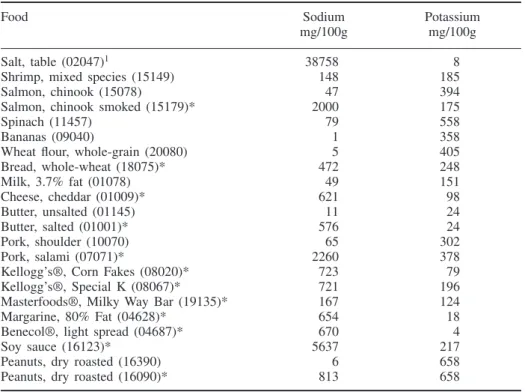
food supply and the displacement of traditional potassium-rich foods by foods introduced during the neolithic and Industrial periods (tables III and IV) caused a 400% decline in the potassium intake while simultaneously initiating a 400% increase in sodium ingestion (Cordain 2002; Eaton and Konner 1985; Frassetto et al., 2001). the potassium concentrations in vegetables are four and twelve times those in milk and whole grains respectively, whereas in fruit the potassium concentration is two and five times that in milk and whole grains (First Data bank 2000). the inversion of potassium and sodium concentrations in hominin diets had no evolutionary precedent and now plays an integral role in eliciting and contributing to numerous diseases of civilization (Cordain et al., 2005). Diets low in potassium and high in sodium may partially or directly underlie or exacerbate a variety of maladies and chronic illnesses, including hypertension, stroke, kidney stones,
tAbLE IV
Estimated sodium and potassium composition of a range of foods available in most developed countries
Food sodium Potassium
mg/100g mg/100g
salt, table (02047)1 38758 8
shrimp, mixed species (15149) 148 185
salmon, chinook (15078) 47 394
salmon, chinook smoked (15179)* 2000 175
spinach (11457) 79 558
bananas (09040) 1 358
Wheat flour, whole-grain (20080) 5 405
bread, whole-wheat (18075)* 472 248 Milk, 3.7% fat (01078) 49 151 Cheese, cheddar (01009)* 621 98 butter, unsalted (01145) 11 24 butter, salted (01001)* 576 24 Pork, shoulder (10070) 65 302 Pork, salami (07071)* 2260 378
Kellogg’s®, Corn Fakes (08020)* 723 79
Kellogg’s®, special K (08067)* 721 196
Masterfoods®, Milky Way bar (19135)* 167 124
Margarine, 80% Fat (04628)* 654 18
benecol®, light spread (04687)* 670 4
soy sauce (16123)* 5637 217
Peanuts, dry roasted (16390) 6 658
Peanuts, dry roasted (16090)* 813 658
1Entries retrieved from the U.s. Department of Agriculture, Agricultural Research service,
2007, UsDA national nutrient Database for standard Reference, Release 20, http://www.ars. usda.gov/ba/bhnrc/ndl are followed by a 5-digit nutrient database number in parentheses. Data were not adjusted for country and seasonal specific differences in nutrient compositions of foods. *indicates the addition of sodium salt to the food.
osteoporosis, gastrointestinal tract cancers, asthma, exercise-induced asthma, insomnia, air sickness, high-altitude sickness and Meniere’s syndrome (ear ringing) (Antonios and MacGregor 1996; Carey et al., 1993; Devine et al., 1995; Gotshall et al., 2000; Jansson 1986; Lindseth and Lindseth 1995; Massey and Whiting 1995; Miller 1945; Porcelli and Gugelchuk 1995; thai-Van et al., 2001; tuyns 1988).
the more sodium chloride (naCl) salt one uses the more one needs it in all kind of foods (e.g., bread, potatoes, cheese, etc) due to the damaging effect of naCl salt on taste-buds, which may be irreversible in older people, but is normally recoverable within a couple of months on a low naCl salt diet (Joossens et al., 1981). simply not adding naCl salt to (processed) food and the biofortification of cereals and dairy products with potassium may help alleviate the current sodium-potassium imbalance in the human diet. however, there is evidence that naCl, rather than na per se, is responsible for the known adverse effects of dietary salt on health (McCarty 2004)
fibre content
the fibre content (15.1 g day–1) (U.s. Department of Agriculture 2008) of
the typical UsA diet is considerably lower than some recommended values (25–30 g) (Krauss et al., 2000). Refined sugars, seed and nut oils, dairy products, and alcohol are devoid of fibre and constitute an average of 48.2% of the energy in the typical UsA diet (Cordain et al., 2005). Furthermore, fibre-depleted, refined grains represent 85% of the grains consumed in the UsA and because refined grains contain 400% less fibre than whole grains (by energy), they further dilute the total dietary fibre intake (Cordain et al., 2005). Fresh fruit typically contains twice the amount of fibre in whole grains, and non starchy vegetables contain almost eight times the amount of fibre in whole grains on an energy basis (First Data bank 2000). Fruit and vegetables known to be consumed by hunter-gatherers also maintain considerably more fibre than do their domestic counterparts (brand-Miller et
al., 1998). Diets low in dietary fibre may underlie or exacerbate constipation, appendicitis, hemorrhoids, deep vein thrombosis, varicose veins, diverticulitis, hiatal hernia and gastroesophageal reflux (trowell, 1985).
Fibre type and quantity are undoubtedly under genetic control, although this topic has received little attention. the technology to modify fibre content and type by micro- and nano-engineering would be a great benefit in persuading the many individuals who, for taste or other reasons, do not include adequate amounts of fibre in their daily diet. For example, fibre content could be added to more preferred foods e.g. milk, cheese, ice cream, refined cereals and white bread – but these are all novel foods that can currently (without modification) promote the diet induced diseases of civilization.
science communication to the Public
the risks of well regulated and rigorously tested food micro- and nanotechnology products that help prevent disease are likely to be insignificant when compared with the magnitude of the current problem of the diet induced disease epidemic. Using nanotechnology (or molecular biology) to engineer foods so they cannot (without excessive consumption) promote diet induced disease is likely to be of great benefit to mankind. In reality there are already more humans on Earth, than can be sustained by the natural World. however, the consumption of (wild) aquatic-based foods e.g. omnivorous shellfish in a sustainable manner (Robson 2006) should be encouraged and nanotechnology will probably enhance the production, utilization and food safety of this nutritious resource. nanotechnology will change society beyond anything that has gone before. this should, but not with any certainty, eventually slow down the spiraling diet induced healthcare costs. Further, today’s controversial areas such as nanotechnologies in foods, stem cell research, cloning, gene therapy, human enhancement and biochip implants will become acceptable practice before 2050 (tolfree and smith 2009).
conclusion
Chronic illnesses and health problems either wholly or partially attributable to diet account for the largest burden of chronic illnesses and health problems Worldwide. these diseases (e.g. cardiovascular disease) are epidemic in modern societies and typically afflict 50–65% of the adult population, yet they are rare or non-existent in hunter-gatherers and other less Westernized people. What the World needs is an integrated and sustainable food policy that makes the best and most appropriate use of the technologies at our disposal. to promote health and help prevent disease the future direction of food production should be towards greater production of anti-inflammatory (DhA, EPA, ALA, LA and AA profile similar to aquatic foods e.g. mussels
Mytilus spp.), higher protein (~ one third of total food energy intake at the expense of lowered carbohydrate), low-energy-dense i.e. high water content (<1.6 kcal g–1), high fibre (25–30 g day–1), high potassium – low sodium
chloride, bioavailable nutrient-rich (including cofactors) brain foods (foods rich in preformed DhA, EPA, I, Fe, Cu, Zn and se – aquatic foods, nano foods?). Micro- and nanotechnologies are already engineering nano foods for human (and livestock) consumption that may eventually (without excessive consumption) prevent the current diet induced disease epidemic, especially in future generations, by preventing the causal mechanisms of disease. nanoscience and nanotechnology are new frontiers and their potential cannot be underestimated. there is still a substantial amount of knowledge about the causal mechanisms of disease that awaits to be discovered, which could
further enhance the human desire to increase longevity in optimum health (creating more problems and challenges for society).
acknowledgements
thanks to Professor David tolfree (MAnCEF) for asking me to write this review. thanks also to Professor Michael Crawford (IbChn), James Wilson and Deep Dock Ltd for their help and support.
there are no conflicts of interest. this review received no specific grant from any funding agency in the public, commercial or not-for-profit sectors.
references
Abrams, h.L. (1979). the relevance of paleolithic diet in determining contemporary nutritional needs. J Appl Nutr, 31, 43–59.
Ahima, R.s., Flier, J.s. (2000). Adipose tissue as an endocrine organ. Trends Endocrinol
Metab., 11, 327–332.
Ailhaud, G., Guesnet, P., Cunnane, s.C. (2008). An emerging risk factor for obesity: does disequilibrium of polyunsaturated fatty acid metabolism contribute to excessive adipose tissue development? Br J Nutr., 100, 461–470.
Alpern, R.J., sakhaee, K. (1997). the clinical spectrum of chronic metabolic acidosis: homeostatic mechanisms produce significant morbidity. Am J Kidney Dis., 29, 291–302. American Cancer society (2004). Cancer facts & figures 2004. American Cancer society
Atlanta.
American oil Chemists’ society (2003). What the experts eat: the health and nutrition division weighs in with nutrition advice. Inform (American Oil Chemists’ Society), 14, 116–117.
Andlin-sobocki, P., Jonsson, J., Wittchen, h.-U., olesen, J. (2005). Cost of disorders of the brain in Europe. Eur J Neurol., 12, 1–27.
Antonios, t.F.t., MacGregor, G.A. (1996). salt – More adverse effects. Lancet, 348, 250–251.
baba, n.h., sawaya, s., torbay, n., habbal, Z., Azar, s., hashim, s.A. (1999). high protein vs high carbohydrate hypoenergetic diet for the treatment of obese hyperinsulinemic subjects. Int J Obes., 23, 1202–1206.
barker, D.J. (2004). the developmental origins of chronic adult disease. Acta Paediatr., 93, 26–33.
barker, D.J. (2007). the origins of the developmental origins theory. J Intern Med., 61, 412–417.
birch, E.E., Garfield, s., Castaneda, y., hughbanks-Wheaton, D., Uauy, R., hoffman, D. (2007). Visual acuity and cognitive outcomes at 4 years of age in a double-blind, randomized trial of long-chain polyunsaturated fatty acid-supplemented infant formula. Early Hum Dev., 83, 279–284.
boaz, n.t. (2002). Evolving health: the origins of illness and how the modern world is
making us sick. Wiley & sons, Inc; new york.
boden, G., shulman, G.I. (2002). Free fatty acids in obesity and type 2 diabetes: defining their role in the development of insulin resistance and beta-cell dysfunction. Eur J Clin