A Multidimensional Approach to the Relationship between
Emotion Regulation Difficulties and Eating Disorder
Psychopathology
An investigation of how emotion regulation difficulties relate to disordered eating symptomatology in a cross-sectional and longitudinal study in young
women with or without an eating disorder
Dissertation zur Erlangung der Doktorwürde an der Philosophischen Fakultät der Universität Freiburg in der Schweiz
Vorgelegt von Nadine Humbel, Heimatort Zürich
Genehmigt von der Philosophischen Fakultät auf Antrag der Professoren Simone Munsch (1. Gutachterin) und
Silvia Schneider (2. Gutachterin).
Freiburg, den 14.10.2019
Prof. Dr. Bernadette Charlier Pasquier, Dekanin der Philosophischen Fakultät.
Erklärung der Selbstständigkeit
Ich erkläre ehrenwörtlich, dass ich meine Dissertation selbstständig und ohne unzulässige fremde Hilfe verfasst habe und sie noch keiner andern Fakultät vorgelegt habe.
Teufenthal, 23.05.2019
Danksagung
Mein Dank gilt vor allem Frau Prof. Dr. Simone Munsch. Viele weitere Menschen haben mich bewusst oder unbewusst auf dem Weg zur Dissertation begleitet, auch ihnen gebührt Dank.
Curriculum Vitae Nadine Theresia Humbel
Geburtsdatum : 20.11.1984; Heimatort: Zürich Zivilstand: Ledig
Adresse: Wynentalstrasse 7, 5723 Teufenthal
Aktuelle Tätigkeit Seit 11/2014
Doktorandin am Lehrstuhl für klinische Psychologie und Psychotherapie der Universität Fribourg unter der Leitung von Prof. Dr. Simone Munsch
Ab 09/2019
MAS in Personenzentrierter Psychotherapie, Universität Basel Ausbildung
09/2011 - 02/2014
Master in Klinischer Psychologie und Gesundheitspsychologie, Zweisprachig, Universität Fribourg, Titel der Masterarbeit: „Einfluss von Arbeitsbelastung und Tagesmüdigkeit auf die Diagnosestellung von psychischen Beschwerden in Schweizer Hausarztpraxen“ unter der Leitung von Dr. Jana Bryjova und Prof. Dr. Simone Munsch
09/ 2006 - 06/2011
Bachelor in Psychologie am Institut d’Enseignement à Distance Université Paris 8 (F)
1990 - 2002
Schulzeit und Abschluss Baccalauréat série économique et sociale in Belfort (F)
Berufliche Erfahrung 11/2014 - 06/2017
Doktorandin, Lehrstuhl für klinische Psychologie und Psychotherapie, Universität Fribourg. SNF-Projekt: „Psychological and physiological consequences of exposure to mass media in young women – the role of moderators“ unter der Leitung von Prof. Dr. Simone Munsch
10/2013 - 01/2014
Praktikum am Zentrum für Psychotherapie der Universität Fribourg unter der Leitung von Dr. Annette Cina
02/2011 - 04/2011
Praktikum am Kantonsspital Aarau, Psychoonkologie
01/2010 - 12/2011
Sekretariat des Berufsverbandes der Schweizer Lobbyisten SPAG/SSPA (Schweizerische Public Affairs-Gesellschaft)
2004 - 2010
Sekretariat/Mitarbeit bei Humbel Kommunikation, Teufenthal AG
01/2003 - 03/2003
Pferde- und Sozialpraktikum mit heilpädagogischem Reiten und Hippotherapie, Lieli LU
Publikationen
Wyssen, A., Junpeng, L., Rodger, H., Humbel, N., Lennertz, J., Schuck, K., ... & Assion, H. J. (2019). Facial Emotion Recognition Abilities in Women Suffering from Eating Disorders. Psychosomatic Medicine.
Humbel, N., Messerly-Bürgy, N., Schuck, K., Wyssen, A., Garcia-Burgos, D., Biedert, E.,... & Munsch, S. (2018). Self-reported emotion regulation difficulties are associated with mood but not with the biological stress response to thin ideal exposure. PLOS ONE 13(6): e0199769.
Wyssen, A., Debbeler, L. J., Meyer, A. H., Coelho, J. S., Humbel, N., Schuck, K., ... & Milos, G. (2018). Relevance of the Thought–Shape Fusion Trait Questionnaire for healthy women and women presenting symptoms of eating disorders and mixed mental disorders. Clinical psychology & psychotherapy.
Wyssen, A., Debbeler, L. J., Meyer, A. H., Coelho, J. S., Humbel, N., Schuck, K., ... & Isenschmid, B. (2017). Cognitive Distortions Associated with Imagination of the Thin Ideal: Validation of the Thought-Shape Fusion Body Questionnaire (TSF-B). Frontiers in Psychology, 8, 2194.
Humbel, N. (2011). Lobbying: Zwischen Dreistigkeit und falscher Bescheidenheit. Persönlich, das Schweizer Wirtschaftsmagazin für Kommunikation, 03, 96-97.
Vortrag
Humbel, N., Messerly-Bürgy, N., Schuck, K., Wyssen, A., Garcia-Burgos, D., Biedert, E.,... & Munsch, S. (31.08.-03.09.2016). Influence of emotion regulation on stress responses in Eating Disorder patients. Vortrag anlässlich des 46. EABCT-Kongresses zum Thema „roots and present branches of CBT“ in Stockholm, Schweden.
Table of Contents
List of tables ... 9 List of figures ... 10 List of abbreviations ... 11 Abstract ... 12 1 Introduction ... 132 Defining Emotion Regulation Difficulties ... 16
2.1 Introductory definition of Emotion, Emotion Regulation, and Emotion Regulation Difficulties ... 16
2.2 More than an assessment tool: The Difficulties in Emotion Regulation Scale (DERS) ... 18
2.3 A transdiagnostic approach to Emotion Regulation Difficulties ... 21
3 How Emotion Regulation Difficulties relate to specific features of Eating Disorders ... 24
3.1 Theoretical framework of the association between Emotion Regulation Difficulties and Eating Disorders ... 24
3.2 Evidence of specific associations between Emotion Regulation Difficulties and Disordered Eating ... 27
3.2.1 Emotion Regulation Difficulties and symptoms of Disordered Eating in Eating Disorder patients ... 27
3.2.2 Emotion Regulation Difficulties and symptoms of Disordered Eating in non-Eating Disorders ... 31
3.3 The multilayered relationship between Emotion Regulation Difficulties and Body-related Concerns ... 34
3.3.1 A sociocultural approach to Eating Disorders ... 34
3.3.2 How Exposure to the Thin Ideal affects young women ... 35
3.3.3 The Internalization of the Thin Ideal ... 38
3.3.4 The perceived Discrepancy between the Self and the Ideal ... 39
3.3.5 Body Image Dissatisfaction ... 41
4 Emotion Regulation Difficulties and Treatment Outcome in Eating Disorders ... 45
4.1 General considerations regarding Treatment and Outcome in Eating Disorders ... 45
4.2 Is Emotion Regulation a predictor of Treatment Outcome in Eating Disorders? ... 48
4.3 Defining Treatment Outcome in Eating Disorders ... 51
4.4 Body-related Concerns as a marker of Treatment Outcome in Eating Disorders ... 54
4.5 Psychiatric Comorbidity as a marker of Treatment Outcome in Eating Disorders ... 56
5 Research question and hypotheses ... 59
5.1 Hypothesis 1 ... 60
5.2 Hypothesis 2 ... 61
5.3 Hypothesis 3 ... 62
6 Methods ... 64
6.1 Participants ... 64
6.1.1. Inclusion and exclusion criteria ... 64
6.2 Procedure ... 69
6.2.1 Overall procedure ... 69
6.2.2 Experimental protocol and procedure ... 71
6.3 Instruments ... 75
6.3.1 Diagnostic interview ... 75
6.3.2 Online questionnaires ... 76
6.3.3 Assessment during the experimental procedure ... 79
6.3.4 Assessment of remission at discharge ... 81
6.3.5 Additional treatment-related assessment ... 82
6.4 Statistical data analysis ... 83
6.4.1 Hypothesis 1: experimental assessment ... 83
6.4.2 Hypothesis 2: cross-sectional assessment ... 84
6.4.3 Hypothesis 3: longitudinal assessment ... 86
7 Results ... 89
7.1 Sample characteristics at pre assessment ... 89
7.2 Results of hypothesis 1 ... 91
7.2.1. Descriptives ... 91
7.2.2. Effects of ERD on self-ideal discrepancy, body image satisfaction, and disordered eating across experimental conditions ... 93
7.3 Results of hypothesis 2 ... 95 7.3.1 Correlational analyses ... 95 7.3.2 Regression analyses ... 97 7.4 Results of hypothesis 3 ... 101 7.4.1 Descriptives ... 101 7.4.2 Correlational analyses ... 105 7.4.3 Regression analyses ... 109 8. Discussion ... 114 8.1 Main findings ... 114
8.2 Discussion of the results ... 115
8.3 General considerations ... 132
8.4 Limitations and strengths ... 135
8.5 Clinical implications and Outlook ... 143
8.5.1 Future challenges in media exposure research ... 143
8.5.2 Emotion Regulation Difficulties in current and future Eating Disorder research and clinical practice ... 147
8.5.3 Spot on biological factors linking Eating Disorder pathology and ... 157
Emotion Regulation Difficulties ... 157
8.6 Conclusion ... 166
9. References ... 168
Appendix ... 211
A) VAS Body Image ... 211
List of tables
Table 1 Pre assessment demographic and clinical characteristics and
comparisons by group (n=275) ... 89 Table 2 Sample characteristics of pre assessment completers by
experimental condition (n=273) ... 92 Table 3 Means, standard deviations, and interrelations between DERS
subscales and thin ideal internalization, body image dissatisfaction, cognitive and behavioural ED symptoms, and covariates at pre
assessment (n=273) ... 95 Table 4 Summary of hierarchical linear regression analysis, using thin ideal
internalization and DERS subscales to predict body image dissatisfaction at pre assessment (n=273) ... 98 Table 5 Summary of hierarchical linear regression analysis, using body image
dissatisfaction and DERS subscales to predict ED symptoms at pre
assessment (n=273) ... 99 Table 6 Summary of regression analysis, using body image dissatisfaction
and DERS subscales to predict frequency of compensatory behaviours at pre assessment (n=273) ... 100 Table 7 Sample characteristics and comparisons by group at post
assessment (n=248) ... 102 Table 8 Means, standard deviations and comparisons of predictor and
outcome variables at pre and post assessment in ED patients (n=98)..104 Table 9 Means, standard deviations, and interrelations between change in
DERS subscales and markers of remission in ED patients (n=98) ... 106 Table 10 Summary of linear regression analyses, using change scores of thin
ideal internalization, body image dissatisfaction and DERS subscales to predict change in thin ideal internalization, body image dissatisfaction, ED symptoms, and depressive and anxiety symptoms in ED patients (n=98) ... 112
List of figures
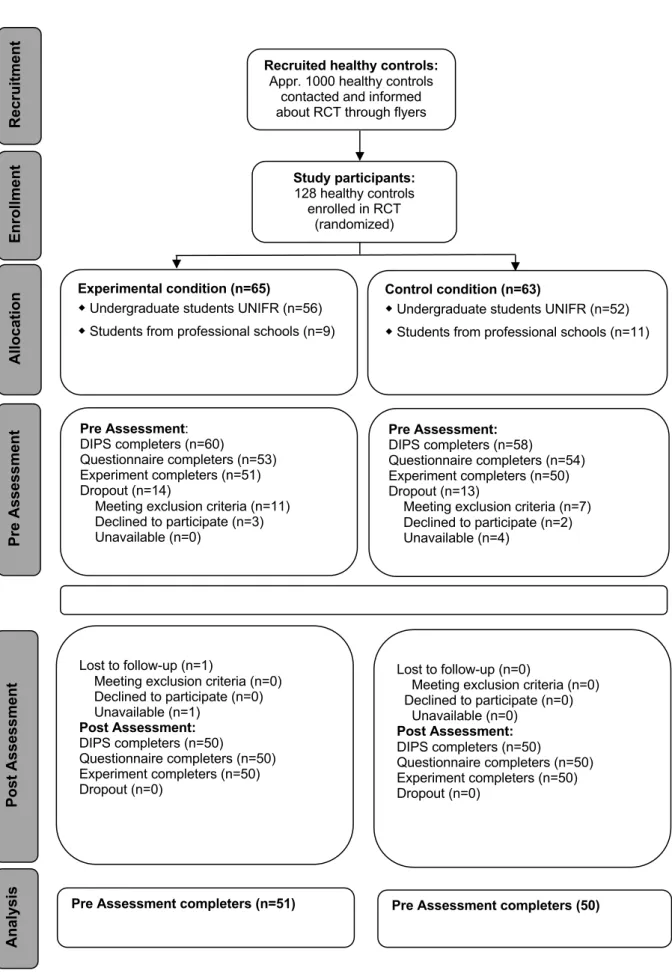
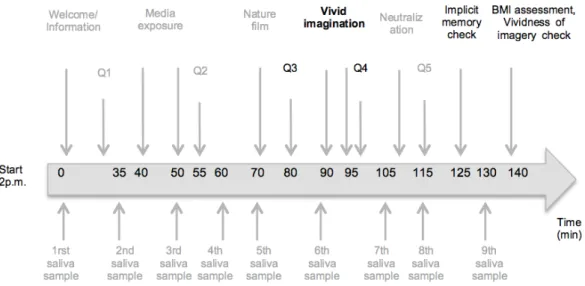
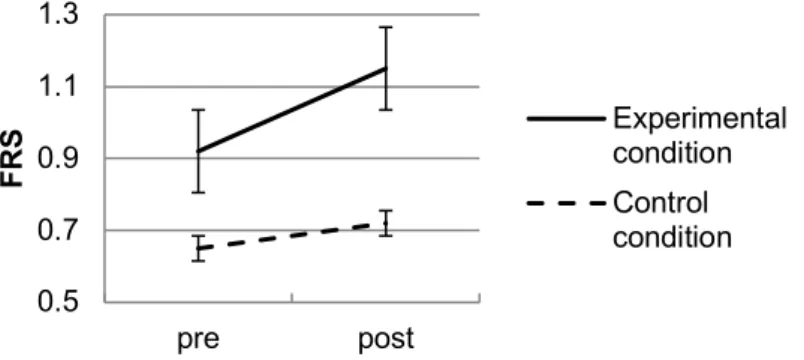
Figure 1. Participant Flow. ... 67 Figure 2. Timeline of the experimental manipulation. ... 72 Figure 3. Sequence of assessment. ... 75 Figure 4. Changes in self-ideal discrepancy from pre to post vivid imagination
including standard errors. ... 93 Figure 5. Changes in body image satisfaction from pre to post vivid
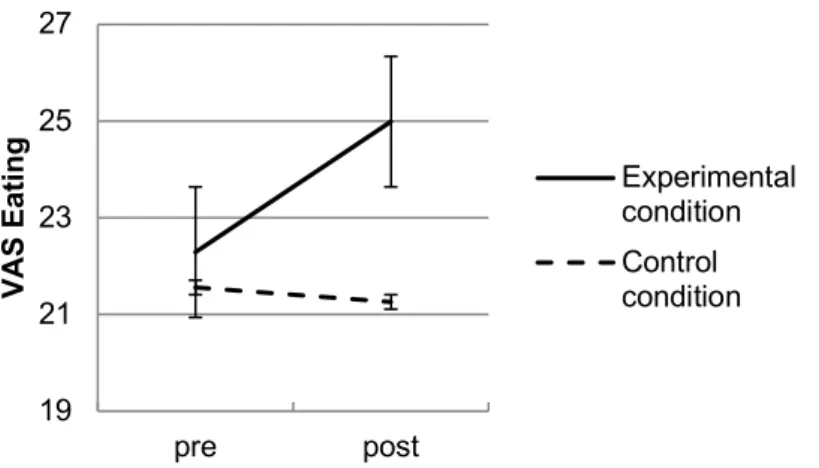
imagination including standard errors. ... 94 Figure 6. Changes in the urge to engage in disordered eating behaviours from pre to post vivid imagination including standard errors. ... 94
List of abbreviations
ED(s) : Eating Disorder(s) AN : Anorexia Nervosa BN : Bulimia NervosaDSM : Diagnostic and Statistical Manual of Mental Disorders APA : American Psychiatric Association
ER(D): Emotion Regulation (Difficulties)
DERS: Difficulties in Emotion Regulation Scale BPD: Borderline Personality Disorder
HC: Healthy Controls BMI: Body Mass Index
EDE-Q: Eating Disorder Examination Questionnaire MMD: Mixed Mental Disorders
NICE : National Institute of Clinical Excellence CBT : Cognitive-Behavioral Therapy
SD : Standard Deviation EC: Experimental Condition CC: Control Condition
DIPS: Diagnostisches Interview bei Psychischen Störungen
SATAQ: Sociocultural Attitudes Towards Appearance Questionnaire BIS: Body Image Satisfaction Scale
BDI: Beck Depression Inventory BAI: Beck Anxiety Inventory M: Mean
5-HT: 5-Hydroxytryptamine
Abstract
Emotion regulation difficulties (ERD), or the inability to flexibly adjust emotional responses to environmental or personal demands, have persistently been associated in research with puzzling eating disorder (ED) psychopathology. However, consistent findings on the specificity of association between specific dimensions of ERD and specific symptoms of EDs are lacking. This thesis proposes an exhaustive exploration of the complex relationship between ERD and ED symptoms by means of complementing study designs. This thesis adopts a transdiagnostic approach to both ERD and ED symptoms by examining a large heterogeneous female sample consisting of ED patients, patients with mixed mental disorders (MMD) and healthy controls (HC) aged 18 to 35. Analyses based on the multidimensional Difficulties in Emotion Regulation Scale (DERS; Gratz and Roemer, 2004) revealed a rather consistent picture of the implication of attending to and acknowledging one’s emotions in ED symptomatology across the spectrum of mental health, in contrast to more action-oriented regulatory processes.
This thesis corroborates the implication of some but not all dimensions of ERD in ED pathology in a heterogeneous sample and contributes to identify in which circumstances these associations are observable. The combined exploration of the underlying psychological and biological processes involved in emotion regulation (ER) and EDs is recommended, in order to determine most adequate interventions.
1 Introduction
Eating Disorders 1 (EDs) are defined as complex and serious mental disorders, which lead to impairments in physical, social, emotional, and cognitive functioning. On the basis of a Swiss population-based study, Mohler-Kuo, Schnyder, Dermota, Wei, and Milos (2016) reported lifetime prevalence estimates of 1.9% for Anorexia Nervosa (AN) and 2.4% for Bulimia Nervosa (BN) in women, using diagnostic criteria of the fifth edition of the Diagnostic and Statistical Manual of Mental Disorders (DSM-5; American Psychiatric Association [APA], 2013). Prevalence rates are similar in international reports in the case of AN, but are generally slightly lower for BN (Mohler-Kuo et al., 2016). Subthreshold EDs are estimated at around 2-3% in Europe (Keski-Rahkonen & Mustelin, 2016). The perfidy lies in that some of the core features of EDs, such as discontent with body shape or weight, are considered normative in our society (Rodin, Silberstein, & Striegel-Moore, 1984). ED symptoms are especially widespread among young students (Eisenberg, Nicklett, Roeder, & Kirz, 2011). Hence, the physical and mental integrity of a significant population is threatened, even though relatively few individuals develop a full-blown ED.
The multifactorial origins of EDs, which comprise genetic, sociocultural, and psychological factors, although acknowledged, have not been satisfactorily explained yet (Claudat & Lavender, 2018; Kaye, 2008; Riva, 2016; Sjögren, 2017). Similarly, consistent evidence about predictors of outcome in EDs is lacking (Cooper et al., 2016). It is, however, indispensable to clearly
1 Our research focuses on Anorexia Nervosa and Bulimia Nervosa in young women. Binge Eating Disorder and Eating disorder not otherwise specified /Other Specified Feeding and Eating Disorders will not be covered in this
determine the mechanisms of action involved in EDs to ensure the better comprehension of psychopathological phenomena and the implementation of adequate treatment. Puzzling EDs have instead been branded as an awkward burden for healthcare systems (Ágh et al., 2016). Paradoxically, a majority of patients with EDs do not even have access to suitable treatment or to any treatment at all (Kazdin, Fitzsimmons-Craft, & Wilfley, 2017).
Nonetheless, the tremendous efforts invested in the better understanding of EDs over the past decades ought to be valued. One fruitful field of research that has emerged focuses on Emotion Regulation (ER), and more specifically on Emotion Regulation Difficulties (ERD). EDs are associated with deficient abilities to identify, understand, and confront emotions, that result in perceiving emotions as unmanageable, and thus prevent the usage of functional strategies to face challenging emotional states (Berking & Wupperman, 2012; Haynos & Fruzzetti, 2011). The role attributed to ERD in the emergence and maintenance of EDs has become increasingly prominent, and has ultimately been brought to the fore in novel ED treatment modeling (Claudat & Lavender, 2018). Certainly, deficits in ER have consistently been associated with core features of EDs, namely disordered eating and to a lesser extent body-related concerns. There is a lack of in-depth knowledge about the circumstances in which such associations are observable and which particular deficits in ER are more strongly related to specific markers of ED psychopathology. More specifically, it has not yet been examined in a comprehensive manner, which dimensions of ERD relate to the pressure to be thin, the internalization of the thin ideal, body image dissatisfaction, ED cognitions and behaviours, and other features of EDs in young women.
In order to contribute to fill in these gaps, this thesis aims at exploring ERD in the light of a sociocultural framework of EDs in young female adults. Therefore, the main objectives of this thesis are: 1) investigate the moderating role of ERD in the relationship between acute thin ideal exposure and self-ideal discrepancy, body image satisfaction, and the urge to indulge in ED behaviours, 2) explore the association between subdimensions of ERD and ED features such as thin ideal internalization, body image dissatisfaction, and disordered eating based on correlational data, and 3) examine the impact of ERD on a selection of markers of remission after ED treatment.
Results from a multicenter cross-sectional and longitudinal treatment study examining the psychological and physiological consequences of exposure to mass media in young women will be used in analyses (Munsch, 2014). In order to address the first two objectives, analyses will be performed on a sample of young women aged 18-35 with or without a diagnosis of at least one mental disorder. All further analyses will be performed on in- and outpatients with AN or BN only.
This thesis will first introduce ERD as core characteristic of psychopathology. Second, the relationship between ERD and ED symptomatology will be determined. In addition, this thesis will attempt to untangle the relationship between ER and thin ideal internalization, self-ideal discrepancy, and body image dissatisfaction. The last part will be dedicated to the role of ERD in EDs treatment outcome. The underlying study will then be detailed, results will be presented, and outcomes will be discussed in the light of new upcoming challenges for both ED research and practice.
2 Defining Emotion Regulation Difficulties
2.1 Introductory definition of Emotion, Emotion Regulation, and Emotion Regulation Difficulties
Emotions can be described as instinctive or learnt multifaceted responses to endogenous or exogenous stimuli, leading to physiological, behavioural, and cognitive changes (Oldershaw, Lavender, Sallis, Stahl, & Schmidt, 2015). Emotions are reactive to attributable triggers, unlike elusive states such as mood (Oldershaw et al., 2015). From an evolutionary perspective, the rapid identification of emotionally salient information and appropriate processing is vital to humankind. In other words, emotions play an essential role in important domains of functioning, such as social interactions and relationships, environmental adaptation, memory, attention, or decision-making. Most importantly, emotional experience is unique to every human being, therefore one specific situation can trigger varying emotional reactions across individuals (Werner & Gross, 2010). The perception of the threatening character of any given emotional experience may be unbearable for some individuals, which highlights the individuality of the ability to flexibly adapt to various states.
The regulation of emotions is the deliberate or automatic attempt to attain a desired emotional state by determining the offset of emotional responding, motivated by hedonic needs, namely experiencing a certain emotional state, or instrumental motives in order to facilitate specific goals and/or optimize functioning (Koole, 2009; Tamir, 2016; Thompson, 1994). ER is guided by biological and attentional processes, information processing, coping abilities, and external resources, as well as socially defined emotional demands. ER
evolves throughout life, primarily forged through caregivers and peers in childhood and social interactions in later life (Brenner & Salovey, 1997). ER is generally referred to in terms of process. Accordingly, one of the most frequently quoted definition of ER in the literature is the one provided by Gross (1998), which states that “ER refers to the processes by which individuals influence which emotions they have, when they have them, and how they experience and express them”. More in depth, Thompson (1994) had previously proposed following definition: “ER consists of the extrinsic and intrinsic processes responsible for monitoring, evaluating and modifying emotional reactions, especially their intensive and temporal features, to accomplish one’s goals.” This conceptualization of ER encompasses positive as well as negative emotional arousal, and emphasizes the functionality of processes targeting the maintenance, enhancement, and inhibition of emotions, in accordance to individual objectives. In addition, Gratz and Roemer (2004) identified specific dimensions of ER that have relevance to the adaptive processing in response to emotional distress and proposed a multidimensional conceptualization of ER. The 6 subdimensions of ER according to Gratz and Roemer (2004) are: the awareness of emotions, the understanding of emotional states, the acceptance of emotions, the ability to inhibit impulsive behaviour, the flexible use of appropriate strategies to modulate (intensity and duration of) emotional responses, and the ability to maintain goal-directed behaviour despite experiencing negative emotion. Thus, adaptive emotional processing refers to the tolerance of unwanted emotions and/or to the flexible and context-dependent modification of emotions, largely determined by the above-mentioned abilities.
Conversely, the rather simplistic, yet functional and commonly accepted definition of emotion regulation difficulties (ERD) 2 refers to certain impairments in one or more of the abilities outlined by Gratz and Roemer (2004). ERD are characterized by the inability to effectively influence the experience or expression of emotions, which limits or hinder people’s attempts to attain emotion-related goals (Haynos & Fruzzetti, 2011; Jazaieri, Urry, & Gross, 2013). Certain attempts to regulate emotions may be effective in dampening emotional experience in the short run, but highly dysfunctional and harmful over a longer period of time, especially when executed repeatedly (Werner & Gross, 2010). Different facets of ER can be dysfunctional, and they altogether entail negative consequences. In fact, impairments in one or more of the 6 dimensions listed above impede everyday functioning, not least in social situations. Moreover, chronic ERD are associated with impairments in psychological functioning and have been related to a wide range of mental disorders (Berking & Wupperman, 2012; Gross, 1998).
2.2 More than an assessment tool: The Difficulties in Emotion Regulation Scale (DERS)
The conceptualization of ERD by Gratz and Roemer (2004) is best illustrated by the multidimensional tool they developed in order to assess ERD. The Difficulties in Emotion Regulation Scale (DERS; Gratz & Roemer, 2004) assesses clinically relevant ERD based on the 6 dimensions of adaptive ER presented in the previous section. The DERS is the instrument of predilection in the field of research that examines the association between ERD and 2 “Emotion regulation difficulties”, “emotion dysregulation”, “emotion regulation deficits” or “anomalies in emotion
psychopathology (Sloan et al., 2017), and is also the questionnaire used in the current study. The scale is known for its good psychometric properties. The DERS has originally been validated on healthy adults by Gratz and Roemer (2004). More recently, its psychometric properties have been validated in adults with severe mental disorders (Fowler et al., 2014) and in adult ED patients (Wolz et al., 2015). The DERS consists of a total score and 6 subscales, which will be introduced briefly.
The subscale “lack of emotional awareness”, DERSAWARENESS, consists of items reflecting difficulties associated with attending to and acknowledging one’s emotions. The awareness of emotions is an essential factor underlying adaptive ER, especially in terms of flexible and adequate reactivity to emotional triggers (Gross & Jazaieri, 2014). This subscale emphasizes the fact that ER is not only synonymous of taking action-driven influence on emotions, but also comprises the subjective evaluation of emotional experience. DERSAWARENESS is the most controversial subscale of the DERS, and its utility has been questioned because of low correlations with the other subscales. Hence, some authors have advocated the exclusion of DERSAWARENESS from the total score in ERD assessment (Hallion, Steinman, Tolin, & Diefenbach, 2018). The particularity of this subscales is, however, partly attributable to reverse-coded items that impact on psychometric properties (Bardeen, Fergus, Hannan, & Orcutt, 2016). Despite the critics, most authors insist on the original 6 factor scale, instead of alternative 5 factor models (Fowler et al., 2014; Wolz et al., 2015).
The subscale “lack of emotion clarity”, DERSCLARITY, taps how much individuals know and understand the emotions they are experiencing. Similar
to emotional awareness, it has been suggested that understanding one’s emotions is a necessary condition for the adaptive regulation of emotions (Vine & Aldao, 2014).
The subscale “non-acceptance of emotional response”, DERSNONACCEPTANCE, assesses the tendency to have negative secondary emotional responses to negative emotions. The tendency to experience negative emotions in response to one’s own emotional reactions is maladaptive and is linked to low distress tolerance, which is associated with psychopathology.
The items on the subscale “difficulties in engaging in goal-directed behaviour”, DERSGOALS, reflect difficulties concentrating and accomplishing tasks when experiencing negative emotions. This subscale underlines the overwhelming character that emotions can potentially have. The resulting functional impairments are associated with psychopathology.
The subscale “impulse control difficulties”, DERSIMPULSE, refers to difficulties with remaining in control of behaviour when experiencing negative emotions. This domain alludes to the lack of inhibition of inappropriate and uncontrolled behaviours, which ultimately hinders individuals from behaving in accordance with desired goals. Engaging in impulsive behaviour generally aims at canceling aversive emotions, rather than modulating emotional arousal. The subscale “limited access to effective ER strategies”, DERSSTRATEGIES, focuses on the belief that, once upset, little can be done to regulate one’s emotions. Rather than assessing the actual application of ER strategies, this subscale targets the access to and perception of the effectiveness of one’s own strategies. Gratz and Roemer (2004) deliberately focused on the
subjective appraisal of effectiveness, so that the use of ER strategies does not depend on the context.
In sum, beyond its qualities as a multidimensional assessment tool, the DERS is a valid attempt to provide a holistic and broadly applicable definition of ERD.
2.3 A transdiagnostic approach to Emotion Regulation Difficulties Across mental disorders, patients face difficulties with the experience of negative emotions, which they ultimately try to avoid (Werner & Gross, 2010). As previously mentioned, it is widely acknowledged that ERD are associated with psychopathology. Foremost, ERD are associated with psychopathology in terms of being a risk factor for the onset, maintenance, and treatment of mental disorders, such as EDs, depressive disorders, anxiety disorders, Borderline Personality Disorder (BPD), and substance-use related disorders (Aldao, Nolen-Hoeksema, & Schweizer, 2010). The perspective on ERD adopted in this thesis implies that ERD are a transdiagnostic factor of psychopathology. Various studies have validated the hypothesis that ERD are not specific to a particular mental disorder, but rather occur across mental disorders (e.g. Lukas, Ebert, Fuentes, Caspar, & Berking, 2018; Svaldi, Griepenstroh, Tuschen-Caffier, & Ehring, 2012). Evidence of ERD being a common underlying factor to various mental disorders seems convincing. Results also hint at a certain heterogeneity regarding the intensity of ERD and the affected subdimensions of ERD across disorders (Lukas et al., 2018). Aldao et al. (2010) showed in their meta-analytic review of 114 studies that the association with maladaptive ER strategies was stronger for depression and anxiety than for disordered eating and substance-use disorders. Similarly,
in Brockmeyer, Bents, et al. (2012), patients with depressive disorders had stronger ERD regarding the attenuation and modulation of emotions than AN patients, suggesting broader and greater ERD in depressed patients. However, these results have to be interpreted with caution for at least two reasons. First, most studies have focused on ER skills in terms of strategy use. Results therefore cannot be generalized to other subdimensions of ERD. Given that studies use different conceptualizations of ERD, the comparability of studies is limited, and consent is difficult to reach. Second, studies usually include clinical samples with only one diagnosis, which does not satisfactorily reflect clinical reality and does not allow drawing conclusions for cases with several comorbid disorders. In fact, ERD appear to be exacerbated by the potentiated accumulation of diagnoses (Muehlenkamp, Peat, Claes, & Smits, 2012). According to Muehlenkamp et al. (2012), females who reported to recur to nonsuicidal self-injury and those who reported to engage in disordered eating had similar levels of ERD. Those who experienced both had even higher levels of ERD. Hence, it is suggested that the general manifestation of psychopathology is conditioned by ERD, rather than specific disorders displaying particular patterns of ERD.
A more in-depth consideration of the transdiagnostic hypothesis suggests that ERD manifest themselves by the means of symptomatology (Heber, Lehr, Riper, & Berking, 2014). For instance, self-harm behaviours associated with BPD have been conceptualized as (dysfunctional) coping strategies in response to challenging situations (Heber et al., 2014). ERD are generally perceived as core feature of BPD. BPD symptoms seem to be specifically associated with impulse control difficulties and limited belief in the own ER
capacities (Glenn & Klonsky, 2009). Similarly, in personality disorders, the core feature of loss of control has been associated with the incapacity to functionally regulate emotionally overwhelming situations (Dimaggio et al., 2017). Other dysfunctional behaviours, such as substance abuse, can be seen as maladaptive ways to cancel out the consequences of emotionally aversive stimuli (Heatherton & Baumeister, 1991). From this perspective, dysfunctional behaviours are not simply correlates of the incapacity to regulate emotions. Rather, symptoms of psychopathology represent dysfunctional attempts to regulate or avoid emotions in themselves. Following this rationale, ERD may translate into various symptoms, with some but not all eventually leading to the diagnosis of a specific syndrome, depending on how pronounced and widespread the difficulties are. Thus, mental disorders can be understood as conglomerates of symptoms, which manifest individually as a result of common underlying processes (Krueger & Markon, 2006), namely ERD. This approach suggests 1) that symptoms of psychopathology can occur beyond the boundaries of specific diagnoses in any individual, and 2) that the decrease of ERD brings about the decrease of symptomatology. These assumptions will be examined in the framework of ED psychopathology in the upcoming sections.
3 How Emotion Regulation Difficulties relate to specific
features of Eating Disorders
3.1 Theoretical framework of the association between Emotion Regulation Difficulties and Eating Disorders
The hypothesis that symptoms of mental disorders serve ER purposes in the absence of functional ER has been introduced in the previous section. It has therefore been suggested that core features of EDs are dysfunctional tools to regulate emotions, by attempting to suppress aversive emotional experience (Berking & Wupperman, 2012). This is particularly applicable to disordered eating behaviours, encompassing binge eating, self-induced vomiting, laxative misuse, diuretic misuse, or fasting. Werner and Gross (2010) suggested that ER involves strategies relating to the avoidance or modification of the situations that triggered emotions in the first place, but also strategies relating to the subsequent emotional experience and emotional reactivity. Importantly, disordered eating is presumed to be related to the incapacity to handle emotional experience rather than being a direct response triggered by a stimulus (Mallorquí-Bagué et al., 2018).
ERD are characteristic of EDs such as AN and BN (Lavender et al., 2015). In particular, EDs are associated with a low tolerance towards distress, and thus the incapacity to handle (negative) emotions in an adaptive way, which leads to the avoidance of aversive emotional experience (Corstorphine, Mountford, Tomlinson, Waller, & Meyer, 2007). According to Selby, Anestis, and Joiner (2008), emotional cascades occur when individuals ruminate on the negative emotional state they experience, enhancing negative experience by doing so. In consequence, engaging in dysfunctional behaviour such as binge eating is
then used as a strategy to distract from rumination. These strategies operate on an attentional level, aiming at distracting from negative self-awareness by focusing on the physical experience of the dysfunctional behaviour (Selby et al., 2008). Dysfunctional behaviours rapidly loose salience and become habitual, engaging the individual in a harmful distraction-seeking vicious circle. Attentional distraction is very likely to be maladaptive, since avoidance disables the opportunity to face emotion-triggering stimuli and to learn how to handle them (Werner & Gross, 2010). Instead, irrational beliefs and disinhibition towards dysfunctional behaviours are enabled (Heatherton & Baumeister, 1991). Subsequently, engaging in disordered eating behaviours is subjectively perceived as a successful strategy to alleviate distress (Haynos & Fruzzetti, 2011; Monell, Clinton, & Birgegård, 2018). There is evidence that disordered eating behaviours are preceded by decreased positive affect and increased negative affect, whereas the opposite pattern is measured after engagement in dysfunctional behaviour, in both AN (Engel et al., 2013) and BN (Smyth et al., 2007). The gratification character of disordered eating behaviours may temporarily neutralize distress, but, in the long run, the repeated engagement in dysfunctional behaviours in response to emotional distress contributes to the exacerbation of psychopathology (Fairburn, Cooper, & Shafran, 2003). In fact, long-term effects of wrongly perceived benefits of such behaviours are inherently harmful (Oldershaw et al., 2015). The more the individual takes refuge in disordered eating behaviours, the greater the habituation and the lesser the alleged benefits. Due to the exacerbation of psychopathology, the threshold of arousal decreases, and the overwhelming character of emotional stimuli increases, leading to the even
more frequent and aberrant need to resort to disordered eating behaviours (Haynos & Fruzzetti, 2011). The results of an ecologically valid assessment study in AN patients showed that negative affect momentarily increased after some, but not all, disordered eating behaviours (Engel et al., 2013). These results confirm that dysfunctional behaviours do not necessarily induce a reduction of negative affect (anymore).
Thus far, ERD have been introduced in terms of overall impairments of ER capacities, which can be held responsible for the development and maintenance of symptoms of disordered eating. However, ERD is an umbrella concept that encompasses a broad spectrum of ER-related difficulties. EDs therefore present specific deficits in ER, such as difficulties with identifying and labeling one’s emotions (for a review on alexithymia see Westwood, Kerr-Gaffney, Stahl, & Tchanturia, 2017), impaired capacities to describe one’s own feelings and another person’s emotional experience (Gilboa-Schechtman, Avnon, Zubery, & Jeczmien, 2006), difficulties with emotion recognition and attentional bias with faces, especially towards angry faces (Harrison, Sullivan, Tchanturia, & Treasure, 2010), and the use of more maladaptive ER strategies compared to healthy controls (HC) (Corstorphine et al., 2007). These particular types of impairment, which are to some extent inherent to EDs, hint at specific associations between ERD and disordered eating. The fact that the association with ERD differs across symptoms (Lukas et al., 2018) had already been mentioned in this thesis. In the next section, evidence of specific associations between different domains of ERD and specific symptoms of disordered eating will be reviewed. Solely evidence of the relationship between ERD and disordered eating based on the DERS (see
introduction of the scale in section 2.2) will be presented. In line with a transdiagnostic perspective on the association between ERD and disordered eating, results will be reported for EDs, but also non-EDs, including young women suffering from other mental disorders and HC.
3.2 Evidence of specific associations between Emotion Regulation Difficulties and Disordered Eating
3.2.1 Emotion Regulation Difficulties and symptoms of Disordered Eating in Eating Disorder patients
Beforehand, although ERD are characteristic of EDs (Lavender et al., 2015), research has failed so far to identify consistent patterns of relationship between ERD and cognitive and behavioural symptoms of disordered eating. The lack of consensus will be illustrated on the basis of four studies.
In the first study by Racine and Wildes (2013), regression models revealed that cognitive symptoms of disordered eating were positively associated with ERD, first and foremost with DERSAWARENESS, whereas objective binge eating and purging was solely associated with DERSIMPULSE, in 192 mostly female patients with AN. Subjective binge eating was not associated with ERD in this study. These results demonstrate that the association between ERD and disordered eating is selective, and that some but not all symptoms relate to ERD. Findings underpin the assumption that the capacity to attend to one’s emotion is crucial for adequately handling emotions. In addition, the interpretation given by the authors supports the assumption that disordered eating symptoms represent dysfunctional ways to handle aversive emotions. According to Racine and Wildes (2013) the shift of attention away from emotional experience onto body and eating-related concerns, is a kind of
emotional avoidance that occurs due to a lack of emotional awareness in the attempt to handle aversive emotion. Similarly, engaging in disordered eating is a way to distract from aversive emotional states by the means of uncontrolled dysfunctional behaviours.
However, findings regarding emotional awareness could not be replicated for BN in the second study. In fact, Lavender et al. (2014) showed that cognitive symptoms of disordered eating positively correlated with DERS total score and the subscales DERSNONACCEPTANCE, DERSSTRATEGIES, and above all DERSIMPULSE, but not with DERSGOALS, DERSCLARITY nor DERSAWARENESS, in a study conducted with 80 full and subthreshold mostly female BN. No unique association was revealed in subsequent regression analyses. Interestingly, in terms of disordered eating behaviours, there was a unique negative association between frequency of purging and DERSGOALS, and a positive association between driven exercise and DERSGOALS. Objective binge eating frequency was associated with neither of the DERS subscales. Once more, results confirm the selective association of certain ERD and particular symptoms of disordered eating. Impulsivity was significantly associated with disordered eating, which is in line with core characteristics of BN. Since emotional awareness was not significantly related to disordered eating in their sample, Lavender et al. (2014) suggested that attending to one’s emotions is more of a characteristic in AN, referring to the previous findings by Racine and Wildes (2013). According to Lavender et al. (2014), the fact that purging frequency was associated with fewer ERD signifies that engaging in disordered eating behaviours is subjectively perceived as effective strategy to cope with aversive emotions. Similar negative associations with ERD had
been revealed previously in acute AN, where lower Body Mass Index (BMI) was linked to lower ERD (Brockmeyer, Holtforth, et al., 2012). Findings emphasize the subjectively perceived functionality of maladaptive behaviours such as starvation, underpinning the assumption that wrongly perceived benefits maintain and reinforce dysfunctional behaviour and EDs.
The next study was conducted on a heterogeneous sample of 110 (mostly female) participants suffering from an ED (Pisetsky, Haynos, Lavender, Crow, & Peterson, 2017). Results revealed positive correlations between cognitive symptoms of disordered eating and DERSCLARITY, DERSIMPULSE, DERSAWARENESS, and DERSSTRATEGIES. Only DERSSTRATEGIES was uniquely associated in subsequent regression analyses. Frequency of purging was uniquely associated with DERSIMPULSE, whereas neither frequency of binge eating nor driven exercise were significantly related to ERD. The authors suggested that ERD are more closely associated with cognitive symptoms of disordered eating, rather than disordered eating behaviours. But Pisetsky et al. (2017) also highlighted that the modest association with disordered eating behaviours might be attributable to the fact that they serve as tools to regulate emotions, and thus actual ER abilities could be overestimated.
In the last and most recent study, Monell et al. (2018) showed in a heterogeneous sample of 999 female with an ED that cognitive symptoms of disordered eating were positively associated with DERSSTRATEGIES, DERSAWARENESS, and DERSNONACCEPTANCE.DERSSTRATEGIES was the strongest unique predictor of cognitive symptoms of disordered eating amongst all subscales. Objective binge eating and subjective binge eating were associated with DERSIMPULSE and DERSNONACCEPTANCE, respectively. There
was, however, no significant association between purging and ERD. Further, there was a negative association between excessive exercise and DERSGOALS. In agreement with the previous studies, the distinctiveness of association between symptoms of disordered eating and ERD subscales is particularly notable, as well as the stronger association between cognitive symptoms and ERD compared to disordered eating behaviours. According to Monell et al. (2018), the weaker associations found between ERD and disordered eating behaviours is due to methodological limitations regarding the assessment of the latter in the light of trait ERD, which are supposedly stable over time and not sensitive to change within a laboratory setting. Importantly, the authors reported no major difference between EDs and subtypes of EDs, with is in line with a transdiagnostic approach of ERD across disorders.
In sum, the aforementioned studies illustrate the heterogeneity of associations between disordered eating psychopathology and ERD across studies, but also within studies when considering different types of features of disordered eating. Overall, the incapacity to acknowledge emotions and even more so the belief that once upset little can be done to regulate one’s emotions, appear to be consistently related with cognitive symptoms of disordered eating, whereas impulsivity was recurrently linked to both disordered eating cognitions and behaviours. Previous research had already highlighted the differential associations between ERD and cognitive versus behavioural ED symptoms (Wildes, Marcus, Bright, & Dapelo, 2012). It is particularly notable, that the authors of the aforementioned studies consistently informed that symptoms of disordered eating are used as dysfunctional ER strategies. It is
also important to mention, that a transdiagnostic approach of ERD in EDs is plausible, since no specific patterns within diagnoses of EDs could be identified. Monell et al. (2018) stressed the heterogeneity of study designs and sample composition across research. Thus, appearing differences between AN and BN in the first two studies might have been exacerbated due to methodological reasons.
3.2.2 Emotion Regulation Difficulties and symptoms of Disordered Eating in non-Eating Disorders
As anticipated, the previous section revealed a recurrent association between ERD and symptoms of disordered eating in EDs. The examination of the association between ERD and symptoms of disordered eating in mixed clinical samples without diagnosis of an ED has not received much interest so far. It is insofar surprising as it is presumed that ERD occur across mental disorders (Svaldi et al., 2012) and that, in parallel, symptoms of disordered eating are observed in other mental disorders such as in anxiety disorders, especially in social phobia and post-traumatic stress disorder (Becker, DeViva, & Zayfert, 2004). In fact, more interest has been attributed to non-clinicals. It has been unanimously reported across studies that EDs display higher ERD than HC (Brockmeyer et al., 2014; Harrison, Sullivan, et al., 2010; Mallorquí-Bagué et al., 2018; Svaldi et al., 2012). However, Monell et al. (2018) revealed that EDs indeed present higher impairments regarding DERSNONACCEPTANCE, DERSAWARENESS, DERSCLARITY, and DERSSTRATEGIES, but not regarding DERSGOALS and DERSIMPULSE compared to HC. Interestingly, the subscales in which EDs show higher impairments compared to HC are associated with cognitive symptoms of disordered eating, whereas those
which revealed no difference between EDs and HC were more closely related to disordered eating behaviours. Likewise, ED symptoms are much less pronounced in HC than in EDs, but still occurs. In young Australian women aged 18-42, high percentages of extreme scores on the Eating Disorder Examination Questionnaire (EDE-Q; Fairburn & Beglin, 1994) subscales shape concern (19.4%) and weight concern (11.3%) were reported (Mond, Hay, Rodgers, & Owen, 2006). In the aforementioned study, vomiting was reported by 1.4%, laxative misuse by 1.0%, use of diuretics by 0.3%, diet pills by 2.2%, and excessive exercise by 4.9%. Higher percentages were found in American female college students aged 18-25, regarding regular dietary restraint (8.4%) and excessive exercise (5.9%) than regarding self-induced vomiting (4.0%), laxative (3.1%), and diuretic (3.6%) misuse in another study (Luce, Crowther, & Pole, 2008). According to Luce et al. (2008), 6.4 to 16.7% reported regular occurrence of objective binge eating episodes and subjective bulimic episodes, respectively.
Most importantly, ERD have also been associated with binge eating, compensatory behaviours, and general symptoms of disordered eating in non-clinicals (Corstorphine et al., 2007; Haynos, Wang, & Fruzzetti, 2018). More specifically, binge eating was positively associated with DERSSTRATEGIES and DERSCLARITY in a large sample of undergraduates (Whiteside et al., 2007). Similar findings for HC were reported in Monell et al. (2018), where the same subscales were uniquely associated with objective binge eating and cognitive symptoms of disordered eating. Further, disordered eating attitudes and dieting behaviours were associated with DERSIMPULSE, DERSNONACCEPTANCE, and DERSSTRATEGIES in undergraduate male and female students (Lafrance
Robinson, Kosmerly, Mansfield-Green, & Lafrance, 2014). Recently, Racine and Horvath (2018) showed that women with objective binge eating presented higher levels of DERSCLARITY, DERSIMPULSE, DERSNONACCEPTANCE, and DERSSTRATEGIES, but not DERSAWARENESS and DERSGOALS, compared to female students without pathological eating. Conversely, DERSAWARENESS and DERSGOALS predicted cognitive symptoms of disordered eating in a young non-clinical female sample, whereas DERSIMPULSE significantly predicted disordered eating behaviours (Cooper, O’shea, Atkinson, & Wade, 2014). Finally, Haynos et al. (2018) established a link between restrictive eating and DERSGOALS, DERSIMPULSE, and DERSSTRATEGIES in 98 non-clinicals.
In brief, cognitive as well as behavioural symptoms of disordered eating appear to be related to specific ERD in non-clinicals, just as it is the case in EDs. Results within non-clinicals are inconsistent, and contradictory findings may be inherent to methodological variations. However, findings show that impairments in emotional awareness are more specifically related to the severity of disordered eating symptoms. In contrast, difficulties with remaining in control of behaviour when experiencing negative emotions and beliefs that, once upset, little can be done to regulate one’s emotions, manifest in disordered eating in both EDs and non-clinicals. Thus, it seems that engaging in eating behaviours is a strategy to handle aversive emotion, independently of the presence of an ED diagnosis.
So far, the association between ERD and disordered eating behaviours and cognitions has been emphasized. In the next section, the relationship between ERD and related concerns will be singled out, since body-related concerns are another core characteristic of ED pathology.
3.3 The multilayered relationship between Emotion Regulation Difficulties and Body-related Concerns
3.3.1 A sociocultural approach to Eating Disorders
Besides biological, genetic, and psychological factors, environmental factors are involved in the development of EDs (Culbert, Racine, & Klump, 2015; Keel & Forney, 2013)3. According to the sociocultural Dual Pathway Model, applicable to AN and BN (Stice, 1994; Urvelyte & Perminas, 2015), pressure to be thin, thin ideal internalization, and deviation from the ideal in terms of body size lead to body image dissatisfaction. In turn, body image dissatisfaction is a risk factor for disordered eating pathology, since body dissatisfaction can lead to disordered eating through either dieting as a weight control technique or negative affect (Stice & Shaw, 2002). Empirical findings support this model (Striegel-Moore & Bulik, 2007). Within this framework, it is assumed that powerful social influences, such as mass media, exacerbate the normative discontent about the own body in women, by excessively promoting the western female thin beauty ideal (Thompson, Heinberg, Altabe, & Tantleff-Dunn, 1999; Tiggemann, Polivy, & Hargreaves, 2009). The value of the thin ideal is further inflated by peers through shared media consumption (Becker, Burwell, Herzog, Hamburg, & Gilman, 2002) and the thrive for thinness has become stereotypical of our society (Rodin et al., 1984). Being thin is perceived by many women as ultimate goal to achieve, not solely for esthetic reasons, but also because thinness is synonymous of higher self-confidence and a more successful lifestyle in our society. As a consequence, women may engage in regulatory eating behaviours. However, seemingly anodyne
regulatory behaviours such as dieting are potentially harmful. In fact, lifetime dieting frequency has been positively associated with body image dissatisfaction, disordered eating, and affect regulation problems in 345 female college students (Ackard, Croll, & Kearney-Cooke, 2002). Furthermore, dieting, among other factors, predicted the onset of bulimic behaviours in a community based female sample (Stice & Agras, 1998). Notably, adolescents are particularly vulnerable to regulatory weight activities (Keel & Forney, 2013), since inherent bodily changes in adolescence drive girls farther away from the aspired ideal of thinness (Grogan, 2007).
The harmful potential of mass media on body image appears to be undeniable. The connection between the pressure to be thin, body image dissatisfaction, and disordered eating, however, is less evident to define. Thus, it has been suggested that third-factors influence each of these components (Stice & Shaw, 2002). In the upcoming sections, relevant sociocultural concepts will be introduced in the light of one potential third-factor, namely ERD.
3.3.2 How Exposure to the Thin Ideal affects young women
The detrimental effect of the western thin ideal has long been revealed by ethnic studies. The repeated exposure to the thin ideal has been held responsible for the onset of EDs in a famous study by Becker et al. (2002), which brought to light the negative impact of television exposure to the western thin ideal on indigenous Fijian adolescent girls. Hoek et al. (2005) and van Hoeken, Veling, Smink, and Hoek (2010) showed that on the Caribbean Island of Curaçao, AN occurred solely among white minorities, whereas the prevalence of AN in Antilleans who migrated to the Netherlands
was similar to the local Dutch population. Nevertheless, the effects of thinness-promoting mass media on body image or eating behaviours is twofold. In fact, the attitude towards the thin ideal can influence the impact of thin ideal exposure (Dittmar, 2009; Young, Gabriel, & Sechrist, 2012). On one hand, the influence of media has been explained by the tendency of women to define their worth through their shape (Groesz, Levine, & Murnen, 2002). Derived from Festinger’s theory of social comparison processes (1954), it is assumed that female compare themselves to social standards in so called upward comparisons, where the other is judged to score higher in the target attribute than oneself (Grogan, 2007; Want, 2009). In quest of objective evaluation of attractiveness, mass media is a powerful, omnipresent, and easily accessible social agent. Since the comparison with the thin ideal generally fails to generate a positive outcome, subsequent distress potentially leads to body dissatisfaction (Tiggemann et al., 2009). On the other hand, according to Myers and Biocca’s theory of “thinness fantasy” (as cited in Tiggemann et al., 2009), pictures of the thin ideal are perceived by some women as inspirational and motivational support in the thrive for thinness. Thomsen, McCoy, and Williams (2001) confirmed in a qualitative study that adult AN attribute media inter alia an important comparative role in self-evaluation processes, and that they perceive media as source of information and as strategy to pursue their goal of thinness. Thomsen et al. (2001) rightly emphasized that the apparent soothing offered by media to the unfulfilled needs of vulnerable young women is highly dysfunctional.
A plethora of research has examined the impact of mass media on young women4 over the past decades. Findings confirm both the negative and positive effects following thin ideal exposure across studies, using various types of supports and sampling methods (Ata, Thompson, & Small, 2013; Tiggemann, Brown, Zaccardo, & Thomas, 2017; Tiggemann et al., 2009). As a résumé, López-Guimerà, Levine, Sanchez-Carracedo, and Fauquet (2010) reviewed cross-sectional, experimental, and longitudinal studies about the impact of the thin ideal. The authors concluded that survey-based empirical findings show modest correlations between mass media consumption and body image dissatisfaction or symptoms of disordered eating in adolescent and controls. Experimental studies, however, confirm a subsequent lower rating in body image satisfaction. Finally, longitudinal prospective studies show that mass media is in fact a risk factor for the development of weight concerns and disordered eating. In sum, negative effects of thin ideal exposure have been revealed across designs, although of varying magnitude. In an earlier review, Grabe, Ward, and Hyde (2008) had highlighted the similar effect sizes for the effect of media on body dissatisfaction and disordered eating. Thus, thin ideal exposure may impact indirectly on disordered eating via body image dissatisfaction, but also directly. Grabe et al. (2008) further suggested that disordered eating cognitions are more affected by brief exposure than disordered eating behaviours. Most importantly, findings demonstrate that the effect of thin ideal exposure is harmful to some, but certainly not all women. Since social comparison processes are not sufficient to explain women’s reaction to the thin ideal (Dittmar, 2009), other
factors of influence are likely to intervene. It has been suggested that the negative impact of the thin ideal depends on risk factors such as a higher internalization of the thin ideal or preexisting body image dissatisfaction (Ferguson, 2013; Hausenblas et al., 2013; López-Guimerà et al., 2010). So far, ERD have not been overtly considered as potential risk factor in research. However, it is conceivable that individuals with ERD experience distress when exposed to the thin ideal, and that they tend to immediately engage in symptoms of disordered eating in order to reduce the aversive emotional experience, in contrast to those with better regulatory skills. Apart from disordered eating behaviours, body-related concerns are also considered to be dysfunctional avoidance strategies to handle aversive emotion (Espeset, Gulliksen, Nordbø, Skårderud, & Holte, 2012). However, the relationship between ERD and body-related concerns has earned less attention than disordered eating, therefore theoretical background is lacking.
3.3.3 The Internalization of the Thin Ideal
Thin ideal internalization refers to “the extent to which an individual cognitively “buys into” socially defined ideal of attractiveness and engages in behaviours designed to produce an approximation of these ideals” (Thompson & Stice, 2001). Thus, apart from being aware of the existence of thin ideals, the belief in their social importance is decisive. As a consequence, thriving for thinness becomes a guiding principle (Thompson, Van Den Berg, Roehrig, Guarda, & Heinberg, 2004). Repeated exposure leads to the incorporation of the thin ideal and to a normative perception of contemporary thin beauty standards. A more important role is attributed to thin ideal internalization in the
development of body image dissatisfaction and disordered eating following exposure than to the magnitude of media consumption itself. Thin ideal internalization has been identified as risk factor for body image dissatisfaction and disordered eating, and thus for the onset and maintenance of EDs (Striegel-Moore & Bulik, 2007; Thompson, Schaefer, & Dedrick, 2018; Thompson & Stice, 2001). Associations with body image dissatisfaction, drive for thinness, and restraint eating have even been identified in non-clinicals (Ahern, Bennett, & Hetherington, 2008; Thompson, Schaefer, & Dedrick, 2018). As the focus is generally on the mediating role of thin ideal internalization in the relationship between thin ideal exposure and negative outcomes (López-Guimerà et al., 2010), little attention has been given to factors such as ERD, which may explain the varying degrees of adherence to the thin ideal in the first place.
3.3.4 The perceived Discrepancy between the Self and the Ideal
Self-discrepancy is described in the literature as the extent to which a person believes there is a gap between their actual self and so called self-guides, such as the ideal self or the societal ideal (Higgins, 1987). The actual self corresponds to the representation of the attributes that a person believes someone feels he/she actually possesses, whereas the ideal self and the ought self refer to the representation of the attributes that someone would ideally like him/her to possess or that someone feels he/she should or has the duty to possess, respectively. People are genuinely motivated to reach a match between their actual self and the self-guides (Higgins, 1987; Strauman & Higgins, 1987). Consequently, if there is a perceived gap between the self
and the ideal, the person will experience negative emotional states, which are proportional to the deviation (Higgins, 1987; Strauman, Vookles, Berenstein, Chaiken, & Higgins, 1991). Ultimately, discrepancies between the own body size and the ideal potentially lead to body dissatisfaction and disordered eating (Grogan, 2007). Self-ideal discrepancy has been associated with ED symptoms, viz. disordered eating, drive for thinness, weight concerns, and body image dissatisfaction in female HC (Anton, Perri, & Riley, 2000; Posavac & Posavac, 2002), and has been identified as risk and maintenance factor of EDs (Mason et al., 2016). Hence the interest to study self-discrepancies within the sociocultural framework.
Self-ideal discrepancy is usually assessed with figural rating scales, presenting silhouettes varying from very thin to corpulent, from which the silhouette corresponding to the own body and the ideal body have to be chosen (Grogan, 2007). Women tend to rate themselves higher on the scale and the ideal lower, especially after thin ideal exposure (Dittmar, Halliwell, & Stirling, 2009). Women with EDs are even more likely to over-estimate the size of their body, as pointed out by Hawkins, Richards, Granley, and Stein (2004). Self-ideal discrepancy has been used as an index of body image dissatisfaction (Mohr et al., 2011). However, the validity of such analogy has been criticized since discrepancies relate to the perceptual component of body image, whereas body image dissatisfaction further implicates cognitive components such as self-standards (Anton et al., 2000).
Similarly to thin ideal internalization, there is no consistent association between ERD and self-ideal discrepancy. The vulnerability towards negative affect is at least highlighted in Higgins’ theory (1987) and shifting the attention
away from emotional states towards body-related concerns is a potentially dysfunctional ER strategy.
3.3.5 Body Image Dissatisfaction
Body image dissatisfaction is defined as the negative subjective evaluation of one’s physical bodily appearance (such as figure, weight, stomach, and hips) or in other words as “a person’s negative thoughts and feelings about his/her body” (Grogan, 2007). The concept of body image dissatisfaction differs from body image distortion or the over-emphasis of weight and shape (Fairburn et al., 2003). Body image dissatisfaction has been linked to disordered eating, obesity, body dysmorphic disorder, depression, and low self-esteem (Dittmar, 2009), and has been named high risk factor for EDs in adolescence (Treasure, Stein, & Maguire, 2015). ED patients show higher body image dissatisfaction (Mölbert et al., 2018), and so do patients with various mental disorders in comparison to HC (Scheffers et al., 2017). Nonetheless, body image dissatisfaction is widespread amongst young women in general (Stice & Whitenton, 2002), with a majority being at some level discontent with their weight or shape, and more than one third experiencing moderate dissatisfaction with their body (Mond et al., 2013).
It is presumed that the pressure to be thin leads to body image dissatisfaction (Stice & Shaw, 2002; Stice & Whitenton, 2002), by the direct means of mass media (Ferguson, 2013). There is now sufficient evidence that exposure to the thin ideal through the media increases body image concerns in the short run (Groesz et al., 2002). A meta-analysis of 33 experimental studies examining the effect of exposure to media images of thin women on female participants
confirmed that body image dissatisfaction significantly increased after exposure, although with small effect sizes and not consistently in all studies (Hausenblas et al., 2013). The negative effect of thin ideal exposure on body image satisfaction has since been confirmed in at least two studies by Wyssen, Coelho, Wilhelm, Zimmermann, and Munsch (2016) and Loeber et al. (2016), and effects seem to be observed independently of disordered eating pathology. Wyssen, Coelho, et al. (2016) showed that in 91 HC, symptoms of disordered eating moderated the relationship between thin ideal exposure and mood (mood only declining in controls displaying higher levels of disordered eating pathology), but no such moderating effect was found between thin ideal exposure and body image satisfaction. Loeber et al. (2016) also showed that in a sample consisting of 36 AN, 32 BN, 31 mixed mental disorders (MMD), and 51 HC, groups did not differ regarding the negative effect of thin ideal exposure on body image satisfaction.
In contrast to thin ideal internalization or self-ideal discrepancy, there is evidence of a relationship between ERD and body image dissatisfaction. For instance, a study of 588 undergraduate women showed that alexithymia was associated with body image dissatisfaction and a higher potential risk for disordered eating (De Berardis et al., 2009). Further, Naumann, Tuschen-Caffier, Voderholzer, Schäfer, and Svaldi (2016) showed in 39 AN and 39 BN that the maladaptive ER strategy rumination led to an increase of body image dissatisfaction after thin ideal exposure. The question addressed in various studies is whether the association between ERD and body image dissatisfaction is stronger than between ERD and disordered eating, or in other words, whether ERD are directly linked to EDs or rather indirectly via