ARM‐CHAIR ESSAYS IN ENERGY
Part I
Green Energy Manufacturing Systems
Part II
Carbonomics
The facts quoted here are supported by evidence or references. The interpretation of the facts and opinions expressed here are solely due to the author. Opinions and interpretations do not represent or reflect the views of MIT or the institutions with which the author may be associated.
GEMS: Green Energy Manufacturing System by Dr Shoumen Datta, MIT [email protected] Page 1 of 10
GEMS
GREEN ENERGY MANUFACTURING SYSTEM
Prescription for Sustainable Economic Growth
Dr Shoumen Datta, Engineering Systems Division and Department of Civil and Environmental Engineering, School of Engineering, Massachusetts Institute of Technology, Cambridge, MA 02139 [email protected]Summary
A Prescription for Survival [00] is not enough! Nations need a robust prescription for sustainable economic growth. Availability of energy at a competitive price must be a priority. The general ignorance of masses and the politicians who serve them, have made it difficult for the solution, at hand, that is energy from nuclear fission, to be used in alleviating global poverty and hunger. The social limitations of physics in energy generation may find some solace through the advances in biology and that of genomic sciences, in particular. The tools of molecular biology and biotechnology are making it possible to engineer metabolic systems in organisms to optimize pathways that can synthesize short chain carbon molecules as alternative liquid fuels, for example, butanol or pentanol, from biomass waste, especially, ligno‐cellulose. Promoting metabolic engineering may retain the liquid fuel (petrol) infrastructure but replace fossil fuel with short chain butanol or pentanol type fuels that can be used even for automobile engines, with minimal changes. There is another equally compelling reason to champion the manufacturing of energy to use low‐carbon liquid fuel obtained from metabolic engineering of harmless bacteria. Metabolic engineering catalysed GEMS offer the possibility of both scalable and portable plants. The benefit of a portable plant as a domestic fuel source is valuable if viewed as a power source for fuel cells and electrolyzers. The latter can replenish hydrogen in storage systems, for example, hydrogen fuel cells in automobiles. Following in the footsteps of Penicillin (chemically synthesized at MIT in 1930’s), this article makes the case for bio‐ engineered alternatives to non‐fossil fuel and proposes an immediate exploration to scale manufacturing processes necessary to extract short chain carbon molecules from designer microorganisms. It may reduce our dependency on petroleum as a key source of energy. Metabolic engineering may become synonymous with prosperity and peace.
R
x
The facts quoted here are supported by evidence or references. The interpretation of the facts and opinions expressed here are solely due to the author. Opinions and interpretations do not represent or reflect the views of MIT or the institutions with which the author may be associated.
GEMS: Green Energy Manufacturing System by Dr Shoumen Datta, MIT [email protected] Page 2 of 10
Solipsistic Bliss or Bluff?
On 13 January 2009, light, sweet crude was down 91 cents at US$36.68 a barrel [1] in electronic trading on the New York Mercantile Exchange (NYMEX). On 11 April 2006, just 3 years ago, forecasters outlined scenarios [2] that could
take oil prices up to a terrifying US$262 a barrel. On 6 June 2008 it reached US$147 per barrel, a cost at which
nuclear energy from fission is a better bargain! Oil price increase was unaccompanied by any known catastrophe,
reduction in resources or loss in capacity. On 11 October 1990, the then highest recorded price was US$40.42 per
barrel. It took more than 13 years to ‘peak’ again at US$42.33 on 1 June 2004 [3]. Is there a rationale for the
volatility [4] that took $40 per barrel in 1990 to $147 per barrel in 2008 and dropped it under $40 in 2009? Compared to the actual cost of production of crude oil by OPEC nations, at about only US$5 per barrel [5], the price of crude violates supply and demand rules. It appears to reflect an orchestration of power play or an exhibition of greed. The sinusoidal fluctuation is not novel and is known to recur (Figure 1). It may reflect a reaction from the OPEC cartel to investment in alternative non‐fossil fuel that becomes more attractive with high price of oil [6]. By lowering the price of oil, the cartel stokes the global sense of solipsistic bliss and fuels lethargy to do little but prolong the irrational ‘trust’ in oil with the bleak hope of a return to the halcyon days. Some predict that oil prices may remain around US$35 per barrel through 2012‐2013 before the next wave of increases [7]. The latter may strike another destabilizing blow and inflict bold new punctures in the global economy just as the world begins to emerge from the current economic meltdown. www.wtrg.com/prices.htm FIGURE 1: PERIODIC (?) VOLATILITY OF OIL PRICE
The facts quoted here are supported by evidence or references. The interpretation of the facts and opinions expressed here are solely due to the author. Opinions and interpretations do not represent or reflect the views of MIT or the institutions with which the author may be associated.
GEMS: Green Energy Manufacturing System by Dr Shoumen Datta, MIT [email protected] Page 3 of 10
Iraq Iran S. Arabia Kuwait Venezuela Nigeria Russia Alaska UK North Sea US Offshore Alberta US Lower 48
ACTUAL COST OF PRODUCTION OF CRUDE OIL : US $ PER BARREL
FIGURE 2: COST OF OIL PRODUCTION FIGURE 3: OPEC REVENUE from OIL EXPORTUS $ billions
450
350
250
150
50
OPEC REVENUE
from
OIL EXPORT (NET)
1998 1999 2000 2001 2002 2003 2004 2005
The facts quoted here are supported by evidence or references. The interpretation of the facts and opinions expressed here are solely due to the author. Opinions and interpretations do not represent or reflect the views of MIT or the institutions with which the author may be associated.
GEMS: Green Energy Manufacturing System by Dr Shoumen Datta, MIT [email protected] Page 4 of 10
FIGURE 4: Partial Map of GAS PIPELINE FIGURE 5: Partial Map of OIL PIPELINE
Gas Pipeline
Oil Pipeline
The facts quoted here are supported by evidence or references. The interpretation of the facts and opinions expressed here are solely due to the author. Opinions and interpretations do not represent or reflect the views of MIT or the institutions with which the author may be associated.
GEMS: Green Energy Manufacturing System by Dr Shoumen Datta, MIT [email protected] Page 5 of 10
Economic Recovery and Long Term Sustainable Growth: The Energy Genie
On 20 January 2008, an august Irish academic wrote that “although the 2007 and 2008 budgets have permitted a significant decline in the general government budget balance, the Irish fiscal position is very healthy [8].” The incredible shrinking economy of Ireland (by 4%) with €13 billion in the red in 2008 [9], a banking crisis that could eventually swallow a €40 billion bail‐out using tax‐payer’s money [10] and a near‐collapse of the housing industry (prices plummeting by 15% to 30%) are indicative of the forecasting wisdom of Irish pundits or the lack thereof [11]. This series of unfortunate events has triggered a conservationist modus operandi in full swing in Ireland. Education and healthcare budgets are bearing the brunt while the salaries of government employees remain unscathed, thus far. Is a healthy way out of this doom and gloom only a hypothetical possibility? Not quite. To the politically naïve and academically optimistic, at least one path for Ireland’s recovery is still a brilliant beacon of hope. The suggestion is to embrace innovation and help release the energy genie out of the bottle! Not a panacea to cure all ills but availability of energy is catalytic, now, more than ever before. In figure 4 and figure 5, partial maps of EU gas and oil pipelines, respectively, are illustrated. Figure 6 (below) summarizes the energy mix and dependency of Ireland [12]. http://ec.europa.eu/energy/energy_policy/doc/factsheets/mix/mix_ie_en.pdf FIGURE 6: MIX OF ENERGY AND SOURCES OF ENERGY SUPPLY FOR REPUBLIC OF IRELAND
The facts quoted here are supported by evidence or references. The interpretation of the facts and opinions expressed here are solely due to the author. Opinions and interpretations do not represent or reflect the views of MIT or the institutions with which the author may be associated.
GEMS: Green Energy Manufacturing System by Dr Shoumen Datta, MIT [email protected] Page 6 of 10 Renewable Uncertainty
If the sun is shining [13] and if the wind is blowing [14] the additional capacity from renewable energy may be significant in geographies near the equatorial belt or with balmy coast lines. If the problems associated with extracting renewable energy, storage and transportation (grid) were nugatory [15], the countries of Africa with vast deserts, should be quite wealthy nations and net exporters of energy. The arid state of Bihar, India should have a surfeit of renewable solar energy. The crippling poverty in Africa and Bihar are a reminder that forcing a blind eye to the solution of nuclear energy [16] amplifies the morbidity and mortality associated with energy deprivation. The ‘green corporate responsibility’ buzz has induced investment from Sun Microsystems co‐founder Vinod Khosla of Khosla Ventures and Sapphire Energy in San Diego has raised millions from investors including Bill Gates (Cascade Investments) for algae bio‐fuel. Can the next green fuel be the pea‐green pond scum? At current production costs upto US$100 per gallon, the answer is largely speculative [17] but metabolic engineering to improve ‘lipid triggers’ may improve the prospects for algae [18]. It will be remiss not to mention the significant advances in mimicking photosynthesis achieved in the laboratory [19]. Coupled with catalysts, for example, for hydrogen fuel generation [20], the convergence of these developments may spur innovation in the embryonic energy manufacturing industry. FIGURE 7 (TOP): SOLAR FARM IN SPAIN ‐ Parabolic troughs capture and focus the sun’s energy to heat synthetic oil at Acciona’s Nevada Solar One. Heated oil will in turn heat water into steam to power a turbine. FIGURE 7 (BOTTOM): WINDMILL MANUFACTURING ‐ Components manufactured by Rotatek (Finland) for 3.5 MW generator: on the left, two steel shields (diameter 6 metres and weight 9 tons per shield) and on the right, a rotor (diameter 5.25 metres, width 2.5 metres and weight 37 tons). http://www.tukkk.fi/~ohilmola
The facts quoted here are supported by evidence or references. The interpretation of the facts and opinions expressed here are solely due to the author. Opinions and interpretations do not represent or reflect the views of MIT or the institutions with which the author may be associated.
GEMS: Green Energy Manufacturing System by Dr Shoumen Datta, MIT [email protected] Page 7 of 10
Manufacturing Energy: Metabolic Engineering of Microorganisms (MEMEM)
The intrinsic biological machinery of the cell produces fatty acids, lipids and natural alcohols, such as ethanol. All carbon containing chains are potential sources of energy. The synthesis of biological molecules specifically for use as fuel, either in vivo [21] or through catalytic modifications in vitro [22], represents significant opportunities to
manufacture energy. These developments, particularly the in vivo engineering of carbon synthesis pathways to
render the products (molecules) as efficient sources of fuel, was made possible by developments in molecular biology in the past quarter century and recent advances in genomics. The emergence of metabolic engineering is unleashing the potential to use nature’s factories (bacteria) to produce fuel. Credible scientific reviews outline the process [23] and engineered bacteria are increasingly [24] available [25] but still within the academic community. Organisms capable of producing liquid fuel have been tested only in the lab scale. The use of agri‐waste (biomass) to feed microorganisms avoids the food‐fuel debate (ethanol from sugarcane and corn). The energy that nature captured from sunlight to create cellulose (hemi, ligno) can be hydrolyzed by enzymes inside bacteria, instructed (engineered) to follow a specific system of operation in stages, eventually to produce what we need, liquid fuel that can be extracted from microorganisms (chemical process engineering) in a simple manner that is financially feasible.
The facts quoted here are supported by evidence or references. The interpretation of the facts and opinions expressed here are solely due to the author. Opinions and interpretations do not represent or reflect the views of MIT or the institutions with which the author may be associated.
GEMS: Green Energy Manufacturing System by Dr Shoumen Datta, MIT [email protected] Page 8 of 10
Scalability: An Opportunity for Innovators in Manufacturing
Nations aspiring to chart new approaches to economic recovery [26] must seek tools that can deliver sustainable growth over the medium term and simultaneously exhibit the ability to take risks and be bold enough to grasp the first‐mover advantage, albeit temporary, latent in metabolic engineering to manufacture energy from organisms. The political volatility of traditional oil and gas supplies taken together with the ignorance about the benefits of nuclear energy is a debilitating burden on most nations. Metabolic engineering represents one emerging alternative to partially shed the dependency on foreign oil and gas. The knowledge tools from metabolic engineering can create a new legacy in business services. Creating the perfect metabolically engineered bacteria or algae to produce commercially useful liquid fuel (butanol, pentanol) may be a worthwhile academic goal but the pragmatism necessary to bolster energy supply in the real world calls for a multi‐pronged application‐specific research and development. Academic‐industry partnerships may explore bio‐chemical process engineering optimizations necessary for manufacturing scalability for the alternative liquid fuel products. Lab vs commercial scalability are different dimensions where applied R&D may be required. The ability to scale manufacturing of energy from microorganisms not only leads to commercial production but also represents knowledge as a service and exemplar of knowledge economy [27] for global public goods [28].
Inevitable forces of demographic change due to an aging population in the Western hemisphere, will present new challenges [29] for generating jobs that can sufficiently remunerate in order to support the higher cost of living. The workforce for low cost repetitive manufacturing demands a demography which is rapidly on the decline in the industrialised nations. Those possessing the skills necessary for manufacturing energy may be duly rewarded. The skills are portable since the skilled workforce can act as advisors to develop manufacturing plants, world wide. It offers the potential to create business services that are likely to grow only in a knowledge economy. Hence, energy may evolve as a key driver for the growth of innovation societies.
Conclusion: Invest to Explore Manufacturing Scalability of Metabolic Engineering
From common sense, it stands to reason that an ENERGY PARK approach with complementary R&D endeavours in scalability issues may help migrate the MEMEM lab experience to a commercial dimension in manufacturing energy. Although metabolic engineering has failed to push its ‘green’ credentials or align itself with environmental lobbyists, to the future innovators, leaders and citizens, GEMS shall slowly but clearly reveal that it is pragmatic, productive and green.The facts quoted here are supported by evidence or references. The interpretation of the facts and opinions expressed here are solely due to the author. Opinions and interpretations do not represent or reflect the views of MIT or the institutions with which the author may be associated.
GEMS: Green Energy Manufacturing System by Dr Shoumen Datta, MIT [email protected] Page 9 of 10
References
[00] Lown, B. (2008) Prescription for Survival: A Doctor’s Journey to End Nuclear Madness. Berrett‐Koehler. [01] http://news.yahoo.com/s/ap/20090113/ap_on_bi_ge/oil_prices [02] http://money.cnn.com/2006/01/27/news/international/pluggedin_fortune/index.htm [03] http://www.jetro.go.jp/en/reports/survey/pdf/2004_07_other.pdf [04] www.wtrg.com/prices.htm [05] Saxton, J. (2005) US Congress Joint Economic Committee Study: OPEC and the High Price of Oil http://www.house.gov/jec/publications/109/11‐17‐05opec.pdf [06] Datta, S. (2009) Carbonomics: Trinity of Elements 6, 92 and 94 May Redefine the World Economy (submitted, MIT Sloan Management Review) http://dspace.mit.edu/handle/1721.1/43952 [07] Drollas, L.P. (2006) Are High Oil Prices Here To Stay? Research Institute of Economy, Trade and Industry, Japan. http://www.rieti.go.jp/en/events/bbl/06050801.html [08] Lane, P. (2008) Is Ireland at Risk of Financial Crisis? http://archives.tcm.ie/businesspost/2008/01/20/story29723.asp [09] www.belfasttelegraph.co.uk/breaking‐news/ireland/politics/govt‐records‐largest‐ever‐annual‐budget‐deficit‐ 14129678.html [10] http://video.forbes.com/fvn/economy/pm_somers102208a [11] House Price Collapse (is) Unlikely http://www.esatclear.ie/~buildingwithbacon/prices.htm [12] http://ec.europa.eu/energy/energy_policy/doc/factsheets/mix/mix_ie_en.pdf [13] www.technologyreview.com/spain/solar [14] Blueprint to Achieve 12% of the World’s Electricity from Wind Power by 2020. http://www.ewea.org/03publications/WindForce12.htm [15] Lewis, N.S. and Nocera, D.G. (2006) Powering the planet: Chemical challenges in solar energy utilization. Proceedings of the National Academy of Science 43 15729‐15735 www.pnas.org/content/103/43/15729.full?ck=nck [16] Moniz, E. and Deutch, J. (2003) The Future of Nuclear Power. MIT Press (Cambridge, MA)
[17] http://www.nrel.gov and http://www.algalbiomass.org
[18] Rosenberg, J.N., Oyler, G.A., Wilkinson, L. and Betenbaugh, M.J. (2008) A Green Light for Engineered Algae.
Current Opinion in Biotechnology 19 430‐436
[19] Kannan, M.W. and Nocera, D.G. (2008) In Situ Formation of an Oxygen‐Evolving Catalyst in Neutral Water
The facts quoted here are supported by evidence or references. The interpretation of the facts and opinions expressed here are solely due to the author. Opinions and interpretations do not represent or reflect the views of MIT or the institutions with which the author may be associated.
GEMS: Green Energy Manufacturing System by Dr Shoumen Datta, MIT [email protected] Page 10 of 10
[20] Service, R.F. (2008) New Catalyst Marks Major Step in the March Toward Hydrogen Fuels. Science 321 620 www.sciencemag.org/cgi/content/summary/sci;321/5889/620 [21] Keasling, J.D. and Chou, H. (2008) Metabolic engineering delivers next‐generation biofuels. Nature Biotechnology 26 298‐299 [22] Roman‐Leshkov, Y., Barrett, C.J., Liu, Z.Y. and Dumesic, J.A. (2007) Production of dimethylfuran for liquid fuels from biomass‐derived carbohydrates. Nature 447 U982‐U985 [23] Lee, S.K., Chou, H., Ham, T.S., Lee, T.S. and Keasling, J.D. (2008) Metabolic engineering of microorganisms for biofuels production: from bugs to synthetic biology to fuels. Current Opinion in Biotechnology 19 556‐563 [24] Chang, M.C.Y. (2007) Harnessing energy from plant biomass. Current Opinion in Chemical Biology 11 677–684 [25] Prather, K.L.J. and Martin, C.H. (2008) De novo biosynthetic pathways: rational design of microbial chemical factories. Current Opinion in Biotechnology 19 468–474 [26] Datta, S. (2008) WiFi Meet FuFi: Disruptive Innovation in Logistics Catalysed by Energy. International Journal of Electronic Business Management 6 117‐119 http://dspace.mit.edu/handle/1721.1/41897 [27] Datta, S. (2008) Convergence: Innovation Strategies and Ideas http://dspace.mit.edu/handle/1721.1/41911 [28] Datta, S. (2006) Global Public Goods http://dspace.mit.edu/handle/1721.1/419109 [29] Botman, D. and Iakova, D. (2007) Policy Challenges of Population Aging in Ireland. International Monetary Fund Working Paper WP/07/247 (Washington DC)
OPINION‐EDITORIAL: Is Carbon Pricing the New Currency of Global Power? Dr Shoumen Datta ([email protected]) CARBONOMICS: Trinity of Elements 6, 92 and 94 may Re‐define the World Economy DRAFT 1.0 (1 of 7)
CARBONOMICS
Trinity of Elements 6, 92 and 94 may Re‐define the World Economy
Dr Shoumen Datta, Engineering Systems Division and Department of Civil & Environmental Engineering, MIT Forum for Supply Chain Innovation, Massachusetts Institute of Technology, Building 1, Room 1‐179, 77 Massachusetts Avenue, Cambridge, Massachusetts 02139‐4307, USA (Email [email protected]) This op‐ed article reflects the personal opinion of the author. It does not reflect the opinion of MIT or any institution with which the author may be affiliated. This article is the sole responsibility of the author. Progress of civilization and ethical gains from global productivity are held hostage by Element 6 [1]. To pay the ransom, the existing world order may need re‐engineering to sense and respond with a dynamic and agile economic infrastructure that can sustain higher transaction costs [2]. The international currency of growth shall be forced to adapt and adopt an economic standard where operations may be pegged to the cost of unit energy based on an index of about US$100‐ US$150 per barrel of oil at 2008 rates [3]. This prediction is not about actual cost of crude but based on estimates that energy from nuclear fission and coal with carbon sequestration will be comfortably competitive if oil price approaches US$150 per barrel [4].The cartel of oil producing nations may be unaware that they may be fueling a designed dis‐ incentivization strategy to punctuate the pursuit of alternative non‐fossil energy sources by aiding price volatility. The inflation of $35 per barrel price of oil in 2004 to nearly $150 per barrel in July 2008 occurred without any key changes in production. The current price (January 2009) under $50 per barrel does not appear to be associated with any major resource reorganization. Coordinated development and deployment of non‐fossil energy sources must be a priority for 21st Century world leaders who may need to inculcate the personal discipline necessary to remain oblivious of the Russian roulette of oil prices and platitudes from actors, such as, OPEC.
The obvious answer to the carbon conundrum is US Patent 2,708,656 and has been staring in our face for half a century: nuclear fission [5]. The political positioning of ‘nuclear’ catalysed by the well orchestrated ‘march of unreason’ [6] by effective groups of environmental dissidents are forcing rational thinkers with good intentions to generate short lived, poorly designed,
OPINION‐EDITORIAL: Is Carbon Pricing the New Currency of Global Power? Dr Shoumen Datta ([email protected])
CARBONOMICS: Trinity of Elements 6, 92 and 94 may Re‐define the World Economy DRAFT 1.0 (2 of 7)
crowd pleasing, semi‐scientific, ad hoc measures [7]. Carbon pricing, carbon calculators, carbon credits, carbon exchanges, carbon policy compliance and environmental risk management [8] are a part of our current vernacular.
These carbon initiatives are gaining momentum. It may serve as a necessary but perhaps a bit wobbly platform for the climate control debate. In the next quarter century, with the rise of a new generation of thinkers and leaders, the potential for demise of carbon regulatory measures are imminent. One reason is embedded in the flawed principle of its construction. It assumes that enforcing a price on carbon will act as a financial incentive to use non‐fossil fuels. The logic is weak because carbon taxation primarily impacts the end‐user or the average citizen. But, the investment and ability to manufacture and distribute non‐fossil energy is concentrated in the hands of a few behemoths and/or governments. The stimulus for the end‐user to use green or renewable or non‐fossil fuel is blunted by the lack of adequate non‐fossil energy supply. Availability of the latter is not controlled by the consumer but carbon pricing may affect the cost of goods and services, which will be passed on to the end customer, in some form or the other.
Hence, carbon pricing may be viewed by some as a deterrent to productivity and may increase transaction cost, if implemented. Having said that, a pragmatist faced with the present state of global quagmire must reluctantly add that the short‐term impact of carbon pricing may merit implementation despite the bleak prediction about its long‐term value (beyond 2050). Thus, the current call for carbon pricing is a sign of the times [9]. Perhaps ‘doing’ something is viewed with sympathy by the public even though citizens may not be scientifically literate to understand that tax and price does not address the science of reducing carbon emissions or the root cause producing the effect (i.e. emissions). In fact, carbon pricing may turn the age‐old aphorism on its head: go where the pastures are not so green! Carbon pricing in the 21st Century “systems age” may also ring similar to the cliché of running out of iron ore in the middle of the industrial age. In other words, carbon pricing may produce the unanticipated effect of industries migrating to zones where carbon regulation is not ratified or sloppy in its execution and enforcement. It may be optimistic to anticipate global harmony on carbon pricing and taxation (carbox) schemes [10]. Governments may ignore carbon regulations to attract businesses. Ireland, an EU member state, has successfully resisted EU calls for uniformity in corporate tax. In order to attract and keep big
OPINION‐EDITORIAL: Is Carbon Pricing the New Currency of Global Power? Dr Shoumen Datta ([email protected]) CARBONOMICS: Trinity of Elements 6, 92 and 94 may Re‐define the World Economy DRAFT 1.0 (3 of 7) corporations operating and “cooking” their finances in Ireland, the government has held fast to the low 12.5% corporate tax. Recently, the Irish ignited the wrath of some in the EU by ignoring EU’s call for constitutional harmony by voting against the adoption of the Lisbon Treaty. Technically, carbon pricing initiatives shall be plagued with acrimony stemming from ambiguities about models, standards, metrics and data dependencies. Lack of global accord shall segue to an uneven playing field of carbon haves and have nots. But, viewed from the perspective that the glass is half full, legislating carbon pricing may drive home the awareness that climate change affects all and each one of us has a role to play, no matter how small or insignificant. Perhaps, imbued by a genuine sense of camaraderie to reduce carbon emissions or stimulated by an urgency to shake off the economic burden of carbon taxation or to legally defy the validity of carbon legislation, the energy industry may join forces with other industries, academia and government to educate and inform the masses why investment in nuclear fission energy guarantees sustainable return with long term benefits for the economy and the environment. The prudent solution is to immediately ramp up to generate an abundant supply of non‐fossil energy from safe nuclear fission, without aggravating the global carbon footprint. Hence, it may be good news that the US Nuclear Regulatory Commission (USNRC) has registered applications for licenses to build 25 new reactors, since July 2007. The projection that in 2030 nuclear energy shall provide about 10% of the global energy demand may be short sighted [3]. By 2030, China and India’s energy demand is expected to be in excess of 4,000 and 1,000 million tones of oil equivalent (MTOE), respectively. The global demand for energy is expected to approach 15,000 MTOE by 2030. It should be met by an abundance of non‐fossil energy supply. The advances in the next few decades should enable reduction of the unit cost of nuclear energy from $150 per barrel oil equivalent, estimated at present. Capital expenses, amortized over time, shall further aid nuclear energy cost reduction and stabilization rather than carbon taxation and the burden of bureaucracy implicit in carbon compliance. It appears that the energy debate is losing its coordinates in the cost versus value argument. The value of non‐fossil nuclear energy is far more important that the present or perceived cost. In 1960, DEC produced PDP‐1, a desktop computer at $120,000. Today, even Wal‐Mart sells super powerful desktop computers and they are priced at $500 or less. In 1956, Ampex pioneered the video recorder market and each VCR
OPINION‐EDITORIAL: Is Carbon Pricing the New Currency of Global Power? Dr Shoumen Datta ([email protected]) CARBONOMICS: Trinity of Elements 6, 92 and 94 may Re‐define the World Economy DRAFT 1.0 (4 of 7) unit was priced at $50,000 [11]. If you can find a VCR in 2009 then expect to pay $50 or less. By 2050, the unit cost of clean and safe non‐fossil energy from nuclear fission may follow similar trends in addition to competition from emerging energy supply from nuclear fusion plants [12]. The path to global productivity and improvements in standard of living may not be constructed through the tunnel of energy conservation. Availability of energy to fuel progress should be almost a non‐issue. An analogy may be found in the cost of computing. It has decreased so much so that applications, irrespective of complexity, may ignore the cost of processing power as an insurmountable transaction cost. The amount of computing power (micro‐processors) in a birthday card that sings a tune, when opened, is greater than all the computing power that existed on this earth before 1950. A garden variety chronometer watch bought from a corner convenience store has more computing power than all computers in Silicon Valley before 1975. Can we imagine a world where Nintendo Wii, Sony PSP, Match.com, Facebook, eBay, Amazon and Google users may be required to pay a “computer processing tax” or “MIPS based pricing” for using computing intensive applications? How about an IOU (internet over‐user) tax scheme?
Innovation in renewable sources may add to the safety net of grid based electricity powered by nuclear energy. Innovation in hydrogen generation through replication of photosynthesis [13] and hydrogen storage in carbon nanostructure [14] based fuel cell may usher in key changes in the transportation industry [15]. Other forms of entrepreneurial innovation may make it possible for green energy manufacturing systems (GEMS) to produce alternative liquid fuels such as butanol and pentanol, through metabolic genomic engineering of microorganisms [16] feeding on biomass waste, rather than items with food value (corn or sugarcane) as a source of carbon.
Harnessing the power from renewables begs innovation in storage technologies. Wind, wave and solar energy are excellent alternatives as long as the need for affordable storage does not arise. The best batteries, at present, can store only about 300 watt‐hours of energy per kilogram (gasoline stores about 13,000 watt‐hours per kilogram) and is one of the available solutions for storing solar energy (or any energy) if it is to be used when the sun is not shining. Similarly, the numbers add up poorly if wind energy [13] is used to pump water at an elevation and then (run the water through a turbine to) generate electricity. One kilogram of water raised to 100 metres stores about one kilojoule of energy. One kilogram of gasoline stores 45,000 kilojoules of energy.
OPINION‐EDITORIAL: Is Carbon Pricing the New Currency of Global Power? Dr Shoumen Datta ([email protected]) CARBONOMICS: Trinity of Elements 6, 92 and 94 may Re‐define the World Economy DRAFT 1.0 (5 of 7) If policy and principles are based on scientific evidence, then, one must wonder whether carbon pricing or levying a duty based on emissions can be rationalized as an incentive when non‐fossil alternatives are still embryonic in their development or demonized by society (nuclear energy). But, there is no doubt that ‘something’ must be done to restrain the unbounded and perhaps irrational growth of the carbon footprint created by human endeavour. Energy conservation through micro‐metering and monitoring usage by deploying wireless sensor networks [17] to reduce waste are healthy approaches to limit the carbon footprint. Accumulation of carbon credits by demonstrating the reduction of carbon footprint is certainly a goal worth pursuing, at all times. However, the metrics and data stream necessary to determine carbon savings and assignment of carbon credits are still developing [10]. This quagmire may offer temporary advantages and innovative opportunities for integrating systems that may meter and monitor usage, document reduction in footprint over time and generate online metrics‐based real‐time analytics. This integrated system may serve as a platform or a standard operating procedure promoted the by climate control organizations [18] or innovators [19]. Entrepreneurs [20] may have the wisdom to grasp these emerging needs and profit from creating analytics (eg: metrics, carbon calculators) and predictive engines [21] that may eventually surface from cloud computing as web services. It may also enable grocery chains to affix carbon footprint numbers to your banana [7], depending on its source, production, transport and distribution, or, in other words, the digital carbon supplychain [20]. If you pay more for a banana imported from Central America, then, the carbon pricing scheme in effect, masquerades the temporary failure of government incentives and leadership to provide global public goods [22], in this case, safe supply of non‐fossil energy. Later in the 21st Century, to provide about 10 billion people in the world an adequate level of energy prosperity, conservatively estimated at a couple of kilowatt‐hours per person, the global demand may exceed 60 terawatts or the equivalent of almost a billion barrels of oil per day [23]. The largest hydroelectric power station in China (Three Gorges Dam), when completed at a cost in excess of US$22.5 billion, may generate peak power of 22.5 gigawatts, an order of magnitude more energy than what is currently generated by the Hoover Dam or the largest nuclear reactor in operation [24]. The sheer construction necessary to build enough power plants to meet the
OPINION‐EDITORIAL: Is Carbon Pricing the New Currency of Global Power? Dr Shoumen Datta ([email protected]) CARBONOMICS: Trinity of Elements 6, 92 and 94 may Re‐define the World Economy DRAFT 1.0 (6 of 7) domestic energy demand will be staggering even if the US were capable of reducing its energy craving and consume a mere 10% (only 6 terawatts) of the projected global energy demand. Climate control and carbon pricing may soon become synonymous but will it address the root cause or aid the terawatt challenge? The implication of taxing the key mediums of global productivity (i.e. energy) is similar to the scenario where one hopes that a race horse will win despite the burden of a carrying a heavy load around its neck. Economic hindrances imposed on mediums of growth (i.e. energy), communication (i.e. internet), human capital (i.e., healthcare) and capacity development (i.e., immigration) may only serve to slow the progress of civilization. Acknowledgements The author is grateful to Professor Robert F. Curl, Kenneth S. Pitzer – Schlumberger Professor of Natural Sciences Emeritus, Rice University (Houston, TX) and Professor Fionn Murtagh, Director of Information, Communications & Emergent Technologies, Science Foundation Ireland (Dublin, Ireland) for their review and suggestions. The author wishes to thank Dr Alan Waltar, former Director of Nuclear Energy, Pacific Northwest National Laboratory, US Department of Energy (Richland, WA) and former Professor and Chairman of the Department of Nuclear Engineering at Texas A&M University (College Station, TX) for his critical reading of the article.
References
1 Emsley, J. (2002) Nature’s Building Blocks. Oxford University Press 2 Coase, R.H. (1937) The Nature of the Firm. Economica N.S. 4 386‐405 3 www.ft.com/oil (Monday 22 December 2008) 4 Cambridge Energy Research Associates 5 Sime, R.L. (1996) Lise Meitner: A Life in Physics. University of California Press 6 Taverne, D. (2005) The March of Unreason. Oxford University Press 7 www.forbes.com/2008/07/03/sarbanes‐oxley‐carbon‐biz‐energy‐cx_bp_0703carbox_print.html 8 Yu, L. (2008) The Green Capital Advantage. MIT Sloan Management Review 50 5‐6 9 Moniz, E. (2008) Managing Power. MIT Technology Review 111 10
OPINION‐EDITORIAL: Is Carbon Pricing the New Currency of Global Power? Dr Shoumen Datta ([email protected]) CARBONOMICS: Trinity of Elements 6, 92 and 94 may Re‐define the World Economy DRAFT 1.0 (7 of 7)
10 Intergovernmental Panel on Climate Control: UN‐IPCC (2007) Climate Change 2007 Synthesis Report: Summary for Policymakers 11 Tellis, G.J. and Golder, P.N. (1996) First to Market First to Fail? Real Causes of Enduring Market Leadership. MIT Sloan Management Review 37 65‐75 12 Rostoker, N., Binderbauer, M. and Monkhorst, H. (1997) Colliding Beam Fusion Reactor. Science 278 1419‐1429 13 Bullis, K. (2008) Sun + Water = Fuel. MIT Technology Review 111 56‐61 14 Cao, D., Feng, P. and Wu, J. (2004) Molecular Simulation of Novel Carbonaceous Materials for Hydrogen Storage. NanoLetters 4 1489‐1492 http://pubs.acs.org/cgi‐bin/article.cgi/nalefd/2004/4/i08/pdf/nl0491475.pdf 15 Datta, S. (2008) WiFi Meet FuFi: Disruptive Innovation in Logistics Catalysed by Energy. International Journal of Electronic Business Management 6 117‐119 http://dspace.mit.edu/handle/1721.1/41897 16 Lee, S.K., Chou, H., Ham, T.S., Lee, T.S. and Keasling, J.D. (2008) Metabolic Engineering of Microorganisms for Biofuels Production. Current Opinion in Biotechnology 19 556‐563 17 www.millennialnet.com 18 United Nations – Intergovernmental Panel on Climate Control 19 Massachusetts Institute of Technology Energy Initiative (MIT EI) http://web.mit.edu/mitei 20 Digital Carbon Supplychain: Energy Savings (www.dcsenergysavings.com) 21 Datta, S. and Granger, C.W.J. (2006) Potential to Improve Forecasting Accuracy. MIT ESD WPS
http://dspace.mit.edu/handle/1721.1/41905 and http://dspace.mit.edu/handle/1721.1/43948 22 Datta, S. (2006) Global Public Goods. http://dspace.mit.edu/handle/1721.1/419109 23 Smalley, R.E. (2005) Future Global Energy Prosperity: Terawatt Challenge. MRS Bulletin 30 412 http://cohesion.rice.edu/NaturalSciences/Smalley/emplibrary/120204%20MRS%20Boston.pdf http://www.nationmaster.com/encyclopedia/Terawatt 24http://www.nationmaster.com/encyclopedia/Three‐Gorges‐Dam
ARM‐CHAIR ESSAYS IN ENERGY by Dr Shoumen Datta, MIT Forum, School of Engineering, Massachusetts Institute of Technology
Dr Shoumen Datta, School of Engineering Massachusetts Institute of Technology [email protected] 1 of 15 Also review: http://dspace.mit.edu/handle/1721.1/43952 and http://dspace.mit.edu/handle/1721.1/43978
Carbon Conundrum: INGRID and the Zen of Energy
Dr Shoumen Datta, School of Engineering, Massachusetts Institute of Technology, Cambridge, MA 02139 ABSTRACT Policies based on empirical assumptions without a foundation in granular real‐time data may be limited in scope. It may sputter ineffectively in its role as the engine of energy economics. For energy efficiency and conservation, it is increasingly necessary to invest in systems, tools and practices that can facilitate bi‐ or multi‐directional flow of energy to control or balance consumption with the goal to reduce carbon footprint. The central dogma of an energy oligopoly and uni‐directional distribution through the electricity grid is poised for a radical overhaul. An “internet” of electricity capable of executing differential distribution strategies from capacity generated by a network of micro‐ suppliers and electricity producers may evolve from the proposed Smart Grid infrastructure. The future Intelligent Grid (INGRID) is a step toward the obvious. Development of methodologies using technologies based on rigorous scientific standards must be coupled with effective dissemination of tools and adopted by consumers to acquire real‐ time monitoring data for analyses and feedback decision support. Automation driven by intelligent systems is key to the efficacy of INGRID. In this essay, we advocate a convergence of innovation through service science, which may evolve in parallel with INGRID, representing an amorphous nexus of engineering and management with the needs of society, industry and government. Higher levels of decision support, necessary both for strategists (policy makers) and engineers (INGRID operators), may be impotent or without global impact if we fail to promote diffusion of a “grass‐roots” approach to seed one or more methodologies necessary to acquire data from a critical mass of users in each environmental category (domestic, industrial, hospital) from each major geographical region.
KEYWORDS
Smart Grid, Intelligent Grid, INGRID, IPv6, Carbon Micro‐Credits, Carbon Trading, Carbon Emissions, Carbon Tax, Carbonomics, Internet of Electricity, Service Science, Wireless Sensor Networks, Energy Monitoring, Policy, Carbon Footprint, Green House Gas (GHG) Emissions, Clean Development Mechanism (CDM), Analytics, Dynamic Pricing, Dynamic Programming, Intuitive Software, Carbon Supply Chain, Operations Management, Econometric Techniques
A SENSE OF THE FUTURE
Using data from energy measurements, in addition to other policy and parameters, INGRID [1] may spur economic
growth by further catalysing energy efficiency. Among other things, users may pay even less for electricity. Ingrid
may accumulate carbon micro‐credits for her i‐house [2] through an entrepreneurial environmental cooperative for
energy eBusiness (which trades in carbon options) and use banked carbon credits to offset the carbon footprint each time she needs to fly. INGRID potentially ushers in an era when Jane or Joe can generate energy from a variety of sources including renewables and profit from auctioning their excess (capacity) electricity on the hypothetical portal
ARM‐CHAIR ESSAYS IN ENERGY by Dr Shoumen Datta, MIT Forum, School of Engineering, Massachusetts Institute of Technology
Dr Shoumen Datta, School of Engineering Massachusetts Institute of Technology [email protected] 2 of 15 Also review: http://dspace.mit.edu/handle/1721.1/43952 and http://dspace.mit.edu/handle/1721.1/43978
Micro‐generation of electricity, micro‐sales and distribution via INGRID may have positive economic consequences, immediately, for some rural regions and eventually, for some of the remote parts of the world. Rural economic revitalization commences with the investment to generate energy from rural areas by harvesting unused natural resources (wind, solar) and agri‐waste (biofuels). Non‐fossil energy may find its way to power the air conditioner in room 8080 of a city‐based conglomerate. If waste‐land areas can grow oil weeds [5], then biofuel‐based near‐carbon‐ neutral electricity may be distributed and sold through INGRID. Today, we continue to hear [6] the question: are you connected to the Internet? In the near future, the question may be: Ingrid, are you connected to the INGRID? SOLUTION IN CONTEXT Climate change [7] is a global phenomenon with profound local impact. The relatively slow rate of climate change in combination with the nature of factors responsible for the problem, in part, makes it difficult for managers to invest their limited resources to implement enabling technologies necessary to address environmental responsibility unless the investment can be linked with a financial incentive, for example, savings [8] from energy efficiency. Various forms of legislation [9] are making their way through governments to mandate some elements of efficiency. The impact of regulation will extract a price which will influence the cost of all goods and services [10]. The science and engineering
developments necessary to mitigate climate change will usher in a convergence through innovation in service
science [11]. A catalyst in the information and communication revolution was the Internet. Although embryonic,
evolution in climate control strategy may find part of its solution in the ‘internet of electricity’ through the emergence of INGRID, the intelligent grid. INGRID is not without its problems and is only one component in the global energy debate. In addition to the staggering cost of infrastructure, issues arising from synchronization and automation of micro‐generation, storage with minimal loss, dynamic distribution, differential pricing and auctions,
collectively, presents technical challenges for systems engineers and energy e‐business [12] entrepreneurs.
PROBLEM SPACE
The science of climate change [13] has fuelled an acrimonious debate from which the principal of “polluter pays”
surfaced as an UNFCCC agreement in Kyoto, 1997 [14]. It continues to aggravate the global economic woes and
threatens to destabilize the already fragile harmony between nations on either side of the energy chasm. This essay attempts to add yet another perspective, through convergence of data driven analytical tools and a zen approach to the conundrum whether carbon should be viewed as a liability in the portfolio of instruments that impact economic growth. This concept of liability may shake up the fundamental notion that energy is an asset and an indispensable medium to improve quality of life. In an ironic twist, on the other hand, it has triggered a rapid increase in “green” collar consultancy jobs in the area increasingly popularized as sustainability or energy risk management [15]. At the heart of this debate is the financial “carrot and stick” approach to reduce greenhouse gas emissions by monetizing the assault on the environment, resulting in the concept of a market derivative, commonly referred to as Carbon
Credit [16]. This mechanism places an open market cost on every metric tonne (1000 kg) of carbon dioxide (excludes
ARM‐CHAIR ESSAYS IN ENERGY by Dr Shoumen Datta, MIT Forum, School of Engineering, Massachusetts Institute of Technology
Dr Shoumen Datta, School of Engineering Massachusetts Institute of Technology [email protected] 3 of 15 Also review: http://dspace.mit.edu/handle/1721.1/43952 and http://dspace.mit.edu/handle/1721.1/43978
The justification of this financial incentive is based on the rationale that operators and end‐users, in an effort to
stave off transaction cost [17], shall turn to energy from carbon‐neutral or renewable sources to decrease their
carbon footprint. They shall seek rewards for their action in the form of carbon micro‐credits, thus, ushering the potential for carbon trading options for those carbon‐positive entities that may profit from selling carbon credits to carbon‐negative groups. Each carbon credit allows the right to release one metric tonne of carbon dioxide, thus, legalizing the assault on the environment. This strategy drives a wedge between those nations that are capable of stimulating the accumulation of carbon credits by seeking or investing in alternative energy versus the developing world where the zeal to save the environment must be balanced by the pragmatic need to grow the national
economies that are already plagued with other problems [18]. Due to the magnitude of the energy demand [19], the issues germane to GHG shall remain in the forefront of public discourse for at least another quarter century unless we magically encounter a global transformational innovation or acquiesce to immediately profit from an abundance of electricity from nuclear power [20]. The latter may not solve all the global energy needs but allows enough time to productize sources of energy that offers a low risk profile with even better GHG emissions control. Before we arrive at the post‐2050 fossil fuel free era, at least for the next few decades, therefore, it may be prudent to focus on how to optimize the use of available forms of energy through pro‐ active measures including (1) conservation or waste reduction and (2) improving efficiency (device, infrastructure, behaviour) in order to decrease energy consumption and reduce GHG emissions. Investment is necessary to adopt some of these measures and the return on investment (ROI) is expected from (a) aggregated micro‐savings from decreased use of energy, (b) reward for reduction in carbon footprint enabling accrual of carbon credits, (c) global
certifications for environmental responsibility [21] and (d) sustainability or green goodwill. The policies to drive the
mechanisms necessary to accomplish the tasks outlined above are proceeding at a frenetic pace in various countries and global organizations. Committees and task forces are framing the structure of infrastructure to be embedded in auditing tools. Carbon calculators are already featured as interactive software on a variety of decision making
platforms [22]. Tools and simulation [23] to model interaction with INGRID are also necessary and expected to evolve.
A closer look at a few determinants, reveal (Figure 1) that frameworks are too often reliant on standard data or assumptions which may exclude local environmental data and introduce general error by aligning the tools with
averages of global data. Of course, in some cases the “science” remains unchanged irrespective whether the action
or event occurs in Argentina or Zimbabwe. However, there is need for granular real‐time data to forge the basis of key policy constructs. For the task at hand, if we focus on energy efficiency and conservation to reduce emissions and carbon footprint, then it may be necessary to acquire granular data (monitoring usage) using technologies based on rigorous scientific principles. Data must be auditable according to established methodologies to provide a basis for further decision making. The physical and financial facets of the entire energy supply‐demand value network must be taken into consideration by assigning proper weights to local and global factors, that may have an impact on the decision, either directly or indirectly. For example, in the post‐2050 hypothetical petroleum free era, what options exist for manufacturing of liquid fuel for certain segments of the transportation industry? Will the limitations of liquid biofuel from metabolic engineering necessitate the birth of the nuclear aircraft for commercial flights?
ARM‐CHAIR ESSAYS IN ENERGY by Dr Shoumen Datta, MIT Forum, School of Engineering, Massachusetts Institute of Technology
Dr Shoumen Datta, School of Engineering Massachusetts Institute of Technology [email protected] 4 of 15 Also review: http://dspace.mit.edu/handle/1721.1/43952 and http://dspace.mit.edu/handle/1721.1/43978
1A.24
Data collection issues
IPCC sectoral approach can still be used even if
energy data are not collected using same sector categories
Focus on completeness and use judgement or proxy
data to allocate to various subsectors
Biomass combustion not needed for CO2 estimation,
but reported for information purposes
Informal sector fuel use is important issue if not
captured in energy statistics
Household kerosene use can be approximated based
on expert judgement or proxy data
1A.34
Methods for non-CO
2emissions
Tier 1
Multiply fuel consumed by an average emission factor Does not require detailed activity data
Rely on widely available fuel supply data that assume an
average combustion technology is used Tiers 2/3
Multiply fuel consumed by detailed fuel type and
technology-specific emission factors
Tier 2 methods use data that are disaggregated according
to technology types
Tier 3 methods estimate emissions according to activity
types (km traveled or tonne-km carried) and specific fuel efficiency or fuel rates
Use most disaggregated technology-specific and country-specific emission factors available
1A.42
Uncertainty
Uncertainty in carbon content and calorific values for
fuels is related to the variability in fuel composition and frequency of actual measurements. Likely to be small for all countries.
For most non-Annex I Parties the uncertainty in
activity data (i.e. fuel consumption data) will be the dominant issue!
Effort should focus on collection of fuel consumption
data
Country-specific carbon content factors are unlikely to
improve CO2estimates significantly
It is important to document the likely causes of
uncertainty and discuss steps taken to reduce uncertainties.
1A.43
IPCC software and reporting
tables
Software to aid in preparation of
greenhouse gas inventories
Provides IPCC default (i.e. Tier 1) methods
National factors can be used where
available
1A.79
Documentation & reporting
Transparency and documentation are the
most important characteristic of national inventories!
Unless it is documented, then there is nothing
to show that it was done or done correctly
Electronic reporting greatly facilitates the
work of the UNFCCC Secretariat
1A.80
Final remarks…
A national inventory is not a research project… It is a national program that works closely with
statistical and research institutions to create high quality emissions data.
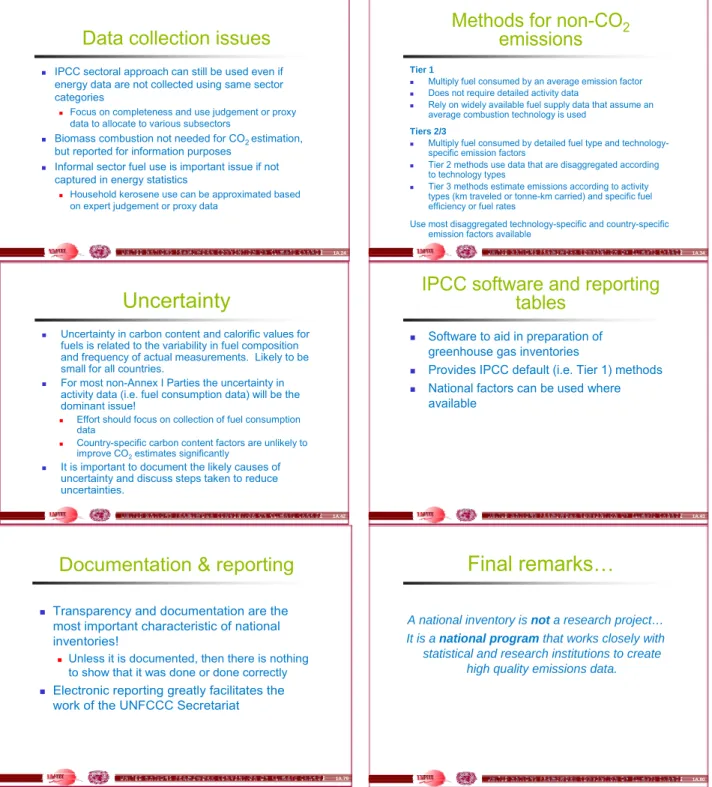
FIGURE 1: Greenhouse Gas Inventory – Training Workshop conducted by the United Nations Framework Convention on Climate Change (UN FCCC) reveals that the systems under development may be mired in uncertainty arising from lack of data. Some of the policies and frameworks under construction by UNFCCC and UN Inter‐governmental Panel on Climate Change (UN IPCC) are expected to be globally adopted yet (a) lack data or (b) are based on incomplete data or (c) use averages from IPCC ‘standard’ default values or (d) use data from Annex I countries (igniting disparity and adding ambiguity). UN‐FCCC and UN‐IPCC may continue to perpetuate this quagmire unless the UN champions, in addition to other important measures, the global diffusion of the type of tools and technologies (mentioned in this essay and other related articles) to acquire country‐specific granular data from a plethora of applications.
ARM‐CHAIR ESSAYS IN ENERGY by Dr Shoumen Datta, MIT Forum, School of Engineering, Massachusetts Institute of Technology
Dr Shoumen Datta, School of Engineering Massachusetts Institute of Technology [email protected] 5 of 15 Also review: http://dspace.mit.edu/handle/1721.1/43952 and http://dspace.mit.edu/handle/1721.1/43978
Pushing aside the broad questions, for the moment, the use of data to provide a service valuable to the consumer is at the heart of the pragmatic approach. It is feasible, if we use proper tools to monitor and reduce energy usage. Translating the reduction in consumption to monetary savings is the incentive to invest in the tools. The generalized framework for this translational carbon savings is still emerging. Ad hoc methods, often proprietary and without verifiable data accuracy, feeding a cobbled framework, may be detrimental to energy efficiency. If it is feasible to acquire a critical mass of accurate granular data, then, the data‐driven tools will save money and resulting policy constructs may stand the test of time. Enlightened policies in the national and global framework may offer incisive insight into the (a) magnitude of the crisis, (b) dimensions of the ripple effect and (c) better clues to sustainability.
Dependency on data, in this case, mimics or may be analogous to, at least to some extent, the scenario where the rate limiting factor in the speed of communication as a function of high speed data transmission was and still is, in “the last mile” or FTTH (fiber to the home). Information velocity on the super highway is only as good as the granularity of access in the hands of the end‐user. Locally and globally the energy sector is pursuing a plethora of worthy initiatives and decision making software but the granularity of data, in some cases, is still poor or based on default assumptions or standard models. Tools and technologies to acquire granular data and analytics to process or derive meaningful associations for improved decision support in intelligent systems, are necessary. But, systemic methodologies that can accelerate and catalyse the widespread systems integration and dissemination of these tools are not in the hands of users, in the numbers that may be profitable, on several dimensions. In an increasingly volatile and dynamic energy market, some projections place carbon as the largest financial business commodity by 2020 [24]. Carbon trading will be driven by auditable data and that requires bonafide systems, tools and analytics. EMERGING SOLUTIONS FOR THE CARBON SUPPLY CHAIN: INTELLIGENT ENERGY TRANSPARENCY ( iET ) Principles of operations management suggests that volatility between operational stages may be due to information
asymmetry [25]. Volatility may be reduced by improving or increasing transparency through data acquisition and
sharing. Applying the same principle in energy dynamics may create the intelligent Energy Transparency (iET) portal. Unlike INGRID and its long term economic impact, the measures and functions in an intelligent Energy Transparency portal must yield value within a short term and profitability will be the primary driver. iET portals may include: ♦ Savings Optimization ♦ Carbon Footprint Audit ♦ Power Saving Automation ♦ Differential Dynamic Pricing ♦ Energy Risk Management ♦ INGRID “Globus Tools” This may be the information arbitrage based evolutionary pathway suitable for an energy service portal that must serve the pressing call for profitability yet offer the long‐term resilience for integrating with INGRID. INGRID may
ARM‐CHAIR ESSAYS IN ENERGY by Dr Shoumen Datta, MIT Forum, School of Engineering, Massachusetts Institute of Technology
Dr Shoumen Datta, School of Engineering Massachusetts Institute of Technology [email protected] 6 of 15 Also review: http://dspace.mit.edu/handle/1721.1/43952 and http://dspace.mit.edu/handle/1721.1/43978
Dr Shoumen Palit Austin Datta < [email protected]> MIT Forum for Supply Chain Innovation & MIT School of Engineering 3232
NET METER INGRID FIGURE 2: Illustration shows Ingrid using a hypothetical INTELLIGENT ENERGY TRANSPARENCY (iET) portal to balance her demand for INGRID delivered electricity vs options to sell back to INGRID her excess capacity. Energy efficiency and ability to meet demand from micro‐generation or on‐site generation are drivers for optimization. Ingrid enjoys direct monetary benefit from reduced electricity bill for her i‐house and the advantage of cash for carbon credits. The concept of iET originates from the original proposal of Homeostatic Utility Control suggested by scientists at MIT
nearly three decades ago [29]. HUC type products exist in building and/or energy management systems [30]. But,
often, these tools are device‐specific with local automation and control. The latter may be inadequate for overall energy efficiency in a building, hospital or commercial enterprise. Building on HUC and extending the concept of the
Energy Box [31], the proposed iET is expected to offer dynamic control using local or device‐specific real‐time data
with the aim to generate “global” optimization, for example, savings across an enterprise through better control. But iET will fall short of its potential unless its architecture allows for future integration with INGRID. Existing products in the market are sophisticated but address limited number of issues. iET calls for architectural design of software
components that can respond or adapt to needs of the market when elements of the Smart Grid [32] and the future
INGRID comes into play. However, to be viable over the long term, iET must also be useful immediately, in the short term, to help generate monetary savings for investors in energy efficiency.