HAL Id: hal-01611626
https://hal.archives-ouvertes.fr/hal-01611626
Submitted on 27 Oct 2017
HAL is a multi-disciplinary open access
archive for the deposit and dissemination of
sci-entific research documents, whether they are
pub-lished or not. The documents may come from
teaching and research institutions in France or
abroad, or from public or private research centers.
L’archive ouverte pluridisciplinaire HAL, est
destinée au dépôt et à la diffusion de documents
scientifiques de niveau recherche, publiés ou non,
émanant des établissements d’enseignement et de
recherche français ou étrangers, des laboratoires
publics ou privés.
Chitosan nanoparticles generation using CO2 assisted
processes
Nibal Hijazi, Élisabeth Rodier, Jean-jacques Letourneau, Haithem Louati,
Martial Sauceau, Nicolas Le Moigne, Jean-Charles Bénézet, Jacques Fages
To cite this version:
Nibal Hijazi, Élisabeth Rodier, Jean-jacques Letourneau, Haithem Louati, Martial Sauceau, et al..
Chitosan nanoparticles generation using CO2 assisted processes. Journal of Supercritical Fluids,
Elsevier, 2014, 95, pp.118-128. �10.1016/j.supflu.2014.08.003�. �hal-01611626�
Chitosan
nanoparticles
generation
using
CO
2
assisted
processes
Nibal
Hijazi
a,b,
Elisabeth
Rodier
a,
Jean-Jacques
Letourneau
a,
Haithem
Louati
a,
Martial
Sauceau
a,
Nicolas
Le
Moigne
b,
Jean-Charles
Benezet
b,
Jacques
Fages
a,∗aUniversitédeToulouse;ÉcoledesMinesd’Albi;UMRCNRS5302;RAPSODEEResearchCentre,F-81013Albi,France bÉcoledesMinesd’Alès,CentredesMatériauxdesMinesd’Alès(C2MA),6avenuedeClavières,F-30319Alès,France
Thecurrentconcernsofsustainabledevelopmentmakethebiobasedpolymerstheobjectofmanystudies. Chitosanisabiobased,biocompatibleandbiodegradablepolysaccharidewithantibacterialand cytocom-patibleproperties.Inthisstudy,weaimedtogeneratechitosanparticleswithtwoprocessesusingCO2
underpressure,inordertodecreasetheuseoforganicsolventandtoobtainnanoparticles.
Thefirstisasupercriticalanti-solventprocess:CO2actsasananti-solventtowardanaceticacid
aque-oussolutionofdissolvedchitosaninwhichethanolwasaddedtoenhancetheanti-solventeffect.The reciprocalmiscibilityofCO2withthesolventsinducesthereductionoftheirsolvatingpower,leadingto
supersaturationatthecapillaryoutletandcausingthecrystallizationoftheparticles.
Thisprocessledtothegenerationofmoreorlessagglomeratedchitosannanoparticleswithan indi-vidualaveragesizeof378nm.
Inthesecondprocess,thepressurizedCO2isdissolvedinwatertolowerthepH.Thisinturnallows
thechitosantobedissolvedandtheresultingsolutionissprayed,thankstothepressurizedCO2,intoa
hotairstream.Thisnewprocessallowedthegenerationofdriedchitosannanoparticleswithamedian sizeof390nm.
1. Introduction
Nowadays,mankindhastocopewithglobalchallengesinits
attempttoprotecttheenvironmentinthelongterm.Forthis
pur-pose,sustainableindustrialdevelopmenthasbeenencouraged.In
thecaseofengineeringofpolymericmaterials,sustainabilityissues
impactthechoiceofrawmaterials,thedesignofmaterialprocess,
theconsiderationoflifecycleassessment.
Among the studies carried out to date, an approach is
to use biobased polymer materials and structure them at
micro/nanometricscalestoenhancesomeoftheirspecific
proper-tiesinordertocreateanoriginalmaterialwithspecificfunctional
properties.
Severalapproacheshavebeenproposed todevelopbiobased
polymernanocomposites,asthedispersionofinorganicparticles
suchasclaysinapolymermatrix[1].Anoriginalapproachisthe
Abbreviations: AcAc,aceticacid;Chit,chitosan;DSC,differentialscanning calorimetry;EtOH,ethanol;SAS,supercriticalantisolvent;SCASA,supercriticalCO2
assistedsolubilizationandatomization;sc-CO2,supercriticalcarbondioxide;TGA,
thermogravimetricanalysis;XRD,X-raydiffraction.
∗ Correspondingauthor.Tel.:+33563493141;fax:+33563493025. E-mailaddress:[email protected](J.Fages).
synthesisofbiobasedpolymernanoparticlesthatcouldbeusedfor
furtherdevelopmentofnanostructuredbiobasedpolymer
assem-blies. Forthispurpose, ourstudyfocused onthegeneration of
polysaccharideparticles.Polysaccharidesrepresentavastcategory
ofbiobasedpolymerswithspecificfunctionalities,presentlyused
inallsectorsofhumanactivitieslikematerialsscience,nutrition,
healthcareandenergyandwith largeapplicationsinindustry.
Withinthisfamily,chitosan,anamino-polysaccharidederivedfrom
chitinbydeacetylation(deacetylationdegreeofatleast50%)which
isthesecondmostbiosynthesizedpolymeraftercelluloseobtained
mainlyfromcrustaceansexoskeleton [2],waschosento bethe
materialfornanoparticleelaboration.
Chitosanisnotonlyreadilyavailablebutalsobiocompatible
andbiodegradableduetoitstwochemicalfunctionalities,
mucoad-hesivewithantibacterialandcytocompatibleactivities[3–5].Itis
principallyusedinagriculture,watertreatment,cosmetics,
phar-maceuticsandbiomedical,foodpackaging[6].
Dashetal.[7]haverecentlyreviewedthestudieswhichhave
beenconducted to generatechitosan particles fromaceticacid
aqueoussolutiontobeusedascarriersfordrugdelivery[7]:by
spray-drying(2–10!m[8]),emulsion-crosslinking(350–690!m
[9]),coacervation–precipitation(100–250nm[10])...These
pro-cessesarecommonlyusedbuthaveseveraldrawbacksastheuse
Nomenclature
C(kgm3) solutionconcentration
DA(%) degreeofacetylation
K(m3kg−1),a constantsofpolymer/solventsystem
K′ Hugginsconstant
Mv(kDa) viscosityaveragemolecularweight
!(mPas) polymersolutiondynamicviscosity
!0(mPas) puresolventdynamicviscosity
!int(m3kg−1) intrinsicviscosity
!rel relativeviscosity
!sp specificviscosity
PSi(MPa) pressureintheseparatori
PV(MPa) pressureinthevessel
pHi pHofthechitosansolutionbeforetheexperiment
pHf pHofthechitosansolutionaftertheexperiment
Qchit(mgs−1) chitosansolutioninjectionrate
QCO2(mgs−1) CO2injectionrate
TV(K) temperatureinthevessel
wi(%) massfractionofthecomponenti
residualpresenceinthegeneratedmaterial,theuseofhigh
temper-atures,theneedofadditionalstepsaspurificationanddrying...In
thiscontext,particularattentionhasbeenpaidtotheuseof
super-criticalcarbondioxide(sc-CO2).Indeed,itsabilitytodissolvein
largequantitiesinmanypolymers[11],enoughtomodifytheir
properties(viscosity,surfacetension...),mayhelptoimprovethe
compositematerialsproducedwhileminimizingtheuseofharmful
solventsthatareusuallydifficulttorecycle.Inaddition,theuseof
sc-CO2iswellestablishedfortheelaborationoffineparticles[12].
Withthe “Supercritical Assisted Atomization” process (SAA)
[13],1%aceticacidaqueouschitosan solutionallowedthe
gen-erationofparticlesrangingmostlybetween0.1and1.5!m.CO2
wasusedasanexpansionagent.Usingacomparableprocesswith
anenhancedmixingdevicebeforedepressurization,the
“Super-criticalfluidAssistedAtomization”introducedby“Hydrodynamic
CavitationMixer”(SAA-HCM)[14],severalmolecularweightsof
chitosanweretestedinordertoevaluatetheirinfluenceonthe
generatedparticles;particleswithadiameterrangingbetween0.2
and5!mwereobtainedfromaqueousacidicsolutions.Particlesize
distributionwasstronglydependentonthemolecularweight.
Inthisstudy,weinvestigatethegenerationofchitosan
parti-clesbytwoCO2basedprocesses,SupercriticalAnti-Solvent(SAS)
andsc-CO2assistedsolubilizationandatomization(SCASA).CO2
isexpectedtoactasananti-solventinthefirstprocessandasa
solubilizationandexpansionagentinthesecondprocess.The
influ-enceofprocessingconditionsisstudiedforbothtechniquesandthe
sizedistribution,crystallinity,degreeofdeacetylationandthermal
stabilityofthegeneratedparticlesarecharacterized.
2. Materialsandmethods
2.1. Materialsandpreliminarycharacterizations
Commercial chitosanextracted fromshrimp shells was
pur-chasedfromFranceChitine(France).Purityisnotgiven;possible
impuritiesusuallyareresidualchitin,inorganiccompounds,
pro-teins,chloride...[15].Itsviscosity,givenbythesupplier,isabout
50mPasfora1%(w/w)chitosan/aceticacidsolution,measured
byLVTBrookfieldviscometerat298K.TheacetylationdegreeDA,
measuredby thesupplierusingIRspectroscopyisaround 10%.
Whenchitosanisputintodemineralizedwater,thepHofthe
result-ingdispersionisaround13,whichindicatesthepresenceofresidual
NaOHinthecommercialpowder.
Table1
Compositionandviscositiesofchitosansolutionsusedforthedeterminationof chitosanMv.
Masscomposition(%) Viscosity(mPas) Water Aceticacid Chitosan mtotal(g)
90.90 9.10 0 22 1.2
89.89 8.99 1.12 22.25 31.3
88.89 8.89 2.22 22.5 114.3
87.91 8.79 3.30 22.75 258.6
Aceticacid(90%), sodiumhydroxideandpotassium hydrox-ide werepurchased from Prolabo (France); ethanol(96%) was
obtained from VWR (France). CO2 (purity 99.995%) was
sup-plied by Air Liquide (France) and used without any further
purification.
TheviscosityaveragemolecularweightMvofchitosanwas
esti-matedusingMark–HouwinkSakuradalaw:
[!int]=KMaV (1)
Kandawereestimatedtoberespectively4.74·10−6m3kg−1and
0.72[16].
Previously,therelative!rel(Eq.(2))andspecific!sp(Eq.(3))
viscositieswereevaluatedforseveralconcentrationsofchitosan
solutions(Table1)inordertodeducethevalueoftheintrinsic
viscosity[!int]ofchitosanusingHugginsrelation(Eq.(4)):
Relativeviscosity !rel=!!
0 (2) Specificviscosity !sp=!−!!0 0 (3) Huggins !sp C =K′[!int] 2 ×C+[!int] (4)
Theviscosityofchitosansolutionswasdeterminedusinga
rota-tionalrheometer(RheoStress600,ThermoScientific,USA)usinga
60mmdiameterplane–planegeometry,incontinuousmodefor
shearratesbetween0and500s−1.
InHuggins equation,[!int] istheintercept pointofthe line
(!sp/C)=f(C)andits valuewasfound to be about 0.13m3kg−1.
Hugginsequationisspecificallyapplicableforverylow
concentra-tionswith[!int]·C≪1[17].TheextrapolationofthisEq.(4)above
thislimitinduceamaximumvalueof[!int]·Cof4.5forthetested
concentrations,whichisconsideredasacceptable.Therefore,the
molecularweightconsideredwascalculatedwithHuggins
equa-tionandfoundtobe62kDa.
2.2. Methods
2.2.1. Preparationofchitosansolutions
2.2.1.1. Chitosan solutions forSAS process. Chitosan solutions of
different concentrations were prepared by dispersing chitosan
powderintowater,followedbyadditionunderstirringofdiluted
aceticacidtodissolvechitosan.A50/50w/wethanol/water(Sol3)
solutionwasalsopreparedtoenhancetheanti-solventeffectof
sc-CO2duetotheverygoodmiscibilityofCO2 andethanol.The
compositionandsomepropertiesofthevarioussolutionsare
pre-sentedinTable2.
ThesurfacetensionanddensityweredeterminedbyanILMS
tensiometer (GBX instruments, France) using Wilhelmy plate
methodandthecalibratedfloatmethod,respectively.
Afterwards,thesolutionisfilteredundervacuumconditions
throughanitrocellulosemembranewithacuttingthresholdvalue
of3!mtoremovethenon-solubilizedimpurities.Theamountof
impuritiesretainedonthemembraneswasabout6mgandwas
Table2
CompositionsoftestedchitosansolutionsduringSASprocess.
wwater(%) wEtOH(%) wAcAc(%) wChit(%) mtotal(g) Surfacetensiona(mNm−1) Densityb(kgm−3)
Sol1 87.9 0 11.0 1.1 45.5 46.94 1.02
Sol2 87.0 0 10.8 2.2 46 – –
Sol3 49.1 49.1 1.2 0.6 81.5 30.05 0.93
aSurfacetensionisgivenwith±0.5mNm−1.
bDensityisgivenwith±0.001kgm−3. Table3
Compositionsofthealkalinerecoverysolutions.
wbase(%) wwater(%) mtotal(g)
Recov1 NaOH 7.4 92.6 21.6
Recov2KOH 2 98 51.0
Recov3KOH 1 99 50.5
2.2.1.2. AlkalinerecoverysolutionsforSASprocess. Alkaline solu-tionsofsodiumandpotassiumhydroxideatvariousconcentrations wereprepared(Table3)forthesolidgenerationandtherecovery
ofchitosanparticles.
2.2.1.3. ChitosandispersionsforSCASAprocess. Ascommercial
chi-tosan contains residual sodium hydroxide, it was previously
washedwithwatertolowertheinitialpHofaqueousdispersions.
Itwasthenfilteredandoven-dried.ThepHwasthusloweredto8.
Chitosansuspensionswithvaryingconcentrationsandvolumes
weretestedusingthisprocess(Table4).Totalquantityorvolume
treatedinanexperimentwasvariedinordertoobserveitsimpact
ontheprocessyield.
2.2.2. Experimentalset-up
2.2.2.1. SASprocess. Theexperimentswerecarriedoutusinga
ver-satilepilotplant(Separex,France).Aschemeoftheapparatusis
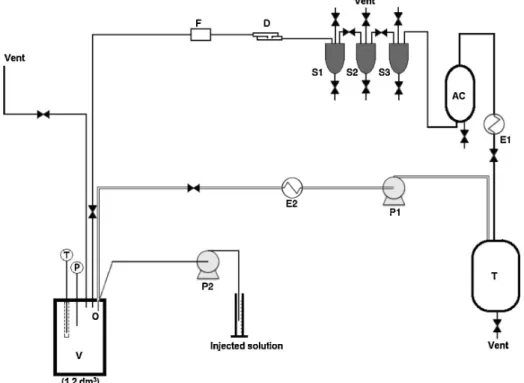
giveninFig.1.
Liquid CO2 is pumped up to a supercritical pressure by a
diaphragm pump P1 (Lewa, Germany). Compressed CO2 goes
Table4
CompositionsofchitosansuspensionsusedfortheSCASAprocess.
wwater(%) wChit(%) mtotal(g)
Susp1 99.50 0.50 502.50
Susp2 99.38 0.62 402.50
Susp3 99.37 0.63 503.14
Susp4 99.38 0.62 603.75
throughaheatexchanger(E2)previouslysetat313Kinorderto reachthecriticalconditionsoftheCO2,beforeenteringintothe
1.2dm3vesselV(ParrInstrument,USA).
Thevessel(V)hasmultiplesapphirewindows,amagneticstirrer withamaximumtorqueof1.8N.mandaremovableheatingcollar. Thepressureintheautoclaveiscontrolledbyaback-pressure reg-ulator(D).Aparticulatefilter(F)isplacedattheexitofthevessel topreventtheparticlesfromcontaminatingtherestofthe cir-cuit.Threecyclonicseparators(S1,S2andS3)areusedtoseparate thesolventsfromCO2bygradualdepressurization,thepressure
beingsetbymicrometervalves.Anactivecarbonpackedbed(AC) isplacedaftertheseparatorstopurifytheCO2beforecoolingby
(E1)andreturningtostorage(T).HPLCpump(P2)(Gilson,USA) allowstheintroductionofthechitosansolutioninthevessel(V) throughastainlesssteelcapillarytube(O)whoselengthis10mm andinner-diameteris100!m.
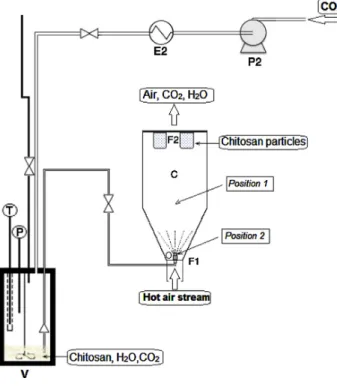
2.2.2.2. SCASAprocess. Fig.2displaystheschematicdiagramofthe
SCASAapparatus.
Fig.2.SchematicrepresentationoftheSCASAapparatus.
TheintroductionofCO2intothepilotplantandthevessel(V)
aresimilartotheSASprocessapparatus.ThevesselVisusedto
preparethechitosansolution.Asprayingorifice(O),thestainless
steelcapillarytubealreadyusedinSASprocessoranozzle,isplaced
attheexitofthevessel(V)andfixedattheinletofafluidized
bedC(Aeromatic-Fielder,Switzerland),whichactsasanatomizing
device.Thefluidizedbedisflowedbyhotairwithadjustable
veloc-ityandtemperatureinordertodrythegeneratedparticlesduring
spraying.Twofilteringdevices(F1andF2)areplacedatbothendsof
thefluidizedbed.F1,astainlesssteelwirescreenallowsa
homoge-neousdistributionofenteringhotair.F2,equippedwithfourfilter
bagsandstainlesssteelwiregauzeontopofthem,allowsretaining
particles.
2.2.3. Chitosanparticlesgeneration
2.2.3.1. SASprocess. Analkalinesolutionisplacedinsidethevessel
(V)toreceiveandstopfurtherevolutionofthegenerated
parti-clesbyneutralizinganyresidualacidityremainingontheparticles
andinduced by CO2.At first, onlysc-CO2 isintroduced in the
vessel(V)andcirculatedinordertostabilizepressure,
tempera-tureandflowinthesystembeforeinjectingthechitosansolution.
Pressures are adjusted by theback-pressure regulatorand the
micrometricvalves.Onceasteadystateisreached,thechitosan
solutionisinjectedthroughthecapillarytubeintothesc-CO2flow
at1mlmin−1(or16.7mm3s−1).ThereciprocalmiscibilityofCO2
withaceticacidandethanolofthechitosansolutioninducesan
anti-solventeffectallowingtheparticlecrystallizationattheexit
ofthecapillary.CO2loadedwithsolvents flowsouttowardthe
separators,fromwhichtheliquidphaseatthebottomarepurged
frequentlytorecoversolvents.Attheendoftheinjection,thevessel
isdepressurizedandtheparticlesinsuspensionarecollected.
ToeliminatethesaltsformedbythereactionsbetweenCO2,
alkalinesolutionsandaceticacidsuchassodium/potassium
car-bonateandsodium/potassiumacetate,thesuspensionsarewashed
withdistilledwater(6<pH<7)andfilteredundervacuumusing
apolypropylenemembranecuttingat0.45!m.Theoperationis
repeatedseveraltimesbeforefreeze-drying(Freeze-dryerChrist
Alpha1-4LDC-1M,Germany)andperformedat3kPawitha
freez-ingtemperatureof261K.
2.2.3.2. SCASAprocess. Thekey-pointofthisprocessistoreplace
dilutedaceticacidbywateracidifiedbypressurizedCO2:chitosan
powderisfirstdispersedindistilledwaterandplacedinsidethe
vessel(V)understirring.Thevesselisthenfilledandpressurized
withCO2.Underhighpressure(20±0.5MPa)andatmoderate
tem-perature(298±2K),theacidifyingpoweroftheCO2 causesthe
dissolutionofthechitosanpowder.Pressureandtemperatureare
chosensoastofavordissolutionofCO2intowater.Calculationsare
basedontheworkofDiamondandAkinfiev[18]showingthatthe
valueoftheCO2molefractioninwateris2.6%(mol/mol)at20MPa
and308K.ThepHoftheCO2-acidifiedwaterwascalculated
accord-ingtoPengetal.[19]:at308Kand20MPa,pHis2.95andat383K
and20MPa,pHis3.26.Theseauthorsproposedamodelwhose
resultswerecomparedtothemeasurementsperformedbyRead
[20];bothresultsetswerefoundtobeconsistent.
Insuchconditions,48hofstirringallowsthedissolutionofthe
testedamountofchitosan.Theresultisaninstableemulsionof
twophases:aheavyphaseofCO2-saturatedaqueouschitosan
solu-tionandalightphaseofwater-saturatedsc-CO2.Itisthenpushed
towardthecapillary(innerdiameter100!m)orthespraying
noz-zle(outletdiameter340!m)byanupstream-pressurizedCO2flow
rate.ThisflowconsistsofheatedCO2(at333K)introducedinthe
vessel(V)continuouslytomaintainpressureat14±1MPa.Itis
thensprayed atthebottomofthefluidizedbed(C)andcarried
upwardbytheflowingairstream,whichisatatmospheric
pres-sure,previouslyheatedupto368±5Kandinjectedwithaflow
rateof2m3min−1.Duringthedepressurization,CO2turnsbackto
itsgaseousstateleadingtoasupersaturationandanatomizationof
chitosan-loadeddroplets;thehotairstreamsimultaneously
elimi-natesliquidwater.TheflowofpreheatedCO2allowsthepreheating
ofthesprayedsolutionfora betterdrying.Theairflowvelocity
iskeptatitshighestlevelandunchangedduringtheprocessto
avoidthesprayedsolutionfromstickingtothefluidizedbedwalls,
whilethestirringrateinthevessel(V)isadjustedtokeepavisually
homogeneousemulsionandtokeepaconstanttemperatureofthe
outletflowleavingthefluidizedbed(C).Afterspraying,particles
arecollectedinthefilters(F2).Aftertheexperiments,thepHofthe
residualsolutioninsidethevesselwasfoundtobearound5after
depressurization,whichindicatesthatwaterwasindeedacidified
bythepressurizedCO2.
2.2.4. Commercialandgeneratedchitosanparticles
characterization
Particle size distributionand meanparticlediameter inthe
suspensions were measured using a Nano Zetasizer (Malvern
Instruments,France)bytheevaluationoftheBrowniandiffusion
coefficient(for SAS process)oraMastersizer 2000HS(Malvern
Instruments,France)bylightdiffractionpatternusingethanolas
dispersingagent(forSCASAprocess).
Drychitosan particleswerevisualized withan
Environmen-talScanning ElectronMicroscope (ESEM XL30 FEG,FEI Philips,
Netherlands).Foreachsample,over500particlesfromatleastfour
pictureswereanalyzedwithanumericalcaliperintegratedinthe
imageacquisitionsoftwareinordertodeterminemeanparticle
diameterandtheparticlesizedistributionweightedinnumber.
Crystalstructuresofcommercialandgeneratedparticleswere
investigatedbyX-raydiffraction(XRD)usinganAXSD8Advance
Brüker diffractometer (Germany) equipped with a Cu cathode
("=1.54 ˚A).Measurementswereperformedintherange2#=5–60◦
under40kVand40mAwithastepsizeof0.007◦.
AcetylationdegreeofchitosanwasestimatedbyFTIRusinga
BrükerIFS66spectrophotometer(BrükerOptics,Switzerland).
Table5
ProcessingparametersofthevariousexperimentsperformedusingtheSASprocess.
Test Chitosansolutionused pH Processingparameters Recoverysolutions
Qchit(mgs−1) QCO2(mgs−1) aPS1(MPa) PS2(MPa) PS3(MPa) pHi pHf
M0 Sol1 14.8 – – – – – 2.4
M1 Sol3 4.9 14.0 1500 7.2 6.9 4.2 – 4.6
M2 Sol2 3.4 14.8 1150 11.3 10.4 5.4 12.3 6.9
M3 Sol3 4.9 14.7 1650 7.1 6.6 4.0 13.5 7.9
M4 Sol3 4.9 14.8 1450 7.1 6.6 4.0 13.3 6.3
aPS1,PS2andPS3aregivenwithanabsoluteaccuracyof±0.5MPa.
intherange4000–400cm−1witharesolutionof4cm−1and32
scans,for3–5mgofchitosanpowder.
Severalcorrelationshavebeenproposedintheliteratureto
cal-culatetheacetylationdegreebasedonthechangingofthechemical
structureofthematerialobservedontheFT-IRspectra[21].Several
havebeentested;thechosencorrelationbelowistheonethatgave
themostreproduciblevaluesofDA.
DA=31.92×
!
AA13201420
"
−12.20 (5)
whereA1320andA1420arerespectivelytheabsorbanceofthepeak
at1320cm−1relatedtotheacetylatedaminefunctionandthepeak
at1420cm−1relatedtothe C Hbending.Thislastonerevealedto
remainalmostunchangedfordifferentknownacetylationdegrees
andwasthenusedasthereferencepeak.
A differential scanning calorimeter (TGA-DSC 111 Setaram,
France)wasusedtocharacterizethethermalstabilityofthe
com-mercialandgeneratedchitosanparticles(5–20mg).Thermograms
wereobtained between298and1073Kwith aheating rateof
10Kmin−1inanitrogengasstreamof50cm3min−1.
3. Resultsanddiscussion
3.1. ParticlesgenerationusingSASprocess
Twomainseriesoftestswereperformed:thefirst(M0andM1)
aimedtotesttheinfluenceofethanolusedinthechitosansolution;
thesecond(M2–M4)wasmeanttostudytheimpactoftherecovery
solutionusedtocollecttheparticlespreviouslyformedandtokeep
theminsuspension.Recoverysolutions1,2and3(seeTable3)were
usedrespectivelyintestsM2,M3andM4.Alltheexperimentswere
madeatTV=308K±2KandPV=17.6±0.3MPa.Theconditionsof
thedifferentexperimentsareshowninTable5.
Intheabsenceofrecoverysolution,theeffectofethanolonthe
particlegenerationwasevaluated.Theexperimentsshowedthat
eitherinthepresenceortheabsenceofethanol(M1andM0tests
respectively),noparticleswereobservedinthevesselattheendof
theexperiment.However,addingethanol,whichishighlymiscible
withCO2athighpressure,lowersthesolutionsurfacetensionand
facilitatedthereciprocaltransferofsolventsintothesc-CO2.This
waseasilyvisualizedthroughthevolumetricexpansionofthe
solu-tiondroplets(notshowninthispaper).Thisusuallypromotesthe
particlegenerationbySASandabetterremovalofaceticacid.
Fur-thermore,thepHofthesolutioncollectedinthevesselafterthese
testswasmeasured.Intheabsenceofethanol,thepHwasfoundto
beabout2.4±0.2whileitwasof4.4±0.2inthepresenceofethanol.
Inbothcases,thepHwasfarlowerthanthepKaofchitosan(≈6.3)
[2].Thisaciditymaycomefrom:(1)thepresenceofresidualacetic
acidinthevesselthatmaynotbedrivenoutbythesc-CO2;(2)
thepresenceofcarbonicacidH2CO3duetothesolubilityofCO2in
waterunderpressure.Aspreviouslymentioned,thevalueofmole
fractionofCO2inwateris2.6%(mol/mol)at20MPaand308K.This
shouldinduceapHof2.95inthesolution.ThepHbeinghigherin
thepresenceofethanolandcloseto4confirmedthebetterremoval
ofaceticacidandtheimprovementoftheanti-solventeffect.
How-everthemediumwasstilltooacidictopreventtheredissolution
ofpreviouslyformedchitosanparticles.Thisshouldexplaintheir
absenceinthesolution.
Itwasalsofoundthatwhentherecoverysolutioncontainedonly
demineralizedwater(notpresentedinthispaper),theresultswere
similartotheexperimentswithoutrecoverysolution.Therefore,a
recoverysolutionwasaddedtoneutralizetheacidexcess(tests
M2–M4).Twokindsofalkalinesolutionswereplacedseparately
inthevesseltobetestedasamediumtocollectparticles:sodium
hydroxidesolutions(M2)andpotassiumhydroxidesolutions(M3
andM4).Forallthetestedalkalinesolutions,suspendedparticles
wereobservedattheendoftheexperimentandthepHwasequalor
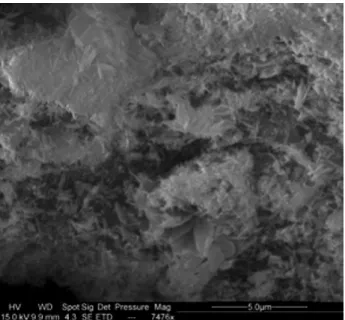
higherthan6.3.Nevertheless,afterfreeze-drying,theSEM
obser-vationshowedthepresenceofcrystallayerontheparticlessurface
(Fig.3).
The natureofthesecrystals wasdeterminedby XRD
analy-sis.Itwasfoundthatsodiumacetateandcarbonatecrystalsare
formedbyprecipitationreactionsthatoccurredbycontactofthe
alkalinesolutionswithCO2andaceticacid.Hence,washingthe
sus-pensionsbeforefreeze-dryingwasnecessary.Potassiumhydroxide
basedsolutionswerefoundtobemoresuitableregardingthelower
amountofformedcrystals,whicheasethewashing.
M3andM4testsdifferedintheconcentration ofpotassium
hydroxide.TheresultsofthesetwotestsareshownintheSEM
images(Fig.4) andcomparedto commercialchitosan particles
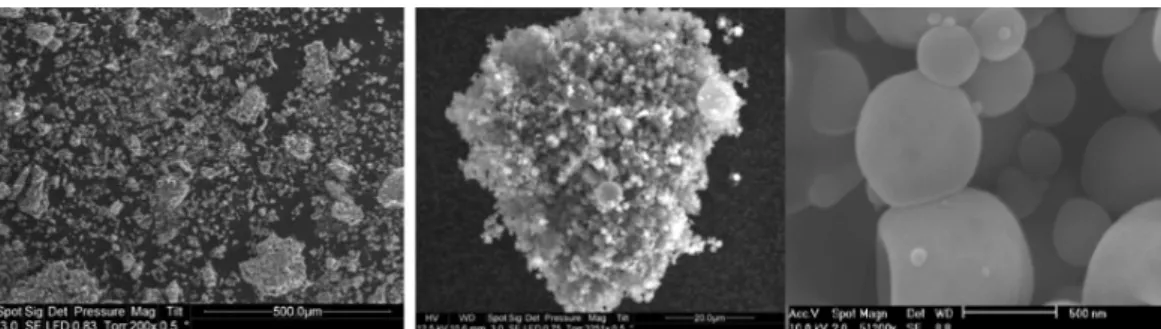
(Fig.4a).ForM3(Fig.4b),nanoscaledparticles(theaverage
diame-termeasuredbyNanoZetasizeris378±13nm)wereobservedina
porousnetworkofchitosan.M4producedbetterdefined
nanopar-ticles(Fig.4c)withanaveragediameterof820±19nm.Inboth
Fig.4.SEMphotographsofcommercialchitosan(a)andparticlesgeneratedbytheSASprocess;M3test:chitosannanoparticlesfixedinaporouschitosannetwork(b)and M4test:welldefinedchitosannanoparticles(c).
cases,theaveragediameterofthegeneratedparticleswas
submi-cronic,whichconfirmstheabilityoftheSASprocesstogenerate
nanoparticlesofchitosan.
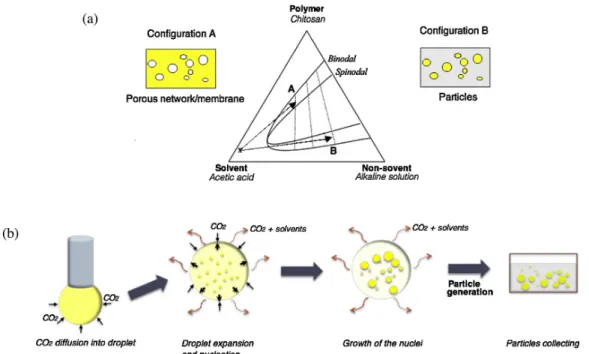
However, these two different generated morphologies, i.e.
nanoparticlesembeddedinaporouschitosannetworkandwell
definedchitosannanoparticles,couldbeexplainedbythe
coexis-tenceoftwomaingenerationphenomena:(1)particlegeneration
by anti-solventeffect ofthesc-CO2 attheexit ofthecapillary
(Fig.5a)and(2)porousnetworkgeneration(Fig.5b)whichisfirstly
duetothepHtransition(thatinducesaphaseseparation[22]and
particlecoagulationoccurringinbasicmedia)oncetheinjected
chi-tosanisincontactwiththealkalinesolutionandsecondlytothe
CO2desorption.Thesetwocompetingphenomenamayvary
signif-icantlyforevensmallpHvariations;indeed,mainlythefinalpHof
therecoverysolutiondiffersbetweenM3andM4experiments.The
stronginfluenceofthechemistryofthesystemsinvolved,in
par-ticularthepHthatgraduallyevolvesduringthedissolutionand
degassingofCO2 andthewashingphase,appearedtoalter the
organizationofchitosanchannelsduringphaseseparation.
LikeSAA[13]andSAA-HCM[14]processes,SASprocessledto
chitosannanoparticlesfromaceticacidsolutionwithalargesize
distribution.However,theprocessusedtoobtaindryparticleswas
different:thefirsttwoprocessesallowedthegenerationofdry
par-ticlesbyheating athightemperatureinthepresenceofCO2 as
expansionagent.TheSASprocessallowedthegenerationof
dis-persedsolidparticlesintherecoverysolutionwhichneedstobe
driedafterwards.Theneedforaposttreatmentandthelackof
controlofthephysicalandchemicalparametersoftheprocessmay
haveinducedlowerreproducibilitythaninSAAprocess.
3.2. ParticlesgenerationusingSCASAprocess
Differentchitosansuspensionsweretestedusingthisprocess
(Table6).Furthermore,theinfluenceofthenatureofthespraying
deviceanditslocationontheparticlegenerationwasevaluated.
TheyieldgiveninTable6istheratiooftheweightofchitosan
particlesandtheweightofchitosanintroducedinthevessel(V).
Notethatsomesolutionremainsinthebottomofthevesselatthe
endoftheexperiment(lessthan20%oftheintroducedsolution).
Notealsothattheparticlecollectingdevice(F2)isnotoptimalyet
andhastobeenhanced;indeedfinestnanometricparticlesmaybe
Table6
ProcessingparametersofthevariousexperimentsdonebySCASAprocess.
Test Suspension Sprayingdevice Solidgenerationyield(%)
Type Position Diameter
M’1 Susp1 Nozzle 2 Outlet:340!m Notevaluated
M’2 Susp1 Capillary 1 Inner:100!m 21.4
M’3 Susp2 Capillary 2 Inner:100!m 25.5
M’4 Susp3 Capillary 2 Inner:100!m 22.4
M’5 Susp4 Capillary 2 Inner:100!m 33.4
Theuseofanozzle(M’1test)ledtosprayingflowratetoohigh comparedtothedryingairflowrate:awetdepositofthesprayed solutionwasobservedonthedryerwall.Adriedfilmwasthen collectedwithveryfewparticlesonitssurface(Fig.6a).A
capil-laryallowedtoreducesignificantlythesprayingflowrateandtwo
caseswereconsideredregardingthelocationofthecapillary.First,
thecapillarywasplacedinthemiddleoftheaircolumn(position1)
andorientedagainsttheairstream(M’2)inordertohavealonger
trajectoryandabetterdrying:afilmdepositandparticlesof
chi-tosanwerebothobserved.Thefilmdepositwasonthedryerwall
becausethesolutionwassprayedtooclosetothebottompartof
thecolumnbeforetheairstreamcoulddryit.Chitosanparticles
werecollectedonthefiltersF2.AsshowninFig.6b,these
parti-clesarespherical.Someofthemarehollow-shaped,whichcould
beexplainedbythedesorptionoftheCO2duringthesolidification
ofchitosanspheres.
Fig.5.Schematicrepresentationofthemechanismofphaseseparation(a)andparticlegenerationbyanti-solventeffect(b)duringtheSASprocess.
Fig.7.DifferentscalesofstructuresofchitosangeneratedparticlesbySCASAprocess.
Fig.8.ParticlesizedistributionasdeterminedfromSEMpicturesforcommercial andgeneratedchitosanbySCASAprocess.Dotsrefertothemeasuredvaluesand thelinereferstoalognormallaw.
Then,whenthecapillarywasplacedupwardatthebottomof
thedryingcolumn(position2)(M’3,M’4,M’5),thefilmdepositon
thewallswasnegligiblecomparedtothepreviousconfiguration
andtheparticlesyieldoftheprocesswasenhanced.Thevariation
ofchitosanconcentrationfrom0.5%to0.62%(M’2andM’3tests,
respectively)aswellastheinitialsolutionvolume(M’3toM’5)
didnotseemtosignificantlyaffecttheparticlegenerationnorthe
particlesize(Fig.6b–e).Inallcases,particlesizedistributionislarge
aswillbediscussedbelow.
Generated particles have a bi-modal size distribution:
nanoscaled particles for the most part and microscaled
parti-clesmainlyduetotheagglomerationofnanoparticlesasshownin
Fig.7.Theparticlesizedistributionwasdeterminedbyanalyzing
SEM pictures as follows: a first measurement was done at a
micrometricscalecorrespondingtothelowestmagnificationof
SEMpictures.TheresultsareshownonFig.8.Atthisscale,for
severalexperiments(notshowninthispaper),theSCASAprocess
reducedthe size of the particles compared to the commercial
chitosanpowder.
Asecondmeasurementwasdoneatthehighestmagnification
ofSEMpictures,wherealargenumberofnanometricspherical
par-ticleswasdetectedwithamediansizeof390nmandlessthan15%
ofthemeasuredparticleslargerthan1!m(Fig.9).
Size wasalsoevaluatedby laser diffraction usinga
Master-sizer2000HS:thenumberweightedsizedistributionismonomodal
withameandiameterof721nm.Thisdiameterishigherthanin
Fig.9becauseofsomeremainingaggregatesintheliquiddispersing
mediumbutbothmeasurementmethodsareconsistent.
The particlesize ishardly comparableto thoseobtained by
ReverchonandAntonacci[13]andShenetal.[14]sincetheused
Fig.9.ParticlessizedistributionforgeneratedchitosanbySCASAprocess(M’3test). Dotsrefertothemeasuredvaluesandthelinereferstoalognormallaw.
chitosanmolecularweightsandchitosansolutionconcentrations,
parametersthathighlyimpacttheparticlesizeaccordingtoShen
etal.[14],weredifferent.Theinfluenceofprocessingparameters,
chitosanpropertiesandsolutionconcentrationontheparticlesize
andtheparticlesizedistribution hasnot beenexploreddeeply
yet.Nevertheless,SCASA process generates repeatedlychitosan
nanoparticles.Furthermore,comparedtoprocessesusingorganic
acidsuchasaceticacidandcitricacid,noresidualsolventsare
presentinthe generated chitosan particles. Hence, forspecific
applicationswheretheexcessacidconditionmaynotbe
desir-able,suchascontrolledreleasedrugdelivery[23],SCASAprocess
isadvantageous.
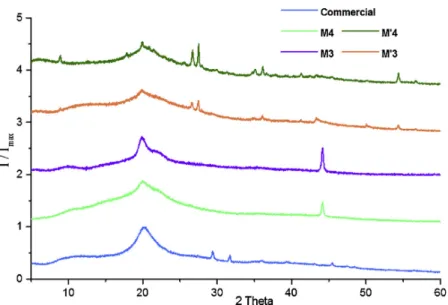
TheXRDanalyses(Fig.10)showedthatbothprocessesallowed
thegenerationofrepeatablecrystalstructuresbutdifferentfrom
commercialchitosan:theintensityratiosI/Imaxof2#≈13◦peakand
2#≈20◦peakweresignificantlyalteredduringtheprocess.Inthe
literature,thesetwopeaksareassignedtotwodifferentstructural
formsofchitosan:hydrated(13◦)andanhydrous(20◦) crystals.
Thepeakaround2#≈30◦,characteristicofresidualchitinin
com-mercialchitosan,andthepeakaround2#≈46◦disappeared.With
theSASprocess,ahaloat2#≈23◦thatwasattributedtoan
allo-morphicformofchitosan[24]andawell-definedpeakat2#≈44◦
peak appeared.Withthesecondgeneration process,two peaks
around27◦and28◦,notreferencedinpreviousstudies,appeared.
Thus,bothgenerationprocessessignificantlymodifythecrystalline
structureofchitosanandmakeitmoreamorphous.Althoughthe
crystallinestructureofchitinhaswellbeenstudiedinthe
litera-ture,crystallinityofchitosanisstillnotcompletelyexplored,which
Shenetal.[14]alsoobservedanamorphizationofchitosane
par-ticleswithSAA-HCMprocess,whichwasattributedtothesudden
supersaturationintheprecipitator,whichledtoarapid
evapora-tionofthesolventfromthedropletsandalowercrystallinityof
thegeneratedparticles.ReverchonandAntonacci[13]attributed
theformationofamorphouschitosanparticlestoa
physicochem-icalmodificationunderthehighoperatingtemperatures,possibly
relatedtodeacetylationand/orcross-linkingofthepolymer.Inour
case,highsupersaturationratesaregeneratedduringthe
depres-surizationthroughthecapillary,whichinducesthegenerationof
unstableamorphoussolidforms.
Forallthechitosanparticles,thethermalstabilityanalyzedby
TGAshowedadegradationaround523K.
Theacetylationdegreewascalculatedaspreviouslypresented.
TheDAwas21±2%,20±1%,19±6%and21±1%forcommercial
chitosan,M3,M4andM’3,respectively(Fig.11):nosignificant
dif-ferencecouldbeassignedtotheprocess;theslightdifferencesmay
beduetovariouserrorsrelatedtothemeasurementtechnique.A
differencewiththeDAgivenbythesupplierhasbeennoticedbut
norationalexplanationcouldbegiven.
Nosignificantdifference couldbe observedbetweenthe
IR-spectrometerofM’3processedbySCASAandcommercialchitosan.
However,a notable difference could be seen betweensamples
processed by SCASA andby SAS (M3 and M4): several peaks
appearedonlyforSASprocessat825,1245,1506and1556cm−1.
Thepeaksat1245cm−1and1506–1556cm−1refertoC NandN H
bondsrespectively,whichmeansthatduringtheSASprocess,a
newchemicalbondappeared:infact,accordingtoNunthanidetal.
[25],dissolvingchitosaninaceticacidinducesthegenerationof
chi-tosanacetatesalts(NH3+,−OOC-CH3)thattransform,afterdrying,
toacetylgrouppresentinthe(N-acetyl-d-glucosamine)structure
ofchitin[26].AsimilarresultwasobservedbyShenetal.[14].
4. Conclusion
4.1. Supercriticalanti-solventprocess
In thiswork, a methodfor generatingchitosan particles by
anti-solvent effectusing sc-CO2 hasbeen designed andtested.
Nanometerscaled particleswereproduced with a mean
diam-eterof378±13nm andan amorphizedstructure,whichdiffers
fromthecommercialchitosan.Morphology,aspectandparticle
arrangementstronglydependontherecoverymediumthatseems
tohaveaninfluencethroughthepHonthephaseseparation
mech-anismandtheresultingmorphology,aporouschitosannetworkor
chitosanparticles.Furthermore,particlesobtainedbythese
exper-imentsareinmajorityspherical.Inthiscontext,afurtherstudyon
thestabilityoftheparticlesinsuspensionshouldbeperformed.
4.2. Sc-CO2assistedsolubilizationandatomizationprocess
Anewsc-CO2assistedsolubilizationandatomizationprocess,
SCASA,wassetupandpreliminaryexperimentswereachievedto
checkitsfeasibilityandrepeatability.Threemainconclusionscan
bedrawn:firstly,comparedtotheprocessesalreadyusedto
gen-eratechitosanparticles,thisnewprocessissimpleanddoesnot
requireanyorganicsolvent.Secondly,itisclearthattheacidifying
strengthoftheCO2allowedthedissolutionofchitosanpowder.
Thirdly,theatomizationprocessgeneratedmostlynear-spherical
andsphericalshapedparticlesduringseveralexperiments,which
impliedtherepeatabilityofthisnewprocessanditsrobustness,
asitisnotdestabilizedbysmallparametersvariations.However,
twoparticlesizescaleswerenoticed:nanometricscaledparticles
withamediandiameterof390nmandmicrometricscaledparticles
withameandiameteraround20!mandmadeofagglomerated
nanoparticles.Thepresenceofindividualsphericalparticleslarger
than1!mshouldbementionedbuttheyrepresentedlessthan
10% of the total measurements. Many of the particles seem
hollow-shapedprobablyduetotheCO2desorptionwhileparticles
solidificationtakesplace.Experimentsshowedthatfortheused
chitosanandconfigurations,thebestresultswereobtainedforCO2
pressureinsidethevesselduringsprayingof13–15MPawithanair
flowof140Nm3h−1heatedto353K.Agoodcompromisebetween
thesprayingrateandthedryingairflowrateshouldbefound.A
furtherstepregardingthisprocesswillconsistinoptimizingthe
processparametersasthesolutionflowandtheflowsratio,
dry-ingtemperatureandtheparticle-collectingdevicetofinallyobtain
narrowerparticlesizedistributionwithahighyield.
Infutureworks,thegeneratednanoparticlesandagglomerates
ofnanoparticleswillbedispersedinabiobasedpolymermatrixby
plasticmanufacturingprocessestoproducenanostructured
assem-blies.
Acknowledgement
Authorsgratefullyacknowledge thetechnicalworkofBruno
Boyer.Thispaperisdedicatedtothe memoryofouresteemed
colleagueElisabethRodierwholeftusmuchtooearly.
References
[1]P.Bordes,E.Pollet,L.Avérous,Nano-biocomposites:biodegradablepolyester/ nanoclaysystems,ProgressinPolymerScience34(2009)125–155.
[2]G. Crini, P.M. Badot, E. Guibal, Chitine et chitosane. Du biopolymère à l’application, Presses Universitaires de Franche-Comté, Besanc¸on, 2009.
[3]M.C.Cruz-Romero,T.Murphy,M.Morris,E.Cummins,J.P.Kerry,Antimicrobial activityofchitosan,organicacidsandnano-sizedsolubilisatesforpotentialuse insmartantimicrobially-activepackagingforpotentialfoodapplications,Food Control34(2013)393–397.
[4]I.Leceta,P.Guerrero,I.Ibarburu,M.T.Due˜nas,K.delaCaba,Characterization andantimicrobialanalysisofchitosan-basedfilms,J.FoodEngineering116 (2013)889–899.
[5]L.Y.Zheng,J.F.Zhu,Studyonantimicrobialactivityofchitosanwithdifferent molecularweights,CarbohydratePolymers54(2003)527–530.
[6]M.N.V.RaviKumar,Areviewofchitinandchitosanapplications,Reactiveand FunctionalPolymers46(2000)1–27.
[7]M.Dash,F.Chiellini,R.M.Ottenbrite,E.Chiellini,Chitosan–aversatile semi-syntheticpolymerinbiomedicalapplications,ProgressinPolymerScience36 (2011)981–1014.
[8]P.He,S.S.Davis,L.Illum,Chitosanmicrospherespreparedbyspraydrying, InternationalJ.Pharmaceutics187(1999)53–65.
[9]J.Akbu˘ga,G.Durmaz,Preparationandevaluationofcross-linkedchitosan microspheres containing furosemide, International J. Pharmaceutics 111 (1994)217–222.
[10]H.Q.Mao,K.Roy,V.L.Troung-Le,K.A.Janes,K.Y.Lin,Y.Wang,J.T.August, K.W.Leong,Chitosan–DNAnanoparticlesasgenecarriers:synthesis, char-acterization and transfection efficiency, J. Controlled Release 70 (2001) 399–421.
[11]G.Weibel,C.K.Ober,ProcessingpolymersinsupercriticalCO2,in:K.H.Buschow,
R.W.Cahn,C.M.Flemings,B.Ilschner,E.J.Kramer,S.Mahajan(Eds.), Ency-clopediaofMaterials:ScienceandTechnology,Elsevier,NewYork,2002,pp. 1–8.
[12]J.Fages,H.Lochard,J.-J.Letourneau,M.Sauceau,E.Rodier,Particlegeneration ofpharmaceuticalapplicationsusingsupercriticalfluidtechnology,Powder Technology141(2004)219–226.
[13]E.Reverchon,A.Antonacci,Chitosanmicroparticlesproductionby supercriti-calfluidprocessing,IndustrialandEngineeringChemistryResearch45(2006) 5722–5728.
[14]Y.B. Shen, Z.Du, Q. Wang, Y.X. Guan, S.J. Yao, Preparation ofchitosan microparticleswithdiversemolecularweightsusingsupercriticalfluidassisted atomizationintroducedbyhydrodynamiccavitationmixer,Powder Technol-ogy254(2014)416–424.
[15]M.X.Weinhold,J.C.M.Sauvageau,N.Keddig,M.Matzke,B.Tartsch,I.Grunwald, C.Kübel,B.Jastorff,J.Thöming,Strategytoimprovethecharacterizationof chi-tosanforsustainablebiomedicalapplications:SARguidedmulti-dimensional analysis,GreenChemistry11(2009)498–509.
[16]D.G.Rao,Studiesonviscosity–molecularweightrelationshipofchitosan solu-tions,J.FoodScienceandTechnology30(1993)66–67.
[17]H.M.Kwaambwa,J.W.Goodwin,R.W.Hughes,P.A.Reynolds,Viscosity, molec-ularweightandconcentrationrelationshipsat298Koflowmolecularweight
andEngineeringAspects294(2007)14–19.
[18]L.Diamond,N.Akinfiev,SolubilityofCO2inwaterfrom−1.5to100◦Candfrom
0.1to100MPa:evaluationofliteraturedataandthermodynamicmodelling, FluidPhaseEquilibria208(2003)265–290.
[19]C.Peng,J.P.Crawshawa,G.C.Maitlanda,J.P.MartinTruslera,D.Vega-Mazab, ThepHofCO2-saturatedwaterattemperaturesbetween308Kand423Kat
pressuresupto15MPa,J.SupercriticalFluids82(2013)129–137.
[20]A.J.Read,Thefirstionizationconstantofcarbonicacidfrom25to250◦Cand
to2000bar,J.SolutionChemistry4(1)(1975)53–70.
[21]M.Kasaai,Areviewofseveralreportedprocedurestodeterminethedegree ofN-acetylationforchitinandchitosanusinginfraredspectroscopy, Carbohy-dratePolymers71(2008)497–508.
demicPublishers,Dordrecht/Boston/London,1997.
[23]S.Puttipipatkhachorn,J.Nunthanid,K.Yamamoto,G.E.Peck,Drugphysicalstate anddrug–polymerinteractionondrugreleasefromchitosanmatrixfilms,J. ControlledRelease75(2001)143–153.
[24]M.Jaworska,K.Sakurai,P.Gaudon,E.Guibal,Influenceofchitosan char-acteristics onpolymer properties.I: crystallographicproperties,Polymer International52(2003)198–205.
[25]J.Nunthanid,A.Laungtana-Anan,P.Sriamornsak,S.Limmatvapirat,S. Puttipi-patkhachorn,L.Y.Lim,E.Khor,Characterizationofchitosanacetateasabinder forsustainedreleasetablets,J.ControlledRelease99(2004)15–26.
[26]M.Rinaudo,Chitinandchitosan:propertiesandapplications,Progressin Poly-merScience31(2006)603–632.