HAL Id: dumas-02502694
https://dumas.ccsd.cnrs.fr/dumas-02502694
Submitted on 9 Mar 2020HAL is a multi-disciplinary open access
archive for the deposit and dissemination of sci-entific research documents, whether they are pub-lished or not. The documents may come from teaching and research institutions in France or abroad, or from public or private research centers.
L’archive ouverte pluridisciplinaire HAL, est destinée au dépôt et à la diffusion de documents scientifiques de niveau recherche, publiés ou non, émanant des établissements d’enseignement et de recherche français ou étrangers, des laboratoires publics ou privés.
Is hand function associated with assisted peritoneal
dialysis? : a cross sectional study
Mathilde Beaumier
To cite this version:
Mathilde Beaumier. Is hand function associated with assisted peritoneal dialysis? : a cross sectional study. Human health and pathology. 2019. �dumas-02502694�
UNIVERSITÉ de CAEN NORMANDIE ---
UFR SANTÉ
FACULTÉ de MÉDECINE
Année 2019/2020
THÈSE POUR L’OBTENTION
DU GRADE DE DOCTEUR EN MÉDECINE
Présentée et soutenue publiquement le : 12 décembre 2019
par
Mme Mathilde BEAUMIER
Née le 20 février 1991 à Coutances (50)
:
La dextérité manuelle est-elle associée à la dialyse
péritonéale assistée ? Une étude transversale
Président : Monsieur le Professeur Thierry LOBBEDEZ
Membres : Madame le Professeur Fatouma TOURE
Monsieur le Professeur Bruno HURAULT DE LIGNY Madame le Docteur Clémence BECHADE
Monsieur le Docteur Alexis RUET
U N I V E R S I T É D E C A E N · N O R M A N D I E
U F R S A N T É - F A C U L T E D E M E D E C I N E
Année Universitaire 2019/2020
Doyen
Professeur Emmanuel TOUZÉ
Assesseurs
Professeur Paul MILLIEZ (pédagogie) Professeur Guy LAUNOY (recherche)
Professeur Sonia DOLLFUS & Professeur Evelyne EMERY (3ème cycle)
Directrice administrative
Madame Sarah CHEMTOB
PROFESSEURS DES UNIVERSITÉS - PRATICIENS HOSPITALIERS
M. AGOSTINI Denis Biophysique et médecine nucléaire
M. AIDE Nicolas Biophysique et médecine nucléaire
M. ALLOUCHE Stéphane Biochimie et biologie moléculaire
M. ALVES Arnaud Chirurgie digestive
M. AOUBA Achille Médecine interne
M. BABIN Emmanuel Oto-Rhino-Laryngologie
M. BÉNATEAU Hervé Chirurgie maxillo-faciale et stomatologie M. BENOIST Guillaume Gynécologie - Obstétrique
M. BERGER Ludovic Chirurgie vasculaire
M. BERGOT Emmanuel Pneumologie
M. BIBEAU Frédéric Anatomie et cytologie pathologique
Mme BRAZO Perrine Psychiatrie d’adultes
M. BROUARD Jacques Pédiatrie
M. BUSTANY Pierre Pharmacologie
Mme CHAPON Françoise Histologie, Embryologie Mme CLIN-GODARD Bénédicte Médecine et santé au travail
M. DAMAJ Ghandi Laurent Hématologie
M. DAO Manh Thông Hépatologie-Gastro-Entérologie
M. DAMAJ Ghandi Laurent Hématologie
M. DEFER Gilles Neurologie
M. DELAMILLIEURE Pascal Psychiatrie d’adultes
Mme DOLLFUS Sonia Psychiatrie d'adultes
M. DREYFUS Michel Gynécologie - Obstétrique
M. DU CHEYRON Damien Réanimation médicale
Mme ÉMERY Evelyne Neurochirurgie
M. ESMAIL-BEYGUI Farzin Cardiologie
Mme FAUVET Raffaèle Gynécologie – Obstétrique
M. FISCHER Marc-Olivier Anesthésiologie et réanimation M. GÉRARD Jean-Louis Anesthésiologie et réanimation
M. GUILLOIS Bernard Pédiatrie
Mme GUITTET-BAUD Lydia Epidémiologie, économie de la santé et prévention
M. HABRAND Jean-Louis Cancérologie option Radiothérapie
M. HAMON Martial Cardiologie
Mme HAMON Michèle Radiologie et imagerie médicale
M. HANOUZ Jean-Luc Anesthésie et réa. médecine péri-opératoire
M. HULET Christophe Chirurgie orthopédique et traumatologique
M. ICARD Philippe Chirurgie thoracique et cardio-vasculaire M. JOIN-LAMBERT Olivier Bactériologie - Virologie
Mme JOLY-LOBBEDEZ Florence Cancérologie
M. JOUBERT Michael Endocrinologie
M. LAUNOY Guy Epidémiologie, économie de la santé et prévention
M. LE HELLO Simon Bactériologie-Virologie
Mme LE MAUFF Brigitte Immunologie
M. LOBBEDEZ Thierry Néphrologie
M. LUBRANO Jean Chirurgie viscérale et digestive
M. MAHE Marc-André Cancérologie
M. MANRIQUE Alain Biophysique et médecine nucléaire
M. MARCÉLLI Christian Rhumatologie
M. MARTINAUD Olivier Neurologie
M. MAUREL Jean Chirurgie générale
M. MILLIEZ Paul Cardiologie
M. MOREAU Sylvain Anatomie/Oto-Rhino-Laryngologie
M. MOUTEL Grégoire Médecine légale et droit de la santé
M. NORMAND Hervé Physiologie
M. PELAGE Jean-Pierre Radiologie et imagerie médicale
Mme PIQUET Marie-Astrid Nutrition
M. QUINTYN Jean-Claude Ophtalmologie
Mme RAT Anne-Christine Rhumatologie
M. RAVASSE Philippe Chirurgie infantile
M. REPESSE Yohann Hématologie
M. REZNIK Yves Endocrinologie
M. ROD Julien Chirurgie infantile
M. ROUPIE Eric Médecine d’urgence
Mme THARIAT Juliette Radiothérapie
M. TILLOU Xavier Urologie
M. TOUZÉ Emmanuel Neurologie
M. TROUSSARD Xavier Hématologie
Mme VABRET Astrid Bactériologie - Virologie
M. VERDON Renaud Maladies infectieuses
Mme VERNEUIL Laurence Dermatologie
M. VIVIEN Denis Biologie cellulaire
PROFESSEURS ASSOCIÉS DES UNIVERSITÉS A MI-TEMPS
M. DE LA SAYETTE Vincent Neurologie
Mme DOMPMARTIN-BLANCHÈRE Anne Dermatologie M. GUILLAUME Cyril Médecine palliative
M. LE BAS François Médecine Générale
M. SABATIER Rémi Cardiologie
PRCE
Mme LELEU Solveig Anglais
PROFESSEURS EMERITES
M. HURAULT de LIGNY Bruno Néphrologie
Mme KOTTLER Marie-Laure Biochimie et biologie moléculaire
M. LE COUTOUR Xavier Epidémiologie, économie de la santé et prévention
M. LEPORRIER Michel Hématologie
U N I V E R S I T É D E C A E N · N O R M A N D I E
U F R S A N T É - F A C U L T E D E M E D E C I N E
Année Universitaire 2019/2020
Doyen
Professeur Emmanuel TOUZÉ
Assesseurs
Professeur Paul MILLIEZ (pédagogie) Professeur Guy LAUNOY (recherche)
Professeur Sonia DOLLFUS & Professeur Evelyne EMERY (3ème cycle)
Directrice administrative
Madame Sarah CHEMTOB
MAITRES DE CONFERENCES DES UNIVERSITÉS - PRATICIENS HOSPITALIERS
M. ALEXANDRE Joachim Pharmacologie clinique
Mme BENHAÏM Annie Biologie cellulaire
M. BESNARD Stéphane Physiologie
Mme BONHOMME Julie Parasitologie et mycologie
M. BOUVIER Nicolas Néphrologie
M. COULBAULT Laurent Biochimie et Biologie moléculaire
M. CREVEUIL Christian Biostatistiques, info. médicale et tech. decommunication
M. DE BOYSSON Hubert Médecine interne
Mme DINA Julia Bactériologie - Virologie
Mme DUPONT Claire Pédiatrie
M. ÉTARD Olivier Physiologie
M. GABEREL Thomas Neurochirurgie
M. GRUCHY Nicolas Génétique
M. GUÉNOLÉ Fabian Pédopsychiatrie
M. HITIER Martin Anatomie - ORL Chirurgie Cervico-faciale
M. ISNARD Christophe Bactériologie Virologie
M. JUSTET Aurélien Pneumologie
Mme KRIEGER Sophie Pharmacie
M. LEGALLOIS Damien Cardiologie
Mme LELONG-BOULOUARD Véronique Pharmacologie fondamentale Mme LEVALLET Guénaëlle Cytologie et Histologie
M. MITTRE Hervé Biologie cellulaire
M. SESBOÜÉ Bruno Physiologie
M. TOUTIRAIS Olivier Immunologie
M. VEYSSIERE Alexis Chirurgie maxillo-faciale et stomatologie
MAITRES DE CONFERENCES ASSOCIÉS DES UNIVERSITÉS A MI-TEMPS
Mme ABBATE-LERAY Pascale Médecine générale M. COUETTE Pierre-André Médecine générale Mme NOEL DE JAEGHER Sophie Médecine générale
M. PITHON Anni Médecine générale
M. SAINMONT Nicolas Médecine générale
Mme SCHONBRODT Laure Médecine générale
MAITRES DE CONFERENCES EMERITES
Mme DEBRUYNE Danièle Pharmacologie fondamentale
Mme DERLON-BOREL Annie Hématologie
Remerciements
Merci au Pr Thierry Lobbedez et au Dr Clémence Béchade pour leur accompagnement et leur soutien dans ce travail
Merci au Dr Alexis Ruet pour son aide et ses conseils
Merci au Pr Bruno Hurault de Ligny qui accepte de passer un peu de son temps de retraité pour juger ma thèse
Merci au Pr Fatouma Touré qui vient de si loin pour faire partie de mon jury Merci au Dr Valérie Chatelet pour nos sorties footing
Merci aux néphrologues que j’ai côtoyés et qui m’ont formée : Dr Guillaume Queffeulou, Dr Aure Rauline, Dr Julien Bouet, Dr Jérome Potier, Dr Antoine Lanot, Dr Marie Recorbet, Dr Angélique Lecouf, Dr Nicolas Bouvier, Dr Clémence Béchade, Dr Maxence Ficheux, Dr Patrick Henri, Pr Thierry Lobbedez, Dr Victor Gueutin, Dr Valérie Chatelet
Merci à tous mes co-internes qui m’ont accompagné pendant cet internat : Candice, Thibaut, Julie, Patrick, Anne-Charlotte, Pierre, Caroline, Anaël, Vincent, Anne, Alexandre, Nicolas, Eva, Claire, Thibaut, Lin, Jean-Baptiste, Simon, Ludovic, Ségolène, Amandine, Paul, Julie, Louis et Alexis
Merci particulièrement à Pierre, qui a été mon interne puis mon co-interne et qui m’a fait découvrir la néphrologie
Merci à la team Topaze pour leur bonne humeur : MP, Aude, Caroline, Christine Merci à la team HDJ pour leurs précieux conseils et pour leur aide dans ce travail : Magalie, Céline, Christophe, Sarah
Merci à mes parents qui me soutiennent depuis le début Merci à mes 2 petites sœurs que je n’ai pas assez embêtées
Merci à mes grands parents pour avoir tenu le coup pendant toute la durée de ces longues études (depuis le temps qu’ils demandent quand ça se termine ?!)
Merci à mon tonton sans qui je n’aurais jamais goûté un verre de pastis
Merci à Laura, Bertrand et Justin, présents depuis le début, depuis la première année Merci aux 2 copcop Mado et Chloé
Merci à mon chéri qui me supporte, me soutient et est à mes côtés tous les jours depuis plus de 8 ans
Abréviations
APD : Assisted Peritoneal Dialysis
CAPD : Continuous Ambulatory Peritoneal Dialysis CCI : Charlson Comorbidity Index
DP : Dialyse Péritonéale HD : Hémodialyse
IQR : InterQuartile Range
MoCA : Montreal Cognitive Assessment PD : Peritoneal Dialysis
Tableaux et figures
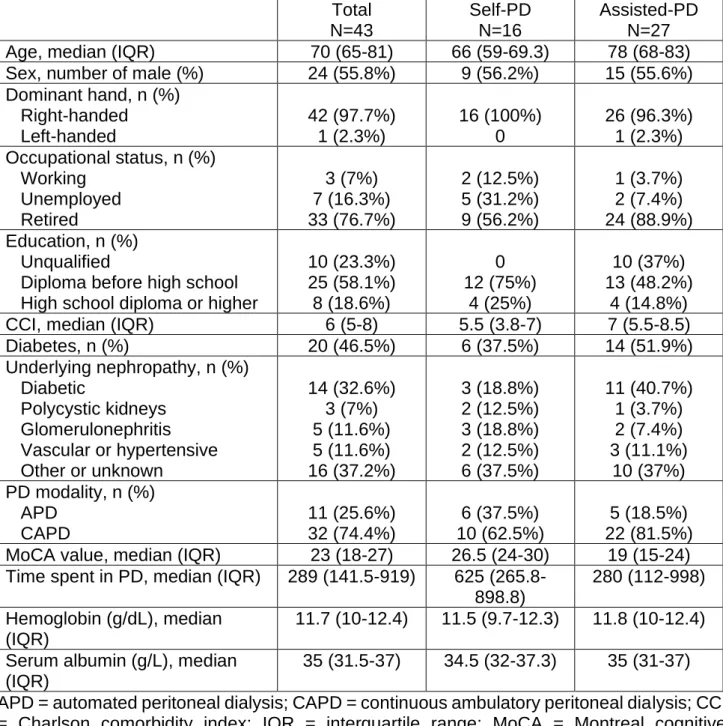
Tableau 1. Baseline characteristics of patients according to assistance Tableau 2. Hand function according to assistance
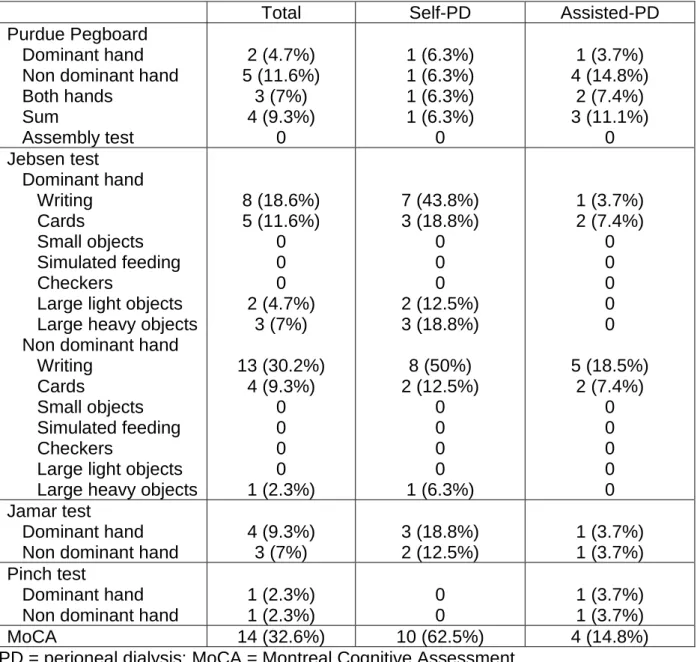
Tableau 3. Proportion of patients with results within the normal range of the general
population
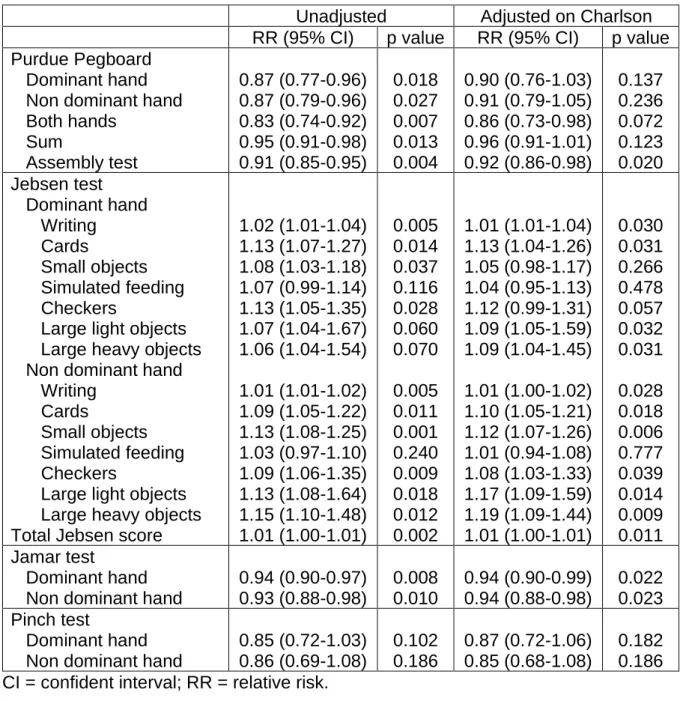
Tableau 4. Association between hand function and assisted peritoneal dialysis (Cox models)
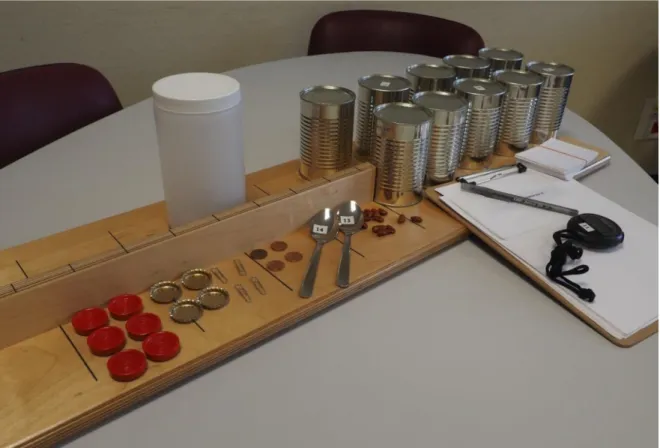
Figure 1. The Jebsen test
Sommaire
Avant-propos ...
1
Article ...
5
Introduction
...
5
Materials and methods ... 6
Study population
...
6
Hand function assessment
...
6
Covariates
...
7
Statistical analysis
...
8
Ethics approval ...
8
Results ... 8
Patient characteristics
...
8
Feasibility of the tests
...
9
Results of the test of the hand function
...
9
Association between hand function evaluation and assisted PD
...
10
Discussion
...
10
Conclusion
...
13
Bibliographie
...
14
Tables
...
18
Figures
...
22
Annexes ...
23
Protocole de recherche
...
23
1
Avant-propos
La dialyse péritonéale (DP) et l’hémodialyse (HD) sont deux modalités thérapeutiques complémentaires de l’insuffisance rénale chronique au stade terminal. Il a été montré que, comparativement au traitement en hémodialyse en centre, le traitement au domicile qui inclue DP et HD au domicile, est associé à une meilleure qualité de vie [1] et à une meilleure satisfaction du traitement [2]. La dialyse à domicile est également moins chère que la dialyse en centre [3]. Cependant, la dialyse à domicile, et notamment la DP, reste peu utilisée. En effet, il existe de nombreux freins à la DP. Ces barrières peuvent être de différentes natures : manque de connaissances de la part du néphrologue et du patient, difficulté pour avoir des infirmières de DP spécialisées, problème d’infrastructure ou de coût, problèmes sociaux [4].
L’incapacité physique qui inclut les troubles de la dextérité manuelle est également une limite à la DP. Or, Les patients dialysés ont un état physique général moins bon que celui de la population générale [5]. De plus, Ostwald et al a montré que l’âge avancé, les troubles cognitifs et les anomalies de la dextérité manuelle étaient associés à la dépendance dans les actes de la vie quotidienne [6]. Chez le patient insuffisant rénal, il existe en plus des troubles du métabolisme phosphocalcique, des comorbidités telles que le diabète, une dénutrition et une sarcopénie qui aggravent la perte de la dextérité manuelle [7]. Il a d’ailleurs été montré une perte de dextérité manuelle chez les patients en hémodialyse [8–10].
Ainsi, des programmes de DP assistée ont été développés pour les patients non autonomes qui souhaitent être traités par DP [11–13]. En France, les patients peuvent être assistés par un membre de leur famille ou une infirmière. L’assistance diminue le risque de péritonite notamment chez le patient diabétique [14] et les sujets âgés [15], et est associée à une diminution du risque de transfert en hémodialyse [16]. En revanche, l’assistance par un membre de la famille peut être source de surmenage. L’assistance par une infirmière peut être à l’origine de contraintes, horaires et temporelles. En outre il existe un coût additionnel
2
de la dialyse lié à l’assistance par une infirmière [3]. Ainsi, il est important d’identifier les patients qui nécessitent une assistance. Le choix de l’assistance est subjectif et dépend de l’évaluation du néphrologue et de l’infirmière spécialisée en dialyse péritonéale [3]. Il n’y a pas de recommandation pour l’allocation de l’assistance. Ainsi, il existe une hétérogénéité entre les différents centres de traitement dans l’attribution de l’assistance qui n’est pas expliquée par les caractéristiques des patients [17]. Des outils permettant d’évaluer la capacité du patient à réaliser les manipulations en dialyse péritonéale sont donc indispensables.
L’objectif serait donc de pouvoir utiliser des tests de dextérité pour évaluer objectivement les besoins des patients débutants la DP en terme d’assistance ou de rééducation fonctionnelle. Notre étude se définit comme une étude de faisabilité, qui visait au préalable à vérifier que l’évaluation de la dextérité manuelle des patients en dialyse péritonéale pouvait être faite en pratique quotidienne. Les autres objectifs de ce travail préliminaire étaient d’observer les résultats de ces tests dans une population de patients prévalents en DP, de les comparer à ceux observés en population générale, et de rechercher une association entre dextérité et assistance dans cette population.
Bibliographie :
[1] Loos-Ayav C, Frimat L, Kessler M, Chanliau J, Durand P-Y, Briançon S. Changes in health-related quality of life in patients of self-care vs. in-center dialysis during the first year.
3
[2] Iyasere OU, Brown EA, Johansson L, Huson L, Smee J, Maxwell AP, et al. Quality of Life and Physical Function in Older Patients on Dialysis: A Comparison of Assisted Peritoneal Dialysis with Hemodialysis. Clin J Am Soc Nephrol 2016; 11: 423–430
[3] Lobbedez T, Moldovan R, Lecame M, de Ligny BH, El Haggan W, Ryckelynck J-P. Assisted peritoneal dialysis. Experience in a French renal department. Perit Dial Int 2006; 26: 671–676
[4] Chan CT, Wallace E, Golper TA, Rosner MH, Seshasai RK, Glickman JD, et al. Exploring Barriers and Potential Solutions in Home Dialysis: An NKF-KDOQI Conference Outcomes Report. Am J Kidney Dis 2019; 73: 363–371
[5] Painter PL, Agarwal A, Drummond M. Physical Function and Physical Activity in Peritoneal Dialysis Patients. Perit Dial Int 2017; 37: 598–604
[6] Ostwald SK, Snowdon DA, Rysavy SDM, Keenan NL, Kane RL. Manual Dexterity as a Correlate of Dependency in the Elderly. J Am Geriatr Soc 1989; 37: 963–969
[7] Fidan F, Alkan BM, Tosun A, Altunoğlu A, Ardıçoğlu Ö. Quality of life and correlation with musculoskeletal problems, hand disability and depression in patients with hemodialysis.
Int J Rheum Dis 2016; 19: 159–166
[8] Limaye V. Evaluation of hand function in patients undergoing long term haemodialysis.
Ann Rheum Dis 2001; 60: 278–280
[9] Duruöz MT, Cerrahoglu L, Dincer-Turan Y, Kürsat S. Hand function assessment in patients receiving haemodialysis. Swiss Med Wkly 2003; 133: 433-438
[10] Tander B, Akpolat T, Durmus D, Canturk F. Evaluation of Hand Functions in Hemodialysis Patients. Ren Fail 2007; 29: 477–480
[11] Giuliani A, Karopadi AN, Prieto-Velasco M, Manani SM, Crepaldi C, Ronco C. Worldwide Experiences with Assisted Peritoneal Dialysis. Perit Dial Int 2017; 37: 503–508
4
[12] Bechade C, Lobbedez T, Ivarsen P, Povlsen JV. Assisted Peritoneal Dialysis for Older People with End-Stage Renal Disease: The French and Danish Experience. Perit Dial Int 2015; 35: 663–666
[13] Brown EA, Dratwa M, Povlsen JV. Assisted peritoneal dialysis an evolving dialysis modality. Nephrol Dial Transplant 2007; 22: 3091–3092
[14] Benabed A, Bechade C, Ficheux M, Verger C, Lobbedez T. Effect of assistance on peritonitis risk in diabetic patients treated by peritoneal dialysis: report from the French Language Peritoneal Dialysis Registry. Nephrol Dial Transplant 2016; 31: 656–662
[15] Duquennoy S, Béchade C, Verger C, Ficheux M, Ryckelynck J-P, Lobbedez T. Is Peritonitis Risk Increased in Elderly Patients on Peritoneal Dialysis? Report from the French Language Peritoneal Dialysis Registry (RDPLF). Perit Dial Int 2016; 36: 291–296
[16] Lobbedez T, Verger C, Ryckelynck J-P, Fabre E, Evans D. Is assisted peritoneal dialysis associated with technique survival when competing events are considered? Clin J
Am Soc Nephrol 2012; 7: 612–608
[17] Guillouet S, Lobbedez T, Lanot A, Verger C, Ficheux M, Béchade C. Factors associated with nurse assistance among peritoneal dialysis patients: a cohort study from the French Language Peritoneal Dialysis Registry. Nephrol Dial Transplant 2017; 33: 1446-1452
5
Article
INTRODUCTION
A free choice of the dialysis modality must be offered to patients starting renal replacement therapy.Home dialysis, that includes peritoneal dialysis (PD) and hemodialysis (HD), is associated with a better quality of life compared with in-centre HD [1] and with a higher treatment satisfaction [2]. In developed countries the rate of PD varies from one country to another [3]. The inability of the patients to manipulate PD devices has been identified as a barrier to peritoneal dialysis [4]. Assisted PD programs have been developed to give access to PD to non-autonomous patients [5–7]. It has been demonstrated that nurse assisted PD patients had a longer technique survival compared with the other patients [8]. Nurse assisted PD was associated with a lower risk of peritonitis in elderly and in diabetic patients [9,10]. In France, whatever the renal replacement modality, home-dialysis is less expensive than in-centre HD [11] but, there is an additional cost due to the assistance since nurse assisted PD is fully covered by the health care insurance. Consequently, a proper allocation of assistance to peritoneal dialysis patients is a matter of concern. One study showed that there was heterogeneity between centres regarding the utilization of assisted peritoneal dialysis [12]. It has been shown that functional impairment, assessed by PD nurses, was strongly associated with assisted PD utilization in incident PD patients but there was no information about the tools used to evaluate patient capability to perform peritoneal dialysis [13]., There are guidelines for patients training and education, but no recommendation is available to identify whose patients need to be assisted [14]. Tools used to evaluate the dexterity could be utilized in peritoneal dialysis to estimate the capability to perform the peritoneal dialysis connection. It can be hypothesized that those instruments may help to identify patients who need to be treated by assisted PD.
6
The main objective of this study was to evaluate the feasibility of hand function evaluation, using tools that measure the dexterity, in the field of peritoneal dialysis. This study was also carried out to assess the association between hand function evaluation and the assisted peritoneal dialysis utilization.
MATERIALS AND METHODS
STUDY POPULATION
This was a cross-sectional study of the patients older than 18 years old treated by PD in our centre in January 2019. Patients had to be in stable condition with no recent medical complication. Patients who did not speak French were excluded.
HAND FUNCTION ASSESSMENT
Jebsen test (figure 1) evaluates 7 daily life activities (writing, simulating page turning, raising small objects, simulating feeding, stacking, raising big heavy or light cans). Patients are timed for each activity, both dominant and non-dominant hand are tested. The result of each test is expressed in seconds [15].
In the Purdue Pegboard test (figure 2), each evaluation must be done 3 times. Subsequently, the mean of the 3 tests is calculated. Patients are asked to pick pins into holes using dominant hand at first, then non-dominant hand, and finally their two hands simultaneously. The result of each test is expressed as the number of picked pins in 30 seconds. The right plus left plus both hands score is obtained by summering the score of the tests described previously. The last evaluation, that is called the assembly test, consists of piling pins, collars and washers in 1-minute alternating between the two hands [16].
7
Hand-grip strength is directly correlated with hand function [17]. Hand-grip strength was evaluated with the Jamar dynamometer and pinch gauge [18]. They display grip strength in pounds and kilograms. Values in kilograms for the dominant and non-dominant hands were collected.
These tests were chosen according to the opinion of rehabilitation doctors and therapists from our hospital. They reflect different dimensions of hand function and were validated in the general population and in neurological or rheumatologic diseases [19–22].
All patients were tested by the first author during January 2019 in the outpatient PD clinic during their regular visit.
COVARIATES
Patient characteristics were extracted from the Registre de Dialyse Péritonéale de Langue Française (RDLPF): age, gender, underlying nephropathy, comorbidities assessed by the Charlson comorbidity index (CCI), diabetes status, time spent in PD, type of PD (assisted PD (APD) or continuous ambulatory PD (CAPD)) and modality of assistance (family or nurse). Patients were asked about their dominant hand, education and occupational status. In addition, they were asked if they were willing to participate in a rehabilitation program. Cognitive function was evaluated with the Montreal Cognitive Assessment test (MoCA) [23]. We also collected the reason for assistance from the patient file (comprehensive disability, manual disability, visual impairment, patient wish or other cause). Haemoglobin and serum albumin were collected the day when the tests were performed. To assess the feasibility of the hand function evaluation, we measured the total duration of the tests in minutes and the number of tests completed by the patients.
8 STATISTICAL ANALYSIS
Continuous variables were described by the mean value and standard deviation, the median value and the first and third quartiles in case of skewed distribution. Categorical variables were described by frequencies and percentages. Patients were separated between a self-care PD and assisted PD (family or nurse assisted PD) group. Patients were described by their modality of assistance. To avoid the multiplicity testing issue, no comparison test was performed between the 2 groups. The feasibility of hand function evaluation was assessed by the percentage of completed tests and by the total time spent to perform the tests. The percentage of tests in the normal range according to the results in the general population was provided [15,16,24–26]. The association between the hand function evaluation and assisted PD was estimated with the relative risk [27]. The unadjusted relative risk was calculated for each parameter of each test and subsequently adjusted on the Charlson comorbidity score that includes patient age and comorbidities. Confident interval of the coefficients was used to express the uncertainty. Bootstrap method was used to estimate confident interval of the coefficients.
ETHICS APPROVAL
The study had the approval of the local ethics committee (Clinical trial Number: NCT03900819).
RESULTS
PATIENT CHARACTERISTICS
Of the 45 patients treated by PD in our center in January 2019, 2 did not agree to participate in the study. Among the 43 patients, 16 were on self-care PD, 6 on family-assisted
9
PD and 21 on nurse-assisted PD. The causes of assistance were comprehensive disability 9/27 (33.3%), manual disability 2/27 (7.4%), visual impairment 2/27 (7.4%), patient wish 8/27 (29.6%) and other 6/27 (22.2%). Median age was 70 years. Sex ratio was 24/19 (M/F). The median CCI was 6 in the total population, 5.5 in the self-care group and 7 in the assisted group. Forty patients (76.7%) were retired and only 3 patients (7%) were active. Nine patients (20.9%) were interested in rehabilitation with an occupational therapist to improve their hand function: 5 in the self-care group and 4 in the assisted group. The MoCA value was lower in the assisted group compared with the self-acre group (19 vs. 26.5). Patient characteristics are displayed in Table 1.
FEASIBILITY OF THE TESTS
Jebsen test and Purdue Pegboard were completed by 41 patients (95.3%). All patients succeeded in performing the Jamar and the pinch test. The median time to complete hand function tests was 22 minutes. There was no significant difference between the 2 groups regarding the median duration of the evaluation.
RESULTS OF THE TEST OF THE HAND FUNCTION
Results of the tests were different between the 2 groups in several dimensions. Self-care and assisted patients had respectively 19.9 pins vs. 12.7 pins with the assembly test of the Purdue Pegboard, 151.8 seconds vs. 218 seconds with the total score of the Jebsen test. For the grip strength, results of the Jamar test were respectively for dominant hand 27.5 kg
vs. 18 kg, and for non-dominant hand 24.5 kg vs. 16 kg for self-PD patients and assisted PD
patients. Pinch test results were respectively for dominant hand 6.3 kg vs. 5 kg, and for non-dominant hand 6 kg vs. 5 kg for self-PD patients and assisted PD patients. Detailed results of the tests are displayed in table 2.
10
For the 4 hand function tests, only few patients had a performance within the range of the general population. Results are provided in table 3.
ASSOCIATION BETWEEN HAND FUNCTION EVALUATION AND ASSISTED PD
In the crude analysis, each dimension of the Purdue Pegboard was associated with assisted PD. After adjustment on the CCI, only the assembly test of the Purdue Pegboard remained associated with assisted PD (RR 0.92 [CI 95% 0.86-0.98]). Total Jebsen score was associated with assisted PD in the crude analysis (RR 1.01 [CI 95% 1.00-1.01]) and after adjustment on the CCI (RR 1.01 [CI 95% 1.00-1.01]). Jamar test (RR 0.94 [CI 95% 0.90-0.99] with dominant hand, RR 0.94 [CI 95% 0.88-0.98] with non-dominant hand) but not the pinch test (RR 0.87 [CI 95% 0.72-1.06] with dominant hand, RR 0.85 [CI 95% 0.68-1.08] with non-dominant hand) was associated with assisted PD. Results are displayed in table 4.
DISCUSSION
In view of the total duration of the evaluation and on the performance rate of the tests, our study shows that the assessment of the hand function in PD patients was feasible in the outpatient PD clinic. In addition, our work shows that these tests can be used in patients with cognitive dysfunction and comorbidities. The evaluation procedure is not expansive since the cost of the devices for the hand function evaluation was 1500 $.
To the best of our knowledge, this is the first study about the assessment of hand function in PD patients. The subject is of interest as the decision to use assisted PD could affect the patient outcome on PD, furthermore there is an additional cost due to the patient assistance. The assessment is based on the PD nurse evaluation of the patient ability to be on self-care PD that is done before and during the patient education for PD. The nurse
11
assessment is based on a subjective estimation of the patient capability to be on self-care PD, on the evaluation of the functional impairment and on the measurement of the cognitive dysfunction [28]. One recent study from our team showed that, after the adjustment on the age and on the comorbidities, the nurse estimation of the functional impairment was strongly associated with the utilization of assisted PD [13]. This finding raised the question of the tools used by PD nurses to measure the functional impairment in PD patient. There is no recommendation regarding the tools and the procedure that should be used to evaluate the functional impairment of PD patients [14]. Dexterity could influence the possibility for the patient to do the catheter connection properly. Patient strength may affect the patient capability to handle the PD bags. Consequently, both dexterity and patient strength could reflect the ability to be on self-care PD. In our study the hand function and the strength evaluation were associated with assisted PD utilization. To our knowledge only one Canadian study reported the use of a standardized questionnaire completed by the clinical team to detect strength, hand function, vision and cognitive impairment that could help to guide the allocation of assistance in PD patients [29]. In Australia, the Jo-Pre-training Assessment Tool (JPAT) was created to screen suitable patient for home dialysis. The questionnaire assesses physical stability, nutritional status, communication, ability to maintain self-care, psychological suitability and social support [30]. The lack of standardisation of the nurse evaluation and the subjective assessment of the patient ability to be treated by self-care PD may partly explain the variability between centre in the rate of assisted PD utilization [12]. Our results suggest that the hand function evaluation with dedicated tools could help to identify whose patients need to be treated by assisted PD. One may also argue that the dexterity evaluation could also help PD nurses to personalize the patient training and retraining. The hand function evaluation could also help Nephrologist to identify patient who
12
should be referred to rehabilitation program in the objective to increase the autonomy of PD patients.
Compared with the general population, hand function was severely impaired in PD patients. This finding is consistent with the results of studies that evaluated hand function in patients on haemodialysis. Limaye et al. using the Sollerman score, that assesses activities of daily living, showed that half of the patients under haemodialysis had a score below the normal value [31]. In the study of Tander et al., that assessed hand function with the Sollerman test, 69% of patients on HD had a functional impairment. Abnormal test was associated with age, kidney disease, marital status but neither with gender nor with the haemoglobin level [32]. Sarcopenia, bone mineral disorder that occur in end stage renal disease patient explain the impact of end stage renal disease on dexterity [33,34]. Time spent in hemodialysis and the vascular access also contribute to deterioration of manual dexterity assessed by grip and pinch strength [35]. Moreover, measuring hand grip strength may be helpful as low hand grip strength was associated with a higher rate of all-cause mortality among dialysed patients in a recent meta-analysis [36]. Questionnaires that assess activities of daily living also exist. For example, the Duruöz’s Hand Index is a scale with 18 questions that evaluate different component of hand function: force and rotational movements, dexterity and precision, dynamic activities that necessity flexibility. The items are scored from 0 (able to do the activity) to 5 (enable). The Duruöz’s Hand Index was correlated with the Purdue Pegboard and grip strength. With this index, among 60 patients in HD, 51.7% had impaired hand function [37].
Our study has limitation due to the nature of the design, as it was a single centre cross sectional study that included a limited number of patients.
13
CONCLUSION
The evaluation of hand function of PD patients appeared to be feasible in the daily practice. The Jebsen test the Purdue Pegboard and the Jamar test were associated with assisted PD. Further studies are needed to evaluate the association between the hand function evaluation and the outcomes on peritoneal dialysis.
14
BIBLIOGRAPHIE
[1] Loos-Ayav C, Frimat L, Kessler M, Chanliau J, Durand P-Y, Briançon S. Changes in health-related quality of life in patients of self-care vs. in-center dialysis during the first year.
Qual Life Res 2008; 17: 1–9
[2] Iyasere OU, Brown EA, Johansson L, Huson L, Smee J, Maxwell AP, et al. Quality of Life and Physical Function in Older Patients on Dialysis: A Comparison of Assisted Peritoneal Dialysis with Hemodialysis. Clin J Am Soc Nephrol 2016; 11: 423–430
[3] Briggs V, Davies S, Wilkie M. International Variations in Peritoneal Dialysis Utilization and Implications for Practice. Am J Kidney Dis 2019; 74: 101-110
[4] Chan CT, Wallace E, Golper TA, Rosner MH, Seshasai RK, Glickman JD, et al. Exploring Barriers and Potential Solutions in Home Dialysis: An NKF-KDOQI Conference Outcomes Report. Am J Kidney Dis 2019; 73: 363–371
[5] Giuliani A, Karopadi AN, Prieto-Velasco M, Manani SM, Crepaldi C, Ronco C. Worldwide Experiences with Assisted Peritoneal Dialysis. Perit Dial Int 2017; 37: 503–508 [6] Bechade C, Lobbedez T, Ivarsen P, Povlsen JV. Assisted Peritoneal Dialysis for Older People with End-Stage Renal Disease: The French and Danish Experience. Perit Dial Int 2015; 35: 663–666
[7] Brown EA, Dratwa M, Povlsen JV. Assisted peritoneal dialysis an evolving dialysis modality. Nephrol Dial Transplant 2007; 22: 3091–3092
[8] Lobbedez T, Verger C, Ryckelynck J-P, Fabre E, Evans D. Is assisted peritoneal dialysis associated with technique survival when competing events are considered? Clin J
Am Soc Nephrol 2012; 7: 612–618
[9] Benabed A, Bechade C, Ficheux M, Verger C, Lobbedez T. Effect of assistance on peritonitis risk in diabetic patients treated by peritoneal dialysis: report from the French Language Peritoneal Dialysis Registry. Nephrol Dial Transplant 2016; 31: 656–662
15
[10] Duquennoy S, Béchade C, Verger C, Ficheux M, Ryckelynck J-P, Lobbedez T. Is Peritonitis Risk Increased in Elderly Patients on Peritoneal Dialysis? Report from the French Language Peritoneal Dialysis Registry (RDPLF). Perit Dial Int 2016; 36: 291–296
[11] Bongiovanni I, Couillerot-Peyrondet A-L, Sambuc C, Dantony E, Elsensohn M-H, Sainsaulieu Y, et al. Évaluation médico-économique des stratégies de prise en charge de l’insuffisance rénale chronique terminale en France. Néphrol Thér 2016; 12: 104–115
[12] Guillouët S, Lobbedez T, Lanot A, Verger C, Ficheux M, Béchade C. Factors associated with nurse assistance among peritoneal dialysis patients: a cohort study from the French Language Peritoneal Dialysis Registry. Nephrol Dial Transplant 2018; 33: 1446–1452 [13] Guillouët S, Boyer A, Lanot A, Ficheux M, Lobbedez T, Béchade C. Assessment for Assisted Peritoneal Dialysis by Peritoneal Dialysis Nurses: Results of a Cohort Study. Am J
Nephrol 2019; in press
[14] Figueiredo AE, Bernardini J, Bowes E, Hiramatsu M, Price V, Su C, et al. A Syllabus for Teaching Peritoneal Dialysis to Patients and Caregivers. Perit Dial Int 2016; 36: 592–605 [15] Jebsen R, Taylor N, Trieschmann M, Howard L. An objective and standardized test of hand function. Arch Phys Med Rehabil 1969; 30
[16] Tiffin J, Asher EJ. The Purdue Pegboard: norms and studies of reliability and validity.
J Appl Psychol 1948; 32: 234
[17] Martin JA, Ramsay J, Hughes C, Peters DM, Edwards MG. Age and Grip Strength Predict Hand Dexterity in Adults. PLOS ONE 2015;10:e0117598
[18] Fess EE. Grip strength. In: Casanova JS, editor. Clinical assessment recommendations. 2nd ed. Chicago: American Society of Hand Therapists; 1992. p. 41–5 [19] Gallus J, Mathiowetz V. Test-retest reliability of the Purdue Pegboard for persons with multiple sclerosis. Am J Occup Ther 2003; 57: 108–111
16
[20] Jones E, Hanly J, Mooney R, Rand L, Spurway P, Eastwood B, et al. Strength and function in the normal and rheumatoid hand. J Rheumatol 1991; 18: 1313–1308
[21] Mak MKY, Lau ETL, Tam VWK, Woo CWY, Yuen SKY. Use of Jebsen Taylor Hand Function Test in evaluating the hand dexterity in people with Parkinson’s disease. J Hand
Ther 2015; 28: 389–395
[22] Poole JL. Measures of hand function: Arthritis Hand Function Test (AHFT), Australian Canadian Osteoarthritis Hand Index (AUSCAN), Cochin Hand Function Scale, Functional Index for Hand Osteoarthritis (FIHOA), Grip Ability Test (GAT), Jebsen Hand Function Test (JHFT). Arthritis Care Res 2011; 63: 189–199
[23] Nasreddine ZS, Phillips NA, Bédirian V, Charbonneau S, Whitehead V, Collin I, et al. The Montreal Cognitive Assessment, MoCA: A Brief Screening Tool For Mild Cognitive Impairment. J Am Geriatr Soc 2005; 53: 695–699
[24] Desrosiers J, Hebert R, Bravo G, Dutil E. The Purdue Pegboard Test: normative data for people aged 60 and over. Disabil Rehabil 1995; 17: 217–224
[25] Bohannon RW, Peolsson A, Massy-Westropp N, Desrosiers J, Bear-Lehman J. Reference values for adult grip strength measured with a Jamar dynamometer: a descriptive meta-analysis. Physiotherapy 2006; 92: 11–15
[26] Mathiowetz V, Kashman N, Volland G, Weber K, Dowe M, Rogers S. Grip and Pinch Strength: Normative Data for Adults. Arch Phys Med Rehabil 1985; 66: 69-72
[27] Barros AJ, Hirakata VN. Alternatives for logistic regression in cross-sectional studies: an empirical comparison of models that directly estimate the prevalence ratio. BMC Med Res
Methodol 2003; 3(1): 21
[28] Lobbedez T, Moldovan R, Lecame M, de Ligny BH, El Haggan W, Ryckelynck J-P. Assisted peritoneal dialysis. Experience in a French renal department. Perit Dial Int 2006; 26: 671–676
17
[29] Bevilacqua MU, Turnbull L, Saunders S, Er L, Chiu H, Hill P, et al. Evaluation of a 12-Month Pilot of Long-Term and Temporary Assisted Peritoneal Dialysis. Perit Dial Int 2017; 37: 307–313
[30] Chow J. A pre-training assessment tool for home dialysis (JPAT). EDTNAERCA J Engl
Ed 2005; 31: 19–23
[31] Limaye V. Evaluation of hand function in patients undergoing long term haemodialysis.
Ann Rheum Dis 2001; 60: 278–280
[32] Tander B, Akpolat T, Durmus D, Canturk F. Evaluation of Hand Functions in Hemodialysis Patients. Ren Fail 2007; 29: 477–480
[33] Akasbi N, Houssaini TS, Tahiri L, Hachimi H, Maaroufi CE, Youbi RE, et al. Rheumatic complications of long term treatment with hemodialysis. Rheumatol Int 2012; 32: 1161–1163 [34] Fidan F, Alkan BM, Tosun A, Altunoğlu A, Ardıçoğlu Ö. Quality of life and correlation with musculoskeletal problems, hand disability and depression in patients with hemodialysis.
Int J Rheum Dis 2016; 19: 159–166
[35] Branz N, Newton R. Hand function in patients on maintenance hemodialysis. Phys
Ther 1988; 68: 1092–1097
[36] Hwang S-H, Lee DH, Min J, Jeon JY. Handgrip Strength as a Predictor of All-Cause Mortality in Patients With Chronic Kidney Disease Undergoing Dialysis: A Meta-Analysis of Prospective Cohort Studies. J Ren Nutr 2019; 29: 471–479
[37] Duruöz MT, Cerrahoglu L, Dincer-Turan Y, Kürsat S. Hand function assessment in patients receiving haemodialysis. Swiss Med Wkly 2003; 133: 433-438
18
TABLES
Table 1. Baseline characteristics of patients according to assistance
Total N=43 Self-PD N=16 Assisted-PD N=27
Age, median (IQR) 70 (65-81) 66 (59-69.3) 78 (68-83)
Sex, number of male (%) 24 (55.8%) 9 (56.2%) 15 (55.6%)
Dominant hand, n (%) Right-handed Left-handed 42 (97.7%) 1 (2.3%) 16 (100%) 0 26 (96.3%) 1 (2.3%) Occupational status, n (%) Working Unemployed Retired 3 (7%) 7 (16.3%) 33 (76.7%) 2 (12.5%) 5 (31.2%) 9 (56.2%) 1 (3.7%) 2 (7.4%) 24 (88.9%) Education, n (%) Unqualified
Diploma before high school High school diploma or higher
10 (23.3%) 25 (58.1%) 8 (18.6%) 0 12 (75%) 4 (25%) 10 (37%) 13 (48.2%) 4 (14.8%)
CCI, median (IQR) 6 (5-8) 5.5 (3.8-7) 7 (5.5-8.5)
Diabetes, n (%) 20 (46.5%) 6 (37.5%) 14 (51.9%) Underlying nephropathy, n (%) Diabetic Polycystic kidneys Glomerulonephritis Vascular or hypertensive Other or unknown 14 (32.6%) 3 (7%) 5 (11.6%) 5 (11.6%) 16 (37.2%) 3 (18.8%) 2 (12.5%) 3 (18.8%) 2 (12.5%) 6 (37.5%) 11 (40.7%) 1 (3.7%) 2 (7.4%) 3 (11.1%) 10 (37%) PD modality, n (%) APD CAPD 11 (25.6%) 32 (74.4%) 6 (37.5%) 10 (62.5%) 5 (18.5%) 22 (81.5%)
MoCA value, median (IQR) 23 (18-27) 26.5 (24-30) 19 (15-24)
Time spent in PD, median (IQR) 289 (141.5-919) 625 (265.8-898.8)
280 (112-998) Hemoglobin (g/dL), median
(IQR)
11.7 (10-12.4) 11.5 (9.7-12.3) 11.8 (10-12.4) Serum albumin (g/L), median
(IQR)
35 (31.5-37) 34.5 (32-37.3) 35 (31-37) APD = automated peritoneal dialysis; CAPD = continuous ambulatory peritoneal dialysis; CCI = Charlson comorbidity index; IQR = interquartile range; MoCA = Montreal cognitive assessment; PD = peritoneal dialysis.
19
Table 2. Hand function according to assistance
Total N=43 Self-PD N=16 Assisted-PD N=27 Median (IQR) Medan (IQR) Median (IQR) Purdue Pegboard (number
of pins)
Completed test, n (%) Dominant hand (D) Non dominant hand (ND) Both hands (B) Sum (D+ND+B) Assembly test 41 (95.3%) 10 (8.3-12) 9.7 (7.3-11.7) 7.3 (5.7-9) 26.7 (21.6-32.7) 14 (11.7-19.7) 16 (100%) 11 (10.2-12.8) 11.3 (9.3-12.5) 8.9 (7.5-10.4) 31 (27-35.9) 19.9 (15-24.1) 25 (92.6%) 8.7 (7.7-10.3) 9 (7-10.3) 6.7 (5.3-8) 24 (21.3-27.6) 12.7 (10-15.7) Jebsen test (time in sec)
Completed test, n (%) Dominant hand Writing Cards Small objects Simulated feeding Checkers
Large light objects Large heavy objects Non dominant hand Writing
Cards
Small objects Simulated feeding Checkers
Large light objects Large heavy objects Total Jebsen score
41 (95.3%) 21.3 (17.9-29) 7.2 (5.8-9.4) 11.2 (8.6-13.9) 12 (10-14.3) 6.5 (4.9-8.3) 5 (4-6.2) 5 (4.2-6.2) 47.9 (36.5-66.9) 7.1 (5.9-9.5) 12.1 (9.3-14.8) 13.8 (11.8-18.1) 7.2 (6.2-9.9) 5.5 (4.5-6.2) 5.4 (4.5-6.9) 168.8 (147.9-229.3) 16 (100%) 17.2 (14-20.1) 7 (5.5-7.7) 9.2 (7.9-11.9) 11.8 (9.9-13.5) 5.4 (4.7-6.1) 4.3 (3.7-4.8) 4.4 (4-5.1) 36.1 (34.7-48.4) 6.2 (5.7-7.3) 9.9 (8.8-11.6) 13.2 (11.6-14.8) 6.3 (5.8-6.8) 4.8 (4.2-5.8) 4.9 (4.2-5.5) 151.8 (121.1-166.7) 25 (92.6%) 27.3 (21.3-45.8) 8.2 (6-10.8) 12 (10.2-15.1) 13.1 (10.7-14.8) 7 (5.3-9) 5.5 (4.7-6.6) 5.5 (4.8-6.8) 58.9 (42.5-91.9) 8.8 (6-11.9) 14.3 (10.9-16.9) 14.3 (12.8-19.8) 8.8 (6.8-11.7) 5.7 (4.9-7.4) 6.3 (5.3-7.9) 218 (164.2-247.9) Jamar test (kg) Completed test, n (%) Dominant hand
Non dominant hand
43 (100%) 22 (14-28.5) 19 (13.5-25) 16 (100%) 27.5 (22.5-32) 24.5 (18-27) 27 (100%) 18 (12-24.5) 16 (11.5-20.5) Pinch test (kg) Completed test, n (%) Dominant hand
Non dominant hand
43 (100%) 5.5 (4-7.5) 5.5 (4.5-6.75) 16 (100%) 6.3 (4.9-8) 6 (4.9-7) 27 (100%) 5 (3.5-7) 5 (3.5-6.4) B = both; D = dominant; kg = kilograms; ND = non dominant; sec = seconds; PD = peritoneal dialysis.
20
Table 3. Proportion of patients with results within the normal range of the general
population, n (%)
Total Self-PD Assisted-PD
Purdue Pegboard Dominant hand Non dominant hand Both hands Sum Assembly test 2 (4.7%) 5 (11.6%) 3 (7%) 4 (9.3%) 0 1 (6.3%) 1 (6.3%) 1 (6.3%) 1 (6.3%) 0 1 (3.7%) 4 (14.8%) 2 (7.4%) 3 (11.1%) 0 Jebsen test Dominant hand Writing Cards Small objects Simulated feeding Checkers
Large light objects Large heavy objects Non dominant hand Writing
Cards
Small objects Simulated feeding Checkers
Large light objects Large heavy objects
8 (18.6%) 5 (11.6%) 0 0 0 2 (4.7%) 3 (7%) 13 (30.2%) 4 (9.3%) 0 0 0 0 1 (2.3%) 7 (43.8%) 3 (18.8%) 0 0 0 2 (12.5%) 3 (18.8%) 8 (50%) 2 (12.5%) 0 0 0 0 1 (6.3%) 1 (3.7%) 2 (7.4%) 0 0 0 0 0 5 (18.5%) 2 (7.4%) 0 0 0 0 0 Jamar test Dominant hand Non dominant hand
4 (9.3%) 3 (7%) 3 (18.8%) 2 (12.5%) 1 (3.7%) 1 (3.7%) Pinch test Dominant hand Non dominant hand
1 (2.3%) 1 (2.3%) 0 0 1 (3.7%) 1 (3.7%) MoCA 14 (32.6%) 10 (62.5%) 4 (14.8%)
21
Table 4. Association between hand function and assisted peritoneal dialysis (Cox models)
Unadjusted Adjusted on Charlson
RR (95% CI) p value RR (95% CI) p value Purdue Pegboard
Dominant hand Non dominant hand Both hands Sum Assembly test 0.87 (0.77-0.96) 0.87 (0.79-0.96) 0.83 (0.74-0.92) 0.95 (0.91-0.98) 0.91 (0.85-0.95) 0.018 0.027 0.007 0.013 0.004 0.90 (0.76-1.03) 0.91 (0.79-1.05) 0.86 (0.73-0.98) 0.96 (0.91-1.01) 0.92 (0.86-0.98) 0.137 0.236 0.072 0.123 0.020 Jebsen test Dominant hand Writing Cards Small objects Simulated feeding Checkers
Large light objects Large heavy objects Non dominant hand Writing
Cards
Small objects Simulated feeding Checkers
Large light objects Large heavy objects Total Jebsen score
1.02 (1.01-1.04) 1.13 (1.07-1.27) 1.08 (1.03-1.18) 1.07 (0.99-1.14) 1.13 (1.05-1.35) 1.07 (1.04-1.67) 1.06 (1.04-1.54) 1.01 (1.01-1.02) 1.09 (1.05-1.22) 1.13 (1.08-1.25) 1.03 (0.97-1.10) 1.09 (1.06-1.35) 1.13 (1.08-1.64) 1.15 (1.10-1.48) 1.01 (1.00-1.01) 0.005 0.014 0.037 0.116 0.028 0.060 0.070 0.005 0.011 0.001 0.240 0.009 0.018 0.012 0.002 1.01 (1.01-1.04) 1.13 (1.04-1.26) 1.05 (0.98-1.17) 1.04 (0.95-1.13) 1.12 (0.99-1.31) 1.09 (1.05-1.59) 1.09 (1.04-1.45) 1.01 (1.00-1.02) 1.10 (1.05-1.21) 1.12 (1.07-1.26) 1.01 (0.94-1.08) 1.08 (1.03-1.33) 1.17 (1.09-1.59) 1.19 (1.09-1.44) 1.01 (1.00-1.01) 0.030 0.031 0.266 0.478 0.057 0.032 0.031 0.028 0.018 0.006 0.777 0.039 0.014 0.009 0.011 Jamar test Dominant hand Non dominant hand
0.94 (0.90-0.97) 0.93 (0.88-0.98) 0.008 0.010 0.94 (0.90-0.99) 0.94 (0.88-0.98) 0.022 0.023 Pinch test Dominant hand Non dominant hand
0.85 (0.72-1.03) 0.86 (0.69-1.08) 0.102 0.186 0.87 (0.72-1.06) 0.85 (0.68-1.08) 0.182 0.186 CI = confident interval; RR = relative risk.
22
FIGURES
Figure 1. The Jebsen test
23
Annexes
PROTOCOLE D’ETUDE
Objectif de l’étude
L’objectif principal de ce travail est d’estimer la faisabilité de l’évaluation de la dextérité manuelle des patients prévalents en dialyse péritonéale à l’aide de tests validés et de rechercher une association entre la dextérité manuelle et l’assistance en dialyse.
Matériels et méthode
Population étudiéeCritères d’inclusion : patients prévalents en dialyse péritonéale du CHU de Caen, âge > 18 ans
Critères d’exclusion : mineur, patient ne parlant pas français, refus de consentement
Variables extraites
• Démographiques : âge, sexe, niveau d’éducation, statut socio-professionnel, le côté dominant (droitier ou gaucher)
• Comorbidités : score de Charlson, score de Charlson modifié, diabète, néphropathie initiale
• Dialyse péritonéale : modalité de dialyse péritonéale (DPCA ou DPA), assistance, durée en dialyse péritonéale
• Troubles cognitifs : MOCA
• Biologie : hémoglobine, Albumine • Impossibilité de réaliser le test et raison
24
• Motif de la présence d’une assistance d’après les infirmières référentes de dialyse péritonéale
• Intérêt pour un programme de rééducation manuelle avec des ergothérapeutes
Tests d’évaluation de la dextérité manuelle utilisés
• Purdue Pegboard • Jebsen Test • Jamar • Pinch
Statistiques
Les variables continues seront décrites par leur moyenne et écart type, la médiane et les 1 et 3 quartiles dans le cas d’une distribution asymétrique. Les variables catégorielles seront décrites par la proportion et pourcentage. Une description de la distribution des variables dans les deux groupes (assistés et non assistés) sera réalisée. Pour éviter le problème de multiplicité des tests, aucun test de comparaison des 2 groupes ne sera effectué. La faisabilité de l’évaluation de la dextérité manuelle sera estimée par le pourcentage de tests complétés et par la durée pour les effectuer. Le pourcentage de tests avec des valeurs normales selon la population générale sera décrit. L’association entre la dextérité manuelle et la DP assistée sera évaluée par un modèle de Cox, qui mesure les risques relatifs. Les risques relatifs seront calculés individuellement pour chaque paramètre de chaque test. Le résultat de chaque test sera ajusté sur le score de Charlson qui inclue l’âge et les comorbidités. L’intervalle de confiance des coefficients sera utilisé pour exprimer l’incertitude des résultats. La méthode du boostrap sera utilisée pour estimer l’intervalle de confiance des coefficients du modèle.
25
Déroulement de l’étude
Tous les patients prévalents en dialyse péritonéale au CHU de Caen, majeurs et ayant donné leur accord seront inclus dans l’étude. Le jour d’une consultation de suivi habituel de dialyse péritonéale, les patients seront inclus dans l’étude après obtention d’un consentement oral. Le même jour, un bilan biologique sera prélevé parmi lequel les valeurs d’hémoglobine et d’albumine seront relevées. Le dossier médical et le Registre de Dialyse Péritonéale de Langue Française seront consultés pour évaluer les comorbidités (score de Charlson, score de Charlson modifié, diabète, néphropathie initiale), la modalité et la durée de dialyse, la présence d’une assistance. Les infirmières référentes de dialyse péritonéale seront interrogées sur la raison de la présence d’une assistance le cas échéant. Les patients bénéficieront ensuite d’une seconde consultation par l’interne en charge de l’étude, au cours de laquelle ils passeront les tests de dextérité manuelle (Purdue Pegboard, Jebsen test, Jamar, pinch test) et une évaluation cognitive par le Montreal Cognitive Assessment (MoCA). En cas d’impossibilité pour réaliser l’un des tests, la cause sera notée. Ils seront également interrogés sur leur niveau d’éducation et leur statut socio-économique. La durée de cette seconde consultation est estimée à 1 heure environ. Le matériel pour les tests sera emprunté au service de Médecine Physique et Réadaptation.
26
27
« Par délibération de son Conseil en date du 10 Novembre 1972, l’Université n’entend donner aucune approbation ni improbation aux opinions émises dans les thèses ou mémoires. Ces opinions doivent être considérées comme propres à leurs auteurs ».
28
VU, le Président de Thèse
VU, le Doyen de la Faculté
VU et permis d’imprimer en référence à la délibération
du Conseil d’Université en date du 14 Décembre 1973
Pour le Président
de l’Université de CAEN et P.O
29
ANNEE DE SOUTENANCE : 2019
NOM ET PRENOM DE L’AUTEUR : BEAUMIER Mathilde
TITRE DE LA THESE : La dextérité manuelle est-elle associée à la dialyse péritonéale
assistée ? Une étude transversale
RESUME DE LA THESE EN FRANÇAIS :
Introduction : Il existe une hétérogénéité en ce qui concerne l’utilisation de la dialyse péritonéale (DP)
assistée entre les centres. Le handicap fonctionnel est l’une des causes de DP assistée. Des outils évaluant la capacité du patient à manipuler le matériel de DP sont nécessaires. L’objectif de cette étude était d’estimer la faisabilité de ces tests en pratique quotidienne et de tester l’association entre dextérité et assistance en DP.
Matériels et méthode : Tous les adultes majeurs traités par DP dans notre centre en janvier 2019 ont été
inclus. La dextérité manuelle était évaluée par le Purdue Pegboard, le Jebsen, le Jamar et le pinch. Les risques relatifs ont été calculés avec un modèle de Cox en estimant l’association entre la DP assistée et chacun des tests.
Résultats : Parmi les 43 patients en DP inclus, 16 étaient autonomes et 27 étaient assistés. Le Jebsen et
le Purdue Pegboard ont été complétés par 41 patients (95.3%). Tous les patients ont effectué le Jamar et le pinch. Le temps médian pour compléter tous les tests était de 22 minutes. Après ajustement sur le score de Charlson, le test d’assemblage du Purdue Pegboard (RR 0.92 [CI 95% 0.86-0.98]), le score total du Jebsen (RR 1.01 [CI 95% 1.00-1.01]) et le Jamar (RR 0.94 [CI 95% 0.90-0.99] avec la main dominante, RR 0.94 [CI 95% 0.88-0.98] avec la main non dominante) étaient associées à l’utilisation de la DP assistée.
Conclusion : L’évaluation de la dextérité manuelle des patients en DP est faisable en pratique quotidienne
en utilisant le Jebsen, le Purdue Pegboard, le pinch et le Jamar. L’évaluation de la dextérité est associée à l’utilisation de la DP assistée. Des études sont nécessaires pour déterminer si l’évaluation de la dextérité est associée au devenir en dialyse péritonéale.
MOTS CLES : Dextérité manuelle ; dialyse péritonéale ; assistance ; Jamar ; pinch ; Purdue Pegboard ; Jebsen
TITRE DE LA THESE EN ANGLAIS: Is hand function associated with assisted
peritoneal dialysis? A cross sectional study
RESUME DE LA THESE EN ANGLAIS :
Background: There is a heterogeneity between centres regarding the utilization of assisted peritoneal
dialysis (PD). Functional impairment is one of the leading causes of assisted PD. Tools to assess the patient ability to manipulate PD devices are required. The objective of this study was to evaluate the feasibility of hand function evaluation in PD patient and to test the association between hand function estimation and assisted PD.
Methods: This was a cross sectional study of adults treated by PD in our centre in January 2019. Hand
function was evaluated by Purdue Pegboard, Jebsen, Jamar and pinch tests. Relative risks were calculated with a Cox model to evaluate the association between each test and assisted PD.
Results: Among the 43 PD patients included, 16 were autonomous and 27 were assisted. Jebsen test and
Purdue Pegboard were completed by 41 patients (95.3%). All patients succeeded in performing Jamar and pinch test. Median time to complete all tests was 22 minutes. After adjustment on the Charlson comorbidity index, assembly test of the Purdue Pegboard (RR 0.92 [CI 95% 0.86-0.98]), total Jebsen score (RR 1.01 [CI 95% 1.00-1.01]) and Jamar test (RR 0.94 [CI 95% 0.90-0.99] with dominant hand, OR 0.94 [CI 95% 0.88-0.98] with non-dominant hand) were associated with assisted PD.
Conclusion: Evaluation of hand function of PD patients is feasible in daily practice using Jebsen test,
Purdue Pegboard, pinch and Jamar test and associated with the utilization of assisted PD. Further studies are needed to assess whether dexterity tests are associated with the outcome on PD.
KEY WORDS: Hand function; peritoneal dialysis; assistance; Jamar; pinch; Purdue Pegboard; Jebsen test