
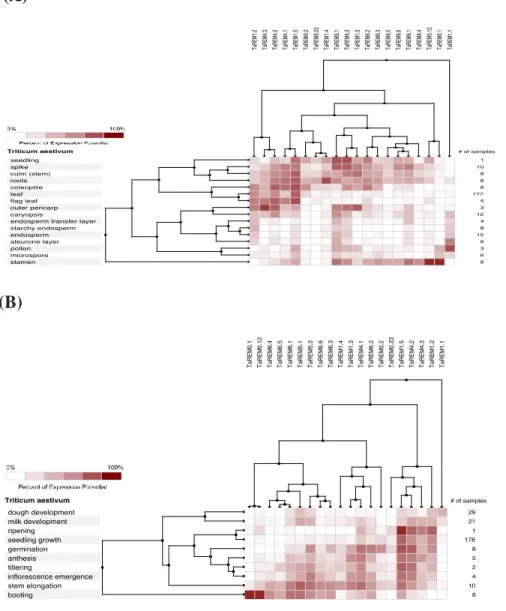
Figure S3: A gene expression analysis of twenty
Texte intégral
Figure
Documents relatifs
In the first four runs (F0-F3), we used a machine learning algorithm 20 times, to identify the most informative genes through a discover- and-mask approach, in which a gene
The basic problem in fuzzy clustering of genes from data obtained by cDNA microarray experiments is to assign each gene to a given number of clusters such that each
A first exploration based on gene expression pattern in 344 olfactory genes remaining after filtering for low counts evidenced a pattern of expression according to breed body
In this paper, We propose (1) a new similarity measure, called OWAGen, based on OWA operators for gene se- quential pattern clustering; (2) a summarization process to associate a
By in situ hybridization, we show that (1) all of the RDGN genes, including Sof-pax6, are expressed in the eye area during the early developmental stages but they are not expressed
In 2000 and 2001, Perou and Sorlie defined five breast cancer molecular subtypes based on gene-expression profile homologies of an intrinsic gene list that included 427 unique
A similar gene expression pattern was observed after treatment with fenpropimorph and some defence- related genes were induced by azoxystrobin, demonstrating that these fungicides
For each prototype gene, we detected increasing number of genes (7, 15, 23,..., 78) with similar expression maps based on the use of different spatial maps and we calculated the
