DIRECTIONAL SOLVENT EXTRACTION DESALINATION
By
Anurag Bajpayee
BS in Mechanical Engineering, University of Missouri, 2006
SM in Mechanical Engineering, Massachusetts Institute of Technology, 2008
Submitted to the Department of Mechanical Engineering In Partial Fulfillment of the Requirements of the Degree of
Doctor of Philosophy in Mechanical Engineering At the
MASSACHUSETTS INSTITUTE OF TECHNOLOGY
September 2012
ARO*.N
rYES-7
MASSACHUSETTS INSTTIE' OF TECHNOLOGYOCT
2
2 2012
L BR
-E
LiBRARIES
© Massachusetts Institute of Technology All Rights Reserved
Author...W...
Depart ntof Mechanjc-Engineering August 31, 2012
Certified
By...---Gang Chen Carl Richard Soderberg Professor of Power Engineering Thesis Supervisor
Accepted By... ... - ...
David E. Hardt Chairman, Department Committee on Graduate Students
DIRECTIONAL SOLVENT EXTRACTION DESALINATION By
Anurag Bajpayee
Submitted to the Department of Mechanical Engineering In Partial Fulfillment of the Requirements of the Degree of
Doctor of Philosophy in Mechanical Engineering
Abstract
World water supply is struggling to meet demand. Production of fresh water from the oceans could supply this demand almost indefinitely. As global energy consumption continues to increase, water and energy resources are getting closely intertwined, especially with regards to the water consumption and contamination in the unconventional oil and gas industry. Development of effective, affordable desalination and water treatment technologies is thus vital to meeting future demand, maintaining economic development, enabling continued growth of energy resources, and preventing regional and international conflict.
We have developed a new low temperature, membrane-free desalination technology using directional solvents capable of extracting pure water from a contaminated solution without themselves dissolving in the recovered water. This method dissolves the water into a directional solvent by increasing its temperature, rejects salts and other contaminants, then recovers pure water by cooling back to ambient temperature, and re-uses the solvent. The directional solvents used here include soybean oil, hexanoic acid, decanoic acid, and octanoic acid with the last two observed to be the most effective. These fatty acids exhibit the required characteristics by having a hydrophilic carboxylic acid end which bonds to water molecules but the hydrophobic chain prevents the dissolution of water soluble salts as well the dissolution of the solvent in water. Directional solvent extraction may be considered a molecular-level desalination approach.
Directional Solvent Extraction circumvents the need for membranes, uses simple, inexpensive machinery, and by operating at low temperatures offers the potential for using waste heat. This technique also lends itself well to treatment of feed waters over a wide range of total dissolved solids (TDS) levels and is one of the very few known techniques to extract water from saturated brines. We demonstrate >95% salt rejection for seawater TDS concentrations (35,000 ppm) as well as for oilfield produced water TDS concentrations (>100,000 ppm) and saturated brines (300,000 ppm) through a benchtop batch process, and recovery ratios as high as 85% for feed TDS of 35,000 ppm through a multi-stage batch process. We have also designed, constructed, and demonstrated a semi-continuous process prototype. The energy and economic analysis suggests that this technique could become an effective, affordable method for seawater desalination and for treatment of produced water from unconventional oil and gas extraction.
Thesis Supervisor: Gang Chen
Title: Carl Richard Soderberg Professor of Power Engineering Department of Mechanical Engineering
Acknowledgements
It goes without saying that no doctoral dissertation is the work of just one person. Many have contributed to the completion of this work and one short written section can never be enough to acknowledge all contributions or to express my gratitude.
First of all, I would like to gratefully acknowledge the constant guidance, and mentorship of my advisor Professor Gang Chen without whom this work would not have been possible. I have learned many lessons from Professor Chen, both professionally and personally. His unfettered support throughout my stay at MIT, his inspiring style of supervision, the high level of freedom that he allowed me, and the great faith that he showed in me now seem so critical to the completion of my doctoral work. I hope I can emulate my advisor's humility in the face of success and that my association with him will remain life-long.
I would like to thank my thesis committee member Professor John Lienhard whose expert knowledge and insight in the field of desalination and of the thermal sciences in general was extremely helpful throughout this work. I also learned from Professor Lienhard's excellent command over the art of technical writing and communication. In addition, I would like to thank Professor Alexander Mitsos, another committee member, for his thorough feedback and attention to detail which helped make this work more comprehensive.
Now emeritus professors Bora Mikic and Ernie Cravalho, two great names in heat transfer and thermodynamics, were very helpful with valuable discussions in the early stages of this work. I was also very fortunate to sit through their academic lectures as many generations of MIT graduate students had done before.
Special thanks are due to Professor Mehmet Toner of Harvard Medical School who was my masters advisor and working with whom we discovered the phenomenon of directional solubility of water in soybean oil which first led to the idea that this thesis is based upon. Professor Toner's support and mentorship, even after my graduation from his lab, have been undiminished.
I would also like to acknowledge the contribution of my undergraduate research advisor, Professor Gary Solbrekken of the University of Missouri, who was responsible for giving me my first official research project and for generating in me a predilection for the thermal sciences and engineering.
Many members of Professor Chen's Nanoengineering group at MIT have been helpful directly and indirectly. Andrew Muto and Daniel Kraemer were involved closely in the early stages of this work. Daniel was responsible for finding C.W. Hoerr et al's 1942 publication on the solubility of water in fatty acids which is heavily cited in this thesis. Michael Fowler worked with me as an undergraduate researcher and contributed very significantly. Michael's creativity, resourcefulness, and dedication during construction of the directional solvent extraction prototype were outstanding. Kevin Kleinguetl and Monica Zheng also worked with me and were helpful with conducting early solubility experiments. I would also like to thank Matteo Chiesa, Gregg Radtke, Vincent Berube, Arvind Narayanaswamy, Poetro Sambegoro, Kimberlee Collins, George Ni and many others for their help, support, and friendship.
Other members of the larger Rohsenow-Kendall Heat Transfer Laboratory, especially Prakash Govindan, Karan Mistry, and Maximus St. John helped all along through insightful discussions, generation of ideas, and sometimes direct assistance with experiments or analysis.
The mechanical engineering administrative staff at MIT is an incredible group of people without whom I suspect this great department would cease to function. I would especially like to thank Leslie Regan who has been as much a guide and mentor as she has been an administrator throughout my stay at MIT. Joan Kravit and Sucharita Berger-Ghosh have also been very helpful and a pleasure to work with. I would also like to thank the support staff of Prof. Chen's Nanoengineering group, specifically Edward Jacobson and Mai Hoang whose many small contributions throughout my stay in the group added up very meaningfully.
In addition, I would like to express grateful thanks to the Desphande Center for Technological Innovation at MIT for funding this project. Leon Sandler, the executive director of the mentor has been a mentor and friend.
At MIT one learns at least as much outside the lab as within. I was fortunate to be part of the MIT Global Startup Workshop (GSW), a highlight of my stay at MIT which took me to nine countries and gave me opportunities to work with diverse people from around the world. Specific GSW people whom I have learned from and whom I am very thankful to are Bill Aulet, Nader Darehshori, Marcus Dahlem, Pedro Pinto, Grace Chen, and Nevan Hanumara. Nevan has been one of my longest acquaintances at MIT, a remarkable colleague, and a true friend to have around. I would also like to thank other friends Eerik Hantsoo and Erica Ueda who made my stay at MIT so memorable. I trust that these bonds established here at the Institute will remain eternal. My first few years at MIT, I lived at Ashdown House whose housemasters Profs. Ann and Terry Orlando helped make a smooth transition to the Institute and created a home away from home. I shall remain thankful for their relentless support and care.
I would also like to take this opportunity to thank my friends from back home and in Missouri, Aakash Prasad, Siddharth Agarwal, Archit Jauhari, and Ankur Shukla who have shown true support and care to this day and who I trust will remain so forever. I am undoubtedly forgetting some friends, both at MIT and back home, who deserve mention but let it be said that I'm truly grateful for having such people in my life.
My family is the strongest force in my life and has been supportive through everything that I have done. No words can express my gratitude towards my parents, Neelu and Dinesh Kumar Bajpayee, who have taught me so much, inspired me, supported me, made several sacrifices, to make me who I am. I have learned from them some of the most fundamental lessons about personal and professional life, honor and respect, relationships, spirituality and practical dealings within the human society.
My aunt and uncle, Sunita and Rakesh Bajpai have been extremely important in my life, in whose care I "grew up" for three years that I spent in mid-Missouri and without whom I would not have been able to come to the United States to pursue education. My cousins Ambar and Ashish Bajpai have been just like brothers and made my transition to the United States so much easier. My aunts and uncles, Meera and Umesh Kumar Bajpayee, and Rohini and Atal Bihari
Mishra have also provided unwavering support and I know have always selflessly wished for my success and well-being.
My grandparents Dhanvanti Devi and Ravi Shanker Bajpayee, and Shanti Mishra and the Late Shashi Shekhar Mishra are examples of simple and well grounded, but truly great people who have been sources of many of life's philosophies that I have acquired and who remain humbling sources of inspiration.
My brother, Abhishek, has been a great partner and friend since childhood to this day. We have spent countless hours planning making grand plans and indeed learned a great deal from each other. I trust we will continue to make those grand plans and give effect to at least some of them at some point in our lives.
Lastly, but perhaps most importantly, I am indebted to my wife Ambika for her friendship, love, and support in everything I do. She not only shares my ambitions but also makes it possible for me to dream. By showing the greatest level of confidence and trust in whatever I wish to pursue, she brings out the best in me and inspires me to do better than I ever thought I could. In addition to being such an ideal personal support she has also been a partner in intellectual discussions and together we have discovered answers to many questions, both scientific and philosophical. I could not have come this far without her and I am truly blessed to have her by my side. And even though many hours dedicated towards this work were taken away from her she has constantly wished for its success.
Table of Contents
Chapter 1 Introduction
11
The World Water Supply 11
1.2 Energy Water Nexus & the Role of Unconventional Oil & Gas 13
1.3 Desalination state of the art 16
1.4 Thesis Outline 19
Chapter 2 Fundamentals of Directional Solvent Extraction 21
2.1 Directional solubility 21
2.2 Directional solvents 26
2.3 Design of the Directional Solvent Extraction process 28
2.4 Advantages of Directional Solvent Extraction 31
Chapter 3 Technology Demonstration 33
3.1 Experimental Demonstration of Directional Solvent Extraction 33
3.2 Experimental results & analysis 40
3.3 Summary & Discussion 57
Chapter 4 Characterization of DSE process parameters: Effect of process step times,
varying feed TDS, and recovery analysis 60
4.1 Effect of process time parameters 60
4.2 Effect offeed TDS on DSE performance 66
4.3 DSE Recovery ratio 67
4.4 Summary 71
Chapter 5 Multistage Direction Solvent Extraction 73
5.1 Introduction 73
5.2 Experimental procedure 74
5.3 Results & Analysis 75
5.4 Discussion & Improvements 79
Chapter 6 Continuous DSE process 82
6.1 Process design 82
6.3 Prototype testing & analysis 103
6.4 Discussion and Improvements 112
Chapter 7 Economic Analysis 114
7.1 Laboratory prototype economics 114
7.2 Projected field economics 118
Chapter 8 Summary and future directions 127
List of Figures
Figure 1. Map of World Water Stress in 2006... 12
Figure 2. (a) Map of North American shale basins and (b) produced water handling costs ... 15
Figure 3. Illustration of hydrogen bond formation between water and decanoic acid ... 23
Figure 4. Free energy of solvation of various solute-solvent pairs calculated by the thermodynamic integration (TI) method... 25
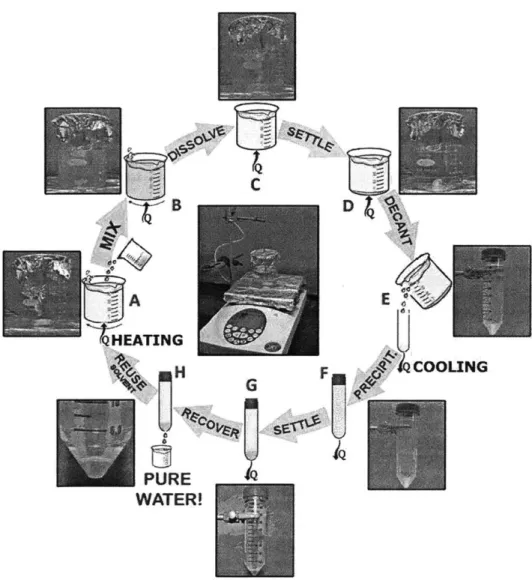
Figure 5. Illustration of the cyclic directional solvent extraction experimental batch process... 30
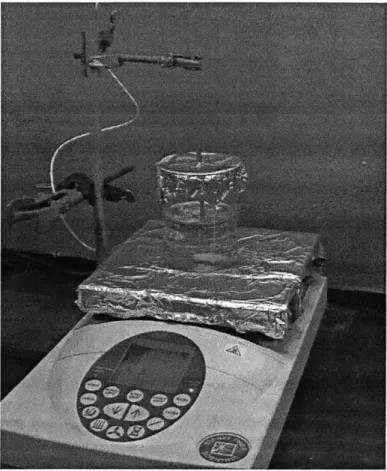
Figure 6. Heating decanoic acid on a heating and stirring plate with feedback temperature control ... 34
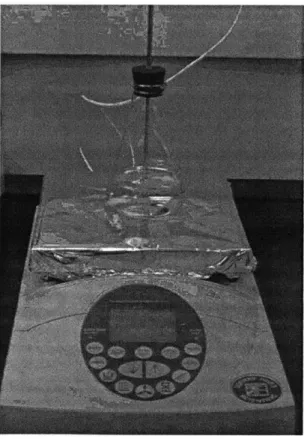
Figure 7. Conical flask with cork stopper used for stirring and mixing ... 38
Figure 8. Salinity of product water from experimental runs with Decanoic acid and Octanoic acid ... 4 1 Figure 9. Product water yield as function of temperature (decanoic acid)... 44
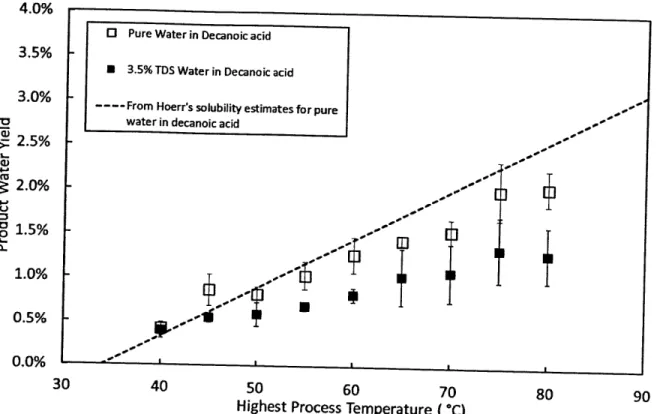
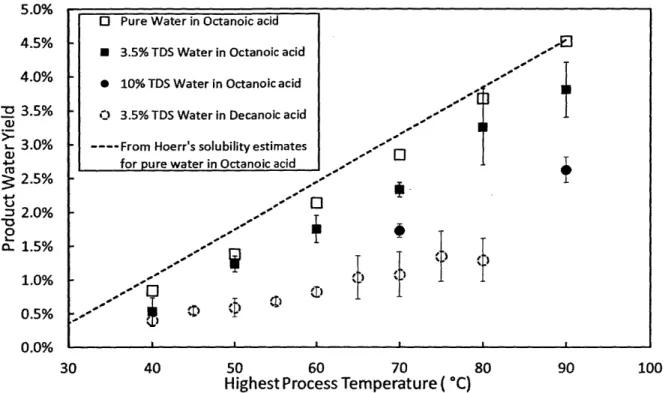
Figure 10. Product water yield as a function of temperature (octanoic acid)... 45
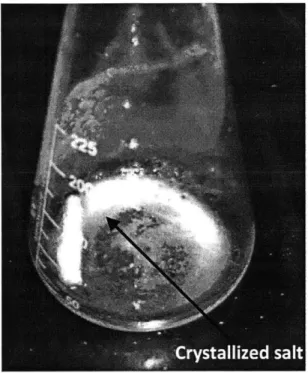
Figure 11. Salt crystallized out of saturated brine upon mixing with Octanoic acid at 90 *C... 46
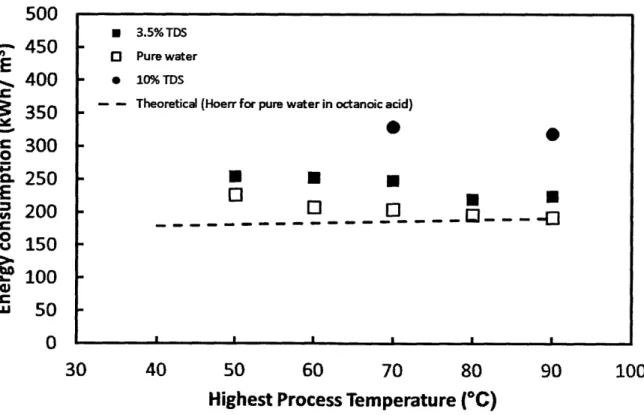
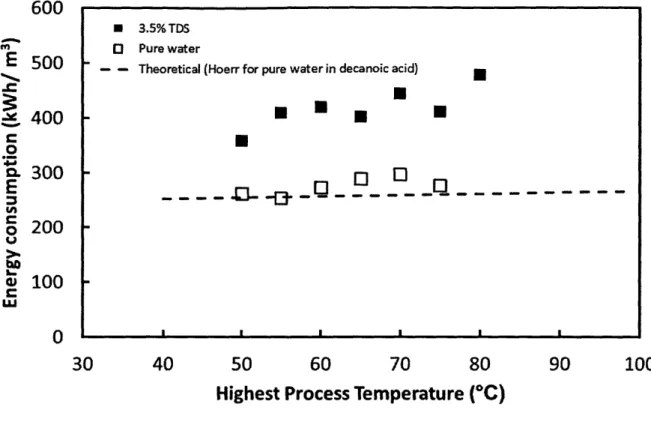
Figure 12. Thermal energy consumption as a function of the highest process temperature for directional solvent extraction (decanoic acid) ... 50
Figure 13. Exergy consumption as a function of the highest process temperature for directional solvent extraction (decanoic acid) ... 53
Figure 14. Thermal energy consumption as a function of the highest process temperature for directional solvent extraction (octanoic acid)... 54
Figure 15. Exergy consumption as a function of the highest process temperature for directional solvent extraction (octanoic acid)...:... 56
Figure 16. Product water yield as a function of feed-solvent mixing time... 62
Figure 17. Product water TDS as a function of brine separation/ settling time... 64
Figure 18. Product water yield as a function of feed TDS... 67
Figure 19. DSE Recovery Ratio as a function of feed to solvent ratio... 69
Figure 20. DSE product water yield as a function of feed to solvent ratio... 71
Figure 21. Three-stage Directional Solvent Extraction recovery ratio ... 77
Figure 23. Schematic diagram of a 1m3/day continuous DSE desalination system ...
85
Figure 24. Schematic diagram of the constructed laboratory prototype system... 86
Figure 25. Omega flow-through heater with a 5kW electrical resistive heating element... 87
Figure 26. (a) PVC mixer containment vessel and (b) CPVC mixer vessel... 88
Figure 27. Stirring propeller blade being lowered into the mixer containment vessel... 89
Figure 28. Completed mixer setup with labeled individual parts ... 90
Figure 29. Schematic diagram of brine separator design... 93
Figure 30. (a) Photographs of brine separator insert during construction and (b) external view of the com pleted brine separator ... 94
Figure 31. Representative microscope photographs of water droplets in octanoic acid formed in the m ixer ... 97
Figure 32. Stainless steel "wort" chiller... 98
Figure 33. Microscopic image of precipitated pure water droplets in octanoic acid... 100
Figure 34. In-line thermocouples inserted in the flow path for continuous temperature read-out ... 10 1 Figure 35. Completed Directional solvent extraction continuous process prototype ... 102
Figure 36. Process diagram for a representative semi-continuous once through DSE process.. 104
Figure 37. Energy balance around a control volume for the DSE prototype system... 107
Figure 38. Product water TDS as a function of total liquid flow rate... 108
Figure 39. Product water yield for the semi-continuous DSE process prototype... 109
Figure 40. Recovery ratios for the semi-continuous DSE prototype ... 111
Figure 41. Plate heat exchanger design from Aspen Exchanger Design & Rating ... 122
Figure 42. Price per barrel of treating produced water as a function of product water yield and num ber of cycles per day ... 126
Chapter 1
Introduction
The World Water Supply
Water is among the most vital natural resources for sustaining life on earth. Growing human populations and standards of living have created major stresses on the supply on fresh water which is struggling to meet demand. There are already about 2.8 billion people living in water stressed areas [1]. At the current growth rates we will be consuming 90% of the available fresh water by 2025, by which time the population living in water stressed areas is expected to increase to 3.9 billion[2, 3].
The current state of water stress according to a recent study by the International Water Management Institute (IWMI) is illustrated in the map in figure 1 [4]. Regions of physical water scarcity are defined as parts of the world where there is naturally not enough water to support demand. These regions are usually desert areas such as the Arabian Peninsula, Central Asia, and the Southwestern United States. Regions of economic water scarcity are where water is naturally present but cannot be made available to area's population due to lack of water supply and/or treatment infrastructure. This is often the situation in the least developed regions such as sub-Saharan Africa and parts of South Asia and Central America. Furthermore, water scarcity, is not limited to under-developed or developing regions. High water consumption, together with energy consumption, is a characteristic of countries with high standards of living. As such even the more developed regions are expected to experience increasing water shortages in the near future [5].
Ltleor no water cwdty
W eotemated i
Figure 1. Map of World Water Stress in 2006 [6]
While fresh water stress is increasing, the oceans contain over 97% of the earth's water [6]. This water, due to high levels of salinity, is unfit for human consumption and most industrial
and agricultural use. However, with affordable and effective salt removal techniques, the oceans could supply this demand seemingly indefinitely [6, 7]. Development of desalination technologies to produce fresh water from the ocean has therefore been identified as vital to meeting future demand, maintaining economic development, and preventing regional and international conflict. Techniques to remove salt from water have existed for centuries and the recent years have seen significant advances in desalination technology. While the costs of seawater desalination had reduced from over $9/M3 in the 1950s to under $1/ m3 by the early 2000s [8] for large scale plants, desalinated water remains considerably more expensive and
energy intensive than fresh water from existing sources [9]. At small scales (1 - 10 in3/ day) the cost of seawater desalination may range from $3/ m3 to over $12/ m3 [10].
The National Research Council roadmap for water desalination sets a target of 50-80% reduction in desalination costs by 2020 which may be difficult to achieve by incremental improvements in existing technologies [9].
1.2 Energy Water Nexus & the Role of Unconventional Oil & Gas
Water and energy have always had a close inter-dependence which has become more evident with increasing demand and supply of both. Energy is required for water extraction, treatment, and transportation, while most energy production requires the use of large amounts of water [11, 12]. Furthermore, as the global energy consumption continues to increase, and energy extraction and production becomes more resource intensive, water and energy are getting further intertwined[ 11, 12]. This inter-relationship is nowhere more evident than in the unconventional oil and gas industry, where large amounts of water are required for well drilling and hydraulic fracturing operations, which gets contaminated and thus rendered useless for recycling or discharge [13-15].
Unconventional oil and gas is fundamentally changing the current energy landscape, especially in North America [16-18]. The game-changing potential of these reserves has been recently discovered and the North American reserves (Figure 2(a)) alone are estimated to contain over 700 trillion cubic feet (tcf) of recoverable natural gas [19], and over 1.3 trillion barrels of recoverable oil [20], the equivalent of more than 200 years of US and Canada's energy supply at current consumption rates[21]. In the year 2000, shale gas accounted for only 1% of the US
natural gas supply. By 2011, it had risen to 20%. As another example, North Dakota, home of the Bakken formation, one of the largest unconventional oil reserves, increased oil production from 30 million barrels in the year 2004 to almost 200 million barrels in 2011 [22].
Extraction of unconventional oil and gas, however, requires hydraulic fracturing of the deposits, which uses 2-4 million gallons of water per fracturing job [23] .Between 20 and 50% of this water returns to the surface as highly contaminated water that is 2-8 times more saline than seawater and which may contain heavy metals and radioactive isotopes among other solutes. In addition, contaminated water is also "produced" during the lifespan of the well operation and could be as saline as saturated brine. This flowback and produced water is unfit for discharge or re-use in subsequent fracturing operations. Improper disposal of this water may negatively affect the environment by polluting rivers or municipal water supplies. In many states, fracking has met fierce public opposition. New York State currently has a moratorium on shale gas drilling due to water related environmental concerns. Nova Scotia, home to large shale deposits, has also recently banned drilling due to water contamination issues. Furthermore, large volumes of water need to be transported to and from the fracturing sites. This increases traffic levels, pollution, and discomfort of the local population.
Water treatment issues are thus among the greatest barriers gating the growth and expansion of the unconventional oil and gas industry. The ability to treat and recycle flowback water during fracturing and produced water during well operation would reduce the need to transport fresh water to the well sites and contaminated water away from the sites. This would translate into significant cost reduction as well as further reduce public discomfort and opposition to hydraulic fracturing. It must be noted that due to the very high salinity of produced
water, desalination forms the most expensive part of the treatment process. State-of-the-art technologies to treat flowback and produced water are recognized by the industry as being either ineffective, uneconomical, or both. Another desirable characteristic of any produced water treatment process is high recovery ratios. In fact, industry surveys suggest that an effective produced water desalination system would likely be required to demonstrate recoveries greater than 70%.
The alternative to handling this water therefore consists of transporting it away from the well production sites and injecting in deep saltwater injection wells [24]. Contaminated water transportation infrastructure is expensive, complicated, and often consists of transporting the water away from the production sites in certified hazardous waste tankers. Industry surveys revealed that these disposal costs depend on the distance of injection wells from the production sites and can range from $2-3/ bbl. ($12-18/ in3) in North Texas to over $10/ bbl. ( > $60/ M3) in Pennsylvania (Figure 2(b)) Development of new desalination technologies is thus critical to enable the continued growth of unconventional oil and gas.
$
RProducsdw sal costs, 2011(a) (b)
1.3 Desalination State of the Art
Desalination technologies have witnessed significant advances in the last half a century. As discussed earlier the cost of seawater desalination has reduced by almost nine times between the 1950s and the early 2000s. The total capacity of seawater desalination plants worldwide has also increased almost two hundred and fifty times in this period, from 0.110 million m3/ day to over 28 million m3/ day by 2005 [9]. Most of this existing capacity is in reverse osmosis (RO) or multi-stage flash distillation plants, the two most popular desalination technologies [6], [26]. Despite these advances and economic gains, water from desalination remains considerably more expensive than that from freshwater sources [9].
Most desalination technologies can be classified as membrane processes or evaporative processes. Reverse Osmosis (RO) is a membrane-based technique [27-30] which has rapidly gained popularity due to better efficiency than thermal processes, the convenience of operating electrically without heating, and the scale flexibility of operating as small scale units or large scale plants. In the RO process the saline solution is passed through a semi-permeable membrane which allows water to pass through but holds back the salt ions. In order to drive flow against the natural osmotic gradient, a high pressure is required to overcome the osmotic pressure. Energy required to raise this process is supplied electrically. Electricity is high grade energy and in this case accounts for 44% of the process cost [9] for sea water desalination. Seawater RO electricity consumptions have been reported to be between 3 kWh/ m3 and 8 kWh/ m3 [31-34]. As a comparison the minimum work required for seawater desalination at about 40% recovery is 1.06 kWh/ m 3 [35]. In addition to the cost of energy, another challenge is that RO membranes are
of produced water and due to the presence of other impurities, RO membranes may foul faster, and may not be able to withstand the higher pressures need to overcome the increased osmotic pressure. These higher pressures would also necessitate much higher energy inputs, thus increasing the overall cost of the process.
Forward osmosis (FO) [36], [37] is a new membrane method which claims to offer better efficiency and lower cost but is yet to be demonstrated to do either; being a membrane based technology, FO may also be ineffective at the high TDS levels. Recent research on high-flux membranes based on carbon nanotubes [38] can potentially reduce the energy consumption, and on alternative electrical-based desalination technology such as ion concentration polarization in nano-devices [39] can potentially avoid the fouling.
Electrodialysis (ED) is another electricity drive membrane-based technique wherein an electrical potential difference is used to transport charged particles (salt ions) across an ion-exchange membrane from saline water to relatively pure water [31], [32]. In ED, however, the energy consumption rises quickly with increasing salt concentrations, and the process is therefore limited to desalination of brackish waters (TDS <0.5%) [40].
Multistage flash distillation (MSF) is a thermal desalination process based on evaporating water and condensing the vapor back into pure water [9, 10] . Evaporation requires large amounts of energy to overcome the latent heat of water [12]. Energy consumptions of MSF processes have been reported to be between 60 kWh/ m3 and 90 kWh/ m3 [31], [33], [34], [41-43]. In an MSF process, heat released during condensation is re-used in the next stage, which is at a lower vapor pressure, partially offsetting the large amount of energy required in the evaporation process. The temperatures required are usually above 90 *C which are energy
intensive to attain and the thermal energy accounts for almost half of the process cost [9]. All evaporative systems may suffer from scaling caused by evaporation of water and the resulting crystallization of scaling agents such as calcium. This scaling can increase greatly when high TDS water is involved and significantly reduce the system lifetime. In addition, MSF systems,
are large due to the many evacuated stages, and cannot be scaled down for produced water treatment volume requirements.
A similar process is Multi-effect distillation (MED) [44], often regarded as the oldest
desalination process other than simple distillation [45]. MED is also an evaporative process that operates at slightly lower temperatures (about 70'C) than MSF. The main difference between MED and MSF is that in MED, the seawater evaporates at the heat transfer surface, whereas in MSF the water is only preheated within the heat exchanger and evaporates from a flow of brine
in each stage [46]. Another evaporation-based technique is to condense the vapor by mechanical vapor compression and to use the latent heat of condensation to pre-heat a part of the feed water (MVC/ MVR) [47]. MVC systems are mostly small-scale and industry interviews suggest that this is the only evaporation technology that is being tested for produced water treatment. Vapor compressors, however, require electrical energy input and their costs can be prohibitive for most applications.
Humidification-dehumidification (HDH) is a promising thermal desalination technology which mimics the natural rain cycle. HDH has witnessed considerable development and progress recently especially for small scale and solar driven systems [48-50]. This technology, however, is yet to be demonstrated at a significant scale outside the laboratory.
1.4 Thesis Outline
This thesis describes the conception, design, demonstration of concept, and further development of Directional Solvent Extraction (DSE), a new low temperature, membrane-free method of water desalination. Directional solvent extraction works by dissolving water from a saline or otherwise contaminated solution into a directional solvent by increasing its temperature. The directional solvents extract the water phase but rejects salts and other contaminants. These salts are then separated and removed. Upon cooling back down the water precipitates out of the solvent, is recovered as purified water, and the solvent is reused. Importantly the solvent does not itself dissolve into water and the recovered water therefore contains a negligible amount of residual solvent.
Chapter 2 describes the basic concept of directional solubility, introduces the directional solvents and lays down the fundamentals of the proposed technology development. Chapter 3 explains in detail the proof of concept through a bench-top batch process demonstrating effective desalination and accompanying calculations which show the energy and exergy consumption of the process. Chapter 4 furthers the understanding of directional solvent extraction by describing experiments to characterize process parameters and assessing their effects on the performance through observations and analyses. Chapter 5 introduces a potential improvement upon the basic process by describing the demonstration of a multi-stage directional solvent extraction method which shows increased recovery ratios. Chapter 6 describes the design, construction, and testing of a semi-continuous process prototype which is imperative to bringing this technology closer to field application. Chapter 7 discusses a detailed economic analysis which suggests that directional solvent extraction could be an economically viable technology to treat produced
water. Chapter 8 summarizes the work, outlines major conclusions, highlights outstanding questions, and identifies potential future directions.
Chapter 2
Fundamentals of Directional Solvent
Extraction
2.1 Directional solubility
Ideas of solvent extraction for desalination were explored by Hood and coworkers in the 1950s who used secondary and tertiary amines as solvents [51], [52]. These solvents, however, were limited to treatment of water with low salinities of up to 5000 ppm (seawater is about 35000 ppm, produced water can be up to 300,000 ppm) [52]. Most importantly, these were
discounted due to significant residual presence of solvents in the recovered water [53], i.e. while the solvents dissolved water they were themselves found to dissolve in water in significant amounts (e.g. 3-13% by weight). Furthermore, no significant understanding of the molecular interactions of water, solvent, and salt was developed, and the progress on this subject remained marginal for almost half a century. Lazare and the Puraq Company attempted to commercialize solvent based desalination for two decades from the 1960s through the 1980s [54-57]. Lazare's process, however, involved synthetic solvents (such as a copolymer of vinyl pyrrolidone and vinyl acetate), which necessitated high costs, and also required the use of membranes to prevent salt from mixing with the solvents. Significant development was impeded due to these factors as well as the lack of investment and market interest [58].
The mutual solubility as discussed above is the generally expected behavior. However, in some rare cases pairs of materials do exhibit directional solubilities where one substance dissolves the other but without dissolving in the other. This thesis reports directional solvents
that dissolve water while rejecting water soluble salts, and, are themselves insoluble in water. Certain edible oils such as soybean oil and medium to long chained carboxylic acids possess this unusual ability to dissolve water while rejecting other water soluble substances such as sodium chloride. This solubility of water in the carboxylic acid has also been seen to increase with temperature [59-62], another required quality for the proposed thermally driven directional solvent extraction to function.
Carboxylic acids dissolve water due to the presence of the carboxylic acid group
(-COOH) at their chain ends. The highly polar C=O and O-H groups facilitate the formation of
hydrogen bonds with water molecules. While this chain end is hydrophilic the rest of the fatty acid molecule is hydrophobic. As such, the reduction of chain length results in higher solubility of water in the acid but also higher solubility of the acid in the water. The lowest carboxylic acids, such as formic and acetic acid, are miscible with water, but as the chain length increases the solubility of both substances in each other decreases significantly. In addition, salts such as sodium chloride exist in solution in ionized form. A polar solvent is therefore likely to dissolve salt ions. As the carboxylic acid chain length increases, its non-polar nature also increases, thus reducing the solubility of salts in the acid.
Stephan Kress [63] and Tengfei Luo [64] have further investigated the theoretical aspect and provided explanations for such directional solubility behavior. An illustration of hydrogen bond formation between water and decanoic acid is shown in figure 3.
One way to describe the solubility behavior is by considering the solvation free energies of water in a solvent, solvent in water, and salt in solvent and water. Solvation free energy is equivalent to the work required to transfer a molecule from its bulk phase into a solution.
hydrophobic
hydrogen bond
4-hydrophilic
I
4 * * 4 44 44 4 4 4 4 4 44 44 444he
hydrogen bond
Figure 3. Illustration of hydrogen bond formation between water and decanoic acid; carbon is depicted by blue color, oxygen by red, and hydrogen by white
To describe solubility from this thermodynamic point of view, the free of energy of solvation was calculated using molecular dynamics simulation and the thermodynamics integration (TI) [64], [65] method for water-decanoic acid-sodium ion interaction and the results are shown in Figure 4. As may be seen the solvation free energy of water decreases as it goes from water among other water molecules to water in decanoic acid, i.e. a water molecule is more stable in a decanoic acid solution (-8.46 Kcal/mol) than in its bulk phase (-6.33 Kcal/mol), suggesting that water is likely to dissolve into decanoic acid. However, as the concentration of water in the acid increases, it becomes difficult for successive water molecules to dissolve as
seen from the increasing free energy values (4% water in acid: -7.44 Kcal/mol and 6% water in acid: -6.03 Kcal/mol).
A water molecule in saline solution (3.5% NaCl w/w) has lower solvation free energy
(-7.13 Kcal/mol) than in pure water (-6.33 Kcal/mol) due to the extra Coulombic interaction with
salt ions. As a result, water molecules from saline droplets are expected to dissolve into decanoic acid until equilibrium is attained when the free energy of water in saline solution becomes equal to that of water in decanoic acid. This equilibrium state corresponds to the solubility limit of water in decanoic acid, beyond which additional energy is required to dissolve more water. An increase in temperature could supply this energy and allow further dissolution of water.
A decanoic acid molecule, however, is much less stable when dissolved in water (-9.82
Kcal/mol) than in its amorphous bulk phase (-16.04 Kcal/mol), suggesting that decanoic acid is unlikely to dissolve in water. Furthermore, salt ions are unlikely to diffuse into decanoic acid from the saline water due to the large free energy barrier (e.g. -99.60 Kcal/mol [66] for a sodium ion in water compared to -72.44 Kcal/mol for a sodium ion in decanoic acid).
' m 03Qr -5 .04 CL >. 0 C CL 4 %A 0 0 CL .4 CD 0* .
Solvation
Free
Energy
(KcaI/mol)
02.2
Directional solvents
In summary, to be an effective candidate for this process a solvent must possess the following characteristics:
Water is soluble in the solvent
Water solubility in the solvent is a function of temperature
Salts do not dissolve in the solvent
The solvent does not dissolve in water
In addition, it is ideal if the directional solvent is also non-toxic, naturally occurring, inexpensive, and abundant.
Our first directional solvent was in fact soybean oil. Soybean oil dissolves water while being insoluble in water [61], [62]. Soybean oil is also inexpensive, abundant, and edible. The solubility of water in soybean oil, however, is extremely low (0.3% v/v or 0.33% w/w at 25 0
C)
[61], [62]. Therefore, while soybean oil does behave as a directional solvent and an effective desalination can be demonstrated with it, the low solubility of water, necessitates large volumes of soybean oil to be used, thus leading to large system sizes and heating energy requirements. Soybean oil is mainly a mixture of oleic acid (CH3(CH2)7CH=CH(CH2)7COOH), alpha-linoleic acid (C18H3002), linoleic acid (C1 8H3202) and palmitic acid (CH3(CH2)14CO2H) [67].
In search of a better solvent, experiments were then conducted on hexanoic acid (C5H1 1COOH) which dissolves about 5.5% w/w water at 20 *C and almost 10% w/w at 55'C
[60]. Hexanoic acid, however, dissolves in water to a non-negligible extent (968 ppm w/w [68])
and is more corrosive and foul-smelling than desirable. Furthermore, hexanoic may dissolve some salts as well due to its shorter chain length, as will be discussed in the experimental section. Hexanoic acid thus lies at the lower end, in terms of chain length, of carboxylic acids that form effective directional solvents.
Moving up the carboxylic acid chain, we found decanoic acid (CH3(CH2)8COOH) to dissolve a maximum of about 3.8% w/w water at 34 *C, increasing to 5.9% at 80 'C. Earlier estimation by Hoerr et. al. [60] suggests the same trend and similar solubility values. Yet the solubility of decanoic acid in water is negligible, with a theoretically predicted value of 28 ppm at 27 'C, as described in the chapter 3.2 and reported values between 30 ppm [69] and 150 ppm
[70] at 25 *C. The batch process experiments, as discussed in the chapter 3.2, confirmed these
ranges by measuring a residual decanoic acid content of 36 ppm in the recovered water. To put this in perspective, whole milk contains about 1300 ppm of decanoic acid [71]. Decanoic acid is also used as a food preservative, and is relatively inexpensive, characteristics which make it an effective directional solvent.
Another effective directional solvent is octanoic acid (CH3(CH2)COOH), on which extensive experimentation was conducted, and which was found to dissolve 1.8% w/w water at
25 'C increasing to almost 5.2% at 80 'C. The solubility of octanoic acid in water, however, is
only 680 ppm [68]. This level is considered non-toxic as whole milk contains over 1080 ppm of octanoic acid [71]. Octanoic acid is also used as a food preservative and is inexpensive and readily available. Having been found to be the most suitable for this application, decanoic acid and octanoic acid were used as the primary directional solvents in this work.
Thermophysical properties of water, decanoic acid, and octanoic acid are used extensively in this work and are listed for reference in Table 1.
Table 1. Thermophysical properties of water, decanoic acid, and octanoic acid (Data from Yaw [68] and Verschueren [72])
Density* Viscosity Specific heat* Molecular
(kg/m3) (cP) @ 25 *C (J/ kg K) weight (g/ mol.) Water 1000 0.89 4180 18.02 Decanoic acid 893 5.86** 2351 172.26 Octanoic acid 910 5.25 2200 144.21
*Density and specific heat change only slightly with temperature and are assumed to be constant
**Viscosity at 33 'C as decanoic acid solidifies at about 29 *C
2.3 Design of the Directional Solvent Extraction process
In order to accomplish effective salt removal from saline water using directional solvents the process cycle must consist of (1) forming a saline water-in-solvent emulsion (2) heating the emulsion to a temperature greater than ambient so that pure water is dissolved into the solvent (3) brine-phase settling and removal (4) cooling down the solvent to ambient temperature to precipitate out pure water. Based on this concept an experimental directional solvent extraction batch process was designed as illustrated in Figure 5:
(a) A directional solvent is heated in a beaker and maintained at 40 - 95 'C and the saline solution is added while stirring. Care is taken to ensure that the temperature is higher than ambient to facilitate recovery of water but less than 100 *C to prevent vaporization of
water. Phase change could lead to undesired evaporation and loss of water as well as cause excessively high energy consumption.
(b) Upon mixing the beaker turns cloudy indicating emulsion formation. The water droplets
formed within the solvent scatter light and give the contents a cloudy appearance.
(c) Upon mixing for some time, the cloudiness in the beaker reduces indicating dissolution of some water. This is due to the water droplet sizes and numbers reducing resulting in the reduced light scattering.
(d) After stirring is stopped, the remaining brine settles gravitationally, leaving clear solvent
and the dissolved water above. At this stage the solvent has dissolved the pure water phase and separated it from the salts.
(e) The clear contents are decanted into conical tubes maintained at room temperature. Care is taken to ensure that the brine or crystallized salts do not get transferred to the conical tubes and get mixed with the pure water.
(f) Cloudiness reappears in the conical tubes as the contents cool and pure water precipitates
out resulting in the re-appearance of water-in-solvent emulsion droplets.
(g) Pure water separates gravitationally leaving clear the clear solvent above a forming a clear water layer at the bottom.
(h) This purified water is separated from the bottom of the tube and the solvent is reused. Again, care is taken to ensure that solvent is not lost or gets collected together with the recovered water sample.
The mixing and separation times throughout the process can be critical and are discussed in chapter 4. Description of this design may also be found in peer reviewed publications [64],
[73] and US and international patents [74].
C
E
H EATING
H
F
COOLING2.4 Advantages of Directional Solvent Extraction
Motivation for deeper understanding of directional solvent extraction (DSE), its laboratory demonstration, and further development as a continuous, commercially viable process stems from its apparent advantages as seawater desalination and produced water treatment technology.
Membrane-free operation: By being a membrane-free process, DSE eliminates a source
of capital and maintenance cost. Membrane-based methods are also unsuitable for produced water treatment where high TDS feed water is encountered. By circumventing the use of membranes DSE promises to become one of the very few currently known techniques to handle a wide TDS range up to and including saturated brines.
Low temperature thermal process: By operating at low temperatures, DSE paves way
for utilization of low grade waste heat which may reduce or eliminate the energy costs involved with desalination. In fact, as discussed in the rest of this thesis, DSE has been shown to function effectively with a heat source of temperature as low as 40 *C, lower than any known thermal desalination process. It must be noted, however, that the nature of DSE does not restrict its use to low temperatures. In case of produced water treatment on oil and gas drilling or operating sites, where waste heat might be difficult to scavenge, DSE can be fueled by a natural gas heat source which is often readily available.
Simple, inexpensive machinery: Perhaps the most significant advantage of DSE stems
from its simplicity as a desalination process. The concept is easy to understand, develop, and operate. The batch process design discussed and the continuous process prototype discussed later
in this thesis do not require the use of require the use of expensive or complicated machine. Most the equipment needed is readily available or manufacturable using inexpensive material. These characteristics could lead to low capital costs as well as low operation and maintenance
Chapter 3
Technology Demonstration
3.1 Experimental Demonstration of Directional Solvent Extraction
After iterations with soybean oil and hexanoic acid, decanoic acid was selected for the first demonstration of concept of directional solvent extraction. Decanoic acid, as mentioned earlier, possesses the required characteristics of a directional solvent and is inexpensive, non-toxic, and readily available. The following section describes the experimental procedure.
Directional Solvent preparation: It is important that the solvent (decanoic acid) is
saturated with water at the lower process temperature. If pure solvent is used, water will dissolve into the solvent upon heating, but when the solvent is cooled back down not all the earlier dissolved water will be precipitated as some water will remain dissolved in the solvent according to water solubility in solvent at the lower process temperature. Therefore, pure decanoic acid was first mixed, by stirring, with excess distilled water in a beaker maintained at the lower process temperature (34 *C in this case). Some water dissolved into the decanoic acid and the un-dissolved water was allowed to settle to the bottom of the beaker gravitationally. The decanoic acid was carefully decanted off the top and now, being saturated with water at 34 'C, was set aside for use in the experiment.
Feed-water sample preparation: Seawater contains 3.5% (35,000 ppm) of total dissolved solids (TDS) of which over 85% is formed by sodium (Na) and chloride (Cl-) ions
[75]. In addition, seawater also contains smaller amounts of biological matter. To replicate seawater artificially to a first degree a 3.5% w/w solution of sodium chloride (Morton @
table-salt non-iodized) was made in distilled water by adding measured amount of table-salt and water and mixing in a beaker using a magnetic stir bar.
Experimental run: 200 g of decanoic acid [CH3(CH2)8COOH, >98% Kosher, Sigma Aldrich, St. Louis, MO] were taken in a beaker and heated on a digital heating and stirring plate (HS 40, Torrey Pines @ Scientific, Carlsbad, CA), as shown in Figure 6.
Figure 6. Heating decanoic acid on a heating and stirring plate with feedback temperature control
Over different runs decanoic acid was heated to temperatures between 40 and 80 *C (Fig. 4A). Once the temperature of the decanoic acid became steady, 10 g of the prepared salt solution were added to the beaker and mixed with the solvent by stirring using a magnetic stir bar rotating
at 600 rpm. An emulsion was observed to form immediately and the clear beaker contents turned cloudy (Fig. 4B). In this first instance, stirring was continued at the elevated temperature for 60 minutes. During this time some water dissolved into the solvent, leaving behind smaller water droplets highly concentrated with salt. This dissolution and droplet shrinking was visually evident as the emulsion becomes clearer (Fig. 4C).
Upon stopping the stirrer, the un-dissolved water droplets (brine), being denser than decanoic acid (density: 893 kg/ m3
), gravitationally separated to form a layer of brine at the bottom of the beaker, leaving a clear layer of decanoic acid containing dissolved water above (Fig. 4D). The brine droplets were allowed to settle over 60 minutes in this instance, even though visual appearance suggested that the separation only took a few seconds.
The clear upper layer in the beaker was then decanted by carefully pouring off into conical tubes maintained at 34 *C in a water bath (Fig. 4E). It must be noted at this point that decanoic acid has a freezing point of about 30 *C [76] and the lowest process temperature was maintained at 34 *C to stay clear of phase change issues. This freezing point in the ambient may be considered to be a drawback of using decanoic acid as a solvent.
The cooling of decanoic acid reduces the solubility of water in it facilitating the precipitation of pure water droplets. The contents of the conical tubes appeared to turn cloudy again providing visual evidence of this precipitation (Fig. 4F). These tubes were allowed to stand at 34 'C for 72 hours to allow for complete gravitational separation of the water from the acid. Droplets of the precipitated water are expected to be on the order of 10 pm diameter in size as shown by Kress [63]. Kress' experiments were conducted with octanoic acid as the solvent
which has similar properties as decanoic acid. The significance of these droplet sizes and their effect on separation time is discussed in chapters 4 and 6.
When most of the precipitated water had separated, two clear layers made of water (bottom) and decanoic acid (top) were observed (Fig. 4G). This separated, presumably desalinated water was recovered by piercing a hole in the bottom of the conical tubes and carefully draining into another tube (Fig. 4H). Care was taken to ensure that no solvent was collected along with the precipitated water.
The salinity of the recovered water was measured using an ATAGO@ salt meter (Atago USA Inc., Bellevue, WA). This salt meter measures salinity by actually measuring the
conductivity of the solution which varies with ionic TDS content. The weights of the recovered water,W, and of the decanoic acid (solvent), W, in the conical tubes were also recorded to calculate yield of pure water per unit volume of decanoic acid used.
To determine the effect of TDS on water yield from the process, the saline solution was replaced with distilled water and the above steps, except salinity measurement were repeated.
Measurement of solubility of water in decanoic acid: To obtain a baseline estimate of solubility of water in decanoic acid at the lower process temperature (34 C), 10 g of decanoic acid was maintained at 34 *C and while stirring distilled water was added to it in increments of 0.2 g, 0.1, and several increments of 0.01 g until no more water dissolved after stirring for 180 minutes. The solubility of pure water at higher temperatures was calculated by adding the yield at a given temperature to the solubility limit at 34 *C.
Measurement of residual solvent content: Samples of water recovered from the process
were collected and allowed to stand for 72 hours. These samples contained residual salt content as well as some residual solvent. Their salt content was measured and the absolute weight of the salt present in a given weight of the sample was thus calculated. In order to check whether any residual decanoic acid was left in the recovered water, a small sample (137.595 mg) of water was weighed on a UMT 2 scale (Mettler Toledo, Columbus, OH) and heated on a VWR 575 Hot Plate (VWR Scientific, Westchester, PA) to 120 *C. This was done to boil off the water until a brownish white residue was left behind. The remaining sample contents were weighed again. After evaporation the remaining contents must be the residual decanoic acid and the residual salt. Since the amount had been measured previously, the total weight of residual decanoic acid and its fraction in the water sample was calculated. The same process was repeated with a small sample (504 mg) of water recovered from octanoic acid and the residual octanoic acid content was recorded.
Experiments with octanoic acid: Upon successful demonstration with decanoic acid, as
discussed in the results section, octanoic acid was tested as a directional solvent. Octanoic acid has the advantages of having a higher solubility of water in solvent, greater change in solubility with temperature, as well as a lower freezing point of about 15 'C. Its disadvantages include the higher amounts in which it dissolves in water as well as slightly higher toxicity as compared to decanoic acid. Such issues, however, may not be important if the desalination process is for treating produced water which will be reused for drilling or other industrial uses. The experimental procedure described for decanoic acid was repeated with octanoic acid, except that the lowest process temperature was the lab ambient temperature of about 25 *C, and highest
temperature was taken to 90 *C. The amount of solvent (octanoic acid) used was reduced to lOOg per run while the feed water was kept the same at 10g, thus the feed to solvent ratio increased to
10% in the case of octanoic acid. This was done because octanoic acid dissolves more water than
decanoic acid.
A slight experimental improvement over decanoic acid runs was made by replacing the
experimental beaker covered by aluminum foil, with a conical flask capped by a rubber stopper, as shown in Figure 7. This was done to prevent any evaporation of water which might result in loss of water that would otherwise be recovered as product at the end of the process. It is recommended that this setup be used if these experiments are repeated or added on to.
Figure 7. Conical flask with cork stopper used for stirring and mixing to prevent water loss due to evaporation
Process characterization (discussed in chapter 4) revealed that the mixing and brine separation times used for decanoic acid were too long and they were thus reduced to one minute each. Furthermore the gravitational separation was replaced by separation using a lab centrifuge (Fisher Scientific @ Marathon 21000). The samples were centrifuged for 60s at relative centrifugal force of 5000 g. The samples were centrifuged after they were allowed 60 minutes to cool to ambient temperature. As expected, the centrifugation drastically enhanced the speed of separation of the recovered water from the solvent. All experimental runs were repeated three times.
Experiments with high TDS water: In order to test the effectiveness of Directional Solvent Extraction as a method to treat produced and flowback water from unconventional oil and gas extraction, it became imperative to use high TDS water as feed samples. Produced water from unconventional oil and gas operations often contains TDS levels of between 60000 ppm and 300,000 ppm, of which over 80% could be dissolved sodium and chlorides [77]. A 10% w/w (100,000 ppm) solution of sodium chloride in de-ionized water was prepared to simulate produced water. It must be noted that produced water may contain organics as well as residual oils which might need to be removed in a pre-treatment process. Using these high TDS samples, experiments were conducted with octanoic acid as the directional solvent and using the protocol described in the preceding text.
Additionally, to test the limits of feed TDS levels that the DSE process can handle, a saturated brine was prepared (>29%, 290000 ppm NaCl w/w), and used as feed for the experimental process. Saturated brines were not treated experimentally in as much detail as the other feed samples, but a first order evidence for DSE's ability to extract water from them was
sought by looking for salt crystallization upon addition of the saturated brine to octanoic acid at 90 *C.
Experiments with field samples of flowback water: To further verify the efficacy of DSE, actual field samples were obtained from flowback water ponds in Kennetcook, Nova
Scotia with the help of Dillon Consulting, London, Ontario. These samples were measured for starting TDS, run through the DSE process with octanoic acid, and the recovered product water was measured for final TDS content.
3.2 Experimental results & analysis
Product salinity: A primary process performance parameter is the salinity or total
dissolved solids (TDS) content of the product water. This product salinity for a starting feed TDS
of 3.5% (seawater) and 10% (produced water) was measured for all samples and is depicted in
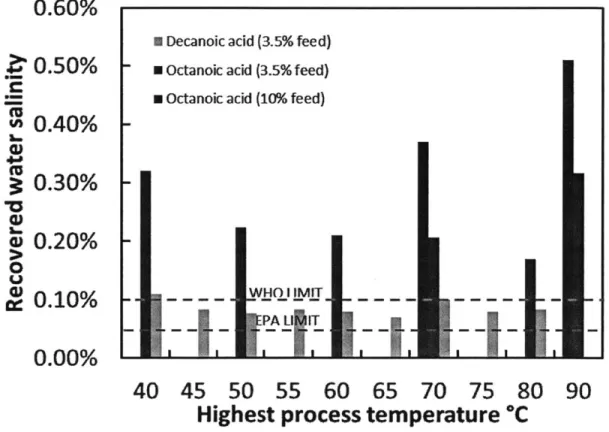
Figure 8, as a function of highest process temperature for both decanoic acid and octanoic acid. Salinity of recovered water varied between 0.07% (700 ppm) and 0.11% (1100 ppm) for decanoic acid. Experiments with octanoic acid resulted in higher product salinities of between 0.17% (1700 ppm) and 0.32% (3200 ppm). Experiments with octanoic acid and 10% TDS feed water resulted in even higher product salinities of between 0.37% (3700 ppm) and 0.51% (5100 ppm). According to WHO standards drinking water must not have more than 0.1% (1000 ppm) [9] salinity while EPA standards define drinkable water as containing less than 0.05% salt (500
ppm) [78]. Other standards define up to 0.14% (1400 ppm) salinity as acceptable [53]. In theory, given that no salt is expected to dissolve in the solvent, the final salinity of the recovered water should be zero. The remaining salt is attributed to the possibility that not all the un-dissolved
brine salt had separated before decantation and eventually mixed with precipitated water. The higher degree of salinity in the product water from octanoic acid trials may be attributed to the shorter brine separation times used in those experiments (1 min vs. 60 min). Salinities greater than the drinking water limits may not be an issue for produced water application. Industry surveys suggest that operators may be able to use water with salinity as 1% (10000 ppm) for reuse and water with salinity up to 0.3% (3000 ppm) may be stored in open ponds or transported without treating them as hazardous waste.
M 4-cU 0 3:
a)
0.60%
0.50%
0.40%
0.30%
0.20%
0.10%
0.00%
I M " " i "M ""1l 140 45 50 55 60 65 70 75 80 90
Highest process temperature
*C
Figure 8. Salinity of product water from experimental runs with Decanoic acid and Octanoic acid for feed salinity of 3.5% and 10% (only with Octanoic)
![Figure 13. Exergy consumption as a function of the highest process temperature for directional solvent extraction (DSE) with decanoic acid compared with literature values for reverse osmosis (actual electricity consumption) [31-34], and](https://thumb-eu.123doks.com/thumbv2/123doknet/14747584.578771/53.918.116.766.132.574/consumption-function-temperature-directional-extraction-literature-electricity-consumption.webp)