HAL Id: hal-03038593
https://hal.archives-ouvertes.fr/hal-03038593
Submitted on 11 Dec 2020HAL is a multi-disciplinary open access
archive for the deposit and dissemination of sci-entific research documents, whether they are pub-lished or not. The documents may come from teaching and research institutions in France or abroad, or from public or private research centers.
L’archive ouverte pluridisciplinaire HAL, est destinée au dépôt et à la diffusion de documents scientifiques de niveau recherche, publiés ou non, émanant des établissements d’enseignement et de recherche français ou étrangers, des laboratoires publics ou privés.
Exogenic basalt on asteroid (101955) Bennu
D. Dellagiustina, Hana H. Kaplan, Amy A. Simon, William F. Bottke, Chrysa
Avdellidou, Marco Delbo, Ronald-L Ballouz, D. Golish, Walsh K., H.
Campins, et al.
To cite this version:
D. Dellagiustina, Hana H. Kaplan, Amy A. Simon, William F. Bottke, Chrysa Avdellidou, et al.. Exogenic basalt on asteroid (101955) Bennu. Nature Astronomy, Nature Publishing Group, 2020, �10.1038/s41550-020-1195-z�. �hal-03038593�
1. Extended Data
1
2
●
3
Figure # Figure title
One sentence only
Filename
This should be the name the file is saved as when it is uploaded to our system. Please include the file extension. i.e.:
Smith_ED_Fi_1.jpg
Figure Legend
If you are citing a reference for the first time in these legends, please include all new references in the Online Methods References section, and carry on the numbering from the main References section of the paper.
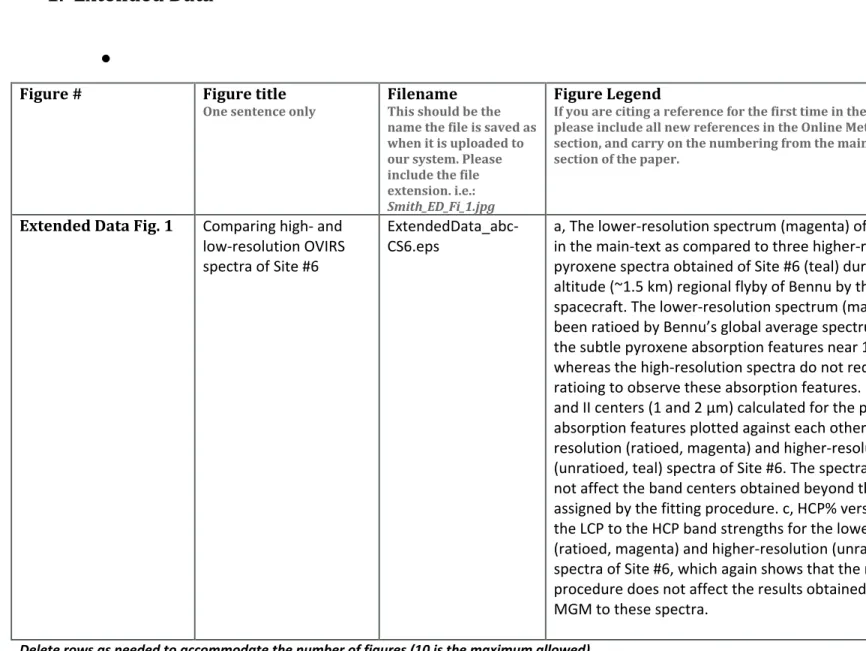
Extended Data Fig. 1 Comparing high- and
low-resolution OVIRS spectra of Site #6
ExtendedData_abc-CS6.eps
a, The lower-resolution spectrum (magenta) of Site #6 shown in the main-text as compared to three higher-resolution pyroxene spectra obtained of Site #6 (teal) during a lower altitude (~1.5 km) regional flyby of Bennu by the OSIRIS-REx spacecraft. The lower-resolution spectrum (magenta) has been ratioed by Bennu’s global average spectrum to bring out the subtle pyroxene absorption features near 1 and 2 μm, whereas the high-resolution spectra do not require any ratioing to observe these absorption features. b, The band I and II centers (1 and 2 μm) calculated for the pyroxene absorption features plotted against each other, for the lower-resolution (ratioed, magenta) and higher-lower-resolution
(unratioed, teal) spectra of Site #6. The spectral ratioing does not affect the band centers obtained beyond the uncertainty assigned by the fitting procedure. c, HCP% versus the ratio of the LCP to the HCP band strengths for the lower-resolution (ratioed, magenta) and higher-resolution (unratioed, teal) spectra of Site #6, which again shows that the ratioing
procedure does not affect the results obtained by applying the MGM to these spectra.
Delete rows as needed to accommodate the number of figures (10 is the maximum allowed).
4
2
2. Supplementary Information:
5
A.
Flat Files
6
7
Item Present? Filename
This should be the name the file is saved as when it is uploaded to our system, and should include the file extension. The extension must be .pdf
A brief, numerical description of file contents.
i.e.: Supplementary Figures 1-4, Supplementary Discussion, and
Supplementary Tables 1-4.
Supplementary Information Yes SupplementaryInformati
on_Pyroxene_on_Bennu _200714_FINAL.pdf
Supplementary Figures 1-9, Supplementary Tables 1-4
Reporting Summary No
8
9
Exogenic Basalt on Asteroid (101955) Bennu
10
11
D. N. DellaGiustina1,2*†, H. H. Kaplan3*†, A. A. Simon4, W. F. Bottke3, C. Avdellidou5, M. Delbo5, R.-L.
12
Ballouz1, D. R. Golish1, K. J. Walsh3, M. Popescu6, H. Campins7, M. A. Barucci8, G. Poggiali9, R. T. Daly10, L. Le
13
Corre11, V. E. Hamilton3, N. Porter1, E. R. Jawin12, T. J. McCoy12, H.C. Connolly Jr.13,1, J. L. Rizos Garcia6, E.
14
Tatsumi6, J. de Leon6, J. Licandro6, S Fornasier8, M. G. Daly14, M. M. Al Asad15, L. Philpott15, J. Seabrook14, O.
15
S. Barnouin10, B. E. Clark16, M. C. Nolan1, E. S. Howell1, R. P. Binzel17, B. Rizk1, D. C. Reuter4, and D. S.
16
Lauretta1
17
18
(1) Lunar and Planetary Laboratory, University of Arizona, Tucson, AZ, USA. (2) Department of Geosciences,
19
University of Arizona, Tucson, AZ, USA. (3) Southwest Research Institute, Boulder, CO, USA. (4) NASA
20
Goddard Space Flight Center, Greenbelt, MD, USA. (5) Université Côte d’Azur, Observatoire de la Côte
21
d’Azur, CNRS, Laboratoire Lagrange, Nice, France. (6) Instituto de Astrofísica de Canarias and
22
Departamento de Astrofísica, Universidad de La Laguna, Tenerife, Spain. (7) Department of Physics,
23
University of Central Florida, Orlando, FL, USA. (8) LESIA, Observatoire de Paris, Université PSL, CNRS,
24
Université de Paris, Sorbonne Université, 5 place Jules Janssen, 92195 Meudon, France (9)
INAF-25
Osservatorio Astrofisico di Arcetri, Florence, Italy (10) The Johns Hopkins University Applied Physics
26
Laboratory, Laurel, MD, USA (11) Planetary Science Institute, Tucson, AZ, USA. (12) Smithsonian Institution
27
National Museum of Natural History, Washington, DC, USA. (13) Department of Geology, Rowan University,
28
Glassboro, NJ, USA. (14) The Centre for Research in Earth and Space Science, York University, Toronto,
29
Ontario, Canada. (15) Department of Earth, Ocean and Atmospheric Sciences, University of British
30
Columbia, Vancouver, British Columbia, Canada. (16) Department of Physics and Astronomy, Ithaca College,
31
Ithaca, NY, USA. (17) Department of Earth, Atmospheric, and Planetary Sciences, Massachusetts Institute of
32
Technology, Cambridge, MA, USA.
33
34
† These authors contributed equally to this work
35
36
*Corresponding authors:
37
Daniella N. DellaGiustina ([email protected])
38
Hannah H. Kaplan ([email protected])
39
40
Summary Paragraph:
41
When rubble-pile asteroid 2008 TC3 impacted Earth on October 7, 2008, the recovered rock fragments
42
indicated that such asteroids can contain exogenic material [1,2]. However, spacecraft missions to date
43
have only observed exogenous contamination on large, monolithic asteroids that are impervious to
44
collisional disruption [3, 4]. Here we report the presence of meter-scale exogenic boulders on the
45
surface of near-Earth asteroid (101955) Bennu—the 0.5-km, rubble-pile target of the OSIRIS-REx
46
mission [5] which has been spectroscopically linked to the CM carbonaceous chondrite meteorites [6].
47
Hyperspectral data indicate that the exogenic boulders have the same distinctive pyroxene
48
composition as the howardite–eucrite–diogenite (HED) meteorites that come from (4) Vesta, a
525-km-49
diameter asteroid that has undergone differentiation and extensive igneous processing [7, 8, 9].
50
Delivery scenarios include the infall of Vesta fragments directly onto Bennu or indirectly onto Bennu’s
51
parent body, where the latter’s disruption created Bennu from a mixture of endogenous and exogenic
52
debris. Our findings demonstrate that rubble-pile asteroids can preserve evidence of inter-asteroid
53
mixing that took place at macroscopic scales well after planetesimal formation ended. Accordingly, the
54
presence of HED-like material on the surface of Bennu provides previously unrecognized constraints on
55
the collisional and dynamical evolution of the inner main belt.
56
2
We discovered six unusually bright boulders >1.5 m in diameter on the surface of Bennu (Fig. 1) in images57
acquired by the OSIRIS-REx Camera Suite (OCAMS) [10]. These boulders are observed in the equatorial to
58
southern latitudes some are found in clusters, whereas others are more dispersed (Fig. 2a).
59
60
The bright boulders exhibit extremely different albedos than the bulk of the asteroid’s surface, which has an
61
average albedo of 4.4% [11, 12]. The global albedo distribution based on data from the OCAMS MapCam
62
and PolyCam imagers is unimodal at centimeter scales [11]; however, these boulders are outliers at 13σ to
63
40σ above the mean (Fig. 2b; Supplementary Fig. 1). Furthermore, MapCam colour images show that the
64
0.70/0.85 μm band ratio of these boulders is distinct from that of the global average spectrum of Bennu (Fig.
65
2b). The band ratio suggests the presence of an absorption feature beyond 0.85 μm and is consistent with
66
the presence of mafic minerals, such as pyroxene or olivine. The substantial albedo and colour deviation of
67
this population of boulders, as well as their rarity, suggests a separate provenance from the rest of Bennu’s
68
regolith.
69
70
Spectra collected by the OSIRIS-REx Visible and InfraRed Spectrometer [13] show that these six bright
71
boulders contain pyroxene, and not olivine, as indicated by a second absorption near 2 μm (Fig. 2c, Extended
72
Data Fig. 1a). Pyroxene is a major rock-forming mineral in planetary materials, and numerous studies have
73
quantitatively linked pyroxene compositions with spectral signatures in the visible and near infrared
74
[14,15,16,17]. Pyroxenes can crystallize in different systems (monoclinic clinopyroxenes and orthorhombic
75
orthopyroxenes) and with differing calcium cation chemistry. These factors influence the absorption bands I
76
and II—near 1 and 2 μm—and yield a systematic relationship between high- and low-calcium pyroxene
77
[14,15,18]. The bright boulders studied here have band I centers that range from ~0.90 to 0.95 μm and band
78
II centers from ~1.95 to 2 μm (Fig. 3a, Extended Data Fig. 1b).
79
Although band centers can be used to distinguish between pyroxene compositions, they are less diagnostic
80
for mineral mixtures that contain multiple pyroxenes. Thus, we also applied the Modified Gaussian Model
81
[16] to OVIRS spectra of the bright boulders (Fig. 2c, Extended Data Fig. 1a); this allowed us to resolve
82
overlapping absorption features near 1 and 2 μm that arise from different mafic silicates. A major application
83
of MGM is to separate absorptions of high-calcium pyroxene (HCP) from those of low-calcium pyroxene
84
(LCP) to estimate the abundance of HCP as a percentage of total pyroxene (HCP%). HCP% is an indicator of
85
igneous differentiation in asteroids because as chondritic material melts, the partial melt is enriched in HCP,
86
and the residue is strongly depleted in HCP [17].
87
We find HCP% values that range from 45 to 55%, indicating that the pyroxene identified on Bennu came
88
from a body large enough to support igneous processes (Fig. 3b, Extended Data Fig. 1c). These values are
89
not consistent with chondritic material, either from Bennu’s parent body or from contamination by ordinary
90
chondrites [17,19]. This composition, combined with the overall carbonaceous chondrite-like nature of
91
Bennu, indicates that the observed pyroxene is exogenic. The alternative would require the formation of
92
HCP as an incipient melt on Bennu’s parent body, which is not compatible with the hydrated,
phyllosilicate-93
rich composition of Bennu [6]. In terms of both estimated HCP% and band centers, the pyroxene-bearing
94
boulders on Bennu correspond to HED meteorites, and in particular eucrites (Fig. 3a-b, Extended Data Fig.
95
1c-b).
96
97
A difference is that HED meteorites are nearly 5x brighter than the exogenic boulders that we observe on
98
Bennu [20]. Laboratory studies, however, indicate that the reflectance of eucrite samples exponentially
99
decreases as they are mixed with CM meteorite powders [21]; a similar effect can be observed by linearly
100
combining spectra from carbonaceous chondrite and pyroxene from various meteorites in the visible
101
wavelengths (Methods; Supplementary Fig. 3). On Vesta, dark terrains have been attributed to the infall of
102
low-albedo carbonaceous material and have a reflectance that is 2-3x less than endogenous bright surface
103
3
units [3, 4]. It is therefore possible that the exogenic boulders have been optically mixed with low-albedo104
endogenous material from Bennu, thereby decreasing their overall reflectance. Additionally, the
pyroxene-105
bearing boulder with the highest albedo also shows the deepest 1-μm band (Fig. 2b), suggesting that
106
boulder brightness may correspond to pyroxene exposure.
107
108
HED meteorites, as well as most pyroxene-rich basaltic objects in the inner main belt, are sourced from the
109
vestoids [22, 23]—a family of asteroids that originated from, and have similar orbits to, Vesta [7, 8, 9, 22, 23].
110
This is likely the provenance of pyroxene-bearing boulders on Bennu, which have compositional
111
homogeneity and are a close spectral match to the HED meteorites (Fig. 3a-b, Extended Data Fig. 1c-b).
112
Furthermore, the population of inner main belt vestoids dynamically overlaps with the source regions of
113
Bennu (Supplementary Fig. 8), providing a pathway for these boulders to be implanted on it or its parent
114
body’s surface [24, 25].
115
116
Dynamical models suggest that Bennu’s parent body, which was >100 km, disrupted ~0.8 to 1.5 Ga ago from
117
an inner main belt asteroid family, resulting in the formation of Bennu [24, 25]. After its formation, Bennu
118
drifted across the inner main belt to a dynamical resonance that would take it to its current near-Earth orbit,
119
a few Ma to tens of Ma ago [24, 25, 26]. En route, Bennu may have been impacted by one or more small
120
vestoids, leaving behind the observed exogenic boulders. Alternatively, Bennu’s parent body could have
121
been contaminated by vestoids, which litter the present day inner main belt [8]. The impactors would have
122
left behind meter-scale or larger material near or on the surface. When Bennu’s parent body was
123
subsequently disrupted, Bennu would have been created from a scramble of parent body and exogenic
124
debris.
125
126
Laboratory collision experiments on porous surfaces show that up to 20% of a projectile’s material can
127
survive unmelted at low impact speeds < 2.6 km s-1 and vertical incidence [27, 28]. However, most impacts in
128
the main belt would have occurred at higher velocities; we find that only 10 to 44% of all vestoids could have
129
encountered Bennu at < 2.6 km s-1 (Methods). Although small projectiles moving at these low velocities
130
could account for meter-sized exogenic boulders on Bennu, they cannot readily explain the multi-meter
131
ones. This is because the progenitors of boulders ~4 m would require impactors so large that they should
132
catastrophically disrupt Bennu, even at low impact velocities (Methods).
133
134
Another possibility is that Bennu accumulated from the remnants of a catastrophic collision between its
135
precursor and a vestoid. Vestoids, however, do not dominate the present-day main belt at small sizes [29],
136
and meteorites from Vesta only account for 6% of falls [30]. It is conceivable that circumstances existed
137
shortly after the formation epochs of the vestoids, near 1 and 2 Ga ago [31, 32], where Vesta fragments
138
dominated the main belt at small sizes for a brief period of time. Even so, the probabilities of creating and
139
preserving Bennu under this scenario remain small (Methods).
140
141
This leads us to favor the parent body scramble scenario. Although modeling this scenario presents several
142
complexities, the longer lifetime and larger surface area of the parent body relative to Bennu would have
143
resulted in a higher number of probable impacts (Methods). Furthermore, the parent body was large enough
144
to withstand high-velocity projectiles that would disrupt Bennu, increasing its overall number of probable
145
impacts relative to Bennu. The parent body scramble scenario is also consistent with the geological setting
146
of the exogenic boulders. Although half are proximal to putative impact craters, crater-scaling relationships
147
show it is unlikely that the exogenic boulders produced those craters (Methods; Supplementary Fig. 5 and
148
Tab. 2). Moreover, at Site 4, we observe bright pyroxene-bearing clasts embedded within the darker host
149
matrix of a larger partially buried boulder (diameter ~ 5 m) whose overall colour and albedo are similar to
150
Bennu’s average surface (Fig. 1d, Supplementary Fig. 6). This suggests that the boulder is an impact breccia
151
4
(rather than two distinct rocks), and comparable textures observed at Sites 2 and 3 may be further examples152
of breccias. If so, these would likely have originated on Bennu’s parent body, because meter-scale
153
brecciation requires energies that would disrupt Bennu [33, 34].
154
155
It is not yet clear why we observe HED-like boulders and no other exogenic material on Bennu, but
higher-156
resolution data from regional OSIRIS-REx mission phases, and ultimately analysis of the returned sample,
157
may reveal contributions from other impactors. For now, the presence of HED lithologies offers insights into
158
other small asteroids; assuming that Bennu is representative, meter-scale exogenic material should exist on
159
many and may not have been detected owing to observational limitations. This is consistent with prior
160
studies which speculated that dark boulders found on the small (~0.3 km) S-type asteroid Itokawa are
161
exogenous in origin [35]. Additionally, our observations complement the finding of ordinary chondrite–like
162
boulders on (162173) Ryugu, the ~1-km rubble-pile target of the Hayabusa2 mission that is similar to Bennu
163
in terms of its albedo and composition [36, 37, 38]. Differing exogenic lithologies on Bennu and Ryugu
164
indicates they may have experienced different collisional histories.
165
The exogenic boulders on Bennu also provide context for recent discoveries of pyroxene clasts embedded in
166
CM meteorites [39, 40]; conversely, xenolithic fragments of CM meteorites have been observed in some
167
HEDs [41]. Our findings suggest that the OSIRIS-REx sample returned from Bennu may yield material that
168
originated from Vesta. Such a finding could merge our understanding of the collisional processes observed
169
on planetary surfaces with that of xenoliths observed in the meteorite collection.
170
5
Figure Captions171
172
Figure 1 | In OCAMS PolyCam images, six unusually bright boulders exhibit a variety of textures. a, The
173
boulder at Site 1 appears to have a flat, planar, exposed face (See Supplementary Fig. 9). b-c, Sites 2 and 3
174
are more angular and hummocky boulders with textures that indicate potential layering or brecciation. d,
175
Whereas some bright boulders appear to be resting on the surface of the asteroid, Site 4 includes two bright
176
pyroxene-bearing clasts that appear embedded within a large partially buried boulder whose albedo is
177
similar to Bennu’s average. As with Sites 2 and 3, this may be indicative of brecciation. e-f, The boulders at
178
Sites 5 and 6 have variable albedos that change across their faces. The diffuse appearance may result from
179
variable illumination caused by the texture of the boulder faces or be due to a layer of fine low-albedo dust
180
coating the boulders. See Supplementary Table 1 for boulder dimensions.
181
182
Figure 2 | Physical and spectrophotometric properties of Bennu’s bright pyroxene-bearing boulders. a,
183
The bright pyroxene-bearing boulders (coloured circles) are observed in the equatorial to southern latitudes
184
on Bennu and their distribution appears non-uniform, perhaps owing to resolution limitations at scales ≤1 m
185
in global OSIRIS-REx MapCam data. The diameter of each circle indicates the relative size of the boulder
186
(not to scale with the background basemap). Three boulders form a cluster near 60° longitude, but the
187
others are more distributed. b, The 0.70/0.85 μm band ratio for each boulder from MapCam (~25 cm/pixel)
188
versus its panchromatic normal reflectance from PolyCam data (~7 cm/pixel). Colors correspond to panel a
189
and error bars signify the radiometric uncertainty of reflectance values (Methods). Bennu’s global average
190
0.70/0.85 μm band ratio and normal reflectance are shown for context (dashed lines) along with their 1σ
191
variation (blue shaded envelopes). c, The OVIRS spectrum for each site (colors correspond to panel a)
192
divided by the global average OVIRS spectrum of Bennu. The OVIRS spot size is ~20 m for these spectra;
193
therefore, the boulders occupy <1% of the field of view (Supplementary Fig. 2). Dividing by the global
194
average spectrum of Bennu highlights the subtle absorption features associated with the boulders. The band
195
depth at 0.92 μm (dashed line) is labeled for each spectrum just below the absorption feature to show the
196
relative strength of the band I center for every boulder.
197
198
Figure 3 | Bennu’s bright pyroxene-bearing boulders are spectrally similar to the HED meteorites. a, The
199
band centers for the 1- and 2-μm absorption features plotted against each other for spectra of bright
200
pyroxene-bearing boulders on Bennu. Band centers for several HED meteorites [18] and synthetic pyroxene
201
samples are shown for context [15]. Error bars signify the standard deviation from the Monte Carlo fitting
202
procedure used to estimate the band centers (see Methods). Site 5 was excluded from this analysis as its
203
spectrum possessed a low signal-to-noise ratio. b, HCP% versus the ratio of the LCP to the HCP band
204
strengths for bright pyroxene-bearing boulders on Bennu, as determined by applying the MGM to OVIRS
205
spectra. The ranges for meteorites, including eucrites, ordinary chondrites, and lodranites, are shown for
206
context [17]. Error bars signify the standard deviation from the Monte Carlo fitting by the MGM (see
207
Methods). Sites 4 and 5 were excluded from this analysis as their OVIRS spectra possessed low
signal-to-208
noise ratios that interfered with fitting by the MGM.
209
6
Methods210
211
Image data processing
212
Bennu’s average terrain exhibits a much lower albedo than the exogenic boulders described in this study.
213
Thus, in many MapCam and PolyCam images, these boulders are saturated. All reflectance information
214
reported here is obtained from unsaturated pixels (>98% radiometric linearity); saturated pixels (DN > 14000
215
in uncalibrated L0 MapCam images, DN > 12500 in uncalibrated L0 PolyCam images; [42]) were discarded
216
from our analysis. OCAMS images are calibrated into units of reflectance (also known as radiance factor or
217
I/F) with a 5% absolute radiometric uncertainty according to procedures described by Golish et al., (2019)
218
[42]. Images were photometrically corrected to I/F values at 0° phase angle, 0° emission angle, and 0°
219
incidence angle (0°, 0°, 0°) and (30°, 0°, 30°) using the ROLO phase function and Lommel-Seeliger disk
220
function as described by Golish et al., 2020 [43].
221
222
MapCam colour images that first detected the pyroxene-bearing boulders were acquired on March 14, 2019,
223
from 17:37 to 22:19 UTC, and their presence was confirmed in colour images acquired on September 26,
224
2019 from 17:12 to 21:50. Both days of MapCam observations provided global coverage with an approximate
225
pixel scale of ~25 cm, phase angle of ~8.5° and local solar time (LST) of ~12:49PM. For each boulder, the data
226
were acquired in nearly identical colour sets taken at short, medium, and long exposure times; we selected
227
short-exposure sets for our analysis to avoid saturated pixels. Even for the lowest exposure times, however,
228
50% of the pixels were removed due to saturation at Site 1 for the data obtained March 14, 2019. Hence, we
229
used the low-exposure-time data from September 26, 2019, for determining band ratios, as those data did
230
not experience saturation. The global MapCam panchromatic normal reflectance map was used to
231
determine the global reflectance distribution of Bennu at a pixel scale of ~32 cm. It is constructed from
232
12:30PM LST images collected from 17:39 to 22:21 UTC at a phase angle of ~8°. To the measure colour and
233
reflectance information, MapCam images were registered to the tessellated global shape model of Bennu
234
(v28; 80-cm ground sample distance (GSD)) [44] using the Integrated Software for Imagers and
235
Spectrometers version 3 (ISIS3). Mosaics and colour cubes were produced using techniques described by
236
DellaGiustina et al., 2018 [45].
237
238
PolyCam panchromatic images used to determine boulder panchromatic normal reflectance include:
239
20190307T173147S243_pol_iofL2pan.fits (Site 1), 20190328T194159S619_pol_iofL2pan.fits (Site 2 and 3),
240
20190321T191242S629_pol_iofL2pan.fits (Site 4), 20190321T190056S516_pol_iofL2pan.fits (Site 5), and
241
20190321T184411S010_pol_iofL2pan.fits (Site 6). For Sites 2 to 6, the images used to calculate the normal
242
reflectance of exogenic boulders were chosen based on the highest available resolution (~5.25 cm/pixel) and
243
lowest available emission angle. For Site 1, we selected an image with a pixel scale of ~7 cm and the lowest
244
available exposure time and no saturated pixels, as this boulder is overexposed in higher resolution images.
245
At short exposure times, however, PolyCam data experience a high degree of charge smear and 'icicle'
246
artifacts [42]. The OCAMS PolyCam charge smear correction algorithm depends on the image data to
247
determine the amount of signal to remove and is less accurate for images with icicles, as these artifacts
248
overwrite the valid data that inform the correction algorithm. This yields a lower-fidelity charge smear
249
correction and results in an additional uncertainty of 5% in short-exposure-time data. To measure the
250
dimensions and panchromatic reflectance of the exogenic boulders, PolyCam images were registered to
251
high-resolution digital terrain models (5 to 6 cm GSD) produced from OSIRIS-REx Laser Altimeter (OLA)
252
data [46].
253
254
Using ISIS3, reflectance values in PolyCam and the four MapCam bands were obtained by manually tracing
255
polygons around each pyroxene-bearing boulder in the panchromatic and colour image cubes, and
256
extracting the average pixel value from within the polygons.
257
7
258
PolyCam images that characterize the overall size and morphology of pyroxene boulders were acquired on
259
several days under varying illumination conditions throughout the Orbital A and Detailed Survey mission
260
phases [5] and include: 20190321T201326S593_pol_iofL2pan.fits, 20190328T194159S619_pol_iofL2pan.fits,
261
20190321T190958S257_pol_iofL2pan.fits, 20190307T-203057S263_pol_iofL2pan.fits
262
20190307T203526S248_pol_iofL2pan.fits, and 20190227T041127S994_pol_iofL2pan.fits.
263
264
Spectral data processing
265
266
Global OVIRS data used in this study were obtained from a 5-km altitude flyby which resulted in a ~20 m
267
instrument spot size (not accounting for along-track smear; see Supplementary Fig. 2). Thus, in global
268
observations, the pyroxene boulders described here occupy <1% of the field of view of OVIRS spectra. For
269
completeness, we also examined data collected by the OSIRIS-REx Thermal Emission Spectrometer [OTES;
270
47] over the same areas, but no distinct signatures for pyroxene have been confidently detected in them.
271
This is likely because OTES data cover sufficiently large areas (~40 m instrument spot size, not accounting
272
for along-track smear) such that the pyroxene boulders are a minute fraction of the field of view.
273
274
Global OVIRS data were acquired at 12:30PM and 10:00AM LST during the Detailed Survey Equatorial
275
Station observations on May 9, 2019 and May 16, 2019, respectively. Spectra were obtained in
north-to-276
south spacecraft scans that mapped Bennu’s surface as the asteroid rotated. Individual filter segments are
277
converted from calibrated radiance to I/F by resampling onto a continuous wavelength axis, subtracting a
278
modeled thermal emission, and dividing by range-corrected solar flux [48]. In these global data, the spectral
279
signatures associated with pyroxene have very shallow band depths of 1% or less, and the best method for
280
displaying them is to divide by a global average spectrum to remove any spectral artifacts or other globally
281
prevalent absorption signatures. The global average was calculated using ~2000 OVIRS spectra acquired at
282
the same LST and has a weak linear blue slope of less than -1% per 100 nm from 0.5-2.5 µm (Supplementary
283
Fig. 4). After dividing all spectra by the global average, regions with potential pyroxene signatures were
284
identified by a manual search and by an automated search for a broad absorption feature at 0.92 µm. Both
285
methods identified the same locations for the strongest signatures, corresponding to the brightest boulders
286
in OCAMS images.
287
288
Ratioing these spectra by the global average removed artificial discontinuities that correspond to the OVIRS
289
filter segment boundaries at 0.65, 1.05 and 1.7 µm, and also eliminated the presence of ubiquitous narrow
290
absorption features at 1.4, 1.9 and 2.3 µm that are not associated with pyroxene. Additionally, we obtained
291
an opportunistic regional OVIRS observation of the Site #6 pyroxene at higher-resolution (~5 m spot size)
292
during a low-altitude (~1.4 km) flyby performed on October 26, 2019 at 20:07 UTC (Extended Data Fig. 1a).
293
During this observation, the Site #6 boulder more completely filled the OVIRS field of view; thus, the
294
pyroxene absorption features are clearly present, and there was no need to ratio these spectra with the
295
global average spectrum of Bennu. Comparing higher-resolution spectra of Site #6 (unratioed) to those
296
obtained at lower resolution (ratioed) indicates that the ratioing procedure used here does not influence the
297
results of our analyses beyond the assigned uncertainties (Extended Data Fig. 1).
298
299
In the global data, the OVIRS field-of-view was continuously scanned across the surface and regions with
300
sharply contrasting features can show “jumps” in the spectrum from 0.4 to 0.66 µm or 0.66 to 1.08 µm, as
301
different wavelength regions were acquired over a slightly different part of the surface. Thus, the manual
302
inspection was necessary to rule out false positive pyroxene detections and to identify other nearby spectra
303
that were missed in the automated search. Any “jumps” were corrected by adjusting that portion of the
304
spectrum to match the absolute brightness of the spectrum on either side of the jump. Co-located
305
8
detections were averaged together to produce a site-averaged spectrum, which was then smoothed using a306
3-sigma Gaussian kernel. Finally, the continuum was removed using a linear fit between 0.7 and 2.5 µm.
307
Uncertainties in 0.92-µm band depth were estimated using a five-channel standard deviation in the
308
unsmoothed data.
309
310
To determine band centers, we fit Gaussian curves to the 1- and 2-µm pyroxene absorptions in the
311
continuum-removed ratioed spectra and found the Gaussian center wavelength. We used a Monte Carlo
312
approach, in which the initial Gaussian centers were varied by a random value less than or equal to ± 0.05 µm
313
and the best fit was recorded for each of 10,000 model fits to determine the uncertainty on our estimated
314
band centers. A similar approach was used to resolve individual absorptions.
315
316
To resolve pyroxene absorptions due to HCP and LCP, we applied the MGM to OVIRS data from 0.4 to 2.6
317
µm and fit six to seven Gaussians to the region after analyzing initial runs [49]. Of these Gaussians, two were
318
fit to LCP absorptions (~0.92 and 1.90 µm) and three to HCP absorptions (1.00, 1.20, and 2.30 µm) [17]. In the
319
model, Gaussian curves are superimposed on a baseline continuum, which is linear in wavenumber space,
320
and the model is inverted to solve for Gaussian center, amplitude, and width, and the continuum
321
simultaneously. Model constraints control the magnitude of change possible for each of these parameters
322
and do not allow for unphysical solutions (e.g., inverted Gaussians). Supplementary Table 3 and 4 provide
323
the MGM fit and Gaussians used in this analysis.
324
325
We used a Monte Carlo approach to calculate uncertainty on model output parameters by systematically
326
varying the model starting conditions. Although the MGM has built-in methods for estimating uncertainty
327
on each model parameter from known physical properties, we have limited knowledge of a priori
328
uncertainty given that these are spacecraft detection of unknown materials with unknown origin. Therefore,
329
we ran the model 10,000 times and changed the initial Gaussian band center estimates for each of the seven
330
Gaussians by an independent, random number normally distributed between ± 0.50 μm (or approximately
331
10 OVIRS channels) for each model run. We recorded initial band positions and model results, using the full
332
set of 10,000 runs to estimate uncertainty values on each parameter; a model was considered successfully fit
333
if the full set of results converged and we found that in all cases, we were able to use the same set of starting
334
parameters and achieve model convergence.
335
336
Average Gaussian amplitudes from the MGM runs were used to calculate the “component band strength
337
ratio" [49], or the ratio of LCP to HCP band strengths. We use the ratio of band strengths in the 1-µm band,
338
rather than the 2-µm band, because of potential uncertainty in 2-µm band calibrations due to temperature
339
[18].
340
341
Spectral mixing model
342
We constructed a simple linear mixing model to assess whether the lower albedo of pyroxene-bearing
343
boulders on Bennu, relative to that of HED meteorites, can be explained by combining the spectra of CI/CM
344
chondrites and achondritic pyroxenes. Specifically, we used a "checkerboard" approach [50] that assumes
345
that the compositions are optically separated, so that multiple scattering occurring between the
346
constituents is negligible.
347
We considered an areal ratio in the order of A% for the basaltic material and B% for carbonaceous material.
348
The combination can be expressed with the formula Rf = A x RPYX + B x RCC, where Rf is the reflectance
349
spectrum, RPYX is the median spectrum of meteoritic pyroxenes, and RCC is the median spectrum of CI/CM
350
chondrites. We applied the model to linear combinations of achondritic and CM/CI meteorite spectra from
351
RELAB [51]. By searching all possible combinations, we found that the spectrophotometric match observed
352
for the MapCam pyroxene-bearing boulders is best fit by linear combinations of 5–20% of various meteoritic
353
9
pyroxenes with 95–80% carbonaceous chondrites (CMs and CIs). This is exemplified in Supplementary Fig. 3,354
which shows that a small amount of basaltic material mixed with CM material can result in the observed
355
effect. The best fit obtained for the pyroxene-bearing boulder in Site 1 corresponds to a combination of the
356
spectrum (A = 20%) of ALHA77005,193 pyroxene (Sample ID: DD-MDD-034, RELAB file: C1DD34) with the
357
spectrum (B = 80%) of the Murchison meteorite (Sample ID: MS-CMP-002-E, RELAB file: CEMS02).
358
359
Collisional model
360
We examined whether Bennu or its parent body could have been plausibly contaminated by debris from the
361
vestoids. We also explored whether the pyroxene-bearing boulders could have come from the disruption of
362
Bennu’s contaminated parent body. For the latter, we assume that Bennu is a first-generation rubble pile
363
based on work which shows that the fraction of bodies that escape the Polana and Eulalia asteroid families
364
are dominated by first-generation objects [52]. This is in contrast to the possible intermediate parent-body
365
stages for the asteroid Ryugu [37], inferred in part by its partial dehydration, which is not observed on Bennu
366
[6]. Our work takes advantage of established methods and codes (e.g., Bottke et al. 1994 [53]; Avdellidou et
367
al. 2018 [54]; Briani et al. 2011[55]; Gayon-Markt et al. 2012 [56]; Turrini et al., 2014 and 2016 [57, 58]).
368
369
For the population of projectiles, we considered the present-day Vesta family, which includes 15,238 known
370
asteroids with proper semi-major axis between 2.24 and 2.48 AU, 0.075–0.133 proper eccentricity, 5–8°
371
proper inclination, and absolute magnitude H between 12 and 18.3 [59]. Diameters (D) have been measured
372
for 1889 of these asteroids; when the diameter is not known, it is possible to estimate it using the average
373
geometric visible albedo pV = 0.34 of the family and the H values of each asteroid with the equation D(km) =
374
1329 (pV)–1/2 10(–H/5). The cumulative size-frequency distribution for asteroids with 12 < H < 17 (the upper limit
375
corresponds to the current completeness of the main belt) can be fit by a power law of the form Nvestoids =
376
Da10b with a = –2.5 and b = 4.1, allowing us to extrapolate the Vesta family population to sizes smaller than
377
what is currently observable (Supplementary Fig. 7). Because we expect that the Vesta family has lost
378
members by collisional grinding, the present-day vestoid population represents a lower limit. In particular,
379
the vestoids likely formed at two different epochs, near 2 and 1 Ga ago, linked to the formation of the
380
Veneneia and Rheasilvia basins on Vesta [31, 32]. As a result, the first generation of vestoids experienced a
381
decline at D >1 km due to collisional grinding, before being combined with the second generation.
382
383
First, we assessed the possibility of vestoid contamination of Bennu’s parent body. Using the present-day
384
Vesta family, we calculated the intrinsic collision probability, P, and the impact velocity, V, between a
385
representative set of vestoids and Bennu’s parent body given their semimajor axes (a), eccentricity (e), and
386
inclination (i) (e.g., see [53] for methodology). Dynamical models indicate that the source region of Bennu
387
could be the Polana (sometimes referred to as New Polana) or Eulalia asteroid families [24], with a 70% and
388
30% probability, respectively [24]. Accordingly, we considered each family’s largest remnant as the putative
389
parent bodies: (142) Polana, with proper (a, e, i) of (2.4184 au, 0.1576, 3.316°), and (495) Eulalia, with proper
390
(a, e, i) of (2.4868 au, 0.1185, 2.516°). The sizes of the Eulalia and Polana parent bodies were estimated to be
391
at least 100 to 200 km in diameter, respectively [24]. We found that the average impact probability <P> of
392
vestoids impacting Polana and Eulalia is 8.9 x 10⁻¹⁸ and 8.6 x 10⁻¹⁸ impacts km–2 yr–1, respectively, with
393
corresponding average impact velocities <V> of 3.5 and 4 km s–1.
394
Next we considered direct contamination of Bennu’s surface from meter-scale vestoid fragments. We
395
modeled Bennu test asteroids (assuming a 250 m radius) that were located within the Polana and the Eulalia
396
families at six different plausible locations in (a, e, sin i) space (Supplementary Fig. 8). For the six test
397
asteroids, the value of <P> varies between 8.8 x 10⁻¹⁸ and 1.3 x 10⁻¹⁷ impacts km–2 yr–1, and average impact
398
velocities <V> between 3.3 and 4.2 km s-1. We modified our algorithm to account for orbital intersections
399
that correspond to lower impact velocities, V < 2.6 km s-1, for which we expect at least 20% of projectile
400
material to be retained as unmelted fragments on the porous granular target after impact [27, 28]. We note
401
10
here that observations of brecciated lithologies that included unmelted fragments were reported by Daly402
and Schultz [60, 61] indicating that it is plausible for such fragments to be implanted at velocities up to 5 km
403
s-1, though the proportion of unmelted material was not directly quantified by their studies. Due to the
404
different techniques to quantify the retention of preserved impactor material, we prefer to remain
405
conservative and use as cutoff V < 2.6 km s–1, noting that a higher cutoff velocity will improve the likelihood
406
of the scenarios under consideration here. Using the cutoff of V < 2.6 km s-1 alsominimizes the possibility
407
that Bennu would have been catastrophically disrupted by the projectiles considered (see Crater Scaling
408
Model methods).
409
For the scenario where the impact velocity is V < 2.6 km s–1 we find that <P> of vestoids impacting Polana
410
and Eulalia is 1.4 x 10⁻¹⁸ and 2 x 10–18 impacts km-2 yr-1, respectively. On the Bennu test asteroids, <P> ranges
411
1.4 x 10⁻¹⁸ to 3.9 x 10⁻¹⁸ impacts km–2 yr–1. This demonstrates that average impact probabilities <P> of Vesta
412
family members impacting Polana, Eulalia, and Bennu (while it was in the main belt) are of the same order of
413
magnitude. From the ratio of probabilities calculated above with constrained and unconstrained impact
414
velocities, we conclude that between 16% (for Polana) and 23% (for Eulalia) of vestoids were available to
415
impact Bennu’s parent body at V < 2.6 km s-1. Depending on whether its prior location was within either the
416
Polana and Eulalia families, as modeled by our six test asteroids, we find that anywhere from 10 to 44% of
417
vestoids were available to impact Bennu directly at V < 2.6 km s-1. This demonstrates that based on impact
418
probability alone, the likelihood of low-speed impacts between Bennu or its parent body and Vesta’s
419
fragments are non-negligible. However, Eulalia and Polana would still capture more impactors by virtue of
420
their larger cross-sectional areas (exceeding Bennu’s by a factor of 104 to 105).
421
We further assessed the likelihood of whether or not slow-moving impactors from the Vesta family could
422
have been added to Bennu. The number of impacts, N, that a target can undergo from a specific projectile
423
population can be approximated by [62]: N = <P> (A/π) ΔT Nproj, where A is the sum of the cross-section of
424
the target and of each impactor (i.e., π is included in <P>, so we scale the A value by π), ΔT is the time
425
interval and Nproj is the number of potential impactors in a diameter range D (e.g. Nproj = dN/dD ΔD). We
426
assumed that ΔT was 1 Ga, the approximate age of Bennu’s source family [24], and that (A/π) = 0.0625 km2
427
(using a 250 m radius for Bennu). Poisson statistics control the number of impacts on a target; therefore, we
428
set N = 3 to have reasonable (95%) probability of at least one impact. By calculating <P> values for six Bennu
429
test asteroids, we determined that Nproj needs to be between 1.2 x 10¹⁰ and 3.4 x 10¹⁰ in order for Bennu to
430
have a 95% chance of experiencing at least one impact from a vestoid. We find that such values of Nproj in the
431
Vesta family size distribution correspond to meter-scale vestoids. Accordingly, it is plausible that some
432
meter-scale objects were added to Bennu.
433
While it is possible for meter-sized objects to strike Bennu at low velocities, we have not yet accounted for
434
how the projectiles will fragment upon impact. Our expectation is the surviving boulders will be smaller than
435
the observed boulders. It is possible that by adjusting parameters (e.g. considering impact speeds than <4
436
km s-1), we could deliver meter-scale boulders, for example 4 m in diameter, but that would not explain the
437
existence of the observed and intact 4 m boulder on Bennu.
438
An alternative scenario is that Bennu’s parent body was contaminated by sufficient pyroxene impactors that
439
its disruption could plausibly produce the observed vestoid-like boulders on Bennu. Our goal here is to
440
conduct a plausibility study, such that certain details of the problem will be ignored for now. We believe
441
there are certain advantages in this hypothesis: (i) Bennu's parent body is large enough to withstand the
442
impacts of Vestoids that are many kilometers in size without difficulty, (ii) fragments produced by such an
443
impact can easily be both 1 to 4 m meters in size, and (iii) laboratory shot experiments into porous materials
444
indicate that craters on large carbonaceous chondrite bodies form in the compaction regime and produce
445
little ejecta; this suggests that considerable mass from the projectile would remain bound to the parent body
446
11
[63, 64].447
For constraints, we first examined the meter-scale pyroxene-bearing boulders on Bennu. Their net volume is
448
at most ~70 m3 (Supplementary Table 1). We assumed that these boulders contaminated an exterior shell on
449
Bennu that is 3 to 5 m deep, yielding a volume of 2.3 x 10⁶ m3 to 3.9 x 10⁶ m3. If we assume that Bennu’s
450
interior is as contaminated by exogenic boulders as its surface, the ratio of the two values, 3 x 10⁻⁵ to 1.8 x 10
-451
5, tells us the fraction of vestoid material that had to be included into the parent body material that
452
ultimately made Bennu. We call this target contamination value Ctarget.
453
Using the diameters above, the estimated volumes of Eulalia and Polana are 5.2 x 10¹⁴ m3 to 4.2 x 10¹⁵ m3. As
454
an upper limit, we assumed that any basaltic material that struck the surface of these bodies remained [63,
455
64]. If Bennu came from a disruption event that completely mixed the contaminated surface of the parent
456
body with its interior, the net volume of vestoids able to reproduce Ctarget corresponds to spherical impactors
457
with diameters of 2.6 to 3.1 km and 5.3 to 6.2 km for the 100- and 200-km parent bodies, respectively. The
458
question is whether this is plausible given what we know about the existing population of the Vesta family.
459
Using the equation N = <P> (A/π) ΔT Nproj, we can determine whether any of these projectile sizes could have
460
plausibly hit Bennu’s parent body prior to its disruption. Using the data from the present-day Vesta family
461
(as shown in Supplementary Fig. 7), we find that Nproj = 446 and 30 for objects that range in diameter from
462
2.6 to 3.1 km and 5.3 to 6.2 km, respectively. The cross-section of the parent body is in the range of A/π =
463
2500 km2 (for a 100-km diameter) to 10000 km2 (for a 200-km diameter). As derived above, <P> is 8.9 x 10⁻¹⁸
464
km–2 yr–1 to is 8.6 x 10⁻¹⁸ km–2 yr–1 for Polana and Eulalia, respectively. If N = 3, we find that time ΔT needed
465
to get the Ctarget level of contamination for the 100-km Eulalia parent body is 31 Ga, while for the 200-km
466
Polana parent body, it is 112 Ga. These values are much longer than the age of the Solar System, so we can
467
reject this scenario as described.
468
A more plausible scenario may be that the exterior shell of Bennu’s parent body was contaminated by
469
multiple vestoids, and these were among the debris that reaccumulated to form Bennu following
470
catastrophic disruption. Such a scenario would require us to consider many additional aspects of the
471
collisional evolution of the vestoids (e.g., [65]). For example, the Vesta family size frequency distribution
472
shown in Supplementary Fig. 7 represents a simple estimate of the initial family size distribution, but
473
collisional evolution over the age of the family (as linked to the formation of the Rheasilvia and Veneneia
474
craters on Vesta) would require additional changes to reproduce the present-day family (e.g., additional D >
475
1-km bodies). This could lead to enhanced contamination, which in turn could compensate for the
476
possibility that the fraction of projectile material retained on the parent body is less than 1 (e.g., [57]; [63]).
477
Another factor is that Bennu’s parent body could have sustained impacts from vestoids linked to the
478
formation Veneneia basin, ~2 Ga ago [31, 32] and prior to Bennu’s formation ~ 1 Ga [24, 25, 26]. This would
479
increase the likelihood that the contamination occurred on the parent body rather than on Bennu.
480
Modelling these scenarios is complicated for several reasons: (1) There are no observational constraints on
481
the sub-kilometer population of vestoids. Thus, at a minimum, the extrapolated size-frequency distribution
482
cannot exceed the estimated ejected volumes of the basins on Vesta. (2) Collisions with main belt bodies
483
disrupt the Vesta family over time, and larger disruption events partially replenish the population of small
484
vestoids. The observed vestoid population loses bodies, so it represents a lower limit, while the estimated
485
extrapolated population does not account for collisional grinding, so it represents an upper limit. (3) It is
486
necessary to consider the formation ages of the Rheasilvia and Veneneia basins, whose creation produced
487
different components of the Vesta family, and the disruption age of Bennu's parent body, which was struck
488
by vestoids. In particular, because Rheasilvia basin overprints Veneneia, the surfaces of Veneneia were likely
489
modified by the later event. Accordingly, although Veneneia's estimated crater retention age is ~2 Ga, the
490
12
real age of Veneneia, as well as the oldest portion of the Vesta family, may be much older. Knowledge of the491
precise age of Veneneia could help test our hypothesis.
492
Overall, however, computations performed here illustrate that it is plausible that vestoids could have been
493
added to either Bennu or its parent body. However, Bennu can likely only withstand impacts of lower speed,
494
whereas the parent body could capture more impactors due to its larger cross-sectional area and ability to
495
withstand higher-velocity collisions. Thus, it is more likely that contamination occurred on the parent body
496
than on Bennu.
497
498
Crater Scaling Model
499
We identified craters spatially associated with five of the six exogenic boulder sites. Sites 1, 2, and 3 are
500
clustered in and around a 42 m-diameter crater, Site 4 is close to the center of an 83 m-diameter crater, and
501
Site 6 is located in the southern wall of a 128-m-diameter crater. Although crater co-location may suggest a
502
common origin, indicating direct delivery to Bennu, crater scaling and catastrophic disruption laws suggest
503
otherwise.
504
There are two scenarios that may explain exogenic boulders in the context of direct contamination of Bennu:
505
1) three individual impacts that created the associated craters and left behind proximal pyroxene-bearing
506
boulders, or 2) a single impact event that produced a single crater, resulting in proximal and distal
pyroxene-507
bearing boulders. For both scenarios, we considered hypervelocity impacts at speeds of 3 km s-1 and 5 km s-1
508
with corresponding projectile retention efficiencies of 20% [28] and 7% [66].
509
For the first scenario, the projectile retention efficiencies were used to derive the original diameter of the
510
pyroxene-bearing projectile corresponding to each of the three craters (labeled filled circles in
511
Supplementary Fig. 5). We combined the volumes of the pyroxene-bearing boulders in Sites 1, 2, and 3 to
512
calculate the size of a single projectile that created the co-located 42-m-diameter crater. We compared the
513
relationship between the projectile and crater sizes to strength- and gravity-dominated crater scaling laws
514
[66]. For both the 3 km s-1 and 5 km s-1 cases, the measured crater diameter is inversely proportional to the
515
calculated projectile size (Supplementary Table 2). This is contrary to crater scaling expectations, suggesting
516
that a multiple-impact scenario directly on Bennu is an unlikely explanation for the origin of the exogenic
517
boulders.
518
For the second scenario, the volumes of all six boulders were combined. The diameter of a single
pyroxene-519
bearing progenitor was then calculated for each impact speed case using the corresponding projectile
520
retention efficiency (unlabeled open circle in Supplementary Fig. 5). We used the largest co-located crater
521
(128-m diameter) to compare with crater scaling laws. We obtained an upper limit for a projectile size by
522
using the catastrophic disruption threshold for impacts onto a porous target [63, 64] with Bennu’s size and
523
bulk density [44] (shaded region in Supplementary Fig. 5).
524
We find that an impact at 5 km s-1 by a single progenitor would exceed the catastrophic disruption threshold
525
(Supplementary Fig. 5b). An impact by that same progenitor at 3 km s-1 is below the threshold
526
(Supplementary Fig. 5a), and lies along the strength-dominated crater scaling relation (Supplementary Fig.
527
5a). This crater-scaling relation indicates a crater retention surface age of 0.1-1.0 Ga for the surface of Bennu
528
[33], which is compatible with the direct contamination collisional model outlined in the previous section.
529
However, we note the presence of a crater on the surface of Bennu with a diameter in excess of 200 m that,
530
if similarly scaled, would suggest an associated impactor with a specific impact energy that would exceed
531
the catastrophic disruption threshold.
532
Based on measurements of the craters on Bennu [33] and crater scaling laws, we find that direct
533
contamination on to Bennu by pyroxene projectiles is difficult. Of the scenarios explored here, the only
534
13
feasible pathway for direct contamination on Bennu would be an impact by a single 10.5-m-diameter535
pyroxene projectile at a speed of 3 km s-1. However, this would suggest a strength-dominated crater scaling
536
relationship (as shown by the open circle in Supplementary Fig. 5a, which lies on the solid red line). Use of a
537
strength-dominated scaling relationship implies that Bennu should have already been catastrophically
538
disrupted by the impactor that formed its largest craters (as the corresponding impactor diameter for such a
539
crater lies right on the catastrophic disruption threshold). Thus, it seems unlikely that a strength-dominated
540
scaling law is completely appropriate for Bennu, and therefore a direct contamination scenario less
541
plausible.
542
543
Data availability: The OCAMS (MapCam and PolyCam), OLA, and OVIRS data that support the findings and
544
plots within this paper are available from the Planetary Data System (PDS) at
545
https://sbn.psi.edu/pds/resource/orex/ocams.html, https://sbn.psi.edu/pds/resource/orex/ola.html, and
546
https://sbn.psi.edu/pds/resource/orex/ovirs.html, respectively. Data are delivered to the PDS according to
547
the schedule in the OSIRIS-REx Data Management Plan, available in the OSIRIS-REx mission bundle at
548
https://sbnarchive.psi.edu/pds4/orex/orex.mission/document/. Data shown in Supplementary Figs. 7 and 8
549
were obtained from the Minor Planet Physical Properties Catalogue (MP3C, https://mp3c.oca.eu/) of the
550
Observatoire de la Côte d’Azur.
551
552
Code availability: The collisional analysis reported here uses a custom code that is based established
553
methods described in Bottke et al. 1994 [53]; Avdellidou et al. 2018 [54]; Briani et al. 2011[55]; Gayon-Markt
554
et al. 2012 [56]; Turrini et al., 2014 and 2016 [57, 58]). The ISIS3 code used to generate the image processing
555
data products is a customized version of code available from the US Geological Survey–Astrogeology
556
Science Center: https://isis.astrogeology.usgs.gov/. The MGM code used to analyze OVIRS spectral data is
557
available from RELAB at Brown University: http://www.planetary.brown.edu/mgm/
558
559
Letter References:
560
1. Jenniskens, P. A. et al. The impact and recovery of asteroid 2008 TC3. Nature 458, 485 (2009).
561
2. Bischoff, A., Horstmann, M., Pack, A., Laubenstein, M. & Haberer, S. Asteroid 2008 TC3—Almahata
562
Sitta: A spectacular breccia containing many different ureilitic and chondritic lithologies. Meteoritics &
563
Planetary Science 45, 1638-1656 (2010).
564
3. McCord, T. B. et al. Dark material on Vesta from the infall of carbonaceous volatile-rich material. Nature
565
491, 83-86 (2012).
566
4. Reddy, V. et al. Delivery of dark material to Vesta via carbonaceous chondritic impacts. Icarus 221,
554-567
559 (2012).
568
5. Lauretta, D. S. et al. OSIRIS-REx: sample return from asteroid (101955) Bennu. Space Science Reviews
569
212, 925-984 (2017).
570
6. Hamilton, V. E. et al. Evidence for widespread hydrated minerals on asteroid (101955) Bennu. Nature
571
Astronomy 3, 332-340 (2019).
572
7. Consolmagno, G. J. and Drake, M. J. Composition and evolution of the eucrite parent body: Evidence
573
from rare earth elements. Geochim. Cosmochim. Acta 41, 1271-1282 (1977).
574
8. Binzel, R. P., and Xu, S. Chips off of Asteroid 4 Vesta: Evidence for the Parent Body of Basaltic
575
Achondrite Meteorites. Science 260, 186-191 (1993).
576
9. Russell, C. T. et al. Dawn at Vesta: Testing the protoplanetary paradigm. Science 336, 684-686 (2012).
577
10. Rizk, B. et al. OCAMS: the OSIRIS-REx camera suite. Space Science Reviews 214, 26 (2018).
578
11. Lauretta, D. S. et al. The unexpected surface of asteroid (101955) Bennu. Nature 568, 55-60 (2019).
579
14
12. DellaGiustina, D. N., et al. Properties of rubble-pile asteroid (101955) Bennu from OSIRIS-REx imaging580
and thermal analysis. Nature Astronomy 3, 341-351 (2019).
581
13. Reuter, D. C. et al. The OSIRIS-REx Visible and InfraRed Spectrometer (OVIRS): Spectral maps of the
582
asteroid Bennu. Space Science Reviews 214, 55 (2018).
583
14. Cloutis, E. A. & Gaffey, M. J. Pyroxene spectroscopy revisited: Spectral-compositional correlations and
584
relationship to geothermometry. Journal of Geophysical Research: Planets 96, 22809-22826 (1991).
585
15. Klima, R. L., Pieters, C. M. & Dyar, M. D. Characterization of the 1.2 μm M1 pyroxene band: Extracting
586
cooling history from near-IR spectra of pyroxenes and pyroxene-dominated rocks. Meteoritics &
587
Planetary Science 43, 1591-1604 (2008).
588
16. Sunshine, J. M., Pieters, C. M. & Pratt, S. F. Deconvolution of mineral absorption bands: An improved
589
approach. Journal of Geophysical Research: Solid Earth 95, 6955-6966 (1990).
590
17. Sunshine, J. M. et al. High-calcium pyroxene as an indicator of igneous differentiation in asteroids and
591
meteorites. Meteoritics & Planetary Science 39, 1343-1357 (2004).
592
18. Burbine, T. H., et al. "Can Formulas Derived From Pyroxenes and/or HEDs Be Used to Determine the
593
Mineralogies of V-Type Asteroids?" Journal of Geophysical Research: Planets 123, 1791-1803 (2018).
594
19. Brearley, A.J. & Jones, R. H., in Planetary Materials, Vol. 36 (Papike, J.J., ed.), pp. 3.001-3.398
595
(Mineralogical Society of America, 1998).
596
20. Cloutis, E. A. et al. Spectral reflectance properties of HED meteorites + CM2 carbonaceous chondrites:
597
Comparison to HED grain size and compositional variations and implications for the nature of
low-598
albedo features on Asteroid 4 Vesta. Icarus 223, 850-877 (2013).
599
21. Le Corre, L. et al. How to characterize terrains on 4 Vesta using Dawn Framing Camera color bands?
600
Icarus 216, 376-386 (2011).
601
22. Moskovitz, N. A. et al. A spectroscopic comparison of HED meteorites and V-type asteroids in the inner
602
Main Belt. Icarus 208, 773-788 (2010).
603
23. Hardersen P. S. et al. Basalt or not? Near-infrared spectra, surface mineralogical estimates, and
604
meteorite analogs for 33 Vp-type asteroids. The Astronomical Journal 156, 11 (2018).
605
24. Bottke, W. F. et al. In search of the source of asteroid (101955) Bennu: Applications of the stochastic
606
YORP model. Icarus 247, 191-217 (2015).
607
25. Campins, H. et al. The origin of asteroid 162173 (1999 JU3). The Astronomical Journal 146, 26 (2013).
608
26. Walsh, K. J., Delbó, M., Bottke, W. F., Vokrouhlický, D. & Lauretta, D. S. Introducing the Eulalia and new
609
Polana asteroid families: Re-assessing primitive asteroid families in the inner Main Belt. Icarus 225,
283-610
297 (2013).
611
27. Avdellidou, C., Price, M. C., Delbo, M., Ioannidis, P. & Cole, M. J. Survival of the impactor during
612
hypervelocity collisions–I. An analogue for low porosity targets. Monthly Notices of the Royal
613
Astronomical Society 456, 2957-2965 (2016).
614
28. Avdellidou, C., Price, M. C., Delbo, M. & Cole, M. J. Survival of the impactor during hypervelocity
615
collisions–II. An analogue for high-porosity targets. Monthly Notices of the Royal Astronomical Society
616
464, 734-738 (2017).
617
29. Bottke Jr, W. F., et al. Linking the collisional history of the main asteroid belt to its dynamical excitation
618
and depletion. Icarus 179, 63-94 (2005).
619
30. Burbine, T. H. et al. in Asteroids III, ( W.F. Bottke et al., eds.) pp. 653-668 (Univ. of Arizona Press, 2002).