1 Université du Québec
Institut National de la Recherche Scientifique Institut Armand-Frappier
Antimicrobial effect of Essential Oils against pathogenic bacteria
and optimization of its formulations combined with other
preservative agents
By Mina Ghabraie
Mémoire présenté pour l’obtention du grade de Maîtres en science, M.Sc
Jury
Examinateur Externe: Prof. George Szatmari
Examinateur Interne: Prof. Canh Le Tien
Directeur de Recherche: Prof. Monique Lacroix
2
ACKNOWLEDGEMENTS
I would like to thank my supervisor, Prof. Monique Lacroix for all of her help and support during my Master.
I am very thankful to all lab members for their advice and support.
I would like to thank my parents for everything they have done for me and for making me the person who I am today. No matter where I am, I’ve always be thankful to them.
3 Table of Contents LIST OF ABBREVIATIONS ... 8 SUMMARY ... 9 CHAPTER 1 ... 11 1. INTRODUCTION ... 11 2. LITERATURE REVIEW ... 12 2.1. MICROBIOLOGY OF MEAT... 12
2.2. FOOD PATHOGENS USED IN THIS STUDY... 13
2.2.1. Listeria monocytogenes ... 13
2.2.2. Staphylococcus aureus ... 14
2.2.3. Escherichia coli ... 15
2.2.4. Salmonella Typhimurium ... 16
2.2.5. Pseudomonas aeruginosa... 17
2.3. ANTIMICROBIAL AGENTS USED IN THIS STUDY ... 18
2.3.1. Nitrite ... 18
2.3.2. Nisin ... 20
2.3.3. Organic acid salts ... 21
2.3.4. Essential Oils (EOs) ... 22
2.3.4.1. The factors that can change the EOs properties ... 23
2.3.4.2. Composition (major and minor compounds) ... 23
2.3.4.3. Mechanism of action of EOs ... 24
2.3.4.4. EOs in food ... 25
2.3.4.5. Interaction of EOs with food matrix ... 25
2.3.4.6. EOs in combined treatments ... 25
2.4. TECHNOLOGIES FOR PRESERVATION ... 26
2.4.1. Control by temperature ... 26
2.4.2. Control by moisture ... 26
2.4.3. Direct effect on microorganism ... 26
2.4.3.1. Irradiation ... 26
2.5. USING THE BEST TECHNOLOGY (HURDLE TECHNOLOGY) ... 28
2.6. ENCAPSULATION IN EDIBLE POLYMER ... 29
2.6.1. Controlled release ... 30
2.6.2. Keeping the natural taste ... 31
2.6.3. Promotion of solubility ... 31
2.6.4. Preservation of bioactivity ... 31
CHAPTER 2 : ARTICLE-1 ... 33
FRENCH ABSTRACT ... 33
ANTIMICROBIAL EFFECT OF ESSENTIAL OILS IN COMBINATIONS AGAINST FIVE BACTERIA AND THEIR EFFECT ON SENSORIAL QUALITY OF GROUND MEAT ... 34
ABSTRACT ... 35
4
MATERIALS AND METHODS ... 39
PREPARATION OF EOS ... 39
PREPARATION OF BACTERIAL CULTURES ... 39
ANTIMICROBIAL ACTIVITY OF EOS AGAINST TARGET BACTERIA USING AGAR DIFFUSION ASSAY ... 39
EVALUATION OF ANTIMICROBIAL ACTIVITY OF EOS USING MICRO-ATMOSPHERE DIFFUSION ASSAY ... 40
DETERMINATION OF MINIMUM INHIBITORY CONCENTRATION (MIC) OF EOS AGAINST TARGET BACTERIA USING BROTH MICRODILUTION ASSAY ... 40
DETERMINATION OF ANTIMICROBIAL EFFECTS OF COMBINED EOS USING CHECKERBOARD METHOD ... 41
SENSORIAL ANALYSIS OF SELECTED EOS IN COOKED MEAT ... 42
ANTIMICROBIAL ACTIVITY IN FOOD SYSTEM ... 43
STATISTICAL ANALYSIS ... 43
RESULTS ... 44
ANTIMICROBIAL EFFECTS OF EOS AGAINST FOODBORNE AND SPOILAGE BACTERIA IN AGAR DIFFUSION ASSAY ... 44
ANTIMICROBIAL EFFECTS OF EOS AGAINST FOODBORNE AND SPOILAGE BACTERIA IN MICRO-ATMOSPHERE ASSAY ... 45
ANTIMICROBIAL EFFECTS OF EOS AGAINST FOODBORNE AND SPOILAGE BACTERIA IN BROTH MICRODILUTION ASSAY ... 45
ANTIBACTERIAL EFFECTS OF COMBINED EOS AGAINST FIVE FOODBORNE AND SPOILAGE BACTERIA USING CHECKERBOARD METHOD ... 46
SENSORIAL PROPERTIES OF SELECTED COMBINED EOS IN MEAT PRODUCTS ... 47
IN SITU EVALUATION ... 47 DISCUSSION ... 48 CONCLUSION ... 55 REFERENCES ... 57 CHAPTER 3 : ARTICLE-2 ... 73 FRENCH ABSTRACT ... 73
OPTIMIZATION OF ANTIBACTERIAL ACTIVITY OF SIXTEEN FORMULATIONS CONTAINING ESSENTIAL OILS, NISIN, NITRITE AND ORGANIC ACID SALTS AGAINST LISTERIA MONOCYTOGENES IN A SAUSAGE MODEL ... 74
ABSTRACT ... 75
INTRODUCTION ... 76
MATERIAL AND METHODS ... 79
MATERIALS ... 79
BACTERIAL STRAINS ... 80
EXPERIMENTAL DESIGN FOR ANTIMICROBIAL FORMULATIONS ... 80
NISIN PREPARATION ... 81
MICROENCAPSULATION OF ANTIMICROBIAL FORMULATIONS ... 81
PREPARATION OF SAUSAGE WITH DIFFERENT MICROENCAPSULATED ANTIMICROBIALS ... 82
MICROBIOLOGICAL ANALYSIS ... 82
SENSORY EVALUATION ... 83
STATISTICAL ANALYSIS ... 83
5
REGRESSION ANALYSIS OF THE EXPERIMENTAL DESIGN ... 84
RESPONSE SURFACE PLOTS ... 85
SENSORIAL PROPERTIES OF SELECTED ANTILISTERIAL FORMULATION IN MEAT PRODUCTS ... 87
DISCUSSION ... 87
CONCLUSION ... 93
REFERENCES ... 94
CHAPTER 4: DISCUSSION ... 108
CHAPTER 5: SYNTÉSE DU MÉMOIRE RÉDIGÉ EN FRANÇAIS ... 121
1. INTRODUCTION ... 121
2. REVUE DE LA LITTÉRATURE ... 121
2.1. MICROBIOLOGIE DES VIANDES ... 121
2.1.1. Listeria monocytogenes ... 122
2.1.2. Staphylococcus aureus ... 122
2.1.3. Escherichia coli ... 123
2.1.4. Salmonella Typhimurium... 123
2.1.5. Pseudomonas aeruginosa... 123
3. AGENTS ANTIMICROBIENS QUI ONT ETE UTILISE DANS CETTE ETUDE ... 124
3.1. LE NINTRITE ... 124
3.2. LA NISINE... 124
3.3. SELS ACIDE ORGANIQUE ... 125
3.4. LES HUILES ESSENTIAL ... 125
3.4.1. Les facteurs influent sur les propriétés des HE ... 126
3.4.2. Composés majeurs et mineurs ... 126
3.4.3. Mécanisme d'HE ... 126
3.4.4. HE dans les aliments ... 127
3.4.5. Interaction des HE avec la matrice alimentaire ... 127
3.4.6. HE dans les traitements combinés ... 127
4. TECHNIQUES POUR LA CONSERVATION... 127
4.1. CONTRÔLE DE LA TEMPÉRATURE ... 127
4.2. CONTRÔLE DE L'HUMIDITÉ ... 128
4.3. PROCESSUS D'INHIBITION QUI A UN EFFET DIRECT SUR LES MICRO-ORGANISMES ... 128
4.3.1. Irradiation ... 128
5. UTILISATION DE LA MEILLEURE TECHNOLOGIE (HURDLE TECHNOLGIE) ... 129
6. ENCAPSULATION DANS UN POLYMÉRE COMESTIBLE ... 129
6.1. CONTRÔLE DE LA DIFFUSION ... 130
6.2. CONSERVER LE GOÛT NATUREL ... 130
6.3. PROMOTION DE LA SOLUBILITÉ ... 130
6.4. PRÉSERVATION DE LA BIOACTIVITÉ ... 130
6 8. CONCLUSION ... 139 BIBLIOGRAPHY ... 141 CHAPTER 6: APPENDICES ... 156 APP-1 ... 156 APP-2 ... 157
List of tables and figures CHAPTER 1 Figure 1. The international Radura logo which is used to show a food has been treated with ionizing radiation………..……….27
CHAPTER 2 Table 1. Selected essential oils for evaluation their antimicrobial activity against five pathogens ... 63
Table 2. Minimum inhibitory concentration (MIC) of EOs against L. monocytogenes, S. aureus, E. coli, S. Typhimurium and P. aeruginosa ... 66
Table 3. Fractional Inhibitory Concentration (FIC) of combined EOs against target bacteria ... 68
Table 4. Sensorial evaluation of two kinds of meat with a series concentration of combined EOs (Chinese cinnamon and Cinnamon bark) ... 69
Table 5. The log reduction (CFU/g) of combination of Chinese cinnamon and Cinnamon bark EOs against 5 target bacteria during storage time on lean ground pork ... 70
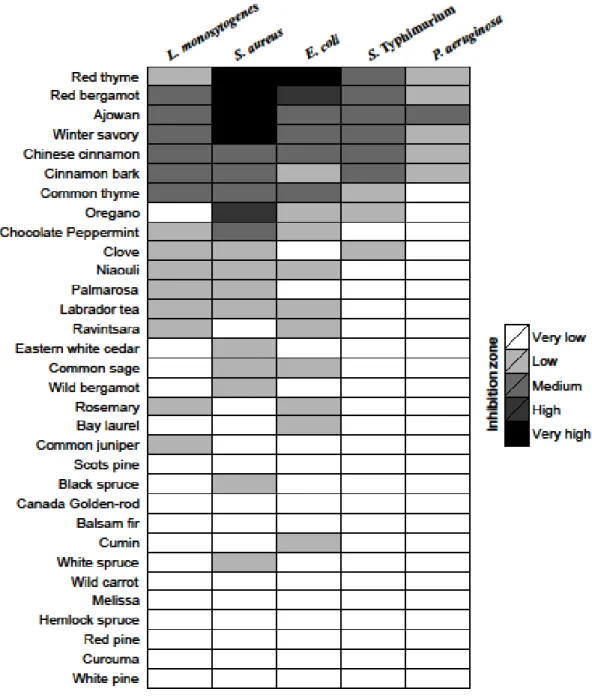
Figure 1. Antimicrobial effects of EOs against five foodborne and spoilage bacterium in agar diffusion assay……….71
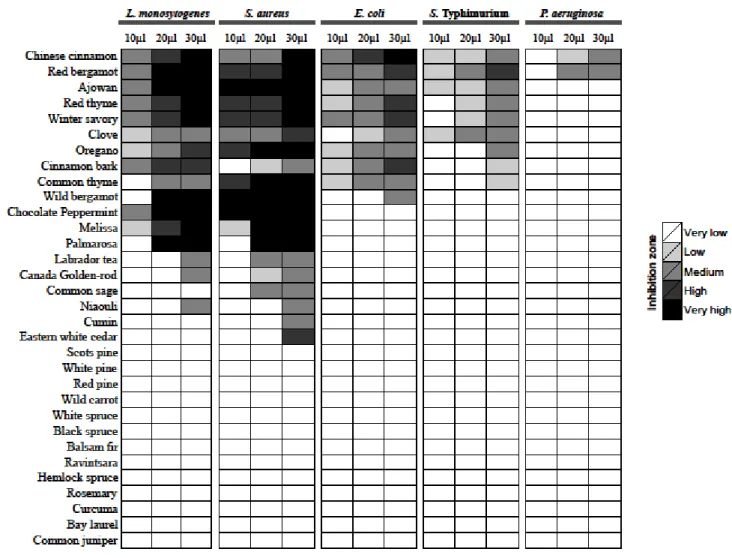
Figure 2. Antimicrobial effects of EOs against five foodborne and spoilage bacterium in micro-atmosphere assay at 10, 20 and 30µl……….72
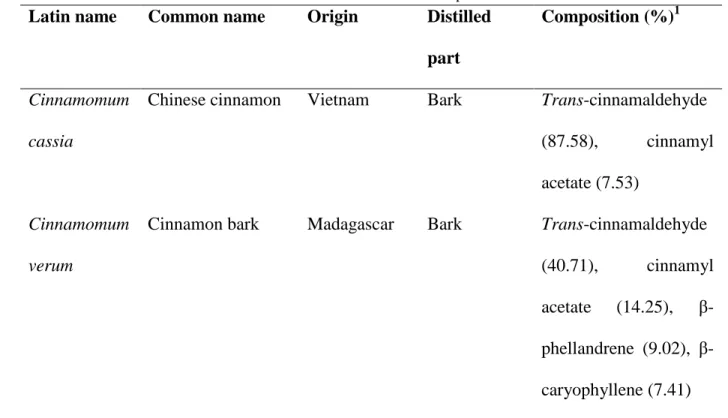
CHAPTER 3 Table 1. Essential oils and their composition ... 101
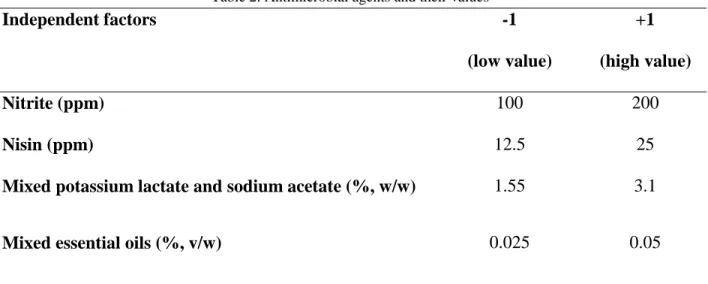
Table 2: Antimicrobial agents and their values... 102
Table 3. Final concentration of Listeria monocytogenes (log CFU/g meat) in sausage samples at day 7 stored at 4 °C ... 103
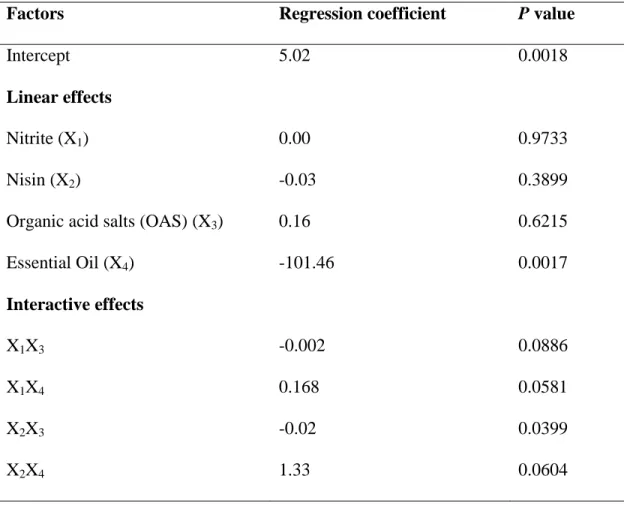
Table 4. Regression coefficient of linear and interactive effects of 4 independent factors of the equation ... 104
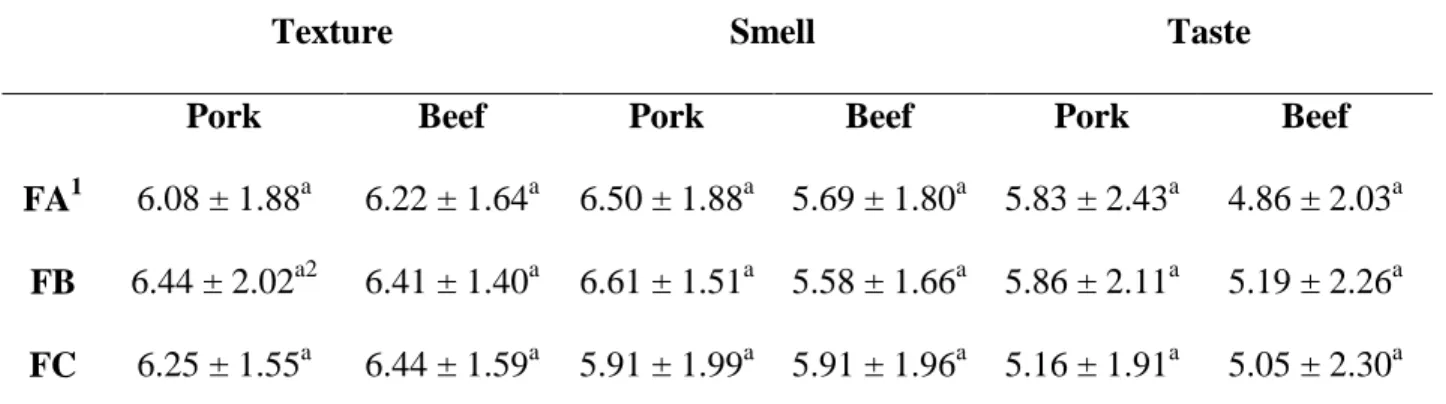
Table 5. Sensorial evaluation of two kinds of fresh sausage with two of the selected antimicrobial formulations ... 105
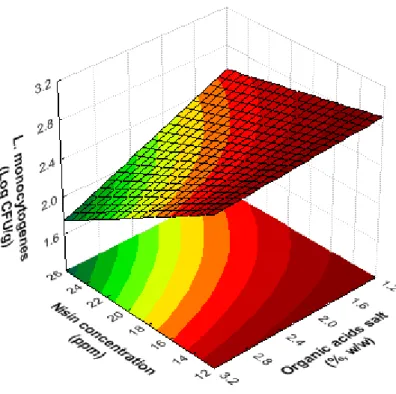
7 Figure 1. Effect of nisin and organic acids salt on the growth of L. monocytogenes (log CFU/g meat) (nitrite and EOs are fixed at low levels, 100 ppm and 0.025 %, respectively) ... 106 Figure 2. Effect of nitrite and EOs on the growth of L. monocytogenes (log CFU/g meat) (nisin and organic acid salt are fixed at low levels, 12.5 ppm and 1.54 %, respectively) ... 107 CHAPTER 6
APP1:
Table 1: Final bacteria concentration (log CFU/g meat) in two different concentration of nitrite alone during 7 days of storage at 4 °C against L. monocytogenes……….….156 APP2:
Table 1: Concentration of each component for mixture of organic acid salts………..……157 Table 2: The organoleptic properties of organic acid salts………...………158
8
LIST OF ABBREVIATIONS
ATP
adenosine triphosphate
DNA
deoxyribonucleic acid
EO
essential oil
FIC
fraction inhibitory concentration
GRAS
generally recognized as safe
MIC
minimum inhibitory concentration
OAS
organic acid salts
PL
potassium lactate
PPM
part per million
RPM
revolutions per minute
9
SUMMARY
Annually around 4 million foodborne illnesses occur in Canada resulting in an economic burden of approximately $3.7 billion. In recent years, several microbiological issues in food safety have emerged. Subsequently, novel techniques and antimicrobial formulations are required to maintain microbiologically safe foods while preserving their natural taste.
Essential oils are one of the best naturally-known candidates to be used as food preservatives due to their inherent antimicrobial properties and Generally Recognised as Safe (GRAS) status. In this study, the antimicrobial activity of 32 EOs was evaluated in vitro against Listeria monocytogenes, Staphylococcus aureus, Escherichia coli, Salmonella Typhimurium and Pseudomonas aeruginosa using 3 different methods (agar diffusion assay, micro-atmosphere assay and broth microdilution assay). Based on the results stemming from the different methods employed in this study, some EOs such as Red thyme, Red bergamot, Winter savory, Chinese cinnamon and Cinnamon bark were found to be more effective than the others as they showed higher antimicrobial activity against the tested pathogenic and spoilage bacteria. In addition, the combination effect of selected EOs was tested based on the checkerboard method. The results showed that the combination of Chinese cinnamon and Cinnamon bark EOs exhibited an additive effect against all the tested bacteria. This combination was selected to perform sensorial analyses which showed that 0.05% was the highest acceptable concentration which did not induce any negative effect on organoleptic properties of ground meat.
The selected combination of EOs at 0.05% was evaluated in situ using lean ground pork against the above listed bacterial species. The results showed that this combination of EOs could effectively reduce the bacterial count in a range from 0.47 log (against L. monocytogenes) to 0.85
10 log (against S. aureus) after 1 day of storage while the antimicrobial efficiency decreased during the time.
In another related project, multiple barrier technology (hurdle technology) was used to combine several antimicrobial factors at their sub-inhibitory concentrations for food preservation. It was deemed to be a promising way to promote antimicrobial safety without changing the natural taste and smell of food products. The antimicrobial agents were encapsulated in edible polymer to keep the activity of antimicrobial agents during the storage time. In order to find the optimized antimicrobial formulation, the combination of Chinese cinnamon and Cinnamon bark EOs was evaluated with 3 other antimicrobial agents (nitrite, nisin and organic acid salts) in situ using fresh pork sausage.
Results showed the combination of 0.025 or 0.05% of EOs with 100 ppm of nitrite, 12.5 ppm of nisin and 1.55 % of organic acid salts reduced L. monocytogenes from 1.5 to 3.6 log after 7 days of storage at 4 °C. Sensorial analyses conducted with a panel of 35 trained examiners showed that the selected formulations were organoleptically accepted in both fresh pork sausages and fresh beef sausages in terms of texture, smell and taste.
11
CHAPTER 1
1. INTRODUCTION
In recent years, due to some changes in life style including consuming ready to cook and ready to eat products, several microbiological issues in food safety have been appeared (Kotzekidou, 2013). Regarding foodborne illnesses several studies reported their results. For instance, Lacroix (2007) reported that foodborne diseases are responsible for approximately 30% mortality of people worldwide. Nesbitt et al. (2014) showed that annually around 4 million foodborne illnesses occurred in Canada which causing an economic burden of approximately $3.7 billion. The Public Health Agency of Canada estimates that each year roughly one in eight Canadians (~ four million people) get sick due to domestically acquired foodborne diseases (Public Health Agency of Canada). Furthermore, in United States around 5 to 86 billion dollar is spent in the treatment and prevention of foodborne illnesses (Lacroix, 2007). In the European Union, the foodborne infections mainly caused by bacteria such as Listeria and Salmonella result in greater than 380,000 infections annually(García et al., 2010). Food can be contaminated during storage, handling (preparation), and display or even after cooking (post contamination) due to improper handling.
Despite the recent advances in technologies for controlling foodborne pathogens, the number of foodborne illnesses has increased in recent years which demonstrate a need for new techniques or new antimicrobial formulations to eliminate pathogenic bacteria. Moreover, due to an increase in consumption of more ready to cook or ready to eat products such as packed fruits and vegetables, we have witnessed an increase in the number of foodborne disease outbreaks which makes it necessary to find other ways to control bacterial contamination. Indeed, there is an increased demand by consumers for high quality, microbiologically safe and natural tasting
12 foods. This has lead food companies toward using natural antimicrobial agents at low level concentrations in order to prevent bacterial growth without affecting the organoleptic qualities of food. Hence, nowadays food preservation and food safety are the key concerns of food companies.
2. LITERATURE REVIEW
2.1. Microbiology of meat
Due to possessing all necessary amino acids and bio available minerals, meat and meat products have an important place in consumers’ diets. Ground meat is a complex food system which possesses soluble carbohydrates, proteins, endogenous enzymes and other factors that support the growth of bacteria. Ground meat has a short shelf-life as the mentioned factors make the meat highly perishable, so preservation technology is necessary (Dave and Ghaly, 2011; Mello da Silveira et al., 2014; Zhou et al., 2010).
Meat is among the most susceptible foods to microbial contamination. Escherichia coli O157:H7, Salmonella, and Listeria monocytogenes are among the most dangerous microorganisms which could be associated with meat (Hernández-Ochoa et al., 2011). Several foodborne diseases are caused by consuming undercooked meat. For instance, the most common major risk factor involving L. monocytogenes is the consumption of undercooked ground beef (Solomakos et al., 2008b). Nevertheless, the consumption of properly cooked fresh sausage is considered safe (Mello da Silveira et al., 2014). Since meat contamination can cause illnesses and food spoilages, antimicrobial agents are needed in processed meats to control the natural spoilage process by inhibiting the growth of undesirable microorganisms or controlling their development (Tajkarimi et al., 2010).
13 In this study, fresh pork sausage was used mainly as a food model. The term “fresh meat” is used for recently processed meat without any treatment except chilling (Zhou et al., 2010).
2.2. Food pathogens which they used in this study
In this study, in vitro and in situ antimicrobial activity susceptibility was determined using five foodborne pathogens and spoilage bacteria. Listeria monocytogenes, Staphylococcus aureus, Escherichia coli, Salmonella Typhimurium and Pseudomonas aeruginosa were chosen to be used in this study. Consumption of contaminated food with these bacteria can causes foodborne illness which is one of the big concerns of public health. Oussalah et al. (2007) showed that foodborne pathogens such as Salmonella sp., Staphylococcus aureus, Listeria monocytogenes and Escherichia coli caused the numerous illnesses and death. According to Arslan et al. (2011) and Gutierrez et al. (2009), Pseudomonas aeruginosa can cause food spoilage which is one of the reasons for off-flavour and discoloration of refrigerated meat.
2.2.1. Listeria monocytogenes
Listeria is Gram-positive bacteria. It is a facultative intracellular foodborne pathogen which causes listeriosis. This bacterium is one of the biggest concerns of public health as it can be found everywhere in nature like in domestic animals, birds, insects, meat, fish, dairy products, vegetables and soil. It can even be found in 5% of healthy people’s intestines. Thus, food can be easily contaminated with this bacteria (Ramaswamy et al., 2007). Listeria can be also detected in cooked food and pasteurized milk due to post contamination or not achieving adequate temperature for cooking. (Kotzekidou, 2013; Ramaswamy et al., 2007). Products having a shelf-life longer than 5 days are highly susceptible to contamination and cause listeriosis as the presence of L. monocytogenes in these foods can reach to levels detrimental to human health.
14 Due to the serious diseases which Listeria causes, this bacterium is known as one of the biggest concerns of public health. The growth capability of Listeria makes this bacterium hard to control. They are able to grow both aerobically or anaerobically and also while most bacteria cannot grow below 4°C, Listeria grows in a wide range of temperatures (−4°C and 50°C) and it could survive and grow easily at refrigerated temperature (Cammack et al., 1999; Kotzekidou, 2013; Ramaswamy et al., 2007).
Consuming contaminated food with L. monocytogenes is dangerous especially for susceptible individuals such as pregnant women and fetus, elderly people, and people with weakened immune system such as cancer and organ transplant patients (Ramaswamy et al., 2007). L. monocytogenes can survive in the acidic pH of the stomach and can go through the small intestine to the liver. There, they will be multiply and affect the central nervous system and cause severe diseases such as meningitis (Ramaswamy et al., 2007). In fact, 20-30% of infections have high risk and may become fatal (Ramaswamy et al., 2007). In the USA there are 1600 case of listeriosis with 400-500 deaths annually (Ramaswamy et al., 2007).
2.2.2. Staphylococcus aureus
Staphylococcus aureus is a Gram-positive coccal bacterium which is frequently found in the human respiratory tract and on the skin of about 25% of healthy people and animals. It can grow in a wide range of temperatures (6 to 48°C) but grows best at 37°C. S. aureus is a common cause of skin infections, respiratory disease, and food poisoning. S. aureus can survive from hours to weeks, or even months, on dry environmental surfaces, such as cooked meat, dry-fermented sausage, ham and generally in foods with reduced water activity. Most of the food contaminations can occur due to mishandling and cross-contamination during preparation. The presence of S. aureus does not always indicate infection as it is an opportunistic pathogen
15 (Kotzekidou, 2013). Consuming contaminated food with Staphylococcal toxins causes staphylococcal food poisoning which is a gastrointestinal illness. In the US alone, around 1,200 deaths due to staphylococcal food poisoning are reported annually (Mead et al., 1999). Meat, puddings, and sandwiches are at highest risk of contamination and can cause staphylococcal food poisoning as they are prepared by manual manipulation. S. aureus could be resistant to antibiotics such as penicillin and methicillin. Some EOs such as tea tree, Origanumvulgare, Mentha piperita, and, Hofmeisteria schaffneri oil are effective against S. aureus. It has been demonstrated that Tea tree oil has an activity against methicillin-resistant S. aureus (Oussalah et al., 2006; Solorzano-Santos and Miranda-Novales, 2012). Indeed, Solorzano-Santos and Miranda-Novales, (2012) demonstrated that the combination of EOs with other antimicrobial agents was highly effective against multi-drug-resistant S. aureus (Solorzano-Santos and Miranda-Novales, 2012)
2.2.3. Escherichia coli
Escherichia coli is a Gram-negative, facultatively anaerobic bacterium which commonly found in the lower intestine of warm-blooded organisms. If oxygen is absent, it is able to switch to fermentation or anaerobic respiration. Most E. coli strains are harmless and are part of the normal flora of the gut, which produce vitamin K2 but the others can cause serious food poisoning. Escherichia coli O157:H7 is an important pathogen which causes a severe foodborne illness. The bacteria can be transferred to the outer surface of meat during butchering. Processing can then spread the bacteria throughout the meat. Consuming undercooked ground beef contaminated with E. coli, usually followed by upset stomach from which the affected individual usually recovers, but sometimes the infections could be life threatening such as severe anemia or kidney failure, which can lead to death. Apart from meat, raw milk or dairy products, fruits and vegetables are also susceptible to get contaminated with E. coli.
16 E. coli could easily become resistant to antibiotics so it is important to inhibit this bacterium. Geraniol which can be found in several EOs such as lemon, wild bergamot and geranium reveal high activity in modulating drug resistance of E. coli (Solorzano-Santos and Miranda-Novales, 2012). Around 73,000 cases of infection per year estimated in USA. A study published in 2005 estimated the annual cost of E. coli O157:H7 illnesses to be $405 million (http://www.about-ecoli.com)
2.2.4. Salmonella Typhimurium
Salmonella Typhimurium is a pathogenic Gram-negative bacterium which commonly found in the intestines of animals and birds. Its toxicity is due to an outer membrane consisting largely of lipopolysaccharides (LPS). The bacteria can be transmitted to people when they eat foods contaminated with animal feces (zoonotic) (Bajpai et al., 2012). The infection is usually caused by eating raw or undercooked meat, poultry, eggs or egg products. Food might get contaminated during food processing or food handling by the unwashed hands of an infected food handler. Beef, poultry, milk, and eggs are most often infected with Salmonella but they usually look and smell normal. It is reported that doses as low as 10 microorganisms or even fewer can cause illness (Kotzekidou, 2013).
Food contaminated with Salmonella can cause salmonellosis.Salmonella will cause mild to serve infections (Bajpai et al., 2012). Most salmonella infections can be classified as gastroenteritis. Salmonellosis is among the third major cause of foodborne acute gastroenteritis (Mello da Silveira et al., 2014). S. Typhimurium causes gastroenteritis in humans and other mammals (Nazer et al., 2005). The diarrheal illnesses is mostly recorded in industrialized countries (Kotzekidou, 2013). Young children, older adults, and people with weakened immune systems are the most likely to experience severe infections (Bajpai et al., 2012). In a small number of
17 cases, Salmonella might spread from the intestines to the blood and other part of body. In this way it causes severe illness and in vulnerable people, death.
Salmonella is resistant to antibiotics. The overuse of antibiotics in the food industry contributes to the spread and the emergences of bacterial resistant to antibiotics. (Bajpai et al., 2012). It is estimated that salmonellosis affects around 40,000 in the United States annually (Jung et al., 2009).
2.2.5. Pseudomonas aeruginosa
P. aeruginosa is a Gram-negative, coccobacillus, aerobic and facultative anaerobe bacterium which can be found in soil, water, plants, animals, and can be transmitted to human through food and water (Neves et al., 2014).
P. aeruginosa is a human opportunistic pathogen which generally infects the pulmonary tract, urinary tract, and causes blood infections (Arslan et al., 2011). This bacterium can rapidly become resistant to antibiotics by mutation or horizontal gene transfer of antibiotic resistance determinants (Solorzano-Santos and Miranda-Novales, 2012).
Pseudomonas spp. is one of the major food spoilage bacteria due to their extracellular enzymes which include proteases, lipases, and lecithinase. As an example, this extracellular enzyme of P. aeruginosa could spoil the milk by degrading carbohydrates, proteins, and fats of milk and give bitter flavour to cheese. The quality of food should be for human consumption (Arslan et al., 2011).
The bacteria can be spread within hospitals by workers, medical equipment and food. During food production when chilling treatment is not applied properly, the problem of food spoilage becomes more serious (Arslan et al., 2011). P. aeruginosa whether spoilage or pathogenic can
18 grow in food because of its high nutritional value, water content and neutral pH found in some food such as dairy products (Arslan et al., 2011). P. aeruginosa can cause food spoilage and become pathogenic for humans as a second infection and is a serious opportunistic human pathogen as it is resistant to several antimicrobials (Arslan et al., 2011).
Annually, in United States, around 51,000 P. aeruginosa infections occur of which approximately 13% are multidrug-resistant and cause roughly 400 deaths.
(http://www.cdc.gov/hai/organisms/pseudomonas.html)
2.3. Antimicrobial agents used in this study
In this study, Essential Oils (EOs), nisin, nitrite and organic acid salts were used as antimicrobial agents to control the growth of the target bacteria. These compounds were used in sausage preparation. Our study showed that each of these compounds alone have antimicrobial activity, so by combining all together at their sub-inhibitory concentrations, it would be possible to inhibit microbial growth without altering the natural taste and smell of food products.
2.3.1. Nitrite
Nitrite is an antimicrobial agent used in food which extends the shelf life of meat. It also contributes to color stability along with improving sensory quality of meat products by giving unique color, texture and flavor (Cui et al., 2010; Sindelar and Milkowski, 2011). It has been found that nitrite improves sensory qualities of meat through formation of NO-myoglobin that gives a red color to the meat (Honikel, 2008).
Sodium nitrite or potassium nitrate has been used as the main source of nitrite (NO2-) since the 19th century to preserve the food especially meat and meat products; however, sodium nitrate
19 (NaNO3) is typically used in fermented sausages which require longer preservation times (Nyachuba et al., 2007).
In fact the compounds derived from nitrite during storage time are bactericidal compounds not nitrite itself (Cammack et al., 1999). Adding nitrite to food causes the formation of nitrite oxide which causes inhibition of the phosphoroclastic system, then as a consequence, intracellular ATP will decrease rapidly resulting in death of the cells (Cui et al., 2010).
Nitrite is used in meat products to prevent the growth of heat resistant spores of C. botulinum but due to health concerns, is used at the lowest effective concentration (Sindelar and Milkowski, 2011). Moreover, it has been found that dietary nitrate (i.e. from vegetables and fruits) is a source for producing nitrite and nitric oxide in the body which affects normal body functions. Furthermore, nitric oxide plays a role in controlling blood pressure, immune response, wound repair, and neurological functions (Hunault et al., 2009; Sindelar and Milkowski, 2011) .
Despite its widespread usage it has some disadvantages such as being a very reactive substance which initiate several chemical reactions (Davidson et al., 2010). Nitrite could be carcinogenic as it has been shown to induce mutations in some bacteria like S. Typhimurium. Due to the acidic environment of the stomach, production of carcinogenic nitrosamines could occur (Davidson et al., 2010; Honikel, 2008). Hence the use of nitrite is strictly regulated. The highest concentration of nitrite salt in food should be less than 200 ppm (Cui et al., 2010).In meat products, nitrate can be reduced to nitrite by the bacteria which are present in meat or by adding bacteria which produce the nitrite reductase enzyme. Furthermore, nitrate can be reduced to nitrite in the oral cavity, so the sum of both nitrite and nitrate should be controlled for human consumption
20 (Honikel, 2008). Balancing the risks versus the benefits for food preservatives is always essential (Davidson et al., 2010).
2.3.2. Nisin
Numerous bacteria produce substances of proteinaceous structure with antimicrobial activity. Nisin is a ribosomally synthesised antibacterial polypeptide with 34 amino acid residues which has been used as a food preservative. Nisin is a heat-stable cationic peptide produced by Lactic Acid Bacteria (LAB). Compared to other bacteriocins such as pediocin, nisin is the only bacteriocin that has been approved as food additive; however, both have an antimicrobial effect. Nisin attracted attention and became the most thoroughly studied bacteriocin due to the fact that it is a safe additive for food and has the GRAS status. Moreover, nisin can be degraded by proteolytic enzymes which can be found in mammalian gastrointestinal tract, so it is safe for human use (Zacharof and Lovitt, 2012).
Jones et al. (2005) reported that the FAO/WHO recognized nisin as a food preservative in 1969 and it is the only bacteriocin which has been used in food industry and currently it is widely used in more than 50 countries. Generally, bacteriocins can work against closely related species but nisin is a "broad-spectrum" bacteriocin which is effective against many Gram-positive organisms and also effective against spores. It has sporostatic effect and can delay the spore outgrowth (Wijnker et al., 2011) Through binding to anionic lipids which exist in membranes of Gram positive bacteria, nisin causes the formation of pores in the membrane (Zacharof and Lovitt, 2012). Indeed, FDA approved the usage of nisin against C. botulinum in canned products (Abdollahzadeh et al., 2014; García et al., 2010; Jones et al., 2005; Millette et al., 2007; Solomakos et al., 2008a). Besides, it is active against pathogenic and food spoilage bacteria as well as S. aureus and L. monocytogenes (Zacharof and Lovitt, 2012). In the food industry, nisin
21 is obtained by fermentation from the culturing of Lactococcus lactis on natural substrates, such as milk and it is not chemically synthesized.
2.3.3. Organic acid salts
Organic acids and their salts are used as preservatives in foods to increase the lag phase of microbial proliferation. Sodium salts of the low molecular weight organic acids, such as lactic acid, slow the growth of spoilage bacteria and increase the shelf-life while marinating, promoting the organoleptic quality of sausages (Crist et al., 2014; Ibrahim Sallam, 2007).
Potassium lactates and sodium acetate are two of the GRAS substances which are considered as antimicrobial agents and are widely used as preservatives to prolong the shelf-life and also increase the safety of meat products. Potassium lactate is a liquid derived from lactic acid that is naturally present in animal tissue. It extends the lag phase of pathogenic bacteria resulting in the extension of food shelf-life. In fact lactates can inhibit the growth of bacteria by reducing the water activity of food products followed by retarding the development of bacteria and also by acidifying the intracellular pH (Stekelenburg, 2003).
Ibrahim Sallam (2007), showed the high antimicrobial activity of sodium acetate compared to sodium lactate and sodium citrate. These organic salts have a suppressing effect on the growth of various pathogenic and spoilage bacteria and these are economical as well (Ibrahim Sallam, 2007). In fact, sodium acetate has been shown to delay lipid oxidation thereby prolonging the shelf-life of food during refrigerated storage (Ibrahim Sallam, 2007). Sodium acetate is approved by the USFDA as a flavouring and pH control agent. Several studies have demonstrated the antimicrobial activity of sodium acetate in different food systems. Manju et al. (2007) used 2% of sodium acetate and combined it with vacuum-packaging and found an extension of the shelf-life of seafood by 15 days. In addition Ibrahim Sallam (2007) showed that an emulsion
22 containing 2.5% of sodium acetate was able to prolong the shelf-life of sliced salmon up to 15 days.
Sodium diacetate which is the mixture of Sodium acetate and acetic acid have also been used in food to control the pH, improve the sensorial quality and promote food safety (Stekelenburg, 2003).
2.3.4. Essential Oils (EOs)
During evaluation, plants have produced EOs to defend themselves against predators (fungi, insects, etc.) and microbial pathogens (Bassolé and Juliani, 2012). Essential Oils or herbal extracts are mostly extracted from the plants from warm climates like those found in tropical or Mediterranean countries (Bakkali et al., 2008). EOs are mainly produced from aromatic plants through extraction from nonwoody organs. EOs are mostly liquid at room temperature and their color is ranging from pale yellow to emerald green and from blue to dark brownish red (Bassolé and Juliani, 2012; Dorman and Deans, 2000). They have an oily consistency and can be made by different tissues of a single plant such as stems, leaves, flower, buds, seeds, fruits, and roots (Bakkali et al., 2008). They should be preserved in dark and airtight containers to prevent the changes of EOs components and evaporation (Burt, 2004).
EOs have been used since ancient periods and have been used for various reasons (Bakkali et al., 2008; Porres-Martínez et al., 2013; Solorzano-Santos and Miranda-Novales, 2012). The very first usage of EOs dates back to 16th century where people use myrrh with honey to inhibit the bacterial growth. Due to their compositions and the concentration of each of their components the properties and activities of EOs are different. They have antiseptic properties such as antibacterial, antifungal, insecticidal activities (Bassolé and Juliani, 2012). These properties are necessary for EOs as they are prepared to defend against predators and herbivores. Most of the
23 EOs have cytotoxic affects without being mutagenic or carcinogenic (Bakkali et al., 2008). Antimutagenic properties could be due to various affects such as inhibiting the entry of the mutagen, inactivation of the mutagen, and activation of the cell to produce antioxidants (Bakkali et al., 2008). Over 1340 plants have been identified with antimicrobial compounds (Tajkarimi et al., 2010).
Around 3000 EOs are known and 300 of them are commercially used in perfumes, dentistry, agriculture, and food products. They have a strong aroma and are also used in cosmetic applications (Bakkali et al., 2008). EOs are used in creams and lotions for treatment of some skin diseases or for cosmetic use (Solorzano-Santos and Miranda-Novales, 2012). Cinnamon, Clove, Mustard, Garlic, Ginger and Mint are traditionally used in health remedies in Asian countries (Tajkarimi et al., 2010). Indeed there are numerous studies which were conducted to show the antimicrobial activity of plant origin compounds. EOs are one of the best antimicrobial candidates for using as preservatives in food system (Tajkarimi et al., 2010).
2.3.4.1. The factors that can change the EOs properties
Plant density, age, climate, region, soil composition, harvesting season, the parts of the plant used to extract the EOs, and also methods used in their distillation are the factors that can affect the properties of EOs (McGimpsey et al., 1994; Oussalah et al., 2007; Lacroix, 2007). The antimicrobial activity of each EO should be checked and it is not possible to assume all the EOs from same type of plant have the same level of activity. Screening the EOs to select the most active one is highly important (Dussault et al., 2014).
2.3.4.2. Composition (major and minor compounds)
EOs are very complex mixtures. They can contain around 20-60 different components. To chemotype the EOs, chromatography and mass spectrometry are used (Bakkali et al., 2008). The
24 components of EOs are derived from these chemical groups: terpenes, terpenoids, and aromatic compounds (Laird and Phillips, 2012). In fact Terpenoids are the terpenes oxygen and can be subdivided into alcohols, esters and phenols (Jayasena and Jo, 2013; Solorzano-Santos and Miranda-Novales, 2012).
Both major and minor compounds can contribute to the antimicrobial properties of EOs. The main effect of EOs is attributed to their major compound; however, the minor compounds could also have synergetic or additive activity with the major ones (Bassolé and Juliani, 2012; Burt, 2004; Hyldgaard et al., 2012; Oussalah et al., 2007; Turgis et al., 2009). As the antimicrobial activity of EOs is attributed to different mechanisms so using the whole EOs could demonstrate more antimicrobial activity than their major or minor components alone. Therefore it is better to examine the EOs as a complex mixture instead of just surveying the antimicrobial effect of their main compounds such as carvacrol, and thymol (Bassolé and Juliani, 2012; Turgis et al., 2009).
2.3.4.3. Mechanism of action of EOs
The lipophilic character of the components of EOs contribute to their antimicrobial effect as they are able to be accumulated in lipidic bilayer of cell membrane, which will follow the loss of ions and decreasing the ATP and cause cell death (Bakkali et al., 2008; Oussalah et al., 2006; Quirós-Sauceda et al., 2014). The hydrophobicity of EOs enables them to go through the cell membrane and mitochondria to make them more permeable. Then, their high permeability makes the cells more sensitive to other antimicrobial agents or due to extensive leakage of critical molecules, the cell will die (Solorzano-Santos and Miranda-Novales, 2012). In another study, scanning electron microscopy showed a significant decrease in unsaturated fatty acids while the quantity of saturated fatty acids increased due to the usage of EOs (Bakkali et al., 2008). Moreover, EOs contain hydroxyl group and it may prevent the genetic material synthesis (Hernández-Ochoa et
25 al., 2011). Indeed some component present in EOs could bind to proteins and inhibit the activity of metabolic enzymes and cause cell death (Lacroix, 2007). Making the membrane more rigid, depolarizing the membrane, reducing respiratory activity, and coagulating of cytoplasmic material are some other ways that EOs can inhibit the bacteria (Hyldgaard et al., 2012).
2.3.4.4. EOs in food
Although EOs have GRAS status and have shown the promising antimicrobial effects, their application is limited due to their strong taste and odor. Compared to in vitro system, they should be used at higher concentration in food system to cause the same inhibition activity but at high concentration EOs will change the organoleptic properties of food.
2.3.4.5. Interaction of EOs with food matrix
Food ingredients can influence the efficiency of EOs. Moreover, in low water foods the antimicrobial efficiency of EOs might be reduced. Some studies demonstrated the negative effect of high quantities of fat and protein on EOs efficiency (Celikel and Kavas, 2008). However, Gutierrez et al. (2008), showed the presence of proteins in food could promote the activity of EOs.
2.3.4.6. EOs in combined treatments
The combination of EOs with another compound could change the antimicrobial activity of EOs. These compounds could be a bacteriocin like nisin, another EO, or even some other compound such as nitrite, etc. The effect of these interactions on the antimicrobial activity of EOs could be synergistic, additional or antagonistic. For instance, Lacroix (2007) reported that sodium chloride, sugars and organic acids might have synergistic effect with EOs.
26
2.4. Technologies for preservation
Preservation technologies have been used for long time. Cooling down, smoking, salting, drying and etc are common technologies which use to prolong the shelf life of meat (Zhou et al., 2010). In general, meat preservation methods could be classified in three main groups temperature, moisture reduction and direct targeting the microorganisms (Zhou et al., 2010).
2.4.1. Control by temperature
Temperature can control the growth of bacteria or eliminate them if it is below or above the optimum range for bacterial growth. In case of fresh meat, refrigeration has been traditionally used as a preservation method. Indeed hot smoking seals the outer layer of food and cooks the surface of meat a little so it would be more difficult for bacteria to penetrate it. Cold smoking means the food should be dried quickly (Zhou et al., 2010).
2.4.2. Control by moisture
Usage of salt as a preservative dates back to as early as 3,000 B.C. It decreases the water activity and develops osmotic pressure which draws water out of the microorganism, and slows the rate of oxidation. However, the concentration of NaCl should be at least around 20% (Sindelar and Milkowski, 2011).
2.4.3. Direct effect on microorganism
Another technique to preserve the food is to attack the bacteria with antimicrobial agents to inhibit their growth and extend the shelf life of food. Antimicrobial agents can kill bacterial cells or delay in their growth via various ways such as membrane permeabilization and inactivation of enzymes (Lacroix, 2007).
2.4.3.1. Irradiation
Since 1940, ionising radiation has been recognized as a method of direct microbial inhibition for preserving meat (Zhou et al., 2010). Gamma irradiation was used in this study used mainly to
27 sterilize the meat samples. Ionizing radiation is an easy and reliable technology for improving the microbial safety and shelf life of food (Sales et al., 2012). As irradiation can dislodge electrons from atoms and create ions, it has been named ionizing radiation. Radiation can kill microorganisms and viruses by damaging DNA and produces peroxides which is a powerful oxidizing agent in cells.
Figure 1. The international Radura logo which is used to show a food has been treated with ionizing radiation.
Ionizing radiation can control the microorganisms without raising the temperature significantly so it also called cold pasteurization (Alighourchi et al., 2014). It controls and inactivates spoilage and pathogenic bacteria, mold and yeast and prolongs the shelf life of fresh fruits and vegetables
Studies have demonstrated that ionizing radiation can effectively inactivate pathogenic microorganisms in water, food and medical products (Jebri et al., 2013).
The World Health Organization (WHO), the Center for Disease Control and Prevention (CDC), the United State Department of Agriculture (USDA) and FDA have approved the safety of irradiation so it has been used in around 56 countries (Alighourchi et al., 2014).
Already some foods such as onions, potatoes, and ground spices have been irradiated and are allowed to be sold in Canada. However, foods containing more than 10 % irradiated ingredient should display the international radiation symbol (Fig.1).
28 Gamma radiation inactivates the bacteria by damaging the DNA either directly by breaking the nucleic acid or indirectly by radiolysis of water and preparing hydroxyl radicals (Jebri et al., 2013; Sommer et al., 2001).
In this study Gamma irradiation was used for sterilizing the samples. Gamma rays have a shorter wavelength than ultraviolet light. Before each in situ experiment, all of the sausages were irradiated at the Canadian Irradiation Center at 45 kGy using a UC-15A irradiator (MDS Nordion International Inc., Kanata, Ontario, Canada) equipped with a 60Cobalt source.
(http://www.inspection.gc.ca/food/information-for-consumers/fact-sheets/irradiation/eng/1332358607968/1332358680017)
2.5. Using the best technology (Hurdle technology)
To assure optimum safety without affecting organoleptic properties of food, novel antimicrobial control methods (Hurdle technology) should be established (Cui, Li, et al., 2011). Hurdle technology uses the combination of mild food processing factors together to get acceptable safety and high sensory qualities (Cui et al., 2010).
Consumers demand for natural and high sensory quality of food means limited usage of preservatives and low thermal processing. Generally the preservation method should be energy saving, environmental friendly, organoleptically acceptable and especially highly effective to inhibit the pathogens (Zhou et al., 2010). To preserve the fresh meat it is best not to use thermal treatment and instead get benefits from other technologies such as Hurdle technology (Zhou et al., 2010). Mild preservation technologies are important for modern food industries and by combining these processes organoleptic quality will improve. Hurdle technology or the combination of different processes can be used to achieve microbial safety as it is probable that
29 using one antimicrobial agent eliminates one organism but provide a good condition for other microorganisms.
2.6. Encapsulation in edible polymer
To extend the shelf life, it is necessary to enhance and stabilize the microbiological safety which means the growth of bacteria should be controlled. Using either natural or synthetic antimicrobial agents has some limitations. They would impart off flavors, or could be degraded by food ingredients and lose their activity in short time. Indeed most of the food additives are temperature sensitive (Quirós-Sauceda et al., 2014).
The term edible coating is generally used for a thin edible layer applied to the surface of foods, but it also could be used as a matrix to entrap bioactive compounds such as antimicrobials. Encapsulating the antimicrobial factor in edible polymer provides some benefits when compared to antimicrobial dips and sprays. Dipping and spraying methods are not suitable for long term storage as diffusion of the factor would continue into the food and may allow microbial growth on the surface while encapsulation will delay the migration of the agent. So with this promising technique, the risk of pathogens growing on the surface of food will be reduced and the food shelf life will be extended. In addition, the change in the organoleptic properties of the food after this treatment is minimal (Quirós-Sauceda et al., 2014).
The structural material of edible polymer could be composed of proteins (gelatin, bulk proteins, zein), polysaccharides (starch, alginate, chitosan) and lipids (glycerol, waxes, and esters) alone or in combination. The barrier properties of these polymers depend on the types of compound used in polymer and also the strength of different kinds of binding (covalent bonds, H-bonding and ionic bonds) between coating-forming polymer molecules. Physical and chemical treatment can cause changes on these properties. For instance, chemical treatments, including the use of
30 emulsifiers can modify interfacial energy at the interface of immiscible system (ie. Water-lipid interface). Besides, physical treatments, such as irradiation and heating, can also promote the cohesive strength of the coating through the formation of cross-links (Quirós-Sauceda et al., 2014).
Polysaccharides such as alginate are generally hydrophilic and this is mostly due to the presence of large number of hydroxyl groups which shows the importance of H-bonds in film formation (Quirós-Sauceda et al., 2014). To prepare a polysaccharide-based polymer, during the co-acervation process, the long chains of the polymer must be disrupted and new hydrogen bonds must form to create the matrix (Quirós-Sauceda et al., 2014). Encapsulation of antimicrobial agents in edible polymers brings us notable benefits such as controlled release, preservation of the natural taste, promotion of solubility, and preservation of bioactivity during the process and during storage time.
2.6.1. Controlled release
Entrapping the antimicrobial compound in a polymeric matrix retards their release. As a result the antimicrobial agent will last for longer times and following of that, the shelf life of food would be extended (Neetoo et al., 2010; Quirós-Sauceda et al., 2014). Edible coatings control the release of encapsulated compound via different ways such as, melting, diffusion, degradation, or particle fracture (Quirós-Sauceda et al., 2014).
The melting of the polymer could cause the slow release of antimicrobials. In some cases the encapsulated compounds are soluble in coating and that controls their release. Either diffusion or degradation or the effect of both causes the release of the encapsulated compound from a matrix-type delivery system. Relative humidity (RH) also has a positive effect on the release of volatile compounds. In some cases, the adsorption of water in high HR destroys the capsule. It has been
31 shown that high temperature can increases the rate of release of some compounds (Quirós-Sauceda et al., 2014).
2.6.2. Keeping the natural taste
The release of antimicrobial compounds can be is controlled by encapsulation, which reduces the probable negative organoleptic effect of each compound (Neetoo et al., 2010; Quirós-Sauceda et al., 2014).
2.6.3. Promotion of solubility
Most antimicrobial agents inhibit bacteria by damaging their cell membrane, inactivate cellular enzymes, or act in some other ways but the element which is essential for all of them is to contact the bacterial cell directly. Encapsulation improves the solubility of antimicrobial compounds and makes them available in the whole food matrix (Neetoo et al., 2010; Quirós-Sauceda et al., 2014). Encapsulation effectively increases the solubility of additives in the food matrix. For instance, liposomes are consisting of lipid bilayers, so they can encapsulate or bind a variety of molecules. In this way they increase the fat solubility of compounds in food matrix(Quirós-Sauceda et al., 2014).
2.6.4. Preservation of bioactivity
The food component can reduce the antimicrobial activity of added and naturally occurring antimicrobials. Edible polymers protect the encapsulated factors from getting affected by the food matrix. It is reported that high concentrations of lipid and carbohydrate can reduce the antimicrobial activity of EOs (de Oliveira et al., 2011). By entrapping the agents in edible polymer, their activity can be prolonged.
Encapsulating the antimicrobial agents could control the interaction between encapsulated antimicrobial and the food matrix. The liquid or small particles could be enclosed with an edible
32 coating (Quirós-Sauceda et al., 2014), thus protecting them from being integrated by food matrix by the creation of a solid barrier (Quirós-Sauceda et al., 2014).
33
CHAPTER 2 : ARTICLE-1
FRENCH ABSTRACT
L'activité antimicrobienne des 32 huiles essentielles de plantes (HE) a été évaluée par des méthodes pour inhiber la croissance de quatre bactéries pathogènes d'origine alimentaire (Escherichia coli, Listeria monocytogenes, Staphylococcus aureus et Salmonella Typhimurium) et une bactérie d'altération (Pseudomonas aeruginosa). Le test de diffusion sur gélose, le dosage de micro-atmosphère et le test de microdilution en bouillon ont été utilisés pour évaluer l'activité antimicrobienne d'HE dans ses phases solides, vapeur et la phase liquide respectivement. À la suite de ces tests, les principaux constituants des HE les plus efficaces (trans-cinnamaldéhyde, carvacrol, thymol, de géraniol et eugénol) ont montré une activité antimicrobienne considérable. Parmi les cinq agents d'origine alimentaire, Pseudomonas aeruginosa a montré le moins de sensibilité envers ces HE et Staphylococcus aureus s’est avéré être la plus sensible. Pour trouver les interactions antibactériens entre les HE, les meilleurs HE (ayant l'activité antimicrobienne la plus élevée selon leur concentration minimale inhibitrice (CMI) contre chaque bactérie) ont été choisis et l'activité antimicrobienne de mélanges d l'He a été examinés par la méthode de damier. La combinaison de cannelle de Chine et de l'écorce de cannelle a montré des effets antibactériens additifs contre toutes les bactéries cibles. En outre, l'évaluation sensorielle des OE sélectionnés en vigueur dans la viande a également été menée. Il a été perçu qu’une concentration de 0,05% est le seuil maximal d'HE sur la viande cuite pour ce test organoleptique. Une expérience in situ a été réalisée avec cette combinaison sur de la viande de porc haché pendant une durée de stockage de 7 jours. L’expérience a prouvé qu'il y avait environ 0,4 – 0,8 log de réduction sur toutes les bactéries testées.
34
Antimicrobial effect of essential oils in combinations against five bacteria and
their effect on sensorial quality of ground meat
Mina Ghabraie1 , Khanh Dang Vu1, Stéphane Salmieri1, Monique Lacroix1,*
1
Research Laboratories in Sciences Applied to Food, Canadian Irradiation Center, INRS-Institut Armand-Frappier, Institute of Nutraceutical and Functional Foods, 531, Boulevard des Prairies, Laval, Québec, Canada, H7V 1B7.
*
Corresponding author. Dr. Monique Lacroix, Tel: 450-687-5010 # 4489, Fax: 450-686-5501, E-mail: [email protected]
35
ABSTRACT
The antimicrobial activity of 32 plant Essential Oils (EOs) was assessed by different methods to inhibit the growth of four foodborne pathogenic bacteria (Escherichia coli, Listeria monocytogenes, Staphylococcus aureus, and, Salmonella Typhimurium) and one spoilage bacterium (Pseudomonas aeruginosa). Agar diffusion, micro-atmosphere and broth microdilution assays were used to evaluate the antimicrobial activity of EOs in solid, vapour and liquid phase, respectively. As a result of these tests, the main constituents of the most effective EOs (trans-cinnamaldehyde, carvacrol, thymol, geraniol, and eugenol) demonstrated considerable antimicrobial activities. Among five foodborne pathogens, Pseudomonas aeruginosa showed less and Staphylococcus aureus showed the most sensitivity towards these EOs. To find the interactive antibacterial effects among EOs, the EOs with the highest antimicrobial activity based on their Minimum Inhibitory Concentration (MIC) against each bacterium were chosen and antimicrobial activity of combined EOs was examined by the checkerboard method. The combination of Chinese cinnamon and Cinnamon bark showed additive antibacterial effects against all target bacteria. Furthermore, sensory evaluation of selected EOs applied to meat was also conducted. It was perceived that 0.05% is the highest organoleptically acceptable concentration of EOs on cooked meat. In situ experiments were performed run with this combination on lean ground pork during storage times of 7 days and it was found that there was approximately 0.4 – 0.8 log reduction among all the tested bacteria.
36
INTRODUCTION
Elimination or inhibition of foodborne pathogenic and spoilage bacteria is highly important for food companies. Food spoilage includes physical damages and/or chemical changes which are due to contamination of food by yeast, mold or bacteria (Cueva et al., 2011; Gutiérrez-Larraínzar et al., 2012). Consumption of contaminated food with pathogenic bacteria causes foodborne illness which is one of the big concerns of public health. According to Thomas et al. (2013), it is estimated that each year in Canada, there are 4.0 million episodes of domestically acquired foodborne illnesses(Thomas et al., 2013).
Food and food products can be contaminated during production, processing, distribution, and preparation (Gaulin et al., 2013). Foodborne pathogens such as Salmonella sp., Staphylococcus aureus, Listeria monocytogenes and Escherichia coli caused the numerous illnesses and death (Oussalah et al., 2007). Also Pseudomonas aeruginosa can cause food spoilage and it is one of the reason for off-flavour and discoloration of refrigerated meat (Arslan et al., 2011; Gutierrez et al., 2009). It has been reported that L. monocytogenes has been detected in food even after cooking due to post contamination by knifes, containers and, hands among others.
The shelf life, nutrition and microbial quality of food products are important aspects that food companies critically consider. In fact, synthetic preservatives have been widely used to eliminate bacteriaand prolong the shelf-life of food products. However, synthetic preservatives may cause environmental and health problems for consumers over a long term period (Jayasena and Jo, 2013; Phillips et al., 2012). Furthermore, consumers nowadays prefer food products with natural preservatives, natural antimicrobial agents and flavors due to their awareness about probable carcinogenic effects of synthetic preservatives and antibiotic resistance after long term usage (Jayasena and Jo, 2013). Thus, searching for new and potential natural antimicrobial agents from
37 different sources such as microbial metabolites, and plant and spice extracts for food application has been increasing significantly in the past few years (Cueva et al., 2011).
It has been identified that due to co-evolution, plants produce secondary metabolites such as EOs as defense against predators (fungi, insects, etc.). EOs have demonstrated biological properties such as antibacterial, antiparasitic, antifungal, antioxidant and, insecticidal and they have been used since ancient times (Bakkali et al., 2008; Porres-Martínez et al., 2013; Solorzano-Santos and Miranda-Novales, 2012). EOs have an oily consistency and are produced by all organs of plants such as buds, flowers, leaves, stems, seeds, fruits and, roots etc. (Bakkali et al., 2008; Porres-Martínez et al., 2013). Mostly they are extracted from nonwoody organs and are liquid at room temperature (Bassolé and Juliani, 2012; Dorman and Deans, 2000). Over 1340 plants have been identified with antimicrobial compounds (Tajkarimi et al., 2010). According to Burt (2004), out of 3,000 EOs which are already recognized, 300 EOs are commercially important. It is mentioned in several studies that spices and EOs are generally recognized as safe (GRAS) (Burt, 2004; Goñi et al., 2009; Oussalah et al., 2007; Ye et al., 2013). Therefore their antimicrobial properties and their safety make them as one of the best candidates for food companies to use as preservative agents (Goñi et al., 2009).
It has been demonstrated that both major and minor compounds can contribute to the antimicrobial properties of EOs as some minor compounds could have synergetic or additive activity with the major ones or cause the synergy between major compounds (Bassolé and Juliani, 2012; Burt, 2004; Hyldgaard et al., 2012; Oussalah et al., 2007; Turgis et al., 2009). Plant density has an influence on quantitative composition of EOs which, in turn, would determine the properties and activity of EOs (Porres-Martínez et al., 2013). Depending on the climate, region, harvesting season, the parts of the plant used to extract the EOs, as well as the
38 distillation method used, the EOs may demonstrate different properties in their antimicrobial activity (McGimpsey et al., 1994; Oussalah et al., 2007). For instance according to Rasooli et al. (2006), thyme oils from the top part of plants exhibit strong antimicrobial properties compared with the thyme oils extracted from other parts of plants. So screening the EOs to select the most active one is highly important (Dussault et al., 2014).
Although the EOs are considered as GRAS and have antimicrobial activity, it is necessary to determine their lowest concentration with acceptable antimicrobial activity in order to use them in food without any changes in smell and taste (Turgis et al., 2012). It has been demonstrated that EOs have antimicrobial activity against pathogenic bacteria at the range of 0.05-0.1 % in food systems (Tajkarimi et al., 2010). In fact, the organoleptically acceptable concentration depends on each EO and different food systems, as well as the method of application and cooking methods. Indeed, the antimicrobial activity of EOs may be changed when other compounds are added to the food.
Thus, the main objective of this study was to assess the antimicrobial activities of 32 different EOs against 5 different foodborne pathogens and spoilage bacteria (negative and Gram-positive) with three methods including agar diffusion assay, micro-atmosphere diffusion assay and microbroth dilution assay. Further, to select the best combined EOs with high antimicrobial effects for food application, the combined effects (synergistic, additive, no interaction, or antagonist effect) of different EOs were evaluated using the checkerboard method. Moreover, sensorial analysis was performed to determine the organoleptically acceptable concentration of selected EOs combination on ground meat as a food model and the antimicrobial efficiency of that concentration was evaluated against target bacteria on meat.
39
MATERIALS AND METHODS
Preparation of EOs
The list of EOs and their main constituents is presented in Table 1. EOs were prepared as oil-in-water emulsion before utilization for evaluation of their antimicrobial properties. The emulsion of EOs consisted of 2.5 % EO (v/v), 5.0 % Tween 80 (w/v) (Sigma-Aldrich Ltd), (the presence of Tween 80 improved suspension stability), and 92.5 % water (w/w), and was homogenized for 4 minutes at 15000 rpm using an Ultra Turrax (TP18/1059 homogenizer).
Preparation of bacterial cultures
Five bacterial strains, two Gram-positive (Listeria monocytogenes HPB 2812 and Staphylococcus aureus ATCC 29213) and three Gram-negative (Escherichia coli O157:H7 EDL933, Salmonella Typhimurium SL 1344 and Pseudomonas aeruginosa) were used as target bacteria in antimicrobial tests. With the exception of P. aeruginosa, these bacteria were chosen since they represent serious foodborne pathogens. P. aeruginosa was chosen as it is one of the leading food spoilage bacteria and it is one of the bacteria that are most resistant to antimicrobial agents. All the bacteria were stored at -80°C in Tryptic Soy Broth (TSB) medium (TSB; BD, Franklin Lakes, NJ, USA) containing glycerol (10% v/v). Prior to each experiment, stock cultures were propagated through two consecutive 24 h growth cycles in TSB at 37°C to reach the concentration of approximately 109 CFU/ml and at the same day of experiment, the cultivated cultures were diluted in saline solution to obtain a working culture of approximately 106 CFU/ml.
Antimicrobial activity of EOs against target bacteria using agar diffusion assay
The tryptic soy agar (TSA) (Alpha Bioscience) plates were inoculated with a target bacterium. Sterile beads were used to spread 100 µl of a suspension of approximately 106 CFU/ml of each bacterium. Then, a sterile 6-mm diameter cellulose test disc was put on the middle of the agar
40 surface and 4 µl of EO were applied on it. Each plate was closed firmly with Parafilm to prevent vapor transfer from the samples as well the loss of volatile components of EOs (Cardiet et al., 2012; Dussault et al., 2014). Plates were incubated for 72 h at 37°C. The inhibition diameter (colony-free perimeter) around the disc was measured with a Traceable Carbon Fiber Digital Caliper (resolution: 0.1 mm/0.01’’; accuracy: 0.2 mm/0.01’’; Fisher Scientific).
Evaluation of antimicrobial activity of EOs using micro-atmosphere diffusion
assay
To evaluate the antimicrobial activity of volatile compounds of EOs against target bacteria, micro-atmosphere diffusion assay was performed using the inverse Petri dish method (Cardiet et al., 2012). The TSA plates were inoculated with a target bacterium using the same method as mentioned in the agar diffusion assay. The Petri dishes were inverted and different volumes of EOs (10, 20, and, 30 µl) was deposited on a cellulose disc (6mm in diameter) which was placed in the middle of the lid of Petri dish. The Petri dishes were hermetically sealed with Parafilm to prevent vapor transfer between samples as well the loss of volatile components of EOs. Samples were incubated for 24 h at 37°C. The inhibition diameter was measured with a Traceable Carbon Fiber Digital Caliper.
Determination of minimum inhibitory concentration (MIC) of EOs against target
bacteria using broth microdilution assay
The emulsion of each EO was prepared according to modified protocol of Turgis et al. (2012). Serial dilutions were performed from 10000ppm to 10 ppm using Mueller-Hinton (MH) broth. From each concentration, 125 µl of the emulsified EO were taken and filled into wells of column 1 to 11 of a 96-well microplate (Sarstedt, Montreal, QC, Canada). Then, 15 µl of working culture bacteria (approximately 106 CFU/ml) were dispensed into all the wells. For each bacterium, three rows of a microplate were used. In the blank or negative control (2 rows of the microplate), 15 µl
41 of saline solution was used instead of the working culture bacteria. The positive control (without antimicrobial agent) in the column 12 of a microplate consisted of 125 µl of MH broth and 15 µl of working culture bacteria (Turgis et al., 2012). In this test, the final concentration of each EO ranged from 10 ppm to 10000 ppm. The microplate was incubated under aerobic conditions and stirring at 80 rpm for 24 h at 37°C. The absorbance was measured at 595 nm in a BioTek ELx800 absorbance microplate reader (BioTek Instruments Inc., Winooski, VT, USA). The MIC is the lowest concentration of antimicrobial agent demonstrating the complete growth inhibition of the bacterial strain and showing equal absorbance as blank.
Determination of antimicrobial effects of combined EOs using checkerboard
method
The checkerboard method was chosen to assess the efficacy of EOs in combination against the pathogens to determine the possible interaction between EOs which could be synergistic, additive, or exhibiting no interaction or antagonist effects. In this method, 96-well microplates were used to obtain the Fractional Inhibitory Concentration (FIC) index of EOs in combinations (Gutierrez et al., 2008, 2009; Turgis et al., 2012). Each of the two selected EOs was two-fold diluted with Mueller-Hinton in two separate microplates. Then the EOs were transferred into the main microplate which contained a serial dilutions of 50 µl of essential oil ‘a’ (EOa) along the X axis and the serial concentration of same volume of essential oil ‘b’ (EOb) along the Y axis. In the last 2 rows of the microplate there were only EOa at serial concentrations and in two columns (7 and 8 of the microplate) there were only EOb at serial concentrations. In total, there were a 6 x 6 matrix in which there was a combination of EOa and EOb at different concentrations in each well. Subsequently, 100 µl of Mueller-Hinton (MH) medium containing approximately 2 x 10⁶ CFU/ml of one target bacterium were added to the wells. In the last column of the microplate there was MH medium with a target bacterium and was considered as a positive control. The