Publisher’s version / Version de l'éditeur:
Fire Fighting in Canada, 11, 3, pp. 2-7, 1967-07-01
READ THESE TERMS AND CONDITIONS CAREFULLY BEFORE USING THIS WEBSITE.
https://nrc-publications.canada.ca/eng/copyright
Vous avez des questions? Nous pouvons vous aider. Pour communiquer directement avec un auteur, consultez la
première page de la revue dans laquelle son article a été publié afin de trouver ses coordonnées. Si vous n’arrivez pas à les repérer, communiquez avec nous à [email protected].
Questions? Contact the NRC Publications Archive team at
[email protected]. If you wish to email the authors directly, please see the first page of the publication for their contact information.
NRC Publications Archive
Archives des publications du CNRC
This publication could be one of several versions: author’s original, accepted manuscript or the publisher’s version. / La version de cette publication peut être l’une des suivantes : la version prépublication de l’auteur, la version acceptée du manuscrit ou la version de l’éditeur.
Access and use of this website and the material on it are subject to the Terms and Conditions set forth at
Field testing inert gas and high expansion foam
McGuire, J. H.; Sumi, K.
https://publications-cnrc.canada.ca/fra/droits
L’accès à ce site Web et l’utilisation de son contenu sont assujettis aux conditions présentées dans le site LISEZ CES CONDITIONS ATTENTIVEMENT AVANT D’UTILISER CE SITE WEB.
NRC Publications Record / Notice d'Archives des publications de CNRC:
https://nrc-publications.canada.ca/eng/view/object/?id=6e8aa612-b66e-4b38-b99b-8e231172ce39
https://publications-cnrc.canada.ca/fra/voir/objet/?id=6e8aa612-b66e-4b38-b99b-8e231172ce39
Ser
T H ~
NATIONAL RESEARCH COUNCIL OF CANADA
N21r2
no.
325
CONSEIL NATIONAL DE RECHERCHES DU CANADA
c.
2
BLDG
FIELD TESTING INERT GAS AND
HIGH EXPANSION FOAM
by
J.
H.
McGuire
and
K.
Sumi
Reprinted from
FIRE FIGHTING IN CANADA,
Vol. 11, No.
3, June 1967
Research Paper No. 325
of the
Division of Building Research
/
1
\&I
,+
B
.r
i
i
Price 10 cents
OTTAWA
July 1967
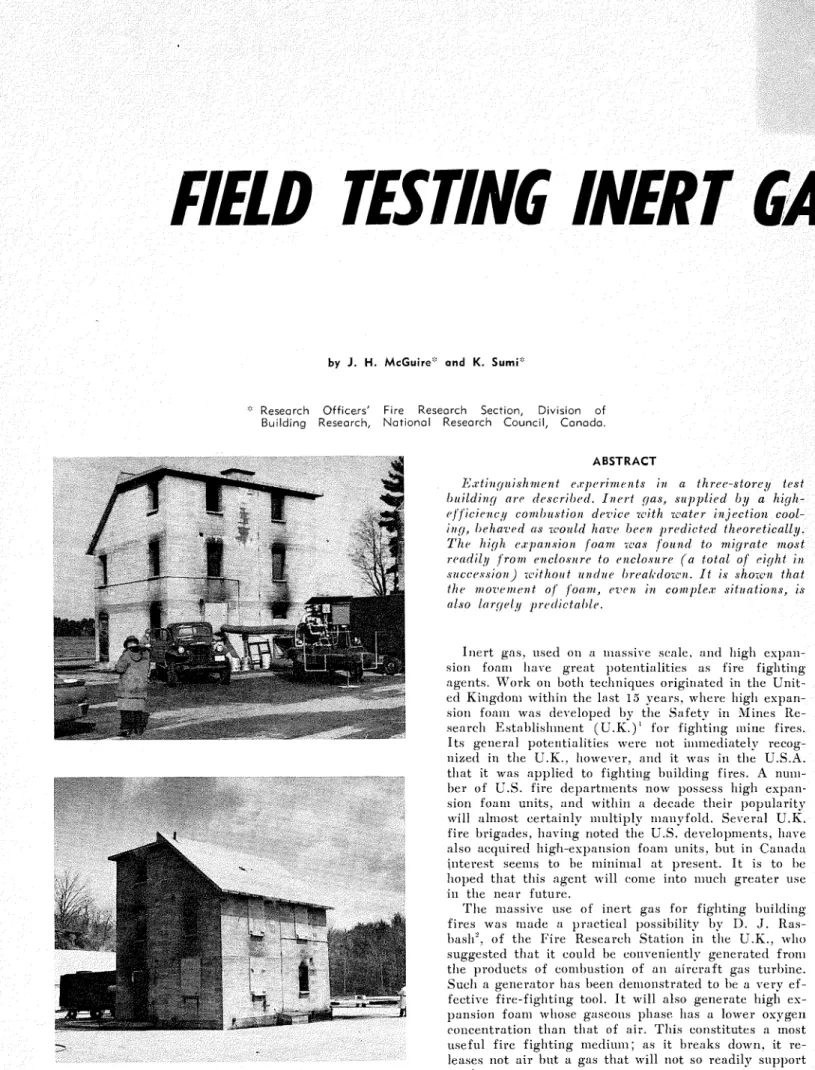
Figure 1. - Overall vlews of test b u ~ l d ~ n g .
tliat it was applied to figlitiiig 1)nilding fires. A nuln-
1)er of C.S. fire departnlents now possess liigll expan-
sion fvani units. a n d \vitliiri a decade their popularity
will allnost certainly nlultiply manyfold. Several U.K.
fire brigades. l ~ a v i n g noted the U.S. developments, 1i:ive
:llso a c q ~ ~ i r e d Iiigll-expansion foam units. hut in Cai1:ld:~
interest seeins to he m i n i ~ n a l a t present. I t is t o be hoped t h a t tliis agent will come into inucli greater use in t h e near future.
T h e massive use of inert g a s for fighting 1)uildirig
fires was nlade a practical possi1)ility 1)y D. .I. Itas-
1)asli" of t h e 1:ire Researell Station in tlie U.K., wlio suggested t h a t it could 1)e coiive~iieritly generated fro111 the products of conl1)ustiori of a n a i r c r a f t gas turbine. Sucli a generator has heen denlollstrated t o be a very ef- fective fire-figliting tool. I t will also gerierate liigh ex- pansion foanl \vhose gaseous phase lias a lower oxygerl
concentration tlian tliat of air. T h i s constitutes :i most
useful fire fighting medium; a s it breaks down, it re- leases not a i r 1)11t a gas t h a t will not so readily support
&
HIGH EXPANSION FOAM
This paper is a contribution from the Division o f Building Re- search, National Research Council, Canada, and is published with the approval o f the Director o f the Division.
-1
sn~:ill generator I ~ a s e d on a sirnl)lc c o ~ n b u s t i o ~ ~ dc- vice l ~ a s been built a t tile 1)irision of Building Itesearcl~ of the National Besearch Council. Canada, a n d a rc- p o r t on t h e l i ~ n i t a t i o ~ ~ s a r ~ d al)plications of i ~ ~ e r t gas 112s been put~lisl~ed." More recently, M:lcaulay' of theT
IIC'sIlivision of ~ l e c l ~ n ~ l i c a l Engineering I ~ a s col~ccived n r ~ d investigated tl~eoreticnlly t l k concept of :I s i n ~ p l e g a s
turbine burning a stoichion~etric fuel-air misture and having water injection between t h e corn1)ustion cans :111d the turbine. H e found t l ~ a t sue11 a turbine could deliver a n oxygen-free gas ~ n i x t u r e . would II:L\ e the tur1)ine's advantage of 1)eing c o n ~ p a c t . but would not ill- volve t l ~ e expense of the prrcision ~ l ~ a n u f a c t u r e of tile aircraft g a s turl)ine.
Experinlental use of inert g a s and 11igl1 e x p a n s i o ~ ~ f o a n ~ a t Y R C has so f n r heen cor~fined to :III enclosed
40-ft cubed test area : ~ n d a s n ~ a l l wooden s l ~ e d . B o t l ~ ~ n e d i a 11:lve proved nlost effective in e s t i n g u i s l ~ i n g vari- ous fires, but two features have not been satisfactorily d e ~ n o n s t r a t e d . T l ~ r : first concerns the li~uitation t o the use of inert ga" 1v11ieI1 11:is 1)een SIIOIVII tl~eoretically:' to 1)e :issociated ~ r r i t l ~ loss of gas fro111 11igh level open- ings. Accur:~te quantitative c o ~ ~ f i r ~ n a t i o n l ~ a s been inhill- ited 1)y the difficulty of assessing t l ~ e area of t l ~ e l1ig11
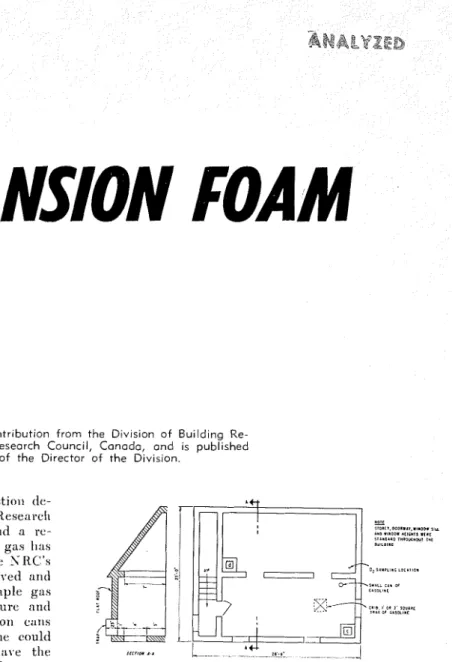
FIGURE 2 GROUND FLOOR P U N , FlRE TEST B U l L O l N G GRAVENHURST
a,,". ,
FIGURE 3 THlRO FLOOR P L A N . F l R E T E S T B U I l O I t l G GRAVENtiURST
.,,,,.,
level o p c n i ~ ~ g s in t l ~ c .LO-ft cubed "1)urn area."
Tile second feature t h a t Itas not been clarified by the T I t C tests is tile :ibility of l ~ i g l ~ e s p a n s i o ~ ~ fo;1111 t o mi- g r a t e t l ~ r o u g i ~ openings f r o i l ~ roo111 to r o o l ~ ~ in a build- ing ~rritl~out 1)realiing down. I t was to rcsolve cluestions
S I I ~ I I :is t l ~ c s e t11:it t l ~ e Ontario F i r c AIarsllal was good enough to 111alic availa1)le to T R C t l ~ e fire test building of t h e Ontario Fire College :it <;r:~ver~l~urst.
?'lle T R C inert g a s generator co11sist5 of :I novel de-
sign of con~bustion c l l a ~ n l ~ e r that 1)urns a stoicl~ionletric \)rop;~ne-:~ir n ~ i x t u r e . followed 1)y a water-spray injec- tion el1n1111)er to cool tl~c* hot 1)rodueth of co1111)ustion bv the va1)oriz:itio11 of water. I t II:IS :III output of :lpprox-
inlately H:)OO cu f t . / n ~ i n a t :I te111pcr:lture of al)out 90°C,
with a cornl)ositiori of :~k)out 6 8 per cent water vapour: 2 8 per cent ~ ~ i t r o g e n , : I I I ~ -1, p e r cent carbon dioxide.
111 the T R C 11igl1 expansion fo;1111 generator' a dilute
f o : ~ ~ n i n g agent solution is sprayeci or1 :i rcgular p y r a ~ n i d -
s l ~ a l ) e d net (11ylo11, w i t l ~ bnsc a n d slant d i ~ ~ ~ c n s i o n s of 29 ill.) f r o l ~ ~ :I full cone i~oxxlc. Ari :~si:lI flow f:111 is
~ s e d to blow a i r
itli water. T l ~ i s foal1
very p r o ~ l ~ i s i n g for t l ~ e gencr:~tion of 11igl1 expall- foal11 wit11 ]lot inert @IS.
T h e G r a v e n l ~ u r s t test building ( F i g u r e 1 ) : is :I 3 0 -
ft-11igl1, three storey concrete block structure wit11 eon- crete I)lock partitions a n d reinforced eonerete floors. T h e plans of t h e ground and third floors a r e illustrated ill l i ' i g ~ ~ r e f l : I I I ~ :3. respectively. T l ~ e second-storey lay-
out is siulilar to t l ~ a t of the third storey. Independent e ~ ~ c l o s e d stairways fro^^^ ground to second floor a n d fro111 secontl to t l ~ i r d floors 1)rovicIe all i n t e r e s t i ~ ~ g n~ocI- cl f o r d e ~ n o ~ i s t r : ~ t i u g t l ~ e tnobility of f o a ~ n . Access to t l ~ e t l ~ i r t l floor. for example. involves p a s s i ~ ~ g t l ~ r o u g l ~ five doorw:~ys a n d 111) two f l i g l ~ t s of stairs.
Heavy steel sliutters were :~vailal)le on every win- dow, but 1)ec:lusc some 11a(1 1)ee11 very 1)acIly warped by previous test fires t l ~ e y were closed off wit11 %-in. ~ ~ l y w o o d before a n y tests were carried out. I l u r i r ~ g ~ r ~ o s t of the tests the b e l ~ : ~ r i o ~ ~ r of t h e test fire was ~ ~ ~ o r ~ i t o r e t l 1)y n c l ~ r o u ~ e l - a l u ~ ~ ~ c l tl1er111ocou1)le a few inclies :11)ovc the fuel.
r I 1
lle cast ground-floor ~ v i ~ ~ t l o ~ v s were c ~ l ~ o s e n a s t l ~ e ill- ajectior~ 11oi11ts for inert PIS : ~ n d l ~ i g l ~ expansion foani.
1>11ri11g coi~ibined use the inert g a s w a s f e d into tlie (111ct s l ~ p p l y i n g the gaseous c o n ~ p o n e r ~ t of the f o a n ~ .
T l ~ e oxygen ~ ~ ~ e n s ~ ~ r e ~ r ~ e r ~ t s reported mere made with
:III instrunlent of the n ~ a g n e t i c susceptibility type, sanl-
ples 1)eing withdr:~wn fro111 the building t l ~ r o u g h %-in. copper and tygon tubing. T l ~ e s a n ~ p l i n g rate was sue11 t h a t t l ~ c r e s ~ t l t s 111ig11t i ~ ~ c l u d e ur~reportc:d e r r o r s of u p to 1 minute.
I S E H T G A S (;E?;ER.A'I'OR TESTS
Four tests were c:~rried ont libiiig inert g a s as the extinguisl~ing agent. I n r:~cli case injectiou was a t the location indicated in Figure .' and the generator was operated : ~ t its I I I ~ X ~ I I ~ ~ I I I c:~pacity of ahout 3300 cu f t /
I I I ~ I I . T w o of t h e tests were largely de~nonstrative.
F o r t l ~ c first test. fires v c r e set on the w c o ~ ~ d :111(1 t l ~ i r d floor in s n ~ a l l woodell cribs and in :31/J-i11. d i a n ~ e - ttLr cans of g a s o l i ~ ~ e . All exterior doors a ~ ~ d wi~ldows were closed a 1 ~ 1 :111 interior doors left open. lVit11i11 :3
~ n i n of c o r ~ l r ~ ~ e r ~ c i r ~ g i ~ ~ j e c t i o n t l ~ c tl ~ e r ~ ~ ~ o c o u p l e s o r e r t l ~ e crib fires indicated t l ~ n t they were out, but i ~ ~ j e c - tion was cor~tir~uecl f o r another 8 n ~ i n to suppress s n ~ o u l - dering by f u r t l ~ e r reducing the concentration of oxygen. lVlie11 the inert gas generator was turned off the oxy- gen c o i ~ c e n t r a t i o t ~ reading on the t l ~ i r d storey nr:ls 10
per cent. V'arious doors and windows were opened a n d . a f t e r tlie :~t~nosl,here l ~ a d cooled and cleared sufficient- ly to permit e n t r y to t l ~ e l)uilding, it was found t l ~ a t smouldering I ~ a d bee11 satisfactorily suppressed. 17ro111 t l ~ e level of gasoline in t h e s ~ l l a l l cans it was judged t h a t the gasoline fires 11nd been estiiiguisl~ed a t a l ) o i ~ t t l ~ e same ti111e a s t h e crib fires.
F o r t h e second test a very largc crib. :ibout k f t cu1)ed. was used to d e n ~ o n s t r a t e t h a t inert gas would cxtiiiguisl~ such a fire a s readily a s it would :I small fire. A f t e r a
8!h-min p r e - l ~ u r n period wit11 t l ~ e 111ai11 door :~iid t l ~ e roof vent open, Lot11 were closed a n d inert gaa injec-
tion was hegun. A l t l ~ o ~ l g l ~ t l ~ e generator ~ n a l f u ~ ~ c t i o ~ ~ e d
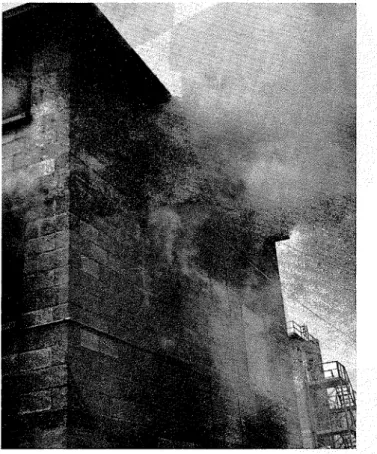
FIG. 4 - High-level loss of i n e r t gas.
I t was the object of thc tliird test to e x a u ~ i r ~ e t l ~ e ef- fect on oxygen c o ~ ~ c e n t r : l t i o i ~ of I ~ a v i n g a 11igl1-level o p e n i ~ ~ g . One of t h e two s l i l ~ t t e r s on each of the t o p win- dows on the east side was opened, giving an aggregate area of opening of 1 1 sq. ft. Small eril) and gasoline fires, a s for the first test, were set on the second and t l ~ i r d storeys. tIgninl tlierrnocou~)les were ~ ~ ~ o u n t e d over t l ~ e cribs.
As will be seer1 fro111 the results give11 in T a b l e 1. t l ~ e fires werc extinguisl~ed so r : ~ p i d l y it l ~ e c a n ~ e C ~ I I -
venient to investigate tllc effect of f u r t l ~ e r openings.
r 7
1l1c r e r ~ ~ a r l c "lorv-level ol)cnings establisl~ed" rel:~tes t o the o l ~ e n i ~ ~ g of tl~c: floor. sout11-sitle wi~ldolv ( a r e a 1 1 sq f t ) .
Tlic tlierinocouple ~ n e : ~ s ~ ~ r e ~ ~ ~ e r ~ t s ]lave 11ot been ill- eluded in T a b l e I because there was t i n ~ e for only two reading5 prior to t l ~ e indication. to k u ~ i n a f t e r eom- n~enceineiit of i ~ l j e c t i o n . t h a t the crib fires 11:1d been ex- tinguiblicd. 0 1 1 re-entering the 1)uilding. it was found
t h a t tlie fires I ~ a d 1)een as cffeetivcly extiuguisl~ed :IS
on previous occasions.
C o n ~ p : ~ r i s o ~ ~ wit11 t l ~ e o r y of the results given in T a - ble
t
is interesting. I t was s11ow11 sonle years ago:' that r r l ~ e r e a i r e n t r y a t :I low levcl is ~ ~ n r e s t r i c t e d tlie criticalarea of 11ig.11 level opening to e s t a b l i s l ~ a co~i~l,letcly inert :itmosl)l~ere is given by
l l * l ~ c r c v = generator output. CII f t / u ~ i r ~ . :~iid 11 =
Ileigl~t. ft.
.I later rel,ol~t\diac~~sscs vent areas exceeding the critic:~l valuc. I t sl~orvs t h a t where a n cquilibriun~
o ~ p g e ~ i coritcrit of I:] to L b p e r c c ~ i t is establislled. as prevailed a f t e r the low-level o p e n i ~ i g mas created dur-
illg tlie tliird test. tlie Iiig11-level openings a r e about
four tirnes t l ~ e critical area. U s i ~ i g the :rhove 1n:rteri:ll ( t a k i n g v = :3:300 cu f t / n l i ~ ~ :lr~d I i = 18 f t ) gives L:
tlleoretical are:) of 12 sc~. ft. A correctiori is e:llled for.
I~owel-er, l)ec:~use t l ~ e tlicoretical arlalysis relates to 1111-
restricted low-level operiings. \I'l~erc, t l ~ e low- a n d 11igl1-
le\.el o ~ ) e ~ ~ i n g s :Ire equ:~l in area, t l ~ e neutral plane will rise to ilcarer t l ~ e ~ n i d d l e of t l ~ c huiltliiig and l ~ e r ~ c e :I
factor of ahout \ I 2 will I)e introducecl. Tlie firla1 t l ~ e o -
rctie:~] value will, tlierefore. be apl)rosin~:ltely 17 sq f t ,
wliicl~ is ill good agreeinent wit11 tlie n o ~ n i n a l ineasured
1 alue of 11 sq f t . bearing in 111i1id t h a t tlie latter docs
i ~ o t i ~ i e l u d e leakage n r o u r ~ d t l ~ e roof verit, aud vc~rious seeonrl a i d t l ~ i r t l floor wir~dows, o r tlirougl~ the cori- crete 1)locks tl~einselves. 1:igure E shows the inert g:ls
(\vl~ic.l~ l ~ a s a l ~ i g l ~ water vapour r o ~ ~ t e ~ ~ t ) flowirig free- ly from two. open. tliird-storey w i ~ ~ d o w s 5 111ii1 :lft?r i l l -
jcctioii had coininenced.
T l ~ e o1)ject of tlie fourtli test was to deterinirit: \vlie-
t l ~ e r it was possil)le to extir~guisli ;I fire i l l a closed rooin
by iriieetion elsewl~ere ill t l ~ e 1)uilding. A11 exterior doors
rid w i ~ ~ d o l v s were closed. t o g e t l ~ e r wit11 t l ~ e door to t l ~ e t l ~ i r d storey. wliiel~ did iiot fit a s \rrell :I\ t l ~ e average
door in t l ~ e l)uil(lii~g. 'l'l~ca gal) :rt floor I(.$ e l W;IS aliuost
1 iri.. :r~id elsewl~erc g a p s of u p to % in. c,sisted. Iri-
,jcctiori w:is. :IS 1)revioiisly. tlirougl~ onc of tlic grour~cl
floor e a \ t wirido\vs. r 1
1 1 1 ~ 3 test fire. o ~ i t l ~ i s oce:~\ioi~, was froin :I 1 sq f t
t r a y of g:imliiie :rnd :I tl~eriiloeoul)le \vns use(\ to regis-
ter extiiigoisliine~~t. w11icl1 occurred 1.5 ~ i i i i i :rfter t11c
colninencenierit of irijection. ;I cor~trol experin~eiit \v:rs
carried out to dcterinine wl~etlier, in fact. tlie fire woultl
eoritinue to I~urri indefinitely in t l ~ e ;~l)senee of inert gas
ii~jection. 111 t l ~ i s case. tlie fire 1)nrried a s vigorously :IS
cver 2 5 uiin a f t e r ignition :~iid tl ~ e oxygeii concentratioii
:tppearcd to be ap1)ro:1elii1ig :ill e(luilit)ril~iii value of
:ll)out 18 p e r cerit.
I'redictiori of tlic eoiiditions t11at \vo111(1 pro1)ably l)c establislied 11nder the a b o \ c circiiinstal~ces is not 1)r;lc- tical I)ecaiisc ratc of 1)nrriirig i l l tile rooill will be a r i t : ~ l
but uii1)redictul)le goveriiiirg c~,arial)le. T l ~ c rise of teln-
1)ei.aturc in the rooin resulti~ig froill t l ~ c fire will causr
g : ~ s disp1:i~eiiietit : i l ~ d :I coriseqli(~iit pressure differerltial
tliat ~ v i l l constitute :i back-pressure opposing flow of
inert gas around t l ~ c door : ~ n d i r ~ t o t l ~ e room. Sue11 cir- cnuistar~ees. in wliiell rat(: of developi~leiit of t l ~ e fire will influence t l ~ e c x t i i ~ g ~ i i s l ~ i ~ i g :il)ility of 311 iriert gas
generator. will be the exception ratlier tli:li~ t l ~ e rille.
Vour test\ were c:rrried ont n s i ~ ~ g Iiigl~ esl):i~~sioii air
foain. 111 each case foal11 was prodneed a t t l ~ e loc:~tioii
indicated in 1:igure 2. T l ~ e f o a ~ n i u g agent solutiou was
spr:lyed a t :I ratc 01 about fl! C.S. gpin a n d tlle :rirflo\v
t l ~ r o u g l l tl ~ c wetted r ~ e t w:rs iiiaint:iincd :it about 3 E00
cf111.
111 t l ~ e first test. tl~c: a1)ilit.y of foan1 to ~ i i i g r a t e 111) t l ~ e stairways was i ~ ~ v e s t i g a t e d . B o t l ~ exterior doors :lutl all
the \vindows oil t l ~ e ground a n d secoiicl floors were closed.
A11 interior doors. t l ~ e roof vent, arid sonle tliird storey
\virldows were left open. ?'lie grourid floor (iiicludi~ig
the first stairway) was fillet\ in 1 inill 2 5 S ~ C arid the
second floor ill hiiiiri 5 scc. Tlie grouritl floor was filled
a t :i rate of :~boiit 2900 efiii. ir1die:ltirig tlie efficiericy o f
corivertir~g a i r to t ~ ~ c g:lseous c o ~ n ~ ~ o r i k n t of foal11 to I)C
al)out 90 per cerit. T l ~ e seeorid floor was filled : ~ t a r a t c of allout 1900 efni. iridicatiiig uri efficiency of 60 per cent. Tlie r e l a t i ~ e l y 11igli re due ti or^ in the rate of filling
the s e c o ~ i d floor is to l)e expected i)ccanse of the break-
dolvri of foal11 a s it is force(\ tli
u p stairwz~ys. ant1 of losses of fo
exterior doors a n d \viridows.
Iri tlie second test ;I fire in a 2- by 2-it t a n k e o r ~ t a i ~ l -
iiig 1 in. of g a s o l i ~ ~ e floating 011 water w:rs cstinguislled
wit11 f o a ~ n . T l ~ e t a n k was positioned oil the t l ~ i r d floor t>etweeri t h e roof \ c n t :111d the nearest window on t l ~ e i i o r t l ~ side of tlic 1)uilding. All exterior doors :lnd will- (low5 were closed a n d a l l interior doors were left ope11 so t l ~ a t foam woul(l have to travel u p the stairw:rys. F i r e was extii~guislied 1 unin I.0 scc a f t e r t l ~ e s t a r t of foal11 productioi~. a s i ~ l d i c a t e d by a ther~nocouple located j u s t above the tank. 1:igure 5 s l ~ o w s f o a r i ~ coining out of the roof vent s l ~ o r t l y :~ f t e r the fire was e x t i r ~ g u i s l ~ e d .
Figure 5 . - Foam issuing from roof vent.
111 t l ~ e tliird test :I fire iiivolviiig two large \vood cril)s?
e;rcli about -4 f t cu1)ed. was estiriguisl~ed wit11 fonni. Uotli
e r i l ~ s were located in tlic west rooni of tlic ground floor.
After ;I :%-11li11 ~ ) r e - l ) ~ i r r i period wit11 tlie exterior doors
a n d roof vent ol)eri, tlie exterior door near the foanl gerier:~tor was closcd :ind f o a ~ n production was eoln-
iiienced. T l ~ e fire was extinguisl~ed i l l about 3 min.
I t was tlie object of tlie f o u r t l ~ test to determine
w l ~ e t l ~ e r it was possi1)le to cxtinguisl~ a sinall f i r e by iile:lrls of foal11 p:rssing tlirougl~ g a p s t r r o u ~ ~ d n door.
l n j e c t i o n
R a t e V (1)
( 3 ) ( 2 )
7
Contlitio11.5 siiiii1:lr to t l ~ o s e f o r the fourth iiiert gas gen- erator test were estal)lislied. ,ill exterior doors a n d win- dows were closed. togetlier wit11 tlie t h i r d floor door froill t11e s t a i r w a ~ . . -4 I-sq-ft t r a y of gasoline was used ;is the test fire.
Foal11 e ~ ~ c o u i i t e r e d considerable resistance nt the closed door separating the s t a i r w a ~
-
froin the rest of the tliird floor. A g a p a t the floor levcl of almost 1 in. and g a p s of "1) to % in. elsewl~ere allo\ved some of the foam to enter t h e tliird floor proper and e s t i ~ ~ g u i s l i the f i r e in15 inin.
T l ~ e test results suggest tli:~t foa111 flow t l ~ r o ~ i g l i :I
1)uildiiig rill usu:~lly follow a very siinple illid predict- able pattern. T l ~ e fact t h a t d u r i i ~ g the tests i t flowed satisfactorily tlirougl~ five doorways and u p two flights of stairs indicates that. as a first : ~ p p r o s i ~ n a t i o i ~ . vis- cous d r a g may be neglected. T l ~ e pressure head created 1)y a height of foal11 inay also I)e neglected in nlost cir- cuii~stances in comparison with the pressure t h a t C:I~I be
created by tlie foain generator.
Using t l ~ e a1)ove : ~ s s u n ~ p t i o n s . the flow of foa111 fro111
a lxiin:~ry co~nl)artineiit to s e c o l ~ d a r y con~p:lrtu~erits call i~mnediately 1)e predicted, 1)ec:iuse flow rates will be di- rectly p r o p o r t i o i ~ a l to o p e i ~ i ~ ~ g a r e a \ . T h u s if faced wit11 the a r r ; ~ ~ ~ g e n i e i i t illustr:~ted in Figure (i. one would pre- dict t h a t . a f t e r c o i ~ ~ p a r t l i ~ e i ~ t ( 1 ) was nearly filled. the flow rates V:, illto coinl)arti~ier~t ( 2 ) :and VI,,.. out of arcas X I :u1d dl would \)e in t l ~ e ratio
I:lo\v f r o n ~ 5ecoiidary to su1)sequrnt co~npartnients will involvc greater coin1)lication than tlie case j u s t dis- cussed. Tliu5 a f t e r coiril>arti~iei~t ( 2 ) tias been filled. in tlie exaiiiple. t l ~ e flow iinl~ed:ince of areas A I aiid Ai will I)egir~ to influence tlie flow rate tlirougli A!. Flow velo- cities will no longer 1)e t h e 5a111e tlirougli e l e r y opeil- ing a n d tlie prok)lein will becomc non-Iiilear. T o a coil- siderable extent. I~owever. t l ~ c non-liiie;~rity c:11i be ignored a n d the irifluence of tllc flow iunpedance of At and Ai on tlic flow tlirougl~ A,: can be calcul:~ted on a
linear llasi5 I)? analogy with electric:~l rietrvorks. T l ~ e adi11itt:ince of A I a n d Ai in par:illel is of course (A1 $ A:). a n d Iience the :~diiiittance of A I a n d (A1 a n d hi)
in series is
A:< (A.,
+
As!I I
I l l u s tlie ~riodifietl flow r:ltc V'Y illto c o ~ n l > a r t i ~ l c ~ l t ( 2 ) will be give11 I)?.
Ae ( A *
+
Aa!where A's =
A:,
+
A ,+
A3.issuiiiing t l ~ a t conipartinerit ( 3 ) 11as riot j e t filled. t l ~ e division of foam 1)etweeii A: a n d A I will still follow the simple area proportioning law f i r s t enunciated.
Therefore V:i =
ser could r:~l)idly 1)eroirie i'aiiiili:~r wit11 tlie ~ l u - s to 1)roblen~s of this nature arid hence could pre- dict the likelihood of foal11 extinguisliinent in :Iny giveii circr~~nstancbe. T l ~ c tiiue, of course. coul(l also I)e readily prcdieted.
foal11 in \\,l~icli the gaseous p l ~ a s e lias ail oxygen content lower t l ~ a ~ i t11:lt of air. It:~sl)asli ( 7 ) in the U.K.. has shown t l ~ : ~ t fo:l~ns using :I gas wit11 :III oxygen content
of sonie l(i to 17 1)er cent a r e inucl~ inore effective ill c x t i ~ ~ g u i s l i i ~ i g flar~~iii:~l)le liquid fires than is a i r foam.
'li~otller al)l)lication o f such fo:lin is in fighting fires in large n,arel~ouscs wit11 hig11-piled stock o r flarnnlable roofing. I t is riot usu:~lly c*ol~veniei~t to deliver foil111 fro111 one :~l>pliailce to a 1)uildiiig a t a rate exceeding :11)out 10" cu ft/iniii, so t11:lt tlie coii11)lete filling of very I:~rgc buildings in:~y, 011 occasion. take 10 to 30 ulin. I l u r -
ing this period i t is desira\)le t l ~ : ~ t flanling ill t l ~ e roof region Ile suppressed. IJsing ail inert gas a s the gaseous p1i:lse of the I ~ i g l i - c s l > ; ~ n s i o ~ ~ foal11 will often achieve tliis. 1)nriiig tlie generation of I1ig11-expansion foam soine 20 to I.0 per cent of t h e gaseous c o ~ u p o n e n t is usu:illy not utilized, a n d w l ~ e r e it h:15 a low oxygen c o i ~ t e n t it can l)e perforiniiig a useful f u i ~ c t i o i ~ r a t l ~ e r t l ~ a n s u l ~ p o r t i i ~ g co~ubustioii as would air.
(;'ner:~tors of t l ~ c typcs develol>ed by t l ~ e National l t e s e : ~ r c l ~ C'oni~cil : ~ n d tlie .foilit Ipire Iiesearcl~ Organ- i z : ~ t i o ~ ~ ill the U.Ii. deliver gas a t a tcinl)er:~ture ilear t h a t of 1)oiliiig water. F,xplor:~tory tests conducted :it O t t a w a indicate t h a t w h e i ~ tl ~ e teinperatnre of tlie gas is 11igll t l ~ e film stability of :i foain is reduced a n d the
drainage rate increased,
I t was t h e object of tlie I~ot-gas, Ilig11-expansioii foal11 tests to deternline wlietlier t l ~ c lifetiine a n d s t a l ~ i l i t y of tlic foarn were adecjuate to perillit f i l l i i ~ g of the Graveil- liurst test 1)nildiiig. T o allow vari:~tiori of the g a s te111- perature. provision was inade for mixing air wit11 tllc o i ~ t p u t of the inert g a s gei1er:ltor. T l ~ e fo:ln~ing agent used in tlie tests was one tliat yielded prolnising results ill explor:~tory e x l ~ e r i n ~ e n t s , a s stated earlier.
Both tlie exterior doors aild all tlie wiridows of the tcst buildirig were closed; interior doors and tlie roof vcnt were left o1)eii. 111 tlic f i r s t atteinpt to l>roducc
iiiert gas foair~ al)out 1300 cfni of air was inised wit11 tlie iricrt g a s to givc: a inixture te111per:ltilre of 78OC. 1:oai11 s t a r t e d coining out of tlie roof vent about 3 n ~ i n
b.5 sec a f t e r tlie s t a r t of foam injection. A s s u n ~ i n g tliat fo:~iii s t a r t e d issuing fro111 tlie roof vent wlien tlie first two floors but riot tlie t l ~ i r d were coinpletely filled wit11 foam. tlie rate of filling of the l)uilding was e\tiiliated to 1)e between 2200 a n d 3100 cfrn, indicating efficiericies of 50 to 7 0 p e r cent. Tliese values a r e of t h e saiiie order
;IS the efficiencies given 1)y 11ig-11 e s p a n s i o ~ i air foaiu.
Tlie air flow rate was t l ~ e i i reduced : ~ l i i ~ o s t to zero, giving a g a s niixture ten1l)eratul.e of about 8Z0C : I I I ~ ail
osygeli concwiitration of less tliari 1. per cent. T l ~ e rate of p r o d u c t i o i ~ of fonin al)pe:~red to reniairi satisfactory. a s was iridicated by tlie c o r i t i ~ ~ u e d flom of foal11 fro111 tlie roof vent.
r 7
I l ~ e test results indicate t l ~ a t ill illany circuinstai~ces tlie e x t i ~ ~ g u i s l ~ i n g :~l)ilities of inert gas tilid I ~ i g l ~ - c x l ) a ~ i - hi011 fo:li~i will be l ~ r c d i c ~ t o l ~ l e 1)y t l ~ e al)plicatiori of I-ery siniple theory. 111 this respect t11e t e c l ~ r ~ i q u e s d i f f e r
IiESULTS OF T I I I R D T E S T
---
Fires eutinguished
REFERENCES
1. LINACRE, E . T . a n d D. H . JONES. Materials a n d Equip- m e n t f o r t h e Foam-plug Method of Mine Firefighting. S a f e t y in Mines Research Establishments, Research Re- port No. 179, A u g u s t 1959. Ministry of Power. F i r e s in L a r g e Buildings. The Engineer, Vol. 215, N 5601, May 31, 1963, p. 978-984.
3. MCGUIRE, J. H. Large-Scale Use of I n e r t Gas to E s t i n - guish Building Fires. Engineering J o u r n a l , Vol. 48, No. 3, March 1965. p. 29-33. ( N R C 8502).
4. MACAULAY, G. A. A Gas Turbine to Generate I n e r t Gas f o r F i r e Fighting. National Research Council of Can- a d a , Division of Mechanical Engineering, Mechanical Engineering Report ME-218, Ottawa, August 1965.
( N R C 8798).
6 . SUMI, K. Experiments in the Generation of High E x - pansion F o a m ( I n p r e s s ) .
6 . MCGUIRE, J. H. I n e r t Gas F i r e Extinguishment: E x - cessive High Level Vents. National Research Council, Division of Building Research. Bldg. Res. Note No. 50, November 1965.
7. RASBASH, D. J. a n d B. LANGFORD a n d G. W. V. S Production of High Expansion Foal11 f o r F i r e F i g U s i n g a J e t Engine. F i r e International, No. I),
ESSAIS IN SlTU D'EXTINCTION
A
L'AIDE DE MOUSSE
A
FORT FOISONNEMENT PAR GAZ INERTES
R E S U M E
T.es : ~ u t e u r s dbcrivellt les essais d ' e s t i ~ ~ c t i o r l d'irlcel~die 1ut:r16s darls 1111 i111rneu1)lc
espCrimenta1 de trois Ctnges. 1,es gae inertes, fournis l):lr 1u1 :lppareil il con~hustion
trks efficnce, sc sont c o ~ l ~ ~ ) o r t & s c o r ~ f o r ~ ~ ~ C m e ~ ~ t a u s c:~lculs t11Coriqucs. I,:I ~ n o u s s c
A fort foisonrlen~ent s'cst dCplacCe tvl:s facilenlent. :lu tr:lvers d c I ~ u i t e l ~ c c i l ~ t e s ~ I I
c11fi1:ltie. s:lns : ~ f f a i s e l n e ~ l t iluport:lnt. 1,es auteurs l r ~ o ~ l t r e r ~ t que les d k l > l a c e ~ i ~ e r ~ t s d e la tllousse sont lnrgelnent pr&risil)les, 1n61ne dilns les c:ls cotupleses.
This pu1)lieation is being distri1)nted by the 1)ivisiorl of Buil(1irlg Itesearcll of the S:ltio11:11 Itesenrc.11 Coullcil. I t s l ~ o u l d 11ot t)e rel)roduced irl w l ~ o l e o r in p r t .
witllout pernlissiorl of tlie original publi.;ller. Tile 1)ivisioll woul(l 1)c glad to 1)c of
I'ublicatiolls of tllc I)i\ isiorl of Bnilding Rese:lrcl~ 111:ly I)e ol)tai~led by ~ll:lilitlg
tile appropriate rel~littance. (:I 13:111k. Express. or I'ost Office 3Io11ey O r d e r or :I
rlleque paya1)le a t p a r in Ottawa, to tile Receiver Gerleral of C:lr~ada, credit N:itiollal
Rrse;lrcl~ C'ourlcil) to t h e S:ltional Wesenre11 Courlcil. Ott:~xrr:~. St:lrnps a r c not
.-I c o u l > o ~ ~ systelll 11:ls 1)eerl illtroduced to nlake 1,:~ylrlents for plll)lieatiol~s
relatively sinlple. Coupons a r e available ill de~loluinations of 5 , 3 n r ~ d 3 0 cellts.
:111d 111ny 1)e obt:lined I)y ~ l ~ a k i n g a relllittance as indicated above. T h e s e coupor~s
111ay I)e used for tile purcll:lse of :111 Sntio11:ll Rese:lrch Council pul)licb:~tior~s.
X list of all p u l ) l i c a t i o ~ ~ s of the 1)irisioll of Ruil(1ing Rese:~rcll is : ~ ~ : l i l ; ~ l ) l t .
: I I I ~ I I I : I ~ 1)e o1)tained fro111 tllr lJul)lic:~tions Sectioll. 1)ivisioll of 13uilding Licbsc:~rcl~.