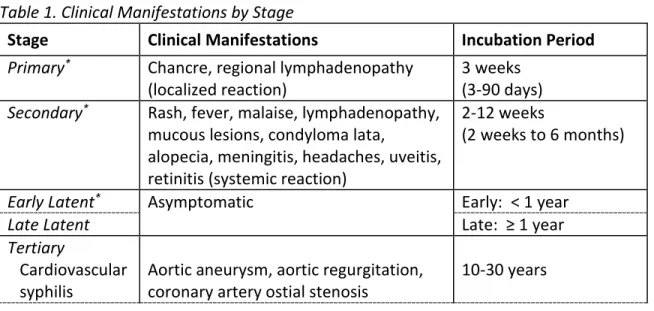
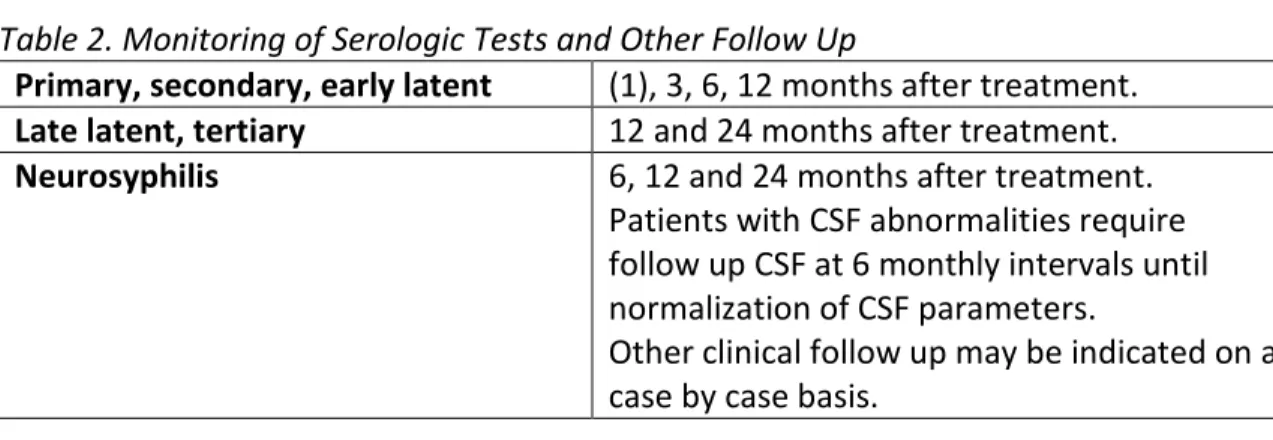
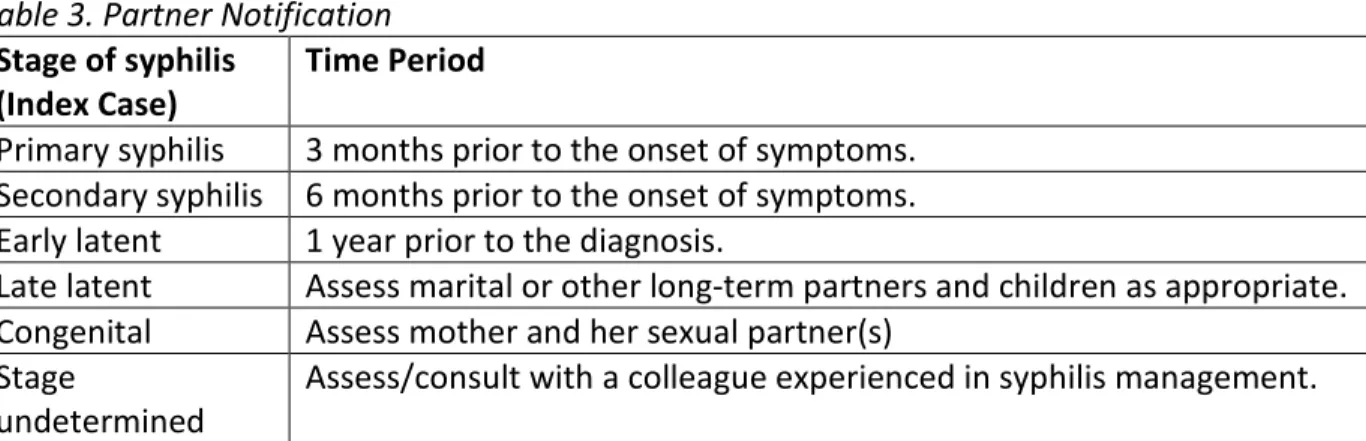
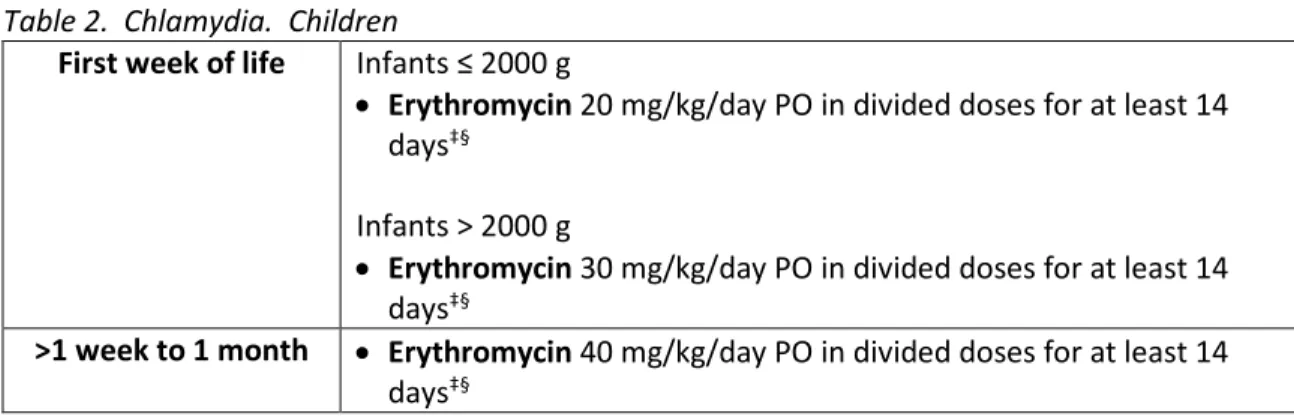
Introduction and General Considerations
Date Reviewed: July, 2010 Section: 5-10
Page 1 of 13
Communicable Disease Control Manual
Background Information
The incidence of Sexually Transmitted Infections (STIs) in Saskatchewan has been increasing over the past number of years. This may be due in part to the introduction of testing procedures that are easier to complete and less invasive. In Saskatchewan, the rates for chlamydia have been among the highest in Canada. Refer to http://dsol-smed.phac-aspc.gc.ca/dsol-smed/ndis/c_indp_e.html#c_prov for historical surveillance data collected by Public Health Agency of Canada (PHAC).
STIs are transmitted in the context of other social and health challenges; the risk of recurrent exposure and infection are likely unless these underlying issues are dealt with. A holistic assessment of clients assists in identifying these underlying issues and a multidisciplinary team approach is often necessary and should involve other partners such as physicians, addiction services and mental health as required. The regulations of The Health Information Protection Act must be adhered to when involving other partners in the management of individuals or when referring individuals to other agencies.
This section highlights some of the general and special considerations that should be kept in mind when conducting STI investigations. It also highlights key points and
summarizes the Canadian Guidelines on Sexually Transmitted Infections which can be located at http://www.phac-aspc.gc.ca/std-mts/sti-its/guide-lignesdir-eng.php.
Reporting Requirements
Index cases must be reported to the Ministry of Health. See Reporting Requirements in the General Information section of this manual for additional information and guidelines.
Partner Notification
The goal of partner notification is to assist individuals to inform their partners that they have been put at risk and to honor the partner’s right to make informed decisions regarding their health.
Partner notification allows for sexual partners, and other contacts exposed to an STI, to be identified, located, assessed, counseled, screened and treated. This process is important in disease surveillance and control as well as for reducing the risk of re-infection for the original case. Refer to Section 1 for a summary of roles of individuals infected with/exposed to communicable diseases for additional information.
Introduction and General Considerations
Date Reviewed: July, 2010 Section: 5-10
Page 2 of 13
Communicable Disease Control Manual
Individuals may experience a variety of feelings when they are informed that they have an STI. These feelings may range from guilt, to anger, to embarrassment. A non-judgmental approach can make clients feel more comfortable. Reassuring clients of the confidential nature of STI reporting may facilitate open communication and improve the disclosure of partner/contact information.
Details on the required timeframes for initiating and completing contact notifications are included within each disease section.
Barriers to Partner Notification
There are a number of barriers that may prevent disclosure of contact names by cases. The following highlight some barriers:
The index case may fear physical or emotional abuse that may result from partner notification. If there is a threat to client safety, public health officials should be notified of this so that proper safety precautions are taken to protect the index case. Concerns regarding personal safely should be addressed and if notification is expected to result in abuse, the case should be discussed with the Medical Health Officer (MHO) before proceeding.
The individual may fear losing a partner due to the STI diagnosis (blame/guilt). The health care provider should acknowledge this and discuss the asymptomatic nature of STIs and the benefits of asymptomatic partner(s) knowing that they may be infected.
Anonymous partners – details regarding the partner’s appearance and the location of the encounter should be obtained to try to locate the partner (contact). The Internet is becoming a common venue to meet prospective partners. E-mail addresses and any websites and/or chat rooms used should be collected. Identities may not be revealed when meeting partners in this forum thereby making contact notification a greater challenge. Policies relating to the use of the Internet and e-mail for partner notification must be referred to.
Who Performs Partner Notification?
The client, health care provider, MHO or their designate may notify the partner. When the person with the STI chooses to notify his or her contacts, they must inform the contact of the exposure, explain their duty to get tested and take all reasonable measures to reduce the risk of exposing others.1
Introduction and General Considerations
Date Reviewed: July, 2010 Section: 5-10
Page 3 of 13
Communicable Disease Control Manual
If the affected person does not wish to notify their contacts on their own, the physician or clinic nurse can complete the partner notification. If the health care provider is unable to do this within 14 days, it should be referred to Public Health to complete. Notification by the health care provider occurs confidentially with the consent of the infected person. Partners will be notified of the possibility of their exposure to an STI (without naming the index case) and their responsibility to get tested and to take all reasonable measures to reduce the risk of exposing others (e.g., condoms, period of abstinence, safer sex practices, etc.).
Methods of Control
A holistic approach in determining the causes of STIs will reveal that there are a number of social circumstances that influence individual behaviours. This is significant when trying to determine broad prevention strategies, but is also important when meeting with individuals (cases, contacts, other) to develop approaches that assist and support them in making personal choices that reduce or eliminate risks. The following link is an excellent resource to assist health care providers with the prevention, diagnosis and management of STIs: http://www.phac-aspc.gc.ca/std-mts/sti-its/guide-lignesdir-eng.php.
Primary Prevention
Public health professionals are engaged in a variety of activities with individuals and groups where health promotion and primary prevention measures can be introduced. A holistic, client-centered approach should be used to determine the most appropriate approaches and interventions that would be beneficial to the individual client or group being worked with. The topics outlined below for the assessment of individual sexual health and risk behaviours can also be adapted for use in other health education settings. The following are topics that should be assessed when discussing sexual health and risk behaviours with individual clients and when providing health education in other
community settings:
relationships;
sexual risk behaviours (number of partners, etc.);
STI history;
reproductive health history;
substance use;
Introduction and General Considerations
Date Reviewed: July, 2010 Section: 5-10
Page 4 of 13
Communicable Disease Control Manual
The Attachment - Risk Assessment Questionnaire is a sample questionnaire that can assist in determining what tests/referrals/counseling would be appropriate.
The information collected from this assessment will assist in identifying measures to reduce risk of exposure to STIs. It may also identify circumstances that could have an impact on the general health of the individual, for example, addressing substance use and other psychosocial issues may have a greater impact on the health of the client.
In addition to the counseling provided during the risk assessment, the following topics should also be addressed with any client that is receiving follow-up to or for an STI. These also apply to the follow-up of their partner(s):
serial monogamy;
acceptance of sexuality;
planning prevention;
safer sex;
proper use of condoms;
contraceptive advice.
Clients should be given information that is easy-to-apply:
Discuss limiting alcohol or drug intake prior to sexual activity, as they both decrease inhibitions and could affect decision-making and negotiation skills.
Reinforce that it is not possible to assess the chances that a partner has an STI on the basis of knowing the partner’s sexual history; being in a close relationship with a partner; or being monogamous with a partner who has had previous sexual partners and who has not been tested.
It is important to tell clients that routine testing is not done for all STIs (e.g., human papilloma virus [HPV], herpes simplex virus [HSV]), so even if they or their partner’s tests are all negative they may still have an asymptomatic STI.
Secondary Prevention
Active screening of risks for STIs assists in the identification of individuals who may be infected with an STI. Testing should be offered to clients based on the results of the risk assessment.
Introduction and General Considerations
Date Reviewed: July, 2010 Section: 5-10
Page 5 of 13
Communicable Disease Control Manual
Refer to Attachment - Risk Assessment Questionnaire for a tool that is available to assist in client assessment. This tool provides a framework for assessments and investigations and should be adapted to suit the situation and individual while keeping in mind the benefits of a broad assessment and how this information can be used. Testing should be offered to clients based on the results of the risk assessment.
General Recommendations for Testing based on Results of the Risk
Assessment
Since the risk of human immunodeficiency virus (HIV) increases when a client is infected with another STI (chlamydia, gonorrhea, syphilis, HSV), HIV pre-test
counselling should occur and HIV testing should be offered. Refer to Blood and Body Fluid Pathogens (Section 6) for information on HIV and testing procedures.
Clients with ongoing risks for infection with STIs should routinely be tested for:
chlamydia;
gonorrhea;
HIV;
syphilis.
If other risk factors are present, screening should be recommended for hepatitis B and hepatitis C:
Individuals with multiple sexual partners are eligible for publicly funded hepatitis B vaccine if they are non-immune and are not HBsAg positive.
Hepatitis C positive clients are eligible for publicly funded hepatitis A and/or hepatitis B vaccines if they are non-immune to hepatitis A or hepatitis B.
Individuals born after January 1, 1984 are eligible for publicly funded hepatitis B vaccine.
For further information, please refer to the Public Health Agency of Canada STD Self-Directed Learning module based on 1998 Canadian STD Guidelines at http://www.phac-aspc.gc.ca/slm-maa/index.html.
Introduction and General Considerations
Date Reviewed: July, 2010 Section: 5-10
Page 6 of 13
Communicable Disease Control Manual
Referrals
Clients may benefit from referrals to supportive services depending on the circumstances of exposure. Suggested referrals include child and youth services (Teen Wellness Centres), mental health services, pregnancy counseling clinics or addiction services to name a few. Familiarity with the available regional services and community resources will assist in making appropriate referrals. Procedures of the Health Authority should be followed when making referrals. One aspect of this includes ensuring the confidentiality of the client’s health information is maintained in accordance with The Health
Information Protection Act and The Public Health Act.
Special Considerations
Children/Sexual Abuse
Every province and territory has statutes in place that require the reporting of child abuse. In Saskatchewan, the duty to report situations where they believe a child is being abused falls under The Child and Family Services Act.2 This duty applies in spite of any claim of confidentiality. The offences covered in this Act are outlined in Section 81. This Act also defines a child in the need of protection.3 The Emergency Protection for Victims of Child Sexual Abuse and Exploitation Act,4 also defines abuse and the duties to report instances or suspicions of child sexual abuse. If reasonable cause to suspect child abuse exists, the health care provider must contact local child protection services and/or law enforcement agencies promptly. The offences of this Legislation are outlined in Section 24 of this Act. Other resources that outline child protection issues include the Criminal Code and the Provincial Child Abuse Protocol 2006.
Initial Laboratory Work-up
Note: It is important to notify the lab if the laboratory specimens being submitted are for a child abuse/sexual assault case, as the urine specimen must undergo a second PCR test if the first result is positive.
Cultures for N. gonorrhoeae and C. trachomatis from specimens collected from any sites of penetration or attempted penetration. See Attachment- Transport Media for SpecificSTIs.
2
The Child and Family Services Act, 1989-90 cC-7.2 s12; 1996 c11 s2. 3
The Child and Family Services Act, 1989-90 cC-7.2 s11; 1999 c.14 s3.
Introduction and General Considerations
Date Reviewed: July, 2010 Section: 5-10
Page 7 of 13
Communicable Disease Control Manual
Urine nucleic acid amplification tests (NAATs) (as a substitute for culture).
Collection of a serum sample for immediate evaluation for HIV, hepatitis B, hepatitis C, and syphilis. See Guidelines for the Management of Potential Exposures to Hepatitis B, Hepatitis C, HIV and Recommendations for Post-exposure Prophylaxis at http://www.ehealthsask.ca/services/manuals/Pages/hiv-guidelines.aspx.
Management and Treatment
Considerations for prophylaxis:
Offer presumptive prophylaxis for STIs and hepatitis B:
in situations where vaginal, oral or anal penetration has occurred, because many sexual assault victims do not return for follow-up visits;
when it is known that the assailant is infected with a specific STI; when it is requested by the patient/parent/guardian;
when the patient has signs or symptoms of an STI.
Post-exposure administration of HBIg and/or hepatitis B vaccine may prevent hepatitis B virus infection.
It should be noted that the efficacy of antibiotic prophylaxis has not been studied in sexual assault; prophylaxis should be as recommended for treatment of specific infections (see sections on specific infections for more information).
Pregnancy
If pregnancy is a possible result of the assault, the emergency contraceptive pill
(ECP) should be considered. Treatment should be offered and taken as soon as possible, up to 72 hours after exposure (efficacy declines after this, but some benefit may be achieved up to 120 hours after exposure).
ECP is available through a physician or directly through some pharmacies and STI clinics.
Preferred: levonorgestrel 1.5 mg PO as a single dose (Plan B).
Alternative: levonorgestrel 0.75 mg PO bid x 2 doses if a single dose (as noted above) is not likely to be tolerated.
Introduction and General Considerations
Date Reviewed: July, 2010 Section: 5-10
Page 8 of 13
Communicable Disease Control Manual
For further information on emergency contraception visit the Society of Obstetricians and Gynecologists of Canada, Clinical Practice Guidelines at
http://www.sogc.org/guidelines/index_e.asp#Contraception.
Other Management Issues
If the client consents, appropriate referral(s) should be made as necessary (e.g., to sexual assault teams, local police/Royal Canadian Mounted Police, psychological support, local victim support organizations etc.).
Advise the client of the need to practice safer sex or abstain from sexual intercourse until infection has been ruled out and/or prophylaxis is complete.
Offer tetanus toxoid if relevant (e.g., dirty wounds/abrasions sustained outdoors).
Follow-up
Follow-up testing of STIs (i.e., syphilis) should be recommended as necessary.
In circumstances in which transmission of syphilis, HIV, or hepatitis B is a concern but the disease status of the source is unknown and baseline tests are negative, repeat testing should be done at 6, 12 and 24 weeks (depending on the infection being tested for) after the last suspected sexual exposure. See also the introduction to Blood and Bodily Fluid Borne Pathogens.
Review mental state and arrange appropriate referral to mental health services if necessary.
Refer to the following link for detailed information on Children and Sexual Abuse:
http://www.phac-aspc.gc.ca/std-mts/sti-its/pdf/606sexassault-eng.pdf.
Travel
There has been an association between travel, sexual behavior and the risk of acquiring sexually transmitted infections (STIs). The risk of acquiring STIs is increased in travellers because travel affords freedom from the normal social constraints of daily life at home as well as increased time and opportunity for casual sex. Studies have shown that 5 to 50 percent of travellers engage in casual sexand that a third to over one half of travellers do not consistently use condoms. Associated risk factors include being male, younger age, travelling alone or with friends, being single, men who have sex with men (MSM), long duration of stay, travelling on business, and being a smoker or using alcohol or illicit drugs.
Introduction and General Considerations
Date Reviewed: July, 2010 Section: 5-10
Page 9 of 13
Communicable Disease Control Manual
STI rates are particularly high in developing countries. The incidence of antibiotic resistance to STIs is increasing (e.g., gonococcal strains may be resistant to penicillins, tetracyclines, spectinomycin, and fluoroquinolones). Additional information can also be obtained by consulting the Saskatchewan International Travel Manual or by visiting:
http://www.phac-aspc.gc.ca/std-mts/sti-its/pdf/609travel-voyag-eng.pdf.
Sex Trade Workers
Sex workers are female, male or transgendered adults or young people who receive money, shelter, drugs or goods in exchange for sexual services, either regularly or occasionally, and who may or may not consciously define those activities as income-generating. Since there are no reliable verbal or visual clues as to whether a client is involved in the sex trade or not, when appropriate, patients should be asked whether they ever receive money, shelter or goods in exchange for sexual services.
The following include some factors that make sex workers vulnerable to STIs, including HIV:
lack of control (e.g., condom use, refusing clients);
lifestyle risks, such as violence, substance use and mobility;
stigmatization and marginalization;
limited economic options;
limited access to health, social and legal services;
limited access to information about and the means of prevention;
gender-related differences and inequalities;
sexual abuse and exploitation, including trafficking and child prostitution;
legislation and policies affecting the rights of sex workers;
mental health problems;
incarceration;
lack of family and social support.
Clinicians and health care providers need to understand the specific circumstances for each client and develop an individualized risk-reduction plan for each client. Successful STI/HIV prevention focuses on the promotion of safer sexual behaviour including the availability of female and male condoms and their correct usage; improved negotiating
Introduction and General Considerations
Date Reviewed: July, 2010 Section: 5-10
Page 10 of 13
Communicable Disease Control Manual
skills; and supportive policies and laws. Peer education, outreach work, accessible services, advocacy, community development, program coordination and sex worker involvement in risk reduction programming are all important prevention principles and strategies.
Hepatitis B vaccination should be made available free of charge to sex workers since they are at increased risk for infection. See the Saskatchewan Immunization Manual5 for details of publicly funded immunizations. For more information on sex trade workers, go to http://www.phac-aspc.gc.ca/std-mts/sti-its/pdf/607sexworkers-eng.pdf.
Inmates and Offenders
Inmates in correctional facilities in Canada, and around the world, bear a disproportionate burden of illness related to infectious disease compared to the general population. As a result, rates of sexually transmitted infections (STIs), hepatitis B (HBV), hepatitis C (HCV) and HIV/AIDS are significantly higher among prison inmates.
See the introduction to Blood and Body Fluid Pathogens for more information on inmates and harm reduction.
Reporting and Partner Notification
Reporting must occur from the correctional facility to the local Public Health office. Partner notification is a major component of STI follow-up but inmates may be reluctant to disclose information about contacts or behaviours that may be deemed inappropriate, illegal or be stigmatized. This highlights the importance of confidentiality and a non-coercive approach to partner-notification process. Inmates view Public Health as an outside agency and therefore may be more willing to disclose information about contacts to Public Health.
Follow-up
Inmates who continue to engage in higher risk behaviour should be encouraged to be screened regularly for STIs. Safer sex and harm reduction practices should be reinforced with these clients.
Introduction and General Considerations
Date Reviewed: July, 2010 Section: 5-10
Page 11 of 13
Communicable Disease Control Manual
It is important for collaboration to occur between correctional services and local public health to ensure follow-up occurs with those who have been/will be released into the community. For more information, go to http://www.phac-aspc.gc.ca/std-mts/sti-its/pdf/602offend-eng.pdf.
Immigrants and Refugees
Immigrants and refugees6 may come from countries with higher rates of STIs than Canada. STIs that are relatively uncommon in Saskatchewan may be common in these countries and there may also be higher rates of drug resistance with some of these STIs. There are a number of variables that health care workers must be sensitive to when working with these clients. These may include:
language barriers;
cultural norms;
social norms;
gender roles;
religion;
personal experiences from their country of origin may have been traumatic. A culturally sensitive approach must be used when working with clients. Anonymity and confidentiality must be maintained when utilizing translation or other supportive services and should include the consent of the individual.
See the introduction to Blood and Body Fluid Pathogens for more information on immigrants and refugees or go to
http://www.phac-aspc.gc.ca/std-mts/sti-its/pdf/601immigrants-eng.pdf.
6 A legal immigrant is a person born outside of Canada who has been granted the right to live in Canada permanently by immigration authorities, whereas an illegal immigrant has not been granted such a right. A refugee is a person outside his/her country of nationality who is unable or unwilling to return because of persecution on account of race, religion, nationality, membership in a particular social group, and/or political opinion.
Introduction and General Considerations
Date Reviewed: July, 2010 Section: 5-10
Page 12 of 13
Communicable Disease Control Manual
Substance Use/Abuse
The use of alcohol and illicit drugs is associated with risky sexual behaviour including: poor and inconsistent condom use;sex with multiple partners;early sexual debut; trading sex;buying sex;sex with known injection drug users;lower condom-use self-efficacy or perceived ability to use condoms;and lower HIV-related knowledge (Public Health Agency of Canada, 2008).
Substance use has also been linked to elevated hepatitis Cand STI transmission.
Users of more stigmatized substances, such as injection drugs and crack, are at higher risk for STIs than users of less stigmatized drugs, such as marijuana.
Youth who abuse substances are more likely to engage in risky sexual behaviour and continue these risky behaviours and drug use into adulthood.
The use of recreational drugs among men who have sex with men (MSM) has risen in recent years and has been linked to increases in risky sexual behaviour and rising STI rates. Sildenafil citrate (Viagra), vardenafil (Levitra) or tadalafil (Cialis) can be used to counteract the erectile-dysfunction side effect of some of these illicit drugs, a practice that has been linked to multiple sex partners and STI acquisition.
When substance use/abuse is identified as a risk, it is important to provide counselling and make referrals to community resources as appropriate. For more information go to
Introduction and General Considerations
Date Reviewed: July, 2010 Section: 5-10
Page 13 of 13
Communicable Disease Control Manual
References
Collins, J., Millar, D. (2004). Canadian Contraception Consensus. Journal of Obstetrics and Gynecology, 26(2), 143-156. Retrieved July, 2010 from
http://www.sogc.org/guidelines/index_e.asp#Contraception.
Government of Saskatchewan. (2003). Disease Control Regulations, 2003. Regina, SK: Queens Printer Saskatchewan.
Government of Saskatchewan. (2006). The Child and Family Services Act. 1989-90. Regina, SK: Queens Printer Saskatchewan.
Government of Saskatchewan. (2006). The Emergency Protection for Victims of Child Sexual Abuse and Exploitation Act. Regina, SK: Queens Printer Saskatchewan. Government of Saskatchewan. (2007). The Public Health Act, 1994. Regina, SK:
Queens Printer Saskatchewan.
Government of Saskatchewan. (2008). The Health Information Protection Act. Regina, SK: Queens Printer Saskatchewan.
Public Health Agency of Canada. (2008). Canadian Guidelines on Sexually Transmitted Infections. Ottawa, ON: Her Majesty the Queen in Right of Canada. Retrieved July, 2010 from http://origin.phac-aspc.gc.ca/std-mts/sti-its/.
Section: 5-20 - Chlamydia Page 1 of 10
2018 11 01
Communicable Disease Control Manual
Notification Timeline
:From Lab/Practitioner to Public Health: Within 72 hours. From Public Health to Ministry of Health: Within 2 weeks.
Public Health Follow-up Timeline:
Within 72 hours.Surveillance Case Definition
1 (Public Health Agency of Canada, 2008)Confirmed Case –
Genital Infections Laboratory evidence of infection in genitourinary specimens: • detection of C. trachomatis by culture;
OR
• detection of C. trachomatis nucleic acid;
OR
• detection of C. trachomatis antigen.
Confirmed Case – Extra-genital Infections
Laboratory evidence of infection in rectum, conjunctiva, pharynx and other extra-genital sites:
• detection of C. trachomatis by culture; OR
• detection of C. trachomatis nucleic acid; OR
• detection of C. trachomatis antigen.
1 Surveillance case definitions ensure uniform reporting to allow comparability of surveillance data. The definition is not intended to be used for clinical or laboratory diagnosis or management of cases.
Public Health Purpose for Notification of Chlamydia
• To reduce morbidity from chlamydia through contact tracing;
• To track epidemiology trends of chlamydia in Saskatchewan including risk factors and distribution;
• To identify at risk populations in order to inform prevention and control programming;
• To monitor the effectiveness of prevention and control measures; and • To inform the public and medical community about chlamydia.
Section: 5-20 - Chlamydia Page 2 of 10
2018 11 01
Communicable Disease Control Manual
Confirmed Case – Perinatally
Acquired Infections
Laboratory evidence of infection:
• detection and confirmation of C. trachomatis in
nasopharyngeal or other respiratory tract specimens from an infant who developed pneumonia in the first 6 months of life:
isolation of C. trachomatis by culture; OR
demonstration of C. trachomatis nucleic acid; OR
demonstration of C. trachomatis antigen. OR
• detection and confirmation of C. trachomatis in conjunctival specimens from an infant who developed conjunctivitis in the first month of life:
isolation of C. trachomatis by culture; OR
demonstration of C. trachomatis nucleic acid; OR
demonstration of C. trachomatis antigen.
Epidemiology and Occurrence
• Common worldwide.
• The epidemiology in Saskatchewan demonstrates:
o Chlamydia rates in Saskatchewan were 1.5 times those of the national rate over the past decade but were comparable to Manitoba’s rates. Saskatchewan’s rate has been somewhat stable since 2011 whereas Canada’s rate trend is gradually increasing.
o Chlamydia rates are highest in the northern population of Saskatchewan. This is presumed to be related to barriers in accessing health care
services or reluctance to seek health care because of the lack of anonymity in small communities.
o Chlamydia is mostly commonly diagnosed in females aged 15 to 29 years and in slightly older males aged 20 to 39 years.
o Commonly reported risk factors include unprotected sex; new or multiple partners in the past 3 months; alcohol use in individuals 15-29 years of cases); and having sex with a person with a known STI.
Section: 5-20 - Chlamydia Page 3 of 10
2018 11 01
Communicable Disease Control Manual
o Even though chlamydia is often an acute event that is easily treated with antibiotics, many individuals remain asymptomatic, go undiagnosed and can transmit the infection to several partners before it is treated. • Public Health Agency of Canada (2010) reports there is under-screening of
high-risk males and females. Males often have infrequent health maintenance visits. • Without treatment, infection persists for many months.
• Chlamydia is often a co-infection for those diagnosed with Neisseria gonorrhea.
Additional Background Information
Causative Agent
Bacterial infection caused by Chlamydia trachomatis serovars D to K.
Symptoms
Table 1. Symptoms and Signs
Females Males Neonates and infants
• Most often asymptomatic • Cervicitis (strawberry/
friable cervix, cervical discharge)
• Vaginal discharge • Dysuria
• Lower abdominal pain • Abnormal vaginal bleeding • Dyspareunia (deep pelvic
pain) • Conjunctivitis • Proctitis • Often asymptomatic • Urethritis (urethral discharge, dysuria) • Urethral itch • Testicular pain • Conjunctivitis • Proctitis • Conjunctivitis in neonates • Pneumonia in infants <6 months of age
Source: Canadian Guidelines on Sexually Transmitted Infections, 2017. Table 2. Complications
Females Males
• Pelvic inflammatory disease • Ectopic pregnancy
• Infertility
• Chronic pelvic pain • Reiter syndrome
• Epididymo-orchitis • Reiter syndrome
Section: 5-20 - Chlamydia Page 4 of 10
2018 11 01
Communicable Disease Control Manual
Reservoir
Humans.
Mode of Transmission
• Genital infection is transmitted sexually.
• Studies have reported that among men who have sex with men, extra-genital chlamydia infections were documented in 75-85% of in men who did not have urethral infections. Likewise, extra-genital infections were documented in a smaller proportion (14-44%) of women engaging in receptive anal intercourse (Danby, 2016). Use a risk-based assessment to determine appropriate specimen collection. • Ocular infections are presumably caused by inoculation of the eye with infected
genital secretions (self-inoculation), (Sowka, J., et al., 2000).
• Oculogenital infection is transmitted from genital tract of mother to her newborn infant.
Incubation Period
At least one week, most commonly 2-3 weeks, can be as long as 6 weeks.
Period of Communicability
Unknown, poorly defined.
Specimen Collection and Transport
Genital Infection:
• Urine for polymerase chain reaction (PCR) in men and women. Initial 10 to 20 mL of the urine stream (not mid-stream).
• Serology is not useful for the diagnosis of acute genital chlamydial infections. • Post-exposure testing with a nucleic acid amplification test (NAAT) can be done as
soon as desired, since it is not necessary to wait for 48 hours after exposure to collect samples as in the case of cultures.
Extra-genital Infection:
• Culture is recommended for throat and rectal specimens, since NAATs have not been adequately evaluated on these specimens.
Perinatally Acquired Infections:
• C. trachomatis IgM serology is useful for diagnosing C. trachomatis pneumonia in infants less than 3 months of age.
For information on specimen sources and culture media refer to Attachment – Transport Media for Specific STIs.
Section: 5-20 - Chlamydia Page 5 of 10
2018 11 01
Communicable Disease Control Manual
Public Health Investigation
I. Case
Refer to Attachment – Confidential Notification of Chlamydia and Gonorrhea to assist.
History
• Patients should be informed that their sexual history is confidential. Key elements to inquire about include:
o Onset of illness o Risk factors including:
sexual contact with a chlamydia-infected person; more than two sexual partners in the past 6 months;
vulnerable populations (for example persons who inject drugs, individuals who receive food shelter money or drugs for sex, street youth, aboriginal etc.).
o Sexual contacts in order to interrupt the cycle of transmission. Travel history may be of significance in contact tracing.
Treatment
Treatment for chlamydia is indicated for the following: • a positive chlamydia test;
• presumptive diagnosis of a syndrome compatible with a chlamydial infection, (without waiting for the test results of C. trachomatis);
• laboratory diagnosis of chlamydial infection in a sexual partner;
• empirical co-treatment when a diagnosis of N. gonorrhea is made. DO NOT wait for test results of C. trachomatis due to the significant probability of coinfection (20-42%)and the possibility of false negative results.
See Attachment – STI Treatment Guidelinesfor reference, however, the latest version of the Canadian Guidelines on Sexually Transmitted Infections should be referred to for current treatment guidelines at https://www.canada.ca/en/public-
Section: 5-20 - Chlamydia Page 6 of 10
2018 11 01
Communicable Disease Control Manual
Public Health Interventions
Refer to Attachment - Chlamydia and Gonorrhea Public Health Follow-up Data Collection Worksheet to support public health follow-up.
Assessment
• Assess for contacts.
Communication
• Individuals may be difficult to reach in the era of technology and mobile phones. It is important to attempt to contact individuals using various methods such as phone calls at various times of the day. Some individuals’ mobile service contracts only allow for text messaging. It is important to have policies and procedures that support the use of alternate modes of communication to assist in case follow-up.
• The primary care provider is an essential partner in the management of
chlamydia. It is important to provide updates to care providers when they have referred cases to public health to assist in follow-up.
Education
• Provide disease information as well as information on prevention and control measures including safer sex practices and behavioural practices that support improved decision-making and reducing risk of reinfection and other STIs. • Provide education on treatment; patients and contacts should abstain from
unprotected intercourse until treatment of all partners is complete (i.e., 7 days after completion of a multiple-dose treatment or for 7 days after single-dose therapy).
Immunization
• Recommend immunizations for as per the Saskatchewan Immunization Manual. Sexual risk factors may render individuals eligible for Hepatitis A and B vaccines.
Referral
• Refer to harm reduction or other supportive services as indicated (see
Introduction and General Considerations)
Testing
• Additional testing including HIV should be recommended for individuals based on the risk assessment and testing history.
• Test of cure for C. trachomatis is not routinely indicated WHEN a recommended treatment is taken AND symptoms and signs disappear AND there is no
Section: 5-20 - Chlamydia Page 7 of 10
2018 11 01
Communicable Disease Control Manual
• Test of cure should be performed 4 weeks following completion of treatment in the following circumstances:
o recommended treatment taken but signs and symptoms persist; o in all pregnant women;
o where compliance is suboptimal;
o if an alternative treatment has been used; and o in all prepubertal children.
• Repeat testing in all individuals is recommended 6 months post-treatment, as re-infection risk is high. Positive NAAT test results within 30 days of treatment are considered a duplicate case unless re-infection is likely to have occurred.
II. Contacts
Contact tracing relies on the cooperation of the patient; it is important that health care providers offer supportive, non-judgmental advice and assistance to patients and their contacts. Most individuals feel notifying partners is the ‘right thing to do’; however, they also want advice and support for this from their health care provider.
It is important to understand the patient’s particular situation and identify individual barriers to notifying contacts. Inform patients that for many individuals who discuss their STI diagnosis with a partner, the experience is better than they had anticipated (Australian Government Department of Health, 2016).
Public Health Interventions Assessment
• Assess for symptoms.
Communication
• Individual follow-up of contacts is important to intercept the transmission of STIs. These individuals must be notified of their exposure within 72 hours.
Table 2. Definitions of Contacts
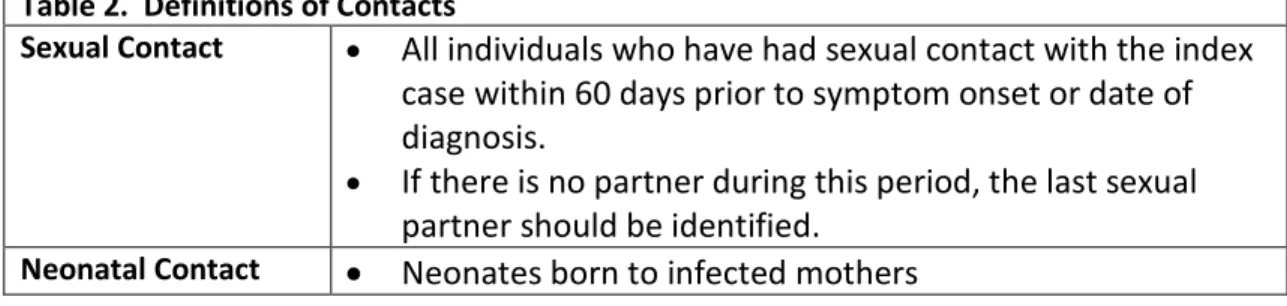
Sexual Contact • All individuals who have had sexual contact with the index case within 60 days prior to symptom onset or date of diagnosis.
• If there is no partner during this period, the last sexual partner should be identified.
Section: 5-20 - Chlamydia Page 8 of 10
2018 11 01
Communicable Disease Control Manual
• Offer supportive, non-judgmental advice and assistance to contacts.
Education
• Provide disease information as well as information on prevention and control measures including safer sex practices to all contacts and behavioural practices that support improved decision-making and reducing risk of reinfection and other STIs.
• Provide education on treatment. Patients and contacts should abstain from unprotected intercourse until treatment of both partners is complete (i.e., 7 days after completion of a multiple-dose treatment or for 7 days after single-dose therapy).
Immunization
• Recommend immunizations contacts are eligible for as per the Saskatchewan Immunization Manual. Sexual risk factors may render individuals eligible for Hepatitis A and B vaccines.
Testing
• Recommendations for testing for other sexually transmitted infections including HIV should be made.
Treatment
• Provide treatment for chlamydia to contacts at the same time of testing. It is not advised to await test results for these individuals.
• The Saskatchewan College of Physicians and Surgeons bylaws2 support the use of
expedited partner therapy (EPT) given by physicians.
Prevention Measures
Refer to the Sexually Transmitted Infections Introduction and General Considerations
section of the manual that highlights topics for client education that should be considered as well as provides information on high-risk groups and activities.
Immunization
Currently no vaccine for C. trachomatis.
Education
Education should be provided regarding healthy dating relationships and consent. The Saskatchewan Prevention Institute has several resources to support these topics.
Section: 5-20 - Chlamydia Page 9 of 10
2018 11 01
Communicable Disease Control Manual
Revisions
Date Change
October 2018 Updated contact tracing timelines from 90 days to 60 days in alignments with the Canadian STI Guidelines.
September 2018 Incorporated Public Health Purpose of Notification. Added Epidemiology and Occurrence section.
Reorganized chapter and applied new format. References reaffirmed or updated as necessary.
Aligned with Panorama and included the Panorama Data Collection Worksheet.
August 2018 Removed reference to preventative treatment for ophthalmia neonatorum with erythromycin ophthalmic prophylaxis.
Section: 5-20 - Chlamydia Page 10 of 10
2018 11 01
Communicable Disease Control Manual
References
Australasian Society for HIV, Viral Hepatitis and Sexual Health Medicine. (2016). Australasian contact tracing guidelines. Retrieved May, 2018
http://contacttracing.ashm.org.au/
Danby, C. S., Cosentino, L. A., Rabe, L. K., Priest, C. L., Damare, K. C., Macio, I. S., … Hillier, S. L. (2016). Patterns of Extragenital Chlamydia and Gonorrhea in Women and Men Who Have Sex with Men Reporting a History of Receptive Anal Intercourse. Sexually Transmitted Diseases, 43(2), 105–109. Retrieved June, 2018 from http://doi.org/10.1097/OLQ.0000000000000384
Heymann, D. L. (Ed.). (2015). Control of communicable diseases manual (20th ed.).
Washington, DC: American Public Health Association.
Public Health Agency of Canada. (2008). Case definitions for communicable diseases under national surveillance. Canada Communicable Disease Report (CCDR), 35S2, November 2009. Retrieved May, 2018 from
http://www.phac-aspc.gc.ca/publicat/ccdr-rmtc/09vol35/35s2/Chlamy-eng.php.
Public Health Agency of Canada. (2016). Canadian guidelines on sexually transmitted infections. Ottawa, ON: Her Majesty the Queen in Right of Canada. Retrieved May, 2018 from http://origin.phac-aspc.gc.ca/std-mts/sti-its/.
College of Physicians and Surgeons of Saskatchewan (2018). Regulatory bylaws for medical practice in Saskatchewan. Retrieved September, 2018 from
http://cps.sk.ca/iMIS/Documents/Legislation/Legislation/Regulatory%20Bylaws.pdf Sowka, J., Gurwood, A., Kabat, A. (2000). Chlamydial and gonococcal conjunctivitis.
Handbook of Ocular Disease Management. Retrieved January, 2012 from http://legacy.revoptom.com/handbook/sect2d.htm.
Section: 5-30 – Gonococcal Infections Page 1 of 13
2018 11 01
Communicable Disease Control Manual
Notification Timeline
:From Lab/Practitioner to Public Health: Within 72 hours. From Public Health to Saskatchewan Health: Within 2 weeks.
Public Health Follow-up Timeline:
Initiate within 72 hours.Surveillance Case Definition
1Confirmed Case – Genital Infections
(Public Health Agency of Canada, 2008)
Laboratory confirmation of infection in genitourinary specimens: • detection of N. gonorrhoeae by culture;
OR
• detection of N. gonorrhoeae nucleic acid.
Confirmed Case – Extra-genital Infections (Public Health Agency of Canada, 2008)
Laboratory confirmation of infection from pharynx, rectum, joint, conjunctiva, blood and other extra-genital sites:
• detection of N. gonorrhoeae by culture;
OR
• detection of N. gonorrhoeae nucleic acid.
1 Surveillance case definitions ensure uniform reporting to allow comparability of surveillance data. The definition is not intended to be used for clinical or laboratory diagnosis or management of cases.
Public Health Purpose for Notification of Gonococcal infections
• To minimize mortality and morbidity from gonococcal infections through contact tracing;
• To track epidemiology trends of gonococcal infections in Saskatchewan including risk factors and distribution;
• To monitor the incidence and frequency of antimicrobial resistant N. gonorrhoeae in Saskatchewan in order to inform treatment guidelines; • To identify at risk populations in order to inform prevention and control
programming;
• To monitor the effectiveness of prevention and control measures; and • To inform the public and medical community about gonococcal infections.
Section: 5-30 – Gonococcal Infections Page 2 of 13
2018 11 01
Communicable Disease Control Manual
Confirmed Case – Perinatally Acquired Infections (Public Health Agency of Canada, 2008)
Laboratory confirmation of infection from a neonate in the first 4 weeks of life leading to the diagnosis of gonococcal
conjunctivitis, scalp abscess, vaginitis, bacteremia, arthritis, meningitis or endocardidtis:
• detection of N. gonorrhoeae by culture; OR
• detection of N. gonorrhoeae nucleic acid.
Treatment Failure
(Public Health Agency of Canada, 2017)
absence of reported sexual contact during the post-treatment period AND one of the following:
• The presence of intracellular Gram-negative diplococci on microscopy in specimens taken at least 72 hours after completion of treatment,
OR
• Positive N. gonorrhoeae on culture of specimens taken at least 72 hours after completion of treatment,
OR
• Positive nucleic acid amplification tests (NAAT) of specimens taken at least 2–3 weeks after completion of treatment.
Epidemiology and Occurrence
• Worldwide.
• Most common in males age 20-24 years and females age 15-19 years. • A network of people with high-risk behaviours may play a key role in current
prevalence levels and in sustaining infections within a community.
• The proportion of penicillin-resistant organisms may reach 15% or higher in certain areas in Canada.
• Quinolone resistance in Canada has been steadily increasing. Shifts in minimal inhibitory concentrations (MICs) for third-generation oral and injectable
cephalosporins have been increasing in Canada and globally, particularly among men who have sex with men (MSM).
• Continued monitoring for antimicrobial resistance is important to prevent the spread of drug-resistant N. gonorrhoeae and to ensure high cure rates for this treatable infection.
Section: 5-30 – Gonococcal Infections Page 3 of 13
2018 11 01
Communicable Disease Control Manual • The epidemiology in Saskatchewan:
o Gonococcal infection rates in Saskatchewan are over double those in Canada, albeit the majority of jurisdictions in Canada are also experiencing an upward trend in number of identified cases.
o Gonococcal infection rates are highest in the northern population of
Saskatchewan. This is presumed to be related to barriers in accessing health care services or reluctance to seek health care because of the lack of anonymity in small communities.
o The sharp rate increase in 2016 and 2017 reflects a large cluster of cases among men practicing sex with men in Saskatoon area.
o Commonly reported risk factors include unprotected sex; new or multiple partners in the past 3 months; alcohol use (about a quarter of cases aged 15-29 years); and having sex with a person with a known sexually transmitted infection (STI).
o Even though N. gonorrhoeae has been traditionally easily treated with antibiotics, Saskatchewan reported cases of anti-microbial resistant N. gonorrhoeae since 2017. If undiagnosed, this can be transmitted to several partners before it is treated and treatment options are limited.
• Public Health Agency of Canada (2010) reports there is under-screening of high-risk males and females. Males often have infrequent health maintenance visits.
• Without treatment, infection persists for many months.
• Chlamydia is often a co-infection for those diagnosed with N. gonorrhoeae.
Additional Background Information
Causative Agent
Section: 5-30 – Gonococcal Infections Page 4 of 13
2018 11 01
Communicable Disease Control Manual
Identification
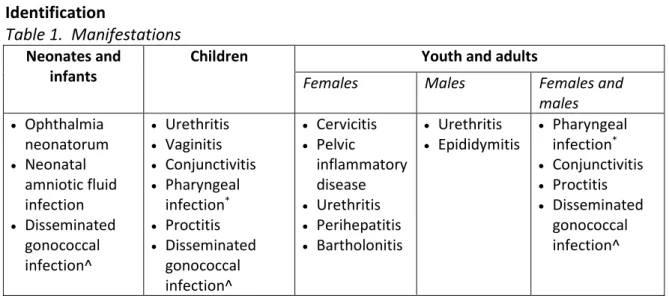
Table 1. Manifestations
Neonates and
infants Children Females Youth and adults Males Females and
males • Ophthalmia neonatorum • Neonatal amniotic fluid infection • Disseminated gonococcal infection^ • Urethritis • Vaginitis • Conjunctivitis • Pharyngeal infection* • Proctitis • Disseminated gonococcal infection^ • Cervicitis • Pelvic inflammatory disease • Urethritis • Perihepatitis • Bartholonitis • Urethritis • Epididymitis • Pharyngeal infection* • Conjunctivitis • Proctitis • Disseminated gonococcal infection^
Source: Canadian Guidelines on Sexually Transmitted Infections, 2017. *Infections of pharynx and rectum are often asymptomatic
^ e.g. arthritis, dermatitis, endocarditis, meningitis
Table 2. Symptoms of genital tract infection with N. gonorrhoeae
Females Males
• Vaginal discharge • Dysuria
• Abnormal vaginal bleeding • Lower abdominal pain
• Rectal pain and discharge with proctitis • Deep dyspareunia
• Urethral discharge • Dysuria
• Urethral itch
• Testicular pain, swelling or symptoms of epididymitis
• Rectal pain and discharge with proctitis
Source: Canadian Guidelines on Sexually Transmitted Infections, 2017. Table 3. Major Sequelae
Females Males
• Pelvic inflammatory disease (PID) • Infertility
• Ectopic pregnancy • Chronic pelvic pain
• Reactive arthritis (oculo-urethro-synovial syndrome)
• Disseminated gonococcal infection^
• Epididymo-orchitis
• Reactive arthritis (oculo-urethro-synovial syndrome)
• Infertility (rare)
• Disseminated gonococcal infection^
Source: Canadian Guidelines on Sexually Transmitted Infections, 2017. ^ e.g. arthritis, dermatitis, endocarditis, meningitis
Section: 5-30 – Gonococcal Infections Page 5 of 13
2018 11 01
Communicable Disease Control Manual
Reservoir
Humans.
Mode of Transmission
Genital infections: contact with exudates from mucous membranes of infected people, typically as a result of sexual activity.
Perinatal infections: passage through birth canal.
Secondary gonococcal bacterial conjunctivitis may follow accidental inoculation by fingers (Sowka, J., et al., 2000).
Incubation Period
Usually 2-7 days.
Period of Communicability
Effective treatment ends communicability within hours. Without treatment, communicability may extend for months.
Specimen Collection and Transport
In response to increasing gonococcal antimicrobial resistance being observed in Canada and other parts of the world, improved monitoring of trends in antimicrobial resistance patterns is desirable. While NAAT are non-invasive and have high sensitivity and
specificity, culture of at least some patients is necessary to guide therapy and to provide adequate data for surveillance of antimicrobial resistance in order to inform treatment guidelines in general.
Section: 5-30 – Gonococcal Infections Page 6 of 13
2018 11 01
Communicable Disease Control Manual Genital infection:
• NAAT should be performed on first void urine because of greater sensitivity than culture.
• Culture and Gram stain are recommended for the following specimens: urethra in young and adult males with or without meatal discharge; cervix in young and adult females.
• Culture is recommended for the following specimens:
rectum in females and males who have sex with men (colonization can occur without anal intercourse);
vagina in prepubertal girls or women without cervix. Extra-genital infection:
• Culture:
pharynx in those with a history of oral-genital contact; conjunctiva for ocular infections.
Disseminated infection:
• genital testing as outlined above; • blood culture;
Whenever possible, cultures for N. gonorrhoeae should be done, especially in the
following circumstances:
1. In men who have sex with men (MSM), cultures are recommended in
symptomatic patients prior to treatment. (Due to increased sensitivity of NAAT over culture, both gonococcal culture and NAAT are indicated).
NAAT should continue to be used for screening genital tract specimens (urine, cervix or urethra) from asymptomatic individuals.
2. Patients with a travel history during the potential period of exposure.
3. For all cases, test of cure with an appropriate sample for gonococcal culture is recommended for any of the following situations:
a. All pharyngeal infections
b. Persistent signs or symptoms post-treatment
c. Cases treated using a regimen other than the preferred treatment d. Case who is linked to a drug resistant/treatment failure case and was
Section: 5-30 – Gonococcal Infections Page 7 of 13
2018 11 01
Communicable Disease Control Manual
• synovial fluid for culture and gram stain if arthritis; • Gram stain and culture of skin lesion.
Special considerations:
Cultures obtained less than 48 hours after exposure may be negative. • Culture is especially important in the following cases:
sexual abuse of children (rectal, pharyngeal, vaginal); sexual assault;
treatment failure;
evaluation of pelvic inflammatory disease (PID);
infection acquired overseas or in areas with recognized antimicrobial resistance.
NAAT should not be used for test of cure.
For information on specimen sources and culture media refer to Attachment - Transport Media for Specific STIs.
Public Health Investigation
I. Case
Refer to Attachment – Confidential Notification of Chlamydia and Gonorrhea to assist.
History
• Patients should be informed that their sexual history is confidential. Key elements to inquire about include:
o Onset of illness o Risk factors including:
sexual contact with a gonococcal-infected person or with a person with a compatible syndrome;
more than two sexual partners in the past 6 months;
vulnerable populations (for example persons who inject drugs, individuals who receive food shelter money or drugs for sex, street youth, men who have unprotected sex with men, sexually active youth <25 years of age with multiple partners, etc.).
unprotected sex with a partner from a highly endemic area (either international or within Canada);
Section: 5-30 – Gonococcal Infections Page 8 of 13
2018 11 01
Communicable Disease Control Manual
o Sexual contacts in order to interrupt the cycle of transmission. Travel history may be of significance in contact tracing.
Treatment
Treatment for gonococcal infection is indicated for the following: • a positive N. gonorrhoeae test;
• presumptive diagnosis of a syndrome compatible with a gonococcal infection, (without waiting for the test results of N. gonorrhoeae);
• laboratory diagnosis of gonococcal infection in a sexual partner;
Public Health Interventions
Refer to Attachment - Chlamydia and Gonorrhea Public Health Follow-up Data Collection Worksheet to support public health follow-up.
Assessment
• Assess for contacts.
Communication
• Individuals may be difficult to reach in the era of technology and mobile phones. It is important to attempt to contact individuals using various methods such as phone calls at various times of the day. Some individuals’ mobile service contracts only allow for text messaging. It is important to have policies and procedures that support the use of alternate modes of communication to assist in case follow-up.
• The primary care provider is an essential partner in the management of gonococcal infections. It is important to provide updates to care providers when they have referred cases to public health to assist in follow-up.
Increasing gonococcal antimicrobial resistance being observed in Canada. In response, the Public Health Agency of Canada has been updating treatment recommendations since December 2011. See Attachment – STI Treatment Guidelines for reference, however, the latest version of the Canadian Guidelines on Sexually Transmitted Infections should be referred to for current treatment guidelines at
https://www.canada.ca/en/public- health/services/infectious-diseases/sexual-health-sexually-transmitted-infections/canadian-guidelines.html
Section: 5-30 – Gonococcal Infections Page 9 of 13
2018 11 01
Communicable Disease Control Manual
Education
• Provide disease information as well as information on prevention and control measures including safer sex practices and behavioural practices that support improved decision-making and reducing risk of reinfection and other STIs. • Provide education on treatment; patients and contacts should abstain from
unprotected intercourse until treatment of both partners is complete (i.e., 7 days after completion of a multiple-dose treatment or for 7 days after single-dose therapy).
Immunization
• Recommend immunizations they are eligible for as per the Saskatchewan
Immunization Manual. Sexual risk factors may render individuals eligible for Hepatitis A and B vaccines.
Referral
• Refer to harm reduction or other supportive services as indicated (see Introduction and General Considerations)
Testing
• Additional testing, including HIV, should be recommended for individuals based on the risk assessment and testing history.
• Follow up cultures for test of cure are indicated approximately 4-5 days following completion of therapy. This must be completed in the following circumstances: o treatment failure has occurred previously;
o antimicrobial resistance to therapy is documented; o re-exposure to untreated partner;
o where compliance is unknown;
o if an alternative treatment has been used; o in all prepubertal children;
o in all pregnant women;
o in cases of PID or dissemintated gonococcal infection;
o quinolones were administered for treatment and there was no previous antimicrobial testing done;
o there is concern over a false-positive non-culture test result.
• NAATs are not recommended for test of cure. If this is the only test available, it should be performed at least 4 weeks following completion of therapy to avoid false-positive results due to the presence of non-viable organisms. Positive NAAT test results within 30 days of treatment should be considered a duplicate case unless re-infection is likely to have occurred.
Section: 5-30 – Gonococcal Infections Page 10 of 13
2018 11 01
Communicable Disease Control Manual
• Antimicrobial susceptibility testing is required for all isolates from positive (test of cure) follow-up cultures and treatment failures.
• Repeat testing in all individuals is recommended 6 months post-treatment, as re-infection risk is high. Positive NAAT test results within 30 days of treatment are considered a duplicate case unless re-infection is likely to have occurred.
II. Contacts
Contact tracing relies on the cooperation of the patient; it is important that health care providers offer supportive, non-judgmental advice and assistance to patients and their contacts. Most individuals feel notifying partners is the ‘right thing to do’; however, they also want advice and support for this from their health care provider.
It is important to understand the patient’s particular situation and identify individual barriers to notifying contacts. Inform patients that for many individuals who discuss their STI diagnosis with a partner, the experience is better than they had anticipated (Australian Government Department of Health, 2016).
Public Health Interventions Assessment
• Assess for symptoms.
Communication
• Individual follow-up of contacts is important to intercept the transmission of STIs. These individuals must be notified of their exposure within 72 hours.
• Offer supportive, non-judgmental advice and assistance to contacts.
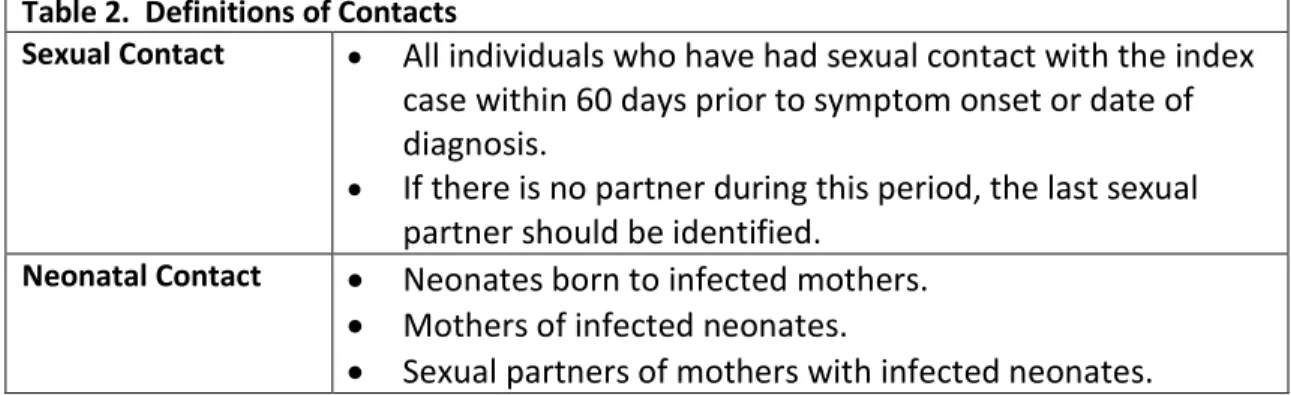
Table 2. Definitions of Contacts
Sexual Contact • All individuals who have had sexual contact with the index
case within 60 days prior to symptom onset or date of diagnosis.
• If there is no partner during this period, the last sexual partner should be identified.
Neonatal Contact • Neonates born to infected mothers. • Mothers of infected neonates.
Section: 5-30 – Gonococcal Infections Page 11 of 13
2018 11 01
Communicable Disease Control Manual
Education
• Provide disease information as well as information on prevention and control measures including safer sex practices to all contacts and behavioural practices that support improved decision-making and reducing risk of reinfection and other STIs. • Provide education on treatment. Patients and contacts should abstain from
unprotected intercourse until treatment of both partners is complete (i.e., 7 days after completion of a multiple-dose treatment or for 7 days after single-dose therapy).
Immunization
• Recommend immunizations contacts are eligible for as per the Saskatchewan
Immunization Manual. Sexual risk factors may render individuals eligible for Hepatitis A and B vaccines.
Testing
• Recommendations for testing for other sexually transmitted infections including HIV should be made.
Treatment
• Provide treatment for gonococcal infection to contacts at the same time of testing. It is not advised to await test results for these individuals.
Prevention Measures
Refer to the Sexually Transmitted Infections Introduction and General Considerations
section of the manual that highlights topics for client education that should be considered as well as provides information on high-risk groups and activities.
Immunization
Currently no vaccine for N. gonorrhoeae.
Education
Education should be provided regarding healthy dating relationships and consent. The Saskatchewan Prevention Institute has several resources to support these topics.
Section: 5-30 – Gonococcal Infections Page 12 of 13
2018 11 01
Communicable Disease Control Manual
Revisions
October 2018 Updated contact tracing timelines from 90 days to 60 days in alignments with the Canadian STI Guidelines.
September 2018 Incorporated Public Health Purpose of Notification. Added Epidemiology and Occurrence section.
Updated Table 2 to align with Canadian STI Guidelines. Reorganized chapter and applied new format.
References reaffirmed or updated as necessary.
Aligned with Panorama and included the updated Confidential Notification of Chlamydia and Gonorrhea.
Incorporated PHAC definition of treatment failure.
August 2018 Removed reference to preventative treatment for ophthalmia neonatorum with erythromycin ophthalmic prophylaxis.
Section: 5-30 – Gonococcal Infections Page 13 of 13
2018 11 01
Communicable Disease Control Manual
References
Heymann, D. L. (Ed.). (2015). Control of communicable diseases manual (20th ed.).
Washington, DC: American Public Health Association.
Public Health Agency of Canada. (2008). Case definitions for communicable diseases under national surveillance. Canada Communicable Disease Report (CCDR), 35S2, November 2009. September, 2018 from http://www.phac-aspc.gc.ca/publicat/ccdr-rmtc/09vol35/35s2/Gonorr-eng.php.
Public Health Agency of Canada. (2017). Canadian guidelines on sexually transmitted infections – Management and treatment of specific infections – Gonococcal infections. Ottawa, ON: Her Majesty the Queen in Right of Canada. Retrieved September, 2018 from https://www.canada.ca/en/public-health/services/infectious-diseases/sexual- health-sexually-transmitted-infections/canadian-guidelines/sexually-transmitted-
infections/canadian-guidelines-sexually-transmitted-infections-34.html#toc361210482.
Sowka, J., Gurwood, A., Kabat, A. (2000). Chlamydial and gonococcal conjunctivitis. Handbook of Ocular Disease Management. Retrieved January, 2012 from http://legacy.revoptom.com/handbook/sect2d.htm.
Lymphogranuloma Venereum (LGV)
Reviewed: July, 2010 Section: 5-60
Page 1 of 7
Communicable Disease Control Manual
Notification Timeline
:From Lab/Practitioner to Public Health: Within 72 hours.
From Public Health to Saskatchewan Ministry of Health: Within 2 weeks
Public Health Follow-up Timeline:
Initiate within 72 hours.Infectious Agent
Bacterial infection caused by Chlamydia trachomatis, serovars L1, L2, L3.
Case Definition (Public Health Agency of Canada, 2010)
Confirmed Case:
Presence of C. trachomatis serotype L1, L2, L3 confirmed by DNA sequencing or restriction fragment length polymorphism (RFLP).
Probable Case:
Positive result on culture, nucleic acid amplification tests (NAAT) or serologic testing for C. trachomatis plus the presence of proctitis OR inguinal or femoral lymphadenopathy OR a sexual partner with LGV.
Identification
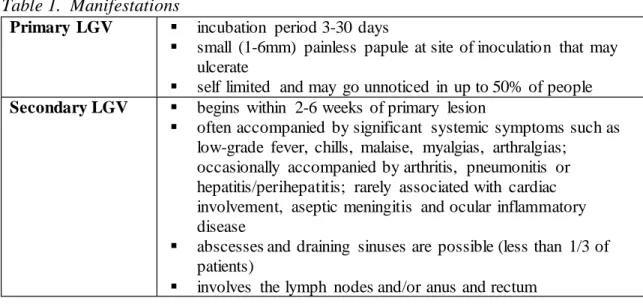
Table 1. Manifestations
Primary LGV incubation period 3-30 days
small (1-6mm) painless papule at site of inoculation that may ulcerate
self limited and may go unnoticed in up to 50% of people
Secondary LGV begins within 2-6 weeks of primary lesion
often accompanied by significant systemic symptoms such as low-grade fever, chills, malaise, myalgias, arthralgias;
occasionally accompanied by arthritis, pneumonitis or hepatitis/perihepatitis; rarely associated with cardiac involvement, aseptic meningitis and ocular inflammatory disease
abscesses and draining sinuses are possible (less than 1/3 of patients)