Responsibility for the contents rests upon the authors and not upon IARIA, nor on IARIA volunteers,
staff, or contractors.
IARIA is the owner of the publication and of editorial aspects. IARIA reserves the right to update the
content for quality improvements.
Abstracting is permitted with credit to the source. Libraries are permitted to photocopy or print,
providing the reference is mentioned and that the resulting material is made available at no cost.
Reference should mention:
International Journal on Advances in Networks and Services, issn 1942-2644 vol. 7, no. 3 & 4, year 2014, http://www.iariajournals.org/networks_and_services/
The copyright for each included paper belongs to the authors. Republishing of same material, by authors
or persons or organizations, is not allowed. Reprint rights can be granted by IARIA or by the authors, and
must include proper reference.
Reference to an article in the journal is as follows:
<Author list>, “<Article title>”International Journal on Advances in Networks and Services, issn 1942-2644
vol. 7, no. 3 & 4, year 2014, <start page>:<end page> , http://www.iariajournals.org/networks_and_services/
IARIA journals are made available for free, proving the appropriate references are made when their
content is used.
Sponsored by IARIA
www.iaria.org
Tibor Gyires, Illinois State University, USA
Editorial Advisory Board
Mario Freire, University of Beira Interior, Portugal
Jens Martin Hovem, Norwegian University of Science and Technology, Norway
Vitaly Klyuev, University of Aizu, Japan
Noel Crespi, Institut TELECOM SudParis-Evry, France
Editorial Board
Ryma Abassi, Higher Institute of Communication Studies of Tunis (Iset'Com) / Digital Security Unit, Tunisia Majid Bayani Abbasy, Universidad Nacional de Costa Rica, Costa Rica
Jemal Abawajy, Deakin University, Australia
Javier M. Aguiar Pérez, Universidad de Valladolid, Spain Rui L. Aguiar, Universidade de Aveiro, Portugal
Ali H. Al-Bayati, De Montfort Uni. (DMU), UK
Giuseppe Amato, Consiglio Nazionale delle Ricerche, Istituto di Scienza e Tecnologie dell'Informazione (CNR-ISTI), Italy
Mario Anzures-García, Benemérita Universidad Autónoma de Puebla, México ] Pedro Andrés Aranda Gutiérrez, Telefónica I+D - Madrid, Spain
Miguel Ardid, Universitat Politècnica de València, Spain
Valentina Baljak, National Institute of Informatics & University of Tokyo, Japan Alvaro Barradas, University of Algarve, Portugal
Mostafa Bassiouni, University of Central Florida, USA Michael Bauer, The University of Western Ontario, Canada
Carlos Becker Westphall, Federal University of Santa Catarina, Brazil Zdenek Becvar, Czech Technical University in Prague, Czech Republic Francisco J. Bellido Outeiriño, University of Cordoba, Spain
Djamel Benferhat, University Of South Brittany, France Jalel Ben-Othman, Université de Paris 13, France Mathilde Benveniste, En-aerion, USA
Luis Bernardo, Universidade Nova of Lisboa, Portugal Alex Bikfalvi, Universidad Carlos III de Madrid, Spain
Thomas Michael Bohnert, Zurich University of Applied Sciences, Switzerland Eugen Borgoci, University "Politehnica"of Bucharest (UPB), Romania Fernando Boronat Seguí, Universidad Politecnica de Valencia, Spain
Juan-Vicente Capella-Hernández, Universitat Politècnica de València, Spain Eduardo Cerqueira, Federal University of Para, Brazil
Patryk Chamuczyński, Radytek, Poland Bruno Chatras, Orange Labs, France
Marc Cheboldaeff, T-Systems International GmbH, Germany Kong Cheng, Telcordia Research, USA
Dickson Chiu, Dickson Computer Systems, Hong Kong Andrzej Chydzinski, Silesian University of Technology, Poland Hugo Coll Ferri, Polytechnic University of Valencia, Spain Noelia Correia, University of the Algarve, Portugal Noël Crespi, Institut Telecom, Telecom SudParis, France Paulo da Fonseca Pinto, Universidade Nova de Lisboa, Portugal
Philip Davies, Bournemouth and Poole College / Bournemouth University, UK Carlton Davis, École Polytechnique de Montréal, Canada
Claudio de Castro Monteiro, Federal Institute of Education, Science and Technology of Tocantins, Brazil João Henrique de Souza Pereira, University of São Paulo, Brazil
Javier Del Ser, Tecnalia Research & Innovation, Spain
Behnam Dezfouli, Universiti Teknologi Malaysia (UTM), Malaysia Daniela Dragomirescu, LAAS-CNRS, University of Toulouse, France Jean-Michel Dricot, Université Libre de Bruxelles, Belgium Wan Du, Nanyang Technological University (NTU), Singapore Matthias Ehmann, Universität Bayreuth, Germany
Wael M El-Medany, University Of Bahrain, Bahrain Imad H. Elhajj, American University of Beirut, Lebanon Gledson Elias, Federal University of Paraíba, Brazil Joshua Ellul, University of Malta, Malta
Rainer Falk, Siemens AG - Corporate Technology, Germany
Károly Farkas, Budapest University of Technology and Economics, Hungary
Huei-Wen Ferng, National Taiwan University of Science and Technology - Taipei, Taiwan Gianluigi Ferrari, University of Parma, Italy
Mário F. S. Ferreira, University of Aveiro, Portugal
Bruno Filipe Marques, Polytechnic Institute of Viseu, Portugal Ulrich Flegel, HFT Stuttgart, Germany
Juan J. Flores, Universidad Michoacana, Mexico Ingo Friese, Deutsche Telekom AG - Berlin, Germany Sebastian Fudickar, University of Potsdam, Germany Stefania Galizia, Innova S.p.A., Italy
Ivan Ganchev, University of Limerick, Ireland
Miguel Garcia, Universitat Politecnica de Valencia, Spain Emiliano Garcia-Palacios, Queens University Belfast, UK
Christos Grecos, University of West of Scotland, UK Vic Grout, Glyndwr University, UK
Yi Gu, Middle Tennessee State University, USA Angela Guercio, Kent State University, USA Xiang Gui, Massey University, New Zealand
Mina S. Guirguis, Texas State University - San Marcos, USA
Tibor Gyires, School of Information Technology, Illinois State University, USA Keijo Haataja, University of Eastern Finland, Finland
Gerhard Hancke, Royal Holloway / University of London, UK
R. Hariprakash, Arulmigu Meenakshi Amman College of Engineering, Chennai, India Go Hasegawa, Osaka University, Japan
Eva Hladká, CESNET & Masaryk University, Czech Republic
Hans-Joachim Hof, Munich University of Applied Sciences, Germany Razib Iqbal, Amdocs, Canada
Abhaya Induruwa, Canterbury Christ Church University, UK Muhammad Ismail, University of Waterloo, Canada Vasanth Iyer, Florida International University, Miami, USA
Peter Janacik, Heinz Nixdorf Institute, University of Paderborn, Germany Imad Jawhar, United Arab Emirates University, UAE
Aravind Kailas, University of North Carolina at Charlotte, USA
Mohamed Abd rabou Ahmed Kalil, Ilmenau University of Technology, Germany Kyoung-Don Kang, State University of New York at Binghamton, USA
Sarfraz Khokhar, Cisco Systems Inc., USA Vitaly Klyuev, University of Aizu, Japan Jarkko Kneckt, Nokia Research Center, Finland
Dan Komosny, Brno University of Technology, Czech Republic Ilker Korkmaz, Izmir University of Economics, Turkey
Tomas Koutny, University of West Bohemia, Czech Republic Evangelos Kranakis, Carleton University - Ottawa, Canada Lars Krueger, T-Systems International GmbH, Germany Kae Hsiang Kwong, MIMOS Berhad, Malaysia
KP Lam, University of Keele, UK
Birger Lantow, University of Rostock, Germany Hadi Larijani, Glasgow Caledonian Univ., UK
Annett Laube-Rosenpflanzer, Bern University of Applied Sciences, Switzerland Angelos Lazaris, University of Southern California (USC), USA
Gyu Myoung Lee, Institut Telecom, Telecom SudParis, France Shiguo Lian, Orange Labs Beijing, China
Chiu-Kuo Liang, Chung Hua University, Hsinchu, Taiwan Wei-Ming Lin, University of Texas at San Antonio, USA
Elsa María Macías López, University of Las Palmas de Gran Canaria, Spain Damien Magoni, University of Bordeaux, France
Ahmed Mahdy, Texas A&M University-Corpus Christi, USA
Zoubir Mammeri, IRIT - Paul Sabatier University - Toulouse, France Gianfranco Manes, University of Florence, Italy
Sathiamoorthy Manoharan, University of Auckland, New Zealand
Moshe Timothy Masonta, Council for Scientific and Industrial Research (CSIR), Pretoria, South Africa Hamid Menouar, QU Wireless Innovations Center - Doha, Qatar
Guowang Miao, KTH, The Royal Institute of Technology, Sweden Mohssen Mohammed, University of Cape Town, South Africa Miklos Molnar, University Montpellier 2, France
Lorenzo Mossucca, Istituto Superiore Mario Boella, Italy
Jogesh K. Muppala, The Hong Kong University of Science and Technology, Hong Kong Katsuhiro Naito, Mie University, Japan
Deok Hee Nam, Wilberforce University, USA
Sarmistha Neogy, Jadavpur University- Kolkata, India
Rui Neto Marinheiro, Instituto Universitário de Lisboa (ISCTE-IUL), Instituto de Telecomunicações, Portugal David Newell, Bournemouth University - Bournemouth, UK
Armando Nolasco Pinto, Universidade de Aveiro / Instituto de Telecomunicações, Portugal Jason R.C. Nurse, University of Oxford, UK
Kazuya Odagiri, Yamaguchi University, Japan Máirtín O'Droma, University of Limerick, Ireland
Rainer Oechsle, University of Applied Science, Trier, Germany Henning Olesen, Aalborg University Copenhagen, Denmark Jose Oscar Fajardo, University of the Basque Country, Spain Constantin Paleologu, University Politehnica of Bucharest, Romania Eleni Patouni, National & Kapodistrian University of Athens, Greece Harry Perros, NC State University, USA
Miodrag Potkonjak, University of California - Los Angeles, USA Yusnita Rahayu, Universiti Malaysia Pahang (UMP), Malaysia Yenumula B. Reddy, Grambling State University, USA Oliviero Riganelli, University of Milano Bicocca, Italy
Teng Rui, National Institute of Information and Communication Technology, Japan Antonio Ruiz Martinez, University of Murcia, Spain
George S. Oreku, TIRDO / North West University, Tanzania/ South Africa Sattar B. Sadkhan, Chairman of IEEE IRAQ Section, Iraq
Husnain Saeed, National University of Sciences & Technology (NUST), Pakistan Addisson Salazar, Universidad Politecnica de Valencia, Spain
Sébastien Salva, University of Auvergne, France
Hans Scholten, Pervasive Systems / University of Twente, The Netherlands Véronique Sebastien, University of Reunion Island, France
Jean-Pierre Seifert, Technische Universität Berlin & Telekom Innovation Laboratories, Germany Sandra Sendra Compte, Polytechnic University of Valencia, Spain
Dimitrios Serpanos, Univ. of Patras and ISI/RC ATHENA, Greece Roman Y. Shtykh, Rakuten, Inc., Japan
Salman Ijaz Institute of Systems and Robotics, University of Algarve, Portugal Adão Silva, University of Aveiro / Institute of Telecommunications, Portugal Florian Skopik, AIT Austrian Institute of Technology, Austria
Karel Slavicek, Masaryk University, Czech Republic Vahid Solouk, Urmia University of Technology, Iran Peter Soreanu, ORT Braude College, Israel
Pedro Sousa, University of Minho, Portugal
Vladimir Stantchev, SRH University Berlin, Germany Radu Stoleru, Texas A&M University - College Station, USA Lars Strand, Nofas, Norway
Stefan Strauβ, Austrian Academy of Sciences, Austria
Álvaro Suárez Sarmiento, University of Las Palmas de Gran Canaria, Spain
Masashi Sugano, School of Knowledge and Information Systems, Osaka Prefecture University, Japan Young-Joo Suh, POSTECH (Pohang University of Science and Technology), Korea
Junzhao Sun, University of Oulu, Finland
David R. Surma, Indiana University South Bend, USA
Yongning Tang, School of Information Technology, Illinois State University, USA Yoshiaki Taniguchi, Osaka University, Japan
Anel Tanovic, BH Telecom d.d. Sarajevo, Bosnia and Herzegovina Olivier Terzo, Istituto Superiore Mario Boella - Torino, Italy Tzu-Chieh Tsai, National Chengchi University, Taiwan Samyr Vale, Federal University of Maranhão - UFMA, Brazil Dario Vieira, EFREI, France
Natalija Vlajic, York University - Toronto, Canada
Lukas Vojtech, Czech Technical University in Prague, Czech Republic Michael von Riegen, University of Hamburg, Germany
You-Chiun Wang, National Sun Yat-Sen University, Taiwan Gary R. Weckman, Ohio University, USA
Chih-Yu Wen, National Chung Hsing University, Taichung, Taiwan Michelle Wetterwald, HeNetBot, France
Feng Xia, Dalian University of Technology, China Kaiping Xue, USTC - Hefei, China
Mark Yampolskiy, Vanderbilt University, USA Dongfang Yang, National Research Council, Canada
Weiliang Zhao, Macquarie University, Australia Wenbing Zhao, Cleveland State University, USA
Zibin Zheng, The Chinese University of Hong Kong, China Yongxin Zhu, Shanghai Jiao Tong University, China
Zuqing Zhu, University of Science and Technology of China, China Martin Zimmermann, University of Applied Sciences Offenburg, Germany
pages: 130 - 137
Wireless Condition Monitoring for Industrial Applications based on Radio Sensor Nodes with Energy Harvesting
Michael Niedermayer, Fraunhofer Institute for Reliability and Microintegration, Deutschland Stephan Bennecke, Technical University of Berlin, Deutschland
Rainer Wirth, Gesellschaft für Maschinendiagnose mbH, Deutschland
Eduard Armbruster, Fraunhofer Institute for Reliability and Microintegration, Deutschland Klaus-Dieter Lang, Technical University of Berlin, Deutschland
pages: 138 - 147
Low Energy Adaptive Clustering in Wireless Sensor Network Based on Spectral Clustering
Ali Jorio, LRIT, Research Unit Associated to the CNRST (URAC 29), FSR, Mohammed V University, Rabat, Morocco Sanaa El Fkihi, ENSIAS Mohammed V University Rabat,, Morocco
Brahim Elbhiri, EMSI Rabat, Morocco
Driss Aboutajdine, LRIT, Research Unit Associated to the CNRST (URAC 29), FSR, Mohammed V University, Rabat, Morocco
pages: 148 - 162
Peer-to-Peer Collaboration in PeCoCC Framework
Mais Hasan, Technische Universitaet Ilmenau, Germany Robbi Golle, Technische Universitaet Ilmenau, Germany Maik Debes, Technische Universitaet Ilmenau, Germany Jochen Seitz, Technische Universitaet Ilmenau, Germany Agnieszka Lewandowska, Berufsakademie Eisenach, Germany
pages: 163 - 172
PonderFlow: A New Policy Specification Language to SDN OpenFlow-based Networks
Bruno Batista, State University of Ceará, Brazil Marcial Fernandez, State University of Ceará, Brazil
pages: 173 - 182
Energy Based Analytical Modelling of ANCH Clustering Algorithm for Wireless Sensor Networks
Morteza Mohammadi Zanjireh, Glasgow Caledonian University, United Kingdom Hadi Larijani, Glasgow Caledonian University, United Kingdom
Wasiu O. Popoola, Glasgow Caledonian University, United Kingdom
pages: 183 - 193
A Policy for Group Handover Attempts over Heterogeneous Networks
Nivia Cruz Quental, UFPE, Brazil
Paulo André da Silva Gonçalves, UFPE, Brazil
pages: 194 - 205
Application-Aware Bandwidth Scheduling for Data Center Networks
pages: 216 - 227
Management System Scalability Evaluation in Multi-domain Content Aware Networks
Eugen Borcoci, University POLITEHNICA of Bucharest, Romania Mihai Constantinescu, University POLITEHNICA of Bucharest, Romania Marius-Constantin Vochin, University POLITEHNICA of Bucharest, Romania
pages: 228 - 239
Performance of Meshed Tree Protocols for Loop Avoidance in Switched Networks
Kuhu Sharma, Rochester Institute of Technology, USA Stackpole Bill, Rochester Institute of Technology, USA Johnson Daryl, Rochester Institute of Technology, USA Nirmala Shenoy, Rochester Institute of Technology, USA Bruce Hartpence, Rochester Institute of Technology, USA
pages: 240 - 251
Multicast, TRILL and LISP Extensions for INET
Vladimír Veselý, Brno University of Technology, Czech Republic Marcel Marek, Brno University of Technology, Czech Republic Ondřej Ryšavý, Brno University of Technology, Czech Republic Miroslav Švéda, Brno University of Technology, Czech Republic
pages: 252 - 261
Design of a Novel Network Architecture for Distributed Event-Based Systems Using Directional Random Walks in an Ubiquitous Sensing Scenario
Cristina Muñoz, University of Geneva, Switzerland Pierre Leone, University of Geneva, Switzerland
pages: 262 - 272
Moving Towards Distributed Networks of Proactive, Self-Adaptive and Context-Aware Systems: a New Research Direction?
Remus-Alexandru Dobrican, University of Luxembourg, Luxembourg Denis Zampunieris, University of Luxembourg, Luxembourg
Wireless Condition Monitoring for Industrial Applications
based on Radio Sensor Nodes with Energy Harvesting
Michael Niedermayer
1, Stephan Bennecke
2, Rainer Wirth
3, Eduard Armbruster
1, Klaus-Dieter Lang
2 1Dept. RF & Smart Sensor Systems, Fraunhofer IZM, Berlin, Germany, email: {niederm, armbruster}@izm.fraunhofer.de 2Dept. Center of Advanced Packaging, Techn. University of Berlin, Berlin, Germany, email: {benecke, tib421}@tu-berlin.de3GfM Gesellschaft für Maschinendiagnose mbH, Berlin, Germany, email: [email protected]
Abstract — Wireless sensor nodes can detect component
wear and tear just in time. Such sensor networks can allow for waiting to overhaul delay the overhauling of machines until it is really absolutely necessary. This means that time-consuming and expensive downtime can be avoided. A sensor network for the condition monitoring of industrial machines has been developed in the publicly funded project ECoMoS. The implemented sensor nodes are able to predict machine failures until three months in advance.
Keywords — Energy Harvesting; Condition Monitoring; Machine Diagnosis; Wireless Sensor Networks
I. INTRODUCTION
With the availability of inexpensive, self-powered wireless sensor nodes the burden of condition monitoring systems drops significantly. The cost savings by introduction of wireless condition monitoring solutions can be considerable. Furthermore, new service concepts in conjunction with a maintenance cloud are enabled by a role-specific access to the sensor data and diagnostic results. Such cloud based sensor networks for condition monitoring will avoid time-consuming and expensive downtime of much industrial equipment in the near future. Sensor networks offer the chance to revolutionize measurement technology in the coming years. In the joint project 'Energy-autarkic Condition Monitoring System' (ECoMoS), the application field of self-powered wireless sensor technology has been expanded to the wireless condition monitoring of industrial plants [1]. A lot of research has been done to prepare this development. The preceeding research activities focused on the implementation of sensor nodes with small size [2][3] at minimal costs [4][5] for industrial enviroments [6][7].
The rest of the paper is organized as follows: first, we discuss relevant aspects of vibration diagnosis in Section II. Afterwards, prototypes for energy harvesting are presented in Section III. Section IV describes several implementation details of the wireless sensor network. The field test is introduced in Section V. Finally, Section VI concludes our work and gives a perspective on our future work.
II. DETECTING MACHINE DAMAGES IN ADVANCE
Several measurement categories can be checked for the condition monitoring of machines. Temperature and vibra-tion signals are most frequently analyzed to identify
malfunctions of machines. Here, we focus on condition monitoring based on acceleration sensors, which measure vibrations. Vibration diagnosis was established for early prediction of machine breakdowns. The corresponding signal analysis methods are usually based on spectral analyses of the occurring mechanical vibrations. Two types of machine diagnosis can be distinguished regarding the accuracy. In one variant, the basic diagnosis utilizes methods of simple characteristics. The second variant of condition monitoring applies an in-depth diagnosis to predict machine failures several weeks in advance. The higher accuracy can be achieved with the help of diagnostic algorithms, which use knowledge of kinematic drive models in addition to the analysis of vibration measurements. Condition monitoring systems for in-depth diagnosis are based on wired accele-ration sensors, which are connected with diagnosis core units. There are only few wireless system solutions to run the less precise base diagnosis of machines.
The concept in the joint project ECoMoS (see Fig. 1) is based on wireless condition monitoring using wireless sensor nodes [8]. The individual sensor nodes have the intelligence to carry out an in-depth diagnosis directly at the measuring position. This makes it possible to predict, for example, bearing damage by up to three months in advance. The sensor systems can be configured via radio transceiver and regularly send the machine state to a remote base station.
Figure 1. Condition monitoring of plants by wireless sensor networks
The complexity of the in-depth diagnosis drives the system requirements for the wireless sensor nodes to a large extent [9]. The vibration signal needs to be sampled at a frequency of 10 kHz and then digitized. At the same time, it
is required to check whether the engine speed has remained within a tolerable range of about 0.5 percent during the measurement interval. If the change in rotational speed is greater, the measurement will be discarded. Since the measu-rement of the engine speed is performed by a different sen-sor, the speed values are transmitted before and after the vibration measurement of the wireless sensor node.
The spectrum of the measured time signal has to be calculated by a Fast Fourier transform (FFT) [10] to later derive the envelope spectrum of the vibration signal. Whenever the engine speed remains in a tolerable range, the order spectrum can be determined by replacing the frequency in the spectrum abscissa with the basic rotational speed. The critical multiples of the basic rotational speed are identified by a significance analysis. In a subsequent step, it is checked whether these coincide with typical damage patterns. If errors are detected, e.g., irregularity on the inner ring of the roller bearing SKF 6309, the results of the diagnosis are transmitted in the form of feature vectors, comprising error code, kinematic frequency, significance level, and magnitude.
For the implementation of wireless sensor nodes that can perform this type of machine diagnostic directly at the measuring position, different circuit designs were evaluated regarding their energy ficiency. Some Digital Signal Processors (DSP) were capable of performing the algorithms for in-depth diagnosis more energy-efficiently than 16-bit microcontrollers, e.g., MSP430 from Texas Instruments, or 32-bit microcontrollers, e.g., AVR32 from Atmel. Hence the power consumption of the processor types could be compared for a number of FFT cycles with 1024 samples at a clock frequency of 1 MHz (see Fig. 2). While the DSP based system architectures require significantly higher peak currents, the execution time is considerably shorter. This results from the special hardware support for filters and FFT calculations.
Figure 2. Comparison of different system architectures [11]
The analysis of analog circuit elements for data acquisition showed that the use of a DSP system architecture is the best solution to minimize the power consumption because the data from the acceleration sensor can be digitized immediately while the necessary filtering and scaling is left to the DSP. Another advantage of this approach is the increased flexibility in the evaluation of the
measurement. It is thus possible to generate customized re-ports for specific measurement positions by parameterization with moderate effort. Fig. 3 summarizes the system archi-tecture of the ECoMoS sensor nodes.
Figure 3. System architecture of the radio sensor nodes [11]
The selection of the appropriate sensor depends on accu-racy of the measurement range, size, supply voltage, and power consumption. It was found that a piezoelectric acceleration sensor from IMI Sensors with charge output provides the preferred properties for the target application. Thus, a charge amplifier has been added to the input stage on the sensor node. This makes it possible to sample the machine vibrations with minimal energy consumption. Furthermore, the duration of the transient can be consi-derably shortened by a special discharge stage. This would not be possible for sensors with integrated amplifier.
III. ELECTRIC ENERGY FROM VIBRATIONS AND TEMPERATURE DIFFERENCES
Research and development in the area of micro-scale MEMS transducers is still ongoing with future potentials to satisfy steadily decreasing energy demands of microelectronic circuits [1]. However, depending on the ambient conditions available energy harvesting solutions with size constraints of a few centimeters already provide adequate voltage and current level. While solar cells achieve high power densities in direct sunlight, stability of solar irradiance is a challenging issue especially when designing technical solutions for a broader range of possible applications. Artificial lighting conditions, however, provide rather predictable illumination conditions, e.g., considering public buildings, workspaces, etc. Amorphous solar cells will deliver around 3µW/cm² at fluorescenting light with an illuminance of 200lux (machine hall) [12]. In case kinetic energy from vibrating objects such as engines, buildings or vehicles is available, resonant electromechanical transducers might be best suited. Piezoelectric transducers based on bimorph cantilever structures oscillating at resonant frequency of 120Hz and amplitude of vibration at 2.25m/s² deliver a power density of 375µW/cm³ on an ohmic load
[13]. Macro-scale assemblies of thermoelectric harvesters with total dimensions in the range of cubic centimeters consist of leg pairs of doped semiconductors that are mounted between two ceramic substrates and electrically connected in series. Subjected to a temperature gradient of 5K at 50°C a power density in the order of 590µW/cm² can be achieved [14].
As all harvesting technologies deliver an unstable output voltage depending on the available profile of energy inputs, a voltage converter is necessary in order to adapt to the requirements of the consuming electronics. In order to buffer energy, ultra-capacitors, accumulators or even a supporting primary battery might be an option, depending on the envisioned application. The storage unit should be designed to enable operation at times when ambient energy is not sufficiently available, but also to allow duty-cycle operation of the system. Another voltage converter at the output terminals of the energy buffer will regulate the output voltage provided to the energy consuming subsystems. A categorized schematic of the energy harvesting conversion chain is shown in Fig. 4.
Figure 4. Schematic of the energy harvesting conversion chain
The introduction of energy harvesting technologies to wireless sensor nodes for condition monitoring purposes has the potential to overcome the current conflict between desired operating time and functionality [15]. To replace conventional battery-based solutions with energy harvestings systems on a broad basis, system behavior under realistic ambient conditions needs to be described by adequate models. Design approaches for self-sufficient sensor systems rely on the provision of sufficient power levels according to the specific boundary conditions determined by the application. In order to sufficiently describe the dynamic behavior of energy harvesting systems over its operating range, a modeling framework according to Fig. 5 was implemented as presented in [16]. Components of the conversion chain are modeled using parameter sets acquired from measurement to fully describe the devices over their operating range. The parameterized sub-models are then transformed into modeling platforms, e.g., Matlab/Simulink that provide capabilities for mutual modeling of different but connected physical domains. As a
result, energy flows can be simulated based on the time history of the non-electric ambient energy source’s intensity and the specific load profile of the power consuming electronics.
Figure 5. Concept of system-oriented modeling approach
The operating time of the wireless sensor nodes with batteries – depending on the duty cycle of the in-depth diagnoses – can reach several years by application of low-power components in combination with an optimized low-power management [8]. Cycles of sleep-mode vs. active phase need to be adapted to the available power budgets. Fig. 6 exemplarily demonstrates the voltage level monitored at an ultra- capacitor used as an energy buffer in the application case described in this paper.
Figure 6. Voltage profile of ultra-capacitor during duty-cycle operation of the sensor node; field measurement
However, there are several concerns regarding battery-powered wireless sensors especially in industrial environ-ments. The users prefer energy harvesting solutions when-ever possible. While solar cells can only be used in very clean industrial surroundings with little dust, thermal gene-rators and vibration transducers provide a good way to convert the energy from the environment. This eliminates any effort for battery replacement and increases the opera-Ambient Energy Source Solar radiance or artifical lighting Temperature gradients Kinetic energy from mechanical vibrations Solar cell Thermoelectr ic element Piezoelectric harvester Inductive harvester Capacitive harvester DC/DC converter AC/DC converter DC/DC + energy-feed-back Charging electronics DC/DC converter Capacitor Ultracap Secondary battery Primary battery Energy Harvester Voltage Converter Charging Control Energy
Buffer ConverterVoltage
Regulated Output Voltage V o lt ag e V Time t
tional reliability. As thermal gradients and mechanical vibrations provide useful energy sources in industrial environments, concepts for a thermoelectric and piezo-electric energy harvesting device are described exemplarily in the following sections.
There are many different types of vibrations that can be used for powering wireless sensor nodes in industrial environments. However, rigid structures should be chosen as measurement position for in-depth diagnosis of machines. This improves the precision of the diagnosis results but the magnitude of vibrations on these locations is typically below 2m/s² (see Fig. 7). Most commercial vibration transducers are designed for a single resonance frequency of between 50 and 120 Hz. This means that such a narrowband converter cannot be used on each machine, since the efficiency massively decreases whenever the vibrations are not in the vicinity of the resonance frequency.
Figure 7. Exemplary acceleration spectrum of a typical drive
Figure 8. Prototype implementation of the vibration harvester, source: Baumer
A broadband vibration transducer (see Fig. 8) has been developed in the ECoMoS project by skillful stacking of
piezo elements. The first prototypes of the vibration energy converter (see Fig. 9) were tested with a tunable Shaker. It was found that the vibrations in the range of 300 to 800 Hz provided enough energy to supply the radio sensor elec-tronics. Such broadband transducers can be used more universally.
Figure 9. Design of a broadband vibration transducer by stacking piezo elements [10]
Significant temperature differences can often be found in industrial plants. Different drives were examined under operational conditions regarding their temperature distri-bution to develop very compact wireless sensor nodes with an integrated thermal converter. The temperature differences that occur directly on the thermocouple were observed for typical measuring points using a special test setup consisting of a reference heat sink and thermal converters with embedded temperature sensors. A temperature difference of only 3°C at the thermocouple was required to deliver enough energy for the power consumption of wireless sensor nodes for condition monitoring.
The developed concept for the sensor node shown in Fig. 10 provides integrated thermoelectric energy conversion capabilities allowing for fully autonomous operation. The concept is based on dual usage of the housing as both, protective holding of sensitive electronic components and the thermal path. In the center, a Bi2Te3-based thermoelectric
device with edge-length of 20mm is mounted in between a bottom mounting base and a top cooler with integrated cavity for inclusion of the electronic system. The aluminum body with 58mm in diameter and a total height of 45mm is then mounted to a hot surface allowing for direction of heat flow orthogonal to the plane coupled to the hot spot. Screws for fixture of cooler and mounting base include thermally isolating sleeves and an isolating spacer defining a fixed height for thermoelectric module inclusion. Silicone-based heat-conductive pads are included on hot and cold sides of the thermoelectric modules to account for height tolerances by the manufacturer and provide damping when opposing the module to mechanical loads.
a) b)
Figure 10. a) Assembly concept of the radio sensor system with integrated thermal energy havesting, b) Implemented prototype
Energy harvesting devices combine properties of different physical domains. The development of a multiphysics model suited to describe these domains simultaneously is therefore recommended. For the thermoelectric converter a suited model comprises the thermal path through couplings to heat source and –sink as well as the electrical side. Thermal voltage generated
Uth S(ThTc)S dT depends on the Seebeck coefficient αS and the thermal
difference between hot- and cold-side temperatures Th and Tc
respectively across the thermoelectric element. However, the thermoelectric figure of merit
ZT S T 2
is a measure of a material’s capability to efficiently generate electric power from temperature gradients. It depends on the thermal conductivity λ, and electrical conductivity ρ and absolute Temperature T.
By transformation using the analogy between thermal and electrical path a mutual modal can be derived that enables computation of electric voltage and current depending on the heat flow through the device as well as the peripheral electric circuitry. The setup of the electronic subsystem for voltage conversion and buffering was included in the analysis to simulate performance on system level.
Temperature distribution at the measuring points was applied in simulations to evaluate different assembly concepts (see Fig 11). In order to optimize the thermal properties of the housing computational fluid dynamics (CFD) software assuming varying ambient conditions was applied. The model was then used to calculate available temperature levels within the construction considering thermal interfaces and coupling to hot and cold sides. For this purpose a geometry model of the proposed solution was set up in ANSYS Icepak with the thermoelectric device being modeled with the elements shown in [10]. Material
properties of metals and isolators were taken from Icepak library while specific heat conductivity of the thermoelectric element as well as the thermal interface material were determined from experiment. Boundary conditions resembling possible field conditions were set after applying a standard hexahedral mesh to the model.
All modules were aligned orthogonally to the z plane with the main direction of heat transfer in the z-direction. A constant temperature of T=61°C resembling available hot surfaces of industrial type engines was applied to the lower x-y-plane of the cabinet. The ambient temperature of surrounding medium at initial state was set to 35°C as measured in the machine hall. For simulation of natural convection effects, activation of gravity in the z-direction was considered. In the x-direction, the flow of fluid (air) particles was increased in four steps. In the worst case, the sensor node has to function at a solely natural convection. A typical velocity of v=0.2m/s was then increased in discrete steps to values of 0.5m/s and 1m/s resembling forced convection in the immediate environment of the devices, e.g., fans in the motor block available within immediate distance from the mounting base.
Figure 11. Simulation result of temperature distribution for a thermo-electric harvesting device at forced convection of v=1m/s
a) b)
Figure 12. a) Simulation of temperature distribution, b) Temperature distribution during machine operations
Temperature distribution of running engines was determined by infrared-thermography (see Fig. 12). A robust housing with a diameter of only 4 centimeters was designed so that the hot and cold sides of the thermal converter are coupled particularly well with the industrial environment, without reducing the accuracy of the high-precision acceleration sensor.
Fig. 13 demonstrates the exemplary results of a simulation applied to the demonstrator. Average power provided to the consuming electronics at a constant voltage of 2.1V was calculated based on the simulation results of the system-oriented modeling concept using Matlab/Simulink (see Fig. 5).
Figure 13. Continuous net power generated by the thermoelectric energy harvester
In the case of natural convection, only copper-based housing provided sufficient heat transfer within the thermal path. Choosing this option, voltage converted at the thermoelectric device was just above threshold value to start up the power management IC. Efficiency of the demonstrator was verified using a wind tunnel test setup with deviations below 10% from energy output simulation results.
A design tool for a first order approximation has been implemented to facilitate the future development of wireless sensor systems with embedded energy harvesting. This software provides the system specific parameters from the component library. The parameters can be adjusted by the hardware designer to layout the power supply of self-powered wireless sensor nodes. After selection of the conversion method, the type of physical size of the harvesting unit can be suitably configured. In the example of the thermal converter, this applies to additional layers, (e.g., thermal paste and mounting adapter), which have to be taken into account for their impact on the energy efficiency (see Fig. 14).
Figure 14. Selection of the energy converter and configuration
Following the energy conversion chain, the parameters for the voltage conditioning and energy storage can be queried. It is possible to select predefined voltage transformers. During simulation the input or output impedance at the operation point as well as the converted output voltage or current level are considered together with non-ideal effects of energy buffers such as leakage current and a parasitic internal resistance. In the input mask for the configuration of the load, the clock frequency of the processor is to be set in order to determine the computation time for the individual algorithms. This approach allows for a first estimation of the energy performance of the wireless sensor node to determine the size of the power conversion stage and energy buffer so that particularly compact sizes can be realized inexpensively. The method can be seen as a supplementary tool to detailed system analysis as previously described. It is also planned to use System-C for system modeling to investigate more complex algorithms in terms of energy requirements.
IV. INSTALLATION AND MAINTENANCE PER WIRELESS NETWORK
In production halls, there are many sources of interference that can affect radio transmission considerably. In the early days of radio communication, many problems regarding robustness of radio links occur in the industrial sector. This led initially to a high skepticism about wireless sensors, because the robustness of data transmission in industrial environments is particularly important. Mean-while, there are various solutions to ensure robust radio communications. In particular, procedures at the protocol level of digital radio communication can reconstruct the correct data even when data erasure of multiple bits occurs. Therefore, the problem of robust data transmission is well under control in this manner, although the increase in energy efficiency of robust radio communication still remains an important research topic. An energy-efficient medium access control protocol based on Time Division Multiple Access [17] was applied here. In this single-hop network, all sensor nodes receive a time schedule about the next communication interval from the base station.
Security and trust are very important issues in industrial environments. The corresponding measures are currently under development. A secure wireless communication among the sensor nodes and the gateway will be ensured by AES encryption and unique identifiers for each device. The communication between the gateway and the private cloud server will be implemented using the OPC UA protocol stack. To assure a secure data access of the different users, a commercial solution such as CodeMeter® will be chosen for the license management in the cloud. This security approach guarantees diagnostic results based on trusted sensor data.
The installation of wireless sensors can now be done quite comfortably. After attaching to a machine, sensor nodes identify existing wireless networks and log on. The operating parameters of the sensor systems, such as duty cycles, can be adjusted via the radio base station. A software update via radio link is also possible if new damage patterns or changes in communication protocols require reprograming
the wireless sensor nodes. Thus, the user does not need to trigger a time-consuming firmware update for each individual sensor nodes via cable. Such a wired repro-graming of sensor node can be very expensive especially for measurement positions, which are hard to reach.
For the preparation of the field tests, the prototypes were first tested in the laboratory by a tunable Shaker, which simulated the vibration profile of broken machines. The direct field trials were carried out in the harsh environment of a paper mill under realistic operating conditions in order to obtain more meaningful test results.
On the site of the former gas conglomerate, Schwarze Pumpe, between Cottbus and Dresden, where earlier lignite was refined, paper production has been in full swing since April 2005. 170 million euros were invested to build the Spremberg mill. With a capacity of 330,000 tons of base paper per year, corrugated board is produced from 100 percent recycled paper. The preparation of a 1000 meter long and 5.4 meter wide paper web requires just a minute. Only one hour of downtime would cost 5,000 euros. Wireless technology significantly reduces material and installation costs for copper wire and cable channels for about 100 meters total length of the paper machine (see Fig. 15), that the initial investment for a wireless condition monitoring system offers a very short payback time.
Figure 15. Paper plant in Spremberg [10]
The fusion of data from the wireless sensor nodes is provided by the base station, the so-called ECoMoS server, which is connected by field bus with the control center of the paper machine (see Fig. 16). During the installation of sensor node as well as the exchange of production components the kinematic parameters for the in-depth diagnosis has to be updated at the ECoMoS server. The ECoMoS server also receives the rotation speeds of the individual drives in the paper machine and transmits this data to the corresponding sensor nodes ted to the server ECoMoS. This procedure is done before and after each measuring interval.
If a damage pattern is detected, each sensor node can send the raw data via the base station and the ECoMoS server to the control center of the paper plant. So, experts can examine the characteristics of serious errors in critical cases before costly actions for damage repair are initiated. Often, it is sufficient to replace a damaged bearing during the regular maintenance interval.
Figure 16. Integration of the ECoMoS sensor network into the process control system of the paper plant [10]
V. SUCCESSFUL PRACTICAL TEST IN THE PAPER FACTORY
In the first prototype generation, the system parts sensor, data processing, radio interface and power supply had been designed as modules to be tested in the paper mill separately. The final prototype generation as a compact complete system was produced in February 2014. Currently, the last work on the wireless protocol and the software for the ECoMoS server ECoMoS is nearly finished. Firstly, four measuring positions in the paper mills were equipped with the ECoMoS wireless sensor nodes to demonstrate a successful project completion (see Fig. 17). This sensor network can be extended to the full configuration with 664 sensor nodes.
(a)
(b)
Figure 17. a) Field tests of the second prototype generation, b) ECoMoS-Server in operation
The wireless sensor network, developed by the ECoMoS project, can be used to detect wear of machines and plants that have drives, which are at least temporarily operated at a constant speed. There are many such manufacturing facilities. When in the future, low-cost wireless sensor systems will be available, condition monitoring will be used for additional rotating parts such as fans, which are not currently monitored due to cost reasons. The bill of material for such sensor node ranges from 10 to 300 euros depending on the requirements and environment. The cost of an entire sensor network, however, is mainly influenced by the production quantity. The development costs dominate the overall cost in niche applications. For a wide range of applications, however, such wireless sensor nodes will be produced in large quantities, so that the design and software costs only account for a small proportion of total costs.
VI.CONCLUSION AND FUTURE WORK
The aim of the joint project ECoMoS was to develop a wireless sensor network for the condition monitoring of industrial machines. The wide range of expertise in the fields of measurement technology, wireless communication, energy harvesting, module integration and machinery diagnosis were necessary to demonstrate the opportunities of modern wireless sensors for condition monitoring. The installation of sensor networks within plants provides the basis for advanced concepts in condition monitoring. Wireless solutions for machine diagnosis make it possible to reduce installation costs while collecting and evaluating more data on the individual sensors.
As such systems become available, the leverage effect for the construction of machines and plants becomes hard to predict. Such sensor networks will be connected with cloud services, so that the machine diagnosis can be supported by external service providers or by the system manufacturer. The manufacturer would then be in a much better position to assess the reliability of their products. It can be observed, for instance, whether or not the construction of machine components needs to be improved, or whether it is possible to reduce costs, without impairing the reliability.
Even if the use of radio sensor systems with artificial intelligence in production facilities is still to be regarded as visionary, highly miniaturized wireless sensor nodes for the future self-organization of production systems are under development.
ACKNOWLEDGMENT
The joint project ECoMoS was funded by the Federal Ministry of Education and Research (BMBF) and managedwith support of VDI / VDE Innovation + Technik GmbH in Berlin. The project results has achieved by the cooperation of the companies IMC Meßgeräte, Elbau, GfM Gesellschaft für Maschinendiagnose, GE Energy, Baumer, EnOcean, Hamburger Rieger together with the Fraunhofer IZM and the Technical University Berlin.
REFERENCES
[1] M. Niedermayer, E. Kravcenko, R. Wirth, A. Haubold, S.
Benecke, and K. D. Lang, “Early-Warning System for
Machine Failures: Self-Sufficient Radio Sensor Systems for Wireless Condition Monitoring,” Proc. of 7th Int. Conf. on Sensor Technologies and Applications SENSORCOMM, Barcelona, Spain, pp 225–230.
[2] M. Niedermayer, R. Thomasius, D. Polityko, K. Schrank, S.
Guttowski, W. John, and H. Reichl, “Miniaturization Platform for Wireless Sensor Nodes Based on 3D-Packaging Technologies,” Proc. of IEEE Int. Conf. IPSN/SPOTS, Nashville, TN, Apr. 2006, pp 391–398.
[3] M. Niedermayer, J. Hefer, and S. Guttowski,
“Technology-Oriented Design of Radio Sensor Nodes,” in Smart Systems Integration and Reliability, Ed. B. Michel, Goldenbogen, ISBN: 3540238670, Dresden, Germany, 2010.
[4] M. Niedermayer, C. Richter, J. Hefer, S. Guttowski, and H.
Reichl, “SENESCOPE: A Design Tool for Cost Optimization of Wireless Sensor Nodes,” Proc. of IEEE Int. Conf. IPSN/SPOTS, San Francisco, CA, Apr. 2009, pp. 313–324.
[5] M. Niedermayer, “Commercialisation and Application Driven
Economic Viability of Sensor Technology,” in Comprehen-sive Materials Processing, Ed. S. Hashmi, Elsevier Science Ltd, ISBN: 0080965326, Oxford, UK, 2013.
[6] E. Hohwieler, E. Uhlmann, M. Niedermayer, and B. Hirsch,
“Self-organizing Production with Distributed Intelligence,” Proc. 2nd Int. Symp. on Innovative Production Machines and Systems, Ischia, Italy, May 2009, pp. 163–167.
[7] M. Niedermayer, H. Scholtz, T. Bonim, S. Guttowski, and K.
D. Lang, “Robust 3D Radio Sensor Systems with Embedded Active and Passive Components for Industrial Applications,” Proc. Int. Conf. on Sensors and Its Applications SIA, Jeju Island, Korea, Nov. 2012, pp. 336–341.
[8] E. Kravcenko, M. Niedermayer, S. Guttowski, N. Nissen, S.
Benecke, A. Middendorf, and H. Reichl, “A System-oriented Approach for Modeling Energy Harvesting Devices in Wireless Sensor-Modules, ” Proc. of 4th Int. Conf. on Sensor Technologies and Applications SENSORCOMM, Venice, Italy, Jul. 2010, pp. 305–310.
[9] M. Niedermayer, “Cost-Driven Design of Smart Micro
Systems,” Artech House Publishers, ISBN: 1608070840, Norwood, MA, U.S. 2012
[10] E. O. Brigham, “The Fast Fourier Transform,” Prentice-Hall, New York, 2002.
[11] R. Wirth, “Self-Sufficient Condition Monitoring System ECoMoS,” Grant 16SV3371-16SV3377, Project Report, TIB Hanover, 2013.
[12] Solar Cells Technical Handbook ‘98/99, Panasonic, Industrial Co., Ltd.
[13] S. Roundy, P. K. Wright, J. Rabaey, “Energy Scavenging for Wireless Sensor Networks with Special Focus on Vibrations,” Kluwer Academic Publishers, 2004.
[14] Product information TEG-127-150-26, www.thermalforce.de, March 2010.
[15] S. Sudevalayam, and Kulkarni, P., “Energy Harvesting Sensor Nodes: Survey and Implications. IEEE Communications Surveys and Tutorials,” Vol. 13, No. 3, 2011, pp. 443–461. [16] S. Benecke, J. Rueckschloss, A. Middendorf, N.F. Nissen,
and K.-D. Lang, “Energy Harvesting for distributed microsystems – The link between environmental performance and availability of energy supply,” Proc. EcoDesign, 2011. [17] S. C. Ergen and P. Varaiya, “TDMA scheduling algorithms
for wireless sensor networks,” Springer Wireless Network, Vol. 16, 2010, pp. 985–997.
Network Based on Spectral Clustering
Ali Jorio
∗, Sanaa El Fkihi
†, Brahim Elbhiri
‡, and Driss Aboutajdine
∗∗LRIT, Research Unit Associated to the CNRST (URAC 29), FSR, Mohammed V University, Rabat, Morocco [email protected], [email protected]
†ENSIAS Mohammed V University, Rabat, Morocco [email protected]
‡EMSI Rabat, Morocco [email protected]
Abstract— Wireless Sensor Networks (WSNs) are composed of
large number of sensor nodes that are randomly distributed in a region of interest. The nodes are responsible of the supervision of a physical phenomenon and periodic transmission of results to the sink. Energy saving results in extending the life of the network, which presents a great challenge of WSNs. This paper focuses primordially on reducing the power consumption of WSN. To deal with this, a hierarchical clustering scheme, called Multi-Relay K-way Spectral Clustering Algorithm (MR-KSCA), is proposed. This algorithm is based on spectral classification and graph theory with the aim to cluster the network in a fixed optimal number of clusters. Thus, our approach ensures an ideal distribution of sensor nodes in clusters, and proposes new features to elect the appropriate cluster-heads, which guarantee an uniform distribution load of energy among all the sensor nodes. Furthermore, We present three metrics to define the WSN lifetime. In term of extending the network lifetime and minimizing the energy consumption, the simulation results show an important improvement on the network performances with MR-KSCA compared to other existing clustering methods.
Keywords-Wireless Sensor Network; Clustering; Graph theory; Spectral classification; Energy consumption.
I. INTRODUCTION
A Wireless Sensor Network (WSN) is a wireless network consisting of spatially distributed autonomous devices using sensors to cooperatively monitor physical or environmental conditions at different locations, such as temperature, sound, and vibration. It contains a large number of nodes, which sense data from an inaccessible area and send their reports towards a processing center called Base Station (BS) or Sink. WSNs have many advantages, such as the ease deployment and the capacity of self-organization. However, their main challenges are the limited resources in terms of radio communication capabilities and energies. This article addresses this last point. it is based on [1] that was presented in SENSORCOMM 2013. WSN has been widely used in many areas especially for surveillance and monitoring in agriculture and habitat monitor-ing. Environment monitoring has become an important field of control and protection, providing real time system and control communication with the physical world [2]. In this paper, we propose an energy efficient cluster based routing algorithm for environmental monitoring system.
Even if the sensors are usually powered by batteries, it is not practical to recharge or replace them, because they are often deployed in hostile environments. Furthermore, in a WSN, a large part of energy is consumed when communications are es-tablished [3]. Hence, frequent and long distance transmissions should be minimized to extend the lifetime of the network. One way to reach this result consists in dividing the network into multiple clusters; each cluster has a cluster-head (C-H) [4]. The C-H node collects data from nodes of its same cluster, aggregates them and transmits them to the BS. Nevertheless, the main problem of many proposed clustering protocols is the random selection of the C-H nodes [5]. Indeed, all C-Hs can be located in a small region of the network, and some ordinary nodes will be isolated. Also, the nature of the clustering problem is such that the ideal approach is equivalent to finding the global solution of a non linear optimization problem. This is usually a difficult task to achieve. In actual fact, this is an NP-hard problem [6]. To tackle the clustering problem and to fairly localize C-H nodes, we propose to consider spectral clustering methods and the sensor’s residual energies.
Spectral clustering has become one of the most popular modern clustering algorithms. It is based on graph theory, can be solved efficiently by standard linear algebra software. It also outperforms traditional clustering algorithms such as the k-means algorithm [7]. Spectral clustering is refereed to a class of techniques, which rely on the eigen-structure of a similarity matrix to partition points into disjoint clusters (i.e., points in the same clusters have high similarity and points in different clusters have low similarity [8]. These spectral clustering algorithms have attracted attention over the past few years in many applications, such as image segmentation [9] and social network analysis [10]. The K-way approach is one of these methods. It consists to divide points into K disjoint classes. This method is based on the K eigenvectors related to the K largest eigenvalues of Laplacian matrix [11].
Following this approach, we present a Multi-Relay K-way Spectral Clustering Algorithm (MR-KSCA) in Wireless Sensor Networks. MR-KSCA consists in partitioning the Wireless Sensor Network into a set of clusters based on spectral classification. Besides, it determines the C-H nodes and super cluster-head node (super C-H) based on the residual energy
network lifetime by distributing energy consumption, (ii) running the clustering process within a constant number of iterations/steps, (iii) minimizing control overhead (to be linear in the number of nodes), and (iv) producing well-distributed C-Hs and compact clusters. MR-KSCA does not make any assumptions about the distribution or density of nodes, neither about node capabilities.
We test the proposed algorithm through simulations and compare the results with other clustering algorithms. Results show that our proposed method is far better than the others With respect to energy consumption and network lifetime.
The remaining of this paper is organized as follows: In Section II, we give a brief overview of some related research work. Section III describes the network model and states the addressed problem in this work. Details and properties of the proposed algorithm are given in Section IV while Section V presents the simulations and the results. Finally, conclusion and some perspectives are drawn in Section VI.
II. RELATED WORK
Many routing protocols have been designed based on clus-tering [5][12][13], While there are advantages to use dis-tributed cluster formation algorithms, these protocols offers no guarantee about the placement and the number of the C-H nodes. C-However, using a central control algorithm to form the clusters may produce better clusters by dispersing the C-H nodes throughout the network. This is the basis of our proposed algorithm.
Moreover, the most commonly used approach for clustering is the Low-Energy Adaptive Clustering Hierarchy (LEACH) algorithm [14]. LEACH is an energy-efficient communication protocol, which employs a hierarchical clustering. Besides, many clustering protocols based on the principle of this algorithm have been developed, such as LEACH-Centralized (LEACH) [15], Energy-Kmeans [16], DECSA [17], EECS [18] and SECA [19].
In LEACH, nodes organize themselves into clusters using a distributed algorithm. Its main idea is to randomly and periodically select the C-H nodes. The probability of becoming a C-H for each round is chosen to ensure that every node becomes a C-H at least once within N/K rounds, where N is the number of nodes in the network and K is the desired number of clusters. Thus, In order to select C-H nodes, each node i determines a random number between 0 and 1 if the number is less than threshold T (i), the node becomes a C-H for the current round. The threshold is set as follows:
T (i) = { K N−K∗(r∗mod(N K)) : C(i)=1 0 : C(i)=0 (1)
C(i) is the indicator function determining whether or not node i has been a C-H in the most recent (r∗ mod(NK)) rounds (i.e., C(i) = 1 if node i has been C-H and zero otherwise). After the election of C-H nodes, each ordinary node in the
from each C-H. Each ordinary node will choose to join the C-H which has the highest signal quality. Once the clusters are formed, each C-H node creates Time Division Multiple Access (TDMA) schedule. The C-H collects and aggregates information from sensors in its own cluster and passes on information to the BS. Although LEACH distributed clustering algorithm has advantages, using a central control algorithm to form clusters may produce better clusters by dispersing the C-H nodes throughout the network [14].
In LEACH-Centralized (LEACH-C), also described in [15], uses a centralized algorithm to form clusters. The BS deter-mines the C-H nodes by computing the average node energy. The node with energy below this average can not be C-Hs for the current considered round. This ensures that the energy consumption will be effectively distributed among all the nodes.
Yong and Pei [17] present a Distance-Energy Cluster Struc-ture Algorithm (DECSA) based on the classic clustering algorithm LEACH. This proposed approach considers both the distance between the nodes, the position of the base and residual energy of nodes. Its main idea is to partition the network into three levels of hierarchy to reduce the energy consumption of the C-H nodes. This results from the non-uniform distribution of nodes in the network and thus avoid direct communications between BS and C-H node that has minimal energy and is far away from the BS.
Elbhiri et al. [20] propose a new approach called the Spectral Classification based on Near Optimal Clustering in Wireless Sensor Networks. This approach is based on spectral bi-section for partitioning a sensor network into two clusters. Spectral bi-section method is based on second eigenvalue λ2 of the Laplacian matrix of the graph to be partitioned. Median value of corresponding eigenvector of λ2 is used to bi-part the graph [11]. The authors apply this method recursively to obtain the desired number of clusters. Then, for each cluster, a C-H is also elected. This task is assigned by rotating way between nodes without considering the residual energy of the nodes. Hence, this method cannot partition the network into any desired number of clusters and do not ensure an equitable distribution of energy consumption between sensor nodes.
III. RADIO MODEL AND PROBLEM STATEMENT
This paper discusses the periodical data gathering applica-tion [21], for which LEACH is proposed. Thus, the proposed clustering algorithms usually produce clusters of the same size. The C-H node consumes the same amount of energy during intra-cluster communications. Moreover, C-H election method based essentially on residual energy can obtain better energy efficiency than the method in which cluster heads are elected in turns or by probabilities. For this, we use the spectral classification that is widely used to solve graph partitioning problems. The spectral methods get their name from the spec-tral theories of linear algebra. This theories allows affirming
partitioning problem can be reduced to the resolution of a numerical system M x = λx. Solving this numerical system consists in seeking an orthogonal base of eigenvectors of the matrix M [11].
In our approach, the BS constructs the graph corresponding to the WSN based on the spectral clustering principle. Let
x be an observation vector composed of the sensor network
nodes. This vector can be represented by an undirected graph
G (V, E); where V is the set of vertices (sensor nodes)
identified by an index i∈ {1, · · · , N} (let N be the number of nodes) and E is the set of edges that link each two vertices (communication link). Let A∈ ℜN×N be the similarity matrix
of the graph G. Each value of A is associated to each pair of the graph nodes (i, j). The total weight of incident edges to node i is given by dii =
∑j=N
j=1 aij. The degree matrix
D∈ ℜN×N of G is a diagonal matrix defined by D = [dij].
Finally, the Laplacian matrix of the graph, as illustrated by [11], is expressed as follows :
L = D−12 ∗ A ∗ D−12 (2) To simplify the network model, we make some assumptions that are:
• All nodes are homogeneous and have the same capacities.
• Each node is assigned a unique identifier (id) that in-cludes the cluster identifier to which the node belongs.
• The network topology remains unchanged over time.
• The BS is placed far away from the network.
In addition, we use the model of the radio hardware energy dissipation presented in [14][15], as illustrated in Figure 1. In this model, the multipath fading channel is used when the distance between the sender and the receiver is more than threshold d0; otherwise the free space model is used. Therefore, in order to transmit an L− bits message with
Fig. 1. Radio energy dissipation model.
distance d there would be:
ET x(L, d) =
{
L ∗ Eelec+ L ∗ Ef s ∗ d2 if d < d0 L ∗ Eelec+ L ∗ Emp ∗ d4 if d≥ d0
(3) To receive this message, the required amount of energy would be:
ERx(L, d) = L ∗ Eelec (4)
where Eelecis the energy consumption per bit in the
transmit-ter and receiver circuitry, Ef sor Empis the energy dissipated
d0= Ef s
Emp
(5) IV. MR-KSCA DETAILS
In this section, we give details of the proposed MR-KSCA algorithm (Figure 2). MR-KSCA considers the following clustering model: The sensor nodes are divided into several clusters by using spectral clustering method. For each resulting cluster, one sensor node is selected as a cluster-head. Then, from this set of C-H nodes, one node is selected as super C-H node. This super C-H node plays the role of virtual BS. Thus, the C-H nodes collect data from other sensor nodes in the cluster and transfer the aggregated data to the super C-H node or the BS, and the super C-H node collect data from the C-H nodes and transfer the aggregated data to the BS. Therefore, the data which are collected by the cluster head far away from the BS must be forwarded by the other C-H nodes that are close to the BS. Since data transfers to the BS dissipate much energy, the nodes take turns with the transmission: the role of cluster-head and super cluster-head ”rotate”. This rotation leads to a balanced energy consumption of all nodes and hence to a longer lifetime of the network. Some other properties and details will be explained in the subsections.
Fig. 2. Flowchart of the proposed algorithm.
The spectral classification algorithm proposed here consists of three steps, as illustrated in Figure 3.
A. The Pre-Processing step
First, each sensor node determines its position by using a number of different technologies, e.g. exploiting radio or
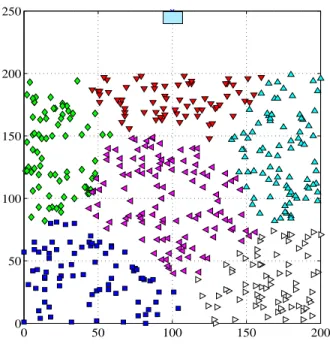
Fig. 3. Spectral clustering scheme of the MR-KSCA approach.
sound waves [22]. After that, it transmits the derived position to the BS in a short message. Based on the spectral clustering principle, the BS constructs the graph G and the similarity matrix A which represents the network. There are several popular constructions to transform a given set of data points with pairwise similarities into a graph. When constructing similarity graphs the goal is to model the local neighborhood relationships between the data points [7]. Here we simply connect all points with positive similarity with each other, and we weight all edges by aij. In our approach we consider the
similarity function as a Gaussian similarity function. Hence, similariy matrix is constructed as follows:
A = [aij] =
{
exp(2σ−12 ∗ d
2(i, j)) if i̸= j 0 otherwise (6)
with d(i, j) is the Euclidean distance between nodes i and j. It should be noted that aij is large when points indexed by i
and j are likely to be in the same cluster.
Thereafter, the BS must deduce the Degree Matrix and the Laplacian one. Then, it computes the eigenvalues and the eigenvectors of the last matrix.
B. Clustering step
The objectives of the current step are to define the optimal number of clusters and to form them.
As indicated in [15], the optimal number of clusters can be determined as follows: K = √ N √ 2π ∗ √ Ef s Ems ∗ M d2 toBS (7)
where N is the number of sensor nodes, M is the area of sensor nodes deployment, and dtoBS is the average distance
of the nodes from the BS.
We construct a new matrix U from the K eigenvectors related to the K largest eigenvalues of the Laplacian matrix. In order to determine the K clusters of the WSN, we apply the classification algorithm k-means to the matrix U . We deal with each row of U as a point inℜK×N. We cluster the WSN
into K clusters via k-means. The sensor node i is assigned to cluster Cj if and only if row i of the matrix U was assigned
to cluster Cj.
We notice that in the proposed algorithm we determine the clusters before specifying the C-Hs and the optimal number of clusters is as well defined automatically. So, our algorithm is different from the others (such as LEACH, LEACH-C, DECSA, etc.) that determine the C-H nodes before the clus-ters. In addition, in order to define the number of cluster heads, the latter protocols run the same technique in each iteration and by the way consume more energy.
C. Cluster head election step
Once the clusters are determined, the next step of the MR-KSCA consists to select the C-H nodes. The C-H nodes are responsible of the coordination among the nodes within their clusters, as well as for the aggregation of the received information and the communication with the BS or the super C-H node. In our algorithm, the C-H is determined by taking into account the id of the node in the cluster and its residual energy (Algorithm 1). The id is defined without considering