RESEARCH OUTPUTS / RÉSULTATS DE RECHERCHE
Author(s) - Auteur(s) :
Publication date - Date de publication :
Permanent link - Permalien :
Rights / License - Licence de droit d’auteur :
Bibliothèque Universitaire Moretus Plantin
Institutional Repository - Research Portal
Dépôt Institutionnel - Portail de la Recherche
researchportal.unamur.be
University of Namur
Knowledge transfers in University-Industry R&D projects: A situated approach (thèse)
Hermans, Julie
Publication date: 2011
Document Version
Early version, also known as pre-print
Link to publication
Citation for pulished version (HARVARD):
Hermans, J 2011, Knowledge transfers in University-Industry R&D projects: A situated approach (thèse). - thèse non publié/unpublished dissertation.
General rights
Copyright and moral rights for the publications made accessible in the public portal are retained by the authors and/or other copyright owners and it is a condition of accessing publications that users recognise and abide by the legal requirements associated with these rights. • Users may download and print one copy of any publication from the public portal for the purpose of private study or research. • You may not further distribute the material or use it for any profit-making activity or commercial gain
• You may freely distribute the URL identifying the publication in the public portal ?
Take down policy
If you believe that this document breaches copyright please contact us providing details, and we will remove access to the work immediately and investigate your claim.
Julie HERMANS
Doctoral Thesis
01
|
2011
Knowledge transfers in
University-Industry R&D projects:
A situated approach
Faculté s Un ive rsita ires Notre Dame de la Paix
Knowledge transfers in
University-Industry R&D
projects:
A situated approach
Julie HERMANS
In today’s economy, universities are seen as a central source of knowledge
for the firms. Innovation policies therefore encourage University-Industry
collaborations in the hope that it will lay out the overall framework for an
efficient transfer between partners. In this work, I recognize the central role
of universities in the innovation process but I question the belief that
knowledge is per se flowing between private and academic partners in such
collaborations. Focusing on the joint R&D projects financed by the
Competitiveness Clusters of Wallonia, the thesis explores knowledge
exchanges as they happen, influenced by their material and social
circumstances, through a situated approach. In particular, I propose to
explore the impact of power exercises between partners on what is learnt,
how, and by whom.
Julie Hermans has been a teaching assistant for the Human Sciences
department of the faculty of Law in Namur (FUNDP) since 2004 and a
researcher in the Center for Research in Entrepreneurial Change and
Innovative Strategies (CRECIS) at the Louvain School of Management since
2006. As a researcher, she studied the Competitiveness Clusters of Wallonia
as well as the underlying innovation dynamics. She is currently working on a
post-doctoral project about the determinant of innovation and growth for
SMEs and the self-employed.
Louvain School of Management
Doctoral Thesis Series
L O U V A I N S C H O O L O F M A N A G E M E N T R E S E A R C H I N S T I T U T E
http:www.uclouvain.be/ilsm
K
n
o
w
le
d
g
e
t
ra
n
s
fe
rs
in
U
n
iv
e
rs
it
y
-In
d
u
s
try
R
&
D
p
ro
je
c
ts
Ju
lie
He
rm
a
n
s
0
1
|
2
0
1
1
FACULTES UNIVERSITAIRES NOTRE DAME DE LA PAIX
Louvain School of Management
Knowledge transfers in University-Industry R&D
projects: a situated approach
Julie Hermans
Thèse présentée en vue d’obtention
du grade de Docteur
en sciences économiques et de gestion
Membres du Jury :
Prof. Annick CASTIAUX (FUNDP/LSM), promoteur
Prof. Stéphane LUCAS (FUNDP)
Prof. Laurent TASKIN (FUCAM/LSM)
Prof. François PICHAULT (ULg)
Prof. Henry ETZKOWITZ (Stanford University, USA)
Prof. Philippe CHEVALIER (UCL)
Prof. Marcus DEJARDIN (FUNDP), président
Juin 2011
REMERCIEMENTS
Bien qu’étant le résultat d’un cheminement personnel, une thèse s’enrichit aux contacts des gens qui entourent, guident et soutiennent le doctorant. Ainsi, au terme de ce voyage, je tiens à remercier ceux qui y ont participé.
Mes remerciements vont d’abord à ma directrice de thèse, Annick Castiaux, pour sa confiance et la liberté qu’elle m’a accordée, pour son support indéfectible et sa patience qui ont su m’orienter et m’encourager tout au long de ces années. Merci également aux membres de mon jury, Marcus Dejardin, Stéphane Lucas, Philippe Chevalier, Laurent Taskin, François Pichault et Henry Etzkowitz, qui ont manifesté de l’intérêt pour mon travail et ont accepté de participer à son évaluation finale. Je remercie particulièrement Stéphane Lucas qui a permis l’accès au projet Mirage et à ses collaborateurs. Merci à Marcus pour sa bienveillance et pour nos échanges qui ont beaucoup compté.
Je tiens à remercier tout particulièrement l’équipe de Mirge/Axe-1 qui m’a accueilli au sein du projet, qui a accepté la présence de cet ovni venu des sciences humaines. Merci à Sophie, Hussein, Fabrice, Noan, Laurent, Hervé, Raphael, Corinne, Mathieu, Bruno, Emmanuel pour votre accueil et pour le temps que vous m’avez accordé. Merci aux project managers, Nadia et Catherine, qui nourrirent au sein de l’équipe un esprit d’ouverture à l’autre, quelle que soit sa discipline (ou son marché).
Je ne peux passer sous silence le soutien apporté par mes collègues gestionnaires du CRECIS et de Namur tout au long du parcours doctoral. Pour n’en citer que quelques-uns : merci Amélie, Thomas, Biga, Pierre-Yves, Mélanie, Caroline, Kevin, Sophie, Gifty et Isabelle pour vos encouragements et échanges stimulants. Je tiens à remercier particulièrement Isabelle pour sa rigueur scientifique et professionnelle, ses commentaires francs et précis.
Je remercie également mes collègues de la faculté de droit qui m’ont fait partager avec sympathie leur expérience de la recherche, de la communauté académique et du monde juridique. Merci en particulier à Marie, Cristina, Claire, Astrid, Feyrouze, Jean-Marie, sans oublier Jacques, Sarah, Laurence, Françoise, Christiane et les Stéphanie.
Evidemment, c’est aussi à ma famille et mes amis que vont mes remerciements. Je remercie mes parents qui m’ont toujours épaulée, mes grands-parents pour leur confiance indéfectible, mon frère Sébastien et ma sœur Emilie pour leurs encouragements.
Enfin, ce travail n’aurait pas pu aboutir sans le soutien et l’affection inconditionnelle d’Alexandre et de Quentin, mes deux amours. C’est à eux que je dédie cette thèse.
1
TABLE OF CONTENT
TABLE OF CONTENT ... 1 LIST OF FIGURES... 7 LIST OF TABLES ... 10 CHAPTER 1 INTRODUCTION ... 121.1 TOWARDS A SITUATED APPROACH OF KNOWLEDGE TRANSFER ... 12
1.2 RESEARCH QUESTIONS ... 14
1.3 STRUCTURE ... 19
CHAPTER 2 PROBLEM STATEMENT ... 28
2.1 UNIVERSITY-INDUSTRY COLLABORATION IN CONTEXT ... 28
2.1.1 University-Industry modalities in Belgium ... 28
2.1.2 Motives for University-Industry interactions ... 31
2.1.3 Outputs of University-Industry collaborations ... 33
2.1.4 Impact of University-Industry collaborations ... 35
2.2 THE INSTRUMENT UNDER STUDY: THE JOINT R&D PROJECT ... 37
2.2.1 Definitions ... 37
2.2.2 Challenges in joint R&D projects ... 40
2.2.3 Knowledge transfer through joint R&D projects ... 42
2.3 RESEARCH QUESTIONS ... 47
2.3.1 The generation process ... 47
2.3.2 Q1 – Impact of politics on U-I knowledge transfer ... 49
2.3.3 Q2 – Impact of the Competitiveness Cluster policy on U-I collaborations ... 51
2.3.4 Q3 – Impact of the innovation stage on knowledge transfer ... 53
2.3.5 Towards an integrative theoretical stream ... 55
CHAPTER 3 EPISTEMOLOGY ... 60
3.1 INTRODUCTION ... 60
2
3.2.1 Basic assumptions ... 62
3.2.2 Positivism and targeted U-I Knowledge Transfer ... 64
3.2.3 Critics ... 67
3.3 STRUCTURALISM ... 69
3.3.1 Basic assumptions ... 69
3.3.2 Structuralism and targeted U-I Knowledge Transfer ... 71
3.3.3 Critics ... 74
3.4 INTERPRETIVISM ... 76
3.4.1 Basic assumptions ... 76
3.4.2 Interpretivism and targeted U-I Knowledge Transfer ... 78
3.4.3 Critics ... 80
3.5 TOWARDS A CRITICAL INTERPRETIVISM ... 80
3.5.1 Ontological assumptions ... 81
3.5.2 Epistemological assumptions ... 83
3.6 CONCLUSION ... 86
CHAPTER 4 ELEMENTS OF THE STRUCTURATION THEORY ... 88
4.1 INTRODUCTION ... 88
4.2 THE JOINT R&D PROJECT AS A RELEVANT SOCIAL SYSTEM ... 90
4.3 STRUCTURES ... 92
4.4 STRUCTURES AND KNOWLEDGE ... 95
4.4.1 Structures and organizational knowledge ... 95
4.4.2 Structuration and knowledge creation ... 97
4.5 STRUCTURES, KNOWLEDGE AND POWER ... 99
4.6 CONCLUSION ... 101
CHAPTER 5 METHODS ... 104
5.1 INTRODUCTION ... 104
5.2 THE CASE STUDY AS AN ADEQUATE RESEARCH STRATEGY ... 105
5.3 SAMPLING STRATEGY ... 108
5.3.1 A relevant unit of analysis ... 109
5.3.2 Sampling logic ... 114
3
5.4.1 Data collection methods ... 118
5.4.2 Analysis methods ... 120
5.5 VALIDITY ... 122
5.6 CONCLUSION ... 125
CHAPTER 6 CONFIGURATION IN THE FLESH: CHALLENGES IN PUBLICLY PROMOTED CLUSTERS ... 126
6.1 INTRODUCTION ... 126
6.2 THE EVALUATION OF CLUSTER INITIATIVES ... 127
6.3 RESEARCH QUESTION AND METHODOLOGY ... 132
6.3.1 Research strategy ... 132
6.3.2 Levels of analysis ... 133
6.3.3 Data collection in the case study ... 134
6.4 THE COMPETITIVENESS CLUSTERS OF WALLONIA ... 135
6.4.1 Background of the policy ... 135
6.4.2 Program configuration... 138
6.5 APPROPRIATION IN ACTION ... 143
6.5.1 Structuration at the project level: MEGAPROJECT ... 143
6.5.2 Structuration at the subproject level: Axis-1 ... 151
6.6 DISCUSSION: BRIGHT AND DARK SIDES OF PUBLICLY PROMOTED CLUSTERS ... 155
6.6.1 Competitiveness through interconnected collateral assets ... 155
6.6.2 Lock-in through interconnected collateral assets ... 159
6.6.3 Synthesis: main challenges ... 160
6.7 CONCLUSION ... 161
CHAPTER 7 THE BOOMERANG COMPLEX: ITERATION AND KNOWLEDGE TRANSFER IN JOINT R&D PROJECTS ... 166
7.1 INTRODUCTION ... 166
7.2 JOINT R&D PROJECTS IN THE COMPETITIVENESS CLUSTERS ... 168
7.2.1 A specific bridge between universities and firms ... 168
7.2.2 technological maturity as a relevant contingency factor ... 170
7.3 CONCEPTUAL FRAMEWORK ... 172
4 7.3.2 Knowledge transfer ... 177 Involved processes ... 178 Direction of flows ... 178 nature of flows ... 179 7.4 METHODOLOGY ... 181 7.4.1 Research strategy ... 181 7.4.2 Cases selection ... 182
7.4.3 Data collection and analysis ... 183
7.5 THE LONGITUDINAL CASE:AXIS-1 ... 185
7.5.1 Nature ... 185
Axis-1 as an exploitative R&D project ... 185
Axis-1 through hybridizations and iterations ... 190
7.5.2 Knowledge transfers in Axis-1 ... 194
7.6 SYNTHESIS: SPECIFIC FLOWS IN SPECIFIC PROJECTS ... 197
7.6.1 Exploitative R&D project ... 197
7.6.2 Explorative R&D project ... 199
7.6.3 Prospective R&D project ... 202
7.6.4 Iterations as emotional shocks: the boomerang complex ... 203
7.7 CONCLUSION ... 207
CHAPTER 8 LET THOSE WHO LOVE ME FOLLOW ME: POWER EXERCISES IN A JOINT R&D PROJECT ... 210
8.1 INTRODUCTION ... 210
8.2 AN OPERATIONAL CONCEPTUAL FRAMEWORK ... 212
8.2.1 Power exercise ... 212
8.2.2 Punctuation of the critical events ... 217
The E-V-L-N framework ... 217
From the triggering dissatisfaction to the closure of the event ... 219
8.3 METHODS ... 221
8.3.1 research strategy: the longitudinal case study ... 221
8.3.2 Unit of observation: the critical event... 223
8.4 FINDINGS ... 227
5
History of the project ... 228
Some preliminary insights ... 245
Taboos ... 248
8.4.2 Interest alignment ... 252
8.4.3 Leverages and impact on knowledge exchanges ... 262
From a structural perspective: Links creation and reinforcement ... 262
From a cognitive perspective: Definition of the project ... 272
From a relational perspective: Norms in the project ... 275
8.5 CONCLUSION ... 278
CHAPTER 9 CONCLUSIONS ... 282
9.1 ON A SITUATED APPROACH OF KNOWLEDGE TRANSFER ... 282
9.2 THEORETICAL CONTRIBUTIONS ... 284
9.2.1 Answering the questions ... 284
How does power exercise between partners influence value creation for the parent organizations in terms of knowledge transfer? ... 284
How did the Competitiveness Cluster Policy influence collaborative behaviors in a joint R&D project? ... 287
How does the nature of the R&D project influence knowledge sharing between partners? ... 293
9.2.2 Key findings ... 295
Chapter 6 – Configuration in the flesh ... 295
Chapter 7 – the Boomerang complex ... 297
Chapter 8 – Let those who love me follow me ... 298
9.2.3 Synthesis ... 300
9.3 MANAGERIAL CONTRIBUTIONS ... 302
9.3.1 Policy makers & public authorities ... 303
9.3.2 Collaborative practitioners ... 307
9.3.3 On the status of academic researchers ... 309
9.4 LIMITATIONS ... 311
6
REFERENCES... 316
APPENDICES ... 336
APPENDIX 1:GLOSSARY AND ACRONYMS ... 336
APPENDIX 2:QUALITATIVE RESEARCH DESIGN FOR Q1 ... 340
APPENDIX 3:QUALITATIVE RESEARCH DESIGN FOR Q2 ... 341
APPENDIX 4:QUALITATIVE RESEARCH DESIGN FOR Q3 ... 342
APPENDIX 5:DATA COLLECTION METHODS AND SOURCES ... 343
APPENDIX 6: DATA SOURCES, LONGITUDINALLY... 348
APPENDIX 7:INTERVIEW GUIDELINES ... 350
INTERVIEW GUIDELINE (1/3)– RESEARCHER ... 350
INTERVIEW GUIDELINE (2/3)–R&DCOORDINATOR ... 354
7
LIST OF FIGURES
FIGURE 1MEGAPROJECT AS A PORTFOLIO OF PROJECTS, ADAPTED FROM KUTY
(2008) ... 15
FIGURE 2 STRUCTURE OF THE THESIS... 20
FIGURE 3LOGICAL LINKS BETWEEN THE THREE RESEARCH QUESTIONS ... 22
FIGURE 4UNIVERSITY-INDUSTRY LINKS IN BELGIAN ACADEMIC LABORATORIES ... 29
FIGURE 5IMPACT ON RESEARCH ACTIVITIES ... 36
FIGURE 6THE LINEAR MODEL OF INNOVATION, BASED ON GODIN (2006) ... 54
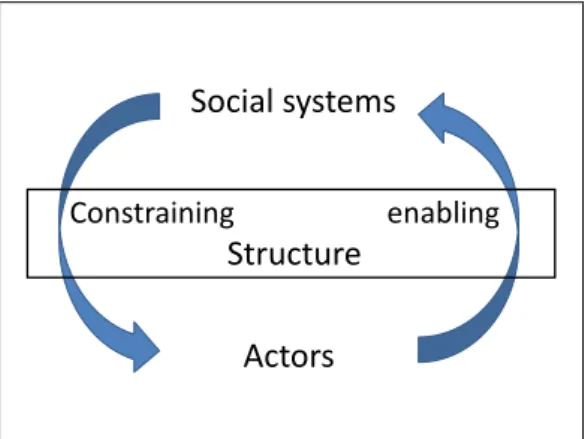
FIGURE 7 THE DUALITY OF STRUCTURE, ADAPTED FORM NIZET (2007) ... 88
FIGURE 8ALTERNATIVE UNITS OF ANALYSIS FOR THE STUDY OF TARGETED KNOWLEDGE TRANSFER IN JOINT R&D PROJECTS ... 110
FIGURE 9MEGAPROJECT AS A PORTFOLIO OF PROJECTS, ADAPTED FROM KUTY (2008) ... 112
FIGURE 10THE COLLABORATIVE RESEARCH AS SEEN BY A MEMBER OF AXIS-1 ... 113
FIGURE 11INTERVENTION LOGIC OF THE MARSHALL PLAN, ADAPTED FROM (VAN HAEPEREN ET AL.2009) ... 130
FIGURE 12MEGAPROJECT AS A PORTFOLIO OF PROJECTS, ADAPTED FROM KUTY (2008) ... 134
FIGURE 13R&D ACTIONS FROM THE MARSHALL PLAN ... 136
FIGURE 14NETWORK FORMED BEFORE AND AFTER MEGAPROJECT ... 145
FIGURE 15 TYPOLOGY OF RESEARCH ACTIVITIES ACCORDING TO STOKES (1997) ... 174
FIGURE 16TYPOLOGY OF JOINT R&D PROJECTS ... 175
FIGURE 17PLASMA DEPOSITION AT LAB2 ... 187
FIGURE 18CHAIN OF SAMPLES ... 188
FIGURE 19OUTDOOR EXPOSITION OF PROMISING SAMPLES ... 189
FIGURE 20POSTER1 ... 190
FIGURE 21AXIS-1 AND ITS PERIPHERAL RESEARCH ... 192
FIGURE 22 EXTRACT OF POSTER3 ... 193
FIGURE 23CONCEPTUAL FRAMEWORK ... 223
FIGURE 24EXTRACT (1) OF THE POSTERS MADE DURING THE HELICOPTER VIEW 08 ... 234
8 FIGURE 26EXTRACT (2) OF THE POSTERS MADE DURING THE HELICOPTER VIEW 08
... 238 FIGURE 27WETTING ANGLES ON HYDROPHOBIC AND HYDROPHYLIC SURFACES ... 242
FIGURE 28EXTRACT OF POSTER4 ... 245 FIGURE 29EXTRACT (3) OF THE POSTERS MADE DURING THE HELICOPTER VIEW 08
... 249 FIGURE 30POSTER1 ... 250 FIGURE 31 EXTRACT OF POSTER5 ... 251
10
LIST OF TABLES
TABLE 1RESEARCH QUESTIONS ... 18
TABLE 2BELGIAN UNIVERSITY-INDUSTRY LINKS: PRIVILEGED MODALITIES ... 30
TABLE 3OUTCOMES AND ADDITIONAL BENEFITS ... 33
TABLE 4OUTPUTS OF COLLABORATIONS ... 34
TABLE 5UNIVERSITY-INDUSTRY JOINT R&D PROJECTS IN THE LITERATURE ... 39
TABLE 6UNIVERSITY-INDUSTRY KNOWLEDGE TRANSFER (KT) ... 43
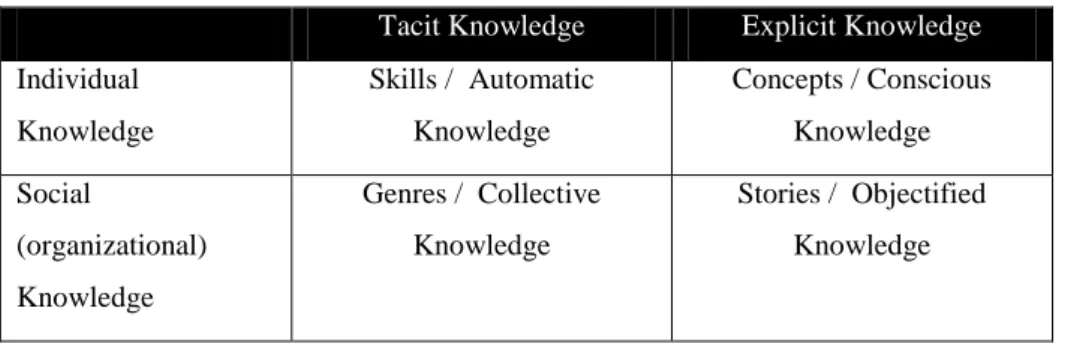
TABLE 7 LEVELS OF KNOWLEDGE (SPENDER 1996,COOK &BROWN 1999) ... 65
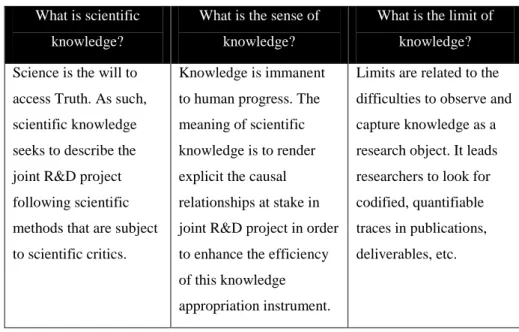
TABLE 8POSITIVISM AND TARGETED U-I KNOWLEDGE TRANSFER ... 67
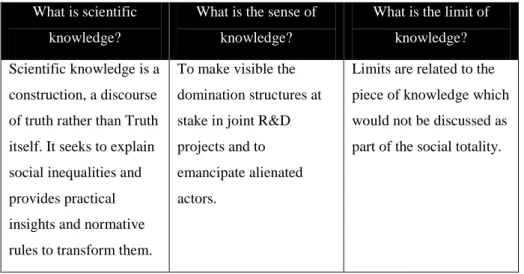
TABLE 9 STRUCTURALISM AND TARGETED U-I KNOWLEDGE TRANSFER... 73
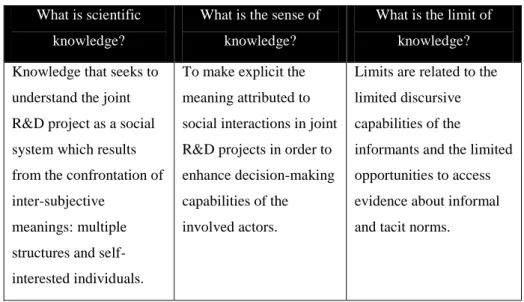
TABLE 10INTERPRETIVISM AND TARGETED U-I KNOWLEDGE TRANSFER ... 79
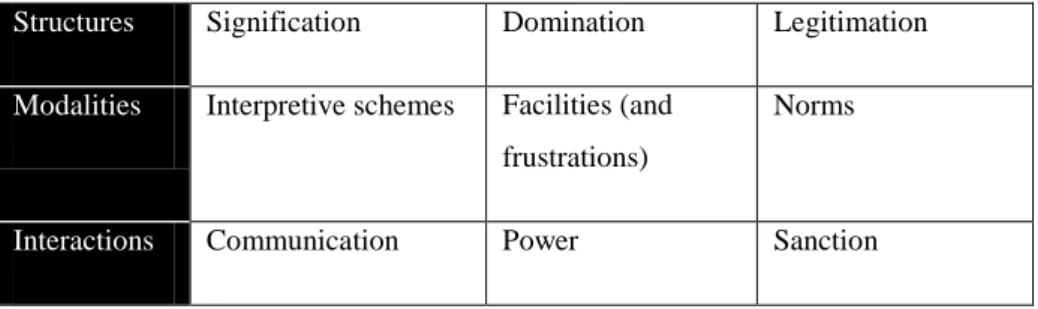
TABLE 11THE THREE DIMENSIONS OF STRUCTURE, ADAPTED FROM GIDDENS (1984) 92 TABLE 12SOCIAL DIMENSIONS IN NAHAPIET AND GHOSAL (1998) AND GIDDENS (1984) ... 94
TABLE 13MAIN FEATURES OF THE RESEARCH STRATEGY AND JUSTIFICATION ... 107
TABLE 14REPLICATION STRATEGIES IN CHAPTER 7 ... 117
TABLE 15DATA COLLECTION METHODS, BASED ON WOLCOTT (1994) ... 119
TABLE 16THE CLUSTERING APPROACH IN WALLONIA ... 139
TABLE 17FINANCIAL INVOLVMENT OF THE WALLOON GOVERNMENT IN JOINT R&D PROJECTS, ADAPTED FROM KUTY (2008) ... 141
TABLE 18TRANSMISSION AT THE LEVEL OF MEGAPROJECT ... 150
TABLE 19INITIAL INDUSTRIAL TARGETS OF AXIS-1 ... 152
TABLE 20TRANSMISSION, IMPACT AND EVOLUTIONARY INSIGHTS ... 157
TABLE 21OUTCOMES OF COLLABORATIVE RESEARCH ... 169
TABLE 22THE FOUR FORMS OF KNOWLEDGE, BASED ON JOHNSON ET AL.(2002), NAHAPIET &GHOSHAL (1998) AND GIDDENS (1984) ... 180
TABLE 23ANALYSIS TABLE – CHAIN OF EVIDENCE ... 184
TABLE 24ALIGNEMENT BETWEEN SPECIFIC FLOWS AND THE NATURE OF PROJECTS 200 TABLE 25FOUR FORMS OF POWER EXERCISE (LAWRENCE ET AL.2005) ... 213
TABLE 26EPISODIC AND SYSTEMIC POWER ... 214
TABLE 27THE STRATEGIES OF POWER EXERCISE EXPLORED IN THIS WORK ... 215
TABLE 28EVLN FRAMEWORK ... 218
TABLE 29CHAIN OF EVIDENCE RELATED TO A GIVEN CRITICAL EVENT ... 226
TABLE 30VALUE CREATION IN THE JOINT R&D PROJECT ... 255
TABLE 31LINKS CREATION AND/OR REINFORCEMENT IN JOINT R&D PROJECTS ... 263
TABLE 32PROGRAM CONFIGURATION AND TRANSMISSION AT THE PROJECT LEVEL 288 TABLE 33RESEARCH QUESTIONS ... 291
12
Chapter 1 INTRODUCTION
1.1 TOWARDS A SITUATED APPROACH OF KNOWLEDGE TRANSFER
Today, knowledge is seen as a significant innovation factor, allowing for long-term economic growth and business competitiveness (Hitt et al. 2000). In order to access this desirable resource, firms adopt various sourcing strategies: knowledge creation through internal Research and Development (R&D) departments, knowledge sharing with suppliers and transfer from knowledge institutions such as research centers and universities. In Wallonia, firms also benefit from formal regional clusters to connect with other Walloon actors, to materialize their partnerships in joint R&D projects and to subsequently co-create new knowledge. Regional authorities actively support this approach: the interconnection of actors and the pool of competences should lead to innovations and subsequent economic growth (Gouvernement Wallon 2005).As an example, the Competitiveness Clusters of Wallonia were recently launched by the Walloon Government (Gouvernement Wallon 2005). Those clusters are defined as the combination on a given territory of companies, training centers and research units which (1) engage in partnerships to create synergies around innovative joint
R&D projects and (2) experience critical mass that allows for international visibility
(Bayenet & Capron 2007). While insights from economic clusters (Porter 1998) or National (Lundvall 1992, Nelson 1993) and Regional Innovation Systems (Cooke et al. 1998, Asheim 2003) allow to grasp the rationale behind such a policy, an important gap subsists in the understanding of the learning process triggered by these inter-organizational interactions. To make sure that such relationships keep their promises, it is important to understand what kinds of learning mechanisms are at stake and how partners ensure that the newly created knowledge is of actual interest for their parent organizations.
In this doctoral work, I recognize that universities are a central source of knowledge for the firm (Dasgupta & David 1994, Klevorick et al. 1995, Nerkar & Shane 2003) but I question the general belief that knowledge is per se flowing between private and academic spheres through the conduct of University-Industry (U-I) relationships. Focusing on one particular instrument – the joint R&D project – displayed in one particular context – the Competitiveness Clusters of Wallonia – the
13 thesis explores two fundamental learning processes (Lubatkin et al. 2001, Jiang & Li 2009), namely knowledge creation and sharing, to make sure that those interactions are actually “good and should be encouraged” (Katz & Martin 1997).
Up to now, U-I knowledge transfer has been treated as a one-way flow from research institutions to firms, focusing on publications and patents citations as sophisticated spillovers indicators. By providing evidence of spatial effects, studies such as Jaffe (1989) or Audretsch and Feldman (1996b) have been crucial for our understanding of the role of tacit exchange in U-I knowledge transfer but this literature fails to uncover the sharing processes at stake in specific relationships. In fact, the way by which tacit and codified knowledge is exchanged between partners through consulting, innovative joint R&D projects or even sponsorship is still relatively unknown (Agrawal 2001). As suggested by Agrawal (2001), “there is a
need for further research that specifically examines the nature of those channels less studied” by which “firms may benefit significantly”.
In this thesis, I partly fill this gap by investigating one of those less studied channels – the joint R&D project– as an instrument for targeted knowledge transfer: the interactions that occurred between partners within a common covenant for the co-creation and sharing of knowledge. This choice implies three basic assumptions:
(1) The recognition of U-I relationships as a two-way relationship rather than a linear arm’s length transaction (Harmon et al. 1997, Meyer-Krahmer & Schmoch 1998, Santoro & Saparito 2003).
(2) The importance of knowledge co-creation and sharing rather than just transfer (Lubatkin et al. 2001, Faems et al. 2007, Tywoniak 2007, Jiang & Li 2009).
(3) The importance of action, especially social interactions, for creating and sharing knowledge rather than formal appropriation (von Krogh & Roos 1996, Pfeffer & Sutton 1999, Bozeman 2000, Nooteboom 2000).
These three assumptions call for a situated approach of U-I knowledge transfer. They suggest that “thinking beings ought therefore be considered first and foremost
as acting beings” (Anderson 2003 p. 91) and that planned transfers depend in
14 At first, Knowledge-Based streams (i.e. Kogut & Zander 1992, Nonaka & Takeuchi 1995, Kogut & Zander 1996, Spender 1996, Nahapiet & Ghoshal 1998, Cook & Brown 1999) seemed like promising frameworks for the development of a situated approach (see next chapter) and were therefore applied in a preliminary study: an interview-based survey conducted from June 2005 to August 2006 toward academic professors, academic researchers, Technology Transfer Officers (TTO) and R&D managers. The goal was to initiate a first empirical contact with the field, thereby gaining a deeper understanding of the context of U-I R&D projects and reducing the research scope (see Hermans & Castiaux 2007).
Data were collected through 20 semi-structured interviews and analyzed by explanation building techniques guided by the theoretical framework of the SECI (Socialization – Externalization – Combination - Internalization) process (Nonaka & Takeuchi 1995). It identifies some Knowledge-Based limits to the reconciliation process between university’s interests and company’s needs but it also confirms the importance of the third role of university, namely participation to economic development. In other words, this study confirms the feasibility of reconciliation when engaging in technology efforts (Van Looy et al. 2006).
1.2 RESEARCH QUESTIONS
The preliminary study offers strong evidence supporting the interest of Knowledge-Based streams as theoretical tools for a situated approach of U-I knowledge transfer. But it also allows for the identification of gaps and inconsistencies in existing Knowledge-Based streams, in particular their failure to take into consideration the political dimension of knowledge creation or the process of interest alignment between the knowledge-creating actors and the social collectivity to which they belong. A first research question emerges from this reflection:
Q1 – How does power exercise between partners influence value creation for the parent organizations in terms of knowledge transfer?
In other words, the goal of this work is to determine the leverages that individual partners can mobilize so that collaborative knowledge exchanges contribute to organizational goals. As the achievement of organizational goals might conflict with inter-organizational and individual interests, this research question requires a
15 theoretical framework that complements the Knowledge-Based approach by taking into account alignment processes and power interactions. On the basis of ontological and epistemological affinities with the work of Anthony Giddens, I finally selected the Structuration Theory (Giddens 1984) to fill the gap. In this doctoral work, power is therefore defined as the “capability to secure outcomes where the realization of
these outcomes depends upon the agency of others” (Giddens 1976).
Such a research question calls for in situ observations of power interactions through qualitative and longitudinal methods. For these reasons, I studied knowledge transfers at stake in U-I R&D projects through an in-depth longitudinal case study: MEGAPROJECT1, a joint R&D project associated with MecaTech, the mechanical engineering Competitiveness Cluster. MEGAPROJECT was observed from June 2007 to May 2010. It brings together more than twenty partners: 12 firms, 7 universities and 3 semi-public research centers. This mega-project is part of the first call for projects of the Competitiveness Cluster; it was even considered by the respondents as the main structuring tool of MecaTech.
1 All names of projects, firms and laboratories are disguised to ensure confidentiality
2 The response rate of the survey is 14% (140 responses). Respondents are either
head of an academic laboratory or a senior associate professor. To assess the reliability of the sample, we performed a Fisher exact test on their responses at the question: “does the laboratory have links with the industry” (binomial outcome: Yes or No).
3 Please note that this affiliation is the result of my analysis and has not been
endorsed by the authors involved.
4
More precisely, I consider that, per definition, sharing entails creation. This idea is better expressed by Tywoniak (2007): “Much like remembering for an individual
involves the re-production of a memory, the process of sharing knowledge within a community of practice is only complete when it is recreated in action”. As a result,
16
FIGURE 1 MEGAPROJECT AS A PORTFOLIO OF PROJECTS, ADAPTED FROM KUTY (2008)
Nevertheless, it was constructed as a portfolio of projects (see Figure 1): the relevant unit of collaboration for front-line researchers was not MEGAPROJECT but rather the subproject (SP), or the “Axis” when collaborative exchanges were undertaken at the axis level. As a result, the relevant case of this work is Axis-1: when speaking about “partners”, respondents were talking about the “people around the table” who contributed to Axis-1: researchers from MNC1, MNC2, SME1, LAB1, LAB2, LAB3, LAB4 and LAB5.
As the case study evolved, two additional issues emerged (see Table 1):
(1) The impact of the Competitiveness Cluster policy on the design and conduct of the associated joint R&D projects;
(2) The role of academics in projects that target different phases of the innovation process, from use-oriented basic research to pure applied R&D (Stokes 1997).
The impact of an R&D policy on the design and conduct of collaborative relationships has been conceptualized by Georghiou (2003) as behavioral additionalities: the differences in partners’ behavior resulting from an intervention of public authorities. Nevertheless, the concept of behavioral additionality is still in its infancy (Autio et al. 2008, Clarysse et al. 2009) and the literature would benefit
17 from more empirical works about the mechanisms at hand. From a practical perspective, this problem concerns policy makers who want to assess the impact of their policy as well as collaborative practitioners: people actually involved in the Clusters or practitioners who are considering entering the cluster and want to understand the implication of such a move. The following research question was therefore explored:
Q2 – How did the Competitiveness Cluster Policy influence the collaborative behaviors in a joint R&D project?
The third research question also emerges from a practical consideration overlapping with a gap in the literature. In the context of the Competitiveness Clusters, the Walloon Government explicitly proposed two kinds of joint R&D projects: “those
projects either target the concrete realization of industrial applications within three years, or the building of a prospective vision about a given theme as a way to ensure the competitiveness of industrial members of the cluster” (Gouvernement
Wallon 2005). In both cases, universities are mandatory research partners, without reflections about the specific roles of academic laboratories following the nature of the project. However, the literature on inter-firm R&D (Koza & Lewin 1998, Rothaermel & Deeds 2004, Chanal & Mothe 2005) shows that exploration and exploitation R&D alliances provide partners with different learning opportunities, urging for a dynamic view of knowledge transfers (Faems et al. 2007). As universities are usually associated with exploration (Rothaermel & Deeds 2004, Bercovitz & Feldman 2007) rather than exploitation R&D activities, it should be useful to understand the role of academic laboratories as privileged research partners in the Competitiveness Clusters. From the point of view of the practitioner, it should provide clues to better understand the expected roles of partners and specific knowledge flows in U-I joint projects when the research activities vary between exploration and exploitation. The following research question was therefore explored:
Q3 – How does the nature of the R&D project influence knowledge transfer between partners?
In addition with the three specific research gaps tackled by each research question (see Table 1), the main theoretical contribution is the study of U-I knowledge
18 transfer as a socially-embedded process, complementing the Knowledge-Based View of the firm (KBV) with a consideration for interest alignment and power exercise. By doing so, the general purpose of this thesis is to provide collaborative practitioners with new insights about the conduct of U-I R&D projects, especially in the context of innovation networks. Findings should be of interest for various strategic actors: public authorities in charge of the policy, industrial and academic partners directly involved in the projects as well as the administrators of the network to better manage its projects’ portfolio.
19
TABLE 1 RESEARCH QUESTIONS
Q1 Q2 Q3
Research question
How does power exercise between partners influence value creation for the parent
organizations in terms of knowledge transfer?
How did the Competitiveness Cluster Policy influence collaborative behaviors in a joint
R&D project?
How does the nature of the R&D project influence knowledge sharing between
partners?
Theoretical contribution
Knowledge transfer as a socially embedded process in joint R&D projects Power as an essential factor for knowledge
creation (Ekbia & Kling 2003, Lawrence et al. 2005, Peci et al. 2009), especially in innovation (Easterby-Smith et al. 2008) and U-I relationships (Blankenburg 1998)
Behavioral impacts of a publicly promoted policy on R&D practitioners (Buisseret et al. 1995, Georghiou 2003), especially in a cluster initiative through a bottom-up, participatory approach (Diez 2001)
Dynamic view of inter-organizational knowledge transfer (Faems et al. 2005) taking into account exploratory and exploitative innovations (Jansen et al. 2006)
Practical purpose Provide collaborative practitioners with new insights about the conduct of joint R&D projects Outline the leverages that individual
partners can mobilize so that collaborative knowledge exchanges contribute to organizational goals while preserving inter-organizational and individual interests
Understand the rationale of the policy at hand. Outline challenges and broad policy lessons in publicly promoted clusters. Provide collaborative practitioners with new insights about the impact of the policy on their behaviors
Gain more understanding about the role of universities in different types of projects (exploration – exploitation – prospect) and about expected flows in each type of projects
20
1.3 STRUCTURE
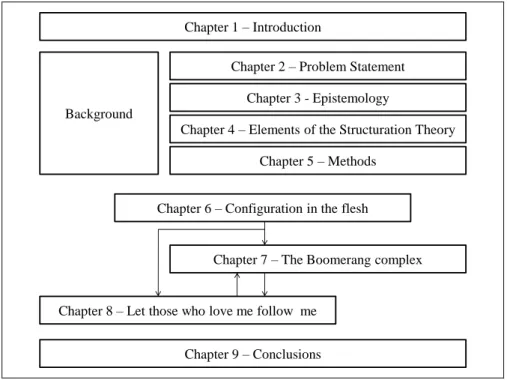
This work is divided into two main parts (see Figure 2):
- The background of the thesis, including problem statement (Chapter 2), the epistemological stance (Chapter 3), the presentation of the integrating theoretical framework, namely the Structuration Theory (Chapter 4) and, finally, the methodology (Chapter 5).
- The empirical exploration of the three research questions and presentation of findings (Chapter 6-Q2, Chapter 7-Q3 and Chapter 8-Q1).
In Chapter 2 – Problem statement, I describe the issues that emerged as research objects for this thesis as well as the process that led to them. First, I describe the context of Belgian U-I collaboration: privileged forms of interactions, motives and outcomes of their conduct. Then I focus on a specific instrument for U-I knowledge transfer – the joint R&D project – and show how its study would benefit from a situated approach. Especially, I present the three research questions that were chosen to explore the knowledge interactions at stake in joint R&D projects. Finally, I propose the Structuration Theory as an adequate theoretical framework to integrate the three research questions.
In Chapter 3 – Epistemology, I present the epistemological paradigm of this work: I identify the specific hypothesis that guided my work as I unveiled or created knowledge (Hatch 2000) about the phenomenon of U-I knowledge transfer. First, I review the three main epistemological paradigms adopted by Management scholars as distinguished by de Nanteuil-Miribel (2008) and Chua (1986): positivism, structuralism and interpretivism. Then, I propose my epistemological stance as a critical interpretivism. Through this paradigm, I found the adequate theoretical and methodological premises to go beyond the traditional factors that influence knowledge transfer and to explore the political processes that have been neglected in this field. Through its coherence with critical interpretivism, I also confirm the Structuration Theory as the integrating framework for the study of targeted knowledge transfer. Such an approach has been used by researchers in Strategy and Organization (Pozzebon 2004) such as Child (1997), Lowe (1998) and Phillips and his colleagues (Phillips et al. 2000, Lawrence et al. 2002).
21
Background
Chapter 2 – Problem Statement Chapter 1 – Introduction
Chapter 3 - Epistemology
Chapter 4 – Elements of the Structuration Theory Chapter 5 – Methods
Chapter 9 – Conclusions Chapter 6 – Configuration in the flesh
Chapter 7 – The Boomerang complex
Chapter 8 – Let those who love me follow me
FIGURE 2 STRUCTURE OF THE THESIS
In Chapter 4 – Elements of the Structuration Theory, I present the Structuration Theory (Giddens 1984) as a general framework to understand the political processes of knowledge creation and sharing at stake in joint R&D projects. Through this prism, the collaboration is seen as a social system characterized by interpenetrating structures (Orlikowski 2000, Phillips et al. 2000) as partners come from different kinds of organizations and are “simultaneously embedded in the webs of obligation
and loyalty to the project team, the firm, and to their role as entrepreneur of their own human capital” (Grabher & Ibert 2006). In this view, knowledge creation in
R&D projects is seen as a recursive process involving the enactment of interpenetrating structures: latent knowledge is made empirical through social interactions and made latent again through each individual interpretation of the mobilized modalities (Orlikowski 2000, Hargadon & Fanelli 2002). This theoretical framework helps to make sense of the political processes at stake in joint R&D projects (Q1) but it is also coherent with the emerging research questions of this work: the influence of collective constructs provided by the institutional field (in this case, the Walloon Government) on the way actors subsequently organize their collaboration (Q2), and the influence of the nature of the project on the meaning assigned by the partners to their role and expected knowledge flows (Q3).
22 In Chapter 5 – Methods, I describe the methods deployed to answer the research questions in coherence with the epistemological paradigm. I firstly introduce the research strategy – the qualitative longitudinal case study – and explain why it constitutes an adequate choice for this doctoral work. Secondly, I discuss alternative units of analysis, propose the collaborative research (Landry & Amara 1998, Debackere & Veugelers 2005) as an adequate unit of analysis and determine the sampling logic underlying the selection of the cases. Thirdly, I identify the data collection methods and the analysis strategies that were applied to generate findings. Finally, I discuss the validity of the research strategy as well as the coherence of the research designs that were selected to answer the three research questions.
Chapter 5 concludes the background of the thesis. The next chapters focus on the three research questions and present empirical findings.
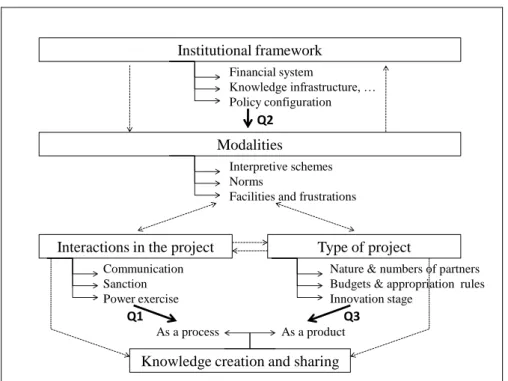
While the research question about power exercised between partners (Q1) was the one that initiated the case studies, I finally decided to present its findings after the chapters tackling the emerging research issues. In the first empirical chapter, namely Chapter 6, I explore how the configuration of the Competitiveness Clusters policy influenced the collaborative behaviors of MEGAPROJECT participants. This chapter “sets the scene”: it explains the rationale of the Competitiveness Clusters and identifies the emerging modalities that partners mobilize in the project (see Figure 3): interpretive schemes such as “a Marshall Plan Project is a Project for the industrials, led by the industrials”; norms like “it is normal to target industrial outcomes”; facilities and frustrations like for instance the sets of equipment that are shared on MEGAPROJECT.
Building on it, the second empirical chapter, Chapter 7, focuses on a few selected subprojects of MEGAPROJECT and on the knowledge flows that resulted from the collaboration, thereby identifying how the nature of the project influences knowledge transfer between partners. In this chapter, I show how shared interpretive schemes about the nature of the project, its finalities and main goals have an influence on the expected roles of partners and on the subsequent knowledge flows.
In Chapter 8, I finally focus on how collaborative practitioners can take opportunity of power exercise within the project to shape such flows and make them a source of value for their organization. In other words, Chapter 8 focuses on the way the
23 modalities identified in Chapter 6 were mobilized through power exercises in order to shape the knowledge flows identified in Chapter 7 (see Figure 3).
Institutional framework
Financial system
Knowledge infrastructure, … Policy configuration
Interactions in the project
Nature & numbers of partners Budgets & appropriation rules Innovation stage
Modalities
Interpretive schemes Norms
Facilities and frustrations
Q2
Type of project
Knowledge creation and sharing
Communication Sanction Power exercise
As a process As a product
Q1 Q3
FIGURE 3 LOGICAL LINKS BETWEEN THE THREE RESEARCH QUESTIONS
In Chapter 6 – Configuration in the flesh: challenges in publicly promoted clusters, I study how the configuration of a publicly promoted clusters policy – the Competitiveness Clusters policy initiated by the Walloon Government in Belgium – influenced the behaviors of R&D practitioners (Q2). Informed by the Structuration Theory (Giddens 1984), I explore the background of the policy in an effort to make the program configuration visible. This first step is conducted through the gathering and analysis of data from official documents as well as publications, conference speeches and workshops produced by policy makers, evaluators and their academic collaborators (i.e. Bayenet & Capron 2007, Van Haeperen et al. 2009). Then, I observe the transmission of the six resulting features from the policy level to the project level: I study their appropriation by R&D practitioners involved in MEGAPROJECT and Axis-1. As a result, I show how the six features had a strong impact on the way partners organized their collaborative work.
24 Beyond the network structure promoted by the policy and reproduced at both the level of MEGAPROJECT and Axis-1, the Competitiveness Clusters provided strong interpretive schemes such as:
- A Struggle against dispersed innovative efforts;
- A focus on direct outcomes and the creation of activities; - The predominance of the industrial targets;
- The leading role of industrial partners.
Through such interpretive schemes, the Competitiveness Clusters policy influenced collaborative behaviors at hand in the project: they enabled collaborators to make sense of the context they acted in and to communicate this meaning to each other; they defined what was normal in the context of MEGAPROJECT and what was not; what should be done in the project or what should not. By providing evidence of this appropriation, I also show that the particularities of Walloon Competitiveness Clusters make them a powerful instrument to enhance collateral assets (Abernathy & Utterback 1978) while also facing potential lock-in. I finally consider the way those Competitiveness Clusters should evolve to favor the exploitation of the emerged outcomes while exploring future opportunities. A good balance between exploitation and exploration as well as adequate networking and clustering instruments to support both objectives appear necessary to ensure sustainability and growth of the involved actors.
This chapter presents the rationale of the Competitiveness Cluster Policy – the empirical field of the thesis – and describes the case study at the level of both MEGAPROJECT and Axis-1. It also identifies the set of interpretive schemes provided by the institutional field: the configuration of the Competitiveness Clusters policy as appropriated by the actors of MEGAPROJECT. This set of rules and resources has a decisive influence on the way the project was designed and conducted: on the types of projects, including the targeted phases of the innovation process (Chapter 7) and on social interactions during its conduct, including power exercises (Chapter 8) (see Figure 3).
25 In Chapter 7 – the Boomerang complex: iteration and knowledge transfer in joint R&D projects, I explore knowledge exchanges between academic laboratories and their industrial partners as the R&D activities vary between prospect, exploration and exploitation (Q3). This typology recognizes the distinction between exploration and exploitation which is usually proposed to characterize industrial R&D activities (Cesaroni et al. 2005; Chanal and Mothe 2005) or inter-firm R&D alliances (Koza and Lewin 1998; Rothaermel and Deeds 2004) and complements it with the insights from Stokes (1997) that address R&D activities undertaken by universities.
Building on Leonard-Barton (1990), results are drawn from an in-depth longitudinal case study (Axis-1) combined with multiple replicated cases: SP7, SP9 and SP10, three other subprojects from MEGAPROJECT (see Figure 1). Data were collected through semi-structured interviews, documentation as well as observation during plenary meetings and other events such as conferences and team-building events. This approach allows studying iterations between prospect, exploration and exploitation if the project undertakes accelerations or on the contrary faces blocking points. It also takes into consideration the bilateral nature of knowledge flows between partners (Meyer-Krahmer and Schmoch 1998; Baba et al. 2009) and distinguishes four forms of exchanges: Know-Who, Know-What, Know How and Know-Why (Lundvall and Johnson 1994; Johnson et al. 2002).
The goal of this chapter is to contribute to the empirical micro studies of what is learnt, how, and by whom (Johnson et al. 2002) in the context of publicly funded innovation networks like the Walloon Competitiveness Clusters. By documenting how R&D projects can take various forms and evolve along time – in this case from prospect to exploitation and backwards – it also contributes to the development of a dynamic view of knowledge transfer (Faems et al. 2005). As a matter of fact, findings highlight that exploitative, explorative and prospective projects imply specific knowledge flows. In other words, I show that by agreeing on the nature of the project, partners define specific objectives and ways to reach them. Subsequently, I reveal that academic laboratories are not expected to play the same role in projects that differ in nature and have to negotiate their quest for understanding accordingly.
26 Findings also show that the alignment between the nature of the project and the expected exchanges is a central issue for successful university-industry partnership, especially when the project does not evolve as planned, for instance when the partners are required to go back to more explorative work. Such an iteration in the
R&D project acts as a boomerang that deviates the team from its original – straightforward – targets, leading to frustrations and divestments in the project if
the original alignment is not rethought accordingly.
In Chapter 7 (Q3), I explore how the nature of the project influences knowledge creation and sharing between partners. By doing so, I also focus on knowledge transfer as a product of social interactions. By contrast, Chapter 8 (Q1) focuses on knowledge transfer as a political process. It explores how partners continuously compete about the definition of the project and the subsequent knowledge flows. As I observed power exercises in Axis-1, I acknowledged that (1) power is not endemic but rather a powerful driver of human cooperation (Giddens 1984, Friedberg 1997) as well as learning (Lawrence et al. 2005) and that (2) power can be exercised by all contributors of the project – whatever his or her position or function – to shape its course.
In Chapter 8 – Let those who love me follow me: power exercises in a joint R&D project, I explore how power exercise between partners influence value creation for the parent organizations in terms of knowledge transfer (Q1). To answer this research question, I followed Axis-1 longitudinally and documented a set of “critical events” during which partners exercised power. A critical event in an observable incident which starts when an actor of the project makes himself heard through a “voice” attitude and which ends as a solution is adopted by the partners. This event comes from an increasing feeling that “something has to be done differently” (Holmqvist 2003): it opens a negotiation space in which each partner can propose a solution and thereby activate a power relationship.
Critical events were witnessed in real-life settings during plenary meetings and team building events. They were also remembered by respondents during semi-structured interviews of partners, allowing a focus on behaviors rather than impressions (Hargadon and Fanelli 2002). Their effects were traced through the minutes of the
27 meetings, especially through the “further actions” section, as well as during subsequent interactions.
The focus on critical events allows observing the interpretive schemes and norms that are the most relevant in the project: one can observe the modalities that are mobilized by the different actors who propose a solution, as well as the one reinforced (or dismissed) by the managers through decision-making. The longitudinal approach of this work also allows witnessing the evolution of such modalities: their reinforcement, transformation or even dismissal in subsequent interactions. The systematic comparison of critical events therefore allows answering the research question “How does power exercise between partners influence value creation for the parent organizations in terms of knowledge transfer?”: it allows identifying the leverages mobilized by the individuals working on Axis-1 to make sure that knowledge creation and sharing contribute to organizational goals.
Three kinds of leverages are investigated:
- From a structural perspective: leverages that have an influence on the configuration of the project ;
- From a cognitive perspective: leverages that have an influence on the definition of the project and other important interpretive schemes;
- From a relational perspective: leverages that have an influence on the norms that are guiding the way the collaborative research is handled.
From a structural perspective, I identify four main strategies deployed by partners to stimulate knowledge exchanges at the advantage of their organization: bonding, the reinforcement of a link in the framework of the collaborative research; spinning-out, the creation of a peripheral research between participants; bridging towards external actors for the access to complementary resources and, finally, assimilating through the integration of new partners to the project. Such linkages are brought to the collaboration through the closure of critical events. They address dissatisfactions about the conduct of the project by stimulating knowledge exchanges but are also used by actors to shape the direction and usefulness of the flows by taking organizational interests into account. Specific risks and stakes ensue.
28 From a cognitive and relational perspective, the analysis confirms that project managers are privileged actors when defining the relevant interpretive schemes and norms. As such, it outlines the role of managers as seen through an Knowledge-Based approach: “the role of managers not as directing other people, but as
enabling the performance of collaborators by shaping the (inter)organizational context (rules, values, boundaries)” (Tywoniak 2007). In this case, the
Competitiveness Cluster policy and the Marshall Plan of Wallonia have a decisive influence by two complementary ways: on the one hand through the policy configuration (see Chapter 6) and on the other hand by using the Marshall Plan as an incantation, a metaphor (Wallemacq 1998) mobilized to express the ideal of the collaboration and how it should evolve.
Front-line researchers had the opportunity to mobilize another kind of leverage for value creation: the definition of the set of possibilities within the collaborative research. In Axis-1, they were able to propose new exploration paths that were interesting for their organization by mobilizing the project’s norms and interpretive schemes as a way to legitimate the proposed activities. Another condition was the support of the academic professor, the “real expert” (ACA8). Finally, when the legitimization failed, front-line researchers were able to resort to hidden sidetracks in order to develop exploratory activities.
Finally, the last part of the thesis – Conclusions – summarizes the main theoretical contributions as well as managerial implications. More precisely, I formulate a set of recommendations for the various strategic actors involved in innovation networks: on the one hand policy makers and public authorities and, on the other hand, collaborative practitioners: industrial and academic partners directly involved in the projects as well as the administrators of the innovation network as this study may provide clues to better manage its projects’ portfolio. I conclude with the limitations of this work and venues for future research.
29
Chapter 2 PROBLEM STATEMENT
In the previous chapter, I introduce the main driver of the thesis: the exploration of U-I knowledge transfer as a socially-embedded process through a situated approach. In this chapter, I present in more details the process that led to such an approach: the context of Belgian U-I links, the focus on joint R&D projects, the three research questions of this work and its integrating theoretical framework, namely the Structuration Theory.
2.1 UNIVERSITY-INDUSTRY COLLABORATIONS IN CONTEXT
2.1.1 U
NIVERSITY-I
NDUSTRY MODALITIES INB
ELGIUMIn their study of European Industry–Science Relations (ISR), Polt and his colleagues (2001b) find out that Belgium rates above European averages for the majority of their performance indicators. In particular, they show that commissioning R&D projects to universities as well as joint R&D projects are important channels for knowledge and technology transfer in Belgium: with 10 % of higher education expenditures on R&D financed by the industry, Belgium is the leading country ahead of Austria, Finland, Germany, Ireland, Italy, Sweden, UK, USA and Japan. The researchers propose three main explanations (Polt et al. 2001a):
- A low level of public funding and thus a pressure to find alternative sources;
- A strong orientation towards research activities rather than teaching tasks in science fields that are the most relevant for the industry;
- The presence of large, R&D intensive companies in technological sectors such as the multinational corporations (MNCs) that participate in MEGAPROJECT.
Public support was not presented as an explanation as they found that, at the time, there was no major financing program for joint R&D activities.
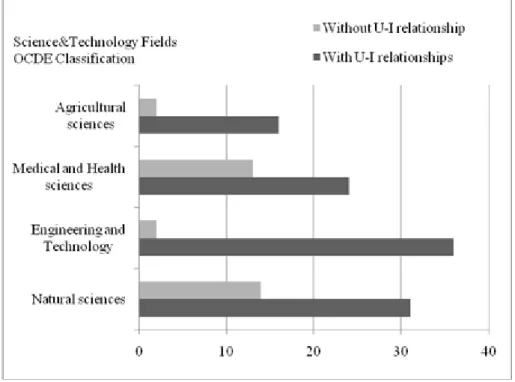
30 This picture is confirmed by the survey on Belgian University-Industry Relations (UIR) that Prof. Castiaux and I conducted in 20072. Our results show that 77% of Belgium laboratories are actually engaged in U-I links, with some differences depending on the scientific discipline of the laboratory: 95% of laboratories from engineering and technology have on-going links with the industry while only 65% of laboratories concerned with Medical and Health sciences acknowledged having industrial partners (see Figure 4). A chi-square test confirmed the association between scientific fields and the probability to engage in UIR. Godin and Gingras (2000) and Schartinger et al. (2002) find evidence of a similar phenomenon when paring industrial sectors and science fields.
FIGURE 4 UNIVERSITY-INDUSTRY LINKS IN BELGIAN ACADEMIC LABORATORIES
2
The response rate of the survey is 14% (140 responses). Respondents are either head of an academic laboratory or a senior associate professor. To assess the reliability of the sample, we performed a Fisher exact test on their responses at the question: “does the laboratory have links with the industry” (binomial outcome: Yes or No).
31 Industry-Science links refer to the interactions between the industry and the science sector that aim for the exchange of knowledge and technology (Debackere & Veugelers 2005). They are undertaken under various forms, from consulting activities to the mobility of PhDs and students (Debackere & Veugelers 2005, D'Este & Patel 2007). In short, ISR is a multi-faceted phenomenon (Bercovitz & Feldman 2007, Levy et al. 2009) and Belgium is not an exception.
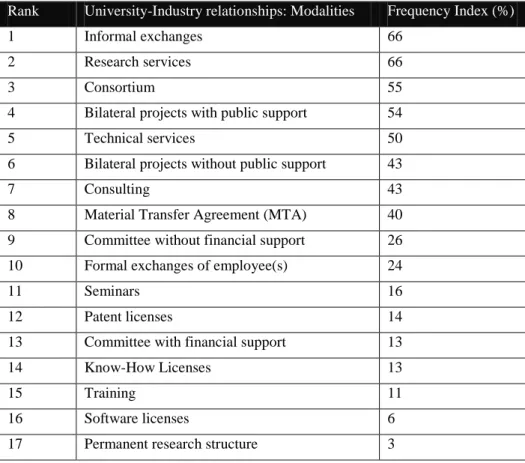
In our questionnaire, we asked the heads of laboratory to assess the frequency of the different forms of U-I interactions (never – rare – frequent – very frequent). In consequence, we got rank-scaled non-metrical data and could only present a ranking of the different U-I modalities (Meyer-Krahmer & Schmoch 1998). The ranking is assessed by a Friedman test with reliability at the 5% level. Table 2 provides the frequency index of each modality, in other words the share of answers with the assessment ‘frequent’ or ‘very frequent’.
TABLE 2 BELGIAN UNIVERSITY-INDUSTRY LINKS: PRIVILEGED MODALITIES
Rank University-Industry relationships: Modalities Frequency Index (%) (%)
1 Informal exchanges 66
2 Research services 66
3 Consortium 55
4 Bilateral projects with public support 54
5 Technical services 50
6 Bilateral projects without public support 43
7 Consulting 43
8 Material Transfer Agreement (MTA) 40
9 Committee without financial support 26
10 Formal exchanges of employee(s) 24
11 Seminars 16
12 Patent licenses 14
13 Committee with financial support 13
14 Know-How Licenses 13
15 Training 11
16 Software licenses 6
32 In Belgium, the most privileged modalities are therefore informal exchanges and contractual research undertaken without the actual intervention of the industrial partner. Joint R&D projects – either on a bilateral or a consortium basis – are also frequently conducted by Belgian academic laboratories and their industrial partners. This is in line with the results of Meyer-Krahmer and Schmoch (1998) who found that collaborative research and informal contacts are the most frequent modalities. Strict technology transfer activities, such as licensing and Material Transfer Agreement (MTA), is less frequent in the Belgian landscape, highlighting the prevalence of pre-industrial knowledge transfer over technology transfer at the level of the laboratory. Results also point to the important role of the laboratory as a subcontractor for research and technical services that can be used to engage and then perpetuate a long-term relationship with an industrial partner. Indeed, like in the context of inter-firm R&D alliances, a formal and punctual arrangement is often part of a richer R&D relationship (Faems 2006). Unfortunately, the survey does not inform about the specific motives of subcontracting which could reveal a dysfunctional relationship if the laboratory considers the U-I link only as a way of doing some cash, delaying its research agenda rather than consolidating it.
2.1.2 M
OTIVES FORU
NIVERSITY-I
NDUSTRY INTERACTIONSFollowing Drejer and Jorgensen (2005), universities are less frequent partners of private companies than supplier, customers or competitors. This affirmation is confirmed by Veugelers and Cassiman (2005) in their study of R&D cooperation in the Belgian manufacturing sector. In line with Adams et al. (2001), Veugelers and Cassiman also show that universities are used as a complementary source to existing innovation activities, U-I punctual arrangements being usually embedded in a wider innovative strategy of the firm.
From the point of view of the firm, the motives for engaging in UIR are not to enhance product or process quality (Lee 2000) or to substitute for industrial R&D (Rosenberg & Nelson 1994, Veugelers & Cassiman 2005) but rather to improve their capacity of solving complex problems (Pavitt 1998) and create a “pipe” towards scientific knowledge (Whitley 2003). In other words, firms take opportunity of UIR to access complementary resources and skills, to benefit from research synergies, to keep up with major technological development (Caloghirou et al. 2001,
33 Carayol 2003) and to access star scientists (Audretsch et al. 2002). From this point of view, the main competitive advantage of universities as a research partner is “their competence in generating new original findings and new approaches to
problem solving” (Debackere & Veugelers 2005).
From the point of view of the academic partner, a first and general motive for engaging in research collaboration is the social nature of science “where advances
depend crucially on interactions with other scientists” (Katz & Martin 1997). This is
also true in U-I collaborations: as illustrated by Drejer and Jorgenssen (2005), “sole
innovators are the exception rather than the rule”. Other motives for creating links
with the industry include additional funds to conduct research and secure staff (Bodas Freitas & Verspagen 2009), access to industrial equipment, field testing of its own research (Lee 2000, Hall 2004), getting industrial technologies and prototypes (Bodas Freitas & Verspagen 2009), enhancing its image (Santoro & Saparito 2003) and developing its network for technology transfer and dissemination of research results (Feller & Roessner 1995, Adams et al. 2005). Finally, other motives are linked to the accountability of universities (Gibbons 1994) that have to legitimize their existence by undertaking research that is relevant for societal progress.
In our survey, respondents were asked to assess the importance (null – marginal – important – decisive) of those motives (see Table 3): direct outcomes of the relationship such as the access to new equipment in the framework of the collaboration, and indirect benefits such as the hiring of students or an enhanced visibility of the laboratory. The relevance index, the share of answers with the assessments ‘important’ or ‘decisive’, reveals that the most important motive is an enhanced visibility of the laboratory, followed by the access to research material, funds to secure staff, data sharing and the generation of new research themes. These outcomes are all significantly more important than the other types of advantages. The ranking is assessed with a Friedman test with reliability at the 5% level.
34
TABLE 3 OUTCOMES AND ADDITIONAL BENEFITS
Rank Outcomes and additional benefits Relevance Index (%)
1 Visibility 61
2 Material sharing 58
3 New staff 57
4 Data sharing 56
5 New research themes 55
6 Technology Transfer 40 7 New equipment 36 8 Equipment sharing 34 9 Student hiring 33 10 Researcher mobility 33 11 New Know-How 32
12 New teaching themes 14
Note that even if visibility is ranked first, other motives were assessed as “decisive” by a higher number of respondents: funds to secure the laboratory staff, data and material sharing, access to new equipment. We explain this result through the importance of industrial cash flows for the conduct of daily research and thus the survival of the laboratory. Another interesting point lies in the fact that the academic laboratory uses its contact with the industrial field to enrich its research agenda but not its teaching activities. This might be explained by the strong orientation towards research activities observed by Polt et al. (2001a).
2.1.3 O
UTPUTS OFU
NIVERSITY-I
NDUSTRY COLLABORATIONSWhile the literature draws a lot of attention to the motives for ISR, it has somewhat neglected the concrete outputs of those collaborations, such as new products or processes, publications or databases. In Belgian UIR, the most frequent outputs (see Table 4) are knowledge-based products (Santoro & Saparito 2003): presentations in conventions and conferences, publications and thesis (outputs frequent or very frequent for more than 50% of the respondents).
35
TABLE 4 OUTPUTS OF COLLABORATIONS
Rank Outputs of University-Industry relationships collaborations Frequency Index (%) 1 Presentation 69 2 Publication 66 3 Thesis 52 4 Co-publication 39 5 New process 32 6 New product 29 7 Prototype 27 8 Co-presentation 25 9 Patent 16 10 Software 15 11 Sample collection 15 12 Database 12 13 Patent lic. 10 14 Software lic. 7 15 Know-How lic. 5 16 Copyright 3
This is consistent with the weak pressure felt by the laboratories concerning their exchanges with the scientific community: 73% of the respondents consider that limitations of exchanges between researchers due to the U-I link are marginal or null. Those results also confirm “the importance of a perspective of open,
non-exclusive exchange” in U-I cooperation as highlighted by Veugelers and Cassiman
(2005).
After the knowledge-based outputs come the pre-industrial outputs: new processes, new products and prototypes. Those outputs materialize the scientific knowledge of the laboratory into concrete pre-industrial applications but are less frequent than publications and presentations. It might be explained by the exploratory nature of the research undertaken by the laboratory (for a discussion on this subject, see Chapter 7) as well as by the development activities that are needed inside the firm after the collaboration.