Blau et al.: Tetrahydrobiopterin deficiency
Pteridines
Vol. 4, 1993. pp. 1-10
Review
Tetrahydrobiopterin Deficiency: From Phenotype to Genotype*
Nenad Blau i! §, Beat Thonyi!, Claus W. Heizmann i!, and Jean-Louis Dhondt t
:I Division of Clinical Chemistry. University Children's Hospital. Steinwiesstr. 75. CH-8032 ZUlich. Switzerland
tCentre Hospitalier Sanit-Philbert Faculte Libre de Medecine. Lomme Cedex, France (Received January 10. 1993)
Summary
As a result of the selective screening worldwide during the last 18 years, approximately 250 patients with tetrahydrobiopterin deficiency were discovered. Most patients suffer from 6-pyruvoyl tetrahydropterin synthase deficiency (58%), followed by dihydropteridine reductase deficiency (35%), GTP cyclohydrolase I deficiency (3%), and "primapterinuria" (4%). The patients can be treated with neurotransmitter precursors, as well as with tetrahydrobiopterin. However, data on long term treatment are still scarce and it is therefore of great value to investigate all newborns with even mild hyperphenylalaninemia. Cloning of the enzymes involved in the biosynthesis and regeneration of tetrahydrobiopterin makes them to be easily accessible for biochemical and biological studies. So far, all proteins expressed heterologous are active in E. coli. Cloning of the wild type gene and mutant analysis of patients allow the rapid identification of the defective gene on the molecular level.
Key words: Tetrahydrobiopterin, Deficiency, Hyperphenylalaninemia, Gene cloning, DNA.
In troducti on
Early detection of tetrahydrobiopterin (BH4) defi-ciency became essential soon after it was recognized that a number of patients with hyperphenyla lanin-emia (HPA) show progressive neurological illness de-spite treatment with a low-phenylalanine diet (I. 2). The disease was initially named "malignant phenyl-ketonuria (PKU)" because some of these patients died early. The first patients with BH4 deficiency were described as "a genetic variant of PKU" (3) and were later characterized as suffering from a de-fect in the regeneration of BH4 . BH4 is known to be the natural cofactor of three aromatic amino acid oxidase: phenylalanine-4-hydroxylase (PAH). tyro-sine-3-hydroxylase. and tryptophan-5-hydroxylase. PAH is responsible for the conversion of phenylala-§ Author to whom correspondence should he addressed. *lJedicated to ProfCssor Max Viscontini on the occasion of his KOth hirthday.
Ptcridincs / Vol. 4 I No. I
nine to tyrosine: tyrosine-3-hydroxylase and trypto-phan-5-hydroxylase are the rate-limiting enzymes in the biosynthesis of catecholamines and serotonin, respectively (4). Thus. any defect in the biosynthesis or regeneration of BH4 will result in a deficiency of biogenic amine neurotransmitters accompanied by HPA.
About 250 patients with BH4 deficiency were dis-covered world-wide in the last 18 years (5,6). Be-cause of the different clinical and biochemical seve-rity, this group of diseases was originally named "atyp-ical PKU". a term which today is reserved for mild forms of PAH deficiency.
Although a wide range of metabolic defects may exist, the term "typical" or "atypical" form will be used according to the actual need to treat, or not to treat, the patients.
2
a 0
"'~N GTPCH ... ~N"r-r-r-O<,OPPP
~~NJlNJI ~ HoN~NJL~) ~: 7,8-0Ihydroneopterin triphosphate
~Q
2H.o~ H~
;TPsf:oppp
~
: j c 0 ~ 0 0 6-Pyruvoyl tetrahydropterln GTP N " I I NAQPH:t.
jr-r-~' NADPHNADU
""
N ~ H HU
AOP+ ~orCR SR ~~ 0 H SR ~Z ';l fl:t __
JlNj~-L-CH, 4---' "'~ .. Jl j~-~-Oi, H,N N N H:.N~N ~H 6-Lactoyl tetrahydropterln H 1'-OH-2'-Dxopropyl
SR SR or AR tetrahydropterin
NA~
:jc0~
H H * G A DPII NAOP-t N ' I NADP HN j9-r-0l, HoN...l.N ~ CH OH 5,6,7,8-T etrahydrobiopterinFigure l. Biosynthesis of tetrahydrohiopterin including possi-hie metabolic detects in hyperphenylalaninemia (Hi'). GTPCH: GTP cyclohydrolase I: PTPS: 6-pyruvoyl tetrahydropterin synthase: SR: sepiapterin rcductase: AR: aldose reductase: CR: carhonyl reductase.
o H
A
~~)
L
-t-Oi'
H,N N ~4a-Hydroxy-telrahydrobiopterin
(4a-Carbinolamine)
-~)
YS-' 7 7 )l_~ j&.-~-CH3 H,N N ! 4 a -pe roxy-Ie IT ah yd robiopte rin .-~--TyrFigure 2. Phenylalanine hydroxylating system including possi-hie metabolic defects in hyperphenylalaninemia (Ii'). PAH: phenylalanine-4-hydroxylase: DHPR: dihydropteridine reduc-tase: PHS/PCD: PAH stimulating protein/ pterin-4a-carhinol-amine dehydratase.
Biochemical observation
So far four molecular diseases have been known to cause HPA including the classic form with a defect in the apoenzyme of PAH. Patients with the 3 variants suffer primarily from BH4 deficiency, ei-ther by one of the two defects in the biosynthesis (Fig. I) or one in regeneration (Fig. 2) of the cofac-tor (7). They are all inherited autosomal recessive.
In GTP cyclohydrolase I (GTPCH) deficiency (8), the enzyme catalyzing the first step in the biosyn-thesis of BH4 is deficient and no pterins are synthe-sized. These patients are characterized by a neopte-rin and biopteneopte-rin deficiency. Although it has been Pteridines / Vol. 4 / No. I
Blau et af.: Tetrahydrohiopterin deficiency
PTPS 58%
Total
246 patients PHS/PCD 4% GTPCH 3%
Figure 3. Results of the screening for tetrahydrohiopterin dcti-ciency collected from the international register.
claimed that neopterin may play an active role in the cell-mediated immune response, cell prolifera-tion, and differentiaprolifera-tion, in one of these patients all humoral and cellular functions tested were found to be normal. In cerebrospinal fluid (CSF) neopte-rin, biopteneopte-rin, isoxanthopteneopte-rin, pteneopte-rin, as well as the neurotransmitter metabolites, homovanillic acid (HV A) and 5-hydroxyindoleacetic acid (5HIAA), were generally low. This enzyme deficiency is rare, with 7 patients detected so far (Fig. 3).
6-Pyruvoyl-tetrahydropterin synthase (PTPS) defi-ciency (9) is the most common and heterogeneous variant with about 144 patients diagnosed all over the world, corresponding to about 58% of all patients with a BH4 deficiency (Fig. 3). Patients with severe, partial or peripheral, and transient forms have been reported (10). 7,8-Dihydroneopterin triphosphate can not be converted to 6-pyruvoyl tetrahydropterin (Fig. 1), resulting in an accumulation of 7,8-dihydroneo-pterin triphosphate in tissue of these patients. This intermediate is readily dephosphotylated by pyro-phosphatase and excreted as dihydroneopterin and its oxidation product, neopterin. High concentrations of neopterin, monapterin (isomer of neopterin), and 3' -hydroxysepiapterin, and only traces of biopterin are found in the urine of the patients with PTPS deficiency. In servere (typical) forms of PTPS defi-ciency the neurotransmitter status in the CSF is sim-ilar to that in patients with GTPCH deficiency. In the peripheral or partial (atypical) forms of PTPS deficiency, normal levels of neurotransmitter meta-bolites are measured. It is therefore of practical im-portance to find out whether or not the patient be-longs to this type of PTPS deficiency and thus may need different treatment (see below). The transient form of PTPS deficiency may be due to a matura-tion delay of BH4 biosynthesis.
In dihydropteridine reductase (DHPR) deficiency (II), the second most common form of BH4 deficien-cy (88 patients detected; Fig. 3), quinonoid-dihyd-robiopterin formed during the hydroxylation of phenylalanine to tyrosine accumulates, and the
Blau 1'1 al.: Tctrahydrohiopterin dcticicncy
amount of BH4 synthesized on the de novo pathway is insufficient for the normal function of hepatic PAH (Fig. 2). Similarly, as in the case of PTPS and GTPCH deficiencies, these patients are mostly characterized by a depletion of catecholamines and serotonin (12). Since quinonoid-dihydrohiopterin tautomerized readily to 7,8-dihydrohiopterin, patients with DHPR deficiency excrete high amounts of total bioptelin (7,8-dihydrohiopterin and hiopterin). In addition, owing to the lack of BH4 in these patients, there is no feedback inhihition of GTPCH and thus neopterin biosynthesis is generally activated.
Primapterinuria is the recently discovered valiant of HPA characterized hy the excretion of the 7-sub-stituted pterins, primapterin (7-biopterin) and ana-pterin (7-neoana-pterin) in the patient's urine (13, 14). Prima-pterinuria differs from classic PKU and other vari-ants of BH4 deficiency because obviously these pa-tients do not need any treatment. Nine patients have been detected so far (Fig. 3). The first patients were described by Dhondt et al. (IS) and Blaskovics and Giudici (16). A loading test with BH4 was the first indication that primapterin may derive from biopte-rin (17). Furthermore, 7,8-dihydrobiopterin and se-piapterin given orally resulted in a significant in-crease in biopterin and primapterin., whereas the ratio remained between 1.0 and I.S after loading (\8). From in vitro experiments it is known that plima-pterin can be formed during the PAH reaction in a phenylalanine-4-hydroxylase-stimulating protein (PHS)/pterin-4a-carbinolamine dehydratase (PCD) free system (Fig. 2) (19,20). So far, all known en-zymes involved in the biosynthesis or regeneration of BH4 in. these patients have been found to be normal and a deficiency of PHS/PCD has been proposed. However, PAH and PHS/PCD, per se, have not been measured.
Clinical observation
Typical .limns
The clinical course of the illness in untreated pa-tients is similar in typical (severe) PTPS, DHPR and GTPCH deficiencies (10). The median age at which clinical signs become evident is 4-S months, but symp-toms do not necessarily correlate with age of di-agnosis, even in the same family. However. when in-fom1ation on the neonatal period is available, abnor-mal signs (poor sucking, decreased spontaneous movements, floppy baby) can be noticed during the neonatal period (6).
The common symptoms are mental retardation,
convulsions (grand mal or myoclonic attacks), distur-bances of tone and posture, drowsiness, irritahility, abnormal movements, recurrent hyperthermia with-out infection, hypersalivation, swallowing difficul-ties. Diunml fluctuation of alertness and neurologic symptoms are also reported. Microcephaly is observ-ed in both diseases but with a higher incidence in PTPS deficiency (S2%) than in DHPR deficiency (33%). However, in 13 out of 2S DHPR deficient patients for whom repeated measurements with in-creasing age were available, evolution of head circum-ference to progressive microcephaly was observed, whether patients were treated or not.
Arypical forms
Atypical PTPS deficiency: The absence of clinical signs theoretically defines atypical forms. However, in 2 cases neonatal hypotonia was noticed, 2 were mentally retarded, 1 had local signs on the EEG,
and I presented with acute but transient symptoms (behaviour prohlems. neurovegetative signs, sleeping difficulties).
Atypical DHPR deficiency Some authors have sugges-ted that partical deficiency of DHPR activity may also exist. That may explain a few reports on pa-tient"; who were clinically unusual in some aspects (21).
Primapterinuria: Although this fom1 seems to have
no serious consequences. minor abnormalities can be observed. In the first case (IS). slight tremors of upper limhs after stimulations and a moderate tendency to hypertonia were noticed during the neo-natal period. An EEG at 3 weeks of age revealed a few spikes and sharp waves in the frontal area. With dietary control of blood phenylalanine. neuro-logical development normalized. In another case rc-ported by Blaskovics and Guidici (16), transient hy-potonia and motor delay were also noticed.
Treatment
The goals of the treatment are to control HPA by dietary restriction of phenylalanine or BH4 admin-istration, and to restore neurotransmitter homeosta-sis by oral administration of amine precursors. Neurotransm iner replacement
L-Dopa and S-hydroxytryptophan (S-HT) admini-stration represents a common therapeutic approach to BH4 deficiencies. Carbidopa, an inhibitor of peri-pheral aromatic amino acid decarboxylase, reduces the therapeutic dose of L-Dopa.
4 5-HIAA ~==~---,
rf::~
~ ~·----·1--__.
~,,~..•
"~('"--IiI"--_ 100II II."
----5-HIAA • w,ctooullreo.!mant onnet;rclransminerprecur$Of's • wld'\oul!realmer'llII on t18urot,ansmIUer pre<:urse.s
• on THB "monclllefa • 6", It HVA
---::-:-.":~:~~~~.-:---
.
...
HVA lOy AGEFigure 4. CSF levels of 5HIAA and HVA of patients with
DHPR deficiency (upper) and PTPS deficiency (lower) . •
without treatmen·t; 0 on neurotransmitter precursors; 6 on
HH. "monotherapy"; shaded area represents normal range (percentile 5-95) estahlished from the distribution of 292 CSF
determinations in normal con/wis.
The monitoring of treatment represents the crucial point. Unfortuntely, there are no biochemical para-meters measurable in the periphery which would allow the control of treatment. The analysis of neu-rotransmitter metabolites in CSF represents the only way to follow up the efficiency of treatment (Fig. 4). However. such an investigation cannot be easily repeated. Two cases (Fig. 5) illustrate the need of a balanced administration of Dopa and 5-HT.
In practice, the optimal dosage can only be found on a clinical basis and should be adjusted to the requirement of each patient with monitoring for ad-verse effects (22, 23) and disappearance of neurolo-gical symptoms. Diurnal fluctuations are often
obser-ved and may require changes in the schedule of
drug administration. Difficulties with parents for com-pliance with treatment are frequently reported be-cause of the constant need of treatment adjustments. which requires excellent collaboration with the fam-ily.
Control of blood phenylalanine levels
Although BH4 deficient persons exhibit a higher dietary phenylalanine tolerance than classical PKU patients. a limiting factor in tne response to neuro-transmitter precursor therapy might be the plasma
Pteridines / Vol. 4 / No. I
Blau et al.: Tetrahydrobiopterin deficiency
PTPS deficiency ~!I'000
...----==--,
100 100 1000 "0 201
c, L·Dopa ~ 10 _ THB ==~:::::~~e:llJ
1°15'HTn~
5-HIAA 1000 - r - - - , nmolll 100 10 t-~~~'"'T""-r-:-r' 100 1000 days 6m 1y 5y AGE DHPR deficiency 1000 1---=::::::==~ 100 10 I-~~~,...,.-~.,...J 100 1000 1000~ _ _ _ _ _ _ _ ~ 100 l0I--..II,-.~~,..",._~~ 1 00 , 1000 days 6m ly 5y AGEFigure 5. CSt-' monitoring of the treatment with
neurotrans-mitter precursors.
phenylalanine fluctuations. which could alter the dose-effect relationships of these substances by inter-fering with their membrane transport or by compe-titive inhibition of tyrosine and tryptophan-hydrox-ylase (12). The control of blood phenylalanine concen-trations has to be stricter than in other HPAs. Some patients on neurotransmitter treatment have had neurological problems with phenylalanine concent-rations as low as 360 Ilmolll.
Tetrahydrobiopterin admini~tra[ion
In PTPS deficiency. evidence of a bloc in BH4 synthesis invited attempts to treat these patients with BH4 replacement alone (so-called BH4 monothe-rapy). The main advantage was that BH4 replace-ment would not bypass any regulatory mechanisms that normally control neurotransmitter synthesis and secretion. However, in most cases BH4 monotherapy failed to restore a normal level of cerebral neurotrans-mitter synthesis as confirmed by low concentra-tio.ns of SHIAA and HVA in the CSF (Fig. 4). On the other hand. the use of BH4 to control blood phenylalanine levels appears to be efficient and is recommended. Relatively low doses of BH4
normal-Blau et uf.: Tetrahydrobiopterin deficiency
ize blood phenylalanine levels and offer an
interest-ing alternative to a phenylalanine-restricted diet.
In DHPR deficiency, BH4 cannot be given in
suf-ficient amounts to maintain an adequate pool of BH4 in the absence of the endogenous reducing
sys-tem sustained by DHPR.
Folinic acid supplementation
The hypothesis of a gradual CNS folate deficiency
in DHPR deficienct patients is supported by low
CSF folate levels, and also by the frequent
occur-rence of calcifications in the basal ganglia similar to
those described in congenital folate malabsorption or in methotrexate toxicity. A direct benefit of folinic
acid supplementation has been clinically
demon-strated (24).
The clinical outcome
The replacement of neurotransmitters has been
proven to be beneficial, though incomplete. Because
in many cases the treatment was administered late,
resolution of some of the major neurological signs
gave the impression of a "remarkable" improvement,
as initially published. Even when patients reached
milestones for age. speech difficulties and sleeping
problems were reported. Two PTPS and 6 DHPR
deficient patients died although the treatment had been started within the first month of life.
Although results of a larger group of patients treat-ed early might temper these pessimistic conclusions, four reasons can explain the limited success of treat-ment:
I. The possibility of fetal brain damage is likely to occur, especially in PTPS deficiency, since low
birth weight, clinical signs. and microcephaly at
birth are often reported.
2. Possible iatrogenic damage of neurotransmitter
precursors cannot be excluded.
3. It can also be speculated that the quality of the response to therapy depends on the severity of the metabolic defect, as illustrated by the better response of patients with near normal CSF HV A concentra-tions at diagnosis (25). In DHPR deficiency, it has also been suggested that CRM+ mutants may have a better prognosis (26).
Do atypical fonns have to be treated?
These forms theoretically do not require treatment. Besides this affirmation, the decision to treat or not
URINE Plerin analy".
abnonrwl
5
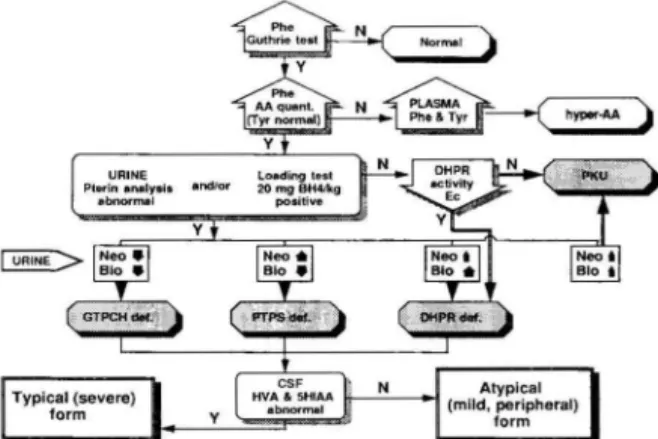
Figure 6. Screening policy and the diagnostic flow chart in
the differentiation of hyperphenylalaninemia variants. if re-presents increased value; .(), represents deminished value. Phe:
phenylalanine; Tyr: tyrosine; AA amino acids; Nco: neopterin: Bio: biopterin; Y: yes; N: no.
is not clear-cut. With regard to the obvious hetero-geneity and unclear prognosis it seems adequate to treat newborns with the so called "atypical" or "peri-pheral" form, at least with BH4, and to monitor their
development carefully.
Screening for BIL deficiency and differential diagno-sis
Screening for BH4 deficiency should be done in
all newborns with even slight
hyperphenylalanine-mia (plasma phenylalanine<400 f.1IIlol//) as well as
in older children with neurological symptoms (27,
28). The following protocol should be followed:
1. Analysis of pterins in urine
2. Measurement of DHPR activity in blood from
Guthrie cards
3. Analysis of phenylalanine in plasma before and after the BH4 loading test
The first two tests are essential and allow to
differ-entiate between all variants of BH4 deficiency. With
some limitations, the BH4 loading test is an addition-al useful diagnostic tool for the rapid discrimination
between the classic PKU and biopterin variants. The
diagnostic flow-chart is shown in Fig. 6.
Analysis oj pterins
HPLC is the method which is used in most labo-ratories to analyze pterins in urine (29, 30). The analysis must be performed at elevated plasma phe-nylalanine levels and not under low-phephe-nylalanine diet. Either a native urine or urine dried on filter
6
~
i
~
I ~ i ~ I 9 I a: I MIX control IX TIfTle(min) 20 PTPS def. N B ~ GTPCHdef. IX DHPRdef. IX classic PKU IX M 7·B "primap\erinuria"Figure 7. HPLC of urinary pterins (oxidized) from a healthy
control and patients with different variants of
hyperphenylala-ninemia. N: neopterin: M: monapterin; IX: isoxanthopterin:
B: biopterin: 7-B: primapterin; P: pterin.
paper (31) may be used for the selective screening. The concentrations of pterins are based on creati
-nine levels, which makes a urine collection unneces-sary. A characteristic urinary pterin pattern makes it possible to identify all four variants of BH4 defi-ciency (Fig. 7).
Tn GTPCH deficiency, neopterin and biopterin excretion is extremely low (below 10% of normal) while the percentage of biopterin (of the sum of neopterin plus biopterin) is approximately 50% (neo-pterin/biopterin~ 1). Patients with PTPS deficiency excrete trace amounts of biopterin and high amounts of neopterin (biopterin <5%; neopterin/biopterin = 40- 300). Excretion of pterins is not always infor-mative for DHPR deficiency. High biopterin concen-trations (biopterin>80%) and normal or slightly in-creased neopterin concentrations are rather charac-teristic for older children suffering from DHPR defi-ciency and particularly in very young patients may be almost normal or close to values found in patients with classic PKU In patients with primapterinuria the pterin pattern is similar to that in patients with PTPS deficiency (elevated neopterin and low biopte-rin; neopterin/biopterin= 18-36) in the very early neonatal period. With increasing age neopterin nor-malizes while the excretion of primapterin persists and the ratio of biopterin to primapterin remains
close to 1.
Loading test with BH4
The loading test with BH4 allows the detection of all HPA variants with a defect of the BH4 biosyn-thesis, even if the defect is only partial. A rapid
Pteridines / Vol.4 / No. I
Blau er af.: Tetrahydrobiopterin deficiency
2500 1200
A ~
B
2000 _ 1000 s!
BOO " 1500 .~ c..
600 1000I
M 400 E ~ 500 0:: Hours HoursFigure 8. Typical results of a simple (A) and combined (B)
tetrahydrobiopterin loading tests in patients with hyperphen-ylalaninemia.
normalization of the elevated plasma phenylalanine level occurs within 4 to 8 hours after administration of BH4 (Fig. 8A). The test was originally introduced by Niederwieser el al.(32) using 7.5 mg of BHJkg bw. However, it was soon noted that this procedure may fail in some patients with DHPR deficiency (26), namely those belonging to the CRM+ (cross reactive material positive) type having a mutant en-zyme. This limitation can be overcome by increasing the loading dose up to 20 mg BHJkg bw .. However one patient, described as a nonresponder even at high dose of BH4, died despite early diagnosis and treatment and may represent a "severe" form of DHPR deficiency (33).
An alternative procedure for the screening of hy-perphenylalaninemiae is the combined phenylala-nine (100 mg/kg bw) and BH4 (20 mg/kg bw) load-ing test (34). This test takes advantage of being performed while patients are on a phenylalanine-res-tricted diet particularly when pterin analysis is not available. As for the conventional loading test, this also has to be combined with the measurement of DHPR activity in blood. The decrease of serum phenylalanine 4 and 8 hours after BH4 administra
-tion (7 and 11 hours after phenylalanine admini-stration) allows differentiation between PTPS and DHPR deficiencies and classic PKU (Fig. 8B).
Molecular biology of BlL biosynthetic and regenera-ting enzymes: gene cloning and expression
Cloning of the genes or their corresponding cDNAs encoding the enzymes for BH4 metabolism will have many beneficial consequences such as the possibility to overproduce the proteins and purify them in large quantities for enzymatic and structural studies, and antibody production. Tn addition, for the defects described for the four enzymes involved
Blau el al.: Tetrahydrobiopterin deficiency
in BH4 metabolism (see Figs. 1 and 2), identification of mutations on the DNA, responsible for aberrant
expression or activity in patients, is the basis for future understanding of the deficiency on a molecu-lar level.
GTPCR the first biosynthetic enzyme for BH.J, has been cloned and DNA sequence information
is available from two different sources: rat liver (35)
and Escherichia coli (36, 37). The isolated rat liver
eDNA codes for a putative protein of 241 amino
acids, whereas the mature protein has the first II
amino acid residues deleted. Thus, posttranslational
modification produces a protein of 230 amino acid residues with a molecular mass of 25,784 Da.
Expres-sion of the rat GTPCH cDNA in E. coli was
repor-ted to result in an active enzyme, indifferent whether it was expressed as the premature form (complete
eDNA) or as the mature form (38). The mature E.
,oli GTPCH contains 222 amino acid residues with
a molecular mass of 24,742 Da. For this enzyme.
only the starting methionine was found to be
remov-ed. An amino acid alignment of the rat and E.
,ali sequences revealed homology extending over the
entire length of the proteins. Overproduction and
purification of recombinant GTPCH from E. coli
allowed the crystallization and a preliminary
charac-terization of the X-ray structure (39). Although a
fragment coding for the human GTPCH was reported
to be cloned (39), isolating of the complete coding
region is eagerly awaited in order to study defects in patients with reduced GTPCH acitivity.
The PTPS is the most frequent enzyme acitivity
that is reduced or missing in patients exhibiting a
BH4 deficiency. The rat and human liver cDNAs have been cloned and sequenced (40-42). The rat eDNA codes for a protein of 144 amino acids. The first four amino acids are not present in the purified enzyme, resulting in a mature rat protein with a molecular mass of 15,855 Da. The human liver eDNA codes for a protein of 145 residues with an estimated molecular weight of 16,387. It exhibits a
82% identity to the rat amino acid sequence. Since
the amino terminus of the human PTPS was not
accessible by Edman degradation due to end
block-ing, the N-tenninus of the mature protein is not known. Both, the rat and human cDNA can be
expressed as an active enzyme in E. coli that makes
the PTPS easily accessible for further analysis. This powerful system made it possible to identifY the first mutations in the coding region for PTPS, responsi-ble for a lowered enzymatic activity in patients with BH4 deficiency (41, Thony et al., unpublished).
A cDNA for SR, the enzyme catalyzing the final
step in the BH4 biosynthesis. was isolated from rat
7
and human liver (43, 44). The rat liver cDNA enco-des a polypeptide of 262 amino acid residues with
a molecular mass of 28,169 Da, including the N-ter-minally acetylated methionine (45). A corresponding
cDNA isolated from human liver codes for a protein
of 261 amino acid residues with a molecular mass
of 28,047 Da. A sequence comparison revealed a
74% identity between these two enzymes. The rat liver enzyme was expressed in E. coli as a translatio-nal fusion to the N-termitranslatio-nal fragment of ~-galactosi
dase. Since this resulted in an active SR, it is expec-ted that also the human enzyme, expressed as a
non-fusion protein in E. coli, will yield SR activity.
Alternative reductases to SR, such as AR and CR, were found to accomplish at least in vitro the two
step reduction of the carbonyl groups (compare with
Fig. 1; (46». These alternative pathways might
ac-count in vivo for the fact that so far no SR deficiency
was observed in man. Human cDNAs for AR and
CR have been cloned from several tissues but will not be discussed in this article (47-50).
Following the oxidation of BH4 by the P AH, the pterin cofactor is proposed to be efficiently recycled in the presence of two proteins. the PHS/PCD and DHPR (Fig. 2). Based on the elucidation of the
complete amino acid sequence of the human and
rat PHS/PCD (51), the corresponding cDNA was cloned from rat and human liver (Thony et af.. un-published). The native protein was found to be iden-tical in rat and human, and consists of 103 amino
acids with a molecular mass of 11,909 Da, The
N-terminally encoded methionine is cleaved off, and
the second amino acid, the alanine residue. was
found to be acetylated in the mature protein. Hetero-logous expression of the cDNA in E. coli yielded the activity in a crude extract, thus allowing the pu-lification of the protei.n in large amounts and ma-king it accessible to refined biochemical studies.
Unexpectedly, the PHS/PCD was found to be iden-tical to the hepatic nuclear dimerization factor for the transcription factor HNF-la (52, Thony et al ..
unpublished). To clarifY the meaning of this finding. it will be hepful to have recombinant protein
avail-able, free from any contamination, to perform in vitro
studies with PAH. In addition, the newly described
form of hyperphenylalaninemia characterized by
7-pterin excretion was proposed to be due to a defect in PHS/PCD activity (13-17). The isolation of the DNA encoding this protein will allow to further in-vestigate the enzymatic defects in such patients on the molecular level.
The enzyme responsible for the completion of the reductive recycling of BH40 DHPR, is thus far the protein best studied biochemically and genetically. Pteridines I Vol.4 I No. I
8
The DNA sequence encoding the DHPR is
avail-able from rat and human liver (53-55). The rat liver
cDNA codes for 241 amino acids. However. the
mature protein appears to have the initiating
me-thionine cleaved off and an acetylated alanine
resi-due on its N-terminus. The molecular weight of
25,420 (240 amino acids) is very similar to that of the
human liver enzyme and a sequence alignment
shows that the two proteins differ only in 10 amino
acid residues. The human DHPR protein has a
length of 244 amino acids and a molecular mass
of 25,760 Da (serine at position 51, (ref. 54» or
25,774 Da (threonine at position 51, (ref. 55». The
human enzyme was also reported to be N-terminally
blocked due to acetylation, however. the mature end
of the protein is not known. Heterologous expression
of the entire cDNA encoding the human DHPR
has been reported and yielded the active enzyme in E. coli (56). Moreover, the rat liver DHPR was
crystallized and its 3-dimensional structure was
elu-cidated (57). Interestingly, it is structurally and
me-chanistically different from the dihydrofolate
reduc-tase. Using PCR technology. mutations on the DNA
level were detected that caused a change in the
poly-peptide chain (21, 58). Also. RFLP was shown to
be a useful tool for prenatal diagnosis of DHPR
deficiency (59).
In summary, it is remarkable that probably all
the human metabolic enzymes for BH4 biosynthesis
and recycling appear to be active when expressed
in E. coli. Mutations in GTPCH, PTPS, PHSIPCD
or DHPR can now be easily detected for their
ef-fects on enzyme activity be expressing them in E.
coli. At the same time. the purification of native and
also mutant enzymes in large amounts will be
facil-itated. Cells from patients or patients cultured
fi-broblasts contain insufficient material to isolate
en-zymes for such studies. Using PCR-based technology.
prenatal diagnosis for BH4 deficiency might be
in-troduced as a noninvasive method without any risk
for the offspring. In the future. one might even
con-sider a completely new area of treatment by using gene therapy, i.e. transferring the wild-type gene into
patients with a BH4-deficiency in order to restore
the defective gene. Such an approach was shown
to be feasible in vitro for cells derived from patients
with a defect in the DHPR gene (60).
Acknowledgements
The authors thank M. Killen for help with
prepar-ing the manuscript. This work was supported by
the Swiss National Science Foundation, Grant No.
Pteridines ! Vol. 4 / No. I
Blau el al.: Tetrahydrobioptelin detkiency
31-33897.92. by the Helmut Horten Research
Foun-dation. and JUbiliiumsspende der Universitiit Zurich.
References
I. Bartholome K. A new molecular defect in phenylketonuria. Lancet 1974; ii: 1580.
2. Smith I. Atypical phenylketonuria accompanied hy a s e-vere progressive neurological illness unresponsive to di-etary treatment. Arch Dis Childhood 1974: 49: 245.
3. Tada K. Yoshida T. Mochizuki K, el al. Two sihlings of hyperphenylalaninemia: suggestion to a genetic variant of phenylketonuria. Tohoku J Exp Med 1969: 100: 249-53. 4. Kaufman S. Metaholism of the phenylalanine
hydroxyla-tion cofactor. 1. Bioi Chern 1961: 242: 3934-43.
5. Dhondt J-L. Register of tetrahydrobiopterin deficiency. Bag-nolet: Milupa 1991; 7-11.
6. Dhondt JL. Tetrahydrobiopterin deficiencies. Lessons from the compilation of200 patients. Developmental Brain Dysfunc-tion 1993: 6: 139-55.
7. Blau N. Inhorn errors of tetrahydrohiopterin metaholism. Ann Rev Nutr 1988; 8: 185-209.
8. NiedelWieser A Blau N. Wang M. el al. GTP cyC!ohy drol-ase I deficiency. a new enzyme defect causing hyperphenyl-alaninemia with neopterin. biopterin. dopamine. and se-rotonin deficiencies and muscular hypotonia. Eur J Pediatr 1984: 141: 208-14.
9. NiedelWieser A Leimbacher W. Curtius HCh. et al. Atypi-cal phenylketonuria with ~dihydrohiopterin synthetase" deficiency: Absence of phosphate eliminating enzyme acti-vity demonstrated in liver. Eur J Pediatr 1985; 144: 13-6. 10. Dhondt JL. Tetrahydropiopterin deficiencies. Preliminary
analysis from an International Survey. J Pediatr 1984: 104: 501-8.
II. Kaufman S. Hotzman NA Milstien S. Butler IJ. Krumholz
A. Phenylketonuria due to a deficiency of dihydropteridine reductase. N Engl J Med 1975: 293: 785-90.
12. Ponzone A. Guardamagna O. Ferraris S. Biasetti S. Bracco G. NiedelWieser A. Ncurotransmitter therapy and diet in malignant phenylketonuria. Eur J Pediatr 1987: 146: 93-4. 13. Curtius HCh. Kuster Th. Matasovic A Blau N. Dhondt J-L. Primapterin. anapterin and 6-oxo-primapterin. three new 7-substituted pterins identified in a patient with hyper-phenylalaninemia. Biochem Biophys Res Commun 1988: 153: 715-21.
14. Blau N. Dhondt J-L. Kuster Th. Curtius HCh. New variant
of hyperphenylalaninemia with excretion of 7-substituted pterins Eur J Pediatr 1988: 148: 176.
15. Dhondt JL. Guibaud P. Rolland MO. Dorche C. Andre S. Forzy G. Hayte JM. Neonatal hyperphenylalaninemia presumably caused by a new variant or biopterin synthe-tase deficiency. Eur J Pediatr 1988: 147: 153-7.
16. BlaskO\ies M. Giudici TA. A new variant of biopterin deficiency. N Engl J Med 1988: 319: 1611-2.
17. Blau N. Curtius Heh. Kuster Th. et al. Primapterinuria: a new variant of atypical phenylketonuria. J Inher Metab Dis 1989: 12(Suppl 2): 335-8.
18. Giudici TA Blaskovics M. Lim B. Gambetta R. Curtius HCh. Blau N. Excretion of 7-substituted pterins by a
hy-Blau et al.: Tetrahydrobiopterin deficiency
perphenylalaninemic variant (primapterinuria).
Admini-stration of tetrahydrobiopterin and sepiapterin. In: Blau N,
Curtius HCh, Levine RA Cotton RGH, eds. Pterins and Biogenic Amines in Neurology, Pediatrics and Immuno-logy 1991; 149-64, Grosse Pointe: Lakeshore Publishing
Co.
19. Curtius HCh. Adler C. Rebrin L Heizmann CW, Ghisla
S. 7-Substituted pterins: Formation during phenylalanine
hydroxylation in the absence of dehydratase. Biochem
Biophys Res Commun 1990; 172: 1060-6.
20. Davis DM, Kaufman S. Milstien S. Conversion of 6-s
ub-stituted tetrahydropterins to 7-isomers via phenylalanine
hydroxylase-generated intermediates. Proc Natl Acad Sci 1991; 88: 385-9.
21. Blau N. Heizmann CW, Sperl W. et al. Atypical (mild)
lorms of dihydropteridine reductase deficiency: neuroc hem-ical evaluation and mutation detection. Pediatr Res 1992;
32: 726-30.
McInnes RR Kaufman S. Warsh JJ. et at. Biopterin
syn-thesis defect. Treatment with L-dopa and 5-hydroxytrypto
-phan compared with therapy with a tetrahydropterin. J
Clin Invest 1984: 73: 458-69.
Tanaka y, Matsuo N, Tsuzaki S. Araki K. Tsuchiya y,
Niederwieser A. On-olT phenomenon in a child with
tetra-hydrobiopterin deficieny due to 6-pyruvoyl tetrahydropterin
synthase deficiency. Eur J Pediatr 189; 148: 450-2.
~4. Smith L Hyland K. Kendall B. Leemin RJ. Clinical role
of pteridine therapy in tetrahydrohiopterin deficiency. J
Inhcr Metab Dis 1985; 8(suppl. I): 34-8.
''; Giugliani R. Costa da Costa J. Dutra-Filho CS. Dutra
Je. Pereira MLS. Niederwieser A. Successful therapy of
hyperphenylalaninemia due to defective tetrahydrobiopte-rin metabolism in two siblings. Rev Brasil Genet 1986:
9: 685-92.
~f, Ponzone A. Guardamagna O. Ferraris S. Bracco G.
Nie-derwieser A. Cotton RGH. Two mutations of
dihydropteri-dine reductase deficiency. Arch Dis Child 1988; 63: 1
54-7.
~7. Dhondt JL. Strategy for the screening of tetrahydrobio
pte-rin deficiency among hyperphenylalaninemic patients:
15-years experience. J Inher Metab Dis 1991; 14: 117-27.
28. Blau N. Guidelines for the screening for hyperphenyla
la-ninemia due to tetrahydrobiopterin deficiency. Cro Med
J 1992; 33: 17-22.
29. Dhondt JL, Largilliere
e.
Ardouin p, Farriaux JP.Dautrev-aux M. Diagnosis of variants of hyperphenylalaninemia
hy determination of pterins in urine. Clin Chim Acta 1981;
110: 205-15.
:10. Niederwieser A Staudenmann W. Wetzel E. High-per
form-ance liquid chromatograph with column switching for the analysis of biogenic amine metabolites and pterins.
J Chromatogr 1984: 290: 237-46.
31. Blau N, Kierat L, Heizmann CWo Endres W. Giudici T.
Wang M. Screening for tetrahydrobiopterin deficiency in
newborns using dried urine on filter paper. J Inher Metab
Dis 1992: 15: 402-4.
32. Niederwieser A Curtius HCh. Viscontini M. Schaub J.
Schmidt H. Phenylketonuria variants. Lancet 1979: J: 550.
.
n
Endres W. Ihel H. Kierat L, Slau N. Curtius HCh. Tetra-hydrohiopterin and "non-responsive" dihydropteridinere-ductase deficiency. Lancet 1987: ii: 223.
9
34. Ponzone A Guardamagna O. Spada M, et al. Differential
diagnosis of hyperphenylalaninemia by a combined
phen-ylalanine-tetrahydrobiopterin loading test. Eur J Pediatr
1993; in press.
35. Hatakeyama K. Inoue Y. Harada T. Kagamiyama H.
Clon-ing and sequencing of cDNA encoding rat GTP cyclohy
-drolase I. J BioI Chern 1991; 266: 765-9.
36. Katzenmeier G, Schmid C. Bacher A. Cloning and
expres-sion of the putative gene coding for GTP cyclohydrolase
I from Escherichia coli. FEMS Microbiology Letters 1990:
66: 231-4.
37. Katzenmeier G, Schmid
e.
Kellermann J. Lottspeich F.Bacher A. Sequence of GTP eyclohydrolase I from Esche
r-ichia coIL Biological Chemistry Hoppe-Seyler 1991; 372:
991-7.
38. Hatakeyama K. Harada T. Kagamiyama H. Expression,
purification and characterization of premature and mature
lorms of rat GTP cyclohydrolase I in Escherichia coli using
pMal vector. In: Eds Blau N, Curtius HCh. Levine R.
and Yim J. Seoul: Pteridines and Related Biogenic Amines
and Folates. Hanrim Publishing Co., 1992: 107-8.
39. Schmid e. Ladenstein R Luecke H. Huber R Bacher.
A Crystallization and preliminary crystallographic
charac-telization of GTP cyclohydrolase I from Eschen'chia coli.
J Mol BioI 1992; 226: 1279-81.
40. Inoue Y. Kawasaki y, Harada T. Hatakeyama K. Kaga
mi-yama H. Purification and cDNA cloning of rat 6-pyruvoy
l-tetrahydropterin synthase. J Bioi Chem 1991; 266: 20791-6.
41. Hatakeyama K. Ashida A Owada M. Kitagawa T. Mino
M. Kagamiyama, H. Molecular basis of malignant hype
r-phenylalaninemia: a mutation in the gene encoding
hu-man 6-pyruvoyl-tetrahydropterin synthase. In: Pteridines
and Related Biogenic Amines and Folates. Eds: Blau N. Curtius. HCh, Levine R. and Yim J. Hanrim Publishing
Co .. Seoul. 1992; 142-3.
42. Thi:iny H. Leimbacher W. Biirgisser D. Hcizmann CWo
Human 6-pyruvoyltetrahydropterin synthase: cDNA clo
n-ing and heterologous expression of the recombinant
en-zyme. Biochem Biophys Res Comm 1993; in press.
43. Citron BA. Milstien S. Gutierrez
Je.
Levine RA YanakaBL, Kaulman S. Isolation and expression of rat liver se
-piapterin reductase cDNA. Proc Natl Acad Sci USA 1990:
87: 643640.
44. Ichinose H, Katho S. Sueoka T. Titani K, Fujita K. Nag
a-tsu T. Cloning and sequencing of cDNA encoding human
sepiapterin reductase. Biochem Biophys Res Comm. 199J; 179: 183-9.
45. Oyama R Katho S. Sueoka T. et of. The complete amino
acid sequence of the mature lorm of rat sepiaptcrin
reduc-tase. Biochem Biophys Res Comm 1990: 173: 627-31. 46. Park YS. Heizmann CWo Wermuth B. et al. Human ca
rbon-yl and aldose reductases: new catalytic functions in
tetra-hydrobiopterin biosynthesis. Bioehem Riophys Res Comm 1991; 175: 738-44.
47. Bohren KM. Bullock B. Wermuth B. Gabhay KH. The
aldo-keto reductase superfamily. J BioI Chern 1989: 264:
9547-51.
4X. Garcia-Perez A. Martin B. Murphy HR. et {Ii. Molecular
cloning of cDNA coding for kidney aldose reductase. J
Riol Chem 19R9: 264: 16815-21.
10
49. Forrest GL, Akman S, Krutzik S, el al. Induction of hu-man carhonyl reductase gene located on chromosome 21. Biochim Biophys Acta 1990; 1048: 149-85.
50. Nishimura C Matsuura Y. Kokai Y, el al. Cloning and
expression of human aldose reductase. J Bioi Chern 1990; 265: 9788-92.
51. Hauer CR. Rebrin L Thony
8
,
et al. Phenylalanine hydro-xylase-stimulating protcin/pterin-4a-carbinolamine dehy -dratase from rat and human liver. J Bioi Chem 1993; 268:
in press.
52. Mendel D. Kahavari PA, Conley PH, ef ul. Characteriza -tion of a cofactor that regulates dimerization of a ma m-malian homeodomain protein. Science 1991; 254: 1762-7. 53. Shahbaz M. Hoch .IA, Trach KA, Hural JA, Wehber S.
Whiteley JM. Structural studies and isolation of eDNA
dones providing the complete sequence of rat liver dihy -dropteridine reductase. J Bioi Chern 1987; 262: 16412-6. 54. Dahl HHM. Hutchison W. McAdam W. Wake S. Morgan
FJ. Cotton RGH. Human dihydropteridine reductase: cha -racterization of a cONS clone and its use in analysis of patients with dihydropteridine reductase deficiency. Nud
Acids Res 1987: 15: 1921-32.
55. Lockyer J, Cook RG, Milstien S, Kaufman S. Woo SLC.
Ptcridines / Vol. 4 / No. I
Blau el al.: Tetrahydrohiopterin deficiency
Lcdley FD. Structure and expression of human dihydro -pteridine reductase. Proc Nat! Acad Sci USA 1987; 84: 332
9-33.
56. Armarego WLF, Cotton RGH. Dahl HHM. Dixon NE.
High-level expression of human dihydropteridine reductase (EC 1.6.99.7). without N-terminal amino acid protection.
in &cherichia coli. Biochem. J 1989: 261. 256-8.
57. Varughese Ik., Skinner MM, Whiteley 1M, Matthews DA. Crystal structure of rat liver dihydropteridine reductase.
Proc Nat! Acad Sci USA 1992: 89: 6080-4.
58. Howells OW. Forrest SM. Dahl H-HM. Cotton RGH. In-sertion of an extra codon for threonine is a cause of dihy -dropteridine reduct<ise deficiency. Am J Hum Genet 1990;
47: 279-85.
59. Hayasaka K.. Narisiawa K.. Ohura T, Ogawa E. Dahl HHM. Restriction fragment length polymorph isms among
Japanese detected with a dihydropteridine reductase eDNA gene probe. J Inher Metab Dis 1990; 13: 873-8.
60. Mikami H, Matsubara Y, Hayasaka K.. el al. Molecular analysis of dihydropteridine reductase deficiency and res -toration of the enzyme activity by gene transfer. J Inher Metab Dis 1990; 13: 787-91.