Trust and capital
An anthropology of private banking elites
Thèse de doctorat présentée à la Faculté des lettres et des sciences humaines de l’Université de Fribourg (Suisse)
Lucia Desmarquest
Bratislava, Slovaquie2021
Approuvée par la Faculté des lettres et des sciences humaines sur proposition des Professeurs :
Dr. Christian Giordano (premier rapporteur) Dr. Ellen Hertz (deuxième rapporteure)
Fribourg, le 17 mars 2015.
Trust and capital
An anthropology of private banking elites
Doctoral thesis
presented to the Faculty of Arts and Humanities of the University of Fribourg (Switzerland) in fulfillment of the requirements for the degree of Doctor of
Philosophy by
Lucia Desmarquest
From Bratislava, Slovakia2021
Accepted by the Faculty of Arts and Humanities based on the proposal of Professor. Christian Giordano (First Referee) and Professor Ellen Hertz
(Second Referee).
Fribourg, 17th of March 2015.
vii Contents Acknowledgements viii List of Acronyms x List of Illustrations xi 1 2 3 4 5 6 7
Introduction: An anthropologist in private banking
Trust, mistrust, capital and the anthropology of private banking elites
Circles of trust: Private bankers’ fields, group trust dynamics and the global geography of private banking
Construction of trust as an anthropological object: Habitus and forms of capital as resources for symbolic power
Material agency: Strategies of distinction, social change and the impact of regulations on social practices and ethics
Technology and Trust: Complexity of communication practices and the role of market devices
Mistrust, trust and networks of capital:
The historical evolution of Czech and Slovak wealthy elites’
Conclusion: Thoughts on the circulation of trust and capital in private banking 1 27 66 145 175 226 260 315 Glossary 349 References 352
viii
Acknowledgements
First recognition goes to Professor Ellen Hertz who was my motivation to study anthropology in Switzerland in 2005 and who gave me support in the various stages of my PhD, basis of this book, with insightful tips and recommendations. I admire her generosity, audacity and perspicacity.
Further, my sincere gratitude goes to Professor Christian Giordano (1945-2018) who supervised my thesis. He had the patience to help me progress even as I had to juggle multiple activities and commitments in addition to my research. He encouraged me and gave me advice when I needed it most, always impressing me with his broad knowledge and his personal kindness. Although he is no longer with us, he will always stay in my heart.
My book would also not have been possible without such efficient and continuous support from Professor Henrietta L. Moore who accepted my application to finish my thesis writing period at the University of Cambridge, in England, and agreed to be my supervisor during the final stage. Working with her has been an amazing and enriching experience.
Several acquaintances and colleagues in the field of anthropology, like Andrea Friedli, Stefan Leins, Heinz Kaeufeler, Tijo Salverda and others helped me with their input and friendship at different times.
My fieldwork would not have been possible without my private banking colleagues, other private bankers, managers, people from various departments of private banks, colleagues from family offices, clients and other business informants – lots of inspiring people in private banking.
I am also grateful to the editorial team Rachel Ewan Webb, Sheila Regan, Mark Taplin and Jen Metcalf, for their valuable insights and comments. Thanks also to Kirsten Henry for her expert eye.
My fondest memories and thanks go to my grandfather, Stefan Stanek, who encouraged me to pursue my research and not give it up to focus only on the corporate world. Many thanks also to my mum, Jarmila Stanekova, my grandma Marta Stanekova, to my dad Pavol Orvisky, and to Adriana, Sara, Maxim, Mirko
ix
and to my amazing friends for not forgetting me when I was absent being busy with the book and encouraging me in difficult moments.
Finally, my deepest love and gratitude go to my husband, Tanguy Desmarquest who has been so supportive of me during all these long years. Without him, it would never have been possible. He is my rock. I am also very thankful to my four wonderful children Edouard, Elisabeth, Apolline and Astrid, for reminding me every day what is important in life.
x
List of acronyms
ETHZ - Swiss Federal Institute of Technology in Zurich
OECD - Organisation for Economic Co-operation and Development
PE - private equity
CEE - Central Eastern Europe
HNWI - high-net-worth individuals
UHNWI - ultra-high-net-worth individuals
IAM - independent asset manager
FINMA - Swiss Financial Market Supervisory Authority
CFC - controlled foreign corporation; controlled foreign company
CRS - Common Reporting Standard
AUM - assets under management
xi
List of illustrations
Figure 1: The top of the pyramid, 2019 Figure 2: The global wealth pyramid 2019
Figure 3: Percentage growth in GDP, 1990-2018
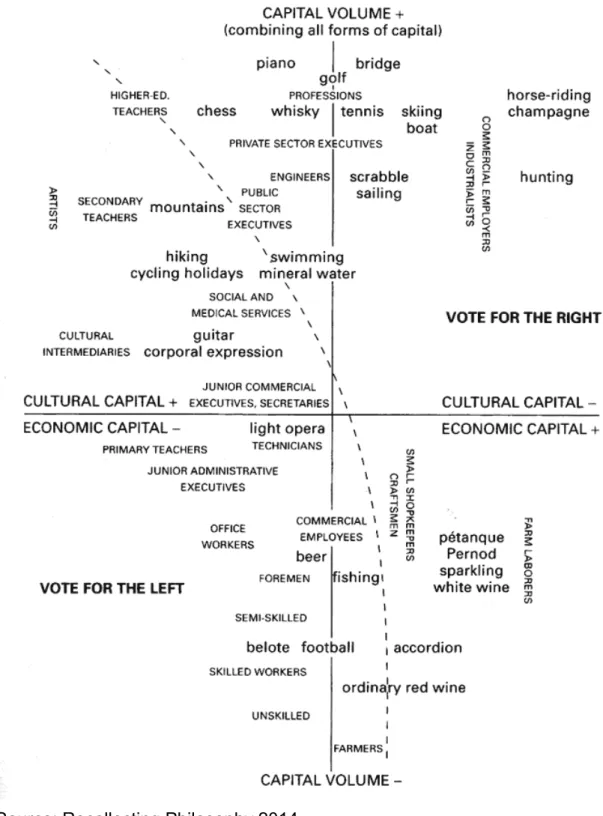
Figure 4: Cultural and economic capital in accordance to Bourdieu
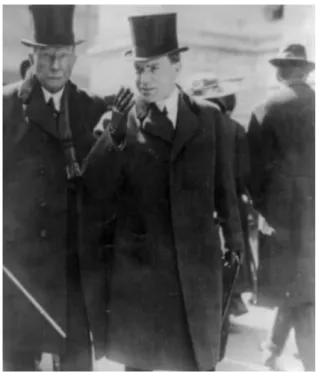
Figure 5: John D. Rockefeller, a leading figure of the Gilded Age (left), and his son, John Jr.
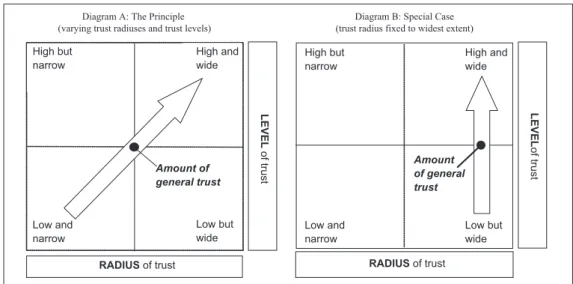
Figure 6: Conceptualisation of general trust
Figure 7: Photo Julian Assange and Rudolf Elmer – Secret data handover Figure 8: Sign above a branch of UBS, the world’s biggest private bank in
2020
Figure 9: Financial services providers around Lake Zürich Figure 10: Gross value creation by financial services
Figure 11: Population employed in finance and banking – Switzerland and Zürich region
Figure 12: Contribution of the financial sector to the Swiss economy
Figure 13: Direct and indirect economic importance of the financial sector in Switzerland
Figure 14: Administrative districts in the city of Zürich Figure 15: Banking institutions in Zürich city centre Figure 16: Zürich, Paradeplatz
Figure 17: Major figures in the history of E. Gutzwiller & Cie, Banquiers (Gutzwiller 2020)
Figure 18: Use of golf as a status symbol in private banking advertising Figure 19: Use of symbols in private banking advertising (1)
Figure 20: Use of symbols in private banking advertising (2) Figure 21: Use of symbols in private banking advertising (3) Figure 22: Use of symbols in private banking advertising (4) Figure 23: Use of symbols in private banking advertising (5)
xii
Figure 24: Use of symbols in private banking advertising (6)
Figure 25: Expression of values via materialised trust in private banking advertising
Figure 26: Expression of values through material agency in private banking advertising
Figure 27: Values of trust and stability expressed through art in private banking advertising
Figure 28: Communication with clients during the Covid-19 pandemic Figure 29: Trust as a capital good and a source of profit
Figure 30: Map of CEE
Figure 31: Matus Cak Trenciansky, a medieval Oligarch Figure 32: Kupónové knižky (Coupon books)
Figure 33: Multiplexity trust flows
Figure 34: Multiplex trust links between partners
Figure 35: Multiplex trust links between investment groups Figure 36: Cluster analysis
Figure 37: Nasdaq-100 Index, YTD 2020
Figure 38: Development of the EuroStoxx50 index from 1995 to 2020 Figure 39: Evolution of Nasdaq Composite – 45 Year Historical Chart
Table 1: Top 20 global private banks in 2012 by assets under management (in USD bn)
Table 2: Top 25 global private banks in 2017 by assets under management (in USD bn)
Table 3: Global Financial Centres in 2014 Table 4: Global Financial Centres in 2020
Table 5: Quantitative and qualitative analysis of the top 30 wealthiest people
1
Introduction
An anthropologist in private banking
In June 2007, I was in the process of defining the topic and field of study for my PhD. Having previously worked on the topic of stereotypes and prejudices for several years, with one foot in anthropology and the other in economics and finance, I was fascinated by the importance of the social notion of trust in the financial sector. However, it was proving difficult to find a research field that would enable me to seize the essence of the concept and perform an insightful analysis. A pivotal opportunity emerged when I was invited to take up a challenging job as an international private banker in Zürich, Switzerland, working for the central and eastern European (CEE) department. This job had the potential to bring me closer to the problems surrounding trust and mistrust in private banking. Then, almost immediately, a second transformative moment began to unfold: the financial crisis of 2008. Suddenly my opportunity to observe trust and mistrust at work in banking became even richer. In 2009, my academic mentor told me: ‘You must be the only one to be happy the crisis has come right now!’
At the beginning of 2009, the world was slowly starting to recover from one of the worst financial crises since the Great Depression. It was within this environment that I embarked on research for my thesis, which has become a book. It is an anthropological study of international private banking professionals based mainly in Switzerland, but also in other countries, and of the wealthy elites whom the bankers serve, with a special focus on central European wealthy elites. I completed the work in 2021, when the world was still grappling with the challenges of Covid-19 and people were living in unprecedented lockdowns – yet the financial markets were at an all-time high in the US. My fieldwork took much longer and was far more complex than I expected, but it enabled me to apply a much longer perspective to my research and enrich the work along the way. The fact that my study of private banking coincided with the above crises had in both cases consequences on my field of study. The timing proved to be a stroke of good fortune, since it gave me the opportunity to study a number of unexpected conflicts, social processes, new practices, anxieties, ritual-like events and the
2
significant impact these had on the populations I was studying. In these uncertain circumstances, to simplify the social reality, few things could be more relevant as a focus of study than the concepts of trust (perhaps the most desirable commodity during times of crisis and instability), of mistrust and of capital, which French sociologist Pierre Bourdieu (1930-2002) describes in his theory of social spaces as being composed of economic, cultural, social and symbolic capital. Could these forms of capital be the building blocks of trust and mistrust? As I will argue, trust and mistrust are the essence of private banking. Therefore, my practical and theoretical objective was to understand how trust and mistrust function as anthropological objects in general, what social processes are used to construct them – particularly in the environment of private banking and wealthy elites – and how they impact these social fields.
In this introduction, I will first set the stage for my research, describing concretely the field of private banking, putting the field into socio-historical and geographical perspective, and specifying how I studied ‘up’ to private banking and wealthy elites, as Laura Nader (1969) suggested in her article ‘Up the Anthropologist: Perspectives Gained from Studying Up’, in which she encouraged anthropologists to study the culture of power. In the second part of this introduction, I will present the research itself, focusing on the populations of private bankers and wealthy elites, and on the objects of research – trust, agency and capital – in periods of transformation. The third section contains an explanation of my methodology, with special focus on the ethnographic methods employed, the sources of my information, the complexity of coping with my dual role as a banker and anthropologist in the field, and the ethical issues involved. Finally, I will present the outline of this book, underlining the main concepts of the circulation and construction of trust and mistrust through agencies. Later on, I will explain the foundations of the different forms of capital, which give human agents their total capital volume and are the building blocks of trust.
3
Setting the stage
My new job dropped me right into the middle of the financial and wealthy elite. At the same time, I was suddenly submerged in financial, economic and – later – regulatory and social turmoil. Information about the crisis was everywhere, and I initially studied it on a more macro-economic and institutional level. It was only after some time that I dared to observe the actors in the industry with a more anthropological eye and began to understand that the best way to analyse how trust and mistrust were functioning was to observe the familiar world of the private banking and wealthy elites as closely as possible, not focusing on macro-financial aspects, but rather on the social field of human agents, bankers and wealthy elites, even if this proved uncomfortable from a methodological perspective. Before going into detail about my research and methodology, though, a few words about the nature and composition of private banking are necessary.
There are a number of different banking service platforms in the banking business. These include general corporate banking departments, which service companies; investment banking services, which are used for companies’ purchase, sale or issuing of securities; and the retail market, which provides the usual banking services to individuals. In addition to these more general services, there is the private banking sector, which provides more sophisticated, diversified and tailor-made services to wealthy individuals. Universal banks are the banks that offer all the below services together. Some of the banks only offer some of these services. The so-called ‘pure private banks’ provide only services to wealthy clients, generally with assets worth more than USD 1 million. Some of the private banks provide, in addition to private banking (also called wealth management), investment banking and commercial banking. This is the case at the two biggest Swiss banks, UBS and Credit Suisse. In my analysis, the focus will be on the purely private part of the banks’ services, on private bankers, their extended teams, their managers and their clients. I will not enter into an analysis of their interactions or comparisons with investment banking and corporate departments, which I would consider an added value, but not automatically necessary, for my research objective. Individuals whom I call private bankers, based on the name given to the position at most of the private banks, are the
4
people from the so-called front office, who are directly responsible for serving clients.
Historically, providing private banking services and top-level banking infrastructure to very wealthy individuals existed only in certain international private banking centres, such as Zürich, Geneva, Monaco, London, New York and Singapore. Clients from different countries went to these centres to open their accounts, and international private bankers helped to manage their assets. Now the services and infrastructure are available in more locations. The general process is as follows: bankers help to ‘onboard’ the client, meaning they present the client to the bank via a KYC (Know Your Customer) document and answer with or without the client’s help any questions the compliance department may have. This means that the bankers have to describe the source of the potential client’s assets based on the information they have found or the client has provided, evaluate the client’s wealth and give details about his or her education, family, hobbies, objectives of the account, etc. Following approval of the KYC, the administrative part begins, which involves filling out many documents (although the digitalization demanded by Covid-19 has motivated many private banks to reassess their way of signing documents and has led them to adopt new electronic methods). Next, the bankers and assistants help the client to identify investment needs and to establish a so-called risk profile that indicates which investments are suitable for the client and how they want to invest: either via a discretionary mandate style, where the assets are managed directly by the bank based on specific criteria; or on an advisory basis in which the bankers, either on request or their own initiative, offer investment advice, execute trades, and buy and sell various securities. Securities traded can be deposits, bonds, shares, funds, private equity, currencies, commodities, hedge funds and other so-called derivative products that derive from one of the previous asset classes. Working with teams of private banking assistants or account managers, bankers also realize payments and must clarify the destination when money leaves, or the source when money comes in. In the past, bankers also assisted in inheritance planning (for example, by creating family holdings or trusts), but this was heavily criticized because of their attempts to hide assets or avoid taxes. As we will see later on, with the increased transparency due to compulsory exchange of information between Swiss banks and OECD countries, tax evasion is less of an
5
issue now. Nevertheless, legal ways of optimising corporate holdings’ taxes or individuals’ taxes by using the double tax treaties and knowledge of local and international tax rules is a practice. Clients are mainly advised on these matters by independent tax consultants, as most of the banks can no longer officially provide this service. Bankers also offer other financial services, such as security-based loans, real estate loans, yacht financing and jet financing, either with the bank’s help or via introduced intermediaries. Bankers and their assistants are in touch with clients in any possible way – for instance, in person or via email, telephone and SMS.
The term ‘private’ in private banking emerges from the fact that the service is provided to the clients on a more personal basis and by a team of bank advisors. Clients can therefore grow accustomed to cooperating with their team on a regular basis. Historically, private banking has been considered highly exclusive, providing a service to individuals owning a minimum of USD 1 million of available financial assets. Such clients are also called ‘high-net-worth individuals’ (HNWI). In most of the private banks, clients must have at least USD 1 million in the bank, with their global fortune being between USD 5 million and 30 million. Recently, it has been possible to obtain the services of some private banks for a smaller amount, starting at USD 0.5 million or even USD 0.25 million, when investing in very standardised products such as mandates made from funds. However, the focus of most private banks are HNWIs and the wealthiest clients – known in private banking parlance as ‘ultra-high-net-worth individuals’ (UHNWI). Their overall fortune is generally greater than USD 30 million. In some bigger private banks, the UHNWI minimum global fortune is USD 100 million, or USD 50 million of existing assets in the private bank. Wealthy clients mentioned in this book are mainly from the HNWI group, but some are from the UHNWI group.
6
According to the Global Wealth Report published by Credit Suisse Research Institute in 2019, and as shown on the top of the 2019 pyramid, the majority of
Source: Credit Suisse 2019
the world’s 46.8 million millionaires held, in mid-2019, wealth between USD 1 million and USD 5 million – more precisely, 41.1 million or 88% of the HNWI group. Another 3.7 million adult millionaires (7.9%) are worth between USD 5 million and 10 million, and almost exactly two million adults now have wealth above USD 10 million. Of these, 1.8 million have assets in the USD 10–50 million range. A total of 168,030 UHNWIs had a net worth above USD 50 million in mid-2019.
Among the UHNWI group in mid-2019, the research team estimation was that 55,920 adults are worth at least USD 100 million, and 4,830 have net assets above USD 500 million. North America dominated the regional breakdown, with 84,050 members (50%), while Europe has 33,550 (20%), and 22,660 (14%) live in Asia-Pacific countries, excluding China and India.
The wealth pyramid in Figure 2 shows the wealth differences between adults. Figure 1: The top of the pyramid, 2019
7
Source: Credit Suisse 2019
Credit Suisse’s 2019 research based on the global wealth databook (Davies, Lluberas, Shorrocks 2019) estimates that 2.9 billion individuals, or 57% of all adults in the world, had wealth below USD 10,000 in 2019. The next segment covers those with wealth in the range of USD 10,000-100,000 and it has seen the biggest rise in numbers this century, from 514 million in 2000 to 1.7 billion in mid-2019.
This shows the increasing prosperity of emerging economies, especially China, and the expansion of the middle class in the developing world. The upper-middle segment, which covers individuals with wealth ranging from USD 100,000 to USD 1 million (these are known as affluent clients in private banking circles) has also expanded significantly this century, from 212 million to 499 million. Affluent individuals currently own net assets totalling USD 140.2 trillion, or 39% of global wealth. This is four times their share of the adult population, and shows the beginning of wealth concentration. Above them, the top tier of HNWIs (i.e., USD millionaires) remains relatively small – 0.9% of all adults in 2019 – but it is increasingly represented in terms of total wealth ownership and share of global wealth (Credit Suisse 2019). The total wealth of HNW adults has nearly
8
quadrupled, from USD 39.6 trillion in 2000 to USD 158.3 trillion in 2019. Over the same period, global wealth has risen from 34% to 44%. We can therefore observe an increasing wealth concentration in this segment of the population.
The wealthy clients I mention in this book are part of the 0.9% at the top, with a total wealth of more than USD 1 million, as these are the main clients and prospects of the main Swiss and international private banks. Regionally, the wealthy clients mentioned in this book will be mostly from CEE, some from Russia, and a few from western Europe. More than 30 years after communism, eastern European countries are significantly wealthier than before. Between 1990 and 2018, the percentage growth in GDP has been very high and has created wealth for a group of elites, who were in a position to benefit from the situation. Statistics show that, since 1990, the Polish and Slovakian economies have increased more than sevenfold, and those of Estonia, Latvia, Lithuania, Romania and the Czech Republic have grown more than fivefold (Guardian Graphic & World Bank 2019 in Boyed 2019).
Figure 3: Percentage growth in GDP, 1990-2018
Source: Guardian Graphic & World Bank 2019
In terms of composition, the clients from CEE were mainly newly established entrepreneurs, rarely top corporate managers, even though the number of inheritors is slowly increasing as the older generation ages. In Bourdieu’s view, the wealthy are rich, or ‘newly’ rich, as a result of their economic capital. What
9
about the other types of capital, though – cultural, social, symbolic? Were the wealthy also starting ‘from scratch’ (as the entrepreneurial jargon says) in this regard? I will give some examples throughout the book that will help shed light on how the capital was transformed, or not, into economic capital that created wealthy elites. The first generation of entrepreneurs after 1989 potentially benefited from their and their families’ contacts and knowledge, the social and cultural capital they acquired before 1988, and were able to start companies and grow their economic capital.
Most of the affluent and HNWI clients are direct clients, meaning they handle their own relationship with the bank. UHNWI clients are more often supported or represented by so-called family offices, at least for part of their duties. This is to make the communication with the bank easier, manage legal and administrative issues, and give the wealth owners time to focus on their business, investments, family or leisure. Family offices are small entities generally with between two and ten people who manage the day-to-day administrative affairs of wealthy individuals and their companies, represent them in legal affairs, make payments, arrange investments, etc. The staff are often lawyers, finance professionals, bankers, administrative officers, etc. Bankers have to therefore deal with more or less ‘institutionalized relationships’ and several people with potentially very different roles. I will explain the role of family offices and the types of relationships between bankers and clients in more detail in Chapter 2.
Some years ago, the upper tier of ‘local’ retail banking started to provide some of the services associated with private banking in the home countries of many international clients. Family offices have also often established themselves in the country where their wealthy clients live. In 2021, bankers and clients say that international private banking centres – due to their general quality of knowledge of various fields such as financial markets, their contacts to other finance and legal professionals, their developed or improving infrastructure, their geographical diversification and their long-standing traditions – still make sense for clients. This is despite the fact that such centres are, as we will see later, also undergoing a profound transformation and are being challenged by other actors in the market, local banks and also financial technology (FinTech) platforms. In the not-too-distant past (ten years ago), international private banking centres, mainly off-shore centres, were known in the industry for providing non-domestic
10
clients with services that far exceeded the size of the domestic economy. They were also known for enabling clients to avoid taxes by not communicating clients’ assets to the clients’ tax authorities. If clients were not reporting their assets on their own initiative, it was difficult for the countries of domicile to access the assets. Clients perceive this positively as asset protection in case of unstable and authoritarian regimes. However, one could question to what extent this is a part of the private banking narrative that allows clients from these countries to justify lower payments of taxes in the past.
For many years, Switzerland has been one of the most important international private banking countries in the world. This is why I use it as the most representative case, and focus on Zürich as a financial centre. To better highlight the changes through which the industry and Switzerland have gone in recent years, and to give a historical basis for my research, I will now describe the beginnings of private banking in Switzerland, and then provide a short history of the industry.
The history of banking shows that, for as long as records have existed, banks have been switching between institutional and private hands. In its early form, a private bank was a bank managed by independent individuals who guaranteed the funds with their personal resources. These days, the phrase simply denotes banking services intended for private individuals, and the guarantee in many banks is no longer given by the bank’s owners.
The first recorded appearance of Jewish and Lombardian money exchangers, who arrive in Switzerland from around Europe, dates to the 13th century. In 1387, Bishop Adhemar Fabri allows Genevan bankers to charge interest on loans. In the 15th century, the Geneva trade fairs attract merchants and financiers to the city, who soon spread to Basel. In the 16th century, John Calvin further loosens Catholic usury restrictions and creates a safe haven for European Protestant refugees. Switzerland’s status as an important refuge for Protestant refugees from Catholic neighbors in the 17th century also helped build up the banking industry. This influx of émigrés brought not only watchmakers to western Switzerland, but also bank specialists. In the 18th century, enduring Swiss banking icons, such as
11
Lombard Odier Darier Hentsch, start to appear on the landscape. In 1713, the Great Council of Geneva bans banks from revealing client information, creating the foundations of banking secrecy. In the 19th century, Switzerland’s neutrality (recognised in 1815) and the emergence of the modern federal state provide political and economic stability. In the 20th century, two world wars, the Great Depression and exchange rate volatility cement Switzerland’s position as a leading wealth management center. But dealings with Nazi gold, controversy over Holocaust era bank accounts, and allegations of money laundering, handling dictators’ assets and tax evasion scandals haul Swiss private banking back to Earth. (Allen 2013)
With its history and reputation, Switzerland was an ideal location in which to study private banking elites – in other words, the population of bankers and their wealthy clients. Swiss private banks served a large number of domestic clients in 2021, but their client base has historically been wealthy individuals from foreign countries. The banks therefore also provided a platform on which it was possible to access the population of wealthy elites. However, performing my research in this charged and complex environment was not always easy.
The research
To establish the theoretical framework for this book, Chapter 1 revisits
aspects of the existing theoretical basis of the academic discussion of trust, and of the anthropology of elites and financial elites in particular, who are most relevant to my hypotheses.
The population on which my research is focused is that of private bankers who are based in Switzerland and enter into contact with clients externally – mostly with support from the front office, which includes private banking assistants and other bankers who provide back-up. This mostly happens internally, but they can also be presented to clients if needed. Bankers are in touch with various internal specialists who support them: investment advisors, wealth planners, private equity specialists, fund specialists, FX specialists, structured products specialists,
12
etc. They are supervised by private banking managers who manage teams, support bankers in their contact with clients if needed, and are in touch internally with further hierarchical structures of the private bank. These individuals represent the bridge between the wealthy elite and the internal environment of the private bank, and are responsible for conveying trust between these two domains.
Following the wise advice which James C. Scott gave me years ago, I tried to imagine my fieldwork as a study of a tribe of wealthy individuals on the one hand, and a tribe of bankers and investment specialists on the other. These two tribes cooperate within a delicate trust-based relationship. Moreover, within the tribes themselves, communities are created based on common characteristics, and this creates inner trust circles. In this thesis, I will not call them tribes, but ‘populations’, reflecting the use of this term by private banking managers when speaking about private bankers. At certain points in my research, I made use of the methodological approach of inverting my point of view, trying to understand why elites might be isolated and fearful when common sense would suggest they should be living securely, comfortably and with ease. This approach is described in detail by Christian Giordano:
This conscious intellectual process consists of reversing one’s horizon and inviting the reader to do the same. The purpose of this methodological strategy is to uncover the occult social logic of collective representations and behaviors that might appear devoid of logic and contrary to normality or legal order but have a very specific meaning and legitimacy for the actors involved. […] This process of inversion leads to Max Weber’s interpretative method popularized over the last thirty years by Clifford Geertz. (Giordano 2004: 1)
What social process is used to convey this trust? How is trust built and transmitted?
As previously mentioned, the task of private bankers is in general to find clients and acquire them. This involves persuading them to open an account and to entrust their money to the bank. In private banking jargon, this is called acquisition or ‘hunting’, and bankers in charge of acquisitions are sometimes called,
13
idiotypically, ‘hunters’. The word is, however, rarely used in official language or presentations, as it might be perceived negatively, as if clients are ‘prey’. From the perspective of American sociologist and economist Thorsten Veblen (1857-1929), hunting is a characteristic of a so-called ‘leisure class’, on which I will elaborate later. Once a client has opened an account with a bank, it requires daily care, or ‘farming’. Assistants, account managers or other bankers in this role have been unofficially called ‘farmers’. From a mobility perspective, hunters were initially seen as mobile, travelling to see clients, while farmers were seen as less mobile. However, hunters, who generally make the initial contact with clients, also perform farming tasks, and farmers have an active role in acquiring new clients, by assuring quality of service. During the cooperation, depending on the type of service – mandate or advisory – bankers or asset managers either invest the money on the client’s behalf, or they advise clients on how to invest and the client makes the decisions. The choice of service depends on factors like the client’s trust in the bank’s ability to manage their assets, and the client’s availability and knowledge. It can also sometimes depend on the bankers’ ‘style’, meaning whether private bankers feel comfortable advising or prefer to delegate asset management to asset management professionals. Some bankers only like to give advice themselves, because they do not trust the bank’s asset managers. Giving advice also allows bankers to be more in contact with the clients, which they might appreciate as a way of gaining a client’s trust and showing their cultural capital based on knowledge – even if it does mean more work because the bankers need to prepare investment proposals and research. In Chapter 2, I will describe more about how private bankers work, what their tasks are, how trust and mistrust circulates via their work and how their relationships with clients function more specifically.
To help achieve the objective of this research and build an exhaustive account of how the trust creation process works in the private banking environment, within private banks, between the bankers and the front office and the clients, and within clients networks, Chapter 2 will analyse the network dynamics with the people around those in the front office, including independent asset managers, back-office employees, middle-back-office personnel, and compliance back-officers. Each of these groups plays a different role in the creation and building of trust within the population of international private banking that I observed.
14
Within a bank and outside, the front-office teams are the bridges between the bank and the population of wealthy elites from a particular region. They are organised into geographical regions, the exact composition of which varies between private banks. In general, most banks contain separate regions and sub-regions dedicated to the Middle East, Africa, Asia, western Europe, eastern Europe, etc. Within these regions, there are smaller groups of individuals, whose size depends on the bank. These are called ‘desks’ and are generally organised around even smaller geographical regions. Within these desks, there are smaller sub-groups of two to three people who take care of the same country or work together on a client book of one or more private bankers. With such an array of possible sub-populations within a private bank, I had to decide which population I would focus on in my research, and I chose private bankers. Through them, though, I will also show the role of other teams in trust building.
My first position as a private banker for the CEE region in the Swiss branch of a French bank, which I obtained thanks to my experience as an international auditor and because of my Slovak origins and knowledge of the region, meant that for the first few years I was mostly in touch with wealthy individuals from central and eastern Europe. I worked with private bankers from other private banks who were mainly, though not exclusively, assigned to this part of the world as well. From the perspective of observing the social process of building trust and mistrust based on agencies and forms of capital, this region provided many unique opportunities due to the social changes and specific behaviours resulting from its post-communist heritage. Therefore, as well as focusing on Swiss-based private bankers – many, though not all, of whom covered the CEE region – I also examined in my research wealthy individuals from CEE. Wealthy clients and their private bankers (who are assisted by internal teams) are closely interconnected in the frame of work and sometimes private life, by more or less regular contact and long-term, sometimes even intergenerational, cooperation. Together, they create what I will call the ‘population’ of private banking. This group comprised the fieldwork area for my analysis of the anthropology of private banking. Within the region, my main focus was on wealthy elites from the Czech and Slovak Republics, because I had the most contact with them and knowledge of the Slovak language. Choosing this geographical focus also enabled me to use a more precise scope for the network analysis in the final chapter.
15
During my fieldwork, the relations in terms of trust and mistrust and the dynamics of capital use were those within the private bank, between client-facing private bankers from the same or different bank and in the same or different location (for example Zürich, London and Monaco), their teams and supporting specialists; those within the networks of the wealthy elites; and, most importantly, those between private bankers and their wealthy clients. The quality of these relations in banking is based on bankers’ narratives, which are often tested during times of crisis.
The financial crisis that began in 2007 and became widespread by 2008 is now regarded as one of the longest economic crises of the twentieth century. It impacted global finance and politics, and had transformative regulatory and social consequences.
When I joined the private banking sector in 2008, newspapers were beginning to report on the decline of financial markets and how states were having to bail out (save from bankruptcy) several financial institutions that were struggling to finance themselves or had many bad real estate loans on their books. One of the consequences was that the states had to increase their tax collection capabilities. Firstly, in Europe, in order to maintain bank secrecy but ensure that taxes were paid on income, clients could pay 30% in taxes to Bern, which were then anonymously sent to the client’s country of domicile. Tax payments on income were ensured, however, in anonymous ways and it was hard for local authorities to check whether taxes on capital gains from securities were paid as required. In the next stage, against this backdrop of transparency and tax-collection increase, the following regulation was implemented: ‘The Common Reporting Standard (CRS), developed in response to the G20 request and approved by the OECD Council on 15 July 2014, calls on jurisdictions to obtain information from their financial institutions and automatically exchange that information with other jurisdictions on an annual basis. It sets out the financial account information to be exchanged, the financial institutions required to report, the different types of accounts and taxpayers covered, as well as common due-diligence procedures to be followed by financial institutions.’1 CRS basically represented an end of
1 http://www.oecd.org/tax/automatic-exchange/common-reporting-standard/
16
Swiss banking secrecy, even though it is officially still valid and banks cannot deliver information to third parties, only tax authorities. Mainly because of the disappearance of Swiss banking secrecy for European clients and OECD countries, structural changes which followed the 2008 crisis were much greater than during earlier market crises, such as the one that occurred between 2000 and 2002. This crisis, which caused an even steeper loss of companies’ stock value, was called the dot-com bubble because it was largely caused by speculation on Internet-based companies.
In 2008 the world economy faced its most dangerous crisis since the Great Depression of the 1930s. The contagion, which began in 2007 when sky-high home prices in the United States finally turned decisively downward, spread quickly, first to the entire U.S. financial sector and then to financial markets overseas. […] The carnage was not limited to the financial sector, however, as companies that normally rely on credit suffered heavily. […] Still more ominously, banks, trusting no one to pay them back, simply stopped making the loans that most businesses need to regulate their cash flows and without which they cannot do business. Share prices plunged throughout the world. […] By the end of the year, Germany, Japan, and China were locked in recession, as were many smaller countries. Many in Europe paid the price for having dabbled in American real estate securities. Japan and China largely avoided that pitfall, but their export-oriented manufacturers suffered as recessions in their major markets—the U.S. and Europe—cut deep into demand for their products. (Havemann 2014)
In many nations, these recessions were followed by a decrease in tax revenue, and an increase in unemployment and social unrest. Under these circumstances, one of the first reactions of many governments was to try to collect taxes as previously mentioned, in particular from the wealthy. International private banking centres therefore became the first targets of increased regulation and control, which significantly impacted the way private banks functioned. Moreover, the decreasing price of shares created uncertainties, and in some cases even
17
anxieties, for private bankers and for wealthy clients who had invested in them. The years after 2008 were the first significant financial crisis that the countries of CEE had experienced within the new, post-communist transition period. While the crisis began in the financial sector, it quickly spread to the wider economy. Being of Slovak nationality, I grew up in the changing social environment of a post-communist country, where the problem of uncertainties vis-à-vis individuals and institutions was (and remains) an intimate part of everyday life. However, I was not sufficiently aware of the true importance of trust and mistrust in business relationships until I started working in private banking in the middle of the crisis. This is why I was intrigued by the process of its social construction of trust and mistrust.
After several smaller market corrections during the intervening period, 12 years later, in February 2020, another significant correction of the financial markets occurred. News about the spread of coronavirus and the rising number of infections and deaths in Italy negatively impacted the financial markets again. The European companies index Euro Stoxx 50 bottomed out on 18 March, while the American technological index Nasdaq and the Swiss index SMI both bottomed out on 23 March, after falling 38%, 38% and 25% from their respective 2020 year highs. However, four months later, many companies were back to their February prices, even though the virus was far from peaking. Reactions of clients were more tempered than in 2008. More experiences in investing and health put things into perspective first. The pandemic obliged bank employees in Switzerland to work from home, as was the case in many other countries. It also had a transformative impact on trust and capital, which I will elaborate on mainly in Chapter 5.
In this dynamic environment of financial markets, do the social practices of trust creation still play the same role in international private banking? On which elements and building blocks are they constructed and embedded in human agents? How does the habitus of bankers and their clients influence the daily life and working strategies of private bankers? I will go into this in more detail in Chapter 2. For now, I will show how arriving at the methodological approach to this analysis was a challenge.
18
Methodology
The access I gained to the field of study as a private banker was a unique opportunity, but it was also a liability. Because of my ‘double positioning’ as an insider and an anthropologist, retaining an objective perspective along with the ability to examine the problem ‘away from myself’ was a constant challenge, which added to existing issues such as those connected to sampling, developing sources, and ethics.
My research was principally conducted with a number of international private bankers from the institutions that I worked inside and outside of, bank managers, as well as with investment advisors supporting bankers in portfolio proposals, and external financial advisors or asset managers based mainly in Switzerland, but also in other CEE countries. Among the wealthy clients, I observed and interviewed individuals from central and eastern Europe, primarily but not exclusively from the Czech and Slovak Republics. In total, I worked with a sample of approximately 110 individuals, all of whom I had been in contact with directly over the course of 12 years. These individuals were between 30 and 70 years old, and came from a variety of personal and professional backgrounds. From this number, around 75 are mentioned in this thesis; 65% were from the group of private bankers or other private banking sector professionals, and 35% were from the group of wealthy individuals. In terms of gender, only 20% were women, all of whom are from the group of private bankers and finance professionals because, during my main years of research, the number of women clients in CEE was very limited. However, their numbers are growing in 2021. My study was conducted through personal interviews, either face-to-face or, in some exceptional cases, via video conference calls; through participant observation; and through short questionnaires. It was carried out in a mixture of formal and informal contexts (during informal meetings with colleagues, in meetings, occasionally during shared leisure activities, etc.). For reasons of confidentiality, all personal names used in Chapters 1 to 5 are pseudonyms and any similarity to those of actual individuals is accidental. For factual information about private banks based on publicly available information, the real banks’ names were used, and the same is true for the life stories of two individuals and some publicly
19
available information from the political scene. Where names of institutions of informants could not be omitted, pseudonyms were also used to avoid any issues with confidentiality.
Some of my observations of the population of wealthy individuals were collected indirectly, working with information obtained from financial advisors and investment specialists in central and eastern Europe (mostly from Slovakia) and Switzerland (bankers, asset managers, analysts, etc.) or from relevant documentation and literature dealing with this population (e.g., newspapers, academic studies, books). A small part of my research, documented in Chapter 6, was performed indirectly on the group of the 30 wealthiest individuals in the Czech and Slovak Republics, based on public information. In these cases, since the information is part of public record, real names have been used. In cases where my data comes from confidential sources, pseudonyms are used to protect these sources. In Chapter 6, I used a method consisting of summarising a real-life story of an individual and presenting it in a biographical way in order to better understand the development of their networks over a longer period of time.
Altogether, 100 individuals from the private banking environment have been included in the research presented in this book. Those who have not been included gave interviews on topics that were not relevant to the main content and focus of this thesis, but may be mentioned in complementary articles on the topic in a later stage of my anthropological work.
Defining and implementing a proper methodology and theoretical framework was a great challenge. How does one track the evolution of trust and mistrust, observe groups of people who are not easily accessible, be concrete but also protect bank secrecy, and uphold institutional and disciplinary ethics? How does one strive for an objective point of view while being a member of the studied population? The explicit objective of my research was first to understand how trust and mistrust circulates within elite networks and what it is built on. After the data collection, I realized that most of the data collected led to an additional theoretical framing, an application of Bourdieu’s conceptual framework of the theory of capital, fields and habitus. I will elaborate on this in the following chapters.
The sources and theoretical basis of my research were multiple. The principal source consists of information from my interviews and observations of both
20
populations mentioned above. I performed 50 direct and indirect interviews and carried out more than 100 discussions with members of my population sample, many of which were on other topics but also provided relevant research data. In some cases, I conducted not just one but several interviews or discussions with a given individual during the research period. This enabled me to track the evolution and change in their situation over a longer period of analysis. I made daily use of participant observation during the whole period of my research, recording regular notes of my observations.
My second source of information was written material from the environment of private banking and wealthy elites. These include quantitative and qualitative analyses on the banking sector carried out by specialised consulting companies; studies of wealthy elites’ and bankers’ behaviour and the evolution of private banking practices published in articles in both financial and mainstream newspapers; and analysis published on the websites of Swiss regions. Not all of these written sources are quoted in this book, but they have nonetheless served as relevant complementary material for my research.
A third source of information was the academic literature, which comes mainly from the area of social sciences, anthropology, sociology and, to a small degree, from organisational studies. This literature primarily takes the form of books, articles and book reviews. In Chapter 1, I will review the part of this literature that has proven most relevant to my research.
Finally, conferences were also a source of inspiration and motivation during my research.
The most sensitive issue raised by my fieldwork, aside from the protection of informants’ names, was my ‘double position’ as a private banker and anthropologist. This was especially challenging in light of the recent global push for more rigorous transparency and ethics in a field historically characterized by secrecy and discretion.
As an anthropologist and private banker, my position in the field and at work was very sensitive. I have had to protect the privacy of clients in the first instance, while also upholding bank secrecy and exhibiting caution about reputational issues. These are all part of the ‘trust contract’ that goes along with professional and ethical obligations. Such concerns have made ethnographic description more difficult, since it is forbidden to give precise details of many subjects and areas in
21
the banking sector. At the same time, using pseudonyms for my informants has made it easier to relay information while remaining objective. In general, the clients and private bankers I work with were informed about the research while I was conducting it. It is possible that this information might sometimes have created suspicion over my capabilities as a banker, but I endeavoured to overcome this by demonstrating my professional skills. However, one of the advantages was that I was consciously able to observe the social process of trust construction in the short and long term, and through the impact of agencies of human agents alone and in cooperation with technology. The term agency can mean several things in anthropology. For Bateson, agency is synonymous with an ‘energy source’ (Bateson 1987: 134 in Defo 2013), while for Bourdieu, agency is embedded and based in habitus, ‘the durably installed generative principle of regulated improvisations [made up of] cognitive and motivating structures,’ which enable the generation of appropriate practices in response to particular situations and their ‘objective potentialities’ (Bourdieu 1977: 78, in Defo 2013). Allan Hanson, whose definition of agency I will further use as a frame in my book, describes agencies as perceptions that are ‘in play whenever one withdraws cash from an ATM, makes a telephone call, communicates by email, visits web sites, purchases something on the Internet, [...]’ (Hanson 2004: 472).
This conscious observation has made me more aware than most bankers of the ways in which trust and mistrust are created. Sometimes this has not been good for business, as I used the tools I was observing to ‘cut’ a relationship by creating mistrust with a client I did not respect. In these cases, I observed myself from an anthropological perspective, knowing that the client would leave and that I, as their banker, would suffer a loss. Fortunately, this same awareness could also be used to enhance the trust – or manage the mistrust – of colleagues and desirable clients as well. Parts of our own habitus we cannot change, even if I perceive it as dynamic in time, but one can be aware of the habitus of others. While these are issues concerning my personal and professional experience, the ethical issues I mentioned previously deserve some attention as well, since they formed another important consideration in the development of my methodology.
The issue of ethics, whose perception according to Bourdieu also lies in habitus, was present in my fieldwork and is central to the private banking sector, especially in these times of crisis, large-scale regulatory changes, and increased
22
transparency due to the use of new communication tools. However, the doubts that many people may express about banking ethics are understandable. Before I entered the field, I was already thinking about the ethical environment of private banking from my personal point of view, because of the many public images I had seen and could imagine about this job, the bankers and the clients. For now, I will not focus on the ethics of the industry, or of private bankers and clients, as I will cover this in later chapters. My attention below is devoted to questions of methodology, and the ethical questions related to my position as a researcher in this field.
Firstly, in presenting my anthropological project to the banking institution for which I was working, I tried to be as ethically rigorous and transparent as possible. This stance was also motivated by my intention to retain my position as a private banker. At the same time, the long hours and intense workload of my job as a private banker sometimes made me less available for my work as an anthropologist, causing my research to take longer. Another element which extended my research were my family obligations and the birth of my four children. Ultimately, however, this longer-term view was actually positive, because it allowed me to observe the next steps of evolution in both the populations of elites I studied, including the impact of Covid-19 on banking. In return for this transparency and trust, the bank management I was working for gave me the possibility of working part-time during my writing-up period in Cambridge, so that I could finalise my research. This was extremely useful and much appreciated. Similarly, my primary role when interacting with clients was always as a private banker trying to offer them the best possible service; at the same time, I made sure to inform them gradually about my research, and many took an interest in the topic.
As already mentioned, in this thesis I strictly respected the confidentiality of bankers and clients and none of the names of my professional contacts are real, only the names available in documents in the public record. Moreover, in some cases I have purposely not written precisely about the activities of my informants or the region in which they work or live, as it could help to identify them; the private banking world is small and interconnected, and there is a possibility that someone might guess an identity based on specific details. In the case of some examples that would enable the clear identification of my source, I have omitted them even
23
if they were relevant to my thesis. Pseudonyms or non-specific descriptions have also been used when mentioning bankers’ institutions in concrete cases. Of course, there is always the remaining risk that someone who knows the environment well can read between the lines. This, however, is a risk I have to take and, because all of my sources were aware of being part of my research field, I believe this choice is justified. In cases where part of the information used is public or easily accessible (and I considered it non-sensitive), real names of institutions or people have been retained – for example, in some cases presented in Chapters 2 and 6. In these examples, using pseudonyms might also decrease the relevance of the material or make it difficult to understand. Following these clarifications, I will now recapitulate the research itself and its objects.
Outline of the thesis: Following the circulation of trust as an
anthropological object in private banking in times of social change
My research is an anthropological study of international private banking elites and the population of wealthy elites with whom they are in contact, using as its main concept the value I identified as being crucial to them: trust, and its opposite, mistrust. In addition to a desire to extend significantly the knowledge of the elite populations in question, my main theoretical objective was to enrich the existing theory on trust in the social sciences. I aim to do this by focusing on the process of the social construction of trust and mistrust based on habitus and forms of capital – social, symbolic, cultural and economic – as defined by Bourdieu in his theory of symbolic power (Bourdieu 2000). In particular, I have examined trust as an anthropological object and tried to clarify the larger function it has in our society, especially in times of social change and transition periods. My thesis is organised into six chapters.
Chapter 1 is dedicated to a review of the existing theory in social sciences. The first sections touch on the theoretical and conceptual framing of trust mistrust, habitus and capital, and on the anthropological study of elite populations, specifically private banking front-office staff and wealthy elites. The last two sections are dedicated to a partial review of the theory on the anthropology of networks and corruption, and to a review of the existing works on
24
communication practices connected to technology and trust. Both of these areas are very crucial to the global understanding of private banking elites. Focus was given to the theories most relevant for my specific analysis. My hypothesis in this chapter is that, following my study, the global analysis of trust as an anthropological concept could be enriched by considering the innovative concept of trust as a ‘circulating anthropological object’, based on habitus and what I call ‘extended agencies’, enabling the production of forms of capital by human agents, summed up in total capital volume. Moreover, I claim that the social practices of trust and mistrust generation play a crucial role in the organisation of banking and wealthy elite networks. My study of private banking and wealthy elites, which as I will demonstrate is so far unique, will help to confirm my hypothesis both on this specific level and also on a larger scale.
In all chapters, I analyse both populations primarily through the lens of trust, but also through several other prisms: capital reconversions, distribution of resources, power struggles or domination strategies. Chapter 2 is the most ethnographic section, concerning the environment and identity of international private bankers. I first describe who private bankers and the people around them are, giving special attention to the networks in private banking and their trust dynamics. The second part of this chapter deals with trust, capital and space through what I call a ‘geography of private banking’. This facilitates understanding of the global context of the industry, its history, and the way trust is built and forms of capital function, transitioning from the global to the local level using the concept of ‘mobility’. My hypothesis here is that, because of all the changes that have recently occurred in the sector, a huge social transformation has impacted the population of private bankers, significantly influencing the long-established ways in which trust and mistrust were known to function in the industry.
The remaining chapters of my thesis are dedicated to the topic of trust, the way it is built concretely, and how habitus enters into play to produce cultural, symbolic, social and economic capital. This is based on examples from the two populations analysed to enrich the anthropological knowledge about them. In Chapter 3, I claim that trust is an ‘anthropological object’ that is based on the employment of ‘extended agencies’. I suggest that these agencies can be invisible or visible, and that they can be used to legitimise certain power positions
25
of elites, who often use them for this purpose and to maintain powerful taxonomies, with reproduction strategies such as legitimation of authority.
In Chapter 4, I extend the definition of trust and capital-building elements to include more material forms of agency reproducing the habitus of human agents or aiming to unconsciously or consciously build up a certain capital form, via activities or specific objects. I examine these types of agencies and illustrate the ways in which they can be used to create trust or its opposite, mistrust, and to legitimise or delegitimise authority of individuals or networks. I further argue that efforts to build up trust and engagement can bring ethical concerns into a relationship, since it raises issues of reciprocity and exchange. As I will show, the impact of social changes on private banking and wealthy elites has also raised this sensitive issue – particularly with regard to corruption – thereby influencing ethical standards.
In Chapter 5, I focus on how the building of trust and forms of capital can be transposed into the digital social space and built up via technology. I see the agency of technology as being one of the most influential factors for the circulation of trust in the current climate. Dogged by anxiety about modernity, international private bankers, private banks and their clients have been making a huge leap in this area, especially in 2020 due to the coronavirus pandemic, in an environment of constantly changing conditions. I claim that trust and capital can be built up personally but also via digital technology and communication tools, making trust a private-banking capital good that forms the basis of many transactions and ultimately brings profits to participants.
In Chapter 6, I concentrate on network analysis within the circles of the wealthy elites, specifically the wealthiest individuals in the Czech and Slovak Republics. Based on a historical review, I will show the evolution of the wealthy elite in this territory, and the reconversion of trust and capital into economic capital within a changed political space. I will also examine the construction of new wealthy elites after the fall of communism, considering the leading role of the state as a broker of opportunities in the privatization space. Based on my interpretation using the tools of networks analysis, I claim that trust and mistrust are part of the wealthy’s strategy to defend their power positions.
26
In the same way, in the private banking industry, the exclusive access to services and to investment opportunities brings economic capital to wealthy elites – which, however, in the absence of sharing, taxes or philanthropy, helps to create and maintain inequalities.
Having outlined my book, I will now embark on the main chapters, which will explore finance through the lenses of trust, mistrust, agency, habitus and forms of capital.
27
1
Trust, mistrust, capital and the anthropology of private
banking elites
For many years, international private bankers and the wealthy elites whom they serve operated in an environment of banking secrecy, which made these populations difficult to scrutinise. As a result, when I began to interact with these two communities at the beginning of the economic and financial crisis in 2008, I was surprised by the complexity of their social organisation and relationships, and by how important these were for the wealth management sector as a whole. I wanted to understand the social processes that shaped these relationships and how they were evolving in response to changes in the regulatory environment and the dilution of Swiss banking secrecy. Due to the nature of my work as a private banker for Russia and central and eastern Europe (RCEE), I was able to access bankers and wealthy individuals who could help me understand the power struggles and fascinating history of the region. My decision to focus on these two populations was also informed by the fact that both have undergone profound changes in the 30 years between 1989 and 2020. Foremost among these were the emergence of new wealthy elites in RCEE after the end of communism in 1989, the financial crisis of 2008 and the regulatory changes that followed from it – notably the exchange of banking information between Switzerland and OECD countries – and the increased digitalisation of private banking, which has been accelerated by the Covid-19 crisis. Following a 2009 seminar in Fribourg, Switzerland, led by Professor Christian Giordano, who was using the anthropological concept of trust in his research, I identified the abstract notions of trust and mistrust as key driving factors for both populations. After collecting field data over several years, I supplemented this framing with Bourdieu’s conceptual framework of capital, fields and habitus. The two approaches are connected by the concept of interpersonal trust, as Bourdieu’s relational social theory presents ‘habitus’, a social factor creating familiarity, as one of the bases
28
of interpersonal trust. I will return to these concepts later.
Two main difficulties arise when we try to analyse the circulation of trust and mistrust in private banking and within the networks of the wealthy elite. The first is the difficulty of accessing information and collecting relevant data. The second is identifying the essence of the problem and seeking to explain it scientifically, within the framework of anthropological and sociological theory. This kind of exercise has been rare so far in the field of private banking, so literature on the subject is limited. The anthropology and sociology of wealthy elites have been studied from various angles, but little of this work has focused on central and eastern Europe. In this chapter, I will outline the theoretical framework for my study, exploring some key concepts and existing theories that will inform my analysis in subsequent chapters. I will begin with a critical analysis of the terms ‘trust’ and ‘mistrust’ and their social functions. Next, I will review existing studies of financial and wealthy elites from an anthropological perspective. Finally, I will discuss the anthropology of social networks and corruption, briefly introduce the anthropological literature on technology and trust, and show how my work on the anthropology of trust and capital in private banking adds value to the literature that has been published on the subject to date.
Trust, mistrust and Bourdieu’s theory of capital
In the Oxford English Dictionary, trust is defined as ‘n. 1. firm belief in the reliability, truth, or strength etc. of a person or a thing. 2. Confident expectation, etc.’ (Hawker and Cowley 1996: 685). Mistrust is defined as ‘n. lack of trust, v. feel no trust in’ (Hawker and Cowley 1996: 399). These definitions demonstrate well the variety of expressions used to discuss trust in sociological and anthropological literature, where academic authors generally use two different terms: ‘trust’ and ‘confidence’. For example, Niklas Luhmann (2000), one of the best-known social theorists of trust, claims that ‘Familiarity, confidence, and trust are different modes of asserting expectations’ and that ‘Trust […] requires a previous engagement on your part. It presupposes a situation of risk’ (Luhmann 2000: 99, 97).