Designing Course 2 Assignments to Emphasize Practical Engineering Applications
by
Allison Edwards
Submitted to the
Department of Mechanical Engineering
in Partial Fulfillment of the Requirement for the Degree of Bachelor of Science in Mechanical Engineering
at the MASSACHUSETTS INS 1UTEOF TECHNOLOGY Massachusetts Institute of Technology
J
a
2017
June 2017 LIBRARIES
ARCHIVES C 2017 Massachusetts Institute of Technology. All rights reserved.
Signature
of
Author:
Signature redacted
Department of Mechanical Engineering May 22'2017
Signature redacted
Certified by:
Warre Seering Professor of Mechanical Enigineering Thesis Supervisor
Signature redacted,
Accepted by:
Rohit Karnik Professor of Mechanical Engineering
77 Massachusetts Avenue
Cambridge, MA 02139
M ITLibranies
http://ibraries.mit.edu/askDISCLAIMER NOTICE
Due to the condition of the original material, there are unavoidable flaws in this reproduction. We have made every effort possible to
provide you with the best copy available. Thank you.
The images contained in this document are of the best quality available.
Designing Course 2 Assignments to Emphasize Practical Engineering Applications
by
Allison Edwards
Submitted to the Department of Mechanical Engineering on May 22, 2017 in Partial Fulfillment of the
Requirements for the degree of
Bachelor of Science in Mechanical Engineering
ABSTRACT
MIT's educational philosophy, mens et manus, stresses the importance of providing students with both a conceptual and practical understanding of engineering. This thesis explored the development of design guidelines for creating assignments for introductory Course 2 classes that better emphasize the practical side of this educational mission. These design guidelines were identified by redesigning one case study 2.004 laboratory assignment, the tall building vibration lab. From student feedback on this case study assignment, the successful features of this redesigned assignment could be
identified and used as guiding principles for the design of future assignments. Student reviews of the case study assignment indicated that the most promising feature of this assignment was the fact that it was structured as an interactive story set in a specific engineering project context. This feature may be used as an initial guiding design
principle for the creation of other Course 2 assignments. More work must be done to test and develop these design guidelines further and to understand how to create assignments that teach practical applications of engineering while still allowing students to efficiently complete their graded work.
Thesis Supervisor: Warren Seering
Acknowledgments
I would first like to thank Professor Warren Seering for his guidance and support throughout this project. I would also like to thank Dr. Harrison Chin for his help in setting the direction of this project. I also want to acknowledge Professor John Brisson for taking the time to share his advice on this subject matter. Finally, I would like to thank all the undergraduate students who helped in the need identification and testing process: Jane Coffrin, Bibit Bianchini, Joanna Zhu, Sherri Green, Pavlina Karafillis, Or Oppenheimer, David Hesslink, Michelle Navarro, Larkin Sayre, and Valerie Peng.
I able ot Contents
A b stract... 2
A cknow ledgem ents... 3
T able of C ontents... 4
1. Introduction ... 6
1.1 Teaching Theoretical and Practical... 6
1.2 The Use of a Design Process... 6
1.3 Approach to the Thesis... 7
1.4 Structure of the Thesis... 8
2. Identification of Student Needs... 9
2.1 Procedure for Identifying Student Needs... 9
2.2 Summary of Key Results from Need Finding... 9
2.3 Core Student Needs... 11
3. Selection of Case Study Assignment... 13
4. Developing Solution Concepts... 14
4.1 The Assignment as an Interactive Story... 14
4.2 Putting Students in a Decision Making Role... 15
4.3 Limiting Information Overload... 16
5. Refining Solution Concepts... 18
5.1 Storyboard Phase... 18
5.2 M ockup Phase... 19
5.2 Final Prototype... 2 1 6. Testing and Student Feedback... 23
6.1 T esting Procedure... 23
6.2 Summary of Major Observations... 23
6.3 Key Results from Student Feedback... 25
6.4 Additional Observations... 25
7. Proposed Design Guidelines... 27
8. F uture W ork ... 29
8.1 Next Steps for Developing Design Guidelines... 29
8.2 Next Steps for Addressing Student Concerns... 29
9. C onclusions... 30
Appendices Appendix A: Case Study Storyboard... 31
Appendix C: Case Study Final rrototype... -)
Appendix D: Spring 2017 Tall Building Lab Assignment... 44 Appendix E: Flywheel Lab Redesign Storyboard... 51
1. Introduction
1.1 Teaching Theoretical and Practical Engineering
MIT prides itself on its signature approach to education which it has forever epitomized in the institute motto mens et manus, mind and hand. This MIT philosophy states that students must learn not only the theory behind core engineering concepts but also how to use these concepts in practice. In accordance with this educational
philosophy, much of MIT's undergraduate curriculum has been built to ensure students have opportunities both to study theory and to practice using that theory in hands on applications.
The mechanical engineering department in particular has warmly embraced this two part educational philosophy. The structure of the core Course 2 curriculum itself clearly demonstrates the department's commitment to this philosophy. Course 2 students typically begin their studies in mechanical engineering through introductory courses such as 2.001 and 2.005, which introduce them to key theoretical concepts from the many different disciplines contained within mechanical engineering. As they progress through the curriculum, they are exposed to more and more opportunities to apply this conceptual understanding to real engineering projects through courses such as 2.007 and 2.009. By the time they reach graduation, Course 2 undergraduates have received a thorough
education in both the theory and practice of mechanical engineering.
Though the overall trajectory of the Course 2 curriculum ensures students learn both core engineering concepts and their applications, further opportunities exist to
ensure each individual course embraces this dual educational goal. Many higher-level project based courses effectively cater to both halves of this educational goal; these
courses offer lectures to teach key theoretical concepts while simultaneously requiring students to complete a project that makes use of these concepts. On the other hand, many introductory courses, while offering a comprehensive overview of theory, have fewer opportunities to introduce students to the practical applications of the course material. Though some introductory courses do offer hands on experiences, such as laboratory experiments in 2.004, the potential exists to increase student exposure to the practical implications of the material covered in these introductory courses.
In order to better fulfill MIT's central educational mission, I explored strategies for designing assignments for mechanical engineering courses that better emphasize both core engineering concepts and how these concepts are usefully applied in real
engineering projects.
1.2 The use of a design process
The creation of any curriculum or any course assignment constitutes a design problem. Each assignment can be treated as a product; it proposes some value, the learning of a new engineering concept, to a customer, the student. The assignment must
be designed with care such that the customer can fully receive inC inteidUeu va1ue fth product.
In any product design scenario, it is critical to employ a structured process for the design and development of the product. Using a design process helps mitigate risks and increases the likelihood that the final product will be a successful one.
A typical design process consists of the following steps: 1. Identifying customer needs
2. Developing solution concepts 3. Refining solution concepts 4. Testing solution concepts
5. Final implementation
Following this design process, designers first identify what customers are looking for in the product by speaking to the customers themselves. Once they have identified these customer needs, designers generate many possible ways to achieve these needs via the product. Following this creative phase, designers refine their most promising
solutions into a form that resembles the final product. They then take these prototype solutions back to their customers for feedback before making further refinements to arrive at the final product.
While this generic design process can be used in almost any design scenario, the process is long and challenging to complete from start to finish. If every course
assignment is a unique product, then ideally this design process would be used to develop each individual assignment. However, when any given course may require a dozen assignments or more, using this full design process on every assignment would constitute
an extraordinary effort. Though each assignment may be its own unique product, it will inherently share many attributes in common with other assignments. Thus, identifying general design guidelines that could be used in developing any assignment can help simplify this design process while retaining the same success one would achieve through the complete design process.
1.3 Approach to the thesis
The ultimate goal of this research was to identify design guidelines for developing Course 2 assignments that better emphasize practical applications of the assignment material. In order to identify these general design guidelines, I used the standard design procedure described in section 1.2 to redesign one specific laboratory assignment from
2.004. The process of redesigning this laboratory assignment was used as a case study to explore strategies and features that could help highlight the useful application of these engineering concepts. By having undergraduate students review the redesigned
assignment, I determined what features of the assignment had been most effective in teaching practical applications and could thus serve as a model for the design of other
1.4 Thesis Structure
This thesis first presents a detailed account of the design process for the 2.004 laboratory case study assignment. Chapter 2 details the procedure used to gather information on student needs as well as the major findings resulting from that process. Chapter 3 explains the selection of the assignment to be used as the case study for this thesis. Chapter 4 presents the initial solution concepts developed during the creative brainstorming phase. Chapter 5 discusses the process of refining these initial solution concepts through storyboards and mockups into a final, usable assignment. Chapter 6 details how the case study assignment was tested with students and presents a summary of the major findings from the collected student feedback.
After explaining the design process for the case study assignment and the corresponding feedback, I present my conclusions on the key lessons learned from this design process and how these lessons may be used and expanded upon in the future. Chapter 7 identifies the key elements of the development process and the final case study assignment that were effective and could be used as general guidelines for the creation of other assignments. Chapter 8 presents a suggested path for how this research may be continued to achieve a more refined set of design guidelines that can aid in the creation of other assignments. Finally, chapter 9 summarizes the key conclusions from the work performed in this thesis.
2. Case Study Design: Identification of Student Needs
As described in section 1.2, the first major step of any design process is gaining an understanding of the needs of the customer. Since undergraduate Course 2 students are the customers for these assignments, I began the design process for the case study
assignment by learning from these students about what makes an effective assignment.
2.1 Procedure for identifying student needs
To identify critical student needs, I interviewed several Course 2 undergraduate students about their experiences in the Course 2 curriculum. The interviews were
designed to identify what aspects of the current curriculum were effective and ineffective in general and in teaching practical applications of engineering concepts. Reactions to the current structure of the courses and assignments would provide concrete insights into how new assignments could be designed to receive a better response from students.
In addition to interviewing students about their thoughts on the overall Course 2 curriculum, I asked students specific questions about their experiences in 2.004
laboratory exercises. This phase of the interview allowed me to identify important student needs specifically related to this particular course and type of assignment that could aid in designing the case study 2.004 laboratory assignment.
I primarily interviewed students in their third or fourth year of undergraduate studies as they had experienced enough of the mechanical engineering curriculum to be able to speak to the many different parts of the curriculum. Additionally, all students interviewed had either taken or were currently enrolled in 2.004 so that they would be able to speak to specific issues related to 2.004.
2.2 Summary of Key Results
from
need findingThough each student had their own perspective on the Course 2 curriculum, several common themes emerged among the students' responses.
The first major trend observed in student interviews was that students felt they learnt more from projects, labs, and hands on assignments than they did from lectures and problem sets. From the student perspective, the distinction between these two types of assignments was that in the former they were required to focus more on the application of their engineering knowledge rather than basic equations and laws. Students felt they learnt more from these experiences as they made them feel more prepared to use this material as an engineer would. Moreover, many students reported that these experiences also enhanced their conceptual understanding of the material; having to use the material in this practical manner forced students to confront and clarify any aspects of the material they did not yet understand. Thus, opportunities to focus on the practical application of engineering concepts enhanced students learning experiences in many ways. This first trend is significant as it demonstrates that the goal of this thesis, to create more
assignments directed at teaching practical applications, is one that students would support and would be generally beneficial to their engineering education.
The second major trend that emerged in student interviews was that
overwhelmingly, students' favorite courses were higher-level, project based courses such as 2.007, 2.008 and 2.009. Students not only were the most enthusiastic when speaking about these courses but also expressed that they had learnt the most from these classes. When asked what made these courses so effective, students typically highlighted two main features of these courses. The first key feature they spoke of was the fact that they were given a concrete goal to work towards that had clear relevance to real engineering challenges. Having the course structured around these goals both made it clear how each smaller assignment mattered to the overarching goals and created more motivation
among the students to achieve these goals. The second key feature they identified was the fact that they were allowed to work somewhat independently towards their goals. In these courses, students were free to come up with a variety of creative approaches to solve a given problem. This sense of independence and creativity captured more student interest in the course as it allowed them to feel a stronger sense of ownership over the work they were performing.
This ability to work independently was a key feature of not only these popular project classes but also students' favorite assignments in other Course 2 classes. This relationship between independent work and successful assignments was the third major trend identified in this need finding process. In general, students learnt the most from assignments where they were challenged to work through a task independently. This independence both made the assignments more interesting to work on and often forced students to ensure they thoroughly understood the material in order to complete the assignment. One observation worth noting is that when this subject came up in
interviews, students typically hesitated to share that this independent work helped them learn. The reason they were reluctant to share this insight was that those assignments that forced them to work independently were, consequently, the most difficult and time consuming. Given that students already felt burdened by many challenging assignments, they were concerned about the prospect of increasing the proportion of independent work in their assignments. Thus, though they enjoyed the opportunity to work independently, they preferred to limit the amount of independent work they had to complete.
Several recurring themes also came up when discussing students' experiences in the 2.004 laboratories. In the current 2.004 curriculum, the lab assignments are divided into two halves. During the first half of the semester, students work with a copper flywheel to explore basic principles of control systems. In the second half of the
semester, students try designing their own controllers in different, more advanced scenarios, such as the design of a damper to control vibrations of a tall building or a controller to make a Segway robot balance.
In student interviews, the two labs consistently named as a favorite among students were the labs in which students designed a damper to control tall building vibrations and a control system for a Segway robot. These lab assignments stood out
because students designed their own controllers, an experience they felt both offered them some of the independence they typically enjoyed in project classes and the
opportunity to refine their understanding of control systems. Additionally, students enjoyed being given a concrete objective in these labs of making the best controller to reduce building vibrations or to keep the Segway robot upright. The final factor
frequently named as having made these labs standout was the fact that students were allowed to see their controllers implemented on real hardware that had a clear connection to real engineering projects, such as skyscrapers and Segways.
In contrast to the tall building and Segway labs, the students were consistently dissatisfied with the introductory flywheel labs. One common complaint was that students did not have a clear understanding of their objective in each lab involving the flywheel. They often simply followed the procedure instructions but afterwards said they could not clearly identify what they had learned from the experience or what they had been trying to achieve in the first place. Additionally, students expressed some frustration that the flywheel model they were given to work with was a rather abstract system. They did not see a clear connection to how the procedures they were using on the flywheel applied to other real engineering systems they were more familiar with. These
assignments, thus, felt like sterile laboratory experiences that they could not use to enhance their real engineering skills.
One of the other repeated themes that came up in these interviews about 2.004 labs was that the time required to complete an assignment has a dramatic effect on student reactions to the assignment. Students had negative experiences when they could not complete the lab in the allotted lab time. In these instances, they rushed to finish the assignment without ever taking the time to check if they understood the core concepts in the assignment. Having to rush through the work in this way made them feel that they had missed out on a large part of the learning experience. On the other end of the spectrum, students were also unhappy when they could complete the assignments too quickly. The fact that they hadn't been sufficiently challenged by the assignment made them feel that the short amount of time they did spend with the assignment had been a waste of their time.
2.3 Core Student Needs
Based on the recurring themes of these student interviews, I identified four core student needs to be used as guiding principles for the design of the case study assignment.
The first core need identified was that students want to see a clear connection between their assignment and the work of real engineers. Students shared that seeing real engineering examples that made use of the assignment material or being asked to perform tasks that felt akin to what a real engineer might do in the workplace forced them to recognize the relevance of this material to engineering work. These experiences that highlighted, in an obvious manner, the practical uses of the material were some of the best learning experiences for the students, where they felt the most engaged and most confident that they knew how to apply these concepts in engineering practice. Thus, in
order to teach practical applications, a successful assignment must De abIe to create tiMs obvious connection between the assignment material and how it is used in real
engineering practice.
The second core need was that students want to be presented with concrete motivation for the work they are being asked to perform. While clearly explaining the assignment's relevance to real engineering work may help motivate students, simply knowing the assignment material has some practical application is not enough to keep students engaged throughout the detailed work of the assignment. Students need specific motivators to help guide each task in the assignment. As seen in student interviews, students had positive experiences when given a strong, concrete objective that the assignment tasks led towards. When such a motivating objective was not present,
students more often reported feeling confused and frustrated by the assignments, such as in the introductory 2.004 labs. Providing an obvious and concrete purpose behind the tasks being performed in the assignment can help students clearly understand what they are doing and why they are doing it. This clarity of purpose will enable students to spend more time working on their understanding of the conceptual material and how it is applied.
The third core need was that students want to experience some sense of
independence when working on the assignment. These opportunities to feel independent and have a sense of ownership over the work being performed enhanced students learning experiences in other Course 2 courses. Thus, if more opportunities exist for these kinds of
independent experiences geared towards learning practical applications, the practical learning experience can be enhanced as well. This need must be addressed cautiously however as being allowed to work too independently for too long can be a source of
stress for students that may end up inhibiting learning.
The fourth core need was that assignments must be written to take an appropriate amount of time for students to complete. If the assignment is too short or too long, students struggle to make full use of the assignment to enhance their learning. Proper time management for the assignment is key to allowing the assignment to deliver its full learning impact. Even if the assignment is designed to optimize the fulfillment of the other student needs, failing to meet this particular need can cause the entire assignment to fail.
In summary, the four core student needs the assignment must address are: 1. Obvious connections between assignment material and its practical
applications
2. Obvious, concrete motivation for the work to be performed
3. A sense of independence and responsibility for the work to be performed 4. Ability to complete the assignment on time
3. Selection of Case Study Assignment
Before designing an assignment to better fulfill these students needs, I first needed to select a specific 2.004 laboratory assignment to redesign as the case study assignment.
As described in section 2.2, students reacted quite differently to the different types of labs in the two halves of the 2.004 curriculum. Most students expressed dissatisfaction with the flywheel labs at the beginning of the semester, feeling that they were neither interested in the lab activity nor able to learn about controls from the assignment. On the other hand, many students reacted positively to labs such as the tall building lab, feeling that these labs were both more interesting and more instructive.
Though the introductory flywheel labs certainly had the most room for
improvement, in order to achieve the student needs specified in section 2.3, I would need to radically change many major elements of these assignments. Creating a radically different assignment from what students have previously seen would create challenges in gathering student feedback on the assignment. The fact that this redesign would be so different from what students are used to would make it difficult for students to compare the original assignment to the redesigned version, meaning feedback gathered from the students would provide less insight into the precise elements that either strengthened or weakened the assignment.
Labs such as the tall building lab already satisfied some of the student needs, so I would not have to make as many major changes when redesigning this assignment. Because this redesigned assignment would likely look more familiar to students, it would allow for a tighter comparison of how specific features included in the redesigned
assignment impacted student reactions to the assignment. Thus, I decided to focus on the tall building labs for the case study assignment.
In the current 2.004 curriculum, the tall building lab is broken up into two separate assignments. In the first assignment, students identify parameters of the tall building model and its damper and use these parameters to build a simulation of the building and damper system. In the second assignment, students design an active
controller to reduce vibrations of this system and test their design on a physical model of the tall building. While interviewing students during the need finding phase, I learned that students who stated they enjoyed or learned the most from the tall building lab
almost always referred to the second assignment in which they designed a controller. Few students recalled or felt they had learnt from the first assignment. Accordingly, the first tall building lab had more room for improvement. This additional room for improvement implied more opportunities to test different means of improving the assignment. Based on this analysis of the current state of the 2.004 lab assignments, I decided to redesign the first tall building lab for the case study redesign process.
4. Developing Solution Concepts
With student needs identified and the case study assignment selected, I began the next phase of the design process: brainstorming solution concepts. Based off of the four
core student needs, I proposed three primary features of the assignment that could help address these needs.
4.1 The Assignment as an Interactive Story
One of the most promising solution concepts I generated during the brainstorming phase was the idea of writing the assignment as an interactive story.
Reviewing the second tall building lab and students comments on it, I
hypothesized that one of the main features that made this lab successful was the way the assignment had been framed. Students were told at the start of the lab that they would be designing a controller for a skyscraper and implementing it on a physical model of a skyscraper. One effect of this framing was that it provided motivation for all the
successive lab activities. Throughout the lab, students knew they were trying to design a damper controller to work on this physical model. The framing of the assignment also made the connection to real world applications inherently obvious. Students were told this was a relevant problem in skyscrapers that controls could help them solve. Moreover, being asked to design a controller for this problem felt like a real challenge an engineer might take on. Thus, the basic framing of the assignment opened the door to achieving to guide students' work.
This idea of framing the assignment in a specific engineering context thus seemed to be an effective starting point for any redesigned lab. Yet, the first tall building lab had presented the exact same engineering context but did not achieve the same level of success. One reason the first lab may not have been as successful with the same context could simply be that the tasks students were asked to complete did not have as obvious a connection to this context. Students were told they were going to be designing dampers for a building, yet in this first lab they only identified parameters that could be used to model the building and created a simulation using these parameters. Though these tasks would in fact be important first steps in designing such a damper, for students who have never worked with this material before, the need for modeling and simulations may not be as obvious as the need for the design of the controller itself. Thus, even with the same context, the tasks lacked a clear connection to this context, preventing this context form achieving its full desired impact.
If the initial framing of the lab were used more and connected more explicitly to the specific tasks of the lab such that this connection was more obvious to students, this lab could be as effective as the second lab. One specific solution I came up with to fulfill this requirement was to use this engineering context not just to frame the start of the lab but to create an interactive story for the students. Any engineering project naturally resembles a story; engineers have a mission in each of their projects, and each task they complete progresses the plot towards this final end goal. If the lab were written in a story
format, where each task students complete is highlighted as a critical part 0f tle pIot, then the students will have clear motivation for every task. Additionally, if the story is set in a
real engineering project, this format will provide ample opportunity to highlight how these concepts are used in a real engineering project.
Thus one of the solution features I chose to implement in the redesigned lab was to structure it as an interactive engineering story rather than a procedure motivated by a particular engineering example.
4.2 Putting Students in a Decision Making Role
The idea of writing the assignment as a story began to address the first two students needs. However, I still needed a means to provide for the third student need of independence.
Again comparing the first and second tall building labs, the second tall building lab was received more positively by students because it put them in a position to design something independently. This open-ended design challenge naturally made room for this sense of independence that students enjoy. In general, from speaking with students during the need finding phases, these open-ended design challenges seemed to be the primary means of creating this sense of independence in Course 2 assignments.
Unfortunately, this particular solution was not feasible to implement in the first tall building lab. The material covered in this particular assignment is still relatively new material to the students who encounter it. Asking them to, for example, come up with a model for the system from scratch would likely be beyond their capabilities at this stage of the curriculum. Thus, this open-ended design challenge was not an appropriate solution for this assignment.
Another solution option that could address this need for independence would have simply been to provide less detailed instructions as to how to perform the specific tasks of the assignment and allow students to determine a path forward for themselves. Once again though, given students limited experience with the material, such a solution would likely backfire and be too difficult for the students to complete.
I proposed that an effective way to address the need for independence in this particular assignment was to simulate the feeling of designing, which I knew to be an effective teaching tool, without actually giving students the freedom to design. Part of what makes designing interesting to students is being given the freedom to make
decisions for oneself. One of the complaints students had of ineffective labs was that they forced students to perform a procedure without intellectually involving the student. Many students reported that oftentimes lab assignments made them feel like a robot performing a predefined program when they wanted to feel like an engineer who had some control over the lab exercises. Thus, as a solution to this issue, I proposed that the laboratory tasks be refrained such that they put students in a decision-making role and allow them to control more of the lab. The tasks themselves could be identical to what they were before
but presented to students in such a way that students felt they were controlling and deciding what happened in the lab rather than merely performing and observing a predefined routine.
One specific means of reframing the tasks would be to present students with specific decisions or outcomes that they would be responsible for throughout the course of the assignment. Presenting the laboratory tasks in terms of these more concrete objectives would help students feel control and ownership for their laboratory work. Additionally, concrete objectives would help ensure students have clear motivation for each task, ensuring the assignment meets the second core student need for motivation.
This particular solution feature could easily go hand in hand with the idea of writing the assignment as an interactive story. The students' objectives would act as the mission for this story. The rest of the story could then be created to guide students through the process of completing these objectives.
Thus, the idea of putting students into a decision-making role by framing the tasks in terms of objectives and decisions they were responsible for was a promising solution to provide for the student need for independence as well as the need for motivation.
4.3 Limiting Information Overload
The final need to be addressed through the redesigned assignment was the timing of the assignment.
One of the inherent challenges that comes with addressing this student need is that different students require different amounts of time to complete the assignment. Since no single solution can meet this need for each individual student at the same time, I
determined that the best approach to addressing this need would be to write the assignment such that the majority of students can complete it in the specified time. Having the assignment take too long was consistently listed as a source of stress among students, thus the top priority must be ensuring students finish on time. However, on the other end of the spectrum, the assignment ought to avoid having too many students finish significantly early, as these early finishers may feel annoyed at having not been
challenged enough. The ideal solution would allow the majority of students to finish on time but could provide options for the faster students to do more work to fill up the additional time.
The first priority in addressing this student need was to find ways to limit the time needed to complete an assignment. Part of the challenge in creating assignments students can finish on time is that each lab presents a wide variety of learning experiences for students. Using the current tall building labs as an example, the assignment provides opportunities for students to learn about lumped parameter models, Simulink, SISO tool, how the experimental setup was built and a wide array of other topics. If students are asked to or allowed to encounter too many of these topics in great detail, they will
learning objectives. One means of ensuring the timing of the assignment is appIOpriate is to create a clear prioritization scheme for the different learning objectives when designing the assignment. Based on this prioritization scheme, more time in the assignment can be devoted to those tasks related to learning objectives of the highest priority. If the
assignment begins to get too long, tasks related to low priority learning objectives can be simplified or else completely removed from the assignment. Using a careful prioritization scheme can thus be an effective tool to aid the designer in setting the appropriate time for the assignment.
A specific solution that could be implemented in the assignment itself to address
both sides of this student need is to save tasks and information related to low priority learning objectives as optional work for the students to complete after they finish the main assignment. Putting these low priority learning objectives as optional tasks at the end of the assignment would both limit the time of the main assignment so more students can finish on time while simultaneously creating opportunities for the faster students to dive deeper into the material with their extra time. Thus, the most promising solution to address this need for appropriate timing was to carefully delegate time in the main assignment to the highest priority learning objectives and to save lower priority learning objectives as optional work at the conclusion of the assignment.
5. Refining Solution Concepts
After generating ideas for features of the redesigned assignment that could
address the four core student needs, I proceeded onto the next stage of the design process, which involved developing the exact implementation of these solution features in a single assignment.
5.1 Storyboarding Phase
The first step I took in developing the implementation of these solution features was to create an overarching structure of the assignment that would incorporate these different proposed features. To create this overarching outline, I used a technique called storyboarding. In storyboarding, one can lay out the high level structure of the story, or in this case the assignment, in pictures and short phrases. The storyboard allows one to visualize the assignment at a high level and consider primarily the core structure of the assignment before developing the more detailed aspects of the design. Storyboarding was an effective first step in refining what the redesigned assignment would look like and how it would incorporate the proposed solution features.
Before beginning the storyboard, I first identified the key learning objectives for the assignment. These learning objectives would help define what kinds of tasks the main assignment should focus on per section 4.3. Based on the original tall building lab, I listed out the different learning objectives according to their importance. I identified the most important learning objectives as practicing system modeling and identifying parameter values from experimental results. These were the most important learning objectives because 2.004 is an introductory controls class. These particular skills are widely applicable to the work of controls engineers, thus students should feel confident using these skills after taking 2.004. The next highest priority learning objective I identified was understanding the difference between the passive and active dampers students encounter in the assignment. Though dampers are specific to the engineering context the lab was set in, passive and active control systems are two major categories of controls systems. Ensuring students are familiar with these different types of control systems and understand the practical advantages and disadvantages of each is an important learning takeaway from the course as a whole. Thus, this learning objective was fairly high priority for this assignment. Other identified learning objectives were much lower priority. For example, one learning objective is for students to practice using Simulink by building a simulation. Though Simulink is a useful tool for controls
engineers, it is a program students can likely master on their own time if they choose to enter the field of controls. Another learning objective was having students understand how the physical model of the tall building and damper had been built. While this
information is valuable for students to understand, it is less directly applicable to controls and thus not as critical for students to learn about via this assignment.
Based off of the primary learning objectives I identified, I developed specific goals the students would be asked to accomplish in the assignment. As discussed in section 4.2, presenting students with goals they must accomplish or decisions they must
I I1 A
I- I A
make would help address the need for a sense of independence. AddtiUnaiiy, developing these goals at the start of the assignment would help determine a storyline for the
assignment such that the assignment can be written as an interactive story per section 4.1. I designed two student goals, set in the context of designing a damper for a skyscraper, that could address the two primary learning objectives. The first goal was for students to create a means of proving the effectiveness of different damper designs. This goal would lead students to develop a simulation of the building, a process which would require them to encounter the first learning objective of practicing system identification and modeling. The second goal was for students to decide whether an active or passive damper was best for their skyscraper application. This goal would allow students to achieve the second learning objective of understanding the difference between passive and active systems. Additionally, this goal was presented as a decision the student must make to put the
student in a more active decision making role as discussed in section 4.2.
Once I had made these initial definitions of learning objectives and student goals, I could begin creating a storyboard. I decided to have students perform the same set of tasks they had performed in the original lab. These tasks already addressed the identified
learning objectives so they would still be effective in this redesigned lab. Additionally, keeping the specific tasks within the assignment consistent between the original and the redesign would allow for a tighter comparison between the two to isolate the effects of the proposed design features. Thus, I already knew the specific tasks contained in the procedure section of the lab assignment. My goal in storyboarding was then to find a way to fit these pre-existing tasks into an interactive story per section 4.1. This story would be
set in the engineering context of designing a damper for a skyscraper and would lead students towards achieving the student goals previously defined in this section.
In the storyboard I developed, students were first presented with their design problem: a skyscraper they were working on was having problems due to vibrations from the wind. They had been asked to design a damper to correct this issue. Students were then presented with two solution options, a passive or active damper, and asked to decide which solution was ideal for their application. After being presented with this goal, the
assignment walked them through the procedure for building a simulation to test the passive damper and then analyzing the results of the simulation to determine whether or not a passive damper was a feasible solution.
The storyboarding process thus allowed me to create a high level outline of how the different features discussed in section 4 could be implemented into one cohesive
assignment. The full storyboard can be seen in appendix A.
5.2 Mockup Phase
Once I had created the overarching assignment structure through the storyboard, I developed a mockup of the assignment to further develop the finer details of the case study assignment. This mockup consisted of the assignment written in outline form that included most of the detail the final assignment would but did not yet look like the finished assignment.
When moving from the storyboard phase to the mockup phase, I did make one key change to the overall structure of the story line based on the priority of the learning objectives. I realized that the progression of events in the initial storyboard put more priority on choosing between damper designs than on building a system model, even though system modeling was the primary learning objective. The story was thus slightly
altered such that students were first asked to find a means of testing and verifying any damper designs they came up with and then asked to use this testing system to determine whether they wanted to use the passive or active damper.
Apart from this slight change in the storyline, the mock up was mainly an opportunity to develop more of the detailed information that would be included in the final assignment. For example, during the mockup phase I planned out in more detail exactly how the engineering context and student goals would be presented to the students. I decided how to introduce the students to this context and goals in the beginning of the assignment. I also figured out how to emphasize the connection between the specific tasks in the procedure and the overarching goals and context. I chose to include frequent, brief reminders throughout the procedure section of how different tasks tied back into the context and the storyline. This particular decision was motivated by the insight gained from student interviews that students can often lose sight of their goals or the context as they perform more of the detailed technical work in each task.
The mockup phase was also an opportunity to explore how to include the more detailed technical information students would need to complete their tasks into the assignment write up. Though I had chosen to format the assignment as a story, students would still need more detailed information about how to perform the procedure to
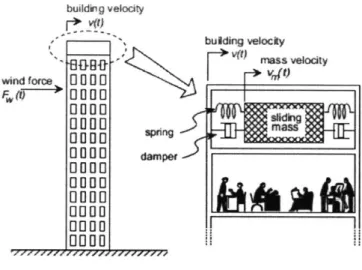
complete the assignment successfully. In the original lab write up, the introduction of the assignment had presented students with the lumped parameter model they would need to work with to build their simulation but detailed information about equations and transfer functions for this model were reserved for an appendix at the end. I chose to mimic this organization since I felt students would need to have a basic understanding of what the lumped parameter model was before they began trying to make a simulation of it, but they would not need the detailed equations until they reached the specific tasks that required that information, at which point they could review the appendix. One major change I made from the original lab with regards to technical information was to move the detailed explanation of the physical model of the building entirely into an appendix. In the original lab, this detailed explanation of the physical model was a major section of the lab introduction. The story format required more contextual information to be
included in the introduction, and since this information on the experimental plant was only relevant to a lower priority learning objective, per the solution proposed in section 4.3 I moved this information to an appendix where students could review it if they had extra time.
Additionally, the mockup phase allowed me to experiment with the actual style this assignment would be written in. I chose to write much of the introduction in the
second person to make the student feel more directly involved in the assignment and increase their sense of independence and control over the work.
Finally, I used the mockup phase to plan out the non-textual content of the write up. Many students reported in their interviews that visuals were helpful to them in having a stronger understanding of what was happening in the assignment. Thus, I included different diagrams and pictures of the systems and models they were being asked to work with. I also searched for media that would help drive home the relevance of this type of work to real engineering applications. Knowing that the John Hancock tower used an active damper to prevent windows from falling out, I searched for and found a video from a news report that discussed this particular incident. After finding this video, I included it in the introductory material for the assignment and subsequently altered the story slightly from having students design a damper for a generic skyscraper to having them design a damper for the Hancock tower to prevent the windows from falling out. Grounding the
story in a very specific engineering problem for which I had media footage that demonstrated the impact of this problem would help capture students' interest and convince them that this type of work has real world significance.
The mockup thus allowed me to explore more of the details of what the assignment would look like and how to control these details such that the assignment continued to meet the core student needs. The full mockup can be seen in appendix B.
5.3 Final Prototype
After finishing the mockup, I refined this detailed outline into a fully fleshed out assignment that could be given to students.
One of the major areas explored during the creation of the final assignment was the layout and organization of the text of the assignment. For the context and background information to be included in the introduction section, I wrote the content in paragraph form. In the procedure section however, I used both numbered lists and paragraphs to share content. I listed out the three major steps of the plot of the story, creating the model, creating the simulation, and using the simulation on the passive damper, in bold headers so that these plot points would be clear to students throughout the procedure. Under each of these major steps, I used paragraphs to share more detailed background and technical information they would need to complete the task and to highlight once more how this task related to the overarching goals and storyline. I then used bulleted lists within each major step to list out the exact tasks and deliverables students were being asked to perform. I separated out these actionable items to ensure students could quickly distinguish the background information from the work they were responsible for performing.
Another decision I made during the final write up of the assignment was to include a small section at the beginning listing out the specific goals students needed to accomplish. Though these goals were already introduced in paragraph form in the introduction section, I wanted to have them clearly listed out in their own section such
that students could identify these goals from the very beginning of the assignment. A large part of the core student need for motivation was that this motivation needed to be obvious and easy for students to identify. If the goals, which were meant to provide this motivation, did not stand out enough in paragraph form, then all the proposed value from having these goals could be lost simply because students might not recognize them. Thus, these goals were given their own section to ensure students would understand these goals as soon as they began the assignment and could use these goals as motivators throughout the assignment.
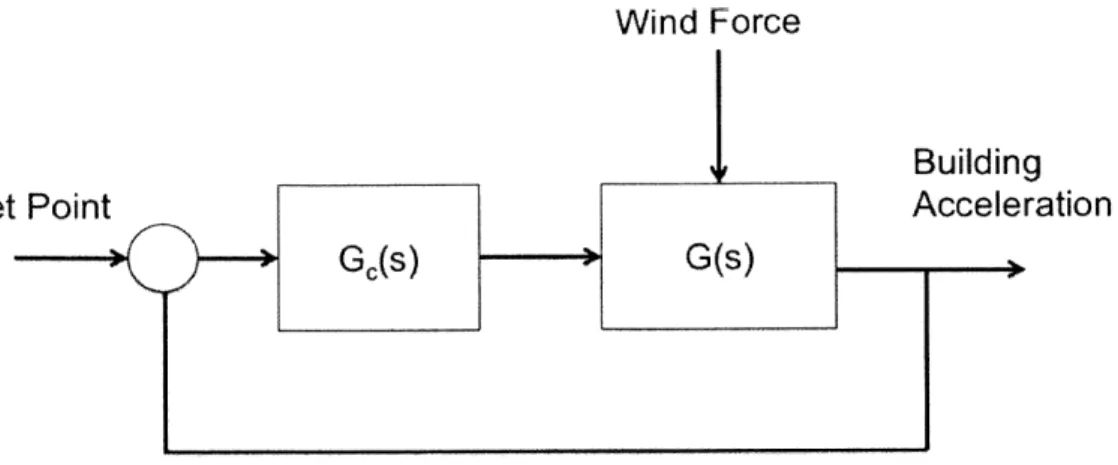
The only other major addition made during the final write up phase was to add in schematics of block diagrams for the passive and active damper. After reviewing an initial draft of the final write up, I realized that the text explaining the passive and active dampers was very dense, meaning students could easily read these paragraphs without actually achieving a clear understanding of what these systems were like. Since I knew visuals helped many students understand material better, I added in block diagrams to act as a visual representation of the passive and active dampers. Though these block
diagrams were not technically visuals of the two different damper systems themselves, the reason passive and active dampers were included in the assignment was to highlight
differences between passive and active control. The block diagrams helped make a clear connection between passive dampers and passive control and active dampers and active control, thus they would still be an effective visual for conveying material related to this key learning objective.
After these last changes and refinements, the assignment was completed in a form that students could actually us. The final assignment write up can be found in Appendix C.
6. Case Study Design: Testing and Student F CeUDaCK 6.1 Testing Procedure
To test the effectiveness of the proposed design process, current mechanical engineering undergraduates who had already taken 2.004 read the original tall building lab assignment and the redesigned assignment developed in this case study. After these students had read both documents, I asked them a series of questions regarding how the two documents compared to one another and how students reacted to any perceived differences between the two. No indication was given of which version was which or that I had played in role in developing the documents in order to avoid biased answers from the test subjects.
In an ideal test set up, students would have an opportunity to perform and complete the assignment in a lab setting. Actually performing the assignment would be the only way to fully test the lab in its intended use case. The schedule of this project as well as the availability of lab resources made this testing procedure impractical at this time. Additionally, the test subjects ideally would have been students who had never performed the assignment before so that the test results could capture how well the different versions achieved their learning objectives. However, the only Course 2
students who would not have encountered this assignment before were those who had not yet taken 2.004. Since this assignment occurs in the middle of the 2.004 curriculum and requires prior knowledge of basic 2.004 concepts, students who had never taken 2.004 before wouldn't know enough of the material to actually understand the assignment. The complete, ideal testing procedure would have been to replace the original lab with the redesigned lab in the 2.004 curriculum and have students encounter it as they would any other assignment. Given the timing of this project and the other issues described above, none of these more ideal test procedures was possible. Thus, the procedure described at the start of this section was used instead to gather initial feedback from students on how effective the redesigned assignment was.
6.2 Summary of Major Observations
As was the case in the need finding procedure, each student interviewed had a unique perspective on the two versions of the assignments. However, some major trends were still identified among the responses of all students interviewed.
The first major trend was that students unanimously agreed that they had a much better understanding of how these concepts could be used in real engineering projects after reading the redesigned assignment. Students were confident about this response and took almost no time to decide between the two versions they read. The interviewed students cited several different reasons why the redesigned version of the lab better taught the practical applications of this material. For most students, the fact that every part of the assignment was firmly grounded in the story of a specific engineering project was the main feature that helped them gain this practical understanding. Students shared that they liked being told why they were doing the different assignment tasks and clearly
seeing how these tasks were reIevanII tO tis real e1IgiineerinIg prbIlII. In aduiiun Lu Lhe contextual story, one student noted that having the tasks in the assignment posed as leading towards a decision helped her understand how this material might actually be applied in a real engineering project. This student stated that this setup felt more realistic, since in real engineering projects you are always working towards a decision. Finally, one student highlighted the headers for each of the major tasks as being a key feature that helped her understand how this material was practically used. Because each specific task in the procedure was associated with a major task in the story plot line, this student felt that, throughout the procedure, she had a clear understanding of how these specific tasks fit into the overarching story and why these tasks were important. Thus, many different features in the redesigned lab helped enforce this understanding of the practical
applications of the material. Overall though, the story format of the assignment seemed to open many different opportunities for students to gain this practical engineering insight.
The second major trend was that the length and format of the redesigned version was problematic to students. When asked which version students would find easier to use when actually performing the assignment, all indicated the original version of the
assignment. The reasoning behind their decision was largely based off of the relative conciseness of the two different versions. Particularly with regards to the procedure
section, students did not like the fact that the redesigned version included long paragraphs compared to the original procedure section that was simply a list of steps to perform. The
students wanted to be able to quickly identify the most important pieces of information they were going to need for the assignment. When the procedure included long
paragraphs, even if the paragraph was just setting context or providing background information, they tended to spend more time combing through the paragraphs just trying to distill the key points of information they needed to know. They would prefer to see these key takeaways already distilled for them in a more concise manner. The use of long paragraphs also proved to be problematic simply in setting the tone of the assignment.
Many students shared that simply seeing a page with dense paragraphs as opposed to a bulleted list tended to intimidate them. Dense paragraphs give the impression of
complexity, which automatically made students reluctant to take on the assignment. Thus, the formatting itself had a large impact on how students perceived the assignment. In
general, a dense format had a negative impact on how easily students could use the assignment.
The last trend that came up in a few different student interviews was that some students reacted negatively to being asked to decide between the passive and active damper. For these students, they felt it was obvious from the introduction and their previous knowledge that the solution the assignment wanted them to pick was an active
damper. Because they believed the correct solution was obvious, they felt being asked to confirm what they already knew through a lengthy assignment was a waste of time. Moreover, they felt the assignment was trying to trick them to feel like they would have the freedom to make this design decision about the best damper to use when in reality there was only one right answer. Thus some of the refraining of assignment tasks
wiih hC assignIMInL. It is WhIL ntinIg IIweveI thai Uite sLUUeILS uiu IeaCt pUsitiVely tU
this change.
6.3 Key Results from Student Feedback
The overarching goal of this redesigned assignment was to better emphasize the practical applications of this material in real engineering projects. With regards to this ultimate goal, the redesigned case study assignment was highly effective. In particular, the fact that the assignment was written as a story firmly grounded in a real engineering
setting made a tremendous difference in helping students see and understand how they would use this material in a practical setting.
The first two needs, for obvious connection to real engineering projects and obvious motivation, were clearly met by the story format of the assignment. Thanks to the clear example of the damper for the skyscraper, students understood how this material related to real engineering projects. Moreover, the fact that the story outlined for the
students why each task they performed was relevant to the story helped students understand why they were doing these specific tasks and why this type of work might matter in real applications.
The redesigned case study assignment was less successful in achieving the third student need of a sense of independence. While some students appreciated being given decisions to make instead of robotic tasks to perform, others felt the decisions they had been offered were dishonest and thus felt some animosity towards the assignment.
Though the proposed technique of putting students into a decision-making role was effective for some students, other students felt tricked by and unhappy with this aspect of the assignment.
Based off of the testing performed, it was difficult to evaluate whether or not the redesigned case study assignment had met the final student need of being able to
complete the assignment on time. Without having students actually use the assignment write up to perform the full assignment, one cannot know how long it would take them to complete it. However, given the students reactions to simply reading the assignment, it can be inferred that students felt the redesigned assignment would take them too long to complete. The main student concerns over timing stemmed from the fact that the
assignment was formatted with a lot of information contained in long paragraphs instead of distilled lists. These results make it difficult to confirm whether or not the proposed
solution of relegating lower priority learning objectives to optional material at the end was effective. These results do reveal however that a number of different factors can contribute to timing issues and must all be considered carefully when creating these assignments.
6.4 Additional observations
The intention of this project was to create assignments to help students understand the practical application of the material they're being taught. In talking to students about
their courses and about the case study assignment, I learned that most students had a similar goal for their own learning. They wanted to not just memorize equations but to get a sense of how these equations and concepts were actually used in a real engineering setting. Thus, the mission of this project seemed to be well suited in helping students achieve their own personal educational goals.
Yet, in interviewing students during this testing phase of the design process, I learned that students had another goal in any class that they took. That goal was to complete the graded assignments successfully and in a timely manner. One of the most interesting results uncovered during this testing procedure was that these two goals, completing assignments and learning how to use the material as an engineer would, were often seen as separate and sometimes incompatible goals from the student perspective.
During testing, students had difficulty indicating which of the two versions of the lab they generally preferred. Their hesitation usually stemmed from the fact that they felt each version primarily addressed only one of their educational goals: the original version addressed their goal of completing the graded assignments while the redesigned version addressed their goal of understanding the applications of the material. Having to decide between these two versions and their corresponding educational goals caused a lot of internal conflict for many students. Most students felt that in an ideal world they would want to use the redesigned version of the lab and gain that comprehensive understanding of how to use this material practically. Yet most, somewhat guiltily, indicated that they would more often choose the original version simply because it would help them complete the course requirements faster.
This conflict between these two student missions poses an interesting challenge to the creation of an effective assignment to teach practical applications of engineering. On the one hand, students ought to be receptive to seeing more assignments focused on practical applications since they share this mission for their education. On the other hand, as long as there are means to complete the graded work without tackling this
understanding of the practical uses, some students, perhaps most, will inevitably take the more straightforward route to completing their assignments. Thus, the tension between these two student goals limits just how well an assignment can emphasize these practical applications.
The ideal solution to this tension would be to make these two separate goals one shared goal achievable through a single assignment. In this ideal solution, the work required to complete the assignment would automatically force students to grapple with and acquire this more practical understanding of engineering concepts. However, in these introductory classes, theory and concepts must still be the priority; there may simply not be enough time to capture both goals in a single assignment.
The testing undertaken in this project has at the very least revealed this tension exists. This tension will continue to limit our ability to teach practical applications until a sufficient solution is found to resolve it.
![Figure 4. Lumped parameter model of the building and damper system. MI, B], and K] represent the mass, damping, and stiffness of the building](https://thumb-eu.123doks.com/thumbv2/123doknet/14723093.570970/42.918.234.627.539.715/figure-lumped-parameter-building-represent-damping-stiffness-building.webp)