Supplementary Information 1
2
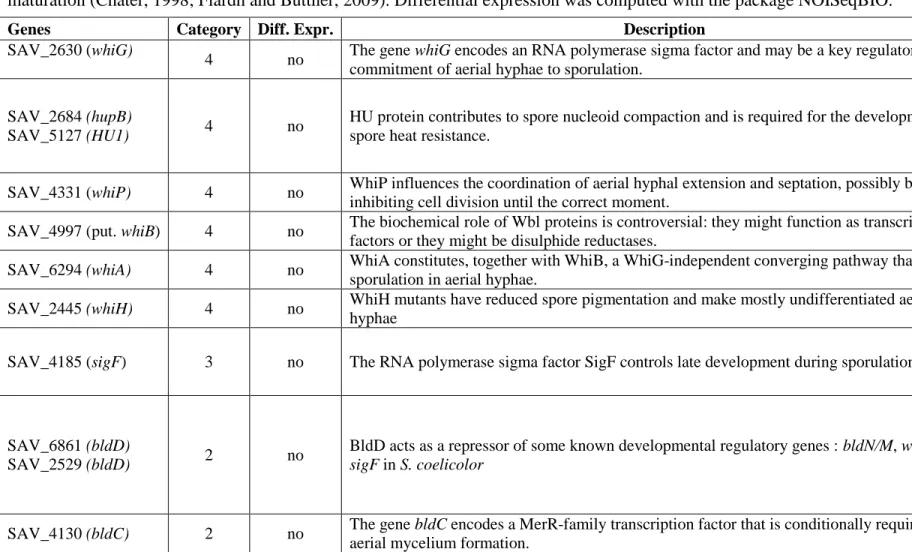
Table S1. Absence of differential expression for genes involved in four development 3
stages of streptomycetes. 4
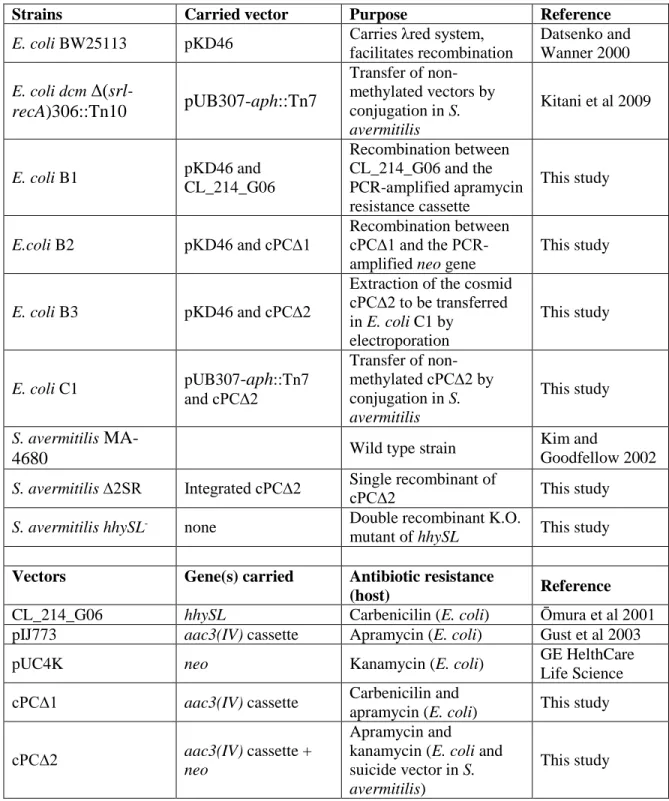
Table S2. Strains and vectors utilised in this study. 5
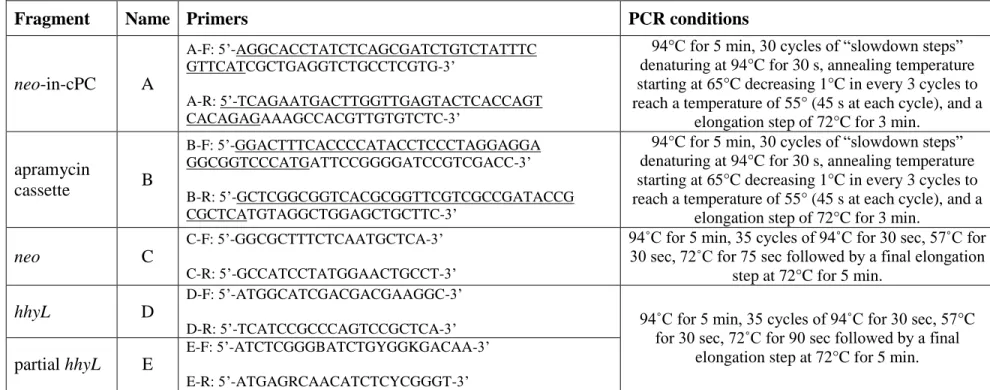
Table S3. List of oligonucleotides utilised and their associated PCR conditions. 6
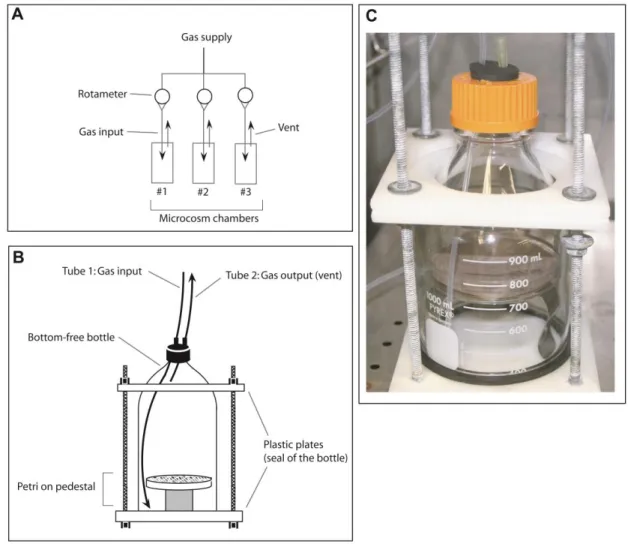
Figure S1. Illustration of the dynamic microcosm chambers used for the transcriptomic 7
analysis. 8
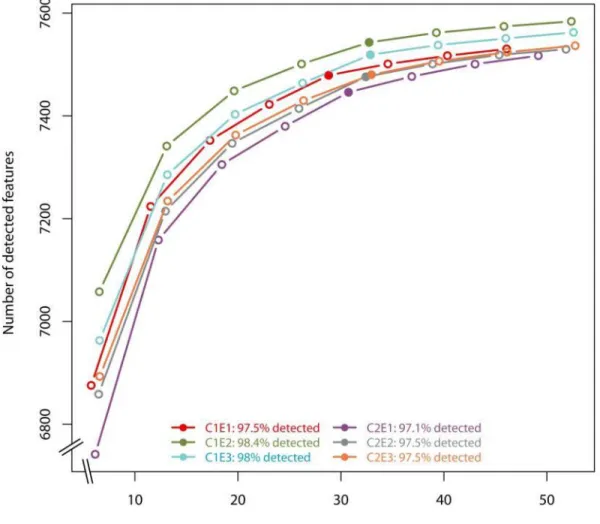
Figure S2. Assessment of the sequencing effort invested in the transcriptomic analysis. 9
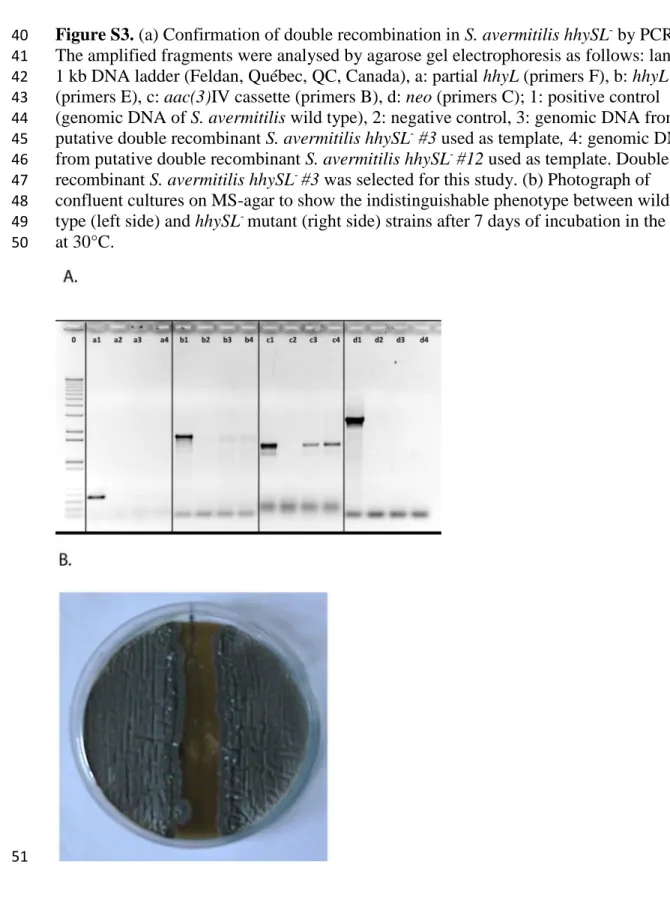
Figure S3. (a) Confirmation of double recombination in S. avermitilis hhySL- by PCR. (b) 10
Photograph of confluent cultures on MS-agar to show the indistinguishable phenotype 11
between wild type and hhySL- mutant strains. 12
Table S1. Absence of differential expression for genes involved in four development stages of streptomycetes. The genes classified 14
into four categories encompassing (1) spore germination, (2) substrate mycelium transition, (3) early sporulation and (4) spore 15
maturation (Chater, 1998; Flärdh and Buttner, 2009). Differential expression was computed with the package NOISeqBIO. 16
Genes Category Diff. Expr. Description
SAV_2630 (whiG)
4 no The gene whiG encodes an RNA polymerase sigma factor and may be a key regulator of the commitment of aerial hyphae to sporulation.
SAV_2684 (hupB)
SAV_5127 (HU1) 4 no
HU protein contributes to spore nucleoid compaction and is required for the development of spore heat resistance.
SAV_4331 (whiP) 4 no WhiP influences the coordination of aerial hyphal extension and septation, possibly by inhibiting cell division until the correct moment.
SAV_4997 (put. whiB) 4 no The biochemical role of Wbl proteins is controversial: they might function as transcription factors or they might be disulphide reductases.
SAV_6294 (whiA) 4 no WhiA constitutes, together with WhiB, a WhiG-independent converging pathway that controls sporulation in aerial hyphae.
SAV_2445 (whiH) 4 no WhiH mutants have reduced spore pigmentation and make mostly undifferentiated aerial hyphae
SAV_4185 (sigF) 3 no The RNA polymerase sigma factor SigF controls late development during sporulation.
SAV_6861 (bldD)
SAV_2529 (bldD) 2 no
BldD acts as a repressor of some known developmental regulatory genes : bldN/M, whiG and
sigF in S. coelicolor
SAV_4130 (bldC) 2 no The gene bldC encodes a MerR-family transcription factor that is conditionally required for aerial mycelium formation.
17 SAV_3150 (bldKA1) SAV_3151 (bldKB1) SAV_3152 (bldKC1) SAV_3153 (bldKD1) SAV_3154 (bldKE1)
2 no The gene bldK encodes an oligopeptide importer implied in cellular differentiation.
SAV_3172 (bldKE2) SAV_3173 (bldKD2) SAV_3174 (bldKC2) SAV_3175 (bldKB2 SAV_3176 (bldKA2) 2 yes (0.64) yes (0.66) yes (0.60) yes (0.57) yes (0.71)
The gene bldK encodes an oligopeptide importer implied in cellular differentiation.
SAV_5455 (mreB1) SAV_5456 (mreC) SAV_5457(mreD)
1 no
MreB is an actin-homologs expected to form cytoskeletal filaments under the cytoplasmic membrane.
Table S2. Strains and vectors utilised in this study. The following antibiotics were added 18
to the growth media for marker selection and plasmid maintenance (in µg ml-1): 19
carbenicilin (100), apramycin (50), and kanamycin (12.5) for E. coli and S. avermitilis. 20
Strains Carried vector Purpose Reference
E. coli BW25113 pKD46 Carries λred system,
facilitates recombination Datsenko and Wanner 2000 E. coli dcm Δ(srl-recA)306::Tn10 pUB307-aph::Tn7 Transfer of non-methylated vectors by conjugation in S. avermitilis Kitani et al 2009 E. coli B1 pKD46 and CL_214_G06 Recombination between CL_214_G06 and the PCR-amplified apramycin resistance cassette This study E.coli B2 pKD46 and cPC∆1 Recombination between cPC∆1 and the PCR-amplified neo gene
This study
E. coli B3 pKD46 and cPC∆2
Extraction of the cosmid cPC∆2 to be transferred in E. coli C1 by
electroporation
This study
E. coli C1 pUB307-aph::Tn7
and cPC∆2 Transfer of non-methylated cPC∆2 by conjugation in S. avermitilis This study S. avermitilis
MA-4680 Wild type strain
Kim and
Goodfellow 2002
S. avermitilis ∆2SR Integrated cPC∆2 Single recombinant of cPC∆2 This study
S. avermitilis hhySL- none Double recombinant K.O.
mutant of hhySL This study Vectors Gene(s) carried Antibiotic resistance
(host) Reference
CL_214_G06 hhySL Carbenicilin (E. coli) Ōmura et al 2001
pIJ773 aac3(IV) cassette Apramycin (E. coli) Gust et al 2003
pUC4K neo Kanamycin (E. coli) GE HelthCare
Life Science cPC∆1 aac3(IV) cassette Carbenicilin and
apramycin (E. coli) This study
cPC∆2 aac3(IV) cassette +
neo
Apramycin and
kanamycin (E. coli and suicide vector in S.
avermitilis)
This study
Table S3. List of oligonucleotides utilised and their associated PCR conditions. The oligonucleotides utilised for PCR-targeted gene 22
replacement have 39 nt of homology (underlined) to the 5’ upstream region (forward primer) or 3’ downstream region (reverse 23
primer) of targeted gene. PCR mixtures consisted of 1X reaction buffer (15 mM MgCl2), 10% Band Sharpener, 0.2 mM dNTP, 20 µM 24
of each primer, 1.25 U Fast-Taq DNA polymerase (Feldan®, QC, Canada), 2 µl template DNA and nuclease-free water to obtain a 25
final volume of 50 µL. 26
Fragment Name Primers PCR conditions
neo-in-cPC A
A-F: 5’-AGGCACCTATCTCAGCGATCTGTCTATTTC GTTCATCGCTGAGGTCTGCCTCGTG-3’
A-R: 5’-TCAGAATGACTTGGTTGAGTACTCACCAGT CACAGAGAAAGCCACGTTGTGTCTC-3’
94°C for 5 min, 30 cycles of “slowdown steps” denaturing at 94°C for 30 s, annealing temperature starting at 65°C decreasing 1°C in every 3 cycles to reach a temperature of 55° (45 s at each cycle), and a
elongation step of 72°C for 3 min.
apramycin cassette B B-F: 5’-GGACTTTCACCCCATACCTCCCTAGGAGGA GGCGGTCCCATGATTCCGGGGATCCGTCGACC-3’ B-R: 5’-GCTCGGCGGTCACGCGGTTCGTCGCCGATACCG CGCTCATGTAGGCTGGAGCTGCTTC-3’
94°C for 5 min, 30 cycles of “slowdown steps” denaturing at 94°C for 30 s, annealing temperature starting at 65°C decreasing 1°C in every 3 cycles to reach a temperature of 55° (45 s at each cycle), and a
elongation step of 72°C for 3 min.
neo C
C-F: 5’-GGCGCTTTCTCAATGCTCA-3’ C-R: 5’-GCCATCCTATGGAACTGCCT-3’
94˚C for 5 min, 35 cycles of 94˚C for 30 sec, 57˚C for 30 sec, 72˚C for 75 sec followed by a final elongation
step at 72°C for 5 min.
hhyL D
D-F: 5’-ATGGCATCGACGACGAAGGC-3’
D-R: 5’-TCATCCGCCCAGTCCGCTCA-3’ 94˚C for 5 min, 35 cycles of 94˚C for 30 sec, 57°C
for 30 sec, 72˚C for 90 sec followed by a final elongation step at 72°C for 5 min. partial hhyL E
E-F: 5’-ATCTCGGGBATCTGYGGKGACAA-3’ E-R: 5’-ATGAGRCAACATCTCYCGGGT-3’
Figure S1. Illustration of the dynamic microcosm chambers used for the transcriptomic 27
analysis. (a) Schematic of dynamic microcosm chambers showing the rotameters 28
supplying air (aH2 or eH2 level) in parallel replicated microcosms containing one Petri 29
dish. (b) Detailed view of one microcosm chamber. The air was continuously injected in 30
the microcosm chambers (tube 1) and evacuated by the vent (tube 2) in the top of the 31
chamber. (c) Picture of one microcosm used in this study. 32
Figure S2. Assessment of the sequencing effort invested in the transcriptomic analysis. 34
The rarefaction curves were computed with the function “explo.plot” implemented in the 35
package NOISeq. The solid dots represent the actual amount of sequences in each 36
sample, while the empty dots are simulated by NOISeq. A plateau was reached, resulting 37
in the detection of at least 97.1% know genes in S. avermitilis. 38
Figure S3. (a) Confirmation of double recombination in S. avermitilis hhySL- by PCR. 40
The amplified fragments were analysed by agarose gel electrophoresis as follows: lane 0: 41
1 kb DNA ladder (Feldan, Québec, QC, Canada), a: partial hhyL (primers F), b: hhyL 42
(primers E), c: aac(3)IV cassette (primers B), d: neo (primers C); 1: positive control 43
(genomic DNA of S. avermitilis wild type), 2: negative control, 3: genomic DNA from 44
putative double recombinant S. avermitilis hhySL- #3 used as template, 4: genomic DNA 45
from putative double recombinant S. avermitilis hhySL- #12 used as template. Double 46
recombinant S. avermitilis hhySL- #3 was selected for this study. (b) Photograph of 47
confluent cultures on MS-agar to show the indistinguishable phenotype between wild 48
type (left side) and hhySL- mutant (right side) strains after 7 days of incubation in the dark 49
at 30°C. 50
References 52
Chater KF (1998). Taking a genetic scalpel to the Streptomyces colony. Microbiology 53
144:1465-1478. 54
Datsenko KA, Wanner BL (2000). One-step inactivation of chromosomal genes in 55
Escherichia coli K-12 using PCR products. Proc Natl Acad Sci 97:6640-6645. 56
Flärdh K, Buttner MJ (2009). Streptomyces morphogenetics: dissecting differentiation in 57
a filamentous bacterium. Nat Rev Microbiol 7:36-49. 58
Gust B, Challis GL, Fowler K, Kieser T, Chater KF (2003) PCR-targeted Streptomyces 59
gene replacement identifies a protein domain needed for biosynthesis of the 60
sesquiterpene soil odor geosmin. Proc Natl Acad Sci 100:1541-1546. 61
Kitani S, Ikeda H, Sakamoto T, Noguchi S, Nihira T (2009). Characterization of a 62
regulatory gene, aveR , for the biosynthesis of avermectin in Streptomyces 63
avermitilis. Appl Microbiol Biotechnol 82:1089-1096. 64
Ōmura S, Ikeda H, Ishikawa J, Hanamoto A, Takahashi C, Shinose M et al (2001). 65
Genome sequence of an industrial microorganism Streptomyces avermitilis: 66
Deducing the ability of producing secondary metabolites. Proc Natl Acad Sci 67
98:12215-12220. 68