REVIEW ARTICLE
INTRAPARTUM SONOGRAPHY: AN OPPORTUNITY FOR
OBJECTIVE ASSESSMENT OF LABOUR
1
W A HASSAN AND
2, 3B TUTSCHEK
1Fetal Medicine Department, Addenbrooke’s Hospital, Cambridge University Hospitals, Cambridge, UK. 2Center of Fetal Medicine and Gynecological Ultrasound, Basel, Switzerland.3Department of Obstetrics & Gynecology, Heinrich Heine University, D¨usseldorf, Germany.
INTRODUCTION
Today, antenatal ultrasound is a necessary tool for screening and diagnosis in pregnancy. It is extensively used for fetal chromosomal risk assessment, fetal anatomy, biometry, placental localization and presentation in singleton and multiple pregnancies. It is essential for intrauterine invasive procedures and for the management of growth-restricted foetuses.
Ultrasound during labour (or intrapartum ultrasound) has been explored in the last decade, from simple uses such as determination of fetal presentation and identifying the fetal heart beat during labour to advanced topics like prediction of the mode of delivery, fetal head station and assessment of cervical dilatation.
Using intrapartum ultrasound, obstetrics has the opportunity to develop into an objectively guided skill. Assessment of fetal head descent no longer needs to rely on an imaginary line drawn between the ischial spines, and even cervical dilatation might possibly be measured accurately using simple two-dimensional (2D) ultrasound.
We here review published data on intrapartum ultrasound. These publications describe the current methodology and techniques in the assessment of fetal head descent and cervical dilatation in labour.
ASSESSMENT OF FETAL HEAD ENGAGEMENT, DESCENT AND ROTATION
Conventional methods have been used to assess fetal head engagement, head station and head (occiput) position.
Engagement of the fetal head
Engagement of the fetal head is said to have occurred when the largest diameter of the presentation has passed through the brim of the pelvis.1Palpation of the presenting
W A Hassan, Fetal Medicine Department, Rosie Hospital, Addenbrooke’s Hospital, Cambridge University Hospitals NHS Foundation Trust, Hills Road, Cambridge CB2 2QQ, UK. Email: [email protected]
fetal head in relationship to the maternal pelvis is attributed to Christian Leopold (1846–1911); his proposed external palpation included the fourth Leopold manoeuvre, which determines the relationship between the fetal head and the pelvic inlet.
Crichton introduced the concept of “fifths” of the fetal head palpable abdominally to quantify fetal head descent by abdominal palpation and vaginal examination2. It
is based upon a basovertical diameter extending from the base of the skull to the most distant point of the vertex. This technique requires a full knowledge of – and palpatory access to – the landmarks on the fetal head and on the pelvis: the occiput and the sinciput for the fetal head, and the upper border of the pubic symphysis for the pelvis.
This technique and similar methods have become essential tools in the management of labour and in the conduct of operative vaginal deliveries3. However,
Crichton highlighted that this method has common pitfalls in practice such as the incorrect alignment of the examiner’s hands and arms during abdominal palpation; that the fingers must be held parallel to the surface of the abdomen; problems in quantifying the amount of pressure applied by the fingers; and, most importantly, the technique is not effective when the occiput is posterior. Moreover, it is known that in clinical practice it is impossible to palpate or ascertain precisely what is the largest diameter of the presenting fetal part2.
Fetal head station
Fetal head station describes the level of the fetal head on its descent through the birth canal. The assessment of fetal head station is not easy. First, the assessment cannot be made abdominally, i.e. vaginal examinations are essential; second, identifying the landmarks on the fetal skull becomes inaccurate in the presence of a caput succedaneum and moulding; and, third, palpation of the pelvic landmarks is poorly reproducible2.
Digital vaginal examinations are also used for assessing fetal head engagement4. The
fetal head is considered engaged on digital vaginal examination when the presenting part has reached the level of the maternal ischial spines; this level is referred to as “station 0”5.
Accuracy of head station palpation
Dupuis et al., using a birth simulator, studied the reliability of digital vaginal examinations for 32 less experienced obstetricians (average experience of 2 years) and 25 experienced obstetricians (average experience of 9 years) in the assessment of fetal head engagement and station. In a birth canal simulator equipped with real-time sensor, a fetal head mannequin was placed in 11 possible fetal stations6. The
operators determined the head position and station by digital examination. Residents and experienced obstetricians palpated incorrect head stations (in cm) in 50–88% and 36–80% for different stations, respectively. More importantly, “high” stations were
palpated as “mid” or “low” in 22.4% and 16%, respectively6. Conversely, true “mid”
and “low” stations were falsely palpated as “high” in 17.8% and 18.1%, respectively. The mean “group” error for residents was 30% and for obstetricians it was 34%6.
Head (occiput) position
Head position describes the position of the fetal occiput with regard to the maternal pelvis: occiput anterior (OA), occiput posterior (OP) or any position in between. Accuracy of occiput palpation has been assessed using intrapartum ultrasound (see below).
Using ultrasound to assess the parameters before and during labour
Ultrasound has also been used to measure the parameters described above, either before labour with a view to predicting success of an attempted vaginal delivery or, in a more detailed fashion, to quantify birth progress. Transabdominal ultrasound in the context of intrapartum ultrasound was used to assess the fetal head position and rotation and the fetal spine, while transperineal or translabial ultrasound was used to measure fetal head station and head direction and their changes during contractions, the angle of progression (or angle of descent) of the fetal head, the fetal head–perineum distance, the head–symphysis distance and in the assessment of cervical dilatation. These aspects will be explained in-depth in the paper.
Pre-labour studies
Dietz et al.7,8 used a uro-gynaecological approach (bladder neck mobility) to assess
pelvic organ mobility in relation to vaginal birth8 and also suggested using the
pubic symphysis as a reference point in the birth canal7. They assessed fetal head
engagement by translabial ultrasound in a prospective study of 139 nulliparous women7. The assessment consisted of abdominal palpation of the fetal head (n =
139), translabial ultrasound (n = 139) and vaginal examination (n = 112). The quantification of head engagement was performed using two methods. For method A, a line was drawn through the inferio-posterior symphyseal margin, parallel to the main transducer axis, as reference, identical to the vertical line used to measure bladder neck descent on Valsalva manoeuvre. The shortest distance between this line and the presenting part was measured in millimetres. For method B, the line of reference was a line perpendicular to the central axis of the symphysis pubis, placed through the caudal end of the symphysis; this line was later called the “infrapubic line”. Head engagement was defined as the minimal distance between the presenting part and this line (Figure 1). The presenting part was defined as the most distal part of the hyperechogenic curvature signifying fetal skull and scalp. Diagnosis of fetal head engagement was obtained in all cases. Ultrasound for head engagement correlated
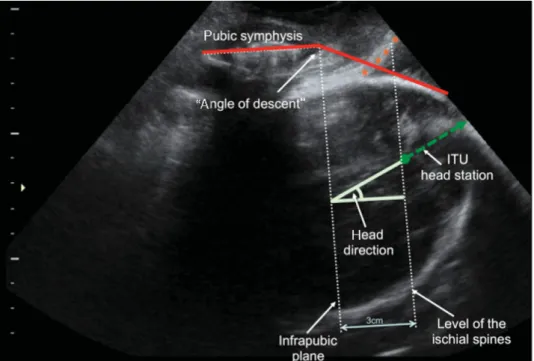
Figure 1 Possible objective parameters of ITU. All quantitative parameters require an exact median section
of the pubic symphysis. A main landmark is the caudal end of the symphysis or rather a perpendicular line extending dorsally, the so-called infrapubic line. This infrapubic lines runs 3 cm cranial to a parallel plane that traverses the ischial spines, which in turn define mid-pelvis (station±0 cm). In addition, reference to the long axis of the symphysis enables angle measurements, for example that of the head direction (direction of the longest visible axis of the fetal head in the birth canal as seen in this insonation) as well as placing a tangent on the deepest bony part of the fetal head; together with the long axis of the pubic symphysis, this tangent defines the “angle of descent” or “angle of progression”. Note that during a normal birth, often the scalp oedema (caput succedaneum) becomes visible (in the image indicated by asterisks) which must not be confused with the skull.
with abdominal palpation and Bishop scores. Translabial ultrasound assessment of fetal head engagement seemed feasible and the findings suggested that translabial ultrasound assessment of fetal head engagement could play a significant role in prediction of mode of delivery7. Ultrasound might potentially be used alone or in
combination with other known predictors of mode of delivery such as maternal age9,
body mass index10, cervical length11and fetal sex12.
Rane et al. studied the pre-induction cervical length, occipital position, posterior cervical angle and maternal characteristics for the prediction of induction to delivery interval, the likelihood of vaginal delivery and the likelihood of Caesarean section within 24 h of induction of labour13. Transvaginal ultrasound was performed for the
measurement of cervical length and the posterior cervical angle and transabdominal ultrasound to determine the position of the fetal occiput13. The fetal position was
described as anterior (OA) if the occiput was between 9.30 and 2.30 h, transverse (OT) if between 2.30 and 3.30 h, or 8.30 and 9.30 h, and posterior (OP) if between 3.30 and
8.30 h. It was concluded that these parameters are superior to the Bishop score for the prediction of the outcome of induction13.
Eggebo et al. used a simple method in women with premature rupture of membranes (PROM) at term by applying a curved transducer transversely and firmly on the perineum to measure the shortest distance from the outer bony limit of the fetal skull to the skin surface of the perineum14. Thirty-six hours after PROM, 32% of
women with a short head–perineum distance (<45 mm) and 43% of women with long distance (>45 mm) were still in labour. Women with a short head–perineum distance had fewer Caesarean section rate and shorter time in active labour14.
Eggebo et al. also studied the fetal head–perineum distance before induction of labour for prediction of vaginal delivery in 275 women15. This distance was compared
against maternal factors, Bishop score and ultrasound measurements of cervical length, cervical angle and occiput position. The mean distance fetal head–perineum was 47.5 mm. The fetal head–perineum distance could predict vaginal delivery in 62% (95% CI, 52–71%), similar to cervical length, cervical angle, Bishop score and BMI 61%, 63%, 61% and 60% respectively15. Caesarean delivery rate was 4% among
73 women with short distance (≤40 mm) and 16% among 202 women with long distance. The mean cervical length was 27.6 mm. Caesarean delivery rate was 8% among 112 women with a short cervix (≤25 mm) and 17% among women with long cervix. The predictive values were similar for this method and ultrasound measured cervical length and Bishop score15.
Henrich et al.16and Barbera et al.17reported on female pelvic computed tomography
(CT) datasets for the analysis of geometric dimensions relating to birth and investigated the level of the ischial spine with regard to the pubic bone. This information was then used to correlate US findings with birth progress.
MRI Magnetic resonance imaging was used in the context of establishing a relationship between the fetal head station and the angle of progression assessed by transperineal ultrasound in women before labour18. A significant correlation existed
between the angle of progression and the distance between the presenting fetal part and the level of the maternal ischial spines. The group reported that station zero would correspond to an angle of progression18 at 120◦. Bamberg et al. were also the first to
use open MRI to analyse the progress of fetal head in the second stage of labour19,
clearly as a research application.
Levy et al. proposed to measure the angle of progression a week prior to labour for prediction of mode of delivery20. In a study of 100 nulliparous and 71 parous
women, they found that nulliparous women who later required Caesarean delivery had a narrower pre-labour angle of descent than those delivering vaginally20.
Intrapartum sonography
Interest in intrapartum ultrasound seems to have arisen independently and from various researchers. Lewin et al. back in 1977 published about the echographic measurement of the height of presentation by using a sacral approach21. Recently, a
book in Russian published in 1996 came to our attention that seems to describe the use of ultrasound to assess birth progress22(personal communication, S. Voskresinsky).
Head position, spine position
Several studies have assessed the accuracy of digital vaginal examination for the determination of fetal head position in comparison to ultrasound.
Akmal et al.23 investigated the accuracy of fetal head position by digital vaginal
examination in 496 women in labour. They reported that digital vaginal examination failed to define the fetal head position in 33.5% of cases23. And, in the 72.5% of cases
where the position was determined, the agreement with ultrasound was achieved only in 49.4% of cases. Correct identification of fetal head position increased with the increase of cervical dilatation from 20.5% at 3–4 cm to 44.2% at 8–10 cm23. This
emphasizes the fact that digital vaginal examinations fail to identify the correct fetal head position in the majority of cases23.
Similarly, Sherer et al. studied intrapartum fetal head position in the first stage of labour by comparing digital vaginal examination with transabdominal ultrasound. The group reported that in only 24% of patients, digital vaginal examinations were consistent with ultrasound assessments (95% confidence interval, 16–33). Also, cervical effacement and ischial spine station significantly affected the accuracy of digital vaginal examinations. The accuracy of digital vaginal examinations was increased to 47% (95% confidence interval, 37–57) when fetal head position assessed by digital vaginal examination was considered correct if reported within±45◦ of the
ultrasound assessment24.
Sherer et al. also assessed fetal head position in the second stage of labour by comparing digital vaginal examinations with transabdominal suprapubic ultrasound. They reported an error of digital vaginal examinations in 65% of patients (95% confidence interval, 56–74). The error was reduced to 39% (95% confidence interval, 30–49) when digital vaginal examination was considered correct if reported within ±45◦of the ultrasound assessment. Using ultrasound assessment as the gold standard,
it was concluded that an overall rate of error occurred in 76% in digital vaginal examination during the first stage of labour and 65% in digital vaginal examinations in the second stage of labour25.
In a longitudinal study of 148 labouring women in the first and second stages, digital palpation and the feasibility of assessing fetal head position by transabdominal ultrasound were measured26. Fetal head position could not be determined by digital
palpation in 60.7% (122/201) of examinations in the first stage and 30.8% (41/133) in the second stage of labour; palpation of the position was correct in only 31.3% in the first and 65.7% in the second stage26. Occiput posterior positions were more difficult
to palpate compared with occiput anterior positions. Ultrasound proved to be feasible and more successful and accurate in determining fetal position compared with vaginal palpation26.
Head position in the second stage of labour is traditionally examined using vaginal palpation, but it is known that this is inaccurate. Diagnosis of head position, OA, OP or any other position, by vaginal palpation can be challenging27; however, head position
can be diagnosed using ultrasound28. The comparison between digital vaginal and
transabdominal ultrasound assessment of fetal head engagement supports the concept that vaginal palpation findings may be misleading while intrapartum ultrasound might be more precise, in part because caput succedaneum or moulding can be seen that may make palpation more difficult27–29.
Dupuis et al. compared digital vaginal examination and transabdominal ultrasound examination for the assessment of fetal head position in 110 women in the second stage of labour. Transabdominal ultrasound for fetal head position was done immediately after a clinician had performed digital vaginal examination30. Fetal
head position was found to be identical in 70% (80% when allowing a difference of 45◦). Occiput posterior and transverse head positions were associated with a 50% rate of clinical error30. Caput succedaneum diminished the accuracy of clinical
examination30.
Intrapartum ultrasound was also researched in the assessment of the fetal spine position in combination with head position. Akmal et al.31and Blasi et al.32assessed
the fetal head position and fetal spine position in first and second stages of labour in 918 and 100 pregnancies, respectively. Both studies conclude that occiput posterior position at delivery in the second stage of labour results from failure of rotation during the first stage of labour rather than a malrotation from the occipito-anterior position. It was also found that all cases that were occiput posterior position in the second stage of labour had the fetal spine in posterior position.31,32
Head station, direction and dynamics
Researchers have studied the degree and the mechanisms of descent of fetal head using intrapartum sonography. This can be done by analysis of the fetal head station with relation to sonographically accessible landmarks of the maternal pelvis.
Henrich et al.33were the first to report in the peer-reviewed English literature the
use of intrapartum translabial ultrasound (ITU) in the second stage of labour. They correlated the inferior pubic margin with the ischial spines, at the same time using the long axis of the pubic symphysis as a reference for the long axis of the head. In a median sonographic section of the pelvis, with a curved transducer placed on the labia, a perpendicular line through the inferior margin of the symphysis (termed the infrapubic line) was used to define head station with regard to the ischial spines (Figure 1). The distance between the infrapubic line and the ischial spines in the axis of the birth canal had been determined to be 3 cm in a CT reconstruction of a female pelvis, enabling the correlation of ultrasound head station with the conventional clinical reference system, i.e. the level of the ischial spines33. They then measured
Figure 2 Sagittal view of the maternal pelvic outlet in the second stage of labour on translabial 2D and 3D
ultrasound. The 2D image (left) demonstrates the symphysis (1), the caput succedaneum with hyperechogenic skin and hypoechogenic subcutaneous edema (2) and the fetal head with moulding of the bones (3) at the posterior fontanelle. The tangent on the inferior margin of the pubic symphysis and the fetal skull can be seen as a dotted line from the symphysis to the vertex of the head. The 3D image (right) shows the fetal head after completed internal rotation: the leading triangular posterior fontanelle (3), the quadrangular anterior fontanelle (4), and the sagittal (5), metopic (6), coronary (7) and lambdoid (8) sutures, the fetal skin (2), the birth canal (9) and parts of the pubic arch (1) are visible (with permission from Fuchs et al.34).
20 women immediately before clinically indicated operative vaginal deliveries33and
correlated ITU head station, the head direction (the visible longest axis of the fetal head) with regard to the pubic axis and their changes during a naturally occurring contraction augmented by pushing with the success and ease of vacuum delivery. They concluded that ITU provided objective information on the dynamics of the second stage of labour, head station and head direction and that ITU may be used to assess the prognosis for operative vaginal delivery33.
Fucks et al. in 2008, using 3D ultrasound, reported that fetal head rotation could be obtained by ITU with visualization of the fetal fontanels and skull sutures. In a case report, they showed that even in the presence of a marked caput, ITU could correctly identify the fetal head rotation34as shown in Figure 2.
Barbera et al.17 published a geometric model from CT images in non-pregnant
women to determine the “angle of descent” (tangent from the inferior margin of the pubic symphysis and the fetal head; Figure 3) that corresponds with a conventional station 0 cm. In a geometric model from CT images, mean angles for different station were assigned, for example (station−2 corresponds to a mean angle of 85◦, station
Figure 3 Angle of descent. (a) Midline through the pubic symphysis bone, (b) fetal skull contour and (c) is a
tangent line to the fetal skull from the pubic symphysis midline to form the angle of descent (with permission from Barbera et al.17).
0 corresponds to 99◦ and station +2 corresponds to 113◦ angle). They also reported very poor correlation between the digital vaginal examinations and the transperineal ultrasound assessments.17 An agreement of 89% and 100% was only observed with
±2-cm variation, denoting that every time clinical assessment of station at zero (0), the real station may vary between−2 and +2 cm.17
Barbera et al.35 used transperineal ultrasound in an intrapartum study of fetal
head descent, measuring the angle of descent in 75 labouring women. The head descent was quantified by measuring the angle between the long axis of the pubic symphysis and a line extending from its most inferior portion tangentially to the fetal skull. There was a significant linear correlation between the angle of descent measured by transperineal ultrasound and the clinical station assessed by digital vaginal examination. An angle of descent of at least 120◦measured during the second stage of labour was always associated with subsequent spontaneous vaginal delivery35.
The authors concluded that the angle of descent measured by transperineal ultrasound is an objective, reproducible and non-invasive technique that uses precise landmarks to assess fetal head descent35.
Ghi et al.36investigated ITU head station and head rotation in the second stage of
labour and concluded that translabial sonography increases the accuracy of diagnosing fetal head station. A total of 60 women in the second stage of labour underwent translabial ultrasound assessments, and the findings were compared with clinical
examination. When the fetal head direction was directed downwards, the palpated head station was ≤ +1 cm (77.2% of cases). When the fetal head direction was horizontal, the fetal head station palpated clinically at station ≤ +2 cm (89.9% of cases) and when the fetal head direction was upwards, clinically the station was≥ +3 cm (88.5%). Failure to visualize the cerebral midline or a rotation≥45◦was associated with a station of +2 cm or less (95.1%). On the other hand, a rotation of≤45◦ was
associated with a station of +3 cm or more (69.2% of cases)36.
Kalache et al. compared the angle of progression by transperineal ultrasound in women with failure to progress in the second stage. Forty-one women were classified in three groups, Caesarean section for failure to progress, vacuum extraction for failure to progress and spontaneous delivery following prolonged second stage of labour. The angle of progression was measured offline just before digital examination and subsequent delivery37. When the angle of progression was 120◦, the possibility of
either an easy and successful vacuum extraction or spontaneous vaginal delivery was 90%. The group concluded that the measurement of the angle of progression is a simple ultrasound technique which relies on two easily depicted ultrasound markers (maternal pubic symphysis and fetal skull leading edge)37.
Molina et al. studied the repeatability of 3D ultrasound measurements of head direction, angle of the midline, progression distance and angle of progression in the second stage of labour. They found that the angle of progression showed a high intraclass correlation coefficient (ICC) for the same observer38 (0.94; 95% CI, 0.90–
0.97) and for two different operators (0.84; 95% CI, 0.73–0.91). Also, the angle of progression showed smaller limits of agreement for intraobserver and interobserver variability38.
Tutschek et al.39studied ITU of head station, head direction and angle of descent
and the dynamic changes of these parameters during normal and obstructed labour, measured reproducibility and described patterns of changes in these parameters depending on head station. Distinctive patterns of dynamic changes depending on the head station were apparent. Above station ±0, the head moved parallel during a contraction or even downwards, but between stations±0 and +2 a marked upward change in the head direction occurred39. Time to delivery as well as
successful delivery correlated with head station. Successful operative or spontaneous vaginal delivery occurred in 97% for an ITU head station greater than +2, in 94% when the head direction was >22◦ and in 94% when the angle of descent was greater than 135◦. Vaginal palpation for head station correlated weakly with ITU with a wide scatter around the objectively determined ITU head station. It was concluded that ITU is a simple technique that improves the understanding of normal and abnormal labour and enables an objective measurement of birth progress39.
Youssef et al.40have very recently proposed yet another ultrasound marker that can
be obtained by translabial insonation, the so-called head–symphysis distance “HSD” to assess the fetal head descent in labour. The HSD was measured as the distance between the lower edge pubic symphysis and the nearest point of the fetal skull along the infrapubic line40.
Figure 4 Ultrasound image showing how the fetal head–perineum distance (60 mm) can be measured as
the shortest distance between the outer bony limit of the fetal skull and the perineum in a transverse view (with permission from Torkildsen et al.41).
Torkildsen et al.41, in a study of 110 primiparous women with the prolonged first
stage of labour, investigated the fetal head–perineum distance (shortest distance from the fetal head to perineum as shown in Figure 4) and angle of progression measured by 2D and 3D transperineal ultrasound for the prediction of mode of delivery. The transducer was applied transperineally in transverse view for the assessment of the fetal head–perineum distance and in a sagittal view for the assessment of the angle of progression. Receiver-operating characteristics (ROC) showed that areas under curves for prediction of vaginal delivery were 81% (95% CI, 71–91%) and 76% (95% CI, 66– 87%) for the fetal head–perineum distance and the angle of progression when measured by 2D ultrasound and 66% (95% CI, 54–79%) for the digital assessment of fetal station. Fifty per cent of women had the fetal head–perineum distance at≤40 mm, 93% (95% CI, 83–97%) of them delivered vaginally; and 18% (95% CI, 5–48%) delivered vaginally when the distance was >50 mm41. In 48% of women, the angle of progression was
≥110◦, 87% (95% CI, 75–93%) of them delivered vaginally while 38% (95% CI, 21–
57%) delivered vaginally when the angle of progression was <100◦. It was concluded that the fetal–head perineum distance and the angle of progression measured by 2D can predict labour outcome; however, only one obstetrician performed the ultrasound measurements, thus repeatability and reproducibility studies would be of interest.41
Ghi at al.42 researched the progress of the fetal head in the birthing canal during
labour by 3D ultrasound. Volume acquisitions were carried out using an infrapubic or translabial approach by placing the transducer below the symphysis on the labia
majora42. The fetal skull and maternal pubic bone were visualized in the screen
before the acquisition. The head direction (angle between the infrapubic line and the longitudinal axis of the fetal head), the angle of progression as described before and the head progression (distance between the infrapubic line and the lowest part of the fetal skull) were analysed. It was found that for all the three parameters, the interobserver variation was significantly higher than the intraobserver variation, and it was easy to reproduce the parameters except of the midline angle. The angle of progression had the highest reproducibility among the other parameters42.
ASSESSMENT OF CERVICAL DILATATION
Digital examination is traditionally seen as the “gold standard” to evaluate fetal head descent, cervical ripening and dilatation and fetal head position before and during labour43. Now, this view is being challenged for most of the parameters, as described
above.
Cervical dilatation is considered an essential indicator of the progress of labour44.
However, the assessment of cervical dilatation by digital vaginal examination can be inaccurate, inconsistent and insensitive6,38,45.
Zilianti et al.46has described the use of transperineal ultrasound for the assessment
of the effacement of the cervix at the beginning of labour. They concluded that transperineal ultrasound could image the changes in the dilatation of external os starting with funnelling, then fusing of both orifices to the completion of the process of effacement46.
Electromechanical devices have been tried to assess cervical dilatation during labour; however, the evaluation of cervical assessment showed limited precision47.
Ultrasound assessment of cervical dilatation in labour has been largely unsuccessful in its application to clinical practice. Zimerman et al.48 used intrapartum 3D
ultrasound to assess the accuracy and reproducibility of intrapartum translabial cervical dilatation during labour. Twenty-four patients were included during the latent phase of labour and 28 patients during the active phase of labour48. Intrapartum
translabial 3D cervical dilatation assessment was accurate and reproducible and correlated with digital vaginal examination. Although the authors stated that 3D translabial ultrasound assessment of cervical dilatation is not a candidate to replace digital vaginal examination in the management of routine low-risk labour, this technology could play an adjuvant role in the management of cases such as premature rupture of membranes, dysfunctional labour and cases where patients’ preferences or other aspects preclude repeated pelvic examinations48.
Hassan et al.49recently, in a study to assess the progress of labour sonographically,
found that cervical dilatation could also be assessed and measured using 2D transperineal ultrasound. The transducer was placed transperineally at the level of the posterior fourchette in a sagittal position; fine lateral movements were performed in order to obtain views of the maternal pubic symphysis and fetal skull landmarks49.
Figure 5 Cervical dilatation assessed by 2D transperineal ultrasound during labour. The cervical dilatation
is clearly visible at the centre with vaginal wall hyperechogenic laterally to the cervix. At the top of the picture is the perineum where the transperineal probe is placed.
The anterior part of the cervix was identified on top of the upper part of the fetal skull in a sagittal view. The transducer was then rotated by 90◦, keeping the anterior part of the cervix or the fetal skull in sight49. Angling and dipping movements of the
transducer were then performed to obtain optimal views of the cervix49. The circular
aspect of the cervix could be obtained (Figure 5). The ultrasound measurement of the cervical dilatation was obtained in the anterio-posterior plane with the cursors placed on the inner part of the cervical tissue anteriorly and the inner part of the cervical tissue posteriorly (inner-to-inner)49. An ultrasound cervical dilatation score
was developed to assess the quality of cervical visualization. A scale from 0 to 3 was introduced, with 3 when the cervical dilatation was visible in more than 75% of the cervical circumference and 0 when the cervical dilatation was visible in less than 25% of the cervical circumference49.
Cervical measurements were obtained by transperineal 2D ultrasound and compared with conventional digital vaginal examinations. There was a strong positive correlation between digital and ultrasound measurements (r= 0.91, n = 16, p < 0.01). The ICC between the two methods showed a high association with ICC 0.90 (95%CI, 0.75–0.97)49.
Hassan et al. also proposed the hypothesis of using a “sonopartogram” that incorporates head station and cervical dilatation, both obtained objectively and longitudinally used intrapartum ultrasound. This concept has the potential to allow
the progress of labour to be tracked entirely with ultrasound, potentially dispensing with the variability and discomfort of conventional examination49.
CONCLUSION
In the last decade, the application of intrapartum sonography has significantly increased. Ultrasound machines are available onsite in most of the delivery units around the developed world. However, their proper use requires training strategies for the health care providers looking after women in labour. Some of the intrapartum ultrasound techniques described above can be achieved with equipment already available in most of the delivery units. Sonographic analysis of labour may be a simple way of monitoring the “mechanical” parameters of labour such as head descent, head position and cervical dilatation by simple 2D ultrasound. Cross-sectional (2D B-mode) ultrasound is the most obvious technology to objectively obtain these parameters.
We hypothesize that this decade will witness the application of intrapartum ultrasound as an adjunct to routine obstetric care in most modern delivery units.
References
1 Cunningham FG, Gant NF, Leveno KJ, Gilstrap LC, Hauth JC, Wenstrom KD. Mechanisms of normal labour. In: Cunningham FG, MacDonald pC, Gant NF, Leveno KJ, Gilstrap LC, Hankins GDV, et al. (eds.) Williams Obstetrics, 21st edn. New York: McGraw Hill; 2001; 291–307.
2 Crichton D. A reliable method of establishing the level of the fetal head descent in obstetrics. South Afr J Obstet Gynaecol1974 Apr; 48: 784–7.
3 Gibbs R, Karlan B, Haney F, Nygaard I. Danforth’s Obstetrics and Gynaecology, 10th edn. Philidelphia: Lippincott Williams & Wilkins; 2008.
4 Norwitz ER, Robinson JN, Repke JT. Labour and delivery. In: Gabbe SG, Niebyl JR, Simpson JL (eds.). Obstetrics: Normal and Problem Pregnancies, 4th edn. New York: Churchill Livingstone; 2001; 353–94.
5 Cunningham FG, Gant NF, Leveno KJ, Gilstrap LC, Hauth JC, Wenstrom KD. Anatomy of the reproductive tract. In: Cunningham FG, MacDonald pC, Gant NF, Leveno KJ, Gilstrap LC, Hankins GDV, Clark SL (eds.) Williams Obstetrics, 21st edn. New York: McGraw Hill; 2001; 31–61.
6 Dupuis O, Silveira R, Zentner A, Dittmar A, Gaucherand P, Cucherat M, et al. Birth simulator: reliability of transvaginal assessment of fetal head station as defined by the American College of Obstetricians and Gynecologists classification. Am J Obstet Gynecol 2005; 192: 868–74.
7 Dietz HP, Lanzarone V. Measuring engagement of the fetal head: validity and reproducibility of a new ultrasound technique. Ultrasound Obstet Gynecol 2005 Feb; 25 (2): 165–8.
8 Dietz HP, Moore KH, Steensma AB. Antenatal pelvic organ mobility is associated with delivery mode. Aust N Z J Obstet Gynaecol2003 Feb; 43 (1): 70–4.
9 Ecker JL, Chen KT, Cohen AP, Riley LE, Lieberman ES. Increased risk of cesarean delivery with advancing maternal age: indications and associated factors in nulliparous women. Am J Obstet Gynecol2001 Oct; 185 (4): 883–7.
10 Murphy DJ, Liebling RE, Verity L, Swingler R, Patel R. Early maternal and neonatal morbidity associated with operative delivery in second stage of labour: a cohort study. Lancet 2001 Oct 13; 358 (9289): 1203–7.
11 Rozenberg P, Goffinet F, Hessabi M. Comparison of the Bishop score, ultrasonographically measured cervical length, and fetal fibronectin assay in predicting time until delivery and type of delivery at term. Am J Obstet Gynecol 2000 Jan; 182 (1 Pt 1): 108–13.
12 Divon MY, Ferber A, Nisell H, Westgren M. Male gender predisposes to prolongation of pregnancy. Am J Obstet Gynecol2002 Oct; 187 (4): 1081–3.
13 Rane SM, Guirgis RR, Higgins B, Nicolaides KH. The value of ultrasound in the prediction of successful induction of labor. Ultrasound Obstet Gynecol 2004 Oct; 24 (5): 538–49.
14 Eggebo TM, Gjessing LK, Heien C, Smedvig E, Okland I, Romundstad P, et al. Prediction of labour and delivery by transperineal ultrasound in pregnancies with prelabor rupture of membranes at term. Ultrasound Obstet Gynecol2006; 27: 387–91.
15 Eggebø TM, Heien C, Økland I, Gjessing LK, Romundstad P, Salvesen KA. Ultrasound assessment of fetal head–perineum distance before induction of labour. Ultrasound Obstet Gynecol 2008 Aug; 32 (2): 199–204.
16 Henrich W, Dudenhausen J, Fuchs I, K ¨amena A, Tutschek B. Intrapartum translabial ultrasound (ITU): sonographic landmarks and correlation with successful vacuum extraction. Ultrasound Obstet Gynecol2006 Nov; 28 (6): 753–60.
17 Barbera AF, Imani F, Becker T, Lezotte DC, Hobbins JC. Anatomic relationship between the pubic symphysis and ischial spines and its clinical significance in the assessment of fetal head engagement and station during labor. Ultrasound Obstet Gynecol 2009 Mar; 33 (3): 320–5.
18 Bamberg C, Scheuermann S, Slowinski T, D ¨uckelmann AM, Vogt M, Nguyen-Dobinsky TN, et al. Relationship between fetal head station established using an open magnetic resonance imaging scanner and the angle of progression determined by transperineal ultrasound. Ultrasound Obstet Gynecol 2011 Jun; 37 (6): 712–6.
19 Bamberg C, Rademacher G, G ¨uttler F, Teichgr ¨aber U, Cremer M, B ¨uhrer C, et al. Human birth observed in real-time open magnetic resonance imaging. Am J Obstet Gynecol 2012 Jun; 206 (6): 505. 20 Levy R, Zaks S, Ben-Arie A, Perlman S, Hagay Z, Vaisbuch E. Can angle of progression in pregnant
women before onset of labor predict mode of delivery? Ultrasound Obstet Gynecol 2012; 40: 332–7. 21 Lewin D, Sadoul G, Beuret T. Measuring the height of a cephalic presentation: an objective assessment
of station. Eur J Obstet Gynecol Reprod Biol 1977; 7 (6): 369–72.
22 Voskresinsky S. Bio-mechanism in labour (in Russian) the discrete-wave theory. Minsk: Ltd “Polibig”, 1996. -186p. ISBN 985-6178-11-8.
23 Akmal S, Tsoi E, Kametas N, Howard R, Nicolaides KH. Intrapartum sonography to determine fetal head position. J Matern Fetal Neonatal Med 2002; 12: 172–7.
24 Sherer DM, Miodovik M, Bradley KS, Langer O. Intrapartum fetal head position I: comparison between transvaginal digital examination and transabdominal ultrasound assessment during the active stage of labour. Ultrasound Obstet Gynecol 2002; 19: 258–63.
25 Sherer DM, Miodovik M, Bradley KS, Langer O. Intrapartum fetal head position II: comparison between transvaginal digital examination and transabdominal ultrasound assessment during the second stage of labour. Ultrasound Obstet Gynecol 2002; 19: 264–8.
26 Souka AP, Haritos T, Basayiannis K, Noikokyri N, Antsaklis A. Intrapartum ultrasound for the examination of the fetal head position in normal and obstructed labour. J Matern Fetal Neonatal Med2003 Jan; 13 (1): 59–63.
27 Knight D, Newham JP, Mckenna M, Evans S. A comparison of abdominal and vaginal examinations for the diagnosis of engagement of the fetal head. Aust NZ J Obstet Gynaecol 1993; 33: 154–8. 28 Sherer DM, Abulafia O. Intrapartum assessment of fetal head engagement: comparison between
transvaginal digital and transabdominal ultrasound determinations. Ultrasound Obstet Gynecol 2003 May; 21 (5): 430–6.
29 Sherer DM, Schwartz BM, Mahon TR. Intrapartum ultrasonographic depiction of fetal malpositioning and mild parietal bone compression in association with uterine leiomyoma. J Matern fetal Med 1999; 8: 28–31.
30 Dupuis O, Ruimark S, Corinne D, Simone T, Andr ´e D, Ren ´e-Charles R. Fetal head position during the second stage of labor: comparison of digital vaginal examination and transabdominal ultrasonographic examination. Eur J Obstet Gynecol Reprod Biol. 2005; 123 (2): 193–7.
31 Akmal S, Tsoi E, Howard R, Osei E, Nicolaides KH. Investigation of occiput posterior delivery by intrapartum sonography. Ultrasound Obstet Gynecol 2004 Sep; 24 (4): 425–8.
32 Blasi I, D’Amico R, Fenu V, Volpe A, Fuchs I, Henrich W, et al. Sonographic assessment of fetal spine and head position during the first and second stages of labor for the diagnosis of persistent occiput posterior position: a pilot study. Ultrasound Obstet Gynecol 2010 Feb; 35 (2): 210–15.
33 Henrich W, Dudenhausen J, Fuchs I, K ¨amena A, Tutschek B. Intrapartum translabial ultrasound (ITU): sonographic landmarks and correlation with successful vacuum extraction. Ultrasound Obstet Gynecol2006 Nov; 28 (6): 753–60.
34 Fuchs I, Tutschek B, Henrich W. Visualization of the fetal fontanels and skull sutures by three-dimensional translabial ultrasound during the second stage of labor. Ultrasound Obstet Gynecol 2008 Apr; 31 (4): 484–6.
35 Barbera AF, Pombar X, Perugino G, Lezotte DC, Hobbins JC. A new method to assess fetal head descent in labor with transperineal ultrasound. Ultrasound Obstet Gynecol 2009 Mar; 33 (3): 313–9. 36 Ghi T, Farina A, Pedrazzi A, Rizzo N, Pelusi G, Pilu G. Diagnosis of station and rotation of the fetal
head in the second stage of labor with intrapartum translabial ultrasound. Ultrasound Obstet Gynecol 2009 Mar; 33 (3): 331–6.
37 Kalache KD, D ¨uckelmann AM, Michaelis SA, Lange J, Cichon G, Dudenhausen JW. Transperineal ultrasound imaging in prolonged second stage of labor with occipitoanterior presenting fetuses: how well does the “angle of progression” predict the mode of delivery? Ultrasound Obstet Gynecol 2009 Mar; 33 (3): 326–30.
38 Molina FS, Terra R, Carrillo MP, Puertas A, Nicolaides KH. What is the most reliable ultrasound parameter for assessment of fetal head descent? Ultrasound Obstet Gynecol 2010; 36: 493–9. 39 Tutschek B, Braun T, Chantraine F, Henrich W. A study of progress of labour using intrapartum
translabial ultrasound, assessing head station, direction, and angle of descent. BJOG 2011 Jan; 118 (1): 62–9.
40 Youssef A, Maroni E, Raqusa A, De Musso F, Salsi G, Iammarino MT, et al. The fetal head–symphysis distance: a simple and reliable ultrasound index of fetal station in labor. Ultrasound Obstet Gynecol 2012 Nov. doi:10.1002/uog.12335 [Epub ahead of print].
41 Torkildsen EA, Salvesen K ˚A, Eggebø TM. Prediction of delivery mode with transperineal ultrasound in women with prolonged first stage of labor. Ultrasound Obstet Gynecol 2011 Jun; 37 (6): 702–8. 42 Ghi T, Contro E, Farina A, Nobile M, Pilu G. Three-dimensional ultrasound in monitoring progression
of labour: a reproducibility study. Ultrasound Obstet Gynecol 2010 Oct; 36 (4): 500–6.
43 Friedman EA. Primigravid labour and Labour in multiparous a graphicostatistical analysis. Obstet Gynecol1955; 6: 567–9 & 1956; 8: 691–703.
44 Letic M. Inaccuracy in cervical dilatation assessment and the progress of labour monitoring. Medical Hypothesis2003; 60 (2): 199–201.
45 Phelps JY, Higby K, Smyth MH, Ward JA, Arredondo F, Mayer AR. Accuracy and intraobserver variability of simulated cervical dilatation measurements. Am J Obstet Gynecol 1995; 173: 942–5. 46 Zilanti M, Azuaga A, Calderon F, Pages G, Mendoza G. Monitoring the effacement of the uterine
cervix by transperineal sonography: a new perspective. J Ultrasound Med 1995 Oct; 719–24. 47 Lucidi RS, Blumenfeld LA, Chez RA. Cervimetry: a review of methods for measuring cervical dilatation
during labour. Obstet Gynecol Surv 2000; 55: 312–20.
48 Zimerman AL, Smolin A, Maymon R, Weinraub Z, Herman A. Intrapartum measurement of cervical dilatation using translabial 3-D ultrasonography: correlation with digital examination and interobserver and intraobserver agreement assessment. American Institute of Ultrasound in Medicine. J Ultrasound Med2009; 28:1289–96.
49 Hassan WA, Eggebo TM, Ferguson, Lees C. A simple 2D ultrasound technique to assess intrapartum cervical dilatation: a pilot study. Ultrasound Obstet Gynecol 2012 Oct. doi:10.1002/uog.12316 [Epub ahead of print].