DIVERSITY AND PHYLOGENETIC STRUCTURE
OF TWO COMPLEX MARINE MICROBIAL COMMUNITIES
by
Vanja Klepac-Ceraj
B.S. Molecular Biology and Mathematics
Beloit College, 1998
Submitted in Partial Fulfillment of the Requirements for the Degree of
Doctor of Philosophy
at the
MASSACHUSETTS INSTITUTE OF TECHNOLOGY and the
WOODS HOLE OCEANOGRAPHIC INSTITUTION
September 2004
0 2004 Massachusetts Institute of Technology. All Rights Reserved
Signature of Author:
Joint Pro am in Biological Oceanography Massachusetts Institute of Technology and Woods Hole Oceanographic Institution August 02, 2004
Certified
by:-Martin F. Polz Associate Professor, Civil and Environmental Engineering Massachusetts Institute of Technology Thesis Advisor
Accepted by:_
Heidi M. Nepf Chairman, 4partment Committee on Graduate Studies Massachusetts Institute of Technology Accepted by:
John B. Waterbury Chair, Joint 96%mittee for Biological Oceanography Msachusetts
Institute of Technology and
DIVERSITY AND PHYLOGENETIC STRUCTURE
OF TWO COMPLEX MARINE MICROBIAL COMMUNITIES
by
Vanja Klepac-Ceraj
Submitted to the Department of Civil and Environmental Engineering, Massachusetts Institute of Technology and the Woods Hole Oceanographic Institution, August 02, 2004
in partial fulfillment of the requirements for the degree of Doctor of Philosophy in the field of Biological Oceanography
ABSTRACT
Molecular surveys have revealed that microbial communities are extraordinarily diverse. Yet, two important questions remain unanswered: how many bacterial types co-exist, and do such types form phylogenetically discrete units of potential ecological relevance? This thesis explores these questions by investigating bacterial diversity in two complex marine communities (coastal bacterioplankton and sediment sulfate-reducing bacteria) by (i) comprehensive analysis of large 16S rRNA clone libraries, and (ii) refinement and application of parametric diversity estimators. Identification and correction of sequence
artifacts demonstrated their potentially significant contribution to diversity estimates. Still, hundreds of unique rRNA sequences (ribotypes) were detected in the corrected libraries, and extrapolation to community diversity with commonly used non-parametric diversity estimators suggested at least thousands of co-existing ribotypes in the two communities. However, close inspection revealed that the non-parametric estimators likely lead to underestimation of ribotype diversity in the clone libraries. Thus, an
improved parametric method was developed and shown to closely fit the data. The extrapolated total ribotype diversity in the sample by the improved method was up to one order of magnitude higher than estimated with common non-parametric approaches. Most significantly, the compensation for artifacts and improved estimation revealed that
the vast majority of ribotypes fall into microdiverse clusters containing <1% sequence divergence. It is proposed that the observed microdiverse clusters form important units of differentiation in microbial communities. They are hypothesized to arise by selective sweeps and contain high diversity because competitive mechanisms are too weak to purge diversity from within them.
ACKNOWLEDGMENTS
I could not have developed into a scientist or a person that I am now as much as I have without the advice, excitement, and intellectual atmosphere provided by my advisor, Martin Polz. His mentorship as a scientist and advisor has clearly been a tremendous inspiration. I can only hope that some of Martin's ability to teach and treat students so kindly, respectfully, and passionately has rubbed off on me, and that if I ever take upon an advisorship role that I have the ability to as successfully guide students as he has guided me.
I am indebted to my committee: Penny Chisholm, Katrina Edwards, Andreas Teske, and Daniele Veneziano. Their critical thinking, encouragement, and suggestions greatly contributed to the final form of this thesis. Special thanks to Daniele for being patient, kind and having so much energy to introduce me to the world of statistics. Many thanks to Harry Hemond and Dan Distel for helpful discussions and suggestions
throughout the past five years. Also, it was my great pleasure to collaborate with John Hobbie, Byron Crump, and Michele Bahr on a salt-marsh project and I gratefully acknowledge their support, friendship and guidance.
I feel extremely lucky to have spent my tenure in the Polz lab with so many dear and amazing friends: Ramahi Sarma-Rupavtarm, Janelle Thompson, Dana Hunt, Luisa Marcelino, and Silvia Acinas. They have edited drafts of my papers, listened to
numerous practice talks, been my collaborators and excellent work-out buddies, helped me develop ideas and been always ready to party. Thanks to present and past Polz and Chisholm lab members who made the lab so enjoyable: Sarah Pacocha, Yvette Luyten,
Stefan Bertilsson, Eelin Lim, Aoy Tomita-Mitchell, Chanathip Pharino, Linping Kuai, Zackary Johnson, Erik Zinser, Maureen Coleman, and many others.
I have to thank my officemates and Parsonites Matt Sullivan, Holly Michael, and Fr~dric Chagnon not only for their help, wit, and generosity, but also for making the process of thesis writing so much more fun and intellectually stimulating with
intermittent coffee and dinner breaks. My WHOI companions and my very dear friends Bridget Bergquist, Lara Gulmann, Elle Lilly, Ana Lima, Susan Parks and Oscar Pizzaro have always given me so much support and encouragement in everything I did. Thanks to Joshua Weitz for inspiring conversations on various niches of science.
Sheila Frankel, Vicky Murphy and Sheila Anderson not only were able to cheer me up any time I saw them in the hallway, but also managed to solve odd problems that I seemed to come up with on a rather frequent basis. Ronni Schwartz, Julia Westwater, Marsha Gomes, and Judy McDowell solved so many problems often before I even had a chance to realize that I had them, and they simply made the Joint Program a wonderful experience.
My sister Petra has been my 911 Matlab help, read many of my drafts and made
my life so happy here. My immediate and extended family, and host families have been incredibly supportive, helpful and encouraging these last six years. Thanks to them for never doubting that I could do it.
TABLE OF CONTENTS ABSTRACT Table of Contents List of Figures List of Tables Chapter 1 - INTRODUCTION
Chapter 2 - HIGH OVERALL DIVERSITY AND DOMINANCE OF MICRODIVERSE
RELATIONSHIPS IN SALT MARSH SULPHATE-REDUCING BACTERIA
Chapter 3 - FINE-SCALE PHYLOGENETIC ARCHITECTURE OF A COMPLEX
BACTERIAL COMMUNITY
Chapter 4 - ESTIMATING THE DIVERSITY OF BACTERIAL COMMUNITIES
Chapter 5 - CONCLUSIONS AND FUTURE DIRECTIONS
Glossary 3 6 7 8 9 17 33 49 93 105
LIST OF FIGURES
CHAPTER 2
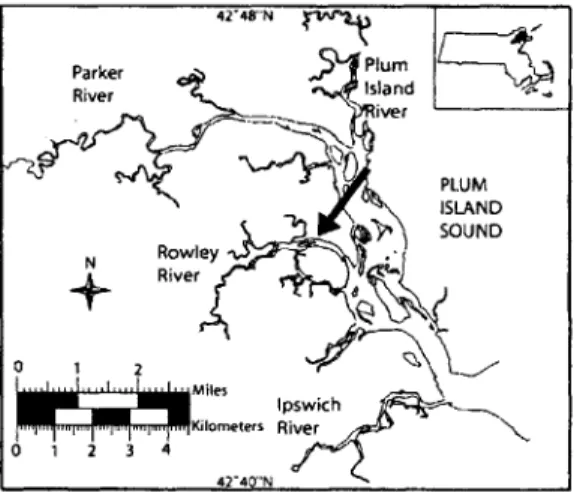
Fig. 1 Location of the sampling site in the Plum Island salt marsh, MA, USA 20 Fig. 2 Rarefaction analysis of similarity groups within delta-proteobacterial
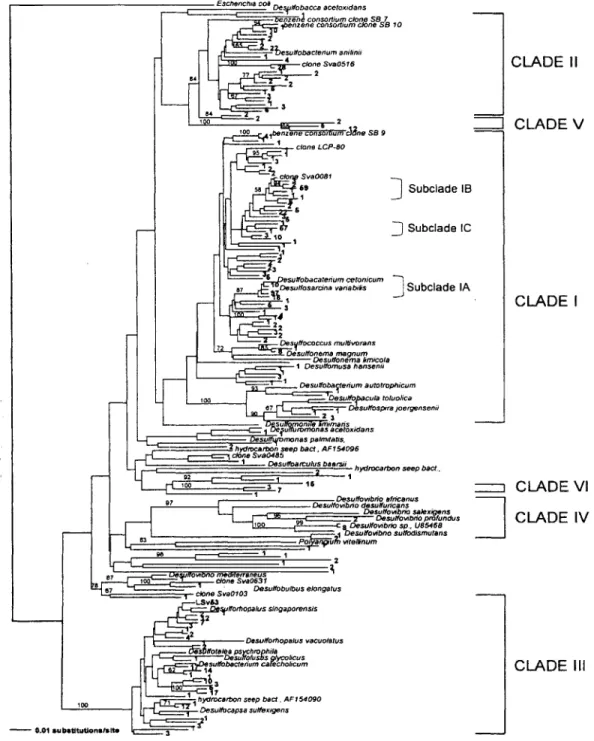
sulfate-reducer sequences with different sequence identity cut-off 21 Fig. 3 Phylogenetic relationships based on partial 16S rDNA sequences of
delta-proteobacterial clones from Plum Island marsh sediment 23
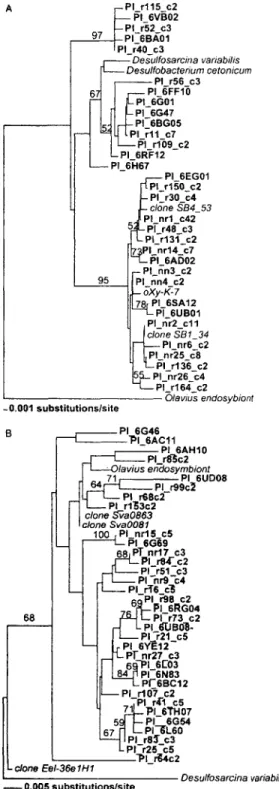
Fig. 4 Phylogenetic relationships among two dominant subclades lA (4A) and
lB (4B) 24
CHAPTER 3
Fig. 1 Compositional pattern of the coastal bacterioplankton sample 35
Fig. 2 Phylogenetic distance relationships between the coastal bacterioplankton
based on partial 16S rRNA sequencing 36
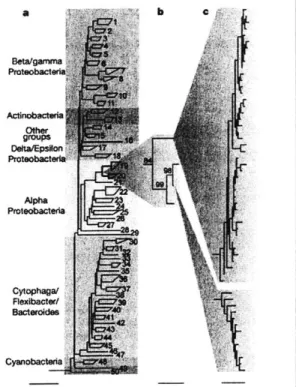
S.Fig. 1 Supplement: Phylogenetic distance relationships of all ribotypes retrieved from
the Plum Island bacterioplankton sample 41-47
CHAPTER 4
Fig. 1 Likelihood surfaces for the compound Poisson-Lognormal model 85
Fig. 2 Likelihood surface for the Poisson-gamma model 87
Fig. 3 Lognormal and gamma distributions under the Poisson sampling fitted to data
by the method of maximum likelihood and compared to the rarefaction curve of
the actual data. 89
Fig. 4 Chao 1 estimates of the total number of different types calculated from a simulated community of 25,000 different types and a of 2.7 using "bias-corrected" and the approximate "un"bias-corrected" formula as a function of sample
LIST OF TABLES
CHAPTER 2
Table 1. 16S rRNA gene-targeted primers.
CHAPTER 4
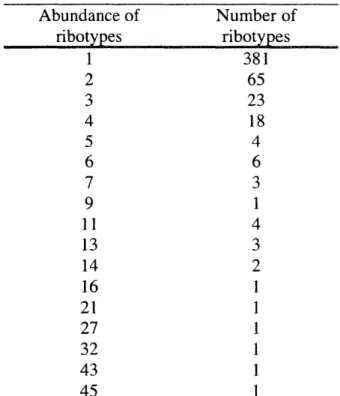
Table 1. Ribotype abundances observed in the bacterioplankton sample.
27
CHAPTER ONE Introduction
INTRODUCTION
We are only beginning to understand the extent of microbial diversity and principles controlling the distribution and abundance of microorganisms in natural environments. Although cultivation-independent techniques have revealed that microbial communities are extraordinarily diverse (Pace, 1997; Hugenholz et al., 1998), the number of
co-existing bacterial types in a natural microbial community and whether these are organized into some natural units of differentiation remain unknown.
Most microbes defy cultivation by standard methods. Therefore, the only reliable way to estimate microbial diversity is by using sequence data from genes obtained
directly from environmental samples. The rRNA gene has been adopted as the most commonly used tool to determine evolutionary relationships and diversity (Woese, 1987; Pace, 1997). Most commonly, this is done by the extraction of environmental DNA, polymerase chain reaction (PCR) amplification of target genes, clone library construction from amplified gene fragments, and gene sequencing (Head et al., 1998).
The development of molecular methods has provided a powerful tool for the study of microbial diversity. In 1998, GenBank contained only approximately 8,500 16S rRNA sequences, a majority of which belonged to cultured prokaryotes (Rappe and Giovannoni,
2003). Within a period of six years, this number has grown to over 183,000 entries. Most
of the recently added sequences are from environmental clones derived from sediments and aquatic environments. It has been observed that a high number of these are closely related, but not identical to the sequences already deposited in GenBank, suggesting that these closely related sequences may form discrete groups (Rappe and Giovannoni, 2003)
Casamayor et al., 2002). Although the nucleotide divergence observed in these cloned sequences could be explained by evolution, it remains unclear how much of this variation stems from experimental errors and small-scale variation in sequences among rRNA operons. Since the contribution of experimental errors to diversity is difficult to
establish, most studies have clustered sequences into 95-99% sequence similarity groups (Hughes et al., 2001; Martin, 2002; Torsvik et al., 2002). However, in order to elucidate relationships and diversity at finer scales of sequence divergence, methods that minimize and account for contribution of sequence artifacts need to be developed. The
development of such methods is addressed in this thesis.
Microbial diversity estimates
Statistical methods hold promise for describing the diversity of a given environment, wherein the observed sequence diversity is extrapolated to that of a sampled clone library or environment (Moyer et al., 1998; Dunbar et al., 1999; Hughes et al., 200 1). Typically, the diversity of microorganisms is assessed using sequence data from genes obtained
directly from the environment. The diversity of ribotypes or clusters in a clone library is then estimated using statistical approaches (Dunbar et al., 1999; Hughes et al., 2001; Stach et al., 2003). These methods were only recently introduced to microbial ecology (Hughes et al., 2001) and the critical evaluation of their accuracy has remained a challenge because molecular surveys have not produced large enough data sets.
Most of the statistical methods were developed for estimating macroorganismal diversity and these fall into two general categories: (i) parametric methods, where the abundance distribution of taxa is assumed to have a specified parametric form, and (ii) non-parametric methods, where no abundance distribution model is assumed (May, 1975;
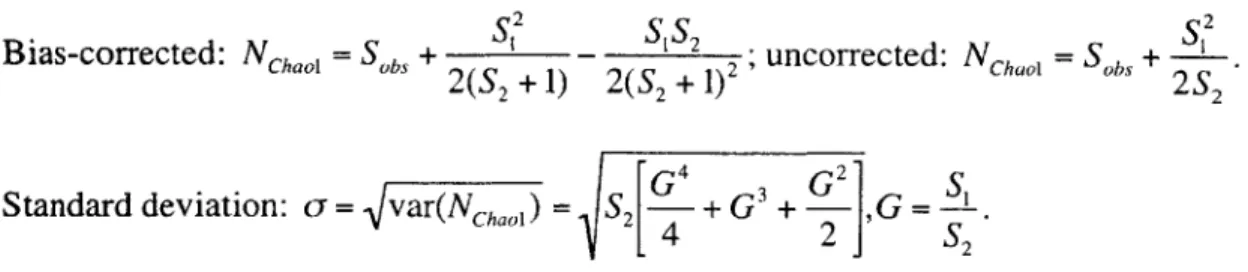
applied richness estimator is the non-parametric Chaol estimator (Chao, 1984, 1987; Hughes et al., 2001; Bohannan and Hughes, 2003). It has been noted that the Chaol estimator gives biased (low) estimates of diversity, especially for very heterogeneous communities (Mao and Lindsay, 2001; Bohannan and Hughes, 2003). Thus, other approaches such as parametric analyses, although computationally more demanding, should be considered in microbial diversity analyses. Especially for large data sets, parametric methods, rather than non-parametric alternatives, would be expected to more accurately estimate the diversity of highly diverse communities. The application of both parametric and non-parametric methods to large microbial data sets is evaluated in this thesis.
Goals of this thesis
This thesis addresses two important questions: (i) How many distinct types of bacteria co-exist in a microbial community, and (ii) do these types form discrete phylogenetic clusters of potential ecological significance? These questions were explored by
comprehensively sampling two large clone libraries obtained from two complex marine communities (coastal bacterioplankton and sediment sulfate-reducing bacteria) by (i) removal of sequence artifacts generated by library construction techniques that may confound accurate diversity estimation, (ii) detailed phylogenetic analysis of large 16S rRNA clone libraries, and (iii) refinement and application of parametric diversity estimators.
One objective of this thesis was to explore the genetic diversity and fine-scale phylogenetic structure of two complex microbial communities. We chose to sample communities from two environments displaying extremes in structural difference: mixed
one may expect that the underlying community composition of the two communities would be different. For example, it may be hypothesized that the efficient mixing in the pelagic environment may allow for more efficient selective sweeps within the
community. These would serve to purge diversity leading to a more simple overall
community composition. Since sediment communities are highly diverse (Ravenschlag et al., 1998; Whitman et al., 1998) we focused on investigating one metabolic guild
-sulfate-reducing bacteria (SRB). However, for the coastal ocean sample we investigated the entire bacterioplankton community.
Large libraries based on amplified 16S rRNA gene fragments were constructed from both communities, and were corrected for chimeric sequences and amplification errors to allow phylogenetic interpretation at all levels of sequence divergence. The corrected set of sequences was used to estimate total diversity and patterns of relationships by grouping sequences into similarity clusters (100%, 99%, 98% etc).
Large clone libraries were used to critically evaluate the existing statistical approaches in microbial ecology and to develop new ones. We observed that the most commonly applied diversity estimator, Chao 1, significantly underestimated diversity of the complex bacterioplankton library. This was established by evaluating the Chao 1 using simulated communities whose species abundances were based on the dataset
presented in Chapter 3. Thus, we modified parametric estimators to better account for the way microbial communities are sampled. The modified parametric estimator was applied to the bacterioplankton library and simulated communities, and compared to the
commonly used diversity estimator Chaol (Chapter 4). The modified parametric approach may ultimately provide more reliable estimates of microbial diversity.
References
1. Bohannan, B.J.M., and Hughes, J. (2003) New approaches to analyzing microbial biodiversity data. Current Opinion in Microbiology 6: 282-287.
2. Casamayor, E.O., Pedros-Alio, C., Muyzer, G., and Amann, R. (2002)
Microheterogeneity in 16S ribosomal DNA-defined bacterial populations from a stratified planktonic environment is related to temporal changes and to ecological adaptations. Applied and Environmental Microbiology 68: 1706-1714.
3. Chao, A. (1984) Nonparametric-Estimation of the Number of Classes in a Population.
Scandinavian Journal of Statistics 11: 265-270.
4. Chao, A. (1987) Estimating the population size for capture-recapture data with unequal catchability. Biometrics 43: 783-791.
5. Colwell, R.K., and Coddington, J.A. (1994) Estimating Terrestrial Biodiversity
through Extrapolation. Philosophical Transactions of the Royal Society of London Series B-Biological Sciences 345: 101-118.
6. Dunbar, J., Takala, S., Barns, S.M., Davis, J.A., and Kuske, C.R. (1999) Levels of
bacterial community diversity in four arid soils compared by cultivation and 16S rRNA gene cloning. Applied and Environmental Microbiology 65: 1662-1669.
7. Field, K.G., Gordon, D., Wright, T., Rappe, M., Urbach, E., Vergin, K., and
Giovannoni, S.J. (1997) Diversity and depth-specific distribution of SAR 1I cluster rRNA genes from marine planktonic bacteria. Appl. Environ. Microbiol.
63: 63-70.
8. Garcia-Martinez, J., and Rodriguez-Valera, F. (2000) Microdiversity of uncultured
marine prokaryotes: the SAR 1I cluster and the marine Archaea of Group I. Molecular Ecology 9: 935-948.
9. Head, I.M., Saunders, J.R., and Pickup, R.W. (1998) Microbial evolution, diversity,
and ecology: A decade of ribosomal RNA analysis of uncultivated microorganisms. Microbial Ecology 35: 1-21.
10. Hugenholz, P., Goebel, B.M., and Pace, N.R. (1998) Impact of culture-independent
11. Hughes, J.B., Hellmann, J.J., Ricketts, T.H., and Bohannan, B.J.M. (2001) Counting
the uncountable: statistical approaches to estimating microbial diversity. Appl. Environ. Microbiol. 67: 4399-4406.
12. Krebs, C.J. (1999) Ecological methodology. Menlo Park, CA: Benjamin/Cummings.
13. Mao, C.M., and Lindsay, B.G. (200 1) Moment-based nonparametric estimators for
the number of classes in a population. In. University Park: The Pennsylvania State University, pp. 1-44.
14. Martin, A.P. (2002) Phylogenetic approaches for describing and comparing the diversity of microbial communities. Appl. Environ. Microbiol. 68: 3673-3682.
15. May, R.M. (1975) Patterns of species abundance and diversity. In Ecology and
evolution of communities. Cody, M.L., and Diamond, J.M. (eds). Cambridge, Massachusetts, and London, England: The Belknap Press of Harvard University Press, pp. 81-120.
16. Moyer, C.L., Tiedje, J.M., Dobbs, F.C., and Karl, D.M. (1998) Diversity of deep-sea
hydrothermal vent Archaea from Loihi seamount, Hawaii. Deep-Sea Research Part Ii-Topical Studies in Oceanography 45: 303-317.
17. Pace, N.R. (1997) A molecular view of microbial diversity and the biosphere. Science 276: 734-740.
18. Rappe, M.S., and Giovannoni, S.J. (2003) The uncultured microbial majority. Annual
Review of Microbiology 57: 369-394.
19. Ravenschlag, K., Sahm, K., Pernthaler, J., and Amann, R. (1998) High bacterial
diversity in permanetnly cold marine sediments. Appl. Environ. Microbiol. 65:
3982-3989.
20. Stach, J.E.M., Maldonado, L.A., Masson, D.G., Ward, A.C., Goodfellow, M., and Bull, A.T. (2003) Statistical approaches for estimating actinobacterial diversity in marine sediments. Applied and Environmental Microbiology 69: 6189-6200. 21. Torsvik, V., Ovrea's, L., and Thingstad, T.F. (2002) Prokaryotic diversity
22. Whitman, W.B., Coleman, D.C., and Wiebe, W.J. (1998) Prokaryotes: The unseen majority. Proceedings of the National Academy of Sciences of the United States of America 95: 6578-6583.
CHAPTER Two
High overall diversity and dominance of microdiverse relationships in salt marsh sulphate-reducing bacteria
Vanja Klepac-Ceraj, Michele Bahr, Byron C. Crump, Andreas P. Teske, John E. Hobbie and Martin F. Polz
Reprinted by permission from Environmental Microbiology Copyright 2004 Blackwell Publishing Ltd
2004 Klepac-Ceraj, V., M. Bahr, B. C. Crump, A. P. Teske, J. E. Hobbie & M. F. Polz. High Overall Diversity and Dominance of Microdiverse Relationships in Salt Marsh Sulphate-Reducing Bacteria. Env. Microbiol. 6:686-698.
Environmental Microbiology (2004) 6(7), 686-698
High overall diversity and dominance of microdiverse
relationships in salt marsh sulphate-reducing bacteria
Vanja Klepac-Ceraj,' Michele Bahr,2Byron C. Crump,2t
Andreas P. Teske,1 John E. Hobble2 and Martin F. Polz'*
'Department of Civil and Environmental Engineering, Massachusetts Institute of Technology, Bldg 48-421, 77 Massachusetts Ave., Cambridge, MA 02139, USA.
2
The Ecosystems Center, Marine Biological Laboratories,
and 3Biology Department, Woods Hole Oceanographic
institution, Woods Hole, MA 02543, USA.
Summary
The blogeochemistry of North Atlantic salt marshes is characterized by the Interplay between the marsh grass Spartina and sulphate-reducing bacteria (SRB), which mineralize the diverse carbon substrates pro-vided by the plants. It was hypothesized that SRB populations display high diversity within the sedi-ment as a result of the rich spatial and chemical structuring provided by Spartina roots. A 2000-member 16S rRNA gene library, prepared with delta-proteobacterial SRB-selective primers, was analysed for diversity patterns and phylogenetic relationships.
Sequence clustering detected 348 16S rRNA
sequence types (ribotypes) related to delta-proteobacterial SRB, and it was estimated that a total of 623 ribotypes were present in the library. Similarity clustering showed that a 46% of these sequences fell into groups with <1% divergence; thus, microhetero-geneity accounts for a large portion of the observable genetic diversity. Phylogenetic comparison revealed that sequences most frequently recovered were associated with the Desulfobacteriaceae and uifobulbaceae families. Sequences from the Des-uifovibrionaceae family were also observed, but were infrequent. Over 80% of the delta-proteobacterial ribotypes clustered with cultured representatives of
Desulfosarcina, Desulfococcus and Desulfobacterlum
genera, suggesting that complete oxidizers with high substrate versatility dominate. The large-scale
Received 28 August, 2003; revised 5 January, 2004; accepted 9 January, 2004. 'For correspondence. E-mail [email protected]; Tel.
(+1) 617 253 7128; Fax (+1) 617 258 8850. Present addresses: tHorn
Point Laboratory, University of Maryland, Cambridge, MD, USA.
*Department of Marine Sciences, University of North Carolina, Chapel Hill, NC. USA.
0 2004 Blackwell Publishing Ltd
approach demonstrates the co-existence of numer-ous SRB-iike sequences and reveals an unexpected amount of microdiversity.
Introduction
Salt marshes are among the most productive environ-ments, with primary production rates ranging from 460 to
3700 g cm-2 year' (Gallagher et al., 1980; Wiegert and Pomeroy, 1981). Formation and persistence of marshes is determined by the growth of marsh grasses because their dense stands can trap and stabilize sediment in the face of the erosive power of tides and waves. Along the Atlantic coast of the United States, marshes are domi-nated by the smooth cord grasses Spartina alterniflora and S. patens, which permeate the sediment with a com-plex rhizome system and reach high production and turn-over rates. Some of the plant-derived organic matter is exported to coastal waters (Teal, 1962; Howes and Goe-hringer, 1994), but a large portion remains within marsh sediments where it is decomposed by fermentation and anaerobic respiration. Sulphate reduction, mediated by sulphate-reducing bacteria (SRB), is typically the prevail-ing carbon mineralization process in marine anoxic sedi-ments and exceeds respiration using other electron acceptors, including oxygen, nitrate and metal oxides (Jor-gensen, 1982; Canfield etal., 1993). Although in some marsh sediments, iron(Ill) has been suggested to be important to respiration (Canfield and Des Marais, 1993; Joye etal., 1996; Lowe et al., 2000), sulphate reduction usually accounts for 67-80% of all respiration processes (Howarth and Teal, 1979; Howarth and Giblin, 1983;
Howarth and Hobbie, 1985).
Marsh grasses and SRB appear to maintain a complex relationship, which displays elements of both antagonism and dependence. On the one hand, sulphide, the end-product of sulphate reduction, may have negative effects on the plant because of its toxicity, and oxygen leaking into the sediment from the aerenchyma may inhibit sul-phate reduction. On the other hand, sulsul-phate reduction rates can be tightly correlated to marsh grass production. For example, a fivefold increase in sulphate reduction rates has been observed during the above-ground elon-gation of the tall form of S. alterniflora in a New England marsh. Between early June and August, Spartina roots grow rapidly and leak large amounts of exudates, which doi:10.1 11 1/j.1462-2920.2004.00600.x
serve as substrates for SRB growth (Hines etal., 1989;
1999). This is consistent with the observation that
sulphate-reducing activity follows seasonal patterns of vegetational changes (Currin etal., 1995) and that rRNA abundance of the SRB genera Desu/fonema,
Desulfococ-cus and Desulfosarcina peaks during the early summer
root growth of Spartina (Rooney-Varga et al., 1998; Hines
et a., 1999). Thus, it is likely that the SRB community is
tightly coupled to marsh grass activity and that seasonal and spatial differentiation of root activity has a strong influence on the diversity of niche spaces available to SRB.
Spartina plants provide a large variety of potential
car-bon sources to the SRB community, yet the extent to which these different compounds are used by diverse types of SRB is only beginning to be understood. Roots directly exude simple fatty acids and alcohols, such as malate, ethanol (Mendelssohn etal., 1981) and acetate (Hines et a., 1994). These may be important substrates for SRB, which may take them up directly from the plant as suggested by an increase in SRB populations associ-ated with the rhizosphere during the growth season (Hines etaL., 1999). However, the quantitative impor-tance of plant exudates within the total sediment commu-nity remains unknown, and acetate, which is regarded as one of the central metabolites in anaerobic communities, was found to support only about 10% of sulphate reduc-tion in marsh sediments (Howarth, 1993). This points to the importance of other plant-derived substrates released during the decay of Spartina litter and includes complex carbohydrates (Opsahl and Benner, 1999), phenolics and humic acids (Wilson et a., 1986). Recent isolation of
SRB capable of degrading diverse and previously unsus-pected compounds has suggested that they are metabo-lized by SRB in the environment. For example, SRB capable of utilization of long-chain fatty acids and alco-hols, glycolate (Friedrich and Schink, 1995), hydrocar-bons (Aeckersberg et a!., 1991) and aromatic compounds (Beller and Spormann, 1997; Phelps et al.,
1998; Galushko etaL., 1999; Harms etal., 1999) have
been described. High metabolic versatility is found par-ticularly in the genera Desulfosarcina, Desulfococcus and
Desulfobacterium (Widdel and Bak, 1992), and it is thus
hypothesized that these play an important role in the marsh.
Among the major phylogenetic groups of SRB, delta-proteobacterial SRB have been shown to be important in salt marsh sediments by both culture-dependent and independent studies. For example, using rRNA-targeted, quantitative oligonucleotide hybridization, Desulfovibrio, Desulfobacteriaceae and Desulfobulbus accounted for a 30% of Bacteria rRNA, and Desulfobacteriaceae alone
accounted for a 20%, probably making it the dominant group in the marsh sediment (Devereux et al., 1996). The
Delta-proteobacterial SRB diversity in marsh sediments 687
metabolic, physiological and phylogenetic diversity of delta-proteobacterial SRB has been studied extensively, and it appears that a number of metabolic properties are confined to specific phylogenetic groups. Indeed, the traditional classification of SRB into complete and incom-plete oxidizers has largely been confirmed by rRNA-based phylogeny. Complete oxidizers, capable of acetate mineralization, are mainly represented by the genera
Desulfobacter, Desulfobacterium, Desulfosarcina and Desulfococcus, whereas incomplete oxidizers, which
oxi-dize carbon substrates to acetate, are mainly represented by Desulfovibrio and Desulfobulbus. The links between physiology and phylogeny of the delta-proteobacterial SRB enable some prediction of community properties, based on quantitative 16S rRNA hybridization and some sequence surveys (Devereux and Stahl, 1993; Loy et al., 2002).
Here, we investigated the 16S rRNA diversity of the delta-proteobacterial SRB community associated with the sediments of a New England S. alterniflora salt marsh (Fig. 1). We hypothesize that the plant rhizomes structure the environment into numerous microniches, which are reflected in high overall diversity of the SRB community. Furthermore, we explored the question of whether the high substrate diversity created by the plant is reflected in the presence of phylogenetic groups of metabolically dif-ferentiated SRB. For example, it may be expected that complete oxidizers dominate the SRB community, because of their broad substrate spectra. Our approach is based on a large-scale survey of a 16S rRNA gene library generated using a polymerase chain reaction (PCR) primer set specific for delta-proteobacterial sequences. The library was constructed from monthly
4' a
Fig. 1. Location of the sampling site (arrow) in the Plum Island salt marsh, MA, USA.
i 2004 Blackwell Publishing Ltd, Environmental Microbiology, 6, 686-698
Parker Plum River Island r'ver PLUM ISLAND SOUND N Rowley River Ipswich Kilometers River 0 1 2 3 4 42*40"N 42-48" v
688 V Klepac-Ceraj et al.
samples collected over an entire growth cycle of the marsh grass S. alterniflora and was analysed by diversity estimators and phylogenetic methods.
Results
Clone library analysis
Approximately 47% of the =1650 positive 16S rRNA gene sequences obtained from the 2000-member clone library were associated with the delta-proteobacterial subclass. Non-delta-proteobacterial sequences related to epsilon-Proteobacteria, Firmicutes and Cytophaga/Flexibacter were also amplified because of the broad specificity of primer 385F, which was designed to cover all known SRB groups within delta-Proteobacteria. A large majority of the
774 delta-proteobacterial sequences clearly fell within
previously identified SRB families: Desulfobacteriaceae, Desulfobulbaceae and Desulfovibrionaceae. The only exceptions were eight sequences for which the associa-tion with other delta-proteobacterial groups Bdellovibrio,
Syntrophobacter and Geobacter/Pelobacter was
ambigu-ous, i.e. the sequences were less than 85% similar to these groups. These sequences were included in further analysis of delta-proteobacterial SRB relationships because of their close relationship to the SRB. Further-'more, the Geobacter/Pelobacter group harbours repre-sentatives capable of sulphur reduction and are thus ecologically related to SRB (Lonergan etal., 1996). A
-second library skewed towards Gram-positive bacteria was constructed; however, despite sequencing of 1000
.clones, no sequence related to SRBs was detected (data not shown).
The delta-proteobacterial sequences were subjected to a detailed evaluation of Taq errors and chimera forma-tion. A large fraction of the sequences displayed a very high similarity to each other, a phenomenon potentially caused by base misincorporation during amplification. It was thus decided to conduct a detailed estimation of the potential contribution of Taq error to sequence diversity. This was done by fitting nucleotide positions of amplified sequences to 16S rRNA secondary structure models (Cannone et al., 2002). We considered that there was a base misincorporation if nucleotide changes occurred in positions that (i) are >98% conserved in the entire bac-terial 16S rRNA secondary structure data set; and (ii)
lead to non-canonical basepairing in stem structures and were absent in closely related sequences. The first of these rules is expected to lead to a slight overestimation of Taq error while the second is likely to result in under-estimation. However, the determined Taq error rate agreed remarkably well with theoretically predicted rates based on reported values of Taq misincorporation rates of 2 x 10⁵ nucleotides per cycle (Tindall and Kunkel,
1988). The rate based on the above rationale was 1.7 x 10⁻⁵ and 2.5 x 10⁻⁵ nucleotides per cycle for regions analysed with rules (i) and (ii) respectively. The data were also checked for putative chimeras by the RDP CHIMERACHECK (Maidak et al., 1999) and the
CHIMERABUSTER algorithm, which was newly developed specifically to analyse clone libraries with high coverage. This identified 32 sequences deemed likely chimeras by one of the chimera identification methods. Based on these analyses, an additional, corrected data set of delta-proteobacterial sequences was created in which putative Taq errors were corrected and from which puta-tive chimeras were removed.
Overall features of the sequences
Both the original and the corrected data set indicated that very high numbers of delta-proteobacterial SRB sequences co-existed in the marsh sediment samples. In the corrected data set, a total of 348 ribotypes (groups of
identical sequences) were identified. This is = 23% lower than in the uncorrected data set primarily because of the removal of putative Taq errors and chimeras. Rarefaction analysis and the Chao-1 non-parametric diversity estima-tor were applied to both data sets to estimate how com-pletely the library had been sampled and to extrapolate to total sequence diversity (Hughes et al., 2001).
Rarefac-tion, which plots the number of clones screened versus the number of ribotypes detected, showed that neither data set reached an asymptote, indicating that the diver-sity in the clone library is even higher (Fig. 2). This was confirmed by the Chao-1 estimator, which computed 623
0) 0) 0 0 0) .0 E :3 450-400 2 300 250 200 -150 100 -50 0
I
$II
0I
A . 0 0 0 0 0 * I,. A A 0 100 200 300 400 500 600 700 800 00number of delta-proteobacterial clones sampled
Fig. 2. Rarefaction analysis of similarity groups within
delta-proteo-bacterial SRB sequences with different sequence identity cut-off. Curves were calculated using the algorithm described by Hurlbert
(1971) and are plotted as the number of identity clusters versus the
number of clones. Identity clusters were identified for uncorrected
100% (open diamonds) and corrected 100% (filled diamonds) 99%
(filled squares), 98% (filled circles) and 97% (filled triangles)
nucle-otide identity; bars represent standard deviation of the statistical resampling process.
ribotypes for the total sequence diversity in the clone library.
Further analysis suggested that the initial observation of close relationships among large numbers of sequences is preserved even after correction of putative Taq errors, but that deep phylogenetic lineages were well sampled. Rarefaction analysis of the corrected data set, using 100% and 99% sequence identity to define taxonomic units, indicated that a 46% of the sequences fell into clusters in which members differed by <1% nucleotide difference (Fig. 2). At 99% identity, only 200 sequence groups were detected, and Chao-1 yielded an estimate of 332 groups. Decreasing the sequence identity cut-off to 98% and 97% produced 168 and 127 sequence types respectively. The total sequence diversity based on Chao-1 was 261 for the
98% group and 191 for the 97% identity groups. Phylogeny of delta-proteobacteria/ SRB-like sequences
The delta-proteobacterial SRB-like community clustered into three large and several smaller clades based on the distance and parsimony analysis using one representative sequence of each 98% similarity group (Fig. 3). Over 80% were associated with the family Desulfobacteriaceae
(Desulfosarcina, Desulfobacterium, Desulfococcus and
Desulfonema) (Fig. 3), suggesting that complete oxidizers
with high substrate versatility dominate. Clades I, I and V fell into the Desulfobacteriaceae (Fig. 3). Clade I,
described in detail below, was by far the largest containing
a 55% of the total sequences (424). Clade 11, although phylogenetically diverse, comprised only about 15% of sequences (113) and represented the third largest cluster. Closely related sequences in clade II were environmental clones recovered from benzene-degrading enrichments (Phelps et a., 1998), hydrocarbon seeps (AF 54102) and
wetlands (AY216442). The only cultured representative
was Desulfobacterium anilinii (Fig, 3). Clade Ill
repre-sented 17% of the sequences and fell into the incomplete-oxidizing Desulfobulbaceae. Cultured relatives were members of the genera Desulforhopalus, Desulfofustis,
Desu/focapsa and Desulfotalea, but none closely matched
the sequences recovered from the marsh sediment (Fig. 3). For example, one of the two largest 98% consen-sus groups of sequences (17 members) is only 93% sim-ilar to its closest cultured relative Desulfocapsa sp. La4.1
(AF228119). Members of the Desulfovibrio genus are
assigned to clade IV and are only represented by 10 sequences. Eight Desulfovibrio sequences were 99%
sim-ilar to Desulfovibrio BG-6, isolated from salt marsh sedi-ments in New Hampshire (Rooney-Varga eta., 1998).
Finally, at least two small, deep branching clades (Fig. 3, clades V and VI), containing 10 and 19 sequences, rep-resent novel lineages with no published sequence match-ing with >90% similarity.
Delta-proteobacterial SRB diversity in marsh sediments 689
Clade I contained the three largest monophyletic sub-clades, which all had >96% sequence identity. Two are shown in detail in Fig. 4 to illustrate relationships among closely related sequences. The largest subclade, IA (125 clones), fell within the Desulfosarcinales and displayed
>96% similarity to two Desulfosarcina variabilis strains
and to a Desulfobacterium cetonicum strain (Fig. 4A). Some sequences had <1% nucleotide difference from clones recovered from geographically disparate environ-ments. Most notably, the most abundant ribotype with 42 sequences (a 6% of total delta-proteobacterial clones) was only 2 bases different from clone SB 4.53 obtained from Antarctic shallow-marine sediments (Purdy et a/, 2003) (Fig. 4A). The second subclade, IB (Fig. 4B), con-tained 71 sequences closely related to cloned sequences from permanently cold marine sediments (Sva0081) (Ravenschlag et a., 1998) and an oligochaete
biont (Olavius algarvensis sulphate-reducing
endosym-biont) (Dubilier et a., 2001). The third subclade (IC; not shown in detail) contained 57 sequences closely related to uncultured SRB (95% similar to the clone Eel-3G12) from anoxic methane-oxidizing consortia recovered from continental shelf sediments (Orphan etal., 2001). Sub-clades lB and IC had Desulfobacterium indolicum and
Desulfonema magnum as the only distantly related
cul-tured relatives (<93% similar) respectively. A number of sequences that fell into clade I but were not associated
with any of the large subclades were closely related to strains isolated on crude oil extracts and aromatic hydro-carbons, in particular strain NaphS2 (Galushko et aL.,
1999). These sequences also matched clones SB10 and
SB29 recovered from a benzene-mineralizing consortium (Phelps et al., 1998) (Fig. 4).
Discussion
Large-scale analysis of delta-proteobacterial 16S rRNA genes revealed surprising structural features of the micro-bial community within the marsh sediments. Although it was hypothesized that the marsh grass Spartina subdi-vides the sediment into a large number of microenviron-ments, the extremely high diversity of co-existing SRB-like sequences was unexpected. Our, to date unprecedented, sampling effort of this phylogenetically defined group com-prised 1650 sequences, of which a 47% were identified as delta-proteobacterial SRB-like sequences. Nonethe-less, only a 55% of the total delta-proteobacterial
SRB-like sequence diversity was captured, comprising 623 ribotypes based on the Chao-1 diversity estimator. Most of this diversity resulted from almost 50% of the ribotypes displaying <1% nucleotide difference from each other. Deeper lineages were well sampled, and additional sequencing effort would not have yielded a significant number of new types. Comparison with published 0 2004 Blackwell Publishing Ltd, Environmental Microbiology, 6, 686-698
690 V Klepac-Ceraj et al.
Fscernecr cob Uesjilfobacca acetoxidans 1bcleene consorium clone SB 10
2 besujfobactenum anilinii Sclone SvaO516 2 4 184 2 2 I o 1benzene conso um r ne SB 9 clone LCP-80 2cfo SvaOO81 s5 69 Subclade IB 6 -3] Subclade IC esulfobacaterium cetonicum
57 1 Oesuffosarona vanabiks Subclade IA
72 Desuffococcus multivorans Desulfonema magnum
Desuffoemae micola
I Desultomusa hansenu
Desulfobaetenum autotrophicum Desufo Jcula toluolica
7 231 . Tsuspira joergenseni
u romonas aeroxidans
Desu fmonas palmitafts, 2
hydrocarbon seep bact, AF154096
coe SvaO485
Desuacu hydrocarbon seep ba
& -- 92 2 --03 7 " 97 Desuftwbno afncanus Oesulffibno desuffunicans Desuffobnbro salexigens 9, Desufobno profundus 100 C Desuffovibrno sp., UOS468 - esufovibno sulbdismutans
83 aPo rpu;n vitelhnum
87 -.Ue01 bono errne
67 clone SvaO103 Desufllbulbus elongatus
LSv&3
2Dfgforhopalus singaporensis Desufforhopalus vacuolatus
S ffotaleep tohile
14ulfbacteium, caele' cu'" 13
1DO hydrocarbn seep bact, AF154090
1Desubcapsa suffexigens -- 0.01 subatitutionalsit '21 CLADE 11 CLADE V CLADE I CLADE VI CLADE IV CLADE III
Fig. 3. Phylogenetic relationships based on partial 16S rDNA sequences of delta-proteobacterial clones from Plum Island marsh sediment. Each sequence represents a 98% identity cluster, and numbers at terminal nodes represent how many clones fell into the 98% cluster. Tree construction
was by neighbour joining using the Jukes-Cantor correction; bootstrap values are based on 100 replicates and are shown for branches with >50% support.
A PI r115_c2 P _6VB02 Pt r52 c3 97 PI_6BA01 PI_r40_c3 r-Desulfosarcina variabilis I-Desulfobacterium cetonicum PIr56_c3 67 PI 6FF1O PI_6G47 5 M_6BG05I P1 r1f09 c2 PI'_6RF12 PI_6H67 PI 6EGO1 PI r150 c2 PI_r30_c4 clone SB4_53 P1 nri c42 P PIr48_c3 P_ r131 c2 11 nrl4_c7 PI_6A02 PI nn3_c2 95 Pt nn4 c2 oXy-K-7 78 PI_6SA12 PI_6UB01 Pt_nr2_cli1 clone SBI_34 P1_nr6_c2 PI nr25 c8 U-1_n136_ic2 5 Pl1_nr26_c4 PI r164_c2 Olavius endosybiont -0.001 substitutions/site B PI 6G46 'P =11_6ACII P1 6AHIO -PU88c2 lavius endosymbiont 71 PI 6UD08 P1 r99c P r68c2 clone r1va063 clone SvaOO81 100 PI nrn5 c5 100 I1 669 68 PT nr17 c3 Pi r8 c2 PI r51c3 PI r9 c4 P11 6_c 6 ~P r98 c2 68 P1 r73 c2 PI 6UBO~8-P1 rJBOc-PI 6YE 12 PT nr27 c3 6 _P 6C03 84 PI~6N83 1Pr6BC12 -P1 n107 c2 PI r41 c5 71 PI 6TH07 5 P~ 6G64 67 P1L60 P1_r83_c0 P1 r25 c5 P_rH4c2 -clone Eel-36e1H1 - 0.005 substitutions/site
Delta-proteobacterial SRB diversity in marsh sediments 691
sequences suggests that deep phylogenetic relationships of delta-proteobacterial SRB are beginning to be well sampled as no novel lineages with <90% identity to known
SRB were detected. Approximately 80% of the sequences were associated with lineages of metabolically versatile Desulfobacteriaceae. Thus, the data suggest that diverse carbon substrates produced by marsh plants, or released during plant decay, have a strong effect on structuring the community, but the data also pose questions about the ecological significance of the observed microdiversity.
The surprising observation in the initial data set that over 50% of the sequences fell into 1% consensus groups was confirmed overall by detailed evaluation of potential sources of error. The amplification protocol was designed to minimize PCR artifacts that may cause small-scale sequence divergence. The genes were amplified to mini-mize PCR bias (Polz and Cavanaugh, 1998) and errors (Thompson etal., 2002). Chimeras, analysed by two methods CHIMERA CHECK and CHIMERABUSTER, were determined to be relatively insignificant. However, 1% divergent sequences remain nearly impossible to evalu-ate. Nonetheless, the 32 chimeras identified among sequences with a 1% similarity cut-off represent such a small number that, even if one allows for a significant increase in chimera formation among near-identical sequences, the effect on overall diversity estimates would be small. The evaluation of Taq errors suggested that only
~ 23% of the initially observed diversity resulted from Taq
error. This indicates that, indeed, a large number of microdiverse delta-proteobacterial sequences co-exist in the marsh sediments.
Sequence microdiversity, described previously in clone libraries (Ferris and Ward, 1997; Field etaL., 1997; Amann, 2000; Garcia-Martinez and Rodriguez-Valera, 2000; Casamayor etal., 2002; Ferris et aL., 2003), has
been ignored in recent estimates of microbial diversity
because of the assumption that, in addition to Taq error, small-scale variation in sequences among rRNA operons is responsible for this pattern (Hughes et al., 2001; Curtis
et al., 2002; Torsvik et a., 2002). Indeed, bacteria can harbour up to 15 rRNA operons (Rainey et al., 1996), and 16S rRNA sequences commonly differ among operons,
but differences are typically <1% (Klappenbach etaL., 2001). Although interoperon variation may be responsible for a considerable fraction of microdiversity in clone librar-ies, several lines of evidence suggest that microdiversity is a feature of co-existing bacterial strains. We recently
Fig. 4. Phylogenetic relationships among two dominant subclades. Identical sequences were removed from the analysis, and their num-ber is shown at the terminal nodes. Trees were constructed by neigh-bour joining using the Jukes-Cantor correction; bootstrap values are based on 100 replicates and are shown for branches with >50% support. Subclade IA (A); subclade IB (B).
0 2004 Blackwell Publishing Ltd, Environmental Microbiology, 6, 686-698
692 V Klepac-Ceraj et al.
conducted a detailed examination of 16S rRNA diver-gence within 78 published whole bacterial genomes with multiple operons (Acinas et a)., 2004). These genomes contained a total of 397 operons but only 220 different sequences, showing that a large portion of the operons harbour identical sequences. If these genomes were treated as a microbial community, 16S rRNA cloning and sequencing would only result in roughly threefold overes-timation of strain diversity. However, this estimate neglects genomes with single rRNA operons. Taking these into account, overestimation is closer to 2. Furthermore, association of 16S rRNA microvariation with different co-existing cells has been documented by in situ hybri-dization (Amann, 2000). Finally, physiologically distinct bacterial strains with identical16S rRNA have been isolated from the same environment (Sass et al., 1998). These considerations suggest that a portion of the observed microdiversity in the delta-proteobacterial sequences may be caused by closely related co-existing strains.
To what extent the observed microdiversity represents ecologically differentiated populations is difficult to ascer-tain at this point. On the one hand, such variation may represent ecologically undifferentiated populations that have simply arisen by accumulation of mutations during clonal diversification. On the other hand, several lines of evidence suggest that at least some of the 16S rRNA microdiversity represents populations occupying differen-tiated niche spaces. The rRNAs are slowly evolving genes, and it has been hypothesized that protein-coding genes show evidence of selective sweeps based on adaptive mutations before variation would be seen at the 16S rRNA level (Palys et al., 1997). Furthermore, isolates with
iden-tical 16S rRNA need not be metabolically or physiologically identical (Fox et al., 1992). This has been confirmed by
comparison of genome sequences of closely related organisms, which show quite extensive differences in gene arrangement, number and sequence (Alm et a., 1999;
Welch et al., 2002; Ivanova et al., 2003; Read et a., 2003).
That genomic variation in strains with identical 16S rRNA sequences can co-exist in the same environment has been demonstrated by two environmental genomics studies (Schleper et a., 1997; Beja et a., 2002) and by isolation of SRB strains displaying some physiological differences from the same sample (Sass et al., 1998). Thus, it appears
likely that microdiversity among salt marsh delta-Proteo-bacteria indicates some level of ecological adaptation and shows the need for more detailed studies.
Despite high microdiversity, the sequences fell into well-delineated phylogenetic groups. For some of these groups, inference of likely biogeochemical functions is possible. Over two-thirds of the delta-proteobacterial clones were most similar to representatives of the genera
Desulfosarcina and Desulfobacterium, suggesting that
complete oxidizers with high substrate versatility dominate the marsh sediments For example, Desulfosarcina
vari-abi/is, which was associated with the largest single
sub-clade (Fig. 4A), has metabolic capabilities that are well matched to carbon substrates such as acetate, lactate and ethanol exuded by Spartina roots. This is corrobo-rated by previous detection of Desulfosarcina-like organ-isms by quantitative slot-blot hybridization of rRNA extracted from Spartina rhizosphere (Rooney-Varga et al.,
1997). Furthermore, plants and decomposing plant litter
release hydrocarbons and aromatics, which can also be used directly by D. variabi/is-like organisms such as strains oXyS1 and mXyS1 (Harms et a., 1999). The
utili-zation of the complex substrates such as plant phenolics and flavonoids may be an overall important property of the salt marsh SRB community
SRB diversity based on 16S rRNA sequences corre-lated with a recent exploration of diversity in dissimilatory sulphite reductase (dsr) genes conducted on exactly the same sediment samples (M. Bahr etal., unpublished). Both 16S rRNA and dsr clone libraries were dominated
by sequences associated with the family
Desulfobacteri-aceae. In addition, in both libraries, incomplete-oxidizing
Desulfobulbus and Desulforhopalus genera were
detected. Moreover, both studies also failed to detect members of the completely oxidizing but nutritionally restricted genus Desulfobacter (Widdel and Bak, 1992). This suggests that Desulfobacter, which almost exclu-sively uses acetate as an energy source (Widdel and Bak,
1992), may be at a competitive disadvantage in the
rhizo-sphere where diverse carbon substrates predominate and acetate has been found to support only a 10% of SRB activity (Howarth, 1993). The Desulfovibrio and
Desulfof-rigus/Desulfotalea groups, which were at low abundance in the 16S rRNA gene library, were not detected in the smaller, dsr library (M. Bahr et al., unpublished).
Other molecular diversity studies have detected both differences and similarities in SRB-like community com-position. Desulfobacteriaceae dominate SRB communi-ties in other salt marsh sediments based on cloning and quantitative hybridization studies (Devereux etaL., 1996; Rooney-Varga eta, 1997). Desulfosarcina and
Des-ulfonema have been detected in marine sediments
(Llobet-Brossa etal., 2002; Purdy eta., 2003), microbial mats (Risatti etal., 1994; Teske eta., 1998; Minz eta.,
1999) and hydrocarbon seeps (Orphan etal., 2001).
Desulfobacterium-like sequences dominated the
delta-proteobacterial portion of 16S rRNA clone libraries from the hydrocarbon-rich hydrothermal sediments of the Guaymas Basin (Dhillon et al., 2003). The genus
Desulfo-bacterium is nutritionally versatile, as are the genera
Des-ulfosarcina and Desulfococcus (Widdel and Bak, 1992),
and they may thrive in habitats with a similarly diverse substrate spectrum. However, groups that were not
dant in the Spartina marsh library can be important in other environments. Cultivation surveys often result in a predominance of Desulfovibrio strains, for example in water columns (Teske et al., 1996) and in freshwater lake sediments (Sass et al., 1998). Although cultivation bias favours quickly growing and robust Desulfovibrio strains, some molecular surveys also indicate a significant abun-dance of incompletely oxidizing sulphate reducers in some environments (Trimmer et al., 1997; Llobet-Brossa
et al., 2002).
This study represents, to our knowledge, the most extensive sampling of a specific metabolic guild within a microbial community so far. The large-scale approach yielded several surprising results, which pose important questions for future research. The clone library demon-strated the co-existence of a high diversity of SRB organ-isms with similar overall metabolism and revealed high amounts of microdiversity. One of the most important questions will be to determine at what level of genetic differentiation these co-existing organisms are ecologi-cally differentiated. This may be approached by a combi-nation of targeted isolation of closely related organisms followed by extensive physiological and population biolog-ical studies. In addition, new techniques, which allow simultaneous detection of metabolic activity and molecu-lar identification of microorganisms (Boschker et al., 1998; Ouverney and Fuhrman, 1999; Radajewski et a., 2000;
Adamczyk et al., 2003; Polz et al., 2003), may provide
insights into niche differentiation among both closely and distantly related organisms. A further challenge will be to determine what specific environmental factors select for the presence of one SRB group over another. For
exam-ple, this study showed, in agreement with previous inves-tigations, a clear dominance of Desulfosarcina-like sequences. It will be important to carry out comparative environmental studies, perhaps combined with genomics, to elucidate relevant factors that govern the distribution of microorganisms among different types of environments.
Experimental procedures
Study site and sampling
Samples were collected monthly from March to October 1998
from the bulk sediment of a monotypic stand of the tall form (2 m) of the marsh grass Spartina alterniflora at the mouth of the Rowley River in Plum Island Sound salt marsh (north-eastern Massachusetts) (Fig. 1). The creekside sampling site had a continuous and dense cover of S. alterniflora, and the sediments showed no evidence of macrofaunal activity. The mean tidal range was 2.6 m, and the site was flooded during high tide although it stayed = 1 m above water level during low tide. Salinity was measured in a small tidal pool near the site and was between 20%. and 34% during the sampling
period. Triplicate cores (5 cm diameter) were taken within a
few metres of each other at mid-tide, immediately cooled to
Delta-proteobacterial SRB diversity in marsh sediments 693
40C and transported to the laboratory. The top 4 cm of each core was collected using a sterile scalpel, pooled, placed in sterile 50 ml polypropylene tubes and stored frozen until fur-ther processing.
DNA extraction and purification
DNA was extracted by a modified version of the bead beating
extraction protocol (Lin and Stahl, 1995). One gram of sam-ple was combined with 0.5 g of sterilized 0.1-mm-diameter zirconium-silica beads (BioSpec Products) with 500 pl of equilibrated phenol (pH 7.0) and 35 pl of 1Ox buffer (500 mM sodium acetate and 100 mM EDTA buffer, pH 7.0), vortexed for =20 s and homogenized four times for 30 s in a reciprocal shaker (Mini-bead beater; BioSpec Products) with intermit-tent cooling on ice. The sample was then incubated for
10 min at 600C, homogenized for an additional 30 s and
centrifuged at 10 000 r.p.m. at 40C for 10 min to pellet the beads and separate the phases. The supernatant was trans-ferred to a clean 2 ml tube. The remaining beads were amended with 100 pl of 1x buffer, subjected to additional homogenization for 30 s, and the supernatant was collected after centrifugation for 10 min. Both supernatants were com-bined and recentrifuged at 14 000 r.p.m. at 4*C for 10 min to separate the remaining phenol. The upper aqueous phase was transferred to a clean tube and extracted twice with an equal volume of buffer-equilibrated phenol (pH 7.0), followed
by additional extractions with an equal volume of
phenol-chloroform and phenol-chloroform respectively. Nucleic acid was pre-cipitated overnight at -200C after the addition of ammonium acetate (2.5 M final concentration), MgC2 (2 mM final
con-centration) and 0.7 volumes of isopropanol. Nucleic acids were recovered by 10 min centrifugation at 14 000 r.p.m., followed by washing twice with 1 ml of 80% ethanol and resuspension in 100 pl of milliQ water. RNA was removed from a subsample of 30 pl by incubation at 370C for 30 min with 20 U of RNase I (NE BioLabs). Final purification was
performed using a Qiagen spin column PCR purification kit according to the manufacturer's instructions.
16S rRNA gene amplification, cloning and sequencing The delta-proteobacterial SRB species-specific primer 385F was developed by combination of previously published SRB-specific oligonucleotide hybridization probes (Amann, 1995; Rabus et al., 1996), and was used in combination with the bacterial primer 1492R for PCR amplification of 16S rRNA (Table 1). Each of the six monthly samples was amplified in
10 replicate reactions to minimize stochastic PCR bias (Polz
and Cavanaugh, 1998). Each 20 pi reaction contained 0.2 mM each dNTP, 2 mM MgC2, 0.1 pM each primer, 1 pl
of template DNA (5-10 ng), 1x PCR buffer and 0.1 U of Taq polymerase (Invitrogen) and was carried out in a Robocycler (Stratagene) using the following conditions: initial denatur-ation at 940C for 3 min, followed by 15 cycles of denaturdenatur-ation at 94*C for 1 min, primer annealing at 500C for 1 min, elon-gation at 72*C for 2 min with a final extension step at 72'C for 5 min. The amplification was carried out for only 15 cycles to decrease PCR bias (Polz and Cavanaugh, 1998) and the formation of Taq error and chimeric sequences (Qiu et al.,