HAL Id: tel-02373660
https://tel.archives-ouvertes.fr/tel-02373660
Submitted on 21 Nov 2019
HAL is a multi-disciplinary open access
archive for the deposit and dissemination of sci-entific research documents, whether they are pub-lished or not. The documents may come from teaching and research institutions in France or abroad, or from public or private research centers.
L’archive ouverte pluridisciplinaire HAL, est destinée au dépôt et à la diffusion de documents scientifiques de niveau recherche, publiés ou non, émanant des établissements d’enseignement et de recherche français ou étrangers, des laboratoires publics ou privés.
Prevention of mother-to-child transmission (PMTCT) of
HIV in Mozambique : engagement in care and
programmatic challenges for the B+ Strategy
Laurence Ahoua-Leray
To cite this version:
Laurence Ahoua-Leray. Prevention of mother-to-child transmission (PMTCT) of HIV in Mozambique : engagement in care and programmatic challenges for the B+ Strategy. Human health and pathology. Université de Bordeaux, 2019. English. �NNT : 2019BORD0151�. �tel-02373660�
THÈSE PRÉSENTÉE POUR OBTENIR LE GRADE DE
DOCTEUR DE
L’UNIVERSITÉ DE BORDEAUX
ÉCOLE DOCTORALE : Sociétés, Politique et Santé publiqueSPÉCIALITÉ : Santé Publique OPTION: Épidémiologie
Par Laurence AHOUA-LERAY
Prévention de la transmission du VIH de la mère à l'enfant (PTME)
au Mozambique: engagement dans les soins
et défis programmatiques de la stratégie B+
Prevention of mother-to-child transmission (PMTCT) of HIV
in Mozambique: engagement in care and programmatic challenges
for the B+ Strategy
Sous la direction de : François DABIS
Soutenue le 20 Septembre 2019
Membres du jury :
Mme LEROY Valériane, DR, Inserm U1027, Université de Toulouse, France - Présidente
Mme NEWELL Marie Louise, Professeur, Southampton University, United Kingdom - Rapportrice Mr NAGOT Nicolas, Professeur, Inserm UMR 1058, Université de Montpellier, France - Rapporteur Mr BECQUET Renaud, CR1, Inserm U1219, Université de Bordeaux, France - Examinateur
Titre : Prévention de la transmission du VIH de la mère à l'enfant au Mozambique: engagement dans les soins et défis programmatiques de la stratégie B+
En 2015, l’Organisation Mondiale de la Santé a mis en œuvre des nouvelles lignes directrices sur la prévention de la transmission de la mère à l'enfant (PTME) du VIH recommandant à toutes les femmes enceintes et allaitantes séropositives, d'initier la trithérapie antirétrovirale à titre de traitement à vie (option B+). Cependant, il existe de plus en plus d'inquiétudes quant à l'efficacité de cette stratégie pour réduire réellement la transmission verticale du VIH à la lumière des défis programmatiques de sa mise en œuvre ; on observe en particulier des niveaux sous-optimaux de suivi dans les soins chez le couple mère/enfant en Afrique sub-Saharienne. Notre thèse vise à évaluer, d’un point de vue de santé publique, l’engagement dans les soins du couple mère/enfant en prenant l’exemple du Mozambique, pays connu pour avoir l'une des prévalences du VIH les plus élevées au monde. Nous analysons, plus particulièrement trois aspects importants de l’engagement dans les soins : les résultats du programme PTME avec une attention toute particulière sur la rétention des femmes enceintes séropositives initiant la trithérapie antirétrovirale et la couverture du dépistage du VIH chez l’enfant exposé ; les interventions visant à améliorer ces résultats et les méthodes de mesures de rétention dans les soins et leurs impacts programmatiques.
Nous observons dans ce contexte mozambicain une couverture élevée du dépistage du VIH, une amélioration significative de la couverture du traitement antirétroviral au cours du temps et une meilleure acceptation du traitement chez les femmes enceintes séropositives. Cependant, la rétention dans les soins à la fin de la première année du traitement antirétroviral chez les femmes enceintes VIH+ et la couverture du dépistage du VIH chez les nourrissons exposés restent sous-optimales. Nous concluons que les interventions visant à améliorer l’engagement dans les soins du couple mère-enfant doivent être systématiquement encouragées. Enfin, nous soulignons la grande hétérogénéité des définitions des indicateurs utilisées dans les différents programmes de PTME.
Ce travail met en évidence les lacunes dans l'engagement du couple mère-enfant dans les soins pour la PTME et ses conséquences sur l'élimination virtuelle de la transmission vertical du VIH. Nous soulignons également l’importance d’une approche consensuelle pour mesurer les indicateurs clés afin de permettre des comparaisons à l’échelle nationale et internationale. Les efforts visant à suivre les femmes sous traitement tout au long de leur vie, en veillant à ce que leurs nourrissons exposés au VIH reçoivent les soins attendus jusqu'à ce que leur statut VIH définitif soit déterminé, constituent la pierre angulaire de l’obtention d'une génération sans Sida pédiatrique d'ici 2030.
Title: Prevention of mother-to-child transmission (PMTCT) of HIV in Mozambique: engagement in care and programmatic challenges for the B+ strategy
In 2015, the World Health Organization published new guidelines for the prevention of mother-to-child transmission (PMTCT) of HIV and recommended that all seropositive pregnant and breastfeeding women be provided with lifelong anti-retroviral therapy (ART) (option B+). However, there are rising concerns about the effectiveness of the strategy in truly reducing the number of vertical HIV transmissions; there are indeed programmatic challenges related to its implementation; in particular, the sub-optimal levels of engagement in care of mother/infant pairs observed mainly in sub-Saharan Africa. The aim of the present thesis was to discuss, from a public health perspective, the programmatic challenges of engagement in care under option B+ strategy, with the example of Mozambique, a country known to have one of the highest HIV prevalence figures in the world. More specifically, we focused on three important aspects of engagement in care: PMTCT outcomes with a special focus on maternal ART retention and HIV infant testing uptake; interventions aimed at improving these PMTCT outcomes and methods of measurements of retention in care with their potential programmatic impact. We observed a high uptake of HIV testing, significant improvement in ART coverage over time and a better acceptance of ART at initiation in HIV+ pregnant women. Retention in care by the end of the first year of ART in HIV+ pregnant women and HIV testing coverage in HEI remain sub-optimal. Therefore, interventions to improve the mother-infant pair’s engagement in care should be systematically promoted. Finally, we underscore the considerable heterogeneity of definitions of outcomes used across various PMTCT programs.
This work has highlighted the gaps in optimal engagement care of the mother-infant pair and its consequences on achieving virtual elimination of MTCT of HIV. We also highlighted the importance of having a consensus approach to measure PMTCT programme outcomes to allow national and international comparisons. Efforts to retain women under lifelong ART, ensuring their HIV-exposed infants receive the expected PMTCT services at the right moments along the continuum until final HIV status is determined, is the cornerstone of achieving an AIDS-free generation by 2030.
Key words: PMTCT, HIV, option B+, engagement in care, retention, Mozambique
INSERM U1219 – Bordeaux Population Health Centre ISPED – Université de Bordeaux
If I had to choose 2 inspiring lives….
‘Let us remind ourselves that our
work is far from complete. Where there is poverty and sickness, including AIDS, where
human beings are being oppressed, there is more work to be done. Our work is for freedom
for all’
Nelson Mandela (1918-2013)
Merci…..
A François Dabis, mon directeur de thèse. Depuis maintenant plus de 15 ans, vous m’avez vu grandir professionnellement, et votre vie ainsi que votre expérience ont été une inspiration pour moi. Merci pour m’avoir encadrée durant ces quatre années de thèse. Vous m’avez encouragé, fait confiance durant toute la réalisation de ce travail. Votre proximité a toujours été ressentie malgré la distance entre le Mozambique, le Portugal, la Suisse et Bordeaux. Votre support et vos conseils continuels et sans limites ont fait de moi une meilleure professionnelle de santé publique.
A l’ensemble des membres du Jury, qui m’ont fait l’honneur de bien vouloir étudier avec attention mon travail :
A Valériane Leroy, m'avoir fait l'honneur d'accepter de présider ce jury,
A Marie Louise Newell et Nicolas Nagot, pour avoir accepté d’être rapporteurs de cette thèse,
A Renaud Becquet pour avoir accepté d’examiner cette thèse,
A Batya Elul, pour avoir accepté mon invitation à participer de faire à ce jury, Vos amples connaissances et expériences en épidémiologie du VIH en Afrique, en Europe et en Amérique, représentent une inspiration professionnelle et me motivent à continuer d’apporter ma contribution à la recherche scientifique sur la santé de la mère et de l’enfant et sur le VIH dans les pays à ressources limitées. Je suis honorée d’avoir ce travail de thèse évaluée par des scientifiques aussi imminents.
Merci….
A mes parents, vous m’avez toujours accordé une totale confiance, vous m’avez transmis l’Amour pour l’Afrique, ce travail est aussi le votre.
A Renaud, Maëna et Soline, ma vie, mon roc et mon soleil. Vous m’avez encouragé et soutenue dans les moments difficiles. Rire et aimer sont les cadeaux les plus précieux d’une vie de mère et d’épouse. C’est une expérience inoubliable que restera gravée à tout jamais dans mon cœur.
A l‘équipe ICAP au Mozambique, amis et collègues de l’unité d’Information Stratégique, nous avons créé cette unité ensemble, nous l’avons vu grandir et se développer. Nous avons appris des uns des autres et ce fut un pur bonheur d’avoir eu le privilège de travailler avec vous pendant ces quatre années. Une expérience professionnelle et personnelle que restera gravée dans ma mémoire et dans mon cœur à tout jamais.
A Wafaa M El-Sadr, Batya Elul, Ellen Abrams, Maria Lahuerta, Chloe Tesdeale et toute l’équipe de ICAP au New York, vous avez placé votre confiance en nous, nous avez soutenu et motivé, sans votre appui technique et encouragement, l’unité ne serait pas ce qu’elle est aujourd’hui. Je vous serais à toujours reconnaissante d’avoir partagé avec moi et l’équipe votre expérience professionnelle. Et je vous en remercie au travers du résultat de ce travail de thèse.
Aux Dr Aleny Coutou, Dr Chavanne et Dr Chongo au Ministère de la Santé du Mozambique, J’ai eu le privilège de partager un bout de chemin professionnel avec vous au Mozambique. Vous menez quotidiennement un travail difficile, votre dynamisme et votre dévouement poussent à l’admiration.
A Renaud Becquet, collègue du Master de Santé Publique il y a 15 ans, nos chemins se recroisent encore au travers de ce travail. Je suis reconnaissante pour tes conseils précieux et ta guidance.
A Shino Arikawa, Thierry Tiendrebeogo et Valerie Journot, un remerciement infini pour votre soutien technique, encouragements et guidance tout au long de ce travail marathonien. Sans vous, j’y serais encore !
Et, le plus important, aux patients, femmes et enfants du Mozambique, votre courage, votre force et votre espoir dans les situations difficiles et parfois désespérées, nous poussent à l’humilité…Ce travail est pour vous.
Contents
List of tables ... 9
List of figures ... 9
List of acronyms and abbreviations ... 11
Glossary ... 13
Scientific valorisation ... 14
Scientific publications related to the thesis ... 14
Other publications (2010-2017) ... 14
1 General introduction ... 17
1.1 HIV/AIDS epidemic in East and Southern Africa ... 17
1.1.1 Epidemiology of the HIV epidemic ... 17
1.1.2 The paradigm shifts in the approach to antiretroviral treatment scale-up ... 18
1.2 Prevention of Mother-to-Child Transmission (PMTCT) of HIV ... 20
1.2.1 What is PMTCT of HIV? ... 20
1.2.2 UNAIDS’ call for a virtual elimination of MTCT (eMTCT) of HIV ... 21
1.2.3 Evolution of WHO treatment guidelines for PMTCT from 2005 to 2015 ... 22
1.2.4 Current PMTCT situation and challenges ... 25
1.2.5 Country validation criteria for eMTCT ... 27
1.2.6 Start Free, Stay Free, AIDS Free ... 29
1.3 HIV epidemic in Mozambique ... 30
1.3.1 Country profile ... 30
1.3.2 Epidemiological trends of HIV infection ... 32
1.3.3 National HIV response efforts ... 35
1.3.4 The 90-90-90 cascade ... 38
1.3.5 PMTCT overview ... 39
2 Importance of engagement in care for PMTCT programs ... 44
3 Justification and objectives of the PhD thesis ... 47
3.1 Justification of the thesis ... 47
3.2 Objectives of the thesis ... 48
3.2.1 General objective ... 48
3.2.2 Objectives of the thesis ... 48
4 Institutional setting for the PhD ... 50
4.1 ICAP at Columbia University ... 50
4.2 ICAP in Mozambique ... 50
4.3 My role at ICAP in Mozambique and related work for the PhD thesis ... 52
4.4 ICAP Mozambique Health Information system ... 54
4.4.2 Electronic Patient Level data (ePLD) ... 60
4.5 Data Quality assessment (DQA) ... 64
5 Results ... 66
5.1 PMTCT care cascade and risk of attrition in the first 4 years following Option B+ implementation in Mozambique ... 66
5.1.1 Introduction and methodology ... 66
5.1.2 Manuscript ... 68
5.1.3 Results of additional analyses ... 92
5.1.1 Discussion ... 95
5.2 Interventions to improve PMTCT outcomes under option B+ strategy: a systematic review 96 5.2.1 Introduction ... 96
5.2.2 Manuscript ... 98
5.2.3 Discussion ... 127
5.3 Measuring retention in care for HIV-positive pregnant women in Prevention of Mother to Child Transmission of HIV (PMTCT) option B+ programs. The Mozambique experience. ... 128
5.3.1 Introduction ... 128
5.3.2 Manuscript ... 129
5.3.3 Discussion ... 153
6 General discussion ... 154
6.1 Work synthesis ... 154
6.2 Limitations and methodological challenges ... 157
6.3 The PMTCT Option B+ care cascade: success and challenges ... 158
6.4 How far is Mozambique from virtual elimination of MTCT of HIV by 2030? ... 161
6.5 The ‘last mile’ to achieve eMTCT in Mozambique ... 161
7 Conclusion ... 171
8 Place of the PhD work in my personal scientific career ... 172
List of tables
Table 1.1 : National Antiretroviral Therapy ART-eligibility Guidelines from 2013 to 2017, Mozambique
Ministry of Health (MISAU). ... 37
Table 4.1 : Summary of key SI and M&E activities that have been implemented, 2012- 2016, ICAP, Mozambique. ... 53
Table 4.2 : List of the variables and correspondent data elements used for the PhD work and their definition, ICAP Mozambique 2013-2017. ... 56
Table 5.1: Principal characteristics of B+ breastfeeding women (‘B+ BFW’, n=280) and of women already on ART before diagnosis of pregnancy (n=7,599), Nampula and Zambézia provinces, Mozambique (n=86 sites) ... 94
Table 6.1 : Targets versus current situation in Mozambique in 2018: main indicators for validation of eMTCT of HIV ... 161
List of figures
Figure 1.1: Number of people living with HIV/AIDS worldwide, all ages, 2018 ... 17Figure 1.2 : Key Fast Track Targets ... 18
Figure 1.3: Progress towards 90-90-90 target, Eastern and Southern sub-Saharan Africa, 2015 to 2018. ... 19
Figure 1.4: Timing of Mother-to-Child transmission and transmission risk estimates in the absence of ARVs for PMTCT ... 20
Figure 1.5: Targets for each of the four prongs in the Global Plan Towards the elimination of new HIV infections among children by 2015 and keeping their mothers alive ... 22
Figure 1.6: Evolution of WHO treatment guidelines for PMTCT from 2005 to 2015 ... 23
Figure 1.7: Share of pregnant women who receive antiretroviral therapy, by end of 2017. ... 25
Figure 1.8 : PMTCT coverage (%) and MTCT rate (%) in Eastern and Southern Africa, 2018 ... 26
Figure 1.9: Estimated number of new HIV child infections vs. number of new infections averted due to PMTCT, Eastern and Southern Africa, 1990-2018 ... 26
Figure 1.10: Maternal Mortality Ratio, Mozambique 1995-2015. ... 31
Figure 1.11: Child Mortality Rate, Mozambique, 1960-2015. ... 32
Figure 1.12: Prevalence, new cases, and deaths from HIV, Mozambique, 1990-2018. ... 33
Figure 1.13: HIV Prevalence among adults (aged 15-49 years), Mozambique, 1990-2018. ... 33
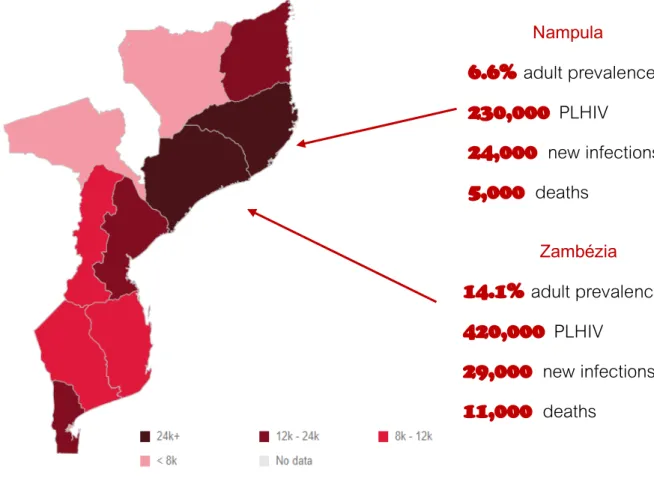
Figure 1.14: HIV Prevalence among adults (aged 15-49 years), by provinces, Mozambique, 2018. .... 34
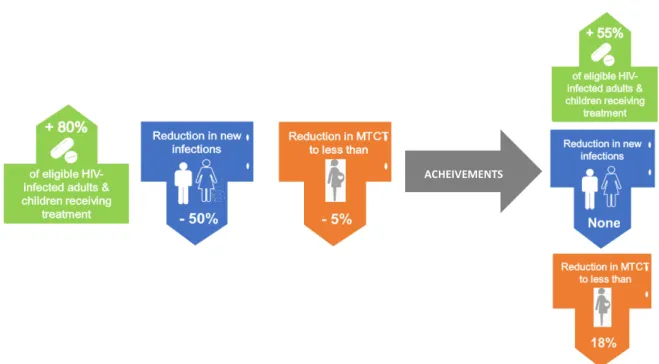
Figure 1.15: Target achievements of the ‘National Plan for Accelerating the Response to HIV/AIDS (2013-2018), Mozambique. ... 36
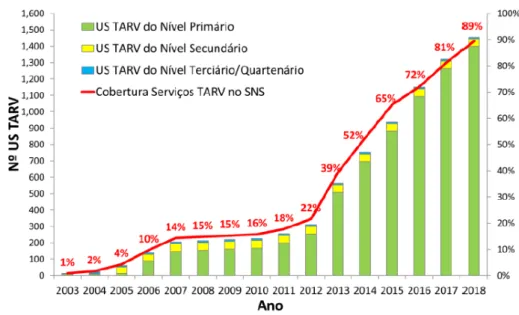
Figure 1.16: Trends in the number of health facilities providing ART services, Mozambique (2003-2018) ... 37
Figure 1.17: HIV testing and treatment cascade, Mozambique,2015- 2018 ... 39
Figure 1.18: Trends in number of new HIV child infections vs. number of new infections averted due to PMTCT, Mozambique 2002-2018. ... 41
Figure 1.20: Trends in percentage of HIV-exposed infants tested in Early Infant Diagnosis (EID) care, Mozambique 2002-2018. ... 41
Figure 1.21: Trends in Mother-to-Child Transmission of HIV, Spectrum modelling estimates,
Mozambique 2000-2017 ... 42
Figure 2.1: Processes of engagement in care for HIV+ women for ART treatment and eMTCT success, in low- and middle-income countries. ... 46
Figure 3.1: Prevention of mother-to-child transmission (PMTCT) of HIV in Mozambique: engagement in care and programmatic challenges for the B+ Strategy: the thesis framework. ... 49
Figure 4.1: Data and communication flows for ICAP’s Heal Information System (HIS), 2013-2017, Mozambique ... 55
Figure 4.2: ANC paper-based register, Mozambique 2013-2017. ... 57
Figure 4.3: ANC Health Facility monthly report form, Mozambique 2013-2017. ... 58
Figure 4.4: MOH Patient file, admission form and follow-up form, Mozambique 2013-2017 ... 61
Figure 4.5: MOH Patient file, follow-up form, Mozambique 2013-2017 ... 62
Figure 4.6: DQA annual results for ePLD for random sample of HIV-positive patients currently receiving ART, ICAP supported sites, 2015-2017. ... 64
Figure 5.1: Methodological details of the retrospective cohort analysis of HIV+ women initiating ART in HIV care and treatment health facilities, Nampula and Zambézia, Mozambique. ... 67
Figure 5.2: Estimated Kaplan Meir survivor curves for retention over time for HIV+ women up to 24 months after ART initiation, by status and period of ART initiation, Mozambique 2013-2017 (n=86 sites, 29,112 women). ... 93
Figure 5.3: Estimated Kaplan Meir survivor curves for retention over time for HIV+ women up to 12 months after ART initiation, by status and period of ART initiation, Mozambique 2013-2017 (n=86 sites, 280 B+ BFW and 7,599 women already on ART before diagnosis of pregnancy) ... 95
Figure 6.1 : Summary of the PMTCT care cascade in Mozambique ... 159
Figure 6.2 : Summary of the success and challenges of the PMTCT Option B+ program in Mozambique ... 160
List of acronyms and abbreviations
3TC Lamivudine
AGYW Adolescent girls and young women
AIDS Acquired Immunodeficiency Syndrome
ANC Ante-Natal Clinic
ART Anti-Retroviral Treatment
ARV Anti-Retroviral
AZT Zidovudine
CDC Centre for Disease Control and Prevention
CNCS National AIDS Council
DBS Dried Blood Spot
DHIS2 District Health Information System Software 2
DQA Data Quality Assessment
DTG Dolutegravir
EFV Efavirenz
EID Early Infant Diagnosis
eMTCT Elimination of Mother to Child Transmission
ePLD Electronic Patient-Level Data
FP Family Planning
FSW female sex workers
FTC Emtricitabine
GDP Gross Domestic Product
GF Global Fund
HDI Human Development Index
HEI HIV-Exposed Infants
HIS Health Information System
HIV Human Immunodeficiency Virus
HRT HIV Rapid Testing
HTC HIV testing and counselling
ICAP International Centre for AIDS Care and Treatment Program
IMASIDA Indicator survey on immunization, malaria and HIV/AIDS in Mozambique
(Inquérito de Indicadores de Imunização, Malária e HIV/SIDA em
Moçambique)
INSPIRE INtegrating and Scaling up PMTCT through Implementation REsearch
InSTI Integrase Strand Transfer Inhibitor
LTFU Lost to Follow-up
MCH Mother and Child Health
MDGs Millennium Development Goals
MIP Mother-infant pair
MISAU Ministry of Health of Mozambique (Ministério de Saúde de Moçambique)
MSM Men who have sex with men
MTCT Mother to Child Transmission
NFU No Follow-Up
NNRTI Non-Nucleoside Reverse Transcriptase Inhibitor
NTD Neural Tube Defect
NVP Nevirapine
OpenMRS Open Medical Record System
PCR Polymerase Chain Reaction
PEN IV 2015-2019 National Strategic Plan IV 2015-2019 (Plano Estratégico National IV)
PEPFAR United States Presidents’ Emergency Plan for AIDS Relief
PFaCTS Programme and Facilities Characteristics Tracking System
PLHIV People Living with HIV
PMTCT Prevention of Mother to Child Transmission
POC Point-of-Care
SEA Southern and Eastern Africa
SI Strategic Information
T&T strategy Test and Treat strategy
TDF Tenofovir Disoproxil Fumarate
U=U Undetectable = Untransmittable
UNAIDS The Joint United Nations Programme on HIV/AIDS
VCT Voluntary Counselling and Testing
VL Viral Load
Glossary
Antiretroviral Therapy Standard antiretroviral therapy (ART) consists of the combination of antiretroviral (ARV) drugs to maximally suppress the HIV virus and stop the progression of HIV disease. ART also prevents onward transmission of HIV, reduces morbidity and mortality in people living with HIV. Engagement in care Patient engagement in his/her’s own health, care and treatment.
Specifically, engagement in HIV care refers to a patient who is actively engaged in and receiving regular HIV care, by a dynamic navigation through the complete spectrum of HIV care and treatment with the final goal of achieving and maintaining viral suppression.
HIV continuum of care The HIV continuum of care defines the dynamic and bidirectional relationship that exist between steps or stages of HIV medical care that people living with HIV go through from initial diagnosis to achieving the goal of viral suppression.
HIV treatment cascade The HIV treatment cascade depicts prevalence estimates for discrete steps along the HIV care continuum from HIV diagnosis through viral suppression. The cascade is outcome-oriented: it begins with quantitative estimates of prevalent HIV cases, successive bars illustrating the subsequent steps of HIV diagnosis, linkage to care, retention in care, antiretroviral therapy (ART) receipt, and plasma viral suppression. HIV testing yield The proportion of clients undergoing HIV testing who test positive Option B and B+ strategies Strategies used for the Prevention of Mother to child transmission of HIV.
Option B recommends ART for all HIV-infected pregnant and lactating women beginning in the antenatal period and continuing throughout the duration of breastfeeding. At the end of breastfeeding those who do not yet require ART for their own health would discontinue ART and continue to monitor their CD4 count, eventually re-starting ART when the CD4 falls below 350 cells/mm3.
Option B+ recommends life-long ART for all pregnant and breastfeeding women living with HIV regardless of their CD4 count.
Prevention of Mother to Child Transmission (PMTCT) of HIV
Prevention of mother-to-child transmission (PMTCT) of HIV comprise a set of interventions to prevent the vertical transmission of HIV from the HIV-infected women to her HIV-exposed infant. Effective preventive interventions are provided during the periods of pregnancy, labour, delivery, and breastfeeding.
Unmet need for family planning Percentage of women of reproductive age, either married or in a union, who have an unmet need for family planning. Women with unmet need are those who want to stop or delay childbearing but are not using any method of contraception.
Scientific valorisation
Scientific publications related to the thesis
Article submitted
PMTCT care cascade and factors associated with attrition in the first 4 years following Option B+ implementation in Mozambique. L Ahoua, T Tiendrebeogo, S Arikawa, V Journot, Lahuerta M, Abrams E, Aly Dario, Becquet R, F Dabis. Submitted to Tropical Medicine & International Health journal.
Measuring retention in care for HIV-positive pregnant women in Prevention of Mother to Child Transmission of HIV (PMTCT) option B+ programs. The Mozambique experience. L Ahoua, T Tiendrebeogo, S Arikawa, V Journot, Lahuerta M, Aly Dario, Becquet R, F Dabis. Submitted to BMC Public Health journal.
Article in preparation
Interventions to improve PMTCT outcomes under option B+ strategy: a systematic review. L
Ahoua, S Arikawa, R Becquet, F Dabis.
Communication at international conferences
Retention of mother/baby pairs along the PMTCT cascade: a systematic review and meta-analysis of current evidence of Options B and B+ strategies. Laurence Ahoua, Shino Arikawa, Renaud Becquet, François Dabis. Poster presented at the Intranational AIDS Society Conference (IAS), Paris, France 2017. POSTER #MOPEC0632.
Other publications (2010-2017)
A combination strategy for enhancing linkage to and retention in HIV care among adults newly diagnosed with HIV in Mozambique: study protocol for a site-randomized implementation science study. Elul B, Lahuerta M, Abacassamo F, Lamb MR, Ahoua L, McNairy ML, Tomo M, Horowitz D, Sutton R, Mussa A, Gurr D, Jani I. BMC Infect Dis. 2014 Oct 15;14:549. doi: 10.1186/s12879-014-0549-5.
A combination intervention strategy to improve linkage to and retention in HIV care following diagnosis in Mozambique: A cluster-randomized study. Elul B, Lamb MR, Lahuerta M, Abacassamo F, Ahoua L, Kujawski SA, Tomo M, Jani I. PLoS Med. 2017 Nov 14;14(11):e1002433. doi: 10.1371/journal.pmed.1002433. eCollection 2017 Nov.
Feasibility and Acceptability of Health Communication Interventions Within a Combination Intervention Strategy for Improving Linkage and Retention in HIV Care in Mozambique. Sutton R, Lahuerta M, Abacassamo F, Ahoua L, Tomo M, Lamb MR, Elul B. J Acquir Immune Defic Syndr. 2017 Jan 1;74 Suppl 1:S29-S36.
Factors Associated with Use of Short-Term Pre-Exposure Prophylaxis for HIV Among Female Partners of Migrant Miners in Mozambique. Falcao J, Zerbe A, Lahuerta M, Baggaley R,
Ahoua L, DiMattei P, Morales F, Ramiro I, El-Sadr WM. AIDS Patient Care STDS. 2017
Willingness to use short-term oral pre-exposure prophylaxis (PrEP) by migrant miners and female partners of migrant miners in Mozambique. Joana Falcao, Laurence Ahoua, Allison Zerbe, Pietro di Mattei, Rachel Baggaley, Victor Chivurre, Prince Mulondo, Isaias Ramiro, Shona Dalal, Fernando Morales, Kevin O’Reilly & Wafaa El-Sadr (2017). Culture, Health & Sexuality, DOI: 10.1080/13691058.2017.1316424
Feasibility, Acceptability, and Adherence with Short-Term HIV Preexposure Prophylaxis in Female Sexual Partners of Migrant Miners in Mozambique. Lahuerta M, Zerbe A, Baggaley R, Falcao J, Ahoua L, DiMattei P, Morales F, Ramiro I, El-Sadr WM. J Acquir Immune Defic Syndr. 2017 Dec 1;76(4):343-347. doi: 10.1097/QAI.0000000000001518.
Informing efforts to reach UNAIDS' 90-90-90 targets: a comparison of characteristics of people diagnosed with HIV in health facilities to the general population of people living with HIV in Mozambique. Kujawski S, Lahuerta M, Lamb MR, Ahoua L, Abacassamo F, Elul B. AIDS Care. 2017 Aug;29(8):1062-1066. doi: 10.1080/09540121.2016.1274367. Epub 2017 Jan 5.
How Can the Health System Retain Women in HIV Treatment for a Lifetime? A Discrete Choice Experiment in Ethiopia and Mozambique. Kruk ME, Riley PL, Palma AM, Adhikari S, Ahoua
L, Arnaldo C, Belo DF, Brusamento S, Cumba LI, Dziuban EJ, El-Sadr WM, Gutema Y,
Habtamu Z, Heller T, Kidanu A, Langa J, Mahagaja E, McCarthy CF, Melaku Z, Shodell D, Tsiouris F, Young PR, Rabkin M. PLoS One. 2016 Aug 23;11(8):e0160764. doi: 10.1371/journal.pone.0160764. eCollection 2016.
Monitoring quality at scale: implementing quality assurance in a diverse, multicountry HIV program.Saito S, Howard AA, Chege D, Ellman TM, Ahoua L, Elul B, Rabkin M. AIDS. 2015 Jul;29 Suppl 2:S129-36. doi: 10.1097/QAD.0000000000000713.
Early HIV infection rate trends in exposed infants pre & post Option B+ in Mozambique. T. Sebastian, S. Brusamento, L. Ahoua, D. Aly, S. Arpadi, C. A. Teasdale, F. Tsiouris, E. J. Abrams. Poster presentation, CROI 2015 February 23-26, 2015, in Seattle, Washington, USA. Innovation to confront Ebola in Sierra Leone: the community-care-centre model. Michaels-Strasser S, Rabkin M, Lahuerta M, Harripersaud K, Sutton R, Ahoua LN, Ngalamulume B, Franks J, El-Sadr WM. Lancet Glob Health. 2015 Jul;3(7):e361-2. doi: 10.1016/S2214-109X(15)00045-5. No abstract available. PMID: 26087982
Multidrug- and isoniazid-resistant tuberculosis in three high HIV burden African regions. Sanchez-Padilla E, Ardizzoni E, Sauvageot D, Ahoua L, Martin A, Varaine F, Adatu-Engwau F, Akeche G, Salaniponi F, Bonnet M. Int J Tuberc Lung Dis. 2013 Aug;17(8):1036-42. doi: 10.5588/ijtld.12.0842. PMID: 23827027
Nutrition outcomes of HIV-infected malnourished adults treated with ready-to-use therapeutic food in sub-Saharan Africa: a longitudinal study. Ahoua L, Umutoni C, Huerga H, Minetti A,
Szumilin E, Balkan S, Olson DM, Nicholas S, Pujades-Rodríguez M. J Int AIDS Soc. 2011 Jan 10;14:2. doi: 10.1186/1758-2652-14-2.
Risk factors for virological failure and subtherapeutic antiretroviral drug concentrations in HIV-positive adults treated in rural northwestern Uganda. Ahoua L, Guenther G, Pinoges L, Anguzu P, Chaix ML, Le Tiec C, Balkan S, Olson D, Olaro C, Pujades-Rodríguez M. BMC Infect Dis. 2009 Jun 3;9:81. doi: 10.1186/1471-2334-9-81.
Immunovirological response to combined antiretroviral therapy and drug resistance patterns in children: 1- and 2-year outcomes in rural Uganda. Ahoua L, Guenther G, Rouzioux C, Pinoges L, Anguzu P, Taburet AM, Balkan S, Olson DM, Olaro C, Pujades-Rodríguez M. BMC Pediatr. 2011 Jul 26;11:67. doi: 10.1186/1471-2431-11-67.
Evaluation of a 5-year programme to prevent mother-to-child transmission of HIV infection in Northern Uganda. Ahoua L, Ayikoru H, Gnauck K, Odaru G, Odar E, Ondoa-Onama C, Pinoges L, Balkan S, Olson D, Pujades-Rodríguez M. J Trop Pediatr. 2010 Feb;56(1):43-52. doi: 10.1093/tropej/fmp054. Epub 2009 Jul.
1 General introduction
1.1 HIV/AIDS epidemic in East and Southern Africa
1.1.1 Epidemiology of the HIV epidemic
By the end of 2018, there were an estimated 37.9 million people living with HIV (PLHIV) worldwide. Of these, more than a half (20.6 million, 54%) were living in East and Southern Africa (Figure 1.1) [1]. This high-burden region also bears the highest numbers of new infections, with 47% of 1.7 million new infections estimated worldwide. Of the 20.6 million PLHIV in East and Southern Africa, 1.1 million were children less than 15 years of age. Most of these children were infected by their HIV-positive mothers during pregnancy, childbirth, or breastfeeding. By the end of 2018, a total of 310,000 people died from AIDS-related illnesses, bringing the total number who have died from AIDS-related illnesses since the start of the epidemic to 17.5 million in the region.
Remarkable efforts have been made over the past two decades in reducing HIV-associated morbidity, mortality, transmission, and stigma as well as in improving the quality of life of PLHIV. In East and Southern Africa, new HIV infections and deaths decreased by 28% and 44%, respectively, owing largely to the investments, commitments, and innovations used to respond to the HIV epidemic.
Figure 1.1: Number of people living with HIV/AIDS worldwide, all ages, 2018
Source: UNAIDS, AIDSinfo, 2018 [1]
million PLHIV
worldwide
million PLHIV in East
1.1.2 The paradigm shifts in the approach to antiretroviral treatment scale-up
Since 2000, there has been a growing evidence that PLHIV who are virally suppressed cannot transmit the virus to their sexual partners [2]. Three major studies undertaken between 2007 and 2016 in more than 20 different countries confirmed the absence of sexual transmission of the virus from virally suppressed HIV-positive patients to their seronegative partner [3–5]. Early initiation of antiretroviral treatment (ART) and Pre-exposure prophylaxis (Prep) using ARV drugs for HIV prevention can achieve significant reduction in the number of HIV transmission and accelerate the response to the HIV epidemic. As treatment services are scaled-up, rather than focusing on a single time point, a more longitudinal assessment of engagement in care was needed to better measure the outcomes of ART programs. In this context, the priority was then shifted to monitor progress along the HIV continuum of care by measuring patients receiving services at each step of the HIV care cascade.
With the ultimate goal of HIV care and treatment programs being to end the HIV epidemic by 2030, three major approaches all coherent with this new vision, have been promoted by the international community: United Nations Program on HIV/AIDS (UNAIDS)’ 90-90-90 targets, WHO’s ‘Test and Treat’ strategy and the Prevention Access Campaign’s ‘U=U’ campaign.
The 90-90-90 HIV care cascade
In 2014, ambitious targets were set by UNAIDS and its partners, known as the ‘90-90-90’ treatment target. It aims that by 2020, 90% of all PLHIV should know their HIV status; of those tested HIV-positive, 90% will receive sustained ART; and of those receiving ART, 90% will have viral suppression (Figure 1.2). If these targets were met, at least 81% of all PLHIV would be on treatment, 73% of all PLHIV would be virally suppressed. New HIV infections and HIV-related deaths would be reduced to less than 500,000. Statistical modelling has suggested that achieving these targets by 2020 could lead to the end of the AIDS epidemic by 2030.
Figure 1.2 : Key Fast Track Targets
Source: UNAIDS 2014 [6]
However, the current status of the 90-90-90 cascade in East and Southern Africa falls short of
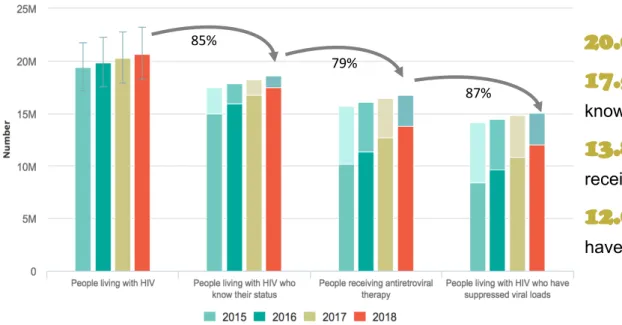
the expected targets. At the end of 2018, 85%of the estimated 20.6 million PLHIV knew their
status, 79% were on ART and 87% of PLHIV on ART had suppressed viral loads, making the achievement of the target at ‘85-79-87’ (Figure 1.3). This is a significant improvement compared to previous years and compared to the global figures for the same year (‘79-78-86’)[1].
Figure 1.3: Progress towards 90-90-90 target, Eastern and Southern sub-Saharan Africa, 2015 to 2018.
Source: UNAIDS, AIDSinfo, 2018 [1]; note: the lighter colour in the bars correspond to the estimated number of missing to PLHIV to reach the 90-90-90 targets.
The ‘Test and Treat’ strategy and the new WHO 2018 ART guidelines
WHO recommended in 2016 the ‘Test and Treat’ (T&T) strategy, in which all children, adolescents, and adults, including all pregnant and breastfeeding women, living with HIV should be provided with lifelong ART regardless of CD4 cell count, as a way to decrease community viral load and to reduce the rate of new HIV infections[7]. The preferred first-line regimen was tenofovir disoproxil fumarate (TDF) + lamivudine (3TC) (or emtricitabine, FTC) + efavirenz (EFV).
Recent studies have demonstrated an increase in the levels of pre-treatment ARV drug resistance in low- and middle-income countries ranging from 3% to 30%, with higher rates of resistance observed for NNRTI-based regimens mainly due to sub-optimal viral suppression [8–11]. In response, WHO issued guidelines recommending that countries with pre-treatment resistance to EFV or nevirapine (NVP) at or above 10% should urgently consider revising their first-line regimens [12] ; and in 2018, a dolutegravir (DTG)-based regimen was recommended as the preferred first-line regimen [13]. The drug has shown an improved safety profile compared with EFV in randomized studies [14–16] and also has a high barrier to development of drug resistance [17,18]. In addition, DTG has been found to be effective for pregnant women and was also found in breast milk, resulting in significant plasma concentration in infants and, thus, a potential important drug to reduce mother-to-child transmission (MTCT) of HIV [19]. However, an observational study in Botswana, the TSEPAMO Study, reported in 2012 a potential safety risk for developing neural tube defects among infants born to women who were taking DTG at conception [20,21].
Since then, several studies have provided additional safety data of DTG in pregnancy[22–26]. An observational cohort study in Botswana of 1,729 pregnant women showed similar rates of adverse birth outcomes (including stillbirth, neonatal death, preterm birth) in both women receiving dolutegravir-based ART and those receiving efavirenz-based ART in pregnancy[23]. A systematic review of 1,200 pregnant women treated with DTG reported similar percentages of adverse birth outcomes and congenital abnormalities compared to historical control studies
85%
79%
87%
million PLHIV
million PLHIV
know their HIV status
million PLHIV
receiving ART
million PLHIV
have suppressed VL
of HIV-positive women[24]. After an extended period of surveillance, new findings from the TSEPAMO study reported that prevalence of neural-tube defects associated with DTG exposure at conception declined from 0.94% to 0.30% of deliveries although still significantly higher than the 0.10% observed among women receiving non-dolutegravir ART [27] (ref). By mid-2019, based on these results, caution was still recommended by WHO when providing DTG-based ART regimens in adolescent girls and women of childbearing age. Consistent and reliable contraception method is recommend to be systematically provided for them to avoid potential neural tube defects among newborns [13].
The ‘U=U’ campaign
In 2016, the official ‘Undetectable=Untransmittable’ (U=U) campaign was launched by the Prevention Access Campaign, which has since then been endorsed by more than 60 countries worldwide. The ‘U=U’ campaign has been an important message of 2017 to fight the HIV epidemic and to promote the ‘Test and Treat’ strategy as its pillar for achievement of the UNAIDS’s 90-90-90 target by 2020. The campaign has already been successful in influencing national HIV treatment policies, public opinions, and encouraging more and more people living with HIV to seek treatment [2].
However, implementing these new approaches has important implications for programme priority-setting, funding and service delivery, especially in high HIV burden countries. As more people are expected to start ART earlier, the burden on health facilities is expected to increase, which could lead to reduced quality of services and increased risk of patients’ dropping out of care.
1.2 Prevention of Mother-to-Child Transmission (PMTCT) of HIV
1.2.1 What is PMTCT of HIV?
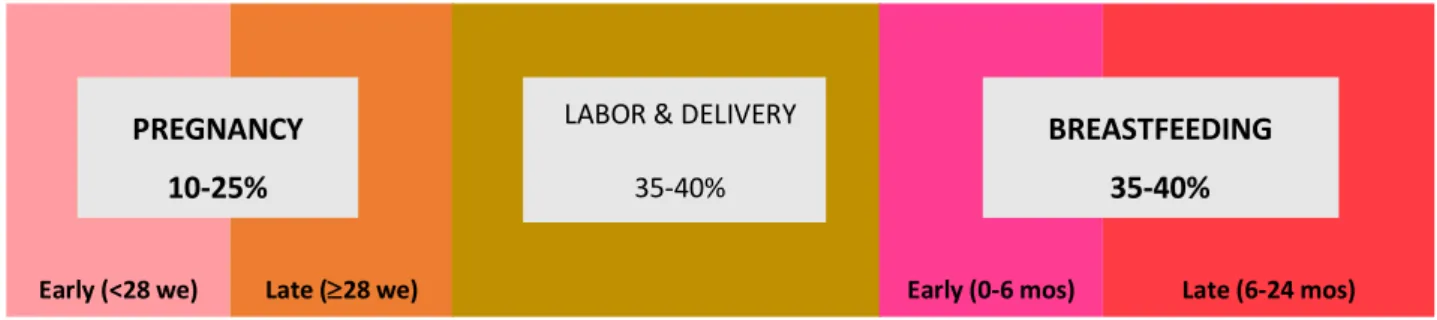
Mother-to-Child Transmission (MTCT) of HIV is one of the leading causes of HIV transmission in children. It can occur during pregnancy, delivery or breastfeeding (Figure 1.4). In the absence of any intervention, MTCT rates range from 25% to 40% among infants who were breastfed. Over a half of infants vertically infected with HIV would die before the age of 2 years [28,29]. Maternal viral load is a strong predictor of the risk of transmission regardless of timing of transmission. The rate can be reduced to less than 5% when women achieve viral suppression[30–33] through various interventions put in place during the periods of pregnancy, labour, delivery, and breastfeeding, including ARV treatment for the mother which will be discussed in further detail.
Figure 1.4: Timing of Mother-to-Child transmission and transmission risk estimates in the absence of ARVs for PMTCT
Early (<28 we) Late (³28 we) Early (0-6 mos) Late (6-24 mos)
PREGNANCY 10-25%
LABOR & DELIVERY 35-40%
BREASTFEEDING 35-40%
In resource-poor settings where formula feeding is not a viable option due to lack of access to clean water, women living with HIV are recommended to exclusively breastfeed (rather than mixed feeding), providing that they are on ART. The revised 2016 WHO guidelines recommend exclusive breastfeeding for the first six months of life, followed by continued breastfeeding with introduction of appropriate complementary foods thereafter [34].
WHO recommends an early infant diagnosis (EID) using HIV virologic testing for HIV-exposed infants (HEI) between 4 and 8 weeks of age. Another HIV test should be done at 18 months of age and/or when breastfeeding ends to provide the final infant diagnosis. Infant ARV prophylaxis varies according to mother's course of ARVs and the infant feeding method: once-daily nevirapine or twice-once-daily zidovudine from birth to 4 to 6 weeks of age. In addition, all infants who are found to be positive for HIV should be immediately initiated on treatment[7]. Besides improving mothers’ survival, PMTCT protects HIV-exposed children from infection and decreases infant morbidity and mortality[35]. Thus, in a global effort to significantly contribute to achieving the Millennium Development Goals (MDGs) in reducing child mortality by two-thirds between 1990 and 2015 (MDG 4) and reducing maternal mortality rate by three-quarters between 1990 and 2015 (MDG 5), two major turning points in PMTCT care occurred since 2010: the call for a ‘Global Plan Towards the Elimination of New HIV Infections Among Children by 2015 and Keeping Their Mothers Alive’ in 2011 and the recommendation for providing ART for HIV-positive pregnant and breastfeeding women, also called the Option B+ strategy in 2012.
1.2.2 UNAIDS’ call for a virtual elimination of MTCT (eMTCT) of HIV
In 2009, during the week of the World Health Assembly, UNAIDS called for a virtual elimination of MTCT of HIV by 2015. At the 2011 United Nations High Level Meeting on AIDS, world leaders presented the UNAIDS-crafted ‘Global Plan Towards the Elimination of New HIV Infections Among Children by 2015 and Keeping Their Mothers Alive’ [36].
It covered all low- and middle-income countries but focused on the 22 countries1—including
Mozambique—with the highest estimated numbers of pregnant women living with HIV and that were home to nearly 90% of pregnant women living with HIV in need of services.
Barriers still exist to attain the complete elimination of MTCT (e.g. late maternal HIV diagnosis, insufficient ART access or adherence, ARV-resistant virus strains, maternal/infant ARV toxicities). In addition, although intensive efforts are ongoing for the development of a vaccine, HIV-1 curative strategies are still in their infancy stage [37]. Therefore, the virtual elimination - and not the complete elimination – of MTCT of HIV has been recognised and accepted by UNAIDS and partners. For this reason, the ‘Global Plan’ called for a 90% reduction in the number of new HIV infections among children, a 50% reduction in the number of AIDS-related maternal deaths, a reduction of final MTCT rates to 5% or less among breastfeeding women, and to 2% or less among non-breastfeeding women by 2015.
To achieve these goals, four prongs were identified with specific targets for each of them (Figure 1.5). Prongs 1, 2 and 3 are necessary to reach the first target of reducing new child infections while only prong 3 will affect the second target to lower the transmission rate.
1 Angola, Botswana, Burundi, Cameroon, Chad, Côte d’Ivoire, Democratic Republic of the Congo, Ethiopia, Ghana, India, Kenya, Lesotho, Malawi, Mozambique, Namibia, Nigeria, South Africa, Swaziland, Uganda, United Republic of Tanzania, Zambia and Zimbabwe.
Figure 1.5: Targets for each of the four prongs in the Global Plan Towards the elimination of new HIV infections among children by 2015 and keeping their mothers alive
Source: Joint United Nations Programme on HIV/AIDS, UNAIDS 2011 [36]
Similar to UNAIDS’ 90-90-90 target, the key principles of success of this plan was that the mother/infant pair is now seen as a unique entity that should be followed up for a longer continuum of care engagement with other essential health and non-health services provided.
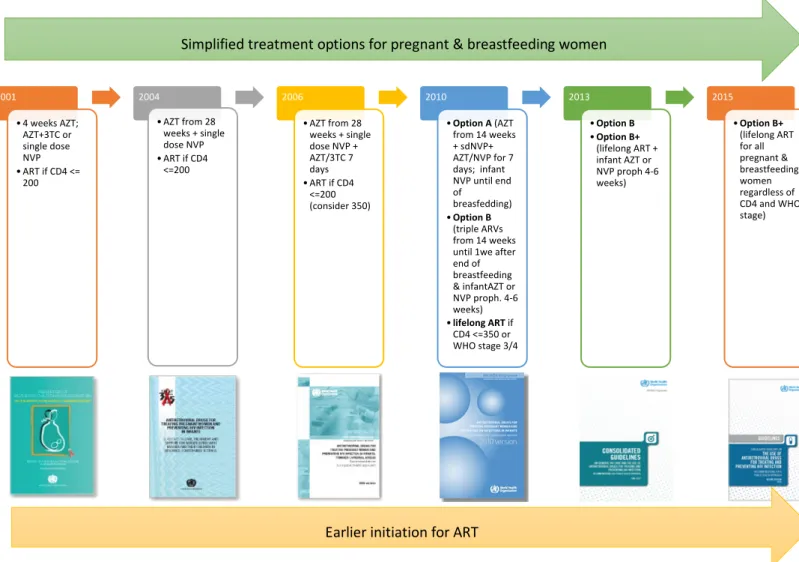
1.2.3 Evolution of WHO treatment guidelines for PMTCT from 2005 to 2015
Since 2001, great progress has been made to provide pregnant and breastfeeding women with a more efficacious and simplified ARV regimen to prevent vertical transmission of HIV from the mother to her exposed infant while offering her improved treatment for her own health (Figure 1.6). In 2010, WHO guidelines recommended two options, Options A and B, for HIV-positive pregnant women with CD4 cell counts of 350 or less to start lifelong ART using a triple-combination regimen [38]. Under Option A, women receive antenatal and intrapartum ARV prophylaxis along with an ARV postpartum ‘tail’ regimen to reduce risk of drug resistance, while infants receive postpartum ARV prophylaxis throughout the duration of breastfeeding. Under Option B, all HIV-positive pregnant and lactating women are offered ART to continue throughout the duration of breastfeeding. At the end of breastfeeding, those women who do not yet require ART for their own health would discontinue treatment, and would continue to have their CD4 count monitored, eventually re-starting ART when the CD4
Figure 1.6: Evolution of WHO treatment guidelines for PMTCT from 2005 to 2015
Note: Option A and Option B were offered if CD4 count > 350 cells/mm. The recommended first-line ART for lifelong treatment was a once-daily regimen of EFV/TDF/3TC.
2001 • 4 weeks AZT; AZT+3TC or single dose NVP • ART if CD4 <= 200 2004 • AZT from 28 weeks + single dose NVP • ART if CD4 <=200 2006 • AZT from 28 weeks + single dose NVP + AZT/3TC 7 days • ART if CD4 <=200 (consider 350) 2010 • Option A (AZT from 14 weeks + sdNVP+ AZT/NVP for 7 days; infant NVP until end of breasfedding) • Option B (triple ARVs from 14 weeks until 1we after end of breastfeeding & infantAZT or NVP proph. 4-6 weeks) • lifelong ART if CD4 <=350 or WHO stage 3/4 2013 • Option B • Option B+ (lifelong ART + infant AZT or NVP proph 4-6 weeks) 2015 • Option B+ (lifelong ART for all pregnant & breastfeeding women regardless of CD4 and WHO stage) Simplified treatment options for pregnant & breastfeeding women
In 2013, WHO released a ‘programmatic
update’ to its 2010 guidelines
recommending countries to phase out Option A and replace it with either Option B or Option B+ to provide HIV-positive pregnant women with lifelong ART regardless of their CD4 count and WHO staging[39]. Options B and B+ provide the advantages of offering all HIV-positive pregnant women the same
triple-combination regimen. An
important benefit of Option B+ is that it can lower the risk of HIV transmission to male partners since being on ART will make women less infectious. Option B+ should also reduce the risk of MTCT of HIV in subsequent pregnancies.
From a programmatic standpoint, this makes drug procurement, distribution,
and prescribing more straightforward. Furthermore, when considering PMTCT-related costs and child infections, Option B+ is the most cost-effective strategy compared with Option A and averts more child infections compared with Option B [40]. Thus, in 2015, WHO recommended that all pregnant women be provided with Option B+ [7].
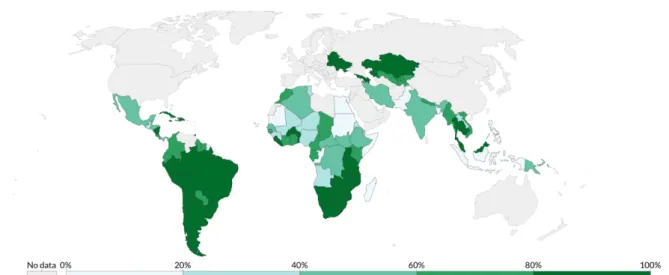
For many countries, the simplicity of Option B+ was a ‘game changer’ in efforts to prevent MTCT of HIV, its main outcome being progress made in maternal ART coverage. By the end of 2017, all priority countries except Nigeria had a national Option B+ coverage above 80% (Figure 1.7).
Figure 1.7: Share of pregnant women who receive antiretroviral therapy, by end of 2017. Percentage of pregnant women with HIV who receive antiretroviral therapy for PMTCT
Source: Our World in Data, World Bank, UNAIDS estimates 2017 [41]
1.2.4 Current PMTCT situation and challenges
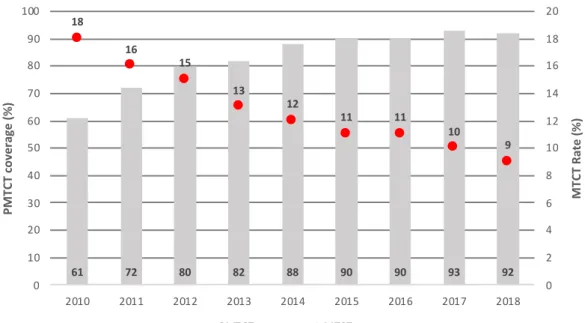
The introduction of highly efficacious ARV regimens and rapid expansion of comprehensive services over the past decade have contributed to remarkable results, especially in the Southern and Eastern Africa (SEA) region where PMTCT efforts have yielded the greatest achievements. There has been a significant increase in ARV coverage in HIV-infected pregnant women from 61% in 2010 to 92% in 2018 (figure 1.8) due to the expansion of PMTCT services. This has translated into similar increase the in number of pediatric infections averted from 110,000 to 160,000 children during that same period (figure 1.9). Since 2010, estimated rate of MTCT decreased by 50%, reaching 9.24% [IdC95%: 7.6 - 12.5%] (by 18 months post-partum) at the end of 2018 (figure 1.8). Still this rate represents an estimated 84,000 newly infected children in 2018 in the SEA region due to the significant numbers of pregnant women who acquire HIV infection during pregnancy or the postpartum period who are not diagnosed and offered antiretroviral medicines and due to the low coverage of early infant testing (estimated at 68%
Page 26 of 188
Figure 1.8 : PMTCT coverage (%) and MTCT rate (%) in Eastern and Southern Africa, 2018
Source: UNAIDS, AIDSinfo, 2018 [1]
Figure 1.9: Estimated number of new HIV child infections vs. number of new infections averted due to PMTCT, Eastern and Southern Africa, 1990-2018
.
Source: UNAIDS, AIDSinfo, 2018 [1]
Programmatic challenges to Option B+ implementation are numerous in resource limited settings. Although a large proportion of HIV-infected pregnant women have access ART in ANC, retaining them in care and ensuring their adherence to treatment remain a challenge, especially during the postpartum period. While more than 75% of pregnant women were reported to adhere to ART during pregnancy, only 53% did so during the postpartum period due to inadequate follow-up and support provided to mothers during the breastfeeding period[43–46]. Therefore, approximatively half of all new HIV infections among HEI now
61 72 80 82 88 90 90 93 92 18 16 15 13 12 11 11 10 9 0 2 4 6 8 10 12 14 16 18 20 0 10 20 30 40 50 60 70 80 90 100 2010 2011 2012 2013 2014 2015 2016 2017 2018 MTC T Ra te (%) PMTC T c ove ra ge (%) PMTCT coverage MTCT rate 61 72 80 82 88 90 90 93 92 18 16 15 13 12 11 11 10 9 0 2 4 6 8 10 12 14 16 18 0 10 20 30 40 50 60 70 80 90 2010 2011 2012 2013 2014 2015 2016 2017 2018 MT CT R at e (% ) PM TC T co ve rage (% ) PMTCT coverage MTCT rate 61 72 80 82 88 90 90 93 92 18 16 15 13 12 11 11 10 9 0 2 4 6 8 10 12 14 16 18 0 10 20 30 40 50 60 70 80 90 2010 2011 2012 2013 2014 2015 2016 2017 2018 MT CT R at e (% ) PM TC T co ve rage (% ) PMTCT coverage MTCT rate
occur during breastfeeding. Reasons behind non-adherence to PMTCT services can be various. Some pregnant women are reluctant to take ARV drugs while they feel healthy[47,48], or due to fear of disclosure or stigma[49–51]. Possible drug side effects can also lead to non-adherence and dropping out of care[48,52]. Some women gradually stop taking ARV drugs after giving birth due to other competing priorities, such as child care[53,54]. Perinatal depression is a common condition of pregnancy and the postpartum period but remain frequently undiagnosed in MCH services as it is not part of the standard of care in most sub-Saharan African countries[55]. Nevertheless, it has been reported that perinatal depression can occur in nearly 50% of women enrolled in MCH services and can lead poor PMTCT outcomes, including dropping out of care[56–58]. Some mothers after giving birth change residency and self-transfer to another health facility close to their family in-law and are considered lost to follow-up[50,59].
Virologic testing for HEI is not consistently available due to low geographical coverage and often accessible only in high volume centralized provincial or district hospital. When it is available, virologic testing is often time-consuming with challenges in transport of samples to centralized laboratories and potential delays in the return of results. In SEA region, only Malawi reach an EID coverage of > 95% in 2018. Other countries in the region have an average of 68% EID testing coverage [1].
The introduction of Option B+ and the interrelationship between ANC, post-natal care, ART, and child care services have highlighted important gaps in the PMTCT cascade monitoring [60]. While aggregated and cross-sectional data are used to construct the PMTCT cascade, women and children are not tracked across services, especially in population with high mobility and settings with weak health information systems[61].
1.2.5 Country validation criteria for eMTCT
Although the overall goal of reducing new HIV infections among children by 90% by 2015 was not met, remarkable achievements in terms of PMTCT services expansion, ART coverage and number of pediatric infections averted, have built the momentum and opened the pathway for efforts to be sustained by the international community in reaching virtual elimination of MTCT of HIV and make good on the commitment to deliver an AIDS-free generation. In May 2016, the dual elimination of MTCT of HIV and syphilis has been identified as a global public health
priority2. Therefore, a set of criteria for eMTCT country validation for the dual elimination of
HIV and syphilis were defined [62]:
- Impact criteria for HIV: fewer than 50 cases per 100,000 live births, a transmission rate below 5% if mothers are breastfeeding and below 2% if they are not breastfeeding for at least 1 year;
- Process criteria at service delivery level: ³ 95% of pregnant women to receive antenatal care (ANC); ³ 95% of pregnant women to receive HIV and syphilis testing in pregnancy; ³ 95% of pregnant women diagnosed with HIV or syphilis to receive treatment.
In addition, WHO requires that eMTCT of HIV and syphilis processes and indicators are achieved within a context of human rights, gender equality, and community engagement.
To date, five countries and several island states and territories have reached eMTCT of HIV3.
For example, Thailand was the first Asian country to receive WHO validation of the eMTCT
2 Impact targets must be met for at least 1 year prior to eMTCT validation assessment
3Armenia, Belarus, the Caribbeans (Anguilla, Antigua and Barbuda, Bermuda, Cayman Islands, Montserrat and Saint
of HIV-1 (see Case study box) [63]. With an adult prevalence of 1% and 440,000 PLHIV in 2017, Thailand is the only country thus far with a generalized epidemic to achieve eMTCT[62,64]. Compared to Mozambique, Thailand had a lower HIV prevalence rate among pregnant women, a higher ANC coverage and strong public health infrastructures. In addition, the country had a self-reliant national budget, a strong engagement of nongovernmental and civil society partners, and a robust prevention of MTCT monitoring program.
Case study: eMTCT in Thailand
1) HIV generalized epidemic since the early 1990s
Adult (15-49) HIV prevalence (2017) = 1%; 440,000 of PLHIV ANC coverage (2015) = 98.3% (at least one ANC visit)
Introduction of option B+ in 2014 (with exclusive breastfeed for at least 6 months) Estimated MTCT rate declined from 24.2% in 1994 to 1.9% in 2015
2) eMTCT validation in May 2016 (for HIV & Syphilis) 3) Programme and country attributes towards eMTCT:
A. Near universal healthcare access
i.99.9% of Thai citizens have government supported insurance ii. Additional 1.4 million non-Thai migrants have health insurance
B. All PMTCT services (ANC, screening and treatment for HIV and syphilis) financed through national budget with free access for migrants
C. Routine antenatal screening for syphilis for more than 30 years D. Routine antenatal screening for HIV for approximately 20 years
1.2.6 Start Free, Stay Free, AIDS Free
The ‘Global Plan’ was recognized as one of the greatest public health achievements of recent times. Building on its remarkable success, the international community called in 2016 for a ‘Start Free, Stay Free, AIDS Free’ Super-Fast-Track framework and accelerated implementation plan to reduce the number of new HIV infections among children as well as increase the number of children with HIV on treatment [65]. The framework establishes three blocks of programme activity that are closely
interrelated:
• START FREE: by preventing new HIV
infections among children during
pregnancy, birth and throughout the breastfeeding period;
• STAY FREE: by preventing new HIV infections among adolescents and young women as they grow up;
• AIDS FREE: by providing HIV treatment, care and support to children and adolescents living with HIV.
Of particular interest for PMTCT of HIV is the first
block ‘START FREE’ which recommends full programme scale to reach the following targets: 1) reduce the number of children (aged 0–14) newly infected annually to less than 40,000 by 2018 and 20,000 by 2020; 2) Reach and sustain 95% of pregnant women living with HIV with lifelong HIV treatment by 2018. The elimination of new HIV infections among children can be achieved only if these ambitious targets are reached. These targets are complementary to 90-90-90 targets but are to be achieved in a shorter time frame. To reach these targets, countries must ensure that at least 95% of pregnant women living with HIV receive Option B+ PMTCT services by 2018 and that these women are retained in care during the breastfeeding period.
1.3 HIV epidemic in Mozambique
1.3.1 Country profile
The Republic of Mozambique, one of the largest
southern African countries (799,380 km2 in size), has
2,300 kilometers along the Indian Ocean on its eastern coast. The country borders with Tanzania, Malawi, Zambia, Zimbabwe, South Africa, and Swaziland. Approximately 70% of the population of 28.9 million (2017 census) live and work in rural areas [66,67]. Nampula is one of the 11 provinces of Mozambique. Located in the Northern region, it had an estimated population of 6.1 million habitants in 2017, representing a 50% increase since 2007. Nampula is the most
populous province of the country with 74.8 people/ km2
for a surface of 81,606 km² - almost 30 times higher
than the national average of 2.55 people/km2 [41].
Zambézia is a province located in the central region of Mozambique. It is the second largest province after Niassa (105,008 km2) and second most populous after Nampula (5,110,787 habitants and population density
population of 48,7 people/km2). Zambézia’s population
increase was 31% since 2007. Both provinces have a majority of women: 52% in Nampula and 53% in Zambia [68].
Mozambique is considered a low-income country, and more than half of its people continue to live below the poverty line. With an annual population growth of 3%, and additional challenges in recent years including a regional drought in 2016, increasing debt, decreased external investment, and declines in exports, the economic growth of the country has slowed even further. The annual gross domestic product (GDP) growth decelerated to 3.7% in 2017, down from 6.7% in 2016 and well below the 7% GDP growth achieved on average between 2011 and
2015 36. In 2016, Mozambique was among the bottom eight countries in the UNDP’s world
Human Development Index (HDI) report, ranking 181 out of 188 [69].
Two-thirds of the population is 24 years of age or younger, mostly unemployed and dependent on the older third [67,71]. Life expectancy at birth has improved and is currently 58 years [66]. The adult literacy rate increased from 27.1% in 1980 to 58.8% in 2015 and is improving at an average annual rate of 22.15% [73]. Despite these improvements, Mozambicans, especially in the rural areas, are still affected by an epidemiological profile dominated by the three major communicable diseases, HIV, malaria and tuberculosis, and by persistent poor living conditions, such as high food insecurity, low levels of educations, poor access to safe water and poor sanitation.
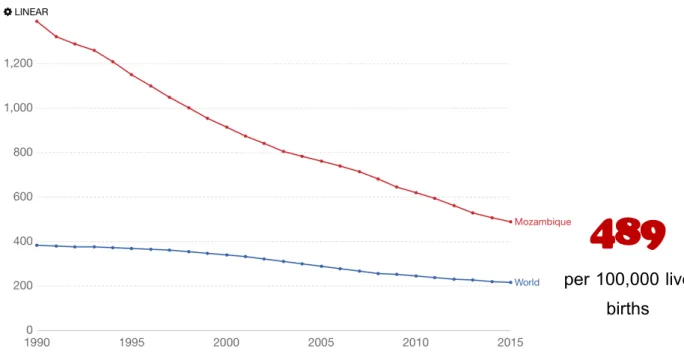
Women in Mozambique are highly vulnerable. Gender inequality in Mozambique remains a major challenge in the access to health services. The Gender Inequality Index synthesises gender-based inequalities in three dimensions—reproductive health, empowerment, and economic activity—on which Mozambique ranks 138 of 160 countries [69]. Since 2010, the government of Mozambique is committed to achieving the MDGs [74]. Despite the reduction between 1997 and 2003 [75,76], the maternal mortality ratio in more recent years has been stagnant and still unacceptably high (489/100,000 live births in 2015), compromising the achievement of the MDG target (Figure 1.10) [77]. Exposure to the risk of maternal death is still high due to several factors, among which is the overall fertility rate of 5.3 children per
woman, slightly lower than in 2011 (5.9). Teenage pregnancy also remains unacceptably high and increased from 38% in 2011 to 46% in 2015, with the risk of death among pregnant teenagers four times higher than for women above the age of 20. Other factors contributing to the high rates of maternal mortality are low utilization of family planning (FP) services, low antenatal care (ANC) coverage (at least four visits), and low institutional delivery. Although use of modern contraceptives increased from 14% in 2003 to 25% in 2015, it still remains low, and 23% of married women have unmet needs for family planning. Similarly, ANC coverage (at least four visits) was estimated at 55%, a slight increase from 2011 (53%), and seven of ten births (73%) were attended by skilled personnel [78,79]. Recent national MCH program data from 2018, report a decrease in the ANC coverage (at least 4 visits) of 49% and a slight improvement in institutional delivery coverage of 87%.
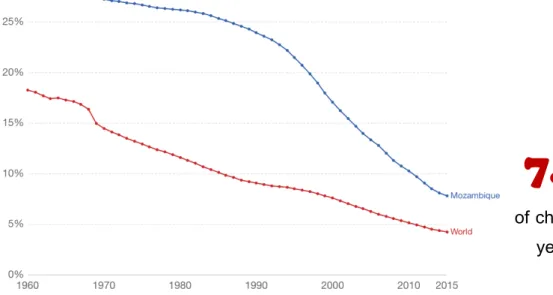
Child health indicators show remarkable and consistent progress in recent years. Mortality rates for children under 5 years of age decreased by more than 100% between 1997 and 2011 (Figure 1.11). However, the decrease in neonatal mortality is occurring at a slower pace, requiring special attention considering that approximately 81% of these deaths occur during the first week of life and 32% of them on the first day. In the last decade, there has been an improvement in the immunization level, with vaccination coverage increasing from 63% in children aged 12 to 23 months completely vaccinated in 2003 to 65% in 2015.
Figure 1.10: Maternal Mortality Ratio, Mozambique 1995-2015.
Maternal mortality ratio is the number of women who die from pregnancy-related causes while pregnant or within 42 days of pregnancy termination per 100,000 live births.
Source: Our world In Data, World Bank, data source from World Health Organization, 2015 [80]
per 100,000 live
births
Figure 1.11: Child Mortality Rate, Mozambique, 1960-2015.
The child mortality rate measures the share of children that die reaching the age of 5.
Source: Our world In Data, World Bank, data source from World Health Organization, 2015 [80]
1.3.2 Epidemiological trends of HIV infection
Mozambique has a generalized HIV/AIDS epidemic (i.e. HIV prevalence exceeds 1% of the general adult population). In 2013, a mode of transmission study was conducted using data from INSIDA, DHS2011 and the different IBBS surveys from 2011-2012 [81]. Transmission of HIV occurred through stable heterosexual relationships (25.6%), people with multiple heterosexual sex partners (22.6%), regular partners of people with multiple heterosexual sexual partners (21.6%) and clients of female sex workers (FSW) (18.4%). Among the children, the principal mode of transmission was mother-to-child transmission of HIV. Until 2016, HIV/AIDS was the main cause of deaths in the country, as reported by the Global Burden of Disease[82].
Mozambique has one of the highest adult (ages 15-49) prevalence rate in the East and Southern African region: 12.6% estimated in 2018[1]. Because of the population growth and the significant expansion of ART coverage between 2010 and 2018, the absolute number of PLHIV has increased from 1.8 to 2.2 million amidst a drop-in incidence of 7% and a steady reduction in the number of deaths by 16% (Figures 1.12 and 1.13). Nevertheless, Mozambique was the third country of the East and Southern African region to have the highest incidence rate (5/1,000 population) behind Lesotho and Eswatini and the second country to have the highest AIDS-related deaths (54,000 deaths) behind South Africa [1].
of children
£
5
Figure 1.12: Prevalence, new cases, and deaths from HIV, Mozambique, 1990-2018.
Total number of deaths from HIV/AIDS (not including deaths from tuberculosis), new cases of HIV infection per year, and total number of people living with HIV. The total number of people living with HIV is measured in tens.
Source: UNAIDS, AIDSinfo, 2018 [1]
Figure 1.13: HIV Prevalence among adults (aged 15-49 years), Mozambique, 1990-2018.
Source: UNAIDS, AIDSinfo, 2018 [1]
million PLHIV
adult (age 15-49)
HIV prevalence
Number of people living with HIV (tens)
New infections of HIV/AIDS