A Decision Analysis Framework for the U.S. Nuclear Fuel Cycle
by
Lara Marie Pierpoint
S.M. Technology and Policy and Nuclear Science and Engineering Massachusetts Institute of Technology, 2008
B.S. Physics
University of California, Los Angeles, 2004
Submitted to the Engineering Systems Division in Partial Fulfillment of the Requirements for the Degree of
Doctor of Philosophy at the
Massachusetts Institute of Technology September 2011
©2011 Massachusetts Institute of Technology. All rights reserved.
Signature of Author……… Engineering Systems Division August 12, 2011 Certified by………
Dr. Richard K. Lester Head of the Department, and Professor of Nuclear Science and Engineering Director, MIT Industrial Performance Center
Committee Member Certified by………...…
Dr. Ernest J. Moniz Cecil and Ida Green Professor of Physics and Engineering Systems
Director, MIT Energy Initiative Committee Chair Certified by………...…
Dr. Mort D. Webster Professor, Engineering Systems Committee Member Accepted by………...…
Olivier L. de Weck, PhD Professor, Aeronautics and Astronautics and Engineering Systems Chair, Engineering Systems Division Education Committee
3
A Decision Analysis Framework for the U.S. Nuclear Fuel Cycle
by
Lara Pierpoint
Submitted to the Engineering Systems Division
on September 5, 2011 in Partial Fulfillment of the Requirements for the Degree of Doctor of Philosophy in Engineering Systems
ABSTRACT
If we are willing to pay a premium, we may be able to mitigate some of the long-lasting impacts of nuclear waste. Deciding how to navigate this tradeoff, between cost and waste, is a central challenge for stewards of nuclear power. It is made more difficult by uncertainties that characterize the global future of nuclear electricity generation.
The recent increase in concern about climate change has prompted U.S. policymakers to back strategies favorable toward nuclear power, so much so that some experts see a “nuclear renaissance” on the horizon. Whether such a renaissance will come to pass, involving the construction of a vast new fleet of nuclear plants, is unclear – especially in light of the March 2011 nuclear accident at the Fukushima Daiichi reactors in Japan. Even more unclear is what should be done with the commercial U.S. nuclear waste, given an array of technical options and a large amount of uncertainty about how much waste will ultimately need to be managed.
This study introduces a framework for analysis of strategies to evolve the nuclear fuel cycle which may be helpful in analyzing decision problems for similarly complex, long-lived technical infrastructure systems. The framework consists of a system dynamics simulation coupled with a decision analysis model. The system dynamics code is developed specifically for this study to be simple, fast-running, and also to echo the results of many previous nuclear fuel cycle simulations in demonstrating how various technical options impact important parameters (like uranium consumed, waste generated, etc.). Code results are benchmarked to more complex fuel cycle simulations for the parameters relevant to the decision space. The decision analysis model takes information from the simulation and makes it useful to policymakers, by allowing the explicit analysis of desirable decision pathways under uncertainty, and also considering tradeoffs among system goals.
The framework is applied to three nuclear systems, the light-water reactor (LWR) once-through fuel cycle, which represents the status quo, an advanced, traditional, plutonium-fed self sustaining fast reactor fuel cycle, and a fast reactor fuel cycle for which initial fast reactor cores are composed of enriched uranium rather than recycled LWR fuel. Fast reactors are highly likely to cost more than LWRs, but they can produce electricity from some of the elements that most plague the long-term management of a nuclear waste repository. A value function compares how these options fare under different scenarios, incorporating system-wide costs and the system waste burden as the two attributes in the function.
The primary result is that the best strategy, under a strong preference for eliminating LWR spent nuclear fuel waste, consists of building a few traditional fast reactors now, and then building a full fleet more rapidly later in the century. This allows both for a significant amount of waste mitigation compared to an all-LWR fuel cycle, and for the costs associated with the more
4
expensive fast reactor technology to be incurred primarily later in the century. On the other hand, if cost is the main consideration, the framework advises moving forward with the once-through LWR fuel cycle and avoiding fast reactors altogether, or at least until later in the century.
These results are examined from a traditional decision analysis perspective, and then from one that departs somewhat from the assumption of a fully powerful decision maker. In reality, a government decision maker can only offer incentives to industry in order to induce a strategy change. Changing the decision model to reflect this reality causes the framework to more strongly advise moving forward with traditional fast reactors. This occurs because any single attempt at offering incentives to industry might be unsuccessful, and thus prevent a waste-concerned government from achieving any significant mitigation.
The most important contribution of the methodology is its ability to illuminate which parameters represent strong drivers of system decisions. Preferences across competing attributes are always important: in general, if decision maker preferences for reducing cost vs. waste were to shift significantly, the framework would show a change in the desirable decision strategy. Decision results are not very sensitive, on the other hand, to the rate of nuclear power growth or to the cost of fast reactor technology.
A second contribution comes from the initial foray into studying a more complex decision maker perspective, and shows how a different view can complement results using the traditional decision analysis assumption of an “ideal” decision maker. Ultimately, the system dynamics/decision analysis framework presented here helps identify desirable pathways for complex system evolution, identifies factors that bear strongly on decisions and which are deserving of more study, and begins to show how strategy implementation can be considered within the framework in order to further improve decision-making.
Thesis Supervisor: Ernest J. Moniz
Cecil and Ida Green Professor of Physics and Engineering Systems
Committee Member: Richard K. Lester
Japan Steel Industry Professor of Nuclear Science and Engineering
Committee Member: Mort D. Webster Assistant Professor of Engineering Systems
5
Acknowledgements
My greatest, most heartfelt thanks goes to Professor Ernie Moniz, my advisor, for leading me and mentoring me though the work that has resulted in this thesis. Despite his unbelievably busy schedule at the helm of the MIT Energy Initiative, he gave me very generous amounts of his time, challenged me in every meeting, and (almost obnoxiously) remembered nearly everything I ever gave him to read or told him about my work. I deeply appreciate his support, and am grateful to have him as a role model scientist and policymaker.
Professor Mort Webster worked with me through the deepest weeds of this thesis. Without his guidance and encouragement, I could never have completed this project. I am
forever grateful for his willingness to share his war stories and his understanding of life and work as an MIT graduate student. Professor Richard Lester allowed me to trick him into a position on my committee, and I am deeply indebted to him for the valuable and grounding comments he gave me at every committee meeting I held.
Professor George Apostolakis served on my committee for nearly three years before being called to service as an NRC Commissioner. I thank him for the sound introduction to decision analysis I received from him via classes as well as from numerous meetings about value trees in his office.
I also thank Professors Joe Sussman, Richard deNeufville, John Parsons, Charles
Forsberg, Mujid Kazimi, Jessica Trancik, Eugene Schwageraus, and Pavel Hezjlar for answering endless streams of my questions and supporting me in my thesis work. Their generosity in giving their time to a student who is not “theirs” is deeply appreciated.
My fellow students in ESD, NSE, and the MIT Energy Club taught me so many important things, on my own topic and on their subjects of expertise. They provided me with relevant academic papers, constructive feedback, great discussions, moral support, and, most importantly, comic relief and the best social life a grad student could ask for. I will cherish piles of great memories, relish our collective grousing, and plan to keep connections with you all.
I thank my yoga family, and chiefly Caroline Harvey, for keeping me whole and teaching me how to breathe. Lynne Begier, Josh Summers, Vanessa Morris, Peter Crowley, and Ana Forrest are all responsible for my health and clarity of mind during this thesis process.
My family at home has been endlessly supportive. Mom, Annie, and David, and many others cheered for me, hugged me, reminded me to relax and offered that rare combination of faith in my success along with unconditional love. You all have made me who I am and this work what it is. I also offer great appreciation to my new family, Maurice, Kerry, Kaily, and Stirling Weir. I love you all not only for providing the best vacation atmospheres ever, but also for the words of encouragement you so readily give.
6
Finally, I deeply, wholeheartedly thank the love of my life, Tristan Weir. Tristan has believed in me, without fail, every nanosecond of every day I have spent at MIT. I thank him for cheering me on, for attempting to teach me how to say no to commitments, for making me laugh, and for taking all of my crazy in stride. The way you love me has always been exactly what I’ve needed to thrive here. Getting a PhD will feel great, but you are by far the best thing I found at MIT. I can’t wait to be your wife.
7
Contents
Chapter 1: Introduction ... 17
1.1 Motivation: The nuclear fuel cycle as a complex infrastructure ... 18
1.2 Focusing the Problem: the Cost-Waste Tradeoff ... 20
1.3 Research Objectives ... 22
1.4 Methodological Overview ... 23
1.5 Thesis Organization ... 25
Chapter 2: Selected Background on Decision Analysis and Nuclear Fuel Cycle Studies ... 26
2.1 The “Canonical Method” of Decision Analysis ... 26
2.2 Nuclear Fuel Cycle Studies ... 30
2.2.1 Why Study the Nuclear Fuel Cycle: AFCI/FCRD Goals ... 31
2.2.2 Nuclear Fuel Cycle Reports ... 31
2.3 Hybrid System Dynamics–Decision Analysis Studies... 35
Chapter 3: The Flexible Advanced Nuclear Technology Simulation by Year (FANTSY) ... 37
3.1 Code Description ... 37
3.2 FANTSY Benchmark Results ... 42
Chapter 4: Methodology for a Decision Analytic Model of the U.S. Nuclear Fuel Cycle ... 44
4.1 The Value Function ... 45
4.1.1 The Cost Metric ... 48
4.1.2 The Waste Metric ... 50
4.1.3 Utility Functions ... 51
4.1.4 Attribute Weights ... 54
4.2 Decisions ... 55
4.3 Uncertainties ... 57
8
Chapter 5: Studies on Desirable Fuel Cycle Evolution Alternatives under Uncertainty ... 60
5.1 One Period Analysis ... 60
5.2 Two Period Analysis ... 64
5.3 Building the FR Fleet Gradually ... 70
5.4 Very Low Nuclear Power Growth or “Nuclear Catastrophe” ... 76
5.4.1 Very low growth and nuclear stagnation ... 76
5.4.2 Nuclear Catastrophe ... 81
5.5 Three Periods ... 85
5.6 The Impact of Uranium Cost ... 90
5.7 The Impact of Uncertainty in Reprocessing Efficiency ... 93
5.8 The Impact of Changing Preferences Over Time ... 98
5.9 The Impact of Learning ... 107
Chapter 6: Sensitivity Analyses ... 113
6.1 Sensitivity to Metric and Utility Function Structure ... 113
6.2 Sensitivity to an Interaction Term in the Value Function ... 119
6.3 Sensitivity to the Financial Discount Rate ... 123
6.4 Waste Liability ... 126
6.5 The Impact of Placing an Industrial Capacity Limit on the Pace of Fast Reactor Builds 132 Chapter 7: Incentivizing Industry – A Different Decision Maker Perspective ... 141
7.1 A Government-Industry Interaction Model ... 141
7.2 System Impacts of Raising the Waste Fee ... 145
Chapter 8: Conclusions ... 154
8.1 Thesis Conclusions ... 154
9
8.1.2 Conclusions for U.S. Nuclear Fuel Cycle Evolution ... 156
8.2 Limitations and Future Work ... 157
8.3 Thesis Contributions ... 160
Appendix A: The Flexible Advanced Nuclear Technology Simulation by Year (FANTSY) Source Code…….. ... 169
Appendix B: Comparison of FANTSY with the MIT Center for Advanced Nuclear Energy Systems Benchmark of CAFCA, VISION, DANESS, and COSI ... 183
B.1 Initial Comparison: Benchmark Scenario 3A ... 183
B.2 Second Comparison: Case 3B ... 190
B.3 Third Comparison: Scenario 1B ... 202
B.4 Master Code: Design Choices and Results ... 206
B.5 Sensitivities of the Fuel Cycle Code ... 209
B.6 Conclusions ... 213
B.7 The Initial FANTSY Code ... 214
10
Figures
Figure 1-1: Outline of methodology: two linked models ... 24
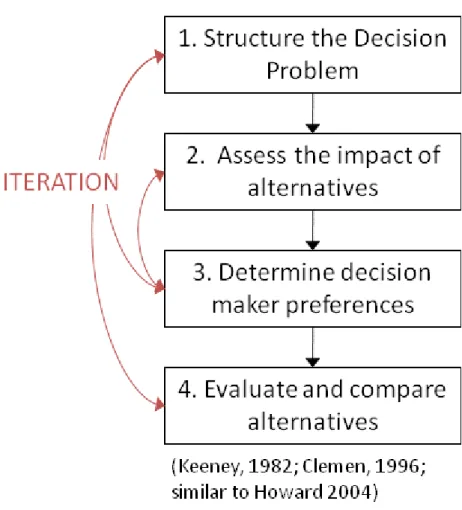
Figure 2-1: One general description of a canonical decision analysis model, with proposed iterative steps ... 27
Figure 2-2: Stages of the CLIOS processes (Sussman, 2007) ... 29
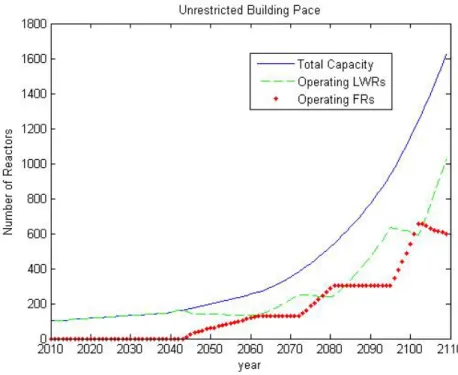
Figure 3-1: FANTSY reactor fleet results when FR build case is unrestricted and growth is high ... 43
Figure 3-2: FANTSY reactor fleet results when growth is high and the FR building pace is highly restricted ... 43
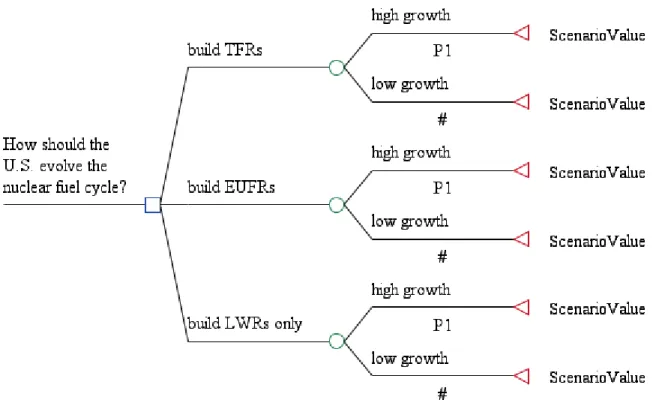
Figure 4-1: Simple illustrative decision tree ... 45
Figure 4-2: Example value tree for nuclear fuel cycle decision-making ... 47
Figure 4-3: Diminishing returns disutility function for waste ... 53
Figure 4-4: Technology options for an advanced nuclear fuel cycle ... 56
Figure 5-1: Simple one-period tree ... 61
Figure 5-2: Simple tree rollback ... 62
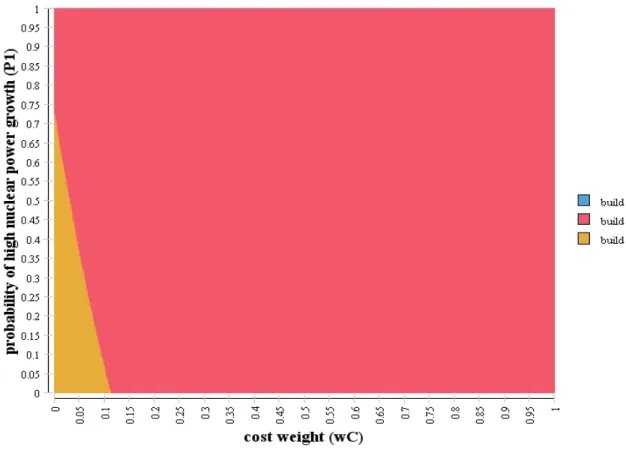
Figure 5-3: Sensitivity analysis for simple tree over wC and P1 ... 63
Figure 5-4: Sensitivity on cost weight and growth probability with high wTRU ... 64
Figure 5-5: Two period decision tree with cost uncertainty ... 65
Figure 5-6: Basic results for two-period, two-uncertainty tree ... 67
Figure 5-7: Second period decisions for the two-period tree ... 68
Figure 5-8: Operating FRs for two desirable fuel cycle pathways ... 69
Figure 5-9: SNF stockpile for two desirable fuel cycle pathways ... 69
Figure 5-10: Two-period tree with partial build options ... 72
Figure 5-11: Desirable first-period decisions when building fractions of FRs is allowed ... 73
Figure 5-12: Waste benefit of building a few reactors early ... 75
Figure 5-13: Tree of uncertainties in nuclear demand for low growth scenarios ... 77
Figure 5-14: Desirable decisions under conditions of extremely low growth ... 78
Figure 5-15: Desirable options for the second period, very low nuclear power demand ... 79
Figure 5-16: Sensitivity of low growth results to TRU/SNF weighting ... 81
11 Figure 5-18: Sensitivity between second period growth and cost weight for nuclear shutdown
scenario ... 84
Figure 5-19: Three-period tree ... 86
Figure 5-20: Desirable first period decisions for the three-period tree ... 87
Figure 5-21: Desirable second period decisions for the three-period tree, if 10% TFRs are built in the first period ... 89
Figure 5-22: Uranium price impacts tree ... 91
Figure 5-23: Effect of uranium price on desirability of traditional fast reactors ... 92
Figure 5-24: Natural uranium consumption by TFRs vs. EUFRs at very high growth ... 93
Figure 5-25: Decision tree with reprocessing loss uncertainty ... 95
Figure 5-26: Desirable decisions given an even probability between three reprocessing loss fractions... 96
Figure 5-27: Desirability of TFRs when loss fraction is either low or medium ... 97
Figure 5-28: Desirability of TFRs when low loss fraction is set at a stable value ... 98
Figure 5-29: Decision tree for first period myopic calculation ... 100
Figure 5-30: Results for myopic calculation of decisions with changing preferences ... 101
Figure 5-31: Pared decision tree for calculation of period one decision in sophisticated mode 104 Figure 5-32: Decision results for the first period, sophisticated calculation ... 105
Figure 5-33: Increased desirability of building 10% TFRs given learning ... 109
Figure 5-34: Effect of learning on the first-period decision, for heat metric value function ... 110
Figure 5-35: FR construction patterns for three scenarios ... 111
Figure 6-1: Comparison of utility functions for the one-period tree ... 114
Figure 6-2: SNF disutility for linear and diminishing returns functions -- 100% TFR points are clustered at the lower left, 10% TFRs in the middle, and LWRs in the upper right ... 116
Figure 6-3: Comparison of utility functions for the two- period tree ... 117
Figure 6-4: Comparison of utility functions for the three-period tree ... 118
Figure 6-5: Cost and waste weight tradeoff for a value function with a cost-weight interaction term ... 122
Figure 6-6: Sensitivity of the decision space to a low discount rate ... 124
Figure 6-7: Sensitivity of the second-period decision to a lower discount rate ... 125
12
Figure 6-9: Decision sensitivity to fast reactor cost for the two-period tree when waste liability is
added ... 129
Figure 6-10: Second-period decision for simple two-period tree with waste liability ... 130
Figure 6-11: Decision sensitivity to growth probability and cost weight for 5-option tree with waste liability ... 131
Figure 6-12: Impacts of FR build restrictions on the operating FR profile ... 134
Figure 6-13: Decision tree for industrial capacity restrictions on FRs ... 136
Figure 6-14: Desirable decisions for standard tree with uncertainty in FR building capacity at high growth ... 137
Figure 6-15: Comparison of zero and harsh industrial capacity restriction effects on decision space ... 138
Figure 6-16: Comparison of medium and zero industrial capacity restrictions on decision space ... 139
Figure 7-1: Division of labor between industry and government for a closed fuel cycle ... 142
Figure 7-2: NPV of FR and LWR lifetime costs under proposed government/industry interaction structure... 143
Figure 7-3: LWR waste fee required to incentivize industry builds of FRs ... 144
Figure 7-4: Industry response to a high waste fee ... 146
Figure 7-5: Decision tree for government waste fee decision ... 148
Figure 7-6: Desirable government waste fee decisions for a range of cost weights and cost probabilities... 149
Figure 7-7: Three-period tree for waste fee analysis ... 150
Figure 7-8: Sensitivity to cost weight and FR cost of increasing the waste fee in the first period ... 151
Figure 7-9: Decision sensitivity to first-period growth and cost weight for 3-period waste fee analysis ... 152
Figure B-1: Reprocessing capacity profile for scenario 3A, provided by CAFCA to the other codes for benchmarking purposes in the CANES benchmark study ... 184
Figure B-2: Operating reactors by MWe capacity (Case 3A) ... 186
Figure B-3: FR operational reactor capacity (Case 3A) ... 187
13
Figure B-5: Yearly natural uranium consumption rate (Case 3A) ... 189
Figure B-6: Amount of separated TRU in storage (Case 3A) ... 190
Figure B-7: Thermal reprocessing capacity: FANTSY adjustment to allow for two-year delay between start of reprocessing and use of reprocessed fuel ... 192
Figure B-8: Fast reprocessing capacity adjustment: FR reprocessing starts in 2041 ... 193
Figure B-9: Installed LWR Capacity by year (Case 3B) ... 194
Figure B-10: Installed FR capacity by year (Case 3B) ... 195
Figure B-11: TRU inventory by year (Case 3B) ... 197
Figure B-12: TRU stockpile including an agressive reprocessing build profile (lessens second buildup) ... 198
Figure B-13: Natural uranium consumed by LWRs (Case 3B) ... 199
Figure B-14: FR fuel fabrication by year (Case 3B) ... 200
Figure B-15: Spent LWR fuel in cooled storage (Case 3B) ... 201
Figure B-16: Spent FR fuel in cooled storage (Case 3B) ... 202
Figure B-17: Operating LWRs (Case 1B) ... 203
Figure B-18: Operating FRs (Case 1B) ... 204
Figure B-19: Separated TRU (Case 1B) ... 205
Figure B-20: FR capacity, including a restricted FANTSY build (maximum 2 FRs per year) .. 206
Figure B-21: Reprocessing Capacity as modeled by the FANTSY master code for scenario 3B ... 208
Figure B-22: Operating reactors generated by FANTSY master code for scenario conditions 3B ... 209
Figure B-23: Reprocessing Capacity as modeled by the FANTSYn50 master code for scenario 3B, with a 50-year “instantaneous depletion time” ... 209
Figure B-24: Operating reactor profiles for LWRs and FRs given a 2060 start date for FRs rather than 2040 ... 210
Figure B-25: TRU stocks over time when FRs are introduced in 2040... 211
Figure B-26: TRU stocks over time when FRs are introduced in 2060... 211
Figure B-27: Operating reactors over time with a 10-LWR per year construction limit ... 212
Figure B-28: Operating reactors over time with complex yearly expanding construction limits on LWRs and FRs ... 213
14
Figure C-1: Two-period tree with partial build options ... 222
Figure C-2: Desirable decisions when EUFRs are a medium-cost option ... 224
Figure C-3: Desirable decisions when EUFRs are even lower-cost ... 224
Figure C-4: Impact of different fast reactor decisions on stocks of SNF ... 225
15
Tables
Table 3-1: FANTSY Core Simulation Input Variables ... 38
Table 3-2: FANTSY Outputs ... 41
Table 4-1: System Nuclear Fuel Cycle Costs ... 48
Table 5-1: Sample weights for simple tree ... 61
Table 5-2: Standard weighting scheme for partial build analysis ... 73
Table 5-3: Growth rates for three-period tree ... 87
Table 5-4: Remaining second period decisions after paring under sophisticated calculation .... 102
Table 6-1: Value function structures tested for sensitivity of results ... 113
Table 3-1: FANTSY Core Simulation Input Variables ... 38
Table 3-2: FANTSY Outputs ... 41
Table 4-1: System Nuclear Fuel Cycle Costs ... 48
Table 5-1: Sample weights for simple tree ... 61
Table 5-2: Standard weighting scheme for partial build analysis ... 73
Table 5-3: Growth rates for three-period tree ... 87
Table 5-4: Remaining second period decisions after paring under sophisticated calculation .... 102
Table 6-1: Value function structures tested for sensitivity of results ... 113
Table 6-2: Restrictions on national industrial capacity for building FRs ... 133
Table C-1: EUFR cost premiums over LWR cost ... 219
16
List of Acronyms
AFCI: Advanced Fuel Cycle Initiative
CAFCA: Code for Advanced Fuel Cycle Assessment
COSI: COmelini-SIccard fuel cycle simulation code
CLIOS: Complex, Large-scale, Interconnected, Open, Sociotechnical (System) DANESS: Dynamic Analysis of Nuclear Energy System Strategies
EUFR: Enriched-Uranium fed Fast Reactor
FANTSY: Flexible Advanced Nuclear Technology Simulation by Year
FCRD: Fuel Cycle Research and Development (Program) FR: Fast Reactor
LWR: Light-Water Reactor
SNF: Spent Nuclear Fuel
TFR: Traditional (plutonium-fed) Fast Reactor
TRU: TRans-Uranic elements (typically of spent fuel)
17
Chapter 1: Introduction
Complex, high-technology systems are becoming more prevalent in our lives. One category of these could be considered “consumer technologies,” which provide a service directly to a device owner. These objects have short life spans, rapid version updates, and low per-unit costs. Cell phones and some internet applications fall into this category. Other high-tech systems, however, enable these consumer technologies. Such enabling systems are large, complex, and generally involve huge investments in long-lasting infrastructure. Many electricity generation and large transportation systems are typical of this group. Managing and evolving these types of complex technologies, that last far beyond political and industrial cycles, presents a unique challenge.
For a certain class of big infrastructure systems, the notion that we can develop a huge suite of technology options to solve a problem and then “let the market decide between them” is not realistic. The investment required to accomplish this is simply too great, and often the returns on investment depend on the continuity of government policy. The more expensive, complex, and long-lasting the system, the more important it becomes to make careful design decisions ahead of any investment or implementation. Making these decisions, however, is challenging because large enabling systems are required to meet an array of sometimes-conflicting
objectives. Usually these objectives include low costs, low environmental impacts, high degrees of safety and reliability, and others.
Modeling and simulation tools are increasingly aiding decision makers in defining complex system designs and selecting options. Simulation and decision analysis tools together can help establish a tractable strategy for system evolution, by helping to illuminate the tradeoffs between systems and their objectives. Complex technologies that would benefit from this
approach include the U.S. electrical grid (onto which renewable energy sources are unlikely to prosper unless there is significant centralized planning involving storage and backup systems, in addition to cost reductions), and the nuclear fuel cycle (which will never advance beyond its once-through, throw-away status quo unless a careful path is charted).
All of these systems must evolve over the course of decades, and they face numerous uncertainties during that time. It is not yet clear what electricity demand will be, how many nuclear plants will be desirable, or how quickly new generations of technologies will become
18
available. These systems and others like them also suffer, in varying amounts, from murky definitions of who, exactly, is responsible for changing them. For the U.S. nuclear fuel cycle and the electricity grid, complex relationships between private and public decision makers govern their futures.
This thesis provides a framework intended to help groups of decision makers compare and select options for evolving complex, long-lasting infrastructures serving multiple objectives. The framework comprises a decision analysis model linked with a system dynamics simulation, allowing for the explicit enumeration of options and uncertainties set over a temporal axis. Establishing a value function, as required by the decision analysis model, highlights the drivers for making system changes, and forces decision makers to consider their relative importance. The framework is applied here to the nuclear fuel cycle, because the nuclear fuel cycle strongly exemplifies the characteristics of a long-lived, technologically complex system with disparate groups of decision makers responsible for its evolution. In the U.S. and elsewhere, discussions focus on how to manage the conflicting objectives inherent in fuel cycle options, including reductions in CO2, safety, waste management, and others. This thesis concentrates solely on the
U.S. perspective. .
1.1 Motivation: The nuclear fuel cycle as a complex infrastructure
Nuclear power may be poised for a dramatic renaissance in the United States. Chief among the drivers for new nuclear are concerns about the environmental impacts of
anthropogenic carbon dioxide, and a desire to improve the sustainability of our energy systems. Though the nuclear meltdowns at Fukushima, Japan are having a negative impact on global public opinion, it is unclear whether the Japanese accident will significantly stall planned expansions of nuclear energy in the U.S. Nuclear remains the only widely available,
commercialized technology that can provide baseload electricity while producing negligible amounts of CO2.
Despite its advantages, nuclear power confronts many challenges besides public opinion in the U.S. electricity market. Costs are paramount among these, because the capital costs for a single nuclear plant range in the several billions of dollars and thus require utilities to bet their entire balance sheets on one project.(J. Deutch & et al., 2009) The difficulty in financing nuclear
19 projects is compounded by the roughly 30-year U.S. hiatus in nuclear power plant builds,
causing considerable uncertainty for investors about costs and regulatory risks.
A second major issue with nuclear power involves the unique characteristics of the waste. Spent nuclear fuel (SNF) is highly radioactive, dangerous, and long-lived. It also, however, contains significant potential to produce more electricity from various elements generated in or remaining in the fuel. These valuable components are stripped out and
re-fabricated for use again in reactors to produce electricity. This reprocessing and reuse of SNF has the potential not only to increase energy extraction from the material, but also can in principle reduce some of the long-lived radiotoxicity and volume of nuclear waste. Whether or not SNF is reprocessed, high-radiation wastes will require disposal. Scientists have long agreed that the best method of disposal consists of underground burial.(Hess, 1957) Yet establishing a program for nuclear waste disposal has proved difficult in the U.S.
The 1987 amendment to the 1982 Nuclear Waste Policy Act designated Yucca Mountain, Nevada as the site for a nuclear waste repository. Since then, over $13 billion has been spent characterizing and designing the repository location.(Yucca mountain cost estimate rises to $96 billion.2008) The Department of Energy used this information to submit a license application for construction and operation of the repository to the Nuclear Regulatory Commission (NRC) in June 2008. In March of 2010, however, the Obama administration moved to withdraw the application from the NRC, plunging the future of Yucca Mountain and of the pathway to nuclear waste management into doubt. At the same time, President Obama appointed the Blue Ribbon Commission on America’s Nuclear Future to chart a course for SNF management in the U.S. The Commission will make recommendations, but both public and private actors will still be responsible for making decisions at many points over time in order to determine the fate of the fuel cycle.
This thesis is directed toward developing and applying a methodology for decision making with regard to the U.S. nuclear fuel cycle. The intent is to help provide tools to navigate complex decisions between different pathways for fuel cycle development and investment. An example presented in this thesis concerns the choice between employing advanced recycling or maintaining the existing and well-understood once-through fuel cycle based on light water reactors (LWRs). Recycling nuclear fuel may make sense, but the utility of any fuel cycle will depend heavily on the trajectory for nuclear power growth (i.e. whether a nuclear renaissance
20
indeed takes place), the cost of advanced reactors and recycling technologies, and proliferation considerations, among other things. Each of these parameters is highly uncertain, so that the risks of investing in infrastructure that will last 50 years or more are especially acute. The high degree of uncertainty present for this system calls for a management approach considering flexibility and the preservation of options.(Saleh, Hastings, & Newman, 2001)
1.2 Focusing the Problem: the Cost-Waste Tradeoff
Although many different challenges confront nuclear power, two are often cited as the major barriers to a true nuclear renaissance. These two problems are the cost of the technology, and the nuclear waste it produces. While challenges associated with nonproliferation, safety, and public perception are important, the issues of waste and cost seem to be especially central to arguments for and against various configurations of the nuclear fuel cycle.
Federal policy currently requires the U.S. government to take title to commercial spent nuclear fuel and dispose of it. But, as described above, this has proved extremely difficult given large amounts of political and scientific opposition. The lack of a solution is damaging: several states have enacted bans on building new nuclear plants until a waste disposal program is operating.
Reprocessing spent LWR fuel and reusing it in advanced reactors could, however, be one mitigating solution. Such a fuel cycle would sequester waste into reactor cores and put it to work producing electricity, and could potentially reduce the long-term waste burden posed by
traditional spent LWR fuel. This might allow for building a smaller final repository, and prevent the need for additional repositories beyond the first one. Less waste would be more palatable politically, potentially enabling a true life-cycle nuclear waste solution and incentivizing greater participation from industry in building and operating reactors as part of the energy mix.
This advanced fuel cycle, however, will almost certainly be more expensive than the traditional once-through fuel cycle.(Kazimi, Moniz, Forsberg, & et al., 2011) Given that even LWRs operating in once-through mode are expensive (see above), increasing the cost of nuclear power could simply ensure that it is never used. A true tradeoff exists between options for waste mitigation and options for keeping the cost of nuclear as low as possible.
21 One caveat is in order: the extent to which LWR waste can be truly “mitigated” by an advanced fuel recycling is still the subject of debate. For example, although plutonium recycle decreases the volume of high-level waste destined for disposal, volume may be an irrelevant metric in a repository for which the loading factor is determined by the waste’s heat output. Fast reactor recycle may lower the radiotoxicity, volume, and heat output of high-level waste
compared to the once-through fuel cycle, but the extent of the benefit must be confirmed.
Analysis is needed on a life-cycle basis, in conjunction with the relevant (and yet unknown) final disposal site characteristics. This thesis makes the assumption that an advanced fuel cycle will provide a tangible waste benefit. Indeed, if it is shown that the waste benefits of advanced recycling are negligible, considering such cycles is pointless at this point in time (under the plausible assumption that fresh fuel in a once-through fuel cycle is not a significant constraint).
Deciding which fuel cycle to implement in the face of the cost-waste tradeoff is difficult. One could claim that the decision should depend on how much new nuclear we build; if we build lots of LWRs, and potentially will need vast amounts of repository space, we should look into reprocessing. But this argument makes an assumption about how desirable it is to mitigate the waste burden. Even if we build very few new nuclear plants, deploying a small number of advanced reactors and associated recycling facilities could be an attractive way to reduce the waste we have.
Further complicating the decision, a large number of entities have a vested interest in the structure of the nuclear fuel cycle and also have different perspectives on which aspects of the problem matter. The government agencies responsible for waste management would like a politically expedient and socially acceptable way to handle and dispose of spent nuclear fuel. Industry actors, including the major reactor vendors and nuclear utilities, are also concerned about waste, but are more immediately interested in the cost of producing electricity.
The problem is complex, fraught with different actors of varying sizes, roles, and decision making power. These groups have decisions to make at many different strategic levels and across long timescales. Focusing on the cost-waste tradeoff with simplified representations of the
multiple decision makers helps narrow the analysis, and sheds light on some of the better and worse pathways for evolving the U.S. nuclear fuel cycle.
22
1.3 Research Objectives
Over the last three decades, credible institutions have made extensive and deep system studies of advanced nuclear fuel cycle deployment. These studies can be broadly classified in one of three categories: in-depth design and analysis of individual advanced systems (e.g. of an advanced fast reactor or an aqueous reprocessing plant), static or equilibrium analysis of system interactions (e.g. on how much fuel would regularly be transferred in a fast reactor-reprocessing plant system), and dynamic analyses (e.g. on how quickly fast reactors can penetrate the nuclear market). Each type of study provides information relevant to decision makers at some level. This thesis aims to synthesize that information and put it into a framework relevant for policymakers at the level of the federal government, by creating a lens for viewing the results of dynamic fuel cycle analyses.
The primary research objective is to create a decision analysis framework for
understanding and comparing various advanced fuel cycle options. The value function used to evaluate the utility of various nuclear power scenarios will be flexible and expandable, allowing decision makers to ultimately decide the criteria by which technologies will be chosen. The decision analysis methodology further allows for explicit enumeration and evaluation of
uncertainties that may confront nuclear fuel cycle development. This increases the usefulness of the model, and adds a new dimension to the field of fuel cycle analysis. Various flexible patterns of development can be analyzed within the framework to evaluate them as potential responses to the uncertainties.
Among the limitations of decision analysis is the traditional methodological assumption, described more fully in section 2.1, that the system is governed by a single decision
maker.(Keeney, 1982) This assumption is extremely restricting for many systems of interest, and especially for the nuclear fuel cycle. Nuclear reactor vendors, utilities, Congress, regulators, and local governments will all make decisions shaping fuel cycle evolution. The framework
presented here is flexible enough to begin considering these interactions between private and public decision-makers, and one example is presented wherein industry actions are modeled from the perspective of the government.
Research questions addressed in this thesis include the following:
• Given an initial, simple value function, what are some of the preferred pathways for U.S. nuclear fuel cycle development?
23 • Does considering a broader range of options (including those that can flexibly
respond to uncertainty) change the suite of desired pathways?
• What are the effects of recognizing some the limitations of government as a decision-maker that interacts with the nuclear power industry (in effect acknowledging that the system has no all-powerful decision-maker)?
1.4 Methodological Overview
The primary focus of this work is a decision analysis model intended to both assist policymakers and expand the discussion of options and uncertainties that deserve the attention of fuel cycle studies. The full methodology underlying the decision tree and attendant calculations is described in Chapter 4.
Providing solid inputs to the decision tree, in the form of fuel cycle scenario parameters, is essential to conducting a valid analysis. To this end, a new fuel cycle simulation is created and linked to adjustable sets of decision trees. The fuel cycle simulation is designed to be very simple, fast-running, and inclusive of only the variables most central to the analysis problem at hand. A full description of the MATLAB-based system dynamics fuel cycle model is presented in Chapter 3.
The decision tree and fuel cycle models, plus their linkage through a set of Microsoft Excel spreadsheet calculations, form the methodological basis of this work (see Figure 1.1; methodological tools are listed in orange boxes, and software packages are represented in grey boxes).
24
Figure 1-1: Outline of methodology: two linked models
The inputs to the overall process include “traditional” fuel cycle simulation inputs. They are the advanced fuel cycle technology types in question, the times at which they are introduced, and the assumptions for nuclear power growth. These parameters are varied and arranged into scenarios, corresponding to scenarios of interest that are modeled as paths through the decision tree. Each branch of the decision tree model in Figure 1-1, ranging from left to right, represents a scenario with certain set values for each of the model parameters. The structure of the scenarios in the context of the decision tree is discussed more fully in Chapter 4.
The outputs of the entire process include groups of scenarios that prove desirable under various conditions. Rather than assume the preferences of the decision makers, results are
reported for a full range of “preference values,” any one of which in principle could represent the true desires of the decision making body. Other methodologies address the elicitation of these
25 preference values in the context of decision analysis; such elicitation is beyond the scope of this work (and instead is replaced by analyzing the full range of preference values that could be chosen). Because preference elicitations are controversial, especially for groups of decision makers (and likely even more so for disparate groups public and private institutions), reporting desirable decisions over a range of preference values and demonstrating each decision’s relative robustness was deemed more appropriate for this work. Further investigations should explore whether strategy “solutions” are more useful to decision makers when calculated for elicited preferences or when reported for a preference range.
1.5 Thesis Organization
This document is organized in eight chapters and two appendices. Chapter 2 presents a focused literature review of the decision analysis methodologies and fuel cycle analyses relevant to this work. Chapter 3 describes the system dynamics fuel cycle code, the Flexible Advanced Nuclear Technology Simulation by Year (FANTSY), developed to provide inputs to decision analysis models in this thesis. Chapter 4 explains the decision analysis methodology which forms the basis for the contributions of this work. Chapter 5 describes a series of studies performed using the decision analysis framework, each surrounding an important question about options for evolution of the nuclear fuel cycle. Chapter 6 presents seven sensitivity studies, which
demonstrate the robustness of the results presented in Chapter 5. Chapter 7 discusses the impact of relaxing the assumption that a single decision maker has full control over the system, and Chapter 8 presents conclusions and recommendations for further work. The appendices provide the MATLAB script for the FANTSY fuel cycle analysis code, and a comparison of FANTSY results to a benchmark study of fuel cycle simulations.
26
Chapter 2: Selected Background on Decision
Analysis and Nuclear Fuel Cycle Studies
The primary analytical foundations of this thesis include areas of decision analysis and simulation and modeling studies of the nuclear fuel cycle. Both subjects are exceptionally broad, so this chapter does not seek to provide a complete review of either one. Rather, the aspects of each most relevant to this work are highlighted, and the final section reviews the small body of literature on combining system dynamics methods with decision analysis.
2.1 The “Canonical Method” of Decision Analysis
Decision analysis is often divided into three “schools” of study: normative, descriptive, and prescriptive; an overview of the decision analysis field is described in (Tang, 2006).
Normative theory describes how humans should make decisions if they are following ideal rules of logic and rationality.(D. Bell, H. Raiffa, A. Tversky, 1988) Descriptive theorists analyze how decisions are actually made. Prescriptive theory, the school in which this thesis is grounded, is concerned with improving the process and results of decision-making.
Within the prescriptive school of decision analysis, one major theme is of interest for this work, providing the foundation for a contribution to the field. This is the “canonical method” of decision analysis, consisting of a set of steps which a decision maker (or analyst) should follow in order to identify a recommended choice. Several versions of this method have been presented since the birth of decision analysis, all of them more or less following a pattern of problem definition, followed by the generation of options, and then option examination.
John Dewey created one of the first models for phased decision making steps in 1910.(Hansson, 2005) His model included five stages: problem identification, problem
definition, generation of alternatives, evaluation of alternatives, and further observation leading to acceptance or rejection of the alternative. Herbert Simon proposed modifications to this same basic outline in 1960(Hansson, 2005), and then others followed by proposing sequential and circular/iterative versions of the process. Ralph Keeney, considered to be one of the “fathers” of modern decision analysis, proposed an iterative set of steps that added one for explicitly
27 analysis.(Keeney, 1982) Among others famous for their versions of this canonical set of decision analysis steps are (Clemen, 1996), and (Howard, 1988), who is often credited with coining the term “decision analysis.” Figure 2-1 shows one version of the canonical model, after the models described by Clemen and Keeney.
Figure 2-1: One general description of a canonical decision analysis model, with proposed iterative steps
The vast majority of initial literature on decision analysis recognized a common problem: the canonical model and the tools of decision analysis assumed a single, all-powerful decision maker.(Keeney, 1982) Keeney and others realized that few decisions are made by such
ubiquitous beings, but argued that decision analysis could nonetheless provide a useful perspective on many problems. Subsequent research has tackled this problem in many ways,
28
including by incorporating game theory for cooperative or competitive players (who are making decisions as they play).
A study by a National Research Council committee suggested a different avenue for handling multiple decision makers, producing a report in 1996 that recommended decision analysts incorporate stakeholder deliberation while moving through the steps of a canonical decision analysis model.(Committee on Risk Characterization, National Research Council, 1996) The benefits of deliberation include improved communication among decision makers, such that discrepancies in viewpoints are more easily discovered and consensus can be more easily
reached.(Weil, R. and Apostolakis, G., 2001) The framework presented in this thesis is intended to be used along with a deliberative process, but testing it with actual (or acting) human decision makers was beyond the scope of work and is left to further study.
It is important to note that performing this analysis with the full participation of several stakeholders would not completely solve the multi-decision maker problem. For the nuclear fuel cycle and similar systems, the problem is not simply that there are multiple people involved with decision making; there are multiple groups responsible for the relevant decisions, each composed of other groups with varying aims, and it is not always clear which groups possess decision making authority. This study offers initial steps toward a solution, by suggesting a modification to the most recent versions of the canonical decision analysis process.
Variations of the canonical procedure can now be found outside traditionally-defined boundaries of the decision analysis field. One example of a canonical model version comes from Joseph Sussman and his students in the MIT Engineering Systems Division, known as the “Complex, large-scale, interconnected, open, sociotechnical” (CLIOS) process.(Sussman, Dodder, McConnell, Mostashari, & Sgouridis, 2007) The three major stages of the CLIOS process consist of: (1) system representation, (2) design, evaluation, and selection of alternatives, and (3) implementation of the selected alternatives. CLIOS is a more thorough expression of the canonical decision analysis model (see Figure 2-2). Another example, designed specifically in the context of nuclear waste cleanup, is called the “KONVERGENCE”
Framework (for which the goal is to find where Knowledge, Values, and Resources
converge).(Piet, Gibson, Joe, Kerr, & Nitschke, 2003) Like CLIOS, the KONVERGENCE model includes explicit consideration of implementation of options.
29
Figure 2-2: Stages of the CLIOS processes (Sussman, 2007)
These and other models offer comprehensive decision support for ranges of complex systems, without necessarily invoking decision analysis. Each recognizes the importance of iteration between steps, the need for a strongly creative process to generate options, and the
30
critical importance of implementation phase planning. The framework established in this thesis could be aligned with any one of these system analysis and evolution procedures.
A new contribution to this class of processes, demonstrated here, is the utility of performing the set of procedural steps twice. The stages of problem definition, alternative generation, and analysis of options are first performed under the assumption that a single, all-powerful decision maker can alter the system in order to maximize public welfare. In some sense, this perspective is aligned with that of the federal government, which acts to benefit the common good. But an examination at the implementation planning phase quickly illuminates the fact that the government will not have the ability to enact the desired options as they have been defined. A second iteration is performed, where the alternatives are adjusted to reflect the interaction between government regulations and industry responses in the nuclear sector. The information from the first iteration about “best” options can then be compared with those that are more realistic, and a better option set ultimately chosen.
This thesis lays the groundwork for how such a “dual-iteration” procedure might work; further study will be needed to determine its effectiveness for other types of problems and
whether continued iteration with more complex decision maker definitions could illuminate even better sets of desired alternatives.
2.2 Nuclear Fuel Cycle Studies
The U.S. Department of Energy (DOE), along with many other organizations, has been conducting research on the nuclear fuel cycle for over 40 years. In 2001, the DOE began studying fuel cycle systems under the aegis of the Generation IV initiative. In 2003, the system studies program was expanded as part of the Advanced Fuel Cycle Initiative (AFCI). Work continues under the AFCI, now called the Fuel Cycle Research and Development (FCRD) Program (after a brief period under an umbrella initiative called the Global Nuclear Energy Partnership). This work includes annual reports and other documents produced by researchers at Idaho National Lab and Argonne National Lab, and by FCRD-supported university research. A small selection of U.S. fuel cycle reports, many (but not all) produced with full or partial support of the AFCI/FCRD, is described in section 2.2.2 below.
31 2.2.1 Why Study the Nuclear Fuel Cycle: AFCI/FCRD Goals
Policymakers and technologists have produced several iterations of the goal set to which advanced nuclear fuel cycle technologies should aspire. Each time these goals/values are
restated, the theme is the same: the nuclear fuel cycle should be sustainable, imposing as small an impact as possible on resources and nuclear proliferation. To varying extents, every fuel cycle study invokes goals along these lines, and qualitatively or quantitatively discusses the impacts of advanced technologies on the goals.
The current DOE program, FCRD, states explicitly that its objective is to conduct research and help develop sustainable fuel cycles. It states goals for fuel cycle technologies through a definition: “Sustainable fuel cycle options are those that improve uranium resource utilization, maximize energy generation, minimize waste generation, improve safety, and limit proliferation risk.”(U.S. Department of Energy, 2011) Though the program managers did not explicitly name low cost as a goal, they do indicate later in the document that the fuel cycle must be “acceptable to the American public.” As such, the final option must adhere to a cost goal that was defined in the AFCI mission, to “ensure that advanced fuel cycle technologies cause no significant decrease in the economic competitiveness of nuclear electricity.”(Dixon et al., 2008) Indeed, given the current competitive environment in which all nuclear and non-nuclear energy technologies are judged, a fuel cycle that fails to meet this objective is sure never to be
implemented.
2.2.2 Nuclear Fuel Cycle Reports
Among the factors that make fuel cycle decision making difficult is the sheer volume of information available about technological options. Reports on the subject range from the purely qualitative to those based entirely on quantitative models. On the qualitative end, industry has suggested paths forward for fuel cycle evolution by combining statements from experts.(Nuclear energy for the future: Required research and development capabilities - an industry
perspective2008) Similarly, recommendations to government by advisory committees also tend to come in the form of the gathered wisdom of fuel cycle experts, who themselves are familiar with a wide range of studies (e.g. (Martin, Ahearne, & and the Nuclear Energy Advisory Committee, 2008)). Hybrid qualitative/quantitative studies abound as well. One example is the MIT Future of the Nuclear Fuel Cycle report, which includes fuel cycle system modeling for scenario analysis and a separate model for uranium consumption, alongside qualitative sections
32
assessing the pros and cons of various fuel cycle options.(Kazimi, Moniz, Forsberg, & et al., 2011)
Highly quantitative modeling and simulation fuel cycle studies tend to fall into three broad categories: individual facility analyses (such as in-depth modeling of an advanced reactor), static or equilibrium system analyses (usually discussions of system-wide impacts of the fuel cycle, including linkages between reprocessing plants and advanced reactors), and dynamic analyses (fleet-level system analyses that examine the development of the fuel cycle system over time). Each type of study adds crucial information to the field of fuel cycle analysis.
Among the most important single-facility analyses are those that examine advanced reactors. Reactor studies often include calculations performed using core neutronic and thermal-hydraulic models, in order to simulate the performance of reactor fuel and the potential response of the reactor system to design-basis accidents. Examples include numerous MIT theses (see e.g. (Pope, Driscoll, & Hejzlar, 2004)). One of the most cited and influential studies in the area of fuel cycle analysis is Edward Hoffman’s design of a sodium-cooled fast reactor (SFR).(Hoffman, Yang, & Hill, 2008) Hoffman performed an analysis of core operation, and in the process
defined the isotopic compositions needed to sustain reactor operation for a range of fast reactor conversion ratios. His isotopic vector “recipes” are used in this thesis as well as Idaho National Lab’s fuel cycle simulation called VISION.
The in-depth studies of individual facilities are vital for any advancement of nuclear technology, but they do not provide all of the information needed to make decisions about fuel cycle evolution. Advanced reactors in fact exist within a complex system of reprocessing plants, light water reactors, fabrication plants, and disposal systems, and these all need to be
technologically and economically harmonized in order to close or significantly alter the fuel cycle.
Many system studies focus on collections of multiple facility types. Wigeland and Bauer, for example, consider the repository impact of thermal recycling by looking at the interaction of light-water reactors (LWRs) and aqueous reprocessing facilities.(Wigeland & Bauer, 2004) They are able to quantify the benefit of limited thermal recycle on repository loading in terms of a mass factor increase that can be loaded into Yucca Mountain. They do not make any analysis of fleet characteristics or nuclear power growth, but instead concentrate on a representative LWR
33 and reprocessing facility. In this sense, the analysis can be said to be “static” – it does not
address growth or change over time.
Studies that estimate the costs of advanced recycling also often take static or equilibrium viewpoints. Parsons and De Roo perform a calculation of advanced fuel cycle costs assuming that LWRs and fast reactors are in equilibrium with one another; this means they assume that the numbers of LWRs and fast reactors are attuned to one another such that there is no (or very little) excess fuel passing between them, and also that the isotopic composition of multi-recycled fuel changes very little with each pass through a fast reactor.(De Roo & Parsons, 2009) This
approach enables them to calculate a levelized cost of electricity for the advanced fuel cycle system that can be compared to the levelized cost of nuclear power today.
The third category consists of dynamic fuel cycle studies. Many of these studies are relatively recent, because complex fuel cycle simulations have become gradually more accessible as the speed of computing has increased. The use of dynamic fuel cycle analysis ranges from single-growth rate, single-technology scenarios intended to bolster qualitative arguments, to extensive use of complex codes that include sensitivity analyses.
The codes which are the workhorses of these analyses similarly range from the very simple to the very complex. Among the most complex and highly-developed fuel cycle codes are VISION (Idaho National Laboratory), DANESS (Argonne National Laboratory), and COSI (CEA – the French Atomic Energy Commission). Of the three, COSI may be the most
sophisticated, because it includes linked neutronics models to calculate fuel compositions as it runs. VISION and DANESS are both written on system dynamics platforms (PowerSim and iThink, respectively), and include millions of input options and extensive output data.
Researchers at Idaho National Lab used VISION in 2008 to perform one of the most extensive fuel cycle analyses to date, called the Dynamic Systems Analysis Report for Nuclear Fuel Recycle (DSARR).(Dixon et al., 2008) DSARR’s primary objective is a comparison of three fuel cycle systems: (1) once-through, (2) “1-tier” (LWR spent fuel is sent to immediate fast reactor recycle of all transuranics), and (3) “2-tier” (LWRs recycle spent fuel in a limited
manner, followed by a later introduction of fast reactors). System scenarios are run assuming a 1.75% growth rate in nuclear energy demand, and assuming single introduction dates for each advanced technology. The technology options are then compared in terms of their uranium usage and waste impacts (which is divided into dimensions of dose, heat, and radiotoxicity). The costs
34
of each system are separately estimated using static assumptions, to provide a further metric of comparison. Proliferation concerns are not addressed in the report.
The notions of uncertainty and flexibility are addressed qualitatively in DSARR. The authors suggest three ways in which fuel cycle systems could be flexible, including (1) burning Pu-MOX in LWRs if fuel separations have begun but fast reactors are not ready for deployment, (2) fast reactors could use excess weapons material or enriched uranium if separations are not operational in time, and (3) demonstration plants could be converted upward to commercial-scale plants. Each of these possibilities could prove to be useful pathways for fuel cycle system
evolution, but they all are more like solutions to potential problems than they are options that can be exercised for a range of uncertain futures. Furthermore, they do not address uncertainties in nuclear power growth, costs of advanced technologies, or the possibility that other events could dramatically alter the desired suite of technologies at any given time.
The authors do, however, quantitatively assess the possibility that advanced technologies might be desired (or only available) later in the future. A sensitivity analysis on the date of fast reactor introduction shows that late deployment of FRs actually slightly increases the number of fast reactors that are ultimately built, because the build rate of FRs is so sensitive to the
availability of used LWR fuel. The effect, however, is minimal. These results track with some of the scenarios studied in this thesis, but they are not discussed further in DSARR.
DSARR is extremely successful in accomplishing its objective of describing some canonical technology options for fuel cycle evolution, and comparing them to the stated goals of the AFCI. The authors have made an enormous contribution to the information required by policymakers to move development of the fuel cycle forward. The picture painted by DSARR and many other dynamic fuel cycle studies, however, is incomplete. In order to make good decisions about the future of nuclear power technologies, policymakers will need to better understand the impacts of various uncertainties and the tradeoffs between fuel cycle impacts. Nearly all studies like DSARR address a range of metrics (e.g. resource sustainability in the form of uranium consumption, heat output of the waste), but do not offer a quantitative assessment of how the objectives of sustainability, cost, safety, and security trade off among one another.
The framework outlined and demonstrated in this thesis forces explicit consideration of sources of uncertainty, the level of flexibility with which various systems address those
35 are few, because the intent was to demonstrate the method more than to provide a comprehensive fuel cycle option analysis. The hope is that as fuel cycle information becomes richer, new data and important options can be added into the framework in order to provide policymakers with a holistic analysis of fuel cycle evolution pathways. Ultimately, this framework can help identify the most (or least) promising ways to balance competing goals and move fuel cycle development forward.
2.3 Hybrid System Dynamics–Decision Analysis Studies
System dynamics and decision analysis are two tools that were developed independently to aid system managers. Each has strengths and weaknesses. Decision analysis offers the ability to quantify the benefits of real options in system evolution, so that managers can take advantage of flexibility and understand when to exercise options. Within a decision analytic framework, however, accounting for feedbacks, endogenous uncertainties, and nonlinearities is exceedingly difficult. System dynamics models make short work of handling nonlinearities and feedbacks, and can to some extent incorporate simple decision rules and flexibilities with use of “if-then” statements, but consideration of multiple-decision, multiple-uncertainty problems in the search for an optimum decision rule is intractable.
Several researchers have taken initial steps toward combining system dynamics and decision analysis, in order to reap the benefits of both. Hovmand and Ford applied a hybrid SD-DA approach to a social question, on what the best methods are for preventing domestic abuse while simultaneously maintaining low rates of victim arrest. Their approach included developing a system dynamics model, detailing the impacts of a domestic violence mandatory arrest policy. They then constructed decision sequences, involving options for advocate and community training, in case primary victim arrests increased after implementation of the mandatory arrest policy. These were carefully added into the decision model as “if-then” statements, and the model was run to determine which decision rule produced the most desirable results. They noted that coding the decision rules into the model was a difficult task, and that the best learning from the process came from thinking about how to structure new decision strategies.(Hovmand & Ford, 2009)
36
Nathaniel Osgood showed that he could drastically reduce the calculation time with a different method: he aligned decision tree branches with system dynamics runs and then performed a backward-induction calculation on the tree to determine the best decision rule. In this way, decision rules did not need to be included in the system dynamics model.(Osgood, 2005) He demonstrates his method with a very simple case, involving a single decision, single decision criterion, and one uncertainty. The method used in this thesis is based on Osgood’s approach, but is extended to incorporate multiple decisions, uncertainties, and decision criteria.
Burcu Tan combined real options valuation approaches with system dynamics in a series of papers. He uses a system dynamics model to generate cash flow distributions for each time period of a decision tree, and then performs backward induction on the tree to calculate the best course(s) of action and to discern the value of the options modeled. He uses NPV as the single decision attribute, which is often appropriate for a firm’s decision to invest in a project. He also, interestingly, models all uncertainties within the system dynamics model rather than specifying them in the decision tree. This has the advantage of keeping the tree simple, but obscures the direct impacts the uncertainties are having on the results.(Tan, Anderson, Dyer, & Parker, 2010)
None of these hybrid approaches so far have tackled national-level multi-decade strategic planning problems, nor have they considered more than one objective to optimize. This thesis addresses those gaps, applying decision analytic approaches to the relatively well-understood system dynamics characterization of the nuclear fuel cycle, and incorporating multiple objectives and explicit analyses of uncertainty in order to inform decision maker discussion.
37
Chapter 3: The Flexible Advanced Nuclear
Technology Simulation by Year (FANTSY)
Chapter 2 described several of the most important fuel cycle analysis codes. An effort was made in the course of this work to use an available, well-tested fuel cycle simulation in order to obtain information about different scenario options. Unfortunately, neither of the two accessible options was viable, mostly for logistical reasons. VISION in its third version contained some non-working parts, which were resolved too late to serve as the basis for this thesis; an MIT simulation called the Code for Advanced Fuel Cycle Assessment (CAFCA) is too limited in the options it offers, and as of writing had no active stewards or users of the code. A new fuel cycle code was created to be maximally flexible, to run quickly, and to interface easily with Microsoft Excel and TreeAge software programs.
The new fuel cycle code is written in MATLAB script and is called the Flexible Advanced Nuclear Technology Simulation by Year (FANTSY). FANTSY consists of two
primary files: a basic 100-year fuel cycle simulation script, and a wrapper that runs the fuel cycle simulation multiple times with different inputs for each run. Each time a new study is done with a new decision tree, the two files are adjusted to incorporate items of interest. One version of each file (complete code) is presented in Appendix A.
3.1 Code Description
The wrapper code is designed to run the primary FANTSY simulation file one time for each branch of a decision tree. Each branch is associated with a number of inputs, including the growth rate for nuclear power at each epoch, the type (or types) of nuclear plants to build and the relative amounts. FANTSY also contains options to define a start date for centralized storage, and/or to specify the loss percentages for spent fuel recycling; neither of these variables is required for the simulation to run. See Table 3.1 for a complete description of the required input variables, where LWR = light water reactor, TFR = traditional (spent TRU-fed) fast reactor, and EUFR = enriched-uranium fed fast reactor (see section 4.2 for a more complete description of the reactor decision options).
38
Table 3-1: FANTSY Core Simulation Input Variables Input Variable Var
Type
Allowed Values Description
Nuclear Growth Scalar Positive reals % growth per year of nuclear demand Reactor Type(s) String LWR, TFR,
EUFR
Reactors to build
Reactor Fraction Scalar [0, 1] Fraction of FRs to build of those allowed by available amounts of fuel feedstock
The wrapper code iterates through each possible combination of inputs by assigning appropriate values for growth, reactor types, and reactor amounts to each time period between decisions. Once the wrapper specifies a complete set of inputs, it calls the core 100-year simulation function.
The FANTSY core simulation code shares several characteristics with CAFCA, but brings inputs to outputs in a linear fashion. The simulation file begins with initialization, taking the inputs defined above and establishing a 100-year trajectory for nuclear power demand. The initialization also includes designation of the current U.S. reactor fleet and the setting of “fuel recipes.” In practice, the isotopic composition of the fuel changes with each pass through a fast reactor. FANTSY, however, follows CAFCA and VISION by setting the isotopic composition of fresh and spent fuels and keeping these constant throughout the simulation; in this case, fuel recipes were taken from VISION (which in turn credits Hoffman for the specification of fast reactor isotopic ratios). Like CAFCA, FANTSY groups the constituents of the fuel into
categories (fission products and actinides); CAFCA includes an option for separate tracking of plutonium, but this was deemed unnecessary for FANTSY at this time given that no
Pu-separation fuel cycles were evaluated for this work. VISION tracks all isotopes individually and performs decay calculations at various steps throughout the cycle. This level of detail was also deemed unnecessary for this work, owing to the breadth of questions under consideration, but further studies could incorporate the sophistication of VISION.
Following initialization, FANTSY commences a set of commands performed for a single year and loops these commands 100 times. The first step is to create a forecast for reactors