HAL Id: insu-02270560
https://hal-insu.archives-ouvertes.fr/insu-02270560
Submitted on 25 Oct 2019
HAL is a multi-disciplinary open access
archive for the deposit and dissemination of sci-entific research documents, whether they are pub-lished or not. The documents may come from teaching and research institutions in France or abroad, or from public or private research centers.
L’archive ouverte pluridisciplinaire HAL, est destinée au dépôt et à la diffusion de documents scientifiques de niveau recherche, publiés ou non, émanant des établissements d’enseignement et de recherche français ou étrangers, des laboratoires publics ou privés.
Determination of complex formation constants of
neptunium(V) with propionate and lactate in 0.5–2.6 m
NaCl solutions at 22–60°C using a solvent extraction
technique
Aleksandr Vasiliev, Nidhu Banik, Rémi Marsac, Stepan Kalmykov, Christian
Marquardt
To cite this version:
Aleksandr Vasiliev, Nidhu Banik, Rémi Marsac, Stepan Kalmykov, Christian Marquardt. Determina-tion of complex formaDetermina-tion constants of neptunium(V) with propionate and lactate in 0.5–2.6 m NaCl solutions at 22–60°C using a solvent extraction technique. Radiochimica Acta, R Oldenbourg Verlag GMBH, 2019, 107 (7), pp.623-634. �10.1515/ract-2019-3107�. �insu-02270560�
Page 1 (18)
Determination of complex formation constants of
neptunium(V) with propionate and lactate in 0.5 – 2.6 m
NaCl solutions at 22-60 °C using a solvent extraction
technique †
Aleksandr N. Vasiliev1,2,3, Nidhu L. Banik1,4, Rémi Marsac1,5, Stephan N. Kalmykov2, Christian M. Marquardt1,*
1Karlsruher Institut für Technologie (KIT), Institut für Nukleare Entsorgung, P.O. Box 3640, 76021 Karlsruhe, Germany.
Email: [email protected]; Tel +49 721 60825686,
2Radiochemistry Division, Chemistry Department, Lomonosov Moscow State University, Moscow 119992, Russia. 3Institute for Nuclear Research Russian Academy of Sciences, Moscow 117312, Russia.
4JRC-KARLSRUHE, G.II.6 – Nuclear Safeguards and Forensics, European Commission, P.O. Box 2340, D-76125
Karlsruhe, Germany.
5Univ Rennes, CNRS, Géosciences Rennes - UMR 6118, F-35000 Rennes, France.
*Corresponding author.
†Dedicated to the memory of Professor Günter Herrmann.
Abstract: Natural clay rocks like Opalinus (OPA) and Callovo-Oxfordian (COx) clay rock are considered as potential host rocks for deep geological disposal of nuclear waste. However, small organic molecules such as propionate and lactate exist in clay rock pore water and might enhance Np mobility through a complexation process. Therefore, reliable complex formation data are required in the frame of the Safety Case for a nuclear waste repository. A solvent extraction technique was applied for the determination of NpO2+ complexation with propionate and lactate. Extraction was conducted from isoamyl alcohol solution containing 10-3 M TTA and 5·10-4 M 1,10-phenanthroline. Experiments were performed in 0.5-2.6 m NaCl solutions at temperatures ranging from 22 to 60 °C. Formation of 1:1 Np(V) complexes for propionate and lactate was found under the studied conditions. The SIT approach was applied to calculate equilibrium constants β°(T) at zero ionic strength from the
experimental data. Log β°(T) is found linearly correlated to 1/T for propionate and lactate, evidencing that heat capacity change is near 0. Molal reaction enthalpy and entropy (ΔrH°m and ΔrS°m) could therefore be derived from the integrated van’t Hoff equation. Data for log β° (298.15K) are in agreement with literature values for propionate and lactate. Np(V) speciation was calculated for concentrations of acetate, propionate and lactate measured in clay pore waters of COx. In addition, the two site protolysis non-electrostatic surface complexation and cation exchange (2SPNE SC/CE) model was applied to quantitively describe the influence of Np(V) complexation on its uptake on Na-illite, a relevant clay mineral of OPA and COx.
Page 2 (18) Keywords: Np(V); Complexation; Complex formation constant; Lactate; Propionate; Solvent extraction
Introduction
High level nuclear waste in deep nuclear repositories contains considerable amounts of the
radionuclide 237Np. The combination of its relatively high occurrence, its long half-life (T1/2 = 2.14·106 years) and high radiotoxicity makes this radionuclide environmentally important. While Np can exist in several oxidation states (IV, V and VI) under geological repository conditions depending on the redox conditions, Np(IV) and Np(V) are the most stable oxidation states of neptunium under circumneutral pH conditions. Np(V) is formed under oxidizing conditions and is considered to be mobile in the environment due to its relatively high solubility and low sorption affinity towards surrounding rocks and soil components [1]. The neptunyl ion (NpO2+) is a linear dioxo cation with an effective charge on the Np atom of about +2.2 [2]. It forms complexes with penta-, hexa- and trigonal bipyramidal structures and the axial positions occupied by neptunyl oxygens [3].
The commonly adopted approach for nuclear wastes disposal is the isolation in deep geological
formations. Clay rock is considered as a potential host rock for such deep geological repositories [4-6]. The migration of high level waste components and neptunium in particular will depend on the sorption reactions of the surrounding geological matter and on complexation with various ligands present in the near-field or far-field environment. In addition to inorganic ligands commonly found in the
environment (e.g. CO32-, OH-), organic complexing ligands like high-molecular weight clay organics (e.g. humic substances-like compounds) and low-molecular weight organics (lactate, propionate, acetate, etc.) have been found in clay pore waters such as the Opalinus clay (OPA, Switzerland) and the Callovo-Oxfordian argillite (COx, France). The pore water samples from COx contains 1865 μM acetate, 127 μM propionate and 8 μM lactate [7], for OPA the similar proportions have been measured [8]. The complexation with these ligands may enhance the neptunium mobility, a property, which is important for safety aspects of a repository.
Due to the radioactive decay of radionuclides in the waste, the temperature in the near-field of the repository is likely to be increased up to about 100 °C or higher depending on the repository design and the type of the host-rock [9] in the early post closure phase. The temperature will remain significantly higher than ambient temperature during thousands of years. In addition, porewaters in clay rocks exhibit high ionic strength (I) conditions, e.g. in Northern Germany (I > 3.5 M) or for OPA (I = 0.3-0.5 M) [7]. It was shown earlier [8, 10] that increase of temperature and ionic strength may have a significant influence on the complexation processes under the near-field conditions and thus change the retardation efficiency of clay rock formations.
In light of the foregoing, it is necessary to outline the lack of information about the thermodynamic data of neptunium complex formation with ligands present in clay rocks. A recent study [11]
investigated Np(V)-propionate complexation by spectroscopy and delivered related thermodynamic parameters. In [11], a solvent extraction method has been applied to determine the thermodynamic parameters for the Np(V)-propionate complexes at various I and T. The complexation of NpO2+ with lactate has been studied previously at room temperature using solvent extraction technique [13-15]. The present paper is aiming to complete these data with complexation data at high temperatures that correspond to the HLW repositories conditions. Information on the temperature effect of the Np(V) complexation with low-molecular weight organic substances might also be useful to estimate the behavior of macromolecular organics such as humic substances [16], that also were found at some potential repository sites [17].
In the present work, the complexation of Np(V) with propionate and lactate was studied by using a solvent extraction as a function of NaCl concentration, ligand concentration, and temperature. The specific ion interaction theory (SIT) was used for correlation of ionic strength effects and the
Page 3 (18) temperature dependent thermodynamic stability constants as well as the standard molar reaction enthalpy ΔrH°m and the standard molar reaction entropy ΔrS°m of the complexation reactions are determined. Surface complexation modelling was applied to appraise the influence of Np(V)
complexation with low-molecular weight organics on clay minerals retention of Np(V). Such studies render possible to assess the behavior of NpO2+ in the environment and compare its properties with similar data for other actinides.
Experimental
Materials and Methods
Chemicals and Np(V) stock solution
All chemicals were of p.a. quality or higher and were obtained from Merck (Darmstadt, Germany) or Riedel de Haen (Seelze, Germany). All experiments were conducted using de-ionized “MilliQ” water (ρ = 18.2 MΩ cm-1). A well characterized 237Np(V) stock solution (50 µM) in 0.01 M HCl was used for all complexation experiments. Np(V) purity was verified by UV-Vis/NIR spectroscopy [18]. 237Np concentration was determined by liquid scintillation counting (LSC) with α/β-discrimination of the 233Pa daughter nuclide, using the scintillation cocktail Ultima Gold XR (Packard Instruments Co., USA) and the liquid scintillation counter (LSC) Tri-Carb (Packard Instruments Co., USA). The α/β-discrimination procedure is given in detail in Marsac et al. [19].
Complexation experiments
All concentrations given in mol L-1 (molarity, M) were corrected to mol kg-1 H2O (molality, m) for later calculations to avoid changes in the concentration because of variations in the solution density with temperature and ionic strength. Also the SIT (specific ion interaction theory) which was used for ionic strength correction to deduce complex stability constant at ionic strength zero, is based on the molal scale. The concentration of Np(V) was held at 3×10⁻⁶ M in all extraction experiments. A first set of samples was prepared at different NaCl concentrations (I = 0.5–2.6 m) with total propionate concen-tration ([prop]tot) being varied from 0.005 to 0.33 M and lactate concentration ([lac]tot) from 0.01 to 0.13 M to determine the ionic strength dependence of Np(V)-propionate/lactate complexation at room temperature. Furthermore, additional series were prepared at a constant ionic strength of 0.5 m with varying the ligand concentration in the same ranges and different temperatures from 22°C up to 60 °C. To maintain constant temperature, a water thermostat was used. Ligand (prop, lac) concentrations were set by adding aliquots of a 1.0 M solution of propionic acid or a 0.5 M solution of sodium lactate. The pHc (molality of the proton; -log [H+]) in each experimental batch was adjusted to a desired value of 7.0±0.1 at room temperature with 0.01 M HCl or 0.01 M NaOH and stabilized with 5∙10-3 M pipera-zine-N,N′-bis(2-ethanesulfonic acid) (PIPES) as buffer. 2-thenoyltrifluoroacetone (TTA) and 1,10-phenanthroline (1,10-phen) were used without purification. A 1∙10-3 M TTA + 5∙10-4 M 1,10-phen solution in isoamyl alcohol [20] was prepared and used as an organic phase for the extraction of NpO2+.
Solvent extraction
The solvent extraction experiments were conducted following the well-known procedure [21]. The organic solution containing 1∙10-3 M of TTA and 5∙10-4 M of 1,10-phen in isoamyl alcohol was pre-equilibrated with the aqueous stock solutions. For each extraction experiment 2.0 ml of aqueous solu-tion containing the ligand, background electrolyte, PIPES buffer solusolu-tion (5∙10-3 M) and 237Np(V) trac-er at pHc 7.0±0.1 was mixed with an equal volume of organic solution. The tubes were inserted into the holes of the temperature-controlled shaker for 3 hours at desired temperature. According to the kinetic studies this time is enough to reach the extraction equilibrium [22]. Afterwards the tubes were centrifuged and 0.5 ml aliquots were taken from both phases for 237Np determination by LSC. No
Page 4 (18) quenching effects were observed either in aqueous or organic phases under the experimental condi-tions. In the remaining aqueous phase pHexp was determined and pHc was calculated as described be-low. The hydrolysis of NpO2+ is not significant at pHc < 9 at the present temperature range 22-60 °C [23]. At room temperature Np(V) carbonate complexation is negligible for pHc < 7.5 [24]. To our knowledge, there is no study on Np(V) carbonate complexation at elevated temperature. By compari-son, Am(III) and U(VI) complexation by carbonate marginally increases and decreases, respectively, with temperature ranging between 22 and 60 °C [25, 26]. In addition, CO2(g) solubility in water de-creases with temperature. Since this work was carried out at pHc = 7.0±0.1, the hydrolysis and car-bonate complexation reactions are not taken into account. Note also that the effect of TTA complexa-tion with Np(V) in the aqueous phase as well as Np(V) Cl- complex formation were found to be negli-gible at the presently investigated conditions [20]. This was confirmed in our experiments where we clearly did not see a difference in the extraction of Np(V) with TTA between I = 0.5 m and I = 2.5 m NaCl in the absence of complexing ligands.
pH measurements
In the present study, operational pH values (pHexp) were measured with an Orion 2 Star Benchtop pH meter using an Orion 8103SC combination pH electrode. Commercial pH Titrisol buffer concentrates (Merck p.a.) were used to calibrate the setup at room temperature. For pH measurements at I > 0.1 m NaCl, the pHexp was converted to the thermodynamically well-defined proton concentration pHc (-log [H+]) according to equation 1 and 2 [27]:
pHc= pHexp + ANaCl (1)
(2)
The empirical correction coefficient (ANaCl) depends on the background electrolyte composition and concentration. For that we have accurately measured the ANaCl for the aqueous NaCl systems at room temperature. mNaCl is the molality of the background electrolyte. pHc was only determined at room temperature. The apparent proton dissociation constant of propionate/lactate (pKa) is below 5 within the range of [NaCl] and T investigated [11, 13]. For pHc = 7 (i.e. > pKa + 2), both ligands can be con-sidered as fully unprotonated. PIPES was chosen as a buffer, because it shows maximum water solu-bility, minimum solubility in all other solvents (i.e. during the extraction experiment), minimal salt effects and minimal change in pKa with temperature [28]. Hence, pHc is not expected to be significant-ly affected when varying the temperature. For the calculations the total ligand concentration ([Prop]tot or [Lac]tot) is considered to be equal to the free ligand concentration ([Prop]eq or [Lac]eq).
Results and Discussions
Determination of the distribution ratio (D0) in absence of a ligand The complexation reaction of Np(V) with a ligand L- can be expressed as:
(3)
with the conditional stability constant (βc, in (kg∙mol-1)n) defined as:
(4) 0988 . 0 1715 . 0 ) ( 0013 . 0 2 NaCl NaCl NaCl m m A n n n c L NpO L NpO ] [ ] [ ] [ 2 ) 1 ( 2 ) 1 ( 2 2 n n L NpO L n NpO
Page 5 (18) Neptunium (V) is a difficult ion to extract [29]. To enhance the extraction efficiency, the synergetic extraction by the mixture of 2-thenoyltrifluoroacetone (TTA) and 1,10-phenanthroline (1,10-phen) was used [20].
The extraction reaction can be written as follows: (5)
where (o) or (a) refers to the species in the organic or aqueous phase, respectively. B refers either to 1,10-phen or TTA. Extraction is characterized by a distribution ratio (D) of Np(V) between the organic and aqueous phase:
(6)
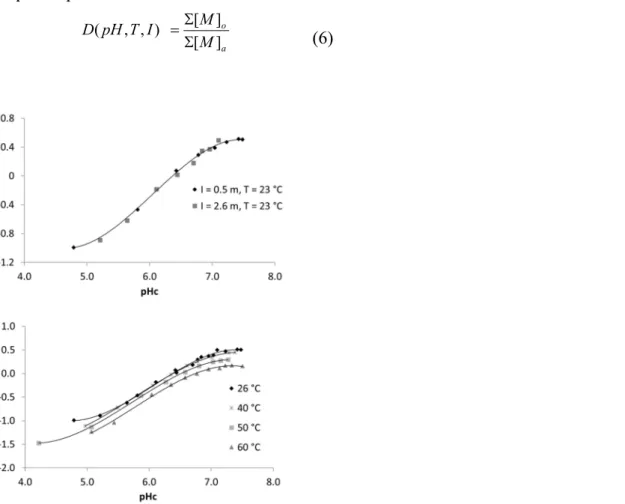
Fig. 1: Distribution ratios of Np(V) upon extraction by 1∙10-3 M TTA and 5∙10-4 M 1,10-phen in the absence of complexing ligands: A:
At 23 °C with two ionic strengths 0.5 m and 2.6 m NaCl; B: At varying temperature and at 0.5 m NaCl.
Where Σ[M]o is the total concentration of metal ion in the organic phase and Σ[M]a is the total concen-tration of metal ion in the aqueous phase. D depends on various factors like pH, T, I, etc. Assuming the presence of various species in the aqueous phase and Do as a distribution ratio in the absence of a lig-and L in the aqueous phase, equations (4) lig-and (6) can be combined to:
(7) n n n c k k L D D0/ 1 , [ ] a o M M I T pH D ] [ ] [ ) , , ( ) ( ) ( 2 ) ( ) ( ) ( 2 a HLo n Bo NpOL nBo Ha NpO
Page 6 (18) where k is a serial number of a given experiment. In the particular case of a 1:1 Np-ligand complexa-tion, as observed in the present study for both propionate and lactate (as shown later), equation (7) could be simplified to:
(8)
and the slope of Dk0/Dk versus [L] corresponds to the conditional stability constant. To use the liquid-liquid extraction method according to equation (8) it is necessary to obtain D0 values for all the inves-tigated conditions namely pHc, ionic strength and temperature at fixed concentrations of extractants (TTA and 1,10-phen) and Np(V) ions.
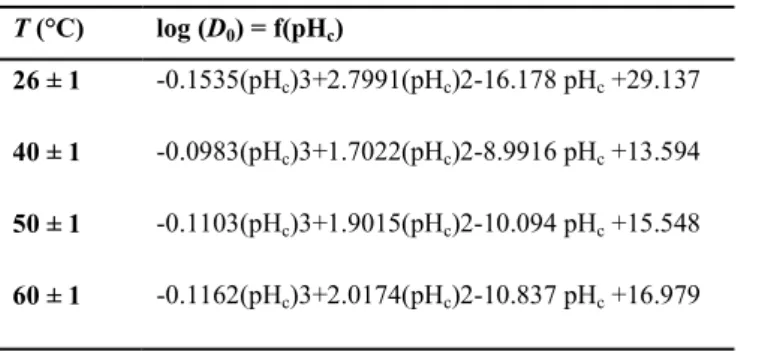
Table 1: Experimentally obtained equations log (D0) = f(pHс) for I = 0.5-2.6 m.
T (°C) log (D0) = f(pHc)
26 ± 1 -0.1535(pHс)3+2.7991(pHс)2-16.178 pHс +29.137
40 ± 1 -0.0983(pHс)3+1.7022(pHс)2-8.9916 pHс +13.594
50 ± 1 -0.1103(pHс)3+1.9015(pHс)2-10.094 pHс +15.548
60 ± 1 -0.1162(pHс)3+2.0174(pHс)2-10.837 pHс +16.979
Figure 1 shows the results of synergistic extraction of Np(V) as a function of pHc in the absence of aqueous ligand at two ionic strengths (0.5 and 2.6 m). The slope of the linear part of this curve is equivalent to 0.74 that well fits to the literature data [20]. No significant influence of ionic strength on D0 values was observed. By contrast, D0 decreases with increasing temperature (Fig. 1-B). Third order polynomials were used to fit D0 versus pHc at different temperature and the corresponding parameters are listed in Table 1. These equations were used to calculate the D0 value corresponding to the exact measured pHc value of each extraction experiment in presence of aqueous ligand.
Figure 2 shows typical plots of the experimental values of D0/D as a function of propionate or lactate concentrations.
Fig. 2: Representative plot of D0/D versus free ligand concentration. Aqueous phase: 0.5 m NaCl. Organic phase: 0.001 M TTA + 0.0005
M 1,10-phen.
D decreases with increasing concentration of both investigated ligands (s. Fig. 2, D0 is constant). The decrease in D is attributed to the increase in the concentration of Np(V)-L complexes in the aqueous
] [ 1 / 0 L D Dk k c
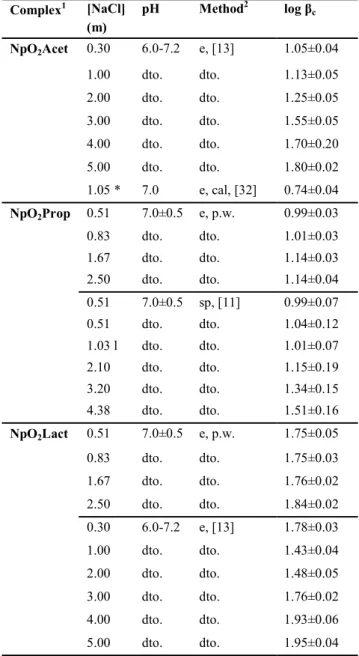
Page 7 (18) phase that are not extracted by TTA + 1,10-phen. The linear dependences of Do/D from the concentra-tion of the ligands indicate the formaconcentra-tion of only 1:1 complexes for Np propionate and Np lactate complexes at the studied conditions. As stated before, the slope of D0/D versus [L] (equation 8) corre-sponds to the conditional stability constants (βc). Table 2 summarizes the presently determined βc val-ues at 25 °C for Np(V) lactate and Np(V) propionate complexation from this work and from literature. For both ligands, βc values slightly increase with increasing I and T.
Table 2: Conditional stability constants of neptunium (V) complex formation at 25±1 °C. Complex1 [NaCl] (m) pH Method2 log β c NpO2Acet 0.30 6.0-7.2 e, [13] 1.05±0.04 1.00 dto. dto. 1.13±0.05 2.00 dto. dto. 1.25±0.05 3.00 dto. dto. 1.55±0.05 4.00 dto. dto. 1.70±0.20 5.00 dto. dto. 1.80±0.02 1.05 * 7.0 e, cal, [32] 0.74±0.04 NpO2Prop 0.51 7.0±0.5 e, p.w. 0.99±0.03 0.83 dto. dto. 1.01±0.03 1.67 dto. dto. 1.14±0.03 2.50 dto. dto. 1.14±0.04 0.51 7.0±0.5 sp, [11] 0.99±0.07 0.51 dto. dto. 1.04±0.12 1.03 l dto. dto. 1.01±0.07 2.10 dto. dto. 1.15±0.19 3.20 dto. dto. 1.34±0.15 4.38 dto. dto. 1.51±0.16 NpO2Lact 0.51 7.0±0.5 e, p.w. 1.75±0.05 0.83 dto. dto. 1.75±0.03 1.67 dto. dto. 1.76±0.02 2.50 dto. dto. 1.84±0.02 0.30 6.0-7.2 e, [13] 1.78±0.03 1.00 dto. dto. 1.43±0.04 2.00 dto. dto. 1.48±0.05 3.00 dto. dto. 1.76±0.02 4.00 dto. dto. 1.93±0.06 5.00 dto. dto. 1.95±0.04
1Complexation reaction: NpO
2+ + Ligand = NpO2Ligand
2p.w. – present work, e – liquid-liquid extraction, sp – absorption spectroscopy, cal – calorimetry.; * the medium is NaClO 4
Effect of ionic strength
Several equations can be used to extrapolate conditional stability constants to infinite dilution such as the specific ion interaction theory (SIT) and Pitzer approach [30]. SIT is applicable up to 3-4 m as rec-ommended by NEA-TDB [31] and can be used in the present study. SIT is applied to estimate
single-Page 8 (18) ion activity coefficients (γi) in solutions by taking into consideration the so called specific interaction coefficient (ε) between various ions in solution.
This procedure allows evaluation of equilibrium constants (β°) at infinite dilution:
(9) With SIT, activity coefficients can be expressed as:
(10)
where mk is the molality of the aqueous species k; ε(i,k) is the specific ion interaction coefficient be-tween species i and k; D is the Debye-Hückel term; A(T) is the limiting Debye-Hückel equation slope, that depends on temperature:
(11)
where N is the Avogadro number, e stands for absolute electronic charge, εd is the dielectric constant of water at the given temperature, ρ is the pure water density, k is the Boltzmann constant, and T is temperature (K). Combination of equations 9 and 10 gives:
(12)
where Δz2 = Σz2(products) − Σz2(reactants) = −2 for the reaction given in eq. (3), involving one propi-onate or lactate ion in the complex, and Δε = ε(Na+ + Cl−; NpO2L) − ε(Na+; L−) − ε(Cl−; NpO2+).
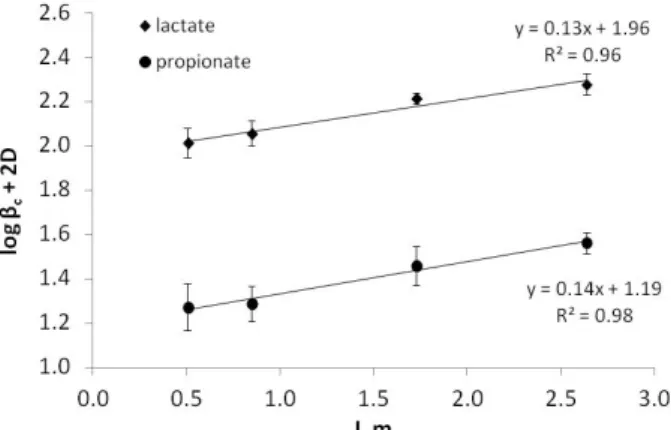
Fig. 3: SIT plot of the equilibrium reaction NpO2+ + L-⇌NpO2L in NaCl, yielding log β° = 1.19 ± 0.03 for propionate and log β° = 1.96 ±
0.05 for lactate.
Figure 3 presents the plot of log βс + 2D versus I (m). According to eq. 13, the intercept and the slope of the linear regression correspond to log β° and to –Δε, respectively. From the data in Figure 3, Δε is −0.14 ± 0.02 for propionate and −0.13 ± 0.03 for lactate and the log β° values are 1.19 ± 0.03 and 1.96 ± 0.05, respectively. These values are shown in Table 4 and are compared with literature data. Log β° and Δε values are in excellent agreement with a previous spectroscopic study of Np(V) propionate complexation (log β° = 1.26 ± 0.03) [11]. Solvent extraction is a technique from which log β is calcu-lated by using the total complexed metal species, including outer and inner sphere complexes, whereas
k k k k i m k i D z m k i I I T A z ) , ( ) , ( 5 . 1 1 ) ( log 2 2 3 3 ) ( 100 2 ) ( T k N e T A d I D z с log log 2 ) ( ) ( ) ( 2 2 L NpO L NpO c Page 9 (18) spectroscopic technique takes into account only inner sphere species and might possibly result in un-derstated β values [12]. The fact that both spectroscopic and solvent extraction methods provide simi-lar thermodynamic parameters suggest that the NpO2Prop complex is formed mainly via inner sphere complexation, as previously shown for Eu [12]. Literature data are also available for Np(V) complexa-tion with acetate (Acet) [32]. The authors obtained log β° and Δε values for the 1:1 NpO2Acet complex similar to the values for propionate derived in this work using NaCl as background electrolyte (log β° = 1.28 ± 0.04 and Δε = -0.24 ± 0.02). Moore et al. [13] previously studied Np(V) complexation with acetate and lactate by liquid-liquid extraction (LLE) at 25°C and various ionic strengths (0 ≤ I ≤ 5 m). Experimental βc values are reported, but not the SIT parameters because the Pitzer model was used for ionic strength correction. For comparison purpose the original data from [13] were evaluated with eq. 12 to get log β° and Δε values. The thus obtained values are in relatively good agreement with the pre-sent work (s. Table 4).
In the present study no hints of a chloride complexation of NpO2+ could be found, because the chloride concentration was too small [33]. This confirms, that the chloride complexation of Np(V) is very weak and can be neglected to describe the studied system. In that case the interaction of NpO2+ with the chloride ion can be regarded as an ion-ion interaction to be included in the specific interaction coeffi-cients [33].
The stability constants log β°of NpO2Acet and NpO2Prop are similar with values between 1.19 and 1.29, suggesting that the extension of the carbon chain by one –CH2 group does not affect significantly the log β° value. It should be mentioned that for the Np(V) lactate complexation, the formation of a 1:2 complex was observed at larger lactate concentrations (0.1-1 M NaClO4) by Tochiyama et al. [14]. However, in the same publication Tochiyama et al. report a slightly smaller experimental log βc1 value (1.40 ± 0.02) for the first lactate complex than the one obtained in the present paper (logβc1 1.75 ± 0.03).
Effect of temperature
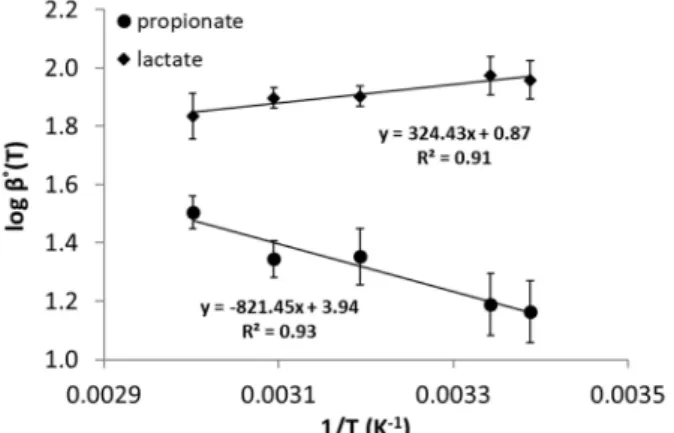
Effect of temperature on Np(V)-L complexation was investigated at T = 22, 40, 50, and 60 °C and [NaCl] = 0.51 m (Table 3). Conditional log βc values were corrected to stability constant log β°(T) at infinite dilution for each temperature using SIT approach as described above. As suggested by previ-ous work, variation of ε(i,k) with T(< ±0.05 kg·mol-1) can be neglected [34,35]. With the hypothesis that the molal standard reaction enthalpy ΔrH°m and entropy ΔrS°m are not changing with temperature (i.e. that heat capacity is constant) under the experimental conditions, it is possible to determine these thermodynamic parameters from an Arrhenius plot on the basis of the van’t Hoff equation:
log 𝛽(𝑇) = − ∆ 𝐻 ° 𝑅𝑇 𝑙𝑛10+ ∆ 𝑆° 𝑅 𝑙𝑛10 (13) where R is the ideal gas constant. Figure 4 plots log β(T) versus the reciprocal temperature (K) 1/T. The linear dependences on temperature of log β°(T) validates our hypothesis. Calculated values of ΔrH°m and ΔrS°m are listed in the Table 4 with literature data for comparison. Presently determined parameters for propionate are consistent with a previous study on Np(V) propionate complexation by spectroscopy [11]. For [NaClO4] = 1.05 m, Rao et al. [32] determined ΔrH°m = 18.1 ± 1.8 kJ·mol-1 and ΔrS°m = 75 ± 6 J·mol-1·K-1, which are comparable to our present results for the propionate system.
Page 10 (18)
Table 3: Conditional stability constants of neptunium (V) complex formation at different temperatures. Complex1 T, °C I (m) log β
c Method4
NpO2Acet 25 1.04 2 1.05±0.04* sp,cal [32]
40 dto. 1.11±0.03* dto. 55 dto. 1.19±0.03* dto. 70 dto. 1.34±0.05* dto. NpO2Prop 25 0.51 3 0.99±0.03 e, p.w. 40 dto. 1.15±0.01 dto. 50 dto. 1.29±0.10 dto. 60 dto. 1.36±0.06 dto. 20 dto. 1.07±0.10 sp [11] 23 dto. 0.99±0.07 dto. 23 dto. 1.04±0.06 dto. 40 dto. 1.13±0.10 dto. 60 dto. 1.19±0.10 dto. 70 dto. 1.27±0.10 dto. 85 dto. 1.36±0.13 dto. NpO2Lact 25 0.51 3 1.75±0.05 e, p.w. 40 dto. 1.77±0.03 dto. 50 dto. 1.71±0.02 dto. 60 dto. 1.69±0.02 dto.
* In this work results of log β(T) were presented at zero ionic strength applying the SIT approach.
1Complexation reaction: NpO
2+ + Ligand- = NpO2Ligand. 2NaClO4; 3NaCl. 4p.w. - present work; e - liquid-liquid extraction; sp - spectroscopy; cal - calorimetry.
Molar standard reaction enthalpy for NpO2Prop (ΔrH°m = 16.3±3.0 kJ·mol-1) is positive, which indi-cates that complexation of Np(V) with propionate is an endothermic reaction. In general, positive ΔrH°m and ΔrS°m are found for actinide complexes with monocarboxylic ligands, for example,
Cm(III)Prop2+ (ΔrH°m = 5.7 ± 1.8 kJ·mol-1 and ΔrS°m = 84 ± 5 J·mol-1·K-1 [34]; or UO2Acet+ (ΔrH°m = 14.5 ± 1.5 kJ·mol-1 and ΔrS°m = 104 ± 6 J·mol-1·K-1 [36]. The energy effect of the complexation pro-cess is composed of (i) dehydration energy, which contributes to the positive enthalpy by removing of water molecules from the first hydration sphere of the cation and (ii) the energy of the metal-ligand interaction, which contributes to the negative enthalpy. The ΔrH°m > 0 indicates that dehydration ener-gy is required for complex formation and supports the model of inner sphere binding [37]. For both, NpO2Prop and NpO2Acet, the molar standard reaction entropy is positive indicating that the formation of these complexes is entropy driven. Relatively high values of ΔrS°m (75±6 J∙mol-1·K-1 [32] and 77±9 J∙mol-1·K-1 for acetate and propionate, respectively) suggest a bidentate coordination mode of NpO2 -OOC binding for acetate and propionate both with replacement of two water molecules from the inner sphere of Np(V), as previously confirmed by X-ray absorption spectroscopy [11].
Page 11 (18)
Fig. 4: Np(V) complexation constants corrected to zero ionic strength (log β°) versus the reciprocal of the temperature (K-1).
Table 4: Thermodynamic parameters of neptunium (V) complex formation. Reaction (method) log β°
(25°C) ΔrH°m (kJ·mol-1) ΔrS°m (J·K-1·mol-1) Δε Ref.
NpO2+ + Acet-↔ NpO2Acet (spec, cal) 1.28±0.04 18.1±1.8
(I = 1.05m)
75±6 (I = 1.05m)
-0.24 ± 0.02 [32] NpO2+ + Acet-↔ NpO2Acet (LLE) 1.29±0.07* - - -0.23±0.03* [13]
NpO2+ + Prop-↔ NpO2Prop (LLE) 1.19±0.03 16.3±3.0 77±9 -0.14±0.02 p.w.
NpO2+ + Prop-↔ NpO2Prop (spec) 1.26±0.03 10.9±1.2 62±4 -0.17±0.03 [11]
NpO2+ + Lact-↔ NpO2Lact (LLE) 1.85±0.29* - - -0.13±0.12* [13]
NpO2+ + Lact-↔ NpO2Lact (LLE) 1.96±0.05 -5.4±1.4 19±4 -0.13±0.03 p.w.
Nd3+ + Lact-↔ NdLact2+ (spec, cal) -2.02±0.22
(I = 1.05m)
43±1 (I = 1.05m)
- [38]
*the values were calculated using eq. 13 on the basis of published conditional stability constants.
For lactate, ΔrH°m is negative (ΔrH°m = -5.4±1.4 kJ·mol-1). No stability constants at elevated tempera-ture are available in the literatempera-ture for Np(V) lactate complexation. However, a previous study of
Nd(III) lactate complexation also showed a negative ΔrH°m [38]. The lactate contains a hydroxyl group beside the carboxyl group, which can participate in the formation of chelate structures. Lactate can either coordinate ‘end-on’ through the carboxylic group only or ‘side-on’ through both, the carboxylic and the hydroxyl group. It was shown earlier that lactate binds ‘side-on’ to Am(III) [39] as well as to Eu(III) [40]. A similar coordination can be expected for Np(V) lactate complexation. Indeed, similar observations to the present ones for Np(V) were made for lanthanide complexation by Choppin and Friedmann [41]. The enthalpies of lanthanide complexation were found to be exothermic for α-hydroxycarboxylate ligands while they were endothermic for their simpler analogs like acetate and propionate. The entropy of complexation, though still positive, was likewise smaller for
α-hydroxycarboxylate ligands than for carboxylate ones.
Np(V)- complexation with small organics at environmentally relevant concentrations
The Np(V) propionate complexation parameters determined in the present paper by solvent extraction technique are in a good agreement with the values obtained by UV-Vis/NIR spectroscopy earlier [11]. In the same publication the authors state that propionate has a minor impact on the Np(V) speciation at propionate concentrations found in natural clay . However, the relevance of lactate as a ligand that can increase Np mobility in natural clay formations should also be discussed.
Simulations were made with the geochemical speciation program PHREEQC [42] for pHc = 7, with 0.1 and 3 m NaCl and at T = 20 and 85°C using the presently obtained Np(V) lactate complexation
Page 12 (18) parameters. The percentage of Np(V) complexed to lactate versus log [Lact]tot is shown in Fig. 5 ([Np(V)]tot = 10-10 m). Np(V) lactate complexation slightly increases with I between 0.1 and 3 m for a given T, and slightly decreases with T between 20 and 85°C for a given I because of the exothermic effect of complexation.
Fig. 5: Chemical equilibrium diagram for Np(V) complexed species present in solutions consisting lactate (0-0.1 m).
According to our calculations, at [Lact] = 10-3 m, only about 5% of Np(V) is bound to the ligand. At log [Lact]tot higher than 0.1 M formation of a 1:2 Np(V) lactate complex becomes significant [14], but for small lactate concentrations even the NpO2Lac complex plays a minor role for the Np(V) specia-tion. We never observed any hints of a 1:2 Np(V) lactate complex at our experimental conditions of [Lact]tot < 0.1 M. If we consider OPA and COx as representatives for clay formations designated to be a host rock for nuclear repository sites, the lactate concentrations in the pore water were found to be lower than 10 μM [7,8]. This suggests that the influence of Np(V) lactate complexation is small under these conditions.
To get an overall picture of the influence of the low-molecular weight organic ligands acetate, propio-nate, and lactate on Np(V) speciation at COx conditions (1865 μM acetate, 127 μM propionate and 8 μM lactate [7]), the speciation was calculated using previous (for acetate, [32]) and presently deter-mined parameters (for lactate and propionate) at the same fixed I and T as studied in Figure 5 for vari-ous lactate concentrations. The results are plotted in Figure 6 for the three organic ligands. Although the total amount of Np(V) bound to these small organic molecules globally increases with temperature and salinity, it remains below 6% (in 3 m NaCl for T = 85°C). Therefore, these calculations suggest that small clay organic ligands have only little influence on Np(V) speciation in the aquatic solution at conditions relevant to clay pore waters of OPA and COx.
Page 13 (18)
Fig. 6: Calculated Np(V) speciation in pore water of COx (1865 μM acetate, 127 μM propionate and 8 μM lactate at pHc = 7 [7]) versus I
and T.
Surface complexation modeling
PHREEQC [42] was applied to evaluate the impact of small organics on Np(V) sorption to illite. In-deed, illite is the most important adsorbent for radionuclides in OPA and COx [43]. PHREEQC can perform aqueous speciation calculations under dilute to highly saline conditions with SIT, and has pre-viously been applied in surface complexation modeling studies at various ionic strengths [44-46]. The 2-site protolysis non-electrostatic surface complexation and cation exchange model (2SPNE SC/CE model [47]) was used to simulate Np sorption to illite. The cation exchange capacity (CEC) of the illite was set to 0.225 eq·kg-1. In PHREEQC, the Gaines and Thomas convention [48] can be used, whereby cation exchange reactions, the thermodynamic exchange constant (Kexch), and selectivity coefficient ( 𝐾 ) are expressed as follows:
(14)
(15)
Here, Ni are equivalent fractions, fi are surface activity coefficients and brackets denote activities in solution. 2SPNE SC/CE model accounts for the presence of abundant weak and few strong sites for the surface complexation of cations at illite edges.
Only the strong sites of the 2SPNE SC/CE model were considered in the adsorption calculations with a site density of 2×10⁻³ mol·kg-1 of illite, since the weak sites are irrelevant at trace levels of Np [19, 46]. Strong sites undergo protonation (log Ka,1 = 4) and deprotonation reactions (log Ka,2 = -6.2). Np(V) binding to these sites is written as follows:
≡SOH + NpO2+ + I H2O ↔
≡SONpO2(OH)i-i + (i+1)H+; log Ki (16)
with i = 0 or 1. Bradbury and Baeyens [47] determined a NpO2+-Na+ selectivity coefficient (Kc = 1) for illite as well as Np(V) surface complexation constants for illite within the 2SPNE SC/CE model (log K0 = -2 ; log K1 = -10.3).
Simulations were made at pHc = 7 in 0.1 and 3m NaCl, at 25 and 85°C. Adsorption of small organics and ternary illite-Np-organic complexes were neglected. Surface complexation modeling was used to compute Np solid–liquid distribution ratios (Rd, in L/kg):
(17)
where [Np]aq and [Np]tot (mol·L-1) are the dissolved (final) equilibrium and total (initial) concentra-tions of Np in solution, respectively. The term V/m corresponds to the aqueous solution volume to illite mass ratio (L·kg-1). Note that calculations based on Rd values are independent of V/m values used for the calculations. Because temperature dependent Np(V) adsorption to illite is unknown, the tempera-ture effect on sorption is neglected in the modeling and only temperatempera-ture dependence of the aqueous
Na NpO Exch NpO Na
Exch 2 2 Na Np c Np Na Na Np Na Np exch f f K NpO Na f f N N K ] [ ] [ 2 m V Np Np Rd ([ ]tot/[ ]aq1) /
Page 14 (18) speciation is considered. The results of the modeling are presented in Figure 7 as the variation of log Rd (Δlog Rd) versus ligand concentration:
(18)
This allows visualizing only effects of small organic molecules on Np(V) adsorption. An uncertainty of ±0.3 is commonly associated with log Rd determination for radionuclide sorption to clay minerals [49], hence no significant effects of ligands on Np(V) adsorption on illite can be expected for Δlog Rd ≤ 0.3. Decreasing of log Rd at relevant concentrations of small clay organic ligands found in COx pore water (1865 μM acetate, 127 μM propionate and 8 μM lactate [7]) were also calculated for high tem-perature and ionic strength (in 3 m NaCl for T = 85°C) and plotted in Figure 7.
According to modeling results, the expected influence of Np(V) complexation with small organic mol-ecules even at higher temperature and ionic strength is several times smaller than the uncertainty on log Rd determination for radionuclide sorption to clay minerals [47]. This suggests no significant influ-ence of small organic molecules on Np(V) retention on clay minerals at OPA and COx conditions, even at elevated temperatures. Note that ternary clay-Np-organic complexes formation, omitted in these calculations because unknown, should further decrease the negative effect of small organic lig-ands on Np adsorption. Hence, these calculations correspond to an upper limit scenario related to the Np(V) complexation with small organic ligands. This is corroborated by Fröhlich et al. [50], which show that the sorption of Np(V) on OPA (OPA contains illite as the main clay mineral phase) increas-es with increasing temperature. From this work we can conclude, that Np(V)-clay adsorption increasincreas-es more strongly with increasing temperature than Np(V) complexation with small organics.
) 0 ] ([ log ]) ([ log logRd Rd L Rd L M
Page 15 (18)
Fig. 7: Variations of Np(V) sorption (Δlog Rd) on Na-illiteat different concentrations of small organics, T and I incomparison with variation of sorption at pore water conditions of COx (1865μM acetate, 127 μM propionate and 8 μM lactate at pH = 7 [7]).
Conclusions
In the present study, liquid-liquid extraction was successfully applied and distribution ratios for Np(V) propionate and Np(V) lactate solutions were calculated.
The present study clearly identifies the 1:1 NpO2+ propionate and lactate complexes as the dominant species under the investigated conditions with log β°(25°C) = 1.19 ± 0.03 for propionate and log β° (25°C) = 1.96 ± 0.05 for lactate. Both stability constants increase with increasing ionic strength (0.5 < NaCl < 2.6 m) and with increasing temperature (22 < T < 60°C). The complex formation reaction is endothermic for propionate complexation and entropy driven, as evidenced by ΔrH°m = 16.3 ± 3.0 kJ·mol-1 and ΔrS°m = 77 ± 9 J·mol-1·K-1. The magnitude of ΔrS°m is consistent with an inner sphere bidentate coordination mode of the carboxylate, as previously observed by spectroscopy [11]. The re-sults are in a good agreement with literature [11, 13]. However, formation reaction is exothermic for lactate complexation. It is both enthalpy and entropy driven, as evidenced by ΔrH°m = -5.4 ± 1.4 kJ·mol-1 and ΔrS°m = 19 ± 4 J·mol-1·K-1, which supports the formation of a chelate structure involving the carboxylate and the hydroxyl group of the lactate ligand. These derived thermodynamic data (ΔrH°m, ΔrS°m, log β°(T)) for Np(V)-propionate and lactate complexation complements the thermody-namic databases for modeling of environmentally significant processes which is relevant for safety assessment of nuclear waste disposal scenarios. Using the present data it is possible to assess the im-pact of complexation processes on the geochemical behavior of Np(V). According to the obtained re-sults small clay organic molecules (acetate, lactate, propionate) have only little influence on Np(V) retention under the conditions that were found for OPA and COx pore waters.
Acknowledgements. Günter Herrmann was my (C.M. Marquardt) doctoral thesis supervisor. In those days he gave me the oportunity to work in the framework of a R&D Programme of the European Commission on Management of Radioactive Waste and Storage. The here presented work shows that this scientific issue is still up-to-date and that I remained true to this branch of science to date. This work has been supported by the German Federal Ministry of Economic Affairs and Energy (BMWi) under Contract No. 02E10206 and German Academic Exchange Service (DAAD).
References
1. Kim, J.I.: Chemical behaviour of transuranic elements in natural aquatic systems, In: Handbook on the physics and chemistry of the actinides, (Freeman, A. J., ed.) Elsevier Science Publishers, B. V., Amsterdam (1986), p. 413.
2. Choppin, G.R., Rao, L.F.: Complexation of pentavalent and hexavalent actinides by fluoride, Radiochim. Acta 37, 143 (1984).
3. Forbes, T.Z., Wallace, C., Burns, P.C.: Neptunyl compounds: polyhedron geometries, bond-valence parameters, and structural hierarchy, Can. Mineral. 46, 1623 (2008).
4. ONDRAF/NIRAS, SAFIR 2: Safety assessment and feasibility interim report, NIROND-2001-06 E, ONDRAF/NIRAS, Brussels/Belgium (2001).
5. OECD: Safety of geological disposal of high-level and longlived radioactive waste in France – an international peer review of the “Dossier 2005 Argile” concerning disposal in the
Callovo-Oxfordian formation, NEA No. 6178, OECD Organization for economic cooperation and development (2006).
6. Hoth, P., Wirth, H., Reinhold, K., Bräuer, V., Krull, P., Feldrappe, H.: Endlagerung radioaktiver Abfälle in tiefen geologischen Formationen Deutschlands – Untersuchung und Bewertung von
Page 16 (18) Tongesteinsformationen, BGR Bundesanstalt für Geowissenschaften und Rohstoffe,
Hannover/Germany (2007).
7. Courdouan, A., Christl, I., Meylan, S., Wersin, P., Kretzschmar, R.: Isolation and characterization of dissolved organic matter from the Callovo–Oxfordian formation, Appl. Geochem. 22, 1537 (2007).
8. Courdouan, A., Christl, I., Meylan, S., Wersin, P., Kretzschmar, R.: Characterization of dissolved organic matter in anoxic rock extracts and in situ pore water of the Opalinus Clay, Appl. Geochem. 22, 2926 (2007).
9. DOE: The 1995 baseline environmental management report,DOE/EM/0232, US Department of Energy, Washington, DC, USA (1995).
10. Askarieh, M.M., Hansford, M.I., Staunton, S., Rees, L.V.C.: Complexation of Np (V) in aqueous solutions (No. DOE-HMIP-RR--92.018). Department of the Environment (1992).
11. Vasiliev, A.N., Banik, N.L., Marsac, R., Froehlich, D.R., Rothe, J., Kalmykov, S.N., Marquardt, C.M.: Np(V) complexation with propionate in 0.5–4 M NaCl solutions at 20–85 °C, Dalton Trans. 44, 3837 (2015).
12. Choppin, G.R.: Inner vs outer sphere complexation of f-elements, J. Alloys Comp. 249, 9 (1997). 13. Moore, R.C., Borkowski, M., Bronikowski, M.G., Chen, J., Pokrovsky, O.S., Xia, Y., Choppin,
G.R.: Thermodynamic modeling of actinide complexation with acetate and lactate at high ionic strength, J. Sol. Chem. 28, 521 (1999).
14. O. Tochiyama, O., Y. Inoue, Y., S. Narita, S.: Complex formation of Np(V) with various carboxylates, Radiochim. Acta 58, 129 (1992).
15. Eberle, S.H., Schaefer, J.B.: Stabilitätskonstanten der Komplexe des Neptunyl(V)-lons mit α-Hydroxykarbonsäuren, J. Inorg. Nucl. Chem. 31, 1523 (1969).
16. Carbonaro, R.F., Di Toro, D.M.: Linear free energy relationships for metal-ligand complexation, Geochim. Cosmochim. Acta 71, 3958 (2007).
17. Claret, F., Schaefer, T., Rabung, T., Wolf, M., Bauer, A., Buckau, G.: Differences in properties and Cm(III) complexation behavior of isolated humic and fulvic acid derived from Opalinus clay and Callovo-Oxfordian argillite, Appl. Geochem. 20, 1158 (2005).
18. Sjoblom , R., Hindman, J.C.: Spectrophotometry of neptunium in perchloric acid solutions, J. Am. Chem. Soc. 73, 1744 (1951).
19. Marsac, R., Banik, N.L.: Lützenkirchen, J., Marquardt, C.M., Dardenne, K., Schild, D., Rothe, J., Diascorn, A., Kupcik, T., Schäfer, T., Geckeis, H., Neptunium redox speciation at the illite surface, Geochim. Cosmochim. Acta 152, 39 (2015).
20. Inoue, Y., Tochiyama, O.: Solvent extraction of neptunium(V) by thenoyltrifluoroacetone and 1,10-phenanthroline or tri-n-octylphosphine oxide, Radiochim. Acta 31, 193 (1982).
21. Choppin, G.R., Chen, J.-F.: Complexation of Am(III) by oxalate in NaClO4 media, Radiochim. Acta 74, 105 (1996).
22. Choppin, G.R., Erten, H.N., Xia Y.-X.: Variation of stability constants of thorium citrate complexes with ionic strength, Radiochim. Acta 74, 123 (1996).
23. Rao, L., Srinivasan, T.G., Garnov, A.Y., Zanonato, P., Di Bernardo, P., Bismondo, A.: Hydrolysis of neptunium(V) at variable temperatures (10-85°C), Geochim. Cosmochim. Acta 68, 4821 (2004). 24. Maya, L.: Hydrolysis and carbonate complexation of dioxoneptunium(V) in 1.0 M NaClO4 at 25
°C, Inorg. Chem. 22, 2093 (1983).
25. Wruck, D.A., Palmer, C.E.A., Silva, R.J.: A study of americium(III) carbonate complexation at elevated temperatures by pulsed laser photoacoustic spectroscopy, Radiochim. Acta 85, 21 (1999). 26. Götz, C., Geipel, G., Bernhard, G.: The influence of the temperature on the carbonate complexation
of uranium(VI) – a spectroscopic study, J. Radioanal. Nucl. Chem. 287, 961 (2011). 27. Altmaier, M., Metz, V., Neck, V., Müller, R., Fanghänel, T.: Solid-liquid equilibria of
Mg(OH)2(cr) and Mg2(OH)3Cl·4H2O(cr) in the system Mg-Na-H-OH-Cl- H2O at 25°C, Geochim. Cosmochim. Acta 67, 3595 (2003).
Page 17 (18) 28. Good, N. E., Winget, G. D., Winter, W., Connolly, T. N., Izawa, S., Singh, R. M.: Hydrogen ion
buffers for biological research, Biochem. 5, 467 (1966).
29. Zolotov, Y.A., Alimarin, I.P.: Investigation of the chemistry of pentavalent neptunium, J. Inorg. Nucl, Chem. 25, 691 (1963).
30. Bromley, L.A.: Thermodynamic properties of strong electrolytes in aqueous solutions, AIChE Journal 19, 313 (1973).
31. Guillaumont, R., Fanghänel, T., Fuger, J., Grenthe, I., Neck, V., Palmer, D.A., Rand, M.H.: Chemical thermodynamics Vol. 5. Update on the chemical thermodynamics of uranium,
neptunium, plutonium, americium and technetium, OECD, NEA-TDB, North Holland, Amsterdam (2003).
32. Rao, L., Tian, G., Srinivasan, T.G., Zanonato, P., Di Bernardo, P.: Spectrophotometric and calorimetric studies of Np(V) complexation with acetate at various temperatures from T=283 to 343 K, J. Sol. Chem. 39, 1888 (2010).
33. Neck, V., Fanghänel, Th., Rudolph, K., Kim, J. I.: Thermodynamics of neptunium(V) in
concentrated salt solutions: chloride complexation and ion interaction (Pitzer) parameters for the NpO2 ion, Radiochim. Acta 69, 39 (1995).
34. Froehlich, D. R., Skerencak-Frech, A., Morkos, M.-L. K., Panak, P. J.: A spectroscopic study of Cm (III) complexation with propionate in saline solutions at variable temperatures, New. J. Chem. 37, 1520 (2013).
35. Silva, R.J., Bidoglio, G., Rand, M.H., Robouch, P., Wanner, H., Puigdomenech, I.: Chemical thermodynamics Vol. 2, Chemical thermodynamics of americium, OECD, NEA-TDB, North Holland, Amsterdam (1995).
36. Jiang, J., Rao, L., Di Bernardo, P., Zanonato, P.L., Bismondo, A.: Complexation of uranium(VI) with acetate at variable temperatures, J. Chem. Soc., Dalton Trans. 8, 1832 (2002).
37. Ahrland, S.: How to distinguish between inner and outer sphere complexes in aqueous solution. Thermodynamic and other criteria, Coord. Chem. Rev. 8, 21 (1972).
38. Tian, G., Martin, L.R., Rao, L.: Complexation of lactate with neodymium(III) and europium(III) at variable temperatures, Inorg. Chem. 49, 10598 (2010).
39. Fröhlich, D.R., Skerencak-Frech, A., Kaplan, U., Koke, C., Rossberg, A., Panak, P.J.: An EXAFS spectroscopic study of Am(III) complexation with lactate, J. Synchrotron. Radiat. 22, 1469 (2015). 40. Barkleit, A., Kretzschmar, J., Tsushima, S., Acker, M.: Americium(III) and europium(III) complex formation with lactate at elevated temperatures studied by spectroscopy, Dalton Trans. 43, 11221 (2014).
41. Choppin, G.R., Friedman, Jr. H.G.: Complexes of trivalent lanthanide ions. III. Bidentate chelates, Inorg. Chem. 5, 1599 (1966).
42. Parkhurst, D.L., Appelo, C.A.J.: User's guide to PHREEQC (Version 2) – a computer program for speciation, batch reaction, one-dimensional transport and inverse geochemical calculation. Water-resources Investigation Report, 99-4259, USGS, Denver, Colorado (1999), p. 312.
43. Bradbury, M.H., Baeyens, B.: Predictive sorption modelling of Ni(II), Co(II), Eu(IIII), Th(IV) and U(VI) on MX-80 bentonite and Opalinus clay, a “bottom-up” approach, Appl. Clay Sci. 52, 2 (2011).
44. Marsac, R., Banik, N.L., Lützenkirchen, J., Catrouillet, C., Marquardt, C.M., Johannesson, K.H.: Modeling metal ion-humic substances complexation in highly saline conditions, Appl. Geochem. 79, 52 (2017).
45. Marsac, R., Banik, N.L., Lützenkirchen, J., Diascorn, A., Bender, K., Marquardt, C.M., Geckeis, H.: Sorption and redox speciation of plutonium on illite under saline conditions, J. Colloid Interface Sci. 485, 59 (2017).
46. Banik, N.L., Marsac, R., Lützenkirchen, J., Marquardt, C.M., Dardenne, K., Rothe, J., Bender, K., Geckeis, H.: Neptunium sorption and redox speciation at the illite surface under highly saline conditions, Geochim. Cosmochim. Acta 215, 421 (2017).
Page 18 (18) 47. Bradbury, M.H., Baeyens, B.: Sorption modeling on illite. Part II: Actinide sorption and linear free
energy relationships, Geochim. Cosmochim. Acta 73, 1004 (2009).
48. G. I. Gaines, G.I., Thomas, H.C.: Adsorption studies on clay minerals. II. A formulation of the thermodynamics of exchange adsorption, J. Phys. Chem. 21, 714 (1953).
49. Bradbury, M.H., Baeyens, B.: Sorption modeling on illite. Part I: Titration measurements and the sorption of Ni, Co, Eu and Sn, Geochim. Cosmochim. Acta 73, 990 (2009).
50. Fröhlich, D. R., Amayri, S., Drebert, J., Reich, T.: Influence of temperature and background electrolyte on the sorption of neptunium(V) on Opalinus clay, Appl. Clay Sci. 69, 43 (2012).