UNIVERSITÉ DE MONTRÉAL
DYNAMIC MODELING, MONITORING AND CONTROL OF STAGED MICROBIAL FUEL CELLS
DIDAC RECIO GARRIDO
DÉPARTEMENT DE GÉNIE CHIMIQUE ÉCOLE POLYTECHNIQUE DE MONTRÉAL
THÈSE PRÉSENTÉE EN VUE DE L’OBTENTION DU DIPLÔME DE PHILOSOPHIAE DOCTOR
(GÉNIE CHIMIQUE) OCTOBRE 2016
UNIVERSITÉ DE MONTRÉAL
ÉCOLE POLYTECHNIQUE DE MONTRÉAL
Cette thèse intitulée:
DYNAMIC MODELING, MONITORING AND CONTROL OF STAGED MICROBIAL FUEL CELLS
présentée par : RECIO GARRIDO Didac
en vue de l’obtention du diplôme de : Philosophiae Doctor a été dûment acceptée par le jury d’examen constitué de :
M. HENRY Olivier, Ph. D., président
M. PERRIER Michel, Ph. D., membre et directeur de recherche
M. TARTAKOVSKY Boris, Ph. D., membre et codirecteur de recherche M. SRINIVASAN Bala, Ph. D., membre
DEDICATION
This thesis is dedicated to
My parents, Diego Recio Galán & Rosa Garrido Rodríguez
ACKNOWLEDGEMENTS
The completion of this thesis would not have been possible without the invaluable support of my supervisors, Professor Michel Perrier and Boris Tartakovsky, to whom I am immensely grateful for their effort and dedication. Your knowledge, guidance, persistence, patience and motivation have been fundamental to my training as a researcher.
Merci aux institutions, l’École Polytechnique de Montréal et le Conseil National de Recherches Canada, pour permettre aux étudiants d’encadrer ses études au doctorat dans une collaboration université-organisme de recherche gouvernemental. Merci, encore une fois, Boris et Michel, pour la rendre possible et avoir vécu une expérience très enrichissante et inoubliable.
All the colleagues from NRC, Michelle, Ruxandra, Javier, Charles-David, Caroline and Fred, thanks for your valuable comments and technical expertise. Also a special thanks to Azfar, Ademola and Wassila, fellow Ph.D. sufferers.
Je tiens également à remercier Guillaume, Srini et Michel de me faire confiance pour être plusieurs fois chargé de TD de dynamique des systèmes ainsi que d’opérations unitaires. J’ai beaucoup appris de l’expérience et je me suis aussi amusée.
I would also like to extend my gratitude and friendship to the students from GERAD, Elspeth, Trish and Thibault. Y, por supuesto, gracias a todos los compañeros de fatigas que están ahí des del principio, Nury, Juan y Álvaro. Y también a los que se incorporaron más tarde, Jesús, Manuel, Jaime, Sandra, Richard, Shirley, Pau y Mar. Espero que la amistad perdure independientemente de lo que nos depare el futuro.
Finalment, agraïr-li al meu pare el seu continu recolzament durant aquests darrers quatre anys i mig a Montreal. Tot i la gran llunyania, encara saps quan cal esbroncar-me per tal de fer-me rumiar i redreçar-me pel bon camí. Un fort agraïment també als meus oncles i cosins per les seves continues paraules d’afecte que em fan seguir endavant. I, per últim, no em vull oblidar tampoc de donar les gràcies a la Carme i a la seva familia per la seva afectuosa acollida. M’omple de joia veure que mon pare es troba en tant bona companyia durant la meva llarga absència.
RÉSUMÉ
Le développement humain est étroitement lié à la disponibilité d’énergie et, dans la même mesure, d'eau. La demande croissante de la production d'énergie consomme de grandes quantités d'eau, ainsi des quantités importantes d'énergie sont nécessaires pour le traitement des eaux usées. En prenant en considération le fait que les piles à combustible microbiennes (PCMs) sont capables de la production directe d'électricité à partir de déchets organiques dilués, elles présentent une excellente occasion pour développer une nouvelle technologie de traitement des eaux usées qui pourrait contribuer à résoudre ce dilemme. La polyvalence des PCMs pour fonctionner en utilisant une grande variété d'eaux usées industrielles et domestiques résulte de l’activité biocatalytique de leur biofilm. Les bactéries anaérobies électricigènes qui peuplent le compartiment anodique, transfèrent des électrons issus de l'oxydation de la matière organique à un accepteur d'électrons externe, l'anode. Lorsqu’on alimente les PCMs avec les eaux usées, l'électricité est récupérée à partir de la consommation de la matière organique dans le compartiment anodique, conduisant ainsi à un processus de traitement des eaux usées qui produit de l'énergie.
Plusieurs études récentes ont démontré la grande capacité de stockage de charge dans les biofilms électrochimiques. Par exemple, le fonctionnement des PCMs avec modulation de la période de pulsation (pulse width modulation: PWM) ou d'une connexion intermittente de la résistance externe ont démontré que la capacité interne de biofilms anodiques conduit à un comportement non-linéaire complexe, qui combine charge/décharge avec une dynamique rapide, c’est-à-dire, avec des constantes de temps dans l’ordre de quelques millisecondes, avec une dynamique beaucoup plus lente de la croissance et de la décomposition du biofilm microbien, c’est-à-dire, avec des constantes de temps de l'ordre d'heures à quelques jours. Deux modèles déjà existants, dont les circuits électriques équivalents (CEE) décrivent la dynamique rapide électrique du biofilm anodique et dont les modèles bioélectrochimiques décrivent la dynamique lente de croissance de la biomasse et de la consommation de substrat. Cependant, aucun ne décrit les dynamiques complexes combinés causées par l’opération électrique intermittente. Des nouvelles méthodes de gestion de la puissance exploitent la capacité interne des PCMs de surmonter les pertes de puissance importantes causées par une inadéquation entre les résistances internes et externes. Pourtant, il y a un manque évident de stratégies de contrôle capables de répondre aux dynamiques multi-échelles liées à la double
nature biologique et électrique des PCMs. On peut toutefois supposer que l'un des motifs implique l’absence de mesures en temps réel de la concentration du substrat dans l'effluent.
Visant à évaluer l'impact du stockage de charge sur la performance des PCMs, la première contribution de cette thèse consiste au développement d'un modèle combiné bioélectrochimique-électrique (CBE) d'une PCM. En plus de décrire le stockage de la charge, le modèle CBE est aussi en mesure de décrire la dynamique multi-échelles non linéaire des PCMs en fusionnant des bilans de masse et d'électrons avec des équations décrivant un circuit électrique équivalent. La validation expérimentale et l'estimation des paramètres ont été effectuées en utilisant les résultats d’opération des PCMs avec une connexion PWM de la résistance externe. Le modèle CBE montre une précision acceptable pour décrire le comportement dynamique rapide et lent qui est observée dans la tension électrique produite par la PCM, tout en étant capable de prédire de manière adéquate la concentration du substrat à la sortie du réacteur. En outre, le modèle CBE est utilisé pour étudier qualitativement l'effet du cycle de service et la fréquence de commutation sur la performance des PCMs. L'augmentation de la fréquence de commutation du PWM favorise la population des bactéries électricigènes sur les méthanogènes pour des valeurs plus élevées de la résistance externe apparente. Ainsi, la puissance maximale présente un plateau allant de 100% à des valeurs du rapport cyclique inférieurs (environ 90%) ce qui confirme l'effet positif du fonctionnement intermittent de la résistance extérieure à la production d'électricité, même pendant des écarts avec la valeur de la résistance interne.
La deuxième contribution de cette thèse est le développement de stratégies pour la surveillance de la qualité de l’effluent à partir de la mesure en temps réel des variables électriques. Une première approche consiste à simplifier le modèle CBE à une seule équation qui intègre le courant électrique comme une entrée dans le bilan de masse du substrat. Cette approche dynamique est valable dans toute la gamme des concentrations de l’effluent et nécessite l'estimation d'un seul paramètre qui relie le courant produit à la vitesse de substrat consommé. Pourtant, il faut que la concentration du substrat à l’entrée du réacteur soit connue. La seconde approche permet de surmonter cette limitation en décrivant le courant électrique en fonction de la concentration du substrat de l'effluent. La cinétique du modèle CBE suggère une expression type Monod avec l'ajout d'un terme limitant à des faibles concentrations de substrat dans l'effluent. Dans ce cas, trois paramètres doivent être estimés ce qui nécessite des mesures historiques. Des approximations à des faibles concentrations de l'effluent qui nécessitent l'estimation d'un seul paramètre sont également suggérées.
Malheureusement, puisque toutes les stratégies sont basées sur des estimations en boucle ouverte, la convergence à la valeur réelle n’est pas garantie.
Enfin, la troisième contribution de cette thèse propose une configuration de contrôle centralisé adapté pour le contrôle de la qualité des effluents en deux PCMs en série. La configuration des réacteurs en série est une technique largement répandue dans le cadre du traitement des eaux usées. Elle est utilisée pour augmenter les taux de consommation de la source de carbone et réduire les limitations de source de carbone liées à la cinétique microbienne. La commande centralisée proposée est constituée d'un régulateur PID pour commander le débit d'écoulement, et un dispositif de commande ON/OFF pour ajuster la connexion de la résistance externe de la première PCM. La comparaison avec une configuration de contrôle décentralisé qui utilise PIDs en cascade pour le contrôle du débit est aussi montrée. Dans les deux cas, l’opération électrique des PCMs en série est maintenue indépendante entre les cellules. Les résultats expérimentaux montrent un grand dépassement dans le débit manipulé lors de l'utilisation des PIDs en cascade décentralisées. En comparaison, les simulations du PID avec ON/OFF de la configuration de contrôle centralisé montrent un contrôle du débit plus rapide et sans dépassement, tout en étant capable de faire face à des perturbations dans la concentration à l’entrée du réacteur. De plus, la concentration du substrat dans l'effluent est maintenu dans des tolérances acceptables. Fondamentalement, le dispositif de commande ON/OFF utilise la résistance externe comme un équivalent électrique pour contourner hydrauliquement le premier réacteur lorsque des conditions de substrat sont trop faibles dans le deuxième réacteur.
ABSTRACT
Human development is intricately linked to both energy and water availability. Increasing demands for energy production require vast amounts of water consumption. At the same time, significant amounts of energy are required for wastewater treatment. With this respect, microbial fuel cells (MFCs), which are capable of direct electricity production from diluted organic wastes, present an excellent opportunity to develop a novel wastewater treatment technology that could contribute to resolving this dilemma. MFCs’ versatility to operate using a wide variety of industrial and domestic wastewaters arises from their biofilm biocatalytic activity. Anaerobic exoelectricigenic bacteria that populate the anodic compartment, transfer electrons derived from the oxidation of organic matter to an external electron acceptor, the anode. When feeding MFCs with wastewater, electricity is recovered from the consumption of the organic matter in the anodic compartment, thus resulting in an energy-producing wastewater treatment process.
Several recent studies demonstrated significant charge storage capacity in electrochemical biofilms. For instance, MFC operation with pulse-width modulated (PWM) or intermittent connection of the external resistance demonstrated that internal capacitance of anodic biofilms leads to complex non-linear behavior. Such behavior combines fast charge/discharge dynamics, i.e., with time constants in the order of milliseconds, with much slower dynamics of microbial biofilm growth and decay, i.e. with time constants in the order of hours to days. Already existent electrical equivalent circuit (EEC) models describe fast electrical dynamics of the anodic biofilm and bioelectrochemical models describe slow biomass growth and substrate consumption dynamics. However, none is able to describe the combined complex dynamics. Meanwhile, novel power management methods exploit such internal MFC capacitance to overcome the significant power losses caused by a mismatch between the external and internal resistances. Yet, there is an obvious lack of control strategies capable of addressing the multi-scale dynamics linked to the dual biological and electrical nature of MFCs. Presumably, one of the reasons involves the difficulty of real time measurements of the effluent substrate concentration.
Aiming to evaluate the impact of charge storage on MFC performance, the first contribution of this thesis consists in the development of a combined bioelectrochemical–electrical (CBE) model of an MFC. In addition to charge storage, the CBE model is able to describe the multi-scale nonlinear
dynamics of MFCs by merging mass and electron balances with equations describing an equivalent electrical circuit. Experimental validation and parameter estimation were performed using results of MFC operation with PWM connection of the external resistance. The CBE model shows an acceptable accuracy when describing both fast and slow dynamic behavior observed in the electric voltage produced by the MFC, while also being able to adequately predict the output substrate concentration. Furthermore, the CBE model is used to qualitatively study the effect of duty cycle and switching frequency on MFC performance. Increasing the switching frequency favors the exoelectricigenic over the methanogenic population for higher values of the apparent external resistance. Thus, maximum power presents a plateau ranging from 100 % to lower duty cycles (around 90 %) which corroborates the positive effect of the intermittent operation of the external resistance on the electricity production even during mismatch with the internal resistance value. The second contribution of this PhD thesis is the development of strategies for MFC effluent quality monitoring from the real time measurement of the electrical variables. A first approach simplifies the CBE model to a single equation that incorporates the electric current as an input into the substrate mass balance. This dynamic approach is valid in the whole range of effluent concentrations and requires the estimation of a single parameter relating the current produced to the rate of substrate consumed. Yet, it requires for the influent substrate concentration to be known. The second approach overcomes such limitation by describing the electric current as a function of the effluent substrate concentration. Kinetics of the CBE model suggest a Monod expression with the addition of a limiting term at low effluent concentrations. In this case, three parameters need to be estimated and therefore, it necessitates information from historical records. Approximations at low effluent concentrations are also suggested that only require the estimation of a single parameter. Unfortunately, because all the strategies are based on open-loop estimations, convergence to the true value is not guaranteed.
Finally, the third contribution of this thesis proposes a centralized control configuration suitable for effluent quality control in two staged MFCs. Reactor staging is a technique widely used in the context of wastewater treatment. It is used to increase carbon source consumption rates and reduce carbon source limitations related to microbial kinetics. The centralized control configuration consists of a PID to control the flow rate and an ON/OFF controller to adjust the connection of the external resistance in the first MFC. A comparison is made with a decentralized control configuration that uses PIDs in cascade for the control of the flow rate. In both cases, the electrical
operation of the staged MFCs is kept independent between the cells. Experimental results show a big overshoot in the manipulated flow rate when using the decentralized cascade PIDs. Meanwhile simulations of the centralized PID-ON/OFF control configuration result in a quicker flow rate control with no overshoot and the ability to cope with disturbances in the influent concentration whilst keeping the effluent concentration within acceptable tolerances. Basically, the ON/OFF controller uses the external resistance as an electrical equivalent to hydraulically bypassing the first cell when substrate deplete conditions occur in the second cell.
TABLE OF CONTENTS
DEDICATION ... III ACKNOWLEDGEMENTS ... IV RÉSUMÉ ... V ABSTRACT ... VIII TABLE OF CONTENTS ... XI LIST OF FIGURES ... XIV LIST OF TABLES ... XVI LIST OF SYMBOLS ... XVII LIST OF ABBREVIATIONS ... XXI LIST OF APPENDICES ... XXIICHAPTER 1 INTRODUCTION ... 1
Motivation ... 1
Problem definition ... 2
Objectives ... 4
Thesis structure ... 4
CHAPTER 2 STATE OF THE ART IN MODELING, OPTIMIZATION AND CONTROL OF BIOELECTROCHEMICAL SYSTEMS ... 6
Dynamic modeling ... 7
2.1.1 Single-species ideal mixing modeling ... 7
2.1.2 Simplified biofilm modeling ... 10
2.1.3 Reaction-diffusion biofilm modeling ... 11
2.1.4 Equivalent electrical circuit modeling ... 13
Control and optimization of BESs ... 17
2.2.1 Energy harvesting and power control approaches ... 18
2.2.2 Model-based optimization and control strategies ... 21
Perspectives ... 25
CHAPTER 3 MATERIALS AND METHODS ... 26
MFC design and operation ... 26
Analytical methods, inoculum and media composition ... 28
Numerical methods and calculations ... 28
CHAPTER 4 COMBINED BIOELECTROCHEMICAL-ELECTRICAL MFC MODEL .... 31
Model formulation and structure ... 31
Sensitivity analysis ... 36
Parameter estimation ... 38
Conclusion ... 43
CHAPTER 5 EFFECT OF PERIODIC CONNECTION OF THE EXTERNAL RESISTANCE ON MFC PERFORMANCE ... 45
Anode capacitance impact on MFC operation ... 45
Effect of Duty Cycle and Switching Frequency ... 47
Conclusion ... 50
CHAPTER 6 EFFLUENT QUALITY ESTIMATION ... 51
Simplified mass balance ... 51
Algebraic expression for the electric current ... 52
Importance of Rext operation ... 57
Online effluent estimation from the electric current ... 58
CHAPTER 7 STAGED MFCS FOR WASTEWATER TREATMENT ... 62
Dynamic modeling using the CBE model ... 62
Effluent quality monitoring ... 68
Effluent quality control ... 72
Conclusion ... 77
CHAPTER 8 CONCLUSION, SCIENTIFIC CONTRIBUTION AND PERSPECTIVES .... 79
Conclusion ... 79
Scientific contribution ... 81
Perspectives and recommendations ... 83
BIBLIOGRAPHY ... 86
LIST OF FIGURES
Figure 2.1: MFC modeling approaches ... 9
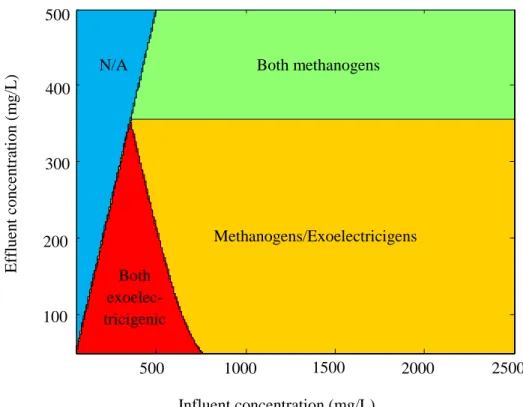
Figure 2.2: Regions with the largest treatment capacity in two staged MFCs ... 22
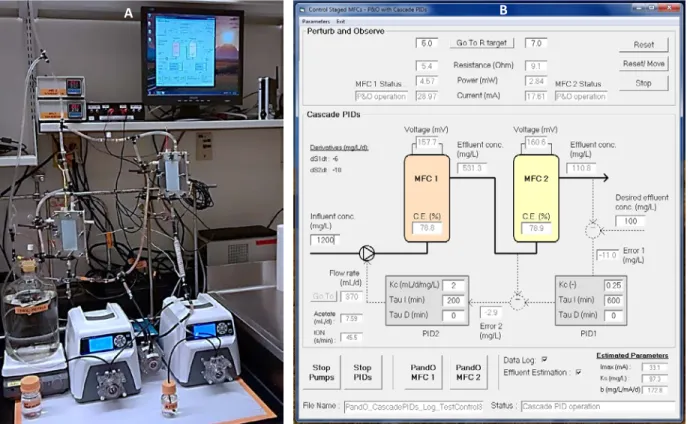
Figure 3.1: Experimental setup ... 27
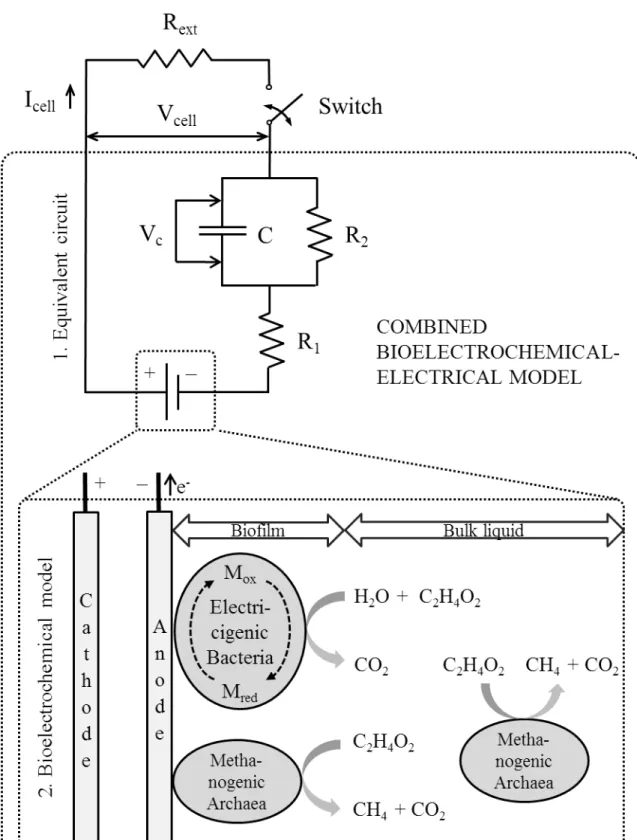
Figure 4.1: Schematic diagram of the CBE model ... 32
Figure 4.2: Structure for the two CBE model implementations ... 36
Figure 4.3: Sensitivity profiles for the estimated parameters ... 37
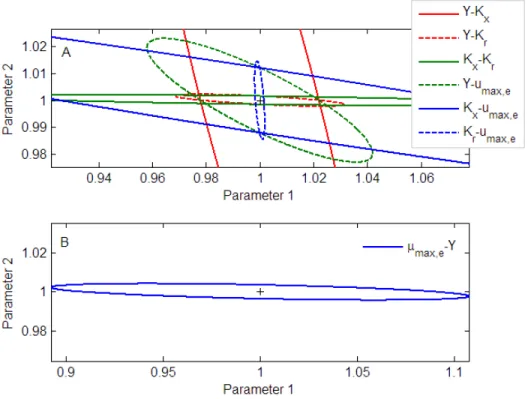
Figure 4.4: 95 % ellipses of confidence for the CBE model ... 40
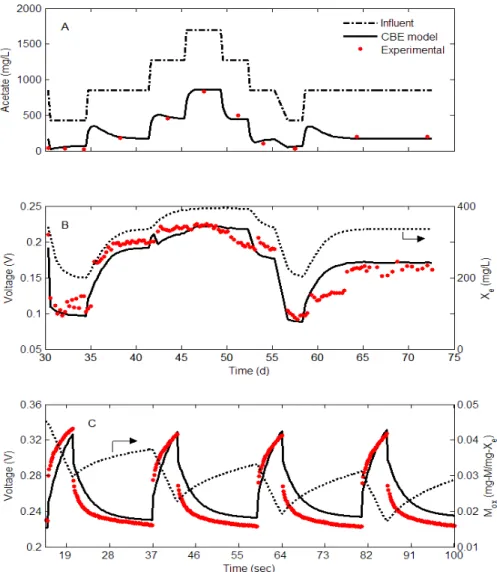
Figure 4.5: Results for the CBE “simulation” model ... 42
Figure 4.6: Results for the CBE “parameter observer based” model. ... 43
Figure 5.1: MFC power output estimated for three modes of operation ... 46
Figure 5.2: Effect of duty cycle and switching frequency on the effluent carbon source ... 48
Figure 5.3: Effect of duty cycle and switching frequency on the electrical performance ... 49
Figure 6.1: Electric current and Imax dependence on the effluent substrate concentration ... 54
Figure 6.2: Dependence of the electrical variables with respect to the effluent concentration ... 55
Figure 6.3: Approximations of the simulated electric current at low effluent concentrations. ... 56
Figure 6.4: Variations in the electric current and effluent substrate concentration profile ... 57
Figure 6.5: Simulation of effluent substrate concentration estimation from the electric current ... 59
Figure 7.1: Results for the CBE “simulation” model for two staged MFCs ... 64
Figure 7.2: Results for the CBE “parameter observer based” model for two staged MFCs ... 65
Figure 7.3: Online estimation values for the electrical variables for the two staged MFCs ... 66
Figure 7.4: Experimental online effluent substrate concentration monitoring in staged MFCs .... 69
Figure 7.6: Block diagram for the hydraulic cascade control configuration ... 73
Figure 7.7: Performance of staged MFCs operated with P/O and a PID cascade control ... 74
Figure 7.8: Simple effluent quality control strategy for staged MFCs ... 75
Figure 7.9: Block diagram for the PID and ON/OFF control configuration ... 76
LIST OF TABLES
Table 2.1: Summary of the current BES dynamic models in the literature. ... 16
Table 2.2: Summary of the optimization and control strategies applied to BESs. ... 24
Table 4.1: CBE model parameters ... 39
LIST OF SYMBOLS
Symbol Physical quantity Units
𝑎𝑎 Parameter from the cubic approximation (5.6) mg-S3 L-3 𝑏𝑏 Parameter for the third order hyperbolic approximation (5.8) [ - ]
𝐶𝐶 Electric capacitance F
𝐶𝐶𝑚𝑚𝑚𝑚𝑚𝑚 Highest electric capacitance value F
𝐶𝐶𝑚𝑚𝑚𝑚𝑚𝑚 Lowest electric capacitance value F
𝐷𝐷 Dilution rate d-1
𝐷𝐷𝐶𝐶 Duty cycle %
𝑒𝑒 Error between the output and the desired reference in the PID -
𝐸𝐸𝑚𝑚𝑚𝑚𝑚𝑚 Highest open circuit voltage value V
𝐸𝐸𝑚𝑚𝑚𝑚𝑚𝑚 Lowest open circuit voltage value V
𝐸𝐸𝑂𝑂𝑂𝑂 Open circuit voltage V
𝐹𝐹 Faraday constant A s mol-e-1
ℱ Fisher information matrix -
𝐹𝐹𝑚𝑚𝑚𝑚 Input flow rate L d-1
𝐼𝐼𝑐𝑐𝑐𝑐𝑐𝑐𝑐𝑐 Electric current produced by the cell A
𝐼𝐼𝑚𝑚𝑚𝑚𝑚𝑚 Electric current asymptote in Monod equation (5.3) A
𝐼𝐼𝑚𝑚𝑚𝑚𝑚𝑚′ Electric current asymptote in inhibited Monod equation (5.5) A
𝐼𝐼𝑚𝑚𝑚𝑚𝑚𝑚′′ Electric current asymptote in cubic Monod equation (5.9) A
𝐾𝐾𝑐𝑐 Constant gain in the PID -
𝐾𝐾𝑑𝑑,𝑐𝑐 Decay rate for exoelectricigenic population d-1
𝐾𝐾𝑑𝑑,𝑚𝑚 Decay rate for methanogenic population d-1
𝐾𝐾𝑀𝑀 𝑀𝑀𝑜𝑜𝑚𝑚 Monod half constant for exoelectricigenic kinetics mg-M L-1
𝐾𝐾𝑆𝑆 Monod half constant in Monod equation (5.3) mg-S L-1
𝐾𝐾𝑆𝑆′ Monod half constant in inhibited Monod equation (5.5) mg-S L-1
𝐾𝐾𝑆𝑆′′ Monod half constant in cubic Monod equation (5.9) mg-S L-1
𝐾𝐾𝑆𝑆,𝑐𝑐 Substrate Monod half constant for exoelectricigenic kinetics mg-S L-1
𝐾𝐾𝑆𝑆,𝑚𝑚 Substrate Monod half constant for methanogenic kinetics mg-S L-1
𝐾𝐾𝑟𝑟 Steepness factor in equations (3.15) to (3.18) L mg-X-1
𝐾𝐾𝑋𝑋 Steepness factor in equation (3.10) L mg-X-1
𝑚𝑚 Number of electrons transferred per mole of mediator mol-e-1 mol-M-1 𝑀𝑀𝑜𝑜𝑚𝑚 Intracellular mediator concentration in oxidized form mg-M L-1
𝑀𝑀𝑟𝑟𝑐𝑐𝑑𝑑 Intracellular mediator concentration in reduced form mg-M L-1
𝑀𝑀𝑇𝑇𝑜𝑜𝑇𝑇 Total mediator weight per exoelectricigenic microorganism mg-M mg-X-1
𝑁𝑁 Total number of measurements [ - ]
𝑃𝑃𝑐𝑐𝑐𝑐𝑐𝑐𝑐𝑐 Electric power generated by the MFC W
𝑄𝑄 Rate of methane production mL-CH4 d-1
𝑞𝑞𝑚𝑚𝑚𝑚𝑚𝑚,𝑐𝑐 Substrate consumption rate for exoelectricigenic population mg-S mg-X-1 d-1
𝑞𝑞𝑚𝑚𝑚𝑚𝑚𝑚,𝑚𝑚 Substrate consumption rate for methanogenic population mg-S mg-X-1 d-1
𝑅𝑅 Ideal gas constant J K-1 mol-1
𝑅𝑅1 Internal resistance (related to ohmic overpotential) Ω
𝑅𝑅2 Internal resistance (related to activation overpotential) Ω
𝑅𝑅𝑐𝑐𝑚𝑚𝑇𝑇 External resistance Ω
𝑅𝑅𝑚𝑚𝑚𝑚𝑇𝑇 Total value for the internal resistance Ω
𝑅𝑅𝑚𝑚𝑚𝑚𝑚𝑚 Highest value for 𝑅𝑅1 and 𝑅𝑅2 Ω
𝑅𝑅𝑚𝑚𝑚𝑚𝑚𝑚,2 Lowest value for 𝑅𝑅2 Ω
𝑠𝑠̅ Normalized sensitivity function -
𝑆𝑆̅ Normalized sensitivity matrix -
𝑆𝑆 Substrate (or acetate or carbon source) concentration mg-S L-1
𝑆𝑆̂𝑚𝑚 Estimated effluent substrate concentration for the 𝑖𝑖th MFC mg-S L-1
𝑆𝑆𝑚𝑚𝑟𝑟𝑐𝑐𝑟𝑟 Desired effluent substrate concentration for the 𝑖𝑖th MFC mg-S L-1
𝑆𝑆𝑚𝑚𝑚𝑚 Influent substrate concentration mg-S L-1
𝑡𝑡 Time d
𝑇𝑇 Anode Temperature K
𝑢𝑢 Vector of inputs -
𝑉𝑉 Anode volume L
𝑉𝑉𝑐𝑐 Voltage at the capacitor V
𝑉𝑉𝑐𝑐𝑐𝑐𝑐𝑐𝑐𝑐 Electric voltage generated by the MFC V
𝑥𝑥 Vector of state variables -
𝑋𝑋𝑐𝑐 Concentration of exoelectricigenic bacteria mg-X L-1
𝑋𝑋𝑚𝑚 Concentration of methanogenic archaea mg-X L-1
𝑋𝑋𝑚𝑚𝑚𝑚𝑚𝑚,𝑐𝑐 Maximal attainable concentration, exoelectricigenic population mg-X L-1
𝑋𝑋𝑚𝑚𝑚𝑚𝑚𝑚,𝑚𝑚 Maximal attainable concentration, methanogenic population mg-X L-1
𝑦𝑦 Vector of outputs -
𝑌𝑌 Yield for 𝑀𝑀𝑜𝑜𝑚𝑚 balance mg-M mg-S-1
𝑌𝑌𝑂𝑂𝐶𝐶4 Methane yield mL-CH4 mg-S-1
𝑦𝑦�𝑚𝑚,𝑗𝑗𝑐𝑐𝑚𝑚𝑒𝑒 Normalized experimental 𝑖𝑖𝑇𝑇ℎ output at the 𝑗𝑗𝑇𝑇ℎ sampling time - 𝑦𝑦�𝑚𝑚,𝑗𝑗𝑠𝑠𝑚𝑚𝑚𝑚 Normalized model 𝑖𝑖𝑇𝑇ℎ output at the 𝑗𝑗𝑇𝑇ℎ sampling time -
Symbol Physical quantity Units
𝛼𝛼𝑐𝑐 Biomass retention parameter for exoelectricigenic population [ - ]
𝛼𝛼𝑚𝑚 Biomass retention parameter for methanogenic population [ - ]
𝛽𝛽 Relation current and substrate consumption rate in equation (5.1) mg-S L-1 d-1 A-1
𝛾𝛾 Mediator molar mass mg-M mol-M-1
𝜀𝜀 Half constant for the Monod term limiting current production mg-M L-1
𝜂𝜂𝑐𝑐𝑜𝑜𝑚𝑚𝑐𝑐 Concentration overpotential V
𝜃𝜃 Vector of parameters -
𝜇𝜇𝑚𝑚𝑚𝑚𝑚𝑚,𝑐𝑐 Growth rate for exoelectricigenic population d-1
𝜇𝜇𝑚𝑚𝑚𝑚𝑚𝑚,𝑚𝑚 Growth rate for methanogenic population d-1
𝜉𝜉 Substrate Monod half constant for equations (3.16) to (3.18) mg-S L-1
𝜏𝜏𝐼𝐼 Integral time constant in the PID min
LIST OF ABBREVIATIONS
BES Bioelectrochemical system
BOD5 Biological oxygen demand (5-day test)
CBE Combined bioelectrochemical-electrical MFC dynamic model CSTR Continuous stirred tank reactor
COD Chemical oxygen demand EEC electrical equivalent circuit HRT Hydraulic retention time MEC Microbial electrolysis cell
MET microbial electrochemical technology MFC Microbial fuel cell
MPC Model predictive control
MPPT Maximum power point tracking MSE Mean squared error
PID Proportional, integral, derivative controller PWM Pulse-width modulated operation
P/O Perturb and observe algorithm
LIST OF APPENDICES
CHAPTER 1
INTRODUCTION
Microbial fuel cells (MFCs) are bioelectrochemical devices designed for direct electricity production from organic matter. The main difference with respect to a conventional fuel cell is that the MFC anode benefits from the biocatalytic activity of exoelectricigenic bacteria, which transfer electrons derived from the oxidation of organic matter to the anode. Similar to fuel cells, the released electrons flow through the external electrical circuit while protons migrate to the cathode in order to reduce oxygen and form water (Logan, 2008).
Motivation
Owing to the broad selectivity of microbial enzymes and mixed microbial communities capable of oxidizing a wide range of organic molecules, MFCs can be used for energy recovery from diluted organic wastes such as wastewater (Du, Li, & Gu, 2007; Lefebvre, Uzabiaga, Chang, Kim, & Ng, 2011). Such ability for energy recovery provides an excellent opportunity to develop a novel wastewater treatment technology (Du, Li, & Gu, 2007). In comparison with widely used conventional aerobic technologies such as activated sludge, using MFCs for wastewater treatment would present several advantages. In terms of operational costs, the lack of pumping and aeration would save around 21 % and 30-55 % of the total treatment energy demand, respectively (Oh et al. 2010). Additional savings would come from the fact that MFCs generate less sludge and are able to work at temperatures below 20 ºC where traditional anaerobic digestion generally ceases to function (Logan, 2008).
In such context of wastewater treatment, reactor staging is widely used where treatment norms are achieved by connecting two or more reactors in series with the first reactor operating at high carbon source loads and the last reactor performing the final polishing. Such novel technology perfectly fits future scenarios of renewable energy production, where a significant part of the energy comes from renewable sources to sustain increased energy demands (Logan & Regan, 2006). Recent advances in the understanding of MFC microbiology and improved reactor design have led to orders-of-magnitude increase in MFC volumetric power density. Yet, volumetric performance should be further improved to enable commercial applications of microbial electrochemical technologies (METs). Model-based reactor design as well as advanced monitoring and control
strategies play an important role in these efforts with mathematical models representing an important tool for portraying process dynamics, understanding fundamental properties of MFCs, and developing software sensors for advanced process control strategies (Oh et al., 2010).
Problem definition
Several existing MFC dynamic models are able to adequately describe relatively slow dynamics of biomass growth and carbon source consumption. Some models consider a single microbial population (Picioreanu, Katuri, van Loosdrecht, Head, & Scott, 2007; Oliveira, Simões, Melo, & Pinto, 2013b; Zeng, Choo, Kim, & Wu, 2010; Zhang & Halme, 1995), while others were expanded to describe mixed microbial populations required for degrading complex carbon sources such as wastewater (Picioreanu, Katuri, Head, van Loosdrecht, & Scott, 2008; Pinto, Srinivasan, Manuel, & Tartakovsky, 2010) and to enable calculation of pH gradients in anodophilic biofilms (Picioreanu, van Loosdrecht, Curtis, & Scott, 2010). In another approach, electrochemical biofilms were described as a one-dimensional conductive matrix (Kato Marcus, Torres, & Rittmann, 2007). More complex models are able to describe the evolution in time and space of several key variables, such as current, charge, voltage, power output and consumption of substrates (carbon sources) for several microbial populations (Picioreanu, Head, Katuri, van Loosdrecht, & Scott, 2007). However, the high complexity of some models makes them unsuitable for developing software sensors or model-based control oriented strategies for the MFCs.
Furthermore, recent experiments demonstrated significant charge storage capacity of bioelectrochemical biofilms (Schrott, Bonanni, Robuschi, Esteve-Nuñez, & Busalmen, 2011). MFC operation with pulse-width modulated (PWM) or intermittent connection of the external resistance (Coronado, Perrier, & Tartakovsky, 2013; Grondin, Perrier, & Tartakovsky, 2012) demonstrated that internal capacitance of anodic biofilms leads to complex non-linear behavior. Such behavior combines fast charge/discharge dynamics, i.e., with time constants in the order of milliseconds, with much slower dynamics of microbial biofilm growth and decay, i.e. with time constants in the order of hours to days. While an electrical equivalent circuit (EEC) model is able to describe fast electrical dynamics of the anodic biofilm (Coronado, Tartakovsky, & Perrier, 2013), this simplified approach does not allow for describing biomass growth and substrate consumption dynamics resulting in a very limited predictive capacity of the EEC model. On the other hand, such biomass-related dynamics can be well described by a bioelectrochemical model.
Besides modeling, another prevailing research topic in MFCs concerns its electrical operation. As any other electrical voltage source, the electrical power produced by the MFCs suffers dramatic losses when the external resistance does not match the value of the internal resistance of the reactor. For this reason, research has been devoted to tracking internal resistance in MFCs by adjusting the external resistance (Woodward, Perrier, Srinivasan, Pinto, & Tartakovsky, 2010). However, the external resistance cannot be changed in practical applications. Recent works have demonstrated that intermittent connection counteracts considerable losses in power output as compared to MFC operation with fixed external resistance (Grondin, Perrier, & Tartakovsky, 2012), particularly when operating at values of the external resistance which were below the internal resistance. While previous works study the effect of time connection and switching frequency experimentally (Coronado, Perrier, & Tartakovsky, 2013; Gardel, Nielsen, Grisdela, & Girguis, 2012; Grondin, Perrier, & Tartakovsky, 2012), there is still a lack of an engineering tool useful to further extend the understanding of the periodic operation effect on MFC performance. Very few studies have considered the effect of the connection time and switching frequency in the MFC performance and microbial structure. In this way, MFC dynamic modelling could shed some light in the subject and be used for developing MFC-based treatment systems with high volumetric power output.
The vast majority of the control and optimization studies found in literature are aimed at regulating MFC voltage or maximizing power output, i.e. they address fast electrical dynamics (Wang, Park, & Ren, 2015). Yet, successful MFC commercialization necessitates reliable process control strategies. There is an obvious lack of control strategies capable of addressing the multi-scale dynamics linked to the dual biological and electrical nature of MFCs. Probably one of the main reasons for disregarding the biological nature of MFCs in the control strategies involves the difficulty of real time measurements of the effluent concentration. Current techniques for effluent estimation such as chemical oxygen demand (COD) and biological oxygen demand (BOD5) do not
represent a viable online technique for effluent quality monitoring. Thus, real-time monitoring of the organic load required to comply with regulatory norms still represents a challenge. Benefiting from the electrochemical nature of MFCs, continuous estimations of the biologically consumable organic fraction in wastewater could be obtained from the electrical measurements in MFCs (Chouler & Di Lorenzo, 2015).
Objectives
The general objective of this thesis is to study the dynamic behavior and performance of staged MFCs.
Furthermore, in light of the current limitations of the existing MFC models to describe recently observed dynamics and the lack of control strategies dealing with the dual biological and electrical nature of MFCs, the specific objectives, in order of importance, are to:
1. Develop a combined bioelectrochemical-electrical (CBE) model of a MFC able to describe the anodic capacitance behavior recently observed during pulsed width modulated (PWM) connection of the external resistance.
2. Develop monitoring strategies for the continuous estimation of the effluent concentration from the measurement of the electrical variables in MFCs and analyse the monitoring capabilities of the CBE model for applications in wastewater treatment.
3. Qualitatively study the effect of the PWM operation of the external resistance on MFC performance using the CBE model, with duty cycle and switching frequency the two operational variables of interest.
4. Carry out experiments to sustain the operation of two MFCs hydraulically connected in series fed with acetate. Use the CBE model to describe the behavior of the two staged MFCs and present a simple control strategy suitable for wastewater treatment applications. 5. Present an exhaustive overview in the current dynamic modeling trends and the process
control approaches in bioelectrochemical systems highlighting their main characteristics and limitations.
Thesis structure
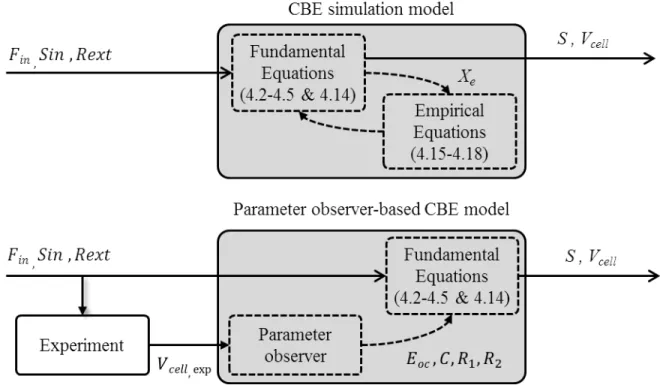
This document is organized into six chapters. Chapter 2 thoroughly reviews the current state of modeling, optimization and control of BESs systems, highlighting their main characteristics and limitations in order to expose new research opportunities. Chapter 3 presents the materials and methods used during MFC experiments and the methodology of parameter estimation and validation used in this thesis. In addition, the experimental setup for the control of staged MFCs is shown. Chapter 4 describes the structure and parameter identification of the dynamic CBE model.
Two possible modeling approaches are introduced, first a “simulation” CBE model that can be used to predict MFC output voltage, carbon source effluent concentration, and the distribution of microbial populations under various operating conditions. Second, a “parameter observer-based” CBE model that runs concurrently with the experiment and the electrical parameters related to the EEC are replaced by their online estimations obtained in real time. Subsequently, chapter 5 uses the CBE “simulation” model to qualitatively study the effect of duty cycling and switching frequency on the overall MFC performance. Then, chapter 6 presents two monitoring approaches for the online estimation of the effluent concentration, one based on the simplified dynamic mass balance of the substrate concentration and the second based on a Monod expression with limitation at low effluent concentrations obtained from the kinetics of the exoelectricigenic bacteria. Finally, chapter 7 gathers all the concepts from previous chapters and applies them to staged MFCs. The CBE model is used to describe the dynamics of the two staged MFCs under PWM operation, the online estimation procedures are experimentally validated for the effluent quality monitoring of the two reactors and a simple centralized control configuration for the effluent quality control based on a PID and an ON/OFF controller is presented.
CHAPTER 2
STATE OF THE ART IN MODELING, OPTIMIZATION
AND CONTROL OF BIOELECTROCHEMICAL SYSTEMS
Human development is intricately linked both to energy and water availability. The International Energy Agency estimates that energy production requires about 15% of world’s total water consumption (IEA, 2012). At the same time, significant amounts of energy are needed for wastewater treatment. With this respect, bioelectrochemical systems (BESs) such as Microbial Fuel Cells (MFCs) and Microbial Electrolysis Cells (MECs), which are capable of producing energy from wastewater, represent a promising new technology that could contribute to resolving this dilemma (Logan & Regan, 2006; Logan et al., 2008; Lovley, 2008).
MFCs and MECs exploit the ability of anodophilic (exoelectricigenic) microorganisms for extracellular electron transfer and hence energy production through microbial oxidation of organic matter (Logan, 2009). Both MFCs and MECs can operate using a wide variety of industrial and domestic wastewaters (Kelly & He, 2014; Lefebvre, Uzabiaga, Chang, Kim, & Ng, 2011). Typically, BESs consist of two electrodes connected by an external circuit (Logan, 2008) with the organic matter oxidation taking place at the anode and reduction reactions, such as oxygen reduction reaction in MFCs or hydrogen evolution reaction in MECs, taking place at the cathode. Detailed description of MFC and MEC principles of operation can be found in a number of reviews (Logan, 2008; Lovley, 2008; Schröder, 2007; Yang, Xu, Guo, & Sun, 2012).
Extensive experimental work during the past decade has led to significant advancements in the understanding of BES microbial populations (Logan, 2009; Lovley, 2008), materials (Kundu, Sahu, Redzwan, & Hashim, 2013; Wang et al.,2014), design and operation (Oliveira, Simões, Melo, & Pinto, 2013b). Yet, progress in MFC and MEC scale-up faces a number of challenges, mostly related to low volumetric performance and reactor instability (Janicek, Fan, & Liu, 2014; Logan, 2010). With this in mind, model-based design, control and optimization approaches, which are used in bioprocess engineering (Dochain, 2013), might be instrumental in furthering BES technologies towards commercialization. Previous reviews on MFC modeling include a number of modeling approaches (Oh et al., 2010; Oliveira, Simões, Melo, & Pinto, 2013b; Ortiz-Martínez et al., 2015). These reviews, however, did not focus on fast process dynamics and the emerging area
of BES real-time monitoring, control and optimization, which deals with unpredictable external disturbances and maximizing energy production. To address this gap, we review the existing MFC and MEC dynamic models, the existing control strategies and the energy harvesting configurations. Following this review, model-based methods for control and optimization of MFCs and MECs are discussed.
Dynamic modeling
The concept of a mediator-less MFC was only introduced about a decade ago (Chaudhuri & Lovley, 2003; Liu, Cheng, & Logan, 2005) while the MEC concept is even more recent (Rozendal, Hamelers, Euverink, Metz, & Buisman, 2006). Accordingly, most of the research is dedicated to experimental studies, with only some studies dedicated to MFC modeling and even fewer to MEC modeling. Two approaches are commonly used in BES modeling. The bioelectrochemical modeling utilizes the knowledge of microbiology and bioelectrochemistry to describe microbial growth and carbon source consumption in BESs, while the approach of electrical equivalent circuit modeling describes BESs as electrical circuits to represent fast (milliseconds to seconds) electrical processes, while neglecting the relatively slow (minutes to days) dynamics of biomass growth and metabolism. A key assumption in the bioelectrochemical models is the mechanism by which the electron transfer from a carbon source to the anode is accomplished. Based on a number of recent experimental studies, direct electron transfer (involving either direct contact or the presence of conducting nanowires) and mediated electron transfer (via exogenous redox mediators or via secondary metabolites) are commonly accepted (Schröder, 2007). The following sections classify BES models based on the complexity of the mass balances (e.g. ideal mixing vs biofilm systems) and the complexity of the transport phenomena (e.g. one-dimensional vs three-dimensional biofilm) and microbial populations considered by the model.
2.1.1 Single-species ideal mixing modeling
A relatively simple approach to describe BES dynamics involves single population modeling. Also, to further simplify material balances the mass transport processes are assumed to be fast compared with the biochemical and redox reactions, such that the concentration of reactants in the bulk solution, inside the bacteria and on the anode surface are considered to be equal. In essence, such models consider the anodophilic microorganisms to be suspended in the anodic liquid.
The first such model was proposed by Zhang and Halme (1995) to describe an MFC. This model was developed before the recent concept of mediator-less MFCs was introduced (Chaudhuri & Lovley, 2003). Accordingly, the model described an MFC with an external mediator (2-hydroxy1,4 naphthoquinone or HNQ), which was used in the experiment to facilitate electron transfer (Figure 2.1 A). Model dynamics was based on the electrochemical and mass balances of a batch reactor. Carbon source consumption was modeled by Monod-type kinetics, while first order redox reactions at the anode and between the metabolites and the mediator were assumed. The electrochemical balance used the Nernst’s equation to describe the open-circuit voltage, the Tafel approximation to calculate the activation overpotential, and Ohm’s law to describe the ohmic overpotential. The concentration overpotential was assumed to be negligible. Finally, the output current of the cell was given by Faraday’s law of electrolysis. The model assumed constant biomass density thus lacking dynamics of microbial growth. In spite of this and other limitations, this model presented the main principles of bioelectrochemical modeling, which were utilized in a number of subsequent models.
The development of modern mediator-less MFCs (Chaudhuri & Lovley, 2003; Lovley, 2008) necessitated an updated version of the ideal-mixing model, which was developed by Zeng, Choo, Kim and Wu (2010). This is the only work that considers both the anode and cathode compartments. Mass balances were obtained assuming an ideally stirred tank reactor (STR) with Butler–Volmer expressions incorporated into the reaction kinetics to simulate the electrochemical balance. A sensitivity analysis of the parameters with respect to the power output of the MFC revealed the electron transfer coefficient of the cathode as the most significant factor limiting the performance of the MFCs. The model was used to describe MFC operation on acetate and synthetic wastewater. While the model adequately described MFC operation on acetate, the discrepancies observed when operating the MFC on synthetic wastewater might be related to the limitations of the single-species model.
Picioreanu, Katuri, van Loosdrecht, Head and Scott (2010) also proposed a single-species ideal mixing MFC model. Oxidation of the carbon source by suspended cells using the oxidized form of an external mediator was assumed to take place in the bulk liquid, while the reduced form of the external mediator was assumed to be oxidized at the anode surface. Although biofilm formation was not considered, a diffusion layer was assumed to be adjacent to the anode surface. Therefore, steady-state one-dimensional mass balance equations applied to the diffusion layer were needed to
calculate the concentrations on the anode surface. Unlike the previous models, the electrochemical balance considered the activation and ohmic overpotentials.
Figure 2.1: MFC modeling approaches: (A) Ideal mixing model; (B) simplified biofilm model; (C) solid conductive matrix biofilm model; (D) three dimensional (3D) biofilm model; (E)
electrical equivalent circuit (EEC) model.
Due to the simplicity of the single species ideal mixing models, this modeling approach inherently featured a number of limitations. In particular, the presence of methanogens was often observed, even when BESs were operated on a single carbon source such as acetate (Logan et al., 2008; Picioreanu, Kreft, & van Loosdrecht, 2004; Pinto, Srinivasan, Manuel, & Tartakovsky, 2010).
Also, formation of electrochemically active biofilms was observed on one or both electrodes (Babauta, Renslow, Lewandowski, & Beyenal, 2012; Ramasamy, Ren, Mench, & Regan, 2008). Biomass retention and mass transfer limitations related to the existence of these biofilms need to be taken into consideration for more accurate modeling, which gave rise to a number of biofilm models described below.
2.1.2 Simplified biofilm modeling
The complex nonlinear dynamics of BESs can be better described by accounting for the presence of anodophilic biofilm. Here, a number of simplifying assumptions can be used to avoid the complexity of reaction–diffusion material balances, e.g. by disregarding carbon source diffusion in the biofilm. Such a model, which also described the co-existence of the anodophilic and methanogenic microbial populations in the anodic compartment of a MFC (Figure 2.1 B), was developed by Pinto, Srinivasan, Manuel and Tartakovsky (2010). In this model, charge transfer mechanism from the carbon source to the anode was assumed to involve an intracellular mediator. Also, extracellular electron transfer through nanowires or direct contact with the anode was assumed. Multiplicative Monod kinetics was used to describe species competition for the carbon source. Current production was related to the amount of oxidized mediator by means of Faraday’s law of electrolysis. Concentration losses were calculated using the Nernst equation, while the intracellular mediator concentration and the activation losses were calculated by the linear approximation of the Butler–Volmer equation. Finally, biofilm formation and retention was described by a two-phase growth washout model. Parameter estimation and sensitivity analysis of this model were carried out using experimental results obtained in continuous flow MFCs. The model was used to demonstrate the impact of the organic load and the external resistance on the equilibrium between the methanogenic and anodophilic microbial populations. The methanogenic microorganisms were shown to proliferate at high external resistance values, while the anodophilic microorganisms were predicted to proliferate at the external resistance equal or below the internal resistance value.
The model of Pinto, Srinivasan, Manuel and Tartakovsky (2010) was further extended to describe operation of a MEC on a complex carbon source (Pinto, Srinivasan, Escapa, & Tartakovsky, 2011). Accordingly, the extended model included fermentative, anodophilic, methanogenic acetoclastic, and methanogenic hydrogenophilic microbial populations. After parameter estimation, the model
adequately described hydrogen production from synthetic wastewater. This model was further modified to develop a unified (MxC) model describing both MFC and MEC operation (Pinto, Tartakovsky, & Srinivasan, 2012).
2.1.3 Reaction-diffusion biofilm modeling
Detailed description of the distribution of microbial populations and carbon sources within the biofilm can be only obtained by using reaction–diffusion material balances. Kato Marcus, Torres and Rittmann (2007) developed the first one-dimensional (1D) biofilm model of a MFC (Figure 2.1 C). This work considered anodophilic biofilm as a conductive solid matrix characterized by its ability to transfer electrons from the anodophilic bacteria to the anode. In addition to the conductive solid matrix, a diffusive non-conductive layer was considered between the conductive matrix and the bulk anodic liquid. Also, the model considered active and inactive biomass competing for space within the biofilm. The conductivity of the matrix was linked to the current density and local voltages along the biofilm depth. Steady state assumption was used for carbon source and electron transport calculations. A Nernst–Monod equation was derived to describe the relationship between the rate of carbon source consumption, its concentration, and the electrical potential. Simulations revealed that the limiting factors at the anodic biofilm change from potential limitations at low conductivity, to dual potential and carbon source transfer limitations at a moderate conductivity, to only mass transfer limitations at high conductivity.
The originality of this model lies in considering the anodophilic biofilm as a conductive solid matrix. However, this model did not consider diffusion limitations or the existence of several microbial populations. Sedaqatvand, Esfahany, Behzad, Mohseni and Mardanpour (2013) extended the model of Kato Marcus, Torres and Rittmann (2007) to describe a single-chamber MFC fed with dairy wastewater. Only three parameters were estimated, including the biofilm conductivity. Notably, the Nernst–Monod equation was experimentally validated by Torres, Marcus, Parameswaran and Rittmann (2008) demonstrating its ability to predict anode potential losses. On the other hand, the work of (Hamelers, Ter Heijne, Stein, Rozendal, & Buisman, 2011) demonstrated that a Butler–Volmer– Monod equation to express the kinetics of the anodophilic bacteria provides better description of the experimentally acquired polarization curves than the Monod–Nernst equation proposed by Kato Marcus, Torres and Rittmann (2007).
Oliveira, Simões, Melo and Pinto (2013a) developed a 1D steady state MFC model describing heat, charge and mass transfer processes in a double chamber MFC. The model assumed Fick’s laws of diffusion to dominate the heat and mass transfer, while convection was neglected. Fourier’s law was used for the thermal energy model, while Tafel and Monod equations described the anode and cathode kinetics. Simulations showed the effects of acetate concentration and temperature on polarization and power curves as well as on the biofilm thickness. This model provided adequate description of polarization test data from Zeng, Choo, Kim and Wu (2010).
Sirinutsomboon (2014) presented another 1D model for a membrane-less single-chamber MFC fed with molasses. In this model, Fick’s second law was used to describe oxygen diffusion from the cathode to the anode, sucrose diffusion from the bulk liquid to the biofilm, and proton diffusion through the anode. Once again, biofilm modeling was based on the Nernst–Monod equation from Kato Marcus, Torres and Rittmann (2007). The Monod equation combined with Butler–Volmer and Nernst equations were used to model anode and cathode reactions. Simulations showed the sucrose concentration over time in the bulk liquid and within the biofilm, open circuit voltage dependence on anode and cathode thickness, and finally, the oxygen concentration profile within the cathode layer. However, model predictions were not compared to experimental results.
Spatial heterogeneity of biofilms in MFCs is essential for improved representation of the biofilm processes. By modifying the model of Kato Marcus, Torres and Rittmann (2007), Jayasinghe, Franks, Nevin, & Mahadevan (2014) developed a two-dimensional (2D) MFC model capable of improved biofilm simulation. This model combined extracellular processes and intracellular metabolism of the microorganisms. Also, it considered active, inactive, and respiring biomass. A flux balance analysis predicted the change in yields, which enabled biofilm growth and metabolism simulations. These modeling results suggested that biofilm conductivity was not a limiting factor in the conduction based model of Kato Marcus, Torres and Rittmann (2007).
Another 2D model was developed by Merkey and Chopp (2012) to explore the impact of anode density and arrangement on current production in an MFC. This biofilm model was also based on the work of Kato Marcus, Torres and Rittmann (2007). Several regions were considered such as bulk liquid, biofilm and solid electrode. The model was used to study the effect of multiple anodes and their spatial distribution on current production. The main limiting factor affecting current production was found to be carbon source delivery to the entire biofilm surface.
Picioreanu, Head, Katuri, van Loosdrecht and Scott (2007) presented a three dimensional (3D) biofilm model (Figure 2.1 D). This MFC model was based on diffusion–reaction mass balances for chemical species coupled with microbial growth and spreading of biomass represented by hard spherical particles. The model considered the existence of methanogenic and anodophilic microorganisms with the growth of anodophilic microorganisms assumed to be limited by acetate and oxidized mediator concentrations, which were modeled using double Monod kinetics. Bulk liquid mass balances were used to determine substrate and suspended biomass concentrations while the biofilm was modeled using the particle-based approach. The resulting model featured significant computational times (around 14 h for one 3D simulation) and a large number of parameters. Subsequently, Picioreanu, van Loosdrecht, Curtis and Scott (2010) adapted this model to describe MFC operation on wastewater. This modification used the International Water Association (IWA) anaerobic digestion model number 1 (ADM1) (Batstone et al., 2002). Six microbial populations were considered and the external redox mediators were assumed to be present in the bulk liquid. Furthermore, the same research group extended the original multi-dimensional model to include pH calculations and variations in the electrode geometry (Picioreanu, Katuri, van Loosdrecht, Head, & Scott, 2010). Spatial pH distribution was calculated by using Nernst–Planck fluxes of ions with ionic charge balance instead of molecular diffusion. The model simulated single-species electroactive biofilm on a planar and porous electrode, and multi-species electroactive and fermentative biofilm on a planar electrode. However, model predictions were not validated using experimental results.
2.1.4 Equivalent electrical circuit modeling
In electrochemical systems the layer at the interface between the electrode and the electrolyte stores electrical charge. In such systems, an abrupt change of current results in a fast change of voltage followed by a slow transition towards equilibrium. A simple approach to modeling the double layer capacitance can be based on an equivalent electrical circuit (EEC), with the charge storage represented by an electrical capacitor (Figure 2.1 E).
Wagner (2002) used the electrochemical impedance spectroscopy to characterize polymer electrolyte membrane (PEM) fuel cells by means of EECs based on ohmic (R) and capacitive (C) elements. Connections of those elements in parallel or in series represented subsequently or simultaneously occurring processes. The same technique was applied to study the impact of biofilm
growth on the MFC anode impedance (Ramasamy, Ren, Mench, & Regan, 2008), and also to measure the overall internal resistance of an upflow MFC (He, Wagner, Minteer, & Angenent, 2006). R/C elements connected in parallel represented the charge transfer resistance (due to the activation overvoltage) and the double layer capacitance effect. A resistance connected in series with the R/C element represented ohmic resistance of the electrolytes and the membrane (Figure 2.1 E). Adding more R/C elements to the basic circuit allowed a more detailed description of the fuel cell.
The two works mentioned above fitted the outputs of the EEC to the static polarization curves (voltage against current) and the Nyquist plots obtained in the electrochemical impedance spectroscopy tests to estimate the contribution of various intrinsic resistances to the overall internal MFC impedance. Pathapati, Xue and Tang (2005) included the dynamic equation of the capacitor resulting from applying Kirchhoff circuit laws to the mass balances of a hydrogen fuel cell in order to describe the capacitance effect of the system. Parameter estimation of this model was performed by fitting the dynamic voltage values obtained experimentally. Later, Ha, Moon, Kim, Ng and Chang (2010) used the same methodology to describe the current generated by an MFC during a step change in the external load.
Coronado, Perrier and Tartakovsky (2013) used the same basic EEC shown in figure 2.1 E to model the fast voltage dynamics observed in MFCs. Model parameters were estimated by fitting the model outputs to the measured voltage of the MFC operated with a pulse-width modulated connection of the external resistance, 𝑅𝑅𝑐𝑐𝑚𝑚𝑇𝑇. Furthermore, Coronado, Tartakovsky and Perrier (2013) developed an on-line parameter identification method which required MFC operation at low (0.1 Hz) and high frequencies (100 Hz) of the external resistance connection/disconnection. This online parameter estimation procedure used the analytical solution of the equivalent circuit model to estimate the internal resistances, 𝑅𝑅1 and 𝑅𝑅2, related to the ohmic and activation losses, respectively, the open
circuit voltage, 𝐸𝐸𝑜𝑜𝑐𝑐, and the internal capacitance, 𝐶𝐶 (Figure 2.1 E).
To summarize, EEC models only describe fast electrical dynamics but are lacking the predictive capacity of the bioelectrochemical models. Typical applications of EEC models include design of Power Management Systems, as described below.
2.1.5 Model comparison
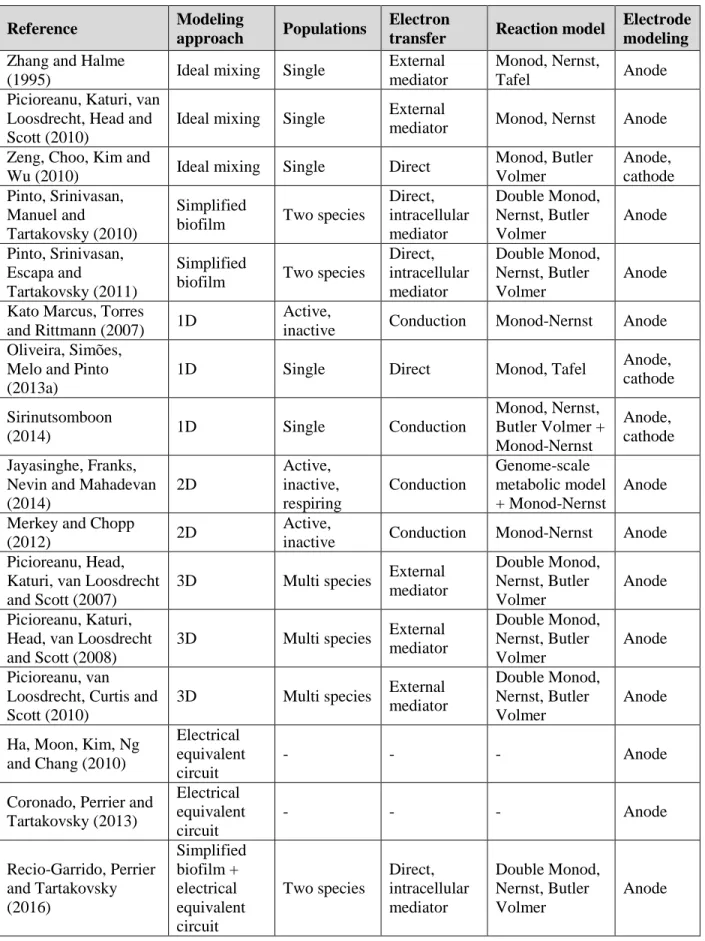
Table 2.1 compares the models reviewed above based on the considered material balances, microbial populations, and the complexity of kinetic equations. Although not a comprehensive guide to model selection, this comparison could be useful in deciding on the model type suitable for a particular application (e.g. process design vs process control) and to reveal shortcomings of the existing models. For example, in bioelectrochemical systems with mature biofilms the ideal mixing models might be capable of adequately describing the dominant (anodophilic) microbial population, while requiring relatively short computational times for numerical solutions. Although periodic parameter re-estimation might be required to account for population shifts, these models might be suitable for real-time process monitoring and control applications. Here, simple voltage and current measurements could be used for model-based estimations of the effluent carbon source concentrations by means of soft sensors (Dochain, 2003).
As compared to the ideal mixing models the simplified biofilm models feature an improved prediction accuracy, in particular when attempting to model biofilm growth (e.g. during BES startup) or decay (e.g. during carbon-deplete conditions). By overlooking detailed biofilm structure, the simplified biofilm models can be conveniently adapted to describe various types of bioelectrochemical reactors while requiring reasonable computational times. With further development and scale-up of BESs, both ideal mixing and simplified biofilm models might be suitable for real-time process monitoring and control applications.
Finally, the reaction–diffusion biofilm models provide the most accurate description of biofilm-based BESs and could be recommended for rigorous performance analysis and design. For example, a recently discussed approach for combining several MFCs and MECs to achieve hydrogen production without an external energy input (Sun et al., 2009) could be refined with this modeling approach. Also, to save time and effort, the control and monitoring strategies needed for operating full-scale MFCs and MECs could be tuned using such comprehensive models. Yet, owing to the complexity and long computational times the use of the reaction–diffusion models might be limited to modeling experts.
Table 2.1: Summary of the current BES dynamic models in the literature.
Reference Modeling
approach Populations
Electron
transfer Reaction model
Electrode modeling
Zhang and Halme
(1995) Ideal mixing Single
External mediator
Monod, Nernst,
Tafel Anode Picioreanu, Katuri, van
Loosdrecht, Head and Scott (2010)
Ideal mixing Single External
mediator Monod, Nernst Anode Zeng, Choo, Kim and
Wu (2010) Ideal mixing Single Direct
Monod, Butler Volmer Anode, cathode Pinto, Srinivasan, Manuel and Tartakovsky (2010) Simplified
biofilm Two species
Direct, intracellular mediator Double Monod, Nernst, Butler Volmer Anode Pinto, Srinivasan, Escapa and Tartakovsky (2011) Simplified
biofilm Two species
Direct, intracellular mediator Double Monod, Nernst, Butler Volmer Anode
Kato Marcus, Torres
and Rittmann (2007) 1D
Active,
inactive Conduction Monod-Nernst Anode Oliveira, Simões,
Melo and Pinto (2013a)
1D Single Direct Monod, Tafel Anode, cathode Sirinutsomboon (2014) 1D Single Conduction Monod, Nernst, Butler Volmer + Monod-Nernst Anode, cathode Jayasinghe, Franks,
Nevin and Mahadevan (2014) 2D Active, inactive, respiring Conduction Genome-scale metabolic model + Monod-Nernst Anode
Merkey and Chopp
(2012) 2D
Active,
inactive Conduction Monod-Nernst Anode Picioreanu, Head,
Katuri, van Loosdrecht and Scott (2007)
3D Multi species External mediator Double Monod, Nernst, Butler Volmer Anode Picioreanu, Katuri, Head, van Loosdrecht and Scott (2008)
3D Multi species External mediator Double Monod, Nernst, Butler Volmer Anode Picioreanu, van Loosdrecht, Curtis and Scott (2010)
3D Multi species External mediator
Double Monod, Nernst, Butler Volmer
Anode
Ha, Moon, Kim, Ng and Chang (2010)
Electrical equivalent circuit
- - - Anode
Coronado, Perrier and Tartakovsky (2013) Electrical equivalent circuit - - - Anode Recio-Garrido, Perrier and Tartakovsky (2016) Simplified biofilm + electrical equivalent circuit Two species Direct, intracellular mediator Double Monod, Nernst, Butler Volmer Anode
The comparison also highlights future directions in BES model development. In particular, it can be noted that most of the reviewed models do not consider charge storage in anodophilic biofilms, although this phenomenon is well documented (Fradler et al., 2014; Ha, Moon, Kim, Ng, & Chang, 2010). While an EEC model can be used for charge storage modeling, this model does not account for bioelectrochemical processes in biofilms, i.e. each of the two approaches has certain shortcomings. With this regard, a recently proposed combined bioelectrochemical-electrical (CBE) model (Recio-Garrido, Perrier, & Tartakovsky, 2016) resolves this limitation by combining the bioelectrochemical and electrical equivalent circuit equations. Accordingly, this model is capable of describing both fast electrical dynamics and slow microbial growth.
Other opportunities for improved predictive capacity of BES models include cathodic reaction modeling, and modeling of oxygen diffusion through the air-breezing cathode. Also, while some models describe electrochemical reactions associated with Me-based catalysts, none consider biocathodes or microbially catalyzed electrosynthesis. This lack of cathode (bio)reaction modeling becomes more important with the advance of microbial electrosynthesis (Wang, & Ren, 2013). Finally, it might be noted that most of the existing models are dedicated to MFC modeling, while relatively few MEC models exist.
Control and optimization of BESs
Successful scale-up of the bioelectrochemical technologies, among other factors, depends on the development of reliable process control and optimization strategies. BESs are often operated on organic wastes such as wastewater. Although these carbon sources are sustainable, they feature significant variability of physical and chemical characteristics. Accordingly, control and optimization strategies may be needed to deal with the rapid variations in the influent stream composition, pH, temperature, conductivity, and other parameters. These variations have been found to result in performance deterioration due to the changes in BES electrical properties (del Campo, Cañizares, Lobato, Rodrigo, & Morales, 2014; Oh & Logan, 2007; Pinto, Srinivasan, Guiot, & Tartakovsky, 2011; Watson, & Logan, 2011) and microbial community (Lyon, Buret, Vogel, & Monier, 2010; Ren, Yan, Wang, Mench, & Regan, 2011).
2.2.1 Energy harvesting and power control approaches
Practical applications require energy harvesting to be performed by dedicated electrical circuits. These circuits comprise power management systems, which convert low voltage produced by MFCs to a usable voltage and accumulate energy to release it in an energy burst. A detailed description of these energy harvesting approaches and the corresponding electrical circuits can be found in Wang et al. (Wang, Park, & Ren, 2015). It is suggested that energy harvesting technologies can be subdivided into capacitor-based systems, charge pump based systems, and boost converter-based systems.
In addition to using external capacitors, recent research demonstrated that internal MFC capacitance can be also used for energy storage (Fradler et al., 2014; Ha, Moon, Kim, Ng, & Chang, 2010; Walter, Greenman, & Ieropoulos, 2014). In particular, Grondin, Perrier and Tartakovsky, (2012) developed an MFC energy harvesting approach in which the external resistance disconnects when the voltage decreases below a predefined minimum voltage threshold and is reconnected when the MFC voltage exceeds a predefined maximum threshold. This approach results in an intermittent electrical load connection, which can be described by its duty cycle (a fraction of time the load is connected over an interval) and an average power output per cycle. Such an intermittent connection was demonstrated to avoid considerable losses in power output as compared to an MFC operation with fixed external resistance, particularly when operating at values of the external resistance which were below the internal resistance.
Gardel, Nielsen, Grisdela and Girguis (2012) demonstrated operation of a sediment MFC with intermittent (periodic) connection of the electrical load. The cycle duration was much longer as compared to the previous work (dozens of minutes vs seconds). This work studied the influence of duty cycle on cumulative charge, current and microbial composition. Experimental results showed that shorter switching intervals lead to more accumulated charge. Interestingly, microbial communities were found to be unaffected by such periodic operation in a broad range of switching frequencies. At the same time, MFC operation at different values of fixed external resistances was observed to affect microbial populations (Lyon, Buret, Vogel, & Monier, 2010).
Coronado, Perrier and Tartakovsky (2013) used pulsed-width modulated connection of the external electrical load (PWM mode of operation) at frequencies ranging from 0.1 Hz to 1000 Hz. This work confirmed that power losses during MFC operation at values of the external resistance below