Université de Montréal
Isolation and Identification of Native Microalgae
for Biodiesel Production
Par
Ahmed Elsayed Mohamed Abdelaziz
Département de Microbiologie, Infectiologie et Immunologie Faculté de Médecine
Mémoire présenté à la Faculté de médecine en vue de l’obtention du grade de maîtrise en microbiologie, infectiologie et immunologie
Janvier, 2014
ii Université de Montréal Faculté des Études Supérieures
Ce mémoire intitulé:
Isolation and Identification of Native Microalgae
for Biodiesel Production
Présenté par:
Ahmed Elsayed Mohamed Abdelaziz
a été évalué par un jury composé des personnes suivantes
Dr. Catherine Paradis-Bleau, Ph.D. Président-rapporteur Dr. Patrick C. Hallenbeck, Ph.D. Directeur de recherche Dr. Marc Drolet, Ph.D. Membre du jury
iii
Résumé
La demande croissante en carburants, ainsi que les changements climatiques dus au réchauffement planétaire poussent le monde entier à chercher des sources d’énergie capables de produire des combustibles alternatifs aux combustibles fossiles. Durant les dernières années, plusieurs sources potentielles ont été identifiées, les premières à être considérées sont
les plantes oléagineuses comme source de biocarburant, cependant l’utilisation de végétaux ou d’huiles végétales ayant un lien avec l’alimentation humaine peut engendrer une hausse des prix des denrées alimentaires, sans oublier les questions éthiques qui s’imposent. De plus, l'usage des huiles non comestibles comme sources de biocarburants, comme l’huile de jatropha, de graines de tabac ou de jojoba, révèle un problème de manque de terre arable ce qui oblige à réduire les terres cultivables de l'industrie agricole et alimentaire au profit des cultures non comestibles.
Dans ce contexte, l'utilisation de microorganismes aquatiques, tels que les microalgues comme substrats pour la production de biocarburant semble être une meilleure solution. Les microalgues sont faciles à cultiver et peuvent croitre avec peu ou pas d'entretien. Elles peuvent ainsi se développer dans des eaux douces, saumâtres ou salées de même que dans les terres non cultivables. Le rendement en lipide peut être largement supérieur aux autres sources de biocarburant potentiel, sans oublier qu’elles ne sont pas comestibles et sans aucun impact sur l'industrie alimentaire. De plus, la culture intensive de microalgues pour la production de biodiesel pourrait également jouer un rôle important dans l'atténuation des émissions de CO2.
Dans le cache de ce travail, nous avons isolé et identifié morphologiquement des espèces de microalgues natives du Québec, pour ensuite examiner et mesurer leur potentiel de production de lipides (biodiesel). L’échantillonnage fut réalisé dans trois régions différentes du Québec: la région de Montréal, la gaspésie et le nord du Québec, et dans des eaux douces, saumâtres ou salées. Cent souches ont été isolées à partir de la région de Montréal, caractérisées et sélectionnées selon la teneur en lipides et leur élimination des nutriments dans
iv
les eaux usées à des températures différentes (10 ± 2°C et 22 ± 2°C). Les espèces ayant une production potentiellement élevée en lipides ont été sélectionnées. L’utilisation des eaux usées, comme milieu de culture, diminue le coût de production du biocarburant et sert en même temps d'outil pour le traitement des eaux usées. Nous avons comparé la biomasse et le rendement en lipides des souches cultivées dans une eau usée par apport à ceux dans un milieu synthétique, pour finalement identifié un certain nombre d'isolats ayant montré une bonne croissance à 10°C, voir une teneur élevée en lipides (allant de 20% à 45% du poids sec) ou une grande capacité d'élimination de nutriment (>97% d'élimination).
De plus, nous avons caractérisé l'une des souches intéressantes ayant montré une production en lipides et une biomasse élevée, soit la microalgue Chlorella sp. PCH90. Isolée au Québec, sa phylogénie moléculaire a été établie et les études sur la production de lipides en fonction de la concentration initiale de nitrate, phosphate et chlorure de sodium ont été réalisées en utilisant de la méthodologie des surfaces de réponse. Dans les conditions appropriées, cette microalgue pourrait produire jusqu'à 36% de lipides et croitre à la fois dans un milieu synthétique et un milieu issu d'un flux secondaire de traitement des eaux usées, et cela à 22°C ou 10°C. Ainsi, on peut conclure que cette souche est prometteuse pour poursuivre le développement en tant que productrice potentielle de biocarburants dans des conditions climatiques locales.
Mots-clés : Les biocarburants; la durabilité; les algues; les eaux usées; le traitement des eaux usées; biodiesel; nutriments; la récolte; extraction de pétrole; espèce indigène; phylogénie; La méthodologie des surfaces de réponse.
v
Abstract
The continuing increase in fuel demands, the dramatic situation in climate changes and the global warming are bringing the worldwide attention to the identification of alternative energy source for the production of combustibles that can replace fossil fuel. In last years, a lot of potential sources have been identified: the first potential biofuel feedstock that have been evaluated were oleaginous plants, but the utilization of vegetable, or vegetable oils, that may also be used for human feeding, could lead to the increase of food-grade oils costs and also generate ethic questions. Nevertheless, also using as biofuel sources not-edible oils, like oils from jatropha, tobacco seed or jojoba, the common problem for both edible and not-edible crops is the need to subtract arable land from agriculture and food industry.
In this context, the utilization of aquatic microorganisms like microalgae as substrate for the production of biofuel seems to be the better solution. Microalgae are easy to cultivate and can grow with little or no attention, they can grow in fresh, brackish or salt water and in non-arable lands, moreover they are not edible with no consequences on food industry, and the oil productivity, with respect to the other potential biofuel sources, can be much higher. In addition, the intensive cultivation of microalgae for biodiesel production could also play an important role in CO2 mitigation.
In this study, we isolated and morphologically identified Québec native micro algal species, surveyed and screened their potential for lipid (biodiesel) production. The sampling efforts made in three different regions of Québec: Montreal area, Gaspesie and Northern of Quebec; on fresh, brackish or saline water. One hundred strains were isolated from the Montreal area, characterized and screened for their lipid content and wastewater nutrient removal under different temperatures (10±2 ºC and 22±2 ºC). The high potential lipid producing algal species were selected. The use of wastewater as a substrate media decreases the economic cost realted to the biofuel production from microalgae as well as an interesting tool for wastewater treatment. We compared the biomass and lipid productivity of these strains
vi
on wastewater to a synthetic medium and identified a number of isolates that showed good growth at 10 ºC, gave a high lipid content (ranging from 20% to 45% of dry weight) or a high capacity for nutrient removal (>97% removal).
Furthermore, we characterized one of the interesting strains that revealed high lipid and biomass productivity, the novel microalga Chlorella sp. PCH90. Its molecular phylogeny was established and lipid production studies as a function of the initial concentrations of nitrate, phosphate, and sodium chloride were carried out using Response Surface Methodology. Under the appropriate conditions this microalga could produce up to 36% lipid and grew well in both synthetic medium and secondary effluent from a wastewater treatment plant at both 22°C and 10°C. Thus, this strain is promising for further development as a potential biofuels producer under local climatic conditions.
Keywords: Biofuels; sustainability; algae; wastewater; wastewater treatment; biodiesel;
nutrients; harvesting; oil extraction; indigenous specie; Phylogeny; Response Surface Methodology.
vii
Table of Contents
Résumé ... iii
Abstract ... v
Table of Contents ... vii
List of Tables ... x
List of Figures ... xi
Abbreviations ... xii
Acknowledgment ... xv
Footnotes ... xvi
Chapter 1: Addressing the challenges for sustainable production of algal biofuels: I. Algal strains and nutrient supply... 1
Abstract ... 3
1.0 Introduction ... 4
2.0 Algae ... 5
3.0 Nutrient requirements ... 9
3.1 Challenges in supplying carbon ... 11
3.2 Challenges in supplying nitrogen ... 12
3.3 Phosphorus challenges ... 14
3.4 Other Nutrient challenges: ... 15
3.5 Nutrient supply and sustainability ... 16
3.6 Wastewater as a sustainable source of nutrients ... 17
4.0 Algae based wastewater treatment ... 19
4.1 Municipal wastewater ... 23
4.2 Agricultural wastewater ... 25
4.3 Industrial wastewater ... 25
5.0 Microalgal Biomass Production ... 30
5.1 Algal Ponding systems ... 30
5.1.1 High Rate Algal Ponds (HRAPs) for Wastewater Treatment ... 30
viii
5.1.3 Hybrid Systems ... 30
5.1.4 Immobilized cultures ... 30
6.0 Sustainability and the way forward ... 35
7.0 Conclusions ... 36
8.0 Acknowledgements ... 37
9.0 References: ... 38
Chapter 2: Addressing the challenges for sustainable production of algal biofuels: II. Harvesting and conversion to biofuels ... 65
Abstract ... 66
1.0 Introduction ... 68
2.0 Harvesting ... 71
2.1 Sedimentation ... 72
2.2 Centrifugation ... 76
2.3 Flocculation and autoflocculation ... 78
2.4 Filtration and Screening ... 81
2.5 Flotation ... 82
2.6 Electrolytic Separation ... 84
2.7 Biologically based methods ... 85
3.0 Biofuel from microalgae ... 87
3.1 From algal lipids to biodiesel ... 91
3.2 From algal starch to bioethanol ... 97
3.3 Biomethane (Biogas) by anaerobic digestion ... 100
3.4 Liquefaction ... 102
3.5 Bio-Oil by Pyrolysis ... 102
3.6 Fuel gas or syngas by gasification ... 103
3.7 Bio-hydrogen ... 104
3.8 Alcohols and alkanes ... 104
3.9 Direct combustion for electricity ... 104
3.10 Integrated systems ... 105
ix
5.0 Acknowledgements ... 109
6.0 References: ... 110
Objectives of the present study ... 139
Chapter 3: Screening microalgae native to Quebec for wastewater treatment and biodiesel production ... 140
Abstract ... 141
1.0 Introduction ... 143
2.0 Materials and Methods ... 146
3.0 Results and Discussions ... 150
4.0 Conclusions ... 155
5.0 Acknowledgements ... 155
6.0 References ... 156
Chapter 4: Characterization of growth and lipid production by Chlorella sp PCH90, a microalga native to Quebec ... 168
Abstract ... 169
1.0 Introduction ... 171
2.0 Material and Methods ... 173
3.0 Results and Discussions ... 177
4.0 Conclusions ... 181
5.0 Acknowledgements ... 181
6.0 References ... 182
Discussions ... 204
Conclusions and Future prospectives... 209
x
List of Tables
Table 1.1 Studies of using wastewater as a medium for microalgae cultivation ... 21
Table 1.2 Mechanical versus algal-based wastewater treatment ... 24
Table 1.3 Compositions of some typical wastewater from different streams ... 26
Table 1.4 Some studies of uses microalgae in wastewater treatment (nutrient removal) and biofuel production ... 27
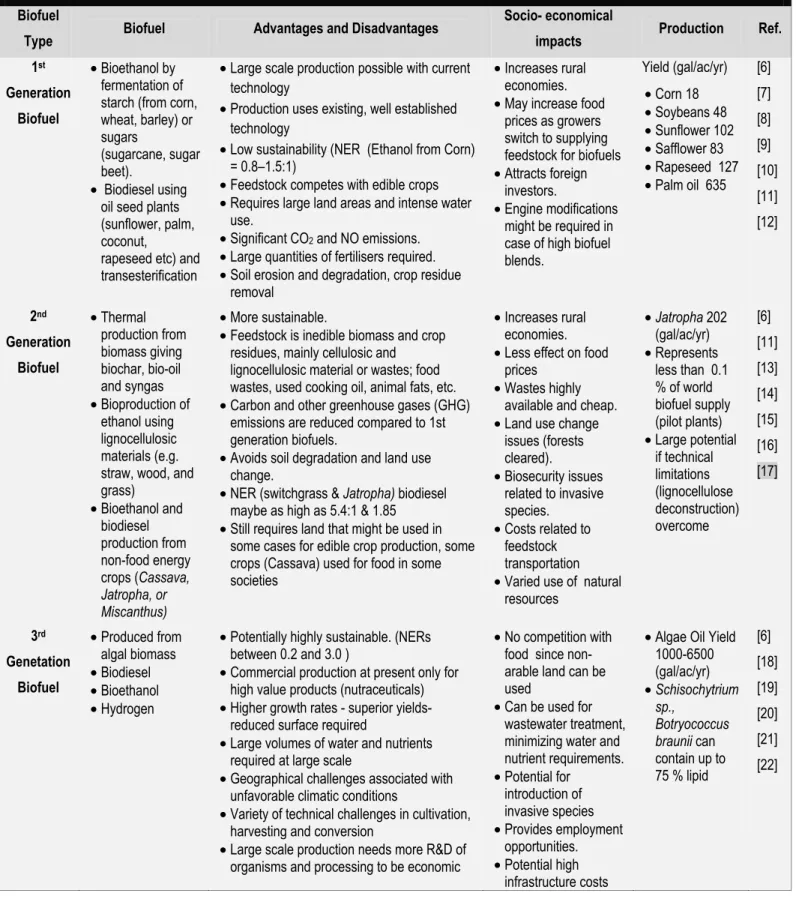
Table 2.1 Comparison between the different generation biofuels ... 70
Table2.2 Summary of the advantages and disadvantages of different algal harvesting methods ... 74
Table 2.3 Conversion using Pyrolysis, Liquification or Gasification ... 88
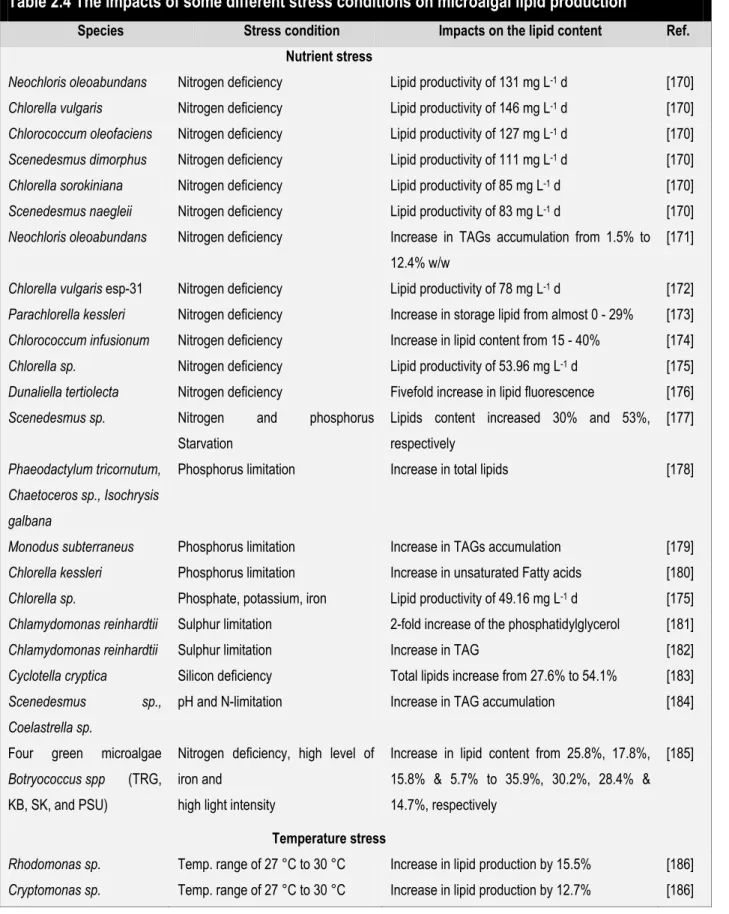
Table 2.4 The impacts of some different stress conditions on microalgal lipid production .... 93
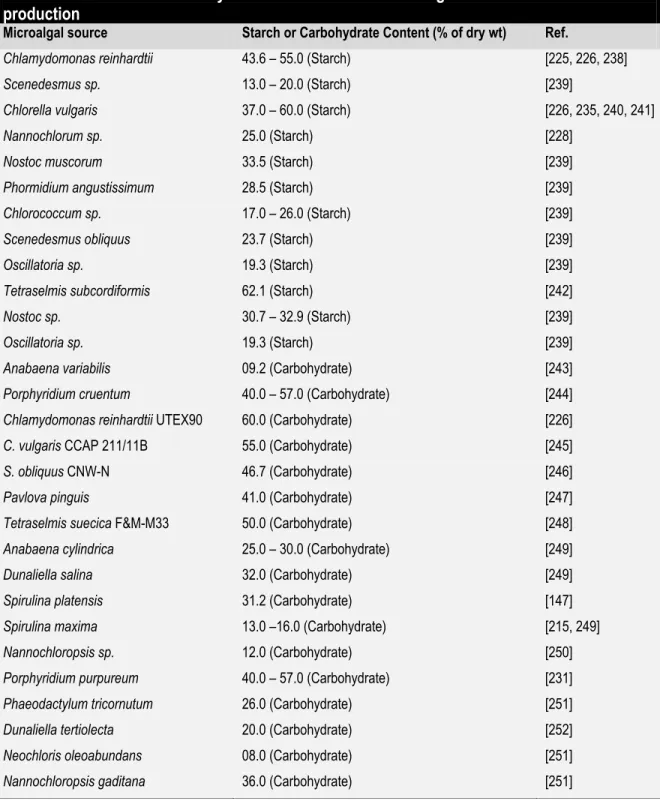
Table 2.5 The starch or carbohydrate content of some microalgae suitable for bioethanol production ... 99
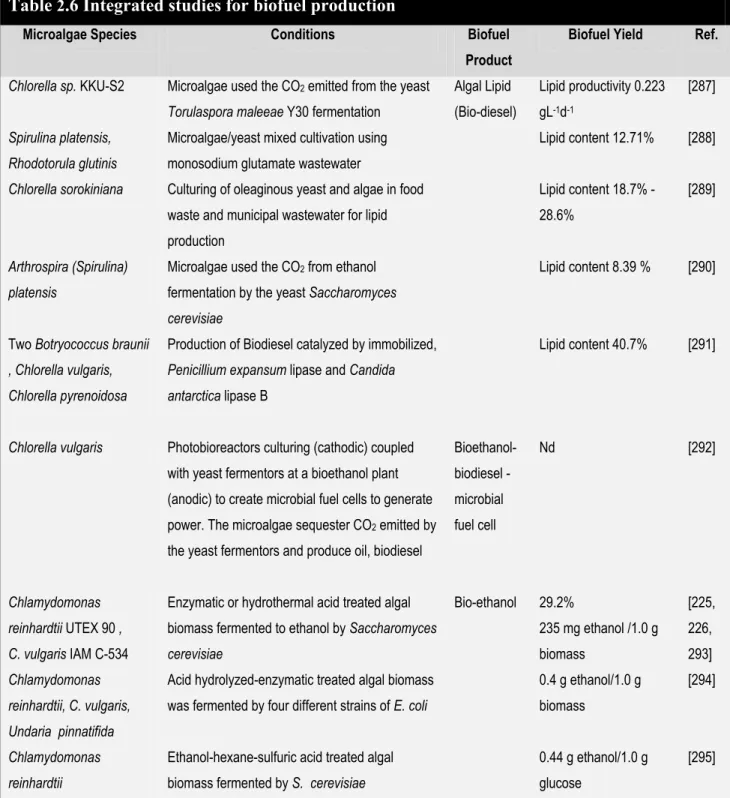
Table 2.6 Integrated studies for biofuel production ... 106
Table 3.1 Initial Nitrate and Phosphate concentrations ... 159
Table 3.2 Elemental analysis of wastewater ... 160
Table 3.3 Biomass/lipid content and productivity for the selected microalgae strains ... 160
Table 4.1 Box-Behnken experimental design with three independent variables ... 185
xi
List of Figures
Figure 1.1Contrast between conventional wastewater treatment and wastewater treatment
using algal ponds. ... 18
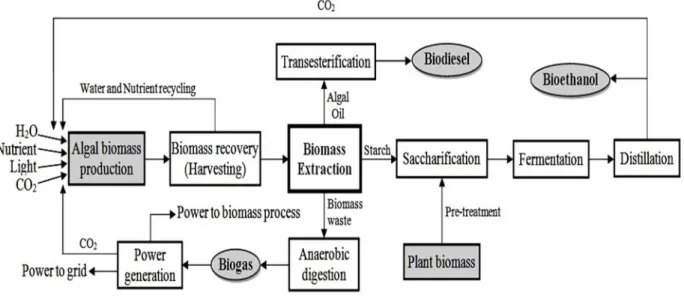
Figure 2.1 Integrated system for biodiesel, bioethanol, biogas and power generation production. ... 101
Figure 2.2 Phycal integrated advanced technology ... 105
Figure 2.3 From cultivation to algal biofuel production steps ... 108
Figure 3.1 Microalgae strain screening procedure ... 161
Figure 3.2 Biomass and lipid content of selected strains ... 162
Figure 3.3 Nutrient (PO4 & NO3) removals by the selected strains under the different experimental conditions ... 163
Figure 3.4 The growth curves for the selected strains under the different experimental conditions ... 164
Figure 3.5 Nile red fluorescence and optical density measurements of the selected microalgae ... 165
Figure3.6Examples of strains with better growth in wastewater than their growth in BBM regardless their lipid production efficiency. ... 166
Figure 4.1 Phylogenetic tree of PCH90 and related algal rbcL sequences ... 188
Figure 4.2 Three dimensional contour plots of the effects of variation in the concentrations of NaCl, NaNO3 and K2HPO4 on biomass production ... 189
Figure 4.3 Three dimensional contour plots of the effects of variation in the concentrations of NaCl, NaNO3 and K2HPO4 on lipid production ... 190
Figure 4.4Three dimensional contour plots of the effects of variation in the concentrations of NaCl, NaNO3 and K2HPO4 on the percent lipid content after sixteen days of growth ... 191
Figure 4.5 Effect of different light intensities on biomass and lipid production by strain Chlorella sp. PCH90 ... 192
Figure 4.6 Maximum lipid and biomass productivities of strain Chlorella sp. PCH90 as a function of growth phase ... 193
xii
Abbreviations
ANOVA APS ATP BBM BOD BP COD CTAB DAF DMSO DNA Dwt ECF EOM EPS FAME FAs GHG GMOs HHV HRAPs HRT HTL IOMMs LCA LP ML Analysis of variance Advanced pond system Adenosine triphosphate Bold Basal Medium Biological oxygen demand Biomass productivity Chemical oxygen demandCationic N-Cetyl-N-N-N trimethyl ammonium bromide Dissolved air flotation
Dimethylsulfoxide Deoxyribonucleic acid Dry weight
Electro-coagulation–flotation Extracellular organic matter Extracellular polymeric substance Fatty acid methyl ester
Fatty acids Greenhouse gases
Genetically modified organisms Higher heating value
High rate algal ponds Hydraulic retention time Hydrothermal liquefaction
Iron oxide magnetic microparticles Life cycle assessment
Lipid productivity Maximum likelihood
xiii MP N NAD(P)H Nd NER NJ NR Nr OD P PBR PCR PGA PUFAs PVA R&D RSM Rubisco SAF SDS SFE siROS TAG TCL TFA TKN TN TP Wt WW Maximum parsimony Nitrogen
Nicotinamide adenine dinucleotide (phosphate) reduced form Not determined
Net energy return Neighbor-joining Nile red Not reported Optical density Phosphorus Photobioreactors
Polymerase chain reaction Phosphoglycerate
Polyunsaturated fatty acids Polyvinyl alcohol
Research and development Response surface methodology
Ribulose-1, 5-bisphosphate carboxylase oxygenase Suspended air flotation
Sodium dodecylsulfate Supercritical fluid extraction
Specific intracellular reactive oxygen species Triacylglycerol
Thermochemical liquefaction Total fatty acid
Total Kjeldahl nitrogen Total Nitrogen
Total Phosphorus Weight
xiv
This thesis is dedicated to the loving memory of my beloved father Elsayed M. Abdelaziz, who would have been happy to see me finishing this work, i miss him everday. “Dad, I love you and you will always live on in my heart”.
to my loving mother, who provided unflagging patience, unconditional love and support.
xv
Acknowledgment
First and foremost, I would like to express my sincerest gratitude to my supervisor Dr. Patrick C. Hallenbeck for the continuous support that he has given me during my Master study and research, for his immense and unlimited patience, motivation, enthusiasm, and great knowledge. His guidance helped me in all the time of research, to overcome a lot of difficulties and writing of this thesis. Ever since, Dr. Hallenbeck has supported me not only by providing a research assistantship, but also emotionally through the rough road to finish this work. I could not have imagined having a better mentor and advisor than him.
Besides my advisor, I am very grateful to Dr. George Szatmari who has always been quick and enthusiastic in offering advice and assistance. I would also like to thank my thesis committee, the president-rapporteur; Dr. Catherine Paradis-Bleau, and the jury member; Dr. Marc Drolet for their precious time and accepting to evaluate my thesis.
I am indebted to many of my colleagues and friends for shaping my personality and giving me the enthusiasm to complete this thesis and for everything, especially Dr. Magdy Bahgat, Dr. Mohsen Ibrahim, Dr. M. Abohashesh, Dr. Ghada, Dr. M. Elbouz, Katherine, Yasser, Mohab, Adham, Karim, Moukhtar, Aziz, Adel, Mo`az, Serge, Vanessa, Sebastian, Kata, Amza, Vida, Jerome, Ousman, Marwa, Nesma, Yasmine, Raghda, Khloud and Moataz.
I must express my gratitude to my former and present lab-mates; Mona, Zahra, Gustavo, Dipankur, Yuan, Narimane, Kiran, Mohamed, and Hanna for their friendship, support, and for all the fun we have had. I am deeply appreciate the valuable help of all members in the Department of Microbiology and Immunology; professors, staff, technicians, and colleagues.
Nobody has been more important to me in the pursuit of this work than the members of my family, especially my unforgettable beloved dad and my mother who taught me that constant perseverance would allow me to achieve anything in life and for supporting me spiritually throughout my whole life.
xvi
Footnotes
Notes in the text of the Introduction
During my M sc. study, I authored a number of reviews on algal biofuel production and that have been used in the introduction of this thesis.
It should be noted that these reviews were published by Taylor & Francis Group which allow authors to use published material, in whole or part, without written permission or formal copyright transfer.
“In assigning Taylor & Francis or the journal proprietor copyright, or granting an exclusive license to publish, author retains the right to include an article in a thesis or dissertation that is not to be published commercially, provided that acknowledgment to prior publication in the journal is made explicit”.
Chapter 1 : Adapted from my contribution in our published review “Ahmed E.M. Abdelaziz,
Gustavo B. Leite & Patrick C. Hallenbeck (2013), Addressing the challenges for sustainable
production of algal biofuels: I. Algal strains and nutrient supply, Environmental Technology,
34:13-14, 1783-1805”.
Chapter 2 : Adapted from my contribution in our published review “Ahmed E.M. Abdelaziz,
Gustavo B. Leite & Patrick C. Hallenbeck (2013), Addressing the challenges for sustainable
production of algal biofuels: II. Harvesting and conversion to biofuels, Environmental
1
Chapter 1: Addressing the challenges for sustainable production of algal
biofuels: I. Algal strains and nutrient supply
Ahmed E. M. Abdelaziz, Gustavo B. Leite, and Patrick C. Hallenbecka,b*
a Département de Microbiologie, Infectologie et Immunologie, Université de Montréal, CP 6128, Centre-ville, Montréal. PQ H3C 3J7 Canada,
b Life Sciences Research Center, Department of Biology, United States Air Force Academy, 2355 Faculty Drive, USAF Academy, Colorado 80840
Article status: This review article was submitted for publication in Environmental Technology Journal on May 09, 2013; accepted July 15, 2013 and published online October
08, 2013.
Environmental Technology, 2013, Vol. 34, Nos. 13–14, pp. 1783–1805,
2
Chapter 1: Addressing the challenges for sustainable production of algal
biofuels: I. Algal strains and nutrient supply
Ahmed E. M. Abdelaziz, Gustavo B. Leite, and Patrick C. Hallenbecka,b*
a Département de Microbiologie, Infectologie et Immunologie, Université de Montréal, CP 6128, Centre-ville, Montréal. PQ H3C 3J7 Canada,
b Life Sciences Research Center, Department of Biology, United States Air Force Academy, 2355 Faculty Drive, USAF Academy, Colorado 80840
*Corresponding author
“This chapter examine in some detail the different sustainability issues potentially involved in large scale algal biofuel production and to suggest ways in which these challenges might be met. The chapter focuses on the various sustainability problems around algal cultivation, including land use issues and nutrient supply”
Keywords: Biofuels; sustainability; algae; wastewater; wastewater treatment; biodiesel;
3
Abstract
Microalgae hold promise for the production of sustainable replacement of fossil fuels due to their high growth rates, ability to grow on non-arable land, and their high content, under the proper conditions, of high energy compounds that can be relatively easily chemically converted to fuels using existing technology. However, projected large scale algal production raises a number of sustainability concerns concerning land use, net energy return, water use, and nutrient supply. The state of the art of algal production of biofuels is presented with emphasis on some possible avenues to providing answers to the sustainability questions that have been raised. Here issues concerning algal strains and supply of nutrients for large scale production are discussed. Since sustainability concerns necessitate the use of wastewaters for supply of bulk nutrients, emphasis is placed on the composition and suitability of different wastewater streams. At the same time, algal cultivation has proven useful in waste treatment processes and thus this aspect is also treated in some detail.
4
1.0 Introduction
Concerns about climate change driven by fossil fuel combustion and for future energy
security are driving intense R&D activity in replacement biofuels production. While a number of different scenarios look promising, the enormous scale at which biofuels would need to be produced introduces a number of sustainability issues for any biofuel. Already the production of first generation biofuels, bioethanol and biodiesel, most of which are derived from edible plants grown on arable land, has increased to such a magnitude that they are seen as possibly competing with food production and are thus unsustainable. Second generation biofuels, derived from lignocellulosic feedstocks, might seem better in this regard, but even if the deconstruction problem, the breakdown of the complex substrate into its components, were solved, would require enormous tracts of land and incur significant energy debts due to feedstock transportation, decreasing the net energy return (NER).
Microalgae are being pursued as a possible source of third generation biofuels, principally biodiesel produced by the transesterification of algal-derived lipids. This route appears attractive since the high growth rate of microalgae compared to traditional crops means that smaller surface areas are required, and their cultivation does not require the use of arable land. In addition, at least under some conditions, their lipid content can be much higher than the oil seeds typically used at present in biodiesel production. However, there are still a number of technical challenges to be solved before commercial production of biofuels from algae becomes a reality [1-12], large scale production of microalgae would also pose a number of significant sustainability issues [13]. The aim of this review, and the accompanying paper, is to examine in some detail the different sustainability issues potentially involved in large scale algal biofuel production and to suggest ways in which these challenges might be met.
Although the land use issue is diminished compared to other biofuels due to the smaller footprint, there is still a problem in this area due to the requirement for siting production
5
facilities close to sources of CO2 as CO2 enrichment is required for achieving the desired high productivities. However, even more significant are the potential water and nutrient requirements. Here we examine how the choice of algae and culture conditions, including in particular nutrient supply, are potentially constrained by sustainability concerns. Finally, as with any other fuel, an important consideration is the amount of energy investment required in order to produce a biofuel with a reasonable NER. This sustainability constraint means that attention has to be paid to the methods used for harvesting and the conversion to fuel process that is adopted. In what follows we examine some of these issues, first introducing algae and some of their important properties, including those that could be improved, followed by a discussion of nutrient requirements and how these might be met by various wastewater streams. Harvesting issues and methods available at present for conversion to fuel and how these are constrained by sustainability NER concerns are the subject of an accompanying paper.
2.0 Algae
From a biofuels perspective it is important to appreciate the vast heterogeneity of the
micro-organisms that are collectively called algae. With hundreds of thousands species already described, algae are an artificial aggregation of a very heterogeneous array of species taxonomically grouped into five different kingdoms on the tree of life [14]. Several macroalgal species have been systematically cultivated and harvested for over a thousand years [15], whereas microalgal exploitation is relatively new. There are more than 35 thousand species of microalgae described taxonomically and, although very debated, they can be defined as eukaryotic microorganisms containing chlorophyl “a” and a plastid. This definition excludes the prokaryote group of cyanobacteria but most of the literature concerning microalgae includes a section about cyanobacteria due to their obvious relatedness to the group in terms of the formation of chloroplasts through endosymbiosis [14, 16, 17].
6
The variety of this group is rather easy to understand when examining its evolution. The phylogeny of the plastid genome points towards a single microorganism as the origin of the association of the two photosystems, using light to drive water oxidation and storing energy in molecules such as NAD(P)H and ATP [18]. This organism, the common ancestor of the cyanobacterial clade, is also the origin of eukaryotic algae. An endosymbiotic event is thought to be responsible for both red and green algae, where the later differentiated into Chlorophyta and Charophyta, the closest living ancestor of land plants [19-21]. Red and green algae also underwent additional endosymbiotic events, as suggested by chloroplasts harboring three and four membranes and corroborated by plastid genome analysis of algal groups in the Kingdom Protozoa (green algae endosymbiosis) and Chromista (red algae endosymbiosis). As an ancient group of organisms, algae started differentiating early in evolution, producing their notable radiation in the tree of life. Of course such speciation was followed by a large metabolic diversity, allowing these organisms to inhabit almost any aquatic niche, from cold arctic salt water to fresh thermal springs or even relatively dry environments. The majority of species are autotrophic, but species containing a defective plastid and living exclusively on organic carbon sources are not rare. Some individuals show additional metabolic versatility as they are able to thrive by both fixing carbon dioxide through oxygenic photosynthesis and by consuming organic carbon available in the environment, i.e. a mixotrophic growth [1]. The great diversity evident from their evolutionary history suggests that there are many strains with properties of interest in biofuels production remaining to be discovered.
Commercial exploitation of microalgae is a relatively new activity, becoming more significant over the last few decades. Rather than individual compounds, this market has mostly focused on biomass for the nutraceutical industry with a high market value [22-24]. The cultivation of microalgae directed towards the extraction of lipids for biofuel production faces several challenges as the end product has a low market value, demanding an efficient and optimized production chain. The choice of strain for this application is an important part of this optimization as the genetic variability found in algal strains may decide the fate of the business plan. More than the cultivation system to be used, environmental variables play key roles in “crop” success. Two obvious paths towards choosing the right strains are the selection
7
of well-studied strains deposited in culture collections, or bio-prospecting in the natural environment. While the characteristics of a strain deposited in a collection can be somehow controlled, native strains can demonstrate impressive robustness against predators and competition [25, 26].
Of course, being able to flourish is not sufficient, and a successful commercial strain must produce the desired molecule, preferably in large quantities. In the case of biodiesel production, the best lipids will have a saturated chain of 12 to 16 carbons [27]. These molecules are stored as TAGs (triacylglycerol) and represent a carbon reserve for when the cell does not have enough light for photosynthesis. However lipids are not the only strategy found for carbon storage and algal strains may produce other molecules at different rates. Here, a high yield of the metabolic flux into the lipid production is a key characteristic. Also, by definition a cell cannot grow fast and fat, one must be sacrificed for the benefit of the other since, as an autotroph, the amount of carbon fixed depends on photosynthetic efficiency versus time exposed to light [25]. Different species have different photosynthetic efficiencies as some are adapted to shade and others for direct sunlight, but it is important to understand that there is a natural limitation due to photosynthetic efficiency [28]. A strategy commonly used to overcome this issue is the cultivation of a fast growing strain until a certain density is reached at which point it undergoes growth arrest due to, for example, nitrogen deprivation. Different kinds of stress will prevent the cell from growing and could trigger lipid production [29, 30]. It is a rather obvious adaptation not to waste an important nutrient and, when growth is prohibited by limitation in protein synthesis (for the example of nitrogen deprivation), light energy capture will continue, providing the necessary NADPH and ATP for the Calvin-Benson-Bassham cycle of carbon fixation, but the 3-phosphoglycerate (3PGA) molecule synthesized in this case will be preferentially driven to the production of carbon reserves, allowing the cell to reestablish fast growth when the limiting nutrient is once again available, even if that occurs during the dark. Finally, a key characteristic for an algal biodiesel production strain would be a high quantum yield into lipids, which can be measured in different points of the growth curve depending on the strategy used.
8
The use of genetically modified organisms (GMO) is also a tempting solution, where unnecessary routes (at least for us) for 3PGA usage can be avoided, thus artificially producing a higher yield of lipids. In fact, there are a variety of targets for strain improvement that are potentially amenable to genetic engineering [31, 32]. In a recent study, a transgenic strain of the diatom Thalassiosira pseudonana in which lipase had been decreased gave, under silicon-limited conditions, more than a 2-fold increase in triacylglycerol (TAG) and 3-5-fold increase in total lipid production compared to the wild type [33]. These results suggest that metabolic engineering of lipid catabolism could be a feasible method for increasing lipid yields in microalgae without decreasing growth [33].
Besides all the technical issues involved in the large scale cultivation of a GMO, metabolically engineered strains are unfortunately often characterized by a loss in inherit robustness, limiting even more their applicability. This issue was suggested as one of the main reasons that drove a giant oil company to curtail investments in algal biofuels projects [34]. As well, Exxon, which initially announced a $600 million investment in the Venter Institute/Synthetic Genomics and Exxon Research for algal biofuels has recently announced that it will be refocusing its efforts after an initial spend of $100 million failed to produce the results it had anticipated (http://www.bloomberg.com/news/2013-05-21/exxon-refocusing-algae-biofuels-program-after-100-million-spend.html). Regardless, a number of genetic engineering projects aimed at increasing biofuels production are underway in both academia and private enterprise, and it is not too soon to begin discussions on appropriate methods of risk assessment and various containment strategies given the likelihood of inadvertent release when algal production ramps up to scale, especially in open ponding systems [35].
Although a great many different strains of algae have been studied, with different ones showing interesting lipid accumulation properties, for several reasons it is not possible to choose a single strain, or even several, to use in large scale production of biofuels. Very few studies have reported the successful long term growth of a single strain, and even if one were shown to be capable of being maintained and producing good quantities of biofuels in one location, it is not evident that this strain would be successful under different conditions
9
elsewhere. More success is to be expected from developing biofuel production strategies based on local variants that are adapted to existing climatic conditions and that are competitive against other native strains.
3.0 Nutrient requirements
All organisms require basic nutrients for growth and multiplication, and most microalgae can meet all their cellular needs for their growth with a few key compounds; macronutrients, micronutrients (trace elements) and vitamins [16]. Two macronutrients, nitrogen (N) and phosphorus (P), are the most important for microalgal growth and are required in relatively large amounts. In addition, silica (Si) is required for cell wall production by diatoms, and some chrysophytes and silicoflagellates. Although required in lesser amounts, sodium (Na), potassium (K), sulphur (S) and magnesium (Mg) are also considered macronutrients. Micronutrients (trace elements) are only required in intermediate or small quantities, and these include iron (Fe), copper (Cu), calcium (Ca), chloride (Cl), manganese (Mn), zinc (Zn), boron (Bo), cobalt (Co) and molybdenum (Mo). Some microalgae also require vitamins such as B1 (thiamine), B12 (cyanocobalamin) and H (Biotin) for growth. These are the basic compounds that the microalgae must source from any medium used for cultivation.
Although most microalgae typically grow autotrophically when supplied with light, CO2 and the macro and micronutrients mentioned above, some can also grow mixotrophically [36-42] or even heterotrophically [38, 43-47] using organic substrates such as sugars; glucose [37-41, 45], fructose [40, 44, 45], maltose [40] or sucrose [40, 46], acetate [37, 39], glycerol [[37-41, 42, 47] or amino acids [48]. Spirulina sp. [37-39, 49], Chlorella vulgaris [41, 50-53], C.
protothecoides [54], Scendesmus acutus [52], Haematococcus pluvialis [55, 56], Anabaena variabilis [40, 44], and Micractinium pusillum [57] have been shown to grow
heterotrophically in the dark using glucose, acetate or other organic substrates or mixotrophically in the light. It has been suggested that heterotrophic growth is economically superior to phototrophic growth for biomass production with microalgae [58], but this is
10
obviously true only for high value products where the cost of added substrate can be justified. Moreover, since this reduces an algal derived biofuel to a first, or at best second generation biofuel, the sustainability of such a production process if carried out on a large scale is dubious. Nevertheless, there are some positive aspects to heterotrophic growth, including a possible increase in nutrient removal [59]. Heterotrophic growth may also enhance lipid production. For example, heterotrophically grown C. protothecoides had a lipid content (55 wt %) that was four times higher than when grown under autotrophic conditions [60], a condition shared by mixotrophic growth [30]. Many heterotrophic and mixotrophic algae may also have great utility as biological agents for treatment of wastewater from municipal, industrial or agricultural activities [61]. Indeed, various industrial byproducts, such as glycerol, acetate, and ethanol, have been shown to support the mixotrophic growth of microalgae [62-64]. Therefore, in some cases there may be a great opportunity to couple microalgal cultivation with the use of industrial waste streams, coupling heterotrophic growth with efficient treatment of otherwise polluting effluents [59].
The stoichiometry of usage of the major nutrients, carbon, nitrogen and phosphorus may vary somewhat with the algal strain, but in general the stoichiometry of carbon to nitrogen to phosphorus is of the order C:N:P = 106:16:1, an almost universal constant known as the Redfield ratio [65]. The total algal population of natural bodies of water adhere to this ratio which may represent an average of species specific C:N:P ratios. Carbon dioxide requirements for algal cultivation and biofuel production have been estimated at between 3.69 and 9.23 kilograms of CO2 per liter of biodiesel [66, 67]. Similarly, estimates have been made for the other major nutrients that are required. Based on algal cultivation in open pond systems without nutrient recycling, it is thought that 0.16 to 0.40 kg N and 0.022 to 0.055 kg P is required per liter of algal oil produced [66], or 0.29 kg N and 0.063 kg P per liter of biodiesel [68]. This demand reflects the fact that the biomass must be harvested to recover the biofuel, which represents only a fraction of the total biomass and hence nutrient input. Therefore, if the biofuel can be recovered separately from the biomass, nutrient inputs are consequently lower. For example, in the case of continuous ethanol synthesis by cyanobacteria is has been estimated that only 0.002 kg N and 0.0001 kg P per liter of gasoline
11
equivalent are required [69]. Obviously, there are challenges to providing sufficient and sustainable supplies of nitrogen and phosphorus (and silicon for the cultivation of silicon-requiring taxa, such as diatoms) for large scale algal production. In what follows next we examine some of the individual nutrients and how they might be supplied in a sustainable manner.
3.1 Challenges in supplying carbon
Carbon is an essential element required for the cellular synthesis of organic molecules within the cell such as carbohydrates and lipids which can be converted to biofuels. Obviously under autotrophic conditions, the carbon for algal biomass production comes from carbon dioxide fixation and thus adequate supply of carbon dioxide is critical for algal production [70]. CO2 levels affect the activity of the primary carbon fixation enzyme, Ribulose-1,5-bisphosphate carboxylase/oxygenase (Rubisco). This enzyme is less than half saturated at CO2 levels in equilibrium with the atmosphere, thus, limiting the rate of photosynthetic carbon fixation [71, 72]. Although CO2 is naturally available from the atmosphere, its diffusion across the air-water interface limits its availability [73]. Thus, CO2 supplementation, either in gaseous form or as bicarbonate, is required for efficient algal production and maximum biomass yield, with biomass often doubling when CO2 concentrations are increased over ambient [74]. However, this can be a problematic solution due to the expense of CO2 capture and transport. The only possibly cost effective strategy for large scale microalgal production would be to build the algal culturing facilities close to industries that emit CO2, where the algae can at least temporarily recycle the CO2, providing algal biomass that can be processed to biofuel and valuable products. In this scenario, the microalgae capture fossil CO2 that would otherwise be immediately emitted to the atmosphere. However, there is no net carbon sparing effect if the algae are used for biofuel, or any other short term purpose. The only way such a scheme could be used for sequestration would be to bury the biomass for essentially long geological times. Even then, the process would be unsustainable if unfractionated algae were used since an unacceptable amount of nutrients would be put out of circulation [75]. A consequence of carbon dioxide injection into a culture
12
is the acidification of the medium. If a buffer cannot be used due to cost factors, an alternative is to supply CO2 as needed to regulate the culture pH since over time algal growth causes an alkalinisation of the medium.
3.2 Challenges in supplying nitrogen
Nitrogen is the most critical nutrient for algal biomass after carbon. Although the nitrogen content of algal biomass varies according to the algal group (e.g. lower in diatoms), it has been estimated to generally lie in range from one percent to somewhat more than 10 % [76]. Microalgae, depending upon the species, can assimilate nitrogen in different inorganic forms such as; nitrate (NO3-), nitrite (NO2-), nitric acid (NO3-), or ammonium (NH4+ and NH3), converting it into various organic compounds required for growth; peptides, amino acids, proteins, enzymes, nucleic acids, etc.. In addition, some prokaryotic cyanobacteria can fix atmospheric nitrogen (N2) into ammonia [77]. The process of assimilation begins with the inorganic forms of nitrogen passing through the algal cytoplasmic membrane and undergoing several enzymatically driven reductions to form ammonium which is then incorporated into amino acids and other aminated compounds in the cytoplasm.
Ammonium assimilation requires less energy and there is no redox reactions involved in its metabolism, so it is the preferred nitrogen source. If both ammonium and nitrate or nitrite are present in medium, algae will utilize ammonium until depletion and then use the other forms, nitrite followed by nitrate [70]. However, even though ammonium is the preferred form, its use in algal culturing has several drawbacks: 1) excess ammonium can negatively affect algal growth, since, depending upon the species, algae can only tolerate from 25 to 1000 µM, and 2) significant quantities of ammonium can be removed by volatilization at moderate temperatures and high pHs in a process known as ammonium stripping [70, 78-81]. Thus nitrate is the nitrogen form most commonly used for algal cultivation since it is chemically stable in oxidized aquatic environments [82].
13
Nitrogen limitation can cause a variety of responses, including fixed nitrogen mobilization through phycobilisome degradation [83], or induction of carbon storage where cells either produce lipids (Chlorella vulgaris) [84] or carbohydrates (many Dunaliella strains) [85]. At high levels of nitrogen algae can produce up to 20 % (poly unsaturated fatty acids) with cellular lipid content increasing up to 45 % to 70 % under nitrogen limitation [84, 86]. Chlorella vulgaris lipid content varies from 14 % to 63 % of dry weight under different nitrogen concentrations [84]. In addition, nitrogen limitation can cause changes in pigment content, a decrease in chlorophyll (chlorosis) [83], an increase in carotenoids, for example β-carotene production in Dunaliella [87], or an accumulation of astaxanthin, its acylesters and production of oleic acid rich triacylglcerols (as in case of Haematococcus pluvialis) [88, 89]. In general, if the response is augmented carbon storage through the production of lipids, neutral lipids (triacylglycerols) are produced instead of polar lipids [90]. The pathway the algae will select under nitrogen depletion is species specific, for example, some strains of
Chlorella are found to accumulate large amounts of starch whereas others accumulate neutral
lipids instead [91].
Several strategies can be applied to maximally harness this ability including the use of a two stage process in which cells are grown under nutrient sufficient conditions until a significant amount of biomass has been produced followed by a nutrient deprivation stage for enhanced lipid accumulation [92]. However, it has been suggested that the most effective strategy for high lipid production in Chlorella vulgaris is to let cells deplete nitrogen normally rather than transferring cells to nitrogen-lacking medium [93].
Given the enormous quantities of fixed nitrogen that would be required for large scale cultivation of microalgae, sustainability concerns require at a minimum either strict nutrient recycling and/or use of wastestreams with sufficient quantities of this nutrient. As discussed in Microalgal Biomass Production, a very good option in this regard could be provided by municipal wastewater treatment facilities.
14
3.3 Phosphorus challenges
Phosphorus represents less than 1% of algal biomass and is required at a level of about 0.03–0.06% in the culture medium [94, 95]. Inorganic forms of phosphorus (PO4-3, HPO4-2, H2PO4- and H3PO4) are readily used for algal metabolism [96], but some species are also capable of using phosphorus found as organic esters. Most algae have a tolerance for phosphorus in the range of 1 µM to 20 mM (50 μg L-1 to 20 mg L-1) [97]. Under phosphorus excess conditions, algae are able to store phosphorus mainly as polyphosphates and metaphosphate granules which are mobilized under conditions of phosphorus deficiency [97, 98].
As already discussed for nitrogen, phosphorus limitation can affect biomass production. The amount of Chlorella vulgaris biomass was 30 to 40 % lower in phosphorus limited cultures (0.147 mM) then when the nutrient was replete (1.47mM) [99, 100]. Phosphorus starvation effects included an increase in lipid or carbohydrate content, a decrease in chlorophyll [98], and the accumulation of carotenoids (astaxanthin). Phosphorus is not only removed from wastewater by algal cell uptake but it is also affected by abiotic processes triggered by external conditions such as elevated pH and high levels of dissolved oxygen. Although algal cells can use both inorganic and organic forms of phosphorus, orthophosphate is the form commonly used in large-scale cultivation. The availability of added phosphate is strongly affected by pH which affects not only phosphorus uptake, but its ability to be assimilated. At alkaline pH it can react with Mg2+, Ca2+, CO3-2 or Fe2+ and precipitate, thus becoming unavailable for algal uptake. This needs to be taken into consideration in practical algal production systems.
One major constraint that needs to be taken into consideration is the fact that only very limited quantities of phosphate are available for use in large scale algal production systems. Less than 40 million tons of phosphate are mined annually in the USA, and, already due to its limited supply, fertilizers used for agriculture contain less than optimal concentrations of phosphates [101, 102]. Obviously, phosphate supplied in this form is not renewable, and even
15
with efficient phosphorus recycling from algal ponds, substantial “make-up” phosphate would be needed. It has been estimated that an additional 53 million tons of phosphate would be required annually to completely replace conventional petroleum by algal biofuels, a challenge difficult to meet through increasing mining outputs, which would only provide a temporary solution at best given looming “peak phosphate” [95].
Since nitrogen and phosphorus are the two most limiting nutrients for algal growth, optimal growth requires that they be found in the medium in a molar ratio matching the stoichiometric ratio of the algal biomass, the Redfield ratio of 16:1 [103]. Thus, when using wastewater as a medium, addition of nitrogen and/or phosphorus may be required to achieve the proper ratio. Of course, this ratio is optimal for growth and not necessarily for lipid production. Stress conditions, primarily nutrient starvation, have intensively applied to algal cultivation for biodiesel production where they are intentionally used to increase lipid production. Much of the US Department of Energy's Aquatic Species Program was focused on this process [90]. Unfortunately, even though lipid content is increased by nutrient limitation, the cell`s slower growth rate means that in general no overall increase in lipid productivity is seen.
3.4 Other Nutrient challenges
Most of the other nutrients required for microalgal growth are needed only in relatively very small quantities and are readily available in water with the exception of silicon. Silicon is important for several different groups of algae, especially diatoms. It is an essential nutrient for their growth and is a major component of their cell wall [104]. It is one of the most abundant elements and usually present in solutions as orthosilicic acid. Silicon deficiency prevents diatom division and therefore protein, DNA, and chlorophyll synthesis halts. In addition, energy producing processes such as photosynthesis and glycolysis are diminished [105]. Iron is an important nutrient since it plays an important role in many cellular metabolic pathways including; photosynthesis, respiration, electron transport, DNA synthesis and nitrogen fixation [76]. Chlorophyll a and phycocyanin may be degraded under iron limiting
16
conditions [106]. The oxidized form of iron is not optimal for algal uptake and iron may become limiting when it is present at small concentrations under highly oxidizing conditions. Sulfur plays a key role in electron transport and is important for protein synthesis, lipid metabolism and algal growth. Thus, sulfur deficient conditions limit algal density and stunt growth [107]. Potassium and most of the other required elements are readily available at the low concentrations at which they are required, and, if needed, they could be supplemented by adding nutrient rich wastewater to algal growth facilities. Of the various waste streams that might be available, algal biofuel production facilities might be run in conjunction with anaerobic digestion to recover additional energy from the algal biomass, giving a nutrient rich effluent and thereby effectively recycling some of the micro and macro nutrients. Thus, the use of wastewaters is a cost effective means to meeting challenges in nutrient availability and supply [108]. While in some particular cases, other, perhaps more productive uses for wastewater might be found (use in irrigation, etc.), in the majority of the cases the wastewater effluents represent a nuisance that must be treated in some fashion before discharge.
3.5 Nutrient supply and sustainability
Thus, nutrient supply for algal biofuels production raises major sustainability concerns. Any biofuels process needs to be subjected to a rigorous LCA (life cycle assessment) before going to scale to ensure the practicality of the system. In brief, LCA is an analysis of the environmental impact of a product from cradle to grave. Among other things, an inventory of energy and materials inputs and releases is made. In terms of water and nutrients, one study estimated that without recycling, generating one kg of biodiesel could require 3726 kg water, 0.33 kg nitrogen, and 0.71 kg phosphate [68]. As might be expected, in this analysis recycling water after harvest would reduce water and nutrients usage by 84% and 55% respectively. However, the most sustainable solution would be to use wastewater, thereby decreasing the water requirement 90% and virtually eliminating the need for nutrients as discussed next.
17
3.6 Wastewater as a sustainable source of nutrients
Algal cultivation on wastewater has received a great deal of attention over the past few decades. Many different wastewaters support algal growth which carries out tertiary treatment through the removal of nitrogen, phosphorus and other elements. In addition, this process has the potential to produce large quantities of biomass which could be used as a source for biodiesel and valuable products [54-56] In fact, different analyses of potential scenarios for algal biofuel production have concluded that large scale algal biodiesel production is unlikely to be viable without the use of wastewater [61, 109]. A convenient and abundant wastewater source is municipal wastewater which must, in any case, be subjected to some sort of treatment process.
In general, conventional municipal wastewater treatment involves series of processes. During primary treatment large material is removed by screening, and heavy or suspended solids are allowed to settle in sedimentation tanks before they are incinerated or put into landfill. The process discharge water is referred to as primary effluent [110] (Fig.1.1).
Secondary treatment uses some type of biological process to consume the large quantities of organic matter present in primary effluent. Traditional treatment processes use microorganisms in aeration tanks to carryout oxidation of the organic matter. Primary effluent is mixed with air in the presence of bacterial sludge and left for several hours; bacteria breakdown the organic matter into relatively harmless smaller and simpler molecules (CO2, PO4, NH3 etc.). Another sedimentation tank is used to remove excess bacteria and sludge [110]. However, together primary and secondary treatments are not sufficient to completely remove inorganic nutrients from wastewater and the resulting secondary effluent can cause eutrophication of rivers and lakes due to a high content of nitrogen and phosphate [111]. Tertiary treatment is designed to remove these nutrients and minimize ecological impacts on the environment. Physico-chemical methods, such as air stripping of ammonia, ion exchange and breakpoint chlorination, or biological methods can be used to remove nitrogen [112]. The most common removal process is denitrification where nitrate is reduced first to nitrite and
18
Figure 1.1 Contrast between conventional wastewater treatment and wastewater treatment using algal ponds.
At the top is shown a schematic for a conventional wastewater treatment process. The majority of the BOD (biological oxygen demand) is removed during secondary treatment through the mechanical addition of oxygen which drives BOD breakdown through microbial respiration. O2 addition can represent one of the major energetic, and hence cost, inputs into the process. At the bottom is shown, in schematic form, a algal pond (HRAP-see text) treating the same waste. The algae supply the necessary oxygen through their photosynthetic process and grow using the nutrients in the wastewater. In reality, a series of ponds may be required after a first primary treatment stage (see the text for details). Wastewater Grid Grit Chamber Primary Settlement Aeration Tank Secondary Settlement
19
to nitrogen gas, easily released into the atmosphere [96]. On the other hand, phosphorus is often removed by chemical precipitation using metal salts. While three forms of phosphorus are usually present in the initial wastewater, ortho-phosphate, polyphosphate and organic phosphate, the latter two forms are converted to ortho-phosphate during aerobic treatment. Ortho-phosphate is efficiently precipitated using chemical reactions through addition of metals salts like ferric sulphates, ferric chlorides etc. [112].
However, the pioneering work of Oswald showed that these nutrients, nitrogen and phosphate, can be assimilated by algae leading to biomass which can be removed and used for the production of biodiesel and other commercial products [113]. In fact, a number of different wastewater systems have been devised which use the metabolic properties of microalgae.
4.0 Algae based wastewater treatment
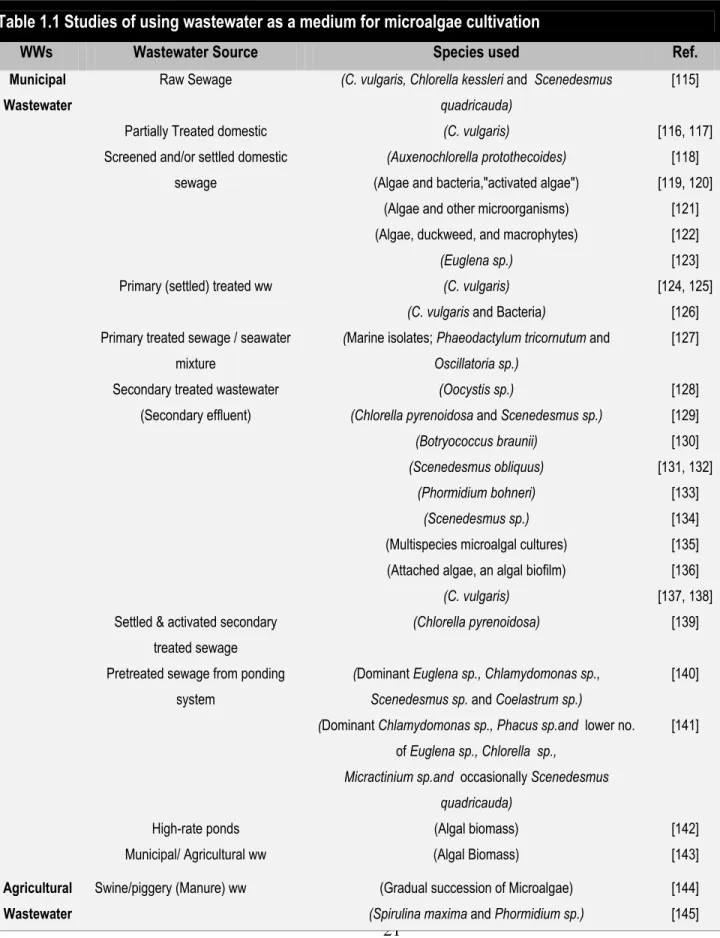
Different processes are presently used for wastewater tertiary treatment Algal-based methods offer the possibility of coupling bioremediation with biofuel production. Many species of microalgae are potentially able to grow in wastewater from different sources (Table 1.1). Various contaminants are present in wastewater depending upon its source but are typically organic and inorganic nitrogen, phosphorus, pathogens, pharmaceuticals and inorganic particles. Extensive studies have been conducted to investigate the use of algae for nutrient removal, in particular nitrogen and phosphorus, from wastewater. In general, the efficiency of nutrient removal is variable, from rather poor to several studies announcing almost complete removal [114]. Although, it is widely thought that environmental factors such as temperature and the amount of sunlight present challenges that restrict algal-based wastewater treatment to tropical countries where the temperature and sunlight are optimum, this is in fact an effective process that is in fact used in the Canadian Artic.
20
The major wastewater classes to be treated are municipal, agricultural (e.g. confined animal facilities including dairy, swine, and poultry), industrial (e.g. food processing including olive oil mill, textile, paper, etc.), and other eutrophic waters with high nutrient contents (e.g., agricultural drainage) [185].
Municipal wastewater is one of the main sources of surface water pollution. As discussed above, ideal treatment includes three stages. Secondary treatment using microorganisms requires a constant supply of oxygen, which is expensive and requires intense operations, energy input, manpower and expertise. Growing microalgae in the ponds and tanks where the treatment is carried out is a good alternative solution to this problem since algal growth and photosynthesis will release substantial amounts of oxygen. At the same time the microalgae will remove nutrients (nitrogen and phosphorus), incorporating them into biomass and thus carrying out tertiary treatment of the wastewater before it is released into the environment [108, 123, 179, 183].
21
Table 1.1 Studies of using wastewater as a medium for microalgae cultivation
WWs Wastewater Source Species used Ref.
Municipal Wastewater
Raw Sewage (C. vulgaris, Chlorella kessleri and Scenedesmus quadricauda)
[115] Partially Treated domestic (C. vulgaris) [116, 117] Screened and/or settled domestic
sewage
(Auxenochlorella protothecoides)
(Algae and bacteria,"activated algae") (Algae and other microorganisms) (Algae, duckweed, and macrophytes)
(Euglena sp.) [118] [119, 120] [121] [122] [123] Primary (settled) treated ww (C. vulgaris)
(C. vulgaris and Bacteria)
[124, 125] [126] Primary treated sewage / seawater
mixture
(Marine isolates; Phaeodactylum tricornutum and Oscillatoria sp.)
[127] Secondary treated wastewater
(Secondary effluent)
(Oocystis sp.)
(Chlorella pyrenoidosa and Scenedesmus sp.) (Botryococcus braunii)
(Scenedesmus obliquus) (Phormidium bohneri)
(Scenedesmus sp.)
(Multispecies microalgal cultures) (Attached algae, an algal biofilm)
(C. vulgaris) [128] [129] [130] [131, 132] [133] [134] [135] [136] [137, 138] Settled & activated secondary
treated sewage
(Chlorella pyrenoidosa) [139] Pretreated sewage from ponding
system
High-rate ponds Municipal/ Agricultural ww
(Dominant Euglena sp., Chlamydomonas sp., Scenedesmus sp. and Coelastrum sp.)
(Dominant Chlamydomonas sp., Phacus sp.and lower no.
of Euglena sp., Chlorella sp.,
Micractinium sp.and occasionally Scenedesmus quadricauda) (Algal biomass) (Algal Biomass) [140] [141] [142] [143] Agricultural Wastewater
Swine/piggery (Manure) ww (Gradual succession of Microalgae)
(Spirulina maxima and Phormidium sp.)
[144] [145]
22 Raw swine manure effluent
(Chlorella sp., Scenedesmus obliquus, and Phormidium bohneri) (Spirulina maxima) (C. vulgaris) (Phormidium sp.) (Spirulina platensis) (Chlorella sp.) (Chlorella pyrenoidosa) (Chlorella zofingiensis) (Scenedesaceae sp.)
(C. vulgaris, Chlamydomonas mexicana, Nitzschia cf. pusilla, Scenedesmus obliquus,
Ourococcus multisporus,and Micractinium reisseri)
(Freshwater algal consortia)
[146] [147] [148] [149] [150, 151] [152] [153] [154] [155] [156] [157] Settled swine ww/ sewage mixture (C. vulgaris and Bacteria) [158]
Dairy (Manure) wastewater (Cyanobacteria)
(Freshwater algal consortia)
(Chlorella sp.) (Neochloris oleoabundans)
(Six algal genera)
[159] [160] [161] [162] [163] Cattle feedlot effluent (Scenedesmus quadricauda and Bacteria) [164] Pretreated cattle manure (C. vulgaris, Chlorella kessleri and Scenedesmus
quadricauda)
[115] Aquaculture (Photosynthetic algae)
(Microbial flocs)
(Scenedesmus sp. and C. vulgaris)
[165] [166] [167] Poultry effluent Agro-industrial wasteater (Spirulina platensis)
(Chlorella minutissima, Chlorella sorokiniana and Scenedesmus bijuga)
(Algal-bacterial biomass)
(C. vulgaris and Scenedesmus dimorphus)
(Cyanobacteria) Review [168] [169] [170] [171] [172] Industrial Wastewater
Olive oil mill effluent (Phenols removal)
(Scenedesmus obliquus)
(Chlorella pyrenoidosa and Scenedesmus obliquus) (Ankistrodesmus braunii and Scenedesmus quadricauda)
[173] [174] [175]
23
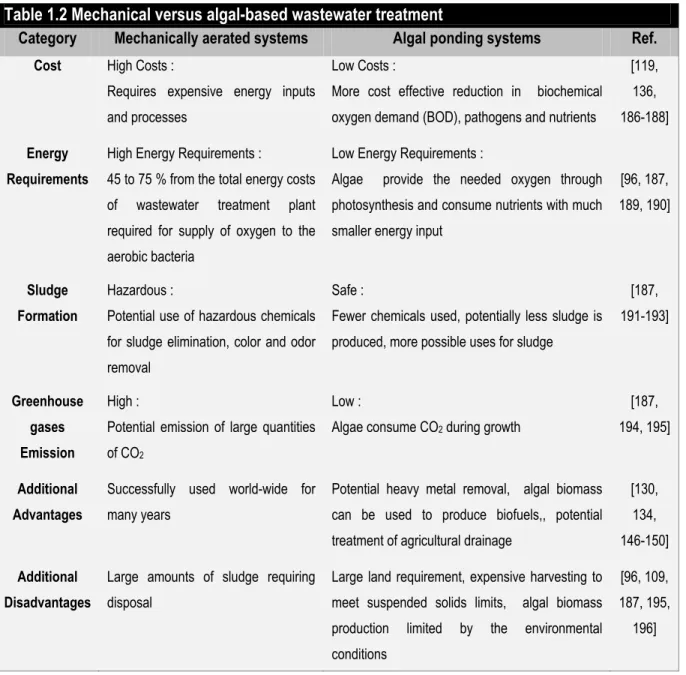
Traditional wastewater treatment practices have a number of major disadvantages including; the costs associated with the handling and disposal of the huge amounts of sludge generated, the substantial energy input, operation and maintenance requirements and emission of greenhouse (Table 1.2). Algae offer solutions to those obstacles, as using algae based treatment will reduce sludge formation, be more cost effective [186], exhibit lower energy -quirements, recover nutrients as algae biomass, reduce greenhouse gas emissions, and, in addition, produce useful algal biomass (Table 1.2).
4.1 Municipal wastewater
Municipal wastewater is mainly generated from domestic sewage and small enterprises in addition to some environmental runoff as snowmelt or storm water [197]. Although its composition can vary significantly in terms of place and time due to differences in water consumption and seasonal variations, its characteristics worldwide show roughly the same pattern due to shared similarities in human lifestyles [197]. Municipal wastewater is a preferred source of wastewater for algal cultivation due to the large volume available and to its content in nitrogen and phosphorus. However municipal wastewater also contains considerable amounts of heavy metals such as zinc, lead and copper which might interfere
Textile effluent (C. vulgaris) [176] Carpet mill effluent / municipal
sewage mix
(Microalgae from different taxa) [114] Parboiled rice effluent (Aphanothece microscopica N¨ageli) [177] Paper industry effluent (Chlorella and diatom species were the dominant) [178]
Tannery effluent (Oscillatoria formosa, Navicula lanceolata and Nitzschia scalaris)
(Spirulina sp.)
[179] [180] Steel making facility effluent (C. vulgaris) [181]
Hazardous wastes (Algae-bacteria)(Microalgae) [182, 183] Oil refinery
Industrial-Municipal Wastewater
(Nannochloropsis sp.)
(Microalgae from different taxa)
[184] [114]
24
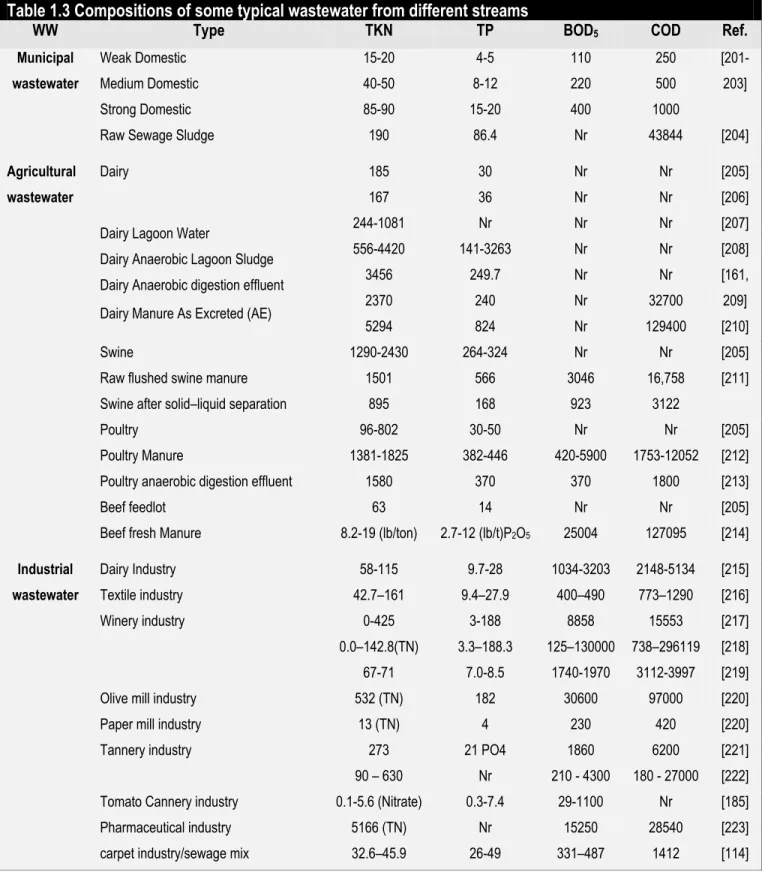
with algal cultivation [77]. Microalgae cultivation in municipal wastewaters has been most extensively studied (Table 1.1). A typical composition of municipal wastewater is given in Table 1.3.
Table 1.2 Mechanical versus algal-based wastewater treatment
Category Mechanically aerated systems Algal ponding systems Ref.
Cost High Costs :
Requires expensive energy inputs and processes
Low Costs :
More cost effective reduction in biochemical oxygen demand (BOD), pathogens and nutrients
[119, 136, 186-188]
Energy Requirements
High Energy Requirements :
45 to 75 % from the total energy costs of wastewater treatment plant required for supply of oxygen to the aerobic bacteria
Low Energy Requirements :
Algae provide the needed oxygen through photosynthesis and consume nutrients with much smaller energy input
[96, 187, 189, 190]
Sludge Formation
Hazardous :
Potential use of hazardous chemicals for sludge elimination, color and odor removal
Safe :
Fewer chemicals used, potentially less sludge is produced, more possible uses for sludge
[187, 191-193] Greenhouse gases Emission High :
Potential emission of large quantities of CO2
Low :
Algae consume CO2 during growth
[187, 194, 195]
Additional Advantages
Successfully used world-wide for many years
Potential heavy metal removal, algal biomass can be used to produce biofuels,, potential treatment of agricultural drainage
[130, 134, 146-150]
Additional Disadvantages
Large amounts of sludge requiring disposal
Large land requirement, expensive harvesting to meet suspended solids limits, algal biomass production limited by the environmental conditions
[96, 109, 187, 195,
25
4.2 Agricultural wastewater
Agricultural wastewater, often derived from manure (animal farms), agricultural operations and live-stock production (such as beef cattle, dairy cattle, swine, and poultry), is another major source of wastewater which can be very high in nitrogen and phosphorus, rendering it a suitable substrate for microalgal cultivation and sustainable algal biodiesel production [156, 171]. The Redfield ratio should be considered with respect to the nitrogen and phosphorus ratios, further supplementation with some nutrient might be necessary to sustain algal growth. Expansion of livestock operations in the past few decades has resulted in excessive nutrient concentrations within livestock production areas [198]. Table 1.3 gives the typical composition of some agricultural wastewaters.
4.3 Industrial wastewater
Industrial wastewater is one of the most serious pollution sources affecting aquatic
environments. Significant amounts of highly polluted water have been discharged into rivers, lakes and coastal areas during the past decades, resulting in serious problems for both ecosystems and human health [199]. The composition of these wastewaters varies significantly depending upon the industry. Each sector has its own particular combination of pollutants which may require specific treatment processes [199]. Although somewhat dependent upon the source, most industrial wastewaters contain less nitrogen, phosphorus and more heavy metals in comparison to both municipal and agricultural wastewaters [200].
Some studies that have investigated the use of microalgae for nutrient removal (N & P) and biofuel production are summarized in Table 1.4