Université de Montréal
Research and Industry Practices in Designing Clothes for
Optimal Participation of Persons with a Physical Disability
par
Alida Esmail, BFA
École de réadaptation Faculté de médecine
Mémoire présentée
en vue de l’obtention du grade de maitrise en sciences de la réadaptation
Mai 2019
Résumé
Contexte : Les vêtements sont importants dans la société et favorisent la participation des personnes ayant des déficiences physiques. Il existe peu d’information indiquant si l’industrie de la mode comprend leurs besoins. Objectifs : 1) Examiner le rôle des vêtements sur la participation des personnes ayant une déficience physique. 2) Explorer les perspectives des représentants de l'industrie de la mode vis à vis la littérature ainsi que les facteurs influençant la mobilisation des connaissances. Méthodologie : 1) Un examen de la portée a été réalisé à partir de six bases de données scientifiques, Google et plusieurs consultations d’experts. 2) Des entretiens semi-structurés ont été menés auprès des représentants de l'industrie de la mode. Résultats : 1) Cinquante-sept articles et 88 sites Web ont été sélectionnés. Des problèmes vestimentaires affectant la mobilité et les soins ressortaient fréquemment ainsi que divers facteurs personnels. Quarante-neuf pourcent des articles décrivaient des caractéristiques essentielles à la conception de vêtements adaptés. 2) Cinq entrevues révèlent l’importance de l’acquisition des connaissances pour concevoir des vêtements adaptés. Des barrières de temps, de fabrication et de commercialisation ont été identifiées au sein de l’industrie. Plus de ressources, de visibilité, de consultation et d’engagement de l’industrie permettraient des avancées dans le domaine du vêtement adapté. Conclusion : Les vêtements influencent de façon multidimensionnelle la participation des personnes. Un meilleur partenariat entre les chercheurs, les cliniciens, les personnes ayant des déficiences et l’industrie de la mode pourrait améliorer la conception de vêtement adaptés.
Abstract
Background: Clothing is important in human societies and could play a central role in optimizing participation of persons with physical disabilities. It is unclear whether the fashion industry understands the clothing needs of these individuals. Objectives: 1) Examine the role of clothing on participation of persons with physical disabilities, 2) Explore perspectives of representatives of the fashion industry vis à vis the literature and factors influencing uptake of this knowledge. Methodology: 1) A scoping review including six research databases, Google, and multiple expert consultations was performed. 2) Semi-structured interviews with fashion industry representatives were conducted. Results: 1) Fifty-seven articles and 88 websites were retrieved. Clothing-related issues impacting Mobility and Self-Care were frequently reported as were various personal factors. Forty-nine percent of articles reported essential clothing design features. 2) Five interviews found that acquiring knowledge for designing adapted clothing is important and time-, manufacturing-, marketing-, and purchasing-related barriers exist in the industry. Increased resources, exposure, guidance, and engagement within the fashion industry may help advance the field of adapted clothing. Conclusion: Clothing has a multidimensional influence on participation. Solidifying collaborations between researchers, clinicians, persons with disabilities, and the fashion industry may add credibility to future clothing designs.
Table of Contents
Résumé ... i
Abstract ... ii
List of Tables ... v
List of Figures ... vi
List of Acronyms ... vii
Acknowledgments ... ix
Chapter 1. Introduction ... 1
Chapter 2. Objectives ... 5
Chapter 3. Conceptual Frameworks ... 6
International Classification of Functioning, Disability and Health (Objective 1) ... 6
The Knowledge to Action Cycle (Objective 2) ... 7
Chapter 4. Methodology ... 9
Scoping Review (Objective 1, Article 1) ... 9
Fashion Industry Interviews (Objective 2) ... 23
Participant Selection Criteria ... 23
Recruitment ... 24
Interviews ... 24
Data Analysis ... 25
Ethical Considerations ... 27
Chapter 5. Results ... 28
Scoping Review (Objective 1, Article 2) ... 28
Fashion Industry Interviews (Objective 2) ... 66
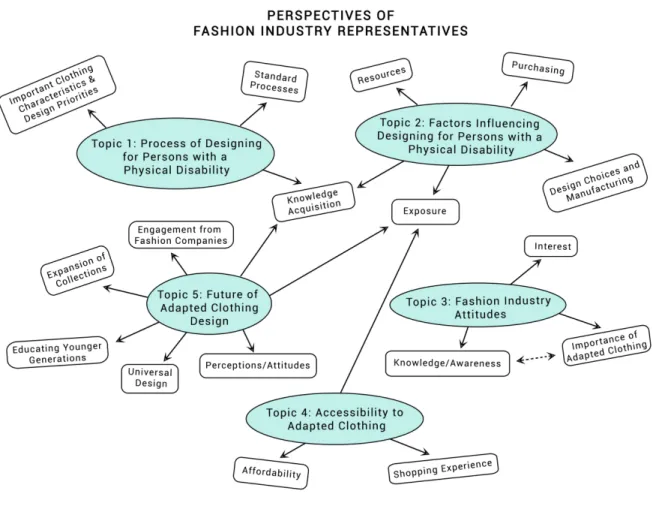
Topic 1: Process of Designing for Persons with a Physical Disability ... 67
Topic 2: Factors Influencing Designing for Persons with a Physical Disability ... 70
Topic 3: Fashion Industry Attitudes ... 76
Topic 4: Accessibility to Adapted Clothing ... 79
Topic 5: Future of Adapted Clothing Design ... 82
Chapter 6. Discussion ... 87
Strengths and Limitations ... 91
Future Directions ... 91
Chapter 7. Conclusion ... 95
Bibliography ... 96
Appendix I. Interview Guide ... i
Appendix II. Research Ethics Board Approvals ... vii
Appendix III. Consent Forms ... viii
Appendix IV. Grey Literature Resource List ... ix
Appendix V. Supplemental File- Literature Search Strategies (Article 2) ... xix
List of Tables
Table I. Examples of Extractions from the Three Most Frequently Reported ICF Chapters and Personal Factors ... 43
List of Figures
Figure 1. Overview of the Methodology ... 19
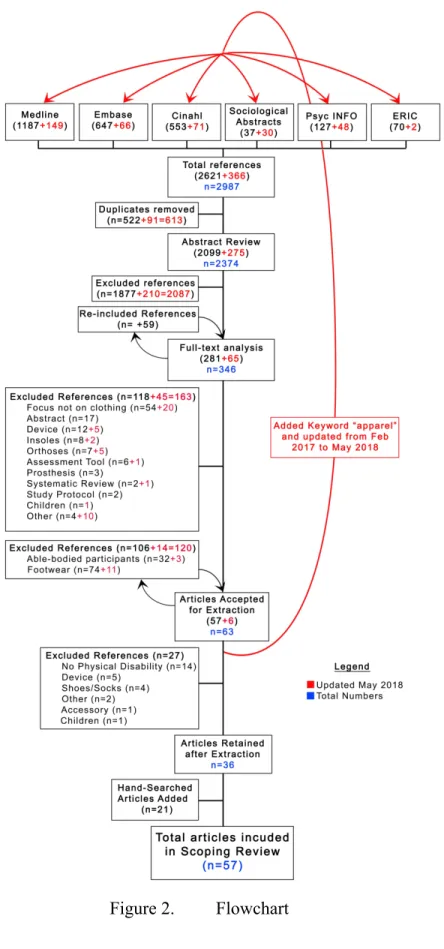
Figure 2. Flowchart ... 38
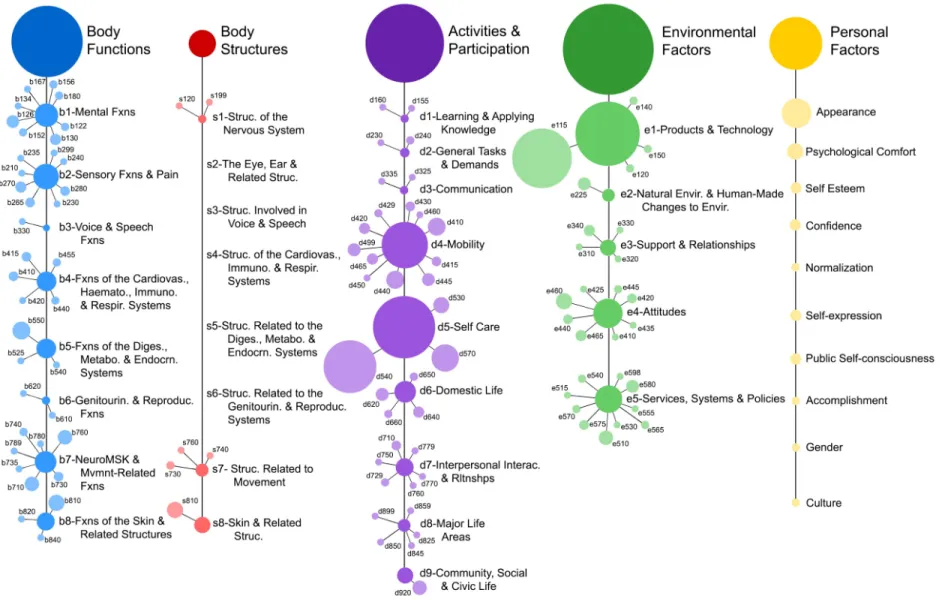
Figure 3. Mapping of the Raw Data ... 40
List of Acronyms
ICF: International Classification of Functioning, Disability and Health
ICIDH: International Classification of Impairments, Disabilities, and Handicaps KTA: Knowledge to Action
Acknowledgments
First and foremost, I would like to thank my supervisor Bonnie Swaine, Ph.D. for introducing me to this topic, for helping me navigate the world of rehabilitation, and for being a sounding board whenever needed. As an inspiring role model in many ways, working together has given me another perspective on life and on research. I am thankful for the potential she saw in me from the beginning and for her encouragement every step of the way.
I am also very grateful for the active involvement from the rest of the research team comprised of Annie Rochette, Ph.D., Claudine Auger, Ph.D., Frédérique Poncet, Ph.D., Delphine Labbé Ph.D., Noémi Dahan-Oliel, Ph.D., Christophe Billebaud, Élaine de Guise, Ph.D., Eva Kehayia, Ph.D., Isabelle Lessard, Olivier Veermersch, and Isabelle Ducharme. Their passion for this research topic is evident and helped motivate me to continue advancing the research over the last two years. I am privileged to have had the opportunity to learn from the expertise of a large research team and to receive their feedback at multiple stages of the project.
I would like to acknowledge Myrian Grondin for her hands-on assistance and expertise in the meticulous task of searching the research databases for the scoping review. A special thank you goes to my friends Adam James West and Andrew Butler for their refined programming skills and their contagious determination for finding a way to visualize the scientific data of the scoping review (i.e. Figure 3) in the way I imagined.
I must extend my sincere appreciation for my classmates, my peers, my friends (near and far), and my family, in addition to everyone mentioned above, for providing an enormous amount of practical and moral support in order for me to overcome countless challenges associated with pursuing this graduate level program outside of my field of expertise and within a French-speaking university.
Last and definitely not least, this work could not have been completed without the financial support from multiple organizations. I would like to recognize the Réseau provincial de
recherche en adaptation-réadaptation (REPAR) and l’Office des personnes handicapées du Québec (OPHQ) for their partnership grant that was received to carry out this research. I am
also extremely grateful for being awarded graduate scholarships from the Canadian Institutes of Health Research (CIHR) and the Fonds de la recherche en santé du Québec (FRQS), bursaries from both the Université de Montréal’s Faculty of Medicine and School of Rehabilitation, and a Master’s bursary from the Centre for Interdisciplinary Research in Rehabilitation of Greater Montreal (CRIR).
Chapter 1. Introduction
Every day, billions of individuals wake up, get dressed, go to work, come home, cook dinner, spend time with friends or family, and go to bed. Outside of work, these individuals may participate in leisure activities, such as, playing sports, going to the cinema, going shopping or attending social gatherings. In nearly all human societies, clothing is an important aspect of participating in the above-mentioned activities. Besides performing a range of social and cultural functions, clothing can indicate social status and convey individual, occupational, and sexual differentiation. In many societies, clothing can act as a form of adornment, and provide an expression of self, personal taste, and style (Flugel, 1976). Physically, clothing serves many purposes, such as, providing protection from weather or a barrier between the skin and the environment for safety during hazardous or sporting activities (Watkins & Dunne, 2015). Examples of clothing for improving comfort and protection of the wearer include: space/diving suits, air conditioned clothing, armour, bee-keeper gear, motorcycle leathers, and high-visibility clothing. In recent decades, smart/intelligent textiles are enabling digital components and electronics to be embedded in their fabrics. This technology (i.e. wearables) is experiencing a rapid uptake in the sports sector in order to monitor important metrics while training (e.g. heart rate, respiration rate, temperature, activity, posture). Clothing is a crucial part of the environment in which life occurs and many advances have been made to clothing over the years. However, clothing and clothing-related activities can be challenging for many individuals.
There has been considerable rise in the number of older adults and persons with physical disabilities over the past decades. In Canada, 22.3% of individuals aged 15 years and older report having a disability that limits their daily activities (e.g. dressing, driving, cooking) (Canada, 2018). When further categorized by age group, the prevalence of disability rises considerably over the lifespan, from 13.1% among individuals aged 15-24 years to 47.4% for individuals aged 75 years or older (Canada, 2018). It is known that the global population is aging and life expectancy is increasing as the proportion of individuals over 60 years is expected to double (from 12% to 22%) between 2015 and 2050 and outnumber the proportion of children younger than five years old by 2020 (World Health Organization, 2018). This places even more
importance on the functioning of an older adult population, which has a larger risk of living with a disability. Furthermore, almost one in five (18.8%) Canadians of working age (15-64 years) present with a disability and have trouble finding employment depending on the severity of the disability (Canada, 2018). Undeniably, our society is faced with an increasingly disabled population and it is crucial to determine ways to optimize meaningful involvement of these individuals in everyday life activities and social roles. This type of involvement in life situations (i.e. fulfilling daily activities and social roles) can be defined as participation as outlined in the International Classification of Functioning, Disability and Health (ICF) (World Health Organization, 2001), a conceptual framework that will be described in further detail below. This research aims to contribute to the ultimate goal of optimizing participation of persons with a physical disability in order to support the development of a more inclusive society. In addition to the many avenues through which participation can be optimized, this research proposes clothing as an understudied area having the potential to influence participation of persons with a physical disability.
What happens when the same individuals above who wake up, get dressed, go to work, come home, cook dinner, spend time with friends or family, and go to bed, have a disability? What happens when they want to participate in leisure activities, such as, playing sports, going to the cinema, going shopping or attending social gatherings? Do clothes exist that allow to them participate as easily as an able-bodied individual participates in these meaningful activities? Indeed, taking extra considerations when dressing is necessary. Multiple factors come into play when choosing clothes to wear, such as, the effort it would take to don and doff the garment, the amount the garment would help or hinder activities throughout their day, the choice of fabric on their skin, and how they would look and feel in the garment. Although these considerations can affect everyone, a lack of adequate clothing choices may have a much more altering effect on participation for persons with a physical disability. The choice of suitable clothing that caters to common needs shared by persons with disabilities seems to be limited. In the context of a community of practice on improving rehabilitation, participation and inclusion for persons living with disabilities (Mazer et al., 2015), clothing and clothing-related activities (e.g.
shopping, dressing) were mentioned as barriers and were seen as important areas for future inquiry.
The clothing industry is largely composed of mainstream designers and manufacturers that cater to the general public and their shops populate our common streets and shopping malls, such as, Zara, Simons, Urban Outfitters, Victoria Secret, American Eagle, etc. Although clothing is a societal standard, a few studies have demonstrated that in fact, individuals with disabilities and the elderly still find it difficult to find clothing that fit their everyday needs (e.g. Chang, Zhao, Guo, Wang, & Gu, 2009; Na, 2007). Moreover, physical appearance (i.e. fabric, colour, style), physical performance (i.e. care instructions, convenience of donning and doffing), expressiveness (i.e. does it look good), and extrinsic aspects (i.e. price, brand) of the garment have all been identified as being important to consumers using wheelchairs (Abraham-Murali, 2001). Adapted clothing may be part of the solution to the challenges experienced by persons with a physical disability.
Adapted clothing can be defined as clothing, garments and footwear specially designed for people with physical disabilities (e.g. the elderly, the frail, post-surgery patients) who may have difficulty dressing themselves due to an inability to manipulate closures, such as, buttons and zippers, or due to a lack of a full range of motion required for self-dressing (World, 2015). Despite the existence of the term adapted clothing, there seems to be minimal uptake of adapted clothing considerations in the mainstream fashion industry. After the present research began, the research team became aware of the Runway of Dreams initiative (Sheier, 2017), which led Tommy Hilfiger to be the first mainstream brand to launch an adapted clothing line for children in 2016 and then for adults in 2018 (Morrill, 2018). However, this is only one example and even though others have since emerged, literature on the subject of clothing for persons with a physical disability appears sparse and inadequate to provide clear recommendations to clothing designers. For example, it is unclear whether these adapted clothes coming out on the market respond to the needs of persons with a physical disability, are perceived as aesthetically pleasing, are affordable and accessible, and more importantly, whether the products are sufficient to
enable persons with a physical disability to fully participate in meaningful work, school, and leisure-related activities. With regards to intelligent textiles and wearables, it is also unclear whether these products have been developed considering the specific needs of persons with a physical disability or if principles of universal design (Design, 2014; Lidwell, 2003) or accessible and inclusive design (Holmes, 2018; Treviranus, 1993) have been used, making them usable by anyone.
While it is essential to have more companies use an inclusive approach in their designs given the changing demographics globally, there may be a lack of understanding about the importance of clothing in the lives of persons with a physical disability and of their specific needs in terms of clothing design. The overall goal of this thesis is to contribute to a better understanding of the relationship between clothing, participation and persons with a physical disability to ultimately promote a more inclusive society. In Chapter 2, two specific objectives are presented followed by their respective conceptual frameworks described in Chapter 3. Chapter 4 outlines the scoping review methodology used to attain the first objective (Article 1) followed by the interview methodology used to attain the second objective. The results of the scoping review (Article 2) and interviews are presented in Chapter 5. Chapter 6 summarizes and discusses the results and future research, while the final chapter, Chapter 7, provides an overview and conclusion of the research.
Chapter 2. Objectives
The general objective of this research is to gain a better understanding of how clothing and clothing-related issues (e.g. adaptation, design, access) influence participation of persons with a physical disability. More specifically the first objective is to:
1) Examine the role of clothing on participation of persons with a physical disability as documented in the scientific and grey literature.
Initially, after objective one was completed, this study intended to explore perspectives of persons with a physical disability, caregivers, health professionals, and representatives of the fashion industry in regards to clothing for persons with a physical disability. However, results from work related to the first objective focused a need for future research to better understand realities within the fashion industry towards designing clothing for persons with a physical disability. Therefore, the second objective of this research is to:
2) Explore perspectives of representatives of the fashion industry vis à vis the documented literature and potential factors influencing uptake of this knowledge.
Results stemming from the research related to both objectives are essential for developing tangible recommendations for future innovations in clothing designs, and ultimately, for contributing to a more inclusive society.
Chapter 3. Conceptual Frameworks
International Classification of Functioning, Disability and Health
(Objective 1)
The International Classification of Functioning, Disability and Health (ICF) is a multipurpose classification system put forth by the World Health Organization (WHO) in 2001, designed to serve various disciplines and sectors. This classification was created as a response to some shortcomings experienced from the International Classification of Impairments, Disabilities, and Handicaps (ICIDH), such as, its insufficient attention to the role of the environment (Gray & Hendershot, 2000). The ICIDH classified the consequences of diseases and was rooted in a more medical model of disability whereby there is an emphasis on diagnosing, preventing, or curing an individual’s ‘condition’ (Marks, 2009). However, in recent decades, a social model of disability has come to the forefront arguing that “many restrictions imposed on disabled people are not a natural consequence of their impairment, but are a product of a social environment which fails to take account of their differences” (p.88) (Marks, 2009). Although medical and social models of disability are often presented as dichotomous, the WHO presents the ICF as a bio-psycho-social model promoting a balanced approach between both models and different aspects of disability (World Health Organization, 2011).
The ICF is organized in two parts: ‘Functioning and Disability’ and ‘Contextual Factors’, which are then divided further to create five main health components: Body Functions, Body Structures, Activities and Participation, Environmental Factors, and Personal Factors. Briefly, body functions refer to the physiological and psychological functions of body systems while body structures refer to the anatomical parts of the body (e.g. organs, limbs). Activities are the execution of a task or action by an individual (e.g. extending one’s arm) and these activities become participation when the individual is involved in a life situation (e.g. reaching for a cupboard). Environmental factors are described as a collection of the physical, social, and attitudinal environments in which people live and conduct their lives. Finally, the ICF does not provide a detailed classification for personal factors as it does for the other health components,
however, these factors are globally defined as the particular background of an individual’s life and living. For example, gender, race, age, habits, and behavioural patterns are all considered personal factors which may play a role in disability at any level.
The ICF suggests a dynamic interaction between these health components and aims to provide a standard language and framework for improved communication between different users (i.e. health care professionals, researchers, policy-makers, and the public, including people with disabilities) (World Health Organization, 2001). Since this research concerns persons with a physical disability and involves researchers from the health and textile sectors as well as fashion industry representatives, the ICF was chosen as a conceptual framework for objective 1 of this research, primarily for its openness across sectors in terms of the language used and its consideration for environmental factors, such as clothing. More specifically, the ICF helped to operationalize concepts, such as participation, and to categorize information retrieved from the literature. For example, clothing, was categorized as a product used by people in daily activities, including those adapted or specially designed, located on the person (ICF classification code e115).
The Knowledge to Action Cycle (Objective 2)
Results from research related to the first objective (i.e. the scoping review) identified a potential knowledge translation gap between the documented literature and practices within the fashion industry. Therefore, the second objective was situated within the Knowledge to Action (KTA) cycle (Graham et al., 2006). The KTA cycle is presented in two parts: knowledge creation and action. The knowledge creation part refers to the process of creating and collecting primary, secondary, and tertiary forms of knowledge from documented sources while allowing for the knowledge to be tailored to specific targeted user groups at any point along the way. Stemming from this knowledge creation process, the action part is a process of applying the knowledge. This process is presented as the following eight steps performed in an iterative manner: 1) Identify a problem that needs addressing, 2) Identify, review, and select the knowledge or
research relevant to the problem (e.g. practice guidelines or research findings), 3) Adapt the identified knowledge or research to the local context, 4) Assess barriers to using the knowledge, 5) Select, tailor, and implement interventions to promote the use of knowledge (i.e. implement the change), 6) Monitor knowledge use, 7) Evaluate the outcomes of using the knowledge, and 8) Sustain ongoing knowledge use.
The results from the scoping review, situated both within the knowledge creation and action parts of the KTA cycle, allowed us to identify, review, select and synthesize knowledge and research relevant to the problem of clothing for persons with a physical disability. Therefore, the second objective of this research (to explore perspectives of representatives of the fashion industry) is situated within steps 3-5 of the action part of the KTA cycle. As expressed in the cycle, starting with this exploration will allow us to better understand realities within the fashion industry and consequently, better select, tailor, implement, and sustain usage of research knowledge in daily practices of fashion/design companies.
Chapter 4. Methodology
Scoping Review (Objective 1, Article 1)
A scoping review was chosen as the method to accomplish the first objective of examining the role of clothing on participation of persons with a physical disability as documented in the scientific and grey literature. A protocol detailing the methodology used for this scoping review has been published in BMJ Open and appears below as Article 1 (Esmail et al., 2018). After initial publication, I found an error in Figure 1- Overview of the Methodology and notified the publisher. The final corrected version of the paper follows. All co-authors have consented to the use of the article in this thesis. This is an open access journal; therefore, obtaining additional permissions were not required. Details related to my contribution to this article are outlined on page 20.
Esmail, A., Poncet, F., Rochette, A., Auger, C., Billebaud, C., de Guise, E., Ducharme, I., Kehayia, E., Labbé, D., Dahan-Oliel, N., Lessard I., Vermeersch, O. & Swaine, B. (2018). The role of clothing in participation of persons with a physical disability: a scoping review protocol. BMJ Open, 8(3), e020299. doi:10.1136/bmjopen-2017-020299
The role of clothing on participation of persons with a physical
disability: a scoping review protocol
Alida Esmail1,2, Frédérique Poncet2,3,4, Annie Rochette1,2, Claudine Auger1,2, Christophe Billebaud5,6, Élaine de Guise2,7, Isabelle Ducharme8, Eva Kehayia2,9, Delphine Labbé10, Noémi Dahan-Oliel9,11, Isabelle Lessard12, Olivier Vermeersch13 & Bonnie Swaine1,2
1 École de réadaptation, Faculté de Médecine, Université de Montréal, Montreal, Canada 2 Centre de Recherche Interdisciplinaire en Réadaptation du Montréal Métropolitain, Montreal,
Canada
3 Department of Psychology, Concordia University, Montreal, Canada 4 Institut Nazareth et Louis-Braille, Montreal, Canada
5 Rhizome Strategies, Montreal, Canada 6 La Piscine, Montreal, Canada
7 Département de psychologie, Université de Montréal, Montreal, Canada 8 Kéroul, Montreal, Canada
9 School of Physical and Occupational Therapy, Faculty of Medicine, McGill University,
Montreal, Canada
10 Department of Occupational Science and Occupational Therapy, University of British
Columbia, Vancouver, Canada
11 Shriners Hospitals for Children-Canada, Montreal, Canada 12 Vestechpro, Montreal, Canada
ABSTRACT
Introduction: Clothing is an important aspect of nearly all human societies from performing social and cultural functions to indicating social status, a form of protection and a way for self-expression. It can help or hinder the ability to fulfill everyday activities and social roles and with the rising industry of wearable technologies, smart textiles are adding health-monitoring functions to clothing. The influence that clothing can have on the life of someone with a physical disability is significant and further research is needed to understand it better. To achieve this, a scoping review will be performed with the aim of understanding the role of clothing on participation (i.e. at home, in the community, etc.) of individuals with a physical disability. This paper presents the protocol and procedure to be adopted.
Methods and analysis: An in-depth iterative analysis of the scientific literature from six databases (MEDLINE, Embase, CINAHL, Scopus, PsycINFO and ERIC) as well as a hand-search of grey literature and reference lists will be performed. After an abstract and full-text review of references by three reviewers independently, data from the selected articles will be tabulated and synthesized with a qualitative and quantitative approach using the International Classification of Functioning, Disability and Health (ICF) as a unifying conceptual framework. A multidisciplinary consultation group of experts from various stakeholder groups will be involved in multiple steps to ensure validation and relevance of the data.
Ethics and dissemination: As this is a review involving analysis of data available in the public domain and does not involve human participants, ethical approval was not required. Results will be presented in a co-constructed format with the expert consultation group to ensure validity and maximize its practicality moving forward. Our dissemination plan includes peer-reviewed publication, presentations and stakeholder meetings.
Strengths and Limitations of this study
• Experts from each stakeholder group are actively engaged in the conception and validation of the study’s method and results.
• The search strategy will include six databases covering the domains of rehabilitation, medicine, psychology and education as well as a wide range of grey literature sources. • This study will be limited to publications in English and French and published within a
specified period.
• As in other scoping reviews, there is no formal assessment of the quality of studies included.
INTRODUCTION
To wear clothing (i.e. fiber/textile material) is a custom of nearly all human societies. Besides fulfilling a range of social and cultural functions, clothing can be used to indicate social status and convey individual, occupational, and sexual differentiation. In many societies where individuals have the choice of what they wear, clothing can act as a form of adornment, and provide an expression of self, personal taste, and style. (1) More recently, the rise of technological industries has induced many innovative ideas towards modifying and adding function to everyday apparel. For example, wearable technology (i.e., smart/intelligent textiles) is now being used for sports training data acquisition and health monitoring of vital signs of the wearer (e.g., heart rate, respiration rate, temperature, activity, and posture). (2) In parallel to this emerging technological field, ideas within rehabilitation have also advanced whereby service providers and service users can play equally important roles in finding solutions or methods for persons with a disability to experience a more positive day-to-day life. Furthermore, society also has a role in optimizing social inclusion and participation for people with a physical disability (e.g. changing attitudes, eliminating barriers, enhancing acceptance). Undeniably, clothing is important in everyone’s life; it can help or hinder the achievement of an individual’s everyday activities and the fulfillment of social roles. With this understanding, the influential role clothing can have is significant in the life of someone with a disability.
The World Health Organization defines disability as an umbrella term for impairments, activity limitations, and participation restrictions. (3) Numerous health conditions, diagnosed or self-reported, can arise from mental, physical, cognitive, and other impairments in either a temporary or permanent state. One in seven people worldwide experience a disability, and with the aging population, as well as an increase in chronic conditions, this number continues to rise. (4) One of the many challenges in rehabilitation is that “living with disability is a process of constant change and constant adjustment”. (5) Although independently, clothing design, wearable technologies and rehabilitation are fields that have grown immensely over the years, there is a dearth of research at the point where they intersect. The application of textile enhancements or modifications has been well documented particularly in sports garments, however, it is unclear to what extent clothing can play a role on participation of persons with a physical disability. Moreover, the existing literature at the intersection of clothing and participation (defined below) appears to be too scattered to obtain a comprehensive portrayal of the underlying issues. Therefore, the authors propose using a scoping review as a systematic approach to address this topic.
Scoping studies have been presented as a way to comprehensively review the available literature covering a broad area of research (6), such as clothing, participation and persons with a physical disability in this case. Furthermore, it is a quick and accessible way to study an under-researched domain with the function of keywords. The aim of this scoping review is to map, using the conceptual framework described below, the state of the knowledge (scope, depth, key themes and gaps) of the role of clothing (e.g., facilitators, barriers) on participation of people with a physical disability, as reported in the scientific and grey literature.
Conceptual Framework
The aim of the International Classification of Functioning, Disability and Health (ICF) published by the WHO in 2001 is to provide a unified and standard language and framework, and to describe health and health-related states such as education and labour. Moreover, this framework highlights the “interactive relationship between health conditions and contextual
factors” (p.6), (7) and allows professionals of varying disciplines (i.e., occupational therapy, fabrication industries, policy makers, researchers, general public, etc.) to communicate using a shared understanding and common language surrounding the field of functioning, disability and health. As our global health conditions increase in complexity, the ICF can facilitate more efficient and effective cross-discipline and cross-continent collaboration. The ICF is comprised of two parts: 1) Functioning and Disability, and 2) Contextual Factors, each of which have two components 1a) Body Functions and Body Structures and, 1b) Activities and Participation and 2a) Environmental Factors and, 2b) Personal Factors. The first three components have several chapters and alphanumerical reference codes to assist in creating a systematic coding scheme across sectors, practices and countries. However, Personal Factors (i.e., gender, race, lifestyle, behavior, style) is “not classified in ICF because of the large social and cultural variances associated with them” (p.8). (3) Body Functions and Structures focus on the physiological functions and anatomical part of the body and its systems while Activities and Participation refer to the execution of a specific task or action in a standardized environment or the involvement of the individual in a life situation, respectively, from both an individual and societal perspective. The intended accent of this scoping review is to evaluate the category of Participation. This includes, for example, dressing, driving, cooking, etc., in one’s natural (current) environment (i.e. home, community etc.). Although criticisms and ongoing propositions to improve the ICF exist, (8-10) the bio-psychosocial approach in the ICF is a step forward and serves as a promising and inclusive conceptual framework for research in rehabilitation. (11) For these reasons, the ICF will be used to provide structure (12) to the results of this scoping review. Consideration will also be given to other models or frameworks (e.g. Social Model of Disability) as deemed appropriate.
METHODS AND ANALYSIS
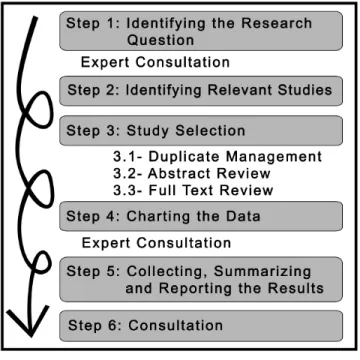
This scoping review will follow the five-step methodological framework outlined by Arksey and O'Malley (6) and will add the optional sixth step proposed by Levac (13) primarily for methodological rigour. The six steps are defined as follows: 1) Identifying the research question, 2) Identifying relevant studies, 3) Study selection, 4) Charting the data, 5) Collecting,
summarizing and reporting the results, and 6) Consultation. The specifics of how each step will be undertaken in the context of this research topic are explained below.
Step One: Identifying the Research Question
Although the explorative nature of a scoping review allows the research question to be modified throughout its subsequent steps, a well-defined starting point is necessary. The following research question was established: What is the role of clothing on participation among persons with a physical disability? This research question will continue to be refined as the authors become more informed on the state of the literature and as potential nuances arise.
Step Two: Identifying Relevant Studies
This research topic spans multiple areas of interest such as, rehabilitation, education, psychology, and design. In order to map a comprehensive picture of this multidisciplinary literature, the research strategy will remain inclusive. As a result, six databases were identified (MEDLINE, Embase, CINAHL, Scopus, PsycINFO and ERIC) with the help of a university librarian with expertise in the field of rehabilitation and will be searched for relevant scientific articles. Adapted clothing and wearable technologies are relatively new concepts and have only recently made it into the research and societal vocabulary. Moreover, technological advances quickly outdate their predecessors. Therefore, a restriction of literature dating between 1990 and 2017 will be applied to allow for ample room in finding past studies whilst staying relevant to the needs, challenges and resources available to today’s society. In addition to the six research databases, a hand search of grey literature and reference lists will also be performed. Grey literature will be collected by specifying a date on which a Google search will be performed using similar keywords as used with the scientific databases. The first four pages of this search, as well as any materials collected from team members up until a pre-determined date, will be considered. Both English and French publications will be retained as inclusion criteria since the authors are proficient in both languages. Nevertheless, we acknowledge that filtering out other languages will be a limitation of the study. Clothing choices and dressing of younger children may also involve parents, which could be subject for another review. Therefore, our study
targets individuals 14 years and older and literature involving children (<14 years) will be omitted. This decision was also made for logistical reasons and to maintain consistency across all components of a larger project (involving interviews) that includes this scoping review. Keywords covering variations of “physical disability” and “clothing” will be used. In the event that an unreasonable amount of non-pertinent articles are retrieved, the keywords will be re-assessed and modified accordingly. Although ‘participation’ is in the ICF nomenclature, the scientific literature has not yet completely adopted this terminology. As such, and in order to be more inclusive and to avoid excluding pertinent articles, this keyword will not be included in the initial database searches but introduced in steps four and five of the scoping review. The specific search strategy for each database will be defined in accordance with the above inclusion criteria and with the assistance of the same university librarian. All terms will be searched in the title, abstract, and keywords (where applicable) fields for each database.
Step Three: Study Selection
The process of selecting articles to include in the final results of the scoping review will take place over three stages: duplicate management, title and abstract review, and full-text review. In accordance with the iterative nature of a scoping review, if any clarifications made at one of the three study-selection stages have an effect at a later stage, the authors will return and re-review as necessary to ensure compliance. Firstly, all references will be imported and merged using reference managing software (Endnote X7.7.1). After flagging and removing duplicates, A.E., B.S. and F.P (co-authors) will each review one third of all titles and abstracts for relevance. In the case of any uncertainties, a discussion amongst authors will be conducted until a consensus is reached. After all titles and abstracts are either accepted or rejected, a process of retrieving and reviewing the full texts will be undertaken. At the full text review stage, ten to 20 articles at a time will be distributed to each author in a way that two authors review each article. Similar to the abstract review stage, each author will independently rate the article as accepted, rejected or unsure if it aligns or does not align with the research question and the defined selection criteria. Once completed, the authors will meet and discuss their choices, clarify any discrepancies, and adjust the inclusion and exclusion criteria as necessary. Before discussions, a kappa (κ) statistic will be calculated for each pair of the authors’ reviews to statistically
estimate inter-rater agreement. This process of reviewing articles and group discussions will continue until the authors are confident in the selection criteria and a mean κ > .75 is reached (.40< κ >.59= fair, .60< κ >.74= good, κ>.75= excellent agreement). (14) After which, A.E. will be the sole reviewer on the remaining full-text articles.
Step Four: Charting the Data
Data from the accepted articles after the full-text review stage will be extracted and tabulated into categories that best reflect the important information in relation to the research question. An initial data extraction form will be developed using the concepts, language, and when useful, codes determined from the ICF. Basic categories such as, authors and year of publication, type of study, aim of study, type and number of participants, and type of clothing will also be included. Borrowing from step three of the scoping review, this data extraction form will be used by two authors independently commencing with a proportion (about 10%) of the articles followed by group discussions which will allow for an evaluation and validation of the data extraction methods, or more specifically, the data extraction form. The extraction form is anticipated to evolve as articles are read and categories will be added, removed and/or adjusted as necessary.
Step Five: Collecting, Summarizing and Reporting the Results
Aggregating and conveying findings is the crux of a scoping review whereby the results are linked to broader implications and have tangible meaning for future research, policy and practice (13). As specified in the aim of this study, the scope, depth, key themes and gaps in the literature about the role of clothing on participation of persons with a physical disability will be the main focus of this step. Inspired by Arksey and O'Malley (6), a framework with both quantitative and qualitative metrics will be presented. Quantitative analyses will include a numerical description of the year of publication, study designs, study populations, type of clothing (e.g. footwear, undergarments, winter coats), targeted (or not) ICF categories, and others. By looking at these frequencies alone, certain gaps in the literature can be determined, however, it may be inadequate for understanding the complete picture. Therefore, a thematic analysis using the ICF
as a basis will be a qualitative addition and enable us to illustrate the multi-directional relationship between health and health-related domains and clothing design. Furthermore, it will provide a better understanding of the dynamic interaction that exists at the junction between contextual factors (i.e., environment and personal) and their influence on clothing. By presenting the scoping review results through quantitative and qualitative means a faithful overview of the literature will be reported.
Step Six: Consultation
The consultation team used in this study is comprised of twelve professionals spanning various sectors (i.e., health, design, manufacturing industry, health technology, rehabilitation, psychology). The team brings together six researchers, three representatives from the fashion industry (new technology, design, business development, innovation), two post-doctoral fellows, and an active person living with a spinal cord injury. The team’s expertise covers research in occupational therapy, physiotherapy, capturing end-user needs related to rehabilitation technology, knowledge of scoping reviews, psychology and behaviour, understanding of social participation and quality of life of all age groups, innovative design processes and product development, smart textiles, and intervention evaluation. Experience with a variety of research methods also exists within the team, namely, qualitative, quantitative, personal experience and use of the ICF. In addition, each individual was brought together for his or her unique stakeholder perspective related to this research topic.
Although Levac (13) proposes the consultation step as a necessary final step, when designing this study the authors considered it imperative for the expert consultation team to be integrated at multiple points throughout the process due to the originality of the subject and limited research performed to date. A schematic overview of the methodology for this scoping review can be seen in Figure 1. Three time points were pinpointed for consultation: Step One- Identifying the Research Question, Step Four- Charting the Data and Step Six- Consultation. The goal of the first consultation was to create an initial research question that could be understood by and respond to all sectors involved (i.e., rehabilitation, industry, customer). The
goal of the second consultation will be to validate the correct placement of data extracted from articles into the ICF categories in the data extraction form. The final step of the scoping review is a synthesis of knowledge either as recommendations or another suitable format for future research, for clinical practice and/or for design principles. The goal of the last consultation will be to validate the results and co-construct the final document for dissemination. This integrated study design will enable the results to be translated into a worthwhile medium for all stakeholders surrounding this specific research question. For example, these results could inform the design of future clothing and ultimately improve the participation of persons with a physical disability.
Figure 1. Overview of the Methodology
ETHICS AND DISSEMINATION
Institutional ethics approval is unnecessary for the secondary analysis of published literature and consultations will occur by means of informal exchanges in person and electronically within the research team. The scoping study results will be disseminated in the context of local, national and international activities. These activities may include but are not limited to, conferences,
published articles, events in academic and non-academic settings, and by means of the multidisciplinary research/consultation team to the appropriate knowledge users (e.g., clinicians, clothing designers, etc.).
CONCLUSION
The scoping review protocol outlined in this paper will bring together various sources of knowledge about the role of clothing on participation of persons with a physical disability. The standardized language and conceptual framework provided by the ICF will tie together the sparse and varied literature and help identify the scope, depth, key themes and gaps that exist. This meaningful synthesis dissemination of the literature will pave the way for future research and establish next steps in each of the stakeholder groups for this emerging and underrepresented field.
Authors’ Contributions
A.E. drafted the manuscript. F.P., A.R., C.A., C.B., E.d.G., I.D., E.K., D.L., N.D-O., I.L., O.V. and B.S. conceived and designed the study and read and approved the final manuscript. A.E, F.P. and B.S. will perform Steps 1-3 of the scoping review. A.E., A.R., C.A. and B.S. will perform Steps 4-5. All authors will contribute to the consultations in Step 6.
Funding
This work is supported by the Réseau provincial de recherche en adaptation-réadaptation (REPAR) and l’Office des personnes handicapées du Québec (OPHQ). The Fonds de recherche en Santé du Québec provided salary support for C.A. and A.R.
Competing Interests
REFERENCES
1. Flugel JC. The psychology of clothes. New York: AMS Press; 1976. 257 p.
2. Vallières M. OMsignal lance un premier soutien-gorge «intelligent». La Presse. 2016 2 janvier 2016.
3. World Health Organization W. International Classification of Functioning, Disability and Health (ICF). Geneva: World Health Organization; 2001.
4. World Health Organization W. Disability and Health- Fact Sheet: World Health
Organization; 2016 [Available from:
http://www.who.int/mediacentre/factsheets/fs352/en/.
5. Schwartz CE, Andresen EM, Nosek MA, Krahn GL, Measurement REPoHS. Response shift theory: important implications for measuring quality of life in people with disability. Arch Phys Med Rehabil. 2007;88(4):529-36.
6. Arksey H, O'Malley L. Scoping studies: towards a methodological framework. International Journal of Social Research. 2005:19-32.
7. Rosenbaum P, Stewart D. The world health organization international classification of functioning, disability, and health: a model to guide clinical thinking, practice and research in the field of cerebral palsy. Seminars in Pediatric Neurology. 2004;11(1):5-10.
8. Hemmingsson H, Jonsson H. An Occupational Persepective on the Concept of Participation in the International Classification of Functioning, Disability and Health- Some Critical Remarks. The American Journal of Occupational Therapy. 2005;59(5):569-76.
9. Brandenburg C, Worrall L, Rodriguez A, Bagraith K. Crosswalk of participation self-report measures for aphasia to the ICF: what content is being measured? Disabil Rehabil. 2015;37(13):1113-24.
10. Stallinga HA, Dijkstra PU, Bos I, Heerkens YF, Roodbol PF. The ambiguity of the concept of participation in measurement instruments: operationalization of participation influences research outcomes. Clin Rehabil. 2014;28(12):1225-36.
11. Sunnerhagen K. Disability Research from the Perspective of Rehabilitation Medicine; Using ICF as a Multi-Scientific Model and a Basic Structure. International Journal of Physical Medicine & Rehabilitation. 2013;01(05).
12. Wade DT, de Jong B. Recent advances in rehabilitation. Bmj. 2000;320(May):1385-8. 13. Levac D, Colquhoun, H., O'Brien, K. Scoping studies: advancing the methodology.
Implementation Science. 2010;5(69).
14. Orwin RG. Evaluating Coding Decisions. In H Cooper and LV Hedges (eds) The Handbook of Research Synthesis: Russell Sage Foundation; 1994. p. 150-1.
Fashion Industry Interviews (Objective 2)
An exploratory qualitative study was chosen to accomplish the second objective of exploring the perspectives of fashion industry representatives vis-à-vis the documented literature and the potential factors influencing uptake of this knowledge. Using a constructivist paradigm (Patton, 2002), individual semi-structured interviews were conducted whereby the lived experiences of fashion industry representatives served to help the research team better understand the realities of the fashion industry with regards to designing clothing for persons with a physical disability. Exploring perspectives of fashion industry representatives regarding adapted clothing design from the lens of rehabilitation research appears to be an untouched area of research. Therefore, the exploratory nature of this part of the thesis also allowed us to gauge the receptiveness of fashion industry representatives to researchers’ inquiries, and subsequently should assist in better identifying appropriate methods and objectives for future research in this area (Trudel, 2007). The COREQ guidelines for reporting qualitative research (Tong, 2007) were consulted for presenting the following details.
Participant Selection Criteria
Inclusion criteria:
1) Individuals currently involved in designing, manufacturing or marketing clothing for persons with a disability, or having an interest in doing so, and are willing to share their perspectives with the research team.
2) Have the ability to speak either English or French.
Exclusion criteria:
Recruitment
A purposeful sampling technique (Patton, 2002) was used to recruit participants by using information found in the grey literature component of the scoping review. Given our desire to speak with individuals involved in the adapted clothing design process, particular focus was given to contacting retailers rather than associations or blog writers. If contact information about potential participants was found either online or through referrals, an email invitation was sent to them including a brief summary of the study, the inclusion criteria, and the nature of their participation. In addition, a snowball sampling recruitment strategy was used whereby participants were asked to suggest others who fit the inclusion criteria and might be interested in participating (Patton, 2002). This study was exploratory in nature, therefore, a strict sample size was not enforced and there was no expectation of achieving a saturation of themes in the data collected (Saunders et al., 2018). The final sample size was influenced by time constraints.
If a positive response was received to the email invitation, an interview was scheduled at a time convenient for both the interviewer and the participant. Initially, two of five interviews were planned to be conducted in person but due to scheduling difficulties, and the desire to reach individuals across multiple time zones and countries, telephone interviews (or video-conferences when possible) were conducted with all participants. Participants received an information and consent form by email in advance and any questions were addressed on the phone before the interview began. To elicit spontaneous responses, interview questions were not sent to participants prior to the telephone call and all interviews were audio-recorded with participants’ permission.
Interviews
In consultation with the research team, a semi-structured interview guide (Kallio, Pietila, Johnson, & Kangasniemi, 2016) consisting of predominantly open-ended questions regrouped under specific topics was developed. The guide was created with the goal of addressing some of the gaps in the research identified from the results of the scoping review (Esmail et al.,
submitted). Topics related to these gaps included: better understanding the clothing design process in the fashion industry, perceived barriers and facilitators when designing for persons with a physical disability, attitudes of the fashion industry towards adapted clothing, how consumers access adapted clothing on the market, where universal design can play a role in the design process, and visions for the future of adapted clothing design. Questions collecting basic socio-demographic data, such as, age, gender, level of education, and years of industry experience were also included in the guide. The final version of the interview guide was piloted by the interviewer (A.E.) and a team member (B.S.) to ensure the clarity of each question. Only minor modifications were made to the interview guide after the pilot, however, the pilot improved the overall flow and mental agility of moving from one question to another. See Appendix II for the final version of the interview guide.
Each interview lasted between 45 to 60 minutes and journal notes were written by the interviewer immediately after each interview concerning any general impressions or technical issues experienced during the call.
Data Analysis
Descriptive statistics were used to describe the sample, and given the exploratory nature of the interviews, a broad 6-phase thematic analysis (inspired by Braun and Clarke, 2006) with an inductive approach (Patton, 2002) of the verbatim was performed. Although the process is presented below in a linear fashion, each phase (particularly phases 2-5) was subject to an organic and iterative flow.
Phase 1: Getting familiar with the data
Interviews were transcribed verbatim into a Word document while paying attention to notable silences (Poland & Pederson, 1998) or audible punctuation, and coded with the participant’s number to ensure confidentiality. As the interviewer and transcriber, A.E. quickly achieved a level of familiarization with the data.
Phase 2: Generating initial codes
Each transcription was printed and coded manually by A.E. with paper and pen (and post-it notes, highlighters, etc.). Although a data-driven (i.e. inductive) approach was taken to let certain patterns or themes emerge from the data (Patton, 2002), topics previously established to structure the interview guide from the results of the scoping review (see page 25) were considered when coding the data. For example, data-driven codes were devised for different types of barriers mentioned, idem for facilitators, etc.
Phase 3: Searching for themes
After a list of initial codes was created, similar codes were collated to create groupings that could act as themes relating to the previously determined topics listed above used to structure the interview guide.
Phase 4: Reviewing themes
The themes determined from phase 3 were reviewed by going back to the original transcribed extractions to ensure verbatim indeed represented the chosen theme. Groupings were refined accordingly if in the end extractions did not seem to represent the chosen theme. The suggested second level of reviewing/refining themes by re-reading and coding the entire data set for missed data (Braun & Clarke, 2006) was not performed in view of the exploratory nature of this analysis. However, at this stage, B.S. reviewed the initial code list and their groupings while using the list of extractions to help validate the choice of themes.
Phase 5: Defining and naming themes
Once the groupings were reviewed in phase 4, A.E. renamed some of the themes to better reflect the essence of extracted verbatim relating to each theme. These final theme names were also reviewed and validated by other team members (B.S., A.R., F.P., D.L.).
Phase 6: Producing the report
A report of the final themes is presented below in the results section. Extractions of verbatim used to support themes were translated to English by A.E. when necessary.
Ethical Considerations
This study posed no major risks to participants and was approved on June 27th, 2017 by the Research Ethics Board of the Centre for Interdisciplinary Research in Rehabilitation of Greater Montréal (CRIR-1241-0417). A renewal was obtained on June 27th, 2018. Another approval was given on February 18th, 2019 for a minor modification to conduct individual interviews instead of focus groups with fashion industry representatives (see Appendix II for all three approval certificates). All participants were asked to sign an informed consent form and to send a copy of the signed form by email to the interviewer (see Appendix III for final English and French versions). It was not expected that participants would receive any personal benefits through their participation in the study, however, they would contribute to the advancement of science in the field of fashion and disability. Furthermore, participants were informed that the results from the study could assist in sensitizing the fashion industry about the importance of adequate adapted clothing.
Chapter 5. Results
Scoping Review (Objective 1, Article 2)
The scoping review was completed over 22 months with over four iterations during the article selection process. These iterations consisted of returning to previous steps in the methodology to refine certain definitions and processes using the knowledge shared from frequent discussions among the consultation team and that gleaned from reading literature identified using the search strategies. A description of these updates as well as a recount of the results of this scoping review are presented in the manuscript below (Article 2). This manuscript follows PRISMA-ScR Checklist Standards (Tricco et al., 2018) which is the updated extension for scoping reviews. It was submitted for publication in the journal “Applied Ergonomics” and has been sent for peer review. All co-authors have consented to the use of the article in this thesis. The final published version of this manuscript may differ slightly from the one presented here. Although the grey literature resource list was not presented with the submitted manuscript, nor was a summary of the retrieved articles from scientific databases, these resources can be found in Appendix IV and Appendix VI, respectively. Details related to my contribution to this article are outlined on page 56.
Esmail, A., Poncet, F., Auger, C., Rochette, A., Dahan-Oliel, N., Labbé, D., Kehayia, E., Billebaud, C., de Guise, É., Lessard, I., Ducharme, I., Vermeersch, O. & Swaine, B. (submitted). The role of clothing on participation of persons with a physical disability: a scoping review. Applied Ergonomics.
The role of clothing on participation of persons with a physical
disability: a scoping review
Esmail, Alida1,2, Poncet, Frédérique3,4, Auger, Claudine1,2, Rochette, Annie1,2, Dahan-Oliel, Noémi5,6, Labbé, Delphine7, Kehayia, Eva2,6, Billebaud, Christophe8,9, de Guise, Élaine2,10, Lessard, Isabelle11, Ducharme, Isabelle12, Vermeersch, Olivier13 & Swaine, Bonnie1,2
1 School of Rehabilitation, Faculty of Medicine, Université de Montréal, Montreal, Canada 2 Centre for Interdisciplinary Research in Rehabilitation of Greater Montreal (CRIR—Institut
universitaire sur la réadaptation en déficience physique de Montréal (IURDPM) of the CIUSSS du Centre-Sud-de-l’Île-de-Montréal), Montreal, Canada
3 Department of Psychology, Concordia University, Montreal, Canada
4 CRIR—Institut Nazareth et Louis-Braille of the CISSS de la Montérégie-Centre, Longueuil,
Canada
5 Shriners Hospitals for Children-Canada, Montreal, Canada
6 School of Physical and Occupational Therapy, Faculty of Medicine, McGill University,
Montreal, Canada
7 Department of Occupational Science and Occupational Therapy, University of British
Columbia, Vancouver, Canada
8 Rhizome Strategies, Montreal, Canada 9 La Piscine, Montreal, Canada
10 Department of Psychology, Université de Montréal, Montreal, Canada 11 Vestechpro, Montreal, Canada
12 Kéroul, Montreal, Canada
ABSTRACT
Determining ways to facilitate participation of persons with a physical disability is crucial and clothing may play a central role. This review aims to examine the role of clothing on participation of persons with a physical disability. Six research databases and grey literature were searched following Arksey & O’Malley’s six steps, including multiple expert consultations. English or French articles contributing to how clothing affects participation were included and tabulated based on the International Classification of Functioning, Disability and Health. Fifty-seven articles and 88 websites were included. A variety of stakeholder perspectives, diagnoses, and types of clothing were represented. Clothing mostly influences mobility and self-care, as well as various personal factors. Forty-nine percent of articles reported essential clothing design features to consider. Clothing, as an Environmental Factor, interacts with all ICF health domains, including participation. Future research should identify if the textile/design industry is aware of and is using this knowledge.
KEYWORDS
Clothing, Participation, Disability
HIGHLIGHTS
• This is the first review on the topic that includes scientific and grey literature. • Clothing is an Environmental Factor that interacts with other health domains. • Many articles focused on Mobility and Self-Care related activities.
• Forty-nine percent of included articles report essential clothing design features. • There seems to be sufficient information to design appropriate clothing.
1. Introduction
1.1 Background and Rationale
In Canada, 22.3% of individuals aged 15 years and older report having one or more disabilities that limit their daily activities (e.g. dressing, cooking)1. The prevalence of disability tends to rise considerably with age from 13% among individuals aged 15-24 years to 38% for individuals aged 65 years or older1. In our aging society, disabilities are more prevalent and it is thus crucial to determine ways in which individuals with disabilities can experience meaningful involvement in everyday life activities and social roles. Clothing is an important aspect in our lives that help us fulfill social or cultural roles, and can indicate social status or convey individual, occupational or sexual differentiations2. In societies where individuals have the choice of what they wear, clothing can also be an important aspect of self-expression and personal style3. Physically, clothing serves many purposes, such as, providing protection from weather or acting as a barrier between the skin and the environment for safety during hazardous or sporting activities. In recent decades, smart textiles enable digital components and electronics to be embedded in their fabrics and there has been rapid uptake of this type of textile in the sports sector in order to monitor important metrics while training (e.g. heart rate, respiration rate, temperature, posture)4,
5.
The clothing industry, once populated by numerous tailors, appears to now be largely composed of fast-fashion manufacturers and retailers that cater principally to mass consumerism6, that is to say, mass-produced ready-to-wear garments designed to fit ‘most’ of the population7.
However, research has reported8, 9 that individuals with different or changing morphologies secondary to aging or a physical disability find it difficult to find clothing that facilitates optimal participation. In rehabilitation, studies have identified challenges associated with dressing among older adults or individuals with a physical disability with the focus of improving performance and independence. For example, Singh (10) found that energy expenditure required in upper body dressing in post-stroke patients was significantly higher than in controls at-risk from stroke, and so was the perceived difficulty of the task. Similarly, Poole (11) showed that the presence of chronic diseases affecting joint motion, hand strength, and dexterity resulted in
altered dressing routines. Furthermore, Mann (12) emphasized the upper- and lower-extremity dressing difficulties in frail elderly, particularly in men. The recommendations following these studies focused on the importance for clinicians to have increased awareness of the needs of individuals with a physical disability and make appropriate considerations for devices to assist in dressing. In addition to this research in rehabilitation, it would be important to know if there is also literature that describes the essential features that must be incorporated in the design of clothing to enable optimal participation of individuals with a physical disability.
We have also become aware of the most recent media break from 2016 with Tommy Hilfiger launching an adaptive clothing line for children and in 2018 for adults13. However, it is unclear if the design choices were evidence-based. While it is essential to have more companies use an inclusive approach to design given the changing demographics globally, there may be a lack of information on the perceptions of the importance of clothing in the lives of persons with a physical disability and of their specific needs in terms of clothing design. Do clothing designers have sufficient information to design appropriate clothing that people want to wear? To answer this question, a synthesis of existing literature covering the broad topic of clothing and persons with a physical disability from multiple sectors could be beneficial. Moreover, to our knowledge, there is only one grey literature review addressing solutions for special needs clothing design9 and no review of empirical studies seems to exist. To ultimately facilitate the design of clothing to promote meaningful involvement in everyday life activities and social roles of persons with a physical disability, a scoping review to examine the knowledge about the role of clothing on participation of persons with a physical disability was conducted.
2. Methodology
This scoping review followed the six-step methodology proposed by Arksey and O'Malley (14). In addition to including the optional expert consultation (Step Six) at the end of the study as suggested by Levac (15), multiple consultations with 12 professionals spanning various sectors including health, design, clothing manufacturing, health technology, rehabilitation, and psychology and an active person living with a spinal cord injury, as a part of our research team