CONFERENCE PROCEEDINGS
Workshop on Research Advances in Organizational Behavior and Human
Resources Management
Paris Dauphine, May 17-19, 2011
Guests
Talya Bauer (Portland State University) Kathleen Bentein (UQAM)
Jacqueline Coyle-Shapiro (London School of Economics) Robert Liden (University of Illinois at Chicago)
David Patient ( Católica School of Business and Economics, Lisbon) Patrice Roussel (University of Toulouse1- CRM)
Lynn Shore (San Diego State University)
This workshop “Research Advances in Organizational Behavior and Human Resources Management” is the 8th edition of a cycle of conferences initiated in 2004 within the framework of the Group of Research on Attitudes, Behaviors and Competences in Organizations (GDR CNRS GRACCO) activities supervised by Professor Patrice Roussel at the Toulouse 1 Capitole University.
In 2011, the pleasure of organizing this seminar falls to the Paris-Dauphine University and the research team DRM Management and Organization (which belongs to the Dauphine Research Management - UMR CNRS 7088). This event is a unique occasion to gather foreign and French researchers working in the field of Organizational Behavior and Human Resources Management.
I would like to thank our guest researchers who agreed to be ours this year -Talya Bauer, Kathleen Bentein, Jacqueline Coyle-Shapiro, Robert Liden, David Patient, Patrice Roussel, Lynn Shore- and more largely the members of the organization committee - David Abonneau, Gregor Bouville and Mohamed Ikram Nasr. I warmly thank Françoise Carbon, Florence Parent and Christine Vicens for the workshop organization.
I sincerely hope that this workshop and this Parisian stay will contribute to the consolidation and the development of scientific collaborations between our Universities on these topics.
Eric Campoy
Workshop Coordinator Associate Professor
PROGRAM
Tuesday May 17, 14h30-17h30 - SESSION I
CHAIR : Lynn Shore14h30-15h10: Anjali Chaudhry (Saint Xavier University, Chicago) Prajya Vidyarthi, (Indiana University), Smriti Anand (University of Illinois at Chicago), and Robert C. Liden (University of Illinois at Chicago): “ How Much Flexibility Is Ideal? The Relationship Between Flexibility I-Deals and Employee Attitudes”
Discussants: Lynn Shore and Kathleen Bentein
15h10-15h50: Denise Breaux, Anne M. O'Leary-Kelly and Shannon Rawski ( University of Arkansas) : “The Use of Humor in Sexual Harassment”
Discussants: Lynn Shore and Kathleen Bentein
coffee-break
16h10-16h50: David J.Henderson (London School of Economics and Political Science), Robert C. Liden (University of Illinois at Chicago) and Jacqueline Coyle-Shapiro ( London School of Economics and Political Science ) : “Maintaining social exchange relationships in organizations: an integration of the investment model and the relationship maintenance communication literature”
Discussants: Lynn Shore and Kathleen Bentein
16h50-17h30: Stephen Champion (London School of Economics and Political Science): “Winners and losers of organizational support: A social comparison model”
Discussants: Lynn Shore and Kathleen Bentein
Wednesday May 18, 9h-12h-SESSION II
CHAIR : David Patient8h40: Breakfast
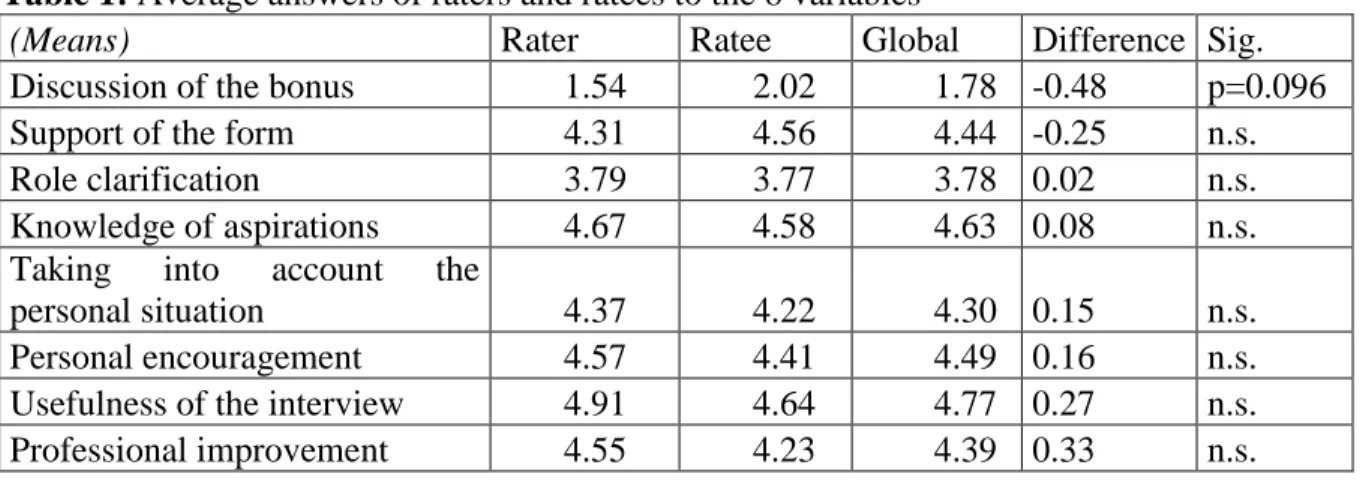
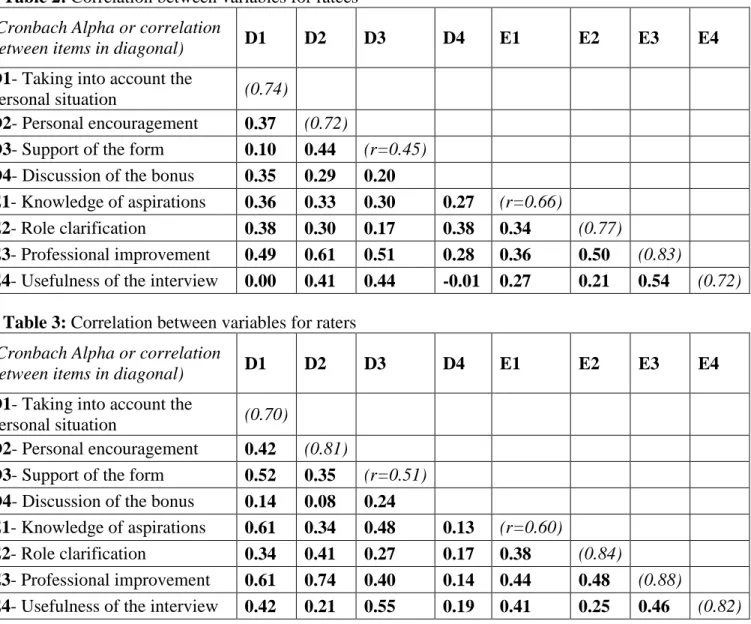
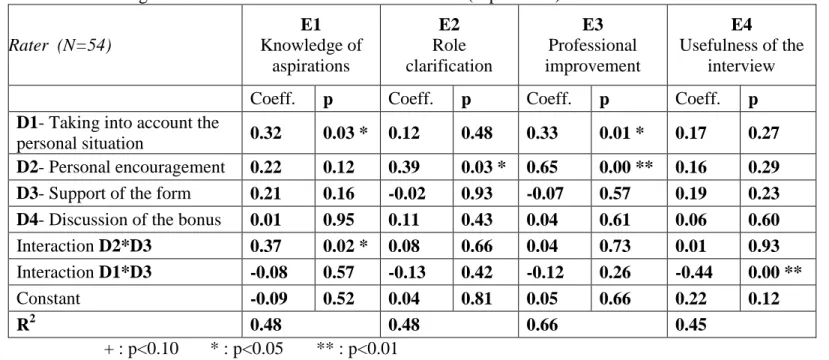
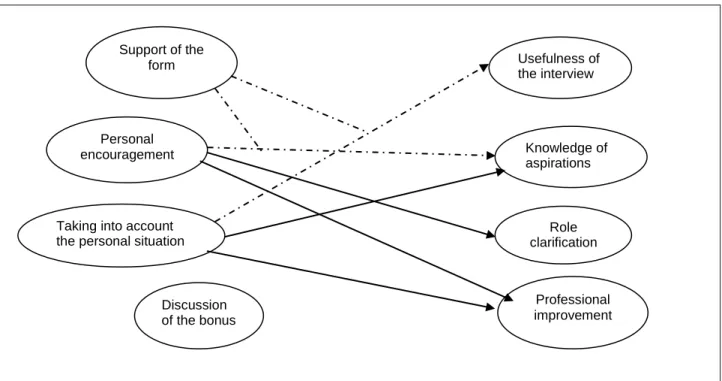
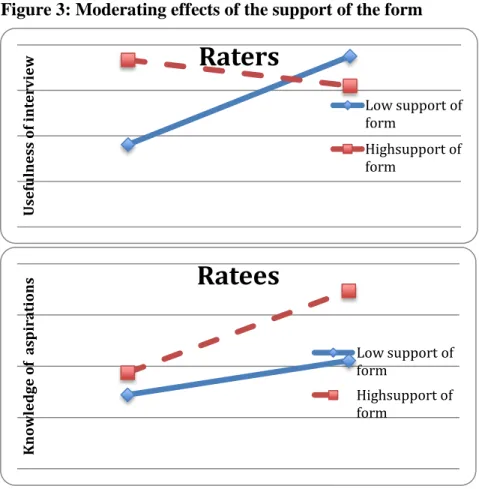
9h00-9h40: Alain M. Roger and Jocelyne Ientile-Yalenios (IAE Lyon) :“Assessment of the effectiveness of appraisal interviews by supervisors and subordinates”
Discussants: David Patient and Patrice Roussel
9h40-10h20: Elaine Farndale (Pennsylvania State University, USA and Tilburg University, The Netherlands), Veronica Hope-Hailey ( Cass Business School, UK) Clare Kelliher (Cranfield School of Management, UK), and Stef Suijkerbuijk ( Management Consultant, Voestalpine Plastics Solutions, The Netherlands) : “Organizational justice in the new public sector: mediating the LMX and organizational commitment relationship”
Discussants : David Patient and Patrice Roussel
coffee-break
10h40- 11h20: Marisa Ratto (Université Paris-Dauphine and Centre d’Etudes de l’Emploi, France) : “Implicit and explicit incentives to cooperate in teams”
Discussants : Patrice Roussel and David Patient
11h20-12h00: Valerie Caven and Marie Diop (Nottingham Business School) : “Architecture: a ‘rewarding’ career?: An Anglo-French comparative study of intrinsic rewards in the architecture profession”
Discussants : Patrice Roussel and David Patient
Wednesday May 18 – 13h30-16h30- SESSION III
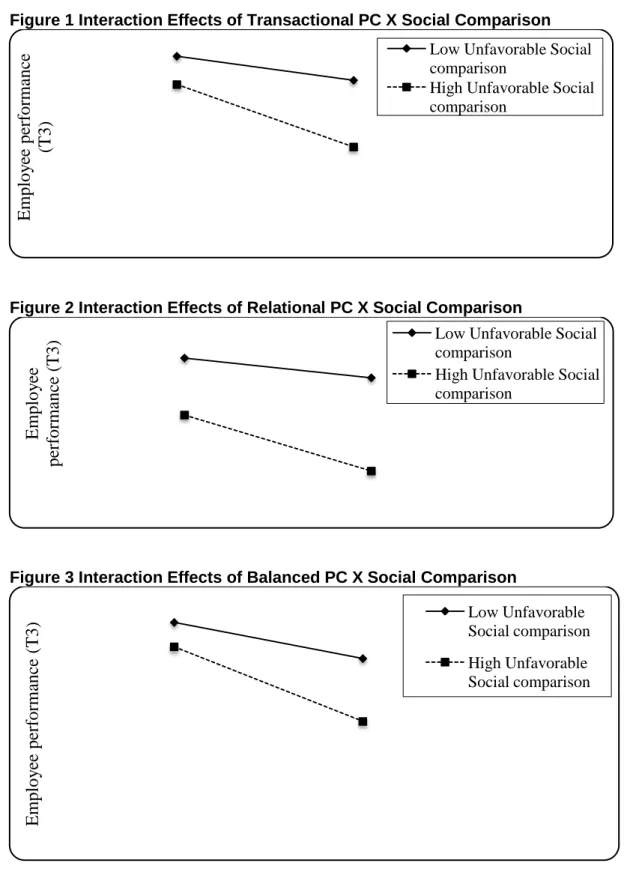
CHAIR : Jacqueline Coyle-Shapiro13h30-14h10: Anjali Chaudhry (Saint Xavier University, Chicago) and Lynda Song (Renmin University) :“Employee Response To The New ‘Deal’: Moderating Role Of Social Comparison And Social Exchange”
Discussants : Lynn Shore and Jacqueline Coyle-Shapiro
14h10-14h50: Timo Braun, Gordon Müller-Seitz and Jörg Sydow ( Freie Universität Berlin) : “Organizational Citizenship Behavior in inter-organizational projects – An empirical study” Discussants : Lynn Shore and Jacqueline Coyle-Shapiro
coffee-break
15h10-15h50: Jarrod Haar and David Brougham (University of Waikato, New Zealand) : “Testing a Cultural Dimension of Perceived Organizational Support for Indigenous Employees: A Study of Outcomes”
Discussants : Lynn Shore and Jacqueline Coyle-Shapiro
15h50-16h30: K.E.Ingram (London School of Economics and Political Science) : “Relational ambivalence with managers: Exploring diachronic events that sustain and change employee perceptions of relationship quality at work”
Discussants : Lynn Shore and Jacqueline Coyle-Shapiro
Wednesday May 18 – 13h30-16h30- SESSION IV
CHAIR : Robert Liden13h30-14h10: Nabila Jawadi (Amiens School of Management), Mohamed Daassi (University of François Rabelais), Marc Favier (University of Grenoble) and Michel Kalika (EM Strasbourg Business School) : “Leadership complexity and leader-member exchange: the case of virtual teams”
Discussants : Robert Liden and Talya Bauer
14h10-14h50: Christine J. Syrek and Conny H. Antoni (University of Trier): “Leadership, Psychological Contracts and Pay Satisfaction”
Discussants : Robert Liden and and Talya Bauer
coffee-break
15h10-15h50: Laurence Bouveresse, Jean-François Chanlat and Corinne Baujard (DRM Paris-Dauphine) : “Occupational Stress On French Customer Service Employees: Impact Of Human Resource Management Modes“
Discussants : Kathleen Bentein and Robert Liden
Thursday May 19– 9h-12h40- SESSION V
CHAIR : Patrice Roussel8h40: Breakfast
9h00-9h40: Rebecca Hewett (University of London) : “Self-determination theory in the workplace – a qualitative study of motivational experience and agenda for future research“ Discussants: Patrice Roussel and Robert Liden
9h40-10h20: Suja Chacko and Neil Conway (University of London) : “Developing a scale to measure HRM system strength – challenges and initial findings “
Discussants : Patrice Roussel and Robert Liden
coffee-break
10h40-11h20: Maree Roche (Waikato Institute of Technology, New Zealand) and Jarrod Haar ( University of Waikato, New Zealand) :“Towards a Comprehensive Model of Managers Wellbeing: The Role of Self-Determination Theory”
Discussants : Patrice Roussel and Robert Liden
11h20-12h00: Sen Xu (UCD Michael Smurfit Business School, Ireland) : “Benevolent Leadership and Followers’ Outcomes : An Attachment Theoretical Perspective”
Discussants : Robert Liden and Patrice Roussel
12h00-12h40: Sarah Saint-Michel (Université Paris 1 Panthéon Sorbonne) : “ The mediating role of personality traits in the relation between gender and transformational/ transactional leadership perceptions and organizational outcomes”
Discussants : Robert Liden and Patrice Roussel
Thursday May 19– 9h-12h40- SESSION VI
CHAIR : Talya Bauer8h40: Breakfast
9h00-9h40: Mieke Audenaert, Alex Vanderstraeten and Dirk Buyens (Hogeschool Gent – Belgium) : “Employee-organization relationships, HRM practices and employee reactions: a conceptual model of intervening mechanisms”
Discussants: Jacqueline Coyle-Shapiro and Talya Bauer
9h40-10h20: Kate Rowbotham (Queen's School of Business, Ontario, Canada) : “Reactions to the extra-organizational deviance of coworkers:Implications for individuals in the workplace”
Discussants : Jacqueline Coyle-Shapiro and Talya Bauer
coffee-break
10h40-11h20: Jean-Yves HAMIOT (IDRAC Lyon) : “Employment relationship in Academic Sciences”
Discussants : Jacqueline Coyle-Shapiro and Talya Bauer
11h20-12h00: Sébastien Fosse (IE Business School Madrid) : “In search of lost reciprocity: sense and nonsense within and between virtual teams”
Discussants : Talya Bauer and David Patient
12h00-12h40: Philip Gylfe (Hanken School of Economics, Helsinki) : “How HRM impacts employee creativity: Exploring the mediating effect of the organizational climate”
Discussants : David Patient and Talya Bauer
Thursday May 19– 14h-17h- SESSION VII
CHAIR : Kathleen Bentein14h00-14h40: Amandine Carrier-Vernhet and Céline Desmarais (Université de Savoie) : « Can organizational commitment be excessive? A reflection based on the situations of “troubled managers”
Discussants: Kathleen Bentein and Talya Bauer
14h40-15h20: Başak Uçanok (İstanbul Bilgi University, , Turkey) : “The Effects of Work Alienation in the Relationship between Work Values, Materialism and Organizational Commitment”
Discussants: Kathleen Bentein and David Patient
coffee-break
15h40-16h20: Jörg Korff (Jacobs University Bremen, Germany), Torsten Biemann (Universität zu Köln, Germany) and Sven Voelpel (Jacobs University Bremen, EBS Business School, Germany) : “Attenuating HRM’s impact: Moderating effects of age and maintenance-enhancing HR practices on work outcomes”
Discussants: Kathleen Bentein and David Patient
16h20-17h00: Juani Swart, Nicholas Kinnie and Zeynep Yalabik (University of Bath, UK) : “What makes me stay? An analysis of the multiple foci of employee commitment in Professional Service Firms”
TABLE OF CONTENTS
Anjali Chaudhry (Saint Xavier University, Chicago) Prajya Vidyarthi, (Indiana University), Smriti Anand (University of Illinois at Chicago), and Robert C. Liden (University of Illinois at Chicago): “ How Much Flexibility Is Ideal? The Relationship Between Flexibility I-Deals and Employee Attitudes”
……… 12
Denise Breaux, Anne M. O'Leary-Kelly and Shannon Rawski ( University of Arkansas) : “The Use of Humor in Sexual Harassment”
……… 32
David J.Henderson (London School of Economics and Political Science), Robert C. Liden (University of Illinois at Chicago) and Jacqueline Coyle-Shapiro ( London School of Economics and Political Science ) : “Maintaining social exchange relationships in organizations: an integration of the investment model and the relationship maintenance communication literature”
……… 40
Stephen Champion (London School of Economics and Political Science): “Winners and losers of organizational support: A social comparison model”
……… 56
Alain M. Roger and Jocelyne Ientile-Yalenios (IAE Lyon) :“Assessment of the effectiveness of appraisal interviews by supervisors and subordinates”
……… 57
Elaine Farndale (Pennsylvania State University, USA and Tilburg University, The Netherlands), Veronica Hope-Hailey ( Cass Business School, UK) Clare Kelliher (Cranfield School of Management, UK), and Stef Suijkerbuijk ( Management Consultant, Voestalpine Plastics Solutions, The Netherlands) : “Organizational justice in the new public sector: mediating the LMX and organizational commitment relationship”
Marisa Ratto (Université Paris-Dauphine and Centre d’Etudes de l’Emploi, France) : “Implicit and explicit incentives to cooperate in teams”
……… 73
Valerie Caven and Marie Diop (Nottingham Business School) : “Architecture: a ‘rewarding’ career?: An Anglo-French comparative study of intrinsic rewards in the architecture profession”
……… 74
Anjali Chaudhry (Saint Xavier University, Chicago) and Lynda Song (Renmin University) :“Employee Response To The New ‘Deal’: Moderating Role Of Social Comparison And Social Exchange”
……… 84
Timo Braun, Gordon Müller-Seitz and Jörg Sydow ( Freie Universität Berlin) : “Organizational Citizenship Behavior in inter-organizational projects – An empirical study”
……… 106
Jarrod Haar and David Brougham (University of Waikato, New Zealand) : “Testing a Cultural Dimension of Perceived Organizational Support for Indigenous Employees: A Study of Outcomes”
……… 128
K.E.Ingram (London School of Economics and Political Science) : “Relational ambivalence with managers: Exploring diachronic events that sustain and change employee perceptions of relationship quality at work”
……… 145
Nabila Jawadi (Amiens School of Management), Mohamed Daassi (University of François Rabelais), Marc Favier (University of Grenoble) and Michel Kalika (EM Strasbourg Business School) : “Leadership complexity and leader-member exchange: the case of virtual teams”
……… 146
Christine J. Syrek and Conny H. Antoni (University of Trier): “Leadership, Psychological Contracts and Pay Satisfaction”
Laurence Bouveresse, Jean-François Chanlat and Corinne Baujard (DRM Paris-Dauphine) : “Occupational Stress On French Customer Service Employees: Impact Of Human Resource Management Modes“
……… 181
Rebecca Hewett (University of London) : “Self-determination theory in the workplace – a qualitative study of motivational experience and agenda for future research“
……… 197
Suja Chacko and Neil Conway (University of London) : “Developing a scale to measure HRM system strength – challenges and initial findings “
……… 217
Maree Roche (Waikato Institute of Technology, New Zealand) and Jarrod Haar ( University of Waikato, New Zealand) :“Towards a Comprehensive Model of Managers Wellbeing: The Role of Self-Determination Theory”
……… 234
Sen Xu (UCD Michael Smurfit Business School, Ireland) : “Benevolent Leadership and Followers’ Outcomes : An Attachment Theoretical Perspective”
……… 253
Sarah Saint-Michel (Université Paris 1 Panthéon Sorbonne) : “ The mediating role of personality traits in the relation between gender and transformational/ transactional leadership perceptions and organizational outcomes”
……… 267
Mieke Audenaert, Alex Vanderstraeten and Dirk Buyens (Hogeschool Gent – Belgium) : “Employee-organization relationships, HRM practices and employee reactions: a conceptual model of intervening mechanisms”
……… 284
Kate Rowbotham (Queen's School of Business, Ontario, Canada) : “Reactions to the extra-organizational deviance of coworkers:Implications for individuals in the workplace”
Jean-Yves HAMIOT (IDRAC Lyon) : “Employment relationship in Academic Sciences”
……… 324
Sébastien Fosse (IE Business School Madrid) : “In search of lost reciprocity: sense and nonsense within and between virtual teams”
……… 334
Philip Gylfe (Hanken School of Economics, Helsinki) : “How HRM impacts employee creativity: Exploring the mediating effect of the organizational climate”
……… 335
Amandine Carrier-Vernhet and Céline Desmarais (Université de Savoie) : « Can organizational commitment be excessive? A reflection based on the situations of “troubled managers”
……… 336
Başak Uçanok (İstanbul Bilgi University, , Turkey) : “The Effects of Work Alienation in the Relationship between Work Values, Materialism and Organizational Commitment”
……… 360
Jörg Korff (Jacobs University Bremen, Germany), Torsten Biemann (Universität zu Köln, Germany) and Sven Voelpel (Jacobs University Bremen, EBS Business School, Germany) : “Attenuating HRM’s impact: Moderating effects of age and maintenance-enhancing HR practices on work outcomes”
……… 376
Juani Swart, Nicholas Kinnie and Zeynep Yalabik (University of Bath, UK) : “What makes me stay? An analysis of the multiple foci of employee commitment in Professional Service Firms”
HOW MUCH FLEXIBILITY IS IDEAL? THE RELATIONSHIP
BETWEEN FLEXIBILITY I-DEALS AND EMPLOYEE ATTITUDES
Anjali Chaudhry (Saint Xavier University, Chicago) Prajya Vidyarthi, (Indiana University)
Smriti Anand (University of Illinois at Chicago) Robert C. Liden (University of Illinois at Chicago)
ABSTRACT
Flexibility i-deals, defined as customized flexible work arrangements negotiated between employees and employers, are intended to benefit both parties. Research on flexibility i-deals points to ambiguous findings concerning their proposed benefits. We developed and empirically investigated a framework, designed to resolve these ambiguous results, that examines flexibility i-deals from two perspectives- employees’ entitlement beliefs and organizations’ reciprocity beliefs. Consistent with the proposed model, within a sample of 235 employees and 42 managers, we found that at low and high levels, flexibility i-deals resulted in high perceived organizational support (POS), low turnover intentions, and high career satisfaction. At moderate levels of flexibility, the effects of i-deals on these employee attitudes were reversed.
Keywords : Idiosyncratic deals (i-deals), flexible work arrangements, perceived organizational
support (POS), career satisfaction, turnover intention
This is work in progress.
Please do not circulate, cite, quote or copy without author's permission!
The prominence of standardized human resources practices, touted as an equitable and effective mechanism for garnering positive employee attitudes and behaviors, is being overshadowed by increasing utilization of non-standardized employment practices (Greenberg, Roberge, Ho, & Rousseau, 2004). This trend is in response to the increasing complexity of work environments and tremendous cost-constraints that have challenged organizations to find unique ways to attract, motivate, and retain valued employees. Therefore, work arrangements, such as flexible work-hours and customized work-schedules, are now competitive tools offered to address the needs and heightened expectations of employees (Rousseau, 2005).
Rousseau and her colleagues examine this phenomenon in their research on idiosyncratic deals, defined as personalized employment arrangements negotiated between individual workers and employers intended to benefit both parties (Greenburg et al., 2004; Hornung, Rousseau, & Glaser, 2008; Rousseau, 2005). I-deals are theorized to be win-win in nature for both parties as i-deals enable employees to adapt work arrangements to better suit their personal needs, values and preferences, while benefitting the organizations through enhanced productivity, and decreased absenteeism (Greenberg, et al., 2004; Rousseau, Ho, & Greenberg, 2006). Empirical research on i-deals supports the notion that i-deals are key determinants of salient employee attitudes (e.g., increased job satisfaction, reduced work-family conflict; Hornung et al., 2008) and behaviors (OCBs; Anand, Vidyarthi, Liden, & Rousseau, in press). Two forms of i-deals have been theorized and empirically investigated- special flexibility in work hours, referred to as flexibility deals, and special opportunities for skill and career development, termed as developmental i-deals (Hornung et al., 2008; Rousseau, 2005; Rousseau & Kim, 2006). Our research focus is on flexibility i-deals.
Emerging research on flexibility i-deals as well as on non-standard work arrangements suggests that flexible arrangements have a tremendous potential to shape employee attitudes and behaviors in the workplace (Golden, 2008; Guest, 2004; Hornung et al., 2008). However, certain ambiguous as well as counter-intuitive findings spell caution and call for closer examination of the construct and its impact on salient employee outcomes. Hornung et al. (2008) hypothesized, but failed to find support for, relationships between flexibility i-deals and affective commitment, or between flexibility i-deals and employer expectations for enhanced performance of i-dealers (i.e., recipients of i-deals). Research by Martens, Nijihuis, Van Boxtel, and Knottnerus (1999) on the related but distinct area of flexible work schedules (FWS), found rotating shifts, compressed weeks, and irregularly changing hours to be associated with increased problems related to physical and psychological performance in relation to a control group of workers with non-flexible work schedules. A meta-analytical study by Baltes, Briggs, Huff, Wright, and Newman (1999) found that the positive effects of flexible work arrangements on key outcomes such as productivity, absenteeism, job satisfaction tended to diminish over time. Additionally, the degree of flexibility accorded significantly affected the results. These findings suggest potentially complex effects of customized terms of employment related to work schedules on employee responses.
In this paper, we develop and test a framework examining the relationships between flexibility i-deals and key employee attitudes. To better understand the nuanced nature of flexible work arrangements, we focus on two complementary conceptual perspectives: (1) employee beliefs that the organization needs to provide certain valued arrangements to which the employee feels entitled, and, (2) employer beliefs that recipients of i-deals provide commensurate contributions. We refer to these perspectives as entitlement perspective and reciprocity
perspective, respectively. We posit that the incongruence between employee and employer
perspectives manifests itself in a curvilinear relationship between flexibility i-deals and salient employee attitudes in which outcomes are most favorable at low and high levels of flexibility ideals, and least favorable at moderate flexibility levels. Our approach parallels the work of social exchange researchers who have theorized and empirically examined degree of balance between employee and employer inducements and contributions (Shore & Barksdale, 1998; Tsui et al., 1997). We attempt to extend this line of research by investigating i-dealers‘ responses to the special work arrangements provided by employers. Additionally, we integrate the employer‘s perspective empirically by assessing managers‘ ratings of the extent to which employees are recipients of flexibility i-deals.
In the context of employment relationships, the focus has been on employee beliefs regarding the reciprocal obligations with relative neglect of perspective of the other party in the relationship, the employer (Taylor & Tekleab, 2004; Tekleab & Taylor, 2003; Shore et al., 2004). However, as Tsui, Pearce, Porter, and Tripoli (1997) note, it is important to incorporate the organization‘s view, because it sheds light on the nature of employer‘s beliefs about contributions it anticipates from employees and the inducements it uses to effect the desired contributions. This may be especially relevant in the context of customized arrangements, as these require special accommodations that could have costs attached in terms of time or revenue lost (Rousseau, 2005) and raise potential questions of fairness by other stakeholders (Greenberg et al., 2004; Lai, Rousseau, & Chang, 2009).
Our framework of flexible work arrangementsaddresses the inconsistent results related to the outcomes of flexibility i-deals by considering the potential for non-linear effects. We investigated the impact of flexibility i-deals on three employee attitudes: employees‘ ratings of perceived organizational support (POS), career satisfaction and employees‘ turnover intentions. POS is defined as employee beliefs regarding the extent to which the organization values their contributions and cares for their well-being (Eisenberger, Huntington, Hutchison, & Sowa, 1986). Through POS, employees infer the extent to which the organization is supportive as reflected in various policies, practices, and treatment, and reciprocate such support with increased loyalty and performance (Rhoades & Eisenberger, 2002). Career satisfaction reflects an employee‘s level of engagement in the organization. Career satisfaction, a measure of subjective career success, is of interest not only to individuals, but also to the organizations as an employee‘s personal success can and does contribute to organizational success (Ng, Eby, Sorenson, & Feldman, 2005; Sturges, Conway, Guest, & Liefooghe, 2005). An employee‘s intent to quit is often accompanied by a process of psychologically withdrawing from the organization before the actual turnover (Burris, Detert, & Chiaburu, 2008). Several theories of turnover have been put forward that highlight the importance of examining a variety of predictors as well as the process that underlies employee withdrawal from an organization (Griffeth, Hom, & Gaertner, 2000; Lee & Mitchell, 1994). We examine whether the degree of flexibility i-deals accorded to employees impacts cognitions of turnover.
I-deals and the entitlement and reciprocity perspectives
Greenberg et al. (2004) define i-deals as ―voluntary, personalized agreements of a non-standard nature, negotiated between employers and employees with respect to the terms of the employment‖ (2004:3). I-deals are referred to as ―idiosyncratic resources‖ (Rousseau, 2005: 177). In contrast, benefits that are made available to all employees are termed ―standardized resources‖ (Rousseau, 2005:175). The distinction between idiosyncratic and standardized
resources is important. Flexibility i-deals, which are the focus of the current investigation, represent idiosyncratic resources. Flexible work schedules (FWS; Brewer, 2000) that organizations offer as an HR strategy, work re-organization tool, or job amenity represent standardized resources. Both flexibility i-deals and FWS may encompass compressed work-weeks, flextime or telecommuting, but FWS practices are offered to all employees, whereas flexibility i-deals are characterized by individualized, negotiated, and non-standard arrangements that create within-group variability. Furthermore, in the case of flexibility i-deals, employees actively seek out such flexible work arrangements to suit their lifestyle needs, whereas, organizations offer FWS as an HR practice signaling their desire to be an employee-friendly place to work.
The heterogeneity inherent in i-deals is reflected not only in the nature of arrangements that vary in scope and degree of flexibility among recipients, but also in how these are understood and why these are sought and provided by the interested parties, employees and the employer (Greenberg et al., 2004; Rousseau, 2005). Granting of flexibility i-deals is viewed by an employee as an indication of the value the organization places on the employee (Rousseau et al., 2006). On the other hand, employers view the granting of a flexibility ideal as a way to help employees become more efficient by helping them balance personal and work demands (Rousseau, 2005), ultimately providing a payback to the organization in the form of reciprocation for the i-deal, such as engagement in organizational citizenship behaviors (OCBs) (Anand et al., in press). Furthermore, the motivation to seek and grant i-deals tends to differ for each party. Employees seek flexibility as a means to address work-family balance and quality of life issues (Rousseau, 2005) as well as work-related reasons, such as need for control over job, and work meaning (Wrzesniewski & Dutton, 2001). Conversely, employers primarily grant i-deals as a means of courting reciprocity from employees in the form of positive attitudes and behaviors toward the organization (Rousseau, 2001).
Research on the incongruence in perceptions of employee and employer within the employment relationships is salient for understanding the effect of employer granted i-deals on employee attitudes. First, employee and employer not only may have vastly different interpretations of each party‘s inducements and contributions (Tekleab & Taylor, 2003; Morrison & Robinson, 2004), they also tend to overestimate their own contributions and underestimate the other party‘s contributions (Lester, Turnley, Bloodgood, & Bolino, 2002; Robinson, Kraatz, Rousseau, 1994). Social cognition literature has highlighted biases that lead to these inaccuracies in perceptions. Two such biases are salient to this discussion. Termed the ‗Lake Wobegon‘ effect, the tendency to judge one-self better than others (Zuckerman & Jost, 2001: 207) has been examined in a variety of contexts. In the workplace, this bias contributes to employees‘ beliefs that they are ‗better than average‘ and therefore, deserve to be treated better than others. This may translate into a feeling of entitlement related to customized work arrangements provided to the employee by the organization. The second type of bias is people‘s tendency to expect past behavior to continue in the future (Ross, Lepper, & Hubbard, 1975). In the case of i-deals, an employee takes for granted that the organization will continue to provide non-standard work arrangements irrespective of any action on the part of the employee. Although this tendency is relevant to any type of i-deal, compensation research has highlighted this as the ―sticky wage‖ phenomenon, which suggests that employees expect to receive wages at the same levels or higher but never less than the current levels (Rousseau & Greller, 1994). This tendency contributes to some extent to the routinization of non-standard arrangements in the minds of employees. Such biases contribute to an employee‘s perception of entitlement for an i-deal.
To explain the organization‘s reciprocity perspective, we draw on social exchange theory, which postulates that the actions of individuals are motivated by the return they are expected to bring. Thus, the proactive actions of one party are based on expectations that these would serve as a ―starting mechanism‖ (Blau, 1964:92) that fosters reciprocal actions from the other party. This expectation of reciprocity underlies an organization‘s decision to grant i-deals (Rousseau, 2005). A distinguishing characteristic of social exchanges is that these exchanges entail unspecified returns, termed ―diffuse future obligations‖ (Blau, 1964:93). Thus, organizations as grantors of i-deals have expectations of future returns of valued contributions from the employee receiving i-deals, but they may neither stipulate nor bargain for the exact nature of these contributions. This reflects a striking dichotomy when one considers that i-deals, by definition, are proactively sought and negotiated by employees to enhance their employment arrangements. We refer to this phenomenon as the employer‘s reciprocity perspective and explain it in terms of the organization‘s acquiescence with employee demands being driven by anticipation that the employee will reciprocate by providing commensurate contributions that benefit the organization.
Taken together, the entitlement and reciprocity perspectives suggest a disconnect in employee and organization viewpoints regarding flexibility i-deals and provides the foundation for an explanatory framework of the relationship between flexibility i-deals provided by the organization and salient work-related attitudes of the employees. There is reason, however, to expect that this relationship is not linear. This is because at low degree of i-deals, employees benefit from even a small degree of flexibility, but there is a low anticipation of reciprocity from the organization; at moderate degree of i-deals, we contend that organizational expectations of employee reciprocity overshadow the benefits of flexibility accorded them, and finally, at very high degree of i-deals providing great flexibility, the advantages to employees outweigh the reciprocal response sought of the organization. Thus, we hypothesize a U-shaped relationship between flexibility i-deals and employee POS, turnover intention, and career satisfaction.
Curvilinear Relationship between Flexibility I-deals and Employee attitudes
Rousseau (2005) postulated that the extent to which a standard employment package is replete with valued practices, the less individual workers need to bargain to obtain desirable work conditions. Organizations grant low levels of i-deals in response to a number of requests, as illustrated by the case of older workers looking for fewer work hours rather than complete retirement, or a regular employee who would like to start the day an hour late to handle pre-school start times. Thus, in some instances, employees seek accommodations that are not substantial in terms of scope, yet are important in addressing their unique needs. Organizations are willing to provide these minor accommodations, as these do not require much effort. At low levels of i-deals, an employee may obtain valuable and individualized provisions from the organization with limited expectations of reciprocity by the employer. Therefore, at these low levels, i-deals granted by the organization are welcomed as an indication of caring for the employee. From a social exchange perspective, such deals signal the organization‘s willingness to engage in the exchange of valued resources, and therefore translate into high employee ratings of POS.
Furthermore, when employees seek out and are granted minor accommodations in terms of flexible work arrangements, employees are likely to be satisfied with their work conditions and less motivated to expend additional effort to re-craft their work environment (Wrzesniewski & Dutton, 2001). This may translate into engagement with the job to the extent that the employee‘s needs for flexible arrangements are met. Therefore, we contend that these employees exhibit low
turnover intentions. Additionally, the organization‘s acquiescence with employee demands for flexibility, even at low levels, is an indication of higher status for the recipient than others who do not enjoy those special arrangements, and is viewed as a sign of internal marketability of the employee- a belief that one is valuable to one‘s current employer (Eby, Butts, & Lockwood, 2003), an important criterion for career satisfaction (Arthur & Rousseau, 1996).
To explain employee responses to i-deals offering a moderate degree of flexibility, we turn to the dichotomy inherent in employee‘s entitlement and organization‘s reciprocity beliefs. As demand for flexibility i-deals increases, organizations are likely to be hard-pressed to provide these while walking the fine line between being viewed as unfair by other stake holders and granting flexibility to i-deal seekers (Rousseau, 2001). The entitlement perspective suggests that as employees get accustomed to the special arrangements, they begin to view these as a norm rather than a differentiated work arrangement (Greenberg et al., 2004; Rousseau, 2001). The routinization of non-standard work arrangements results in diminishing value attached to these arrangements, and therefore, reduced goodwill towards and appreciation of the organization, the grantor of these arrangements. Viewed from the organization‘s perspective, a parallel process of increasing anticipation related to employee reciprocal responses occurs. In other words, as organizations grant increasing degree of i-deals, there is a heightened belief that the recipient employee will provide enhanced contributions. Employees, on the other hand, who were driven more by a sense of entitlement than the desire to increase their contributions, feel the burden of receiving desired resources with strings attached. As the employees gain awareness of the organization‘s enhanced expectations, i-deals may be viewed as an inconvenience rather than a benefit, and thus, may no longer produce incremental positive effects on employee POS. Indeed, findings from previous research attest to the downside of increasing flexible schedules such as rotating shifts, compressed work-week, and irregularly changing hours on workers‘ psychological and physical well-being (Martens, Nijhuis, Boxtel, Knottnerus, 1999; Nollen, 1981).
Research in career management and training (Sturman, Boudreau, & Corcoran, 1996; Kossek, Roberts, Fisher, & Demarr, 1998) also suggests that organizations are likely to wash their hands of some traditional obligations, such as career development as a way to balance the scales when providing increasing levels of individualized arrangements. For instance, a study by Kossek et al.(1998) found that organizations provided special training programs to not only address employee needs for career success but also to shift the responsibility of career development from the organization to the employee. As employees struggle with increased responsibility of their career management, the satisfaction level is likely to drop as they endure the double duty of addressing needs required by higher levels of flexibility i-deals as well as the added burden of managing their career. Therefore, we postulate that at increasing degrees of i-deals, there is a downward effect on employee POS and career satisfaction, as well as increased intentions to quit.
High level i-deals exemplify successful negotiation for unique customized arrangements (e.g., working from home) and reflect a unique status for the employee because such i-deals are likely to be given to employees who have established their credentials as high performance workers. Research suggests that while reasons for granting minor accommodations (i.e., low level ideals) are varied, such as employee rehabilitation or making up for a past breach of promise (Hornung, Rousseau, & Glaser, in press), high levels of i-deals are granted to a privileged few as rewards for their exceptional contributions, or those enjoying a high-quality employment relationship based on mutuality and reciprocity (Rousseau, 2005). These valued employees are
also more likely to successfully bargain for highly flexible arrangements, while organizations challenged by economic pressures to provide valued non-monetary compensation are more than willing to grant high degrees of customized arrangements. Flexible i-deals provide employees greater freedom and discretion for using their time to pursue opportunities that will enhance their career success (Guest, 2004; Morrell & Simonetto, 1999). Furthermore, these non-standard arrangements reflect successful conclusion of employees‘ efforts in shaping their work experience to their satisfaction, and thus, dampen any inclination to leave the organization. In sum, very high levels of customized work arrangements are likely to enhance employee perceptions of a supportive and caring organization, and manifested in the form of high POS, increased career satisfaction and lowered turnover intention (Richman, Civian, Shannon, Hill, & Brennan, 2008).
Hypothesis 1. The relationship between flexibility i-deals and POS is U-shaped, such that POS is high at low and high levels of flexibility ideals, but POS is relatively lower at intermediate levels of flexibility i-deals.
Hypothesis 2. The relationship between flexibility i-deals and career satisfaction is U-shaped, such that career satisfaction is high at low and high levels of flexibility ideals, but career satisfaction is relatively lower at intermediate levels of flexibility i-deals.
Hypothesis 3. The relationship between flexibility i-deals and turnover intentions is inverted-U shaped, such that turnover intention is low at low and high levels of flexibility ideals, but turnover intention is relatively higher at intermediate levels of flexibility i-deals.
Method
Sample
We tested our hypotheses with a sample of software development professionals and technical support engineers working in a large information technology company in India. Because of the need to provide 24/7 services to offshore clients, flexibility in work arrangements was highly desired. While, the organization did not offer customized schedules as an HR practice, i-deals sought by some employees were provided by the organization at varying degrees of flexibility.
Data were collected using paper and pencil surveys administered by one of the authors during each work shift over a period of 4 days. In order to ensure confidentiality, employee and supervisor surveys were conducted in two different rooms. A total of 246 employees and 58 managers chose to participate in the survey. Some participants did not complete the survey or provided unclear responses leading us to exclude their surveys. We also excluded surveys where dyadic responses from employees and leaders could not be matched. After these exclusions our sample consisted of 235 complete supervisor/subordinate dyads (235 employees, response rate = 95%; and 42 managers, response rate = 72%).
Seventy-eight percent of the employees were male. The average employee job tenure was 22.34 months (s.d. = 24.10). The average respondent age was 26.16 years (s.d. = 4.37). All study participants had at least a bachelor degree. All responses were measured on 7-point scales (e.g., 1 = strongly disagree, 7 = strongly agree), and scale items were averaged with higher scores indicating a greater degree of the underlying construct.
Managers responsible for making the weekly work schedule for employees provided the rating of flexibility i-deals offered to each employee. We chose to obtain flexibility ratings from managers because they were intimately familiar with flexibility in work arrangements of employees across different shifts.
Measures
Flexibility Idiosyncratic Deals. We used the two-item flexibility dimension of the i-deals
measure used by Hornung et al. (2008). Managers responded to the following items for each of their employee reports, ―This employee is given flexibility in starting and ending his/her work day‖ and ―This employee has individually customized work schedule‖.
Perceived Organizational Support (POS). We used the 9-item version of the POS scale
(Eisenberger et al., 1986; Eisenberger, Fasolo, & Davis-LaMastro, 1990). An example item is, ―My organization really cares about my well-being‖.
Career Satisfaction. We used the 5-item scale developed by Greenhaus, Parasuraman, and
Wormley (1990) to measure an employee‘s level of career satisfaction. An example item is, ―I am satisfied with the progress I have made toward meeting my overall career goals‖. Turnover
Intentions. We used 3-items from the scale developed by Bozeman and Perrewe (2001). The
boom in India‘s information technology (IT) industry in the past decade fueled by outsourcing and increased foreign investment, has created a high demand for talented IT professionals and contributed to turnover rates of 25 to 30% in this industry (Sharan, 2009). Because employee turnover results in considerable costs and disruption for organizations, we believe managers may be particularly attentive to signals of employee withdrawal. Conversely, employees will be less forthcoming regarding their intentions to leave. Therefore, we adapted the turnover intention measure to enable managers‘ rating of employees‘ turnover intentions. An example item is, ―This employee will probably look for a job in the near future‖.
Control variables. To eliminate the possibility that flexibility i-deals might be influenced
by employees‘ employment characteristics and demographics, we controlled for employee age, job tenure, and sex similarity with manager in all analyses. Further, to take into account managers‘ organizational tenure and age affecting their capability in granting flexibility i-deals, we included those two variables as group level control variables.
Analytical Approach
Employees in our sample were nested within work groups such that employees performed similar tasks, interacted with coworkers within groups and were supervised by same manager within a group. Therefore it was possible that employees‘ perceptions of organizational support and career satisfaction may partly be influenced by the group characteristics. Also employees‘ turnover intention ratings were provided by the respective managers. Because managers provided ratings for all employees in their groups, the assumption of non-independence in data was violated. Given the possibility of group membership effects on POS and career satisfaction, and rater bias in rating of turnover intentions, we calculated the ICC scores for all three outcome variables to determine the level of within- and between- group effects. The ICC(1) value for POS was .11 indicating that 11% of variance resided at group level. The ICC(1) value for career satisfaction was .08 indicating that 8% of variance was due to group membership. The ICC (1) value for turnover intentions was .67 indicating that 67% of variance was attributable to differences between managers. Following Bliese‘s (2000) recommendation to use the appropriate
data modeling technique to account for group-level effect in POS, career satisfaction and turnover intention, we used multi-level data modeling technique (HLM: Raudenbush & Bryk, 2002) to test our hypotheses. We used HLM version 6.06 with Restricted Maximum Likelihood (RML) estimation method for all analyses.
All predictor variables in our models were grand mean centered to provide estimates that could be easily interpreted (Raudenbush & Bryk, 2002). Further given that test of curvilinear relationship required inclusion of quadratic as well as linear terms, grand mean centering provided computational advantage by reducing undesirable multi-collinearity between these two terms.
Following Aiken and West‘s (1991) procedure for testing non-linear relationships, we modeled the following equations in HLM to test Hypothesis 1.
Level 1: POS = 00 + c0 (individual level controls) + 10 (flexibility i-deals) + 20
(flexibility i-deals squared) + rij
Level 2: 00 = 00 + c1 (group level controls) + u0j; cj = 10; 1j = 10; 2j = 20;
In the above equation, 20 had to be positive and significant, and 10 had to be
non-significant to indicate the presence of U-shaped relationship between flexibility i-deals and POS. Hypothesis 2 predicted a curvilinear relationship between flexibility i-deals and career satisfaction, and was tested through a similar model with career satisfaction as the outcome variable. Finally, Hypothesis 3 predicted an inverted-U shaped non-linear relationship between flexibility i-deals and turnover intention. We expected 20 to be negative and significant and 10 to
remain non-significant to indicate the presence of inverted-U shaped relationship between flexibility i-deals and turnover intention.
Results
Prior to hypothesis testing, we performed confirmatory factor analyses (CFA) to assess fit between the proposed model and the data. Using LISREL 8.71 (Jöreskog & Sörbom, 2004), we specified four separate factors for POS, career satisfaction, turnover intentions and flexibility i-deals. In the CFA model each item was constrained to fall under a single factor and the factors were allowed to correlate ( 2 (146) = 385.02; IFI = .96; CFI = .96; SRMR = .04; RMSEA = .08). Though the RMSEA was slightly above the recommended value of .06, acceptable fit was indicated by IFI of .96, CFI of .96 and SRMR of .04 (Hu & Bentler, 1999). Further, chi-square tests indicated that the proposed model fit the data better than alternative models with fewer factors, and a one-factor model fit data poorly ( 2 (152) = 1203.44; IFI = .84; CFI = .84; SRMR = .31; RMSEA = .19). Means, standard deviations, and bivariate correlations among the study variables are presented in Table 1.
Hypothesis Testing
We predicted a U-shaped relationship between flexibility i-deals and POS (Hypothesis 1). To test this hypothesis, we regressed POS on flexibility i-deals and its squared term. The parameter estimates are presented in Table 2. Results indicated that although flexibility i-deals did not have a linear effect on POS ( 10 = .05, ns), there was a curvilinear association between
the two variables ( 20 = .06, p < .05)1. The pattern of results (i.e., non-significant linear effect in
presence of positive and significant curvilinear effect) indicated a U-shaped relationship between flexibility i-deals and POS (Aiken & West, 1991) supporting Hypothesis 1. The relationship between flexibility i-deals and POS showed a negative or downward trend at lower levels of flexibility i-deals and a positive or upward trend at higher levels of flexibility. The curvilinear relationship is illustrated in Figure 1.
Hypothesis 2 regarding the U-shaped relationship between flexibility i-deals and career satisfaction was tested in a similar manner. As shown in Table 2, flexibility i-deals did not show a linear relationship with career satisfaction ( 10 = .02, ns), but it did have a significant curvilinear
effect ( 20 = .09, p < .05). The pattern of these results indicated a U-shaped relationship between
i-deals and career satisfaction, supporting Hypothesis 2. The curvilinear relationship is pictorially represented in Figure 2.
Finally, we hypothesized that the non-linear relationship between flexibility i-deals and turnover intentions would follow an inverted U-shape (Hypothesis 3). We regressed turnover intentions on linear as well as squared flexibility i-deals terms. Results in Table 2 revealed that while flexibility i-deals did not show a linear relationship with turnover intentions ( 10 = -0.13,
ns), it had a negative and significant curvilinear effect ( 20 = -0.06, p < .05), thus supporting
Hypothesis 3. The relationship is pictorially represented in Figure 3.
Discussion
Increasing demand for ―flexibilization‖ (Martens et al., 1999: 35) and its acceptance is based on the premise of presumed gains accruing for the employee as well as the organization (Dick, 2009; Golden, 2008; Richman et al., 2008). We explored this premise by investigating the nature of relationships between the degree of flexibility introduced into employees‘ jobs and key attitudinal outcomes. Results of the study revealed that the benefits of flexibility i-deals are more complex than previously theorized. As hypothesized, the relationships between flexibility i-deals and employee attitudes regarding POS, career satisfaction, and turnover intention were non-linear: high ratings of POS and career satisfaction and low turnover intention were reported at low and high levels but not at intermediate levels of flexibility i-deals. We developed a theory-based explanation of curvilinear effects of flexibility i-deals and tested it on three outcome exemplars and thus, raise the possibility that flexibility i-deals may have similar effects on other outcomes, affective, attitudinal, as well as behavioral. Our theoretical framework employing the idea of employee seeking flexibility i-deals driven by a sense of entitlement and the organization‘s granting flexibility i-deals with the anticipation of employee reciprocal response suggests that to the extent there are differences in employee and organization perspectives, potential benefits of flexibility i-deals will not be fully realized.
Theoretical Implications
The current research offers a number of important theoretical implications. First, the non-linear relationship between flexibility i-deals and employee outcomes suggests that the
1 Hofmann & Gavin (1998) state that grand-mean centering of a predictor variable at level 1can sometimes produce
spurious results. To rule out such a possibility, we ran an additional model where group-mean centering of the flexibility i-deals term replaced the grand-centered term at level 1, and the group-mean of the flexibility i-deals term was introduced in the level 2 intercept model (Hofmann, Griffin, & Gavin, 2000). The parameter estimates across these two models were identical, thus ensuring that the reported result is not spurious.
competing forces of entitlement and reciprocity beliefs may jointly shape employees‘ perceptions and attitudes. These findings seem counter to the previously held theoretical view that employees may develop incrementally more positive perceptions and attitudes with increasing levels of flexibility i-deal (Greenberg et al., 2004; Hornung et al., in press). It appears that employees evaluate the benefits obtained from flexibility against the strain put forth by their organization‘s reciprocal expectations. Our argument is consistent with the rule of rationality among other rules of social exchange that guide an individual‘s choices and responses (Meeker, 1971). Weber (1947) defined rationality as the use of logic to maximize returns or values for oneself. Our findings suggest that previous studies showing a linear association between flexibility i-deals and outcomes (e.g., Hornung et al., 2008) may represent exceptions or may result from statistical artifacts. Thus, we encourage a systematic empirical exploration and theory development in flexibility i-deals, as publication bias (Rosenthal, 1979) may result in findings with non-significant or weak linear relationships to remain unpublished.
Another implication of this research arises from the outcome variables investigated in the study. The results of the study suggest that employees‘ overall perception of organizational support may accrue from a multitude of factors. Evidence from the study data suggests that employees‘ perceptions of organizational support (POS) are affected by at least two pathways, namely, employee‘s entitlement beliefs and organization‘s reciprocity beliefs. Thus, the effect of organizationally granted flexibility on POS may involve employees‘ rational decision process balancing the valued individual gains against the reciprocal burden imposed. Our finding supports the line of research that suggests POS comprises more than one dimension (Kraimer & Wayne, 2004; Rhoades & Eisenberger, 2002). Thus, in some instances, the dimension related to ‗cares for my well-being‘ may need critical attention as high ratings for this dimension may come with strings attached when examining customized deals that employees enjoy.
The study contributes to career satisfaction literature by suggesting that employees hold their employers partly responsible for career advancement in a complex way. This theme is particularly interesting because a growing body of research on boundaryless careers suggests that employee career satisfaction may transcend many employers (Arthur & Rousseau, 1996). Boundaryless career research examines opportunities for an individual that go beyond any single employer (DeFillippi & Arthur, 1996) reflecting greater ‗independence from, rather than dependence on traditional organizational career arrangements‘ (Arthur & Rousseau, 1996). However, the current study echoes the recent findings in employment relationship research that suggests individuals still retain traditional ideas about the extent to which their employer should help them in managing their career, and that if their expectations are not met, employees hold a negative view of the employment relationship (Sturges et al., 2005).
Finally, our contribution to turnover theory is noteworthy because researchers have conceptualized turnover as a culmination of multiple forces (Griffeth, Hom, & Gaertner, 2000; Hom, Roberson, & Ellis, 2008; Lee & Mitchell, 1994). Our findings lend support to the recent conceptualization of turnover in that employees‘ intentions may include calculative forces (Maertz & Griffeth, 2004). It appears that research should also invoke the non-affective rational
rules of social exchanges (Cropanzano & Mitchell, 2005; Meeker, 1971), besides affective
triggers, to explain the complex relationship between antecedents and turnover. It is likely that the strain associated with increased demands from organization, which comes with increasing flexibility i-deals, may dilute the potential gains employees obtain from these customized work arrangements. It is only with very high levels of flexibility, such as employees enjoying star
status, that the benefits outweigh the burden resulting in diminishing tendencies of withdrawal. Thus, the current research suggests a refinement in the current operationalization of social exchange theory by suggesting that multiple rules of exchange be included in order to fully understand the effects on employee outcomes.
Practical Implications
From a managerial perspective, the non-linear effects of flexibility i-deals spell caution for organizations viewing such individualized practices as a magic wand that serves to attract, motivate, and retain valued employees without having to resort to monetary rewards. A key take-away of our research for practitioners is to seek out information on employee expectations as well as actively manage these expectations as a means to stem employees‘ sense of entitlement related to these arrangements. Literature on realistic job preview has highlighted the benefits of managing initial expectations (Phillips, 1998). In a similar vein, psychological contract research points to the dynamic and evolving nature of promises (Montes & Irving, 2008) and how they can be actively shaped by organizations through the process of social accounts and explanations (Rousseau & Tijoriwala, 1999). Our findings further attest to the importance of the employee and the employer being on the same page when crafting specialized work arrangements. An open door policy would be a good approach to follow, not only for seeking information on what employee wants in terms of flexible work arrangements, but also for communicating what the employer wants in return for granting such special arrangements. Without a clear understanding of mutual expectations, i-deals are not going to yield the benefits for the employee or the organization.
Further, our results suggest another caveat. We found low levels of flexible work arrangements to result in gains commensurate with those cases where high levels of flexibility were provided. Thus, it behooves organizations to heed to the needs and demands of employees who seek small accommodations in their work hours. The gains from acquiescing to these small demands may be substantial, reflected in employee perceptions of supportive and employee-friendly organization and thus, help establish an organization‘s status as an ‗employer of choice‘.
Strengths, Limitations and Directions for Future Research
Overall, the study has several strengths that lend confidence to our results. Measurement of flexibility i-deals using managers‘ ratings rather than employee self-reports allowed us to eliminate common source bias as a potential explanation for findings of the study. The use of a multi-level analytical approach enabled testing of the nested nature of the relationships. A large sample of 42 managers and 235 employees, and incorporation of a number of relevant control variables helped eliminate alternative explanations of the results. Further, inclusion of outcome variables rated by employees (e.g., POS) as well as managers (e.g., turnover intention) largely eliminates the potential common method explanation for the results. Finally, rigorous evidence to support our theoretical framework arises from empirical test of non-linear effects of flexibility i-deals on both positive (e.g., career satisfaction showed U-shaped relationship) and negative (e.g., turnover intention showed an inverted U-shaped relationship) outcomes.
Despite these strengths, some limitations of the study need to be considered that suggest caution in interpreting the results as well as help identify future research directions. First, our theoretical model draws on incongruence related to employee and employer beliefs as an
explanation of non-linear effects of flexibility i-deals; however, we did not assess these beliefs empirically from both parties. Moreover, because the measure of flexibility i-deals was assessed from the employer, the employee side of i-deals can only be inferred. Second, although we employed the same scale used in previous research (Hornung et al., 2008) to measure flexibility i-deals, this measure contains only two items. In order to more accurately assess the reliability of this measure, we recommend the development of a scale containing 3 or more items. Third, even though we investigated non-linear relationships, which are unlikely to result from common source common method bias, we acknowledge that the cross-sectional design of our study limits us from drawing conclusive evidence on the causality between the variables of interest. Furthermore, the use of managers‘ assessments of employee turnover intentions in order to address the context of high-demand labor markets, unfortunately, raises the specter of single-source bias in our results for flexibility i-deals and turnover intention. Thus, future research is needed that incorporates other research designs such as experimental and/or longitudinal research to help confirm the directionality of the tested relationships. Fourth, despite clear statistical support for the hypothesized relationships, variance explained by the squared terms in the models was modest. Finally, although the current study examined a number of outcomes, no behavioral variable was examined. In replicating and extending findings of this study, future researchers should consider including measures of job performance, citizenship behaviors, and actual turnover.
We hold that the findings of the current study are only a first step towards elucidating the complex relationship that exists between flexibility i-deals and employee outcomes. One possible extension of this line of research may entail identifying individual- and organizational-level moderators to the hypothesized relationships. For example, self-monitoring (Rosen, Chang, & Levy, 2006) may show a dampening effect on i-dealsoutcome relationships because vigilant employees may not only observe special conditions accorded to them but also psychologically respond to the reciprocal obligations expected of them.
Finally, future studies may attempt to adopt a more refined approach in actually measuring the competing expectations to illustrate the validity of the arguments presented in this paper. Specifically, follow up studies may test the mediating mechanism- entitlement versus reciprocation, more directly by assessing these forces at various levels of flexibility i-deals.
In conclusion, we tested a hypothesized model of non-linear relationships between flexibility i-deals and employee outcomes to capture the tension between entitlement and reciprocity beliefs that capture employee and organization viewpoints respectively. Our results suggest that the inconsistent results of the prior studies may be because the potential for non-linear effects was not considered in earlier research. As more employees seek to customize their work arrangements and organizations acquiesce to these demands, it is important to highlight the potential downside due to lack of attention paid to the motivations underlying both parties as employees seek flexible i-deals from employers and employers grants i-deals to employees.
REFERENCES
Aiken, L. S., & West, S. G. (1991). Multiple regression: Testing and interpreting interactions. Newbury Park, CA: Sage.
Anand, S., Vidyarthi, P.R., Liden, R.C., & Rousseau, D.M. In press. Good citizens in poor quality relationships: Idiosyncratic deals as a substitute for relationship quality. Academy of
Management Journal.
Arthur, M. B., & Rousseau, D. M. (1996). The boundaryless career. New York: Oxford University Press.
Baltes, B. B., Briggs, T. E., Huff, J. W. & Wright, J. A. (1999). Flexible and compressed workweek schedules: A meta-analysis of their effects on work-related criteria. Journal of
Applied Psychology, 84, 496-513.
Blau, P. (1964). Exchange and power in social life. New York: Wiley.
Bliese, P. D. (2000). Within-group agreement, non-independence, and reliability: Implications for data aggregation and analyses. In K. J. Klein & S. W. J. Kozlowski (Eds.), Multilevel
theory, research, and methods in organizations: Foundations, extensions, and new directions (pp. 349–381). San Francisco: Jossey-Bass.
Bozeman, D. P. & Perrewe, P. L. (2001). The effect of item content overlap on organizational commitment questionnaire- -turnover cognitions relationships. Journal of Applied
Psychology, 86, 161-173.
Brewer, A. M. (2000). Work design for flexible work scheduling: Barriers and gender implications. Gender, Work and Organizations, 7, 33-44.
Burris, E. R., Detert, J.R., & Chiaburu, D.S. (2008). Quitting before leaving: The mediating effects if psychological attachment and detachment on voice. Journal of Applied
Psychology, 93, 912-922.
Cropanzano, R., & Mitchell, M. (2005). Social exchange theory: An interdisciplinary review.
Journal of Management, 31, 874-900.
DeFillippi, R. J., & Arthur, M. B. (1996). Boundaryless contexts and careers: a competency-based perspective. In M. B. Arthur, & D. M. Rousseau (Eds.), The boundaryless career (pp. 116–132). New York: Oxford University Press.
Eby, L. T., Butts, M., & Lockwood, A. (2003). Predictors of success in the era of the boundaryless career. Journal of Organizational Behavior, 24, 689-708.
Eisenberger, R., Fasolo, P., & Davis-LaMastro, V. (1990). Perceived organizational support and employee diligence, commitment, and innovation. Journal of Applied Psychology, 75, 51-59.
Eisenberger, R., Huntington, R., Hutchison, S., & Sowa, D. (1986). Perceived organizational support. Journal of applied psychology, 71, 500-507.
Golden, L. (2008). Flexible daily work schedules in U.S. jobs: formal introductions needed?
Industrial Relations, 48, 27-54.
Griffeth, R. W., Hom, P. W., & Gaertner, S. (2000). A meta-analysis of antecedents and correlates of employee turnover: Update, moderator tests, and research implications for the next millennium. Journal of Management, 26, 463-488.
Greenberg, J., Roberge, M-E., Ho, V., & Rousseau, D.M. (2004). Fairness in Idiosyncratic work arrangements: Justice as an I-deal. Research in Personnel and Human Resources