HAL Id: tel-02514621
https://tel.archives-ouvertes.fr/tel-02514621
Submitted on 22 Mar 2020HAL is a multi-disciplinary open access archive for the deposit and dissemination of sci-entific research documents, whether they are pub-lished or not. The documents may come from teaching and research institutions in France or abroad, or from public or private research centers.
L’archive ouverte pluridisciplinaire HAL, est destinée au dépôt et à la diffusion de documents scientifiques de niveau recherche, publiés ou non, émanant des établissements d’enseignement et de recherche français ou étrangers, des laboratoires publics ou privés.
GIRLS WANTED: The Influence of Public Policy on
Sex Selection in South Korea, India and Vietnam
Laura Rahm
To cite this version:
Laura Rahm. GIRLS WANTED: The Influence of Public Policy on Sex Selection in South Korea, India and Vietnam. Humanities and Social Sciences. Université Paris Descartes - Sorbonne, 2018. English. �tel-02514621�
Université Paris Descartes
École doctorale« Sciences Humaines et Sociales : Cultures, individus, sociétés » (ED
180) Centre de Population et Développent CEPED (UMR 196 / INED / IRD)
Girls Wanted
The Influence of Public Policy on Sex Selection
in South Korea, India and Vietnam
Par Laura RAHM
Thèse de doctorat de Sociologie Politique et Démographie
Dirigée par Christophe Z. Guilmoto
Présentée et soutenue publiquement le 08 juin 2018
Devant un jury composé de : Andrea DEN BOER, Senior Lecturer, Université du Kent; Christophe Z. GUILMOTO, Directeur de Recherche, IRD [Directeur de thèse]; Jutta JOACHIM, Assistant Professor, Université Radboud; Ito PENG, Professor, Université de Toronto [Rapporteure]; T.V. SEKHER, Professor, IIPS Mumbai [Rapporteure]; Jacques VÉRON, Directeur de Recherche, INED.
Für Inge und Doris ---
Acknowledgements
This dissertation would have been impossible without the generous support of many individuals and institutions. First and foremost, I am indebted to Christophe Z. Guilmoto, the supervisor of this thesis, for his continuous intellectual guidance and support. I could not have imagined a more trusting Doktorvater. I am most grateful for the Heinrich Böll Foundation (HBF) not only for funding my research and fieldwork, but also for providing access to a unique network of scholars and activists. Special thanks go to Jutta Helm, Sevilay Karaduman, Ulla Siebert, and Angelika Steinborn of the HBF Berlin, and to Axel Harneit-Sievers, the former director of the HBF India.
I thank my friend Georg Blume for his 2012 article Der mörderische Makel Frau in DIE ZEIT, which inspired me to start this research. I greatly benefited from first-hand experience gained in Armenia, where UNFPA kindly hosted me as an independent researcher in 2012. Special thanks go to Garik, Mher, Aida, Vahe, Anna, Hermine and Tatevik, who made me realize that there was a tangible need to better understand policy response to sex selection.
I owe gratitude to many other UNFPA colleagues, who shared valuable insights and facilitated data collection during field research, including Ena Singh, Shobhana Boyle, Dhanashri Brahme in India and Arthur Erken, Phan Thi Thu Hien and Pham Thi Huong Thuy in Vietnam. Without the help of UNFPA Vietnam it would have been impossible to set up interviews with local policy makers and implementers. I especially thank Nguyen Trung Hieu in Hai Duong.
Three institutions kindly hosted me during field research and provided organizational support. I am especially grateful for the help of Prof. Luu Bich Ngoc and Prof. Nguyen Dinh Cu of the Institute for Population and Social Studies (IPSS) at the National Economics University in Hanoi, who introduced me to many policy makers. I equally thank Ranjana Kumari and Manasi Mishra of the Center for Social Research for taking me to field missions in Haryana, and Parminder Pal Singh Sandhu for arranging interviews in Punjab. Furthermore, I owe gratitude to Prof. Youngtae Cho and Gizachew Balew from the Health Demography Department, School of Public Health at the Seoul National University. My sincere thanks also go to my translators, Binh Lee and Min Jeong Kim.
Over 100 interviewees and many more intermediates shared valuable insights on sensitive socio-political issues during field research. I cannot list them all, but I cannot thank them
enough, because without their trust and openness this Ph.D. would not have materialized. It is due to the unique dedication of these individuals that policies against sex selection matter.
I thank Andrea Den Boer, Jutta Joachim, Ito Peng, T.V. Sekher and Jacques Véron for forming part of my jury and for being sources of inspiration throughout the elaboration of this dissertation. Many other scholars have guided me at some point or another during this research, including Nam-Hoon Cho, Heeran Chun, David Dolowitz, Lisa Eklund, Tine Gammeltoft, Sheldon Garon, Sabu George, Rajesh Gill, Mary E. John, Mallika Kaur, Ravinder Kaur, Doo-Sub Kim, Johanna Kostenzer, P. M. Kulkarni, Sébastien Lechevalier, Russel Luyt, Aswini Kumar Nanda, Bijayalaxmi Nanda, Emiko Ochiai, Vibhuti Patel, Mohan Rao, Hong Seung-Ah, Li Shuzhuo, Yoo-Jean Song, Kathleen Starck, and Hyunah Yang.
I am equally indebted to Étienne Gérard, director of CEPED, for fostering an interdisciplinary and intellectually stimulating work environment. Many of my colleagues at CEPED have provided valuable support including Fred Biyela, Danièle Cavanna, Michelle Coste, Marine Al Dahdah, Fred Eboko, Manuel Etesse, Ludovic Joxe, Anicet Kabore, Akinola Ojolo, Clémence Schantz, Niandou Toure, Mathieu Quet and Charlotte Vampo. Cartographer Eric Opigez kindly designed the country maps. I especially thank Valentine Becquet and Sara Tafuro for sharing countless coffees and conversations on sex selection, and Marion Ravit for always providing ‘food for thought’ on policy evaluations. Moreover, I owe special gratitude to Myriam de Loenzien for her kindness and wit, with which she stimulated my thinking and writing.
Close friends have accompanied me over those years through the ups and downs of (Ph.D.) life. I deeply thank Anke Allenhöfer, Ineke Klosterkemper and Carlos Vargas for their moral support. I also thank Nan Hundere for her constructive comments. My family has been an important pillar to me. My mother always believes in me, and my father always encourages me to go further. They have supported me in becoming the first doctorate in the family. My son Davin, who was born during this Ph.D., has brought so much joy to my family and has made sure that there is a life besides research. My deepest thanks go out to my husband Camelo for his love, patience and help during this journey. More is still to come.
Contents
Acknowledgements v
List of Tables ix
List of Figures x
List of Boxes xii
List of Abbreviations xiii
Introduction 1
1. Gender-Biased Sex Selection in Asia: Motives, Methods, Magnitudes 9
1.1. Motives of Gender-Biased Sex Selection 9
1.2. Methods of Gender-Biased Sex Selection 18
1.3. Magnitudes of Gender-Biased Sex Selection 26
1.4. Conclusion 36
2. History and Theory of Public Policies against Sex Selection 37
2.1. Diverse Population Policy Objectives 38
2.2. Policy Evolution 40 2.3. Policy Intentions 54 2.4. Policy Instruments 63 2.5. Policy Impact 72 2.6. Conclusion 77 3. Methodology 79
3.1. Comparative Public Policy Analysis 79
3.2. Most Different, Yet Alike: South Korea, India and Vietnam 81
3.3. Mixed Methods Research Design 88
3.4. Shortcomings of the Study and Personal Reflection 101
3.5. Conclusion 106
4. South Korea 107
4.1. South Korean Context 109
4.2. Rise and Fall of Sex Ratio at Birth 115
4.3. National Laws and Policies Related to Sex Selection 119
4.5. Regional Case Study: Daegu 149
4.6. Discussion 168
4.7. Conclusion: Focus on Magnitudes in Post-Sex Selection Era 171
5. India 175
5.1. Indian Context 177
5.2. Rise and Plateauing of Sex Ratio at Birth 188
5.3. National Laws and Policies Related to Sex Selection 195
5.4. Impact of Public Policy on Sex Ratios at Birth 222
5.5. Regional Case Study: Shahid Bhagat Singh Nagar District, Punjab 226
5.6. Discussion of Policy Effects 239
5.7. Conclusion: Focus on Methods, at What Price? 249
6. Vietnam 251
6.1. Vietnamese Context 251
6.2. Rise of Sex Ratio at Birth 258
6.3. National Laws and Policies Related to Sex Selection 264
6.4. Impact of Public Policy on Sex Ratios at Birth 274
6.5. Regional Case Study: Hai Duong Province, Red River Delta 278 6.6. Discussion on Ownership: Global Efforts on Local Grounds 308 6.7. Conclusion: Focus on Motives Against a Powerful Medical Lobby 310
7. Cross-Country Comparison: Policies, Patterns and Processes 313
7.1. Public Policies Against GBSS in South Korea, India and Vietnam 314
7.2. Patterns of Policy Convergence and Divergence 321
7.3. Processes of Policy and Knowledge Transfer 328
7.4. Conclusion: Policy Convergence or Divergence in Disguise? 336
8. General Conclusion: Limited Evidence that Policies Normalize SRB 339
8.1. Revisiting the Research Hypotheses 341
8.2. Revisiting the Conceptual Framework 342
8.3. Implications for International Organizations 345
8.4. Implications for Future Research 348
References 351
Appendices 389
List of Tables
Table 1: Scenarios of Preconception Sex Selection for Non-medical Reasons 25
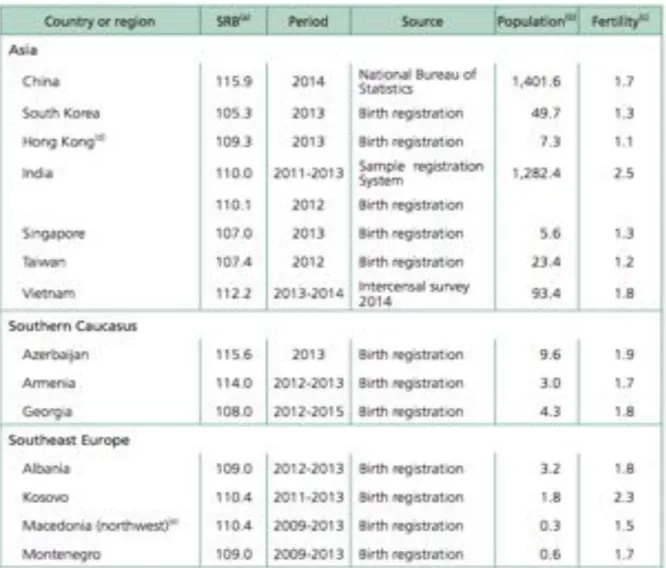
Table 2: Sex Ratio at Birth in Selected Countries 28
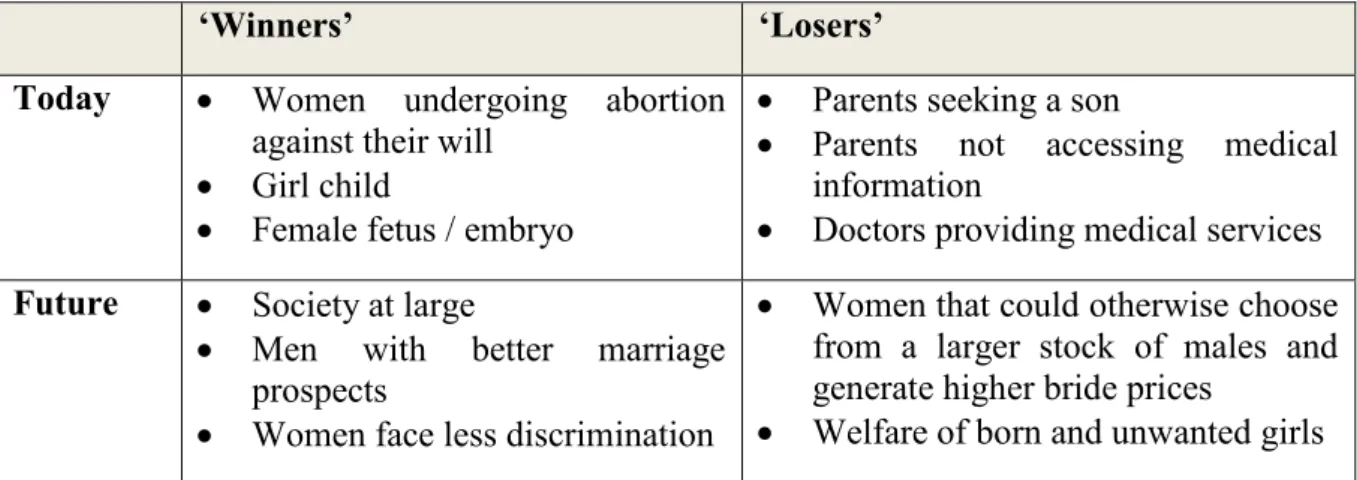
Table 3: Estimates of Missing Females in Selected Populations, 1970-2010 30 Table 4: Three Strategic Intervention Areas of UNFPA Concerning Sex Selection 49 Table 5: National SRB Onset and Sex Selection Bans in Selected Asian Countries 52 Table 6: Arguments For and Against Sex Selection For Non-medical Reasons 56 Table 7: ‘Winners’ and ‘Losers’ of Public Intervention Against Sex Selection 61
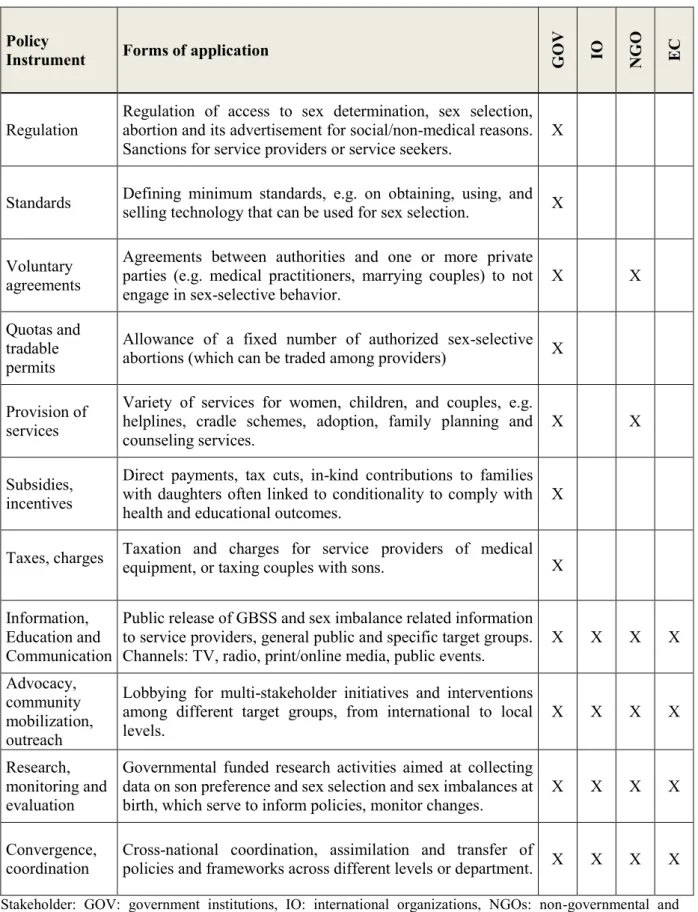
Table 8: Overview of Policy Instruments and Stakeholders 64
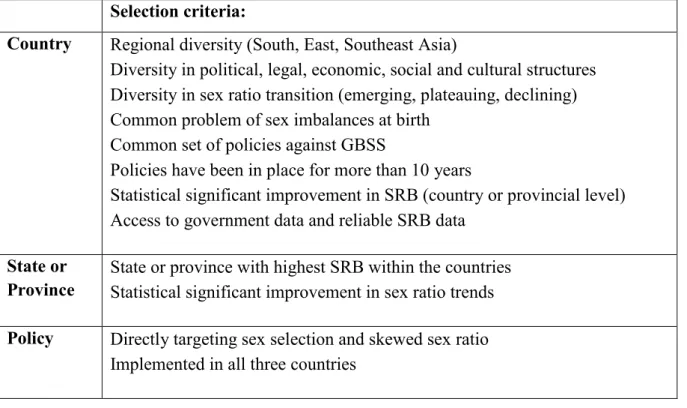
Table 9: Comparative Analysis Selection Criteria 83
Table 10: Diversity of Selected Countries 85
Table 11: Research Methods and Data Sources 89
Table 12: Conducted Interviews by Respondent Sex, Type and Region 92
Table 13: Locations of Data Collection 95
Table 14: Convictions for Fetal Sex Determination, South Korea, 1990-2008 138 Table 15: Decreased Family Life in Figures, South Korea, 1990 and 2015 148 Table 16: SRB by Parity in Daegu, North/South Gyeongsang, South Korea, 1990, 2015 154 Table 17: Live Birth Distribution, by Type of Delivery Attention in %, 1980-2014 185
Table 18: Trends in Maternal Care Indicators, NFHS-3-4, India 187
Table 19: Estimates of Sex Ratio at Birth in India, 1901-2000, Various Sources 190
Table 20: SRB by Macro-region, Vietnam, 2010-2014 261
Table 21: Summary of Laws, Policies and Plans on Sex Selection, Vietnam, 2003-2017 271 Table 22: SRB in Hai Duong Province and the Red River Delta, 2007-2015 279
Table 23: Indicator Hai Duong and Ha Nam 283
Table 24: Comparison of Baseline and Endline Survey in Hai Duong and Ha Nam 286
Table 25: SRB in Hai Duong and Ha Nam, 2011-2015 290
Table 26: Research Methodologies Used in the Baseline and Endline Survey 291 Table 27: Policies Related to Sex Selection and Abortion in India, Vietnam, South Korea 318 Table 28: International Agreements on Women’s and Children’s Rights 323 Table 29: Advantages and Disadvantages of Transnational Policy Transfer 335
List of Figures
Figure 1: Conceptualizing the Intersection of Socio-Demography and Public Policy 4
Figure 2: Kinship Systems in Asia and Africa 14
Figure 3: Chromosome Pairs and Sex Determination in Humans 22
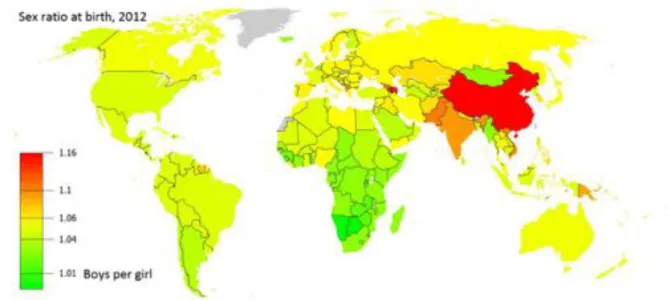
Figure 4: Sex Ratio at Birth, World Map, 2012 29
Figure 5: Annual Number of Newly Missing Females, 1970-75 to 2005-2010 31 Figure 6: Estimated and Projected Number of Missing Females, 1970–2050 31 Figure 7: Projected Annual Number of Newly Missing Females, 2010–15 to 2045–50 32 Figure 8: Policy on Fertility and Family Planning Support in Asia, 1976 41 Figure 9: Policies Targeting the Motives, Methods, and Magnitudes of GBSS 66 Figure 10: Sex Ratio at Birth in South Korea, India and Vietnam, 2000-2015 86 Figure 11: Total Fertility Rate and Population Policy Shifts in South Korea, 1960-2016 112
Figure 12: Family Planning Posters, South Korea, 1970s-1980s 113
Figure 13: Sex Ratio at Birth, South Korea, 1981-2016 115
Figure 14: Sex Ratio at Birth, First and Second Birth Order, South Korea, 1981–2016 116 Figure 15: Sex Ratio at Birth, Third and Fourth Birth Order, South Korea, 1981–2016 116 Figure 16: Sex Ratio at Birth in South Korea per Region, 1990-2015 118 Figure 17: Opening of the Korean Culture and Sexuality Research Center, 1996 125 Figure 18: Press Conference on Population Challenges, South Korea, 1996 126 Figure 19: PPFK Festival to Promote Love for Daughters, South Korea, 1997 127 Figure 20: Pro-Life Poster Campaign in Seoul’s Metro Stations, 1997 128
Figure 21: Anti-Abortion Campaign, South Korea, 1999 129
Figure 22: Higher Education Entrants by Sex, South Korea, 1990-2015 145
Figure 23: Map of Daegu and South Korea 150
Figure 24: Administrative and Organizational Structure of PPFK, 1990 151 Figure 25: Festival to Eradicate Son Preference in Daegu, South Korea, 2000 152 Figure 26: Poster Campaign Against Sex Imbalances, Daegu, South Korea, 2004 152 Figure 27: Pronatalist Poster Campaign, Daegu, South Korea, 2005 153 Figure 28: SRB, 3rd Birth and above, Daegu, Surrounding Provinces, Korea, 1990-2015 155
Figure 29: Sex Ratio at Birth by Region and Parity, South Korea, 1994 and 2000 156 Figure 30: SRB by Region and Age of Mother, South Korea, 1994 and 2000 156
Figure 31: SRB in India Based on SRS Data, 2000-2015 191
Figure 33: References to “Women” and “Sex Ratio” in India’s 5-Year Plans, 1951-2017 198 Figure 34: Daughters’ Rally Organized by FASDSP on 14-11-1986 (Children’s Day) 201
Figure 35: Structure of the PC&PNDT Implementing Organism 204
Figure 36: Anti-Sex Selection Media Campaign by MoWCD, 2008-2010 211
Figure 37: Anti-Sex Selection Media Campaign by MoWCD, 2016 214
Figure 38: SRB Based on SRS and National Anti-Sex Selection Policies, India, 2000-15 225
Figure 39: Districts of Punjab 227
Figure 40: SRB in SBS Nagar, Neighboring Districts and Punjab, 2001-2014 231 Figure 41: Ratio of SRB Improvement in SBS Nagar, Neighboring Districts and Punjab 232
Figure 42: Net Impact of the “Nawanshahr Model” 232
Figure 43: Sex Ratio at Birth by Month/Quarter Fitted Trends, Vietnam, 1995-2009 259
Figure 44: Sex Ratio at Birth Trend, Vietnam, 1998-2014 260
Figure 45: Sex Ratio at Birth in Vietnam, per Macro-Region, 1999-2015 262
Figure 46: Estimated SRB by Province, Vietnam, 2010-2014 263
Figure 47: Sex Ratio at Birth by Parity and Prior Siblings, Vietnam, 2010-2014 264 Figure 48: Sex Ratio of Monthly Birth Cohorts, Fitted Trends, Vietnam, 1995-2009 275
Figure 49: SRB-Policy Mapping, Vietnam, 1999-2016 277
Figure 50: Map of Hai Duong and Ha Nam 283
Figure 51: Images of the 2015 Campaign Against Gender-Biased Sex Selection 299 Figure 52: ‘Joining Hands on Bikes’ to Raise Awareness against GBSS 334 Figure 53: Conceptualizing the Intersection of Sex Selection and Public Policies 343
List of Boxes
Box 1: Timing of Birth According to the Chinese Calendar 19
Box 2: Sex Determination in Humans and Mammals 22
Box 3: Definition of Policy Terms 37
Box 4: Definition of Epistemic Communities 50
Box 5: Types of Policies Addressing Gender-Biased Sex Selection 65
Box 6: Research Objective 79
Box 7: Comparative Case Study Research in Public Policy 81
Box 8: SRB-Policy Mapping, South Korea, 1980-2015 134
Box 9: Doctor Voices on Price Setting of Abortions in Daegu 158
Box 10: Young Voices on Social and Family Transformations in Daegu 163
Box 11: Beti Bachao, Beti Padhao Scheme 215
Box 12: Reasons for Son Preference in Vietnam 254
Box 13: Article 30 of the Population Ordinance on International Cooperation 267
Box 14: Government Sanctions for Sex-Selective Abortions 268
Box 15: SRB in Hai Duong Province and Red River Delta 278
Box 16: Multi-Sectoral Coordination in Addressing SRB in Hai Duong 282 Box 17: Interview Excerpts with Officer of the Hai Duong Women’s Union 302 Box 18: The Story Behind the Story: Evolution of Korea’s ‘Success Story’ 329
List of Abbreviations
AAs Appropriate Authorities ACs Advisory Committees AI Artificial Insemination
BBBP Beti Bachao, Beti Padhao (Save the Daughter, Educate the Daughter) Scheme
BCE Before Common Era
BLS Baseline Survey
CCTs Conditional Cash Transfers
CE Common Era
CEHAT Centre for Enquiry into Health and Allied Themes CRS Civil Registration System
CSB Central Supervisory Board CSR Child Sex Ratio
DC Deputy Commissioner
DHS Demographic and Health Surveys ELS Endline Survey
FASDSP Forum Against Sex Determination and Sex Preselection FGC Female Genital Cutting
FGD Focus Group Discussion GBSS Gender-Biased Sex Selection
ICDS Integrated Child Development Services
IDI In-depth Interviews
IEC Information Education Communication IOs International Organizations
IVF In-Vitro Fertilization
KAP Knowledge, Attitudes and Practices
KIHASA Korean Institute for Health and Social Affairs MoHFW Ministry of Health and Family Welfare MoWCD Ministry of Women and Child Development MTP Medical Termination of Pregnancy Act NFHS National Family Health Survey
NGOs Non-Governmental Organizations
PC&PNDT Pre-Conception and Pre-Natal Diagnostic Techniques Act PGD Preimplantation Genetic Diagnosis
PM Prime Minister
PNDT Pre-Natal Diagnostic Techniques (Regulation and Prevention of Misuse) Act SAARC South Asian Association for Regional Cooperation
SBS Nagar Shaheed Bhagat Singh Nagar, formerly known as Nawanshahr district SRB Sex Ratio at Birth
SRS Sample Registration System TFR Total Fertility Rate
UN United Nations
UNFPA United Nations Population Fund UTs Union Territories
WHO World Health Organization
The qualitative interviews are classified by country:
IN India Interviews
SK South Korea Interviews VN Vietnam Interviews
Longer interview extracts use the abbreviations:
I Interviewer
Introduction
This thesis investigates the influence of public policies on sex selection in South Korea, India, and Vietnam. The title “Girls Wanted” is a double entendre and refers to Asian governments finding themselves demographically wanting for girls and responding with policies to make girls wanted.
Sex selection – predominantly practiced in Asia, Caucasus and Eastern Europe due to entrenched son preference – has increasingly caused concern among government, non-government and international stakeholders because of the human rights, health, and demographic implications associated with the practice (WHO 2011). Gender-biased sex selection (hereafter GBSS) refers to various pre- and postnatal strategies to choose the sex of one’s offspring, usually male. The most common forms observed throughout Asia have been sex determination via ultrasound followed by selective abortions of unwanted female fetuses and higher mortality rates among very young girls linked to infanticide or neglect after birth. Nevertheless, preconception sex selection is on the rise.
Since the late 1980s, several Asian countries have introduced laws, policies and programs to fight this form of gender discrimination. Although public policy is often promoted as a solution to gender-biased sex selection (Kostenzer 2016), little is known about anti-sex selection policies and their efficacy. The reasons behind the scientific neglect of anti-sex selection policies are multiple and can be summarized by 1) the late recognition of the problem itself, 2) the political denial of sex selection in many countries and 3) a severe underestimation of the scale of the problem (Miller 2001).
Nobel laureate Sen (1990) alerted the world that over 100 million women were missing in 1990. Yet it took more than a decade of research to establish that it was increasingly prenatal gender discrimination instead of postnatal neglect or infanticide that was causing the growing numbers of women to vanish (Sen 2003). Since the mid-2000s important demographic works have emerged highlighting the sudden rise of sex ratios at birth (SRB) above the natural norm of 105 male per 100 female births, first in different Asian populations (Attané and Guilmoto 2007; Attané and Véron 2005) and then in Caucasus and Eastern Europe (Duthé et al. 2012; Guilmoto and Duthé 2013). Scholars have also pointed to the adverse consequences and economic impact of a male surplus and female scarcity (Hudson and Den Boer 2004; Woetzel et al. 2015).
Despite this growing body of evidence, political scientists have shown little interest in analyzing the policy response to this problem. Instead, demographers have raised ethical considerations about whether prenatal sex selection should be restricted in the first place (Goodkind 1999) and some economists even argued that policy interventions were unnecessary because the problem would fix itself due to simple supply and demand dynamics (Becker 2007).
In general, policy research on sex selection has been surprisingly scarce and recent. Li (2007), Zheng (2007) and Ebenstein (2007) discuss interventions to balance sex ratios at birth in China, while Joseph (2007) and Sekher (2012) reflect on Indian campaigns and incentives against sex selection. Only a few scholars provide cross-country comparisons of policy interventions (see e.g. Das Gupta et al. 2003; Guo et al. 2016; Den Boer and Hudson 2017).
Rigorous assessments of the effectiveness of policies in balancing skewed sex ratios at birth have been especially rare. Assumptions are often formed on loose interpretations of sex ratio data wherein improvements are interpreted as a sign of policy success and deterioration as policy failure. This approach assumes that demographic changes are direct results of policy intervention. Moreover, interventions themselves often lack a clear definition of policy inputs, outputs and outcomes along with proper documentation, monitoring and evaluation. Scholars have tried to bypass these shortcomings, but very few formal comparisons between treatment and control areas, pre- and post-interventions, and appropriate commensurability analyses exist (Sinha and Yoong 2009; Nandi and Deolalikar 2013; Subramanian and Selvaraj 2009).
This scarcity of policy research is surprising given the fact that a growing number of countries have introduced policies to correct the situation. Since the late 1980s and early 1990s, China, South Korea and India have introduced legislation against sex selection and other countries have followed suit, including Vietnam, Nepal and more recently Armenia. A variety of policy instruments have been put into place, including legal bans on sex selection and sex determination, conditional cash transfers for families with girls, awareness-raising campaigns, advocacy and broader legal changes to strengthen the role of women in society.
Despite growing international awareness and decades of policies (WHO 2011), governments and international organizations (IOs) are still uncertain of ‘what works and what doesn’t work’ to restore the natural balance of girls and boys. To date only South Korea and probably Georgia have seen their skewed sex ratios at birth return to normalcy. While South Korea introduced policies against sex selection, Georgia did not. Uncertain about policy efficacy, policy makers and the international community continue to face a “policy puzzle” (Singh 2015). UNICEF and
UNFPA (2014, 34) concluded in a joint publication that “rigorous impact evaluations of existing intervention programs to reduce sex selection are absent.”
This has not discouraged stakeholders from sharing their policy experiences. Silently, and in the shadow of scholarly attention, a growing trend of international cooperation has emerged, where ‘lessons learned’ and policy ‘prescriptions’ are transferred transnationally with the help of international agencies seeking to prevent sex selection (Kostenzer 2016). Policy response to sex selection is an especially rich terrain for policy transfer research. This thesis aims to contribute to the underdeveloped field of policy research on sex selection, and more broadly to the growing field of policy transfer and convergence studies in political science.
Aim and Approach of the Thesis
This dissertation provides an analysis of anti-sex selection policies and their effectiveness in curbing skewed sex ratios in three Asian countries. India, Vietnam and South Korea were chosen for a comparative policy analysis. This dissertation was guided by two hypotheses: (1) public policies may show unknown efficacy in restoring sex ratios at birth and (2) policy instruments and ‘best practices’ may be transferred from one country to another with the help of IOs and epistemic communities without strong evidence of their effectiveness. In order to test these hypotheses, the guiding research question is: What are the intentions, instruments and impacts of policies against sex selection employed in South Korea, India and Vietnam?
Several supplementary questions were raised in this research:
Regarding policy intentions: What motivates governments to intervene? Who are the stakeholders involved in making sex selection a policy issue? What roles do epistemic communities and IOs play in agenda setting and policy design?
Regarding policy instruments: Which public policies are implemented and prioritized at national levels? What are the similarities and differences between policy instruments carried out in different countries?
Regarding policy impacts: What effects have public policies had on sex ratio at birth in selected parts of India, Vietnam and South Korea? Are SRB improvements a result of policy intervention? What are the available tools for assessing policy effectiveness?
To examine these questions, the study follows a mixed method approach. I use the Most
differences all have faced gender-biased sex selection and introduced similar policies to address the problem. Focus is placed on highly affected regions within these countries (Northwestern India, Northern Vietnam and Southeastern part of South Korea), where sex ratios at birth have improved.
Comparing similar policies in different countries and regions, where sex ratios at birth have improved, offers a natural experiment for assessing the impact of policies on prenatal sex selection. We present new empirical research, carried out in South Korea, India and Vietnam between 2014 and 2015, based on (a) qualitative expert interviews with governmental, non-governmental and medical personnel directly involved or affected by policy interventions, and (b) quantitative sex ratio at birth data comparing pre- and post-intervention areas.
Conceptual Framework
Figure 1 illustrates the framework that was developed to conceptualize the interaction between the socio-demographic phenomena of sex selection and policy response. It was inspired in particular by the work of, and personal exchange with, Ito Peng (Peng 2014).
Figure 1: Conceptualizing the Intersection of Socio-Demography and Public Policy
According to this conceptual framework, a socio-demographic phenomenon (like sex selection) appears in societies where people share common motives to influence their reproduction. They
also need to be given access to the methods that allow them to act according to their motives. If enough people follow the same path, their cumulative action manifests in socio-demographic outcomes (magnitudes). I call this the 3-M-Model, referring to the motives, methods and magnitudes of why, how and to what extent people engage in a certain socio-demographic
behavior.
Once policy makers recognize a certain behavior (any of the 3-M’s) as a problem, policies are often developed to counter the problem. In these cases IOs, NGOs and epistemic communities frequently facilitate problem recognition (Joachim 2007; Stone 2004). The policy intentions or reasons why governments introduce policies may well differ from one country to another according to their own unique and path dependent socio-cultural, political and economic factors.1 These factors can also influence the policy instruments authorities chose to implement.
To this regard, policies never exist in a vacuum, but are in constant interaction with cultural norms and socio-political and economic structures. The intended policy impact has to be tested against the actual changes in its socio-demographic outcomes. I call this the 3-I-Model referring to why, how and to what extent policies affect a certain socio-demographic phenomenon.
Figure 1 shows arrows going in one direction (e.g. from motives, to methods to magnitudes). However, there are multiple feedback loops and interdependencies, which are not shown in the figure for the sake of clarity. As such, methods can feedback into motives. The introduction of technology can create new, previously impossible, desires that then influence reproductive outcomes. For example, the introduction of modern contraceptives provided the methods for couples to effectively achieve their motives (e.g. have fewer children and space them as desired), which can be observed in the magnitude of declining fertility. There are also feedback loops and independencies within the political/policy sphere. Policy evaluations ideally inform policy makers about the impact of interventions on the socio-demographic sphere, allowing them to further tune policy instruments. In this regard, both spheres interact.
We may want to take high fertility as an example to illustrate the framework. For decades, the international community has encouraged countries in the Global South to lower their fertility levels. Many Asian countries have followed suit and recognized high fertility as an obstacle
1 The concept of path dependency comes from the idea that “once a country or region has started down a track, the costs of reversal are very high” (Lewi 1997, 28). Likewise, formal institutions and public policies tend to be stable, and prior decisions inform future policy options (Pierson 2000; Kay 2015).
(e.g. for socio-economic growth or political stability). The policy intentions that motivate stakeholders to address high fertility can vary. For example, fertility policies can aim at:
1) Lowering the total fertility rate (magnitude); 2) Increasing contraceptive use (methods); 3) Promoting a small family norm (motives).
As we can see here, anti-natalist2 population policies can aim at controlling the magnitude,
methods or motives of reproductive behavior. Often governments implement policy combinations to address the socio-demographic phenomenon on different fronts. If we stick to our example, concrete policy instruments to lower fertility can focus on:
1) Government targets to reduce population growth or fertility (magnitude); 2) Free contraceptive services provided through public health facilities (methods); 3) Awareness-raising campaigns (motives).
In order to assess the impact of these policy instruments, their intentions need to be tested against the actual changes in the socio-demographic sphere while controlling for external factors of influence (which is one of the more challenging tasks in policy evaluation as we will see).
Despite its highly generalized structure, this framework usefully represents the fundamental dynamics between the social and political spheres and will serve as a roadmap that will guide the reader throughout the entire thesis. In each chapter an additional piece will be added to apply the framework to sex selection, anti-sex selection policies and policy experiences in South Korea, India and Vietnam. Only at the end, when all pieces are put together, will we return to this framework to show how the evolution of sex selection and policies has played out. Only then will we have a complete picture of policy influence on sex selection and hopefully come closer to solving the ‘policy puzzle.’
Structure of the Thesis
The thesis is organized into 8 chapters. Chapter 1 sets the scene by exploring the motives, methods and magnitudes of gender-biased sex selection drawing from socio-demographic and anthropological research. Chapter 2 explores the historical and theoretical foundations of public
policies against sex selection and their intentions, instruments and impacts. Chapter 3 outlines the methodology that guides the empirical approach of this investigation. We then turn to the case studies of South Korea (Chapter 4), India (Chapter 5) and Vietnam (Chapter 6), which are the centerpiece of this dissertation.
The three case studies are structured in the same way: First, we highlight the unique country features and lay out the historical context of son preference, lowering fertility and access to reproductive technologies, which gave rise in sex imbalances in that country. Secondly, we present sex ratios at birth at national and regional levels. Thirdly, national laws against sex selection are presented in a chronological order and classified as policy instruments that address motives, methods or magnitudes. Fourthly, we analyze the impact of policies on sex selection by presenting both qualitative and quantitative data. Fifth, we turn to the regional case study to further explore the influence of policies in detail for regions with severely skewed sex ratios. Each country chapter ends with a discussion of the results and a conclusion. By presenting the three case studies one after the other and applying the same structure to all three countries, we hope to facilitate comparability, and yet give room for country specific nuances.
Chapter 7 offers a cross-country comparison with the main similarities and differences between the three countries of investigation and Chapter 8 gives a general conclusion in terms of the theoretical and applied contributions of the thesis.
1. Gender-Biased Sex Selection in Asia:
Motives, Methods, Magnitudes
In order to assess policy options against sex selection, it is essential to have an in-depth understanding of the phenomenon itself. This chapter provides a detailed analysis of the state of the art knowledge on gender-biased sex selection in Asia. It starts out by discussing the motives (or reasons) behind GBSS, reviewing gender preferences, family structures, as well as fertility, economic, and political pressures to sex select. The focus then turns to the different methods used by parents to influence the sex composition of their families and the evolution of these methods (or practices) over time. Finally, this chapter highlights the magnitudes (or outcome) of sex selection by giving an overview of affected countries, the number of missing women as well as long-term consequences of sex imbalances at birth.
1.1.
Motives of Gender-Biased Sex Selection
From a policy perspective it is important to understand the rationale behind gender-biased sex selection in order to formulate policy options accordingly. While policy response to sex selection has only emerged over the past 30 years, the motives behind this phenomenon are far from new. Couples have three core motivations to sex select according to WHO (2016): 1. Medical reasons to avoid the transmission of sex-linked genetic diseases.
2. Family balancing reasons when having one or several children of the opposite sex.
3. Gender preference reasons often in favor of sons due to cultural, social, and economic biases, or in the presence of restrictive birth policies.
Medical reasons are rare. Family balancing and gender preference reasons, which often go hand in hand, are much more frequent. This section focuses on gender preferences, their manifestations and origins. We discuss underlying kinship systems (in particular patrilocal and patrilineal family systems) as well as economic, political and exogenous factors that influence couples’ behavior and attitudes towards their offspring. Why do many Asian couples prefer sons to daughters? What are the existing manifestations and measurement tools of son preference, and how can an emerging daughter preference in some East Asian countries be explained? Special attention will be given to flexibilities in family and kinship systems, which are relevant for the subsequent policy analysis.
1.1.1. Gender Preferences
Rarely do parents have to choose one child over the other. The novel Sophie’s choice reflects this unusual dilemma in the most extreme way: arrested by the Nazis, a mother arrives in Auschwitz and is forced to decide whether her son or daughter will be gassed immediately, while the other is sent to a labor camp. Having to choose one child over the other would be unfathomably difficult for most of us. Yet, to a less radical extent, it is done in many cultures around the world. History is full of examples in which family norms have given preference to children of a certain sex. The English throne was historically given to the male descendant, while certain matrilineal societies have shown manifestations of daughter preference. From an evolutionary biology perspective, this comes as no surprise. Preferences are frequently seen in the animal kingdom. Several species favor male or female offspring in terms of food or attention allocated to them (Durante et al. 2015).
Gender preferences are based on individual experiences, family dynamics and social biases, or any combination of the three. In numerous Asian countries a strong son preference can be detected. The phenomenon has been widely studied in context of gender theory and has deep social, economic and cultural roots (Williamson 1978; Miller 1985; Croll 2000; Purewal 2010). Son preference can be defined “as an institution which is based on a set of values and norms that are produced and reproduced in a complex interaction between social, economic, political and cultural factors, and which does not [necessarily] remain at the attitudinal level but realizes itself through behaviour that favours boys and disfavours girls” (Eklund 2011, 30; brackets added). The brackets are added because couples do not always act according to their preferences. Eklund (2011) draws a distinction between latent and manifest son preference. The author reasons that “latent” son preference is largely at an attitudinal level (e.g. women stating that they prefer one gender over the other) and does not necessarily translate into “manifested” discrimination against daughters (e.g. in form of sex-selective abortions or female infanticide). Li et al. (2000) argue in a slightly different way, but reach a similar conclusion. They differ between sex selection pressure (the probability that a woman is exposed to social or family pressure to sex select); and son preference potency describing the probability that a woman will actually sex select (which is influenced by individual behavior and cultural factors). Thus, women or couples may be exposed to sex selection pressure, but they may not act on them.
They will act only when son preference potency is high enough.3 Gender preferences are
articulated in multiple ways and have significant impact on the well-being of children. Following this argumentation, we separate between son preference attitudes and son preference behavior.
Son preference attitudes or latent son preference remain largely on an attitudinal level. Nevertheless, expressed attitudes can have harmful psychological effects on children. One powerful example is the practice of naming a girl Nakusa (unwanted) in some parts of Maharashtra (Shijith and Sekher 2017). In these cases, the girl’s name itself has negative effects on her self-esteem and social interactions. Numerous studies exist on stated gender preferences expressed by parents as part of demographic surveys. Fuse (2008) provides a systematic analysis of cross-national attitudinal gender preferences, using data from 40 Demographic and Health Surveys (DHS) conducted between 2000 and 2006. Her findings show that women across the globe generally wish for a balanced family composition. Son preference is most common in North Africa, South Asia, some parts of Southeast Asia, and in about two thirds of sub-Sahara African, which is in line with earlier findings (Arnold 1997).
Quite intuitively, countries with the strongest son preferences (e.g. Bangladesh, India, Nepal, and Vietnam) also have the lowest percentage of women declaring daughter preference.4
Moreover, greater household wealth significantly decreases the odds of son preference in India and Nepal. Fuse (2008) argues that poorer households have more incentives to request a boy, since sons are expected to bring wealth to the family. On the contrary, it can be argued that richer families have more to lose when not bearing a son since inheritance is traditionally passed through the male line (see 1.1.2). Women in poorer families also play a greater role in terms of their labor contributions to family wealth than in the upper class. The relationship between family wealth and son preference is thus not clearly established.
Fuse (2008) also points out that better working conditions in India and Nepal and higher educational attainments in Vietnam significantly decrease women’s odds of stating any gender preference, including son preference. Fuse argues that modernization (in form of urbanization, education, higher living standards and better labor perspectives) reduces gender biases and
3 In policy terms, it is important to study these coping mechanisms of couples that remain sonless, despite being exposed to sex selection pressure.
4 In Bangladesh, India, Nepal, and Vietnam, only 2.0%, 2.5%, 1.6%, and 3.4% of women report to have daughter preference, respectively (Fuse 2008, 13).
increases women’s status. These findings seem to contradict the fact that sex selection in favor of sons is more common among the urban, wealthier and more educated social strata.
The main problem with collecting data on stated son preference is that it remains at a hypothetical level, precisely reflecting respondents’ attitudes and not their actual behavior. People, however, do not always act according to their attitudes or beliefs for various reasons. Moreover, self-reporting involves multiple response biases5, which can have significant impact
on the survey validity.
A more robust indicator for the extent of son preference is therefore the actual behavior. Son preference behavior, also known as “manifest” or “revealed” son preference, is expressed in modified behavior according to the existing sex composition of children in a family, as the following quote shows:
“whether and how women’s gender preference is translated into behavior may vary by levels of fertility and by access to certain birth control methods and modern medicine. In the context of relatively low or declining fertility, gender preference is more likely to be manifested by aborting a fetus of the undesired sex or by stopping childbearing once the desired sex composition of children has been achieved. […] In contrast, in the context of higher fertility and limited access to birth control methods and modern medicine, gender preference may be measured more validly through the assessment of one’s post childbearing behavior. […] Couples may be less conscious about limiting fertility, but their gender preference may bias the allocation of household resources (either consciously or unconsciously). This bias may result in sex differences in infant/child mortality, health, and treatment” (Fuse 2008, 1–2).
In low fertility settings people have fewer occasions (in terms of births) and often more means (in terms of access to technologies) to influence their reproductive outcomes prenatally. Meanwhile, in high fertility settings postnatal gender discrimination tends to be more prevalent (Chun and Das Gupta 2009). We will review the diverse methods of prenatal and postnatal gender discrimination shortly. For now it is important to stress that gender preference for children – expressed in differentiated attitudes and behavior – vary significantly in intensity throughout Asia. While some countries exhibit very strong son preference (e.g. Armenia,
5 Response biases can be caused by numerous factors ranging from the phrasing of survey questions to the desire to provide appropriate responses according to social norms or acceptability (Nederhof 1985; Zhou et al. 2012).
Azerbaijan, China, India, Pakistan, and Vietnam), others hardly demonstrate any consistent gender preference (e.g. Indonesia, the Philippines, and Thailand).
More careful examinations of ethnic and regional variations can, however, reveal more ‘hidden’ gender differentials, as shown in the case of Indonesia (Guilmoto 2015b). There can be significant regional differences within countries. Some regions may appear free of son preference, while other regions are severely affected. For example, Northwest India shows strong manifestations of son preference (e.g. Punjab and Haryana), while daughters are much more welcome in the South (e.g. Kerala). A comparable North-South division can also be detected in Vietnam. Northern Vietnam (e.g. Red River Delta) has stronger son preference than the South. These regional patterns in gender preferences can be explained through regional differences in family and kinship systems (Miller 1985, 198; Das Gupta et al. 2003).
1.1.2. Patriarchal Kinship Systems
Traditionally, kinship systems construct social affiliations and define the rights and obligations of an individual within a society. Nowadays, governments and state laws regulate most aspects of social life. Yet, the influence of informal, family-based rules still play a significant role everywhere. The University of Zurich (2016) provides a basic overview of kinship systems in Asia and Africa (see Figure 2). The diversity and complexity of traditional family structures is reduced into three simplified categories:
1. In patrilineal systems (marked in blue), relations are traced through a person’s father.
2. In matrilineal systems (marked in red), relations are traced through a person’s mother. 3. In bilateral systems (marked in yellow), relations are traced through the father and mother. As shown in Figure 2, most parts of Africa and Asia have long histories of patrilineality. Patrilineal kinship systems are most widespread in North Africa, Central Africa, Middle East, South Asia, Central Asia and East Asia. Matrilineal as well as bilateral systems are less frequent and only bound to certain regions. A closer look on the map provides insights about country specific variations and the heterogeneity of kinship systems in different localities: e.g. patrilineal systems are seen in major parts of India, Vietnam and China; yet matrilineal systems are found in the Indian state of Kerala or among national minorities in Vietnam and Laos; while bilateral systems exist mainly in Cambodia, Thailand and Myanmar.
Figure 2: Kinship Systems in Asia and Africa
Note: The family typology is based on the four variables: family organization, marital composition, transfer of residence at marriage, and marital residence with kin, which are based on the Ethnographic Atlas of Murdock. Source: University of Zurich (2016).
Patrilineal family systems are characterized by the need for male offspring. Sons continue the family name, inherit the family property and perform important family customs.6 Moreover,
patrilineality goes hand in hand with patrilocality. Married sons are expected to reside with their parents, while daughters depart the family home after marriage. Family assets are passed through the male line, while women may be given some movable goods e.g. in form of dowry or inheritance. Patrilineality dominates much of Asia and Africa despite the fact that countries have increasingly introduced legislative changes granting equal inheritance rights to both men and women. In many cases women turn down their legal shares and are only able to sustain themselves whilst attached to men. Yet, as African and Asian differences demonstrate, not all patrilineal communities witness sex selection. The reason for that lies in the flexibility in kinship systems (Das Gupta et al. 2003).
6 According to Confucian belief, prevalent e.g. in China, South Korea and Vietnam, ancestor worship is traditionally conducted by males. The welfare and continuity of the family as a group is more important than the interests of any one individual. Also in Hindu tradition, special emphasis is placed on sons as they lite the funeral pyre of the deceased parents and sons continuing the family line.
Let us take Japan as an example. Sex imbalances never manifested in Japan, despite of historic traces of patriarchal kinship and succession, as well as the cultural proximity to sex-selecting countries (e.g. South Korea, China, Vietnam). The explanation for the absence of sex imbalances is at least threefold:7 Firstly, Japan is less patriarchal than other Asian countries,
because it allows daughters to access to inheritance.8 In the absence of a son, a daughter and
son-in-law could inherit the family property. The household could thus continue without a male heir. Secondly, the economic value of daughters was recognized early. At the end of the Tokugawa period in the 19th century, when Japan opened up its harbors to the world, the silk industry, and with it female labor force, became the backbone of Japan’s economy. Thus, the value of girls increased. Women married later and resided longer in their maternal families, contributing to the family’s wealth. After the Second World War, in the process of modernization, an opposing trend emerged where women were increasingly reduced to being housewives, especially among the middle class. However, this did not lead to discrimination against girls. Thirdly, fertility rates in Japan had already declined before couples gained access to modern reproductive technologies that would have allowed them to influence the fetal sex. In sum, patriarchal kinship systems are common features of populations that express son preference. Whether that son preference is expressed in terms of sex selection is a result of the degree of patrilineality expressed and a complex interplay of further economic, political and cultural factors. For example, in the case of Turkey son preference exists, but prenatal sex selection does not take place, most likely due to religious and social barriers to abortion. Ultimately, the question is how well families cope with remaining sonless and what alternatives (in the form of incentives, disincentives) exist for them.
7 Based on personal conversation with Emiko Ochiai, EHESS, 23.02.2016.
8 Japan has historic traces of patrilinieality and patrilocality, yet today it is classified as a bilateral kinship system. The country underwent historical shifts in kinship and succession between the eighth and seventeenth century. Prior, in ancient times, Japan and South Korea were both based on bilateral systems, where kingship stressed the importance of maternal and paternal bloodlines. Women could equally inherit or ascend the throne. This changed with the influence of the Chinese, which denied women such rights. Japan and South Korea later adopted patrilinieal principles, which deviated significantly from each other and from the Chinese system. For more information on the history of kinship and succession in Japan, Korea and China see Rawski (2015).
1.1.3. Economic Factors
In patriarchal societies, families gain little from having daughters. Daughters are frequently seen as “a supplement, but rarely a substitute for sons” (Croll 2000, 132). They are often considered to be less “profitable” and provide a lower “return on investment” because – unlike sons – they leave the parental home after marriage and in some cases require high dowry expenses (e.g. India). Thus, spending a minor sum to abort an unwanted female fetus can be seen as more cost efficient than a major investment in raising a daughter, who leaves upon marriage and no longer contributes to the family wealth and well-being.
The economic pressures for son preference and sex selection are complex. At the macro level, it is economic growth that provides the technology and resources to sex select in the first place. Initially, only to the middle and upper classes can afford it. Early in large-scale economic transitions, these middle and upper-class families are still strongly influenced by traditional values that focus on family solidarity and financial support. In part, this is because their governments typically have not provided social support systems like health care and pensions, so the extended family has traditionally been financially responsible for its members. Thus, at first, traditional values, the lack of governmental support and the presence of affordable reproductive options lead to economic pressures to sex select.
Later in large-scale economic transitions governments often introduce public support systems or provide enough wealth building options that people no longer financially rely on a son for old-age support and thus are freer to make independent reproductive decisions. Also, later in economic transition household sizes typically reduce and the opinions of extended family members become less acute. So, although sex selection is typically strong early in these large-scale transitions, as economic growth continues the conditions change to make son preference less vital.
For those countries that are in the midst of modernization these factors are complexly interrelated. For example, when countries experience sudden economic downturns, political turmoil or their governments remove social support for some reason, there can be a spike in sex selection as people feel the need to revert to traditional son preferring values for financial security (Barbiéri and Bélanger 2009; Guilmoto et al. 2018).
In Asia there are many traditional economic reasons to prefer sons at the personal, micro level. These economic reasons change with economic growth and modernization (Chung and Das Gupta 2007), as women have increasingly better job opportunities and contribute financially to
their birth families. There are good reasons to believe that over the short term, sex selection is a suitable strategy to satisfy traditional son preference, but over the long-term, economic, social and cultural changes will make sex selection less economically necessary and ultimately, less desirable. During this process, however, sudden periods of instability can counteract this trajectory and cause families to go back to traditional son preferring ideals.
1.1.4. Political Factors
The motives behind GBSS have been frequently associated with rigid fertility regulations such as the recently abolished Chinese One-Child Policy, the Two-Child Policy in Vietnam, and the Two-Child Norm introduced in India (Ebenstein 2010). The idea is that government imposed fertility restrictions alter parents’ pressure to have a desired son with fewer births, and thus make sex selection more appealing.
Let us take China and the One-Child Policy as an example. Jiang et al. (2013, 194) write that, “the strict population policy during […] 30 years, and the low fertility level for the past 20 years, have had broad effects on the nation’s economic and social development, as well producing such unforeseen side effects as the high male-biased sex ratio at birth (SRB) and rapid ageing.” Sex imbalances are thus regarded as an unintended side effect of stringent policy efforts to lower fertility. It is important to note here that Chinese scholars often refer to the 1.5-Child Policy instead of the One-1.5-Child Policy, as couples in rural areas were given the opportunity to have a second child if the first was a girl. Such a policy provision is in itself biased towards sons, and researchers have shown that those areas in particular, where parents were given permission to have a second child when the first was female, reported the highest sex ratios at birth (Zhu et al. 2009).
Yet, there are also some skeptics that doubt the influence of fertility control policies on prenatal sex selection. Goodkind (2015) for example shows that the severely distorted sex ratios in the 1.5-child areas in rural China are mainly a result of excess underreporting of daughters and enforced sex-specific stopping behavior instead of sex-selective abortions. Johnson (2016) shows that many Chinese parents would have wanted to raise their daughters (despite cultural son preference), but fearing punishment for breaching the country’s stringent birth-control policies, they were forced to abandon their girls or give them up for adoption. Furthermore, Almond et al. (2013) challenge the impact of the One-Child Policy showing that it was rather the post-Mao land reform and market liberalization which increased the number of missing girls in China by over 1.24 million between 1978 and 1984.
Despite these controversies, it is safe to argue that fertility control policies have put pressure on couples to achieve their desired family composition with fewer births. Nevertheless, in the absence of fertility regulations (in countries like Taiwan or Singapore), sex ratios have also become skewed towards males and a general trend towards lower fertility can be observed. Besides population policies, many other political efforts have directly or indirectly affected people’s motives behind sex selection. Some examples are awareness-raising campaigns, advocacy, legislative changes linked to land ownership, inheritance, job opportunities, social security, etc. In theory, these efforts contribute to more egalitarian gender relationships and thus reduce the pressure to sex select. In the case studies, we will get a better understanding how these policies influence sex selection (Chapters 4-6).
In this section we have reviewed to the kinship-based, economic and political motives behind sex selection in Asia. Whether or not couples actually act according to their gender preferences depends largely on their access to methods that allow them to shape their reproductive outcomes.
1.2.
Methods of Gender-Biased Sex Selection
Families use different methods to influence their desired family composition. Rapid technological advancements (Sleeboom-Faulkner 2010) and the diffusion of innovations (Rogers 2003) over the last few decades have allowed couples to determine and select their offspring at ever-earlier stages.
1.2.1. Traditional Methods, Infanticide, Neglect and Abandonment
Throughout history, people have always been interested in knowing the sex of their offspring. One of the oldest records is an ancient Egyptian papyrus scroll dating back to 1400–1600 BCE, which contains a series of tests for fertility and sex determination (Carlson 2013).
The ancient Greek separated the world into pairs, e.g. male/female; right/left; light/darkness, using the Pythagorean Table of Opposites. Maleness was associated with the right side, light, excess heat, and the northern hemisphere, while the counterparts (left, darkness, coldness, south) symbolized femaleness. These attributes were often invoked for sex prediction. According to Aristotle (384–322 BCE) cold southern winds increased the likelihood of conceiving a girl, while facing north during sexual intercourse was said alter the chances for
conceiving a boy (Bennett 1983). Similar to the North/South division, different cultures believed that exposing pregnant women to cold water would produce daughters, while males were related to hotter climate as they were supposed to contain more of the primary force in nature, fire, and sweat more than females (Carlson 2013; Mittwoch 2013).
A very similar concept of the duality of complementary forces can also be found in ancient Asian beliefs. According to the Chinese concept of Yin and Yang, Yin symbolizes masculinity, light, heat, and activity, while Yang symbolizes femininity, darkness, cold and rest. Excess of either force can be detected in the pulse of pregnant women according to Chinese traditional medicine. Some have claimed this to be a highly accurate way to identifying the sex of a fetus (X. Peng and Huang 1999). An ancient Hindu belief proclaimed that women with heavy menstrual flows were more prone to conceiving daughters and by controlling their food intake, women could influence the sex composition of their children (Carlson 2013).
In Vietnam, for example, it is believed that eating salty and high-protein foods prior to conception and during pregnancy increases the likelihood of male births. Another strategy of couples is timing the birth and scheduling the moment of conception close to ovulation in their aspiration for a son. Some of these strategies continue to persist in Vietnam today (Becquet 2015, see also Box 1), despite their limited efficacy (Carlson 2013).
Box 1: Timing of Birth According to the Chinese Calendar
Several East and Southeast Asian cultures use the Chinese lunar calendar, which is composed of different animal signs that reoccur over a 12-year cycle. The time of birth, and the animal sign of the year in which a child is born, determine the child’s fate. Some years are considered unlucky for girls (e.g. Horse, Tiger and Dragon). In order to avoid any stigma families have conceived or registered girls in the subsequent year. As a result, the SRB in South Korea have been particularly skewed towards males in the years of the Horse, Tiger and Dragon. A similar phenomenon was observed in Vietnam in 2012 (year of the Dragon) when SRB jumped to 114 followed by a drop by 2-3 points in the subsequent year (UNFPA Vietnam 2015). This superstition can result in “self-fulfilling” prophecies: girls born in inauspicious years encounter difficulties in finding a partner, while those born in auspicious years show “better health and education outcomes, because their parents have planned their births more carefully” (Chun and Das Gupta 2009, 94).
It is also common for Vietnamese women to combine traditional and modern methods by seeking spiritual advice, changing their diet, planning the time of the conception and praying at pagodas (along with medical methods) to conceive a son (UNFPA Vietnam 2011). Next to superstitious beliefs and practices, in some parts of Asia couples have turned to extreme measures to avoid the upbringing of a girl. Three forms of postnatal gender discrimination can be identified: female infanticide, postnatal neglect and abandonment.
Selective infanticide, or the intentional killing of female infants, has been reported throughout different parts of Asia (Gupta 2000), with historical records reaching from China over India to Northern Georgia (McLennan 1896). Better documentation has emerged in the 20th and 21st century and studies suggest that the phenomenon is still prevalent in parts of India, China, and Pakistan today, especially in areas of extreme poverty and overpopulation (Miller 1987; Caldwell and Caldwell 2005; Fuse and Crenshaw 2006). Yet, female infanticide has gradually declined due to greater awareness, legal restrictions, governmental and non-governmental interventions, and more modern forms of sex selection (Sen 2003; Goodkind 1996).
Selective neglect is another method of postnatal gender discrimination. Historically, boys have been given better care than their female siblings. While infanticide tends to occur right after birth, discriminatory practices towards daughters in terms of care, nutrition, vaccinations and medical examinations take place in early childhood. Demographic evidence in the form of a skewed child sex ratio and excess female child mortality indicates that postnatal neglect remains a problem into the 21st century (Bongaarts and Guilmoto 2015; Guo et al. 2016).
A third method of postnatal gender discrimination is the abandonment of children. Undesired female children are given to relatives, are abandoned, sold or fall victim to human trafficking (Guilmoto 2015a). Many Asian governments and NGOs seek to combat these discriminatory practices against girls by raising awareness and encouraging families to bring their children to shelters to be placed up for adoption, rather than killing or abandoning them (e.g. Indian baby cradle scheme). In China – in the absence of such schemes – girls are more frequently given up for adoption than boys (Johansson and Nygren 1991).
Apart from that, some rare cases of surgical sex changes among newborn girls have become known (e.g. in parts of Madhya Pradesh, India) or women give up their female identity to live as men in order to fulfill patriarchal norms (e.g. Albania’s sworn virgins). Lastly, scholars have pointed to the underreporting of female births and the manipulation of statistical records to explain the increase in the reported sex ratios (Zeng et al. 1993; KIHASA and UNFPA 1996; Merli and Raftery 2000; Jha et al. 2006).
In summary, there are many traditional methods by which Asian cultures have sought to realize their son preference. Where superstitious traditions like waiting for auspicious years or changing diet or sexual positions are ineffective, other, more sinister, methods like infanticide and systemic neglect have highly negative outcomes and are still practiced. Unwilling to turn to these extreme forms of postnatal discrimination and lacking reliable methods to predict the sex of the child prenatally, many parents have simply continued childbearing to have a son.
1.2.2. Continued Childbearing and Stopping Rule
Since the 1970s governmental family planning efforts have led to wider access to modern contraceptives.9 Access to contraceptives allowed women to stop once the preferred number of
sons and daughters was achieved (UNFPA 2012). This practice is known as differential stopping behavior or stopping rule (Arnold et al. 1998; Larsen et al. 1998). The stopping rule means that the sex composition of existing children affects the subsequent fertility behavior of a family. A number of scholars have identified fertility and reproductive preferences in selected Asian populations (Park 1983; Haughton and Haughton 1995; Clark 2000; Bongaarts 2001; Bhat and Zavier 2003; Pham et al. 2012). In some Asian countries sex ratio at last birth (SRLB) is particularly skewed towards males, indicating that couples apply the so-called stopping rule, once a son is born.10 This is particularly the case in Armenia, Azerbaijan, India, Pakistan, and
Nepal, where SRLB ranges from 130 to 170 (Bongaarts 2013). The Indian case shows that there tends to be large regional differences. While the overall SRLB in India, was at 132 male per 100 female births in 2005 according to the National Health & Family Survey 2005-2006 (UNFPA 2012), SRLB in Punjab, Haryana, and Himachal Pradesh have exceeded 200 (Bongaarts 2013). Basu and Jong (2010) show that throughout South Asia, Southeast Asia and Northern Africa, girls have more siblings than boys (sibling effect) and are born at earlier parities within families (birth-order effect) as a result of son targeting fertility behavior. Simply put, “The desire for a son is the father of many daughters” (Seidl 1995, 185).
9 By 1976, broad parts of Asia with a few exceptions (Cambodia, Laos, Myanmar, Japan and North Korea) had introduced policies to lower fertility. Direct government support for family planning programs had spread through almost all parts of Asia reaching out to lower socioeconomic levels of population (UNDESA 2013).
10 According to Bongaarts (2013) SRLB is not a pure indicator of son preference because also access to contraception and overall fertility influence reproductive behavior.
We can conclude that couples relied on traditional methods, infanticide, postnatal neglect and continued childbearing before reliable scientific methods for sex determination became available. It was only with the arrival of modern reproductive technologies that prenatal sex selection became possible.
1.2.3. Prenatal Sex Selection
The shift from traditional to modern methods of sex selection was enabled through the rapid expansion of medical technology and services in the late twentieth century. Reproductive technologies significantly improved the health outcomes of women allowing them to exercise their reproductive rights (Gupta 2000). While this progress offered more choice to some, it translated into fewer choices for others. Frequently, women in Asia have been blamed or even punished for ‘not being able’ to conceive a son. In many cases it has been acceptable for men to remarry or have a concubine, if their wives ‘fail’ to produce a male offspring (Chun and Das Gupta 2009; UNFPA Vietnam 2011), despite the fact that the men’s sperm determines the fetal sex (see Box 2).
Box 2: Sex Determination in Humans and Mammals
The fetal sex is decided by the presence of XX chromosomes in females or XY chromosomes in males. Figure 3 illustrates the chromosome pairs that segregate during meiosis.
Figure 3: Chromosome Pairs and Sex Determination in Humans
Left: 23 chromosome pairs. Right: The offspring inherits the X chromosome from its mother and either the X or the Y chromosome from its father, which determines whether the child will be male (XY) or female (XX). Source: McGraw-Hill Education (2016).