UNIVERSITÉ DE SHERBROOKE
EXAMINING FACTORS THAT CAN IMPACT CONCEPTUAL LEARNING IN FIRST-YEAR CEGEP CHEMISTRY
by
Jailson Farias de Lima
Master’s paper submitted to the Faculty of Education In partial fulfillment of the requirements for the degree of
Master of Education (M.Ed.) Master Teacher Program (MTP)
May 2018
UNIVERSITÉ DE SHERBROOKE
Faculty of Education
EXAMINING FACTORS THAT CAN IMPACT CONCEPTUAL LEARNING IN FIRST-YEAR CEGEP CHEMISTRY
Jailson Farias de Lima
was evaluated by an examining board made up of the following individuals:
Dr. Elizabeth Charles Research Supervisor
Dr. Stephen G. Taylor External Evaluator of the Master’s Paper
DEDICATION
ACKNOWLEDGEMENTS
I would like to acknowledge the advice, guidance, and professionalism of my supervisor, Dr. Elizabeth Charles. Her continuous efforts to promote education research across the reseau has been a source of inspiration.
I am indebted to Perry R. James for helping to organize the data and run the statistics. A special thanks to Michael Dugdale for the insightful suggestions on how to present the data and for his invaluable help with the statistics. I also thank Sophia Narloch and Karl Laroche for helping with the French translation of the Abstract.
I appreciate the support that I have received from my colleagues in the Vanier College Chemistry Department, who graciously agreed to open their classes for me to collect the data for this research project. I also acknowledge their constant support throughout the years to my professional development while pursing this degree. I would also like to thank Wilma Brown who has been a role model in the MTP and for encouraging me to achieve this goal.
Special thanks to my friends Rhys Adams, Denise Curi, Sylvie Tardif, Joshua Berman, Luciana Narloch, and Dana Bath for their constant support and cheerleading in my endeavors in the field of education.
A grateful thanks to my family for understanding my lack of time and constant absences, especially to my brother Ribamar, who shares with me the passion for teaching.
SUMMARY
Knowledge consists of interrelated concepts that encompass truths, information, and principles that enable a person to construct meaning about the world in a unique way. Learning is a complex, cumulative process by which students add new pieces of information by interpreting them from the vantage point of their preexisting ideas and beliefs. Addressing students’ misconceptions in science courses at all levels of instruction has become a major concern for science educators since incomplete, faulty concepts are major hurdles for attaining future effective learning. This exploratory study has multiple goals: It aims to identify misconceptions in chemistry held by first-semester CEGEP students, to investigate how instruction can influence their conceptual learning, and to analyze if gender and language of instruction in high school are significant predictors of conceptual gains.
To identify misconceptions in chemistry and investigate how instruction can influence conceptual learning, 332 first-semester CEGEP Science students in an Anglophone college in Montreal (male:female ratio = 0.83) who were divided in 11 cohorts took the Chemistry Concept Inventory (CCI), a well-researched instrument that contains 22 multiple-choice conceptual questions that test students’ knowledge about basic high-school level material. The CCI was administered twice: as a pretest (before receiving instruction) to detect misconceptions brought from high school and as a posttest (after instruction) to provide information about the changes resulting from instruction. The case-study design involved a treatment group and 10 control groups, which were taught the same material by different instructors. The independent variable was the learning activity, which is either a series of computer simulations that provided visualization of chemical phenomena to students (the treatment), or traditional lecture format for the delivery of the material (the control). The treatment involved three computer simulations that were carried out by groups of students in class. These simulations are available on the website of the Phet Interactive Simulations from the University of Colorado at Boulder.
Hake normalized learning gain, based on the differences between pre- and posttest scores, was calculated for each student and for each cohort. The mean of this gain for the whole sample was 6.1%, and the treatment group had the highest gain, 12.1%. The pretest score is a significant predictor (R2adjusted = 0.562, F(7,324) = 61.73, p < 0.01) of posttest score, which indicates that students who
already knew chemistry concepts at the beginning of the course did better than those holding multiple misconceptions. No statistically significant difference was observed between test scores and the language of instruction in high school. Although neither the cohort nor the treatment was a significant predictor of posttest scores, the results indicate a gender gap in which the treatment is significant for males (R2adjusted = 0.497, F(5,145) = 30.65, p = 0.00685) but not significant for females. This means that males benefit from the treatment significantly more than females do. One-way ANOVA showed gender as a significant predictor of scores in most of the items in both pretest (14 of 22 questions, F(1, 330) = 5.19, MSE = 0.25, p < 0.024) and posttest (19 of 22 questions, F(1, 330) = 8.42, MSE = 0.25, p < 0.004) with males outperforming females. The combined data indicate the existence of a gender gap in introductory college chemistry, a feature that was not reported in previous studies with the CCI.
The comparison between the misconceptions held by first-year CEGEP students with those reported for American first-year undergraduates enabled the identification of the most challenging concepts for which measured learning gains were either negligible or not observed. This study indicates that concepts dealing with the microscopic scale and size of atoms, the distinction between the physical and chemical properties of aggregate matter compared to the properties of its molecular constituents, as well as the energy changes in the formation and breaking of chemical bonds are among the most challenging concepts detected with the CCI. The results emphasize the difficulties faced by learners related to the triplet representation in chemistry whose understanding requires the distinction between the particulate model used to describe matter, the understanding of chemical and physical properties displayed in laboratory experiments, and the symbolic representations used to describe phenomena. The trends reported extensively for American undergraduate students regarding the types of identified misconceptions and the magnitude of the normalized learning gains align with those found in this study, which indicates the validity of the CCI as a tool to analyze conceptual learning under the specific characteristics of Quebec’s CEGEP system.
The crafting of lesson plans that engage learners in the transfer of key concepts and ideas to new settings is paramount to helping them learn chemistry more effectively by selecting an appropriate model in each specific context. This study sheds light on critical issues related to curriculum development by attempting to map the conceptual landscape of first-year CEGEP students and by analyzing the effect of instruction in learning gains. The indication that classroom practices based on computer simulations might be beneficial for enhancing conceptual learning
11
deserves further investigation. The findings of this study can be used to guide fruitful pedagogical discussions among chemistry teachers who are interested in aligning students’ pre-knowledge, instruction, curriculum, and assessment.
RÉSUMÉ
Les connaissances d’un être humain sont constituées de concepts interreliés comprenant des vérités, de l’information, et des principes, qui, en somme, permettent à une personne de se construire une réalité unique du monde qui les entoure. L'apprentissage est un processus complexe et cumulatif par lequel les élèves ajoutent de nouvelles informations à leurs connaissances, en les interprétant du point de vue de leurs idées et croyances préexistantes. Aborder les idées fausses que tiennent les étudiants en sciences est devenu une préoccupation majeure pour les enseignants, car des concepts incomplets et défectueux se présentent comme obstacles majeurs à l’apprentissage futur. Cette étude exploratoire a plusieurs objectifs: elle vise à identifier les idées fausses en chimie que tiennent les étudiants du cégep à leur premier semestre, à étudier comment l'enseignement peut influencer leur apprentissage conceptuel, et à analyser si le sexe et la langue d'enseignement au secondaire sont des prédicteurs significatifs des gains conceptuels.
Afin d’identifier les idées fausses en chimie, et dans le but d’étudier de quelle façon l’enseignement peut influencer l’apprentissage conceptuel, 332 étudiants, répartis dans 11 cohortes (ratio hommes/femmes = 0,83), et tous en première année dans le programme sciences de la nature à un cégep anglophone à Montréal, ont complété l’inventaire des concepts de chimie (ICC). Ceci est un instrument bien documenté et fiable, qui contient 22 questions conceptuelles à choix multiples qui mettent à l’épreuve les connaissances des élèves sur de la matière de base, c’est-à-dire de niveau secondaire. L’ICC a été administrée deux fois : en pré-test (avant de recevoir un enseignement sur la matière) afin de repérer les principaux idées fausses transmis par l’école secondaire, et en post-test (après avoir reçu un enseignement sur la matière) dans le but de fournir des informations sur les changements à la suite de l’instruction sur la matière. La recherche était sous forme d’étude de cas, et comprenait 11 groupes différents, dont un seul groupe de traitement et 10 groupes de contrôle, qui ont tous appris le même contenu, mais enseignée par de différents professeurs. La variable indépendante était l’activité d’apprentissage, qui était soit une série de simulations informatiques permettant aux étudiants de visualiser de multiples phénomènes chimiques (le groupe de traitement), ou bien un cours magistral pour présenter le contenu (le groupe de contrôle). Le traitement comportait trois simulations informatiques réalisées par des groupes d’élèves durant la classe.
Ces simulations sont disponibles sur le site web de Phet Interactive Simulations de l’Université du Colorado à Boulder.
Le gain normalisé d’apprentissage de Hake, basé sur l’écart entre les scores pré- et post-test, a été calculé pour chaque élève et pour chaque cohorte. La moyenne de ce gain pour l’ensemble de l’échantillon était de 6,1 % et le groupe de traitement est celui qui a eu le gain le plus élevé, soit de 12,1 %. Le score pré-test est un prédicteur significatif (R2corrigé = 0,562, F (7,324) = 61,73, p < 0,01) du score post-test, ce qui démontre le fait que les étudiants connaissant déjà les concepts de chimie en question au début du cours réussissent mieux que ceux ayant plusieurs idées fausses. Aucune différence statistiquement significative n’a été observée entre les résultats aux tests et la langue d’enseignement au secondaire. Bien que ni la cohorte ni le traitement ne soient des prédicteurs significatifs des scores post-tests, les résultats indiquent le traitement a eu un effet significatif pour les hommes (R2corrigé = 0,497, F (5,145) = 30,65, p = 0,00685) mais pas pour les femmes. Autrement dit, les hommes ont beaucoup plus bénéficier du traitement que les femmes. L’analyse de variance à un facteur contrôlé a démontré que le sexe était un prédicteur significatif des scores dans la plupart des éléments tant dans le pré-test (14 de 22 questions, F(1, 330) = 5,19, MSE = 0,25, p < 0,024) que dans le post-test (19 de 22 questions, F(1, 330) = 8,42, MSE = 0,25, p < 0,004). Les données combinées indiquent l’existence d’un écart entre les sexes dans le cours d’introduction à la chimie au niveau collégial, une caractéristique qui n’avait pas été rapportée dans les études antérieures faites avec l’ICC.
La comparaison entre les idées fausses des étudiants de première année du cégep et celles des étudiants américains de première année à l’université a permis de déterminer les concepts les plus difficiles pour lesquels les gains d’apprentissage mesurés étaient négligeables ou non observés. Cette étude indique que les notions portant sur l’échelle microscopique et la taille des atomes, la distinction entre les propriétés physiques et chimiques de la matière agrégée par rapport aux propriétés de ses constituants moléculaires, ainsi que les changements d’énergie dans la formation et la rupture des liaisons chimiques, font partie des concepts les plus incompris et difficiles décelés avec l’ICC. Les résultats soulignent les difficultés rencontrées par les étudiants quant à la représentation en triplet en chimie, dont la compréhension nécessite la distinction entre le modèle particulaire utilisé pour décrire la matière, la compréhension des propriétés chimiques et physiques affichées dans les expériences de laboratoire, et les représentations symboliques utilisées pour décrire les phénomènes. Les tendances observées chez les étudiants américains de premier cycle concernant les types d’idées fausses identifiées et l’ampleur des gains d’apprentissage
15
normalisés sont similaires à celles identifiées par cette étude, ce qui indique la validité et la fiabilité de l’ICC comme outil d’analyse d’apprentissage conceptuel dans les classes de chimie au niveau cégep.
La création de plans de cours qui forcent les étudiants à s’engager dans le transfert de concepts et d’idées clés vers de nouveaux cadres est primordiale pour les aider à mieux comprendre la chimie en adoptant un modèle approprié pour chaque contexte spécifique. Cette étude éclaire des enjeux cruciaux liées au développement de cursus en tentant de tracer l’étendue conceptuelle des étudiants de première année du cégep et en analysant les conséquences de l’enseignement sur les gains d’apprentissage. L’indication que des activités en classe basées sur des simulations informatiques peuvent améliorer l’apprentissage conceptuel mérite une étude plus approfondie. Les résultats de cette étude peuvent être utilisés pour guider des discussions pédagogiques bénéfiques entre les enseignants de chimie qui souhaitent aligner les pré-connaissances, l’enseignement, le curriculum et l’évaluation des élèves.
TABLE OF CONTENTS DEDICATION ... 5 ACKNOWLEDGEMENTS ... 7 SUMMARY ... 9 RÉSUMÉ ... 13 LIST OF TABLES ... 19 LIST OF FIGURES ... 21
LIST OF ABBREVIATIONS, INITIALISMS, AND ACRONYMS ... 23
INTRODUCTION ... 25
CHAPTER ONE: STATEMENT OF THE PROBLEM ... 29
CHAPTER TWO: THE CONCEPTUAL FRAMEWORK ... 31
1 INTRODUCTION... 31
2 CONDITIONS FOR THE OCCURRENCE OF CONCEPTUAL CHANGE ... 31
3 CONCEPTUAL CHANGE AND MULTIPLE REPRESENTATIONS IN CHEMISTRY ... 34
CHAPTER THREE: LITERATURE REVIEW ... 37
1 SOURCES OF MISCONCEPTIONS IN CHEMISTRY ... 37
2 ALGORITHMIC PROBLEM SOLVING INSTEAD OF CONCEPTUAL UNDERSTANDING ... 39
3 TEACHING AND LEARNING WITH PEER INSTRUCTION ... 41
4 RESEARCH QUESTIONS ... 43
CHAPTER FOUR: METHODOLOGY ... 45
2 SAMPLE TARGET AND POPULATION ... 47
3 INSTRUMENTS ... 47
4 DATA COLLECTION ... 48
5 PROCEDURE AND ETHICAL CONSIDERATIONS ... 48
CHAPTER FIVE: RESULTS ... 51
1 STUDENT DEMOGRAPHICS ... 51
2 CONTENT ANALYSIS OF CONCEPT INVENTORY ITEMS ... 52
3 GAIN CALCULATION ... 53
4 RESULTS FOR INDIVIDUAL QUESTIONS ... 57
5 ANALYSIS OF VARIANCE ... 59
CHAPTER SIX: CONCLUSION ... 65
1. DISCUSSION ... 65
1.1 The Main Misconceptions ... 65
1.2 Student Interaction vs. Traditional Approaches ... 72
1.3 Factors that Play a Role in Acquiring Knowledge ... 73
1.4 The Validity of the CCI with the Local Population ... 74
2. LIMITATIONS AND FUTURE RESEARCH ... 74
3. IMPLICATIONS ... 75
BIBLIOGRAPHICAL REFERENCES ... 79
APPENDIXA:HANDOUTS FOR COMPUTER SIMULATIONS ... 99
APPENDIXB:CONSENT FORM FOR STUDENT PARTICIPATION ... 111
LIST OF TABLES
Table 1 Research Design and Time Table of Interventions ... 46 Table 2 Demographics: Mother Tongue and Language of Instruction ... 51 Table 3 Cohort Composition: Male/Female Ratio and Language of Instruction... 52 Table 4 Content Analysis for Individual Questions in the CCI ... 53 Table 5 Pre- and Posttest Averages and the Normalized Gains for All Groups .... 55 Table 6 Correlation Between Gender and Answers to Questions on the CCI ... 61 Table 7 Pretest and Posttest Percentage Values for Each Item on the CCI ... 71
LIST OF FIGURES
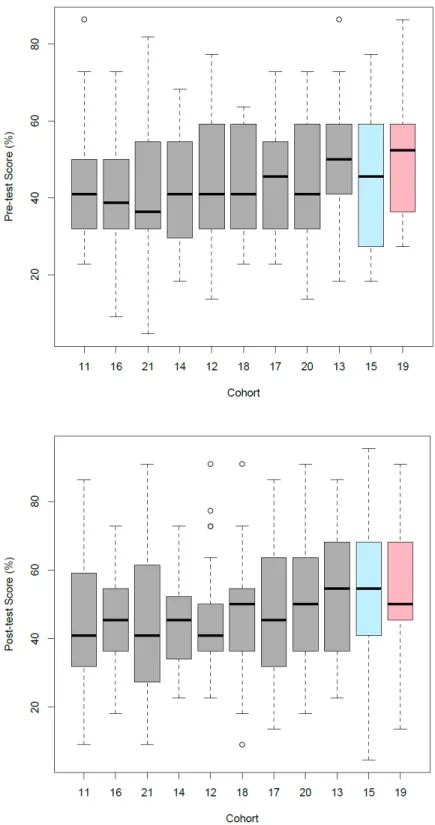
Figure 1 Descriptive Measures for Pre- and Posttest for Cohorts ... 56
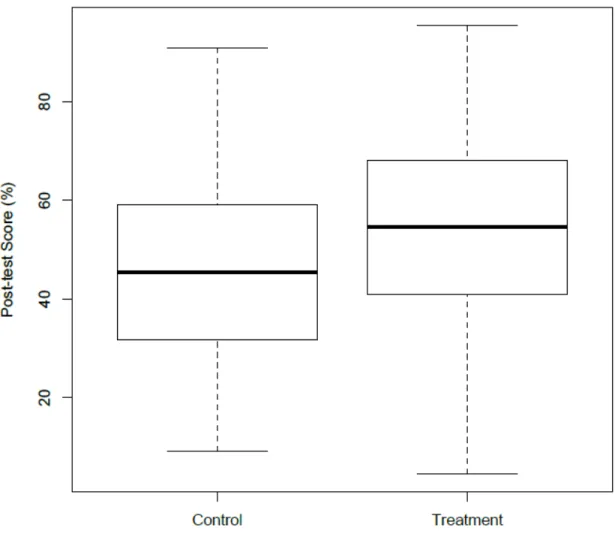
Figure 2 Posttest Scores Distribution Split by Treatment ... 62
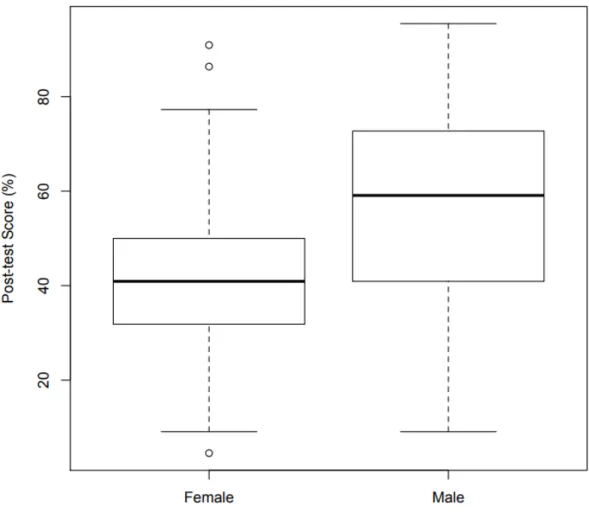
Figure 3 Posttest Scores Distribution Split by Gender for the Whole Sample ... 63
Figure 4 Distribution of Answers for Question 5 ... 67
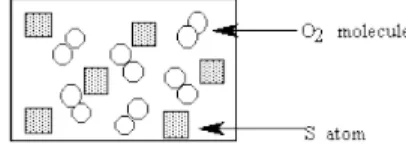
Figure 5 Distribution of Answers for Question 22 ... 69
LIST OF ABBREVIATIONS, INITIALISMS, AND ACRONYMS AUCC
CCI CEGEP
Association of Universities and Colleges of Canada Chemistry Concept Inventory
Collège d'enseignement général et professionnel FCI
MELS OECD STEM UNESCO
Force Concept Inventory
Ministère de l'Éducation et de l'Enseignement supérieur Organization for Economic Co-operation and Development Science, Technology, Engineering and Math
INTRODUCTION
Since its inception in the 1970s with the investigation of learners’ pre-conceptions in basic science topics such as force and energy, the research on conceptual change has diversified to become one of the most important branches in the current science education literature. The Force Concept Inventory (FCI) (Hestenes, Wells, & Swackhamer, 1992; Hestenes, 1998) has become a widely used tool to evaluate the effectiveness of instruction in changing students’ misconceptions in introductory Physics courses (Caballero, et al., 2012; Hake, 1998; Scott, Gray, & Yates, 2013). The data accumulated during the past four decades has served as the foundation for ground-breaking theories that explain how students construct knowledge in science. Analyzing the roles of both students’ and teachers’ conceptual frameworks has triggered significant changes that have molded innovative approaches to teaching and learning at all levels of instruction (Bani-Salameh, 2017; Prince, Vigeant, & Nottis, 2012; Taylor, et al., 2017; Von Korff, et al., 2016).
The shift from traditional teacher-centred practices to student-centred pedagogies is a challenging endeavor that requires a deep understanding of the multiple modes of cognition by which the complex conceptual landscape of students’ understanding is structured. A crucial step in designing effective learning environments and strategies is the identification of students’ preconceptions and the analysis of how instruction can influence their conceptual learning. In the last decade, the research on conceptual change in college Physics courses in Quebec has received a great deal of attention, and a considerable amount of data has been collected. However, the same type of research on college Chemistry courses is still small despite the steady growth of interest in solving this problem as evidenced by the articles published in international journals since the 1980s. To begin the process of addressing this apparent imbalance, this study is designed to validate the
highly-researched Chemistry Concept Inventory (CCI) which identify common Chemistry misconceptions. Specifically, this study compares the CCI results, based on largely American studies, with the local Quebec context and its unique population by examining its use with first-semester students at an Anglophone college in Montreal. The study also aims to shed light on the influence of instructional strategies in conceptual learning and to analyze if gender and language of instruction in high school are significant predictors of conceptual gains.
In the first chapter, the investigative problem is defined and situated within the context of Quebec’s CEGEP system. The second chapter outlines the conceptual framework upon which the research is based. It also defines main concepts and reviews relevant research related to conceptual change. The third chapter presents a literature review describing the sources of misconceptions in chemistry and the relation between instructional strategies and conceptual gain. That chapter also outlines the specific research questions that this study sheds light upon. The fourth chapter describes the methodology of the investigation, the target population and sample, and the instruments used for data collection. Procedures regarding data collection and ethical considerations are also laid out. The fifth chapter presents the results including student demographics, the content analysis of concept inventory items, and the results obtained from data analysis in a pre- and posttest design. The sixth chapter explains the research findings and important themes that emerged. The first of this is the similarities of common misconceptions identified for incoming students in both Quebec colleges and undergraduate programs in American universities. The second finding is a gender gap among the incoming CEGEP population on the Chemistry Concept Inventory’s posttest gains, where males score higher than females. The sixth chapter also describes the limitations of the study and outlines future research directions including possible use by college teachers to guide curriculum design.
This research project has been extremely valuable for the researcher as a tool to trigger discussion, engagement, and collaboration among the members of the
27
Vanier College Chemistry Department. The project execution has also provided insights into some of the main challenges of teaching basic underlying concepts and principles to promote conceptual understanding.
CHAPTER ONE: STATEMENT OF THE PROBLEM
Since the last decades of the 20th century, the number of science students in higher education has been dropping significantly worldwide (OECD, 2006). Increasing dropout rates in middle schools have translated into a decline in science literacy with severe repercussions in the job market (Broman, Ekborg, & Johnels, 2011; Potvin & Hasni, 2014). Industrialized countries struggle to staff positions in key sectors that require specific training, such as science education (Logan & Skamp, 2013; Venville, 2008), health (Nair & Webster, 2010), and information technology (Ali & Shubra, 2010; Xue & Larson, 2015). The inability to attract students to science is a serious threat to keeping up with the necessary technological innovations of today’s world (AUCC, 2011; UNESCO, 2010).
Traditional teaching approaches are focused on content (Bunce, 2009; Duit & Treagust, 1998; Ramsden, 2003) and envision education as the transfer of pieces of information to “empty-vessel” learners. However, students have prior notions and perceptions (Bretz, 2005) and often bring ideas that are inconsistent with scientific views (Russell & Martin, 2007). In the last few decades, the research in science education has shifted away from traditional, teacher-centered approaches to student-centered pedagogies whose focus is on the learning process (Bodner, 1986; Fosnot & Perry, 2005; Mortimer & Scott, 2003; Quintana, Shin, Norris, & Elliot, 2006; Reif, 2008; Taber, 2000; Weimer, 2002).
Traditionally conceived as a mere collection of facts and skills that need to be acquired, the concept of knowledge in education has evolved to be a set of interrelated concepts—mental categories or abstract notions—that encompass truths, information, and principles that enable a person to construct meaning about the world (Bodner, Gardner, & Briggs, 2005; Wink, 2001). Science is highly conceptual and learning it effectively requires interconnecting complex frameworks of concepts
(Taber, 2005). Under this new paradigm, the role of the teacher is to facilitate a complex cognitive experience by which learners see, interpret, and create meaning (Cracolice, 2005; Krajcik, Slotta, McNeill, & Reiser, 2008; Novak & Gowin, 1984; Ramsden, 2003; Zusho, Pintrich, & Coppola, 2003).
If students’ previous knowledge is incomplete, fragmented, or simply wrong, they can form and develop alternative conceptions (Talanquer, 2006; Vosniadou, 2012; Weaver, 2009) or misconceptions—ideas that are not consistent with the views currently held by the scientific community. Identifying misconceptions and understanding how learners consolidate new information with their previous knowledge have become central themes in science education research (Coll, France, & Taylor, 2005; diSessa, 2006; diSessa & Sherin, 1998; Naah, 2015; Vilardo, MacKenzie, & Yezierski, 2017; Vosniadou, 2001).
This work aimed to identify misconceptions in chemistry held by first-semester CEGEP students. The results might be used as a guide to design instructional strategies that have the potential to reverse the observed trends in high-school dropout rates (MELS, 2016) and declining interest in STEM programs (AUCC, 2011) in the province. Enhancing the quality of instruction by providing more interactive, engaging, and rewarding lessons is pivotal to achieving a meaningful and successful learning experience (Fink, 2003; Fraser, 2007; Krajcik, Slotta, McNeill, & Reiser, 2008; Weaver, 2009). The success of this approach has the potential to boost the interest in science as well as the number of students pursuing science careers.
CHAPTER TWO: THE CONCEPTUAL FRAMEWORK 1 INTRODUCTION
The conceptual framework that guided this study stems from the works of Jean Piaget on genetic epistemology (Driscoll, 2000; Gardner, 2006), Lev Vygotsky on cultural-historical aspects of learning (Cole & Gajdamaschko, 2007), David Ausubel (1968) on the importance of prior knowledge and several other key theorists (Cobb, 2005; diSessa, 2006; Pintrich, Marx, & Boyle, 1993; Posner, Strike, Hewson, & Gerzog, 1982; Vosniadou, 2001) who outline the mechanisms by which concepts are restructured. This chapter introduces the evolution of the main theories regarding concept change within a historical perspective.
2 CONDITIONS FOR THE OCCURRENCE OF CONCEPTUAL CHANGE Piaget’s seminal work on children’s developing understanding was conducted during the last 15 years of his career (Fosnot & Perry, 2005) and became the grassroots framework for studies on conceptual change by shifting the previous view of learning as knowledge acquisition to learning as knowledge construction (Mayer, 1992). Piaget suggested that young children pass through fixed, sequential stages of cognitive development in a timetable that is universal (Driscoll, 2000). The first stage is sensorimotor (from birth to 2 years old) where knowledge is acquired through movement and senses. In the preoperational period (2 to 7 years old), children become highly egocentric, not being able to see points of view other than their own. They acquire the semiotic function by which they can mentally represent objects and events. In the concrete operational stage (7 to 11 years old), they demonstrate logically integrated thought, invent logical-mathematical knowledge that results in operations but cannot think hypothetically (Driscoll, 2000). Most of the thinking required to understand basic scientific concepts such as conservation of mass and energy, the particulate theory of matter, and the carbon cycle have a level of
abstraction that is only available in the formal operational stage (11 years old onward) (Herron, 1975; Taber & Corrie, 2007), when children start developing the ability to imagine situations that extrapolate current reality. Although Piaget never intended his theory of knowledge development to be a theory of learning and pedagogy (Gardner, 2006; Kafai, 2006), constructivism became the most important thread from Piagetian studies of conceptual change by envisioning learning as an interpretive, recursive, nonlinear building process accessed by active learners through physical and social interactions (Bodner, 1986; Fosnot & Perry, 2005).
Studies published since the 1970s offer a critique of the use of Piaget’s ideas in science education. It has been pointed out that the analysis used in Piagetian research is biased because it is “designed to validate existing theory rather than account for children’s reasoning” (Scott, Asoko, & Leach, 2007, p. 33). By envisioning cognition in terms of a conceptual process centered in the individual (Cobb, 2005), Piaget’s nativist account minimizes the role of cultural and social factors in the child’s mental development by claiming that the sequence of stages of cognitive development appears in a fixed sequence, which is culturally invariant (Driscoll, 2000; Gardner, 2006). Vygotsky’s ideas that concepts cannot be transmitted simply through language (Carlsen, 2007) shifted the focus away from the Piagetian view of constructing meaning as solely a function of cognitive processes in the individual to include a socio-cultural perspective (Fosnot & Perry, 2005; Scott, Asoko, & Leach, 2007; Shibley Jr., Milakofsky, Bender, & Patterson, 2003). As a result, the process of constructing knowledge is seen to be mediated by interactions between a student and both peers and the teacher acting in the student’s zone of proximal development (Abraham, 2008; Criswell & Rushton, 2012). Others of Piaget’s contemporaries such as Papert (Kafai, 2006; Papert & Harel, 1991) and Freire (1998) also emphasized the crucial role of the environment by envisioning learning as an interactive process of discovery mediated by social interactions that enable the acquisition and development of cognitive tools (Taber & Corrie, 2007).
33
In the 1970s, David Ausubel expanded Piaget’s framework by emphasizing the importance of prior knowledge to achieve meaningful learning (Scott, Asoko, & Leach, 2007). According to this view, the learner must possess relevant ideas to which new information can be anchored to (Bretz, 2005). Learning is viewed as a process that uses an advanced organizer that enables the gradual refinement of concepts into more complex structures (Cracolice, 2005). Novak and Gowin (1984) use Ausubel’s idea of an advanced organizer to develop concept mapping—an instructional strategy widely used to enhance meaningful and deep learning among students (Cheng & Gilbert, 2009).
Posner et al. (1982) combine the ideas of Piaget, Ausubel, and the landmark work of Thomas Kuhn (1970) to underline the similarities between the changes experienced by individual students and the nature of change in scientific paradigms described in the philosophy and history of science (Abraham, 2008; diSessa, 2006; Kalman, 2008; Pintrich, Marx, & Boyle, 1993). One of Piaget’s key ideas is equilibration—a process by which new constructs are created when prior knowledge is disequilibrated and drives learners towards more advanced thinking through reequilibration (diSessa, 2006). Posner’s model is based on a view of learning as a rational activity where cognitive conflict, based on the Piagetian idea of disequilibrium (Appleton, 2007), is the first step to promoting accommodation— changing or altering existing schemas in light of new information. Students must be dissatisfied with existing ideas, which will then be replaced with new ideas that are intelligible, plausible, and fruitful (Scott, Asoko, & Leach, 2007). The critique by Pintrich et al. (1993) emphasizes that conceptual change depends heavily on motivational and affective variables (Zusho, Pintrich, & Coppola, 2003) to set favorable social aspects and were not properly taken into account in Posner’s work.
The current research incorporates the ideas of Piaget, Vygotsky, Ausubel, Posner, and Printich to analyze students’ conceptual change. The next section outlines the theories that explain the mechanisms by which learners organize and relate concepts through mental models in chemistry.
3 CONCEPTUAL CHANGE AND MULTIPLE REPRESENTATIONS IN CHEMISTRY
Vygotsky underlines that scientific concepts are special because they stem from formal conceptual structures that do not arise spontaneously in the everyday experience of a child. Learning science “is a process of moving from the linguistically abstract to the concrete, not vice-versa” (Carlsen, 2007, p. 59). Learning chemistry poses other cognitive constraints since there are three distinct types of representations in this field of knowledge (Chandrasegaran, Treagust, & Mocerino, 2009; deJong & Taber, 2007; Gilbert & Treagust, 2009). The first type is phenomenological, which encompasses the representation of material properties either observed in everyday contexts or measured in controlled laboratory experiments. The second type deals with models (Bodner, Gardner, & Briggs, 2005) used to explain a wide variety of chemical phenomena (Scalco, Talanquer, Kiill, & Cordeiro, 2018). These models are highly abstract, often counterintuitive (Harrison & Treagust, 2002), and involve invisible sub-microscopic entities such as molecules, atoms, ions, radicals, and electrons that cannot be visualized in the same way that biologists see invisible cells and their internal organelles through a microscope. The third type is symbolic, which includes visual representations (Halpine, 2008; LaDue, Libarkin, & Thomas, 2015) that are used to depict chemical transformations through chemical equations, the structural formulae of chemical compounds (Taskin & Bernholt, 2014), their spatial arrangement (Hutchison, 2017; Schwartz & Heiser, 2006; Stull, Gainer, Padalkar, & Hegarty, 2016), as well as all the symbols and conventions displayed in figures, diagrams, and charts (Eilam & Gilbert, 2014; Vilardo, MacKenzie, & Yezierski, 2017).
Navigating through the triplet relationship in chemistry requires a level of cognitive sophistication that is way above the stage of intellectual development of high-school learners. According to Baxter-Magolda (1992), the vast majority of first-semester college students hold a dualistic view, or absolute knowing, in which knowledge exists in absolute form and it is simply right or wrong. Progressively,
35
they achieve intellectual maturity going through three other stages: transitional
knowing where knowledge is certain in some areas and uncertain in others; independent knowing where knowledge is uncertain, and everyone has their own
beliefs and, finally, contextual knowing where knowledge is constructed on the base of evidence and context (Felder & Brent, 2004). Knowing chemistry entails the understanding of the limitations and the validity of contextual knowledge which is based on mental models and modeling (Bodner, Gardner, & Briggs, 2005; Coll, 2006; Edwards & Head, 2016; Justi & Gilbert, 2002; Kozma & Russel, 2005; Rapp, 2005). Students begin to know chemistry when they start navigating with confidence among the different types of representations (Levy & Wilensky, 2009) and, based on scientifically accepted models, devise a clear separation between symbolic and phenomenological representations (Floriano, Reiners, Markic, & Avitabile, 2009; Rappoport & Ashkenazi, 2008; Talanquer, 2011; Treagust, Chittleborough, & Mamiala, 2003).
From a historical perspective, the evolution of basic concepts in science illustrates that early scientists developed and held their own misconceptions while making the transition from one flawed conception to its successor (Barke, Hazari, & Yitbarek, 2009; Duit & Treagust, 1998; Harrison & Treagust, 2002). Due to the inherent transitory nature of models, conceptual change is expected to be an integral part of the learning process at all levels of instruction (Claesgens, Scalise, Wilson, & Stacy, 2008; Criswell, 2011; Gobert, et al., 2011). While studying chemistry, learners are constantly grappling with cognitive conflicts (Sevian, Talanquer, Bulte, Stacy, & Claesgens, 2014) whose patterns are often like those faced by scientists throughout history (Justi & Gilbert, 2000). It is imperative to constantly challenge the dualistic view of knowledge held by incoming college students by engaging them in exercises of model-base reasoning designed to connect the multiple types of representation in chemistry (Sjöström & Talanquer, 2014). This pedagogical approach aims to restructure students' pre-instructional conceptual frameworks to
facilitate the acquisition of scientific concepts through conceptual change (Duit & Treagust, 2003; Karatas, Ünal, Durland, & Bodner, 2013).
The conceptual framework of this work incorporates the ideas of Baxter-Magolda (1992) about the level of intellectual development of college students. The work is also guided by the research on the multiple representations model in chemical education (Gilbert & Treagust, 2009; Talanquer, 2011) and the principles of conceptual change developed in the last decades (diSessa, 2006; diSessa & Sherin, 1998; Naah, 2015; Vosniadou, 2001).
CHAPTER THREE: LITERATURE REVIEW
This chapter compiles the literature findings based on empirical data about the common types and sources of misconceptions in chemistry. By recognizing the patterns of reasoning used, this type of research aims to provide a framework to understand students’ learning difficulties and trace them back to the shortcomings in instructional strategies and used materials such as textbooks. The chapter also compiles the literature findings about active, student-centered learning environments being viable alternatives to restructure misconceptions in comparison with the traditional teacher-centered lecture-based approach and its overreliance on algorithmic problem solving.
1 SOURCES OF MISCONCEPTIONS IN CHEMISTRY
The lack of clarity in textbooks has been shown to be a major source of misconceptions (Sanger & Greenbowe, 1999). Justi and Gilbert (2002) compiled a list of textbooks that present chemistry as a mere collection of true or complete facts and of mathematical formulations. According to the authors, characteristics of several distinct models are often merged to explain, for example, atomic structure, bonding, or chemical kinetics without ever discussing the meaning of the word model. This approach has been shown to prevent students from understanding effectively the fundamental role of models in chemistry (Bodner, Gardner, & Briggs, 2005; Coll, 2006; Criswell, 2011; Edwards & Head, 2016; Rapp, 2005). The use of faulty language in textbooks is also linked to students’ preference to rationalize chemical reactivity using teleological explanations (Talanquer, 2007) for which chemical entities have purpose or desire like in “atoms want to be stable” (Talanquer, 2013).
Visualization can be used as a powerful explanatory tool to clarify scientific concepts by shining light on subtle aspects and details that are difficult to convey
using only language (Akaygun & Jones, 2013; Mammino, 2014). The highly abstract character of chemistry requires, for example, associating subtle structural features in 3D representations of molecules with their reactivity patterns. Computational visualizations (Miorelli, Caster, & Eberhart, 2017) and interactive simulations (Geelan & Fan, 2014) have been widely used to help students to navigate among the three levels of representation in chemistry and restructure their misconceptions (Russel & Kozma, 2005). Due to this highly abstract character, computer-generated visual aids can help students develop spatial awareness which helps them conceptualize symbols and formulas, rather than focusing on algorithmic problem solving (Nakiboğlu & Tekin, 2006; Sanger & Greenbowe, 1997; Yezierski & Birk, 2006).
Eilks, Witteck and Pietzner (2009) discuss the shortcomings of approaches that do not use proper visualizations by showing that computer simulations might foster misconceptions of chemical principles, rather than explaining the scientifically accepted chemical concepts behind them, especially when they are constructed without sufficient reflection on the learners’ previous knowledge and level of cognition. The authors point out that poorly designed and implemented visualizations might create and propagate misconceptions in the same way that incoherent textbook explanations do.
Kerr and Walz (2007) ask 91 college students in introductory general chemistry course to use computer and internet resources to individually complete four exercises whose purpose was to rectify misconceptions in atmospheric environmental chemistry. The gains in conceptual understanding were measured by a pretest posttest assessment as well as by questions in a comprehensive course final exam. The authors point out that the gains obtained by the internet activities were modest compared to their expectations. They argue that students are often reluctant to change their misconceptions and that the construction of knowledge can be accomplished only through an intensive process. This fact is illustrated by the improvement observed after lectures and small-group discussions took place which
39
underlines the importance of social interactions among peers to consolidate conceptual change. Other studies reinforce the importance of combining carefully designed online activities (Özmen, Demircioğlu, & Demircioğlu, 2009), lectures, and small-group discussions (Benvenuto, 2001; Brooks & Koretsky, 2011; Shaver, 2010; Varma-Nelson & Coppola, 2005) to restructure students’ misconceptions and gradually develop understanding in chemistry (Sevian, Talanquer, Bulte, Stacy, & Claesgens, 2014).
2 ALGORITHMIC PROBLEM SOLVING INSTEAD OF CONCEPTUAL UNDERSTANDING
The differences in learning outcomes that result from instructional strategies that emphasize conceptual understanding against those that use problem solving by routine has been extensively reported in the literature (Ausubel, Novak, & Hanesian, 1978; Barouch, 1997; Bodner, 1986; Haláková & Prokša, 2007; Milakofsky & Patterson, 1979; Nicoll, 2001; Novak & Gowin, 1984). Although the distinction between symbolic representation and conceptual knowledge is natural for experts, studies have shown that novices struggle with navigating between distinct levels of representation (Claesgens, Scalise, Wilson, & Stacy, 2008; Taber, 2009). It is far too common to mistake the ideas for the symbols that are used to represent them (Gabel, 2005). Being able to read the symbols has no direct association with understanding the concepts they represent, which often results in an approach to learn based on memorizing isolated pieces of information that are compartmentalized into tidy, demarcated parts without being properly integrated with their previous knowledge (Ausubel, Novak, & Hanesian, 1978; Novak & Gowin, 1984). Talanquer (2012) points out that the distinction between algorithmic and conceptual problems is subtle and is linked to the approaches used by students to solve them.
Nicoll (2001) interviewed 56 undergraduate chemistry majors from novice through senior years to elucidate their misconceptions about chemical bonding. Chi-square analysis indicates that there was no statistically significant difference between
the number of first-year students and seniors holding these misconceptions. The author points out that although these students succeed in the educational system by solving algorithmic problems, the misconceptions seem to be resistant to the type of instruction provided. Regardless of students’ final grades, fundamental concepts remain meaningless, which hinders their ability to grapple with the material in advanced courses in either chemistry or other scientific disciplines (Barke, Hazari, & Yitbarek, 2009; Reif, 2008).
Claesgens et al. (2008) develop a multidimensional framework to describe a hierarchy of student understanding in chemistry in relation to three basic topics: “matter is made of atoms,” “change is associated with the rearrangement of atoms,” and “energy is associated with changes that occur.” The authors collected qualitative and quantitative data through classroom observation, cognitive task analysis, interviewing, verbal protocol analysis, and the analysis of video and audio recordings. In the qualitative data collection stage, patterns were identified, and answers were grouped to reflect similarities in thinking approaches and strategies. The results shed light on the distinct stages of intellectual development as students progressed through the sequence of chemistry courses. They entered high-school chemistry in lower areas of Level 1 (notions). They eventually approached Level 2 (recognition) after a year of general high-school chemistry and consolidated this stage after one year of university-level general chemistry, with only a few students able to reason in the lower region of Level 3 (formulation). At the end of the organic chemistry course, they reached Level 4 reasoning (construction). This study provides a good conceptual framework to be used in the introductory CEGEP course General Chemistry I (202-NYA) since both courses start with the same three basic topics. If students succeed in mastering these three and restructure their misconceptions (Barke, Hazari, & Yitbarek, 2009), they will likely succeed in higher-level organic-chemistry courses (Duis, 2011).
41
3 TEACHING AND LEARNING WITH PEER INSTRUCTION
Despite the diversity of models that explain how learners organize concepts (Chi, Slotta, & de Leeuw, 1994; diSessa, 2006; Vosniadou, 2012), studies have suggested that effective mechanisms to promote conceptual change include intentional reflection (Sinatra, 2002), self-explanation (Chi, Slotta, & de Leeuw, 1994), and tasks that involve compare and contrast (Bransford, Brown, & Pellegrino, 2000). Vygotsky’s seminal work proposed a theory that saw reasoning as emerging through practical activity in a social environment (DelRio & Álvarez, 2007), an idea that was further developed by showing the importance of learners working together to create an artifact that can be shared with others to gain a deeper conceptual understanding through lively negotiations (Papert & Harel, 1991).
This new paradigm focuses on the learning process and shifts away from traditional views where teachers tend to underestimate the need to learn basic scientific concepts by asking simple questions dealing with simple concepts (Mazur, 2005). In college chemistry courses, many new concepts are introduced at a fast pace, without sufficient time being allocated to interpret and elaborate them in depth. Studies have indicated that providing opportunities to conceptualize symbols and formulas rather than focusing on algorithmic problem solving is a common thread of effective instructional strategies that promote chemistry literacy (Benvenuto, 2001; Özmen, Demircioğlu, & Demircioğlu, 2009; Sanger, 2009; Varma-Nelson & Coppola, 2005).
The importance of socio-interactions among peers in mediating knowledge construction through a process of discovery is the basis of active-learning pedagogies, among which peer instruction (PI) (Mazur, 1997) has become, in the last decade, widely adopted at the post-secondary level. Findings on the current literature of PI underline the gains in conceptual understanding when the course material is organized to promote student participation. Breaking lectures into short segments that are alternated with learning activities that enable students to process information
in a realistic and timely manner has been shown to produce gains in conceptual learning (Drane, Micari, & Light, 2014; Freeman, et al., 2014; Parkinson, 2009; Von Korff, et al., 2016).
Empirical evidence (Brooks & Koretsky, 2011; Lyle & Robinson, 2003; McCreary, Golde, & Koeske, 2006) has shown that a successful approach to fostering critical thinking should include a variety of activities in the classroom (individual, small group, and whole class) to promote discussion that leads to the description of concepts and models in a format that includes debate, testing, and application of concepts to new situations. Besides the pre- and posttests administered at the beginning and end of the term, Brooks and Koretsky (2011) used reflective individual written answers to elucidate the changes students undergo in specific in-class PI assignments. For each question, the researchers created a hierarchical code scheme for the type of misconceptions involved. The validity of the codes was determined by comparing specific questions’ codes with misconceptions that were previously identified in the literature for the same concept.
The research reviewed here indicates that the common misconceptions can be classified according to patterns of reasoning (Talanquer, 2010) based on students’ misunderstanding of chemical principles when they use faulty common sense (Talanquer, 2006). The compiled results also point out that restructuring misconception is a complex task that requires the design of well structured instructional strategies and the use of proper materials (Akaygun & Jones, 2013).
This work has the goal to identify the misconceptions that are held by first-year students taking the introductory General Chemistry course (202-NYA) in an Anglophone CEGEP in Montreal. The proposed investigation also aims to analyze the potential of using instructional strategies based on peer instruction to help students restructure their misconceptions.
43
4 RESEARCH QUESTIONS
Question #1: What are the main misconceptions about basic principles in chemistry that CEGEP science students bring from their high-school chemistry courses?
This question addresses a philosophical underpinning of studies on misconceptions: the importance of determining students’ prior knowledge (Bodner, 1986; Bransford, Brown, & Cocking, 2000; Fosnot & Perry, 2005; Novak & Gowin, 1984; Scott, Asoko, & Leach, 2007). Identifying students’ misconceptions and analyzing how they are restructured can also shed light on how these concepts are mentally represented, which is an issue of primary concern in studies in this field (Chi, 1997; Chi, Slotta, & de Leeuw, 1994; Criswell & Rushton, 2012; diSessa & Sherin, 1998; Vosniadou, 2001).
Question #2: Are instructional strategies that foster student interaction more effective than traditional approaches to promote conceptual gains?
Studies have shown that both college and university students can succeed in chemistry courses without mastering basic conceptual knowledge (Duis, 2011; Galley, 2004; Nash, Liotta, & Bravaco, 2000; Nicoll, 2001). These findings can be rationalized by the fact that students’ approaches to learning involve mostly memorizing chunks of information and learning to solve problems using algorithms without a conceptual framework. In this research question, this study aims to analyze if instructional strategies that foster student interaction with peers are more effective than traditional lecture-based strategies in restructuring students’ misconceptions in introductory CEGEP chemistry courses.
Question #3: What factors play a role in acquiring knowledge in introductory college chemistry courses?
Since acquiring deep conceptual understanding requires a prominent level of proficiency in the language of instruction, this research question is of interest for
Quebec’s CEGEP system. Most of students in Anglophone colleges attend French schools and have their first chemistry course taught in English when they start the CEGEP level. Does the language of instruction in pre-college schooling have a significant effect on conceptual understanding achievement in introductory courses taught in an Anglophone CEGEP? Does gender play a role in acquiring knowledge at this level?
Question #4: What is the validity of the CCI with the local population?
By comparing the CCI results obtained in multiple studies conducted with a large sample of first-year American undergraduate students with this study’s findings, this investigation can validate the use of the CCI as a tool to analyze conceptual learning under the specific characteristics of Quebec’s CEGEP system.
CHAPTER FOUR: METHODOLOGY 1 RESEARCH DESIGN
The research study used a quasi-experimental design involving a case-study of 10 sections of a first-year Chemistry course at the CEGEP level. A summary of the research design and timeline of interventions is shown in Table 1. The case-study design involved a treatment group and 10 control groups, which were taught the same material by different instructors. The independent variable was the learning activity, which is either a series of computer simulations to provide visual aid to students (the treatment), or traditional lecture format for the delivery of the material (the control). The treatment involved three computer simulations available on the website of the Phet Interactive simulations from the University of Colorado at Boulder (https://phet.colorado.edu/). The three selected simulations illustrate important aspects of the particulate nature of matter. States of Matter illustrates the principles of the Kinetic Molecular Theory and show how variables such temperature and pressure influence the behavior of gases at the molecular level whereas The
Photoelectric Effect explores the wave-particle duality of light and an important
periodic property—the ionization energy. By comparing multiple atomic models from Dalton to Schrödinger, the third simulation, Models of the Hydrogen Atom, offers an opportunity to reflect on the applicability and limitations (Coll, 2006) of each mental model created to portray matter at the atomic level. The handouts given to students are compiled in Appendix A. Asking students to write their own explanations gives them an opportunity to organize their ideas and identify concepts that might conflict with their current views (Weaver, 2009). They worked in pairs for the first half of the class and used the remaining time to discuss their findings with other groups.
Table 1
Research Design and Time Table of Interventions
Week Intervention
1 Survey of Demographic Data
2 Mulford & Robinson’s Chemistry Concept Inventory – Pretest 4 Phet Simulation: States of Matter
6 Phet Simulation: The Photoelectric Effect
8 Phet Simulation: The Models of the Hydrogen Atom
14 Mulford & Robinson’s Chemistry Concept Inventory – Posttest
The dependent variable was the comprehension of basic high-school level chemistry concepts. The variable is operationalized by both the overall and individual questions grades as well as the changes in the answers for each individual question in a concept inventory test given at the beginning and at the end of the course. The Chemistry Concept Inventory (CCI) (Mulford & Robinson, 2002) has become a popular tool in education research to detect chemistry misconceptions. It also serves as a measure of the effectiveness of instruction if given to students twice as a pretest (before receiving instruction) and a posttest (after instruction). It consists of 22 multiple-choice conceptual questions that test students’ knowledge about basic high-school concepts. Most of the questions have four or five answers with only one being correct whereas the others are different distracters. As observed in other concept inventories, the selection of the distracters is the result of a careful analysis of several reported studies of common students’ misconceptions, including frequent test answers, drawings, and interviews (Barke, Hazari, & Yitbarek, 2009; Bretz & Mayo, 2018; Johnson, 2005; Kahveci, 2013; Luxford & Bretz, 2014; Mortimer & Scott, 2003).
47
2 SAMPLE TARGET AND POPULATION
The target population is the first-year college level students in a public institution in the Montreal area, an English CEGEP. The participants are a convenience sample of science program students enrolled in an introductory chemistry course, namely 202-NYA General Chemistry, from this institution. The Registrar’s Office randomly distributed the sample of 332 students across 11 sections taught by distinct instructors.
3 INSTRUMENTS
The two instruments for collecting data in this research are
1. A survey to gather demographic data from participants, namely age, sex, mother tongue, and language of instruction in high school.
2. A concept inventory test used as a diagnostic tool to identify weak areas of understanding of basic concepts in high-school chemistry.
The Chemistry Concept Inventory (CCI) is the instrument used in this study. It is a multiple-choice diagnostic tool used to indicate the level of chemistry misconceptions held by students. The inventory is composed of one- and two-tiered non-mathematical conceptual questions (22 questions total). The inventory (Robinson, n.d.) is available from the Chemical Education Xchange website, which was formerly known as the Journal of Chemical Education website. As stated online, this inventory is free for use. In addition, the author gave explicit written permission for its use in this project (W. R. Robinson, personal communication, May 13, 2015). Psychometric analysis (Barbera, 2013; Schwartz & Barbera, 2014) conducted with over 2500 students from four universities confirmed the validity and reliability of the instrument.
4 DATA COLLECTION
The CCI pretest was administered during week 2 of a 15-week course, and the posttest was administered in week 14. No communication was allowed during the 25 minutes that students were given to complete the CCI. Students recorded their answers to the CCI questions directly on an optical scan form. Data from students that did not provide consent were removed from each data set. Students who did not respond all 22 items during both administrations were also removed from the data set. Complete data from 332 students were obtained. After the data was converted to an Excel spreadsheet, it was manually checked to ensure that student answers were correctly represented. In addition to simple mean and standard deviation analysis overall and by demographic category, an analysis of variance (ANOVA), and linear regression were performed to determine the statistical correlation with each category.
5 PROCEDURE AND ETHICAL CONSIDERATIONS
This study was granted permission by the Vanier College Research Ethics Board (see Appendix C). Informed written consent was obtained from all students before administering the pretest concept inventory. All participants were informed that their confidentiality was protected by coding their work. They were informed that they could withdraw from participating at any point. Participants were informed of the nature of the study and that it might be combined with subsequent studies. The consent form can be seen in Appendix B. The research data is being stored in a secure location for a length of time that the ethics committee at Vanier College suggests. The Ethics board deemed the research low risk and determined that there was no need for parental consent for participants less than 18 years of age.
During the first week of class, a third party, a teacher who had not previously taught those students, distributed, explained, and collected the consent forms. They were told that the results of the work may be published anonymously, but only if they had given specific permission for this, wherein their consent would only be known
49
after they had completed the course and their final marks for the course were submitted to the college. The third party kept the consent forms in sealed envelopes. Data analysis only took place after the conclusion of the course when the materials became available to the researcher. Students who did not give consent participated in the course work with the other students, but the data they generated was not used.
CHAPTER FIVE: RESULTS 1 STUDENT DEMOGRAPHICS
A pre-study demographic survey was administered as a measure to gather information about potential dependable variables in the study such as sex, age, mother tongue, and language of instruction in high school. The sample (N=332) has 181 females (54.5%) and 151 males (45.5%), an overall male / female ratio of 0.83. The main group age is 17 years old (73.2%), followed by 16 years old (10.5%) and 18 years old (5.4%). Table 2 displays the overall distribution of both the mother tongue and the language of instruction in high school. Most students (52.7%) are allophones, and only a third have English as their mother tongue. The majority (59.9%) were educated in French whereas 37.6% received high-school instruction in English. Table 3 shows the students’ demographics by cohorts.
Table 2
Demographics: Mother Tongue and Language of Instruction in High School [Fall 2016] (N = 332)
English French Other
Mother tongue 111 (33.4%) 46 (13.8%) 175 (52.7%)
Language of instruction in high school
Table 3
Cohort Composition in Terms of Male/Female Ratio and Language of Instruction in High School [Fall 2016]
Cohort N Male:Female
Ratio
Language of instruction in high school
English French Other
11 33 0.65 42% 58% 0% 12 29 0.93 34% 66% 0% 13 23 2.29 17% 78% 4% 14 19 1.38 26% 68% 5% 15* 34 0.70 50% 50% 0% 16 34 0.62 38% 59% 3% 17 33 0.74 58% 42% 0% 18 29 0.45 41% 55% 3% 19** 34 0.79 38% 62% 0% 20 33 0.94 39% 58% 3% 21 31 1.07 16% 74% 10% overall 332 0.83 38% 60% 2%
* Cohort 15 is the treatment group. ** Cohort 19 is the Honours Science group.
2 CONTENT ANALYSIS OF CONCEPT INVENTORY ITEMS
In the last decade, concept inventories have been developed to target key chemical misconceptions in a variety of topics such as bonding (Luxford & Bretz, 2014), light and heat (Chandragasegaran, Treagust, & Mocerino, 2007), quantum chemistry (Dick-Perez, Luxford, Windus, & Holme, 2016), redox reaction (Brandriet & Bretz, 2014), thermochemistry (Wren & Barbera, 2013), heat and energy (Prince, Vigeant, & Nottis, 2012), the photoelectric effect (Önder, 2016), and flame test (Bretz & Mayo, 2018).
Typical questions in concept inventories assess students’ conceptual understanding of basic chemical principles by interacting with symbolic representations used in chemical equations and formulas (Taskin & Bernholt, 2014) as well as the depiction of the particulate model of matter (Bretz & Mayo, 2018).
53
Schwartz and Barbera (2014) conducted a content analysis of the 22 questions in Mulford and Robinson’s (2002) CCI to determine which concepts appeared in the inventory. The results are summarized in Table 4 and elicit that this CCI has two major concepts appearing in multiple items: conservation of mass/matter is covered in six items (1, 4, 7/8, 10/11, 12/13, and 18/19) whereas the concept of phase change is covered in four items (2, 3, 6, and 10). No other concepts were covered in more than three items.
Table 4
Content Analysis for Individual Questions in Mulford and Robinson’s Chemistry Concept Inventory (Schwartz & Barbera, 2014)
Concept Questions
Conservation of Mass-Matter 1, 4, 7/8, 10/11, 12/13, 18/19
Phase Change 2, 3, 6, 10/11
Stoichiometry/Limiting Reagent 1, 5, 18/19
Solutions 15, 20/21
Physical vs Chemical Change 2, 6
Specific Heat Capacity; Thermodynamics 16/17
Bond Energy 9
Size of an Atom/Mole; Scale/Estimation/Proportion 14
Macro vs Microscopic Properties 22
3 GAIN CALCULATION
There are different forms used to report the learning gains using concept inventories in a pretest versus posttest design. The simplest way is the raw gain, which is the difference between the scores in both tests. As an alternative to the raw gain, Hake (1998) proposed the normalized gain ⟨g⟩, defined in Equation 1, as an accurate way of analyzing growth on the tests even if the groups being compared performed differently on the pretest.
〈𝑔〉 =
〈𝑝𝑜𝑠𝑡%〉−〈𝑝𝑟𝑒%〉100%−〈𝑝𝑟𝑒%〉 (1)
where ⟨ ⟩ indicates average scores.
The denominator in Equation (1) attempts to compensate for issues that are commonly observed in calculations based on simple difference scores, such as ceiling effects and the bias of low absolute gain when pretest scores are high (Mayer K. , 2011; Pentecost & Barbera, 2013).
The individual normalized gain is calculated for each individual student, but their average is not the same as the Hake normalized gain because
∑𝑝𝑜𝑠𝑡%−𝑝𝑟𝑒%100%−𝑝𝑟𝑒% 𝑛
≠
∑ 𝑝𝑜𝑠𝑡% 𝑛 − ∑ 𝑝𝑟𝑒% 𝑛 100%−∑ 𝑝𝑟𝑒%𝑛 (2)The normalized gain and the individual normalized gain are useful in different circumstances. The former offers a simple parameter to compare separate groups collectively whereas the later is a more appropriate metric to compare trends observed for the individuals in those groups. Table 5 shows both the pre- and posttest averages and the normalized learning gains for the groups in this study.
According to the criteria stablished by Hake (1998) for the interpretation of ⟨g⟩, all gains in Table 5 would be classified as low since ⟨g⟩ < 0.3. The treatment group, cohort 15, showed the highest gain (12.1%), followed by cohorts 20 (10.4%) and 16 (9.5%). Figure 1 shows the descriptive measures for all cohorts. However, the differences in normalized gains cannot be attributed exclusively to the instructional strategies employed since the groups cannot be considered equivalent. For example, cohort 19 (Honours Science) showed the highest average scores for both the pretest (51.5%) and posttest (55.5%), whereas the third highest gain (cohort 16, 9.5%) showed the lowest pretest score (39.8%).